Normal Writing Worksheets for Ages 5-7 - Page 2
135 filtered results
-
From - To
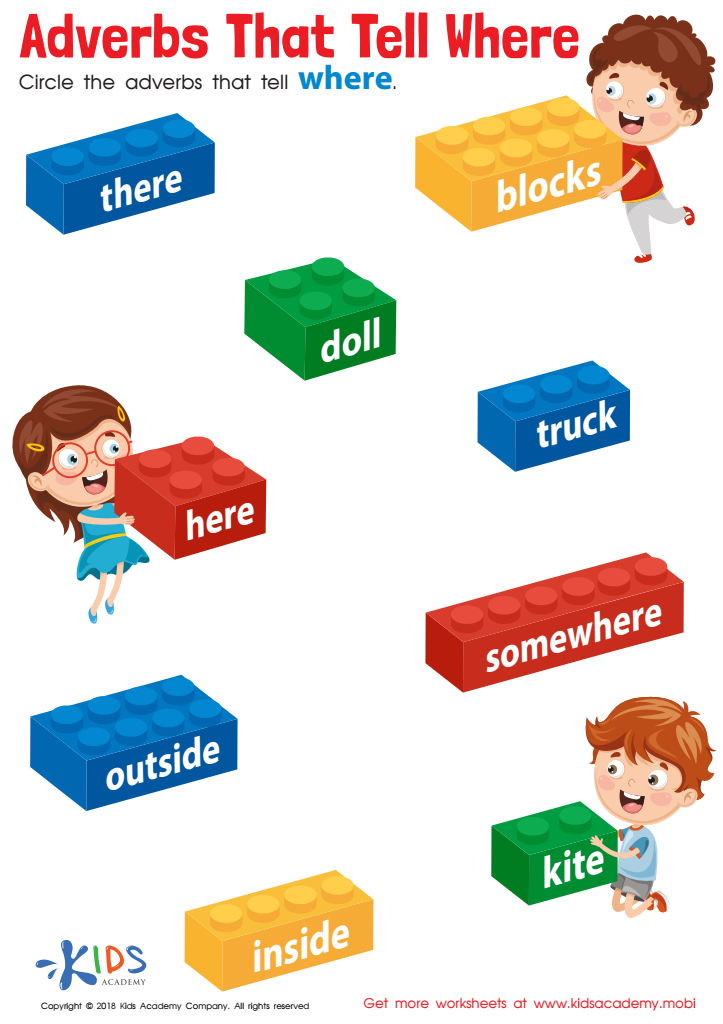
Adverbs That Tell Where Worksheet
 Assign to My Students
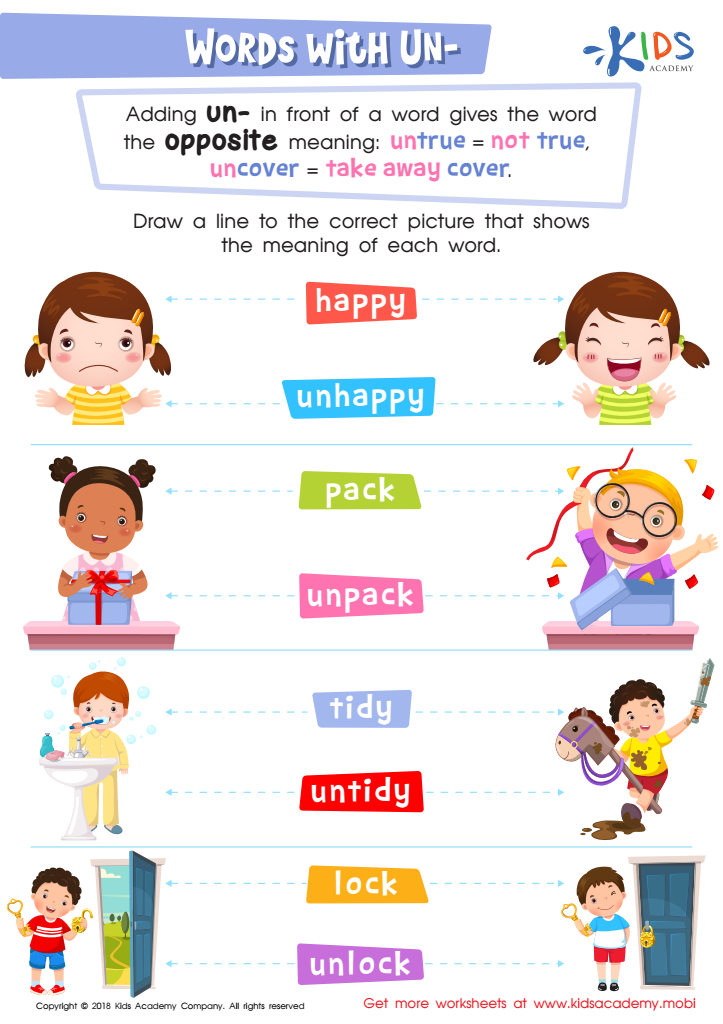
Words with Un– Worksheet
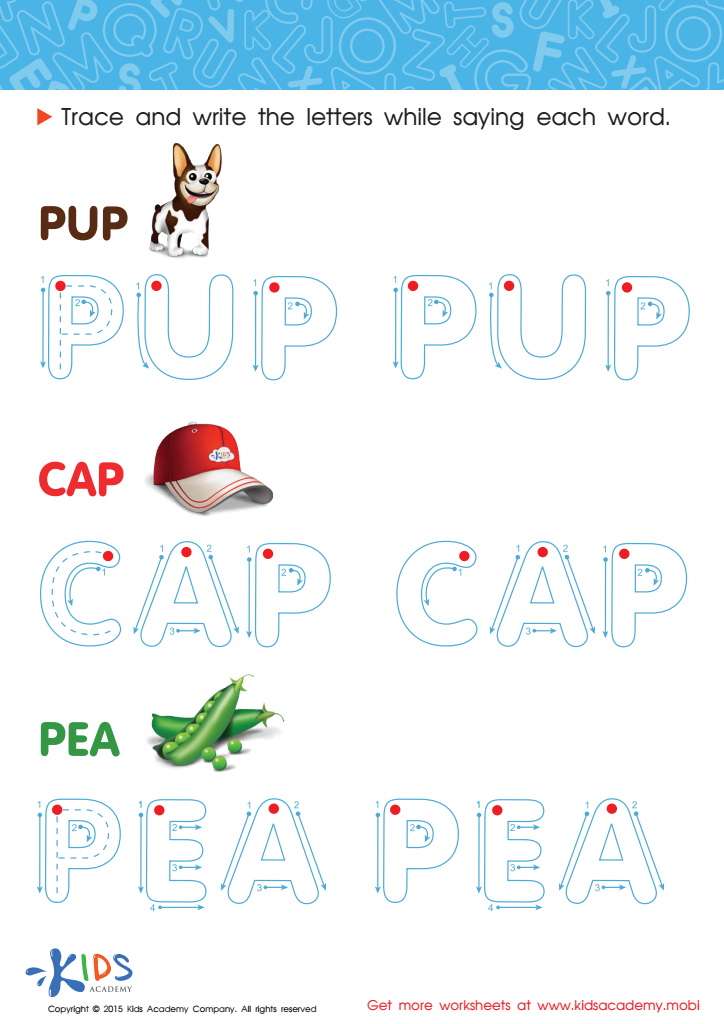
A Pup, a Cap and a Pea Spelling Worksheet
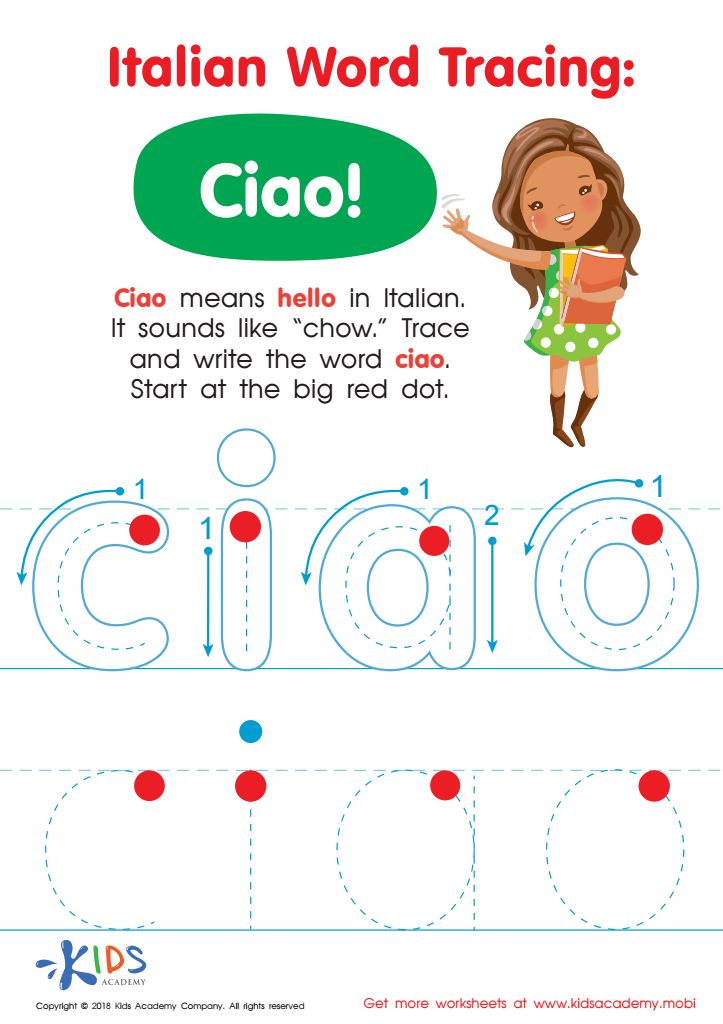
Italian Word Tracing: Ciao Worksheet
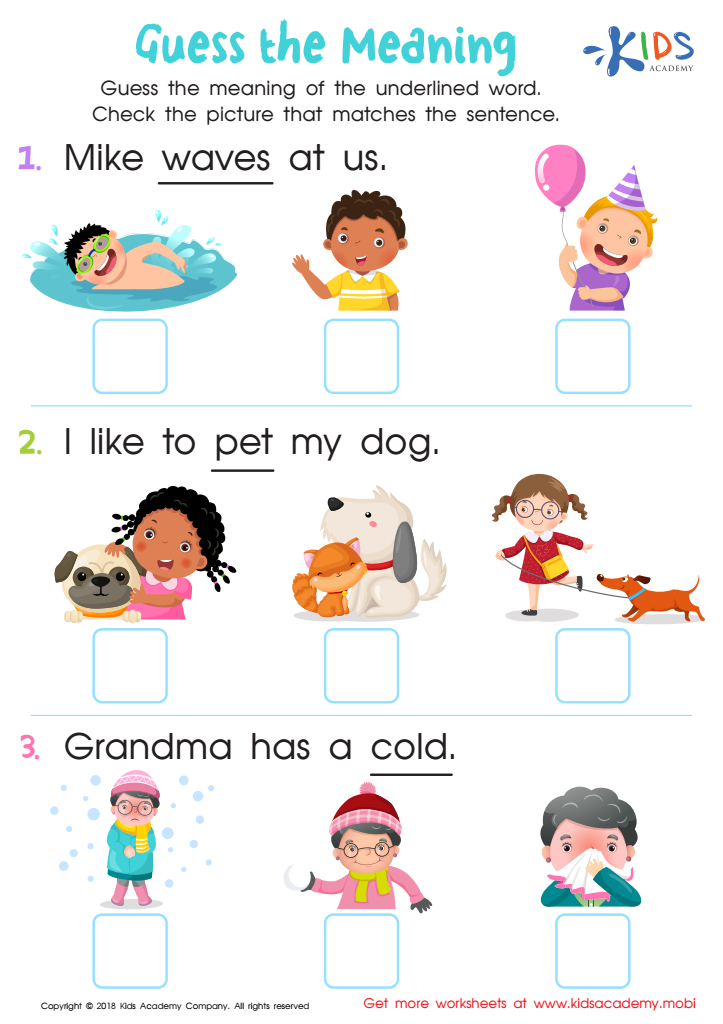
Guess the Meaning Worksheet
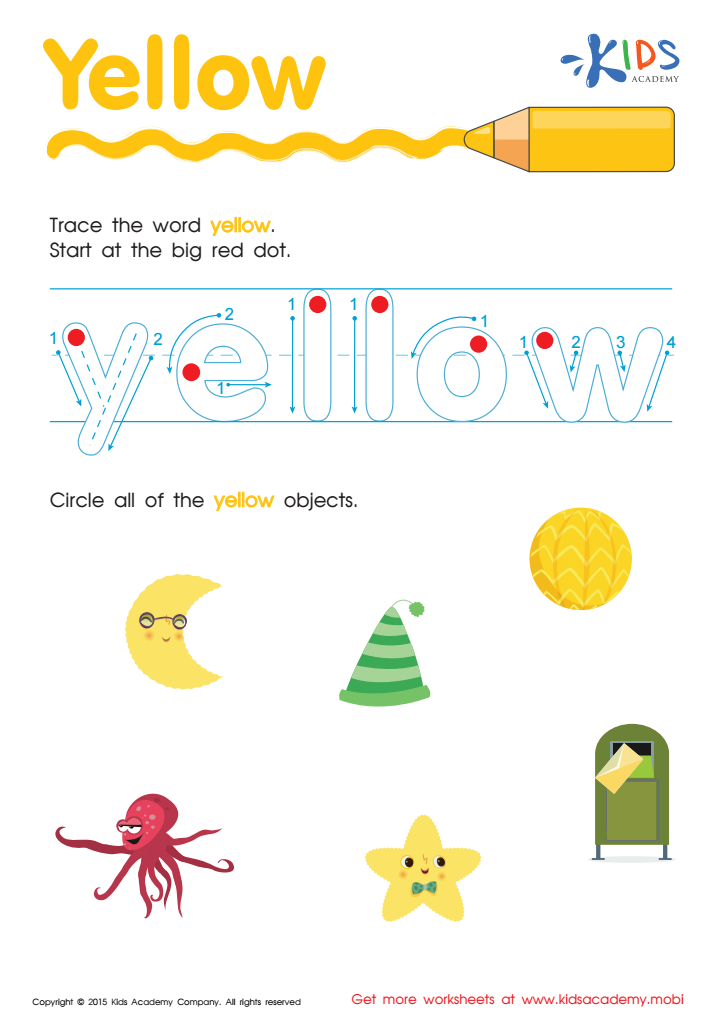
Yellow Tracing Color Words Worksheet
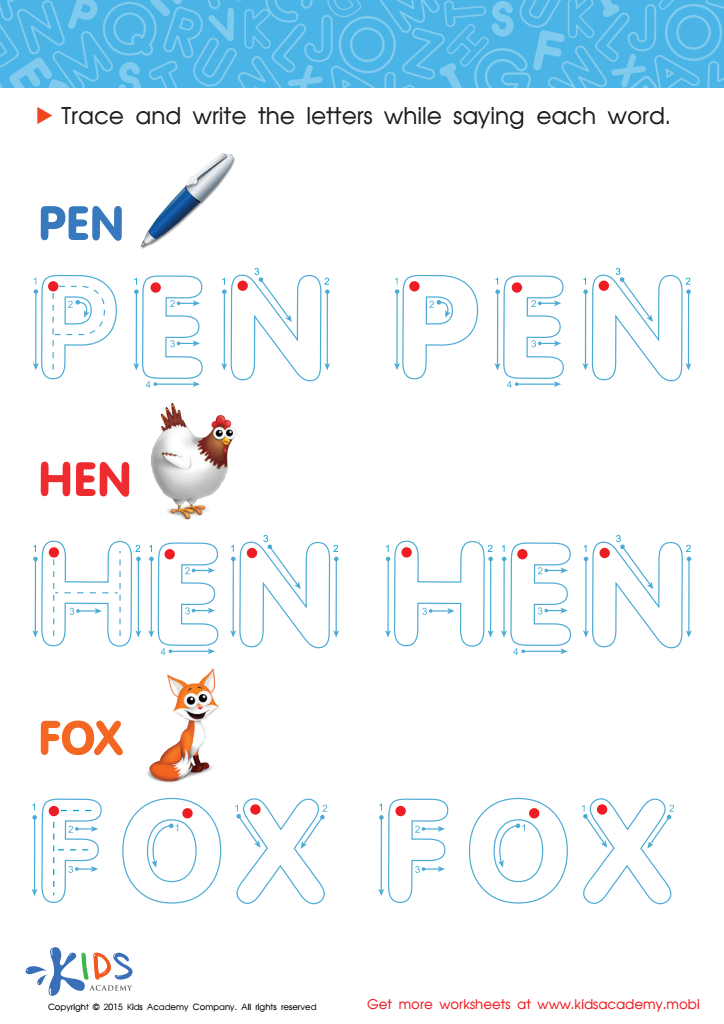
A Pen, a Hen and a Fox Spelling Worksheet
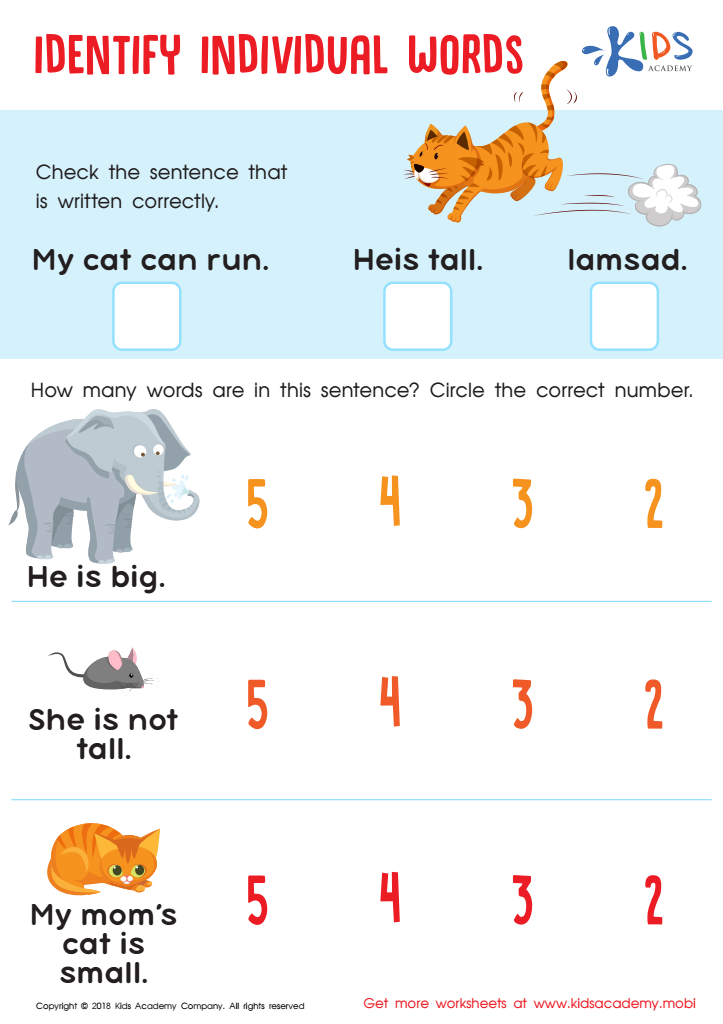
Identify Individual Words Worksheet
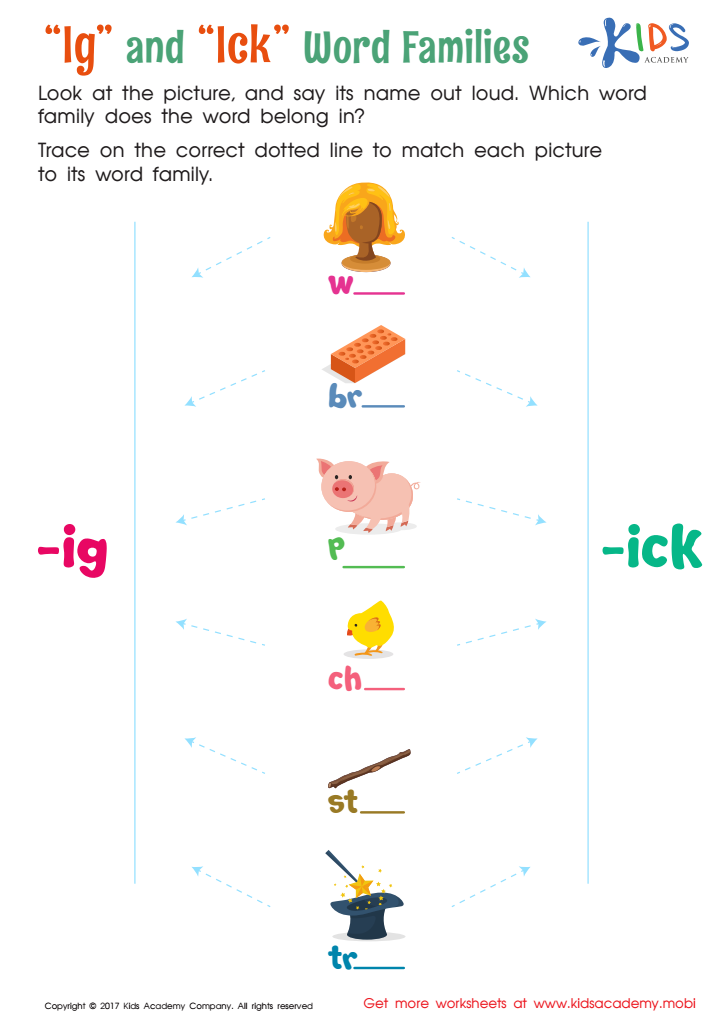
Words Families "ig" and "ick" Spelling Worksheet
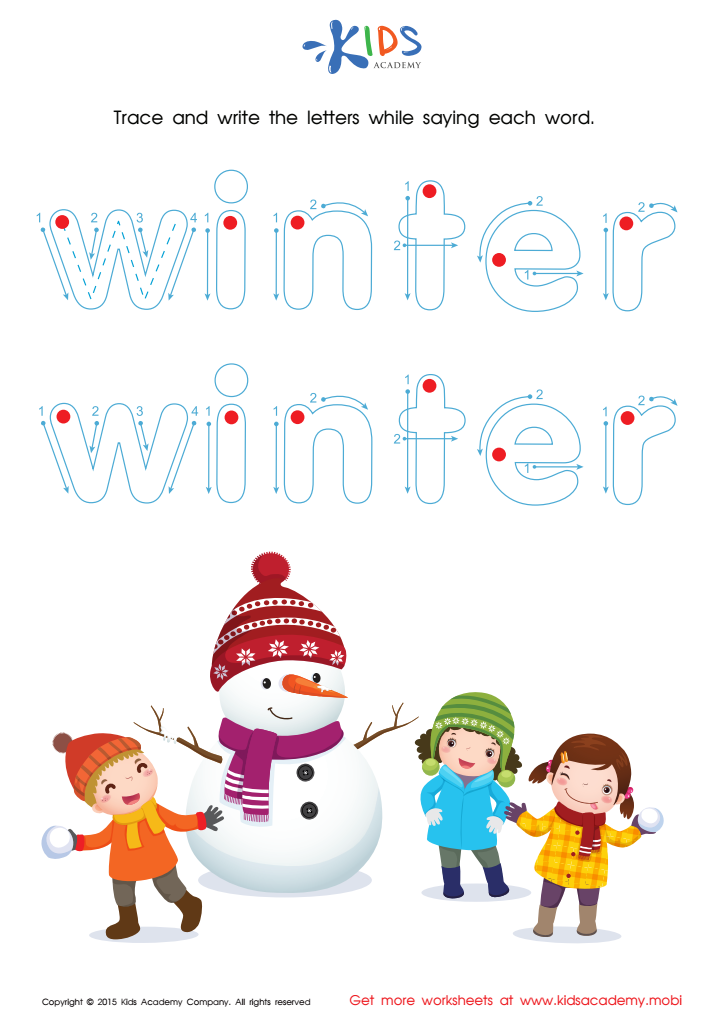
Snowman Tracing Winter Words Worksheet
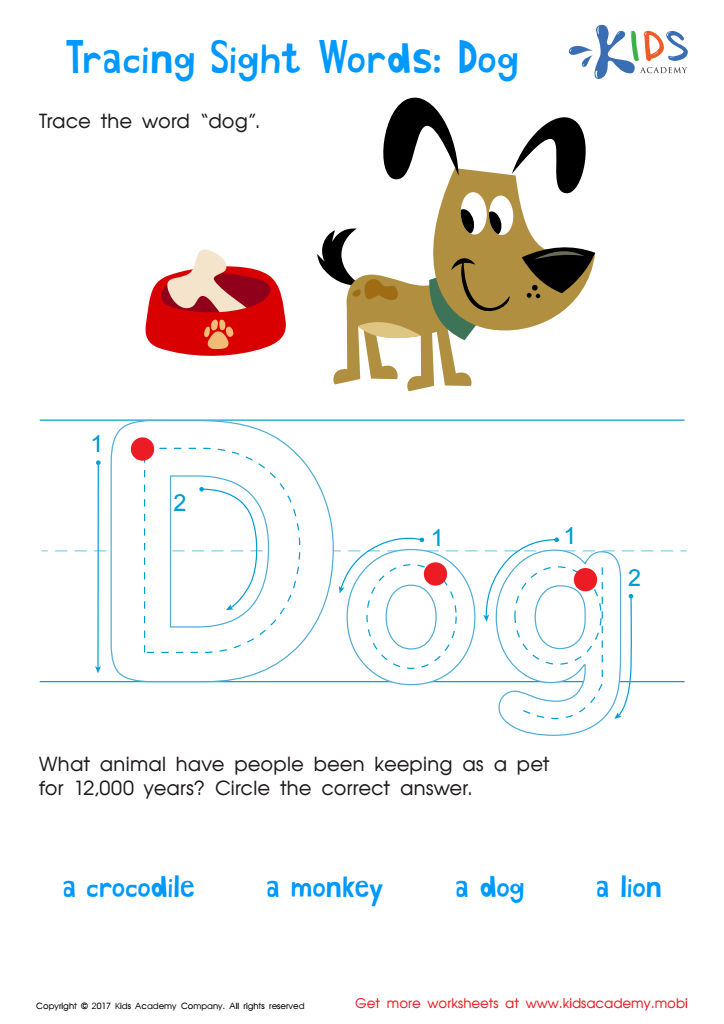
Dog Worksheet Sight Words Worksheet

Short Vowels /e/, /i/, and /u/ Worksheet
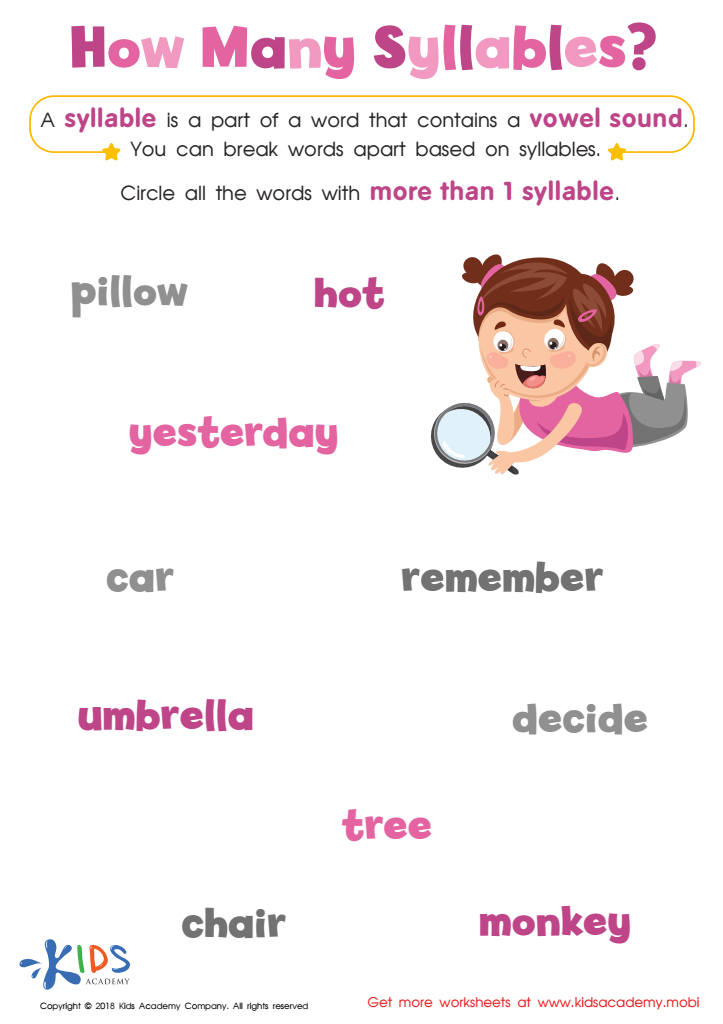
Reading: How Many Syllables Worksheet
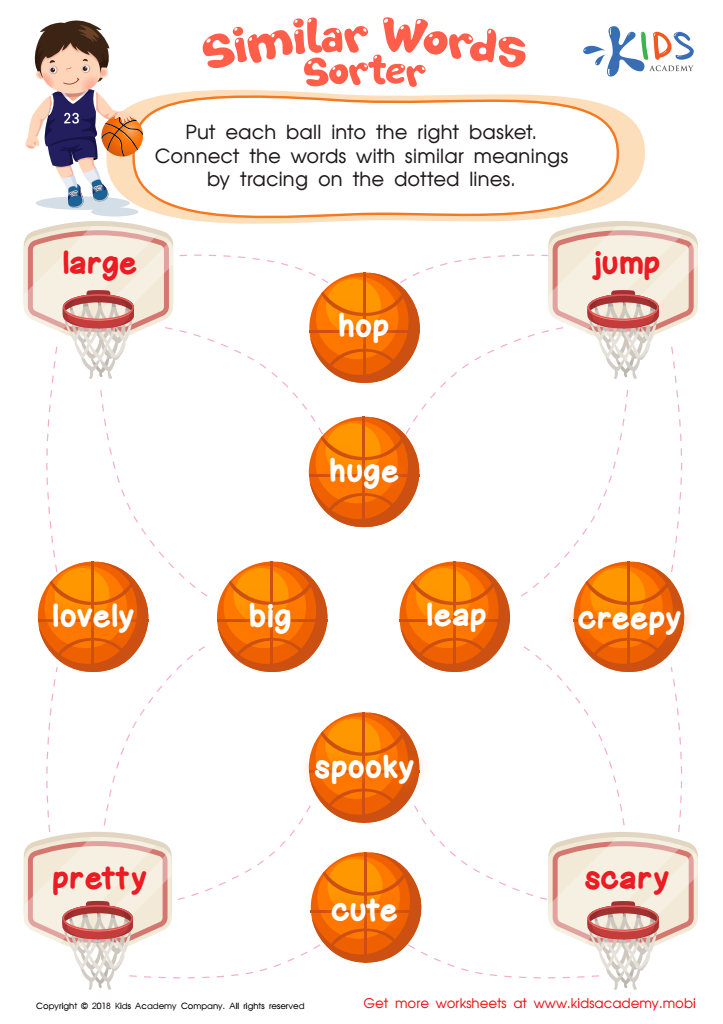
Similar Words Worksheet
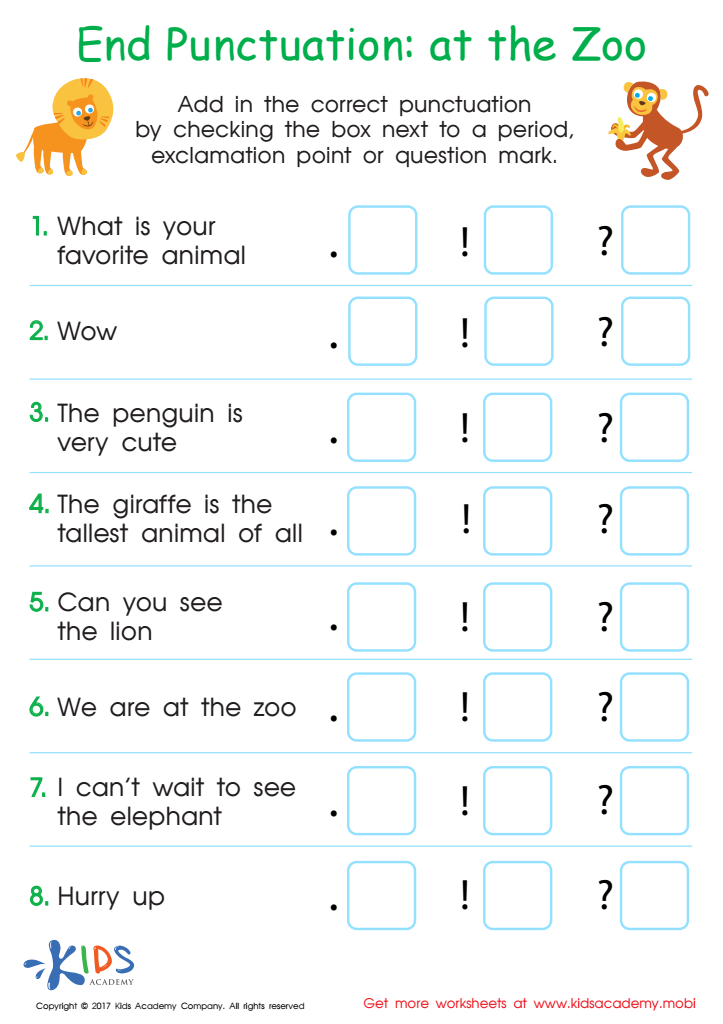
End Punctuation: At the Zoo Worksheet
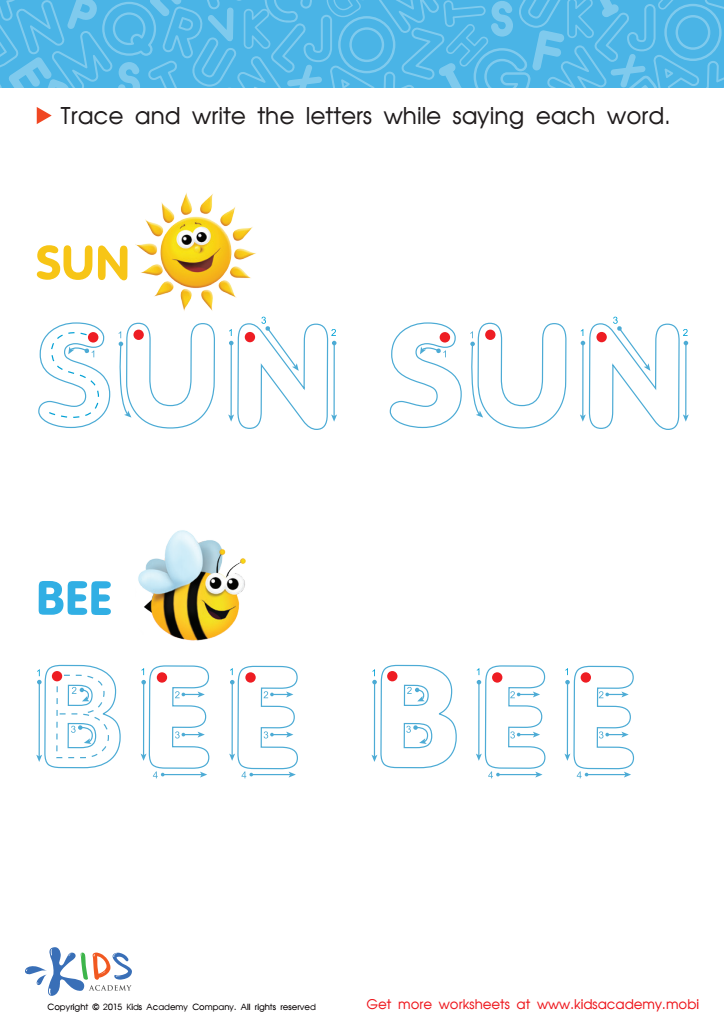
The Sun and a Bee Spelling Worksheet
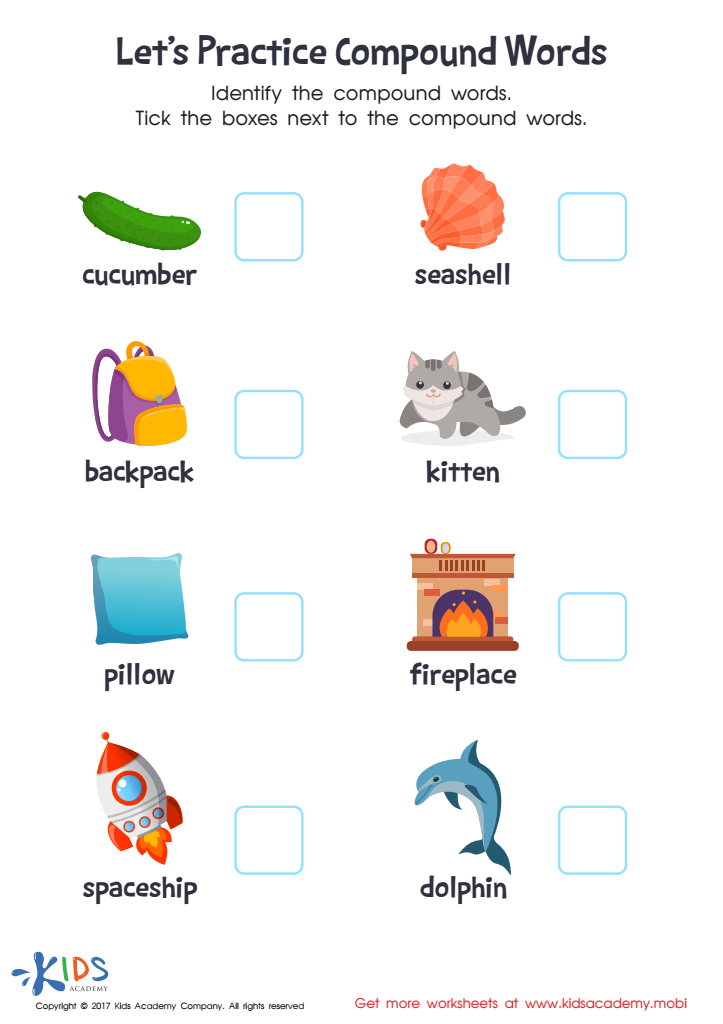
Let's Practice Compound Words Word Structure Worksheet
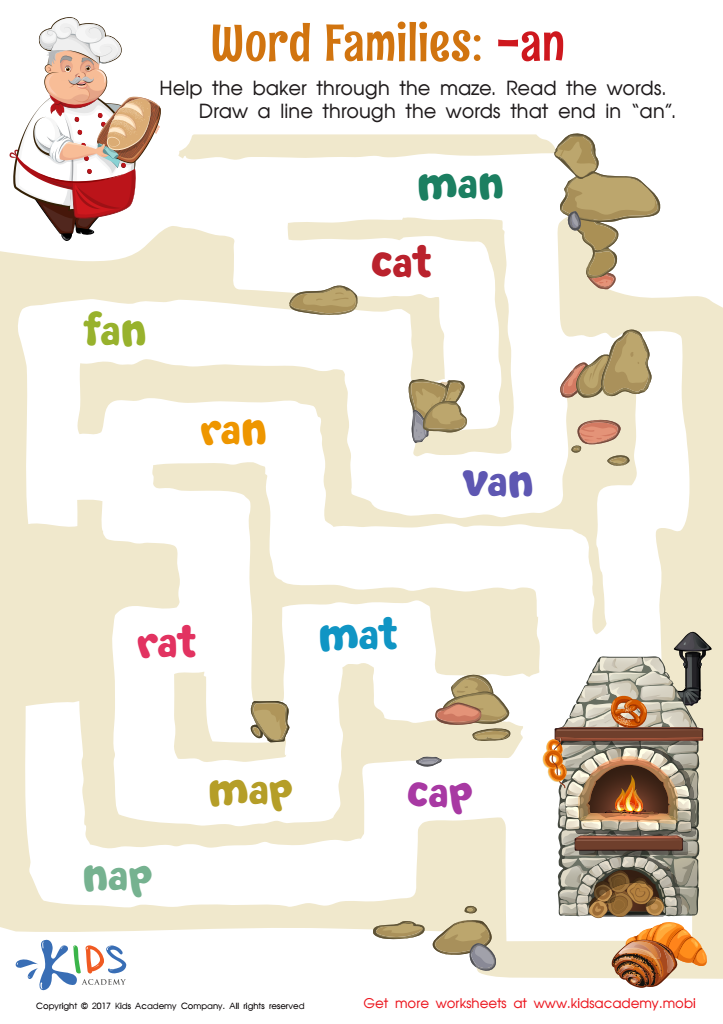
Words Families "an" Spelling Worksheet
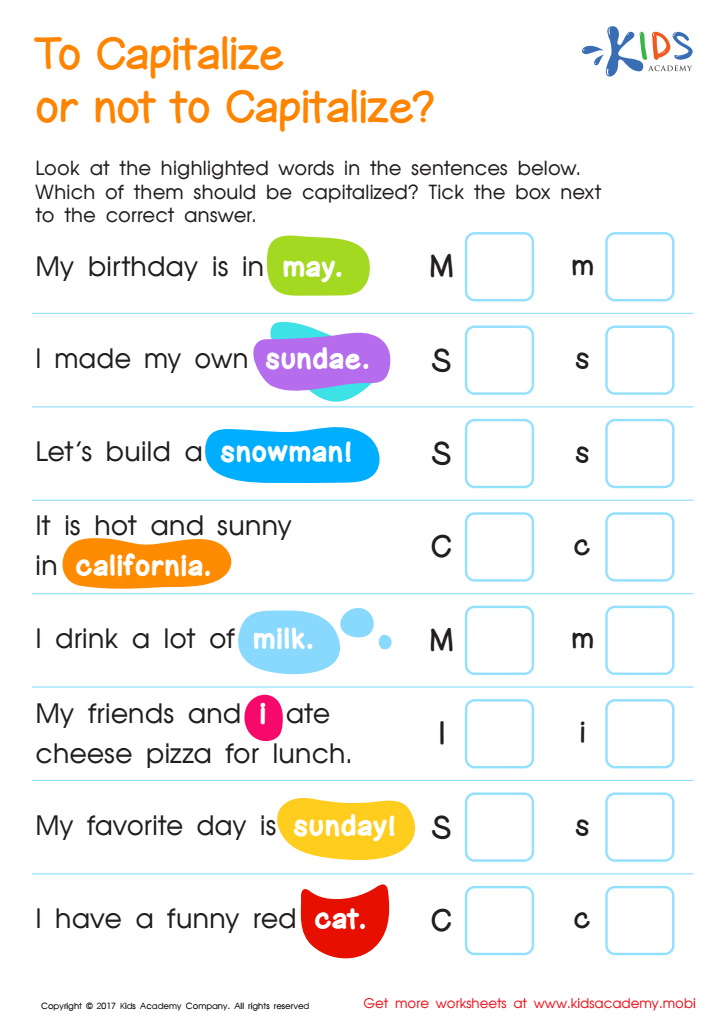
Capitalization: To Capitalize or Not? Printable
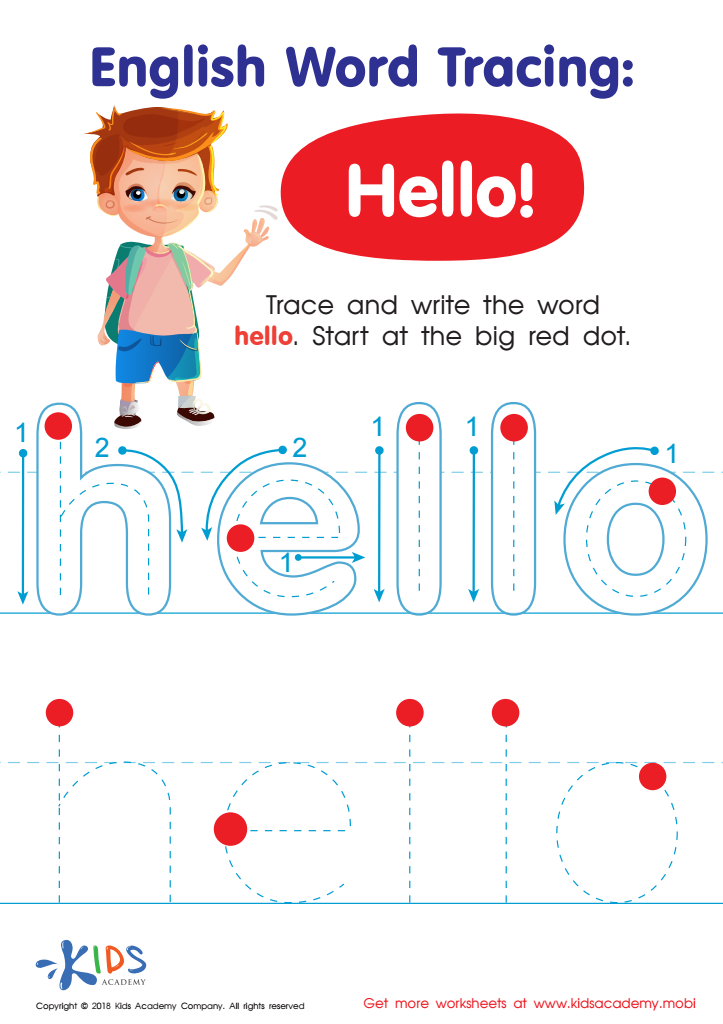
English Word Tracing: Hello Worksheet
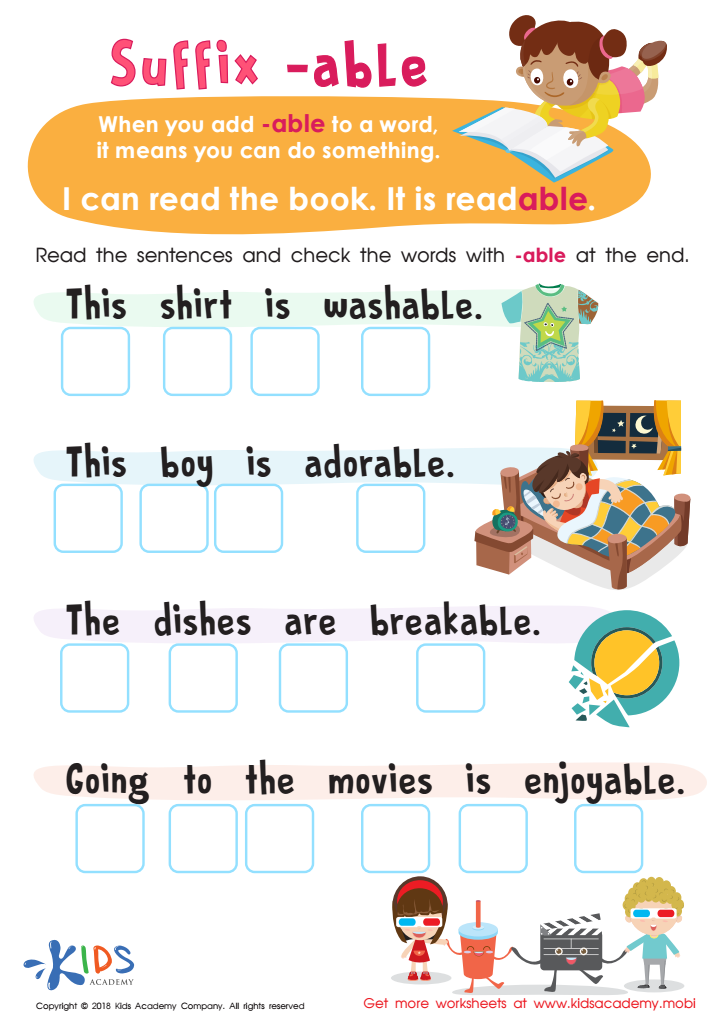
Suffix -Able Worksheet
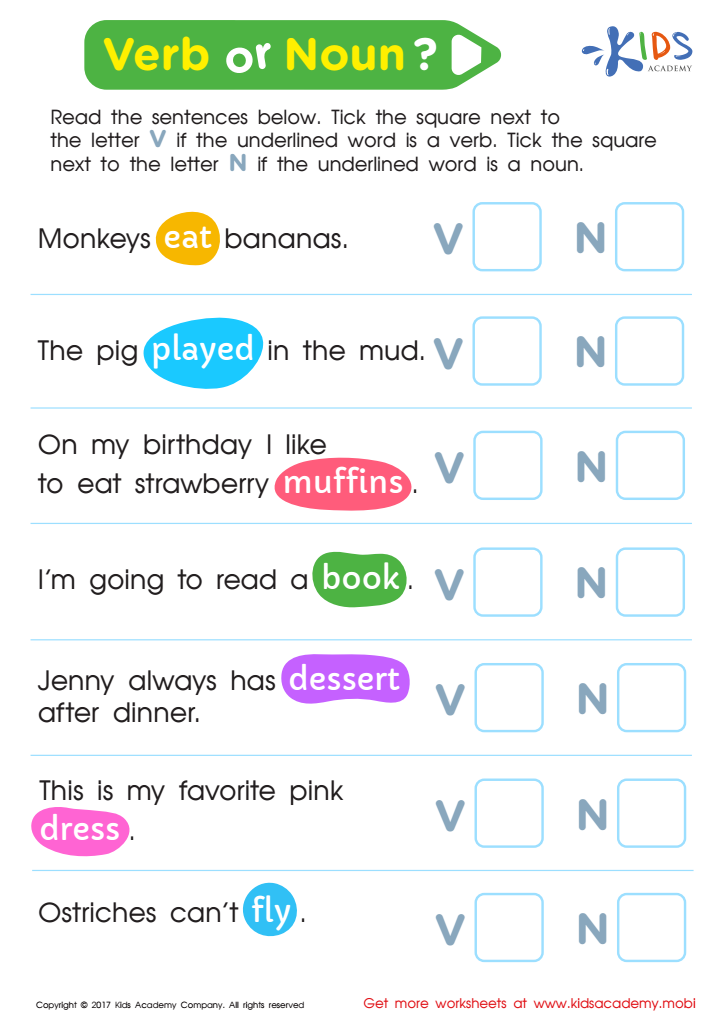
Verb or Noun Worksheet
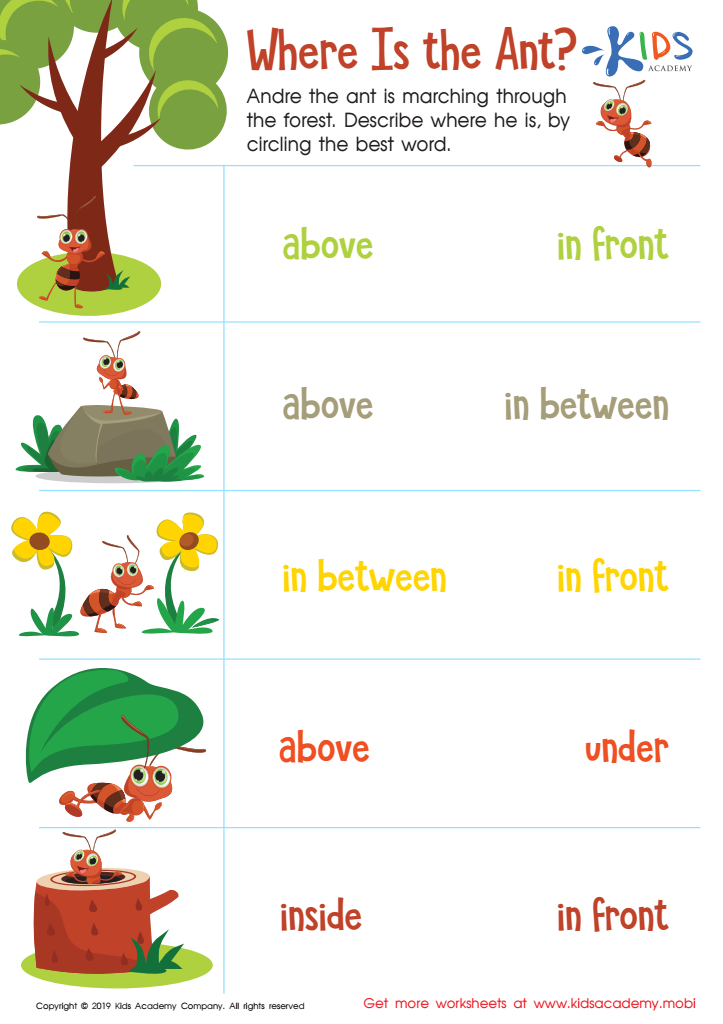
Where Is the Ant? Worksheet
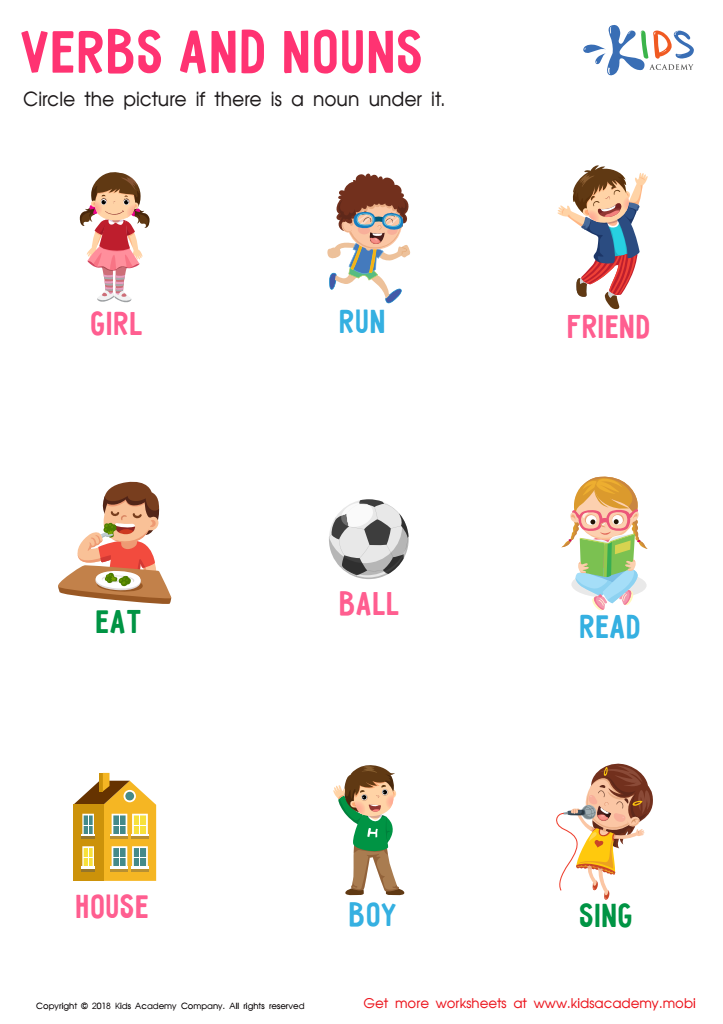
Verbs and Nouns Worksheet






.jpg)

Normal writing for ages 5-7 is crucial for several reasons that positively impact a child's overall academic and personal development. At this stage, children's fine motor skills, cognitive abilities, and language proficiency are growing rapidly. Introducing normal writing practices fosters fine motor coordination, which is essential for tasks beyond writing, such as tying shoes and using utensils.
Writing also serves as a foundation for literacy. As children learn to form letters and words, they begin to understand the relationship between spoken and written language. This leads to better reading skills, which are critical for future academic success. Segmented activities like forming letters, spelling simple words, and composing short sentences enhance phonemic awareness, vocabulary, and comprehension skills.
Socially, writing allows children to express their thoughts and feelings, boosting their confidence and self-expression. It tremenously helps them communicate effectively and clearly, both in academic settings and in personal interactions. Preschoolers love to share their ‘written stories’ or descriptive drawings, fostering the growth of imagination and creativity.
From a practical aspect, early writing equips children for elementary school expectations and ensures they are not lagging behind textbooks and school curriculum. Teachers and parents should therefore actively support and encourage normal writing during these formative years to lay a strong foundation for a child’s lifelong learning journey.