Normal Tracing Letters Worksheets for Ages 5-8 - Page 2
32 filtered results
-
From - To
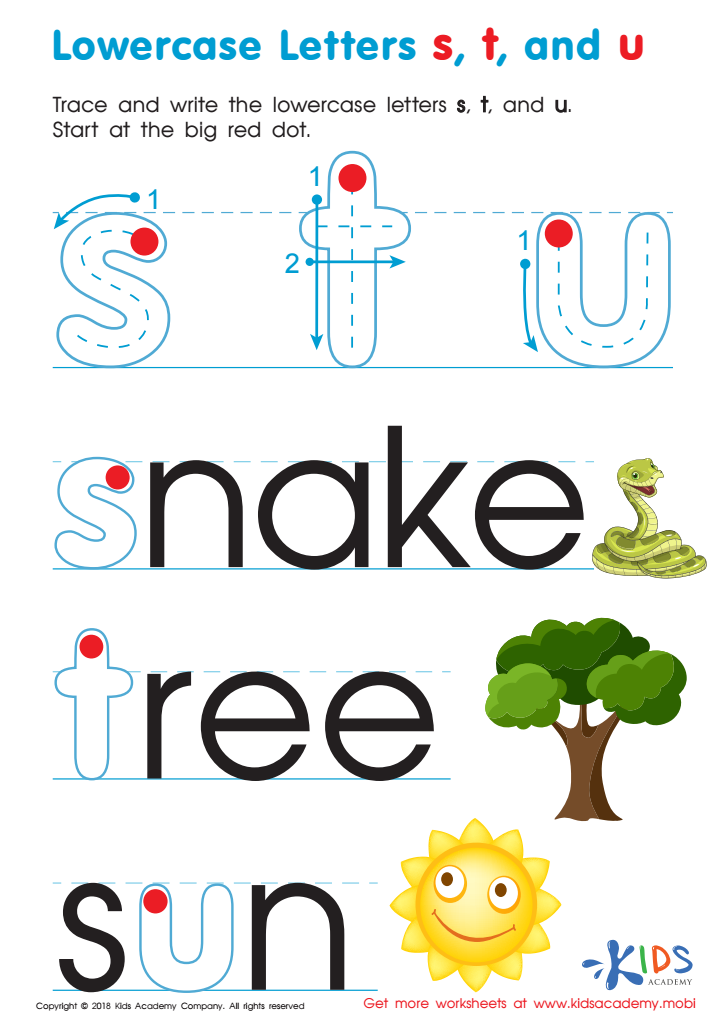
Lowercase Letters s t u Worksheet
 Assign to My Students
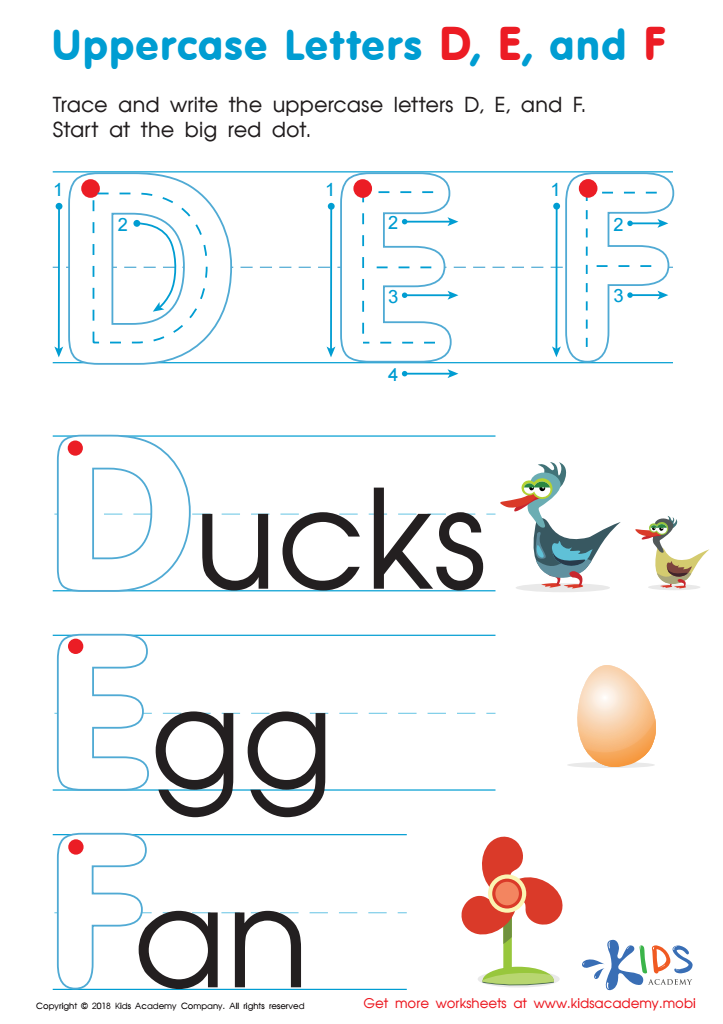
Uppercase Letters D, E, and F Worksheet
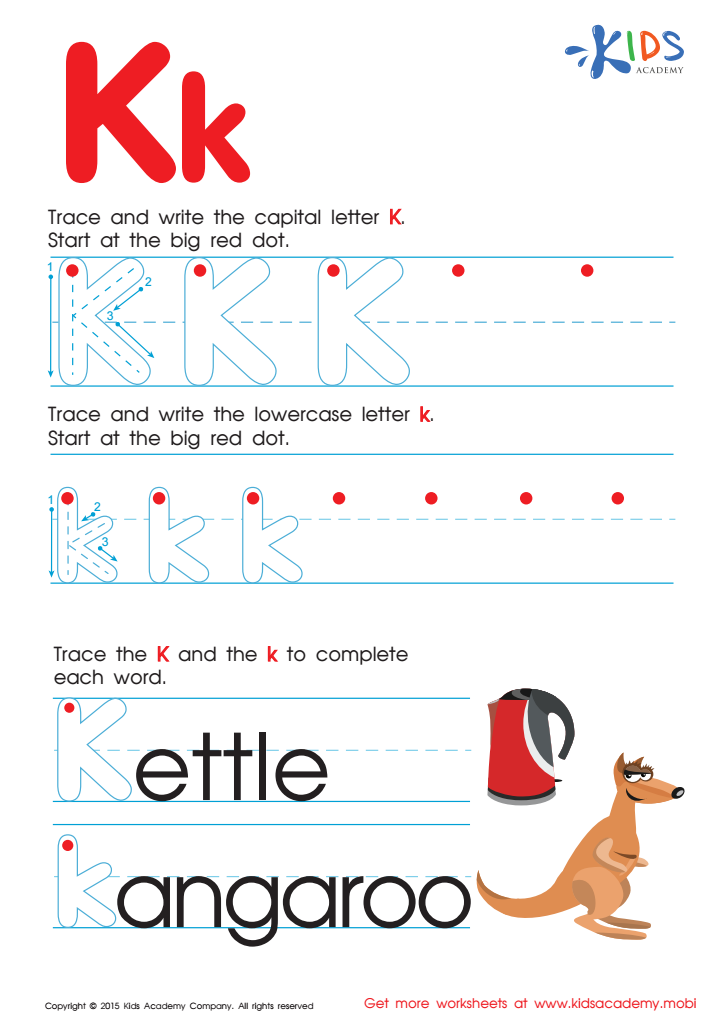
Letter K Tracing Page
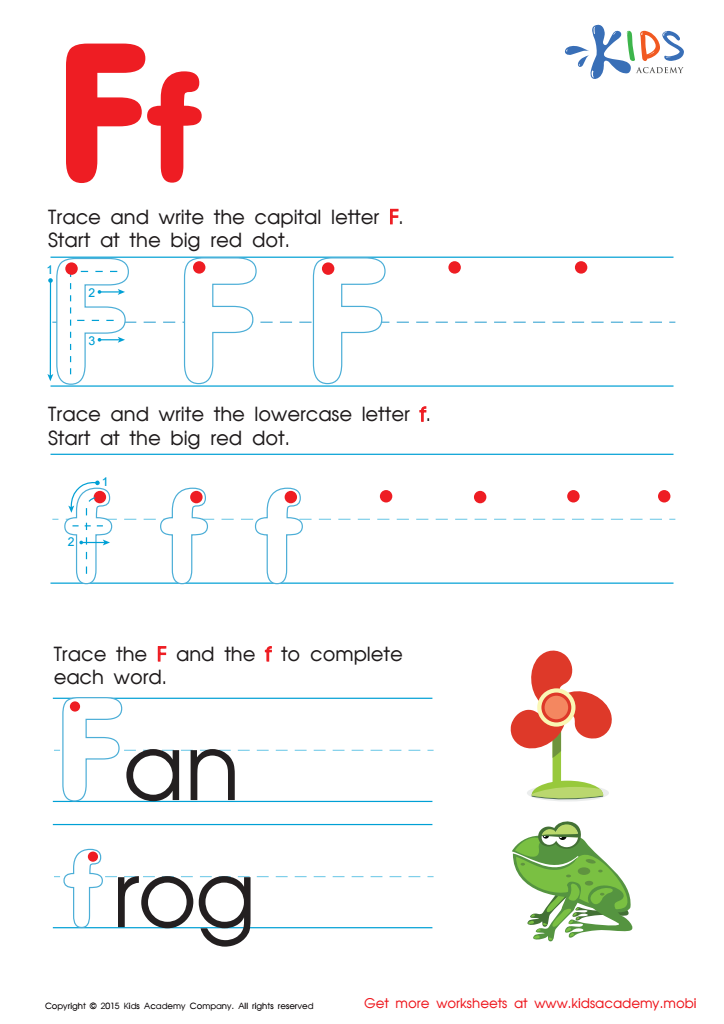
Letter F Tracing Page
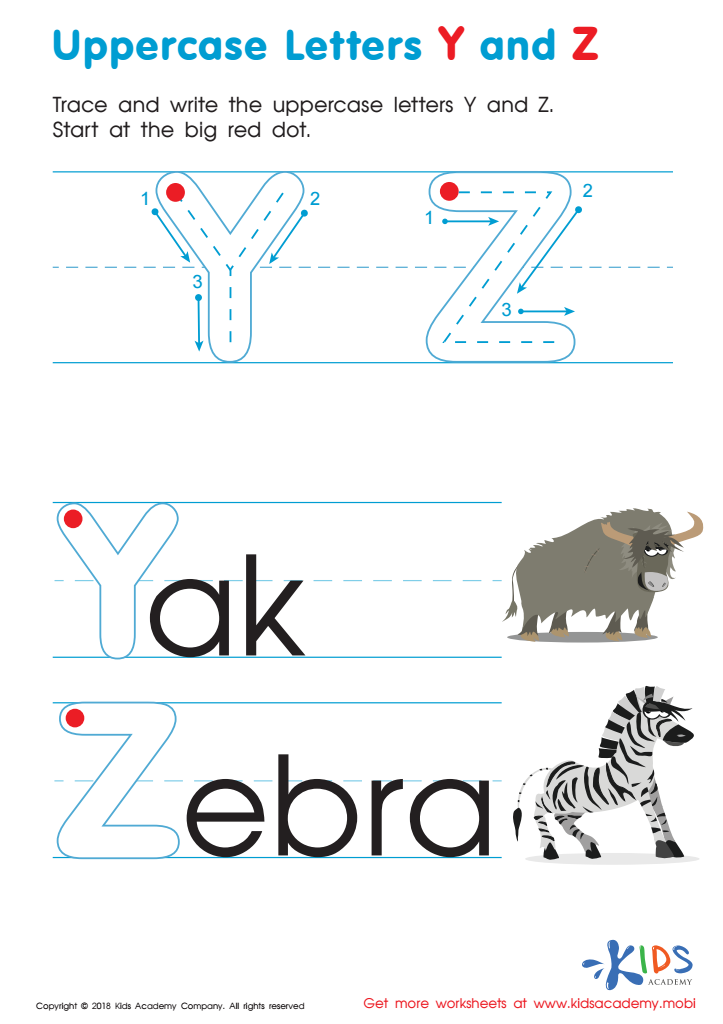
Uppercase Letters Y Z Worksheet
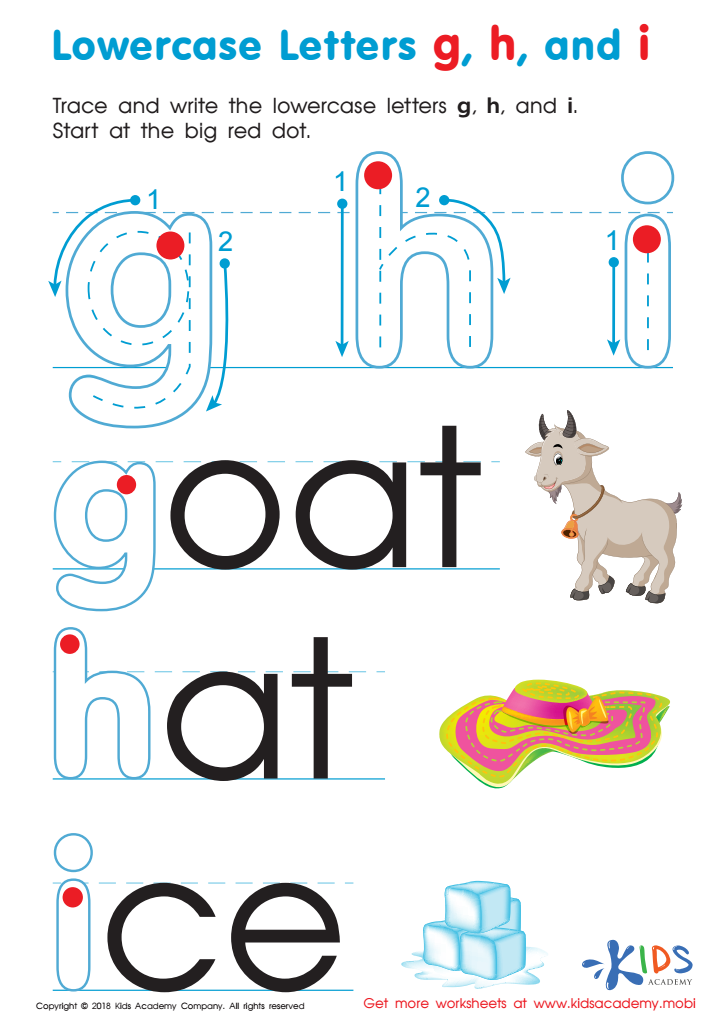
Lowercase Letters g h i Worksheet
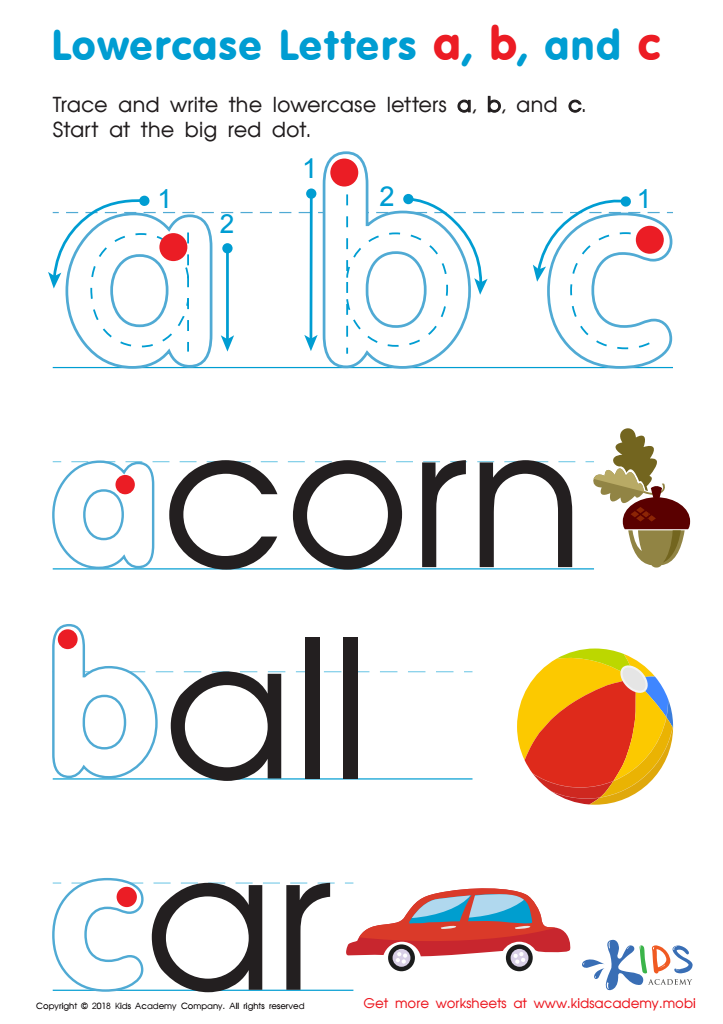
Lowercase Letters a b c Worksheet

Letter D Tracing Page







Normal tracing letters is a critical activity for children aged 5-8, as it forms the foundation for effective writing skills. For parents and teachers, understanding the significance of tracing letters is essential for fostering a child’s literacy development. During this stage, children are refining their motor skills and learning to express themselves through writing, making tracing instrumental in building their confidence and competence.
Tracing letters supports fine motor skill development, allowing children to strengthen the small muscles in their hands and fingers. This is crucial not only for writing but also for other everyday tasks that require dexterity. Moreover, tracing helps solidify letter recognition, aiding in their ability to distinguish between different shapes and sounds, which plays a pivotal role in early reading.
It also allows for supervised exploration where teachers and parents can provide immediate feedback, reinforcing proper letter formation and combating writing struggles before they become habits. Practicing letter formation through tracing fosters a sense of achievement in children, promoting a positive attitude toward learning. By investing time in tracing activities, parents and teachers lay the groundwork for a child’s literacy journey, empowering them with skills that will benefit them throughout their academic life.








