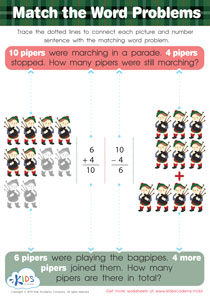
Normal Addition Worksheets for Ages 5-8 - Page 3
68 filtered results
-
From - To
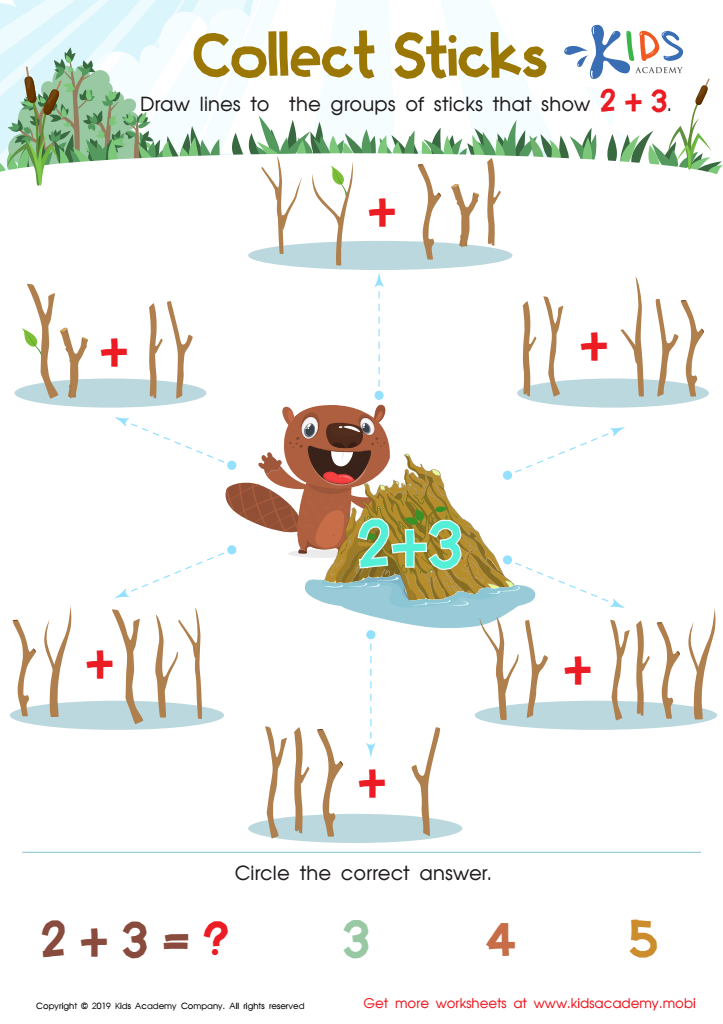
Collect Sticks Worksheet
 Assign to My Students
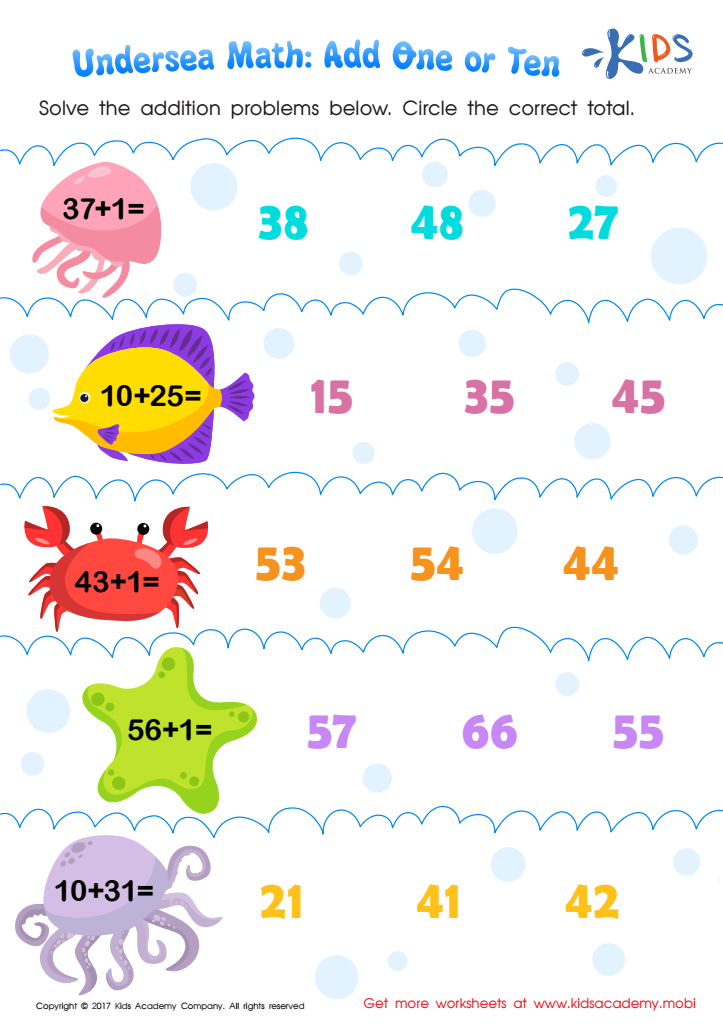
Undersea Math Worksheet
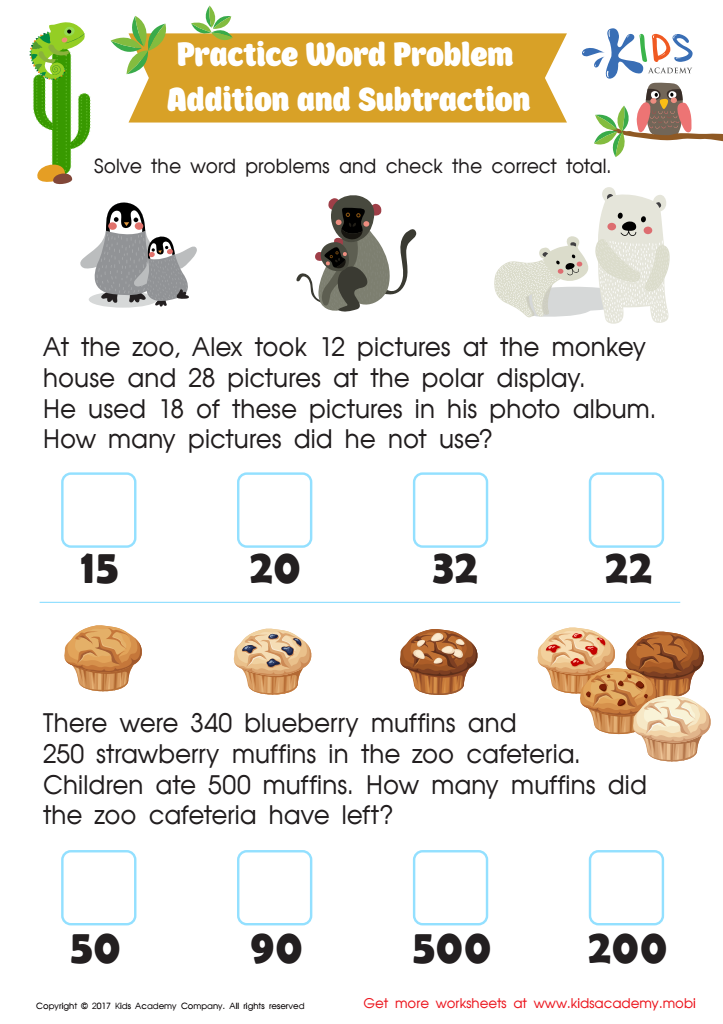
Addition and Subtraction: Word Problems Worksheet
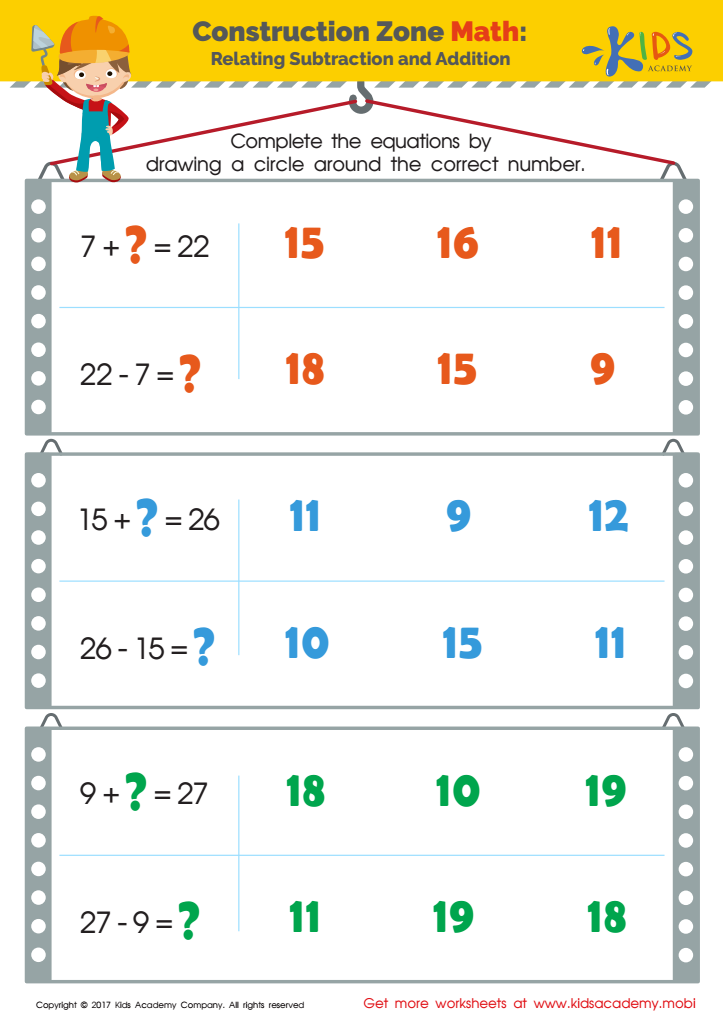
Related Addition and Subtraction Facts Worksheet
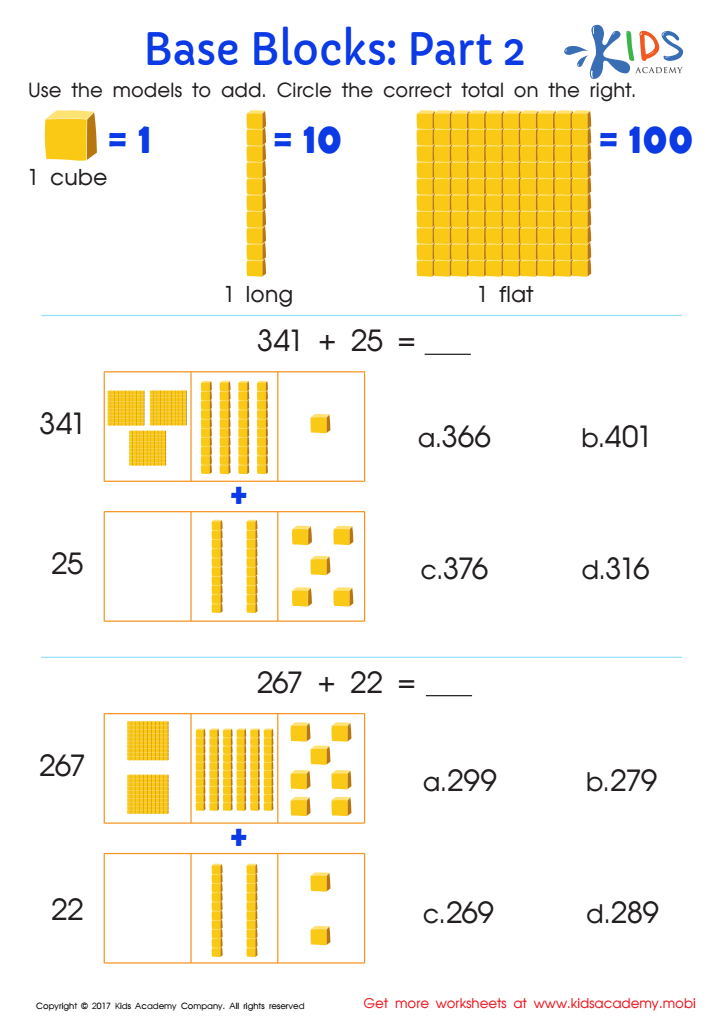
Base Ten Blocks Worksheet: Part 2
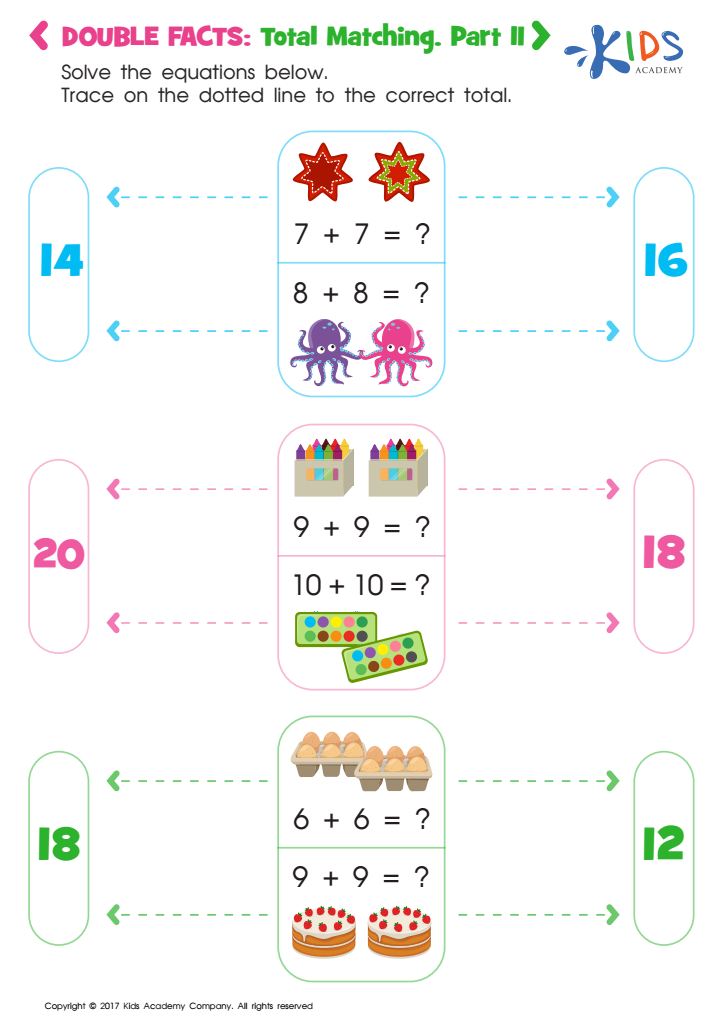
Double Facts: Total Matching 2 Worksheet
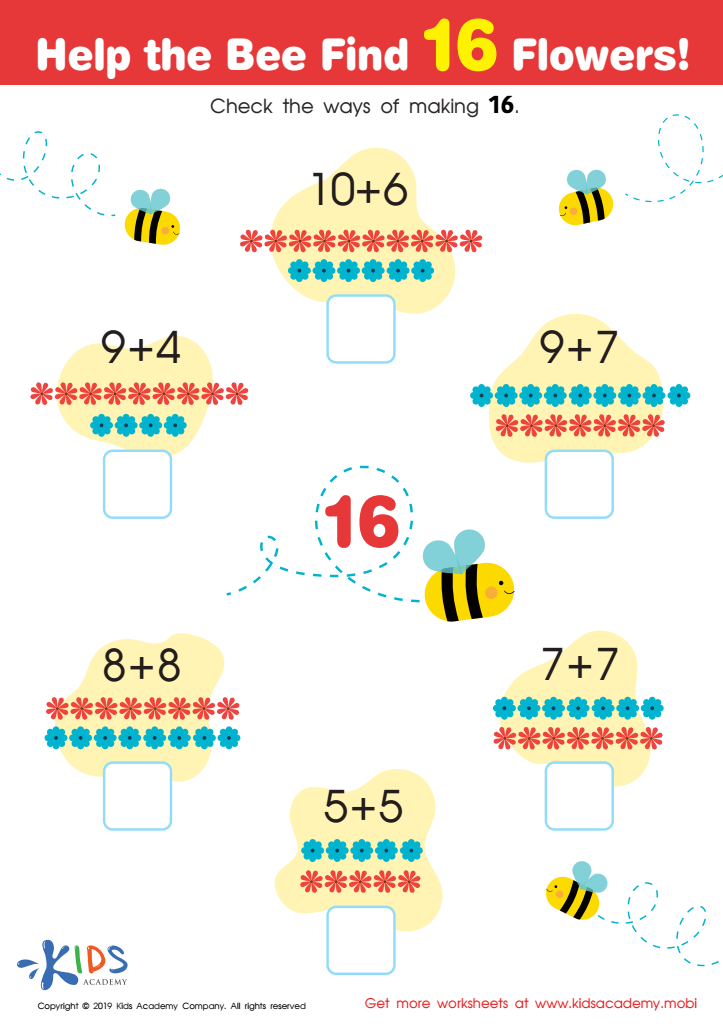
Help the Bee Find 16 Flowers Worksheet
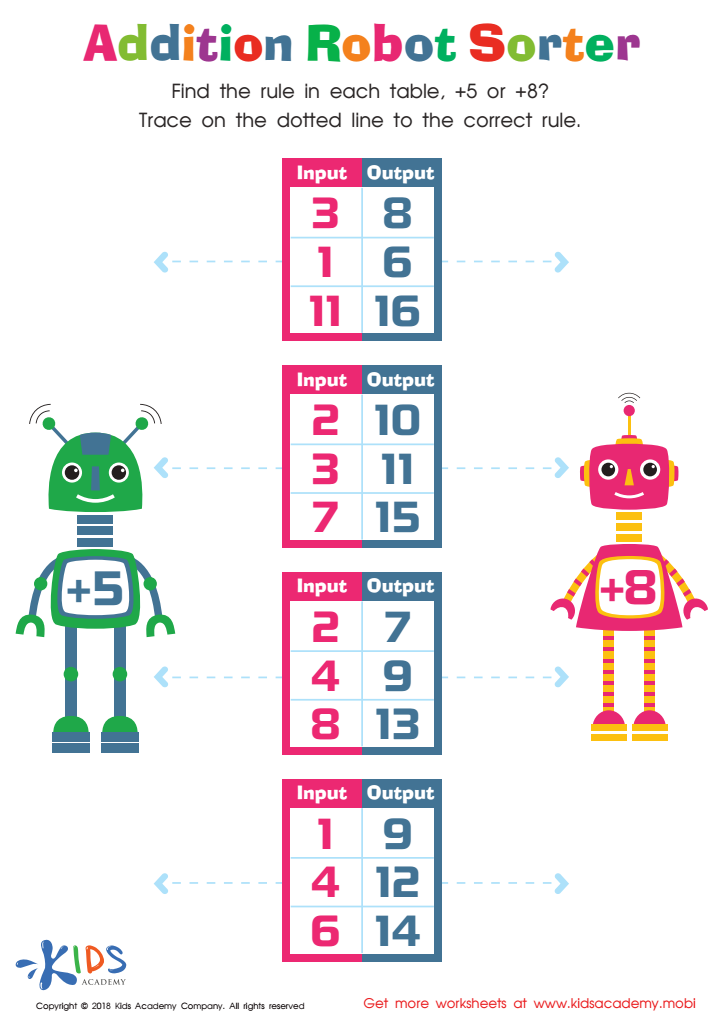
Addition Robot Sorter Worksheet
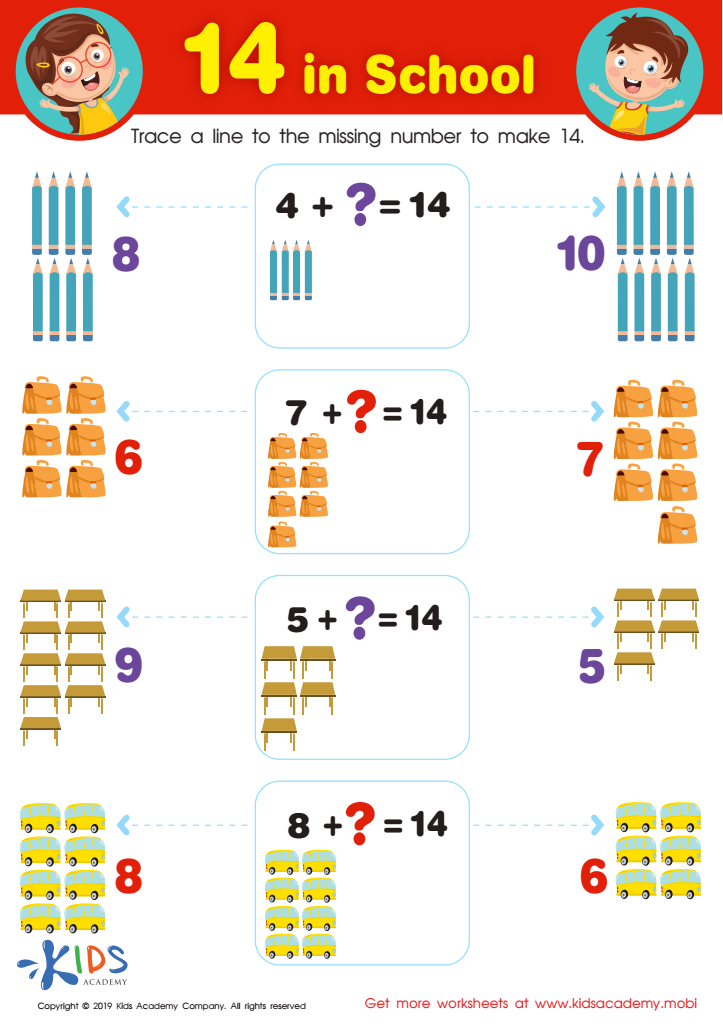
14 in School Worksheet
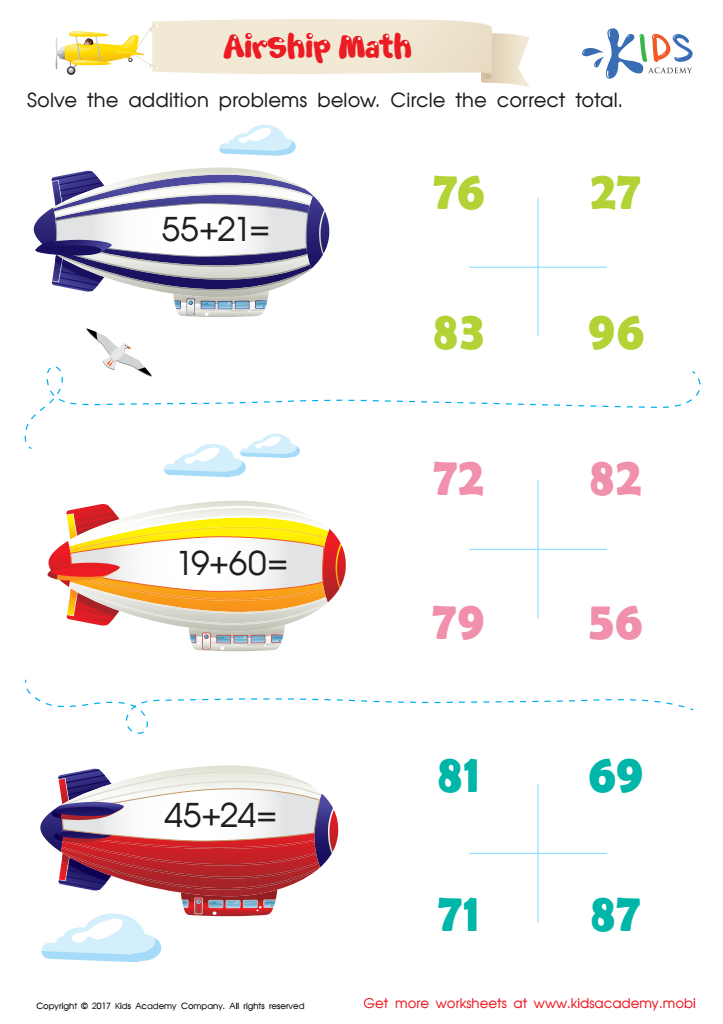
Airship Math Addition Printable
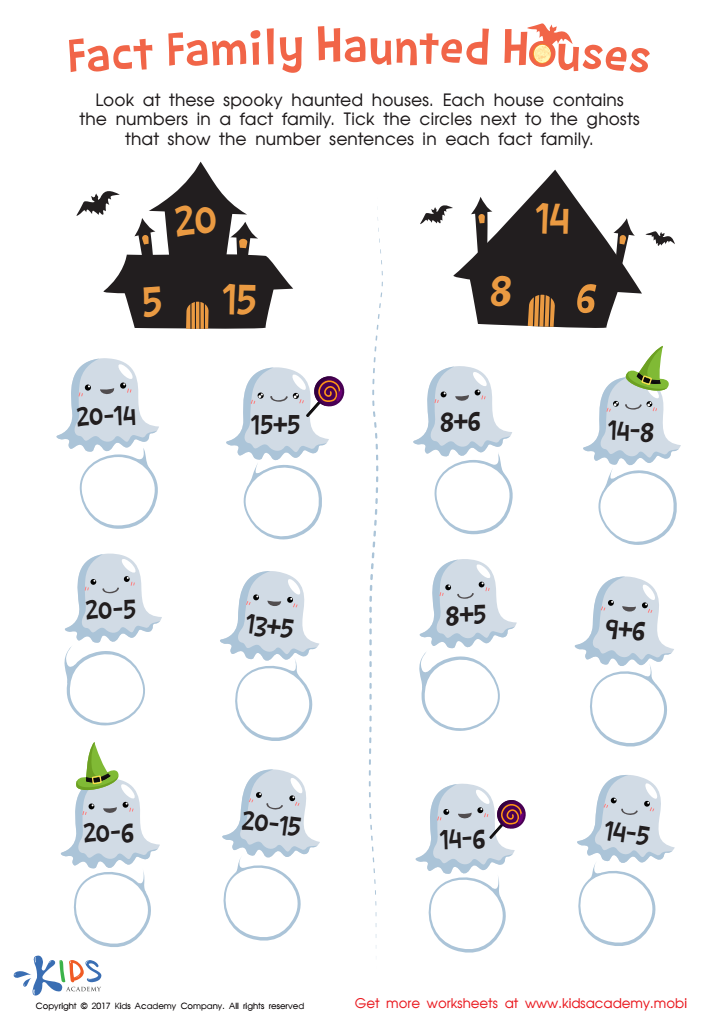

Adding Numbers: Cardinal Directions Worksheet
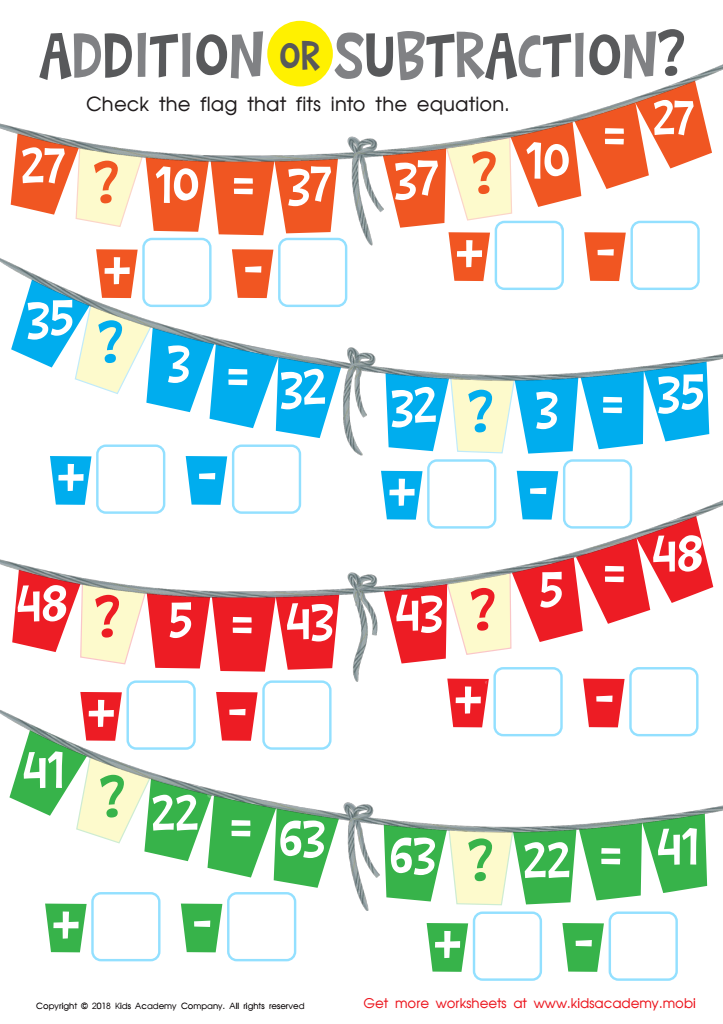
Addition or Subtraction? Worksheet
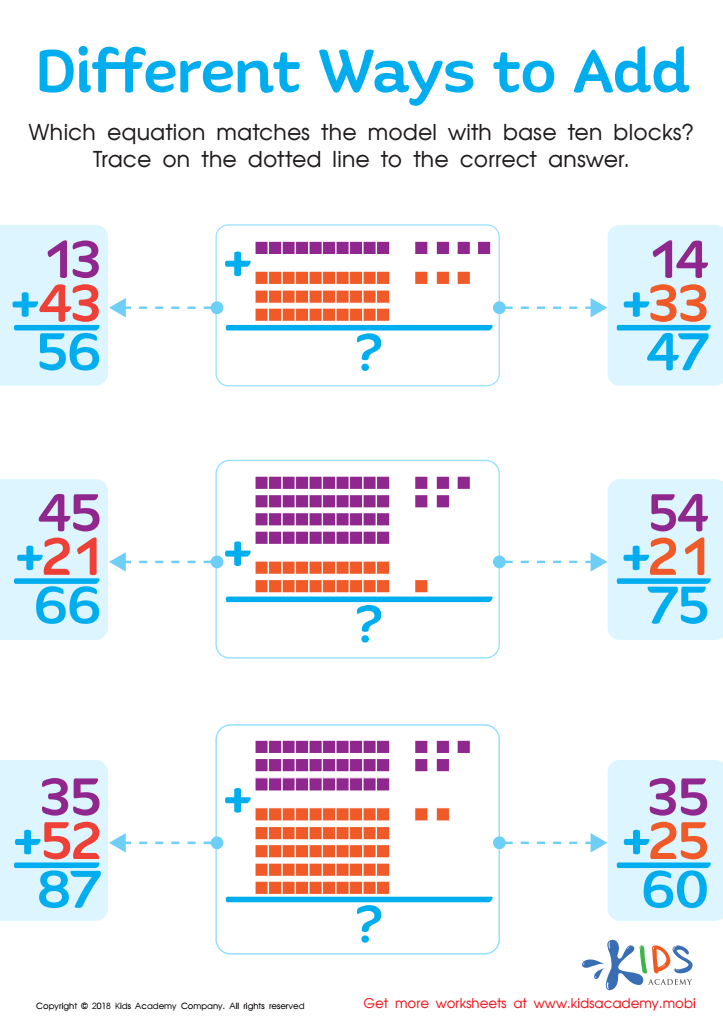
Different Ways to Add Worksheet
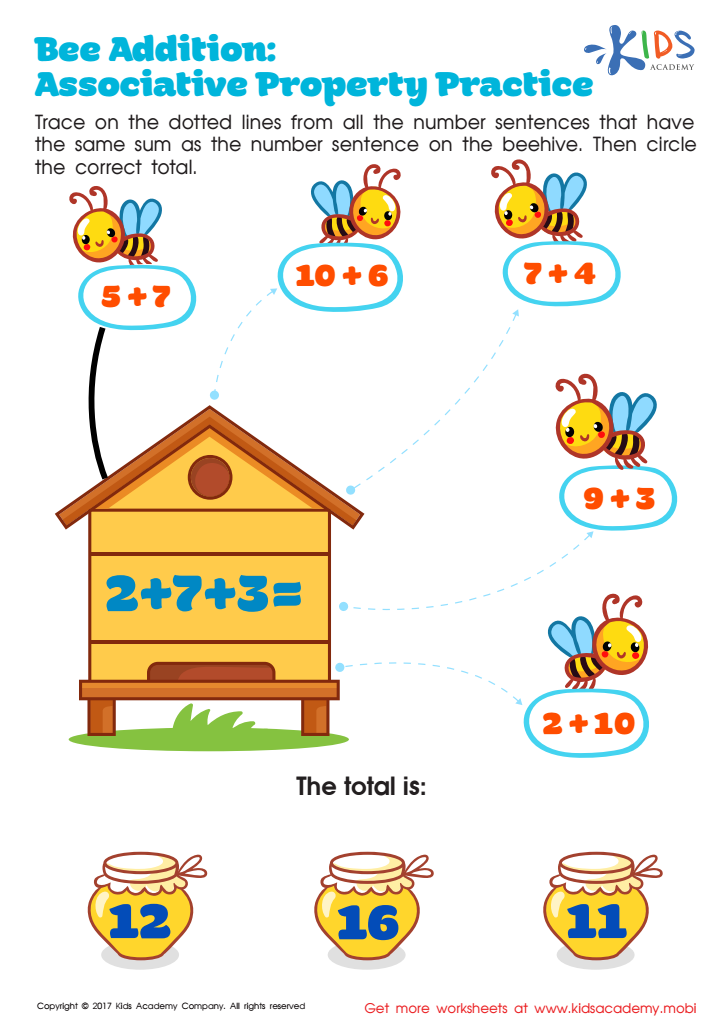
Bee Addition: Associative Property Practice Worksheet
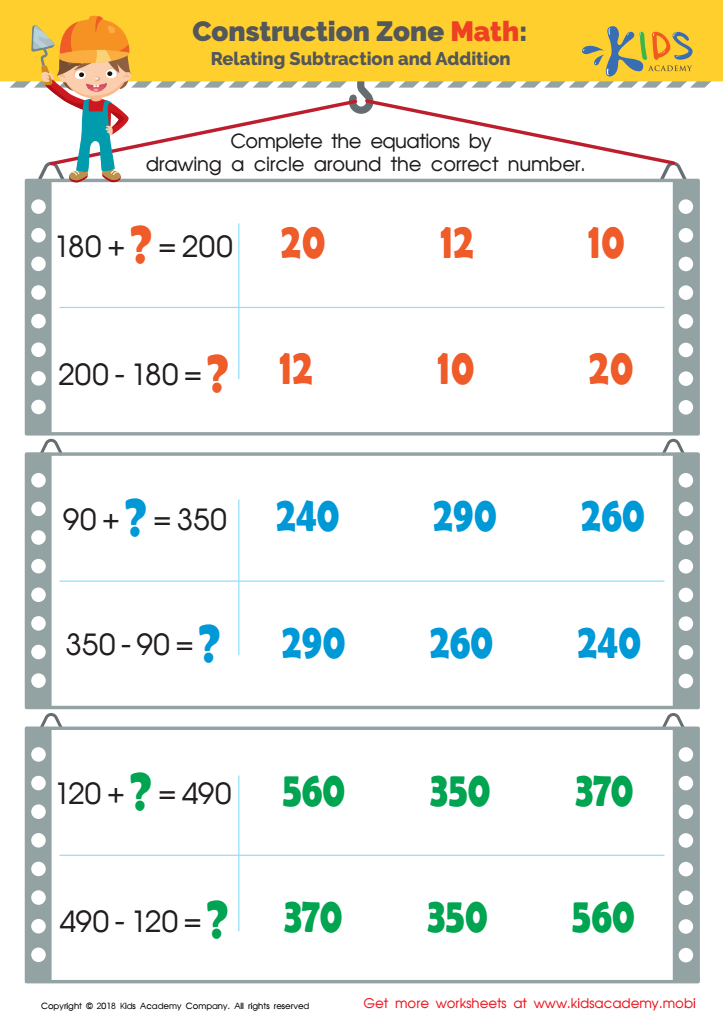
Construction Zone Math: Relating Subtraction and Addition Worksheet
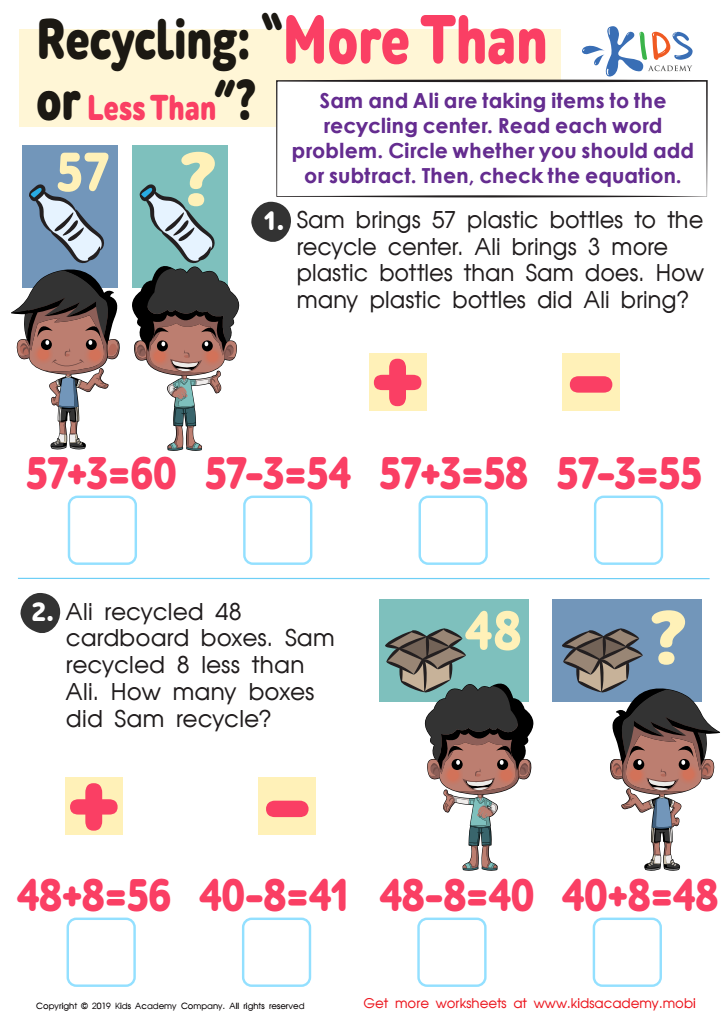
Recycling - More or Less Worksheet
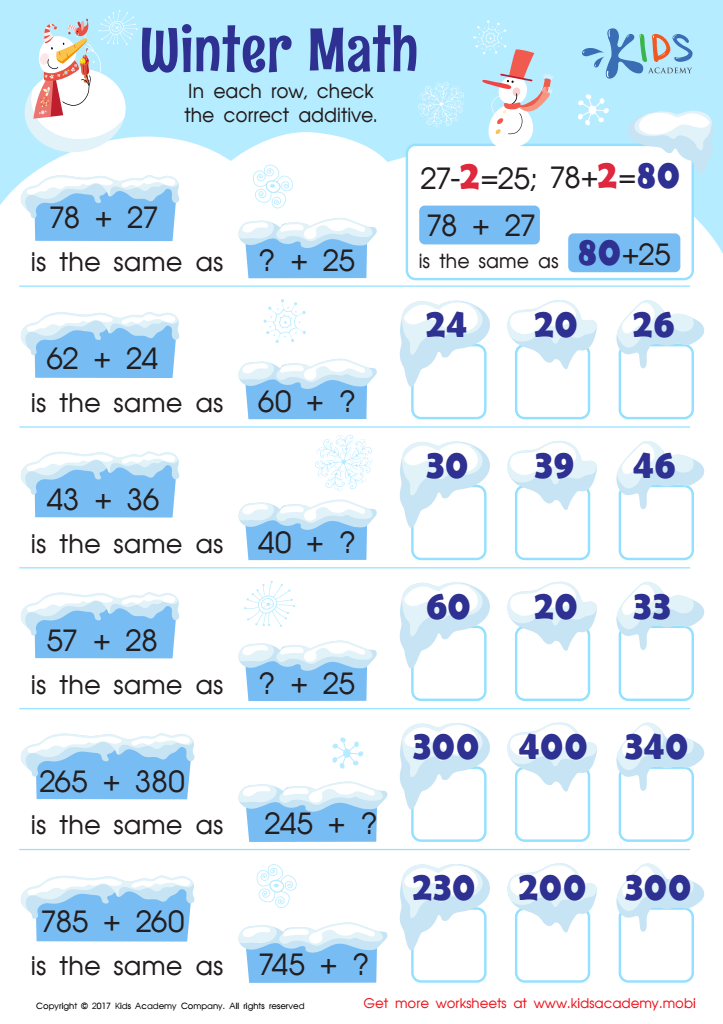
Free Addition Worksheet
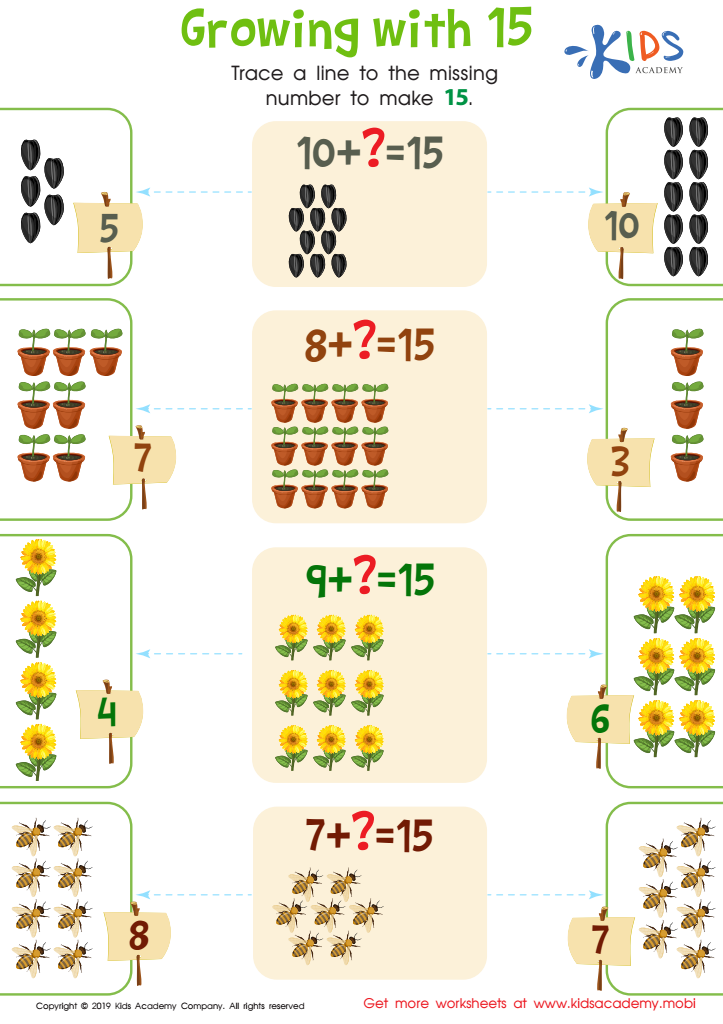
Growing with 15 Worksheet
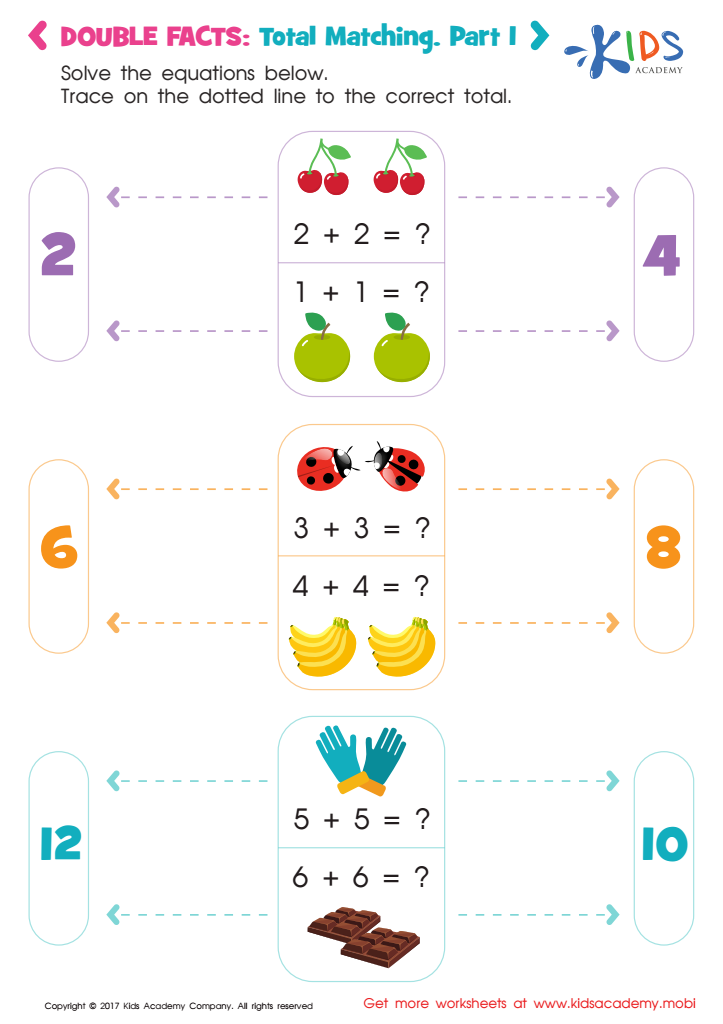
Double Facts: Total Matching Worksheet: Part 1








Normal Addition, the process of adding numbers, is a fundamental skill that parents and teachers should prioritize for children aged 5-8 for several reasons. Firstly, addition serves as the building block for more advanced mathematical concepts. A solid grasp of basic addition lays a strong foundation for understanding subtraction, multiplication, and division, which are essential for success in later grades and everyday problem-solving.
Additionally, mastering basic addition enhances cognitive development. It encourages logical thinking, improves memory, and nurtures problem-solving skills. Children who are proficient in addition can approach mathematical challenges with greater confidence, reducing anxiety and opening the door to a positive attitude towards learning.
Socially, early math skills correlate with academic success beyond just mathematics. Studies indicate that strong math skills at a young age predict higher achievement in other subject areas, including literacy. When children excel in foundational skills like addition, they experience increased self-esteem and are more likely to participate actively in the classroom.
Equally important, real-life applications of addition are endless—be it managing money, understanding time, or dividing up treats with friends. By reinforcing these skills early on, parents and teachers equip children with the tools they need for day-to-day decision-making and activities.
In conclusion, focusing on normal addition for young children is critical for their academic, cognitive, and social development, setting them up for success in myriad facets of life.