Normal Building Vocabulary Worksheets for Ages 5-8 - Page 3
173 filtered results
-
From - To
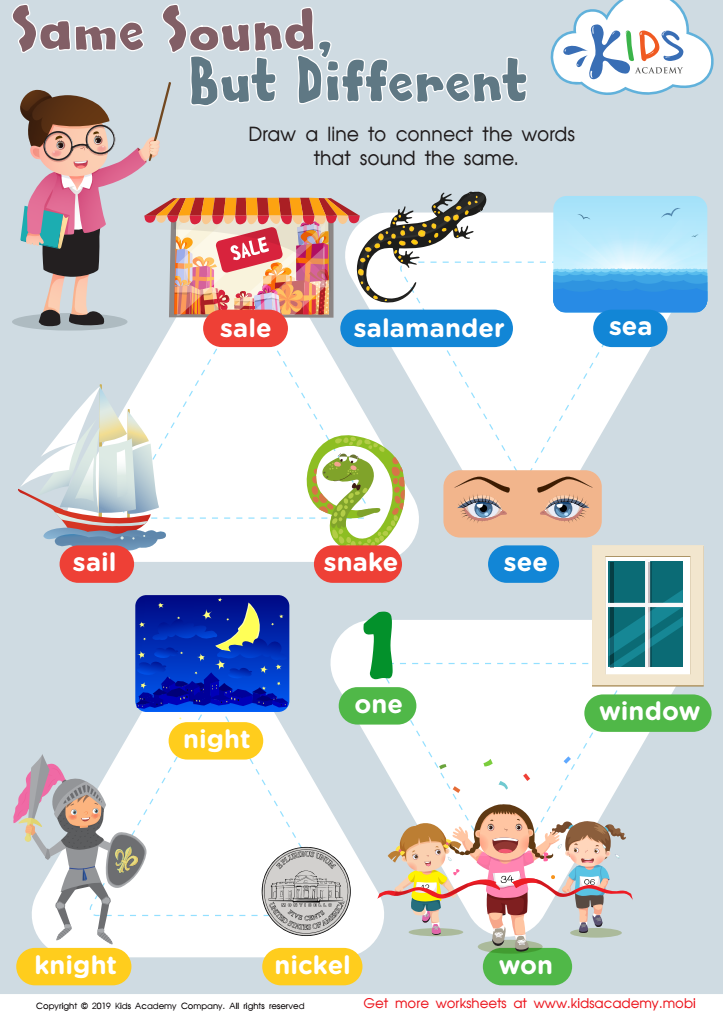
Sound Different Worksheet
 Assign to My Students











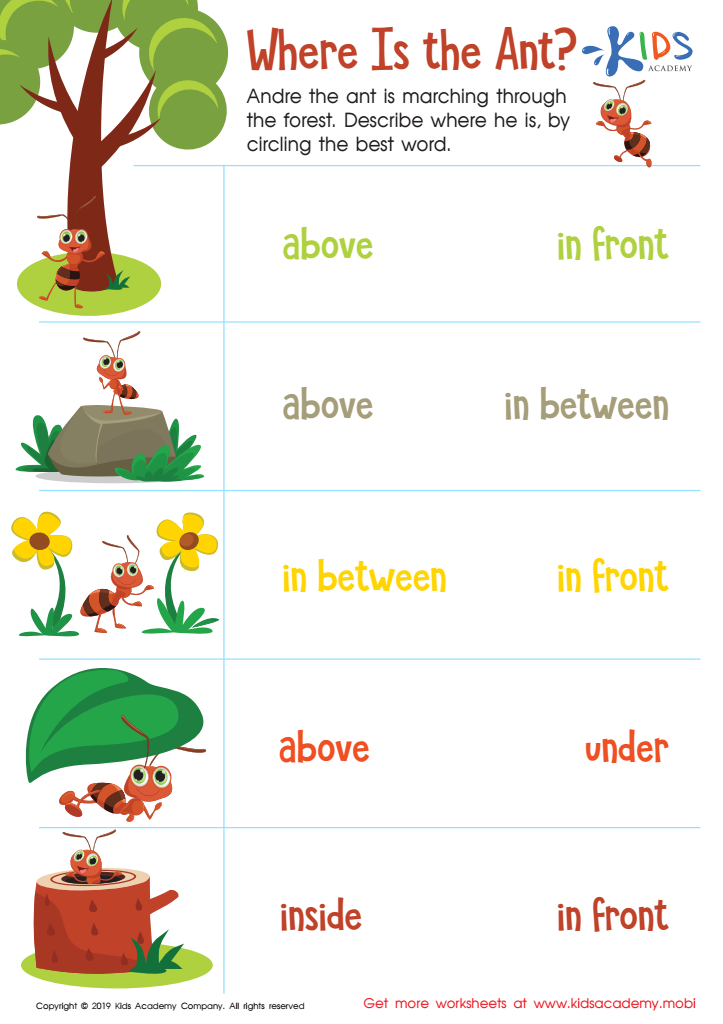
Where Is the Ant? Worksheet
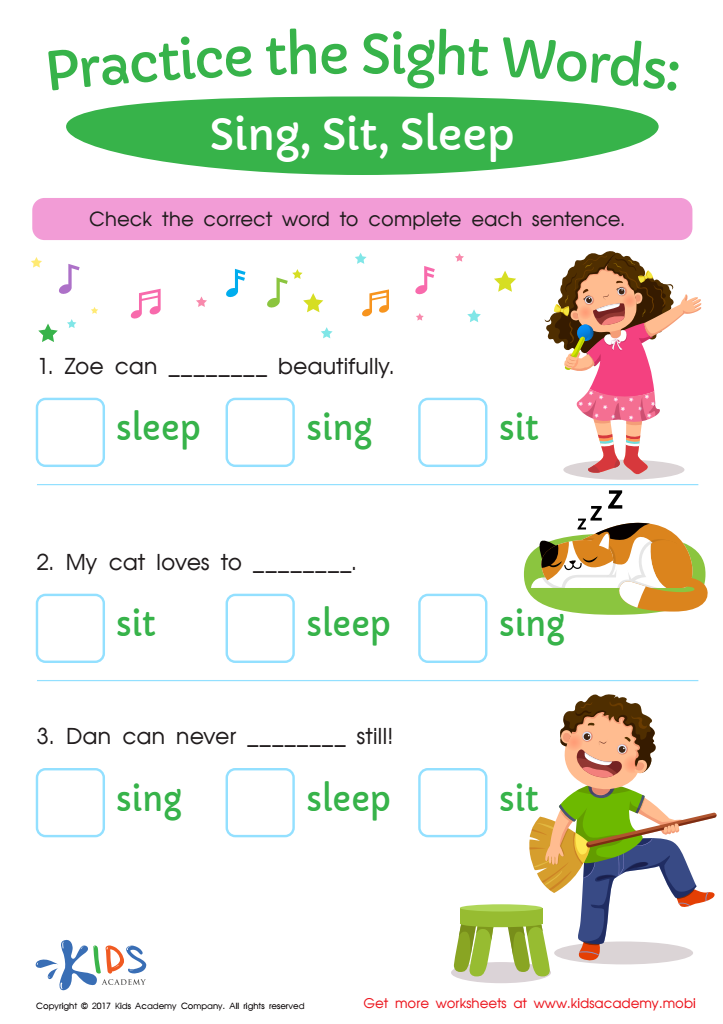
Sing, Sit, Sleep Sight Words Worksheet
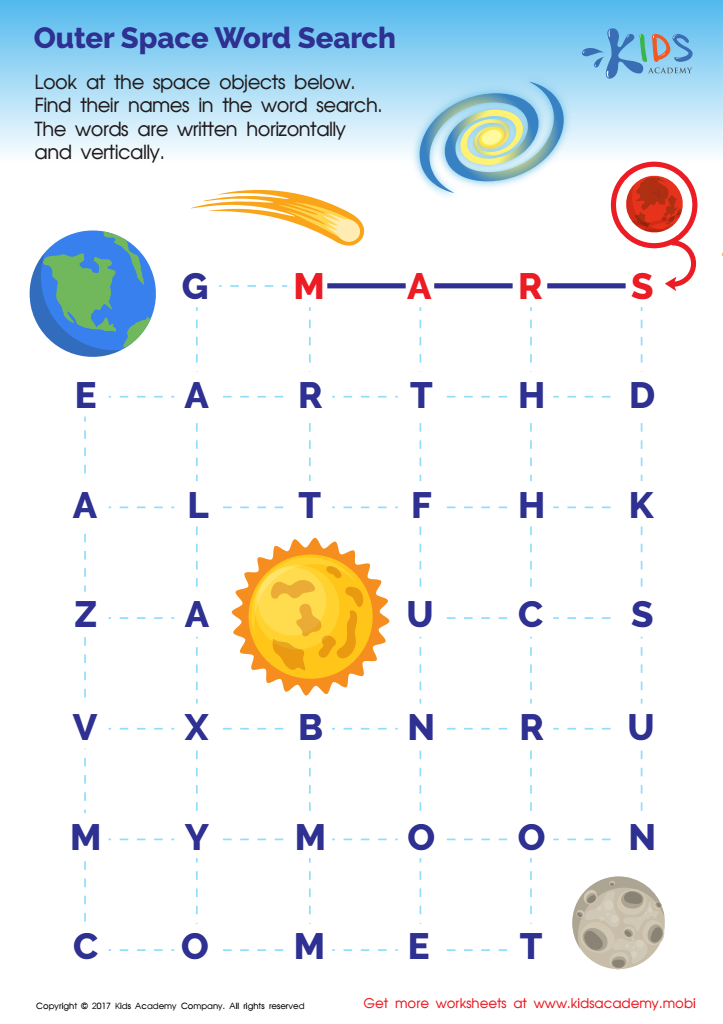
Outer Space Word Search Printable
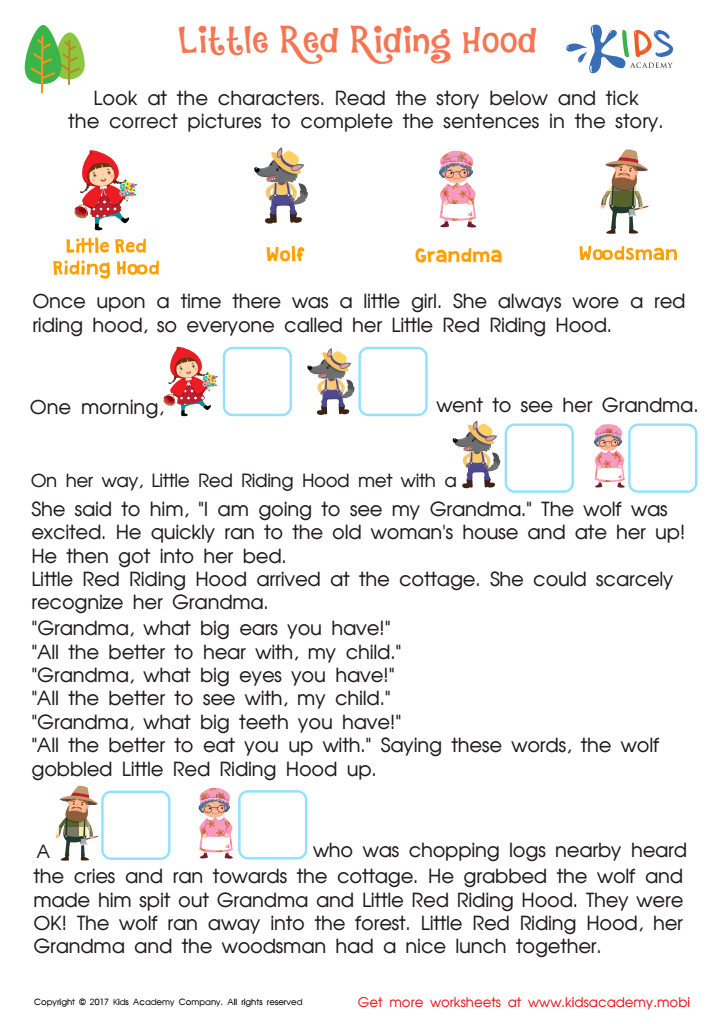
Little Red Riding Hood Printable
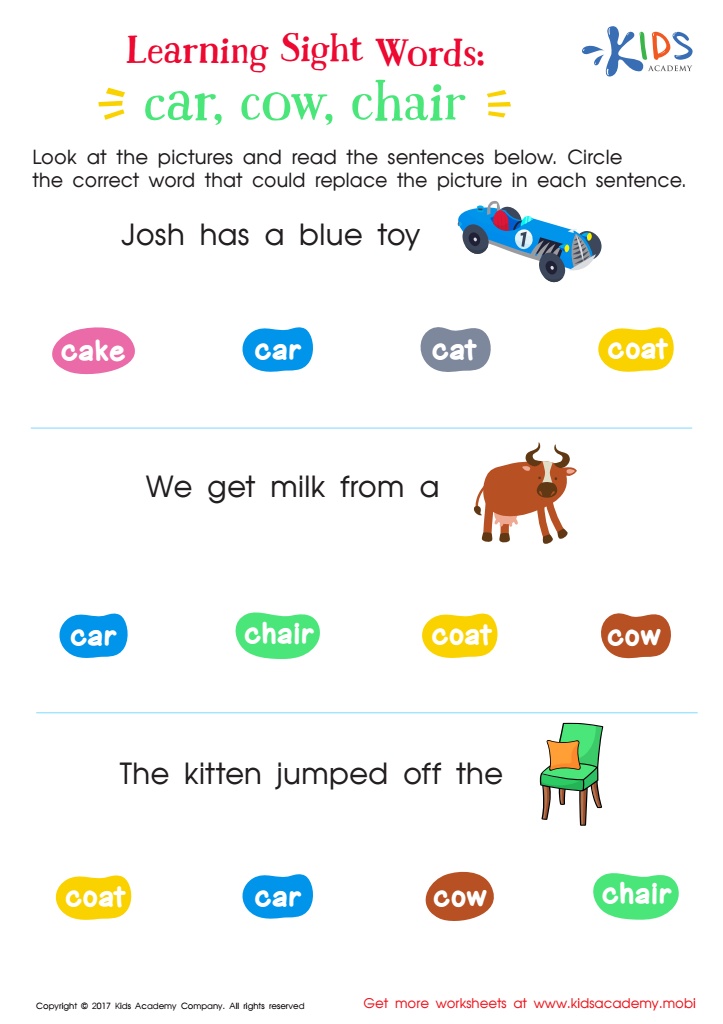
Car, Cow, Chair Worksheet Sight Words Worksheet
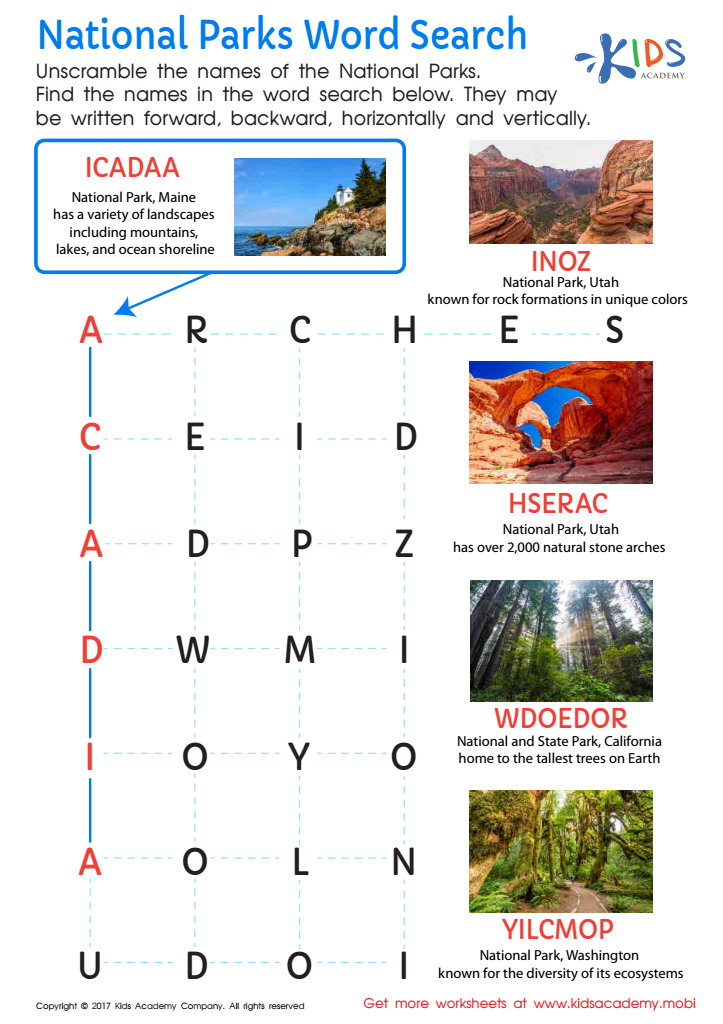
National Parks Word Search Worksheet
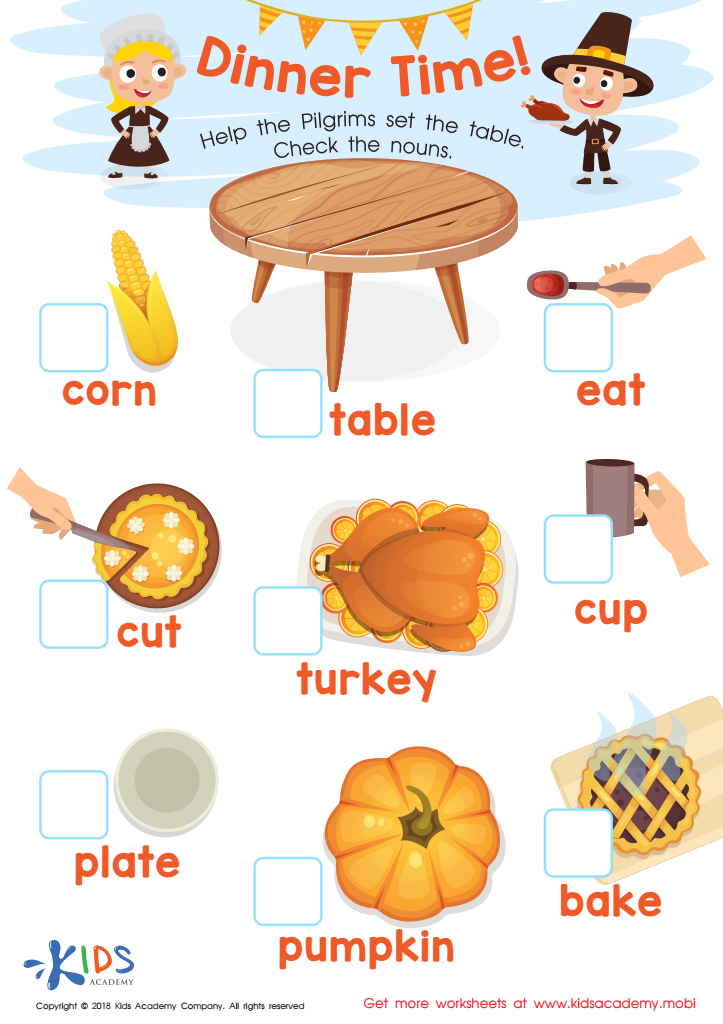
Dinner Time! Worksheet
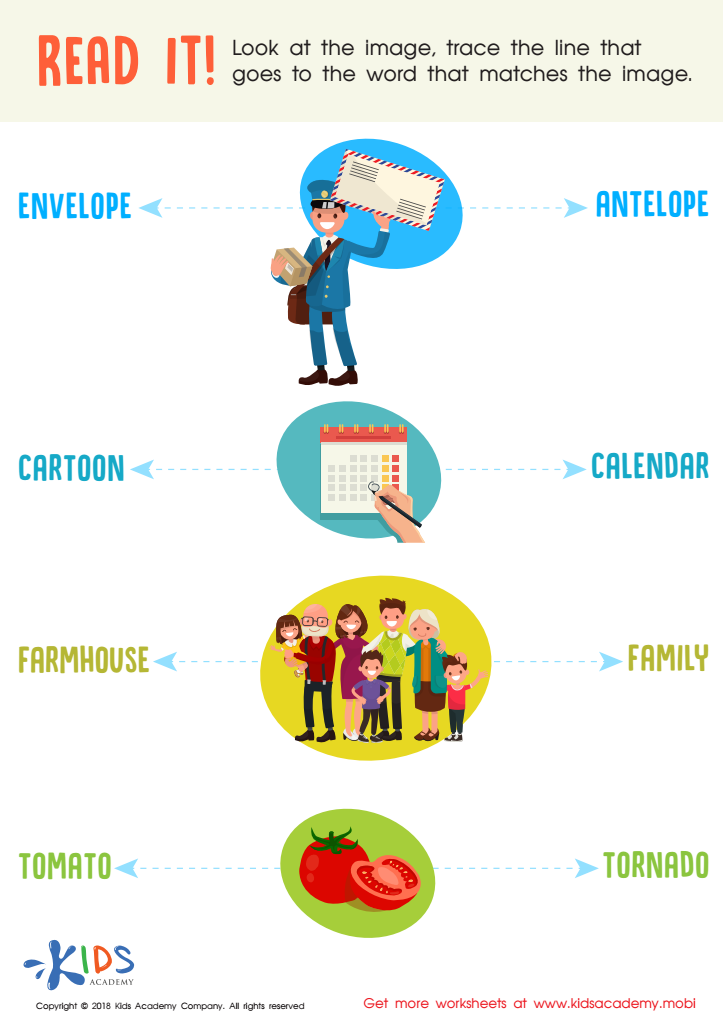
Read It! Worksheet
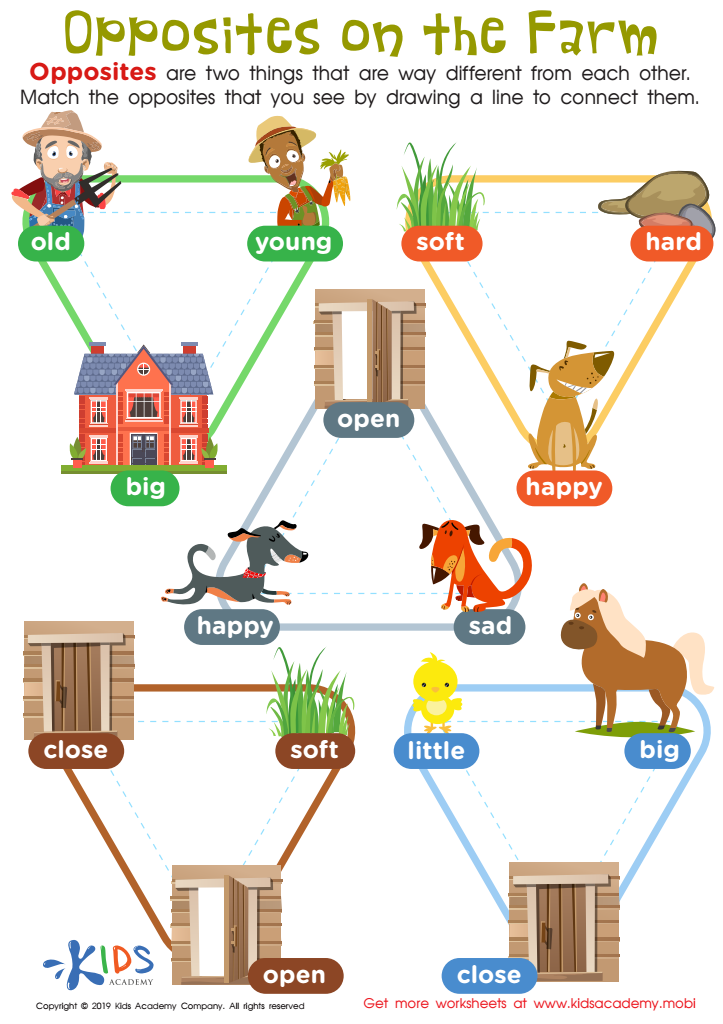
Opposites on the Farm Worksheet
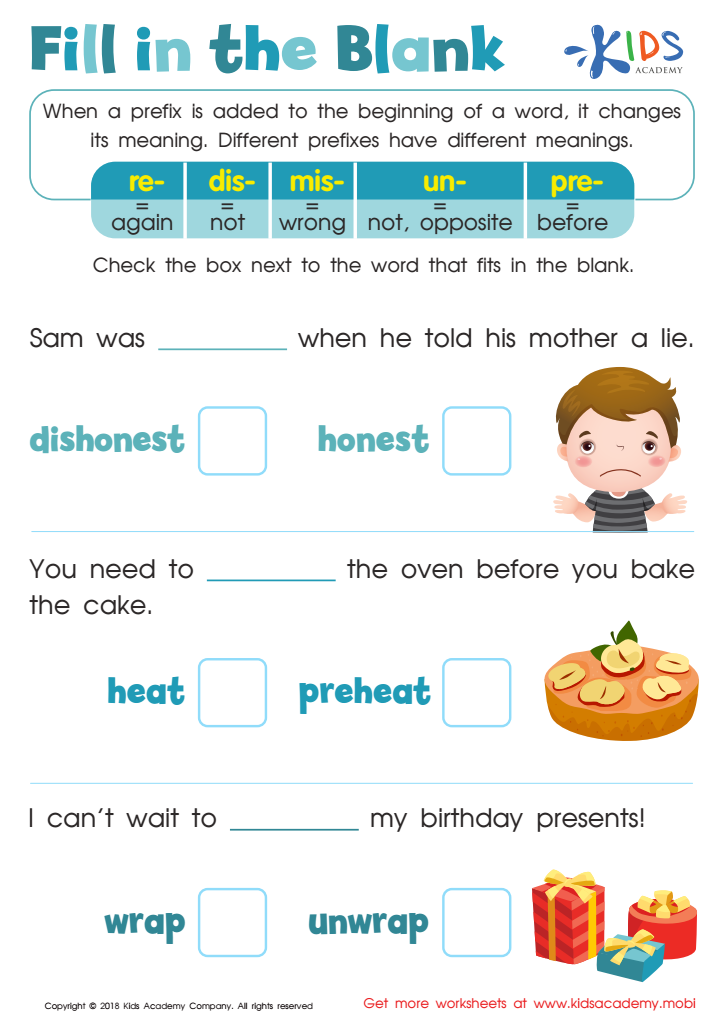
Reading: Fill in the Blank Worksheet
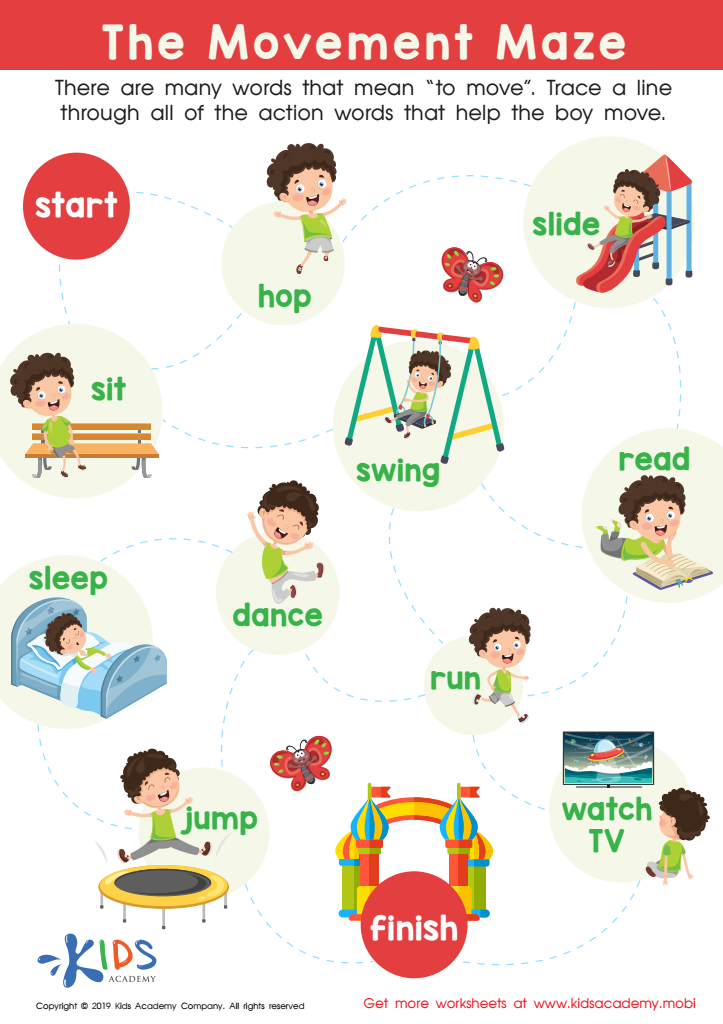
The Movement Maze Worksheet
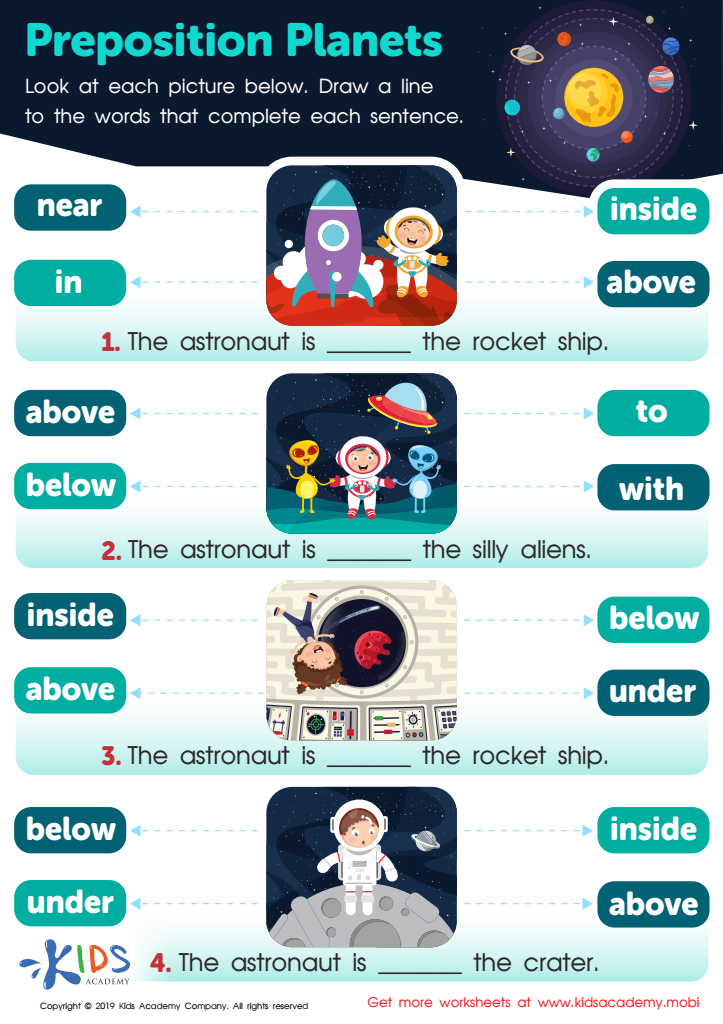
Preposition Planets Worksheet
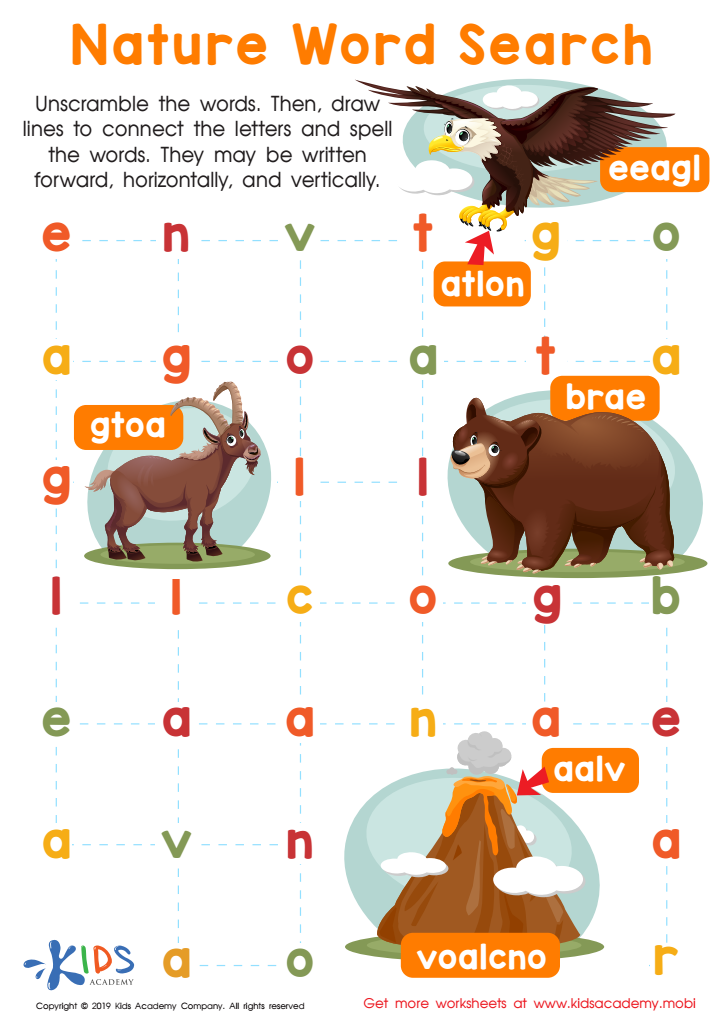
Nature Word Search Worksheet
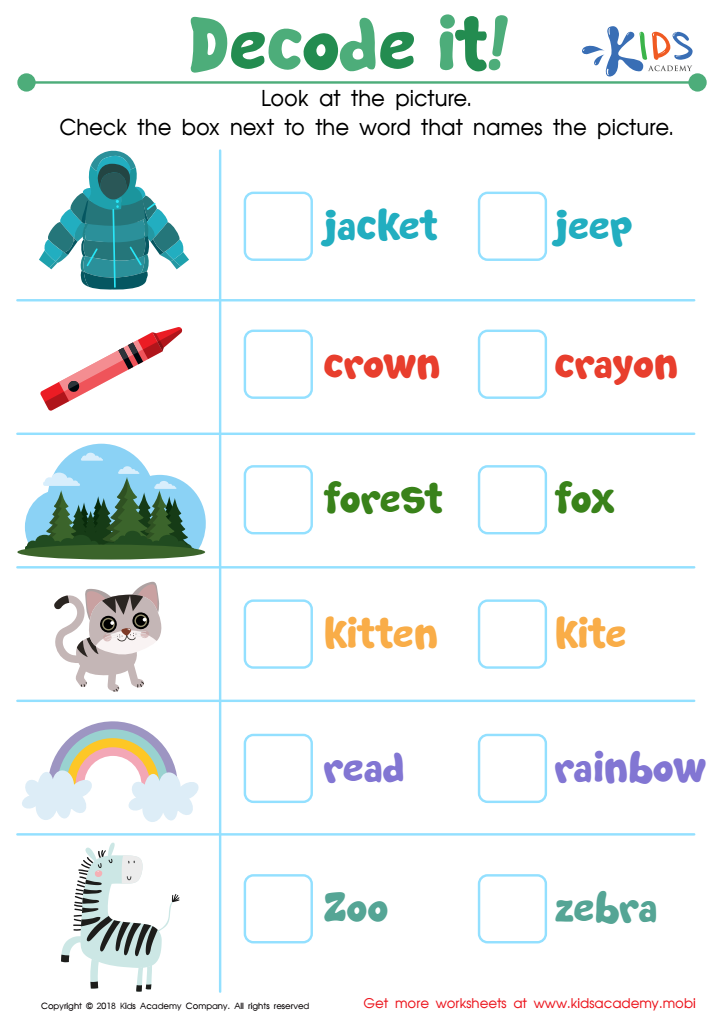
Reading: Decode It Worksheet
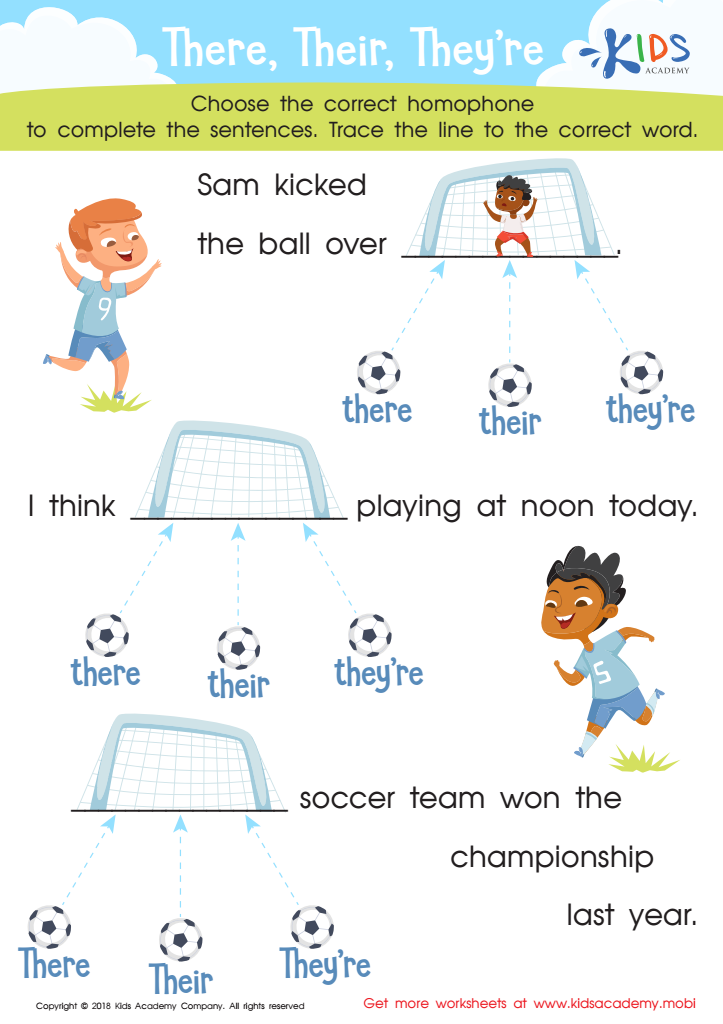
There, Their, They're Worksheet
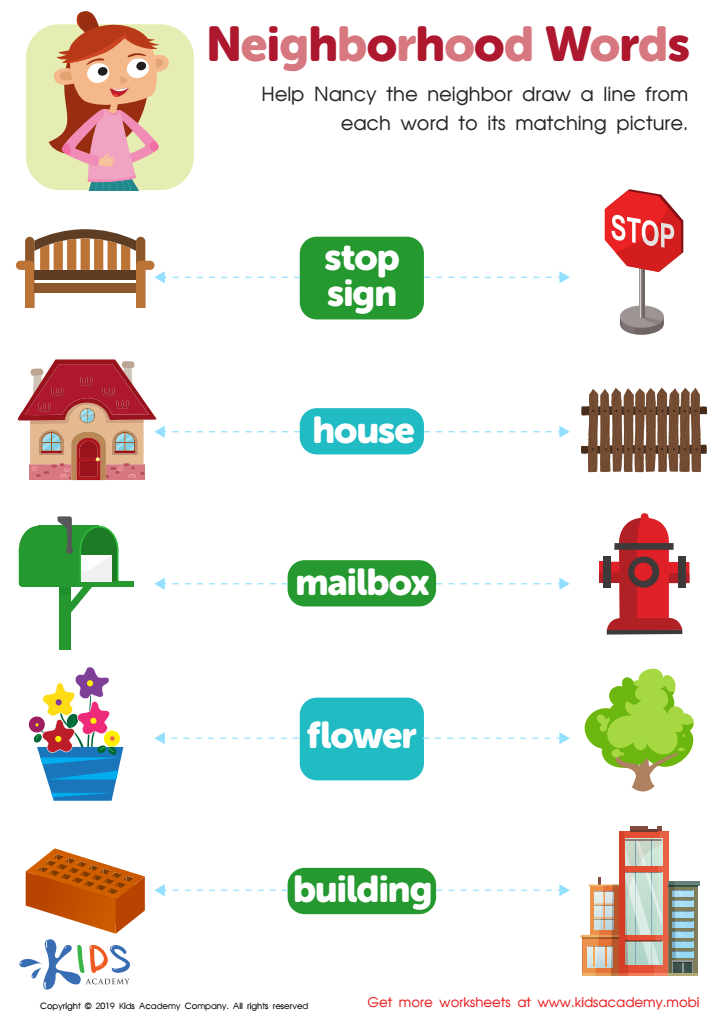
Neighborhood Words Worksheet
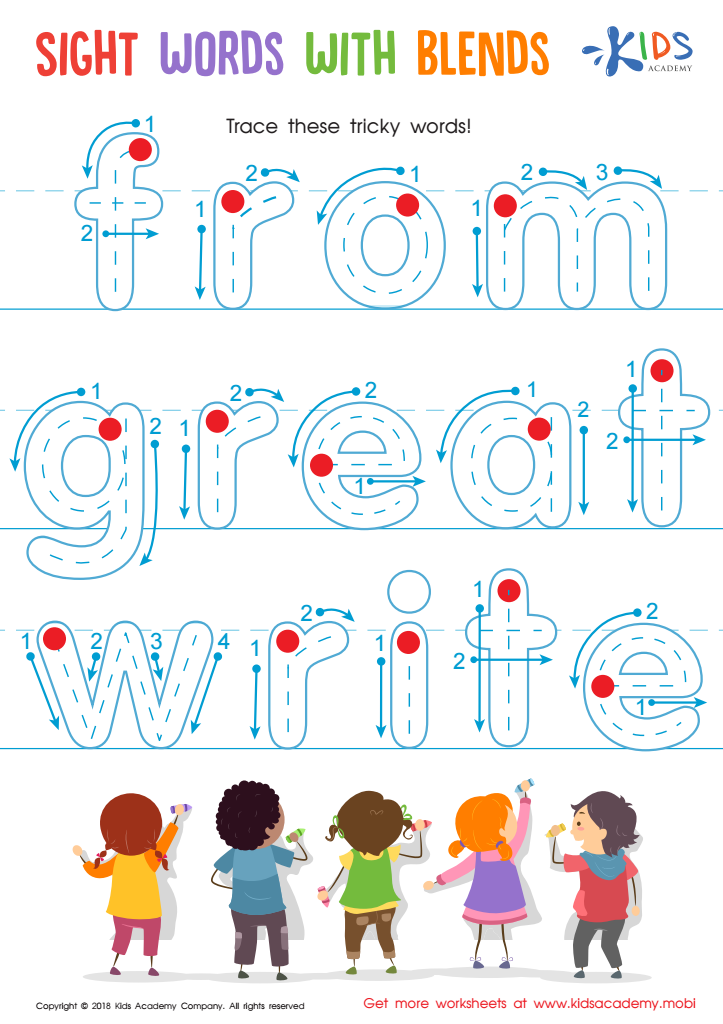
Sight Words with Blends Worksheet
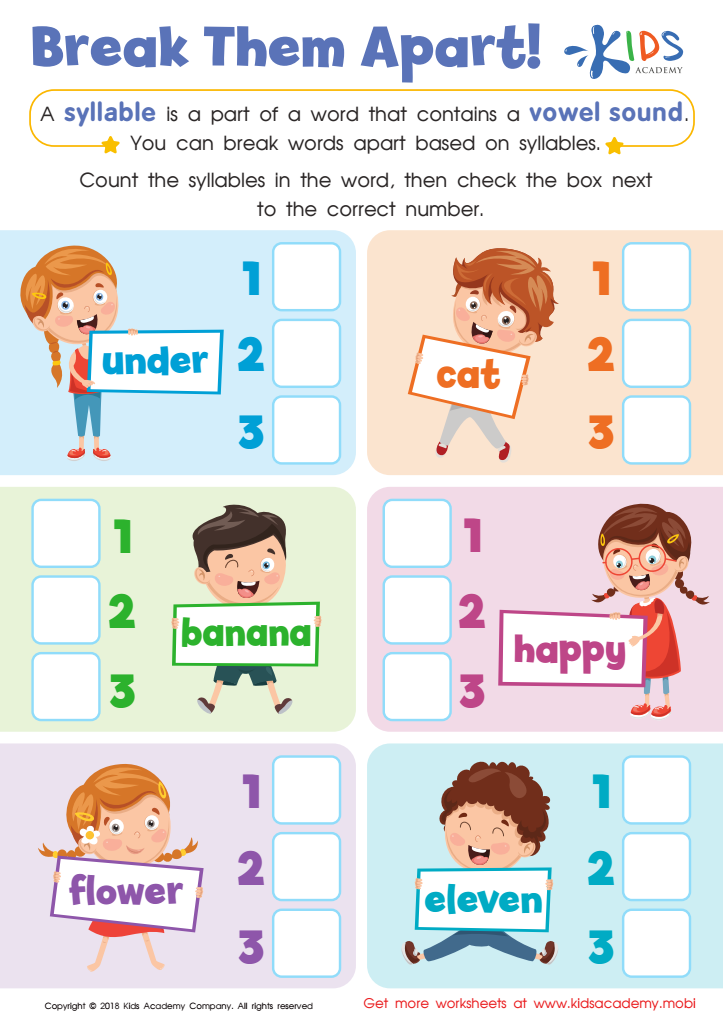
Reading: Break Them Apart Worksheet
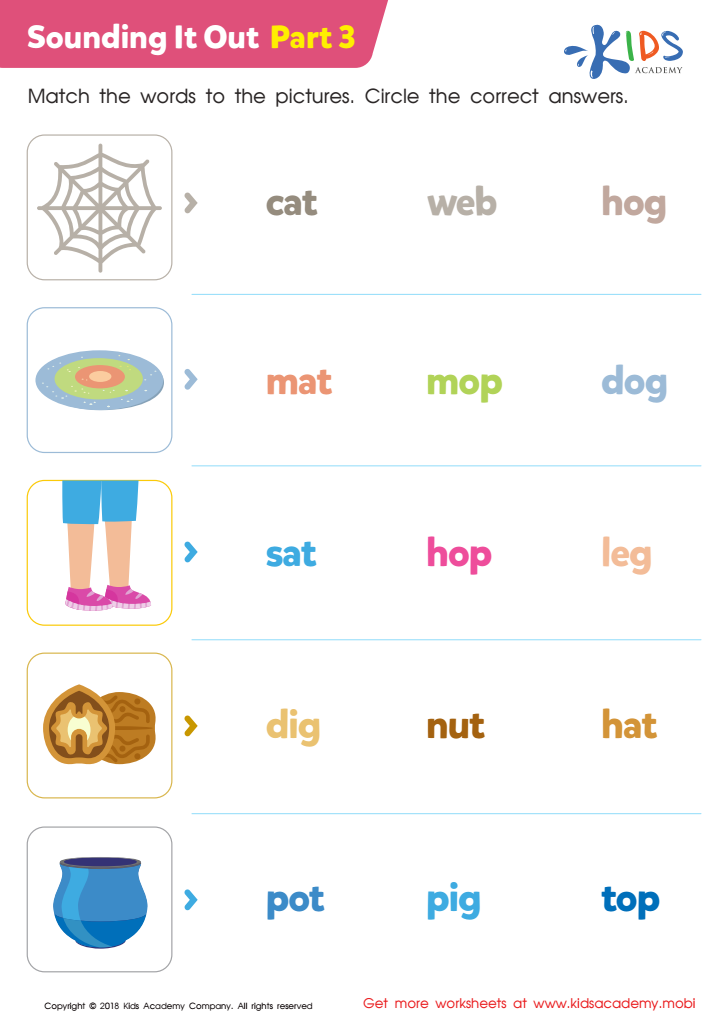
Sounding it Out: Part 3 Worksheet
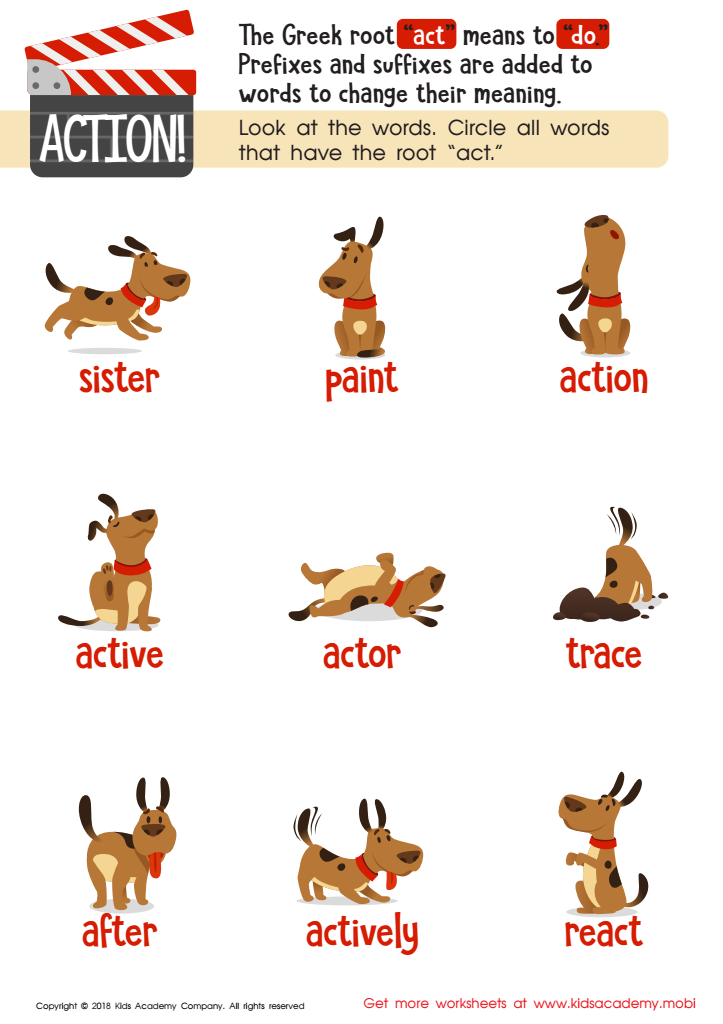
Action! Worksheet
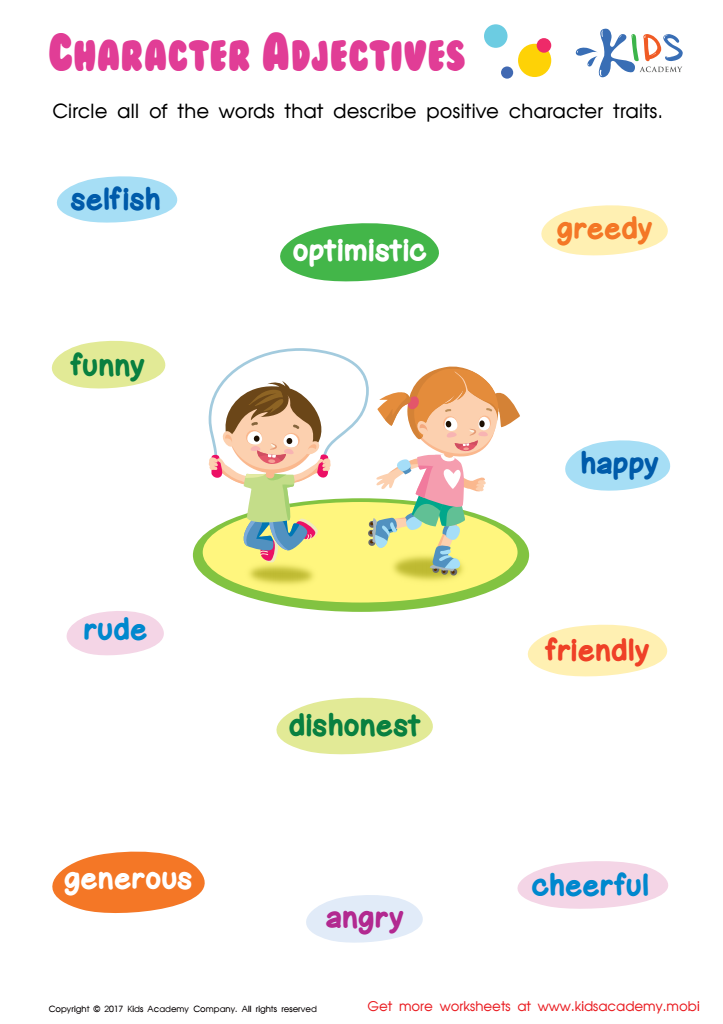
Character Adjectives Worksheet
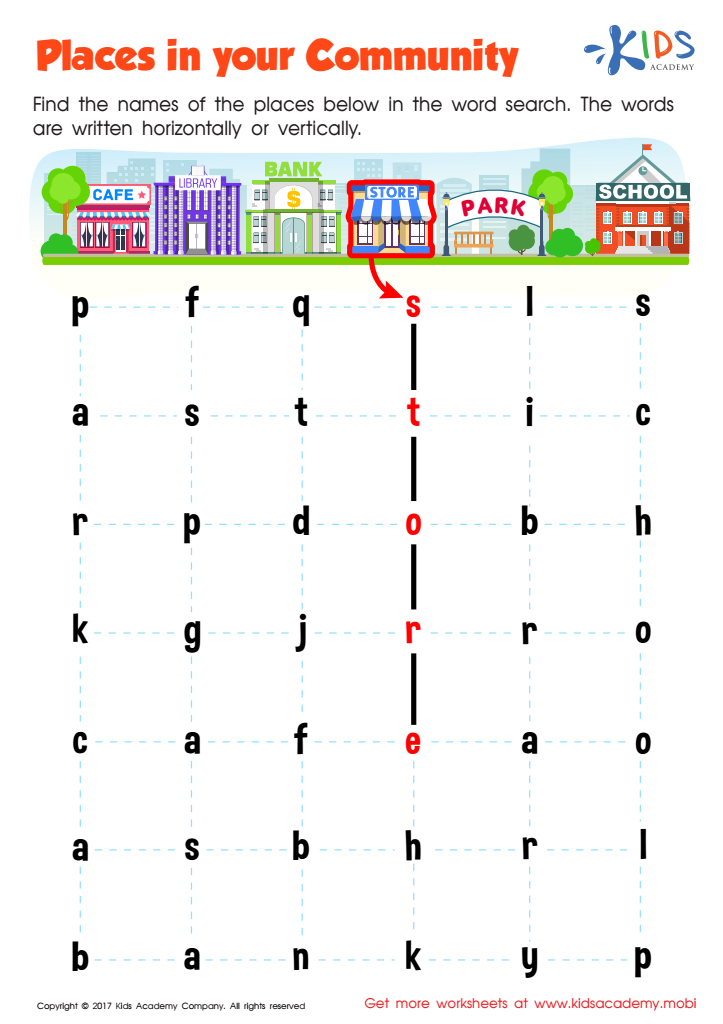
Places in Your Community Worksheet
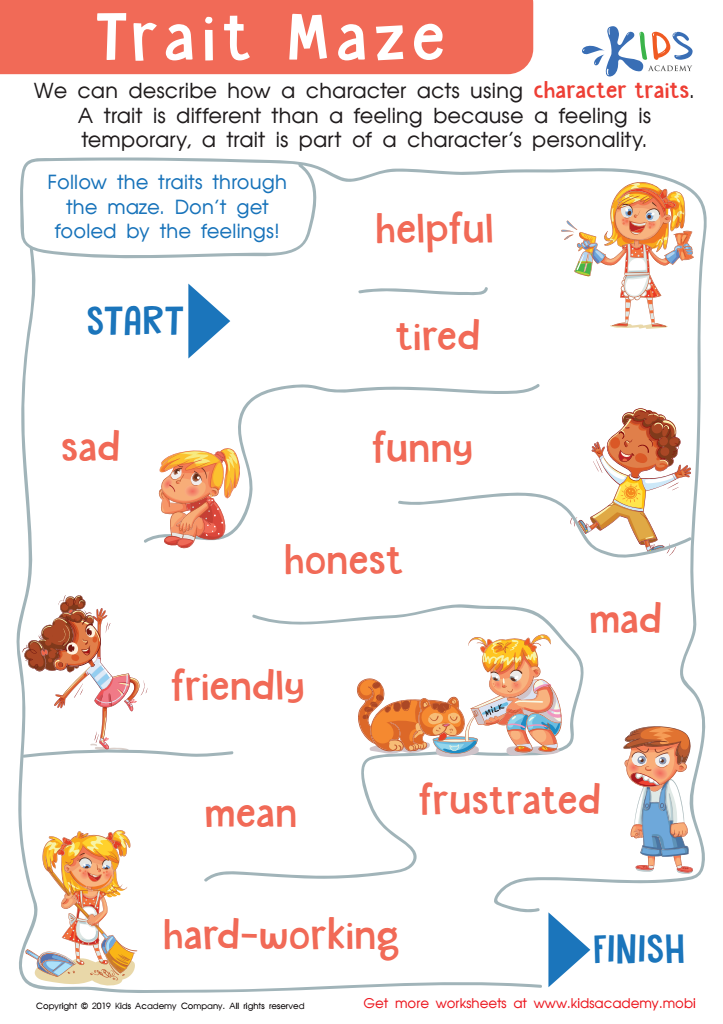
Trait Maze Worksheet








Parents and teachers should deeply care about normal building vocabulary for ages 5-8 because it forms the foundation of a child's language development and academic success. During these critical early years, children are exceptionally receptive to learning new words and concepts. A rich vocabulary helps them understand and express thoughts, needs, and ideas more clearly. Additionally, it enhances their comprehension skills, making reading and learning more engaging and effective.
Having a strong vocabulary sets the stage for improved reading skills. The more words a child knows, the better they can decode and understand the text they encounter, fostering a love for reading and learning. This impacts their overall educational trajectory, including success in subjects beyond language arts, as vocabulary is crucial for understanding instructions, questions, and problem-solving in areas like mathematics and science.
Furthermore, a robust vocabulary boosts a child’s confidence and social skills. It allows them to communicate more effectively with peers and adults, navigate social situations better, and engage more fully in classroom activities. This confidence can translate into a more active participation and a generally more positive attitude toward school.
Investing in vocabulary development early on can also help identify and assist those who may be at risk for language delays or learning disabilities, ensuring timely support and interventions. Thus, nurturing vocabulary growth between ages 5 and 8 is pivotal for a child's educational and personal development.








