Normal Animals Worksheets for Ages 5-8 - Page 2
49 filtered results
-
From - To
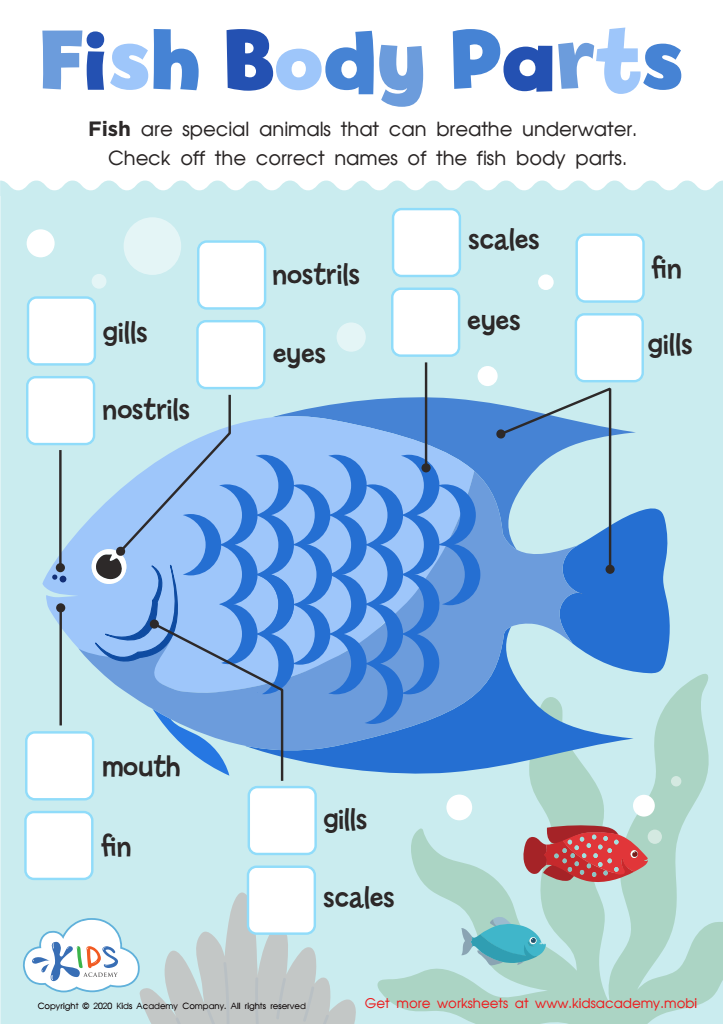
Fish Body Parts Worksheet
 Assign to My Students
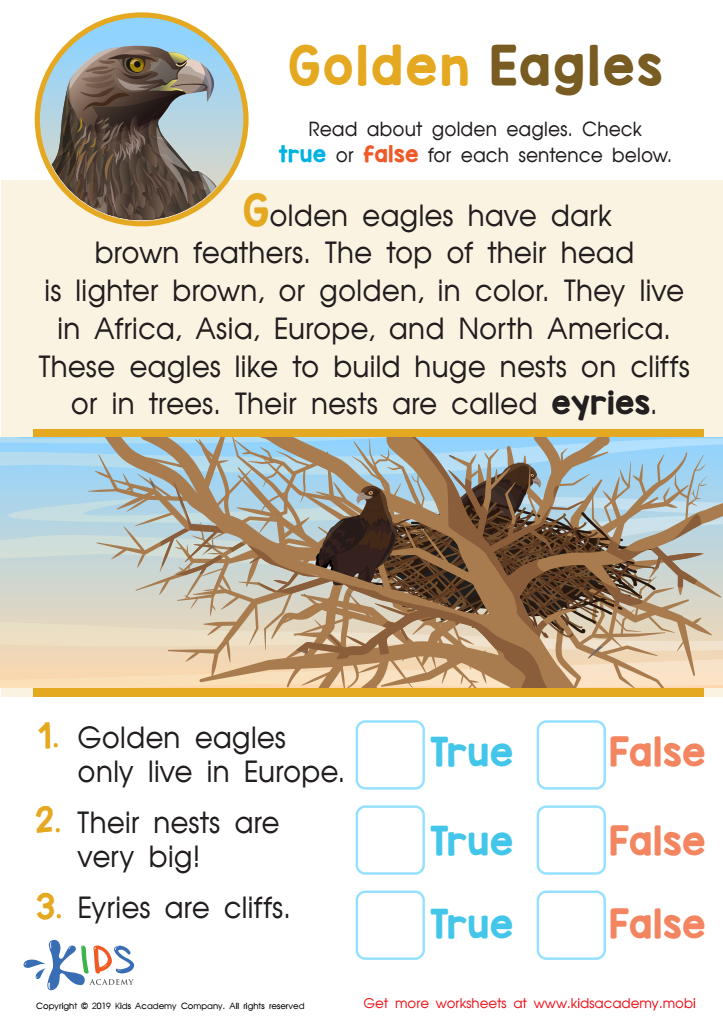
Golden Eagles Worksheet
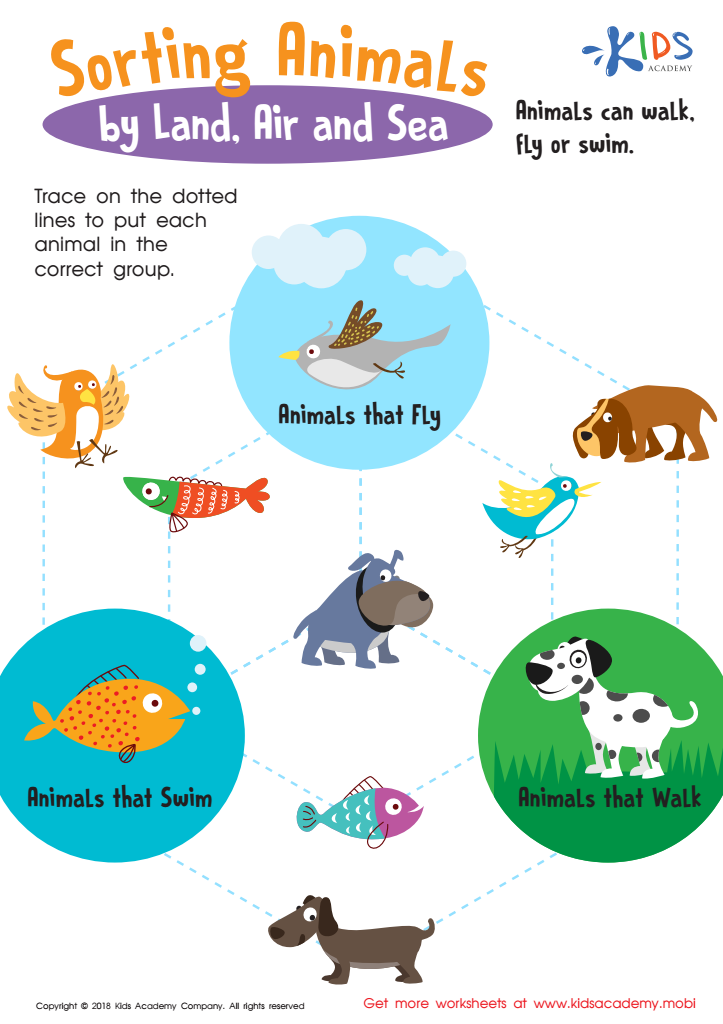
Sorting Animals by Land, Air and Sea Worksheet
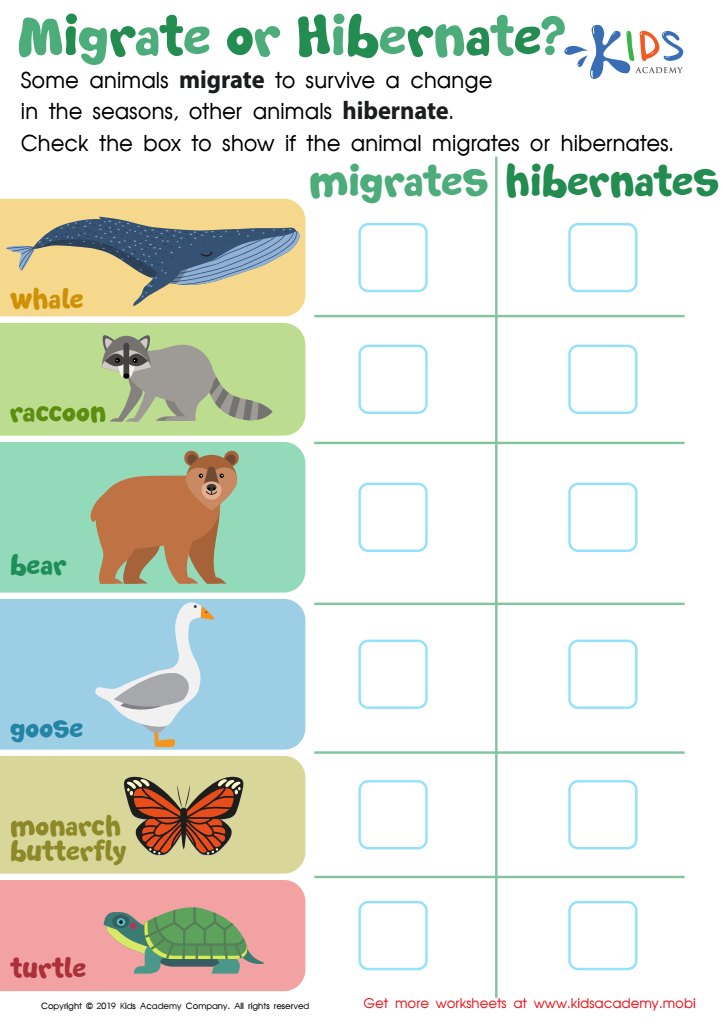
Migrate or Hibernate? Worksheet
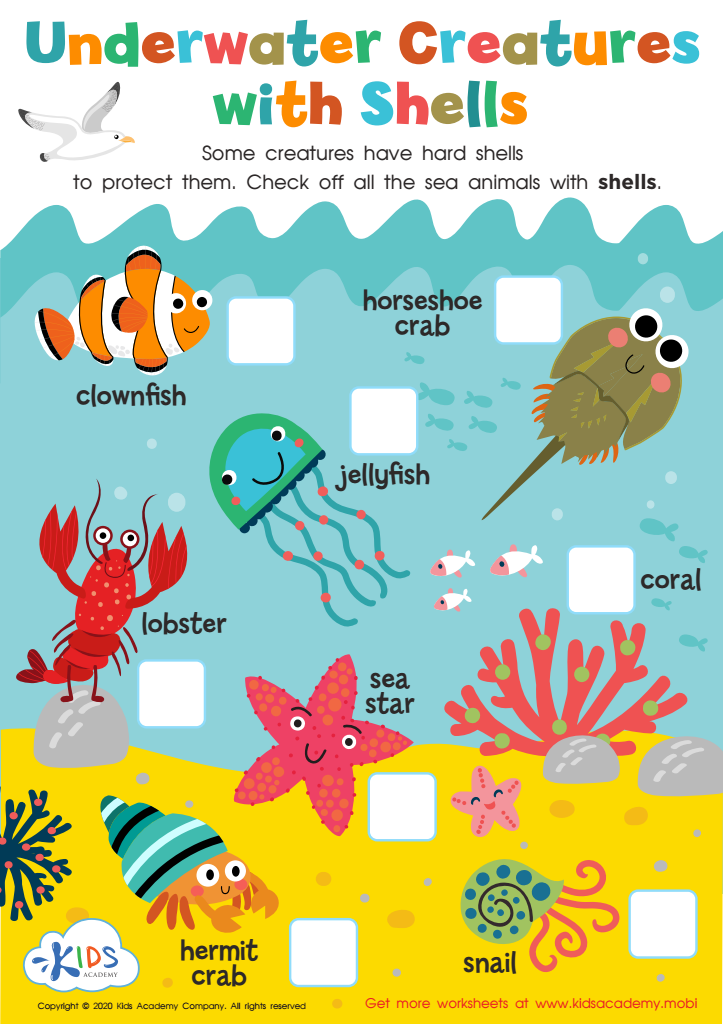
Underwater Creatures with Shells Worksheet
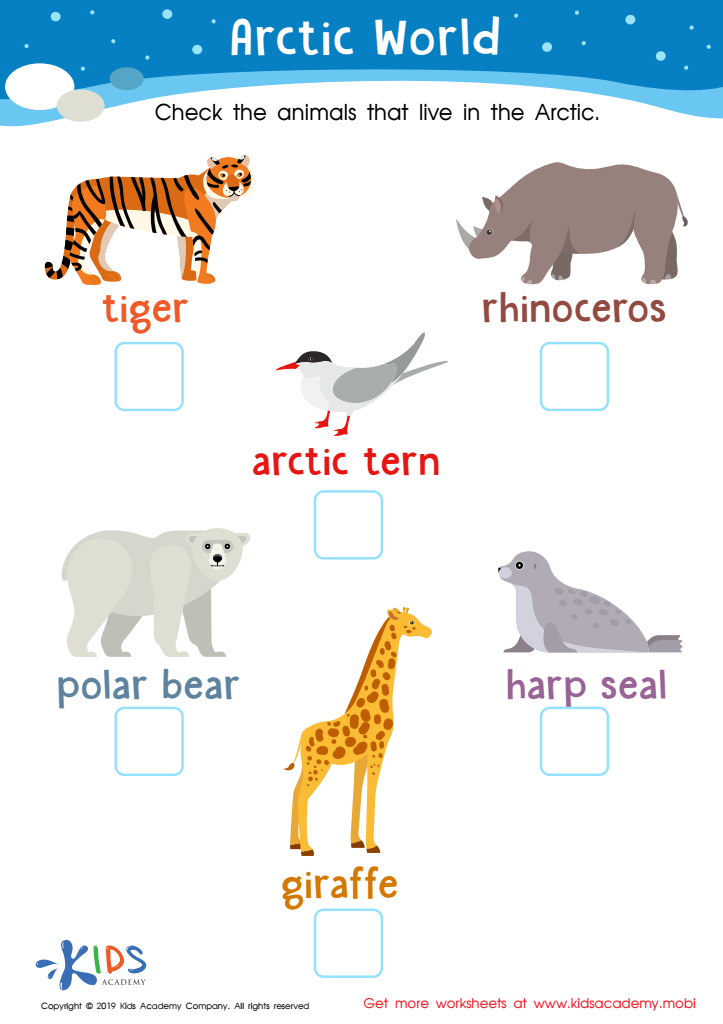
Arctic World Worksheet
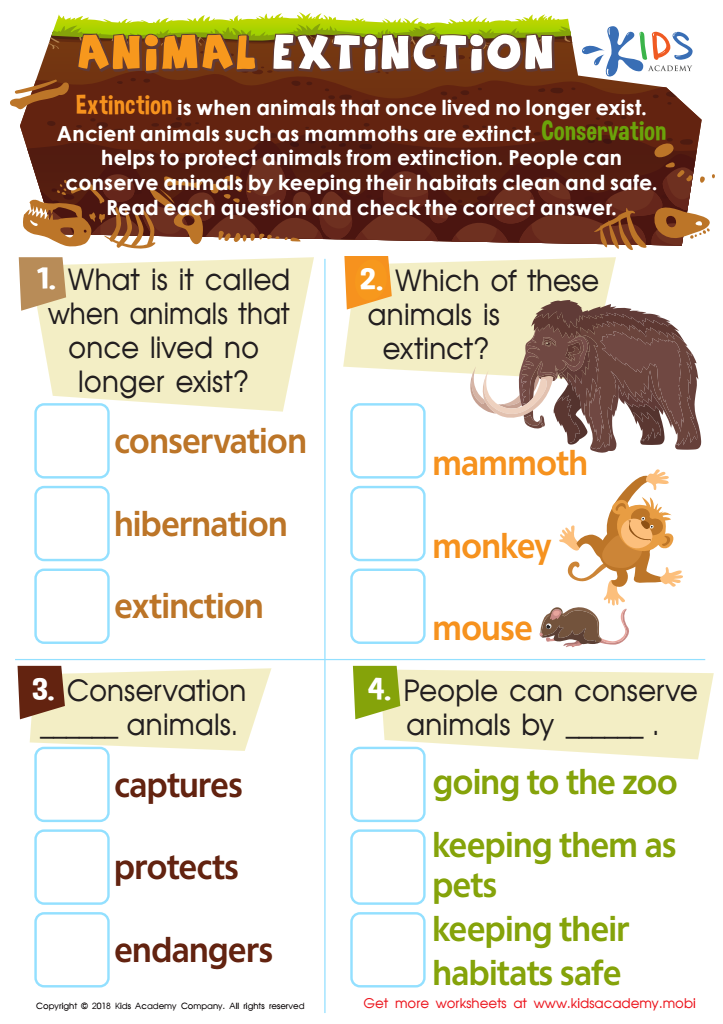
Animal Extinction Worksheet
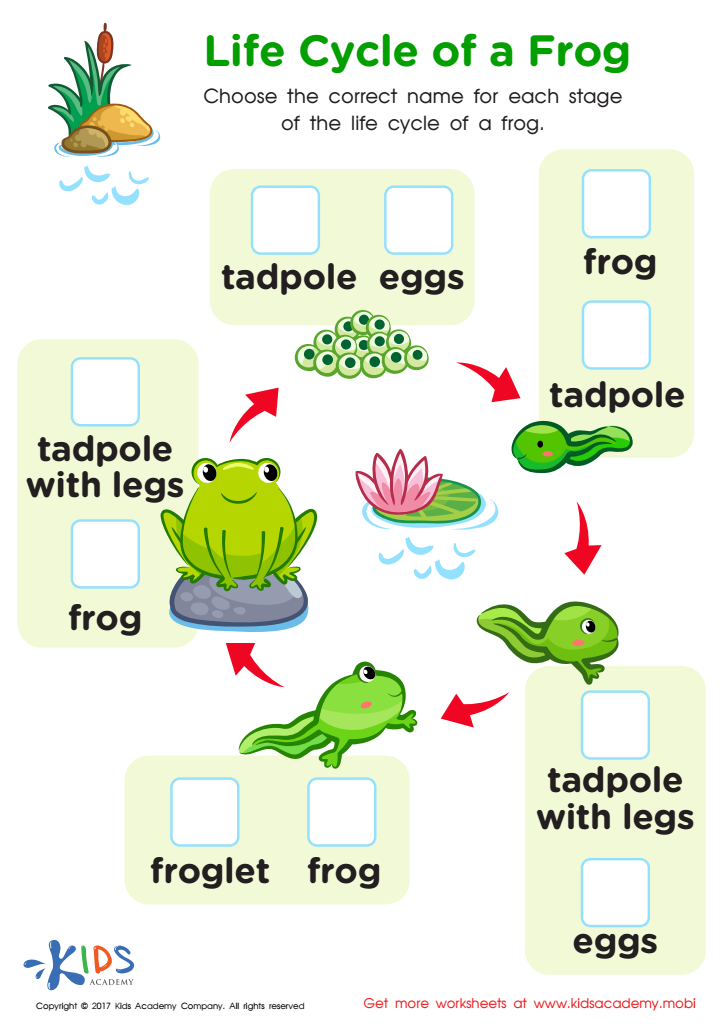
Life Cycle Frog Printable
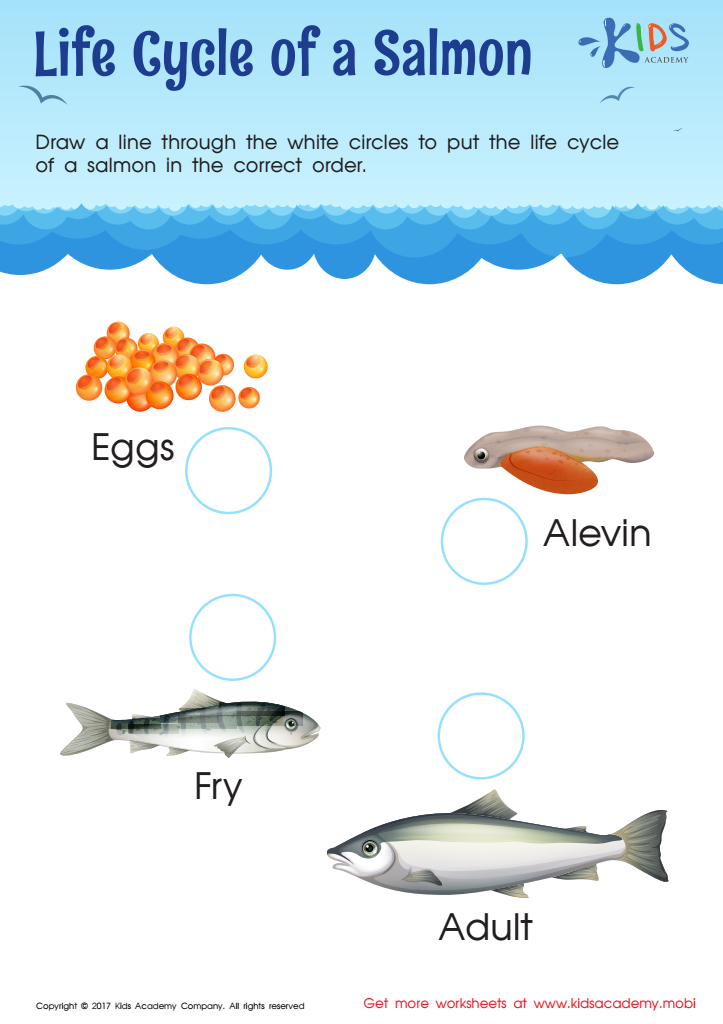
Cycle Of Salmon Worksheet
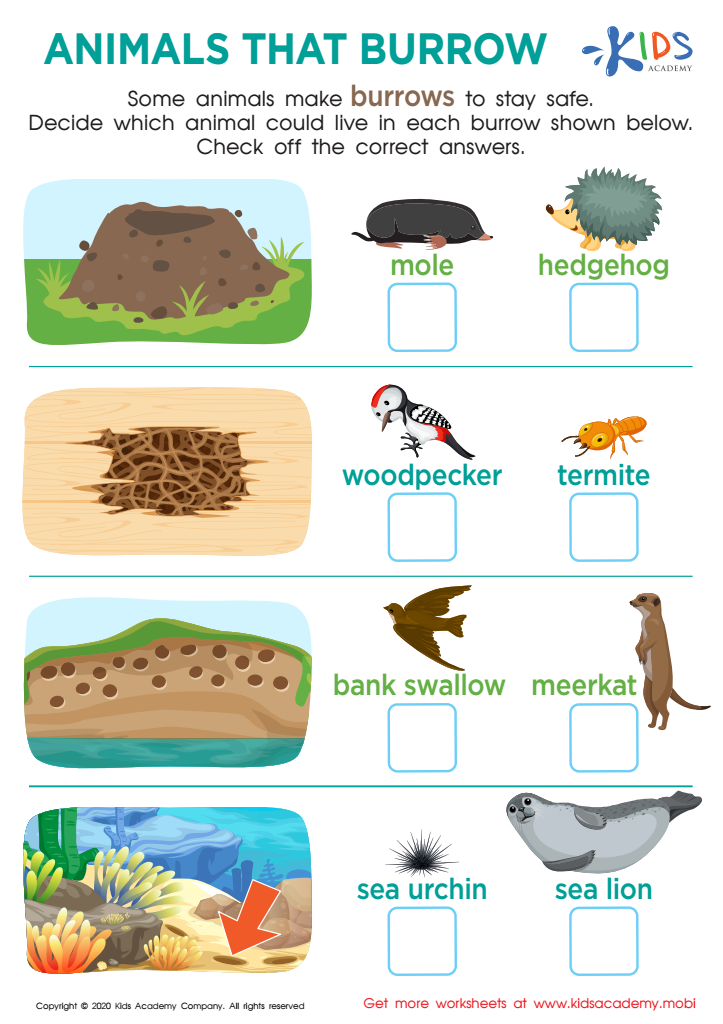
Animals That Burrow Worksheet
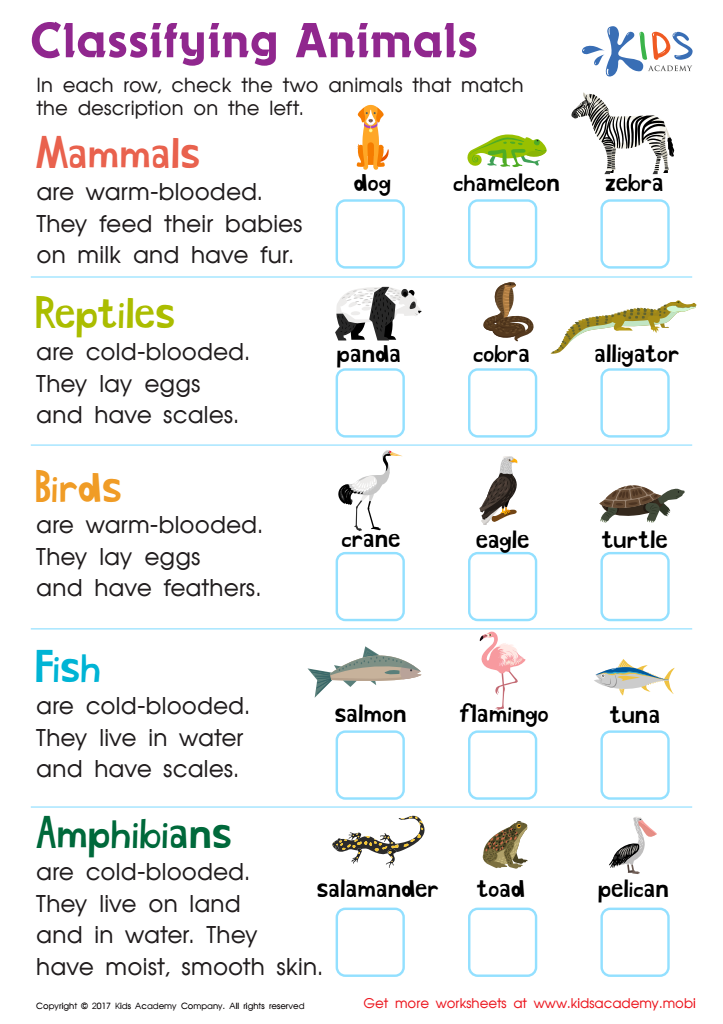
Classifying Animals Worksheet
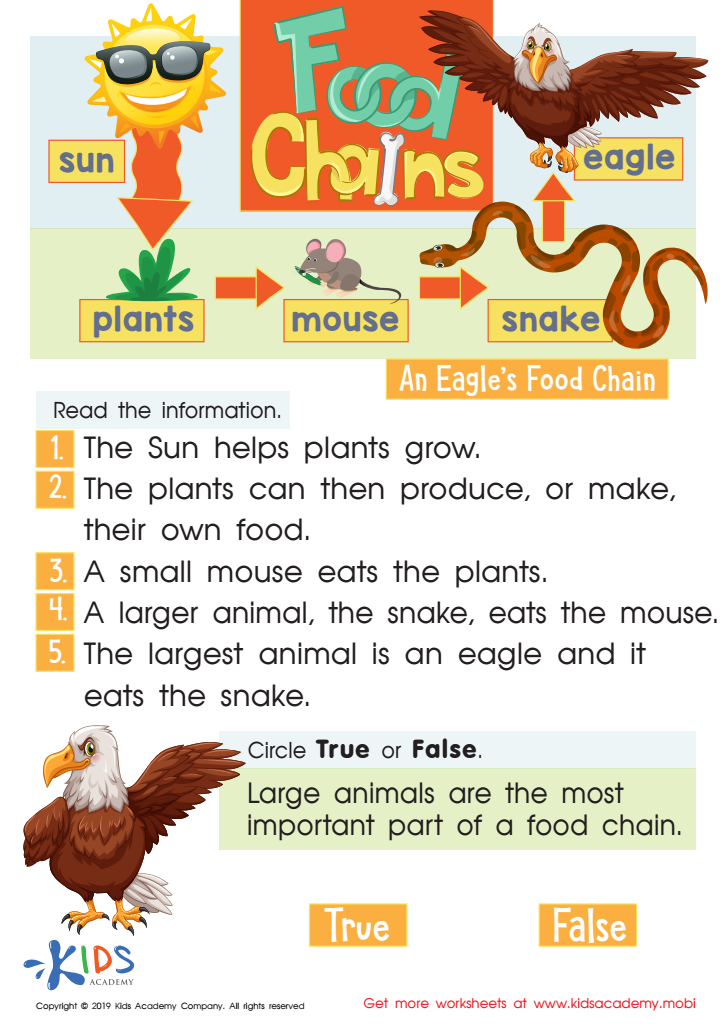
Food Chains Worksheet
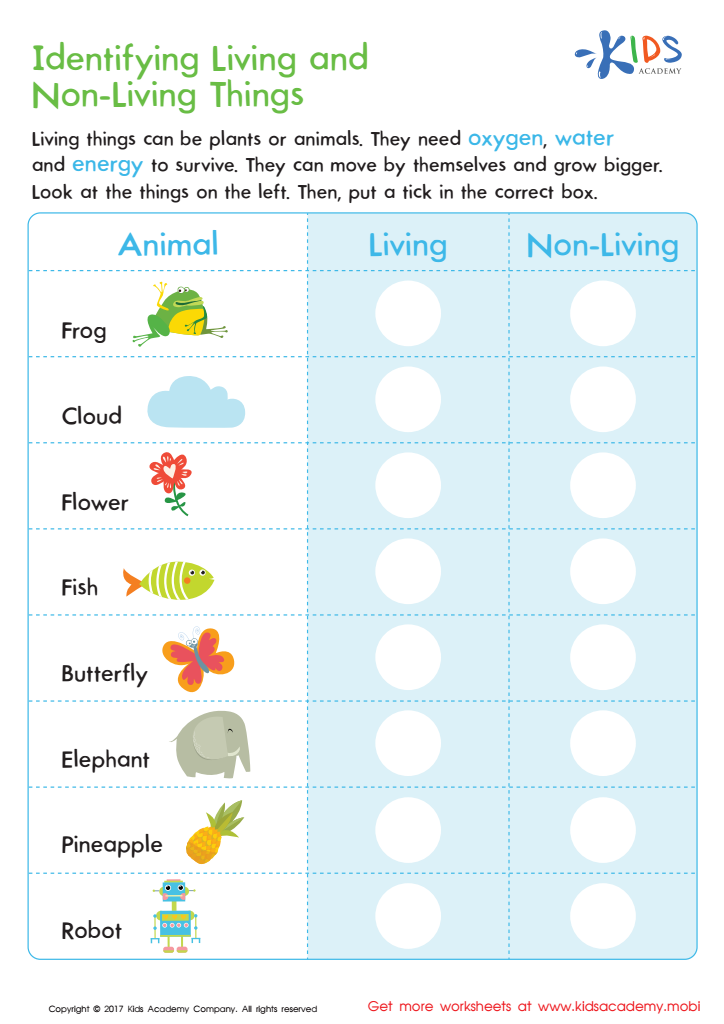
Identifying Living or Non–living Worksheet
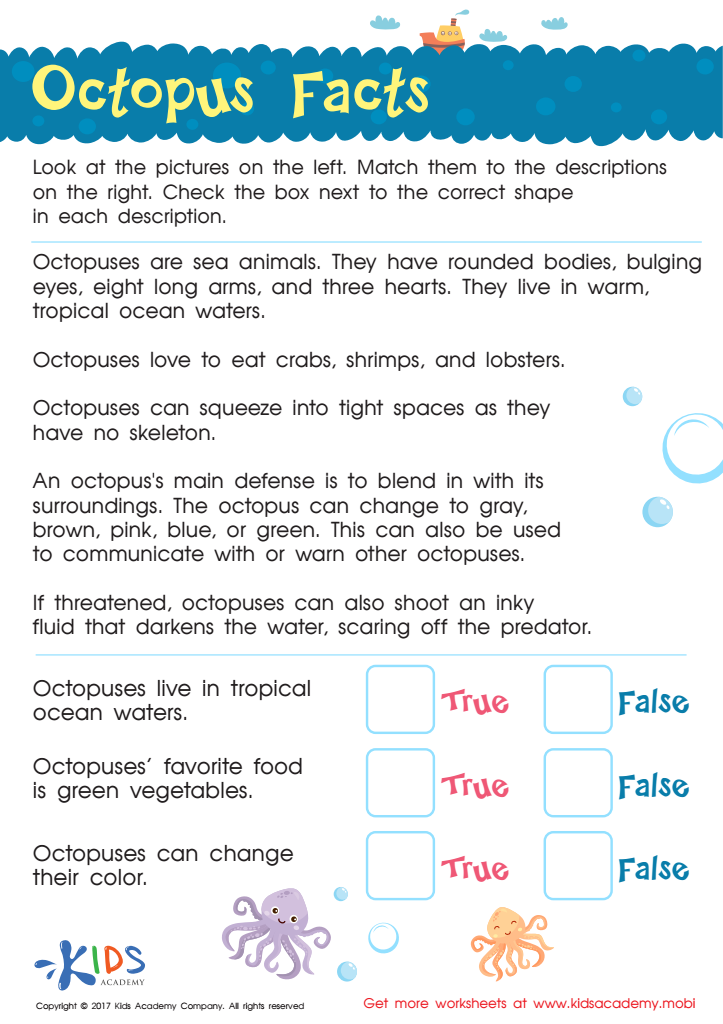
Octopus Facts Worksheet For Kids
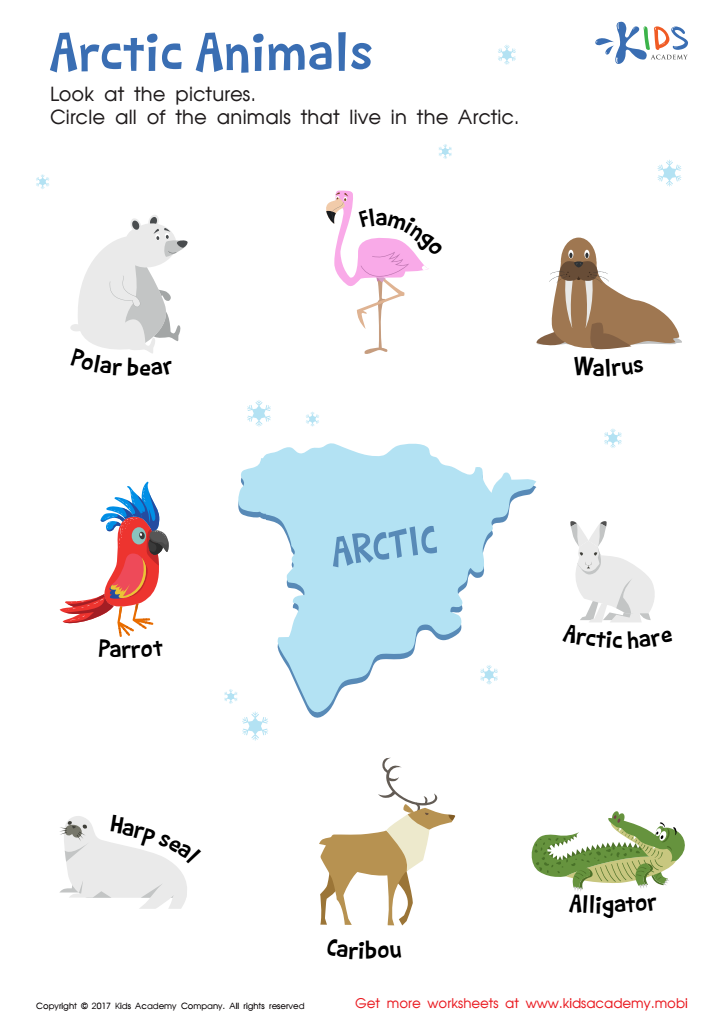
Arctic Animals Worksheet
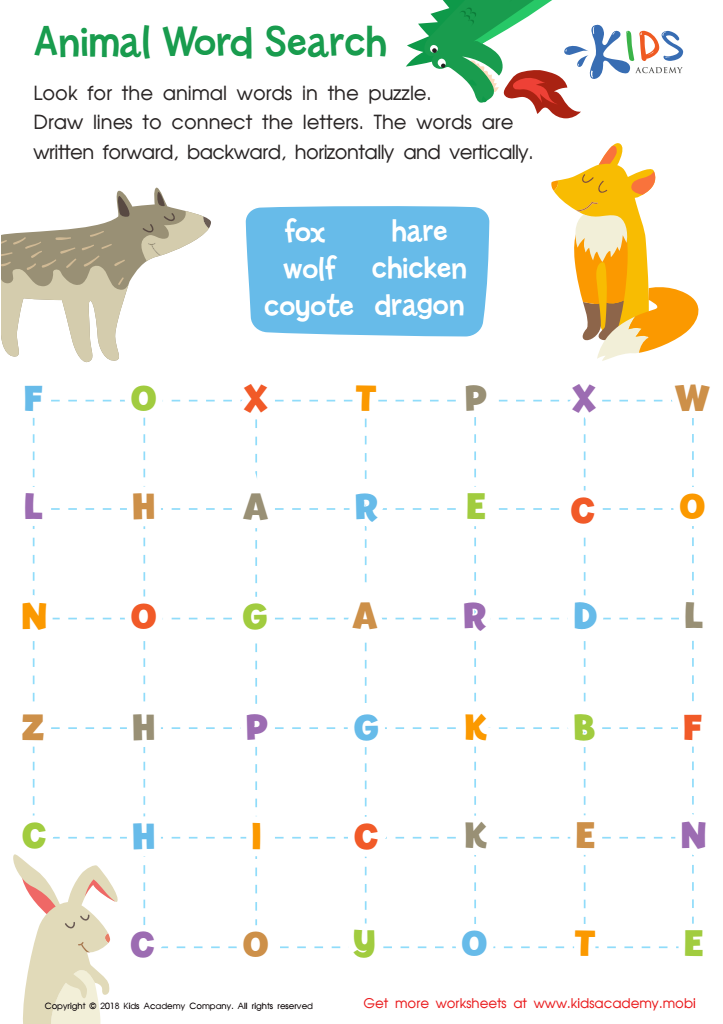
Animal Word Search Worksheet
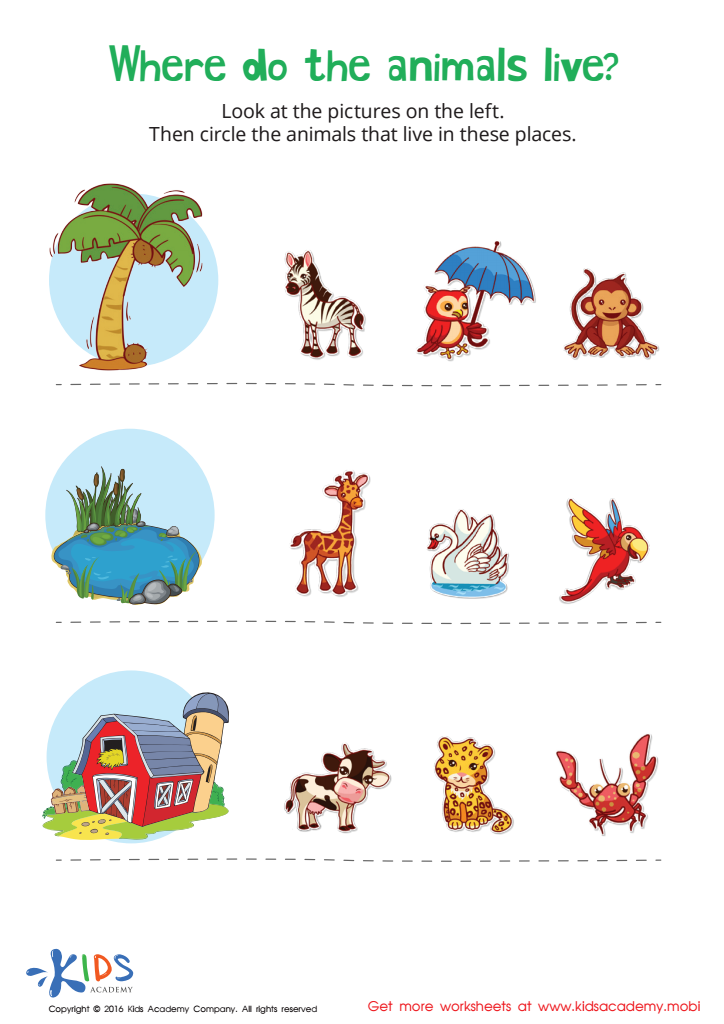
Where Animals Live Worksheet
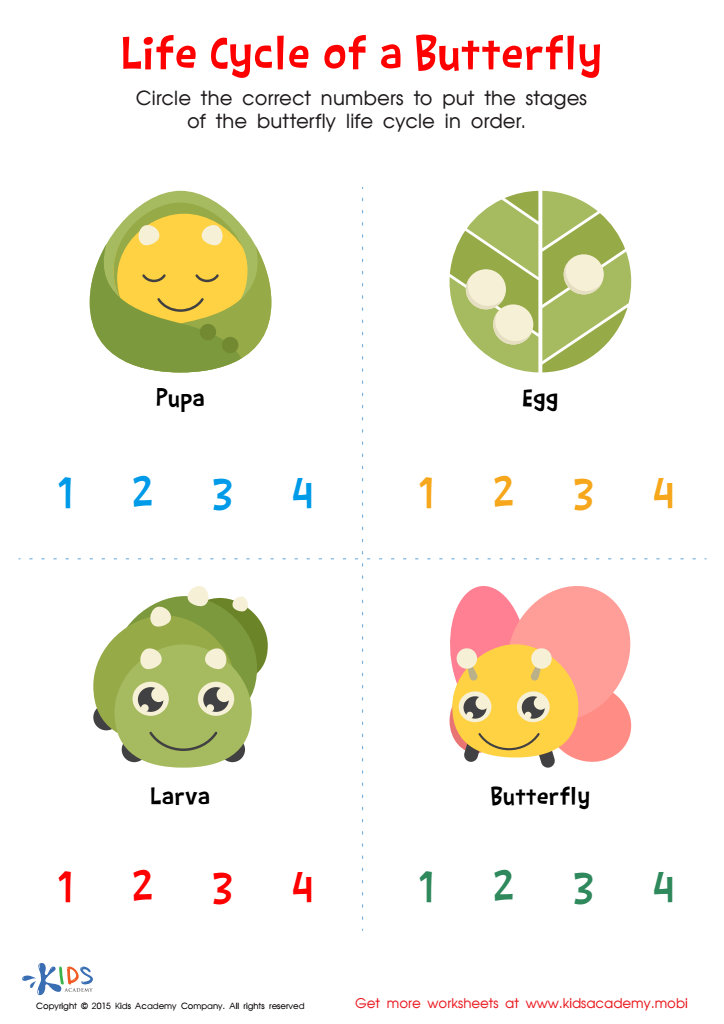
Life Cycle of Butterfly Printable
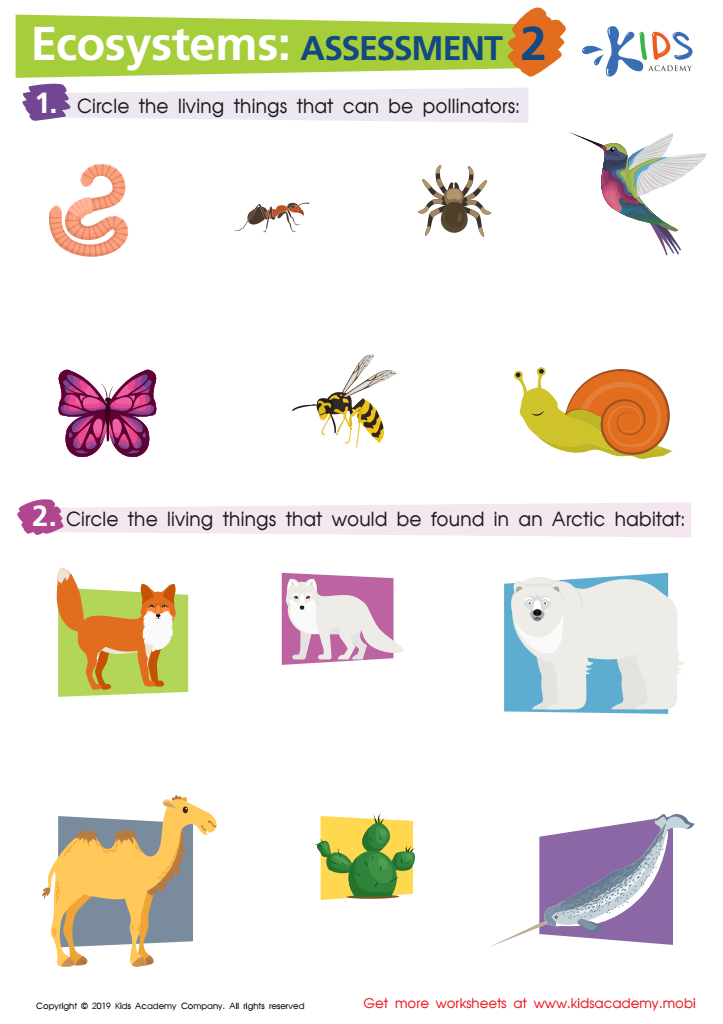
Ecosystems: Assessment 2 Worksheet
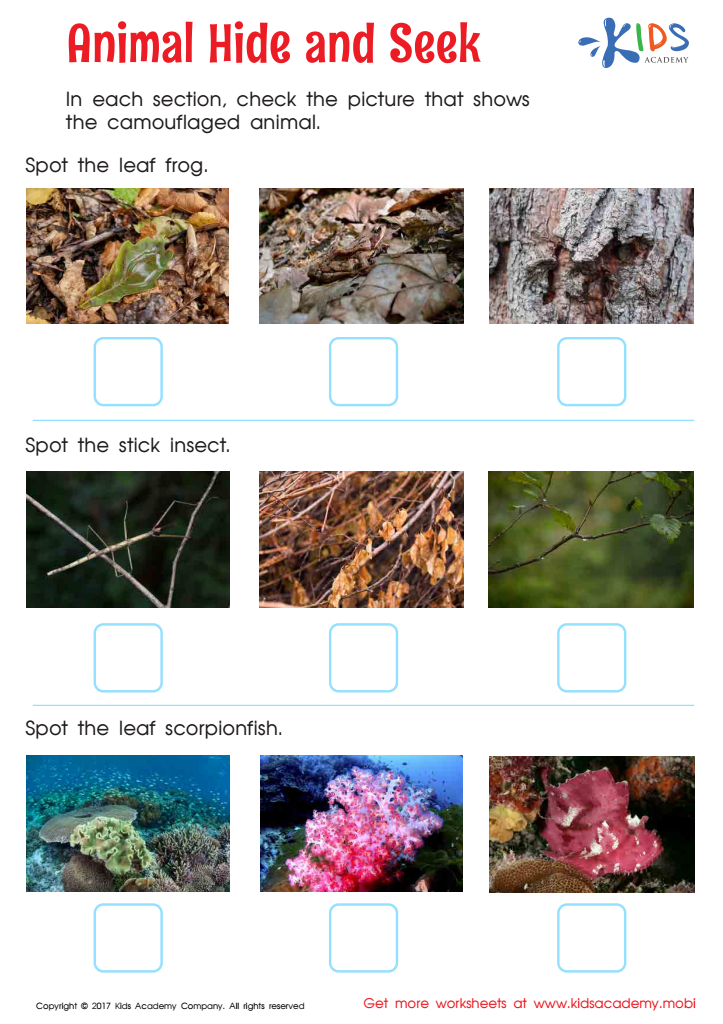
Animal Hide and Seek Worksheet
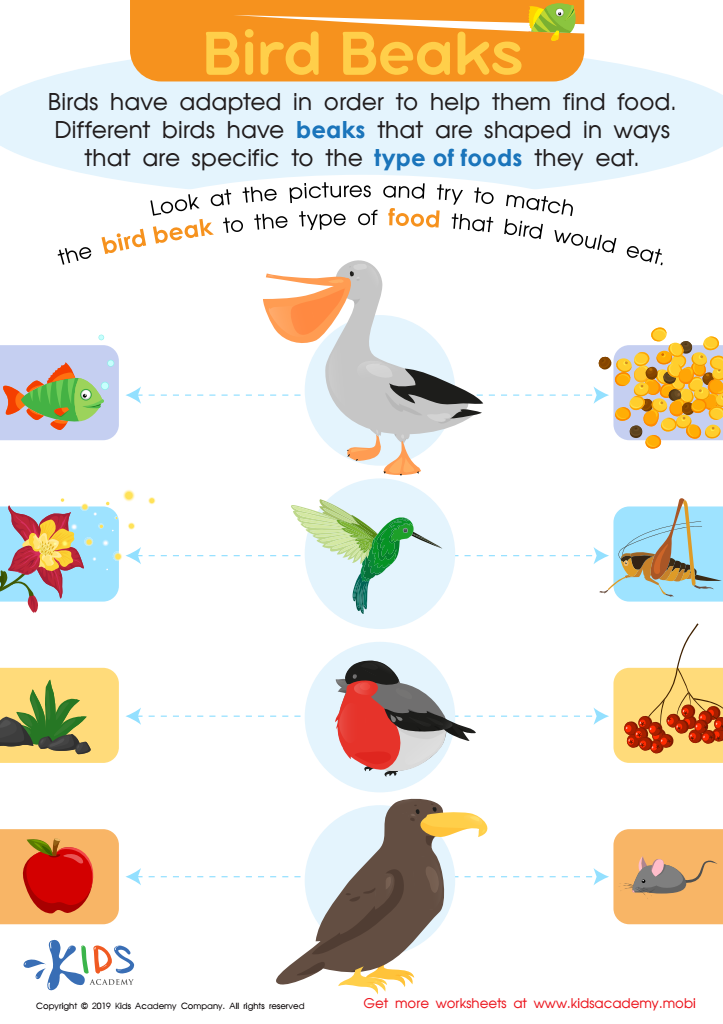
Bird Beaks Worksheet
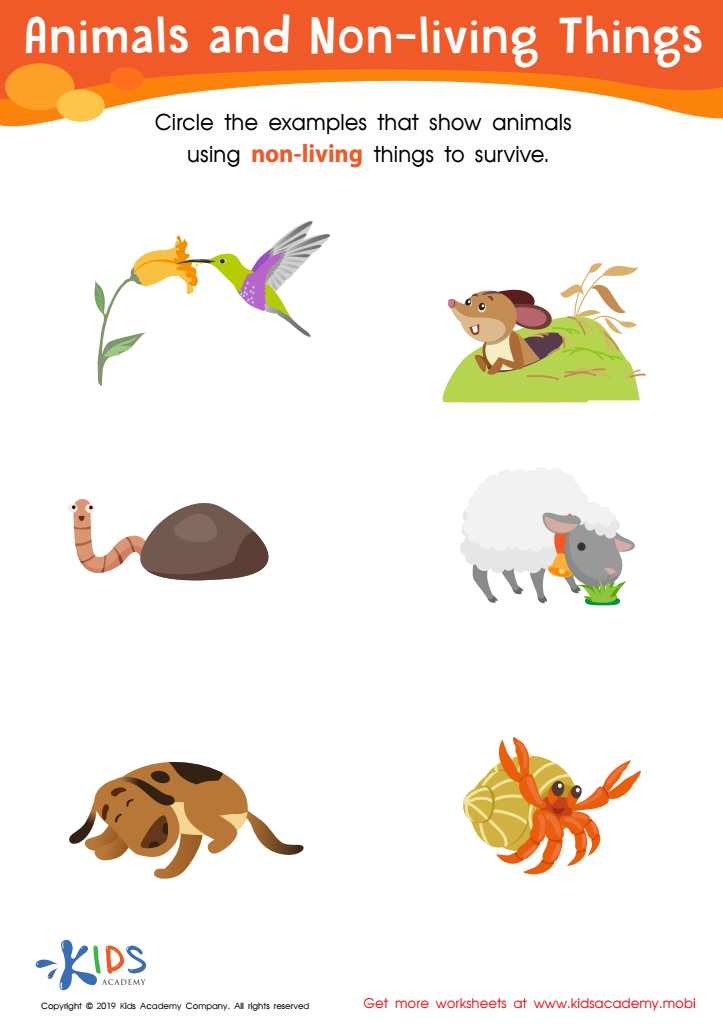
Animals and Non-Living Things Worksheet
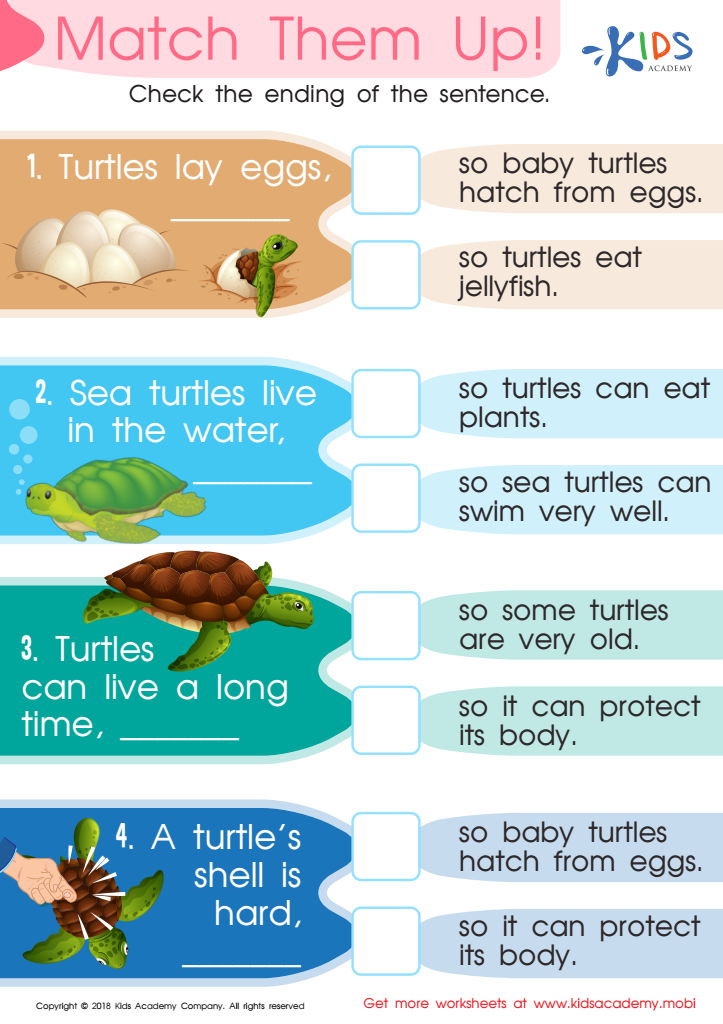
Match Them Up Worksheet
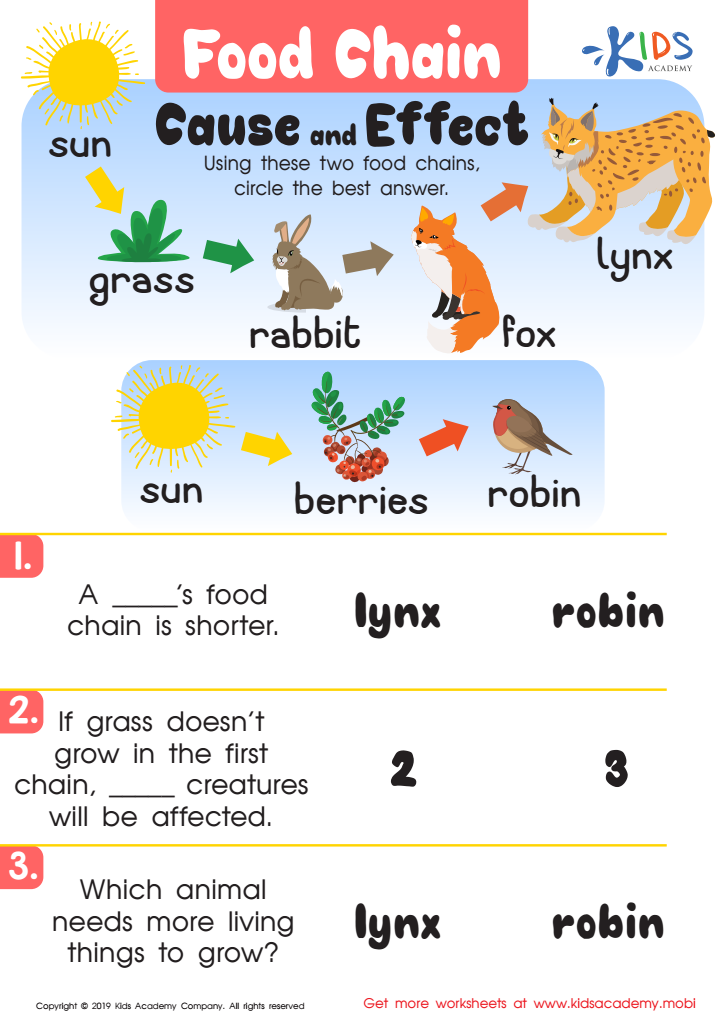
Food Chain Cause Worksheet








Parents and teachers should care about the concept of "Normal Animals" for children ages 5-8 because it fosters curiosity and understanding about the natural world. At this age, children are naturally inquisitive, and learning about animals helps them develop observational skills and critical thinking. By exploring the diversity and behavior of animals, kids gain insights into ecology and conservation, promoting environmental awareness from a young age.
Additionally, discussing “normal” animals helps challenge stereotypes and misconceptions. Children often form biases based on what they see in media or hear from others; by presenting a broader range of animal life, we teach them that differences are normal and valuable. This fosters empathy and respect for all living beings.
Furthermore, animal studies provide a rich context for integrating subjects like science, literacy, and even mathematics. Storytelling about animals can enhance language development, while studying their habitats can introduce concepts of measurement and categorization.
Engaging with animal content also enhances emotional development, as kids learn to express their thoughts and feelings about live creatures. Overall, introducing children to the world of “Normal Animals” cultivates a well-rounded education and nurtures caring, informed future stewards of the planet.








