Normal Alphabet Worksheets for Ages 6-8 - Page 2
224 filtered results
-
From - To
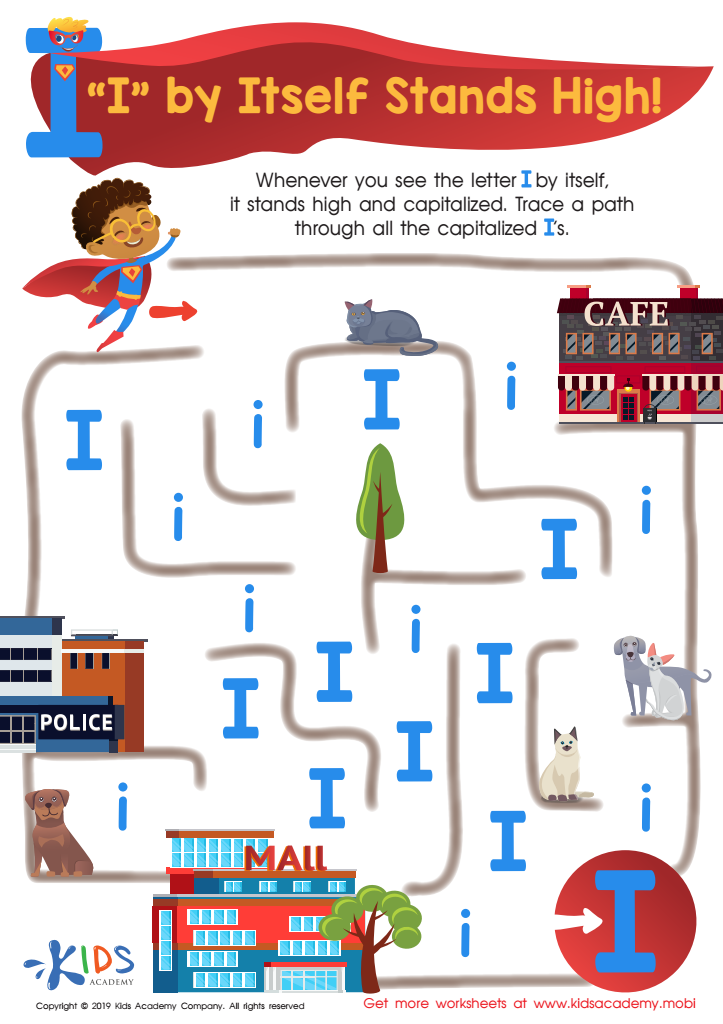
I Stands High Worksheet
 Assign to My Students
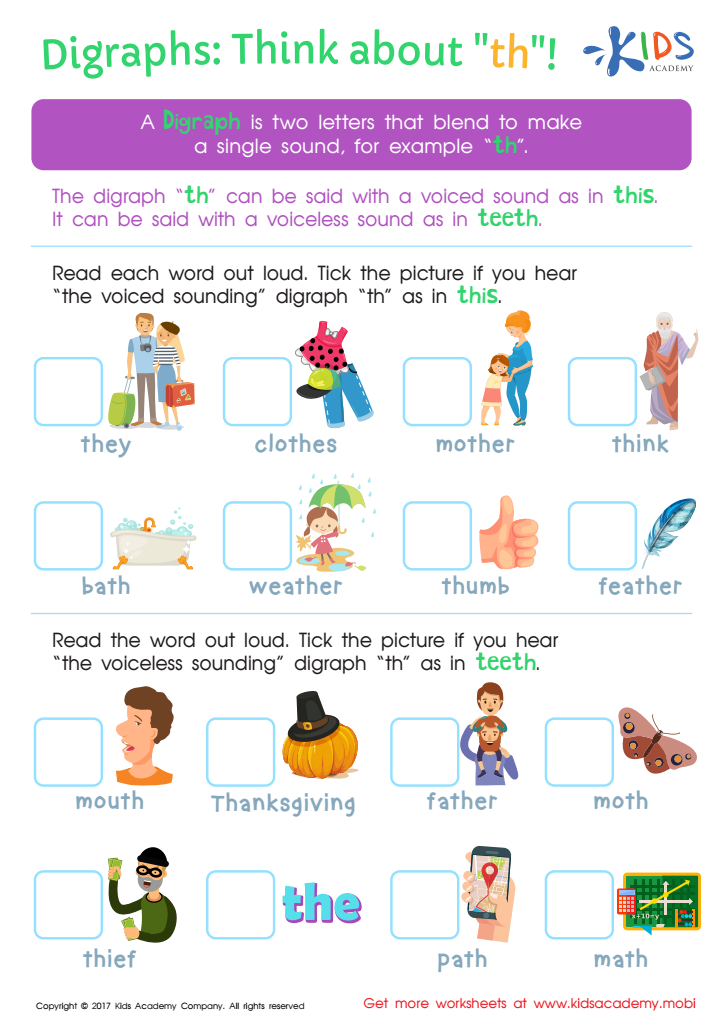
Digraphs: Think About "th" Worksheet
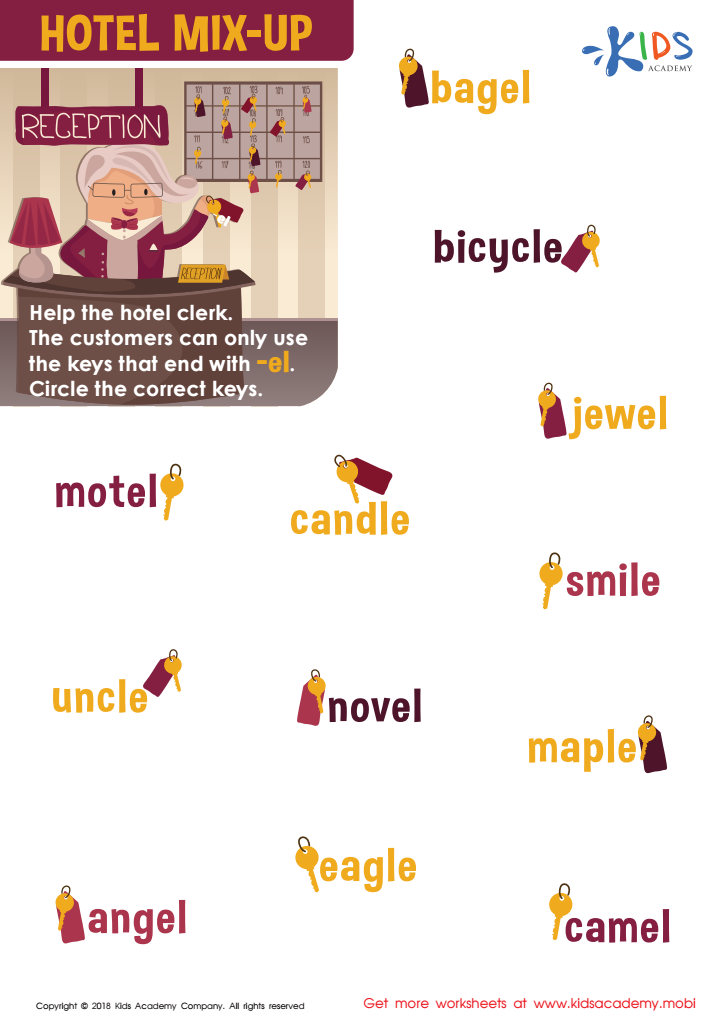
Hotel Mix-up Worksheet
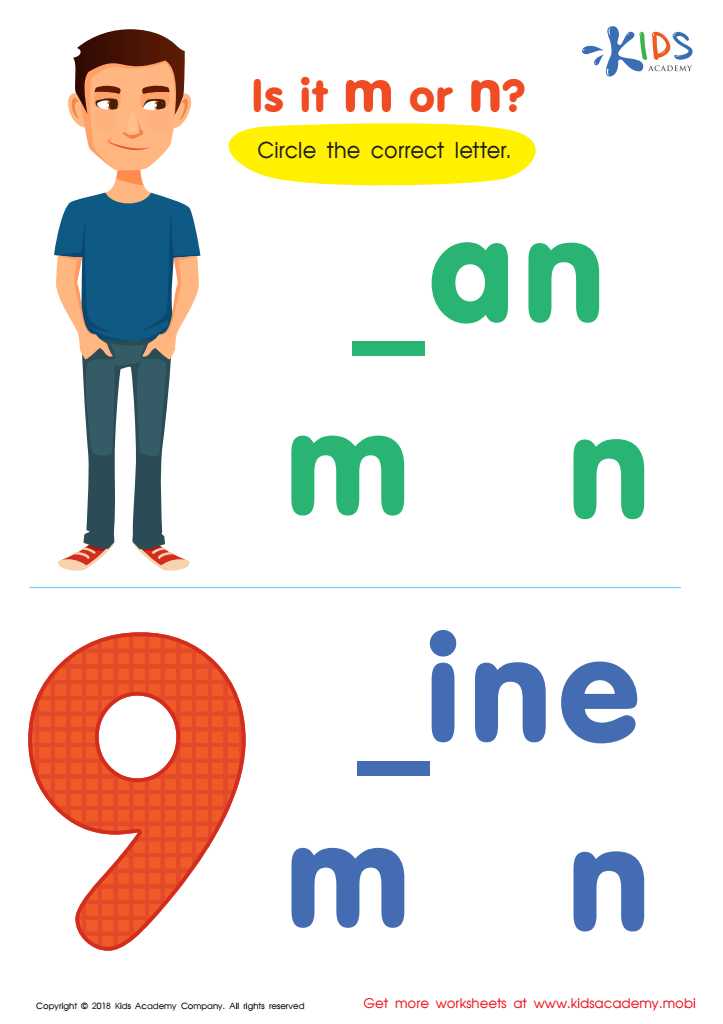
Is It m or n? Worksheet
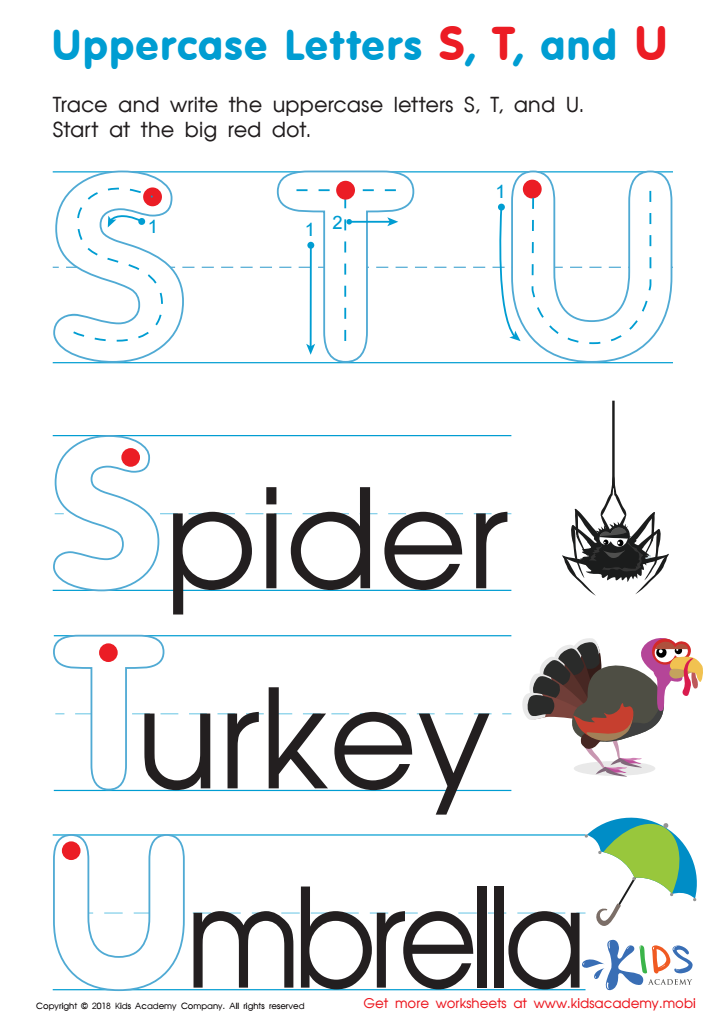
Uppercase Letters S, T, and U Worksheet
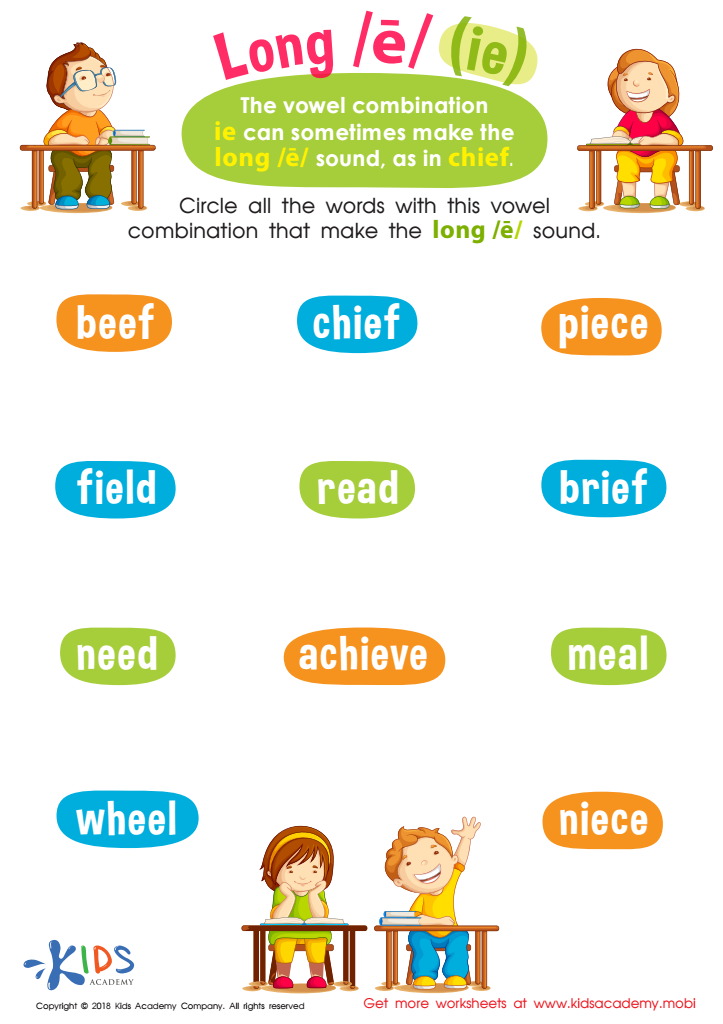
Reading: Long E and IE Worksheet
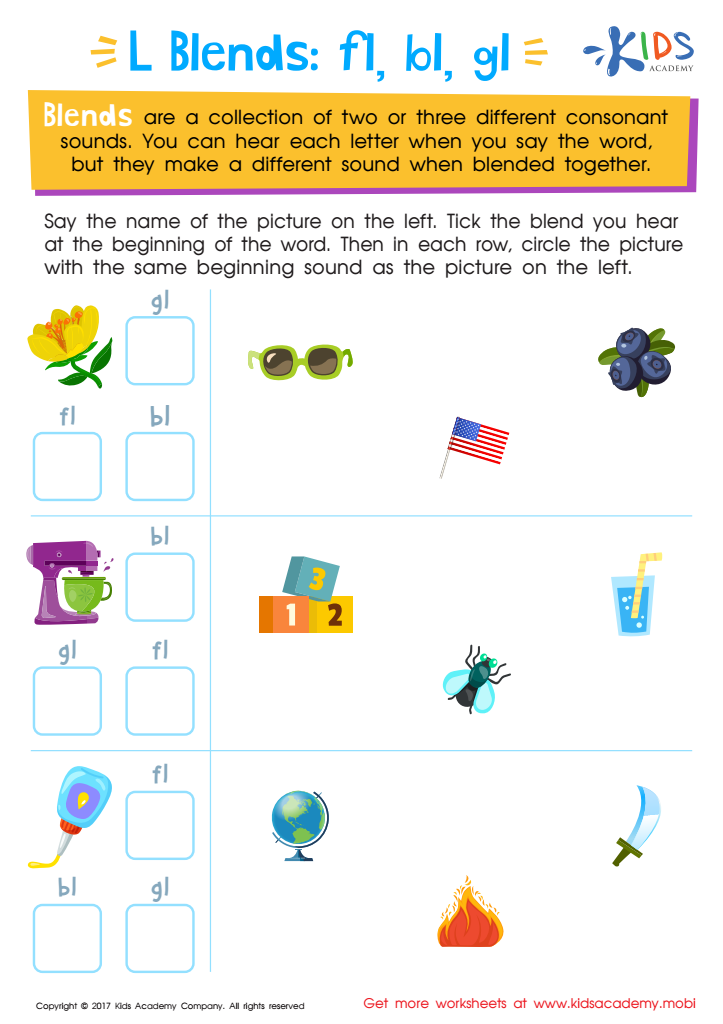
Blending Consonants: "Fl", "Bl" and "Gl" Printable
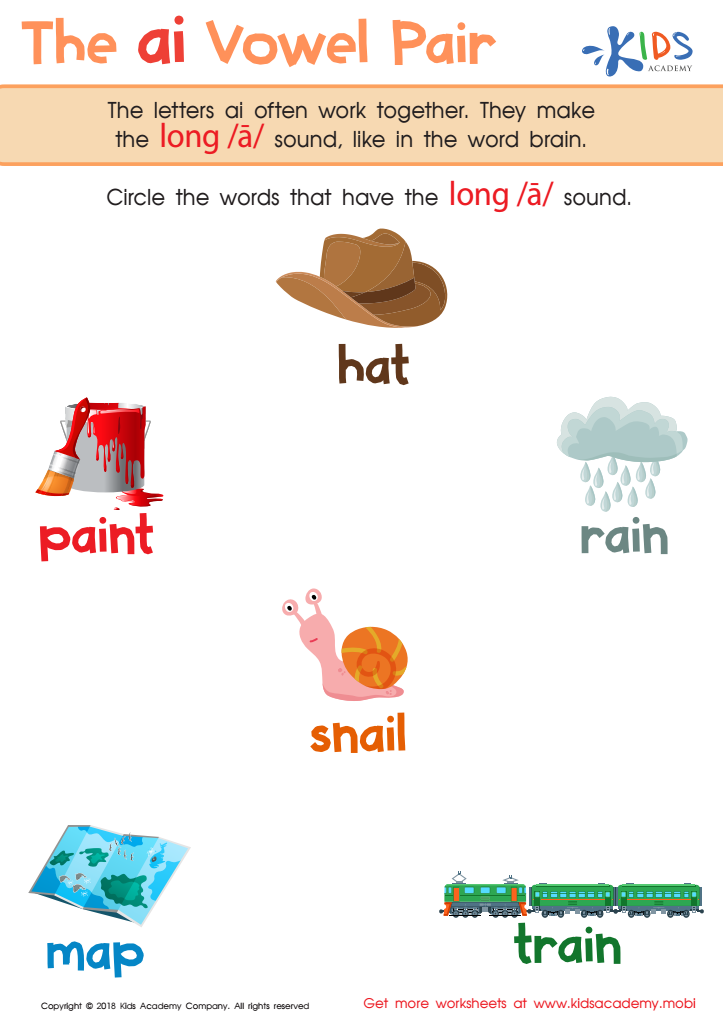
The AI Vowel Pair Worksheet
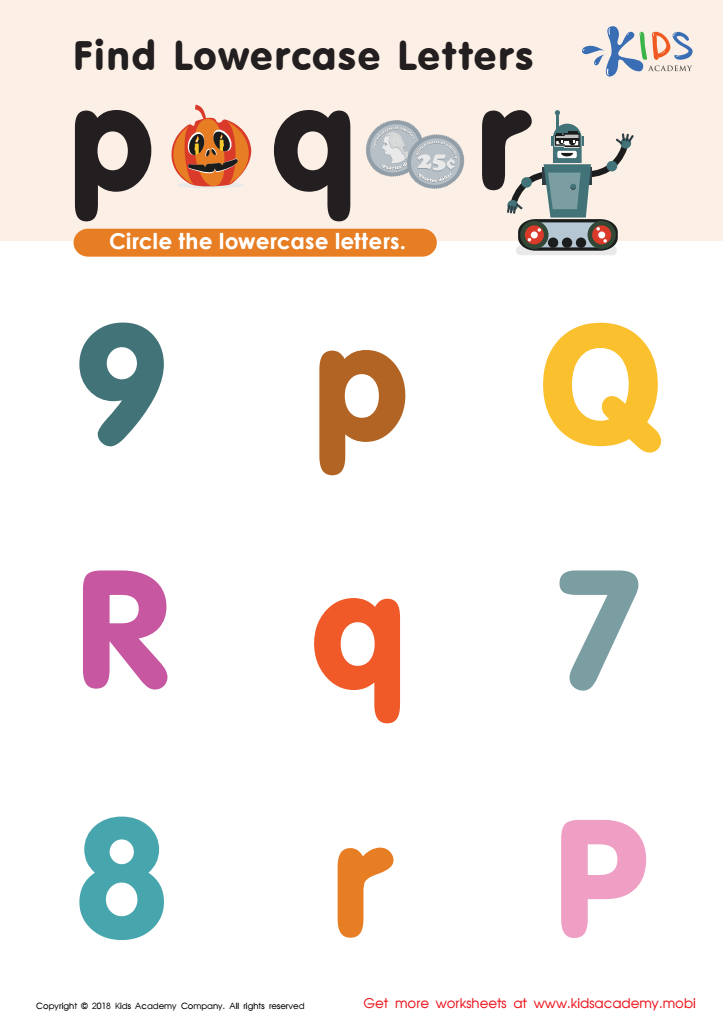
Find lowercase Letters p q r Worksheet
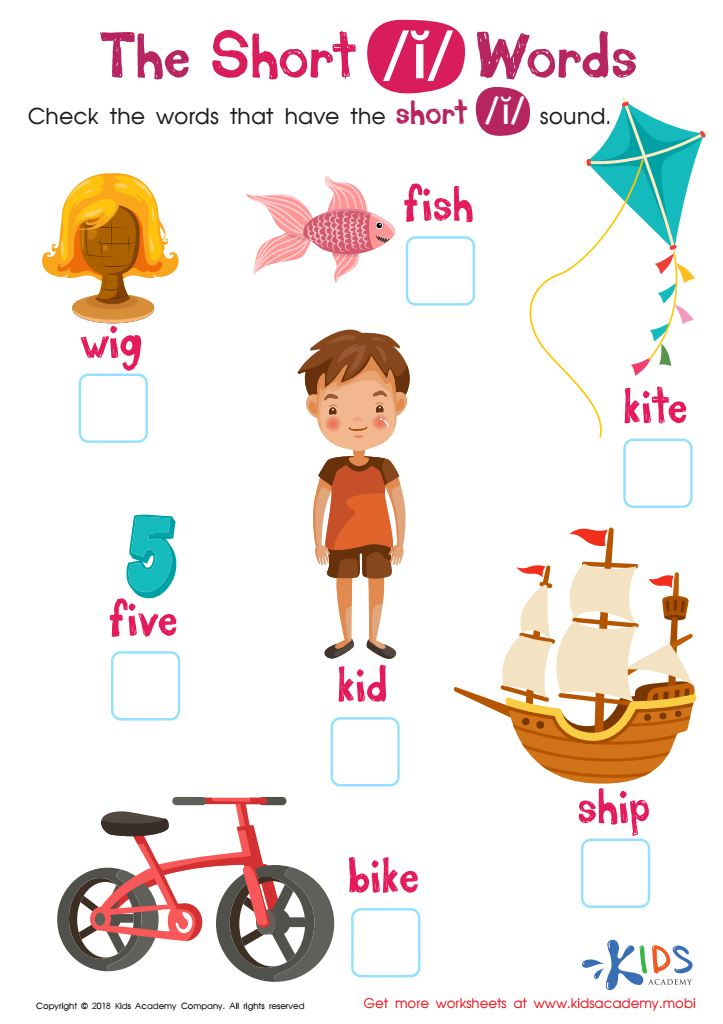
The Short I Words Reading Worksheet
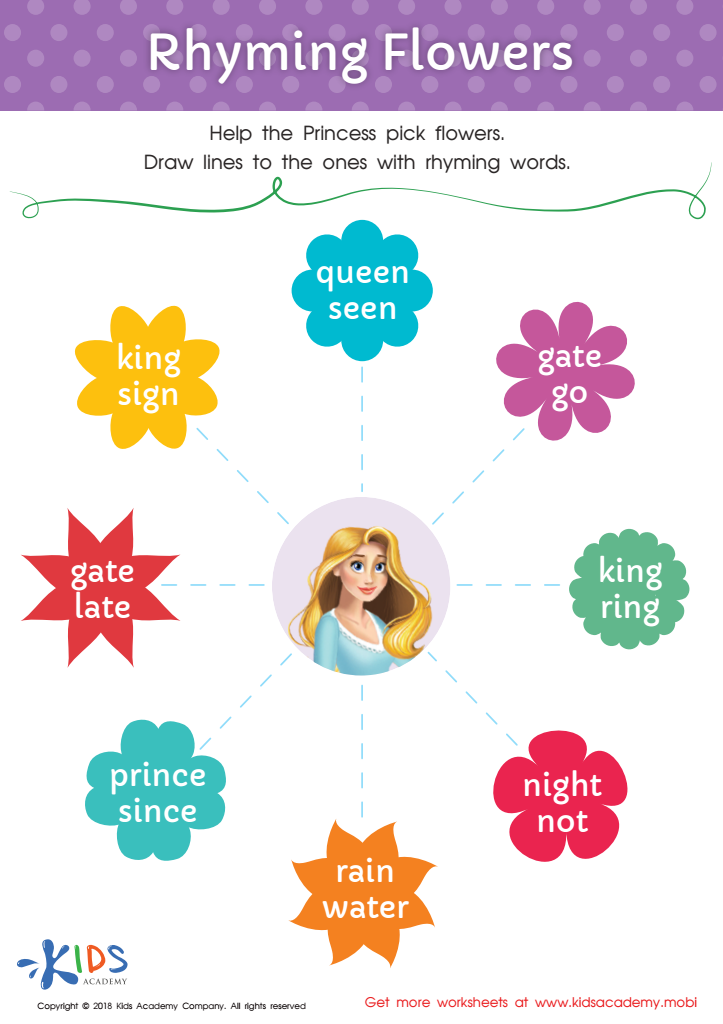
Rhyming Flowers Worksheet
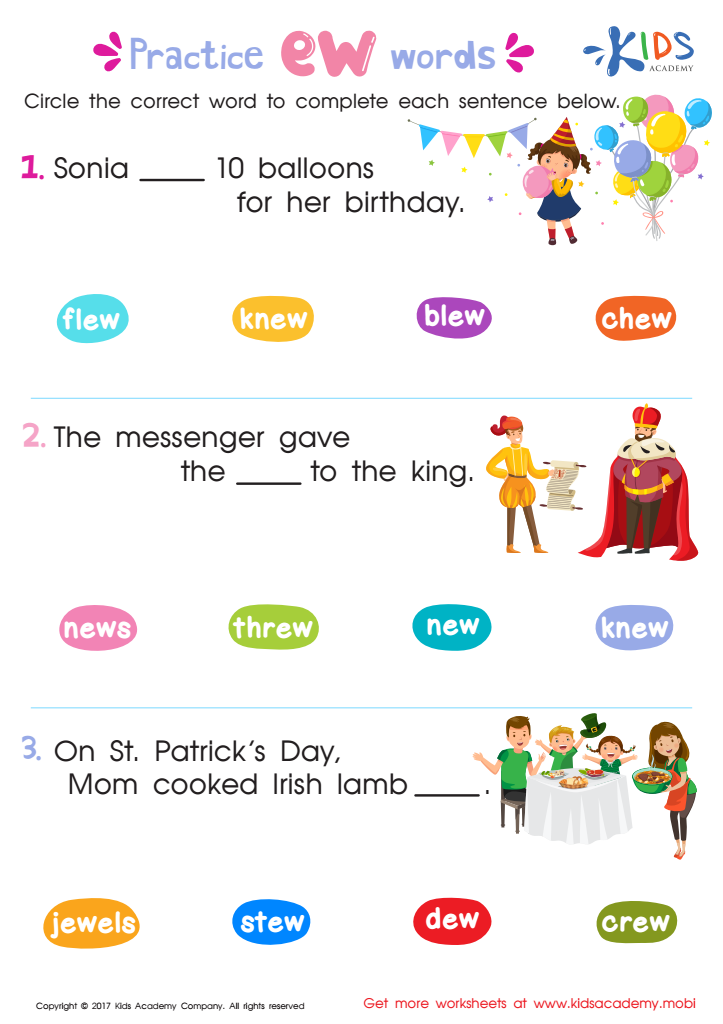
EW Words Worksheet
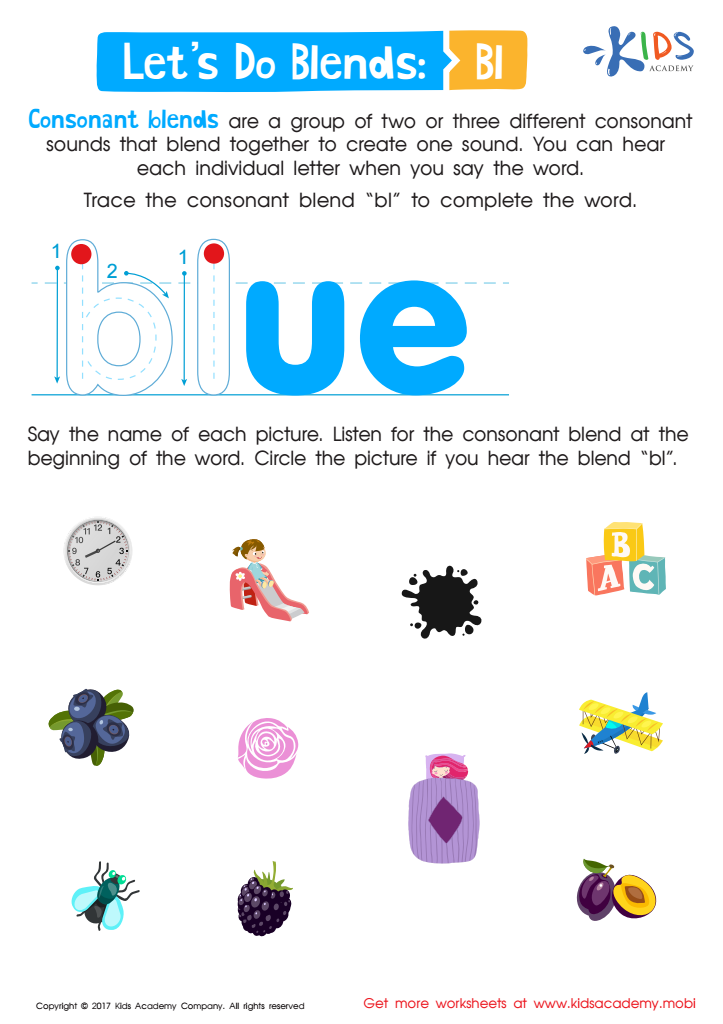
Beginning Blends: "Bl" Words Worksheet
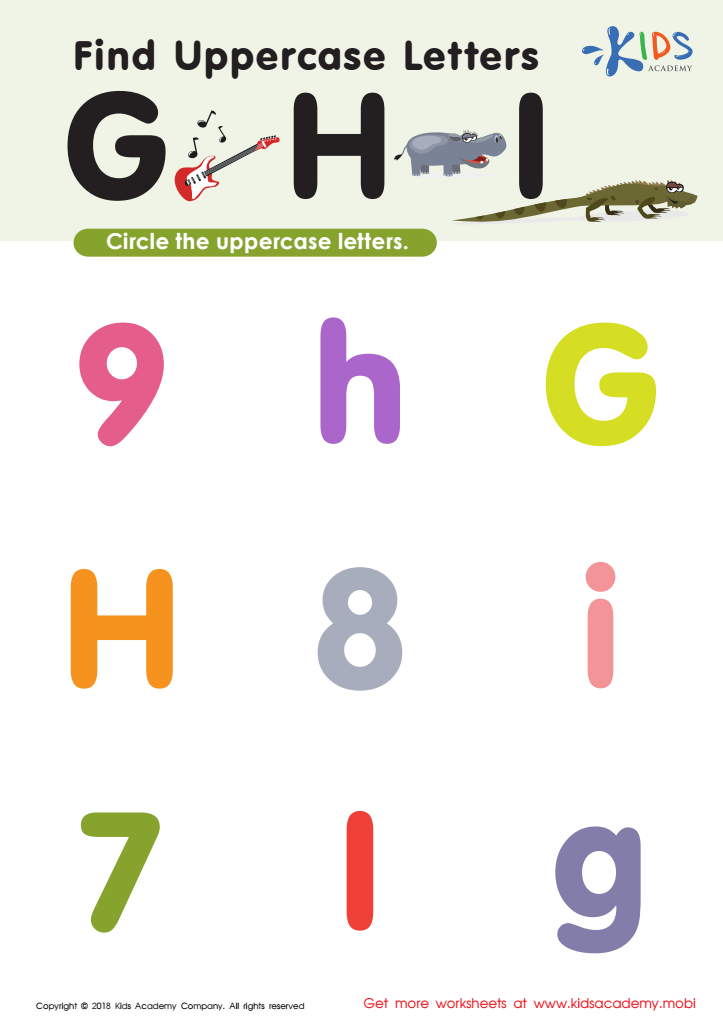
Find Uppercase Letters G, H, and I Worksheet
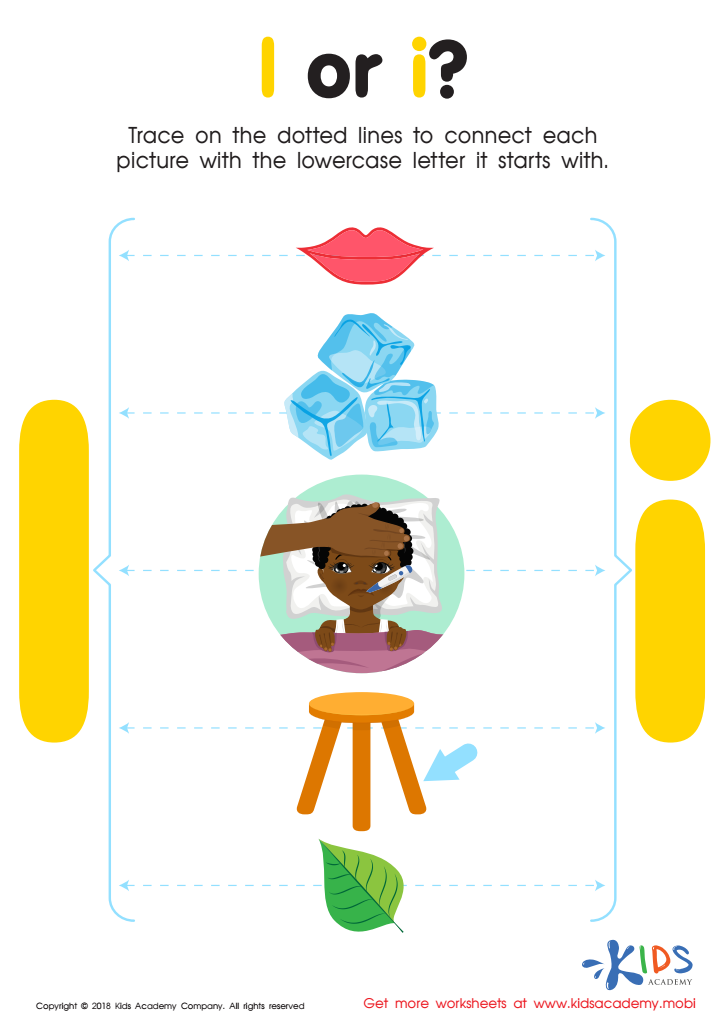
l or i? Worksheet
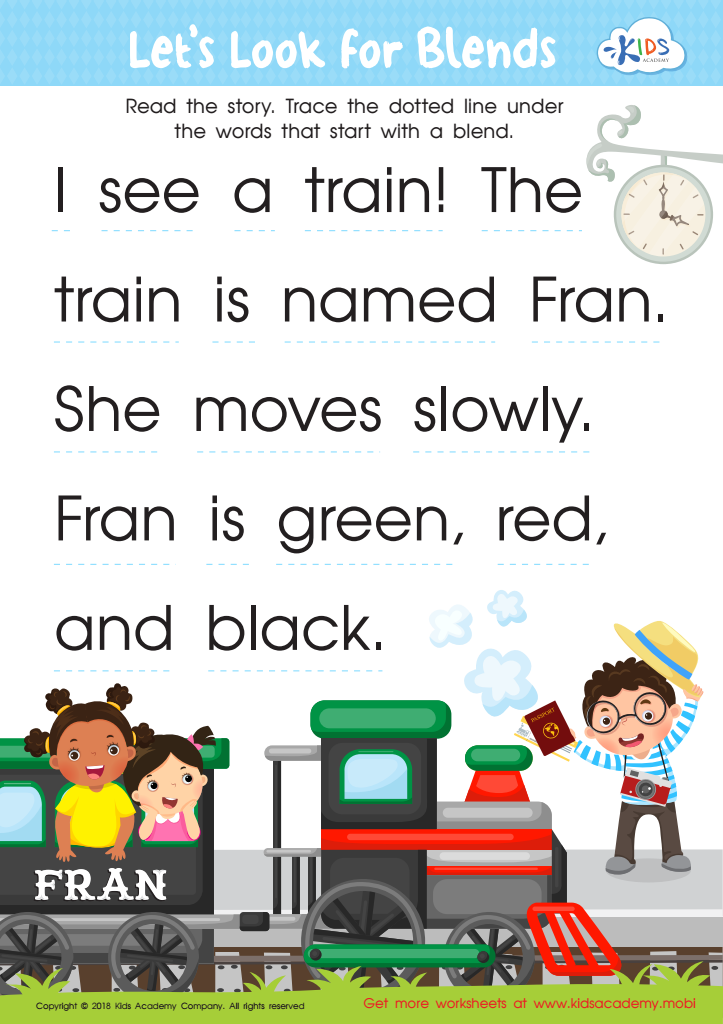
Let's Look for Blends Worksheet
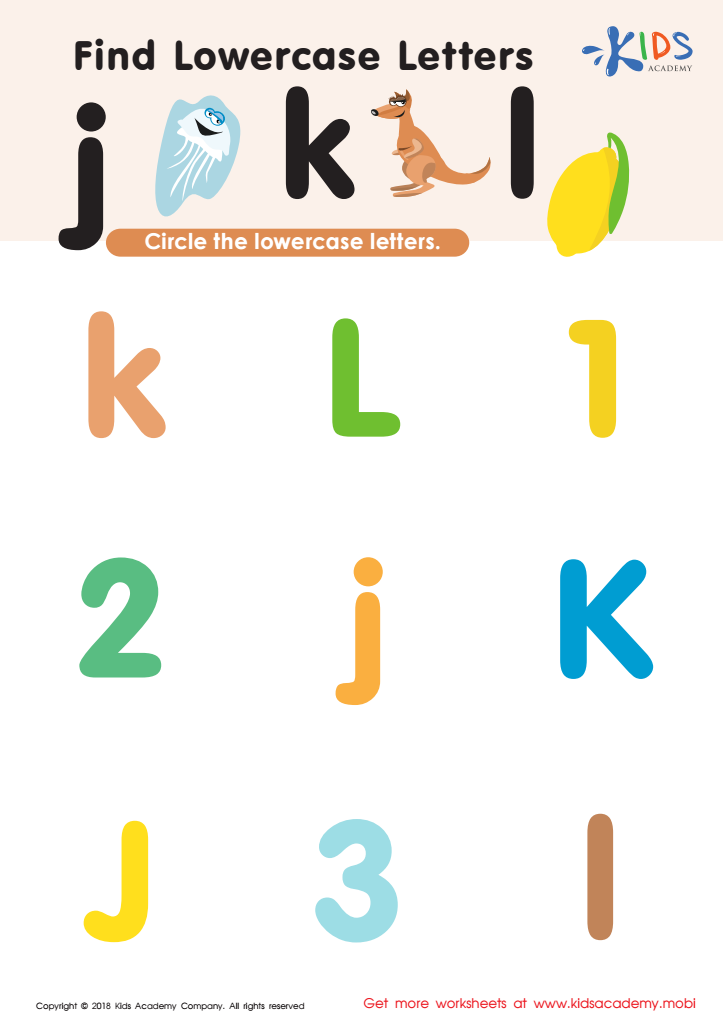
Find Lowercase Letters j k l Worksheet
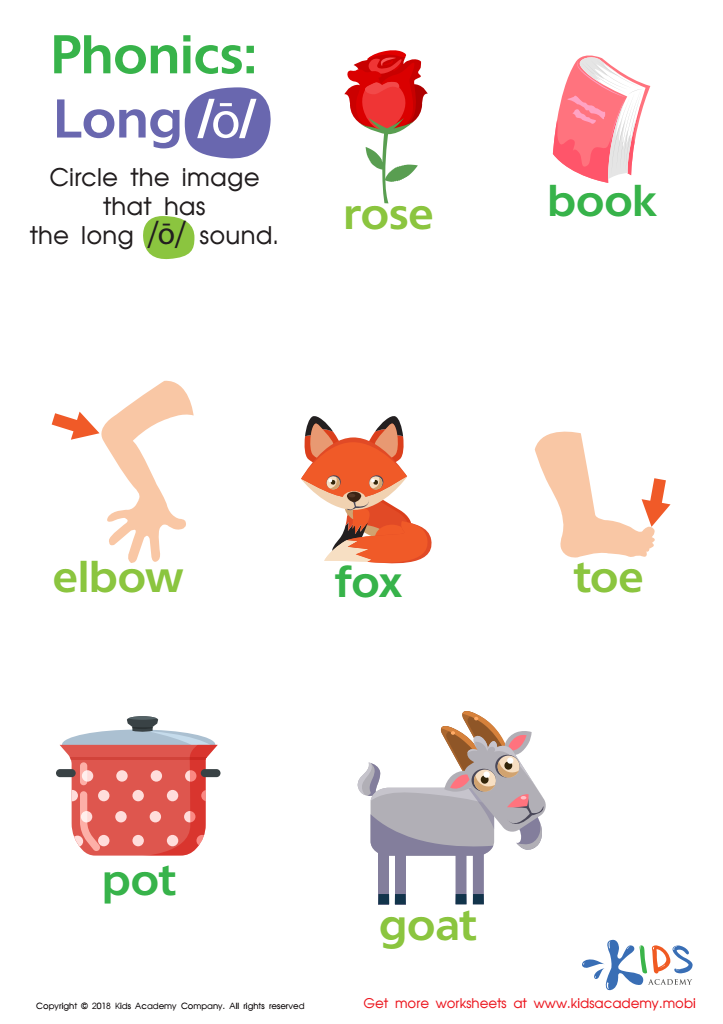
Phonics Long O Reading Worksheet
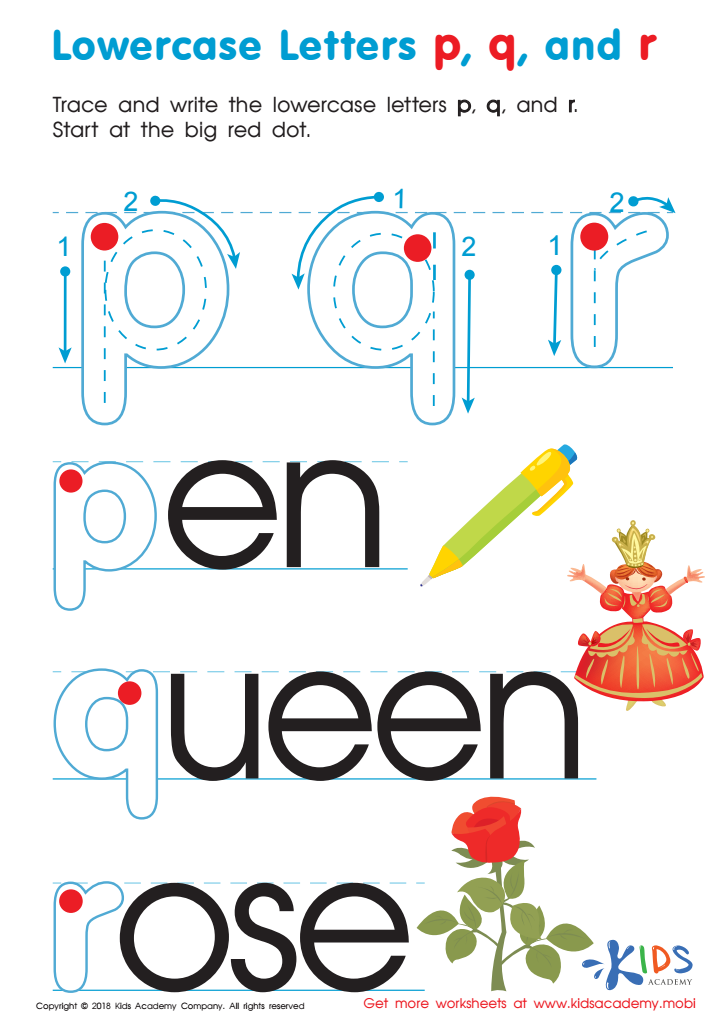
Lowercase Letters p q r Worksheet
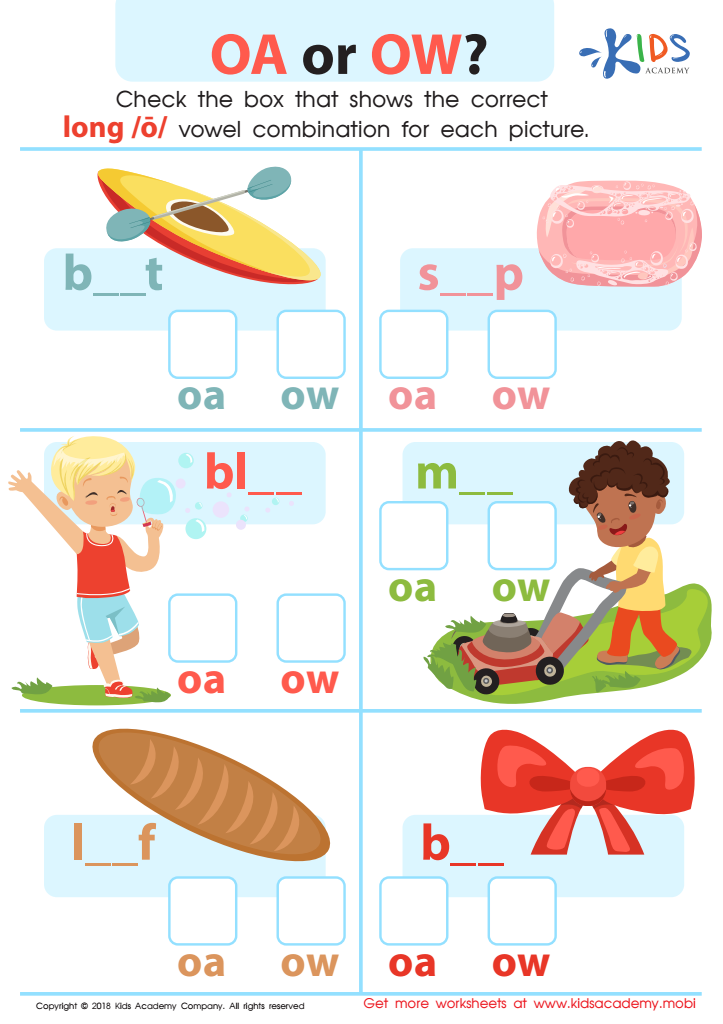
Reading: OA or OW Worksheet
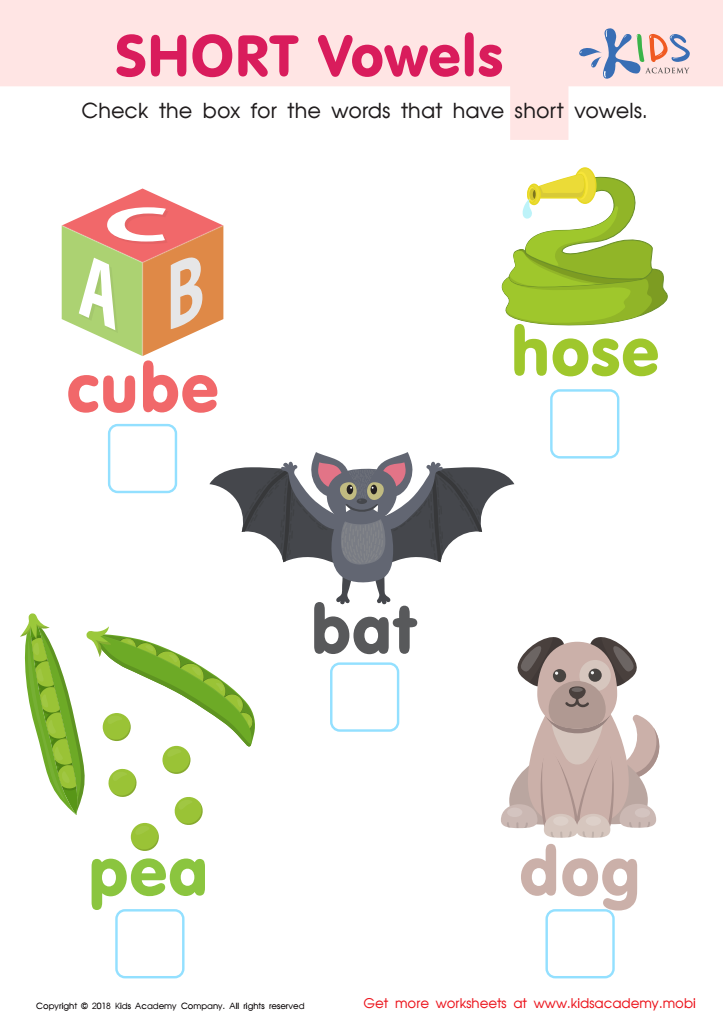
short vowels Worksheet
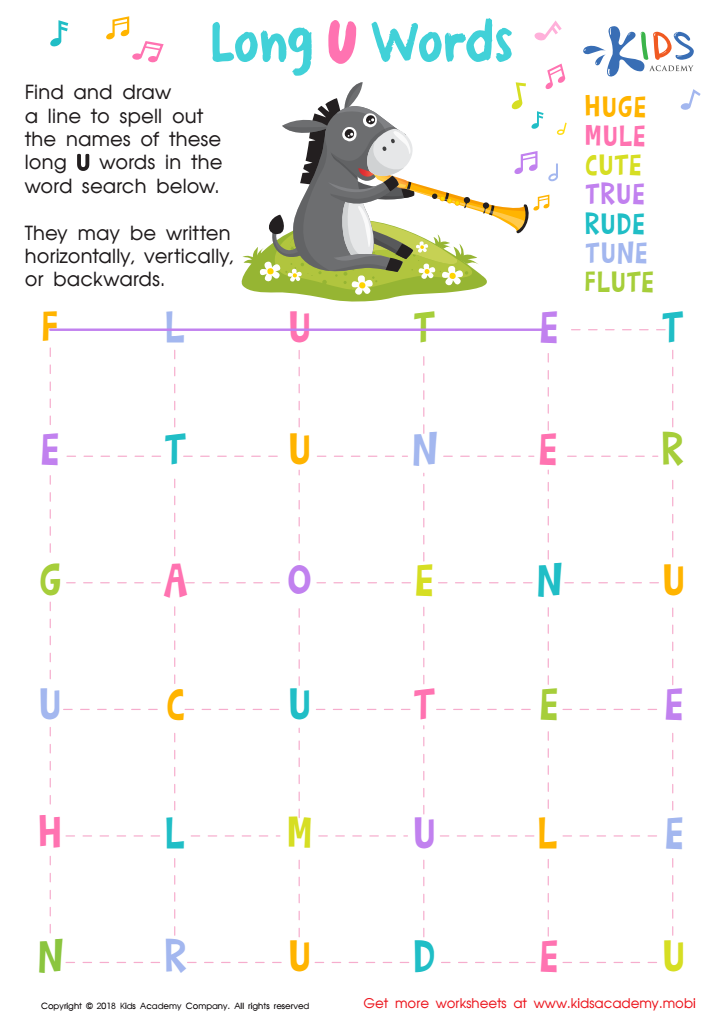
Long /u/ Words Worksheet
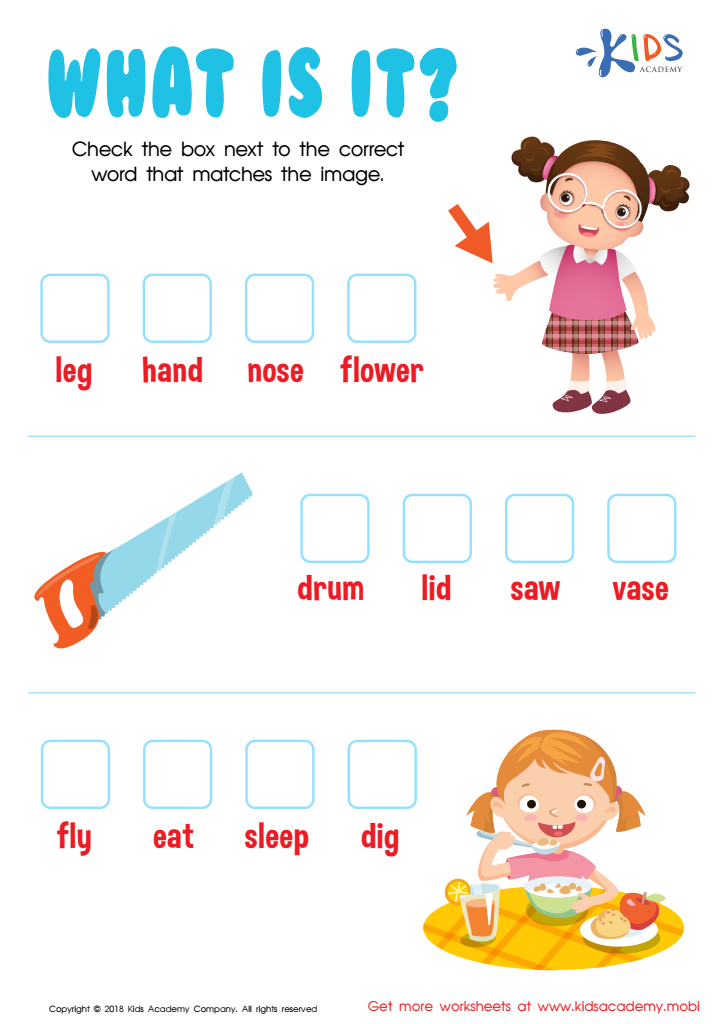
What Is It? Worksheet
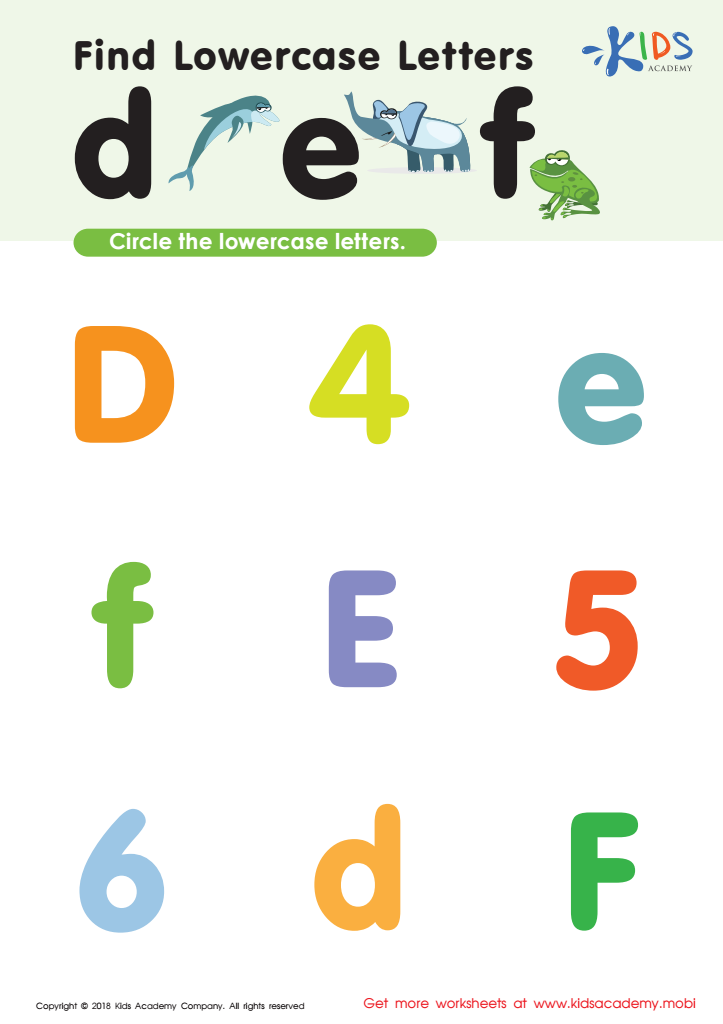
Find Lowercase Letters d e f Worksheet







The Normal Alphabet for Ages 6-8 is a vital tool for foundational literacy development in young learners. At this stage, children are transitioning from learning to read to reading to learn, making it important for them to have a solid grasp of the alphabet. This knowledge not only facilitates reading but also enhances writing, spelling, and overall communication skills.
Parents and teachers should prioritize this aspect of learning because a strong alphabet foundation supports cognitive development and boosts children's confidence in their literacy abilities. Mastery of the Normal Alphabet allows children to begin recognizing words, decoding unfamiliar text, and exploring the joy of storytelling. Additionally, understanding letter-sound relationships is essential for phonemic awareness, which is crucial for effective reading comprehension.
Moreover, engagement in activities involving the Normal Alphabet encourages critical thinking and creativity. When children can manipulate letters and sounds, they become more experienced in problem-solving and innovative thinking. Therefore, parents and teachers need to foster an environment that emphasizes the significance of the Normal Alphabet, enabling children to develop these essential skills that will serve them throughout their academic journey and beyond. In essence, nurturing alphabet knowledge can positively impact children's futures, ensuring they become competent readers and communicators.







