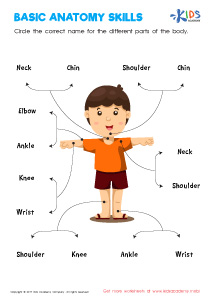
Normal World Around Us Worksheets for Ages 6-8 - Page 2
60 filtered results
-
From - To
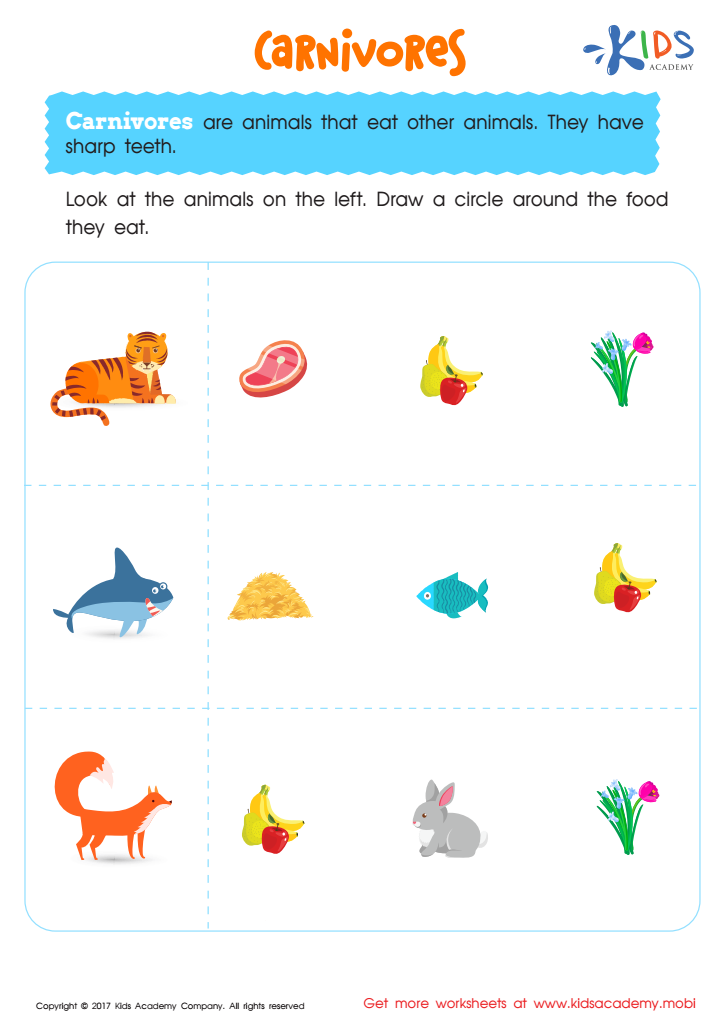
Carnivores Worksheet
 Assign to My Students
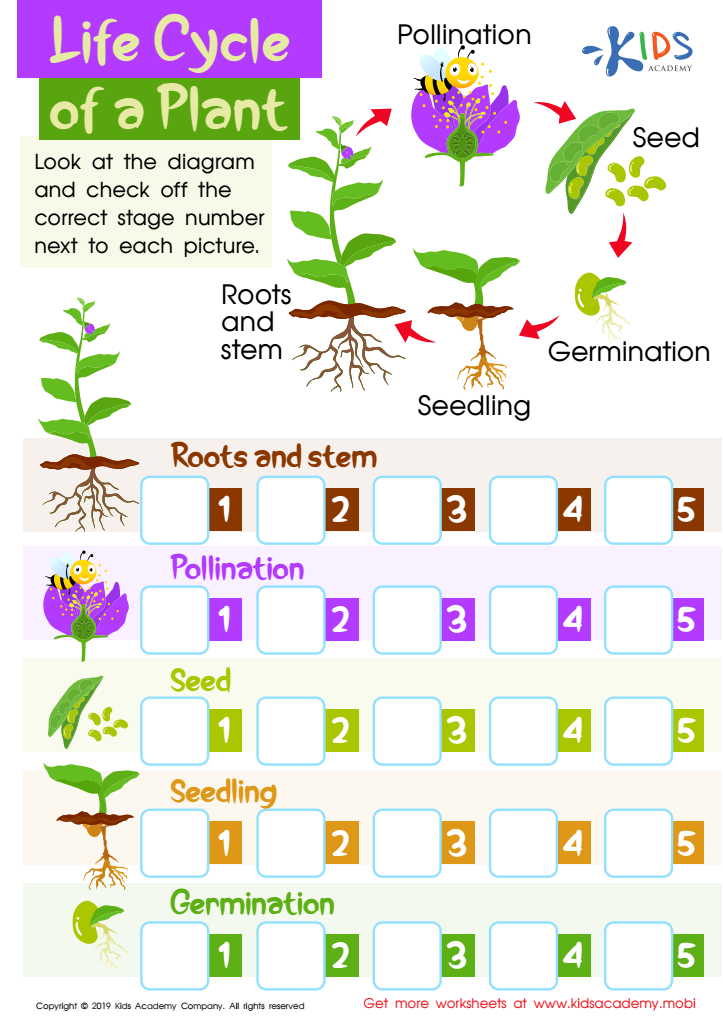
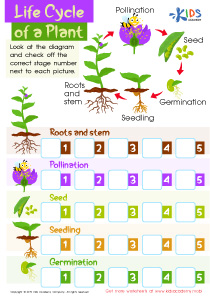
Life Cycle of a Plant Worksheet
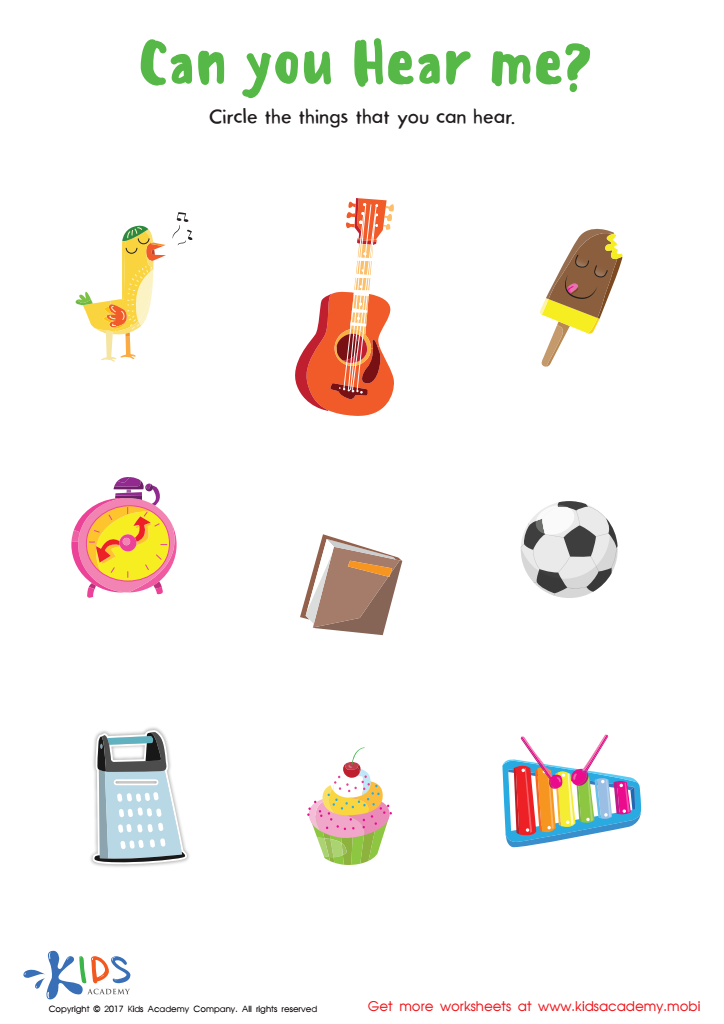
Can You Hear Me Worksheet
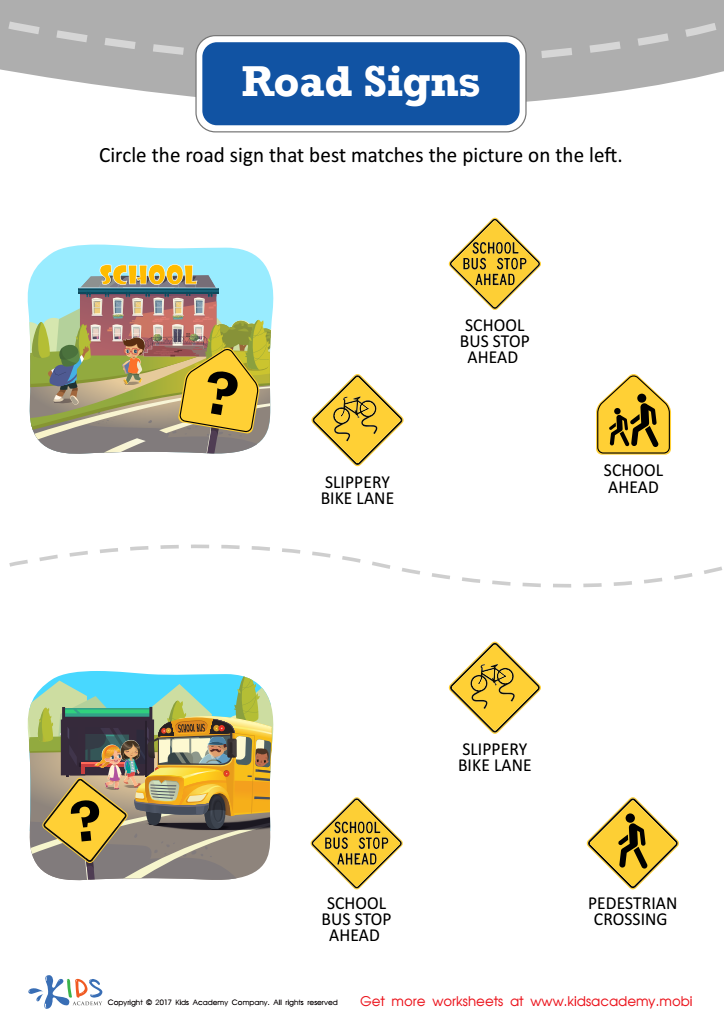
Road Signs (Part 1) Worksheet
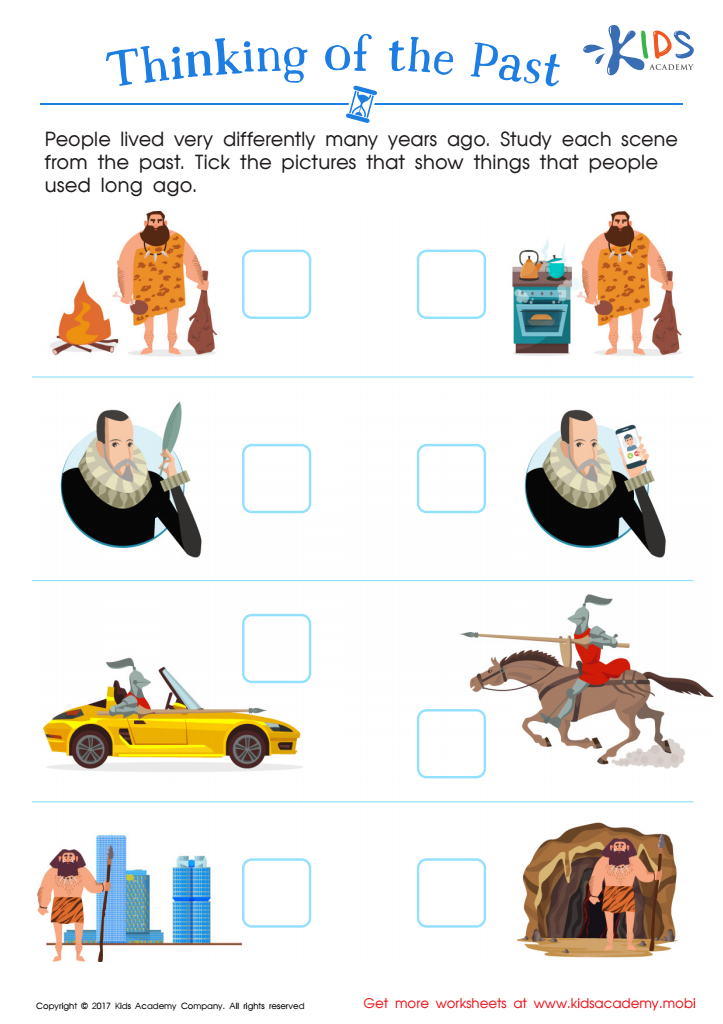
Thinking Past Printable
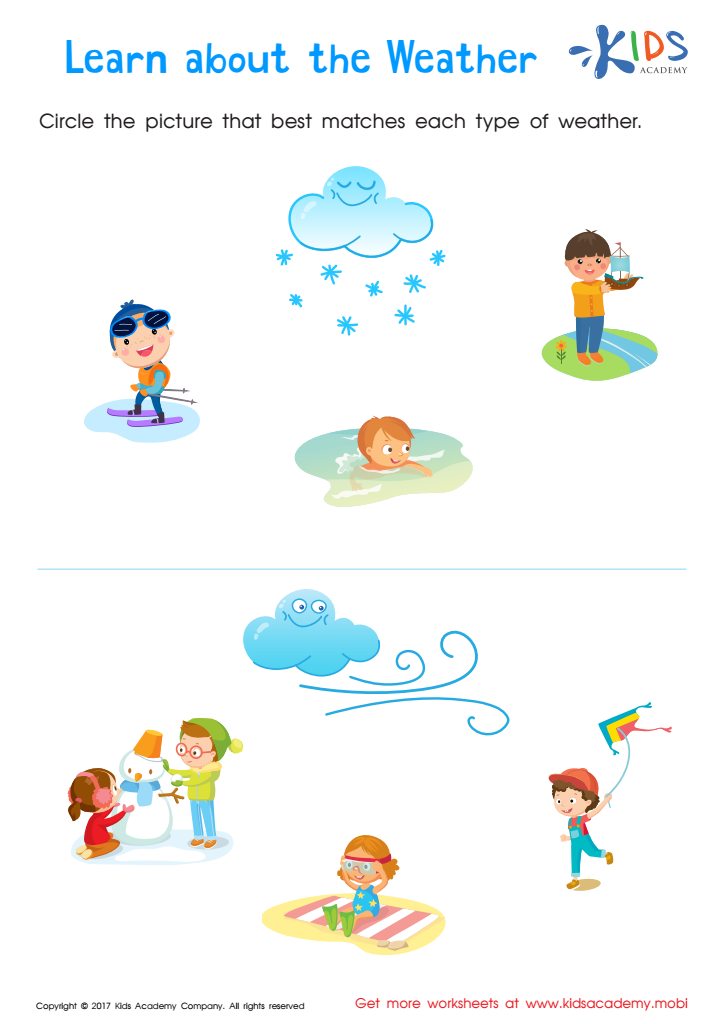
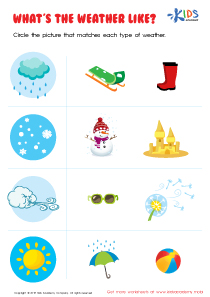
About the Weather Printable
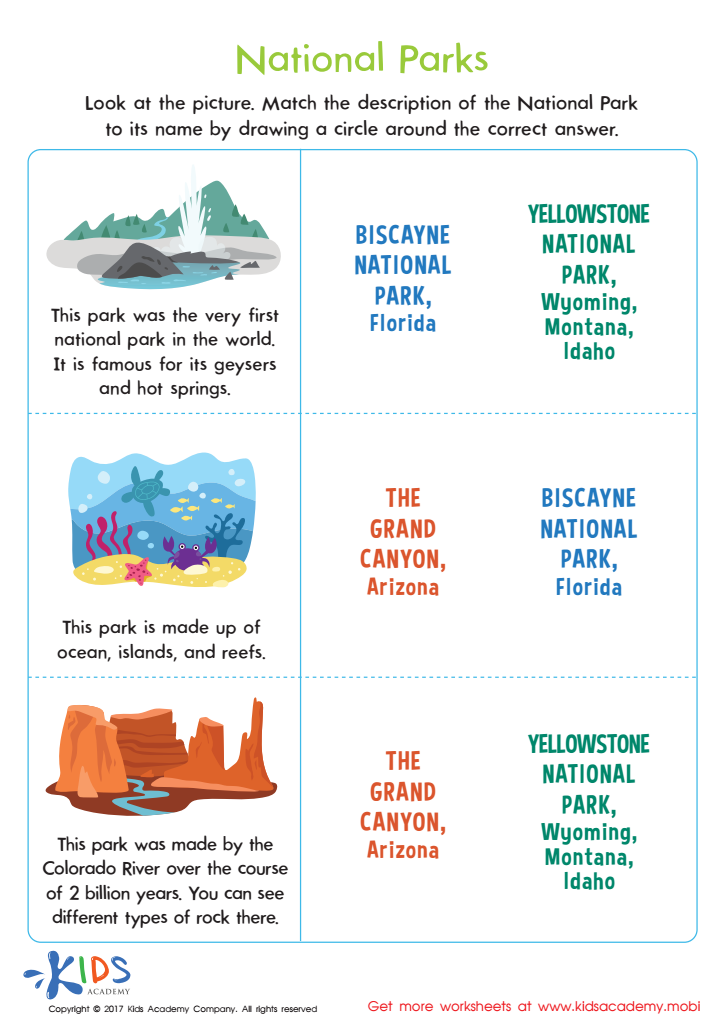
National Parks Printable
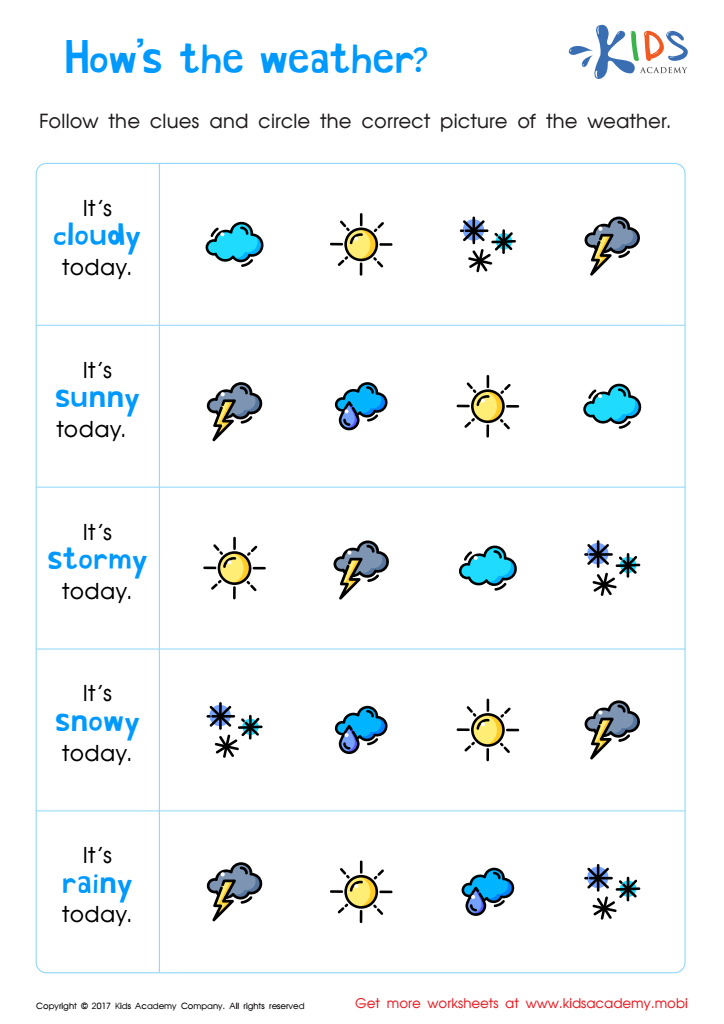
Hows the Weather Worksheet
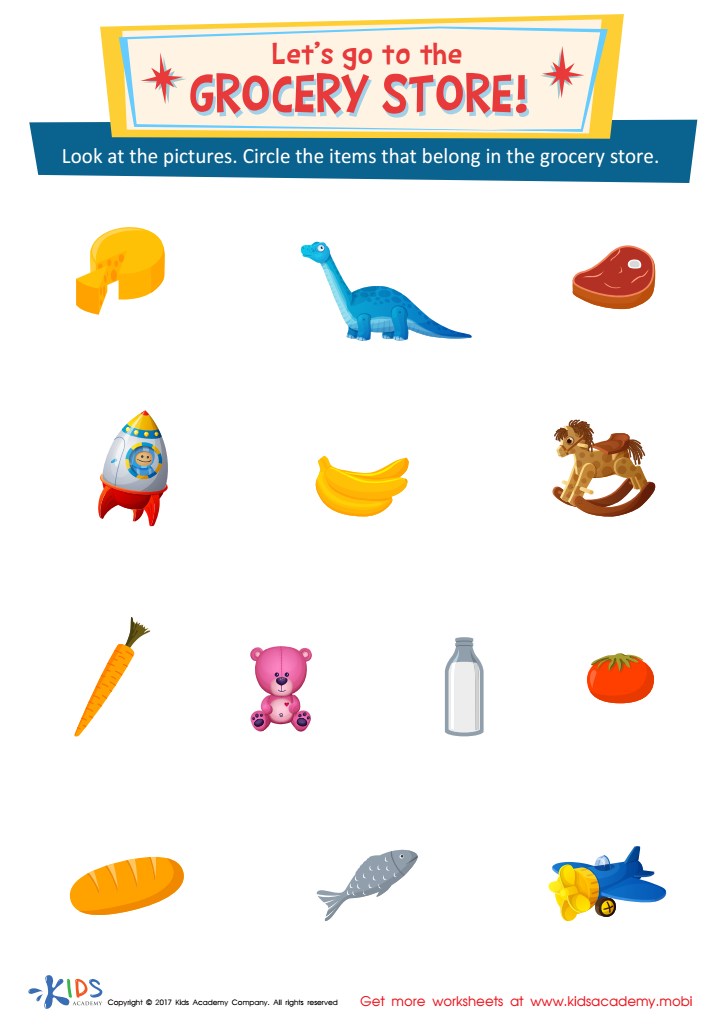
Grocery Store Worksheet
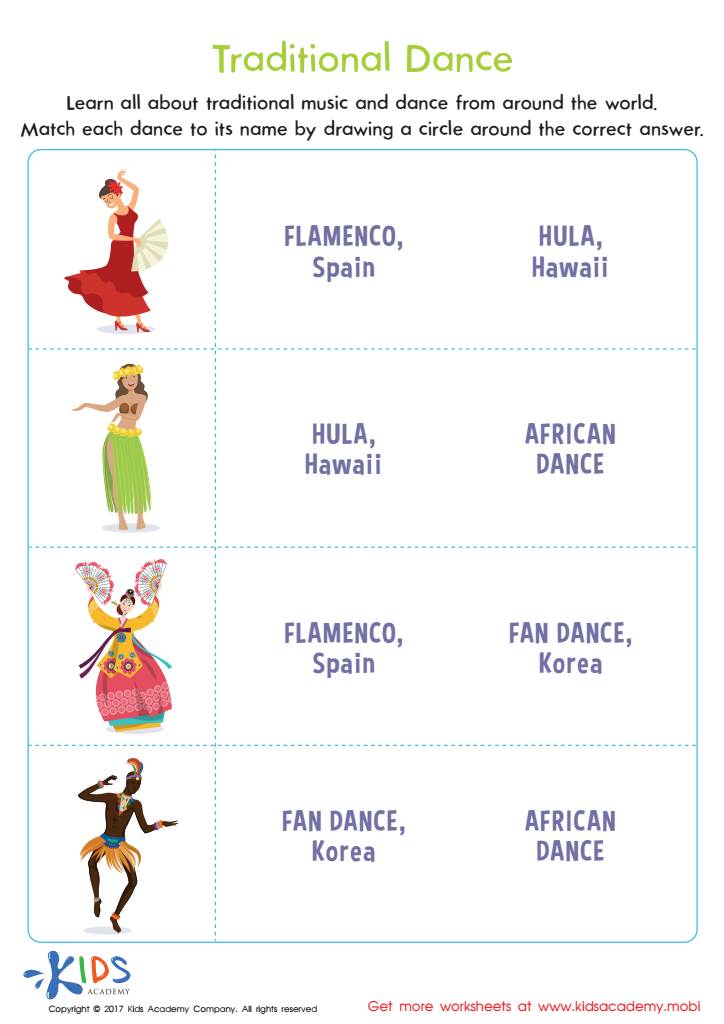
Traditional Dance Printable

The Pledge of Allegiance Worksheet
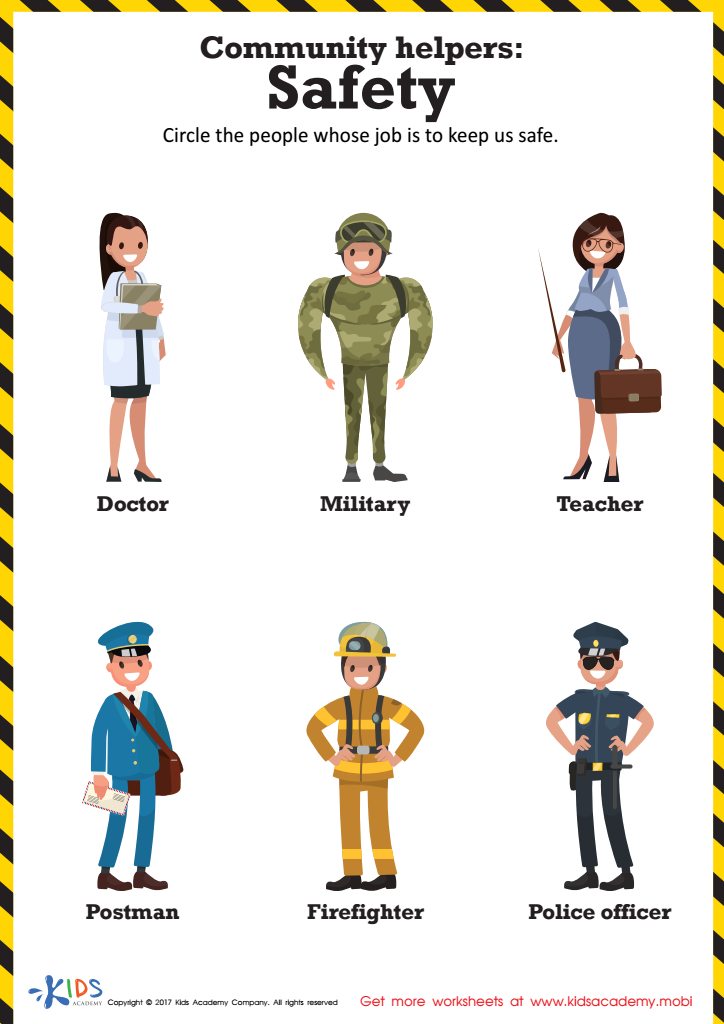
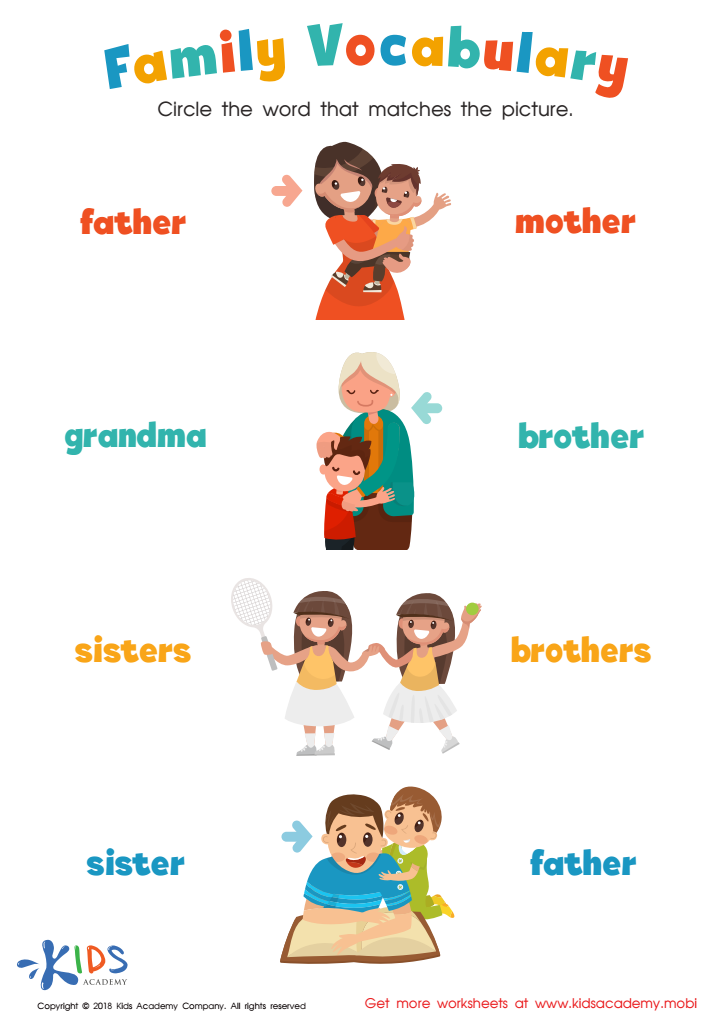
Family Vocabulary Worksheet
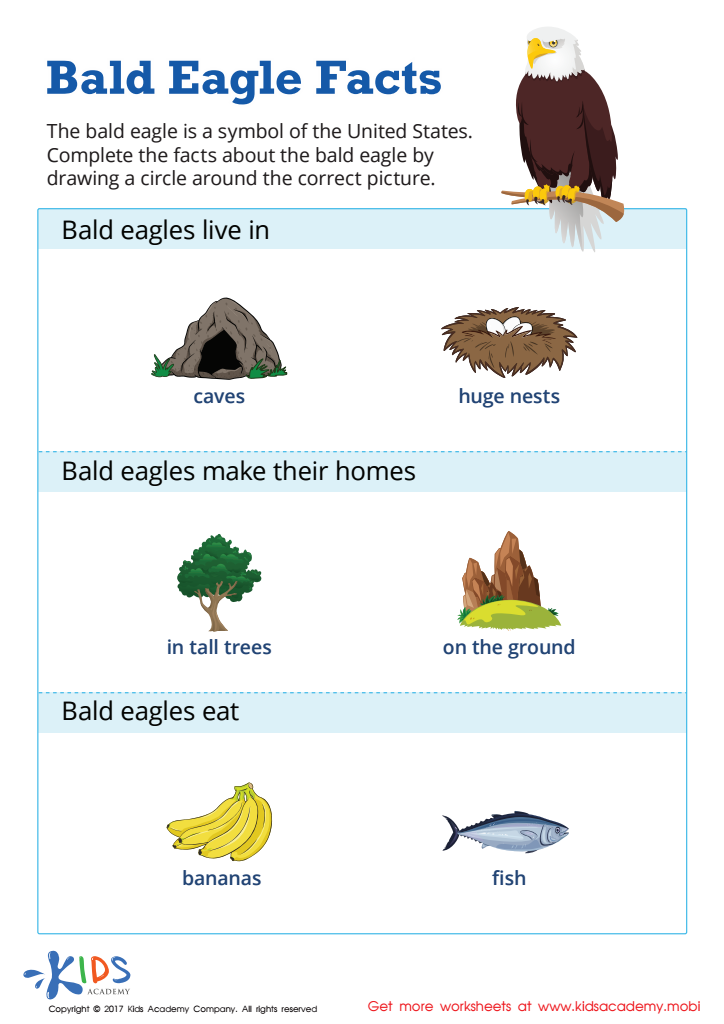
Bald Eagle Facts Worksheet
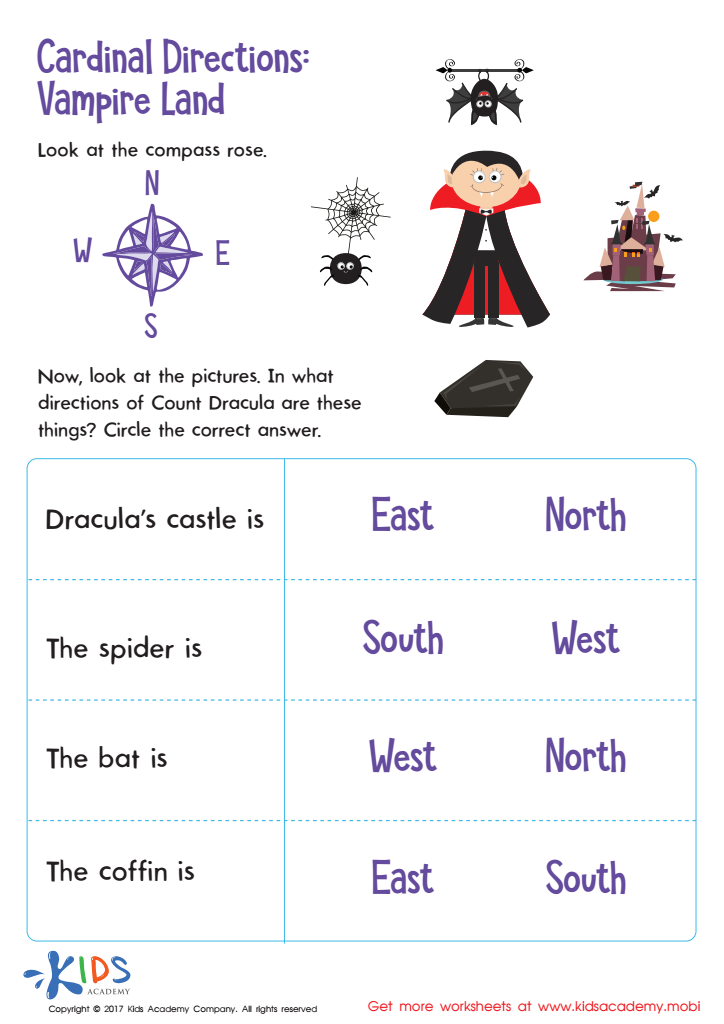
Cardinal Directions Printable
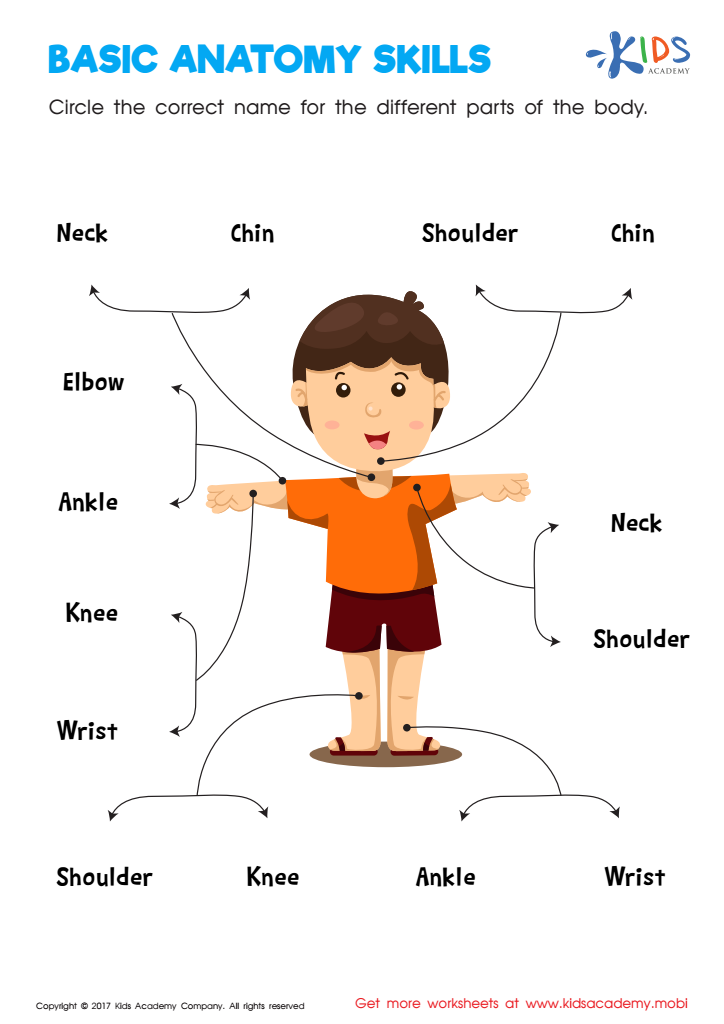
Basic Anatomy Skills Printable
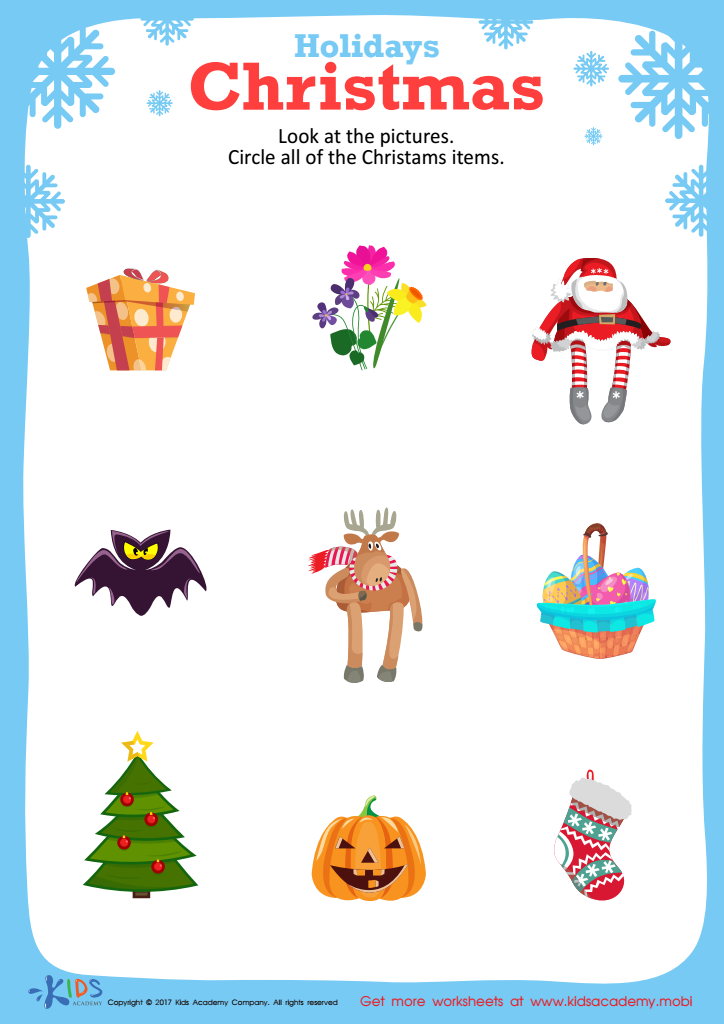
Christmas Holiday Worksheet
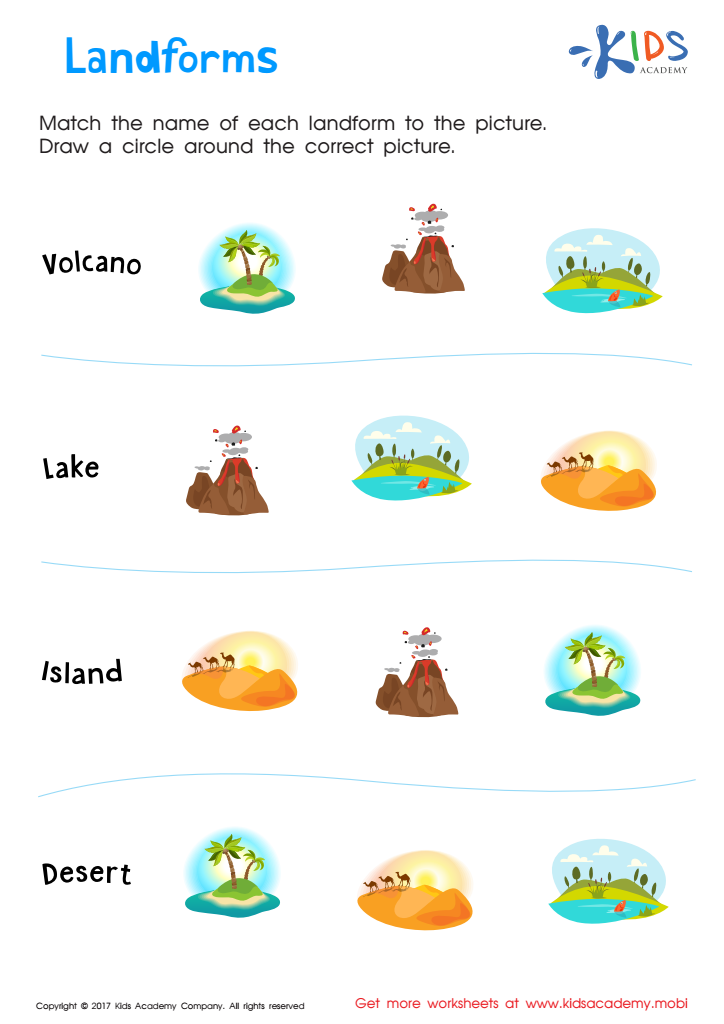
Landforms Printable
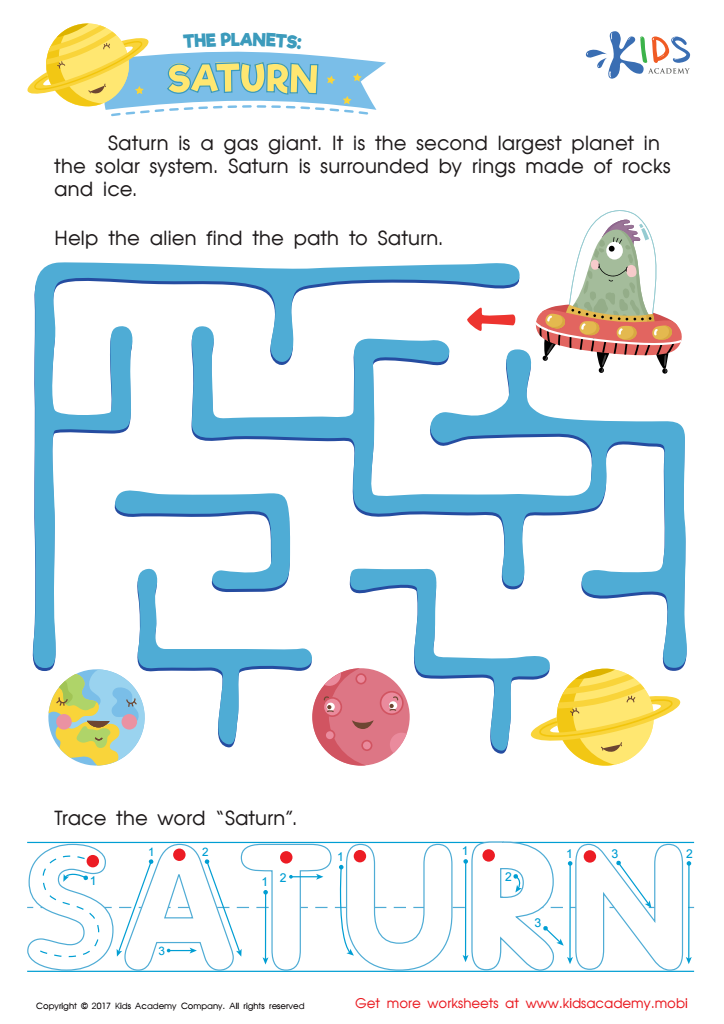
The Planets: Saturn Printable
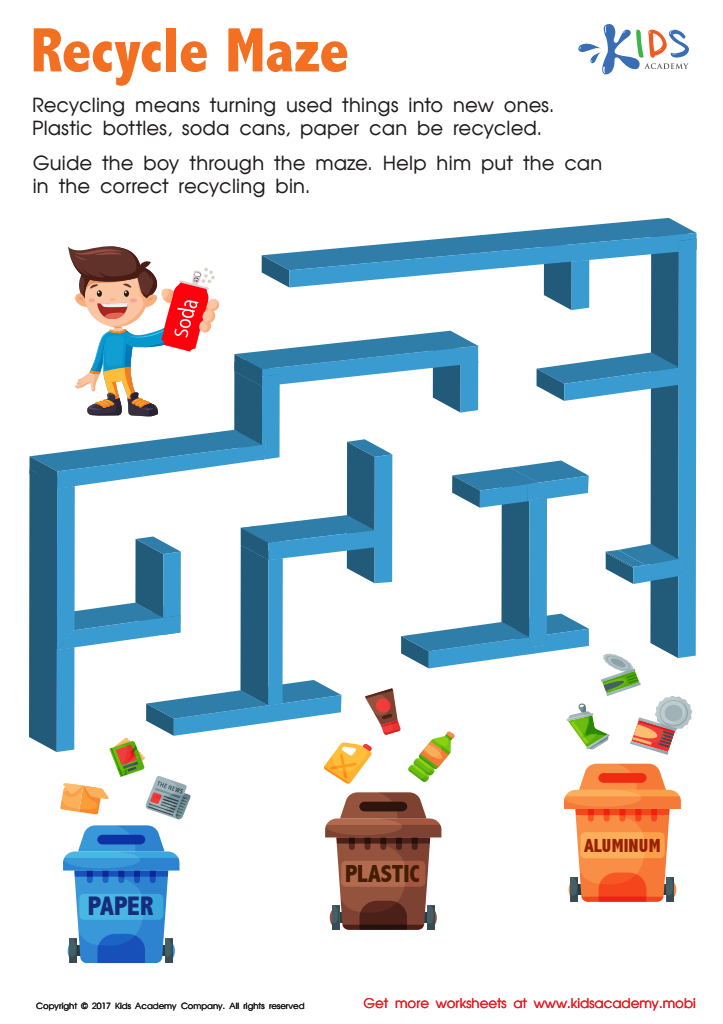
Recycle Maze Worksheet
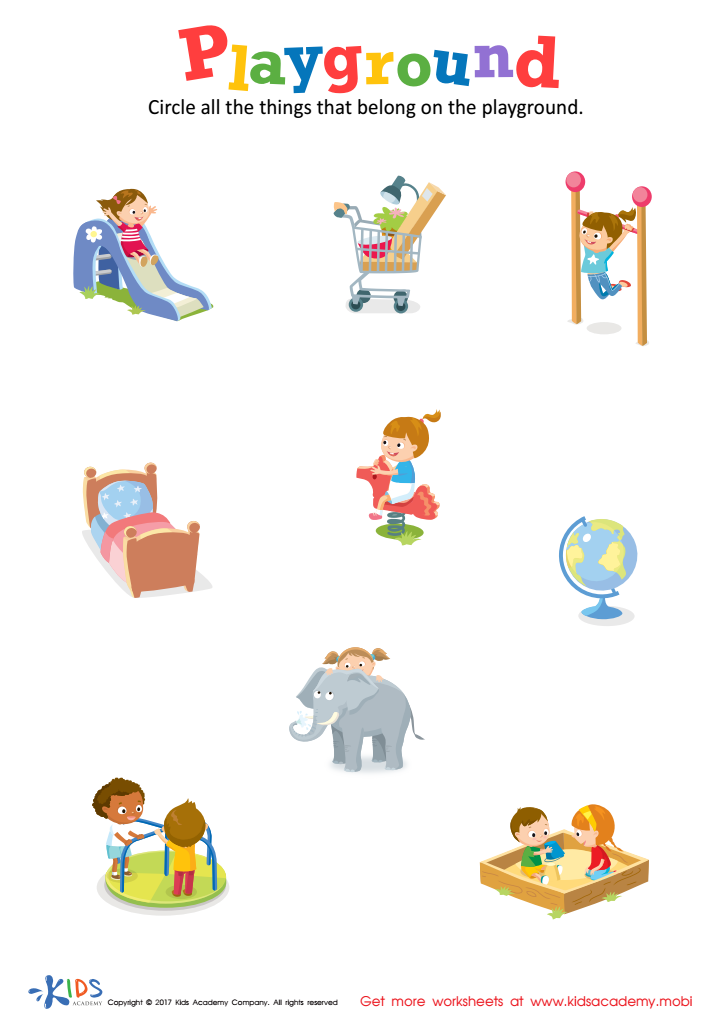
Playground Worksheet
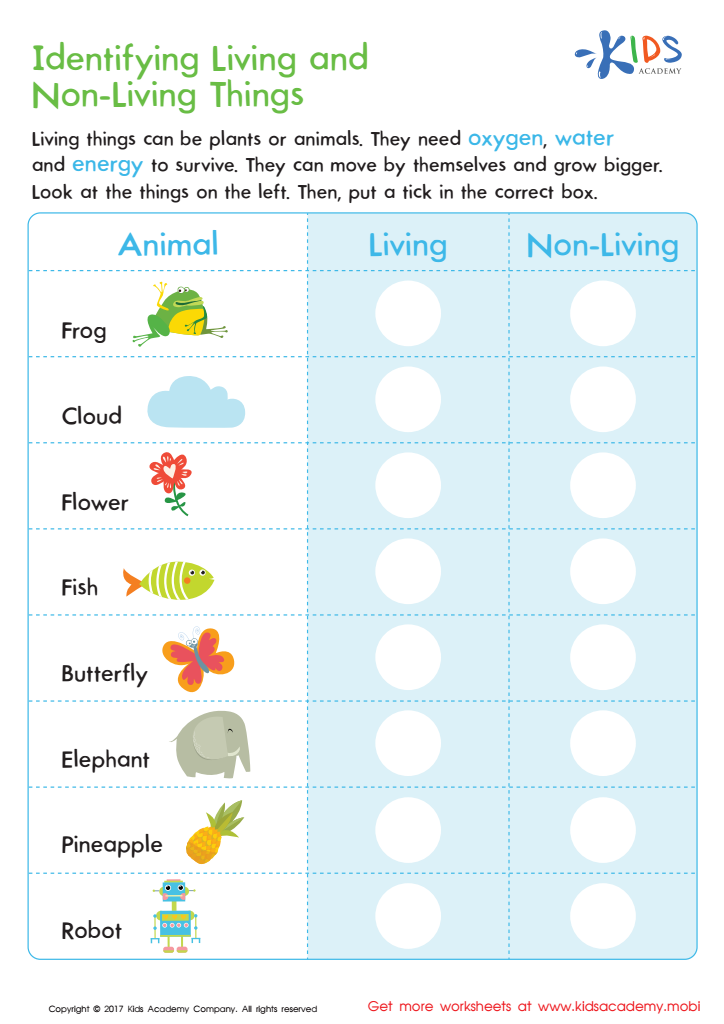
Identifying Living or Non–living Worksheet
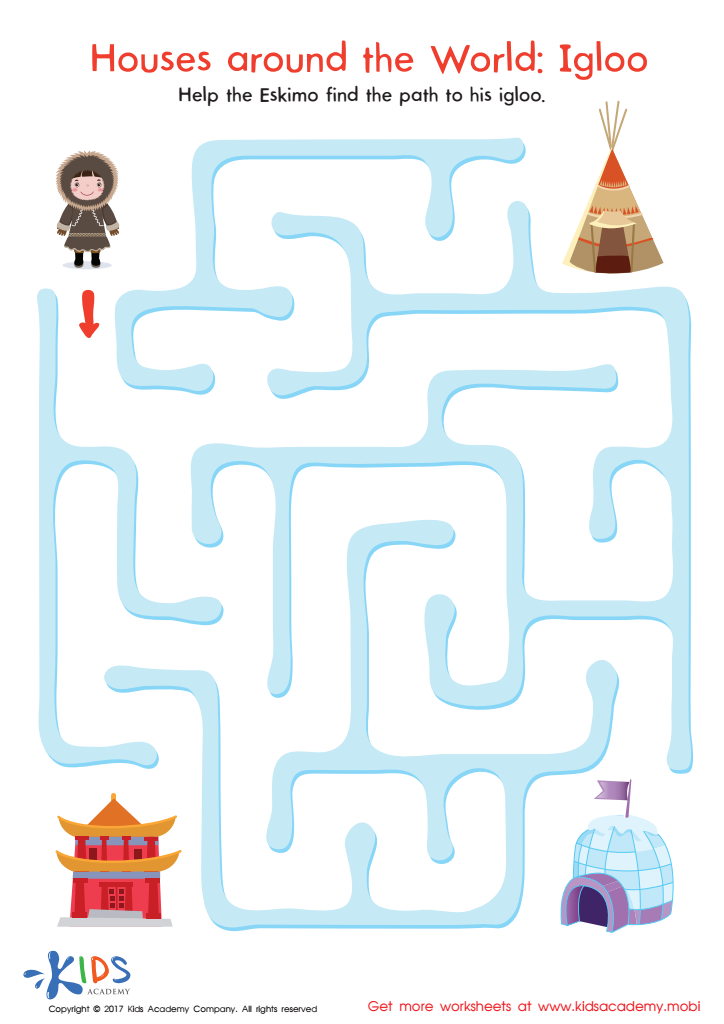
Houses Around the World: Igloo Printable





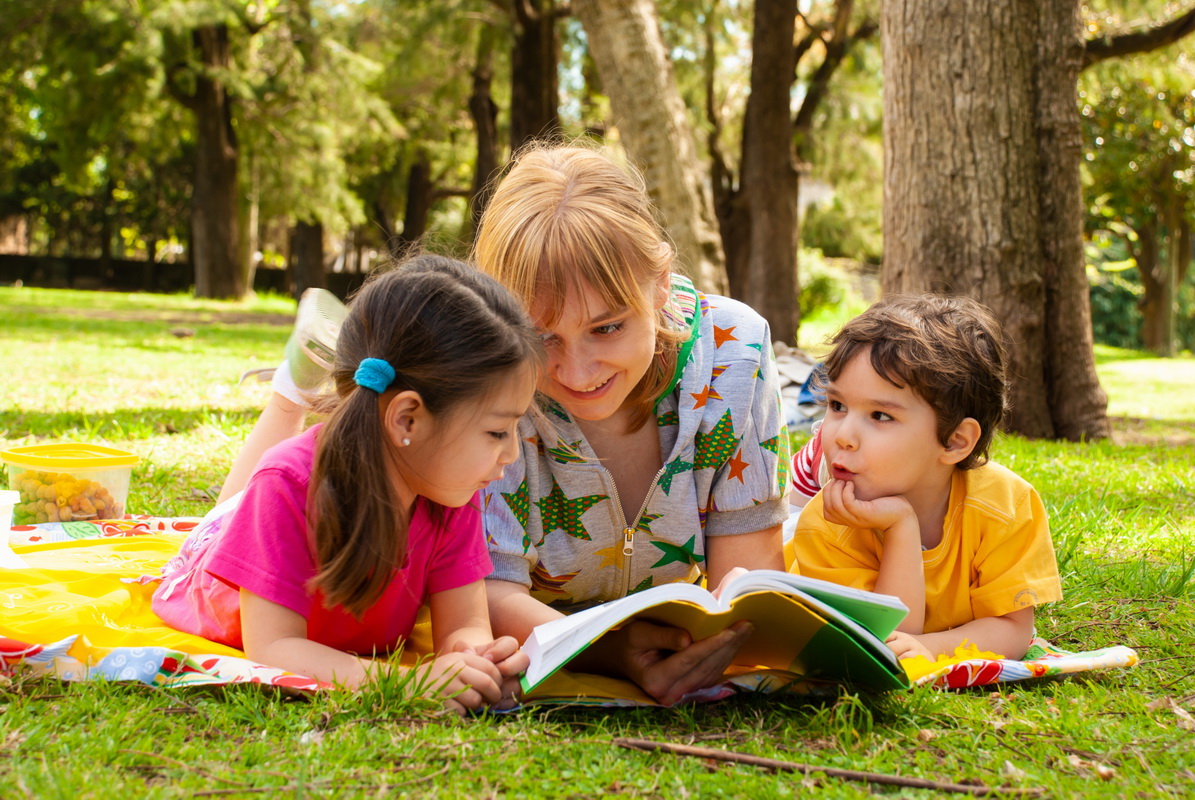


Understanding the normal world around us is essential for children aged 6-8, and both parents and teachers play a crucial role in fostering this awareness. At this developmental stage, children are naturally curious and eager to engage with their environment. Learning about the world helps them build critical thinking skills, explore social interactions, and develop a sense of belonging within their communities.
Teaching children about their immediate surroundings—such as local wildlife, weather patterns, cultural traditions, and everyday objects—instills a sense of wonder and appreciation for the natural world. This foundation nurtures their ability to observe, question, and communicate effectively. Additionally, knowledge of their environment encourages stewardship and responsibility towards nature and society. It promotes environmental awareness and helps children understand their role in the world.
Moreover, engaging children's interests through thematic lessons allows for the integration of various subjects, such as science, geography, and art. This multimodal approach caters to diverse learning styles and fosters creativity and problem-solving skills. In essence, cultivating an understanding of the normal world around us not only enriches children's knowledge but also empowers them to become compassionate, informed, and proactive members of society.