Normal Alphabet Worksheets for Ages 7-8
145 filtered results
-
From - To
Introducing our Normal Alphabet Worksheets, meticulously tailored for young learners aged 7-8. These engaging worksheets are crafted to reinforce alphabetic knowledge, ensuring your child masters the essentials of reading and writing with confidence. Each sheet is designed with age-appropriate activities that make learning the Normal Alphabet both fun and effective. From tracing letters to recognizing initial sounds, our worksheets offer a comprehensive approach to literacy. Ideal for home or classroom use, these worksheets are your child’s stepping stone towards fluent reading and clear handwriting. Embrace the joy of learning with our Normal Alphabet Worksheets for Ages 7-8.
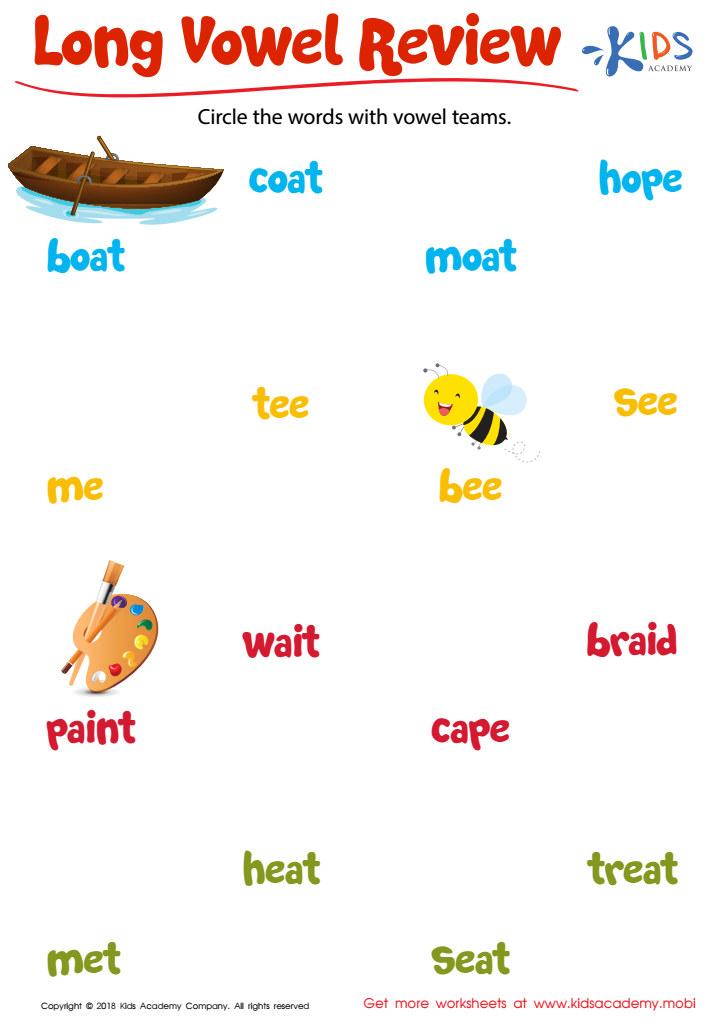
Long Vowel Review Worksheet
 Assign to My Students
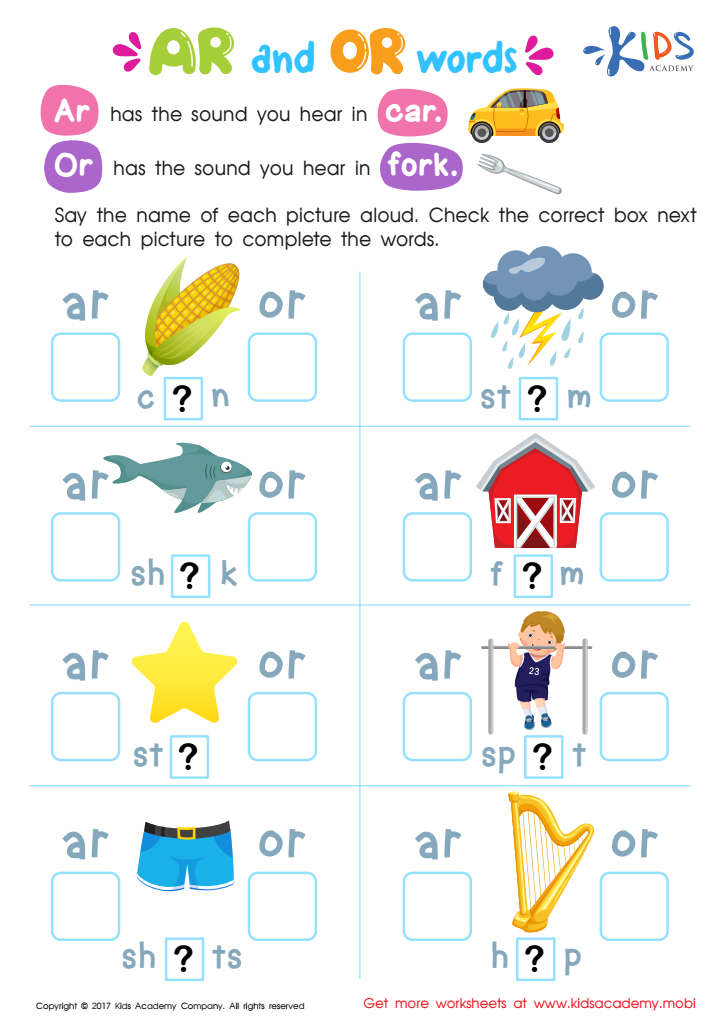
Ar and Or Words Phonics Worksheet
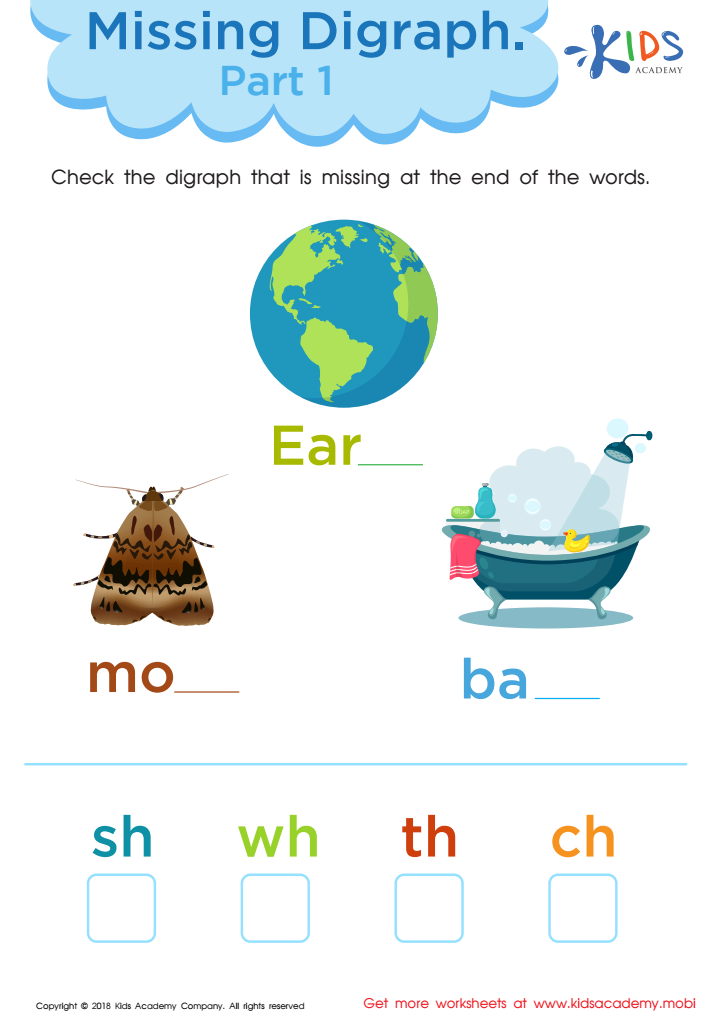
Missing Digraph: Part 1 Worksheet
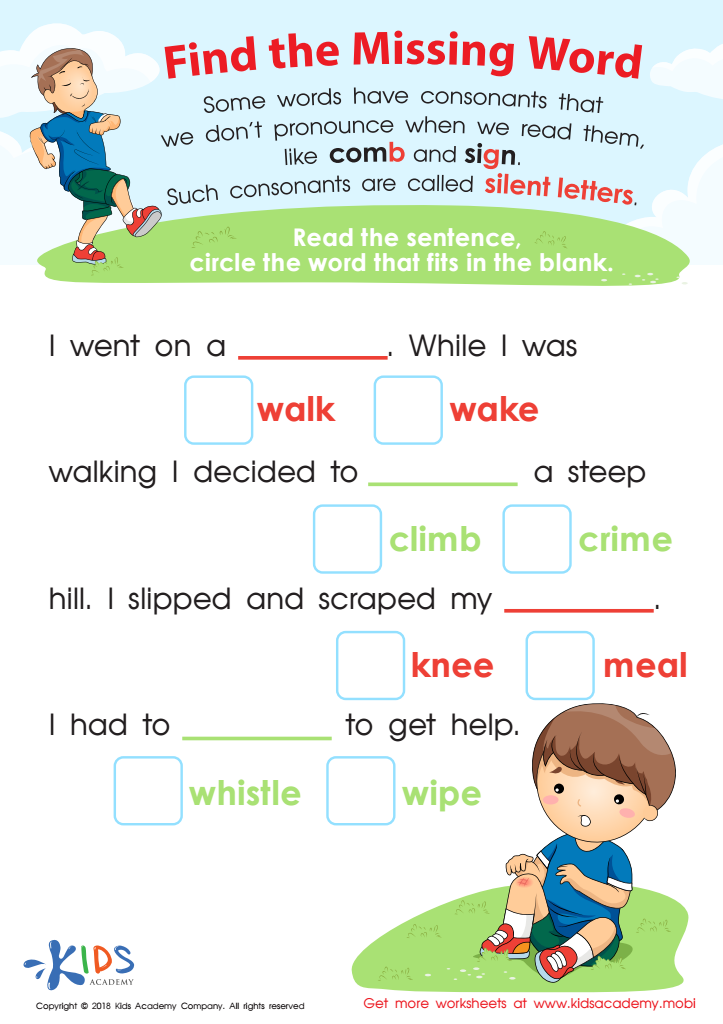
Find The Missing Word Worksheet
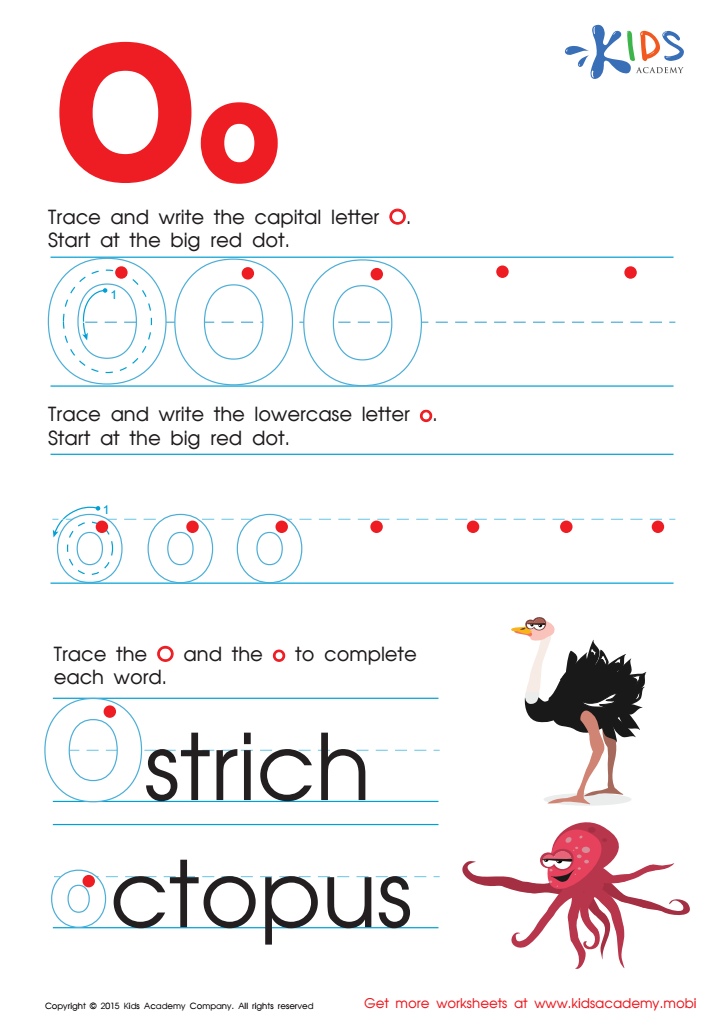
Letter O Tracing Page
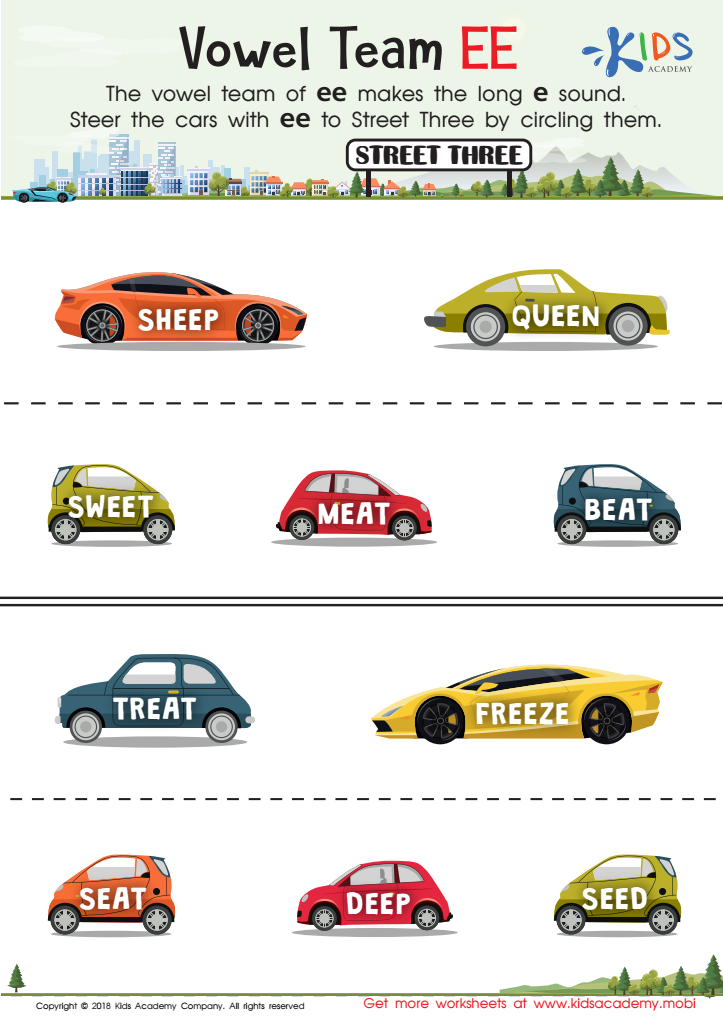
Vowel team ee Worksheet
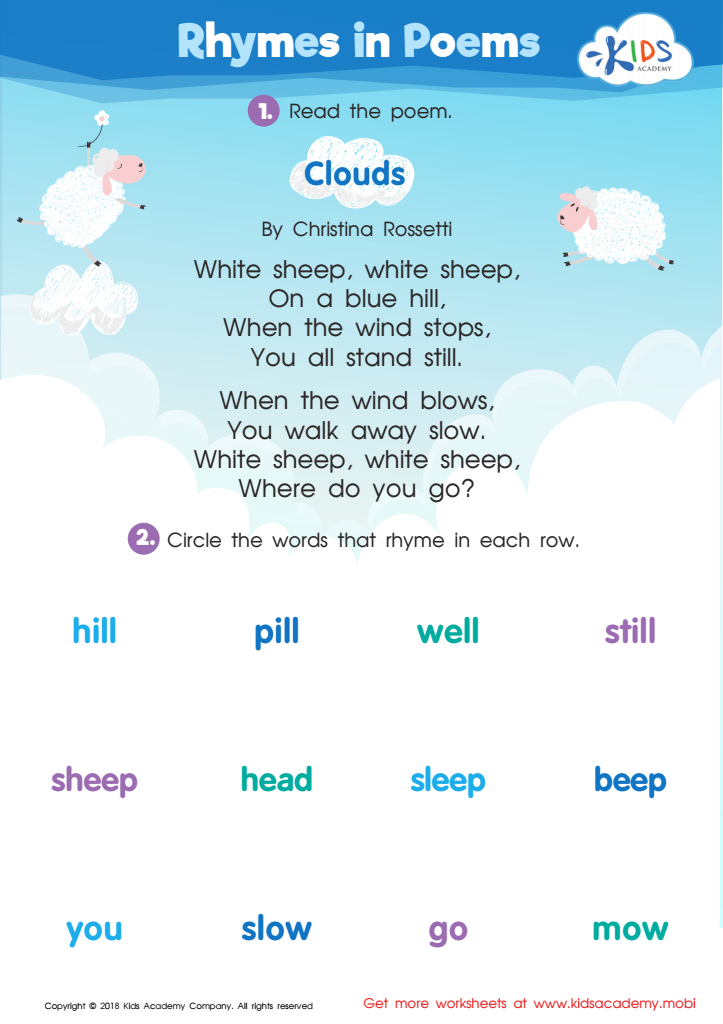
Rhymes in Poems Worksheet
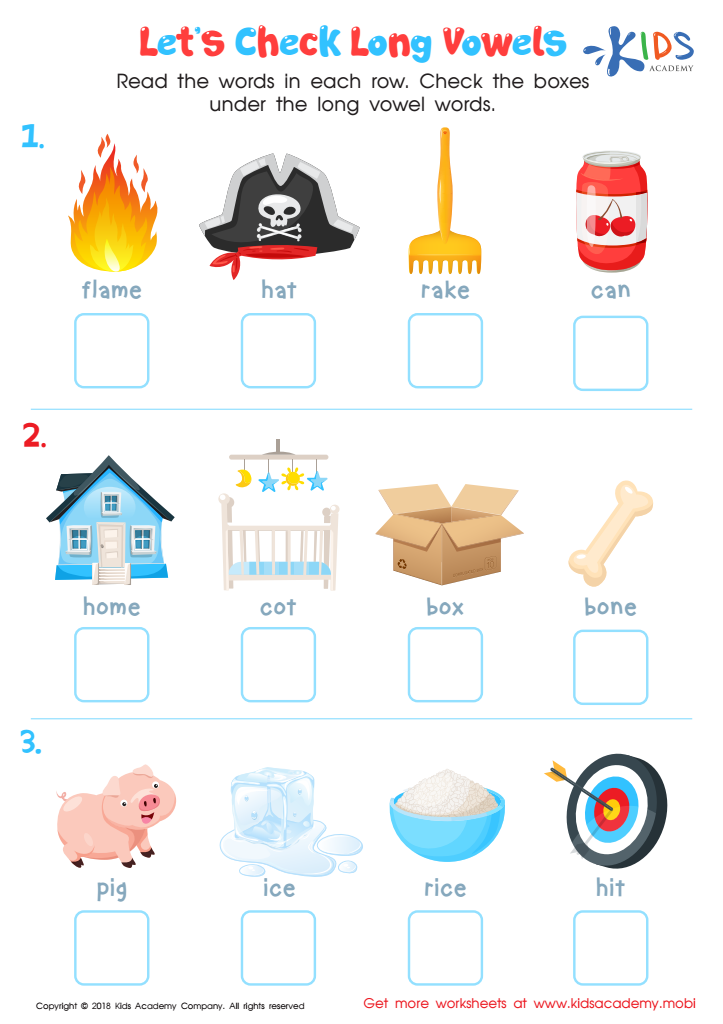
Let's Check Long Vowels: Assessment Worksheet
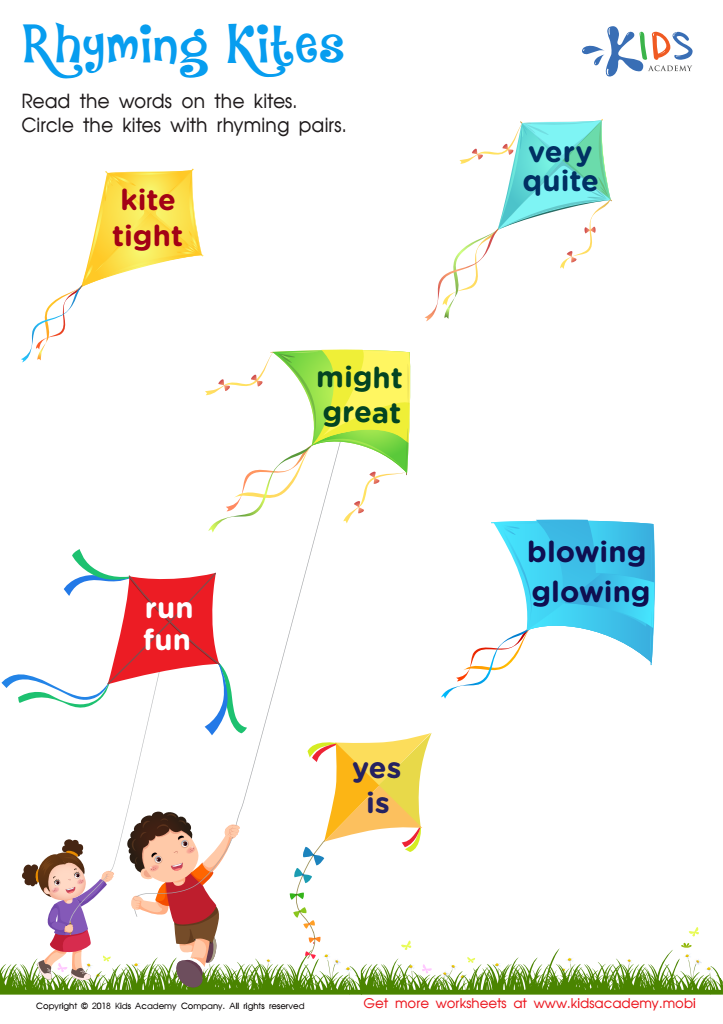
Rhyming Kites Worksheet
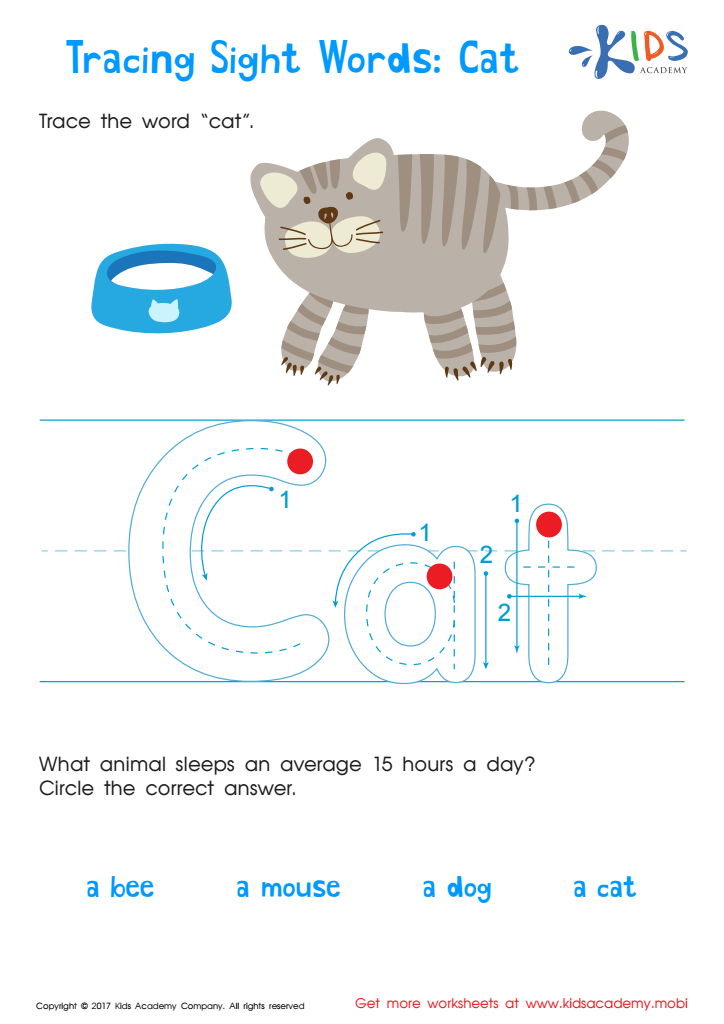
Cat Printable Sight Words Worksheet
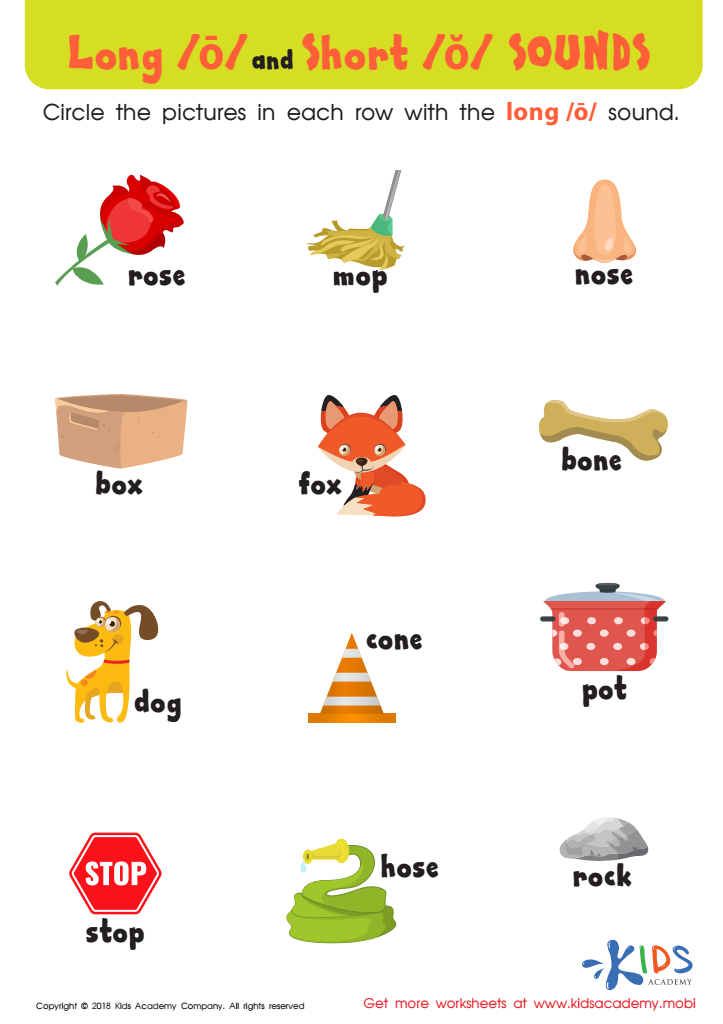
Reading: Long O and Short O Sounds Worksheet
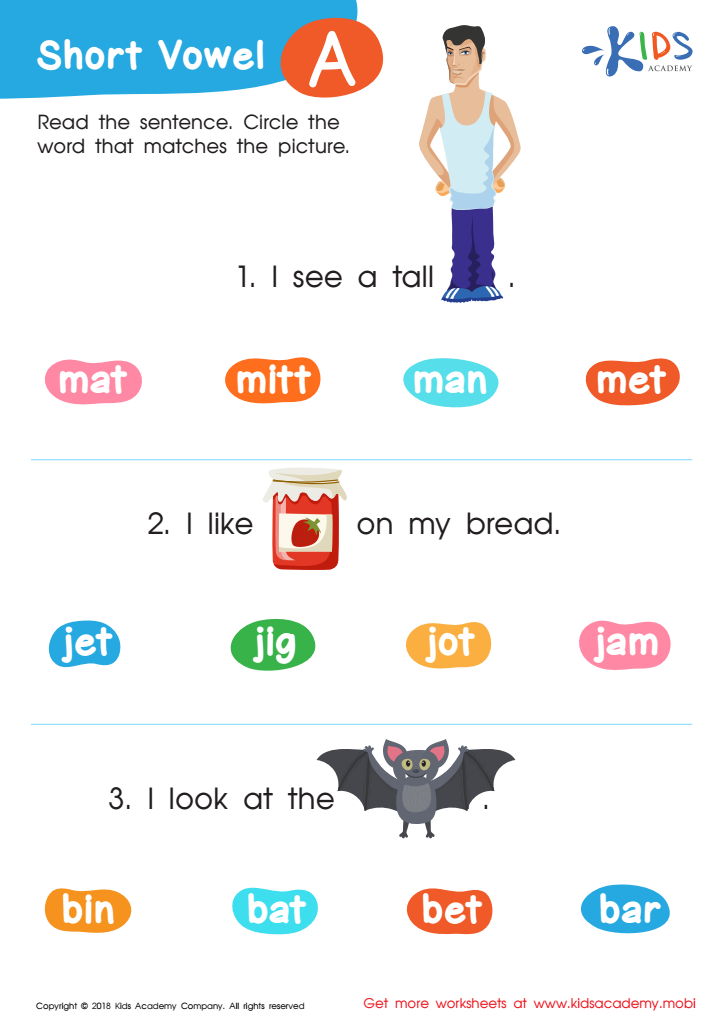
Short Vowel /a/ Worksheet
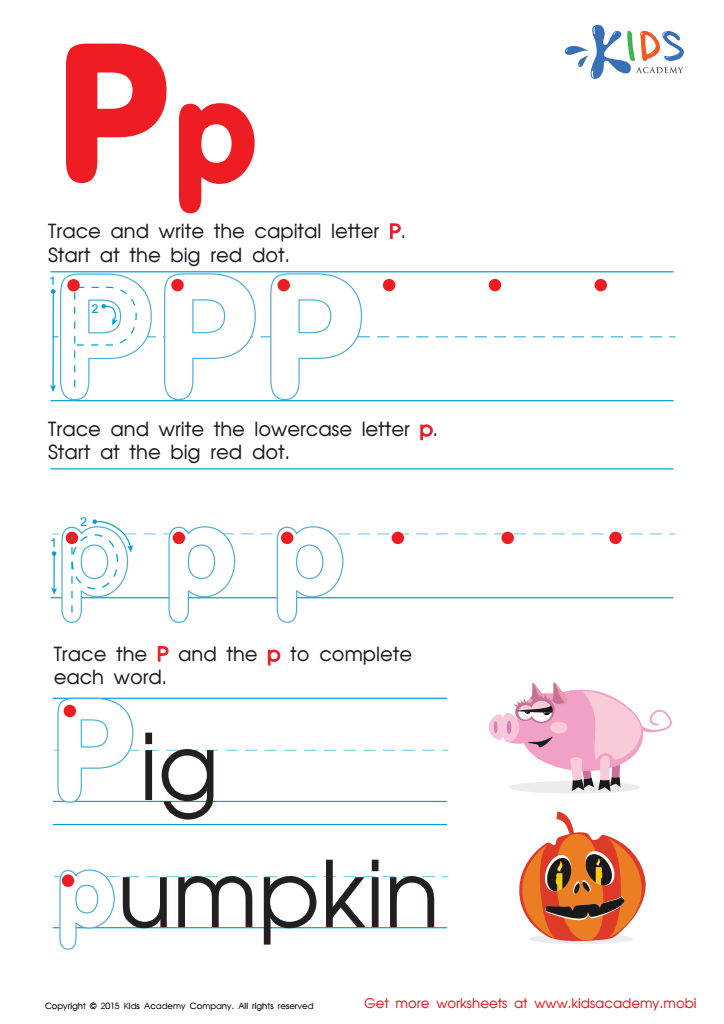
Letter P Tracing Page
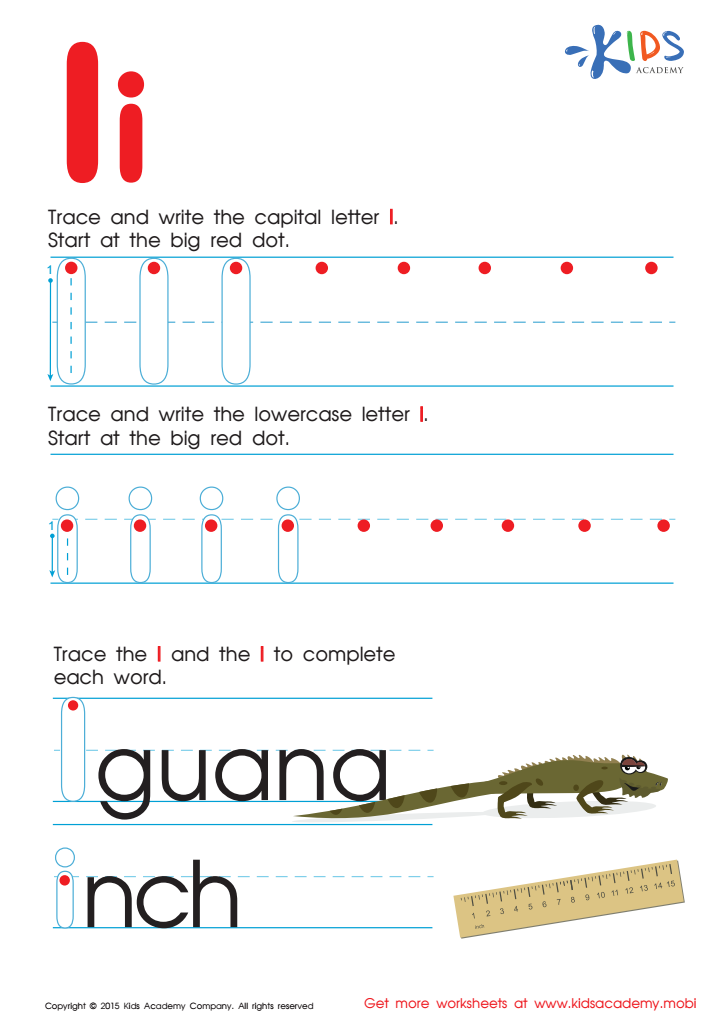
Letter I Tracing Page
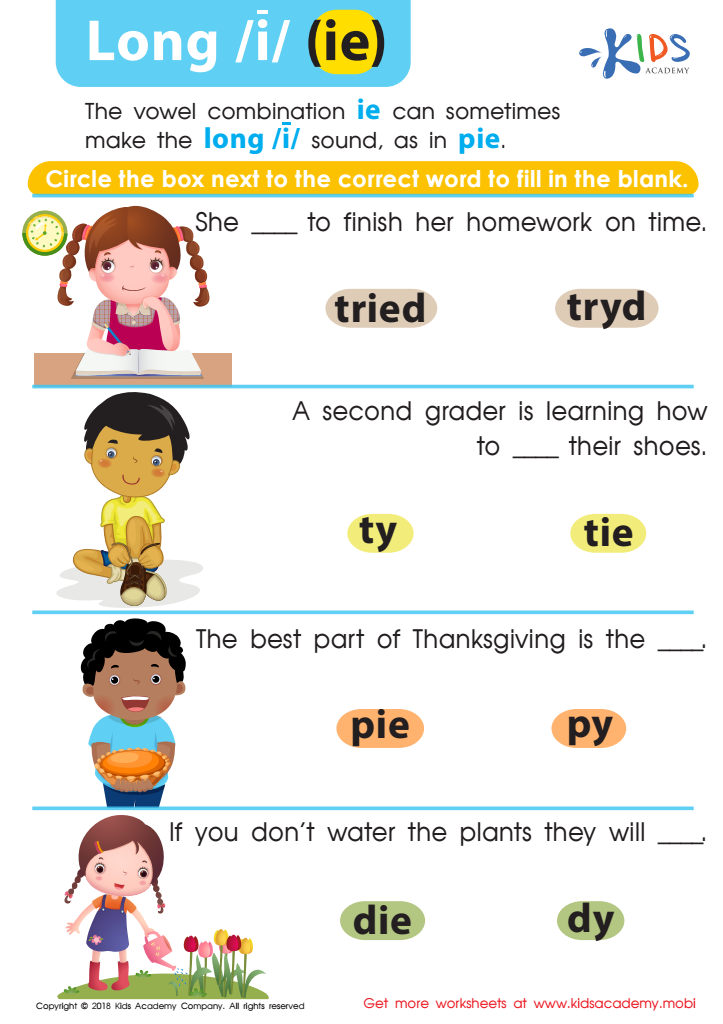
Reading: Long I and IE Worksheet
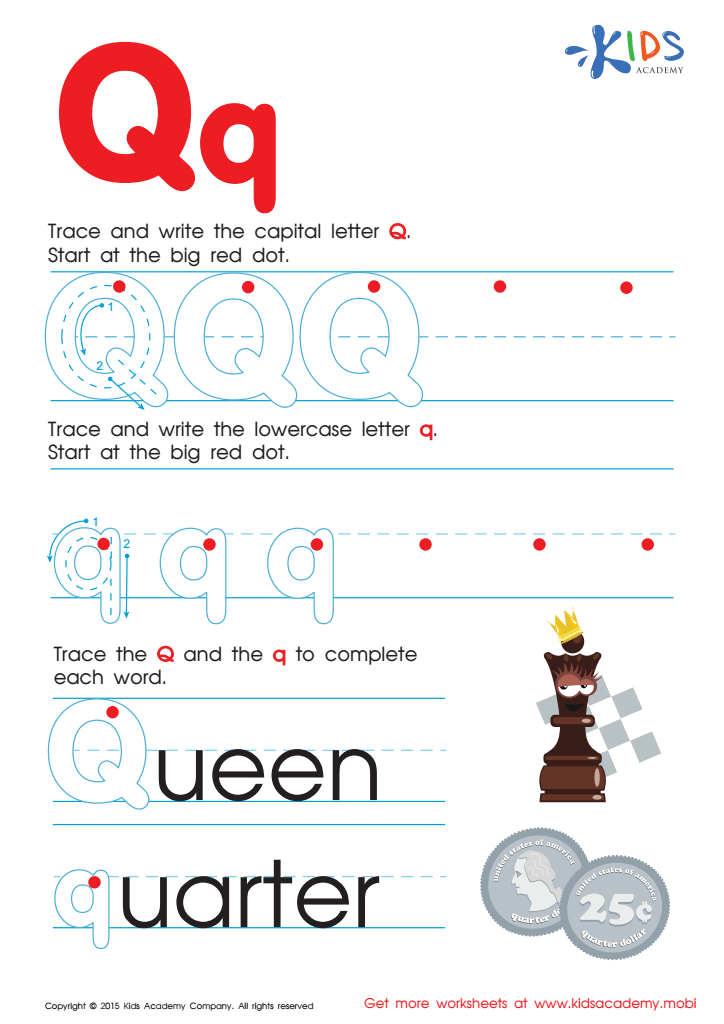
Letter Q Tracing Page
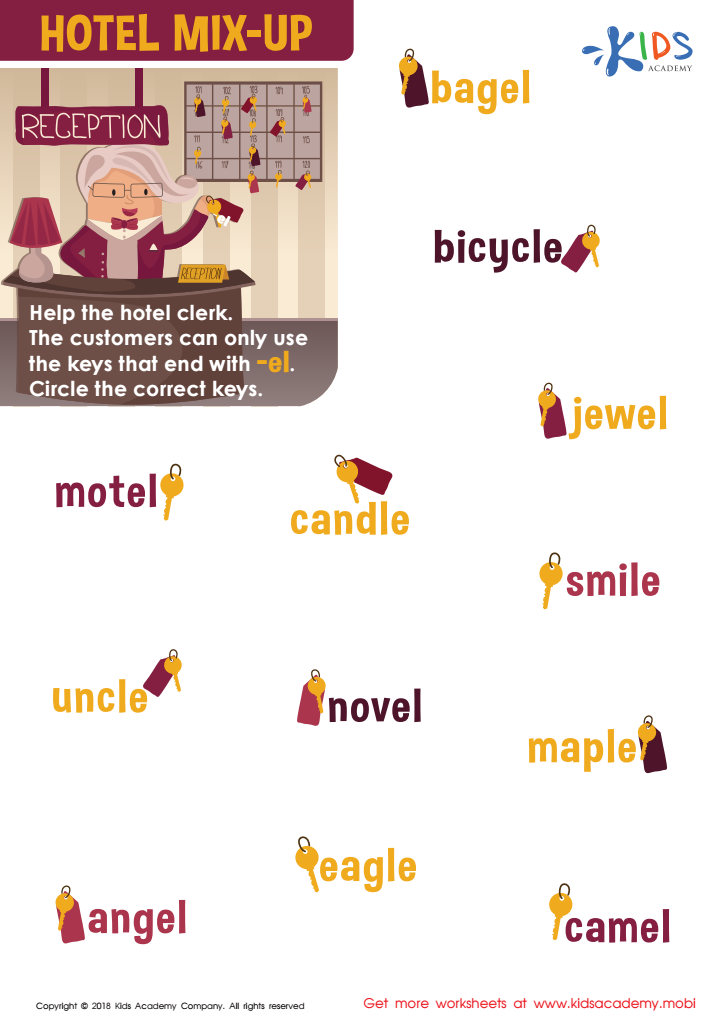
Hotel Mix-up Worksheet
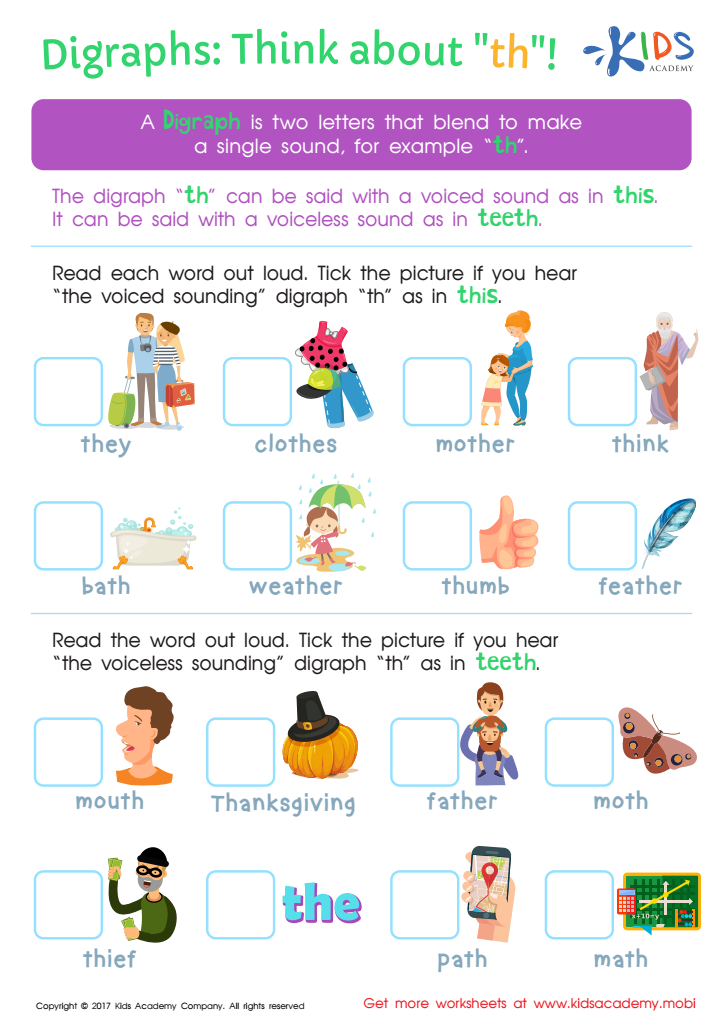
Digraphs: Think About "th" Worksheet
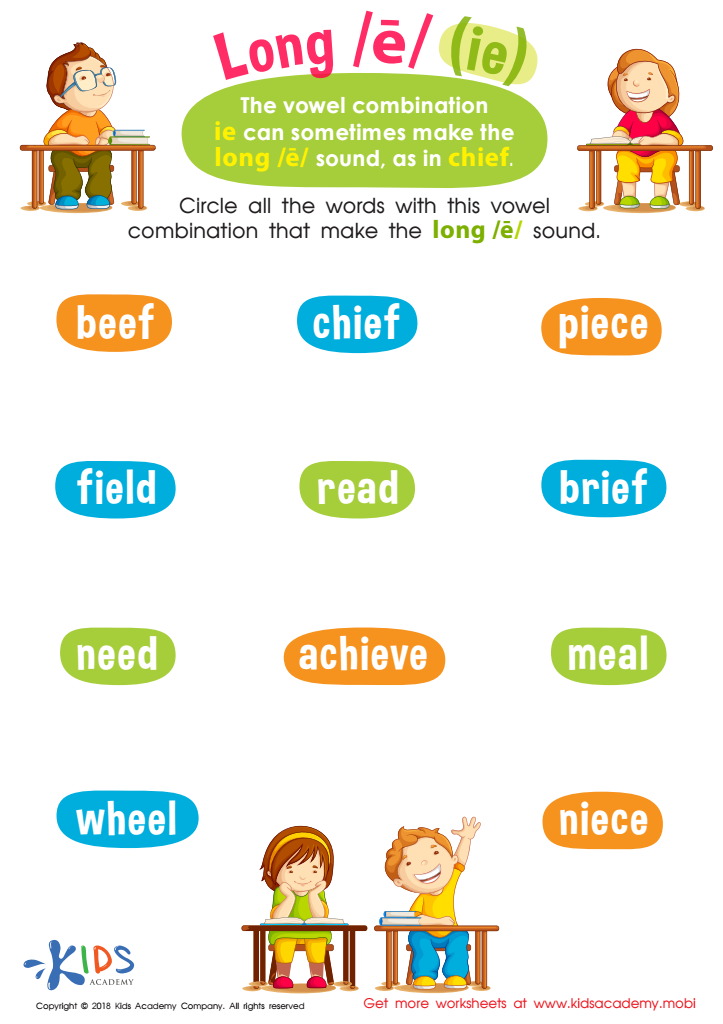
Reading: Long E and IE Worksheet
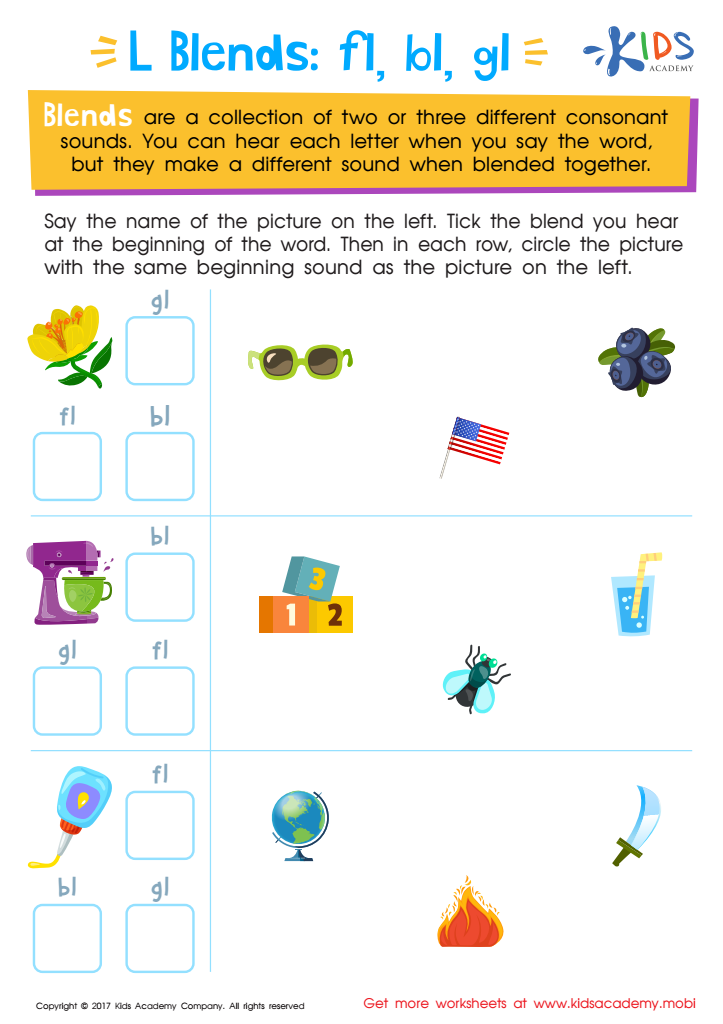
Blending Consonants: "Fl", "Bl" and "Gl" Printable
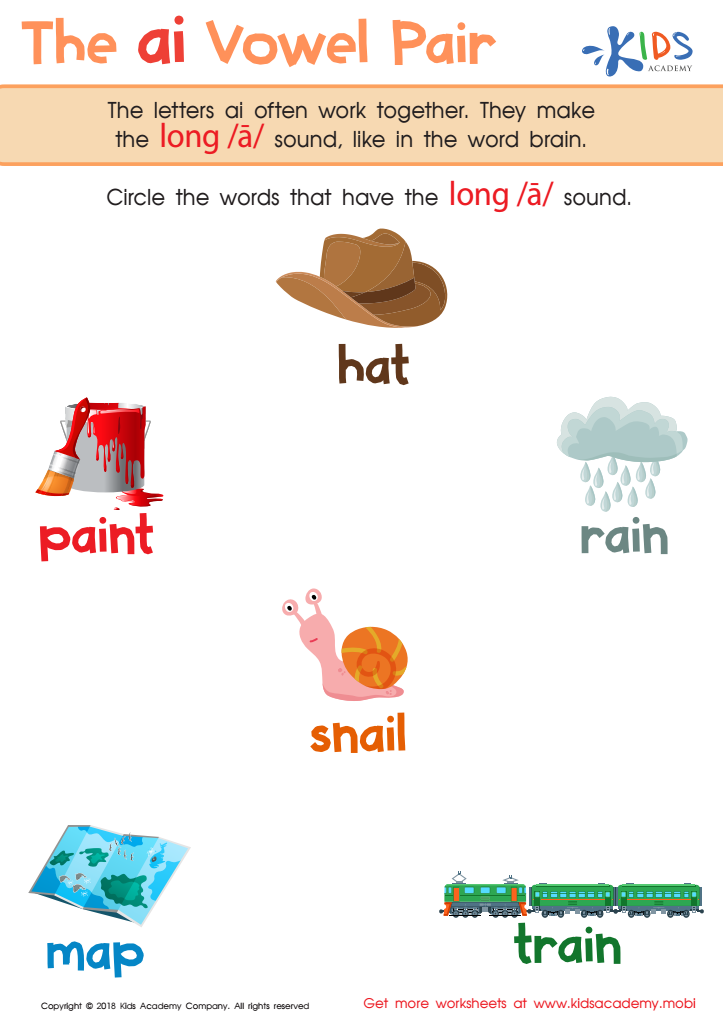
The AI Vowel Pair Worksheet
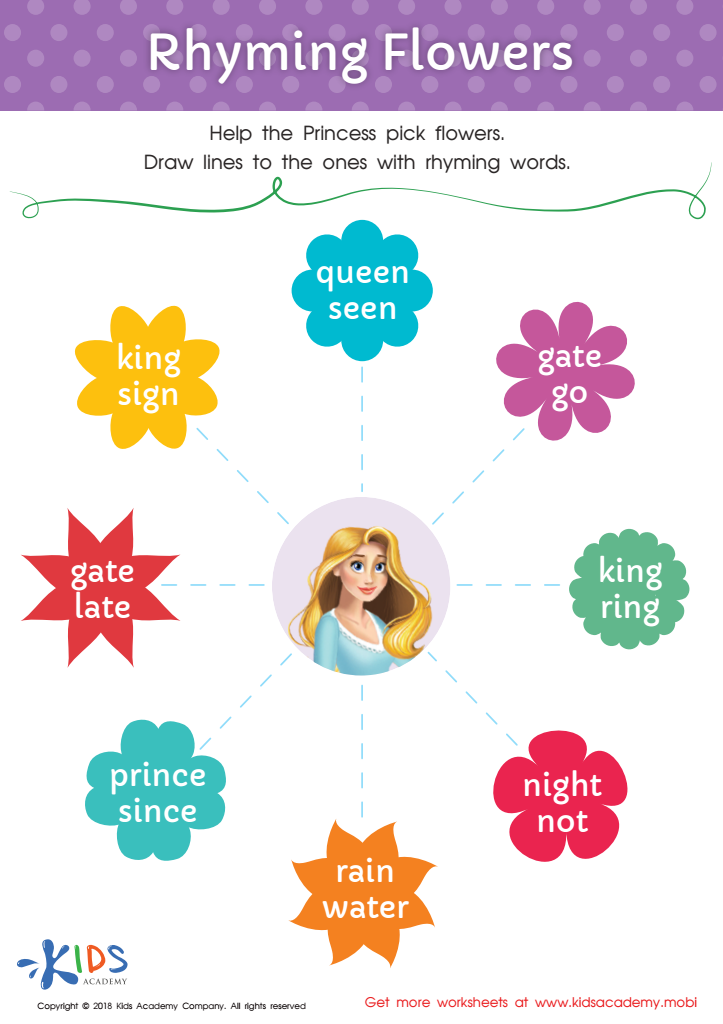
Rhyming Flowers Worksheet
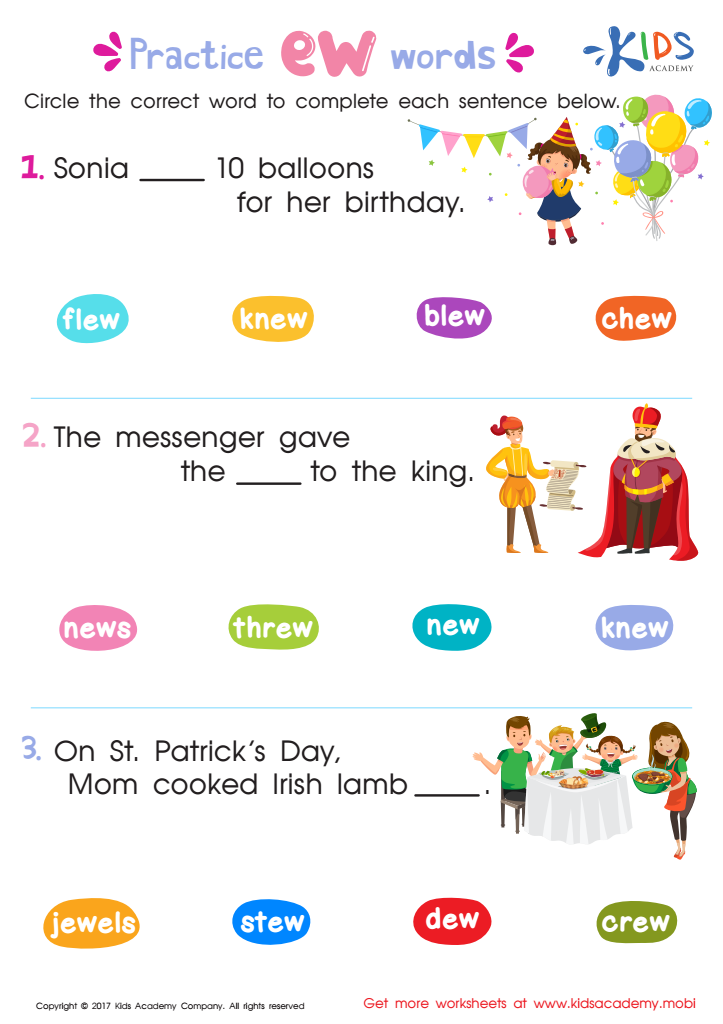
EW Words Worksheet
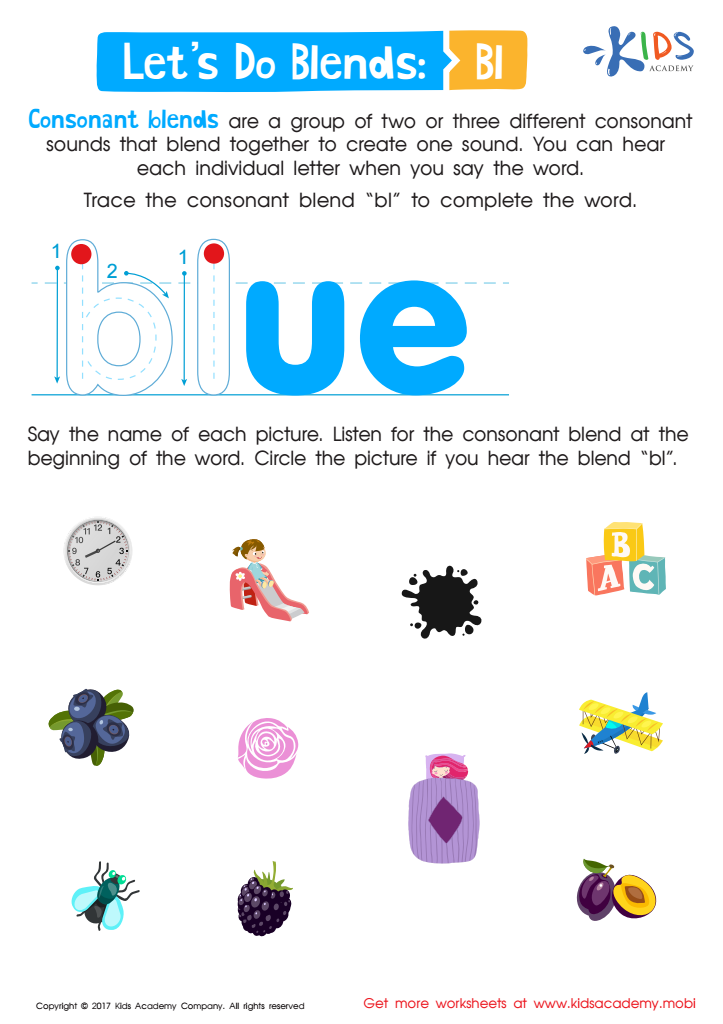
Beginning Blends: "Bl" Words Worksheet








Normal Alphabet worksheets for Ages 7-8 offer a range of benefits that are crucial for children's development at this pivotal stage. First and foremost, these worksheets are specifically designed to match the learning capabilities and interests of 7-8-year-olds, ensuring that the content is neither too challenging nor too simplistic. This age group is at a prime time to refine and strengthen their foundational reading and writing skills, and Normal Alphabet worksheets provide the perfect platform for this.
Using these worksheets, children can practice letter recognition, which is fundamental to their ability to read and write effectively. At ages 7-8, kids are transitioning from learning to read to reading to learn. Mastery of the alphabet through these worksheets supports this shift, enabling children to tackle more complex texts confidently.
Furthermore, Normal Alphabet worksheets for Ages 7-8 encourage the development of fine motor skills. As children trace and write letters, they refine their pencil grip and control, essential for legible handwriting.
Additionally, these worksheets can boost confidence. Completing them successfully provides a sense of achievement, fostering a positive relationship with learning.
In summary, Normal Alphabet worksheets for Ages 7-8 are a valuable tool for children's educational journey, supporting literacy, motor skills, and confidence, all of which are crucial for their ongoing development.







