Normal Measurement Worksheets for Ages 7-9 - Page 2
28 filtered results
-
From - To
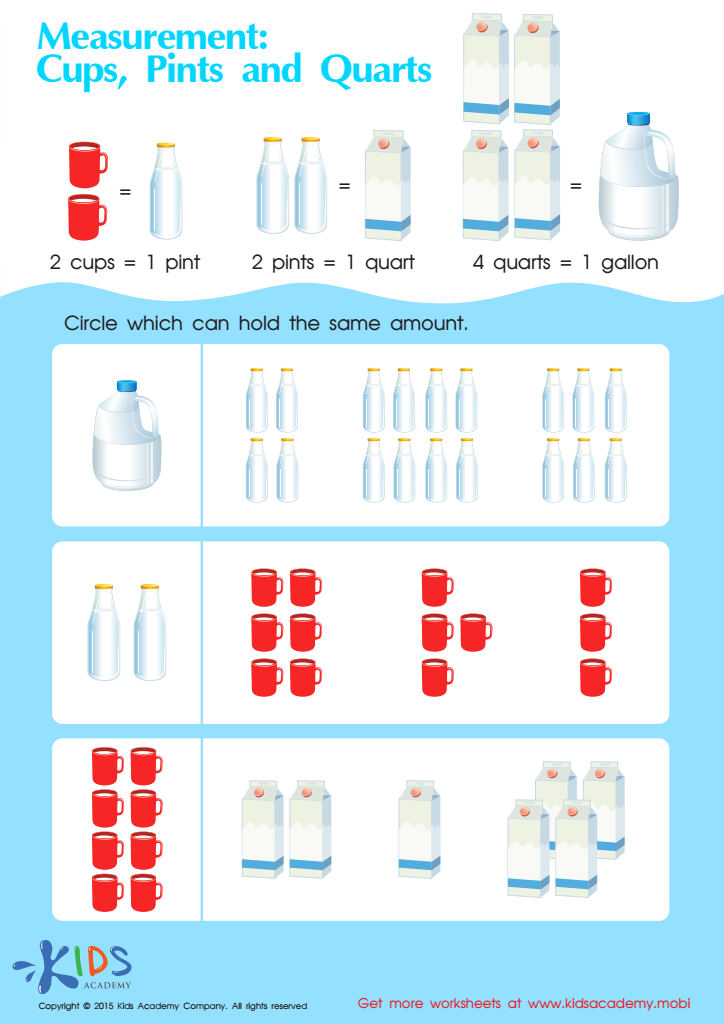
Cups, Pints and Quarts 2 Worksheet
 Assign to My Students
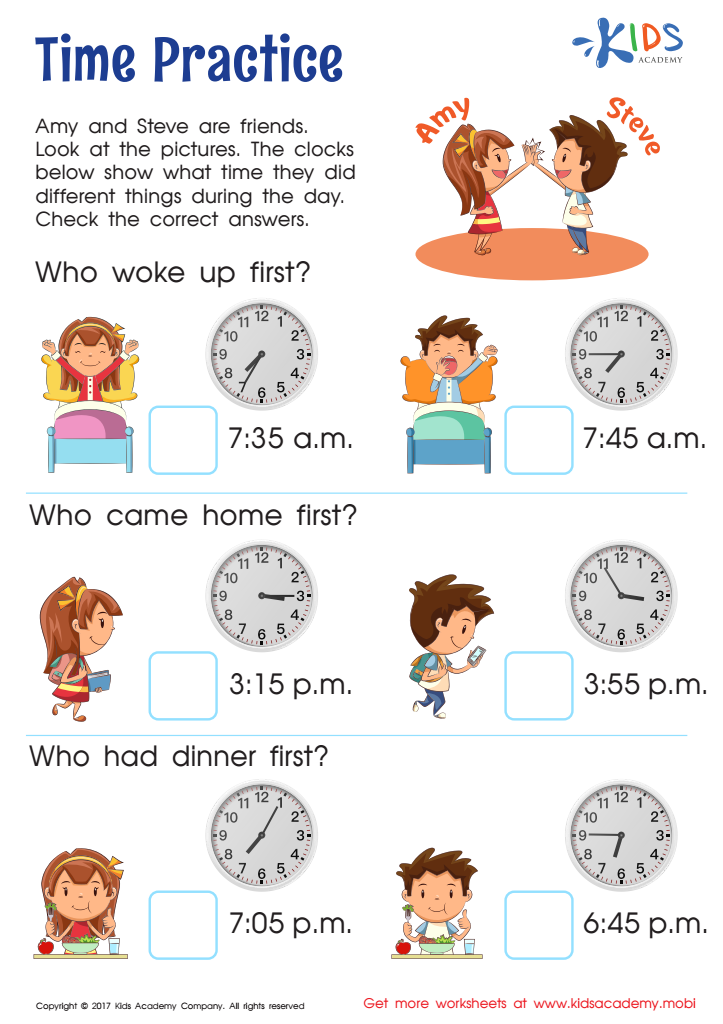
Time Practice Worksheet
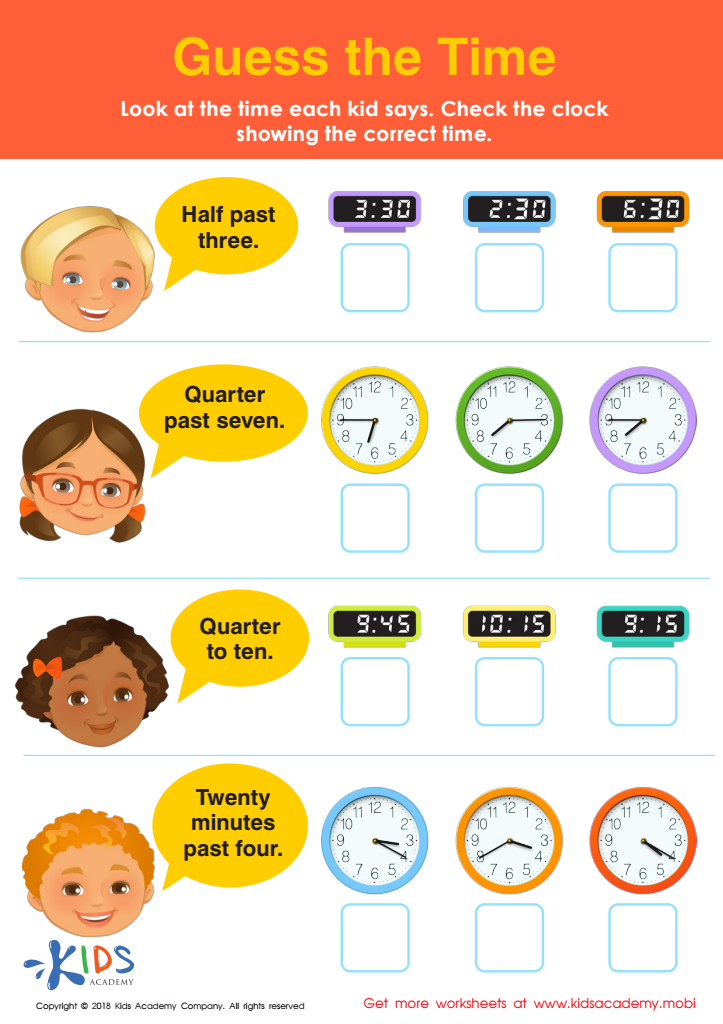
Guess the Time Worksheet
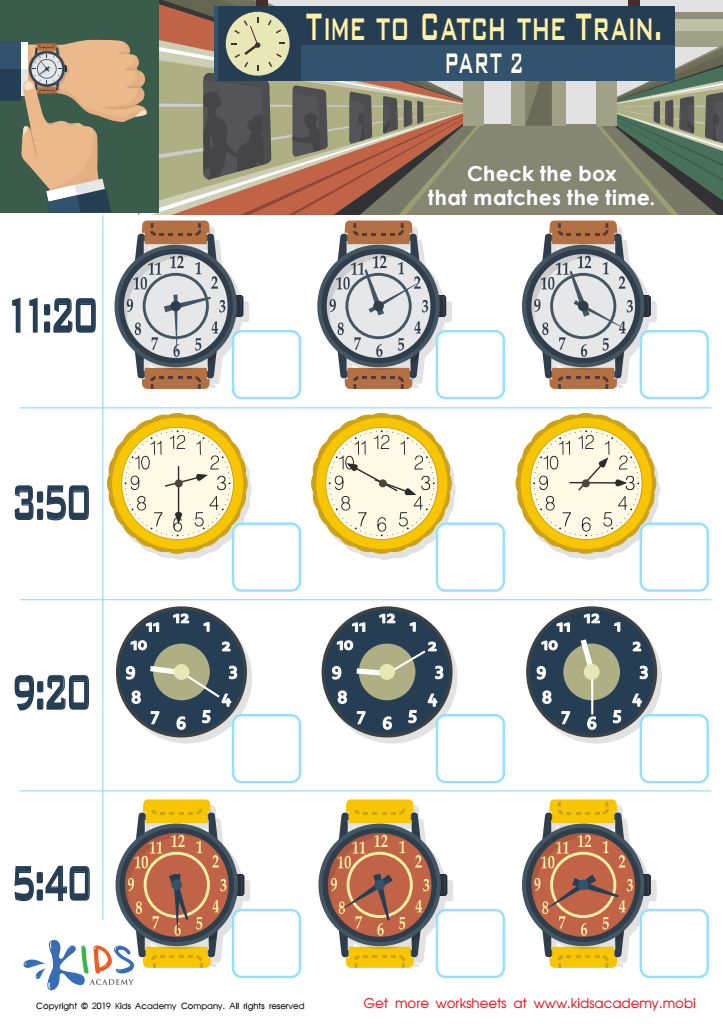
Time to Catch the Train Part 2 Worksheet





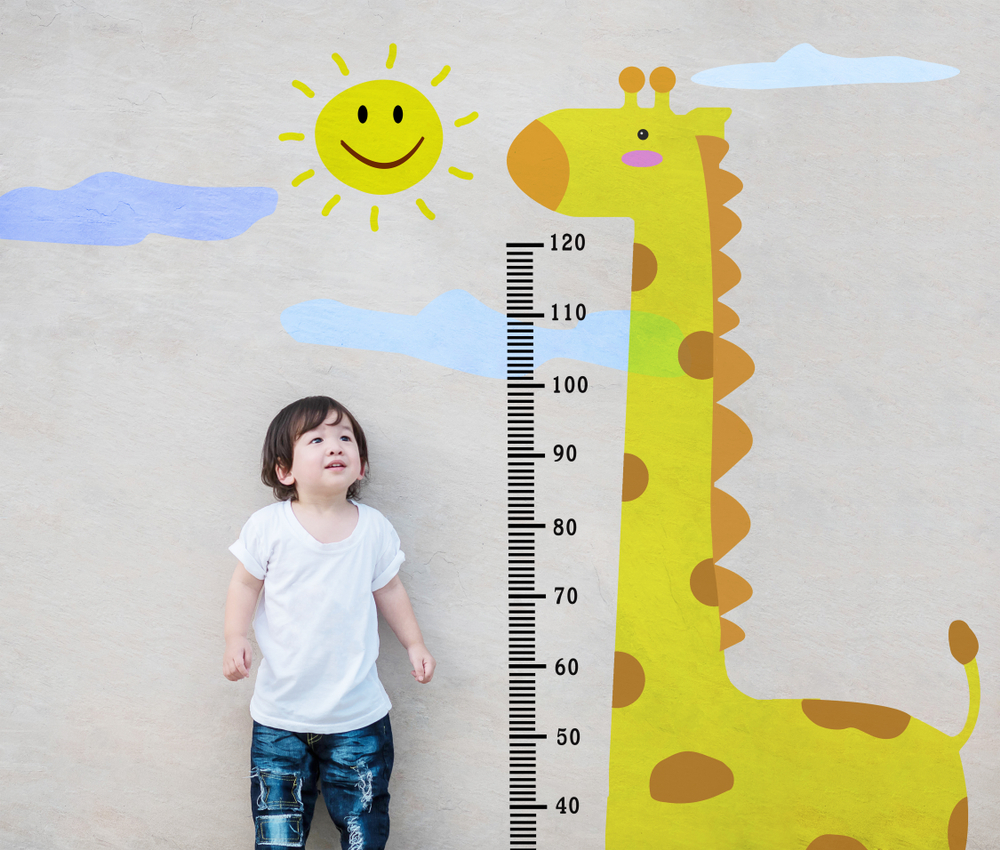


Normal measurement for ages 7-9 is crucial for both parents and teachers because it helps in monitoring children's growth and development. This encompasses physical metrics like height and weight, as well as cognitive and social milestones. Regular measurement ensures that children are developing at an expected rate, allowing for early detection of any potential issues.
If a child's growth deviates significantly from established norms, it may indicate underlying health concerns or developmental disorders. For instance, unusually rapid or stalled growth could signal endocrine problems or nutritional deficiencies. Early detection allows for timely intervention, which is often key in addressing these issues effectively.
In addition to physical parameters, such as physical stamina and fine motor skills, cognitive and social measurements also play a vital role. These can include assessments of reading ability, numerical skills, and social interactions. Monitoring these areas helps identify any learning disabilities or social challenges, enabling early intervention with appropriate educational support or therapies.
In essence, focusing on normal measurements ensures that children receive the care and resources they need for healthy development. It equips parents and teachers with the necessary information to support children's well-being, educational success, and emotional health, laying a strong foundation for their futures.








