Normal Our Planet and Environment Worksheets for Ages 7-9 - Page 2
65 filtered results
-
From - To
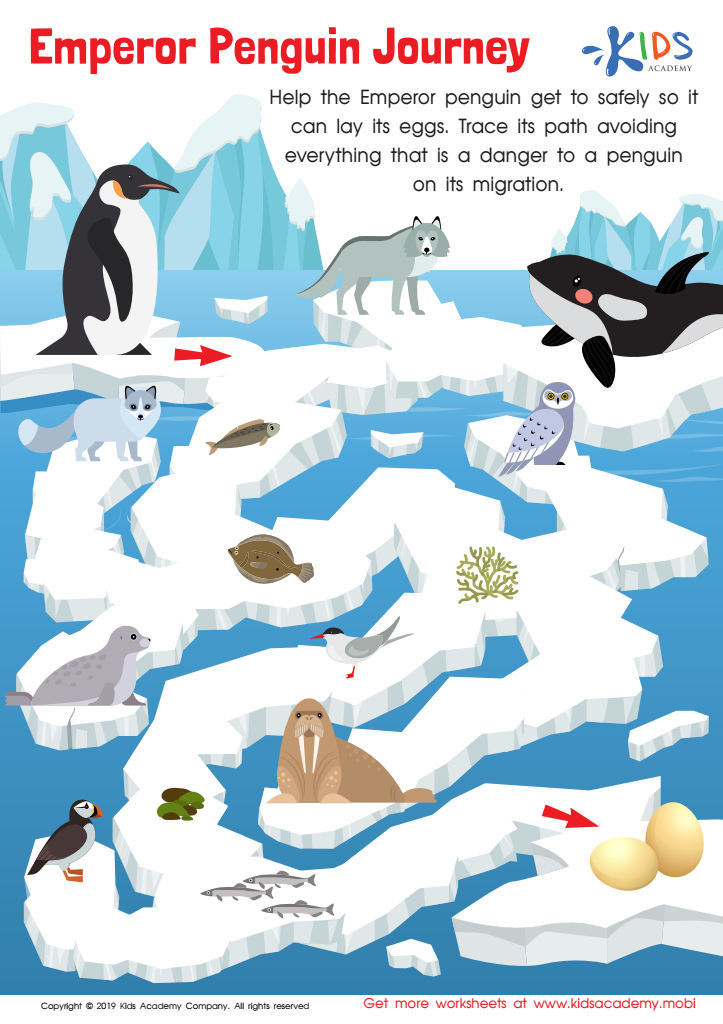
Emperor Penguin Journey Worksheet
 Assign to My Students
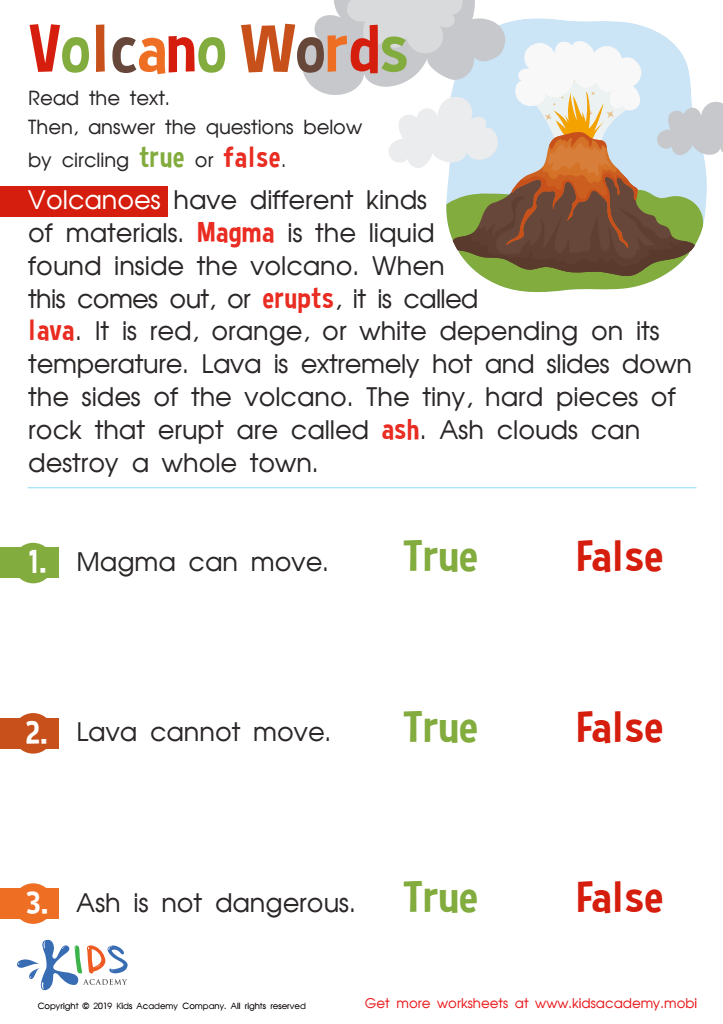
Volcano Words Worksheet
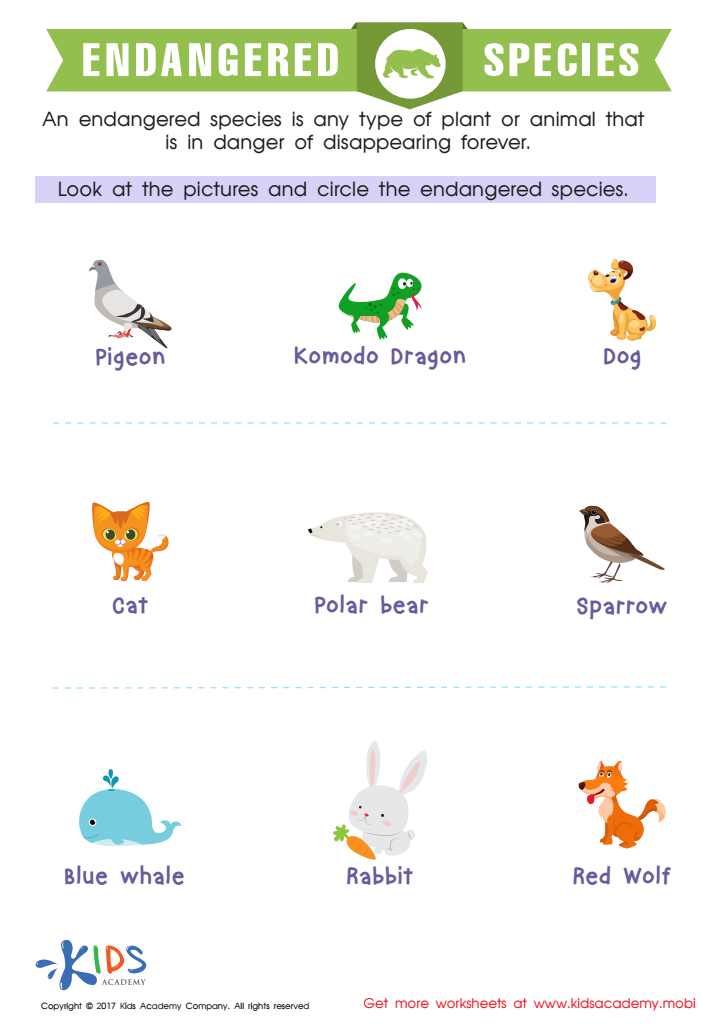
Endangerd Species Printable
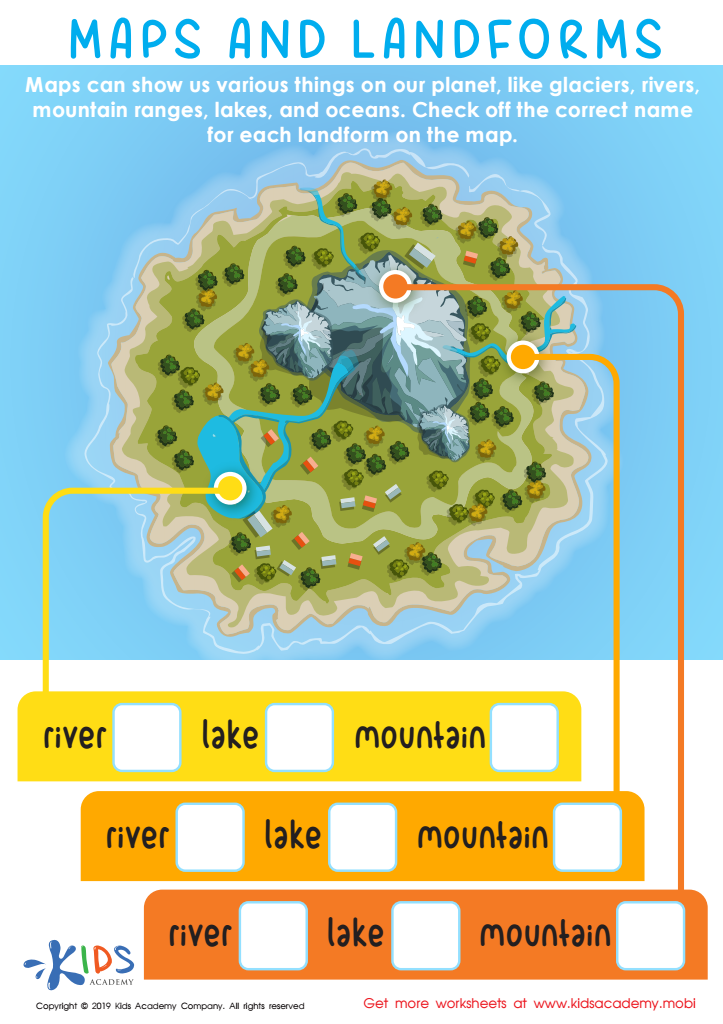
Maps and Landforms Worksheet
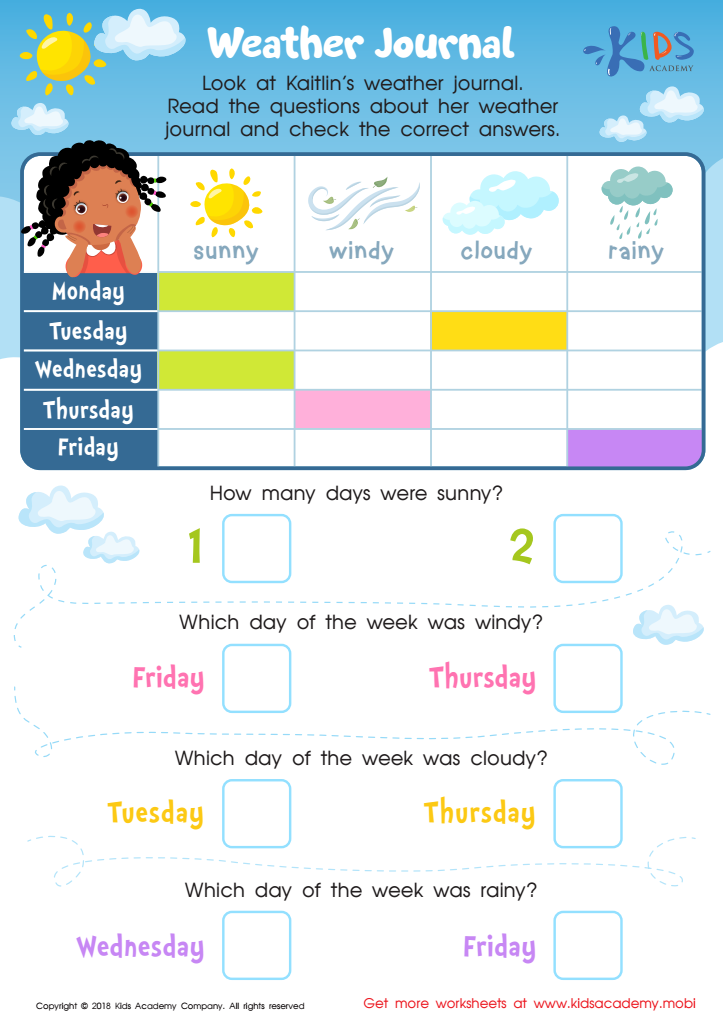
Weather Journal Worksheet
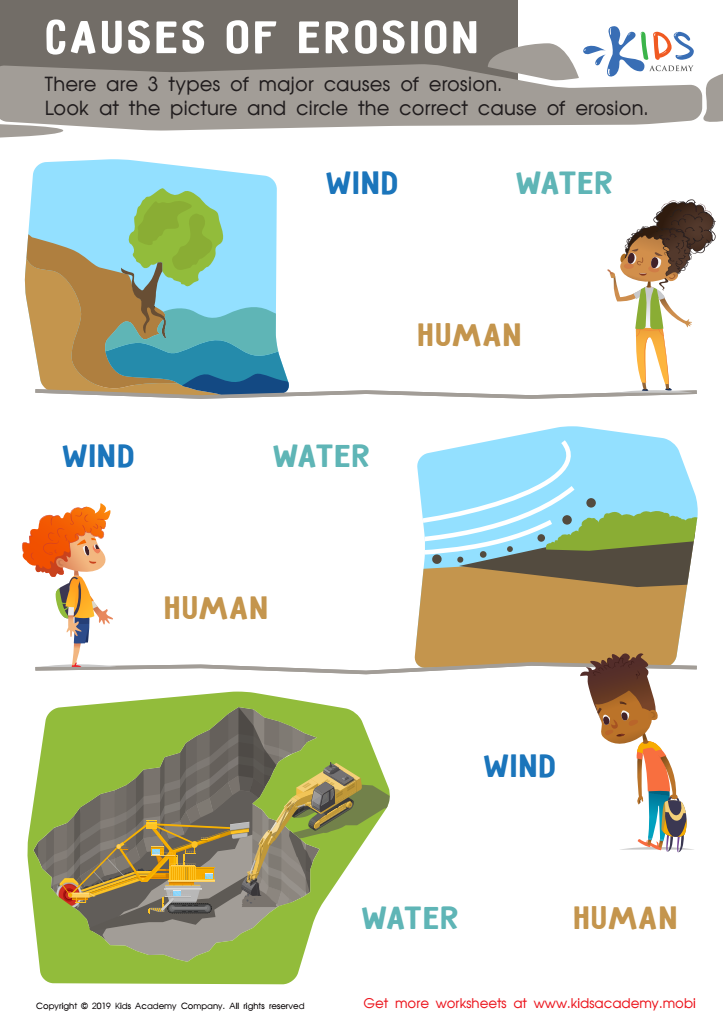
Causes of Erosion Worksheet
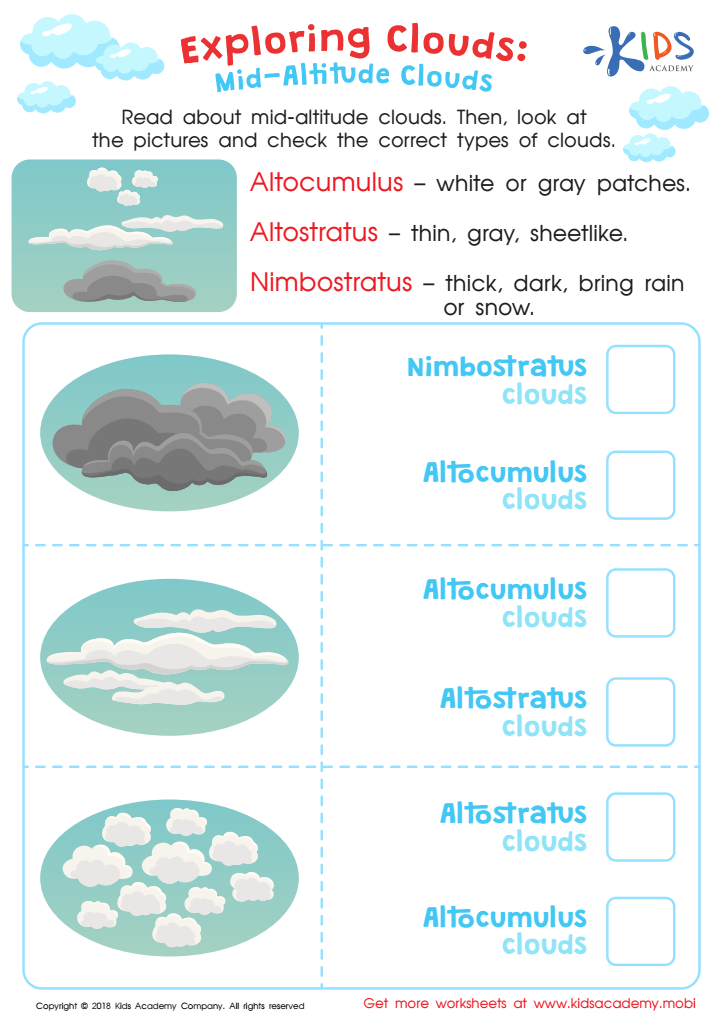
Exploring Clouds: Mid-altitude Clouds Worksheet
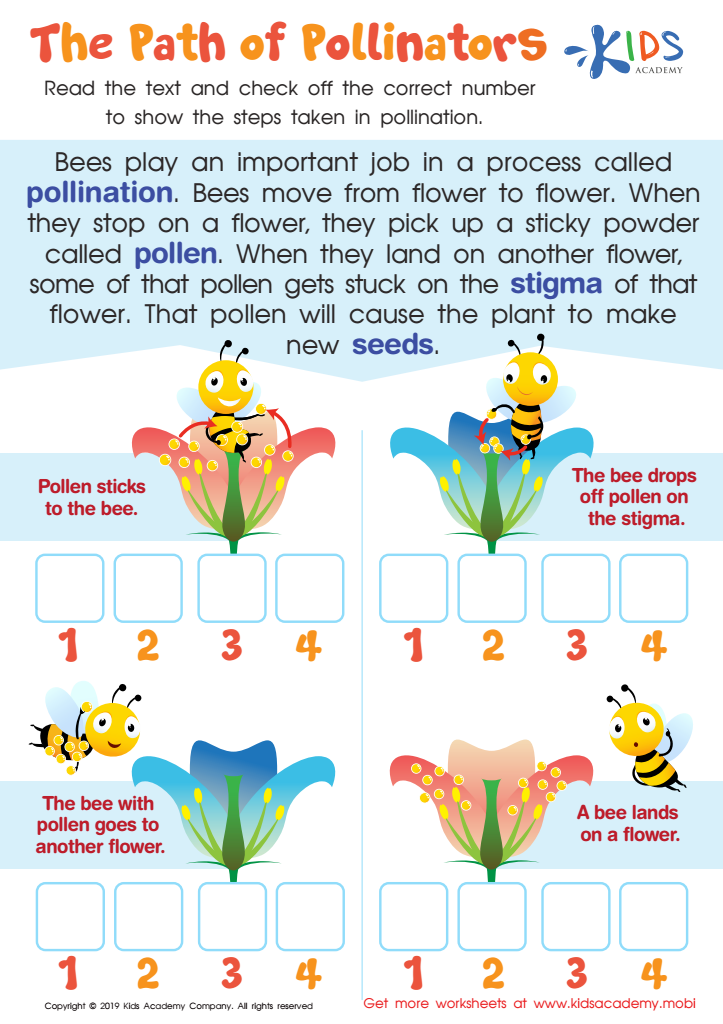
The Path of Pollinators Worksheet
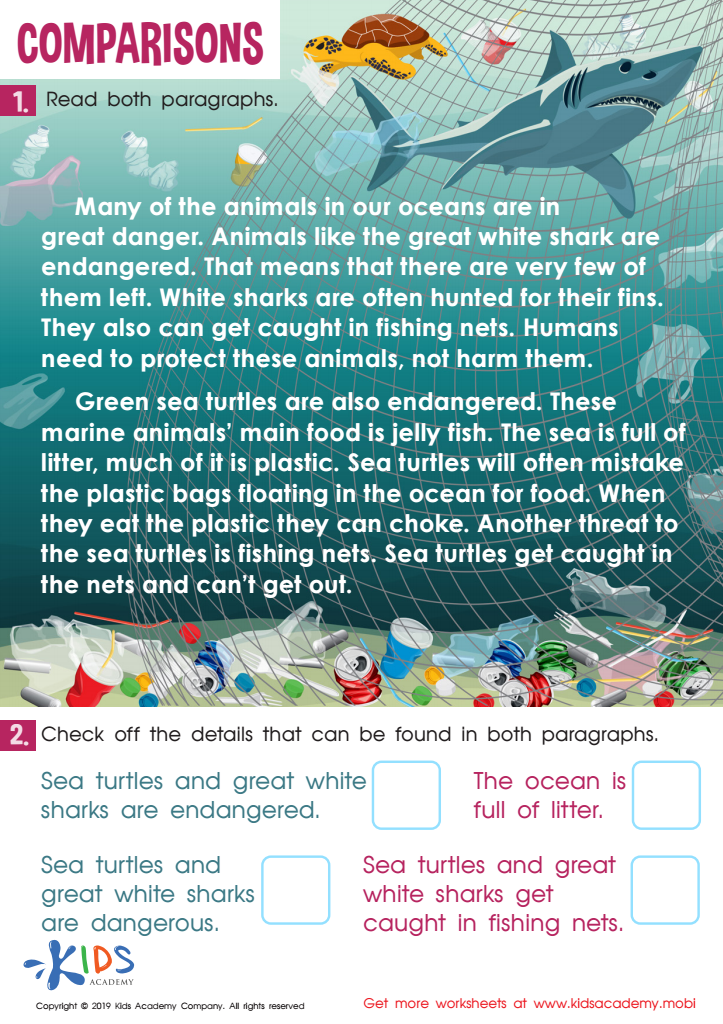
Comparisons Worksheet
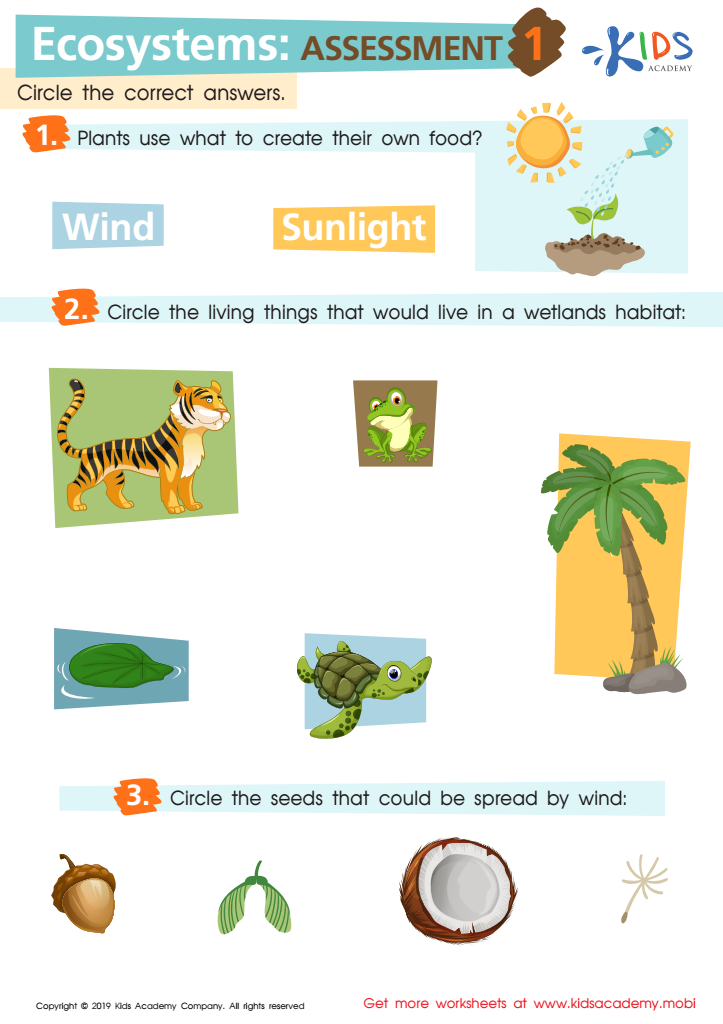
Ecosystems: Assessment 1 Worksheet
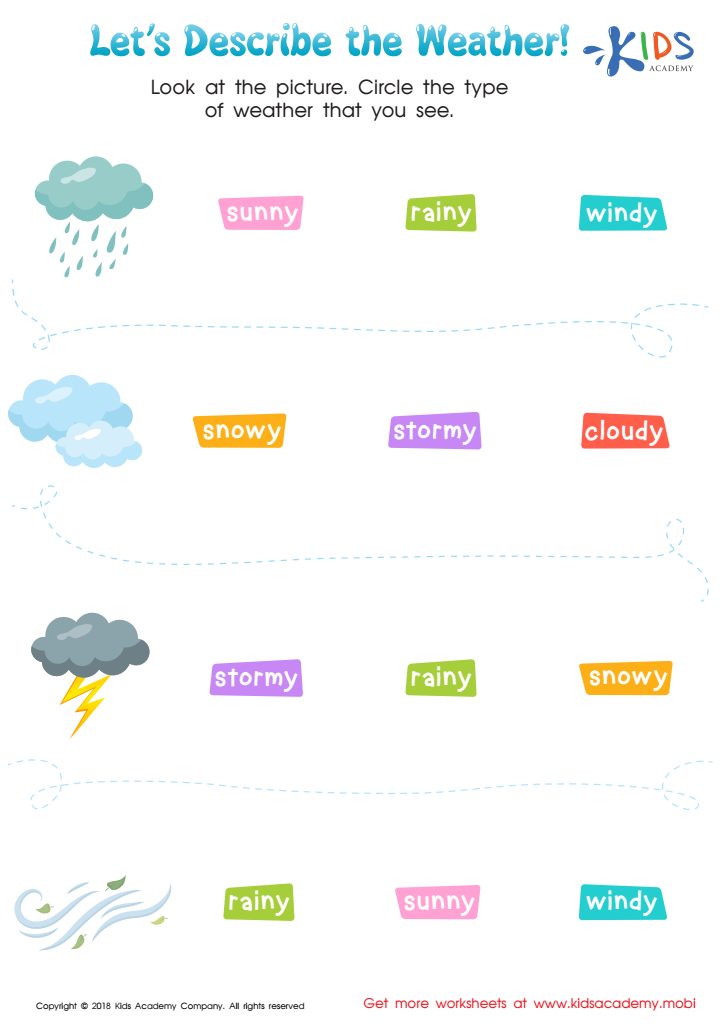
Let's Describe the Weather! Worksheet
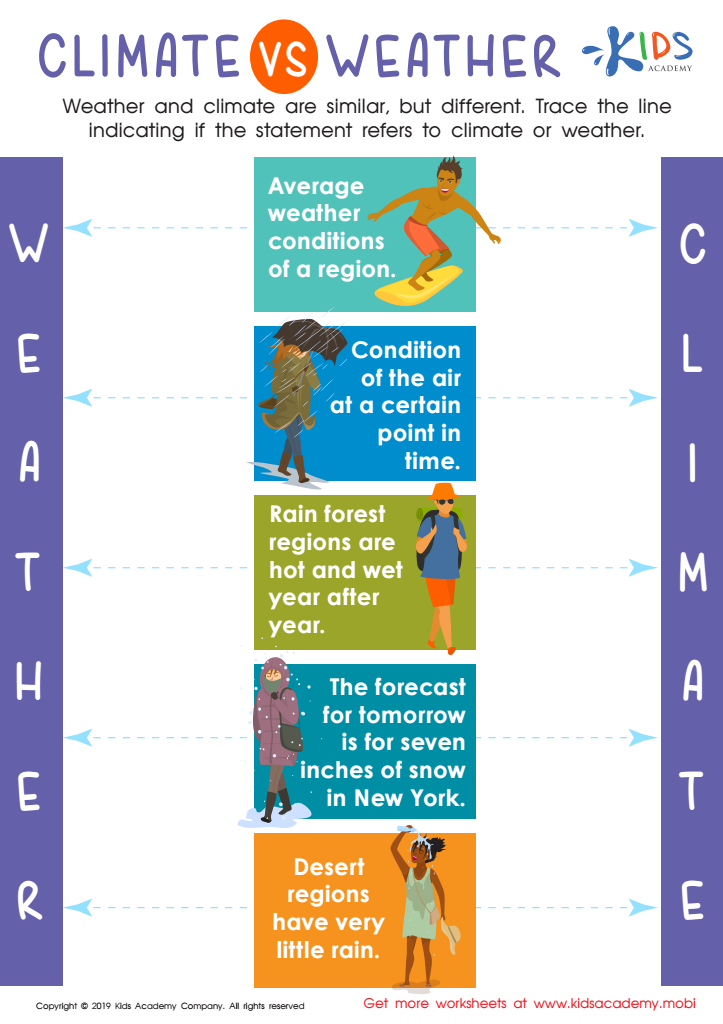
Climate vs Weather Worksheet
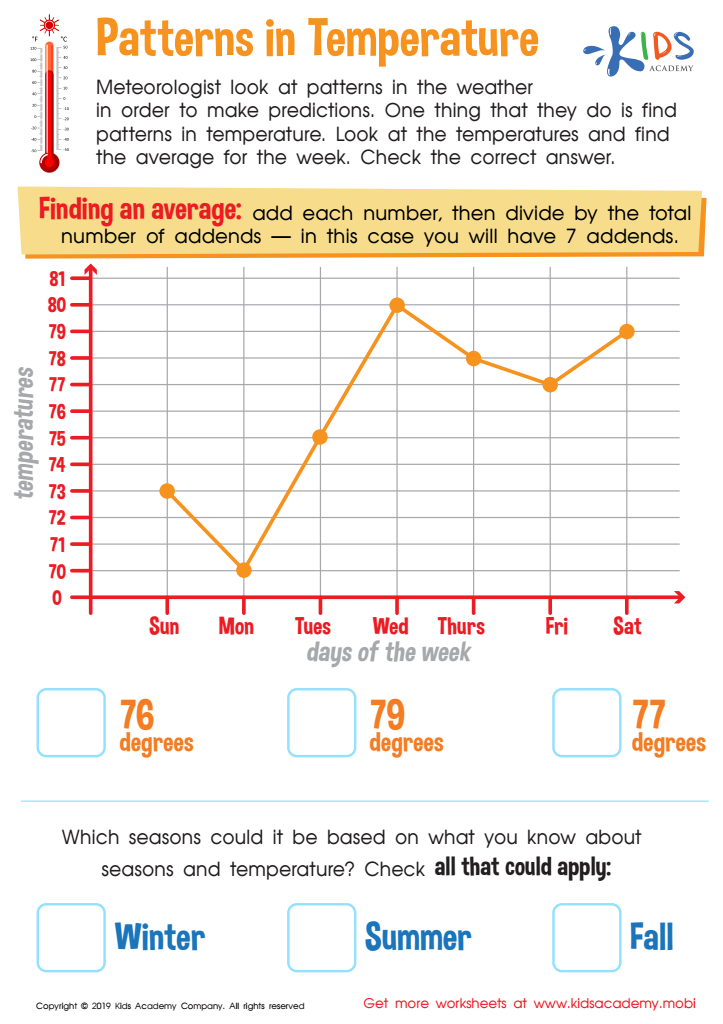
Patterns in Temperature Worksheet
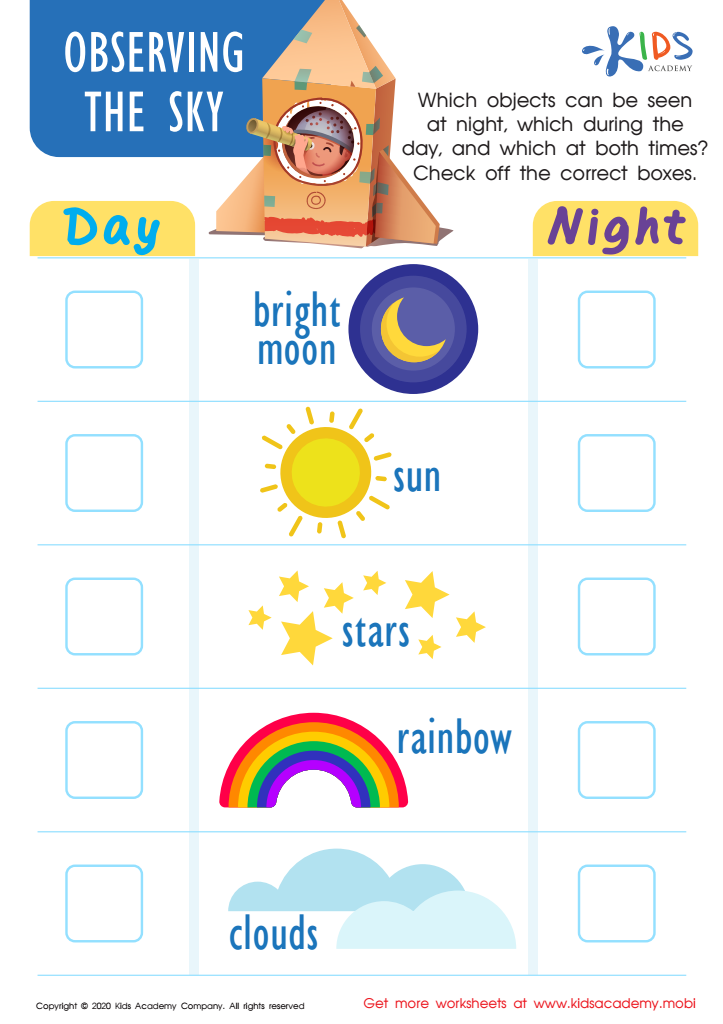
Observing the Sky Worksheet
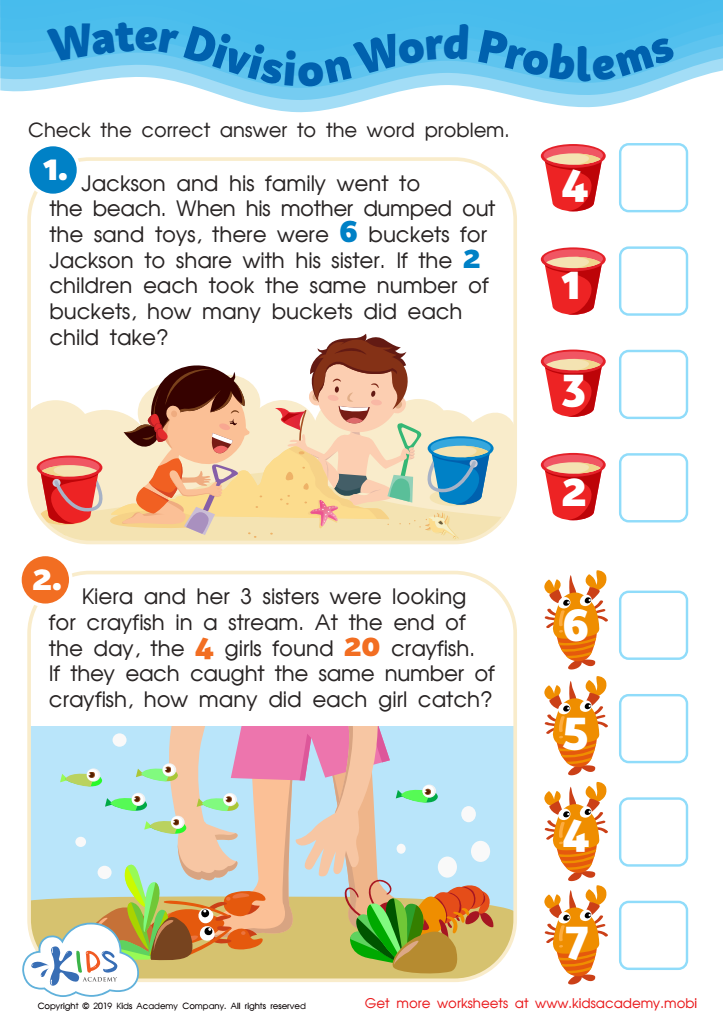
Water Division Word Problems Worksheet
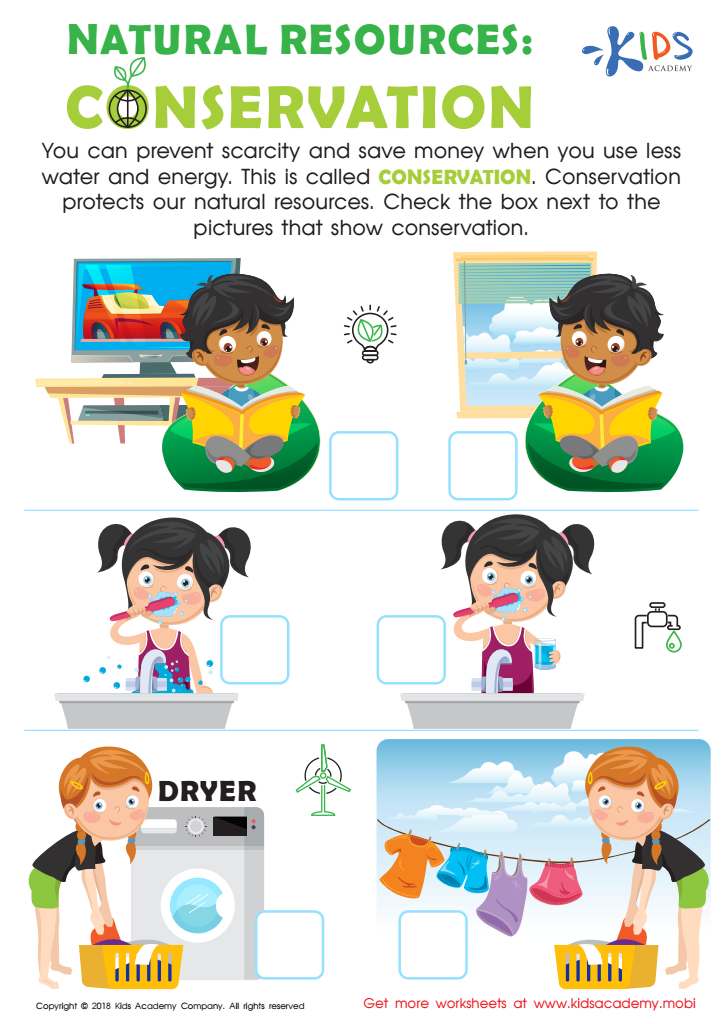
Natural Resources: Conservation Worksheet
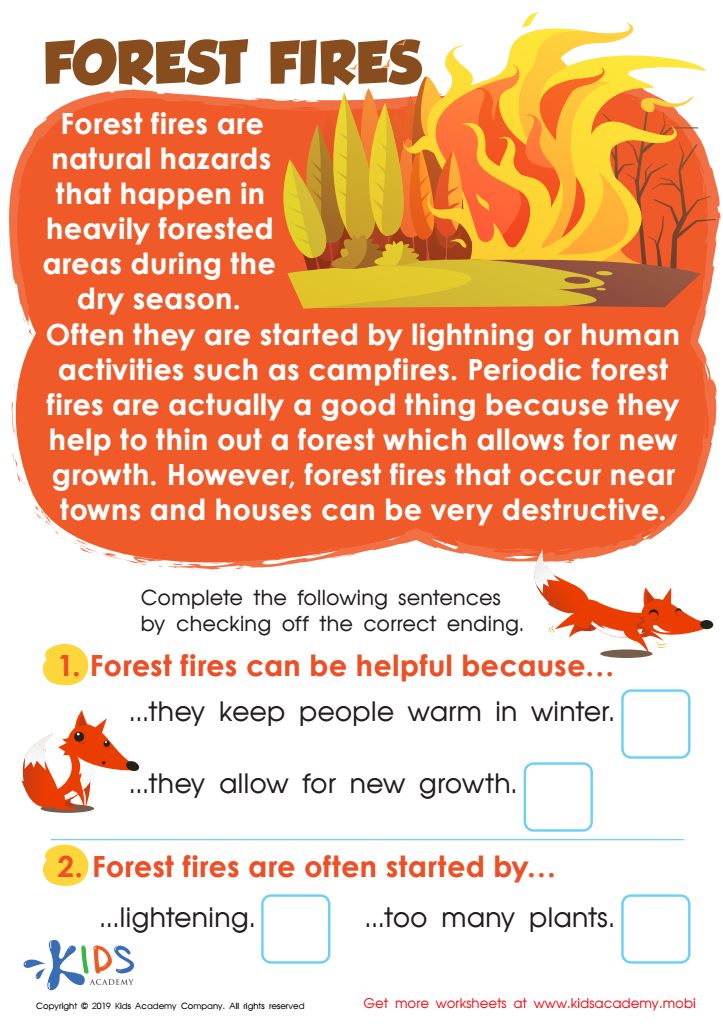
Forest Fires Worksheet
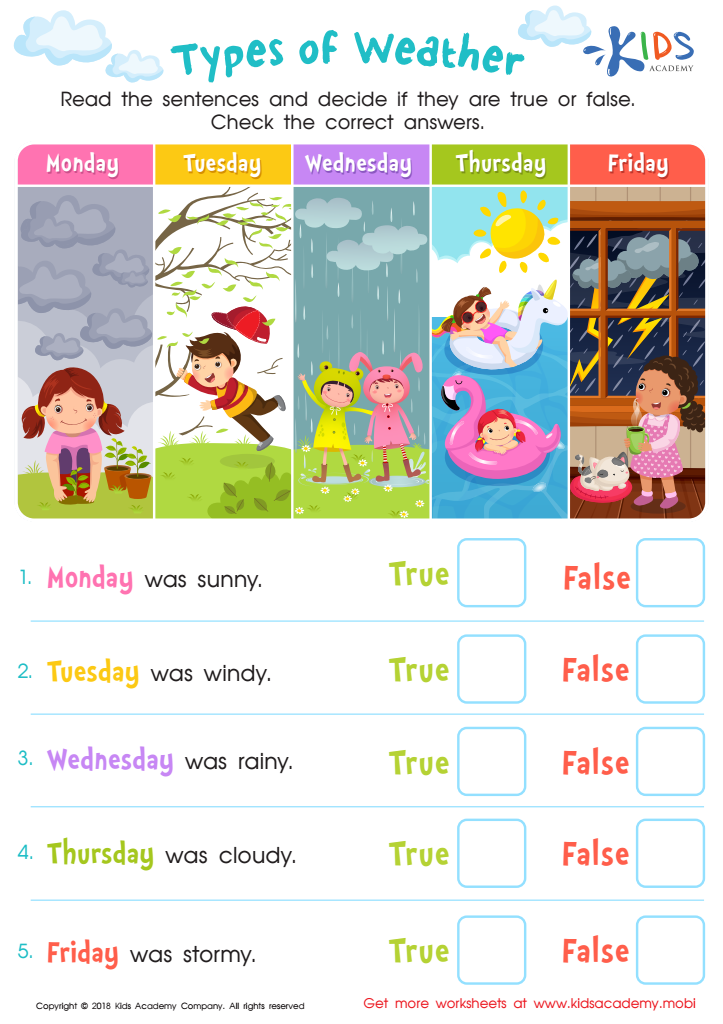
Types of Weather Worksheet
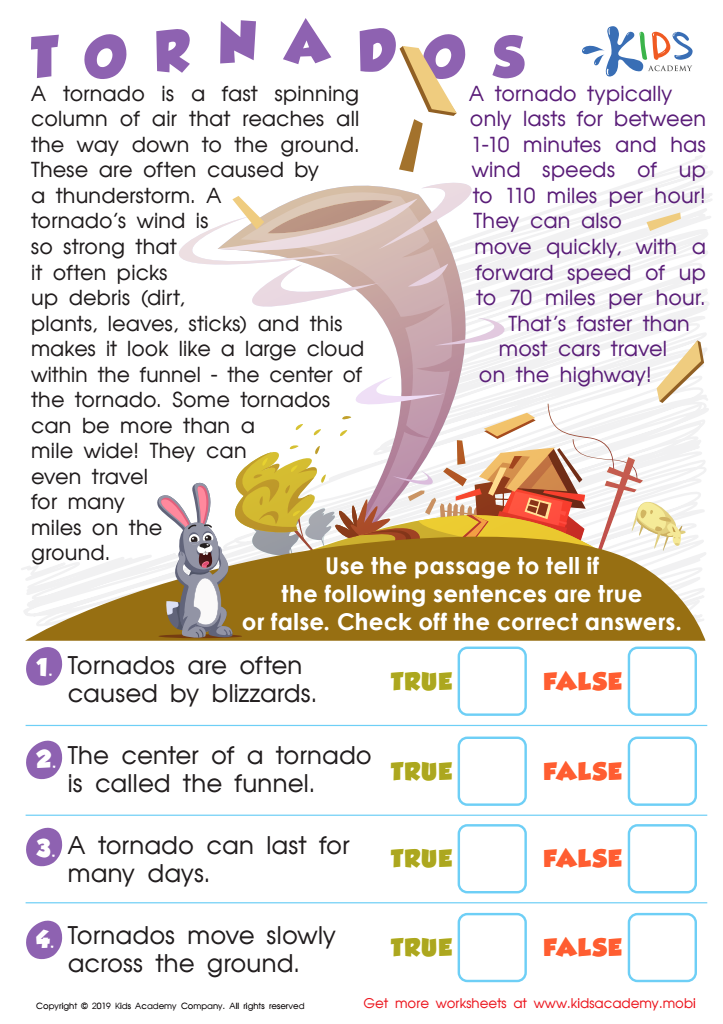
Tornados Worksheet
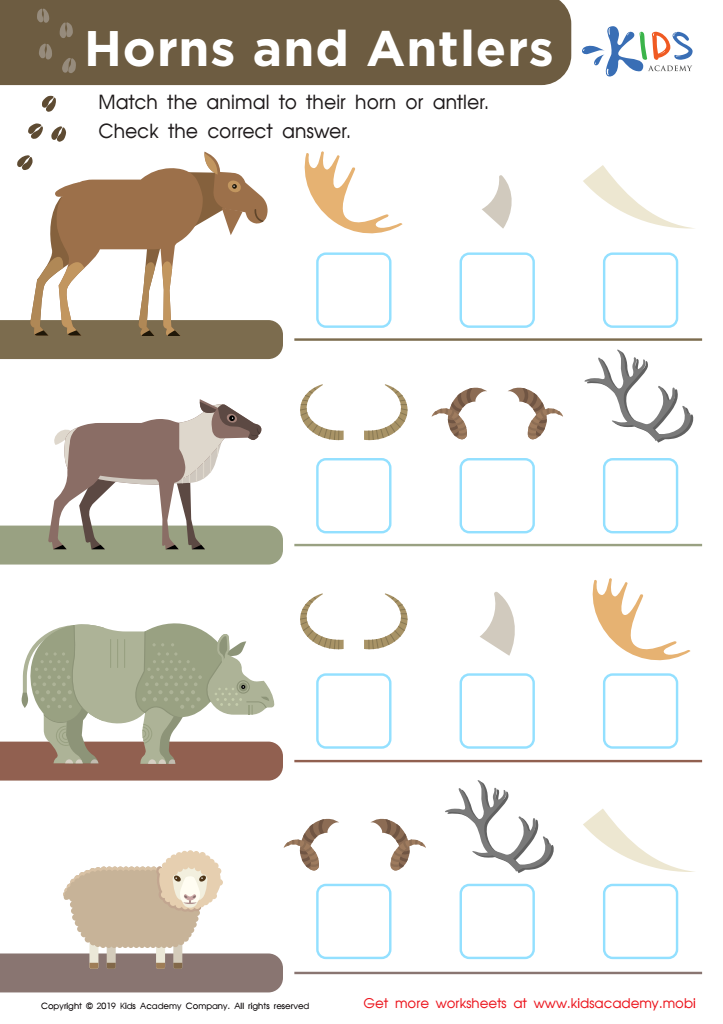
Horns and Antlers Worksheet
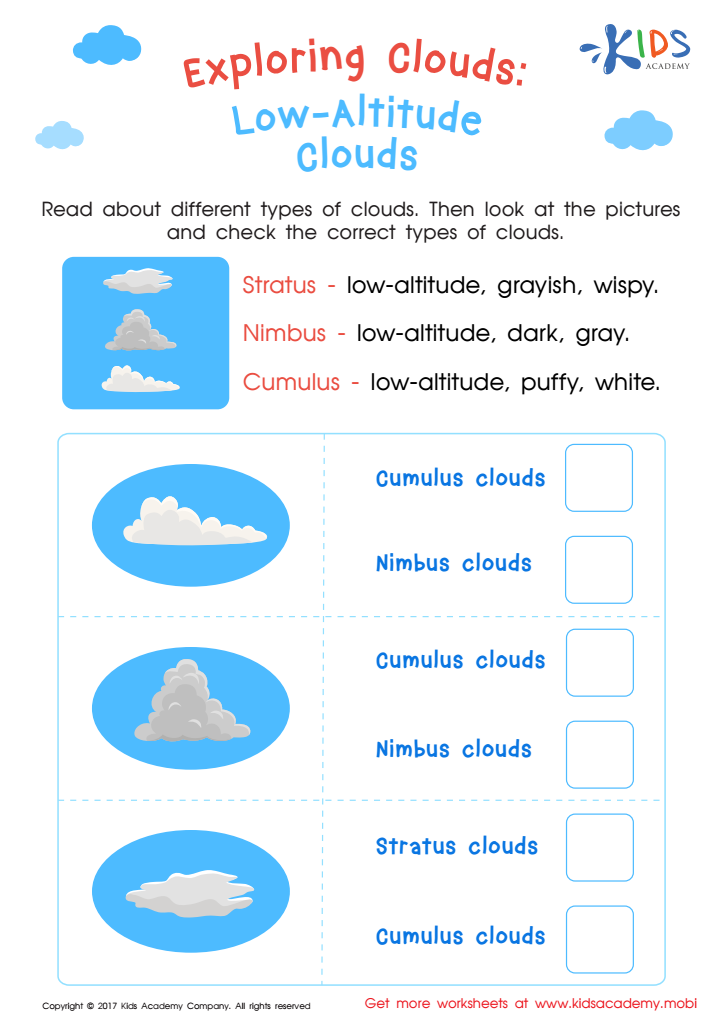
Exploring Clouds: Low Altitude Clouds Printable
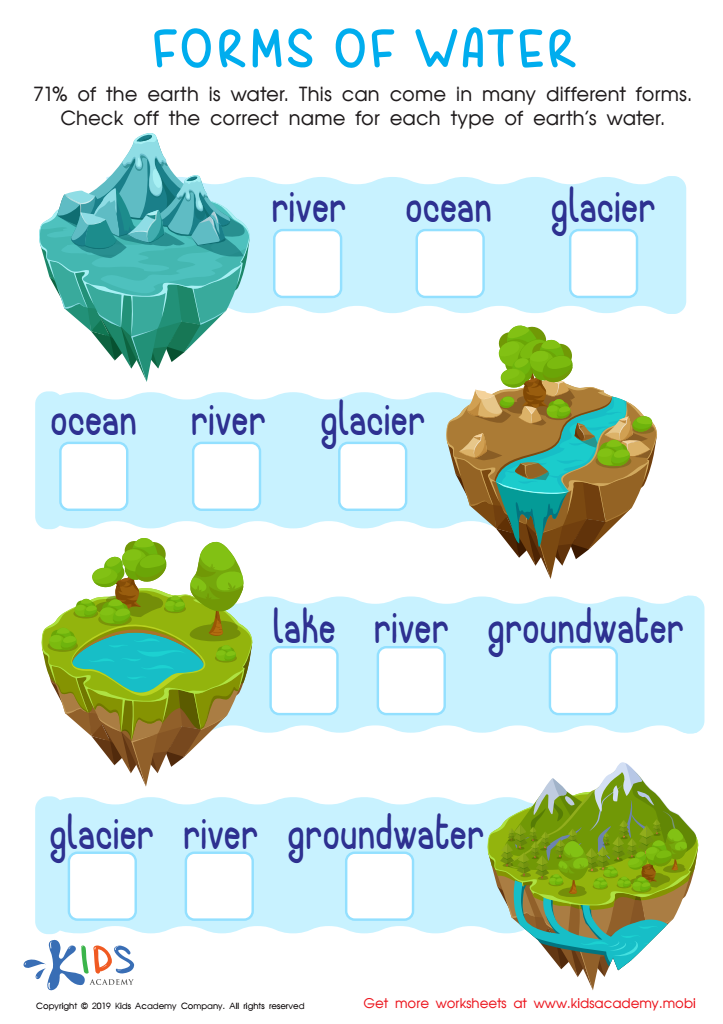
Forms of Water Worksheet
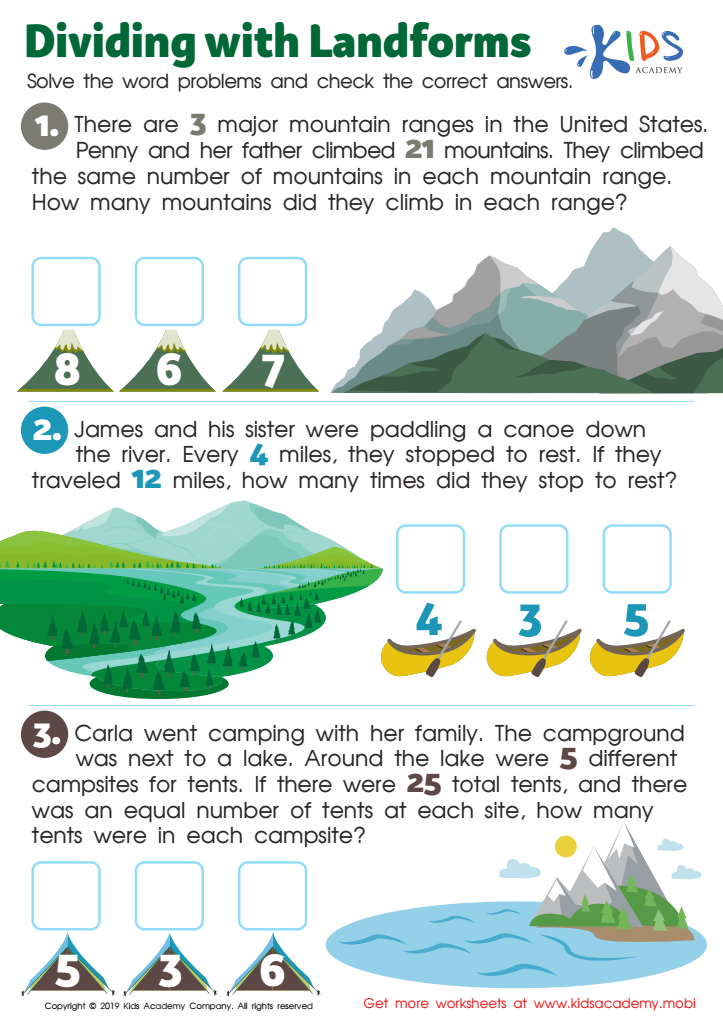
Dividing with Landforms
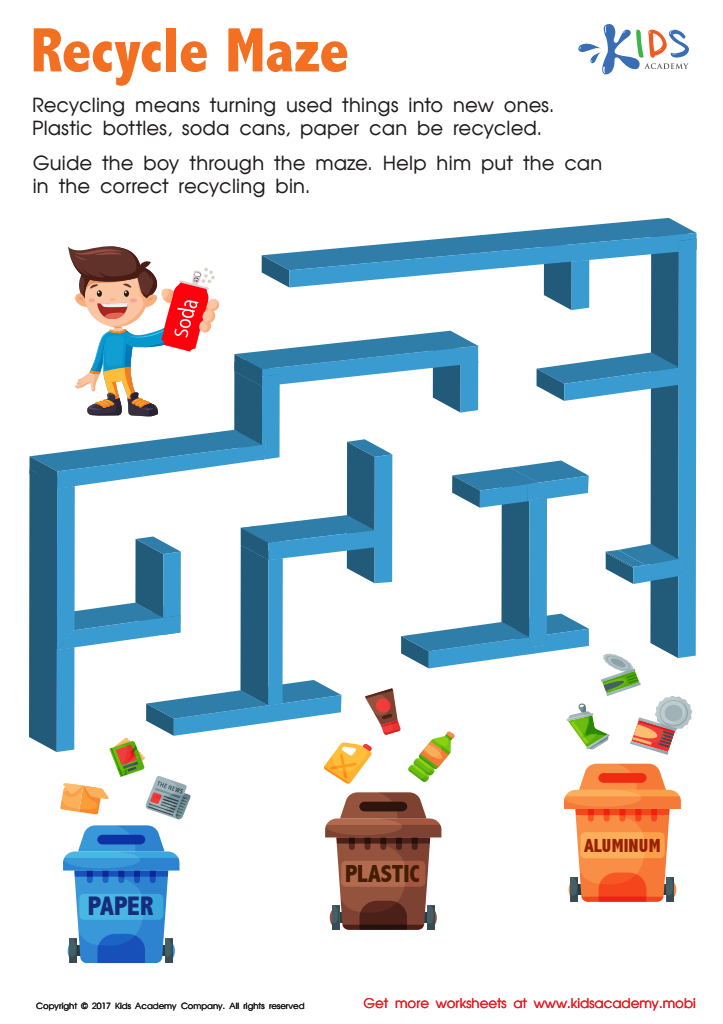
Recycle Maze Worksheet








Parents and teachers should care about normalizing environmental awareness for children ages 7-9 because this formative stage is critical for shaping attitudes and behaviors that last a lifetime. Instilling a sense of responsibility towards our planet encourages children to develop a connection with nature, fostering empathy and respect for living organisms and ecosystems. By understanding concepts like conservation, recycling, and sustainable practices, children can feel empowered to make a difference.
Additionally, integrating environmental education into the curriculum helps to develop critical thinking and problem-solving skills. Engaging children in activities such as gardening, nature walks, or even simple recycling projects cultivates a proactive mindset. When children learn about the impact of pollution, climate change, and habitat destruction, they can better comprehend their role in mitigating these issues.
Furthermore, as future stewards of the Earth, children equipped with environmental knowledge are more likely to advocate for the health of their communities. By bridging the gap between the classroom and the home, parents and teachers can work together to create a supportive environment that nurtures love and respect for nature, ultimately contributing to a more sustainable future. Igniting this passion early ensures that the next generation upholds the values of preservation and stewardship.







