Reading: Informational Text worksheets for Grade 2 - Page 2
41 filtered results
-
From - To
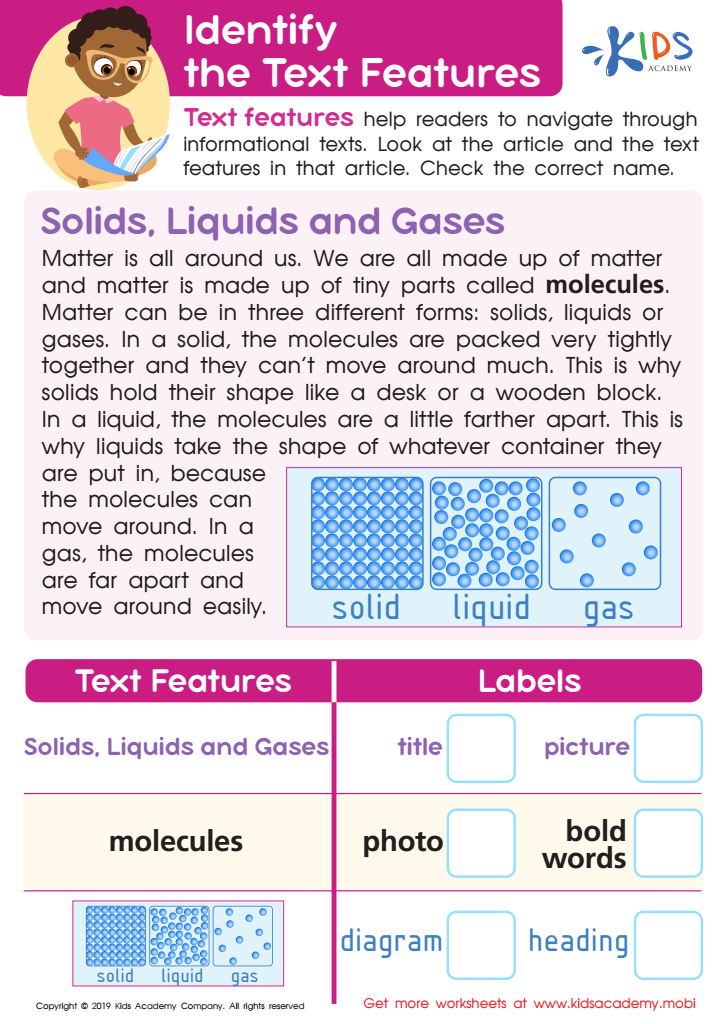
Identify the Text Features Worksheet
 Assign to My Students
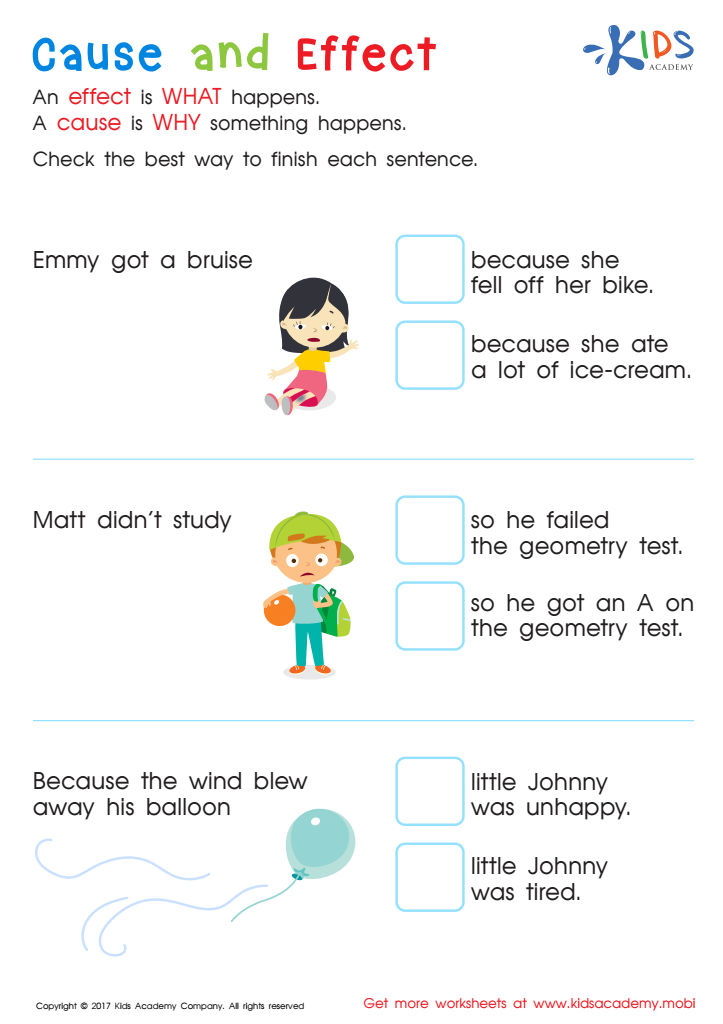
Cause and Effect Worksheet
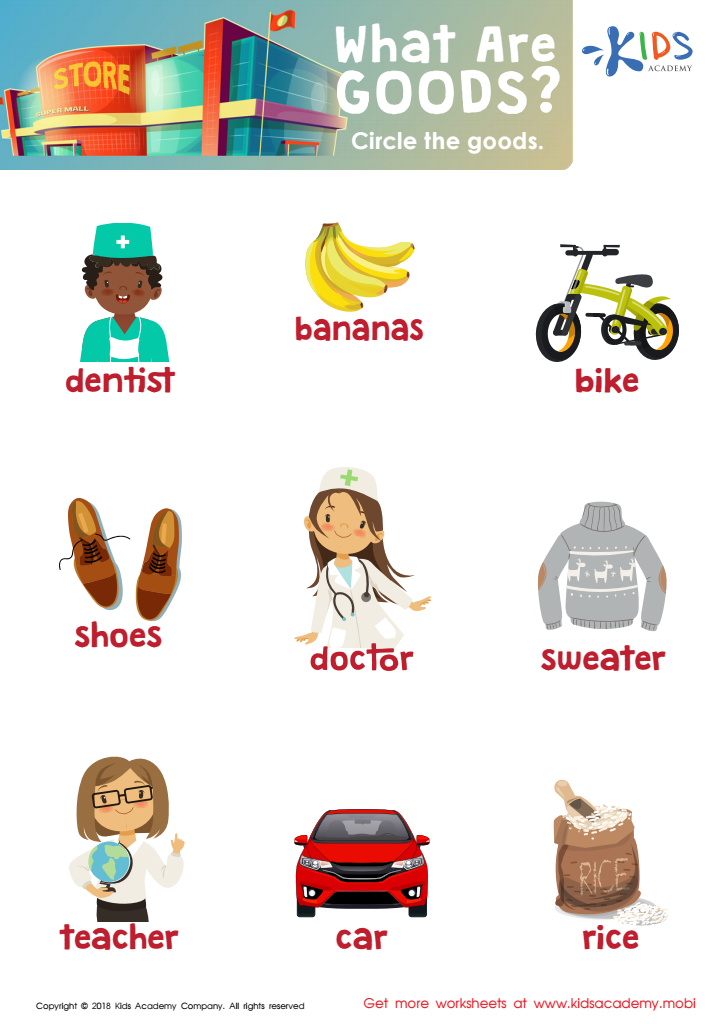
What Are Goods? Worksheet
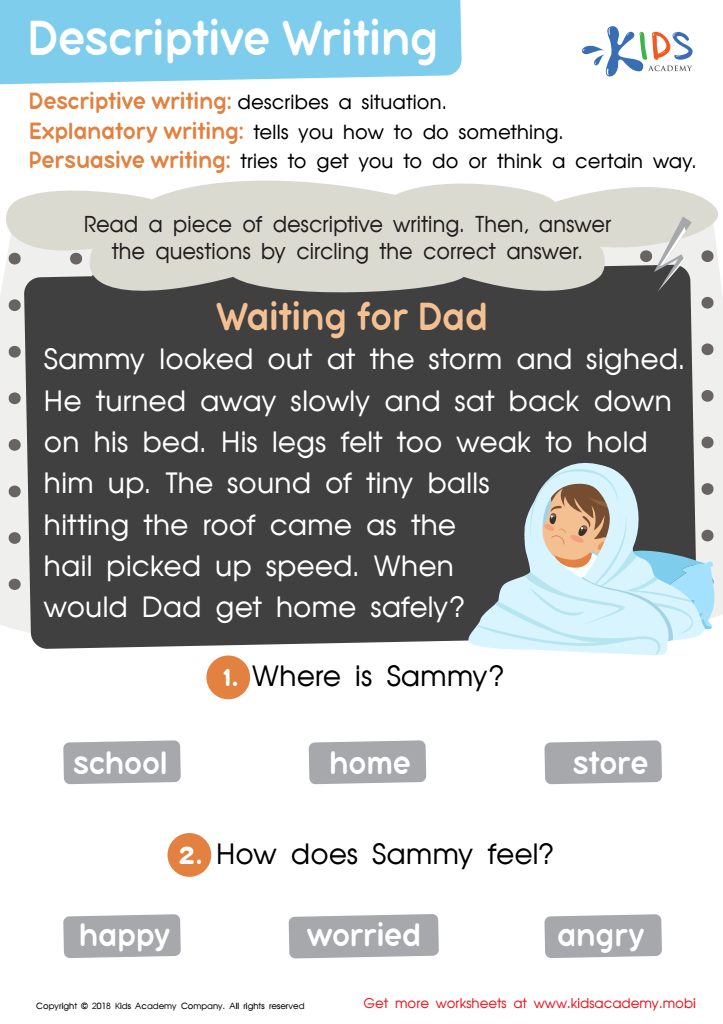
Descriptive Writing Worksheet: Part 2
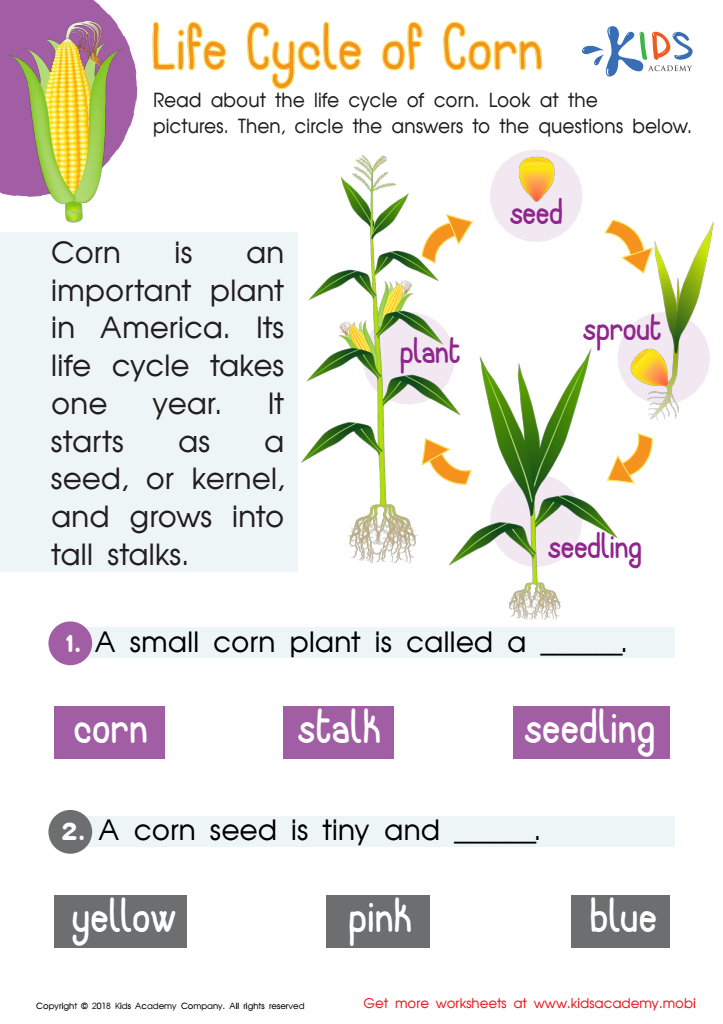
Life Cycle of Corn Worksheet
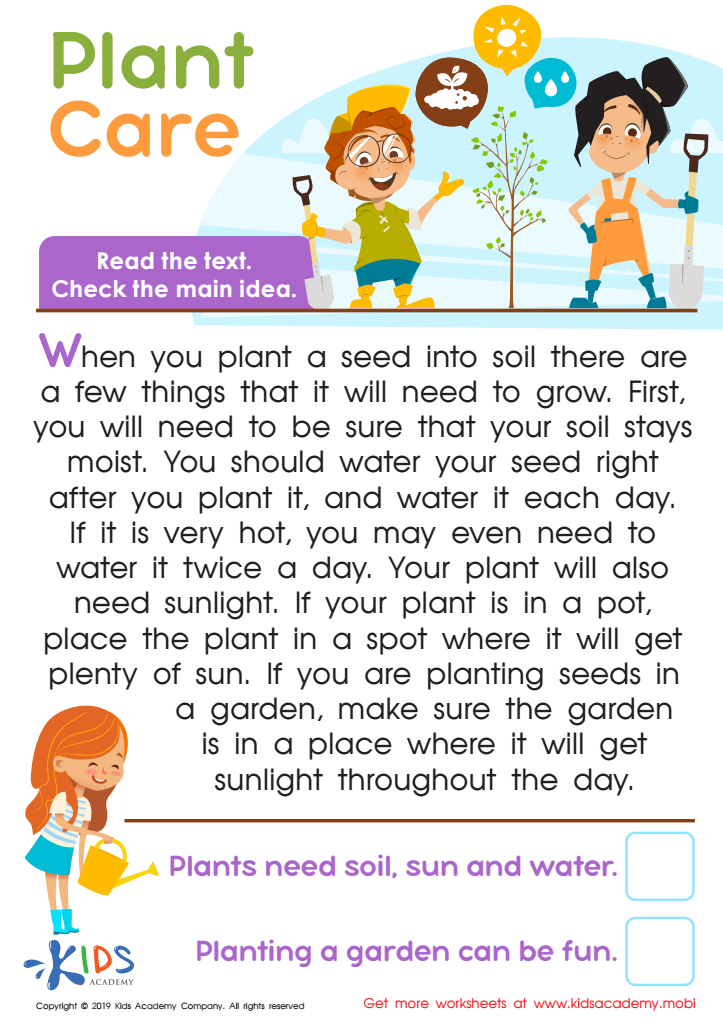
Plant Care Worksheet
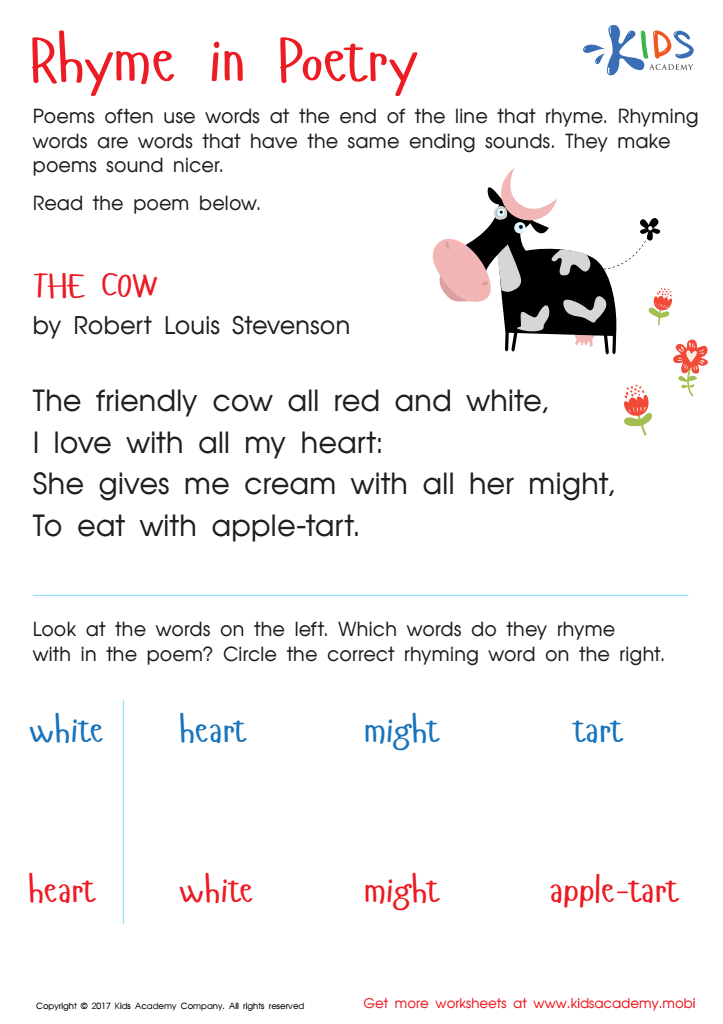
Rhyme In Poetry Worksheet
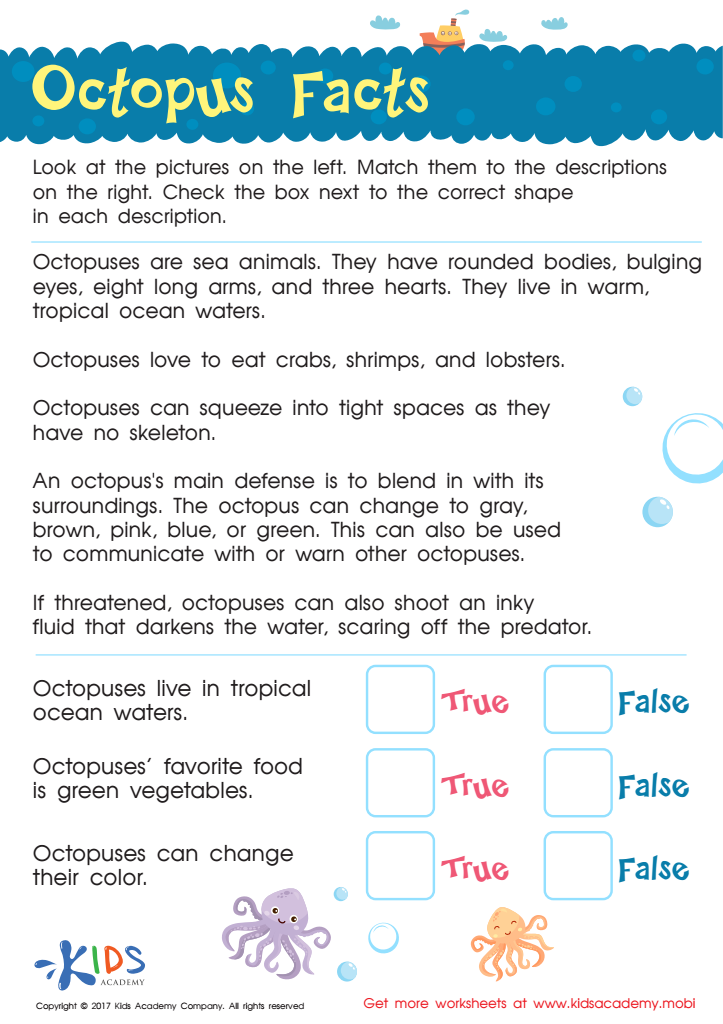
Octopus Facts Worksheet For Kids
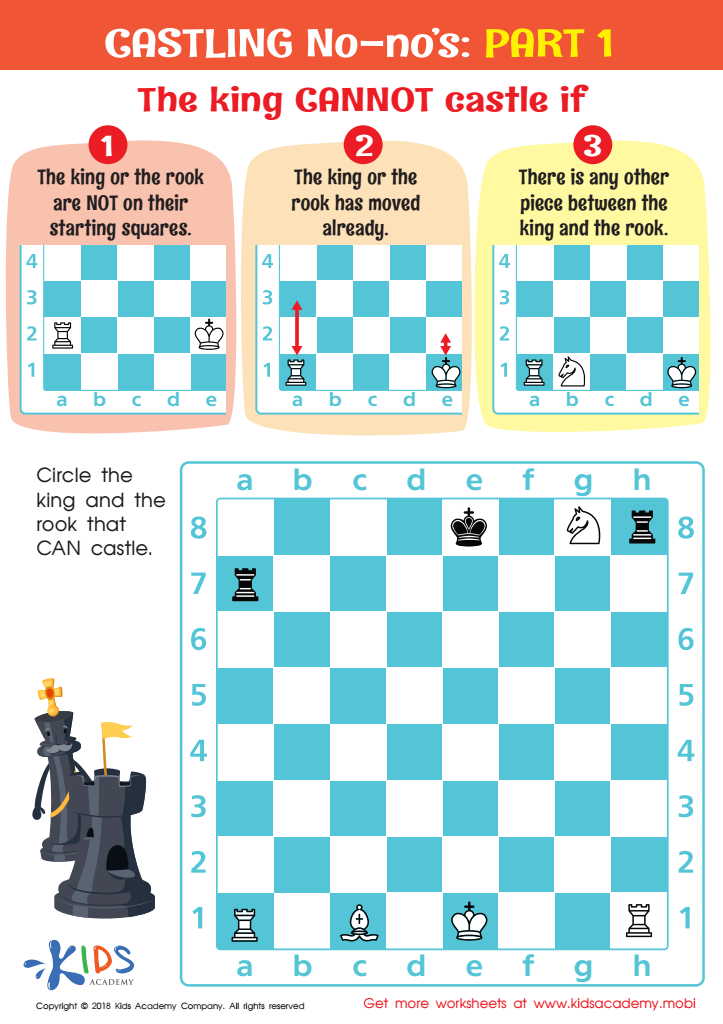
Castling No–no's: Part 1 Worksheet
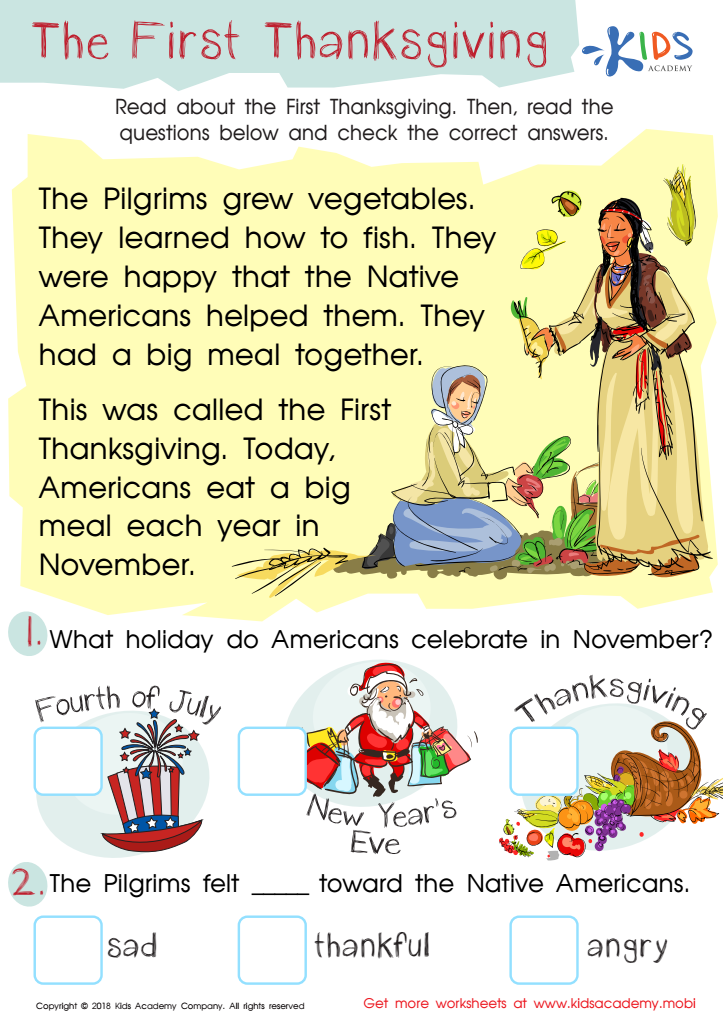
Assessment: First Thanksgiving Worksheet
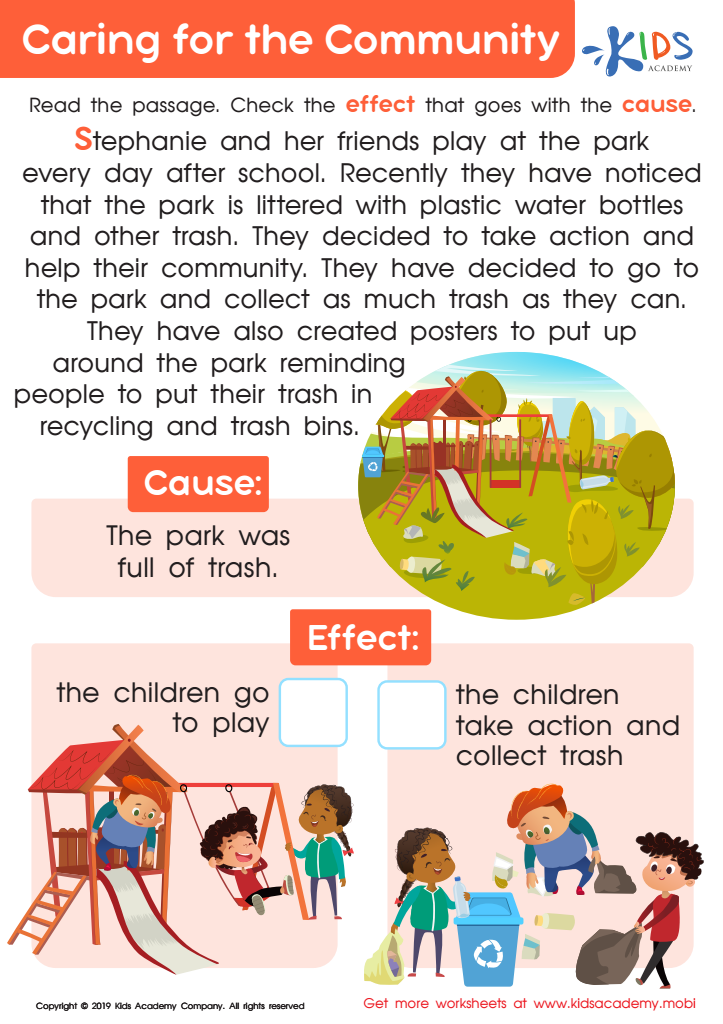
Caring for the Community Worksheet
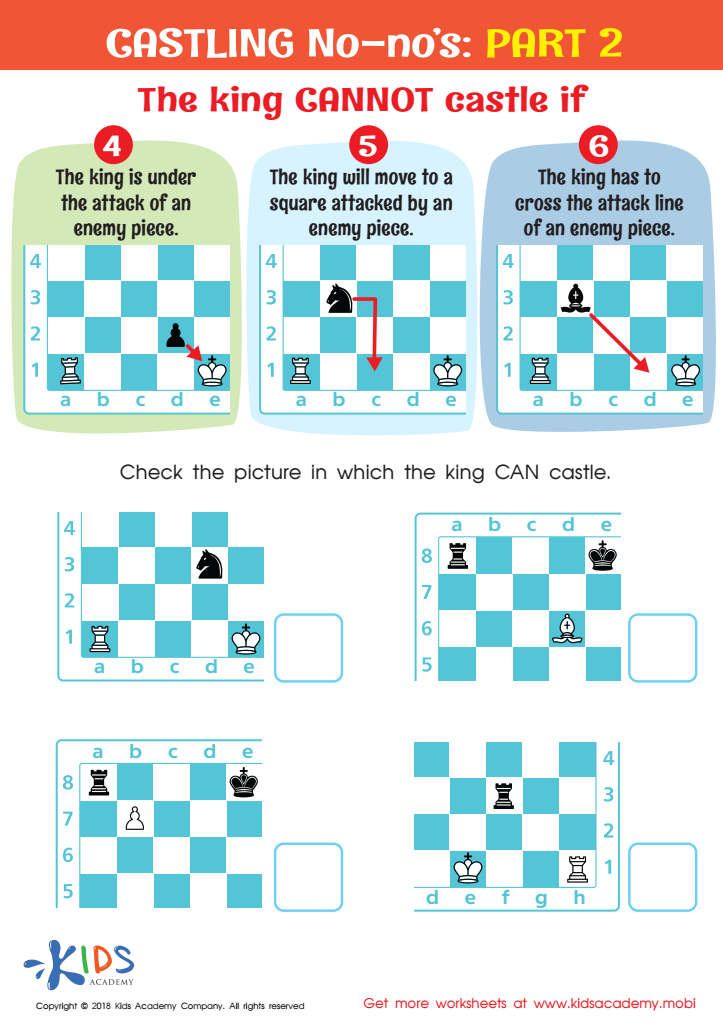
Castling No - no's: Part 2 Worksheet
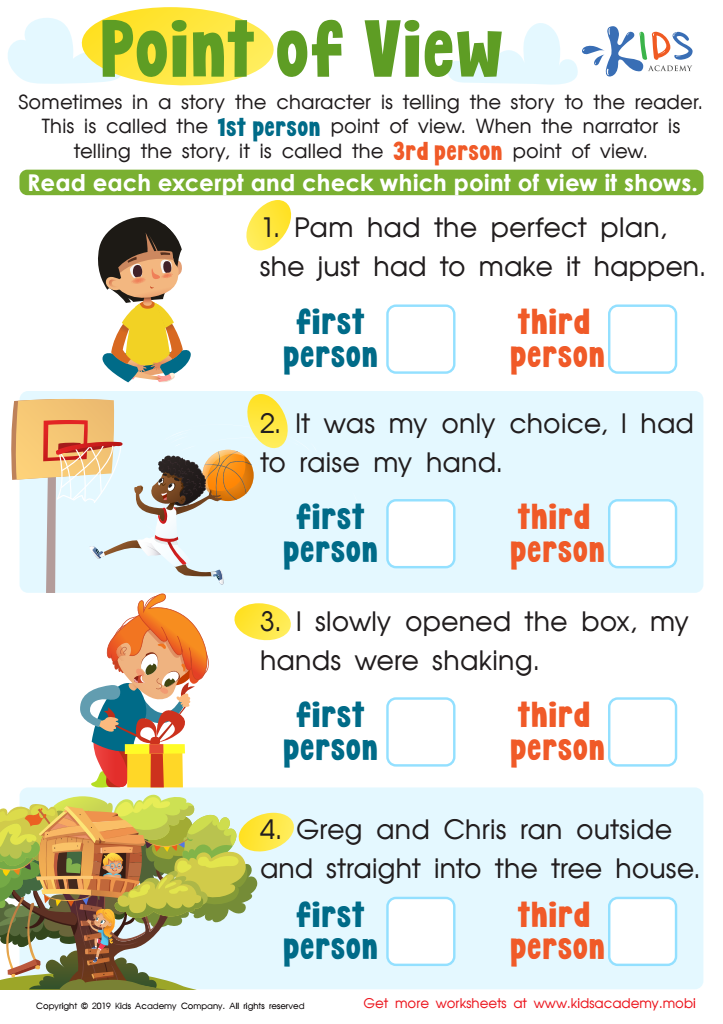
Point of View Printable
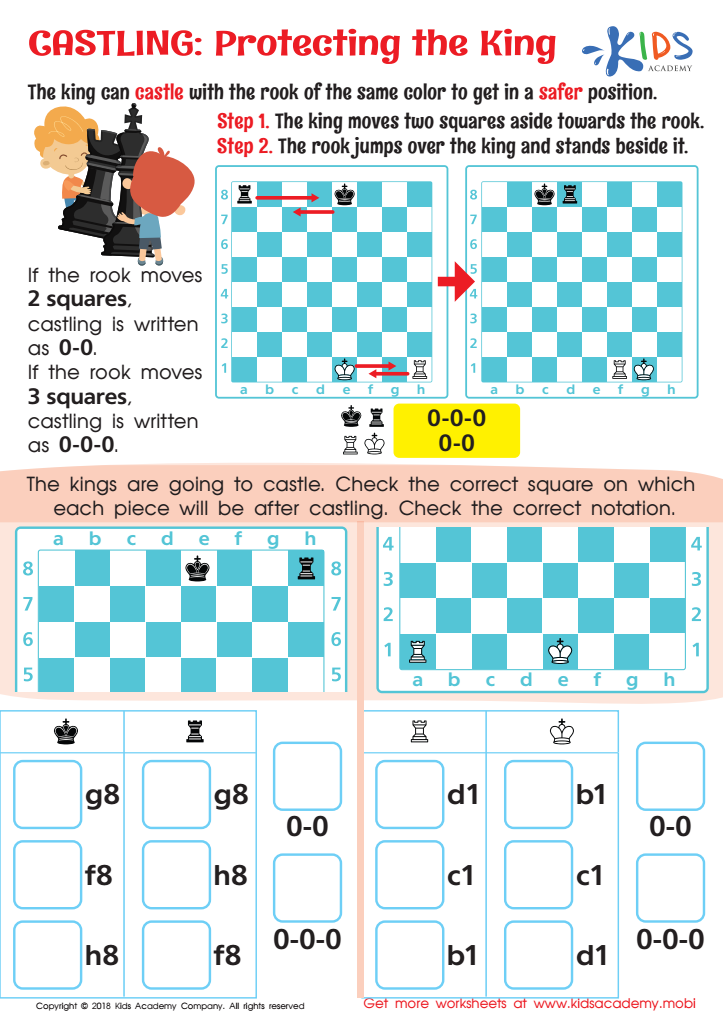
Castling: Protecting the King Worksheet
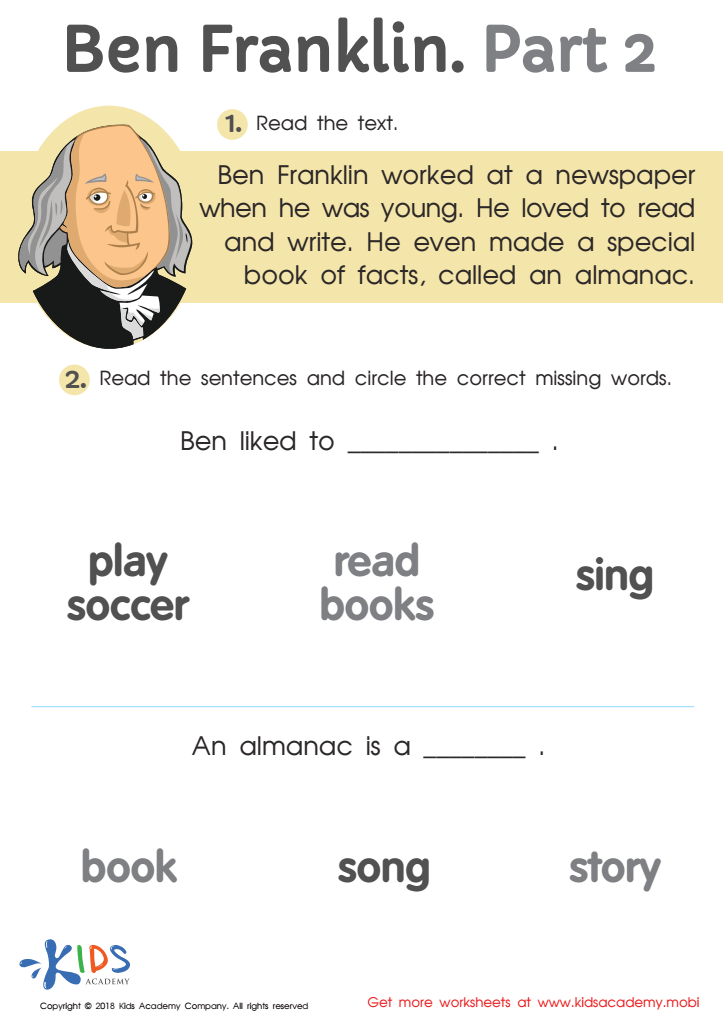
Ben Franklin Part 2 Worksheet
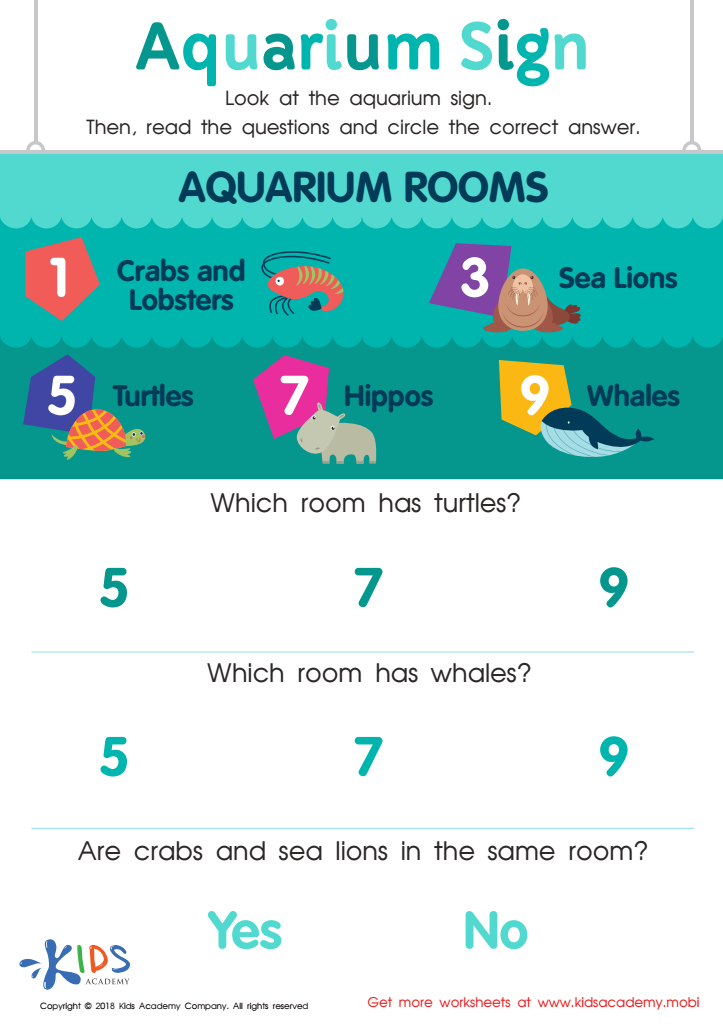
Assessment: Aquarium Sign Worksheet
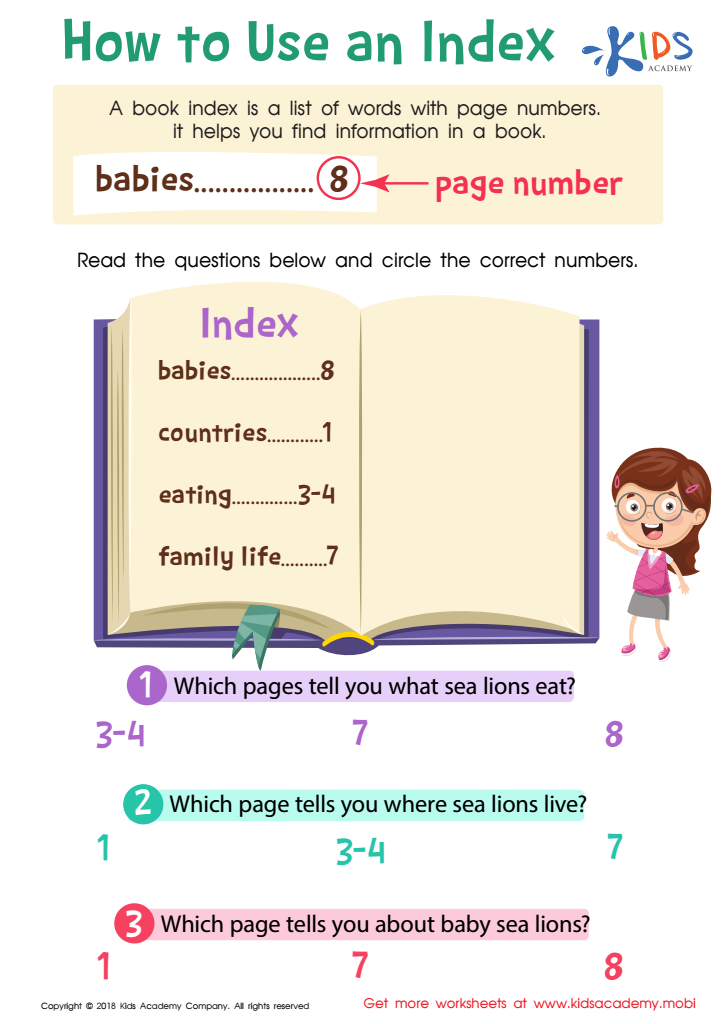
How Use Index Worksheet






Parents and teachers should prioritize Reading: Informational Text in Grade 2 because this skill lays the foundation for critical thinking and comprehension necessary for lifelong learning. At this stage, children are naturally curious and eager to explore the world around them; informational texts can satiate this curiosity and broaden their knowledge. Engaging with non-fiction materials helps students learn to gather facts, understand various subjects, and build connections to real-world experiences.
Incorporating informational texts into the curriculum promotes diverse literacy skills, such as identifying the main idea, understanding text features (like headings and captions), and structuring written arguments. These skills not only enhance reading proficiency but also empower students to think critically about the information they encounter daily.
Furthermore, exposure to different genres fosters greater vocabulary development and encourages diverse viewpoints. As children learn to navigate non-fiction, they grow more competent in discerning reliable sources, a crucial skill in the digital age.
Ultimately, cultivating a love for reading informational texts in young learners develops both their academic and social abilities, preparing them for future challenges in school and beyond. Parents and teachers play a key role in nurturing this essential aspect of literacy, enabling children to become informed, engaged citizens.