Problem-Solving Skills Easy Worksheets for Ages 3-7 - Page 2
55 filtered results
-
From - To
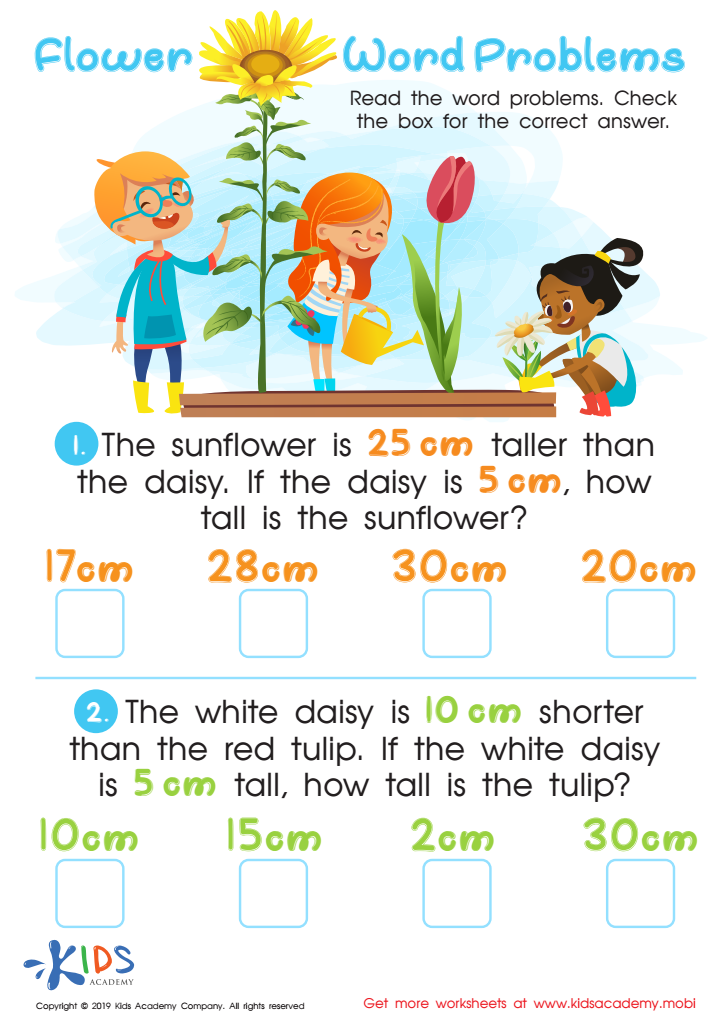
Flower Word Problems Worksheet
 Assign to My Students

Discovered Check: Puzzle 2 Worksheet
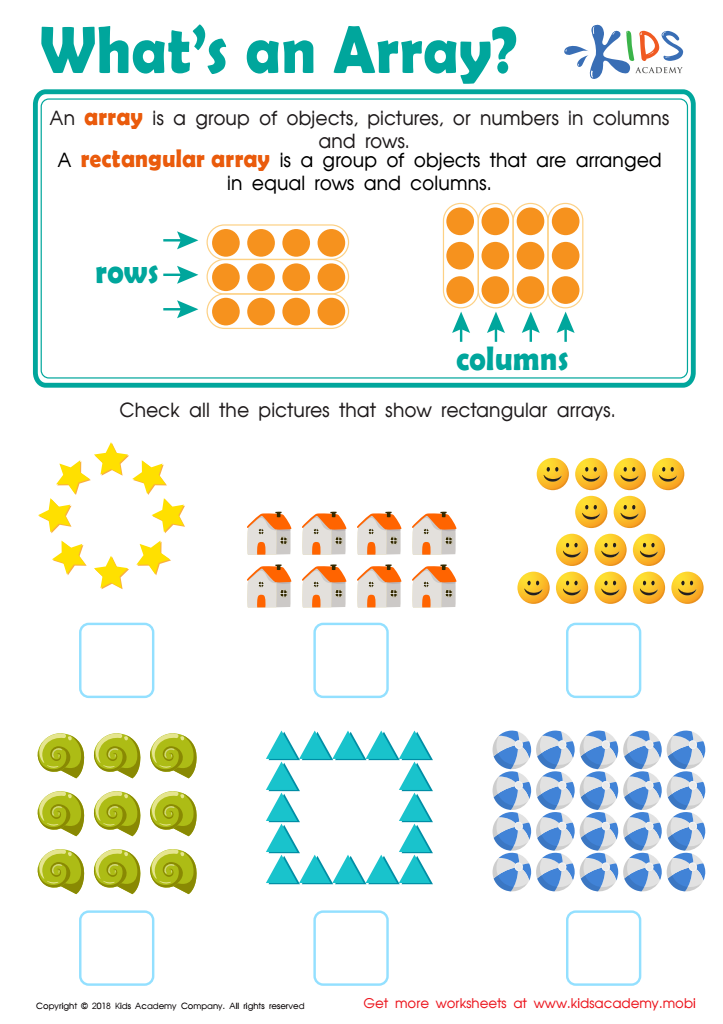
What's an Array? Worksheet
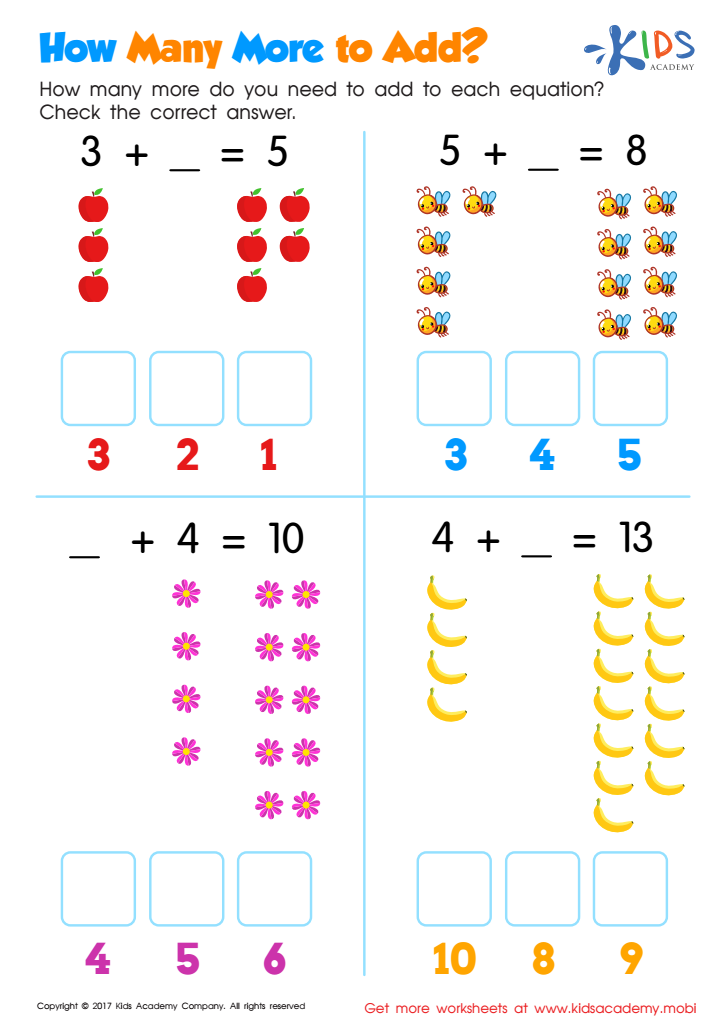
How Many More to Add Worksheet
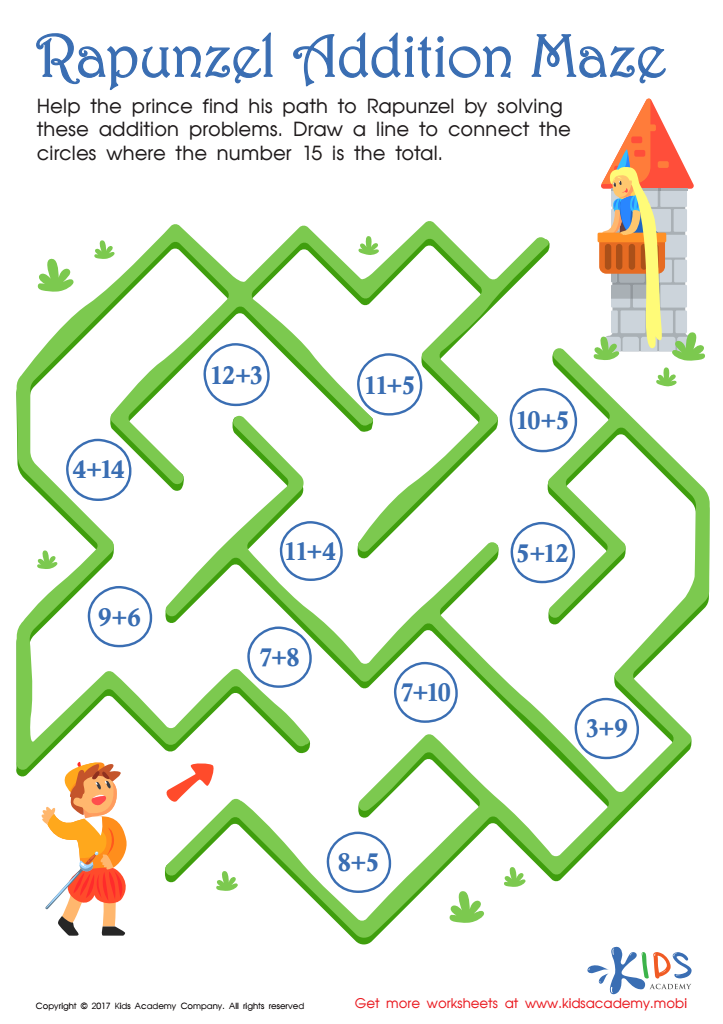
Rapunzel Addition Maze Worksheet
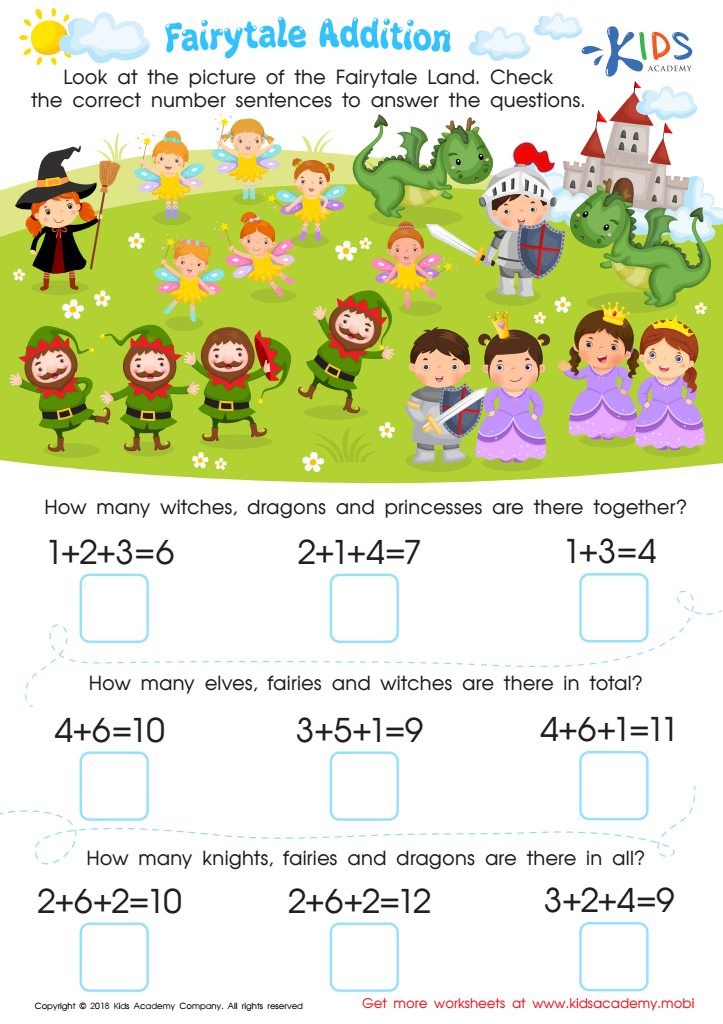
Fairytale Addition Worksheet
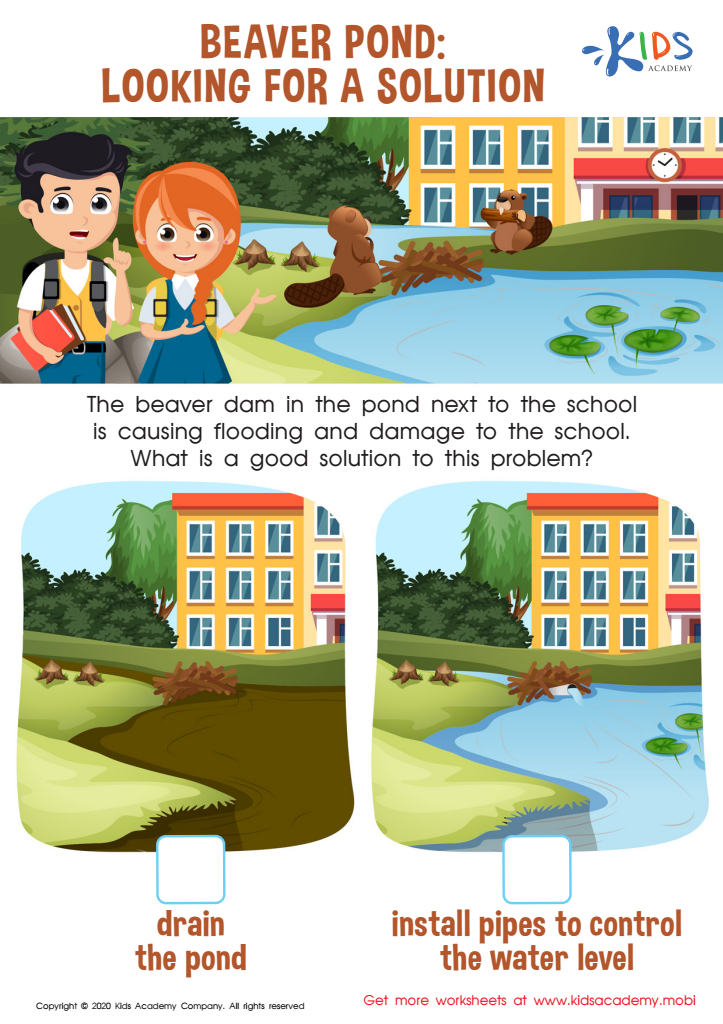
Beaver Pond: Looking for a Solution Worksheet
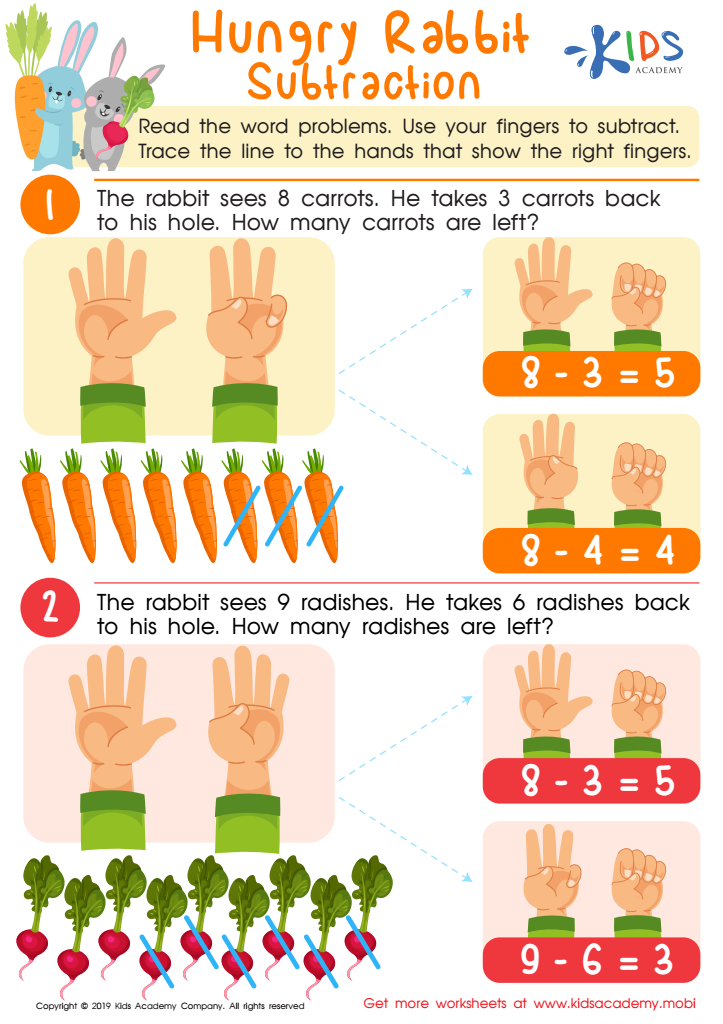
Hungry Rabbit Subtraction Worksheet
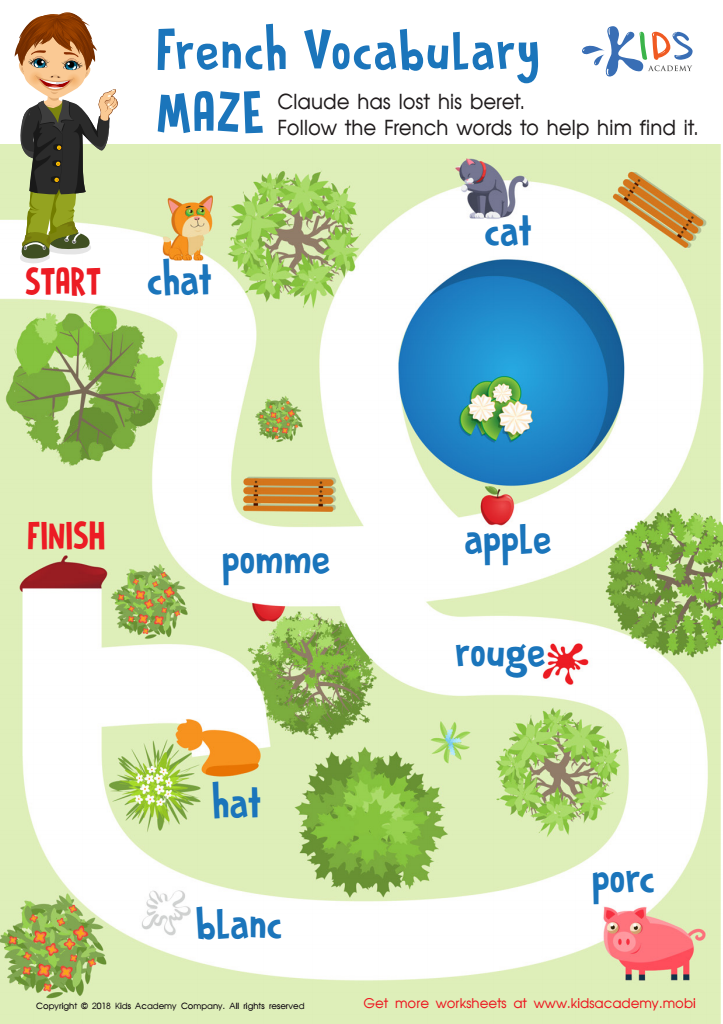
French Vocabulary Maze Worksheet
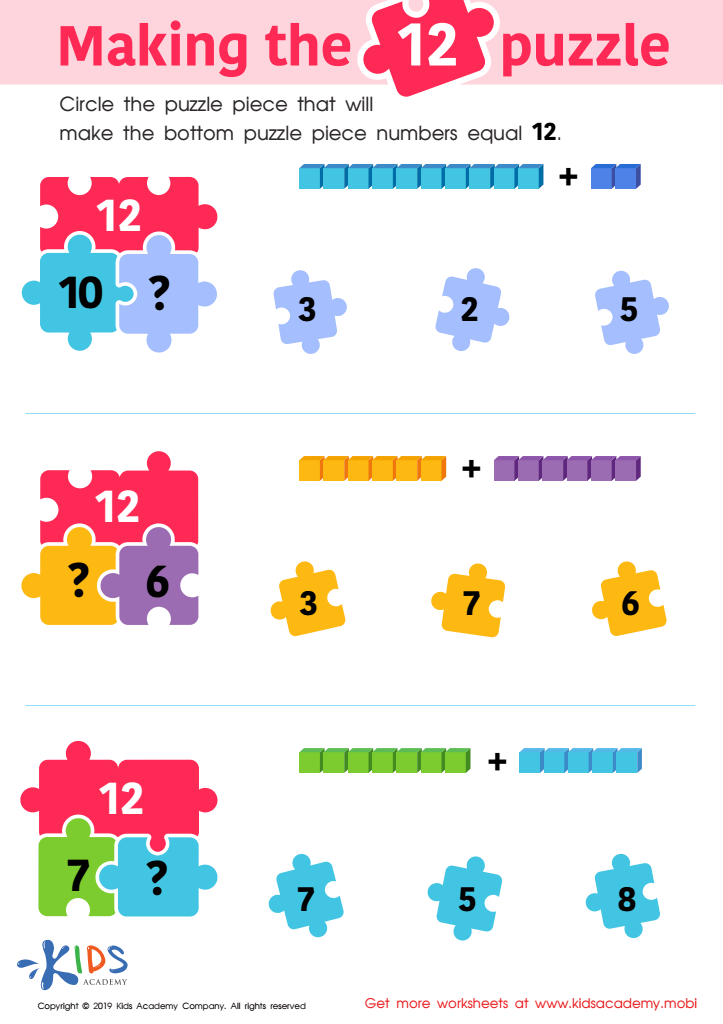
Making the 12 Puzzle Worksheet

Picking Carrots Worksheet
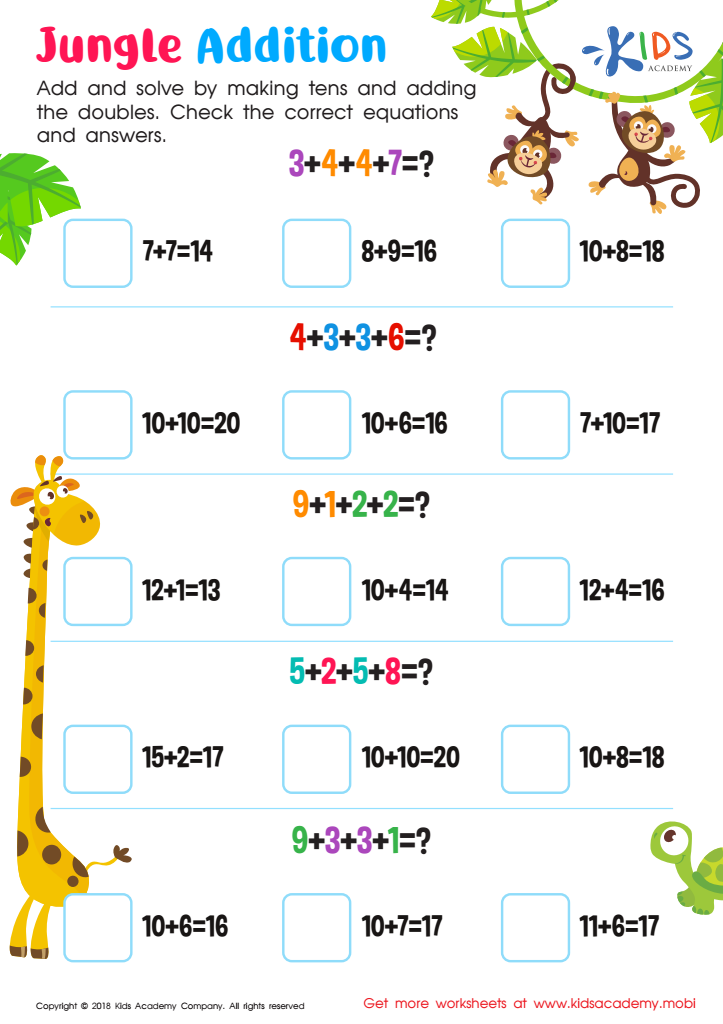
Jungle Addition Worksheet
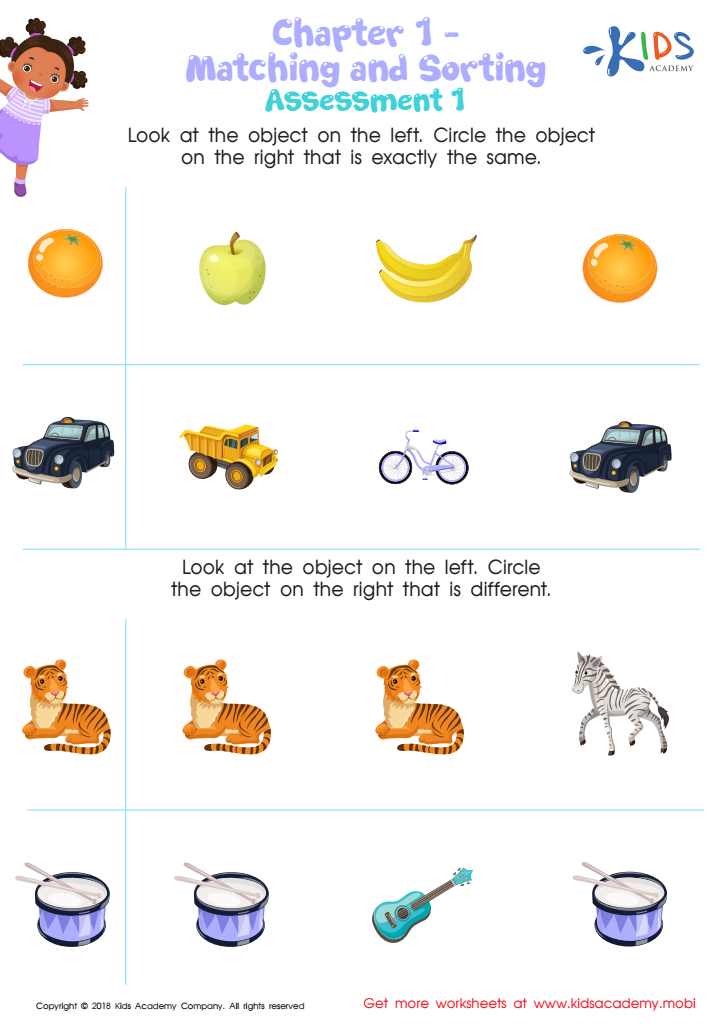
Matching and Sorting for Preschool: Assessment 1 Worksheet
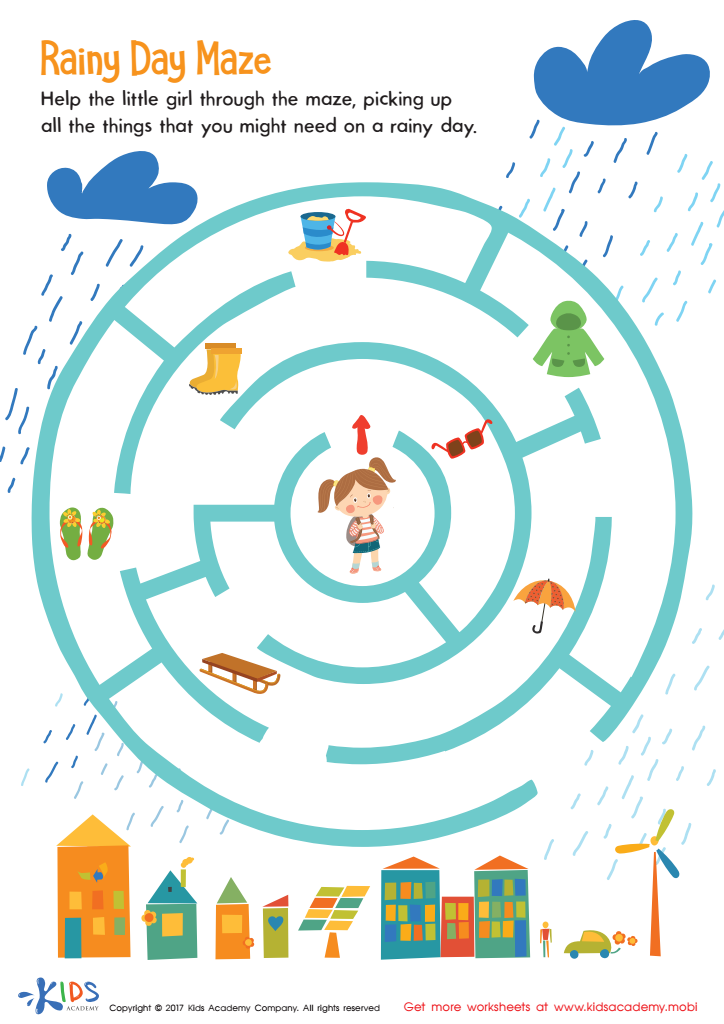
Rainy Day Maze Worksheet

Subtracting: Groceries with Georgio Worksheet
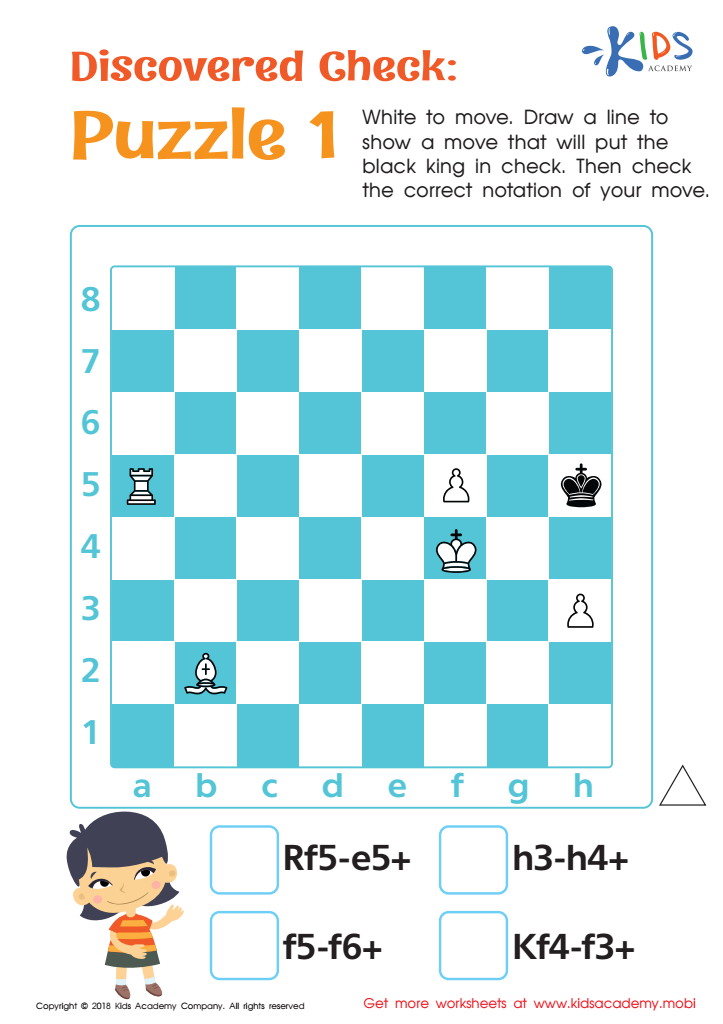
Discovered Check: Puzzle 1 Worksheet
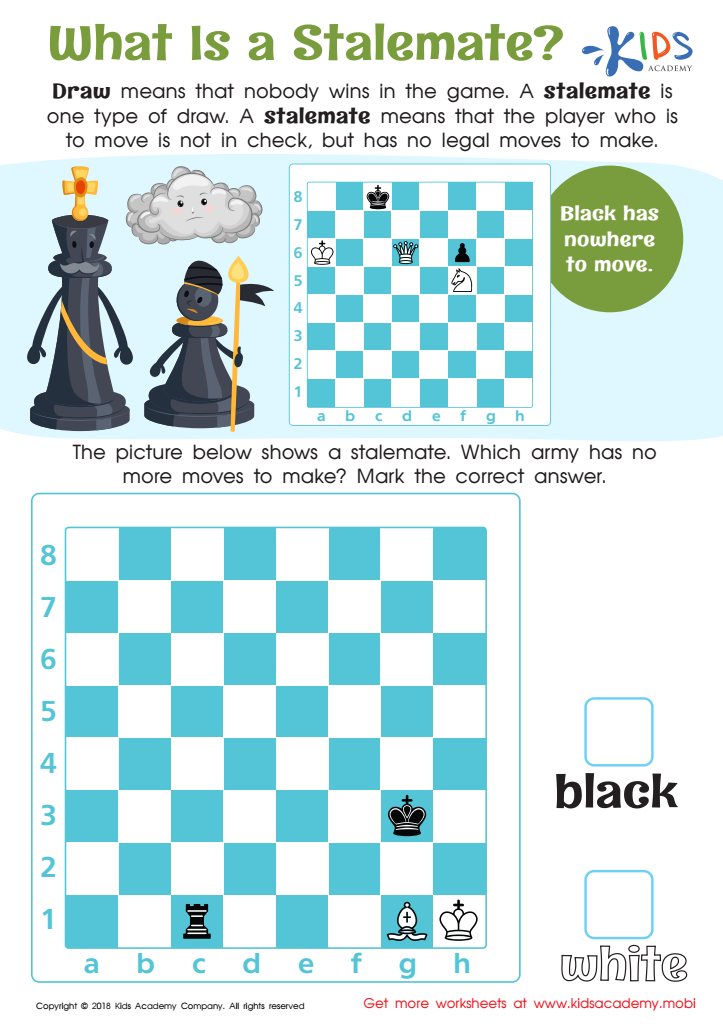
What Is a Stalemate? Worksheet
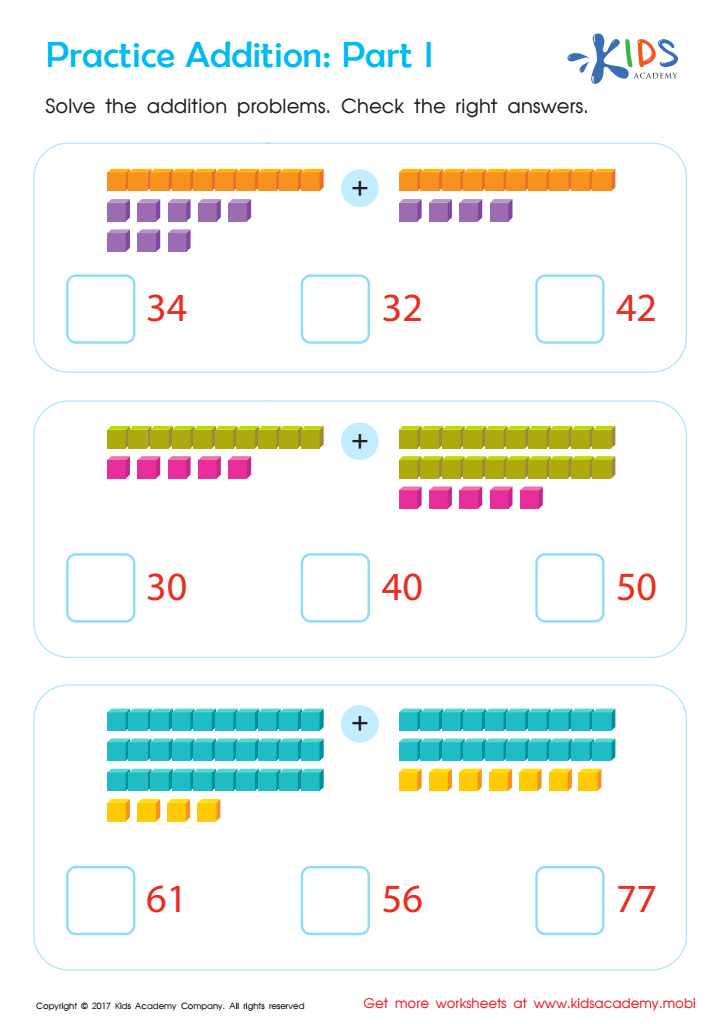
Practice Addition: Part 1 Worksheet
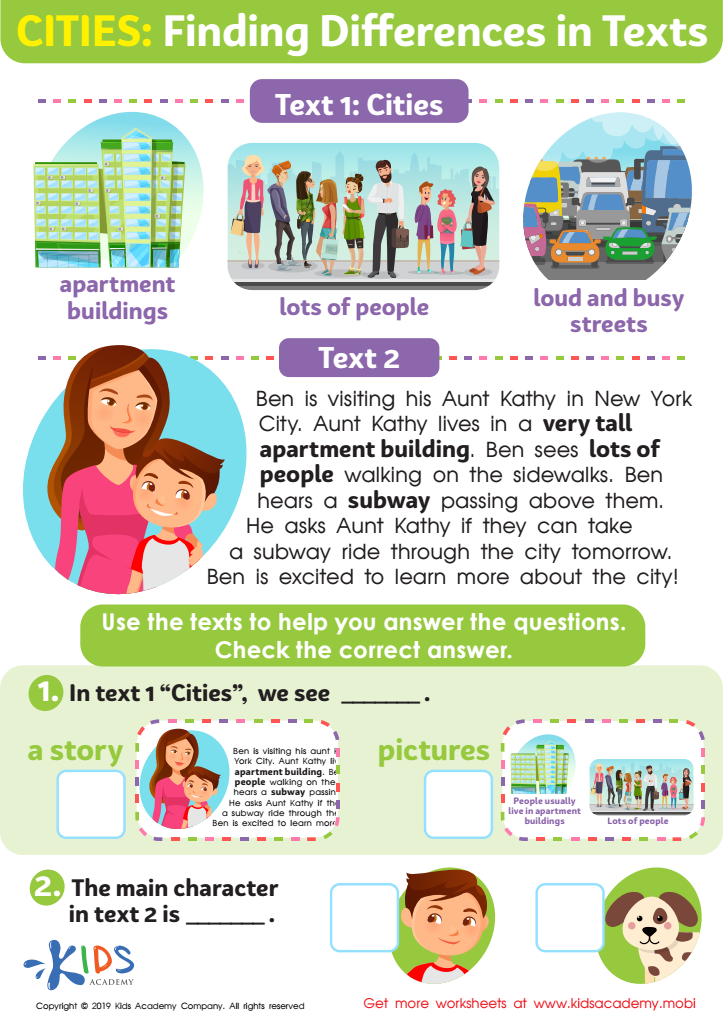
Cities: Finding Differences Worksheet
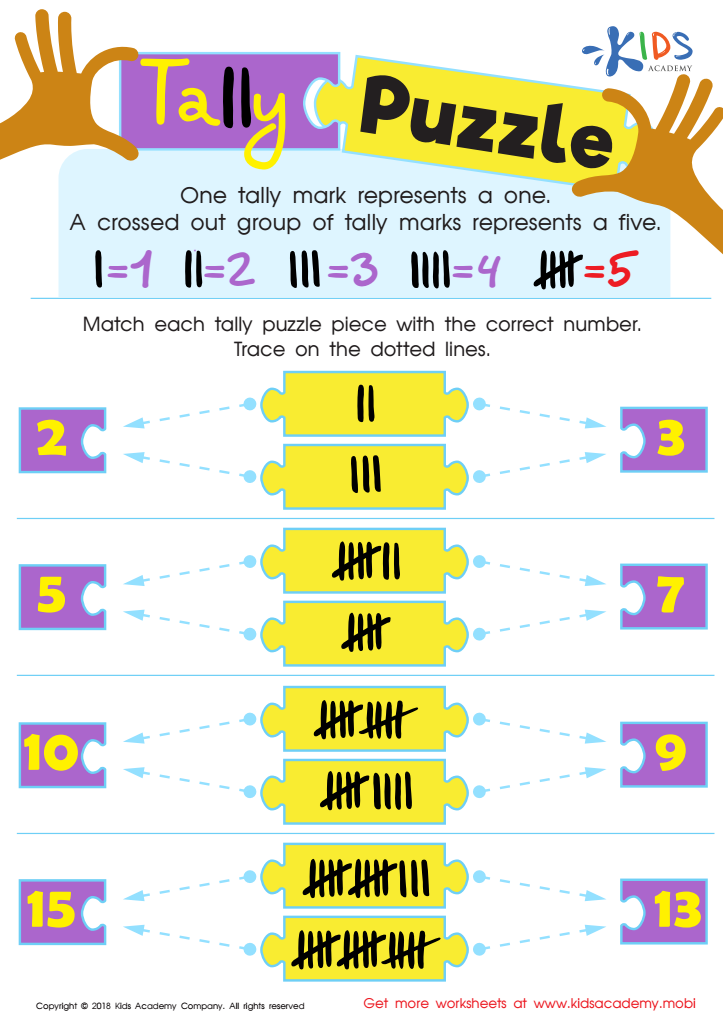
Tally Puzzle Worksheet
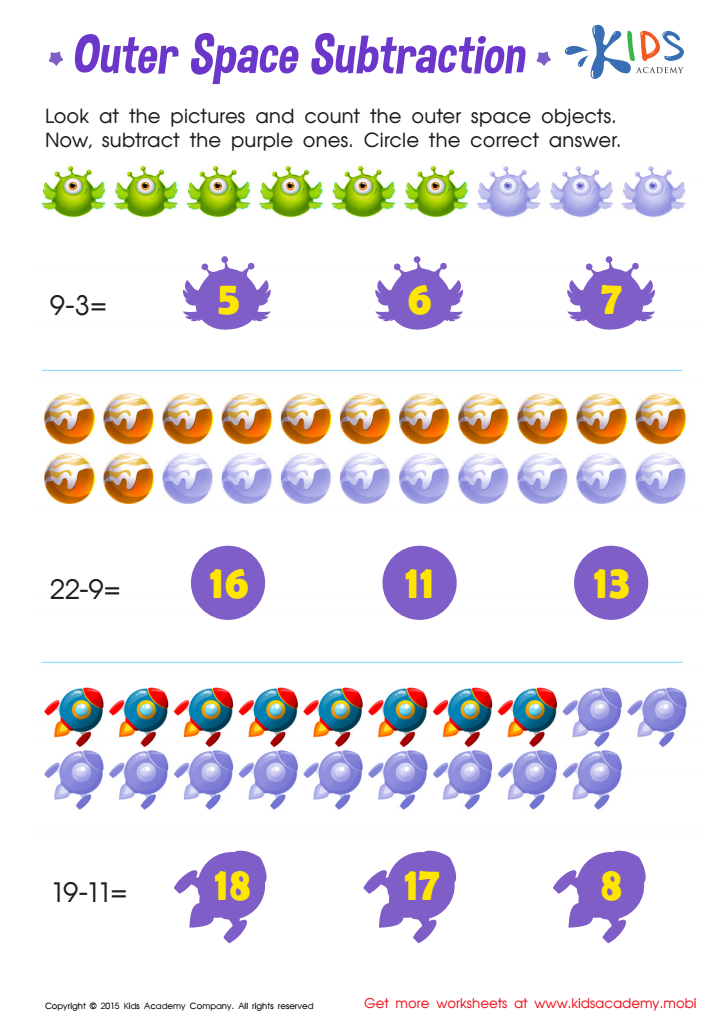
Outer Space Substraction Worksheet
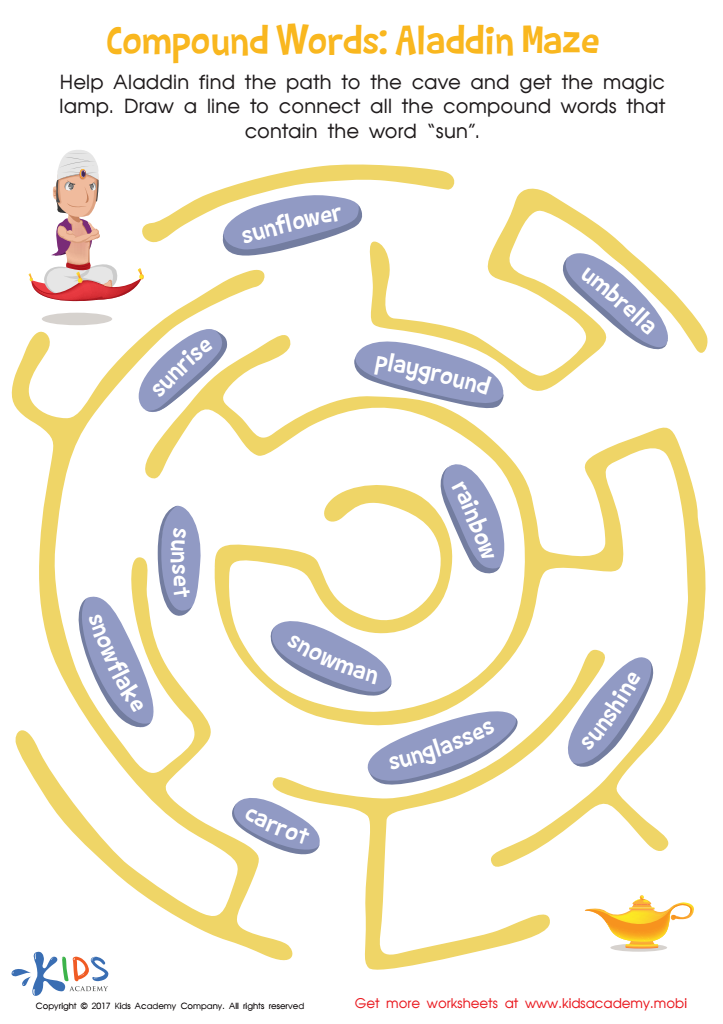
Compound Aladdin Maze Word Structure Worksheet

Haystack Steps Worksheet
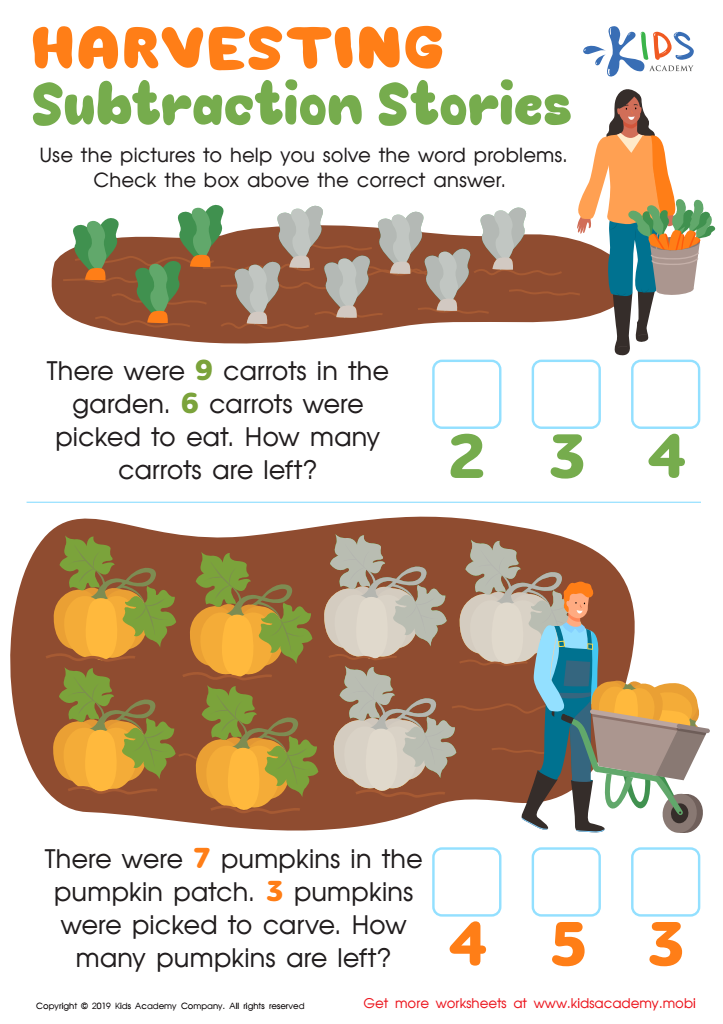
Harvesting Subtraction Stories Worksheet


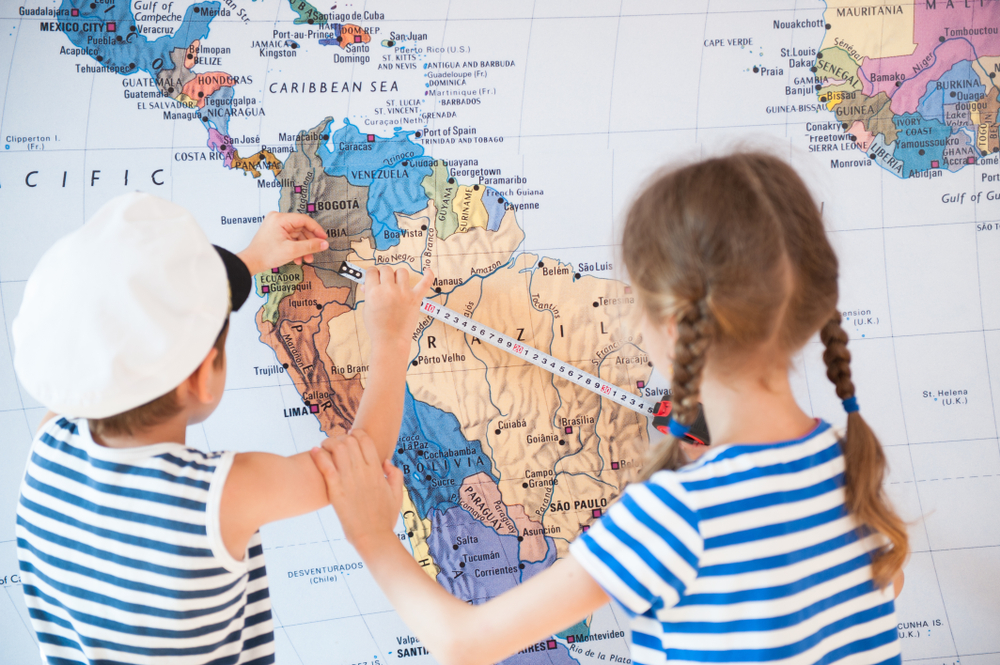




Problem-solving skills are crucial for the development of children aged 3-7 as they lay the foundation for future cognitive and emotional growth. Parents and teachers should prioritize these skills because they contribute to a child's ability to think critically, manage emotions, and navigate social situations.
At this young age, problem-solving activities help stimulate curiosity and creativity. When children encounter challenges and work through solutions, they learn perseverance and develop confidence. This boosts their self-esteem, making them more willing to face new and tougher challenges in the future.
Additionally, problem-solving promotes the development of critical thinking. By figuring out how to approach and solve problems, children improve their ability to process information, make decisions, and understand cause-and-effect relationships. These are essential skills for academic success and everyday life.
Moreover, problem-solving experiences encourage collaboration and communication. When children work in groups to solve problems, they learn to express their ideas, listen to others, and negotiate solutions. This fosters social skills like empathy, patience, and cooperation.
In conclusion, nurturing problem-solving skills in early childhood equips children with the tools they need for lifelong learning and personal growth. By investing time and effort in developing these skills, parents and teachers can help children build a strong foundation for a successful and fulfilling future.








