Problem-Solving Skills Easy Worksheets for Ages 3-8 - Page 3
61 filtered results
-
From - To
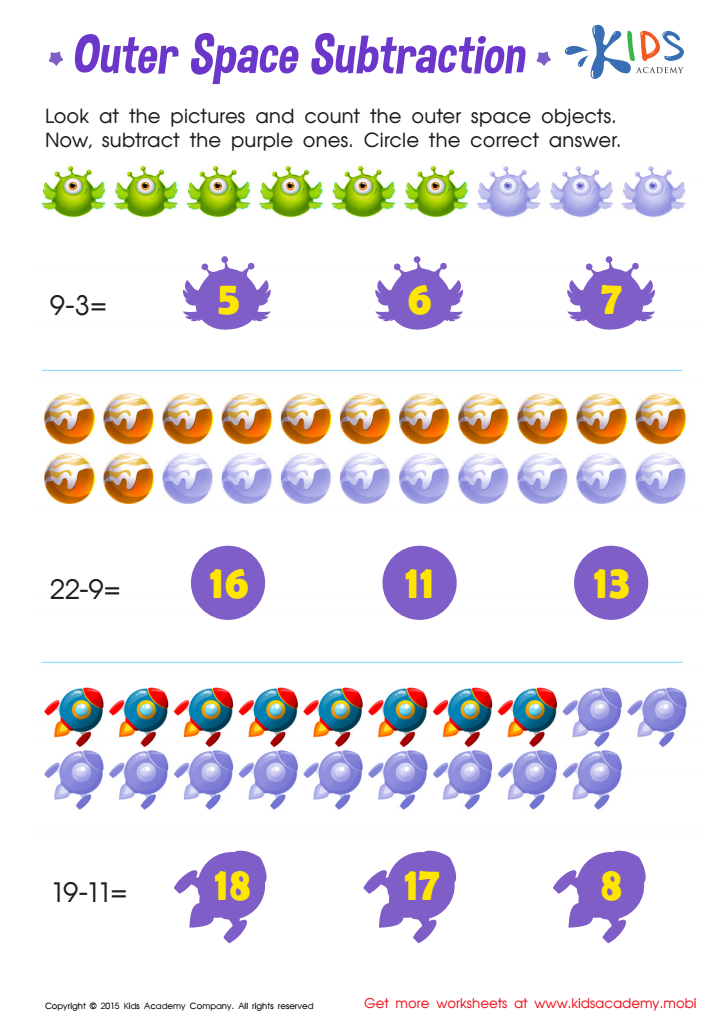
Outer Space Substraction Worksheet
 Assign to My Students
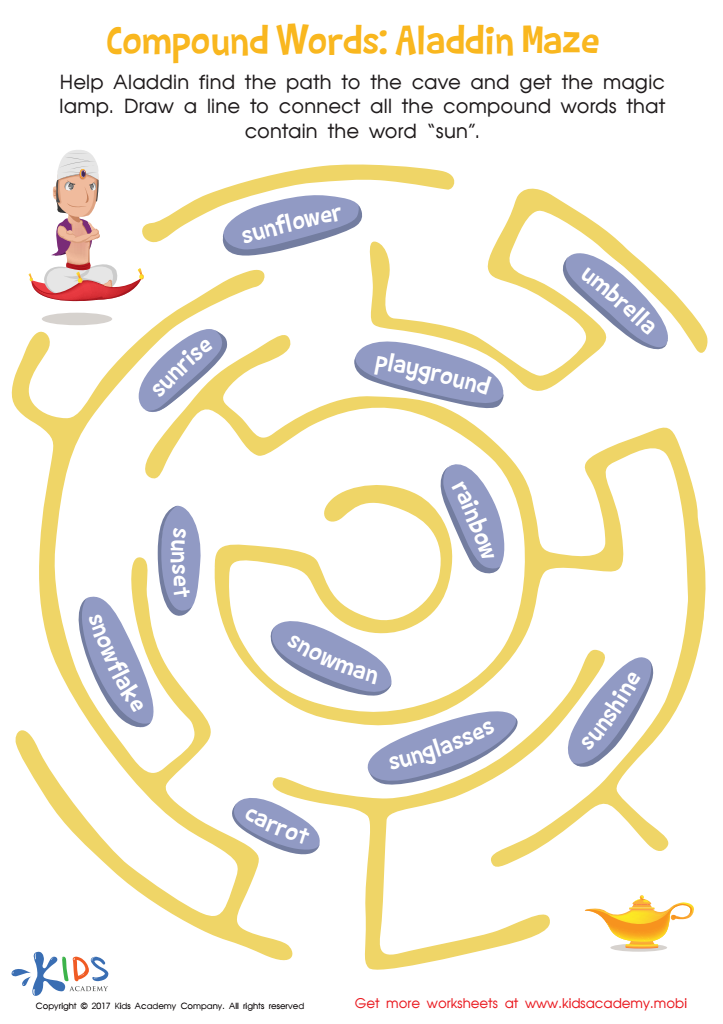
Compound Aladdin Maze Word Structure Worksheet
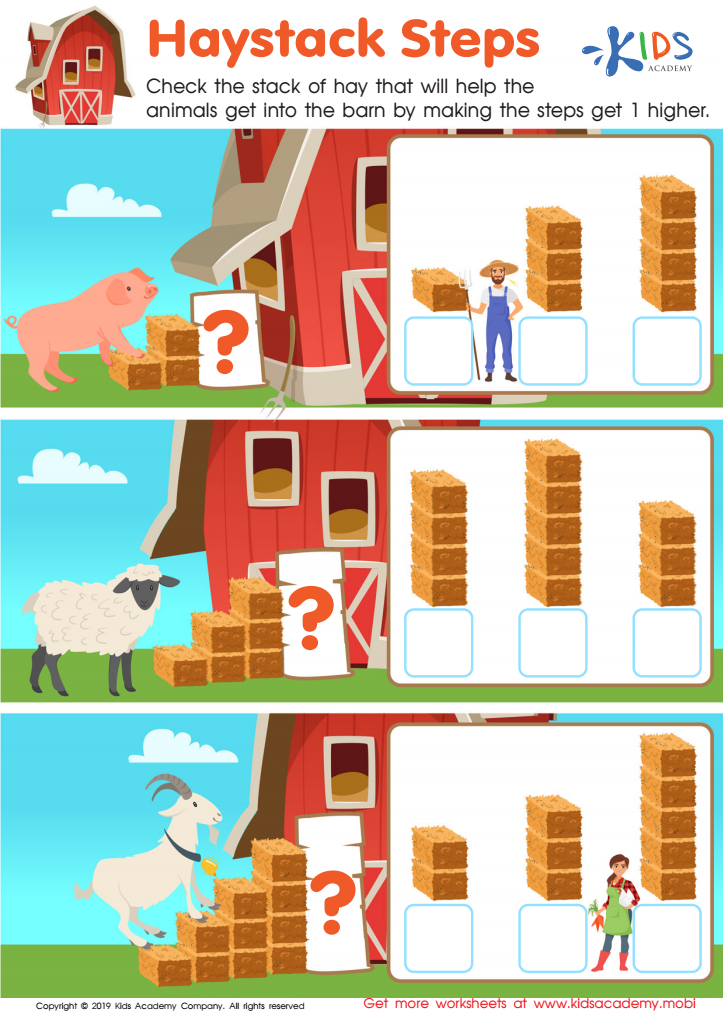
Haystack Steps Worksheet
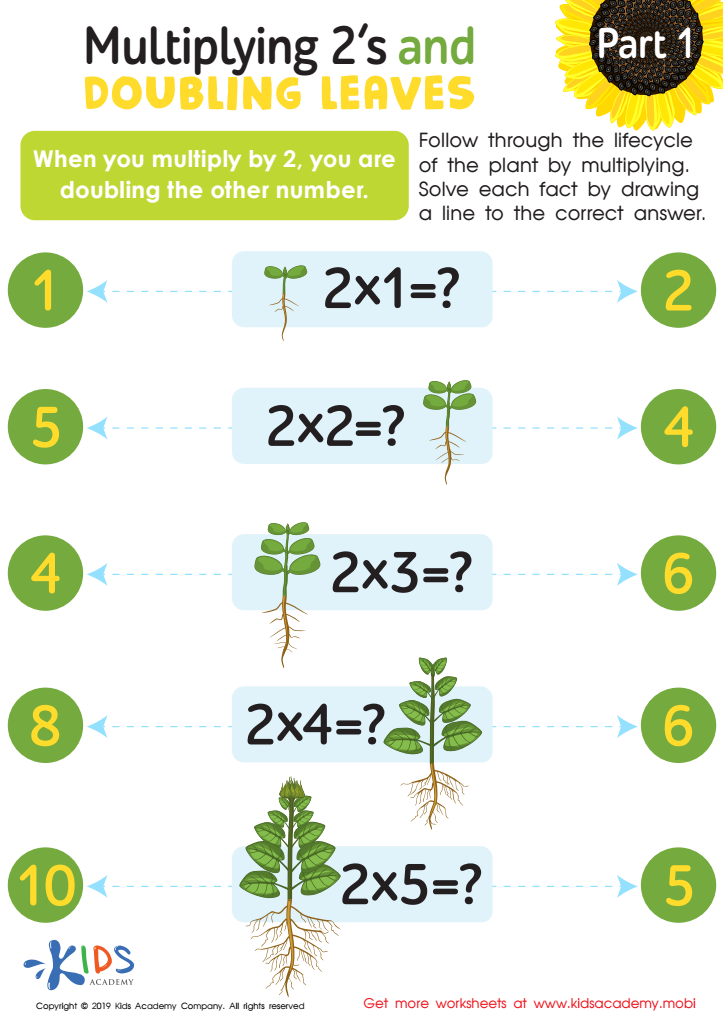
Multiplying 2’s and Doubling Leaves Part 1 Worksheet
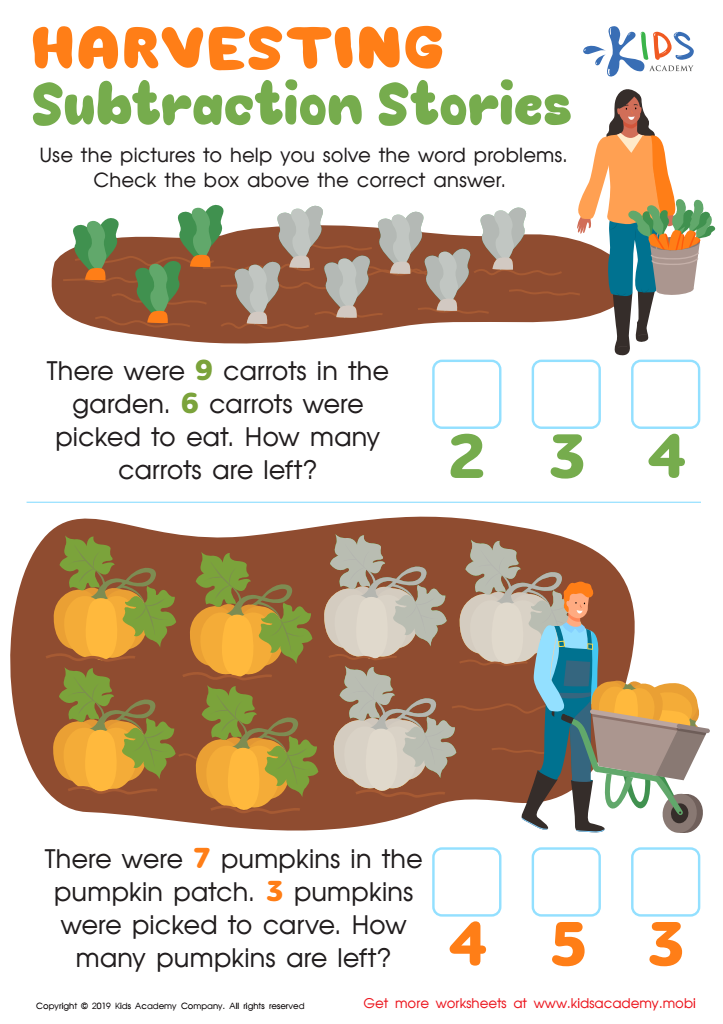
Harvesting Subtraction Stories Worksheet
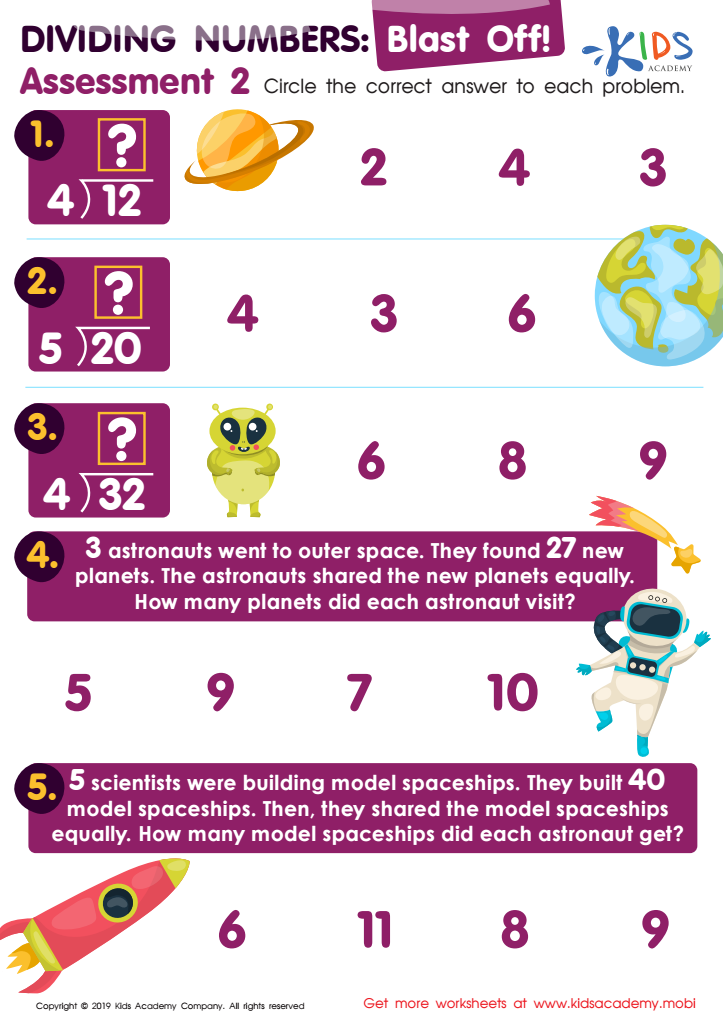
Dividing Numbers Assessment 2 Worksheet
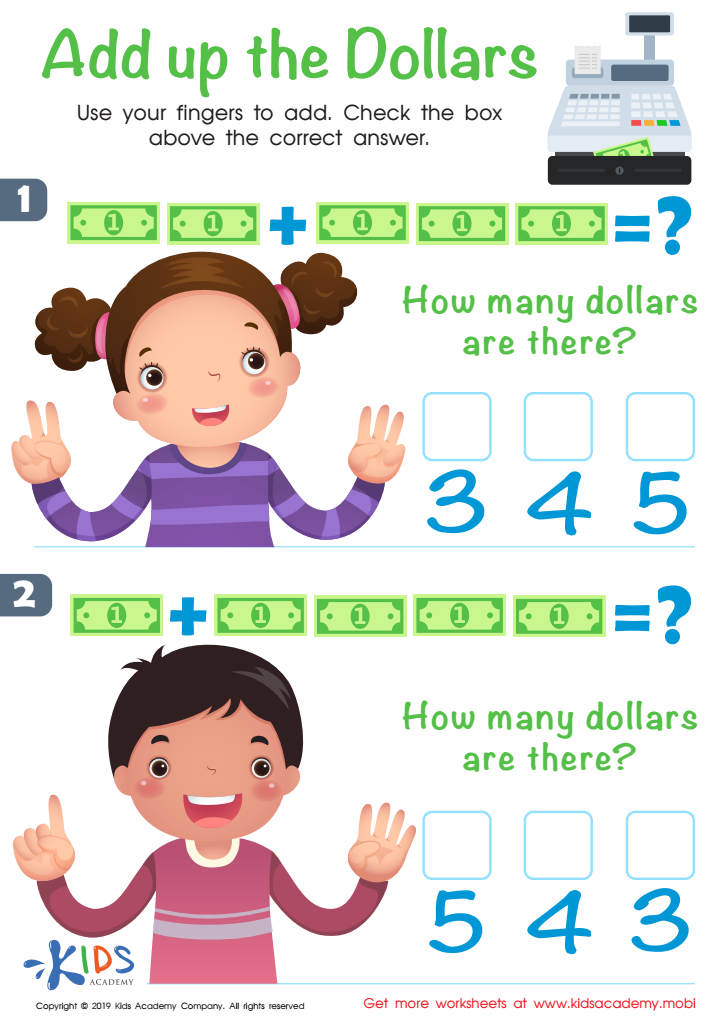
Add up the Dollars Worksheet
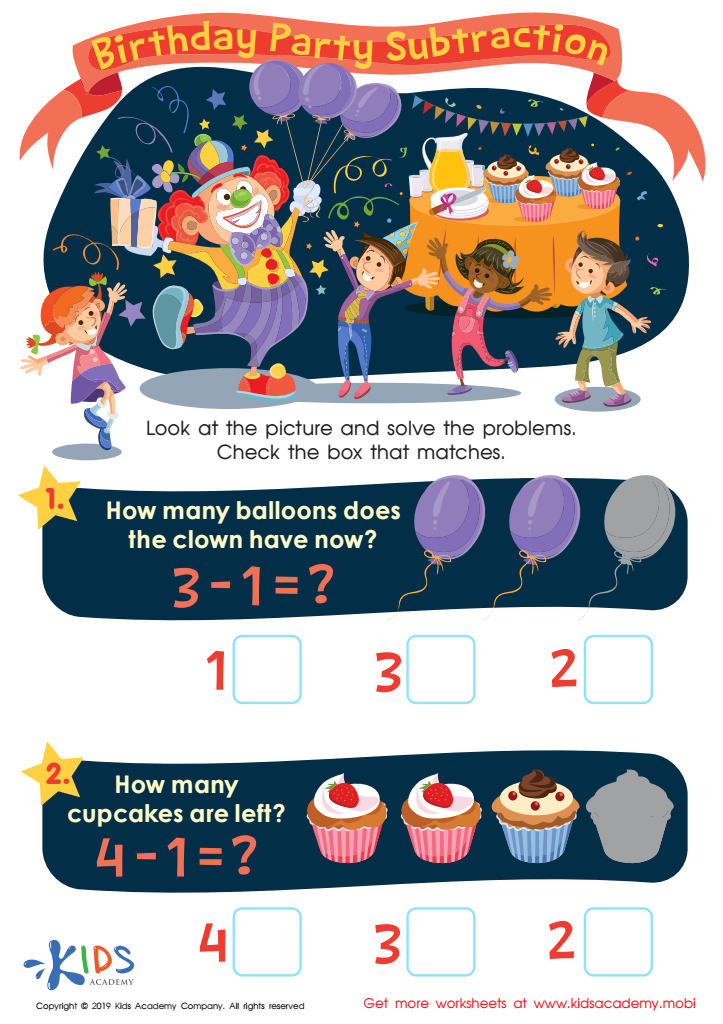
Birthday Party Subtraction Worksheet
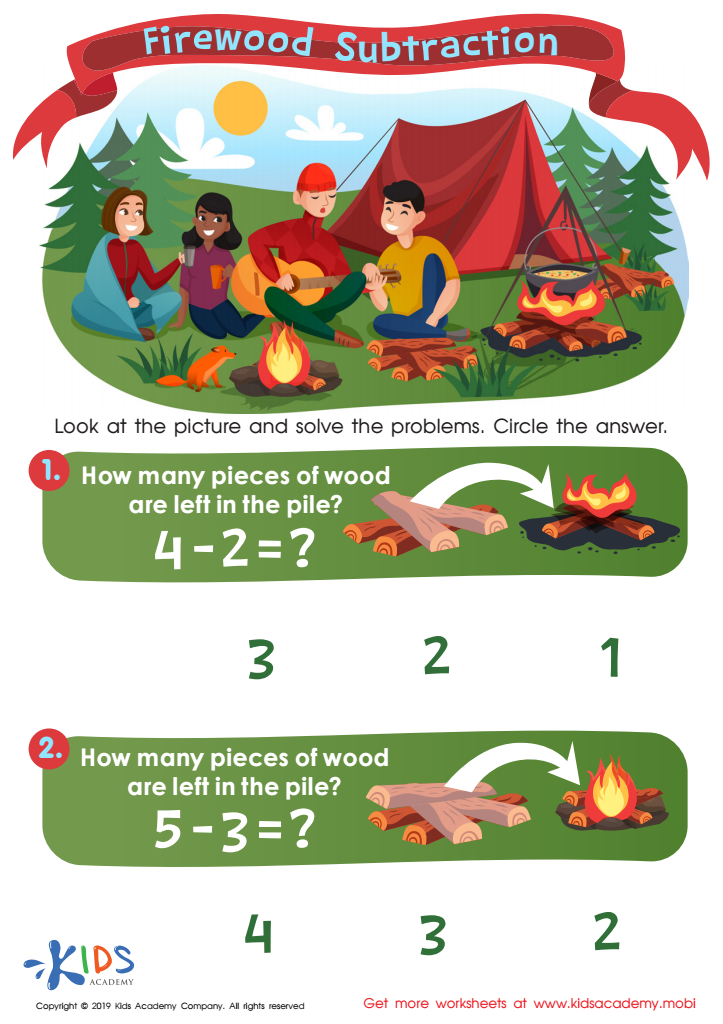
Firewood Subtraction Worksheet
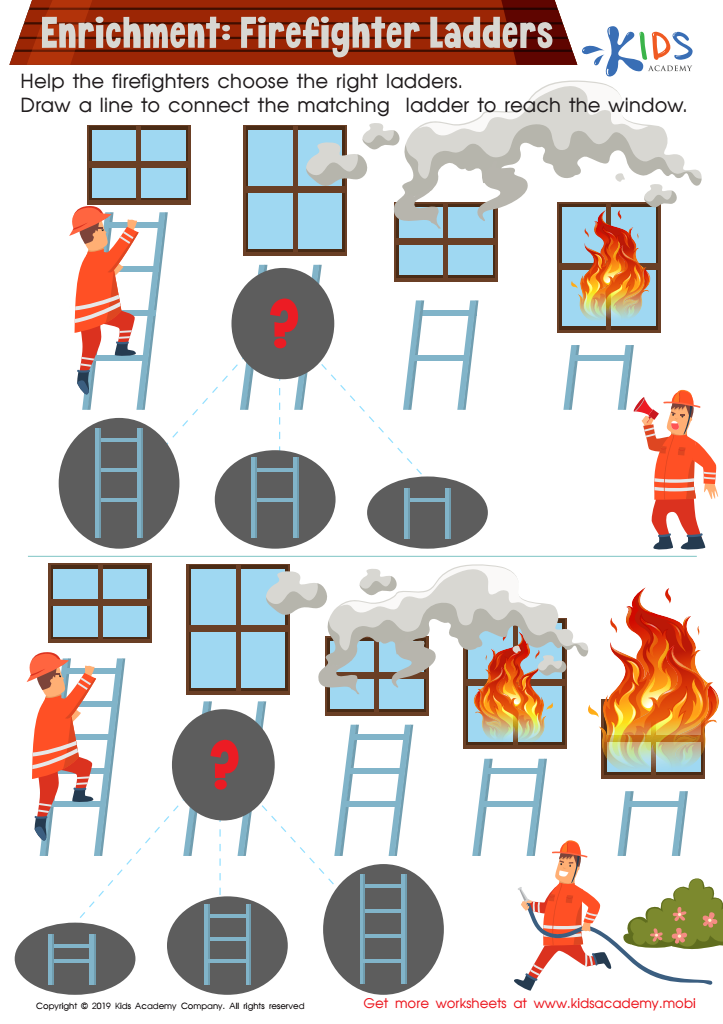
Enrichment: Firefighter Ladders Worksheet
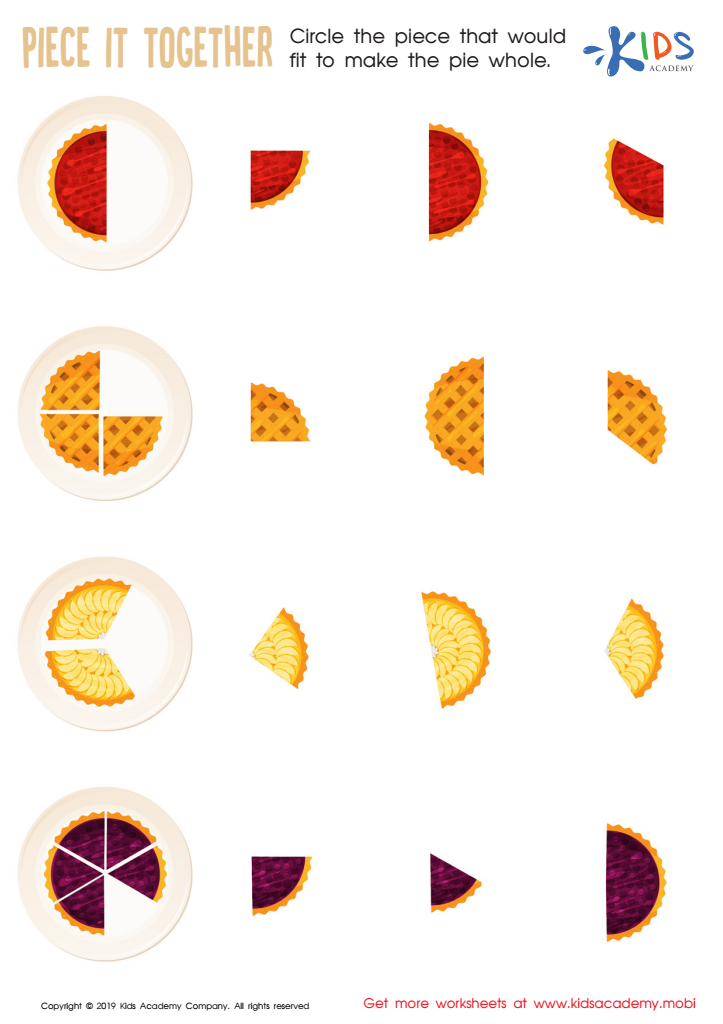
Piece it together Worksheet
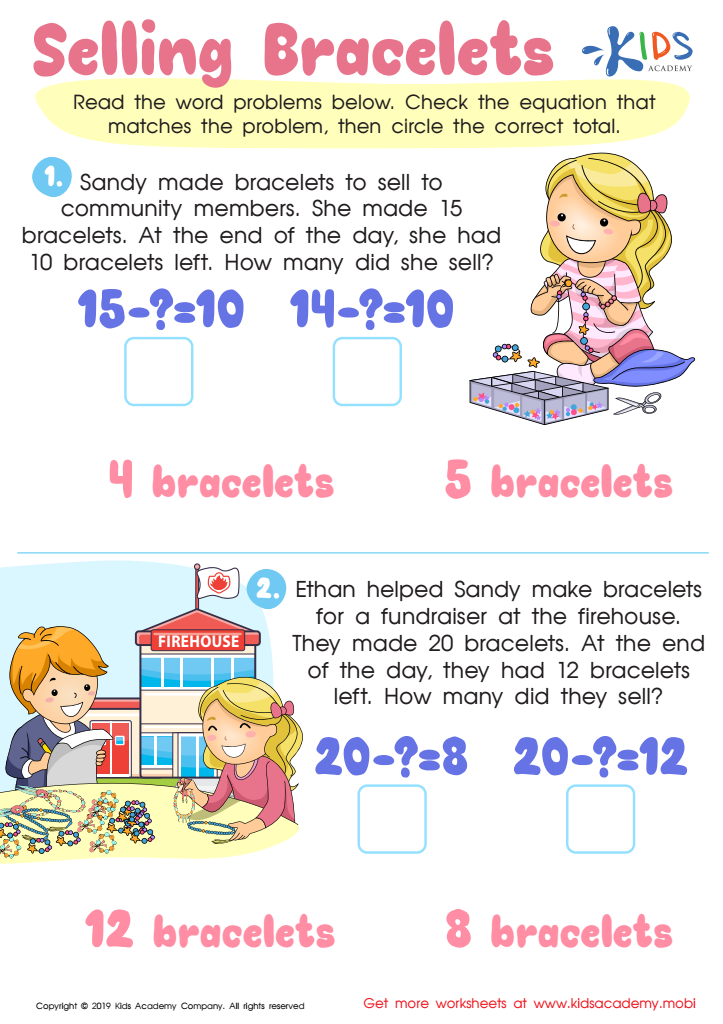
Selling the Bracelets Worksheet
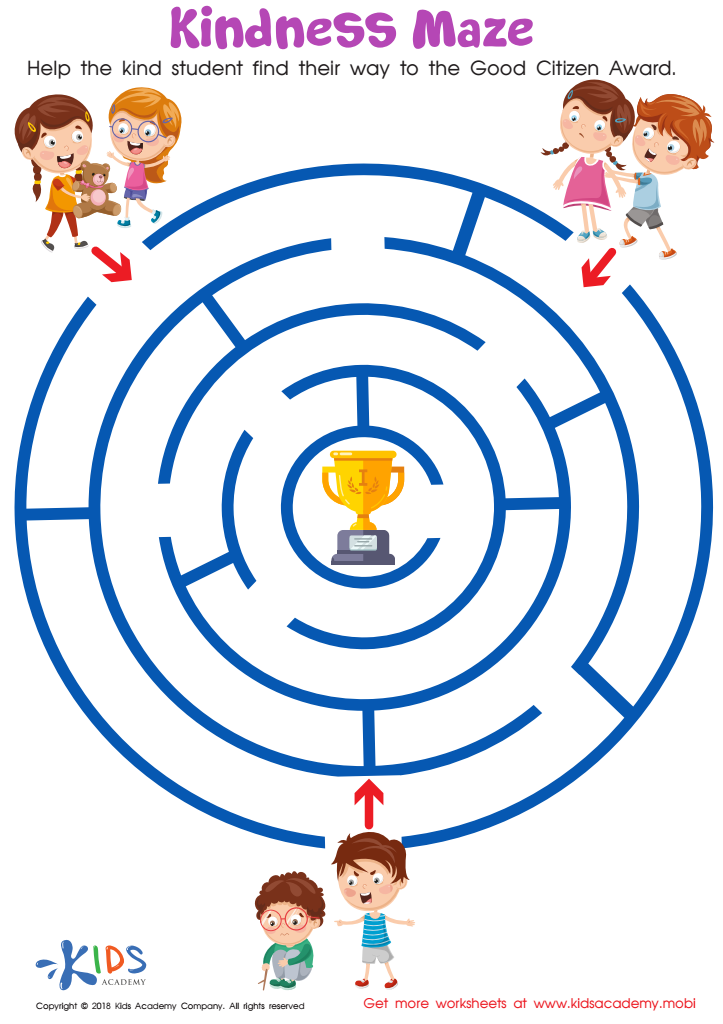
Kindness Maze Worksheet








Problem-solving skills are crucial for children aged 3-8 as they lay the foundation for lifelong learning and success. During these formative years, children encounter various challenges, from simple puzzles to social interactions with peers. When parents and teachers prioritize problem-solving skills, they equip children with essential tools to navigate obstacles independently and creatively.
Firstly, developing problem-solving skills enhances children's cognitive abilities. It encourages critical thinking, experimentation, and logical reasoning, essential components of a child's intellectual growth. Secondly, these skills boost emotional intelligence. As children learn to face challenges, they also develop resilience, confidence, and the ability to manage frustration, which are vital for their overall well-being.
Moreover, fostering an environment that encourages problem-solving promotes collaborative skills. Engaging in group activities or discussions helps children learn to listen, negotiate, and respect others' perspectives. This is particularly important as they prepare for school environments, where teamwork is key.
Lastly, parents and teachers serve as role models. By demonstrating problem-solving approaches in their own lives, they inspire children to think critically and tackle problems effectively. Ultimately, nurturing these skills ensures that children grow into adaptable, resourceful individuals capable of facing the complexities of the world with confidence.








