Fine Motor Skills Easy Worksheets for Ages 4-7 - Page 2
81 filtered results
-
From - To
Letter R Coloring Sheet
 Assign to My Students
Letter V Coloring Sheet
Assign to My Students
Ordering 11–20: Halloween Counting Worksheet

Little Mermaid Coloring Page
Assign to My Students
Horses Worksheet
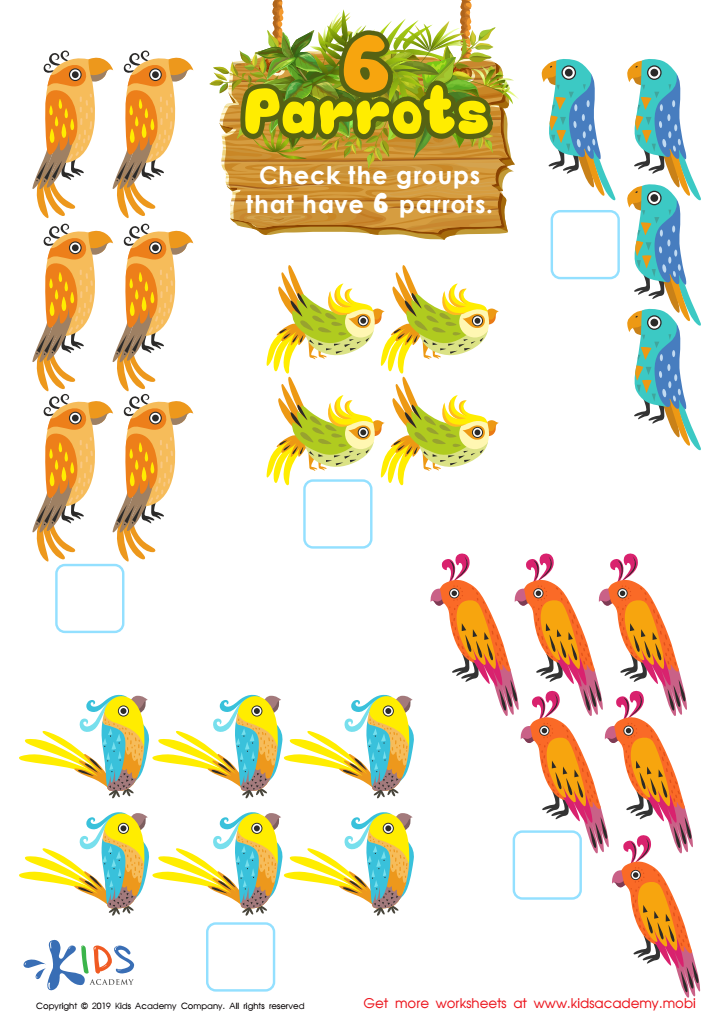
6 Parrots Worksheet
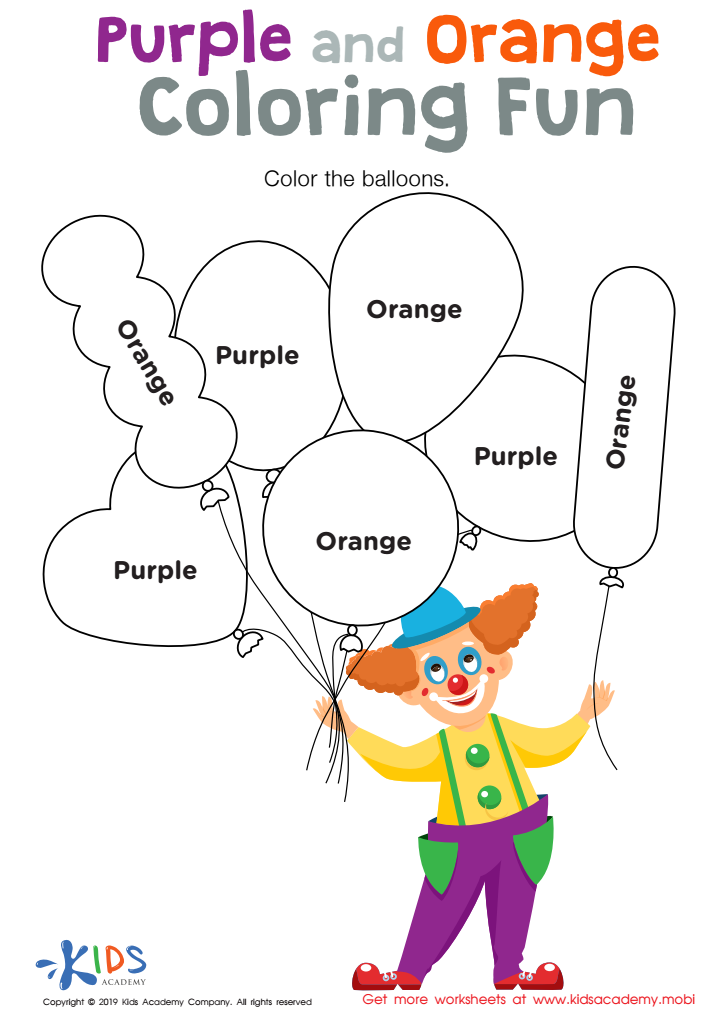
Purple and Orange Coloring Fun Worksheet
Assign to My Students
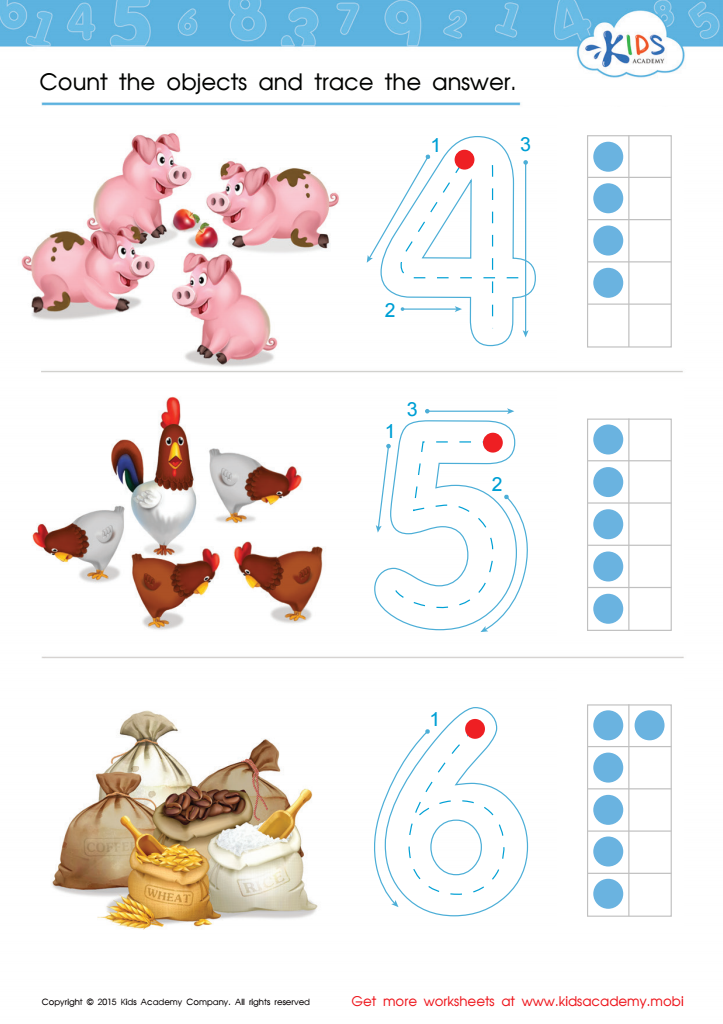
Count and Trace 4 – 6 Worksheet

Number 2 Printable
Assign to My Students
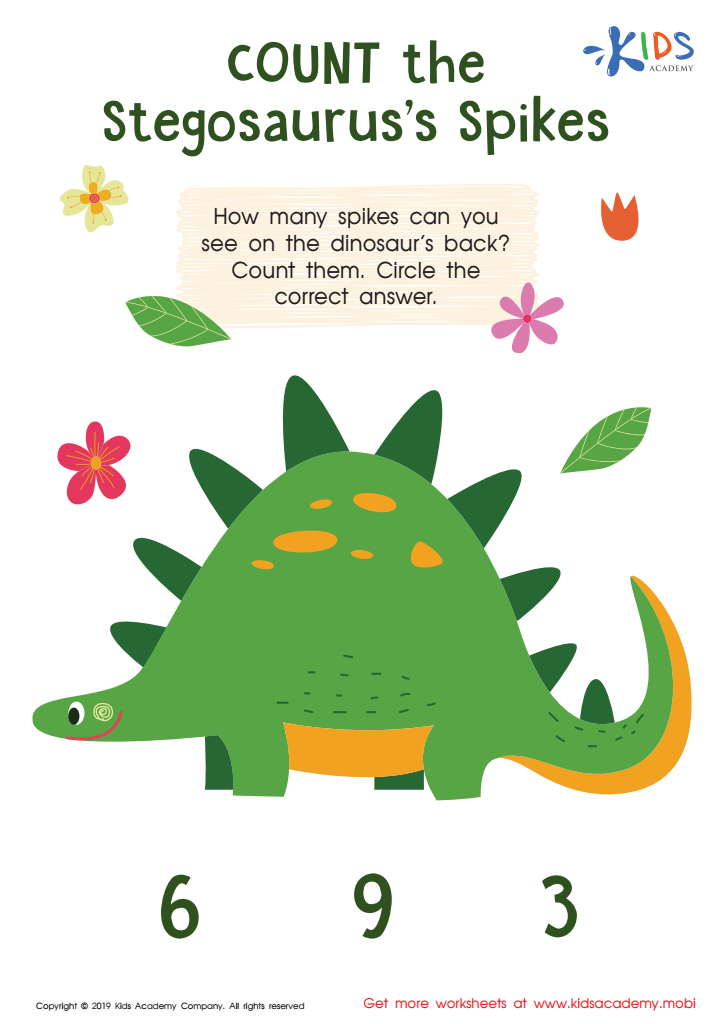
Count the Stegosaurus's Spikes Worksheet


Hickory Dickory Dock Coloring Page
Assign to My Students
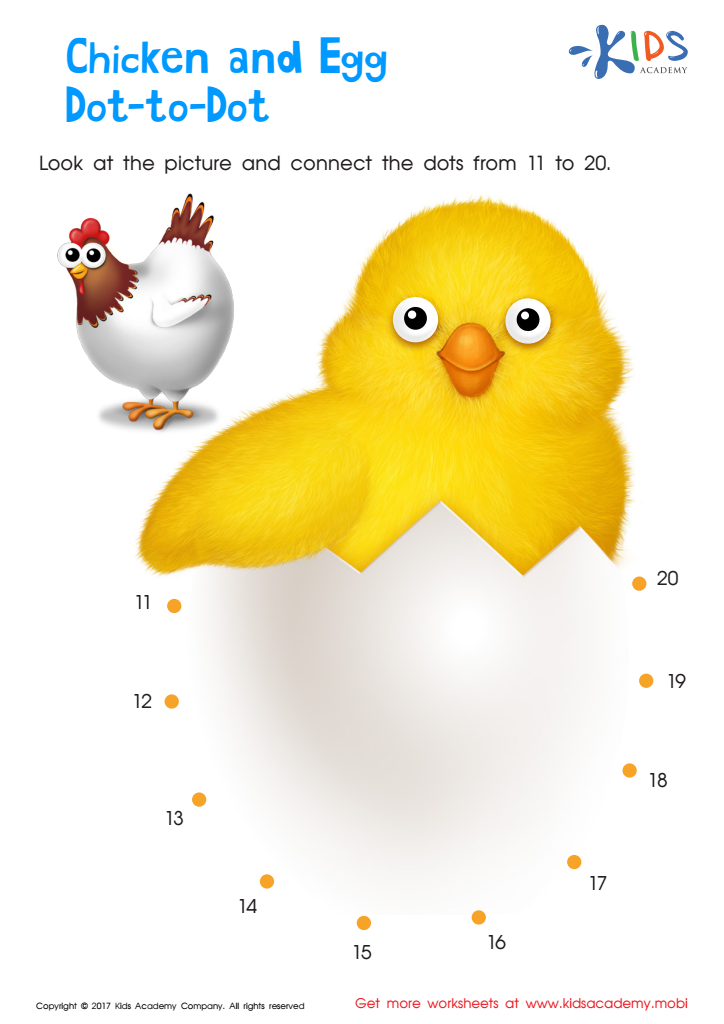
Ordering 11–20: Chicken & Egg Dot–to–dot Worksheet

Bicycle Shapes Worksheet

Number 9 Printable
Assign to My Students
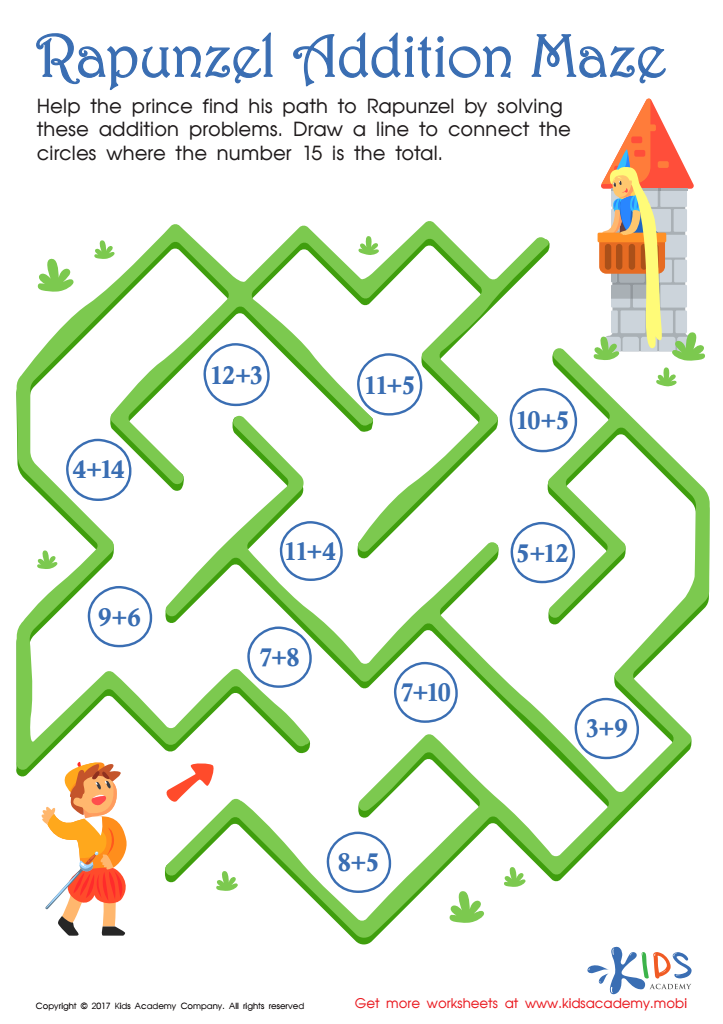
Rapunzel Addition Maze Worksheet

Easter: Chick in the Basket Worksheet
Assign to My Students
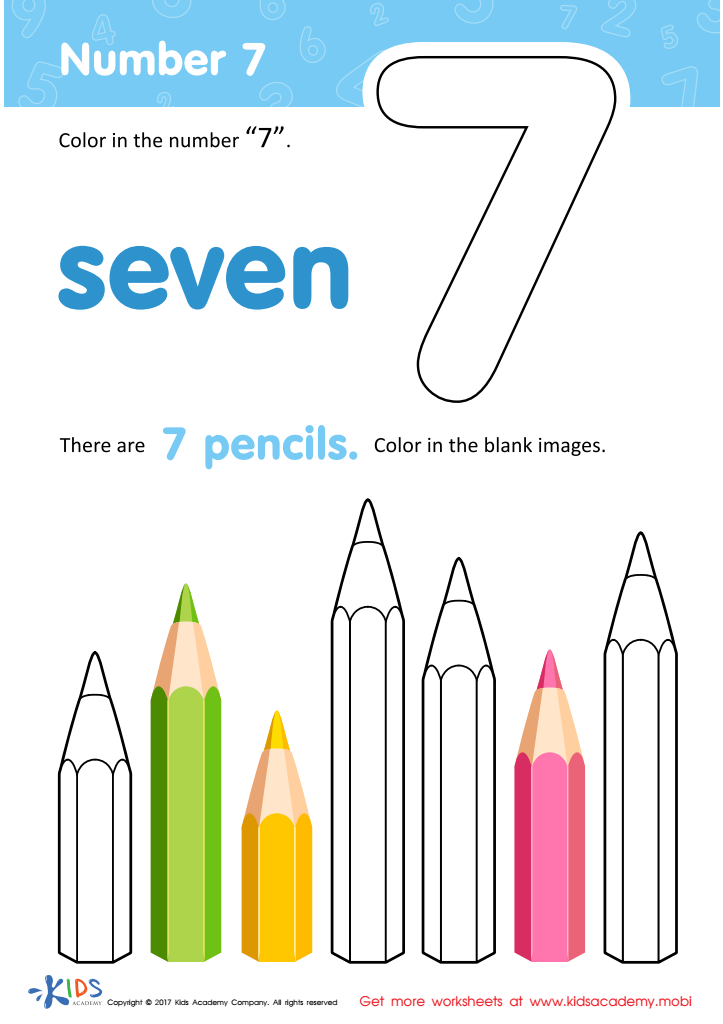
Number 7 Worksheet
Assign to My Students

Brick House Printable Coloring Page
Assign to My Students
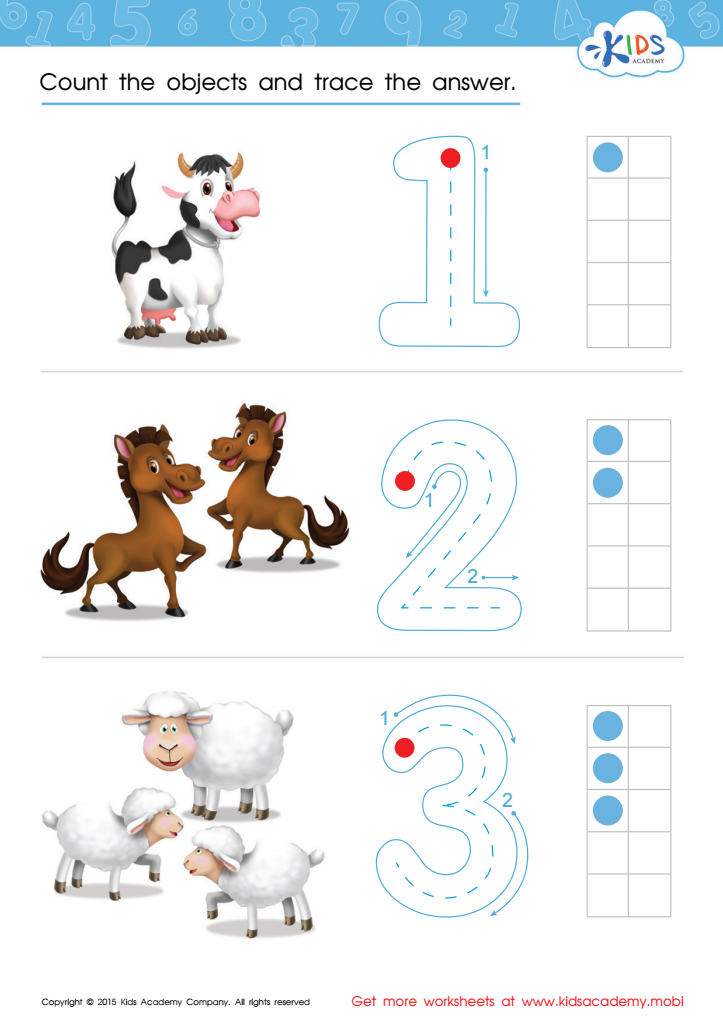
Count and Trace 1 – 3 Worksheet

Line up the Tigers Worksheet
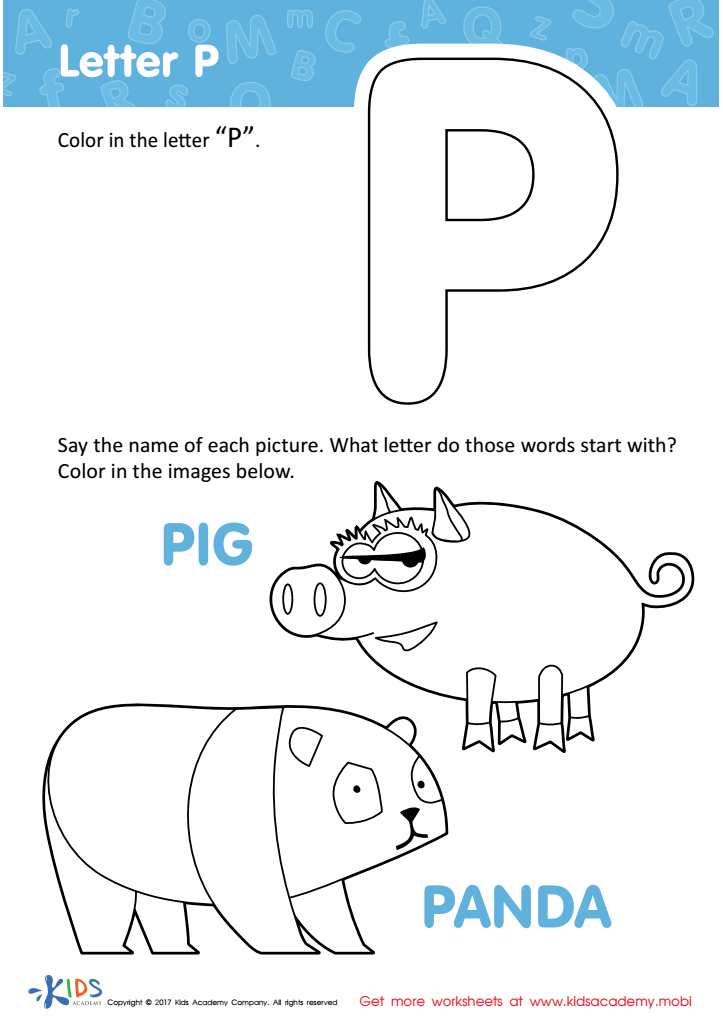
Letter P Coloring Sheet
Assign to My Students

Japan Printable
Assign to My Students
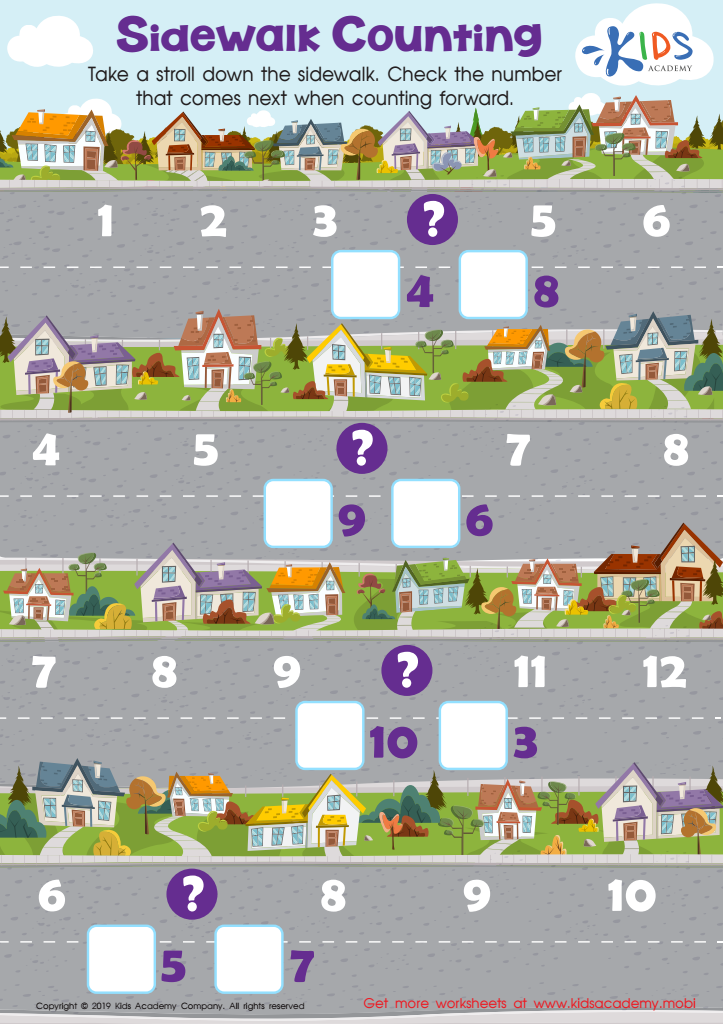
Sidewalk Counting Worksheet







Parents and teachers should care about fine motor skills for children aged 4-7 as these skills are essential for everyday activities and future academic success. Fine motor skills involve the coordination of small muscles in the hands and fingers, which are crucial for tasks such as writing, buttoning clothes, and using utensils. When children can perform these activities effectively, they develop a sense of independence and confidence.
At this age, fine motor skills also lay the foundation for more complex tasks, such as drawing, which enhances creativity, and holding a pencil correctly, which is vital for learning how to write. Strong fine motor skills can improve hand-eye coordination, which is important not just for writing but for other school-related activities, including using a computer mouse and participating in art and craft projects.
Moreover, the development of fine motor skills can impact cognitive development. Engaging in tasks that require precise hand movements can improve attention to detail and problem-solving abilities. Consequently, supporting fine motor skill development can lead to better academic performance and a smoother transition to more demanding school tasks.
In summary, fostering fine motor skills in children aged 4-7 provides them with the necessary tools to excel both academically and in everyday life, promoting overall development and self-sufficiency.








