Problem-Solving Skills Easy Worksheets for Ages 4-9 - Page 2
61 filtered results
-
From - To
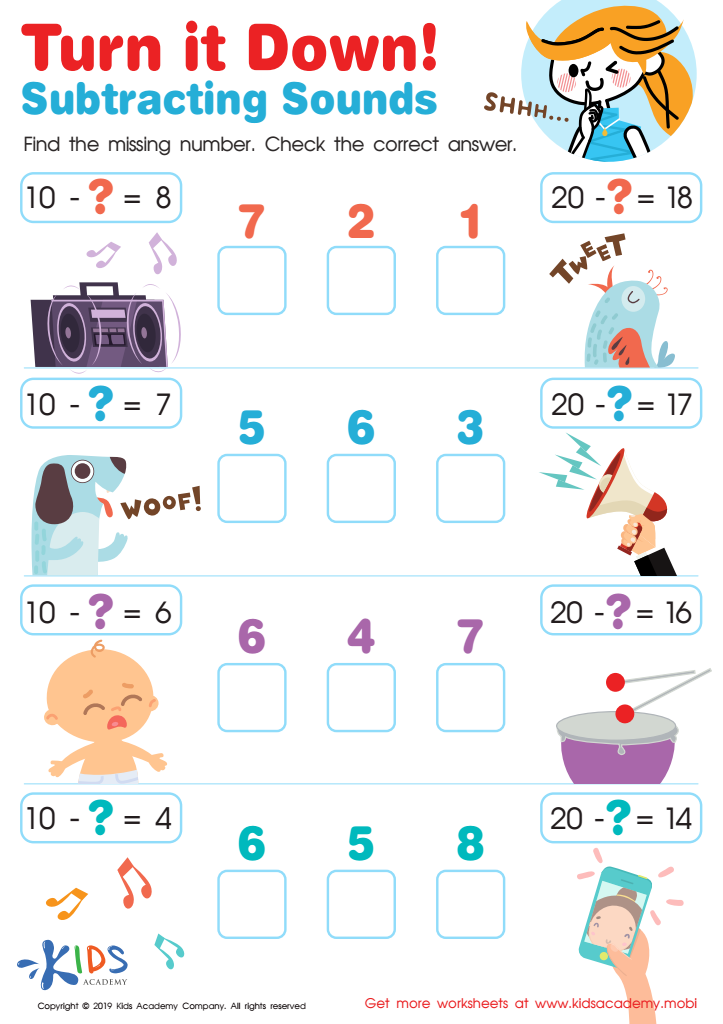
Turn It down! Subtracting Sounds Worksheet
 Assign to My Students
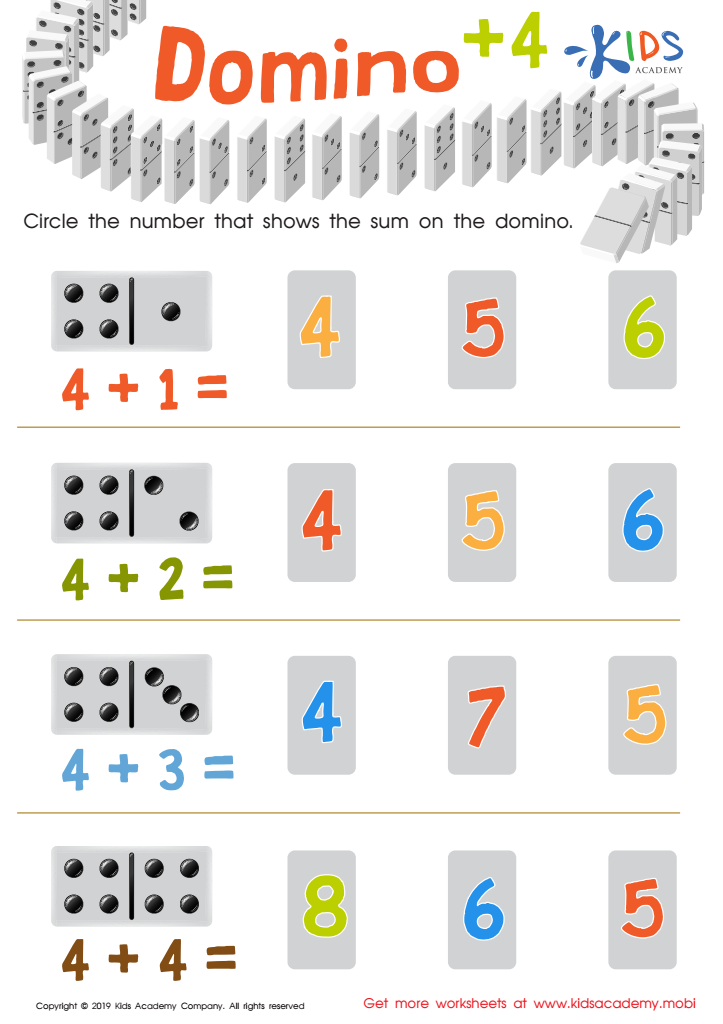
Domino +4 Worksheet
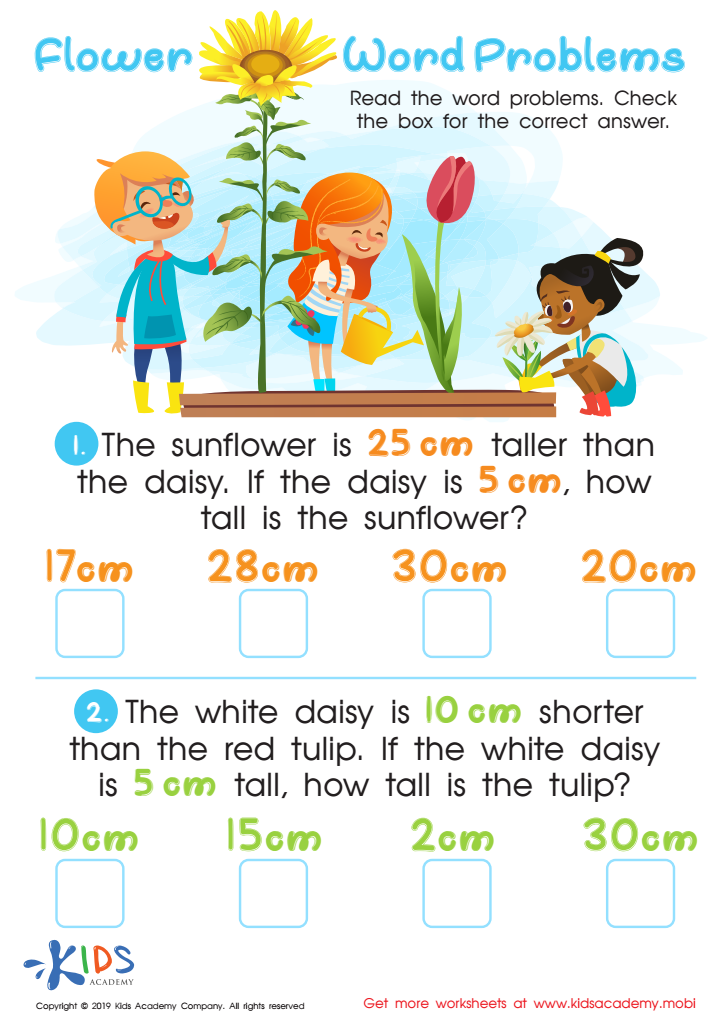
Flower Word Problems Worksheet
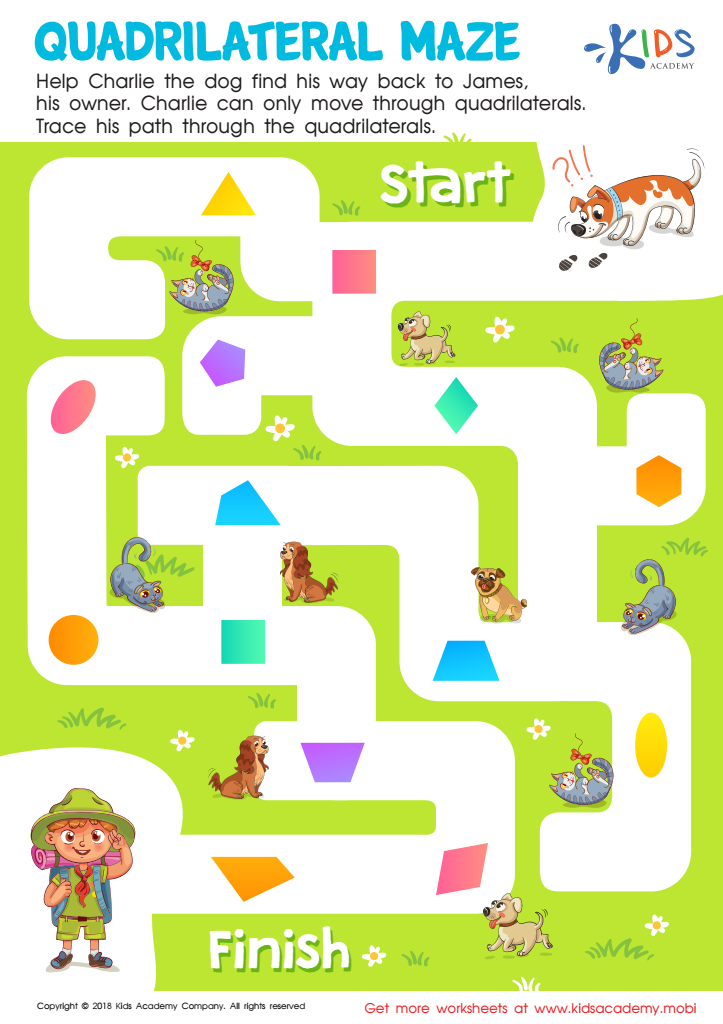
Quadrilateral Maze Worksheet
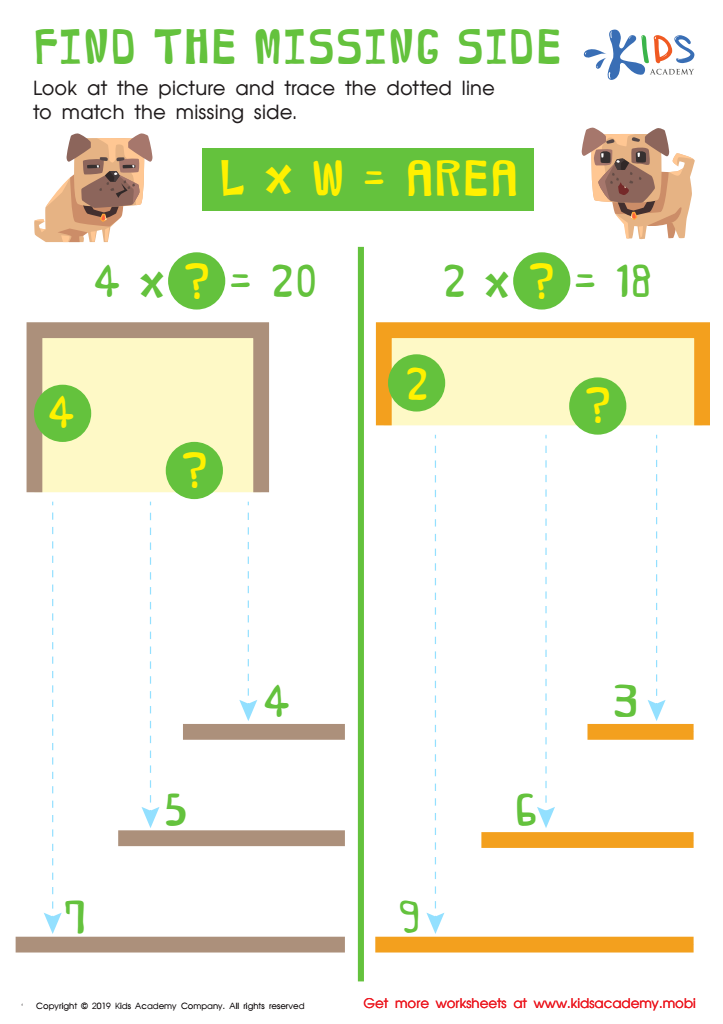
Find the Missing Side Worksheet

Discovered Check: Puzzle 2 Worksheet
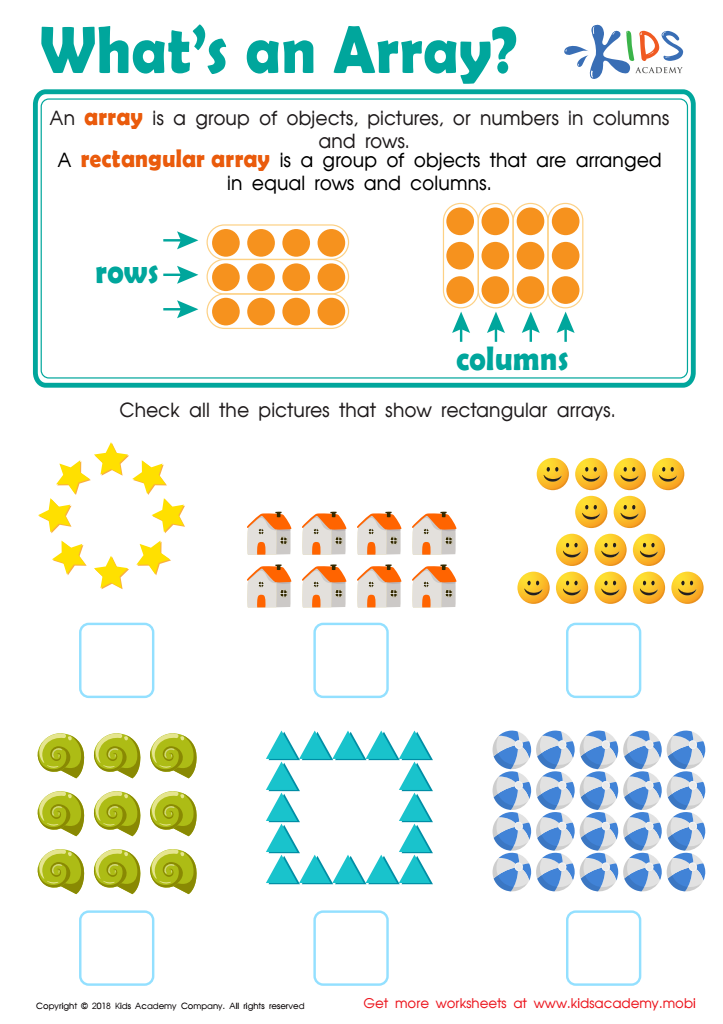
What's an Array? Worksheet
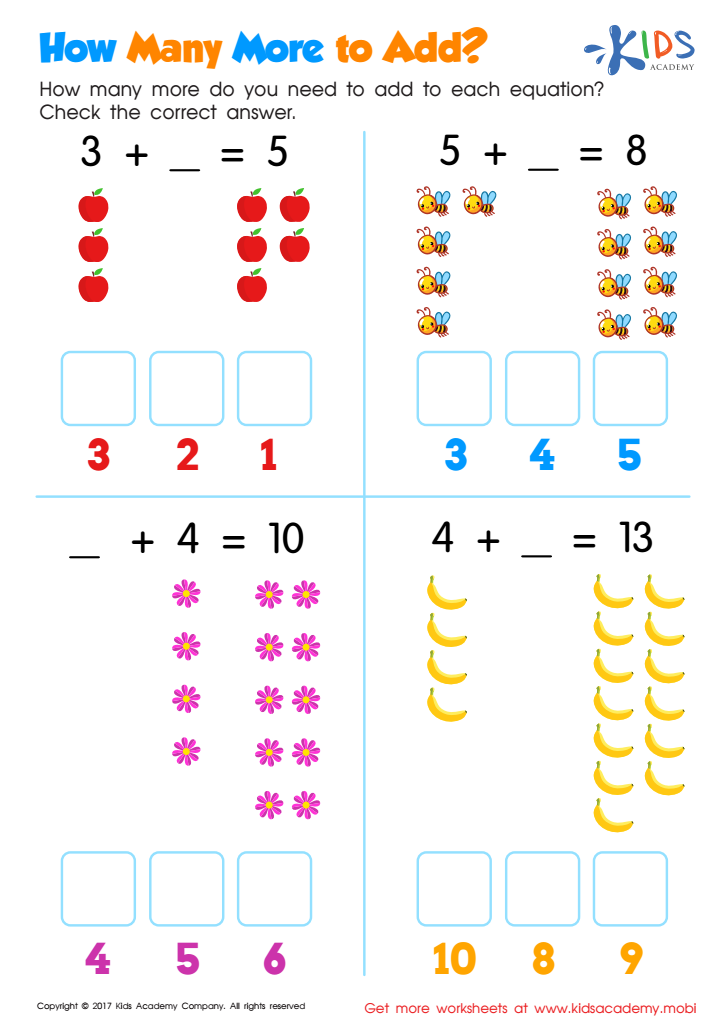
How Many More to Add Worksheet
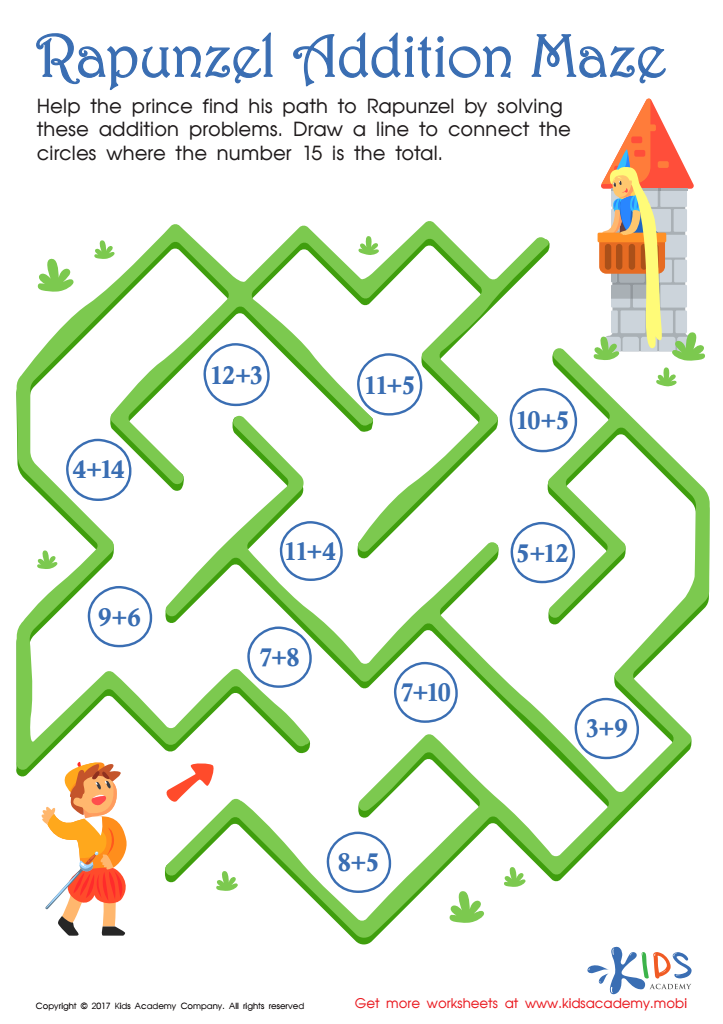
Rapunzel Addition Maze Worksheet
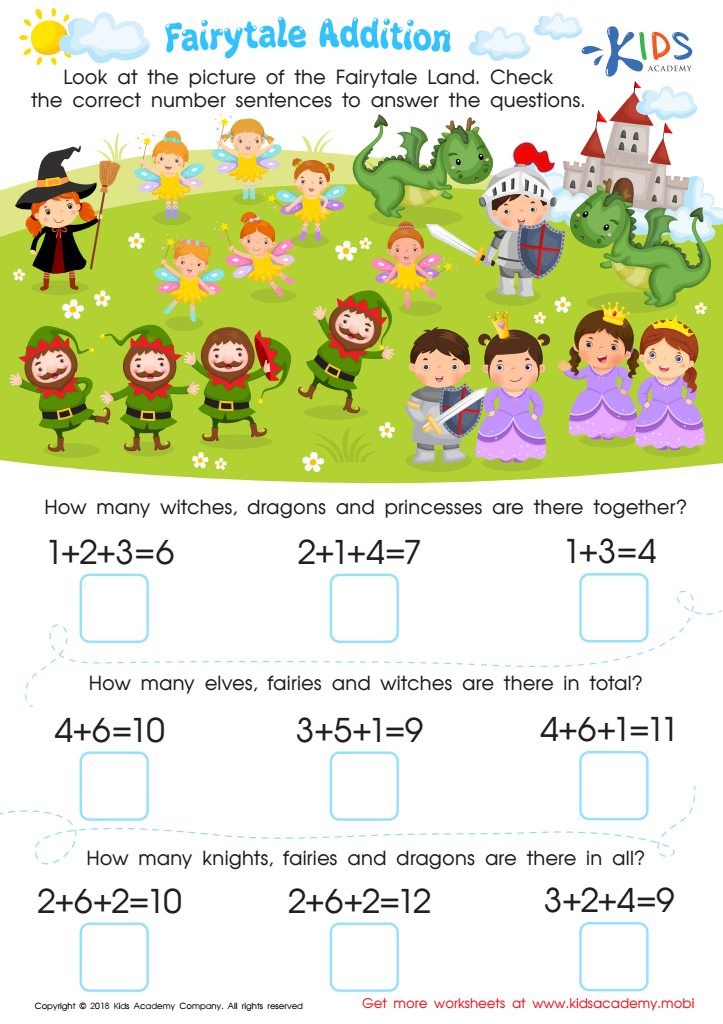
Fairytale Addition Worksheet
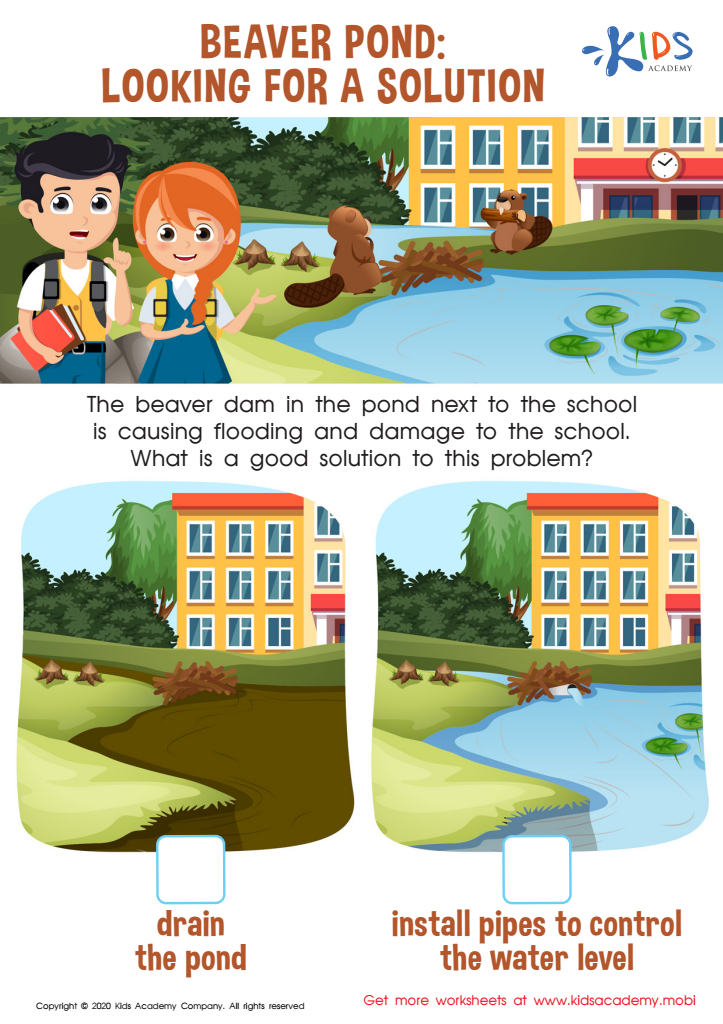
Beaver Pond: Looking for a Solution Worksheet
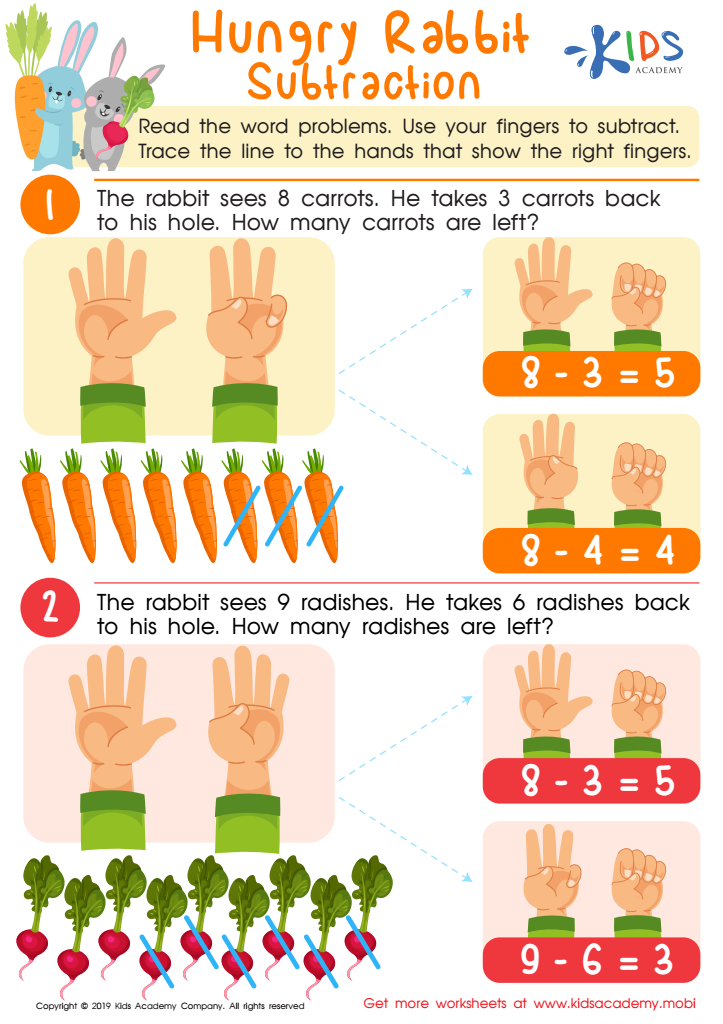
Hungry Rabbit Subtraction Worksheet
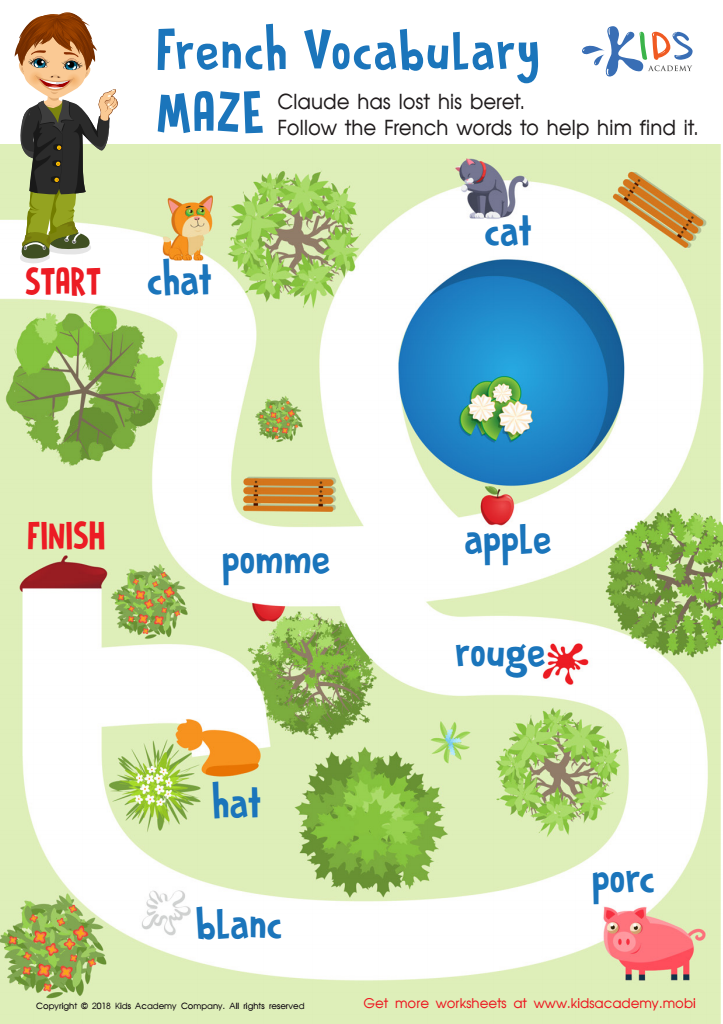
French Vocabulary Maze Worksheet
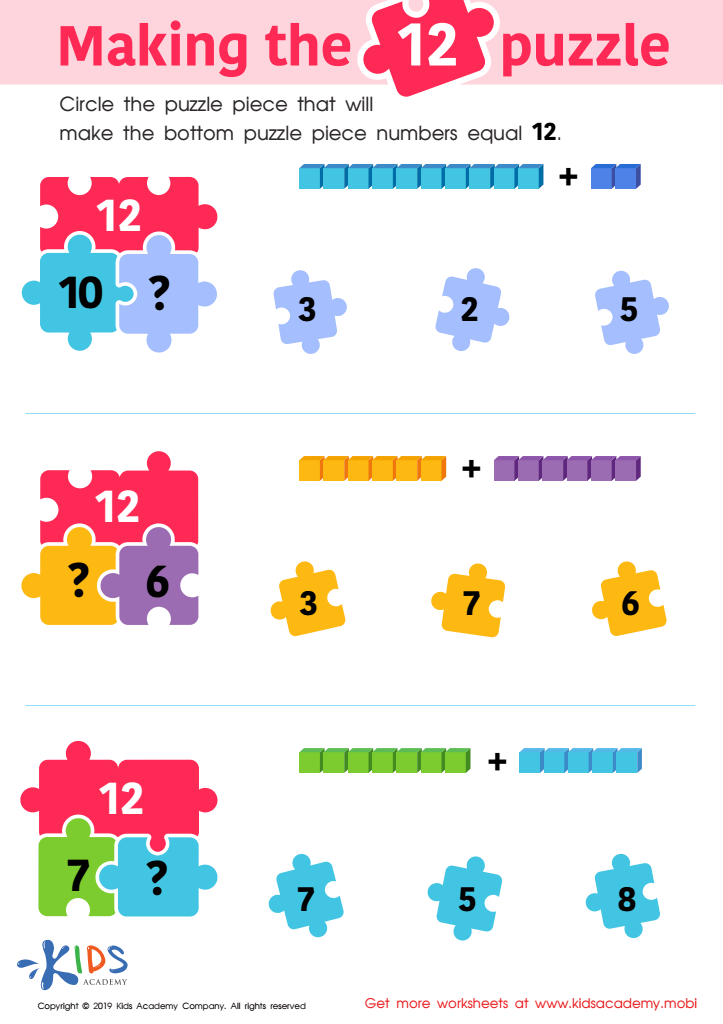
Making the 12 Puzzle Worksheet
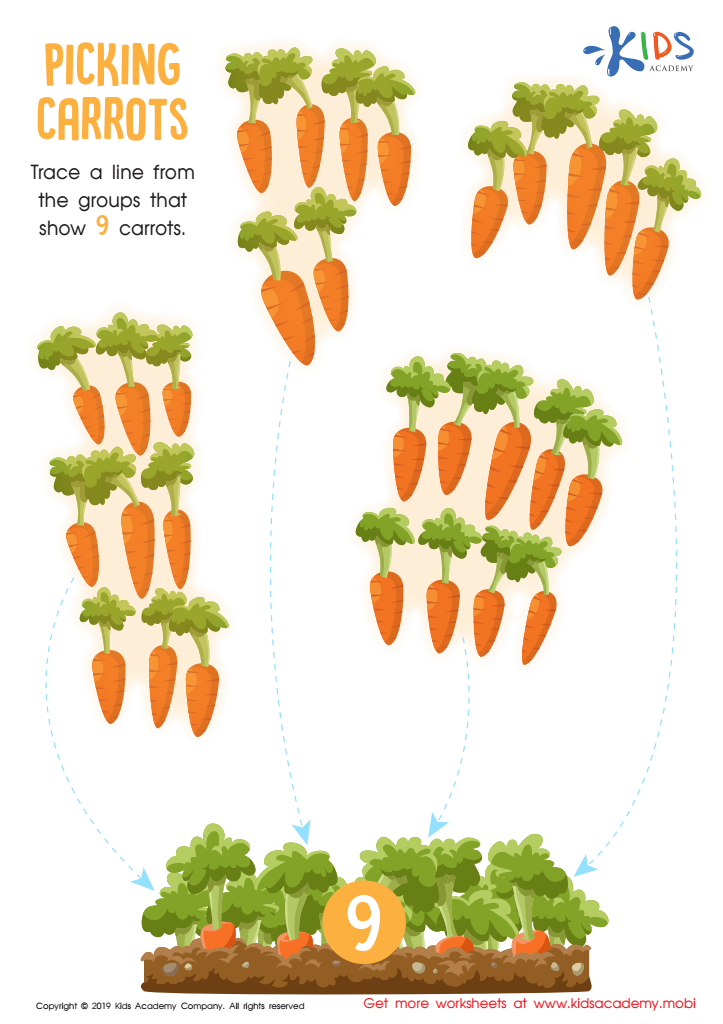
Picking Carrots Worksheet
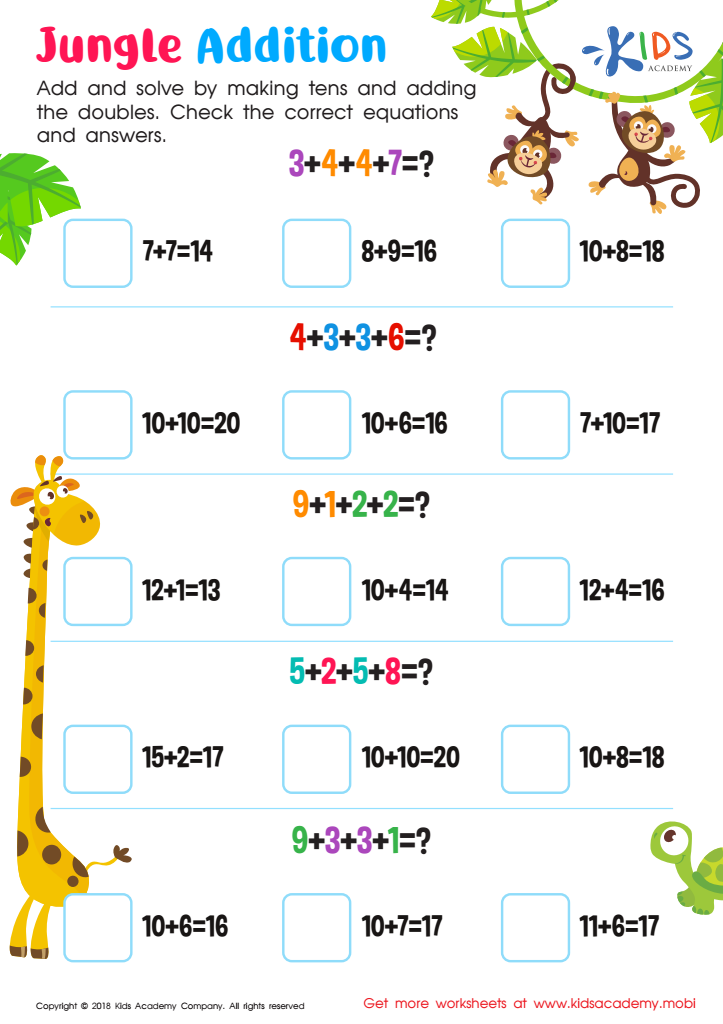
Jungle Addition Worksheet
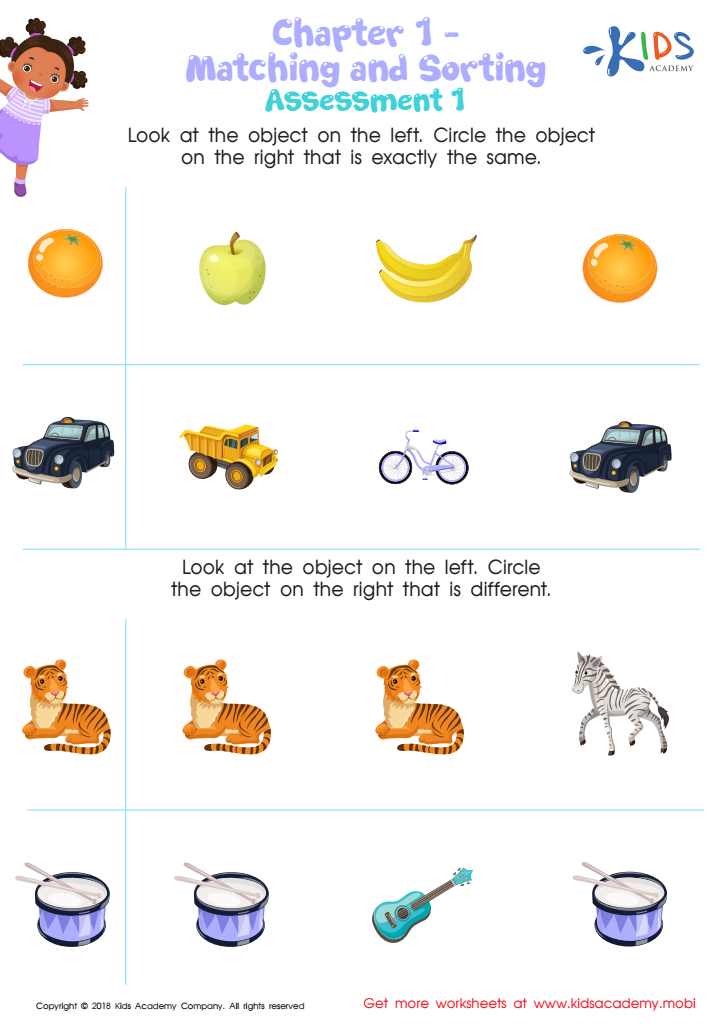
Matching and Sorting for Preschool: Assessment 1 Worksheet
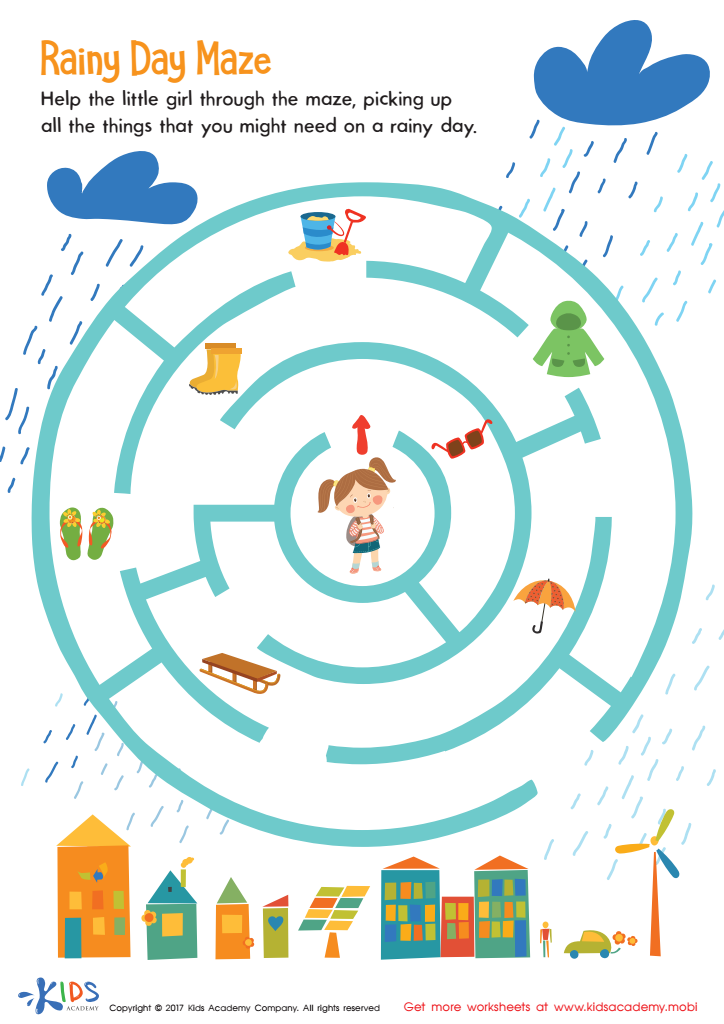
Rainy Day Maze Worksheet
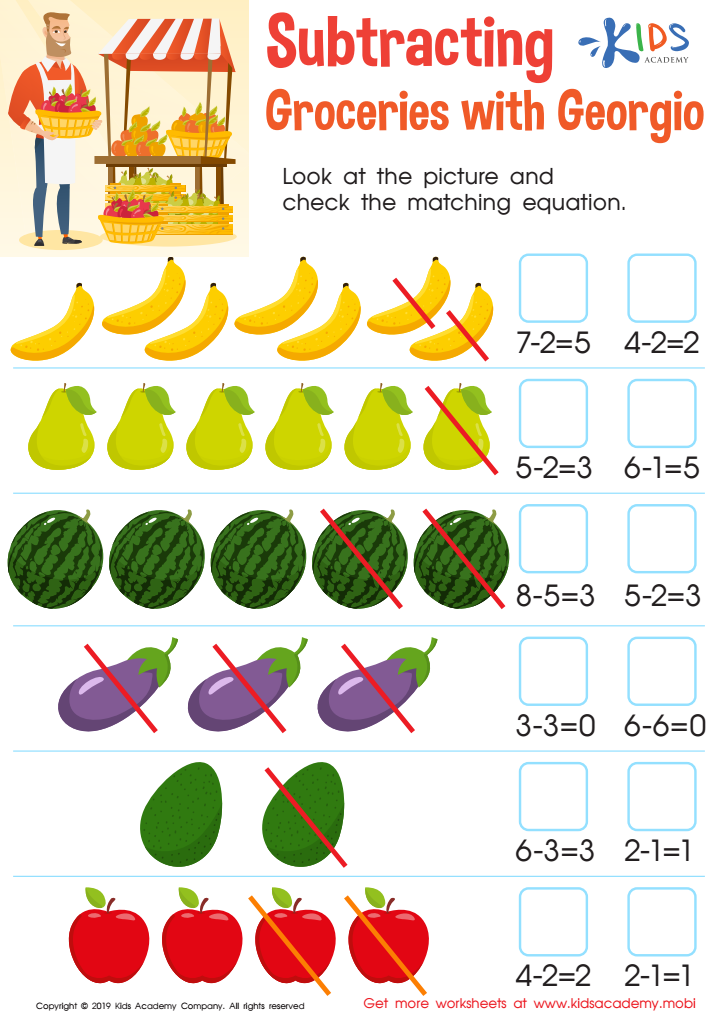
Subtracting: Groceries with Georgio Worksheet
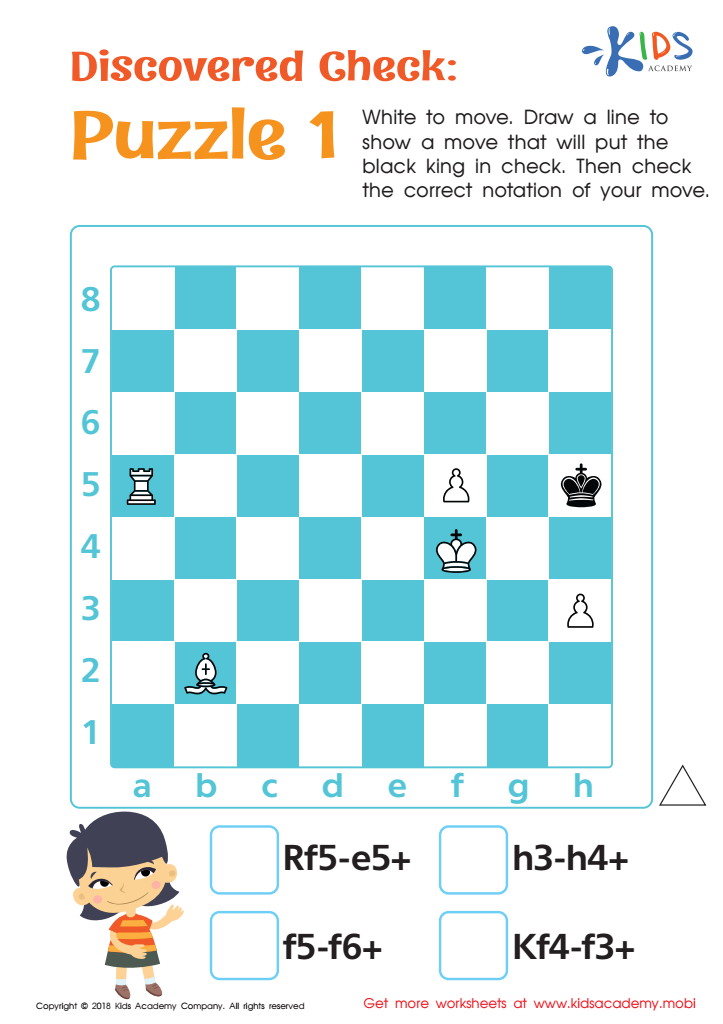
Discovered Check: Puzzle 1 Worksheet
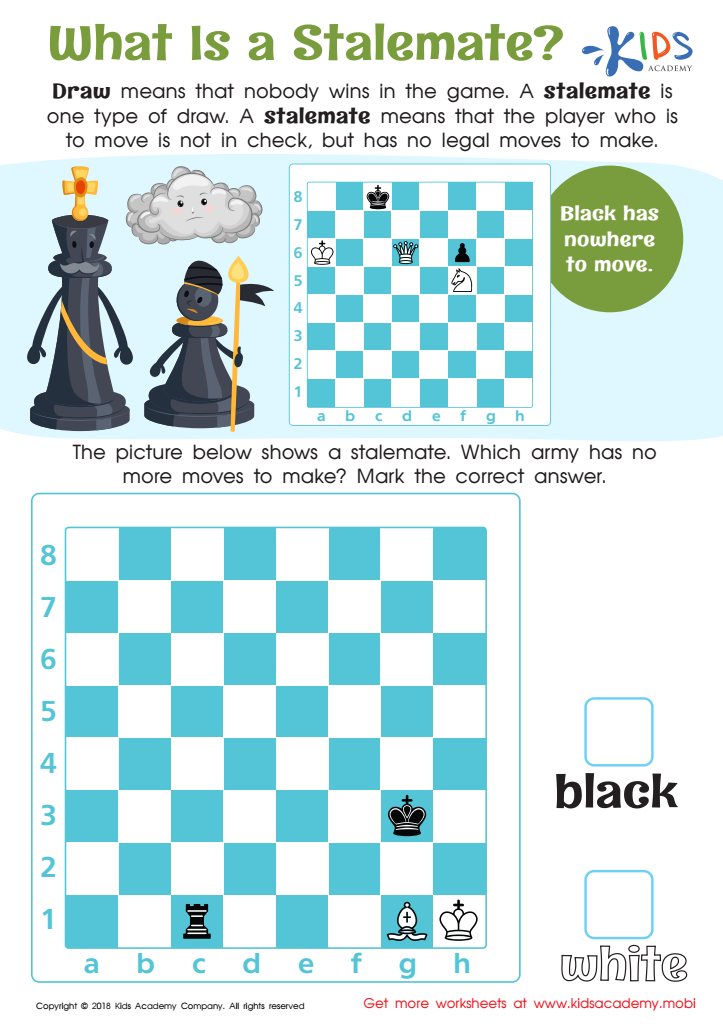
What Is a Stalemate? Worksheet
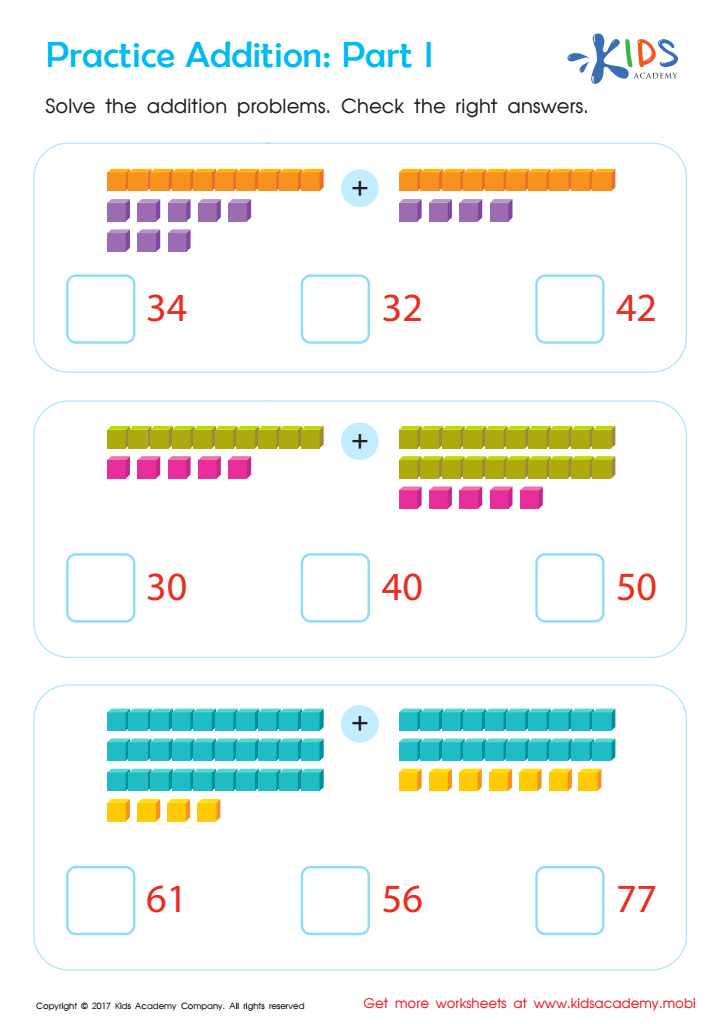
Practice Addition: Part 1 Worksheet
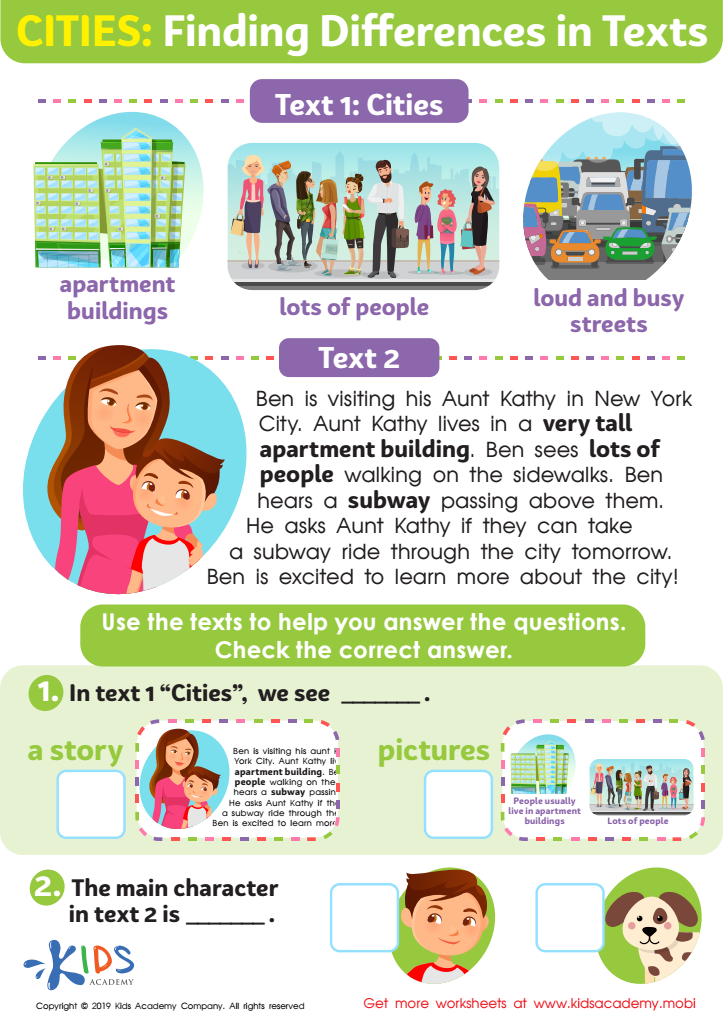
Cities: Finding Differences Worksheet
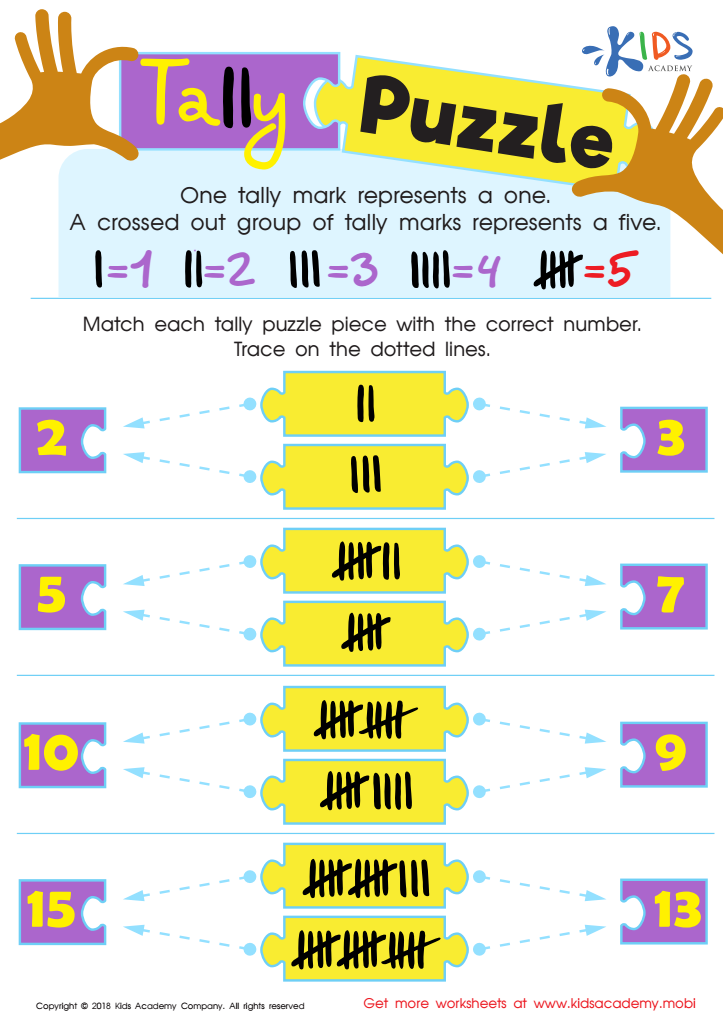
Tally Puzzle Worksheet








Problem-solving skills are essential for children aged 4 to 9, shaping their cognitive development and social interaction. Developing these skills helps young learners approach challenges creatively and critically, laying a foundation for academic success and real-world challenges.
For parents and teachers, fostering these abilities promotes children's independence and confidence. When children learn to analyze situations, propose solutions, and evaluate outcomes, they become more resilient in the face of setbacks. This process encourages persistence and a growth mindset, vital traits that enable them to navigate complex situations throughout their lives.
Moreover, strong problem-solving skills enhance collaboration and communication. In early childhood, children often work in groups, sharing ideas and brainstorming solutions. This interaction improves their ability to listen, articulate thoughts, and consider diverse perspectives—necessary skills for future teamwork in both school and career settings.
Lastly, cultivating problem-solving skills can make learning more engaging and enjoyable. By integrating play and hands-on activities, parents and teachers can create motivating environments where exploration and fun reinforce educational growth. By prioritizing problem-solving skills, they not only support academic achievement but also contribute to the holistic development of responsible, competent individuals prepared for life’s challenges.








