Fine Motor Skills Easy Worksheets for Ages 5-7 - Page 2
81 filtered results
-
From - To
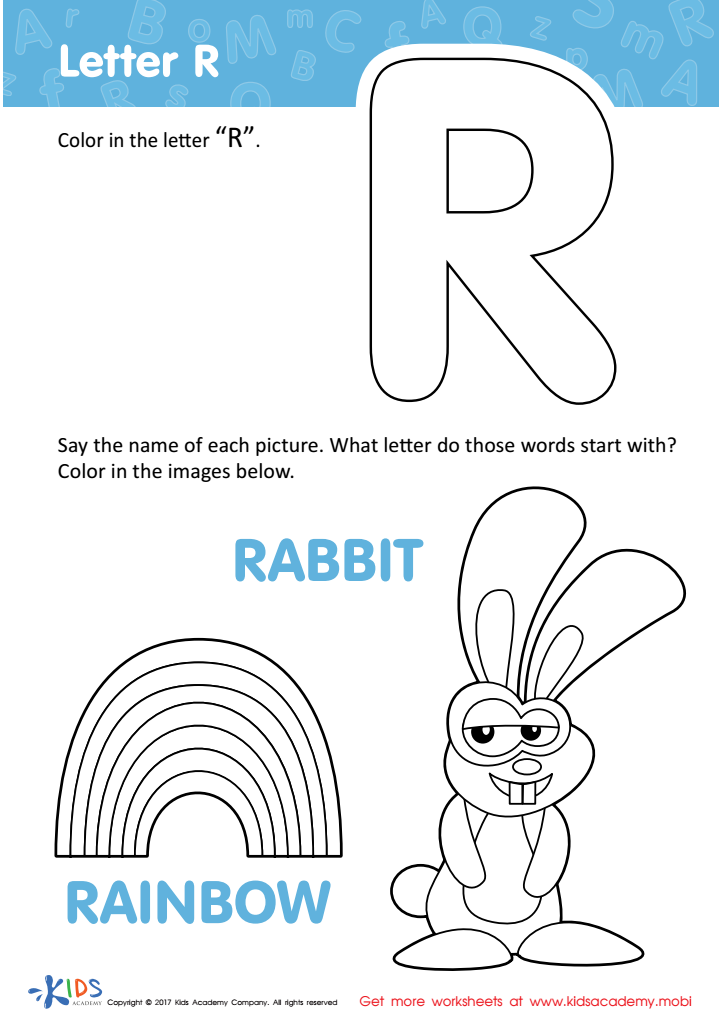
Letter R Coloring Sheet
 Assign to My Students
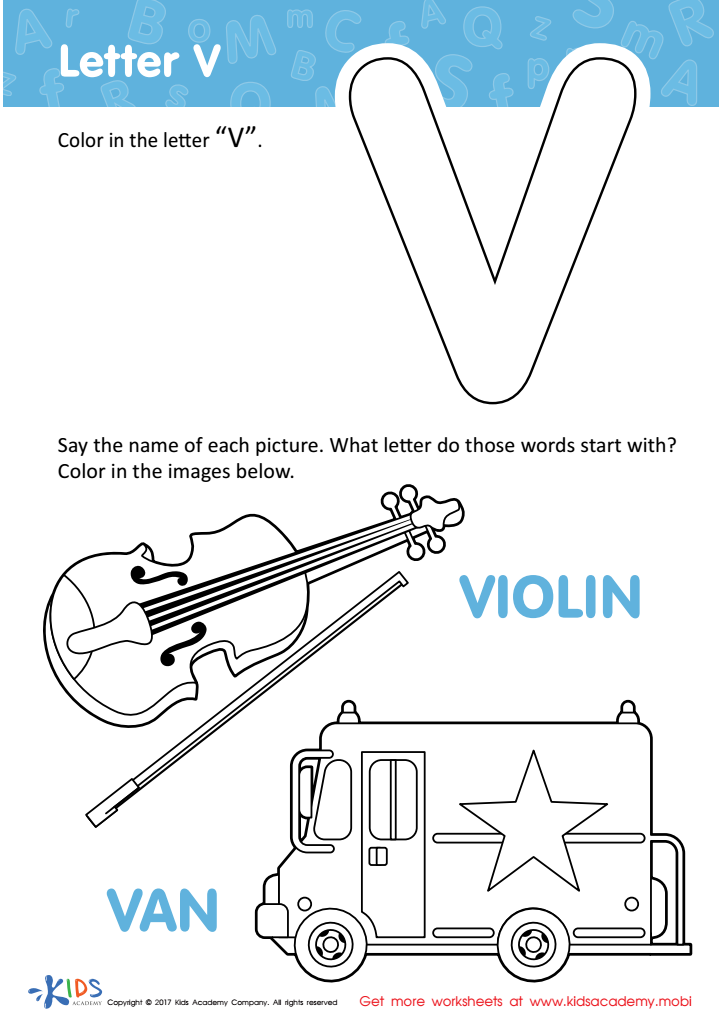
Letter V Coloring Sheet
Assign to My Students
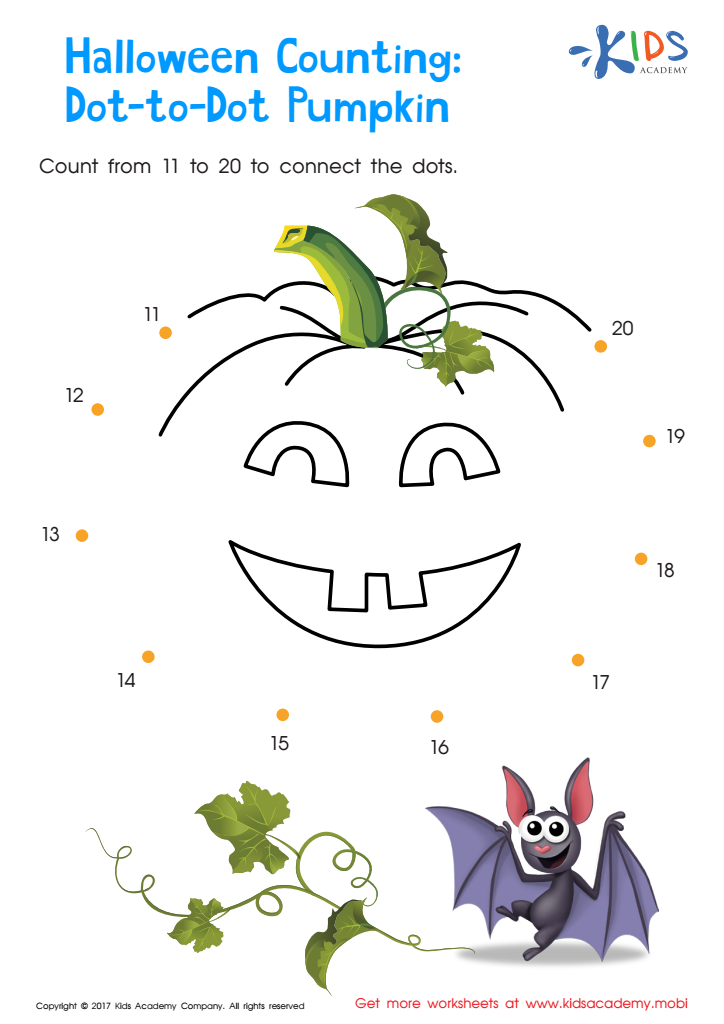
Ordering 11–20: Halloween Counting Worksheet
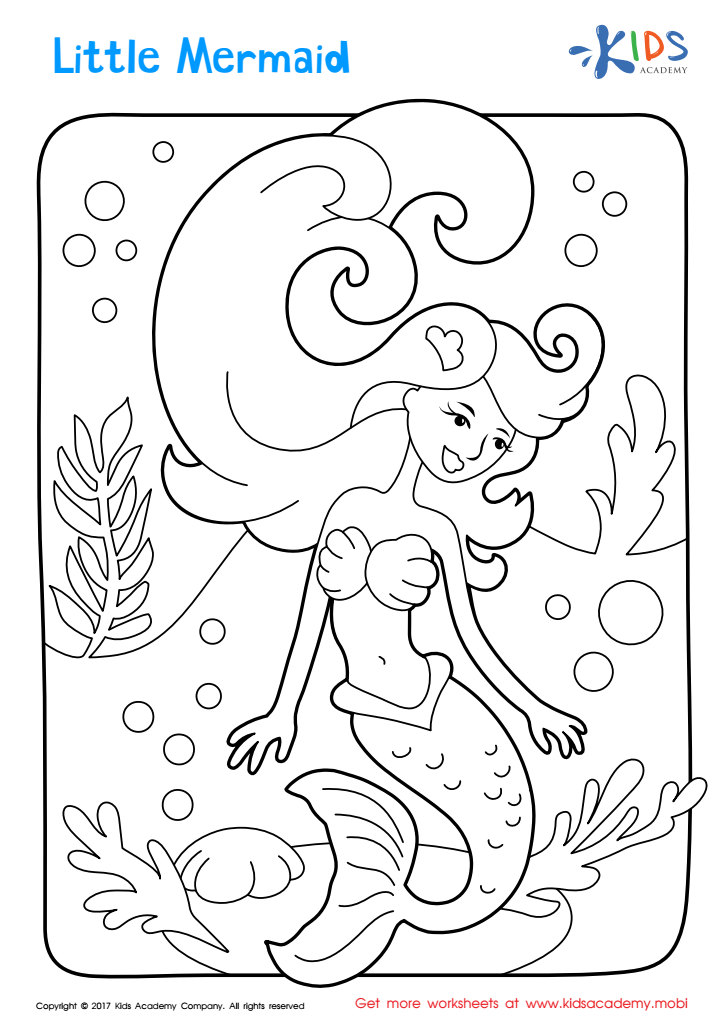
Little Mermaid Coloring Page
Assign to My Students
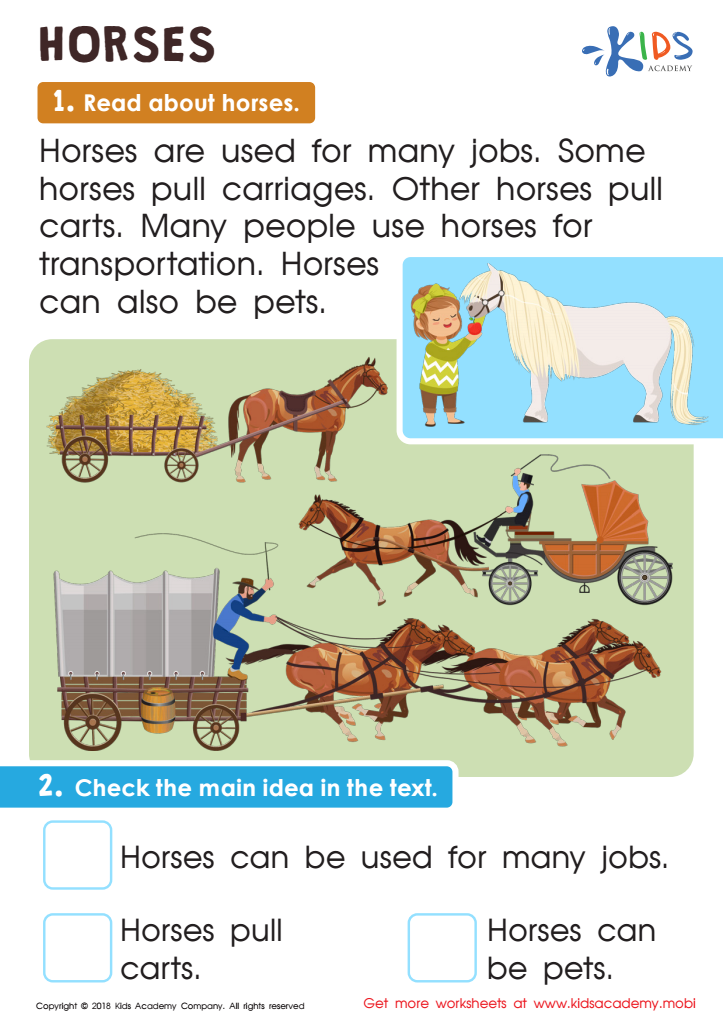
Horses Worksheet
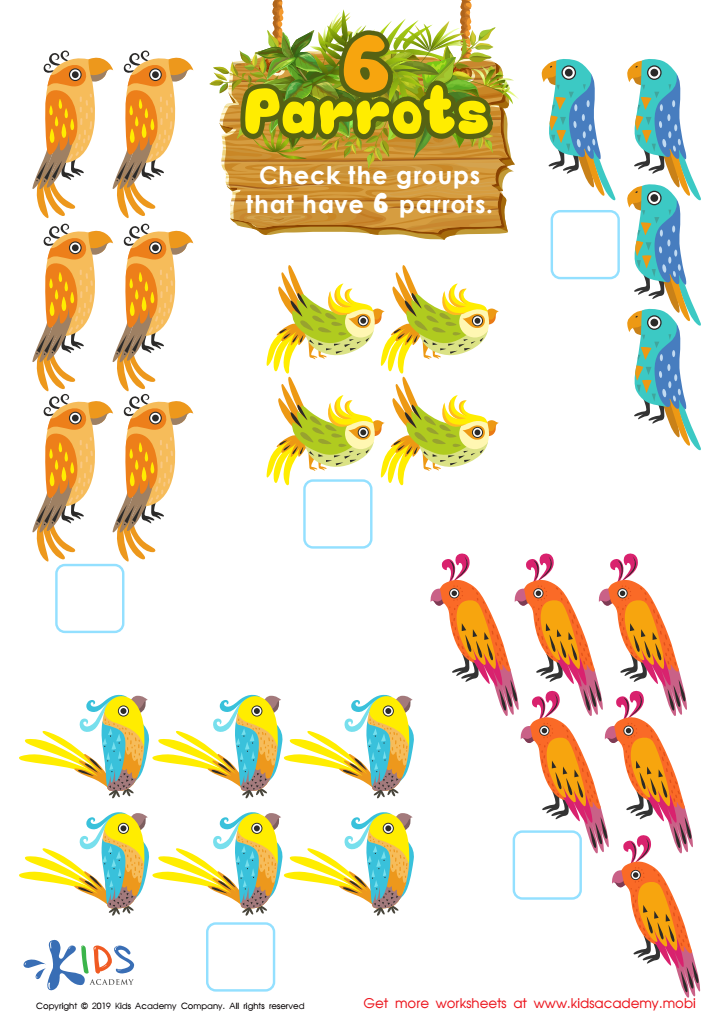
6 Parrots Worksheet
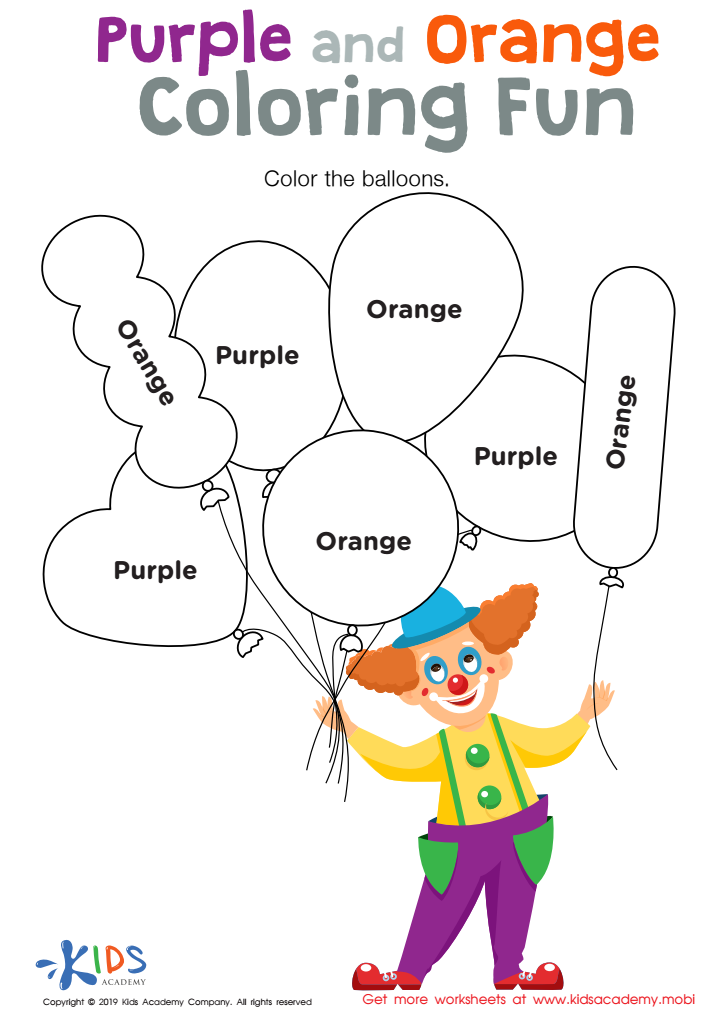
Purple and Orange Coloring Fun Worksheet
Assign to My Students
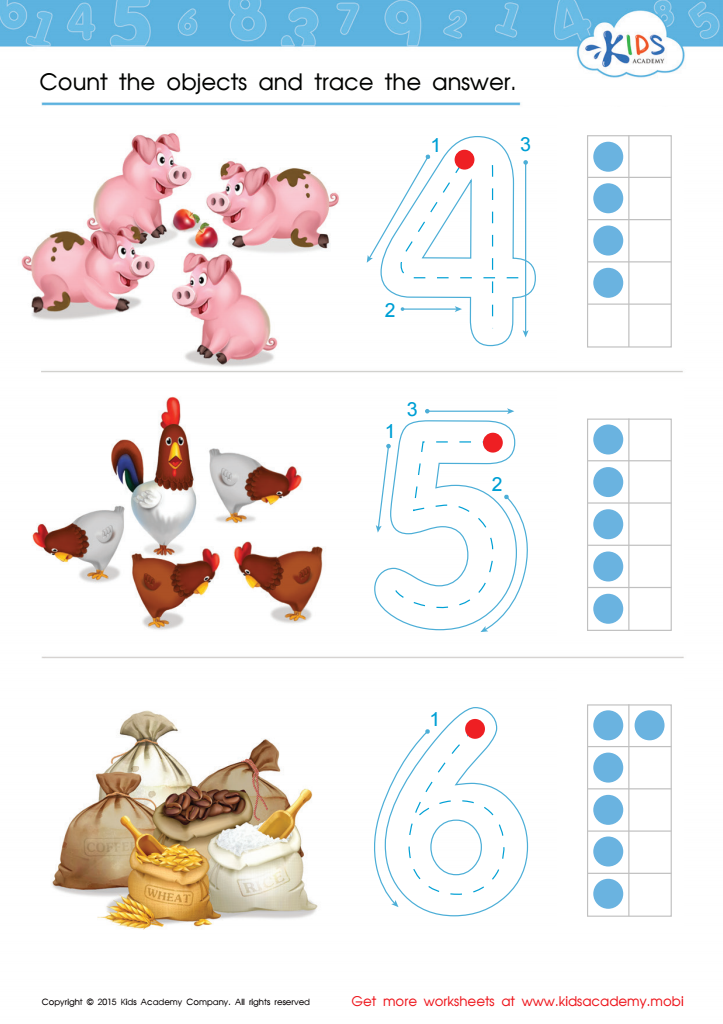
Count and Trace 4 – 6 Worksheet
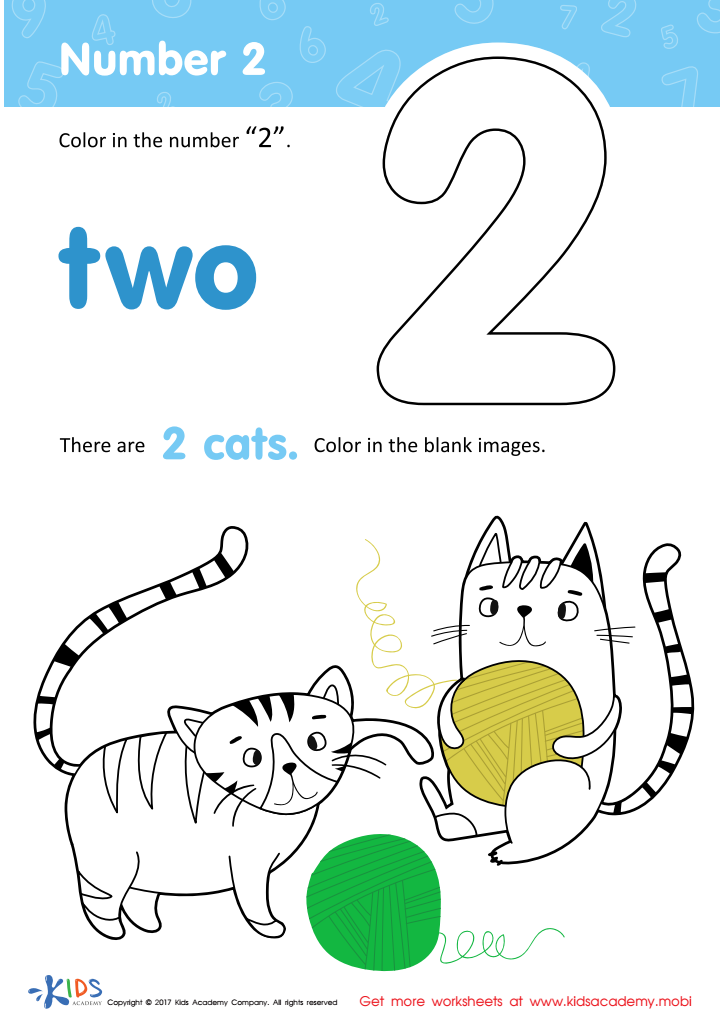
Number 2 Printable
Assign to My Students
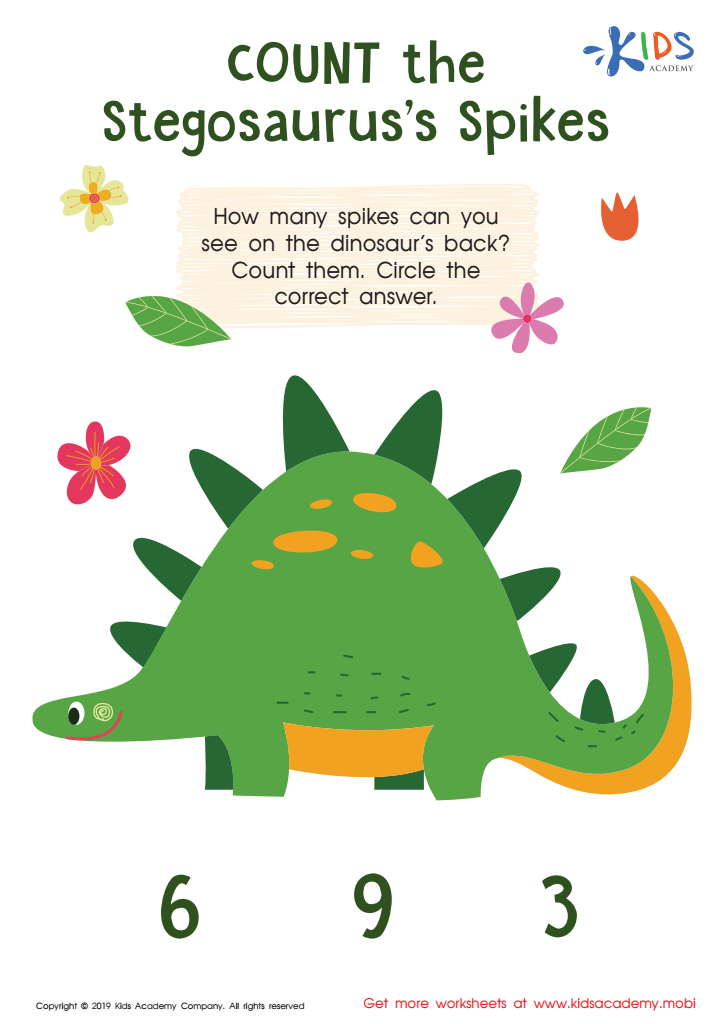
Count the Stegosaurus's Spikes Worksheet
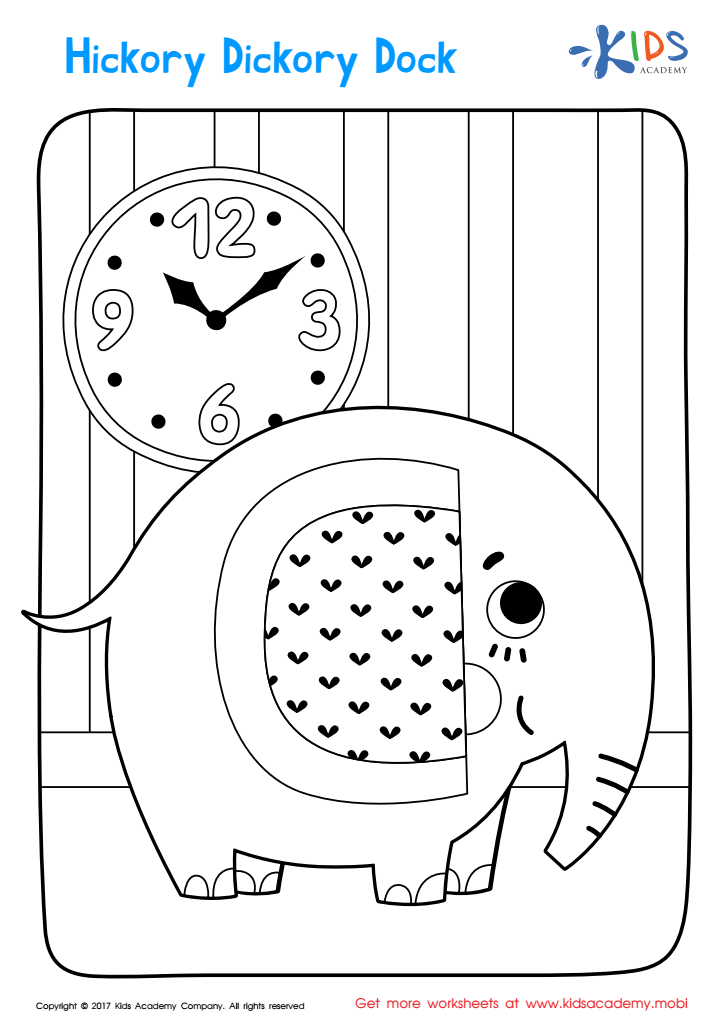
Hickory Dickory Dock Coloring Page
Assign to My Students
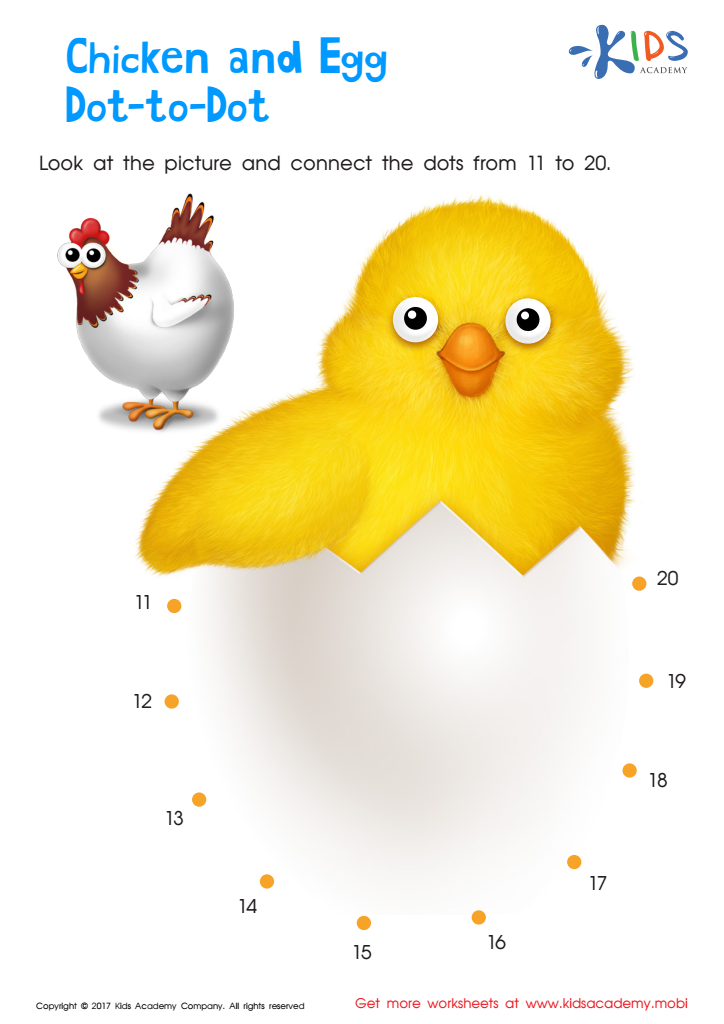
Ordering 11–20: Chicken & Egg Dot–to–dot Worksheet
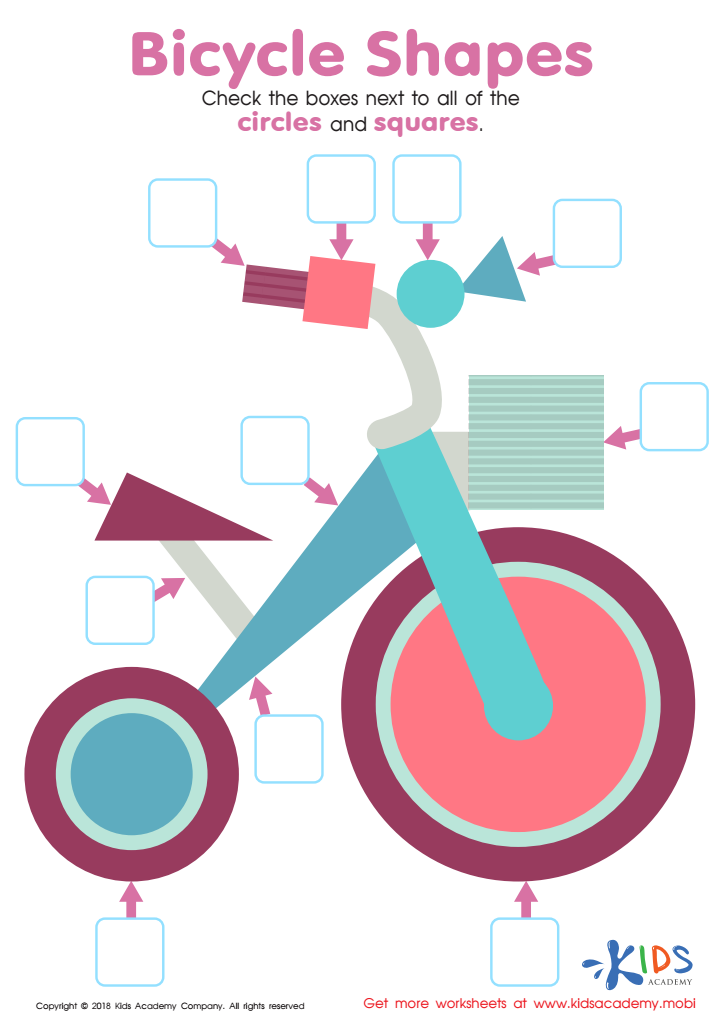
Bicycle Shapes Worksheet
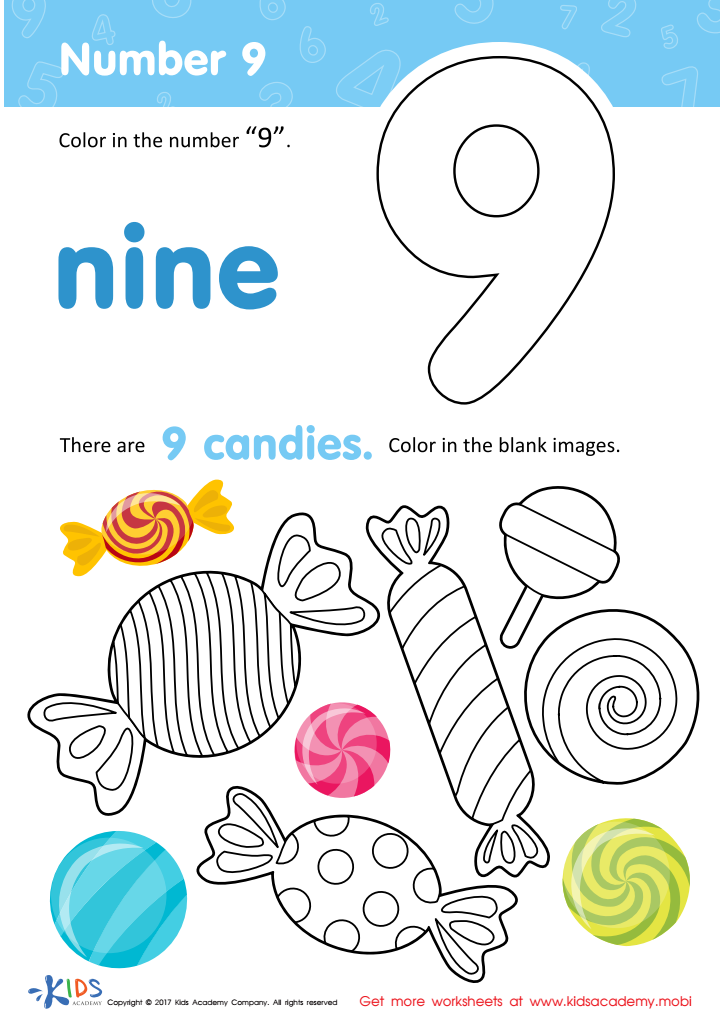
Number 9 Printable
Assign to My Students
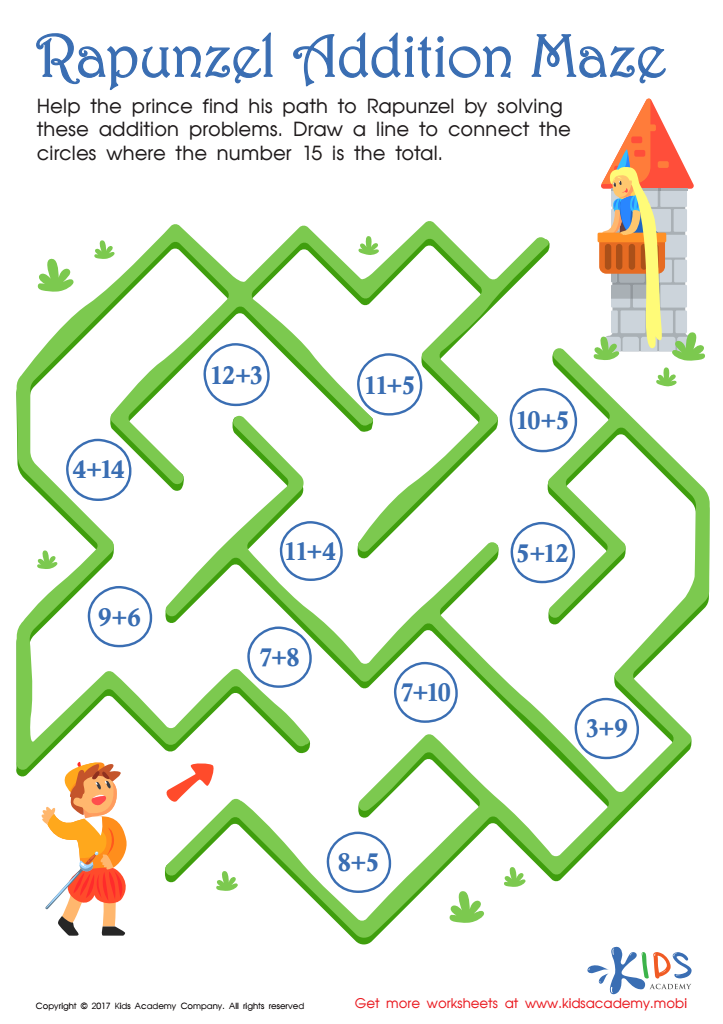
Rapunzel Addition Maze Worksheet
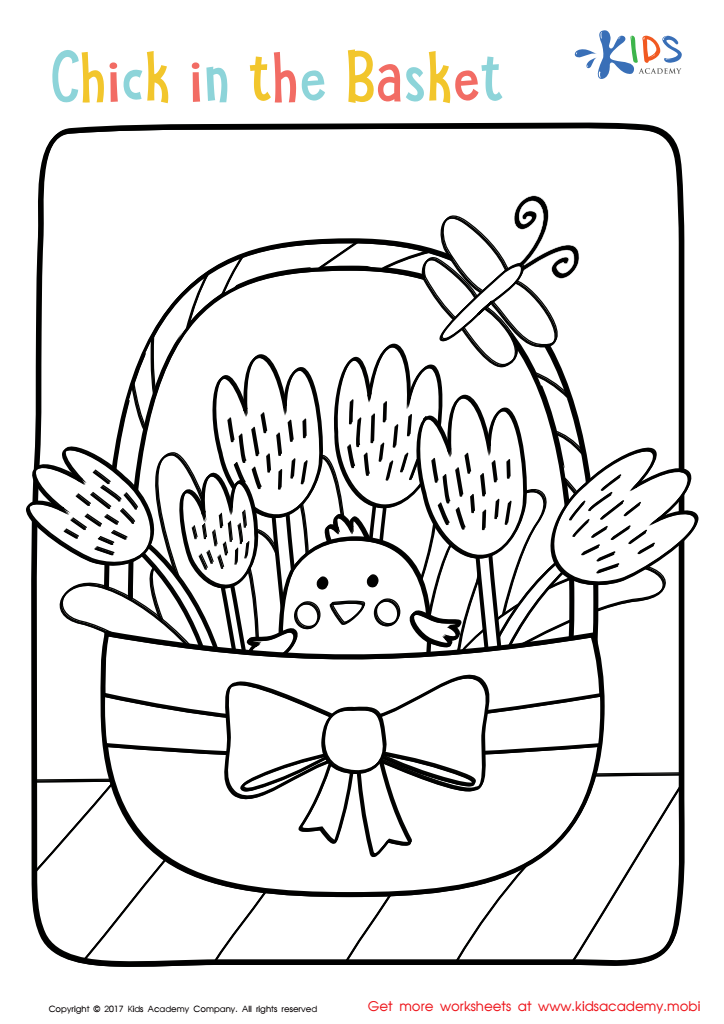
Easter: Chick in the Basket Worksheet
Assign to My Students
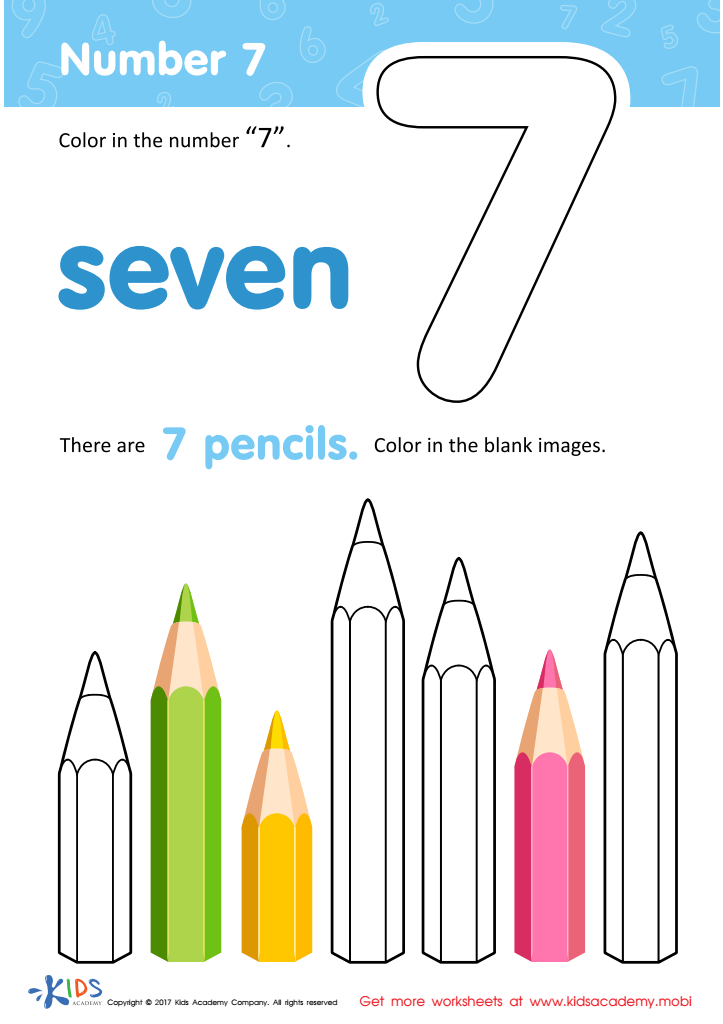
Number 7 Worksheet
Assign to My Students
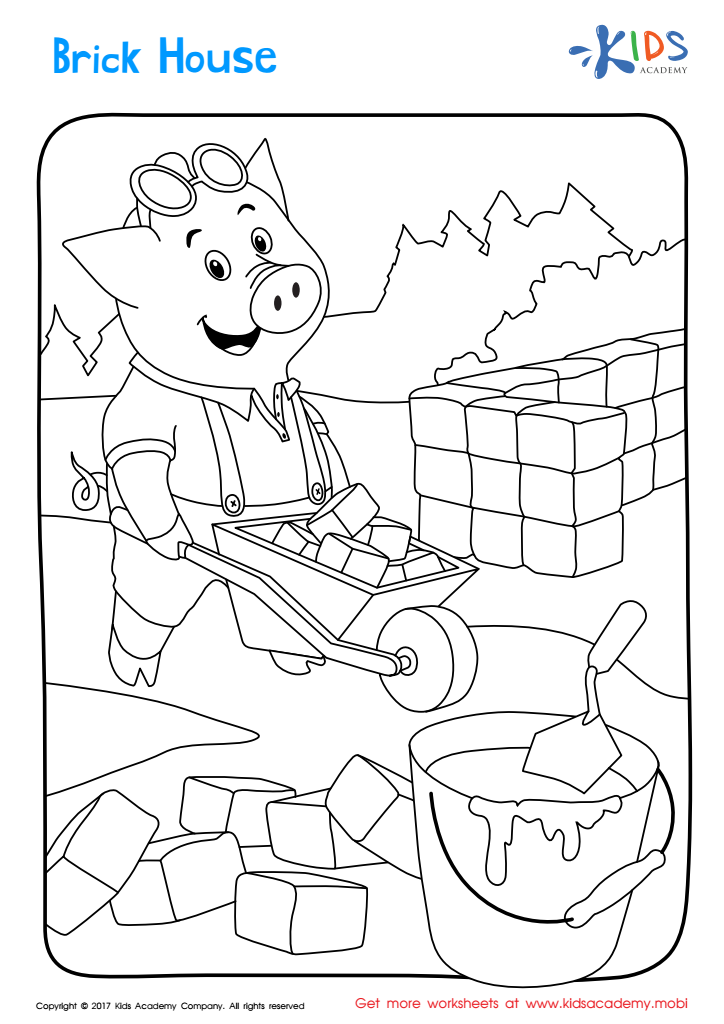
Brick House Printable Coloring Page
Assign to My Students
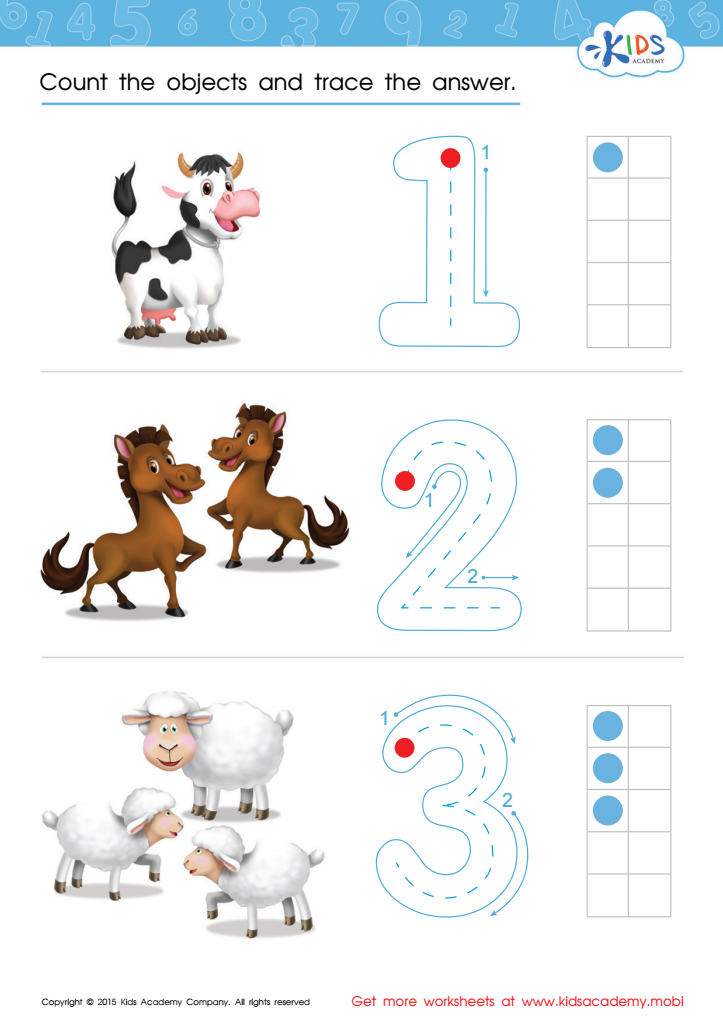
Count and Trace 1 – 3 Worksheet
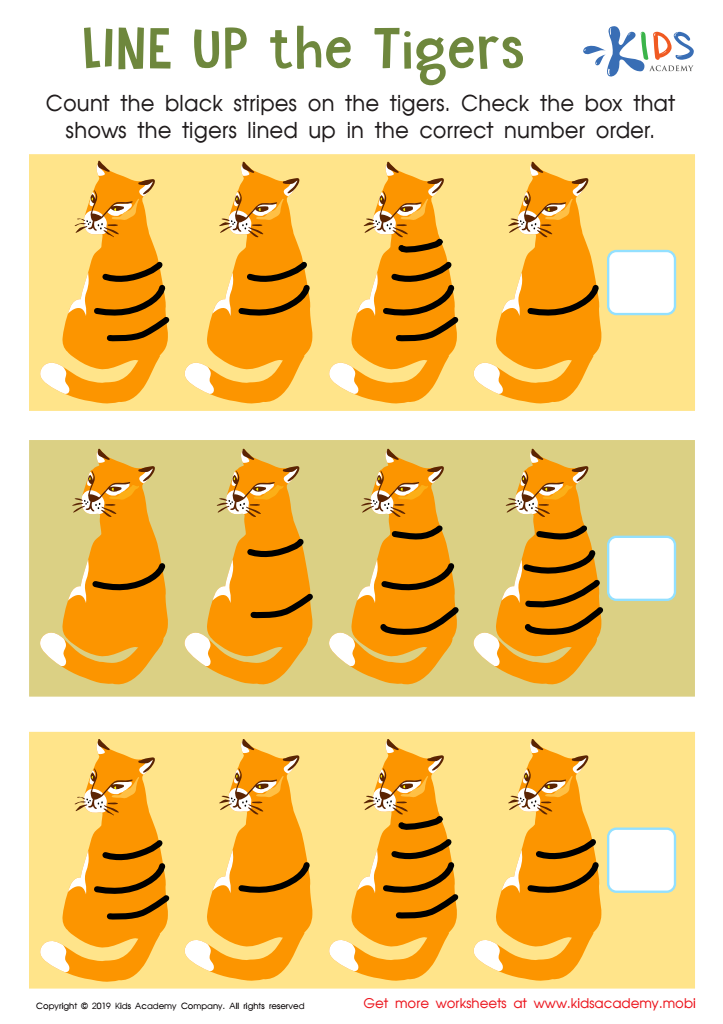
Line up the Tigers Worksheet
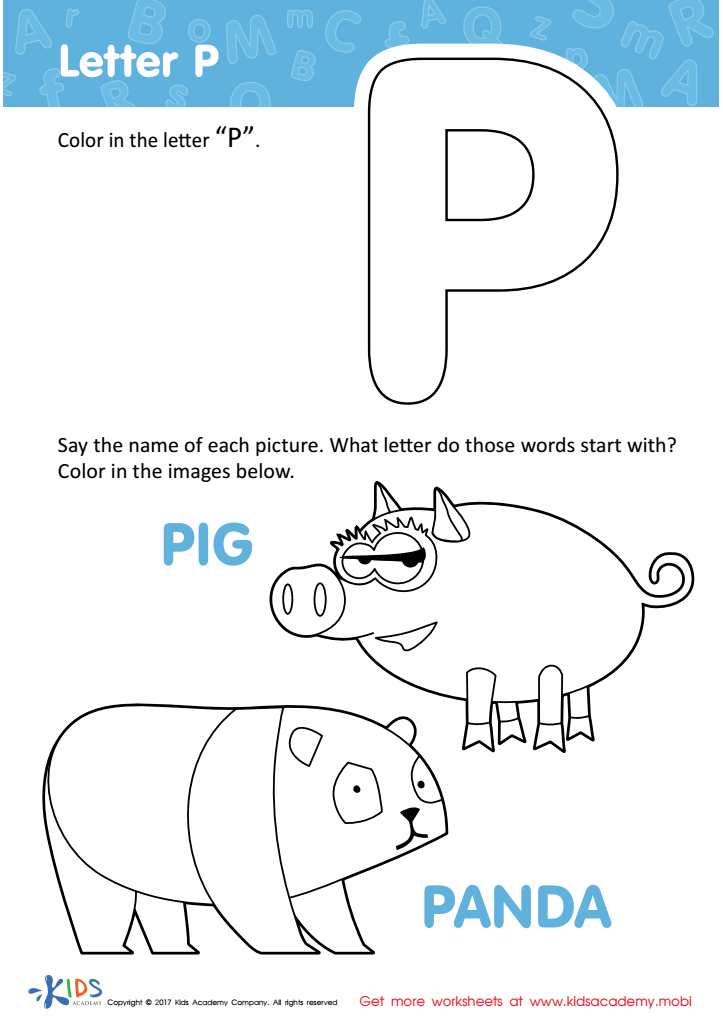
Letter P Coloring Sheet
Assign to My Students

Japan Printable
Assign to My Students
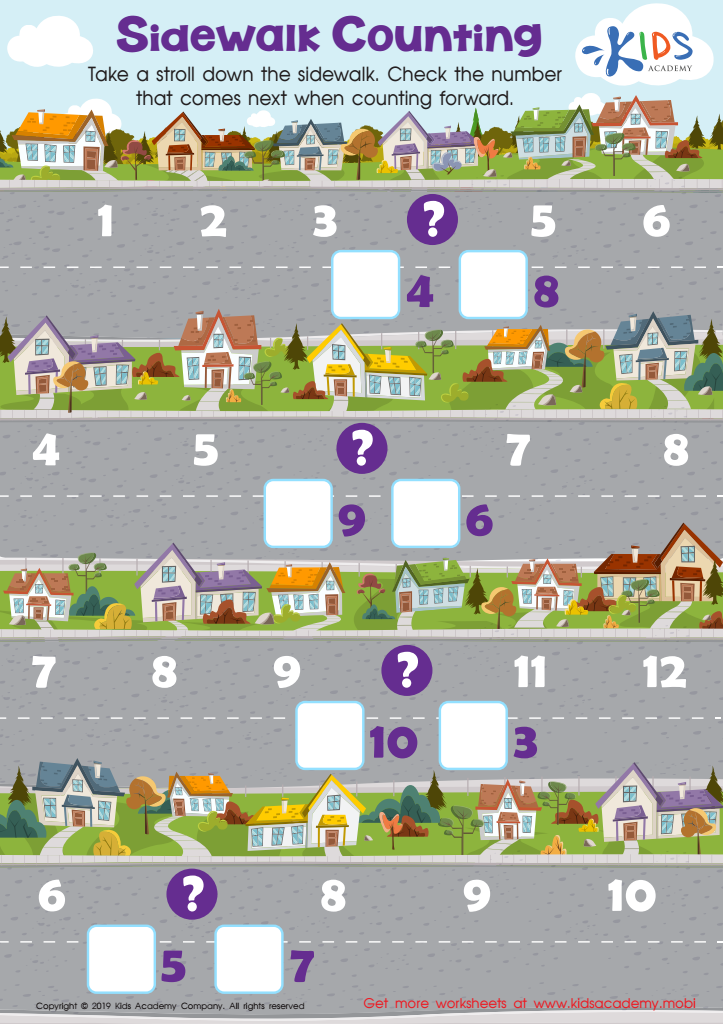
Sidewalk Counting Worksheet







Fine motor skills are essential for children’s overall development, particularly for those aged 5-7. These skills involve the use of small muscles in the hands and fingers, crucial for tasks such as writing, drawing, cutting, and tying shoelaces. Parents and teachers should care about nurturing these skills because they directly impact a child's academic performance and daily living functions.
As children engage in activities that refine fine motor skills, they enhance their hand-eye coordination, precision, and concentration. Mastering these skills boosts confidence, making children more willing to participate in classroom activities. Additionally, well-developed fine motor skills contribute to better handwriting, aiding effective communication.
Socially, children often partake in craft and play activities that involve sharing tools and collaborating, allowing them to build strong interpersonal skills and learn patience. Furthermore, fine motor development influences problem-solving and cognitive abilities, as children manipulate objects and explore their environment.
Investing time in activities that strengthen fine motor skills—like threading beads, drawing, or playing with clay—will help equip children with essential life skills. This foundation is not only vital for their immediate educational success but also beneficial for their future personal and academic lives.








