Easy Science Worksheets for Ages 5-8 - Page 2
43 filtered results
-
From - To
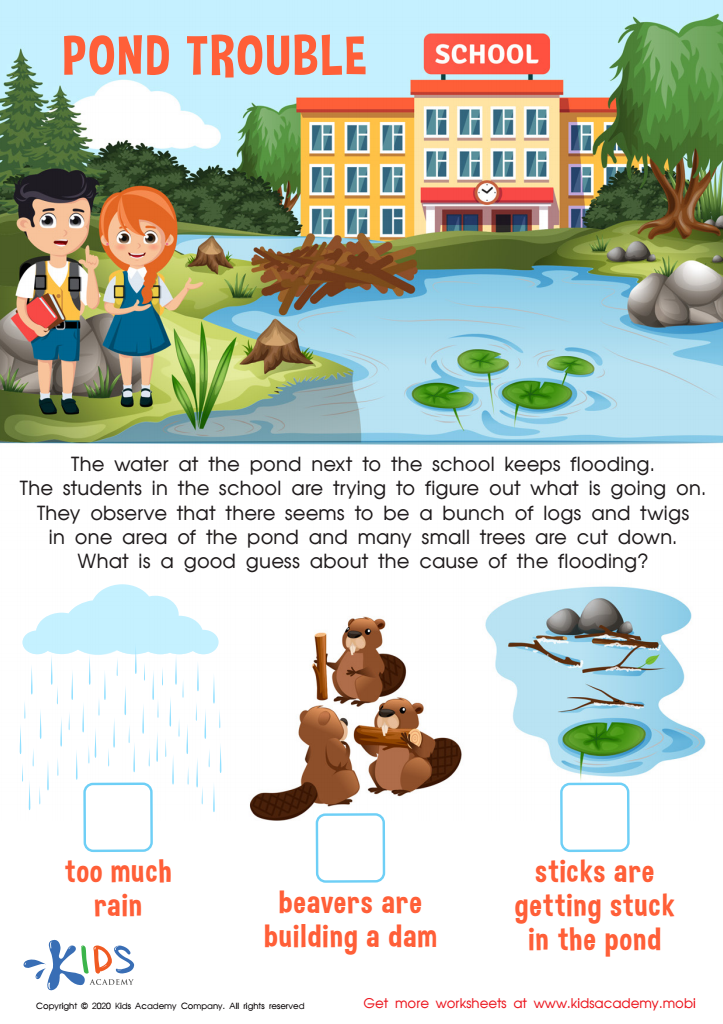
Pond Trouble Worksheet
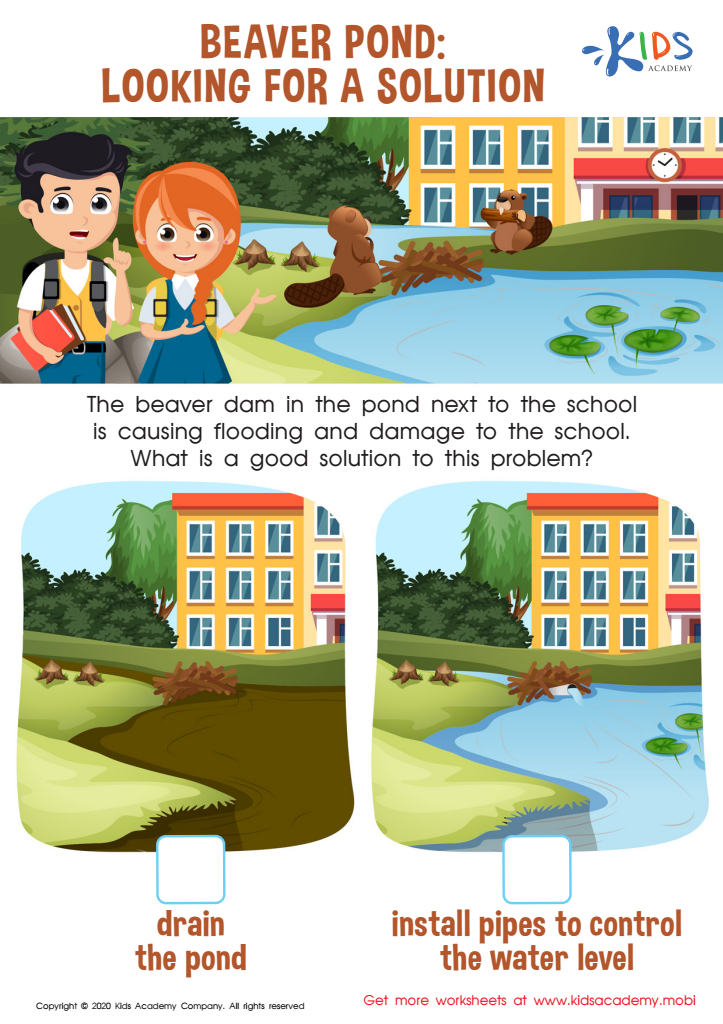
Beaver Pond: Looking for a Solution Worksheet
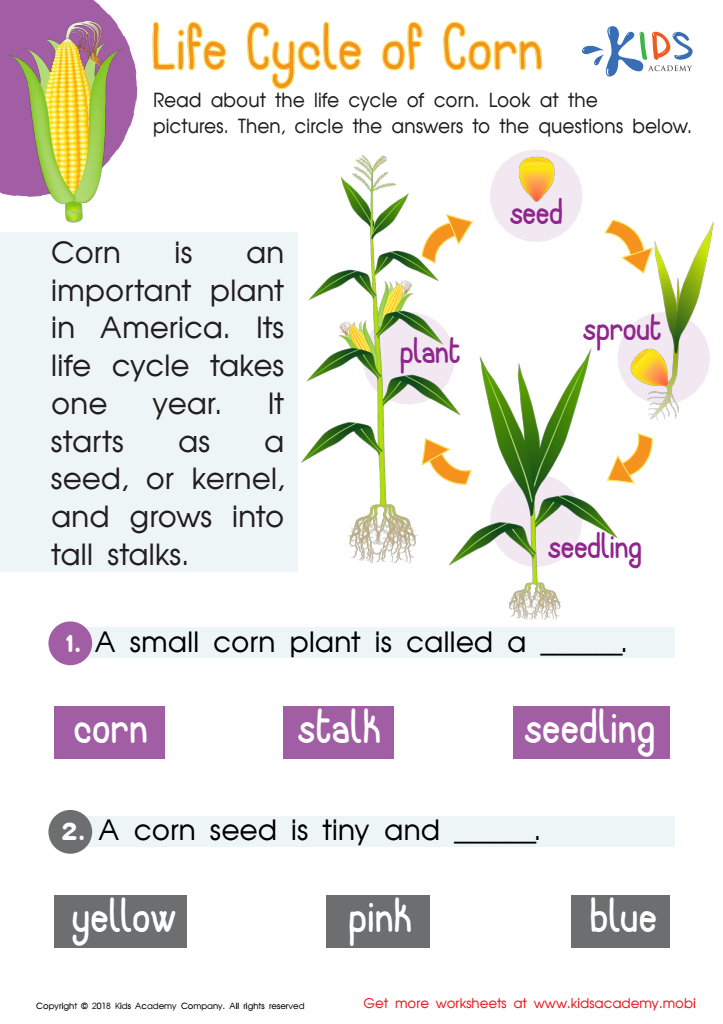
Life Cycle of Corn Worksheet
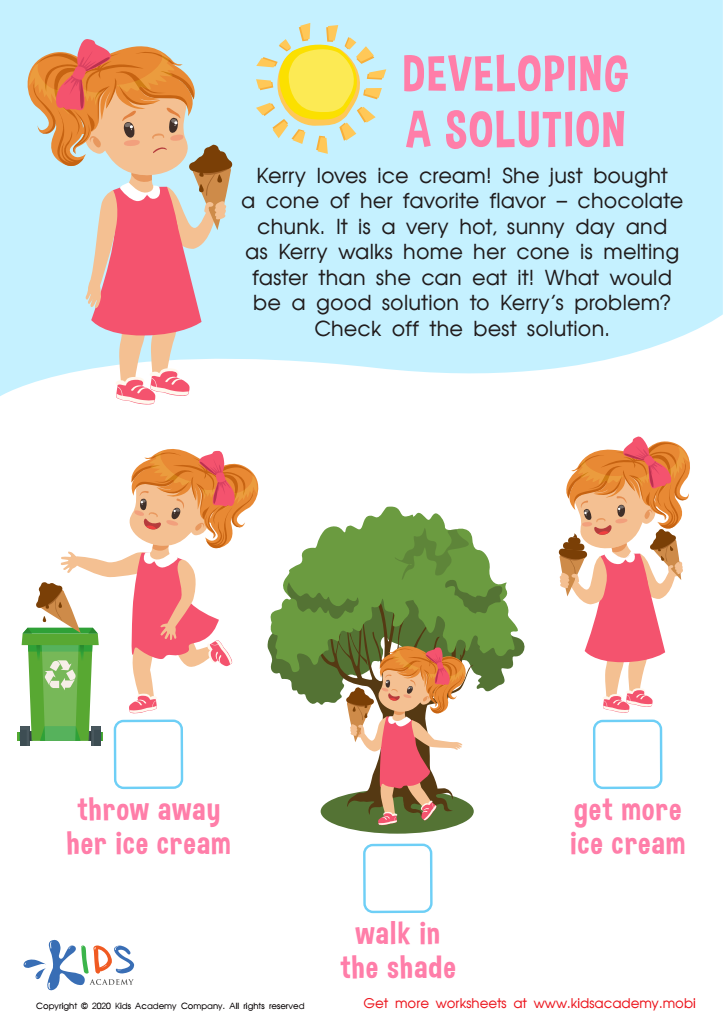
Developing Solution Worksheet
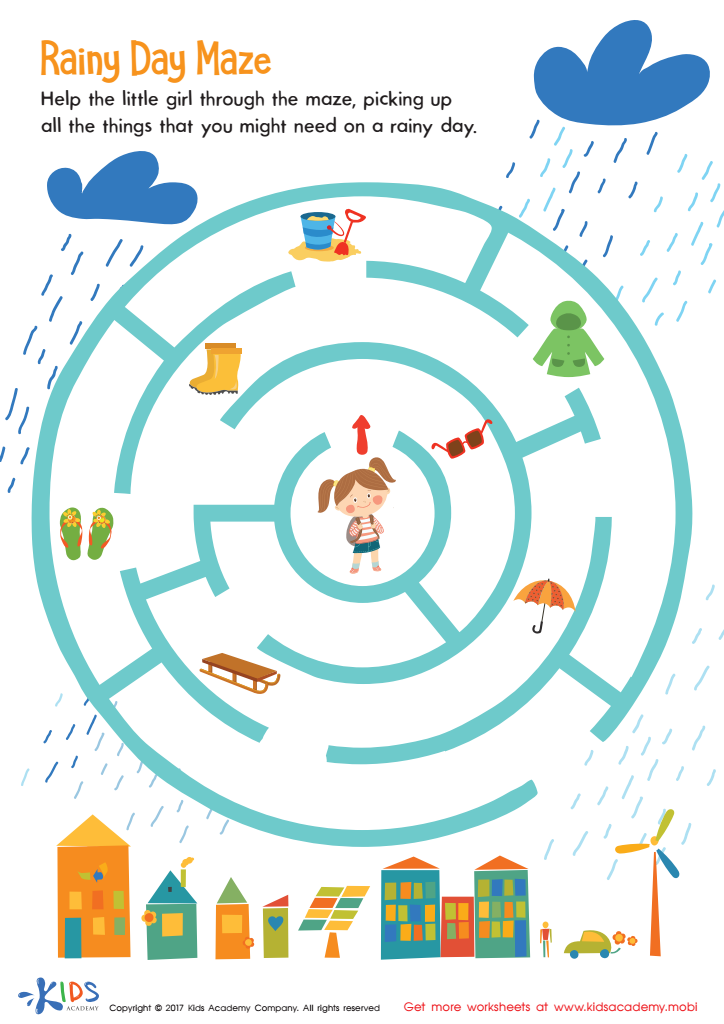
Rainy Day Maze Worksheet
Jungle Plants Worksheet
 Assign to My Students
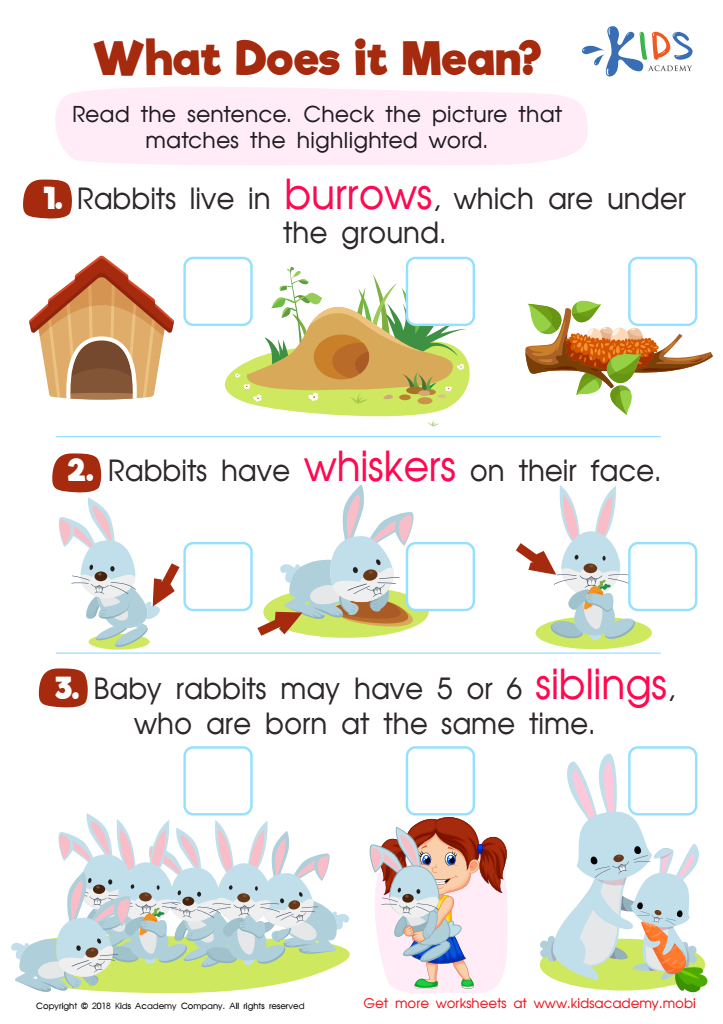
What Does It Mean? Worksheet
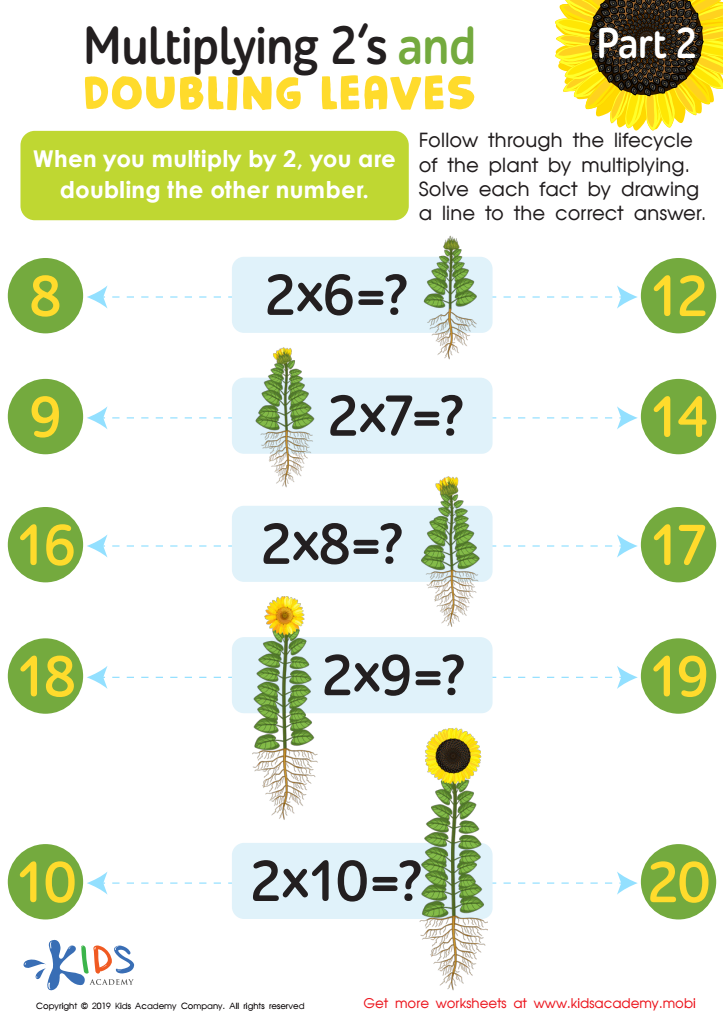
Multiplying 2’s and Doubling Leaves Part 2 Worksheet
Spring and Fall Worksheet
Assign to My Students
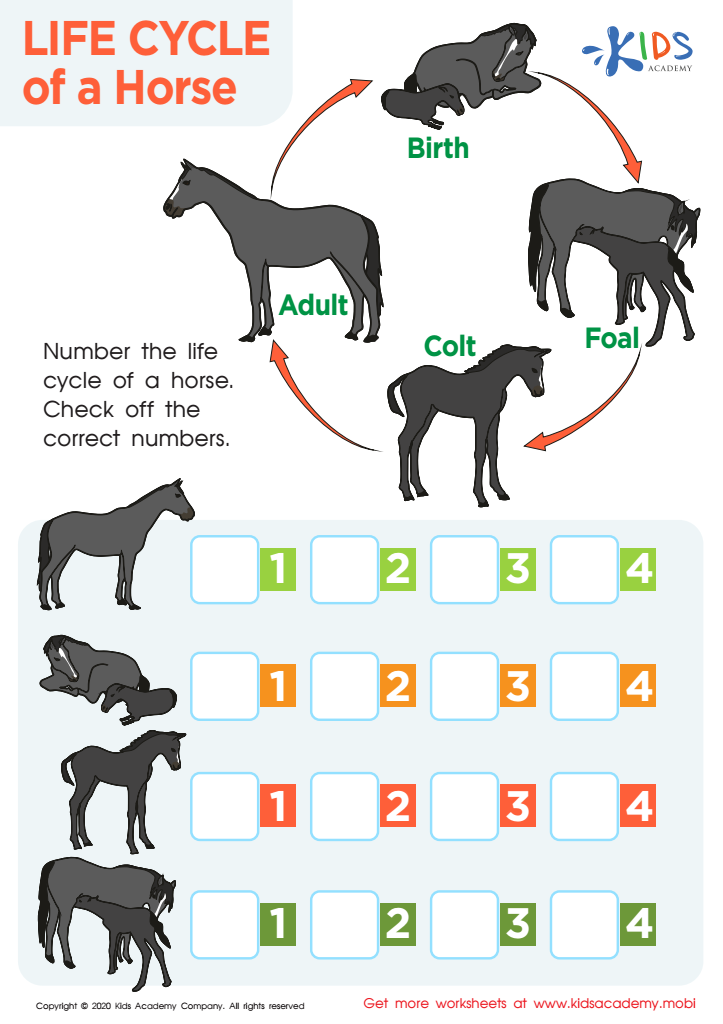
Life Cycle of a Horse Worksheet
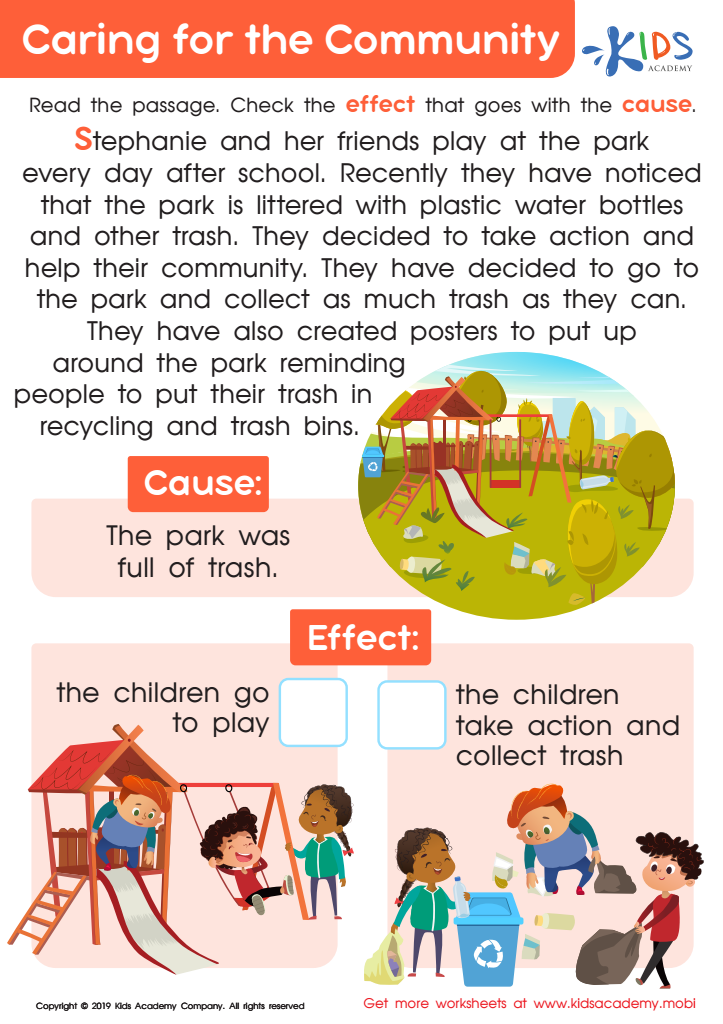
Caring for the Community Worksheet
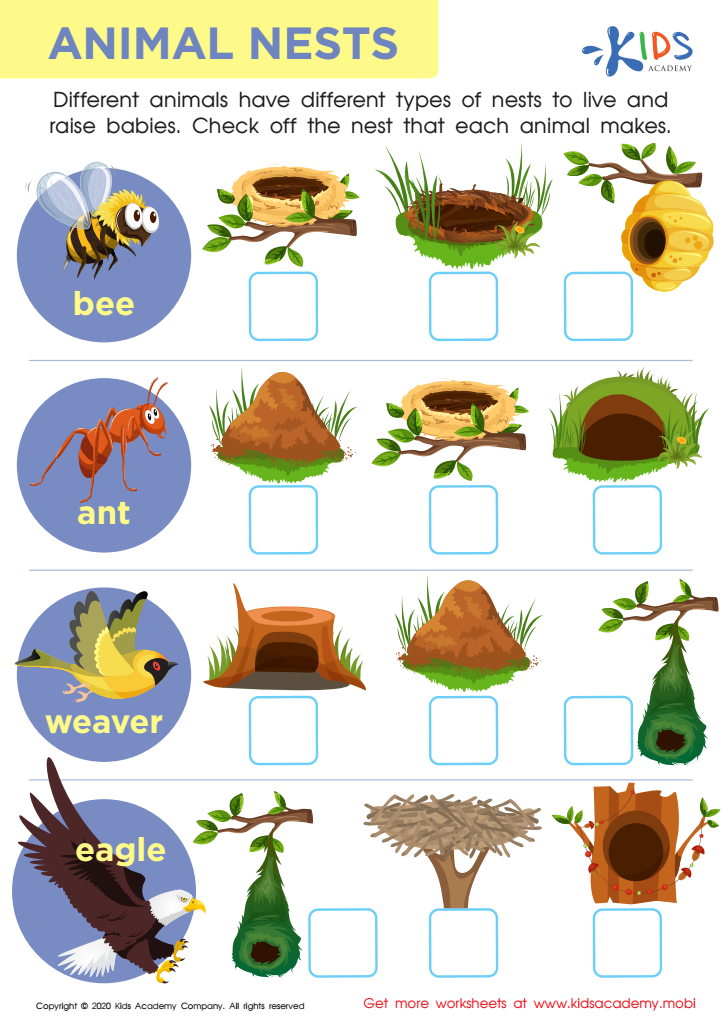
Animal Nests Worksheet
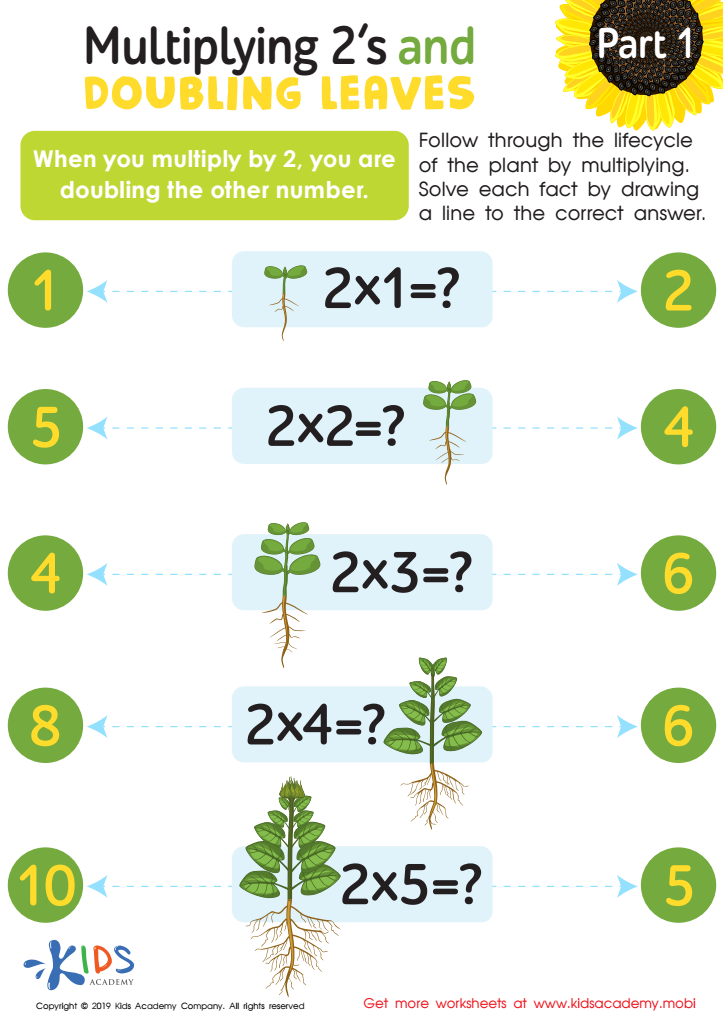
Multiplying 2’s and Doubling Leaves Part 1 Worksheet
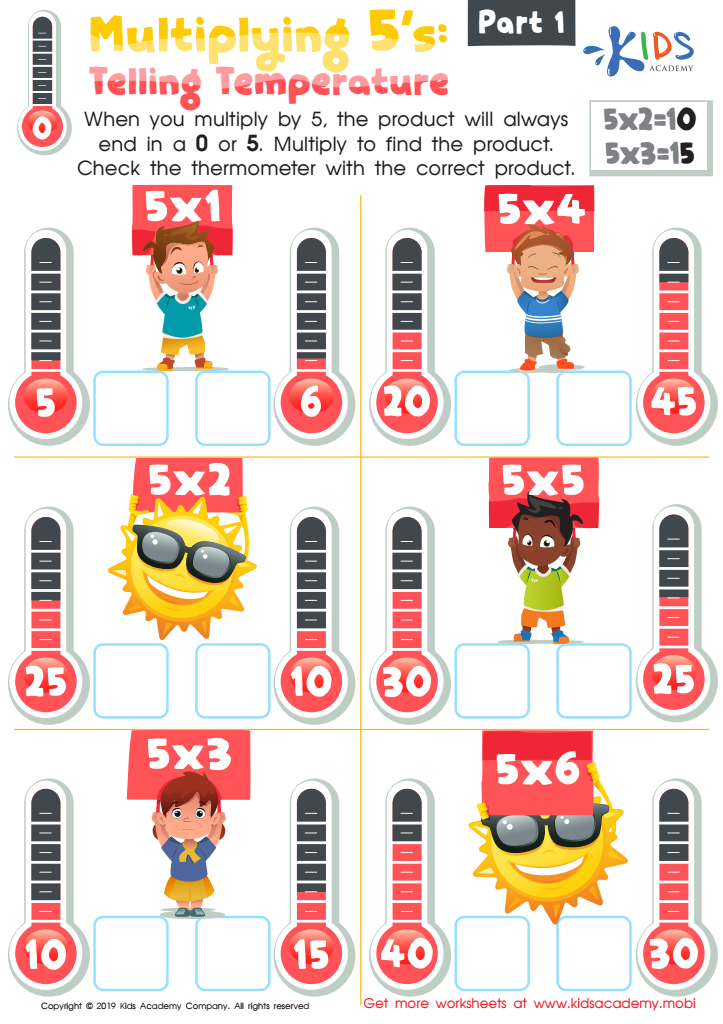
Multiplying 5’s: Telling Temperature Worksheet
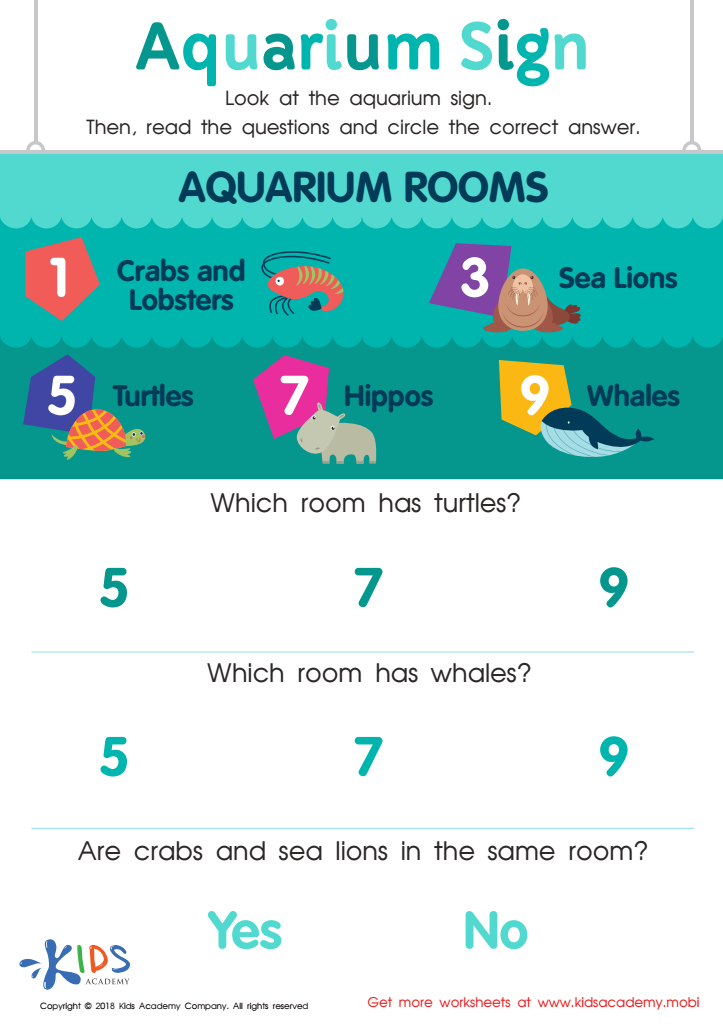
Assessment: Aquarium Sign Worksheet
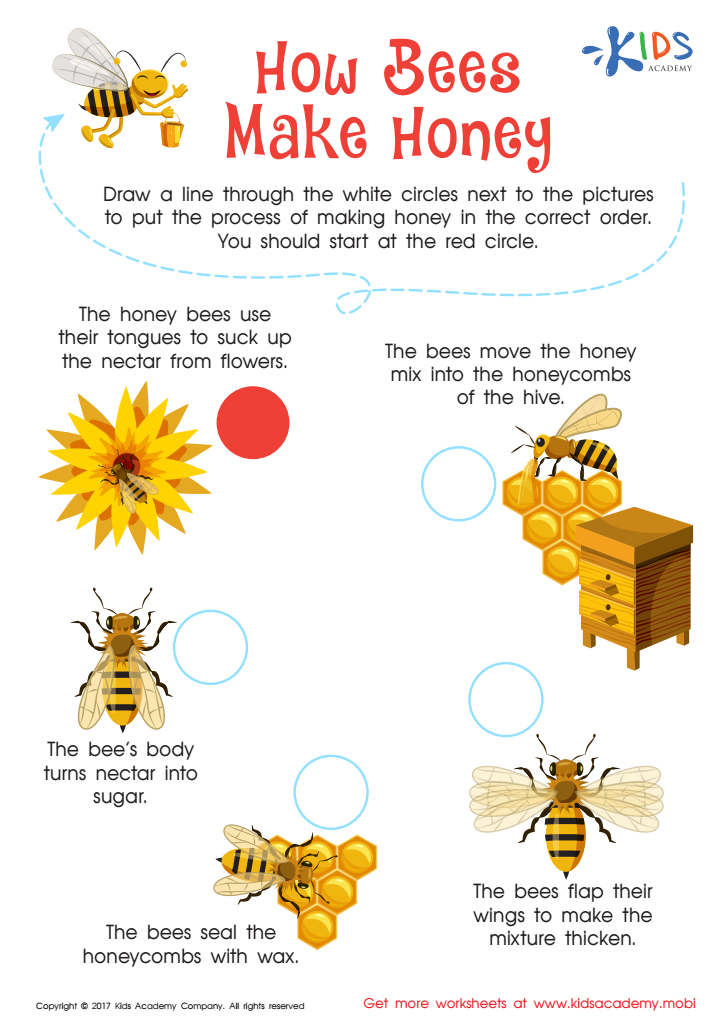
Honey Bee Worksheet
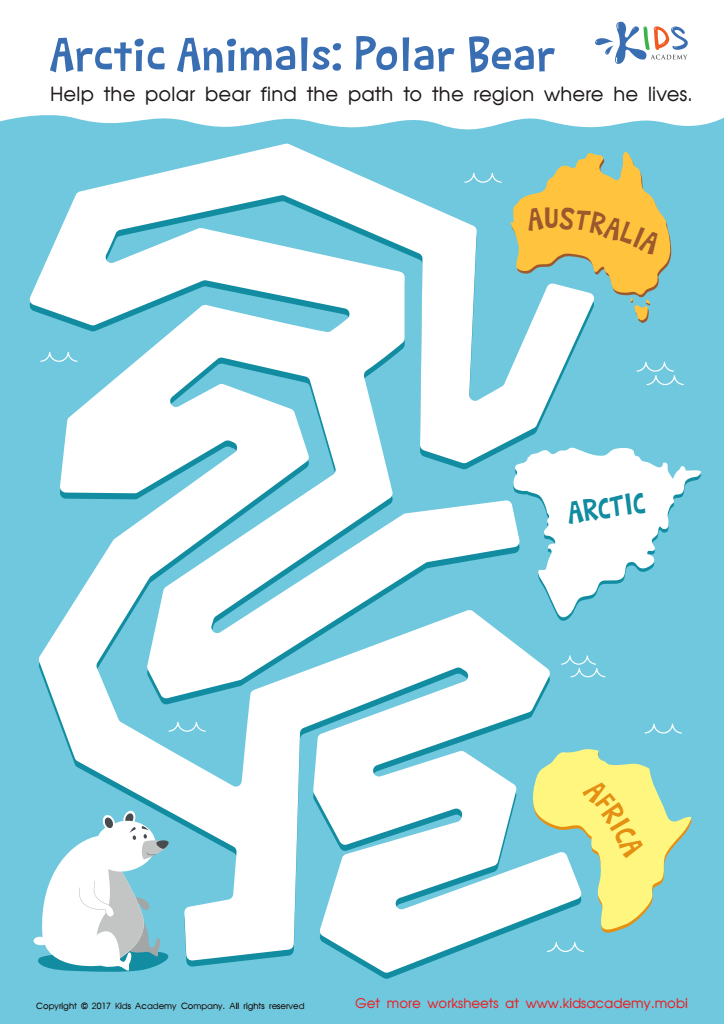
Arctic Animals: Polar Bear Worksheet
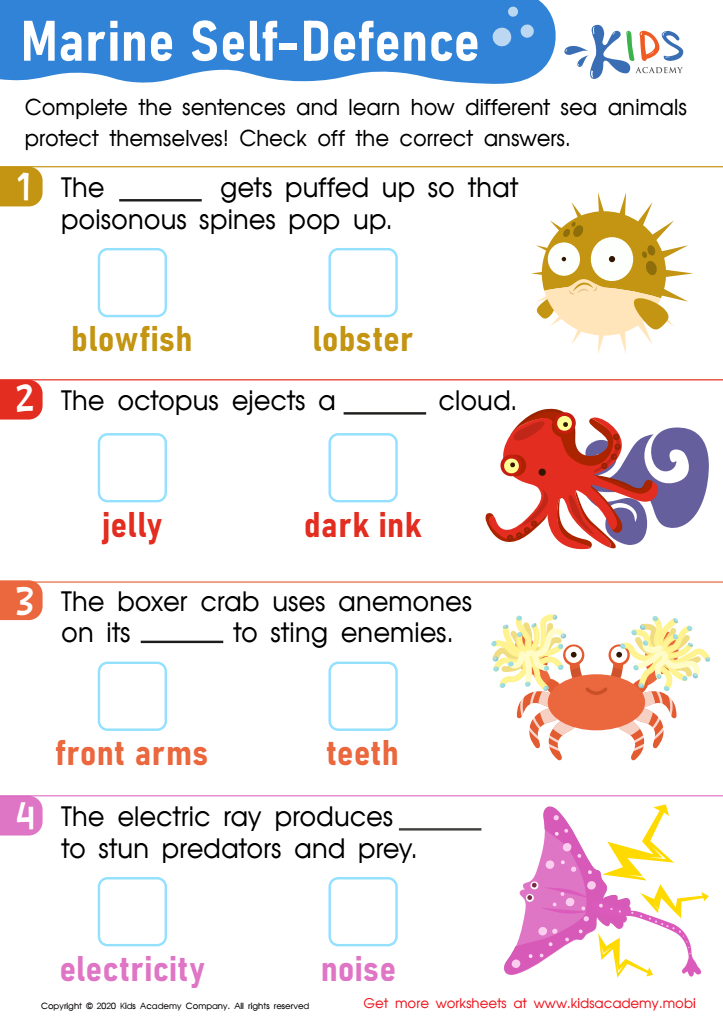
Marine Self-Defence Worksheet
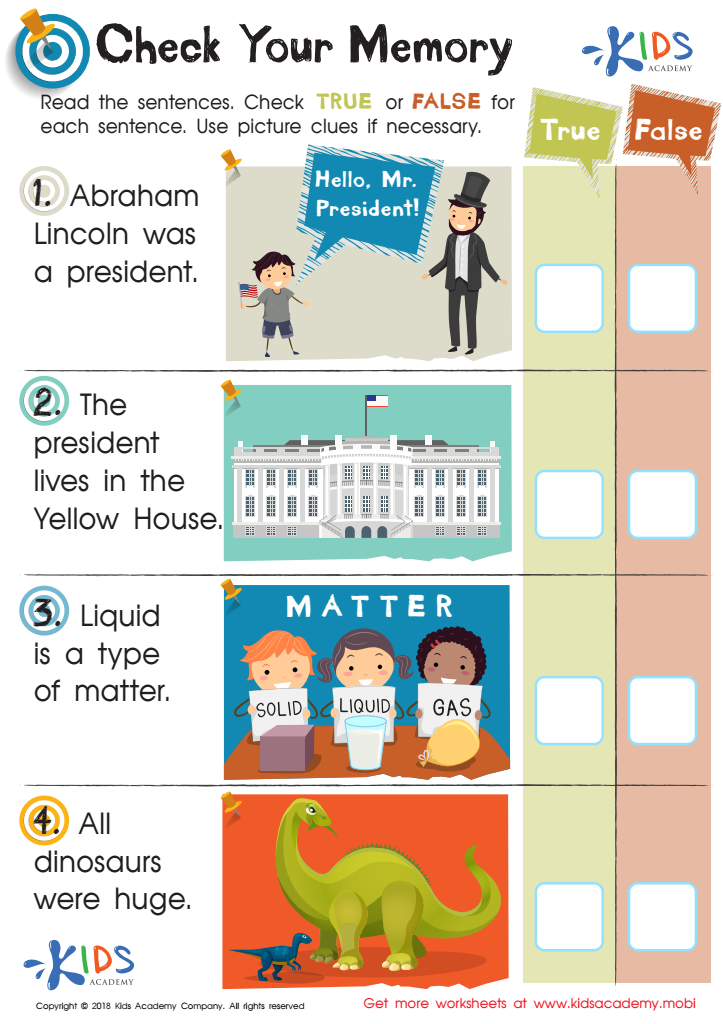
Check Memory Worksheet








Parents and teachers should prioritize Easy Science for ages 5-8 because it establishes a strong foundation for lifelong learning. At this critical age, children are naturally curious and eager to explore the world around them. Easy Science activities capture their interest and stimulate their imagination, making learning enjoyable and engaging. Simple experiments and hands-on projects help cultivate critical thinking, problem-solving skills, and creativity, which are essential for future academic and real-life success.
Additionally, exposing young children to basic scientific concepts fosters a sense of wonder and encourages them to ask questions about how things work. This curiosity-driven approach can lead to a deeper understanding and love for science as they grow older. Furthermore, early science education contributes to the development of fine motor skills and using scientific tools or participating in activities such as gardening or building simple machines helps with physical coordination and practical skills.
Engaging in easy science also supports cross-curricular learning by integrating math, literacy, and social skills. For example, reading instructions, measuring ingredients, and working with others on experiments enhance their overall academic experience. Whether at home or in the classroom, creating a stimulating environment with Easy Science lays the groundwork for future educational achievements and nurtures a positive, inquisitive mindset.