Problem-Solving Skills Easy Math Worksheets for Ages 6-8 - Page 2
45 filtered results
-
From - To
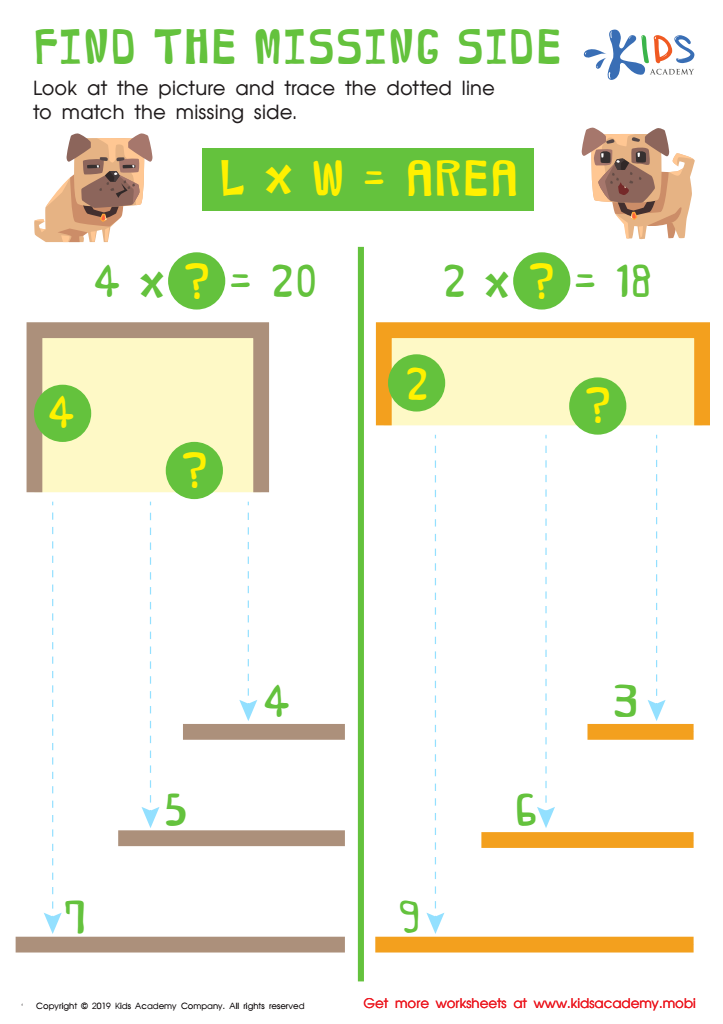
Find the Missing Side Worksheet
 Assign to My Students
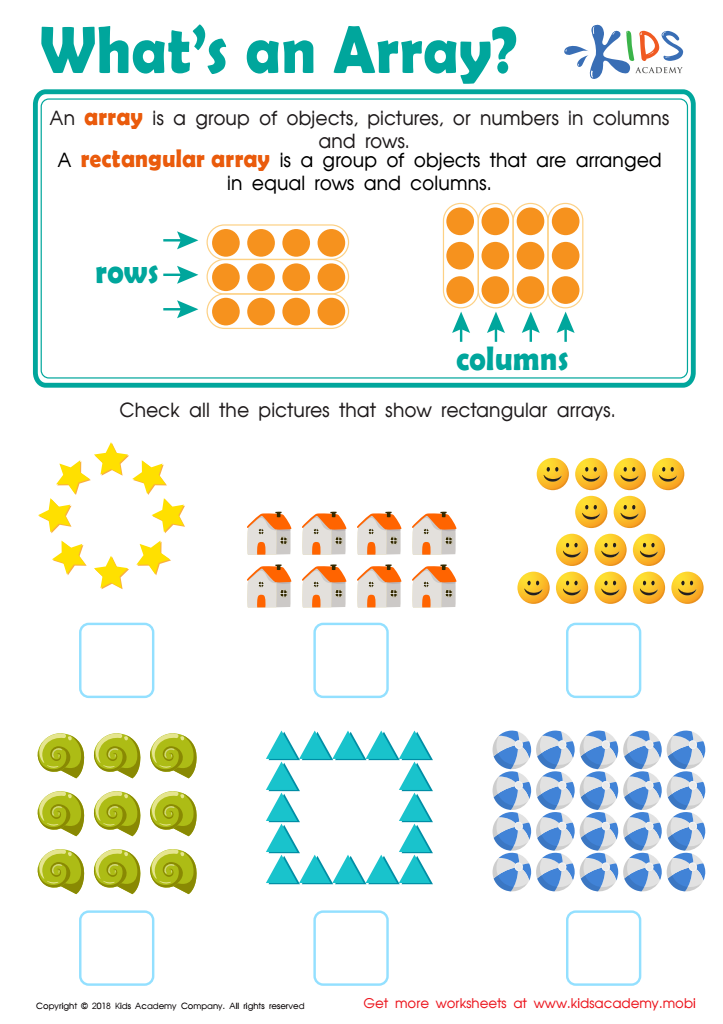
What's an Array? Worksheet
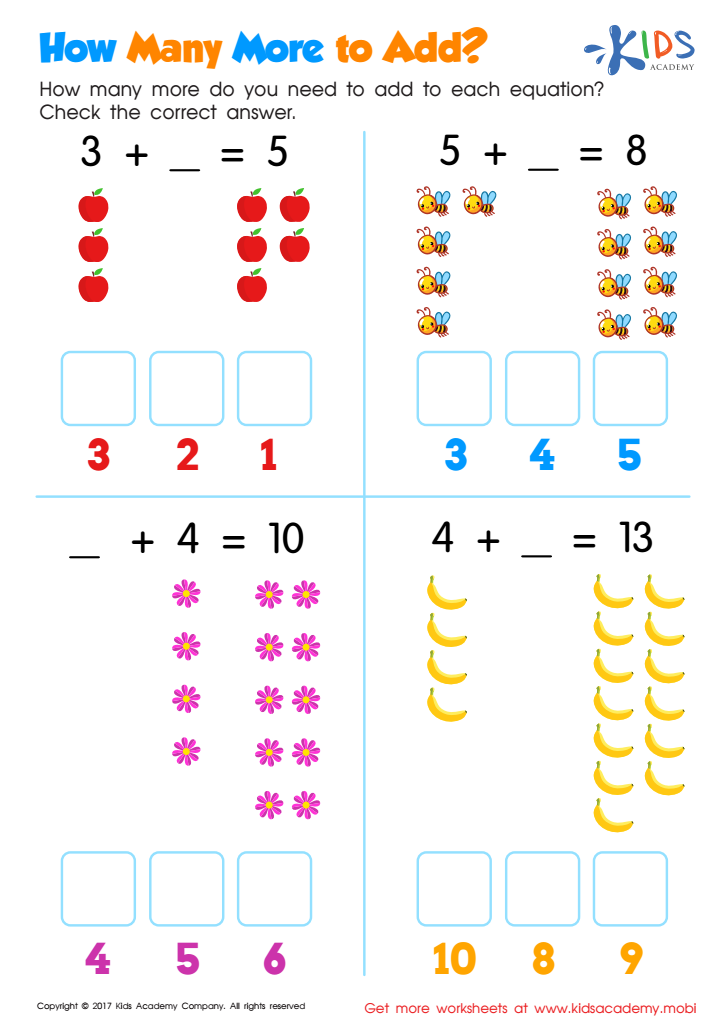
How Many More to Add Worksheet
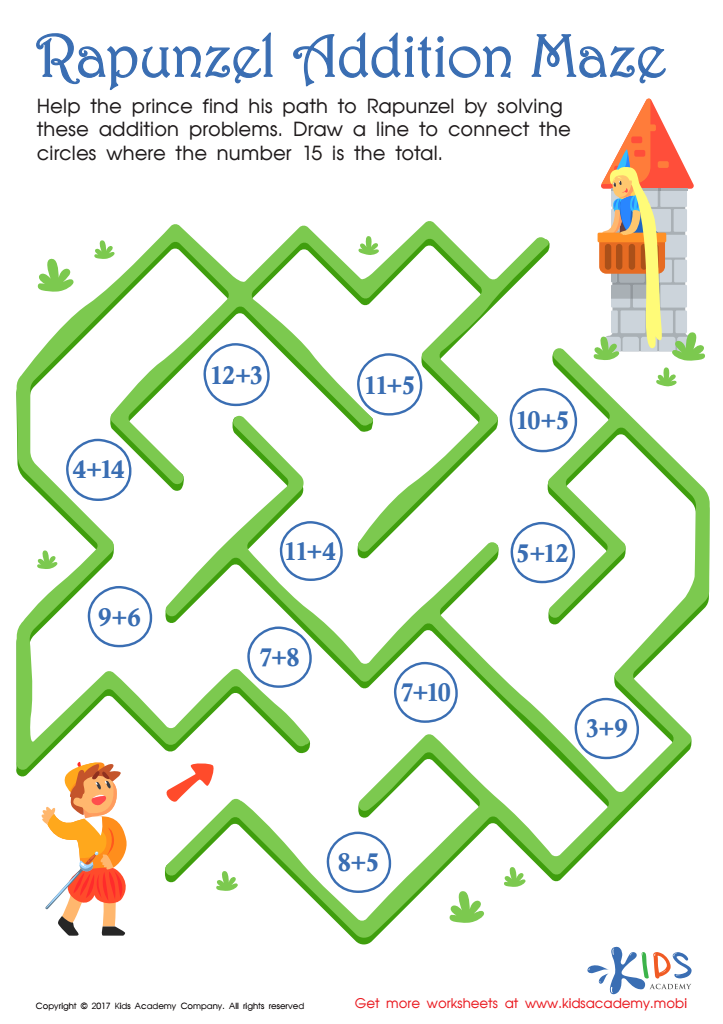
Rapunzel Addition Maze Worksheet
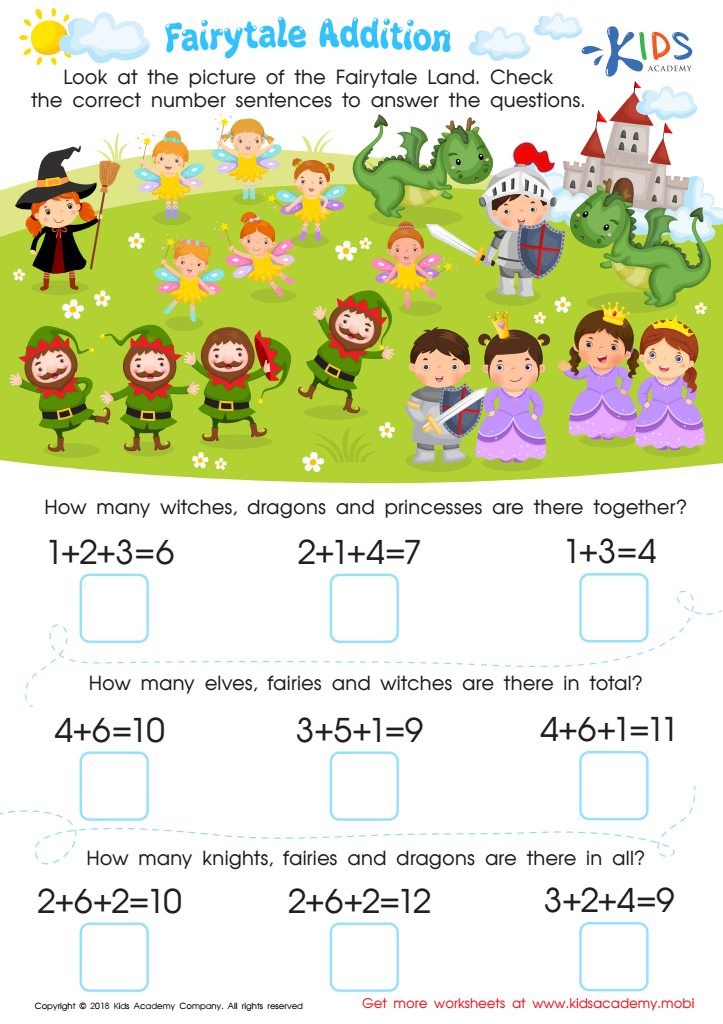
Fairytale Addition Worksheet
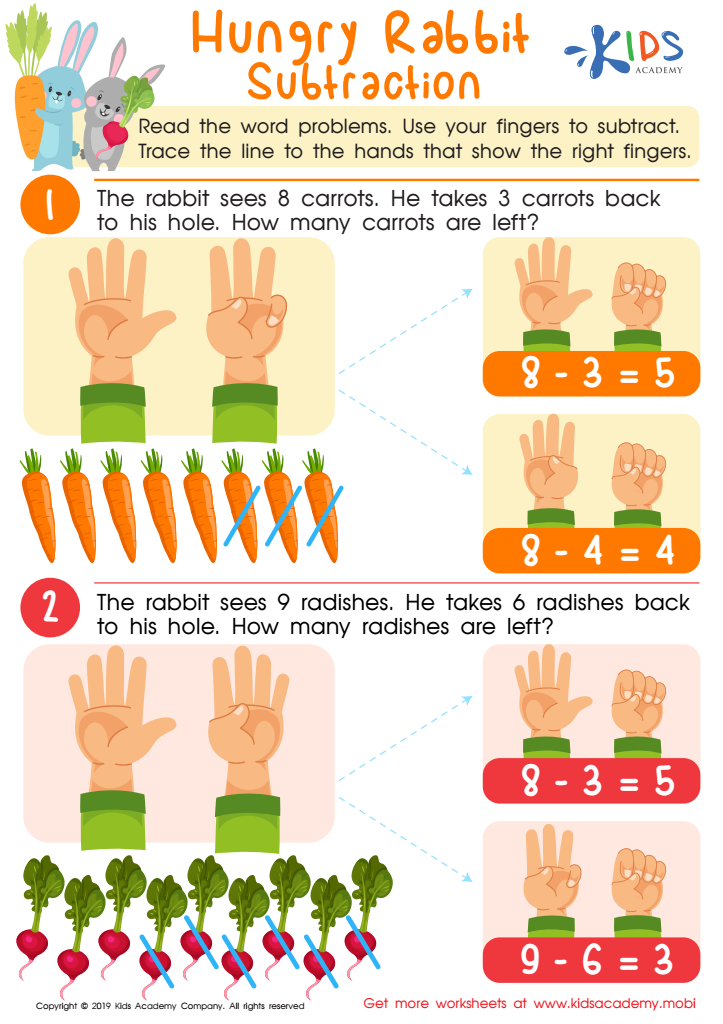
Hungry Rabbit Subtraction Worksheet
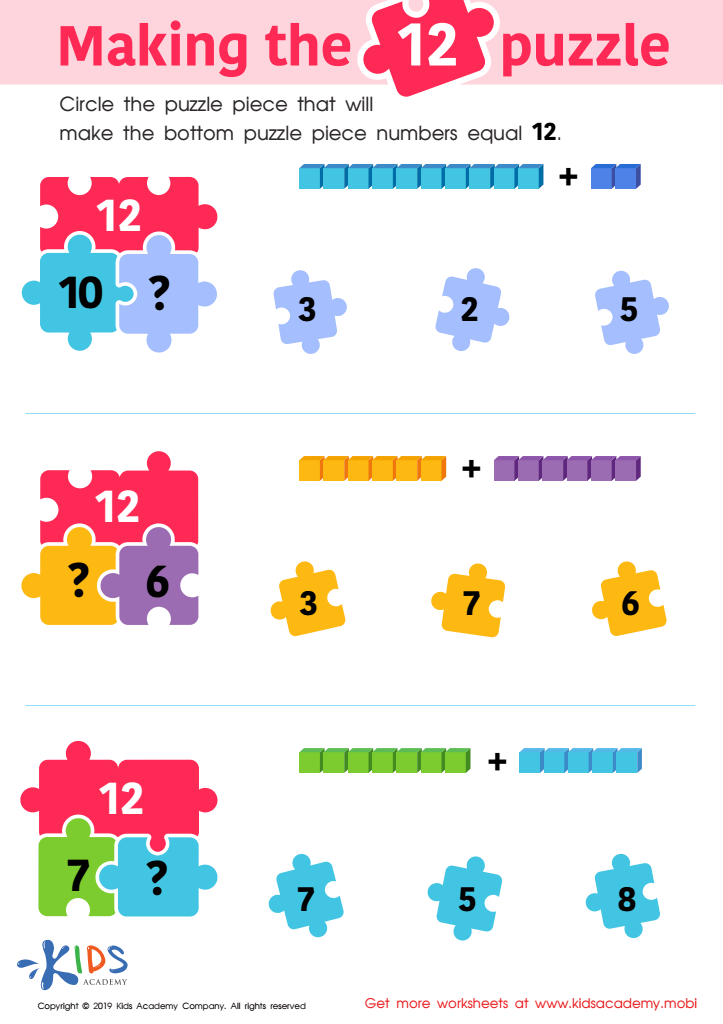
Making the 12 Puzzle Worksheet

Picking Carrots Worksheet
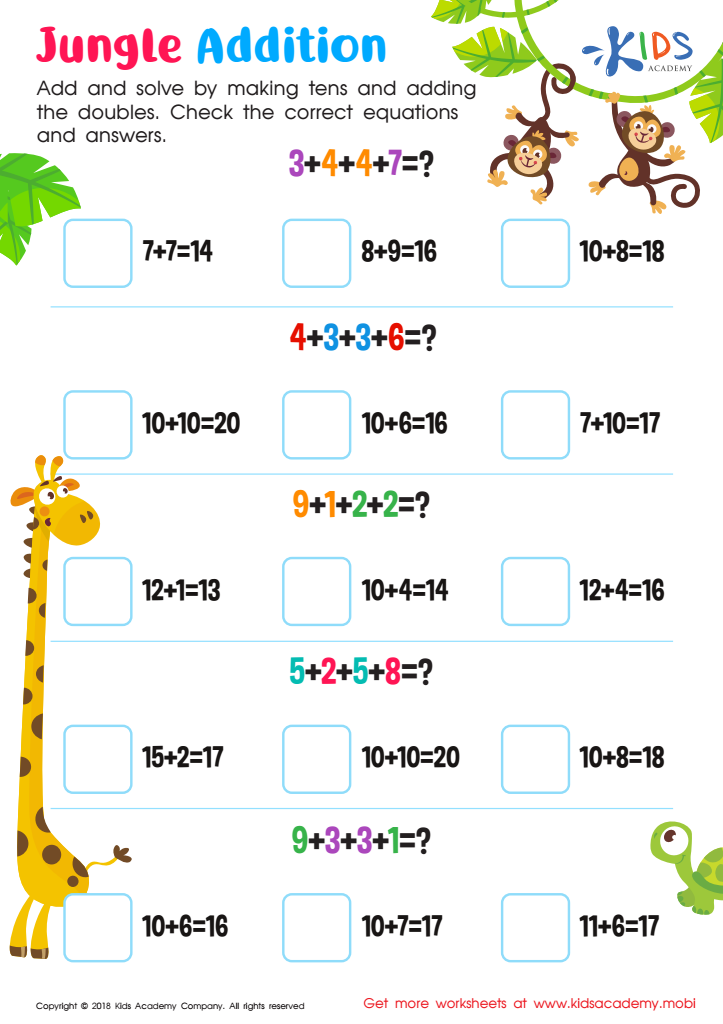
Jungle Addition Worksheet
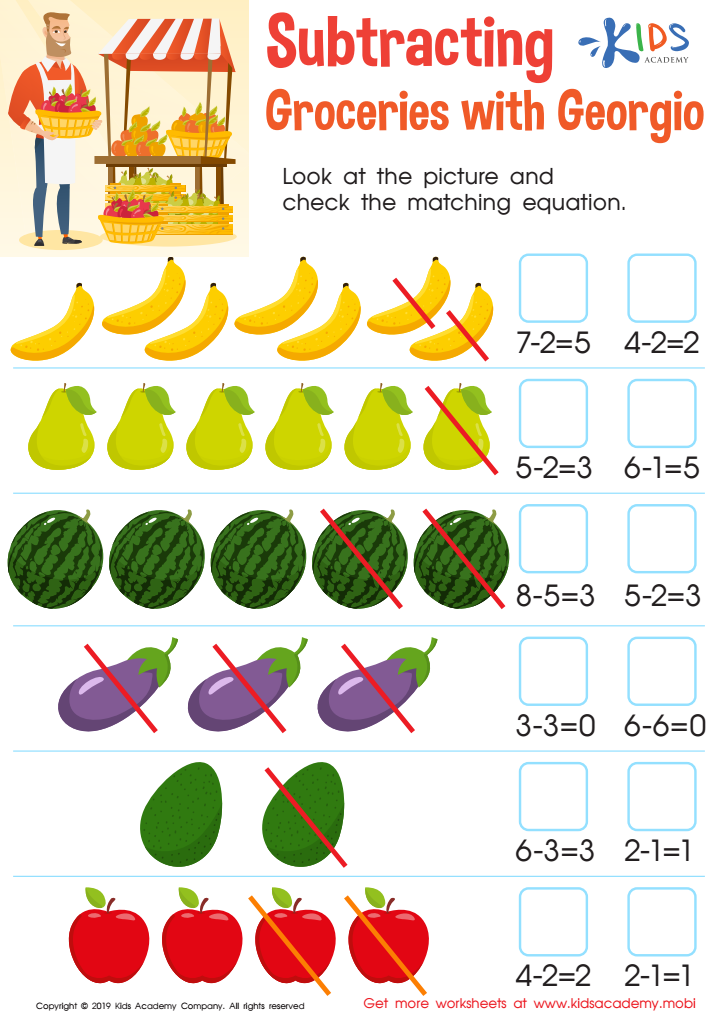
Subtracting: Groceries with Georgio Worksheet
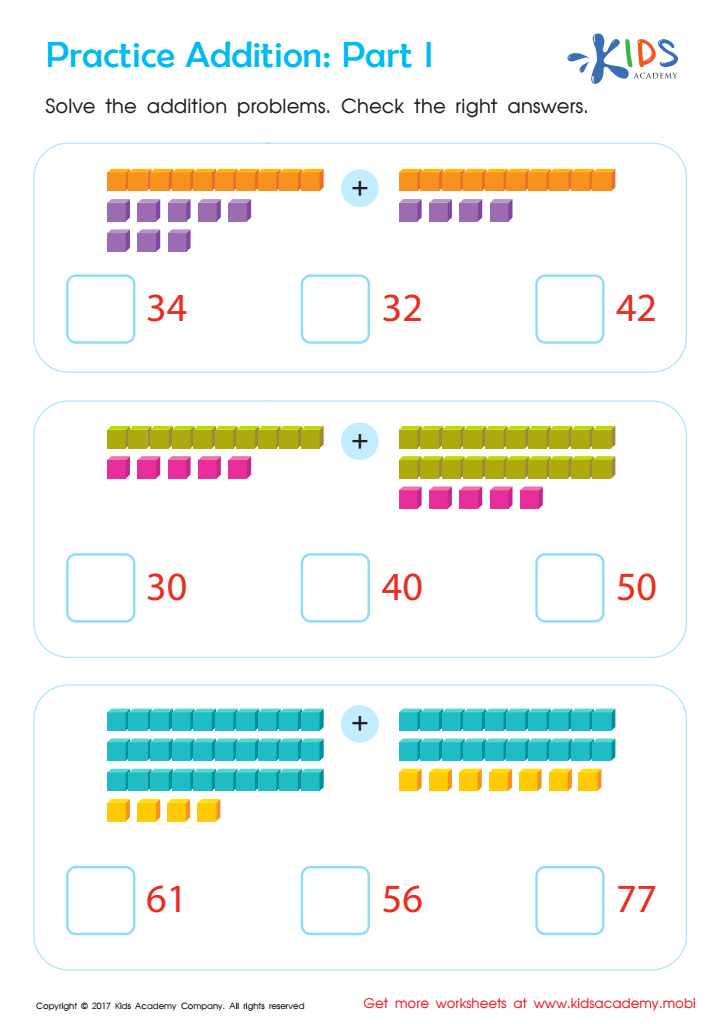
Practice Addition: Part 1 Worksheet
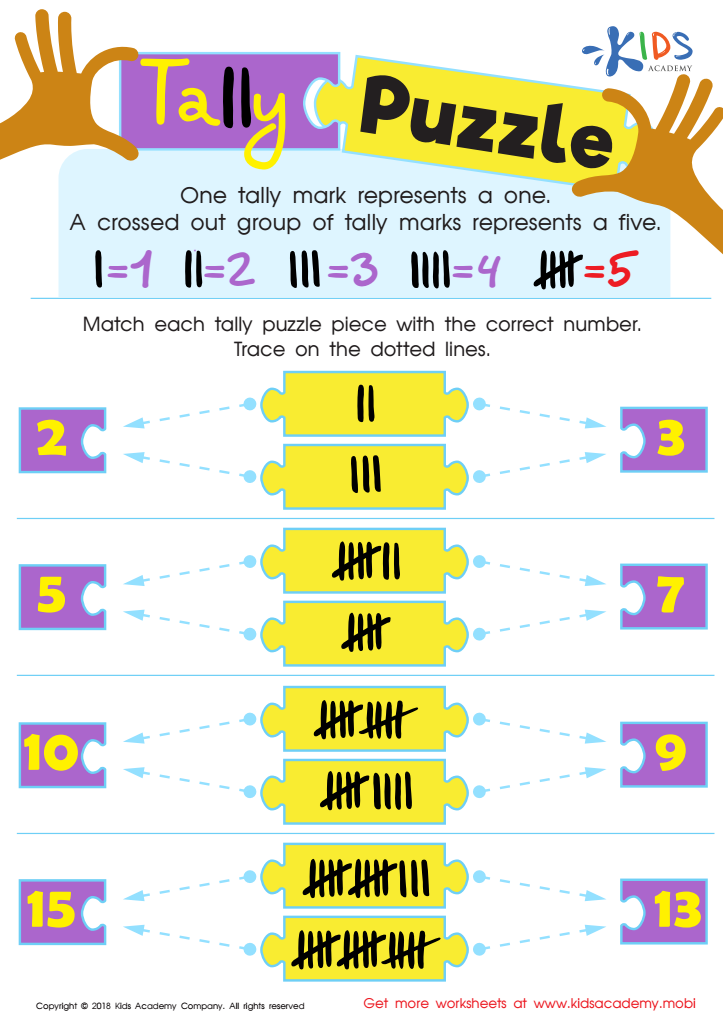
Tally Puzzle Worksheet
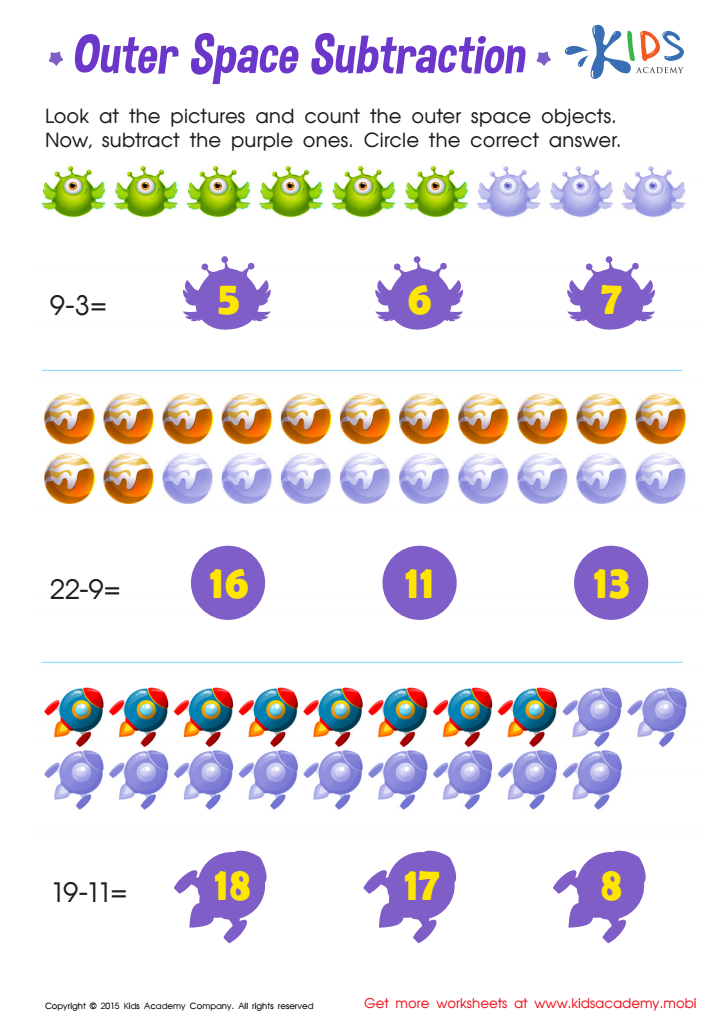
Outer Space Substraction Worksheet

Haystack Steps Worksheet
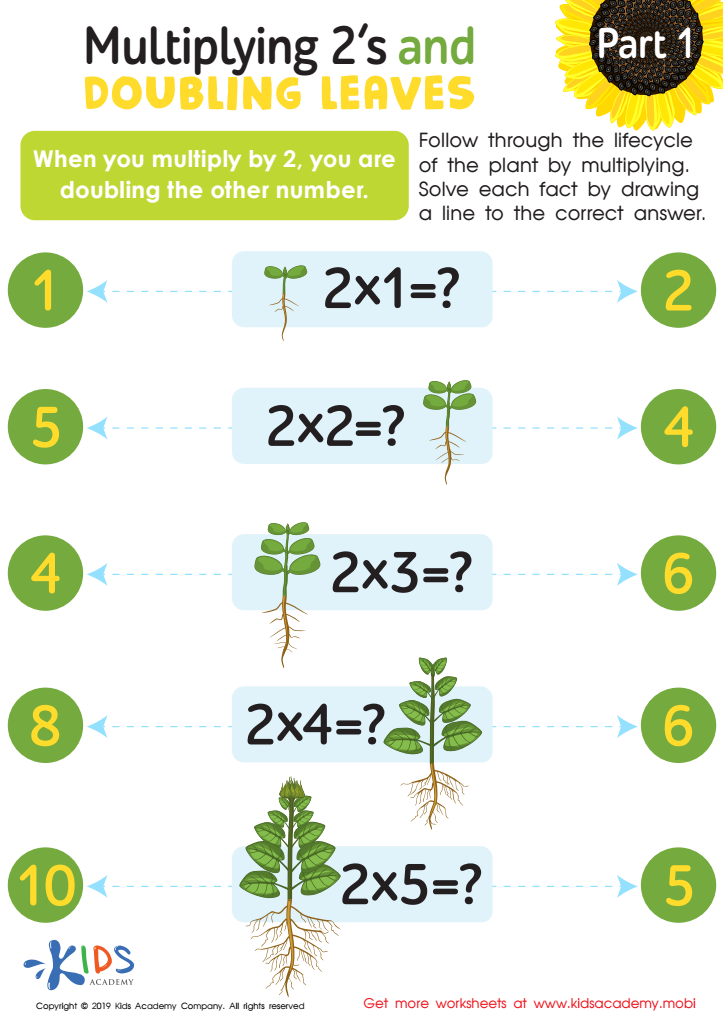
Multiplying 2’s and Doubling Leaves Part 1 Worksheet
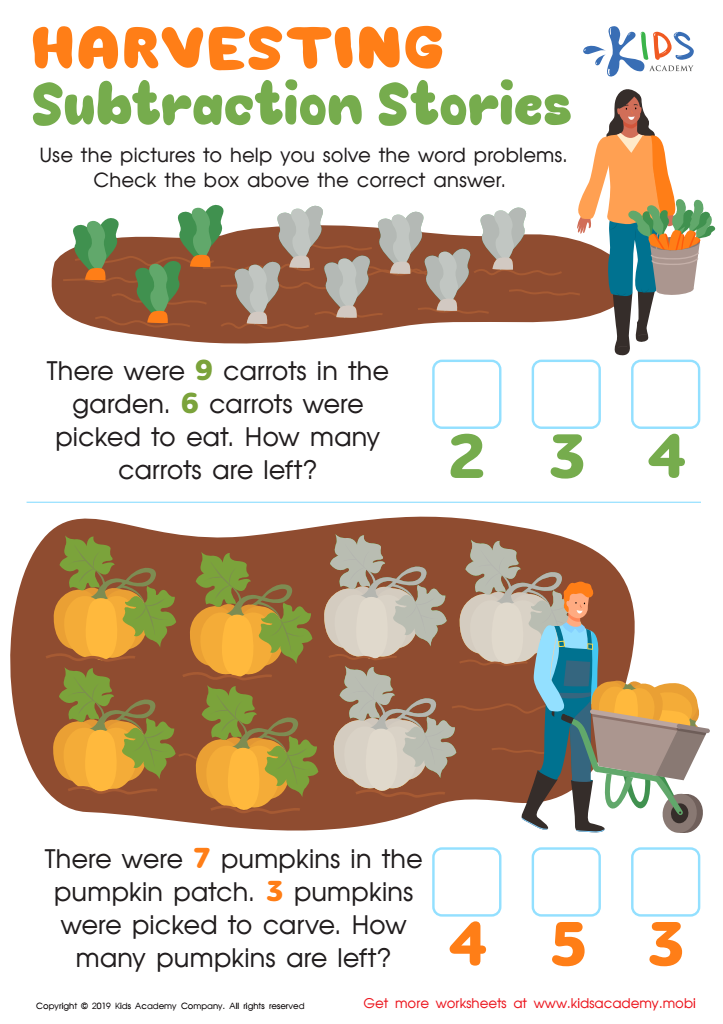
Harvesting Subtraction Stories Worksheet
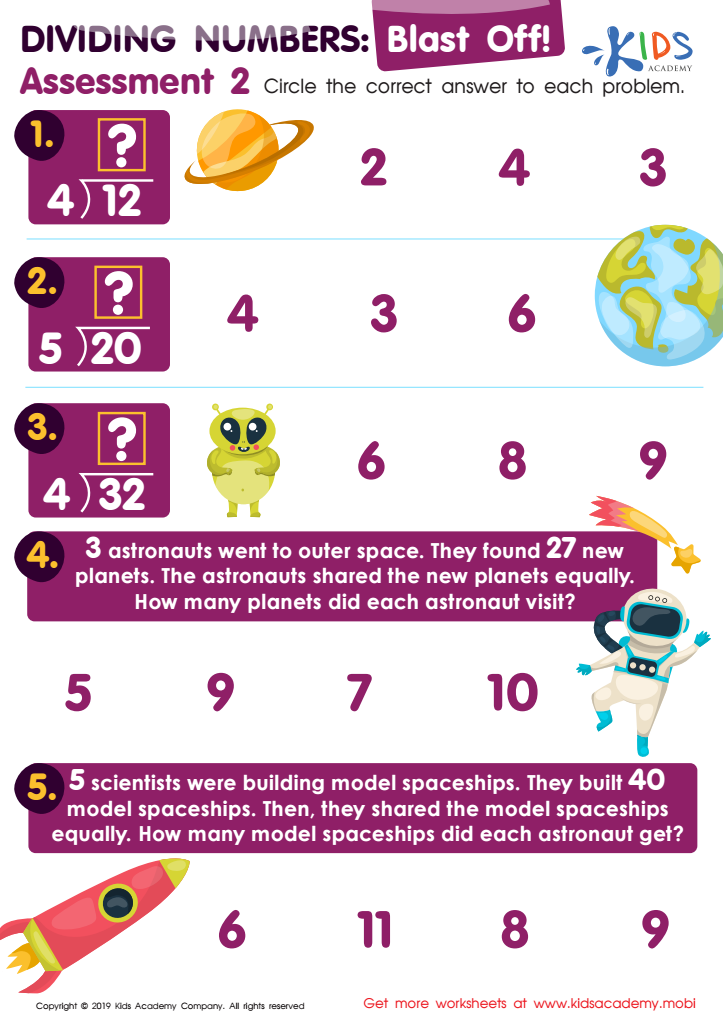
Dividing Numbers Assessment 2 Worksheet
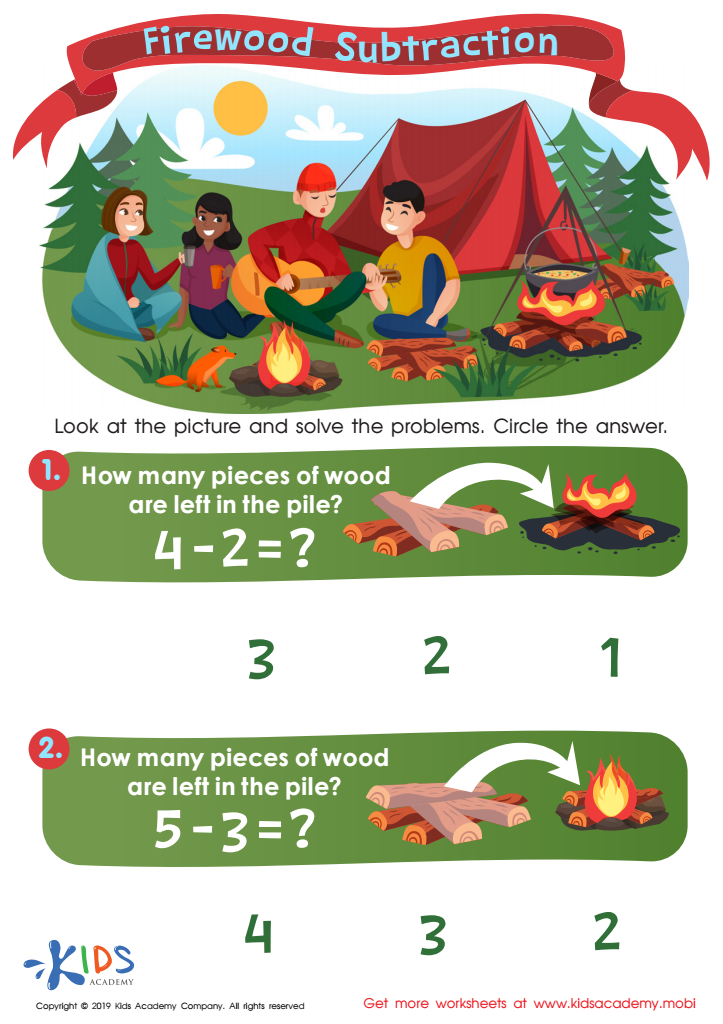
Firewood Subtraction Worksheet

Enrichment: Firefighter Ladders Worksheet
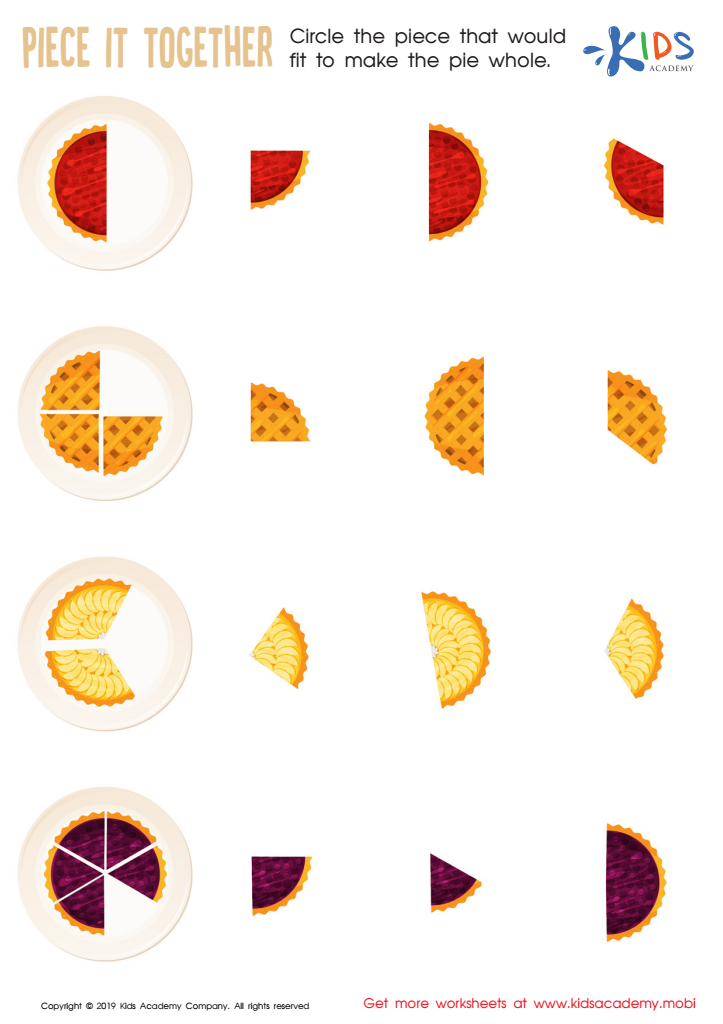
Piece it together Worksheet
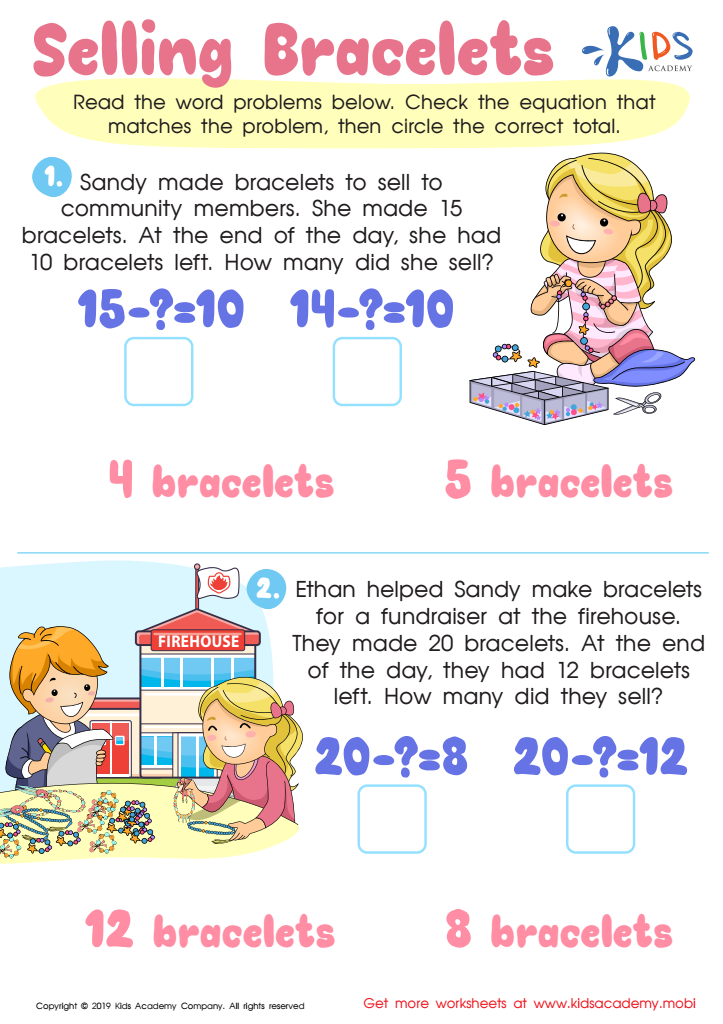
Selling the Bracelets Worksheet








Parents and teachers should prioritize problem-solving skills in math for children aged 6-8 because these foundational abilities extend far beyond just academic success. At this age, children are developing critical thinking and analytical skills that will shape their approach to challenges later in life. Problem-solving fosters perseverance; when children encounter a difficult math challenge, they learn to think critically, consider multiple strategies, and seek solutions. This process boosts their confidence and encourages a growth mindset—essential traits for overcoming obstacles in any area.
Moreover, mastering easy math problem-solving lays the groundwork for more complex concepts in the future. Engaging with age-appropriate math actively during these formative years helps consolidate learning and encourages the application of mathematical concepts to real-world situations. As children experiment with various problem-solving strategies, they become more adept at identifying patterns, making connections, and developing a love for learning.
Additionally, strong problem-solving skills contribute to improved communication abilities. Discussing approaches with peers or adults helps strengthen language skills and collaborative efforts. Ultimately, fostering problem-solving abilities in early math lays the foundation for well-rounded cognitive development, equipping children with essential tools not just for school, but for life.








