Easy Matching Worksheets for Ages 6-9
7 filtered results
-
From - To
Transform learning into a fun adventure with our Easy Matching Worksheets for Ages 6-9! Designed to enhance critical thinking and problem-solving skills, these worksheets offer engaging activities that help children develop their mathematical understanding. Through exciting matching exercises, kids connect concepts while improving their number recognition, addition, and subtraction skills. Perfect for both classroom use and at-home practice, these worksheets cater to diverse learning styles, ensuring every child can enjoy and benefit. Spark curiosity and foster a love for math by downloading our vibrant and child-friendly matching worksheets today! Visit our page to explore the full range of resources.
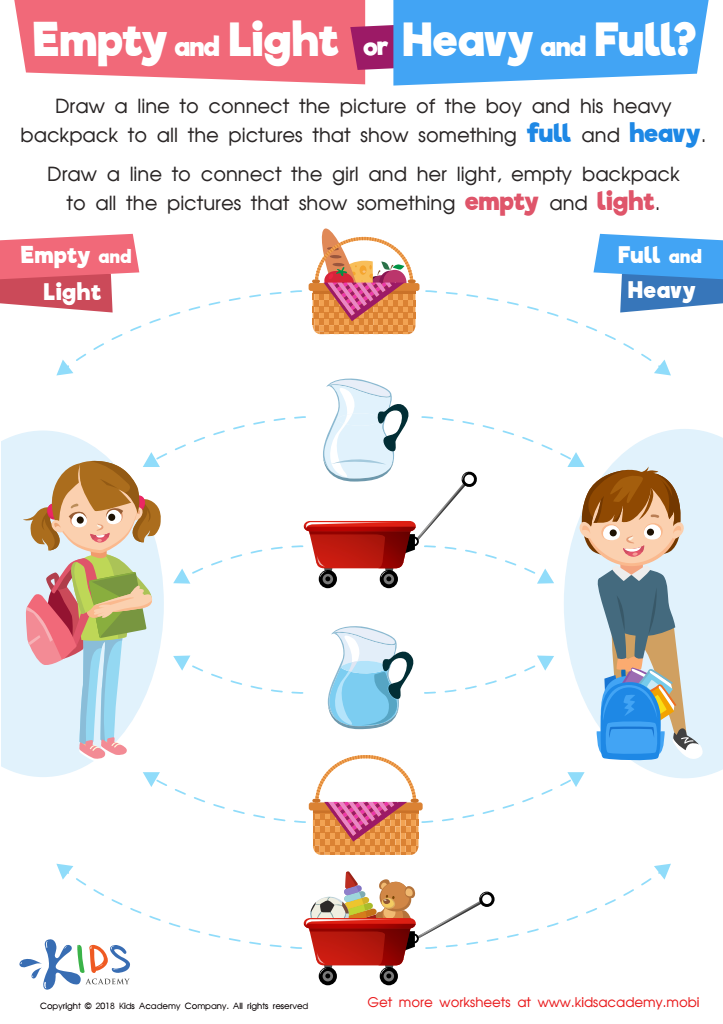
Empty and Light or Heavy and Full? Worksheet
 Assign to My Students
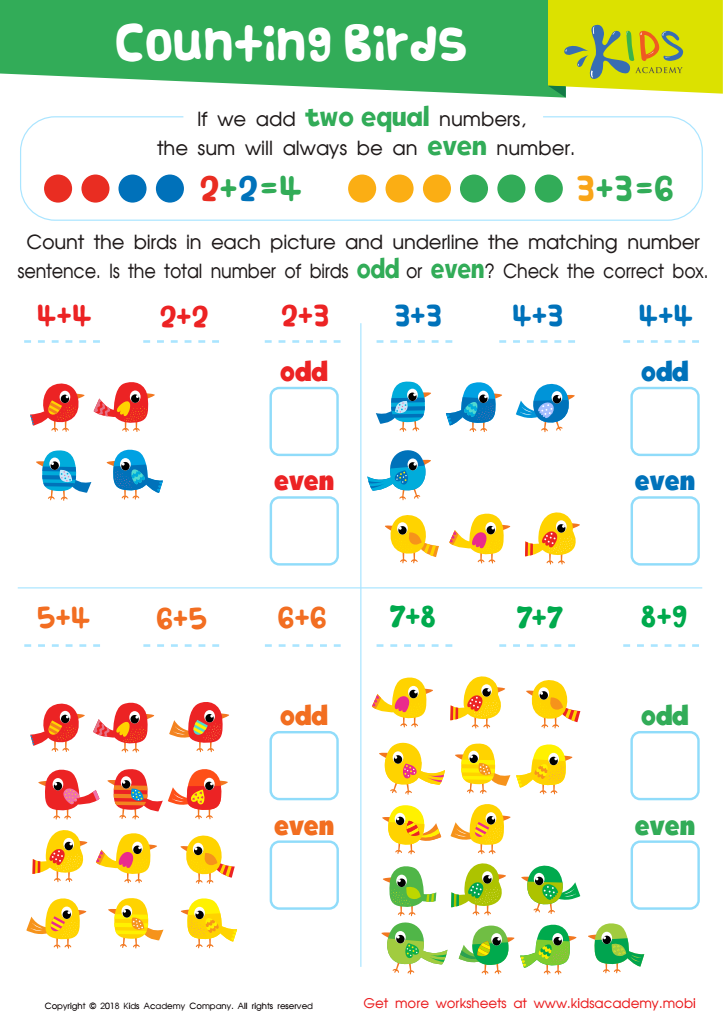
Counting Birds Worksheet
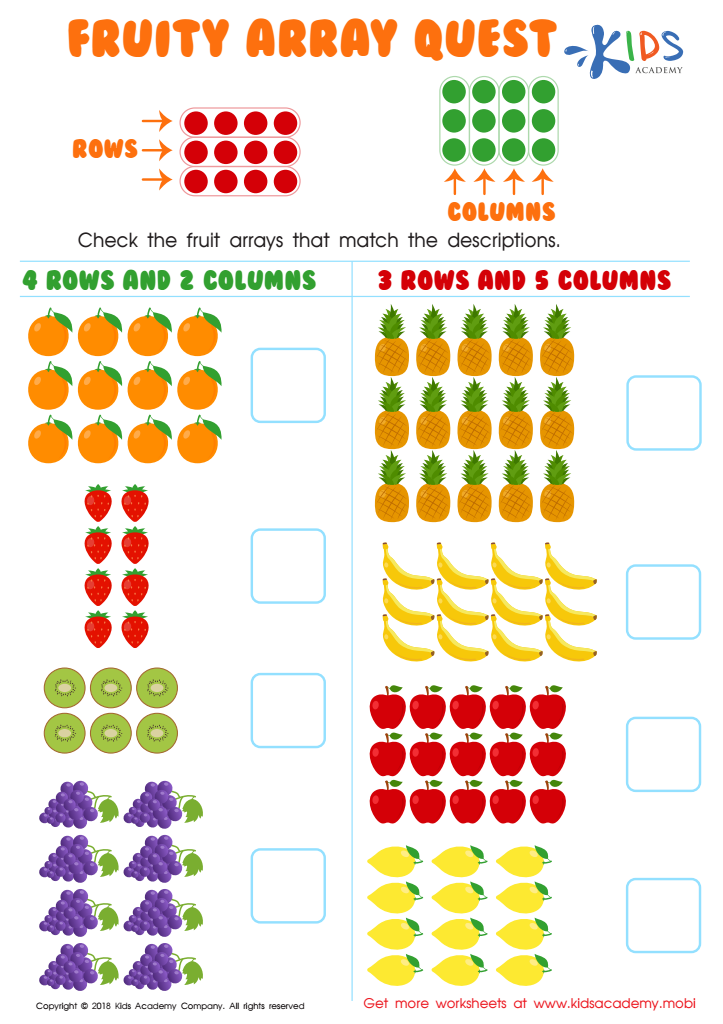
Fruity Array Quest Worksheet
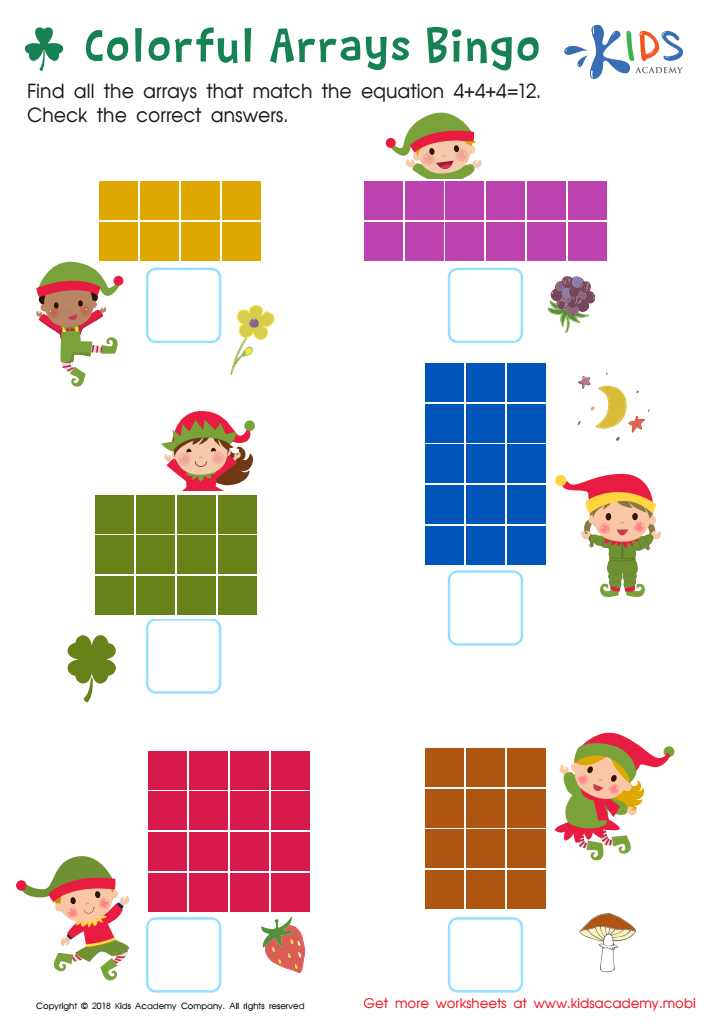
Colorful Arrays Bingo Worksheet
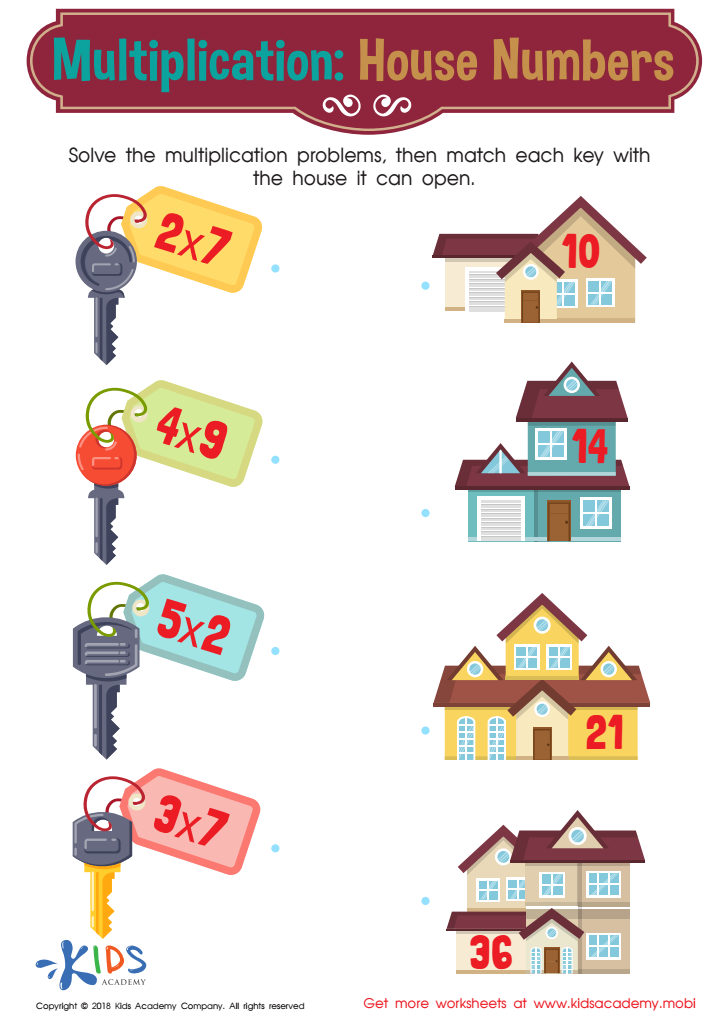
House Numbers Worksheet
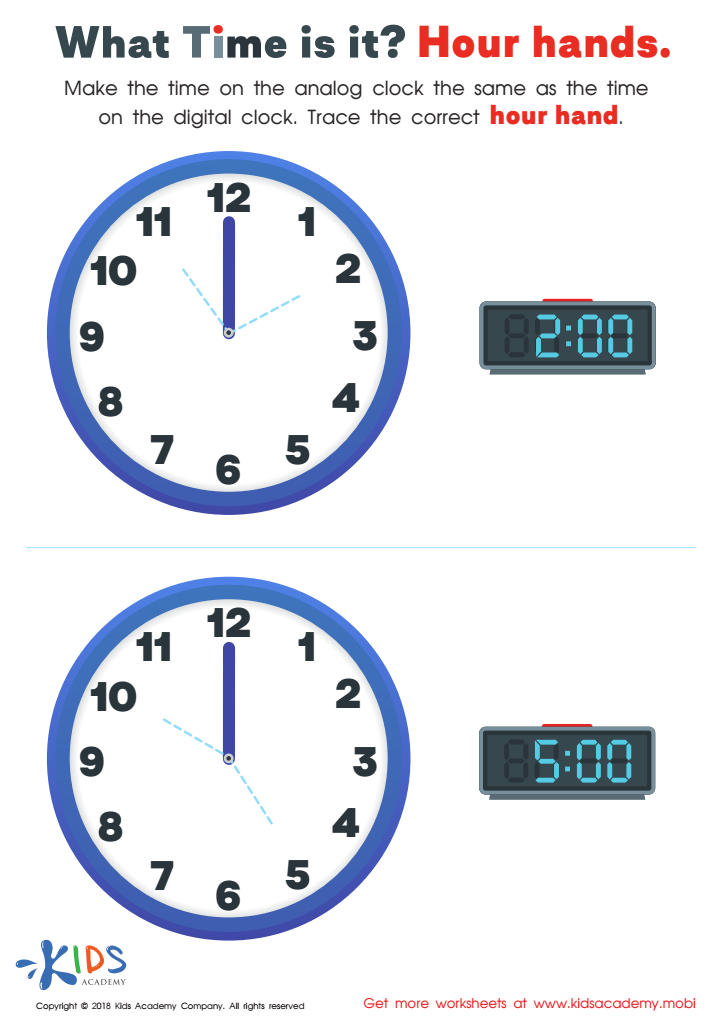
What Time Is it? Hour Hands Worksheet
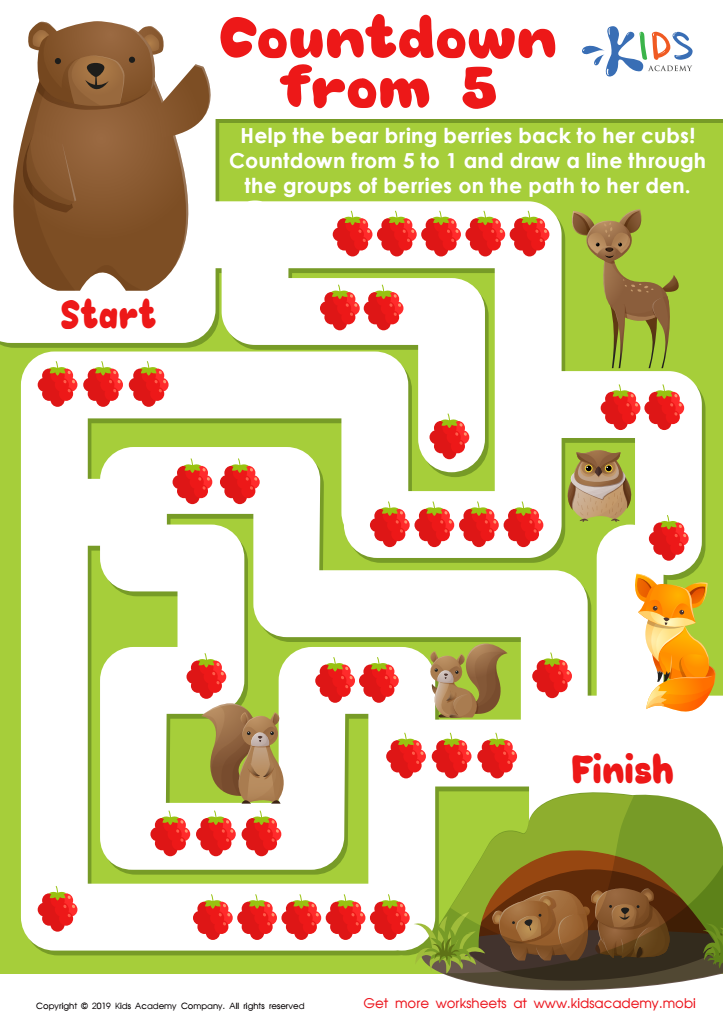
Countdown from 5 Worksheet






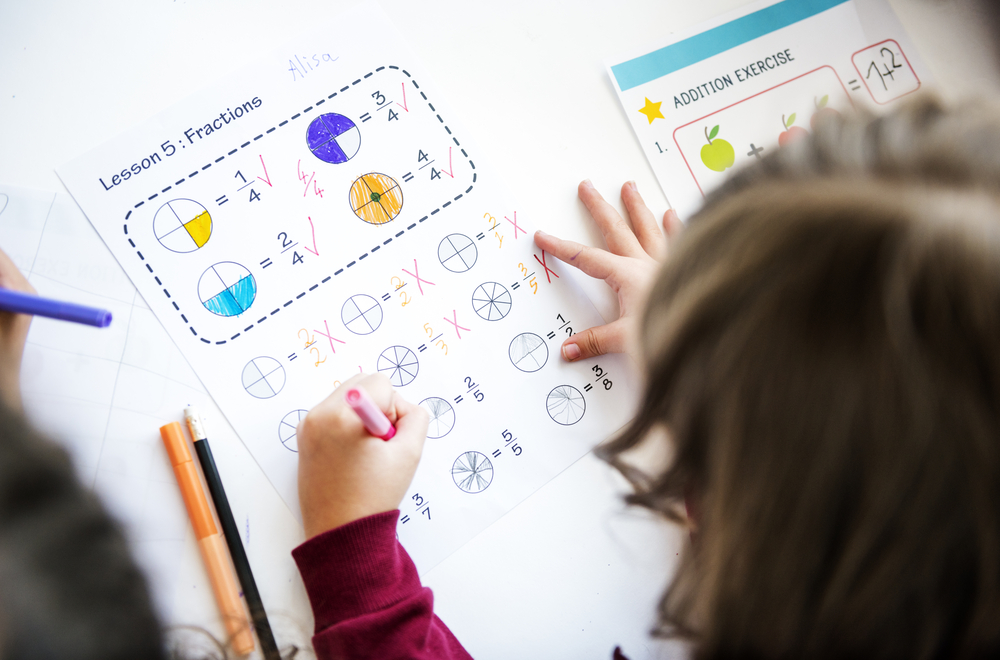

Easy matching activities are more than just a fun game for children; they play a crucial role in cognitive and developmental growth for ages 6-9. Parents and teachers should care about these activities because they enhance several key skills necessary for academic success and personal development.
First, matching exercises improve memory and concentration. By encouraging children to pair similar objects or concepts, they train their brains to notice patterns and remember relationships between items, which are essential skills for learning.
Second, matching activities enhance visual discrimination. This ability to differentiate between shapes, sizes, colors, or symbols is critical not only for reading and writing but also for understanding mathematical concepts.
Third, easy matching fosters vocabulary and language development. When children match words to pictures or synonyms, they broaden their vocabulary and enhance their language comprehension, critical in all subjects.
Additionally, these activities introduce children to logical thinking and problem-solving. They must use reasoning to determine why certain items go together, an essential step in developing analytical skills.
Finally, easy matching boosts fine motor skills through activities like matching and coloring, necessary for handwriting development.
Therefore, incorporating easy matching into daily routines provides a well-rounded approach to support cognitive, linguistic, and motor skill development in young learners.








