Reading comprehension Easy Worksheets for Ages 7-9
71 filtered results
-
From - To
Welcome to our Reading Comprehension Easy Worksheets for Ages 7-9! These engaging and age-appropriate worksheets are designed to enhance your child's reading skills while making learning enjoyable. Each worksheet focuses on improving comprehension through fun stories and relatable scenarios that capture young minds. With diverse activities, students will practice identifying main ideas, making inferences, and answering questions—all essential for literacy development. Our printable resources offer parents and teachers a convenient way to support early reading skills at home or in the classroom, ensuring kids build confidence and a love for reading. Explore our collection to enrich your child's learning journey today!
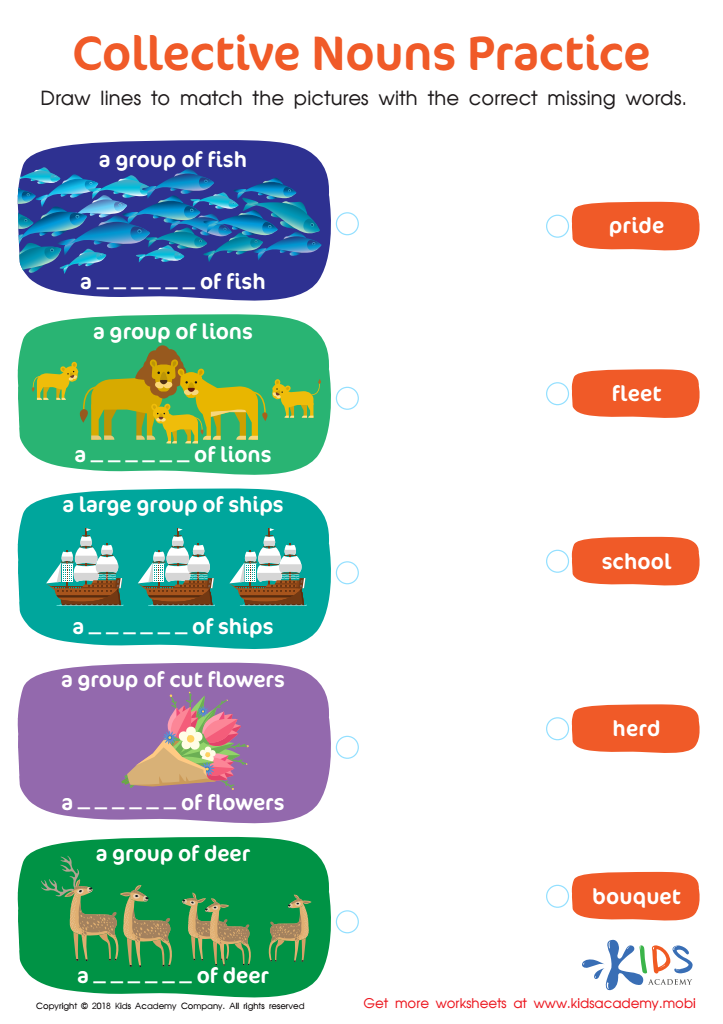
Collective Nouns Practice Worksheet
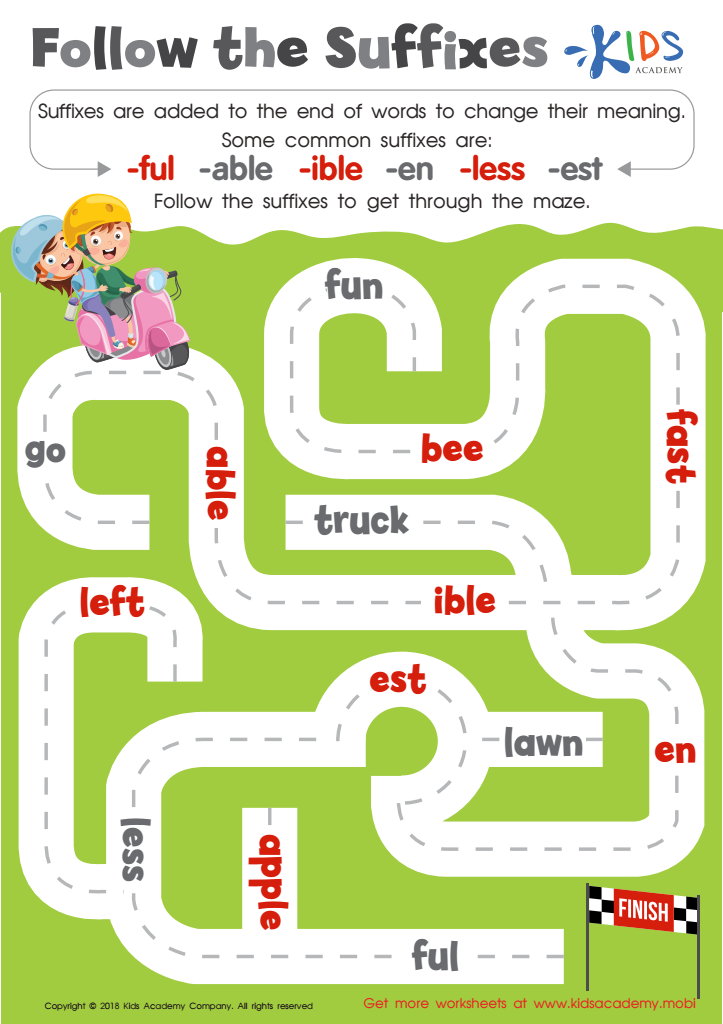
Reading: Follow the Suffixes Worksheet
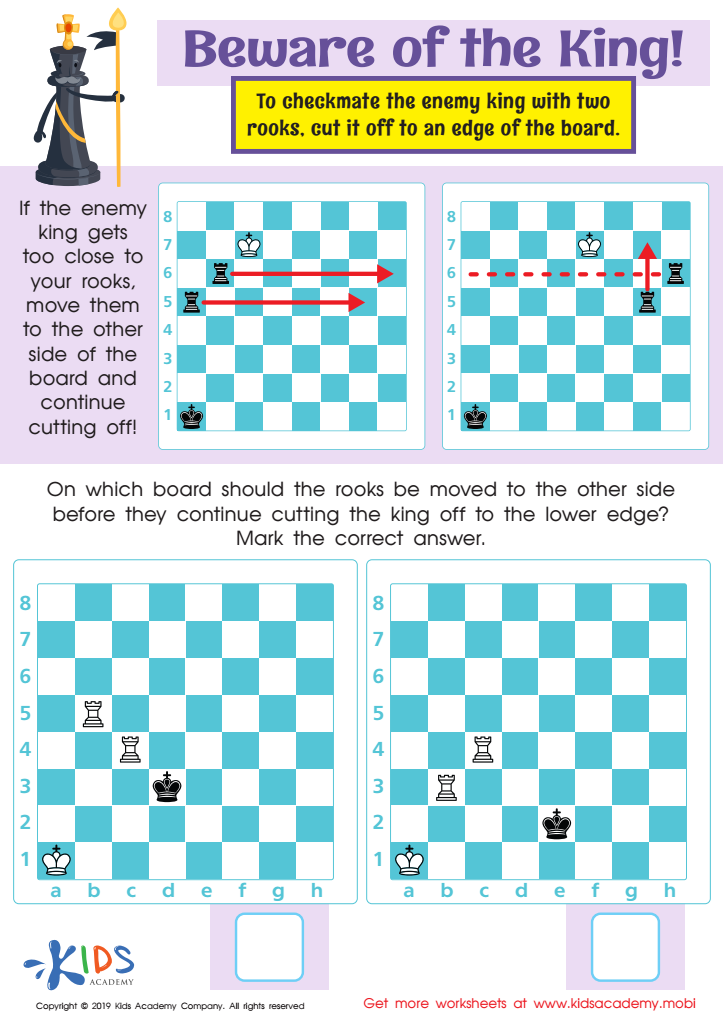
Beware of the King! Worksheet
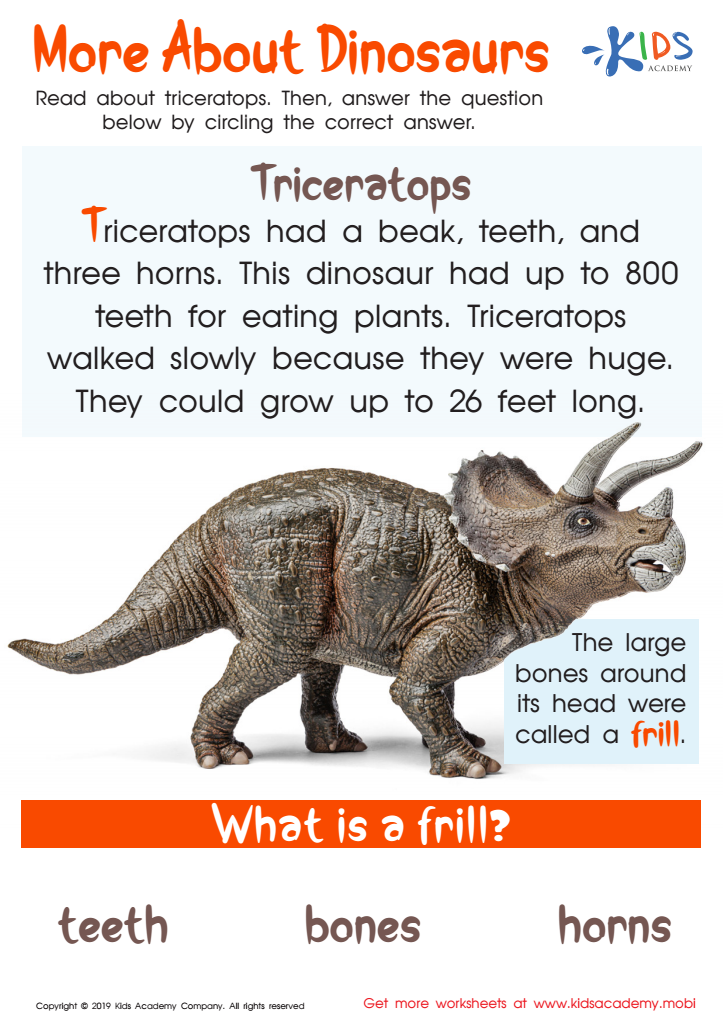
More About Dinosaurs Worksheet
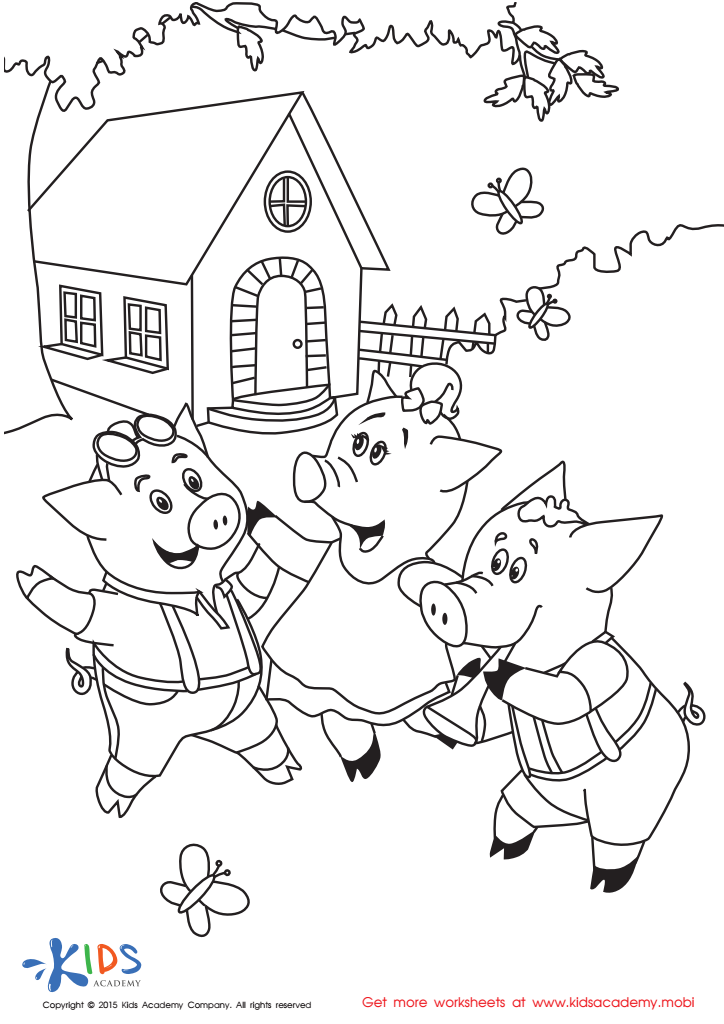
Folktales Printable PDF Worksheet: The 3 Little Pigs
 Assign to My Students
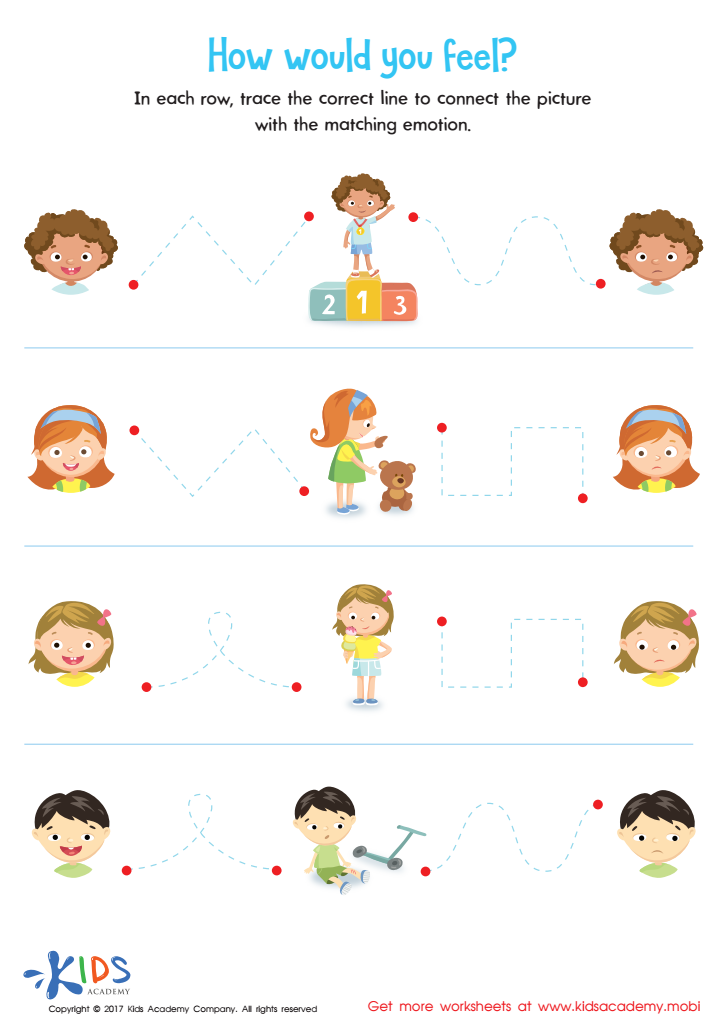
Feelings and Emotions Worksheet

Chinese New Year Worksheet
Assign to My Students
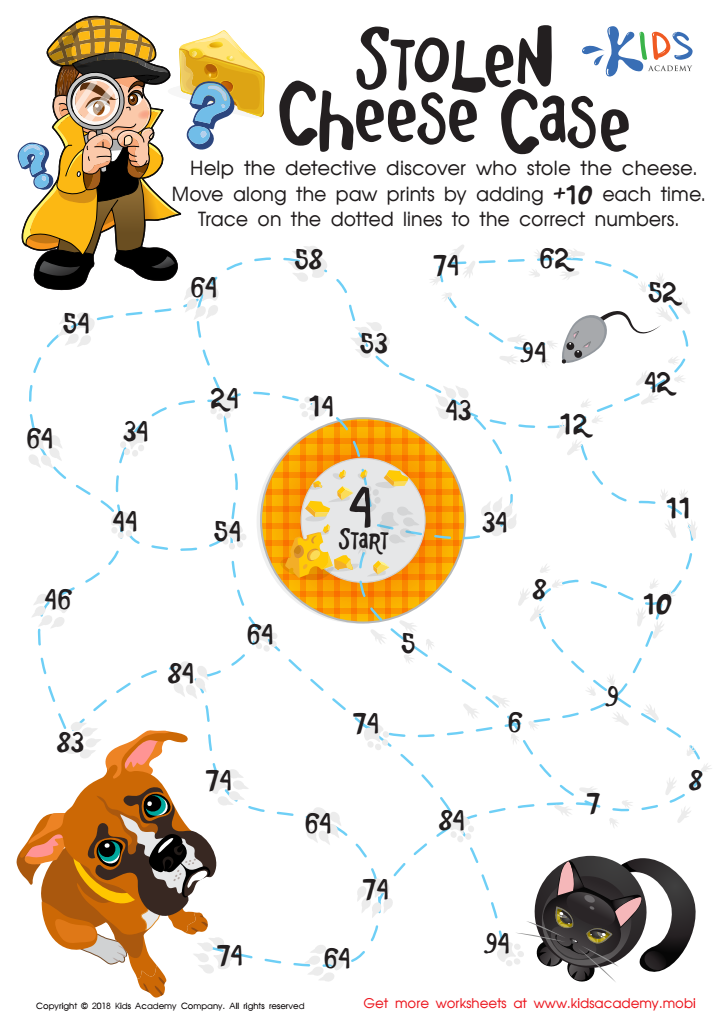
Stolen Cheese Case Maze Worksheet
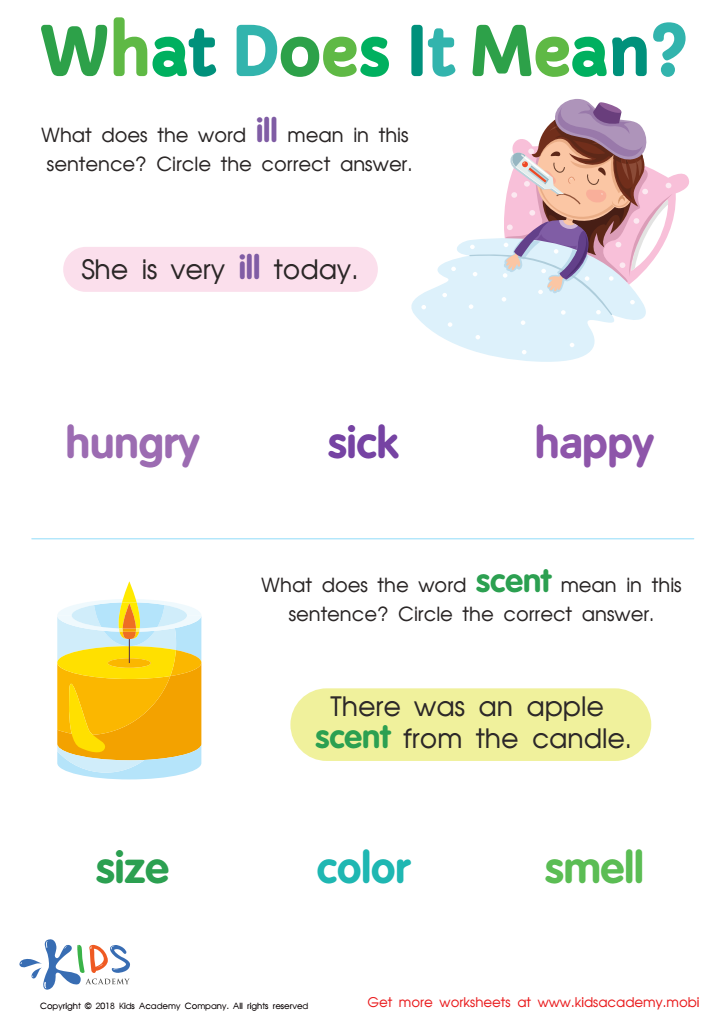
What Does It Mean? Worksheet
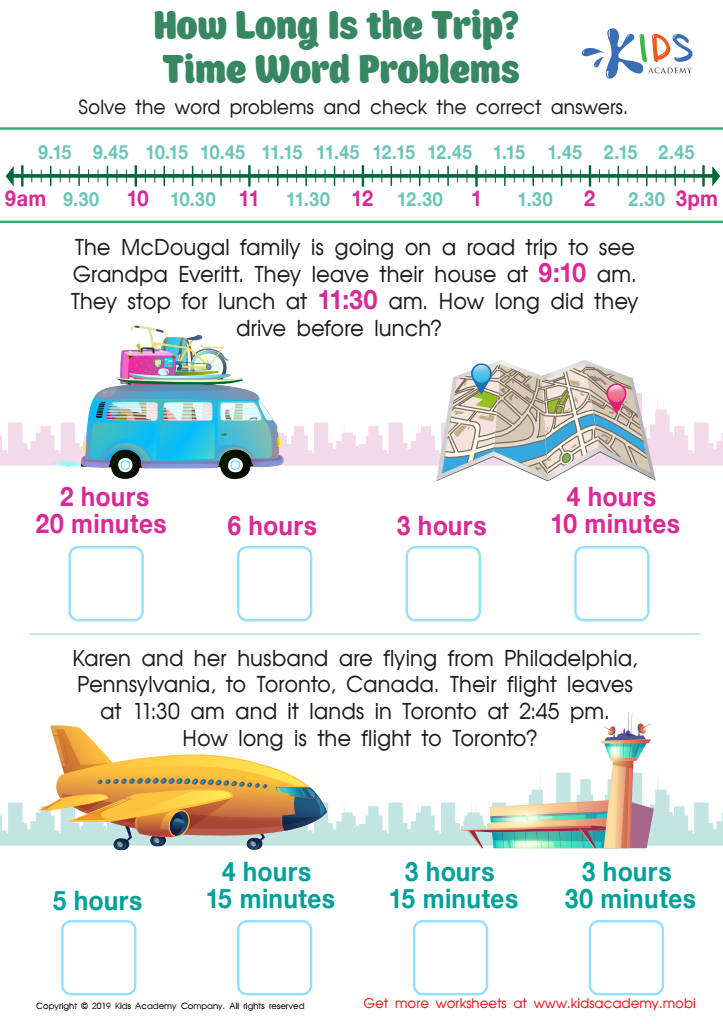
How long is the Trip? Time Word Problems Worksheet
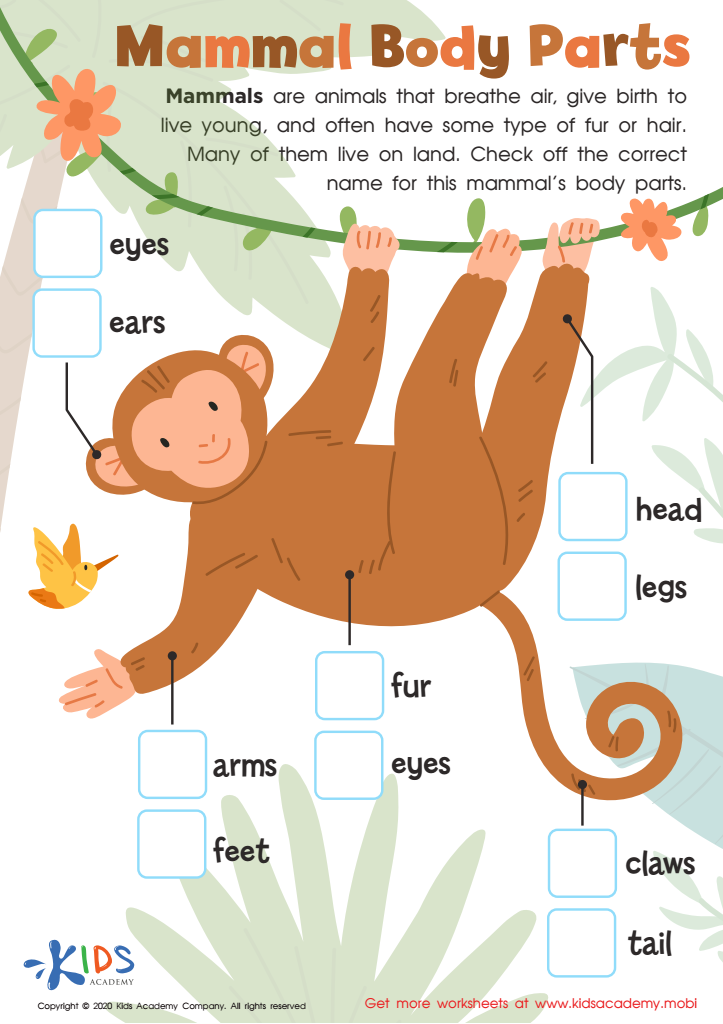
Mammal Body Parts Worksheet
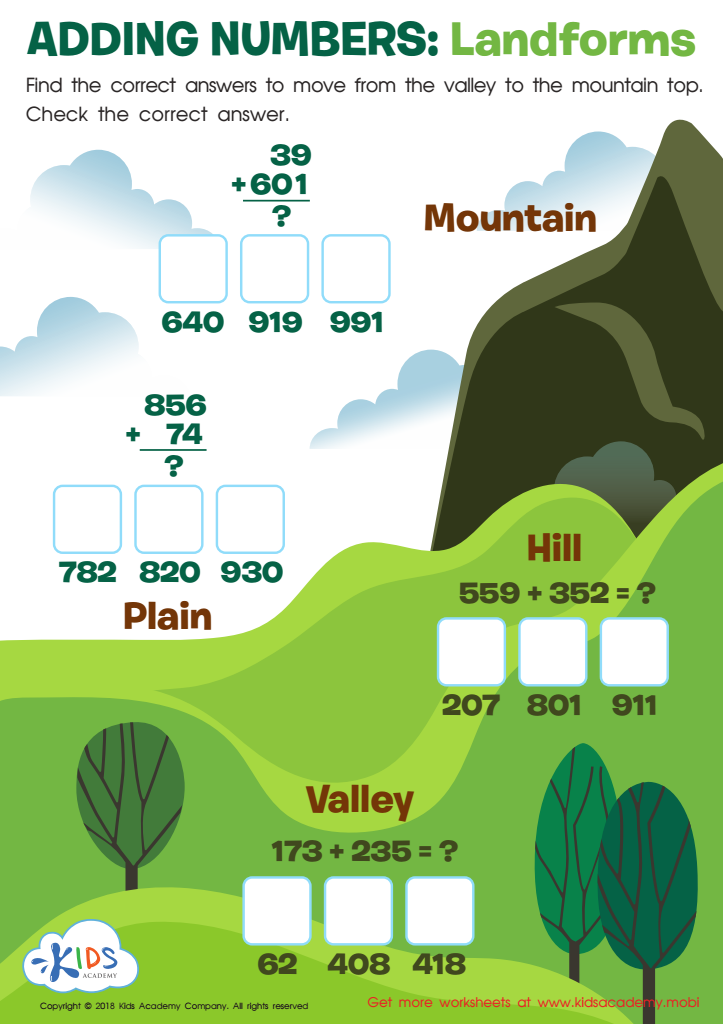
Adding Numbers: Landforms Worksheet
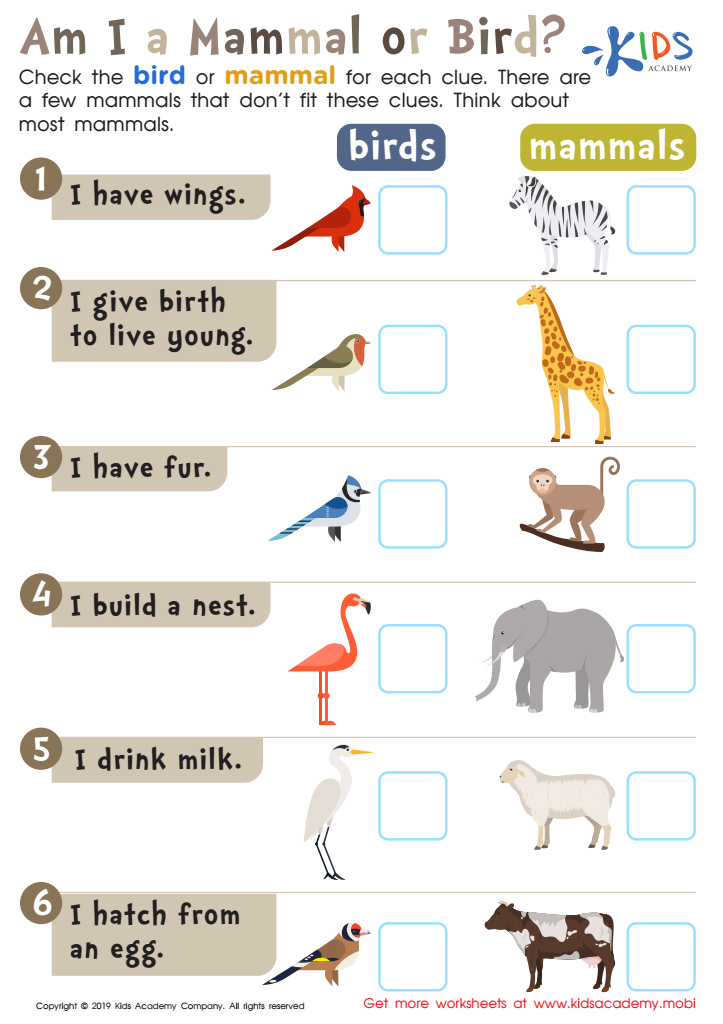
Am I a Mammal or Bird? Worksheet
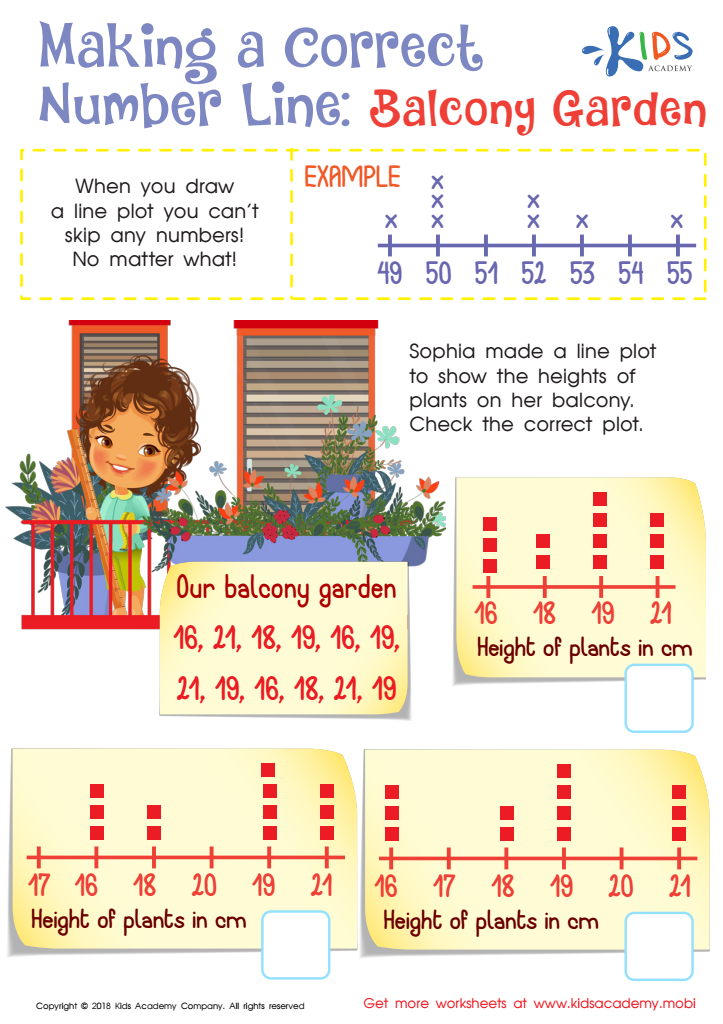
Making a Correct Number Line: Balcony Garden Worksheet
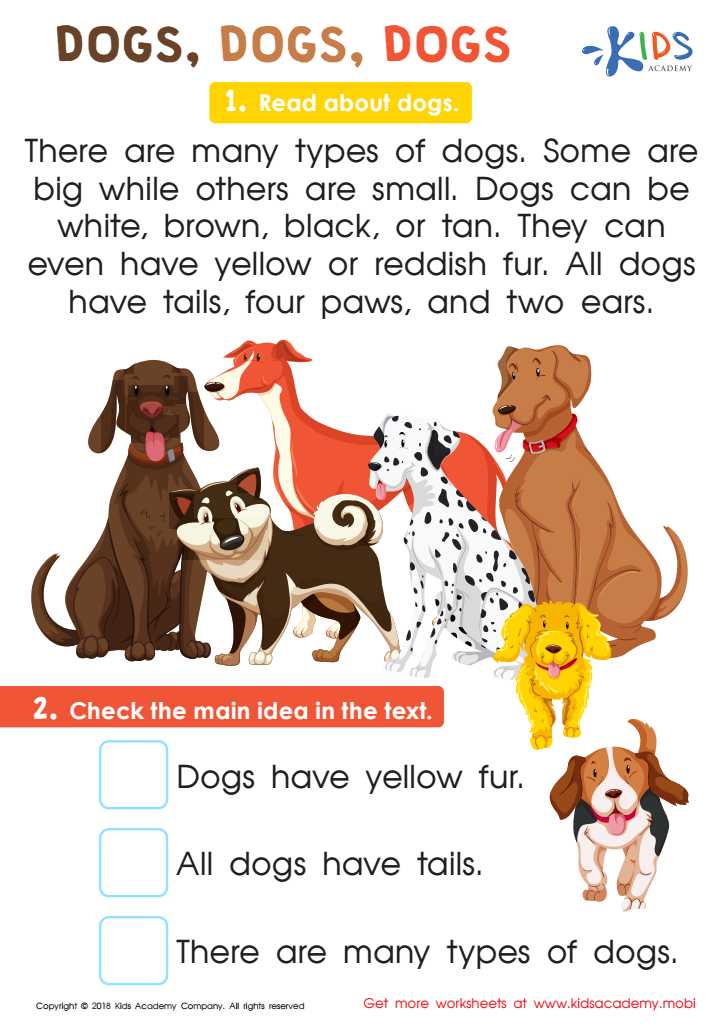
Dogs, Dogs Worksheet
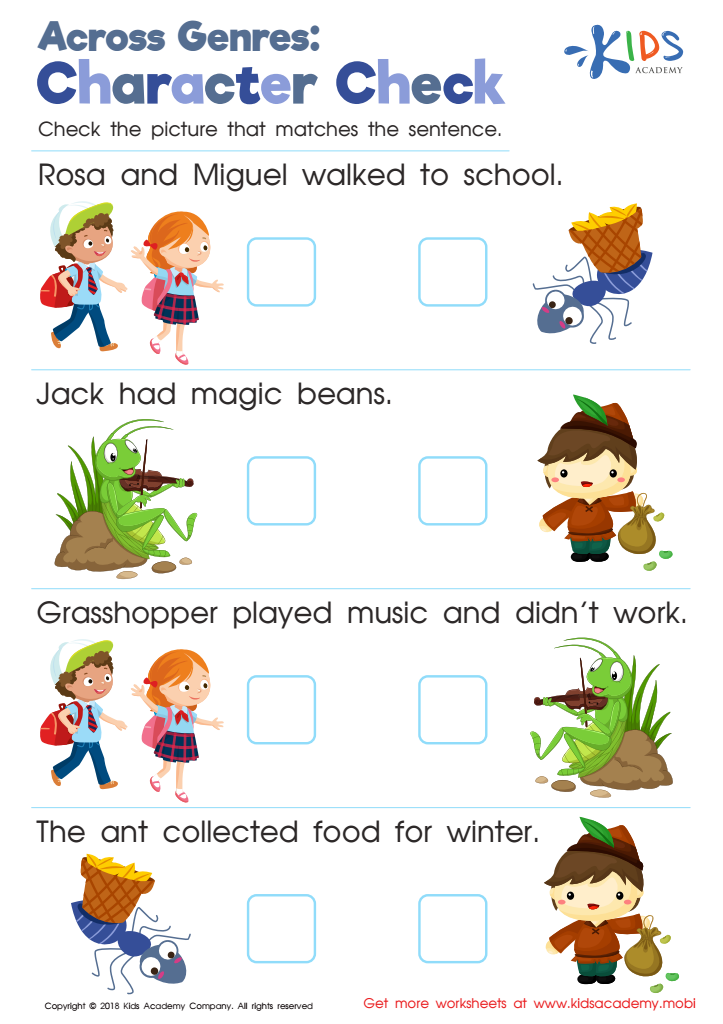
Across Genres: Character Check Worksheet
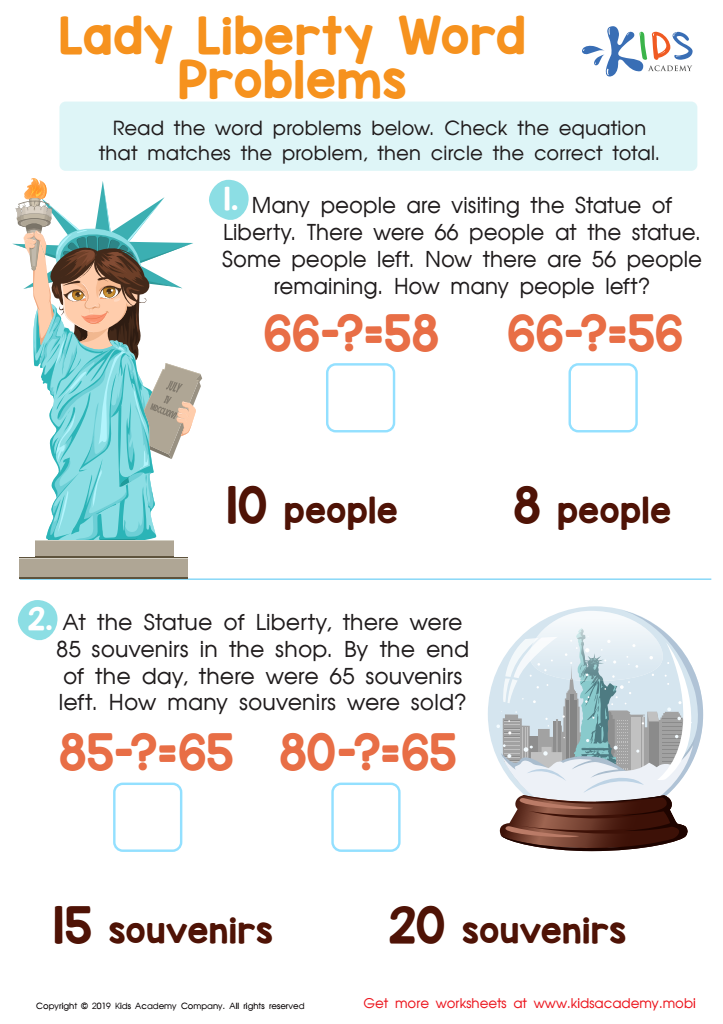
Lady Liberty Worksheet
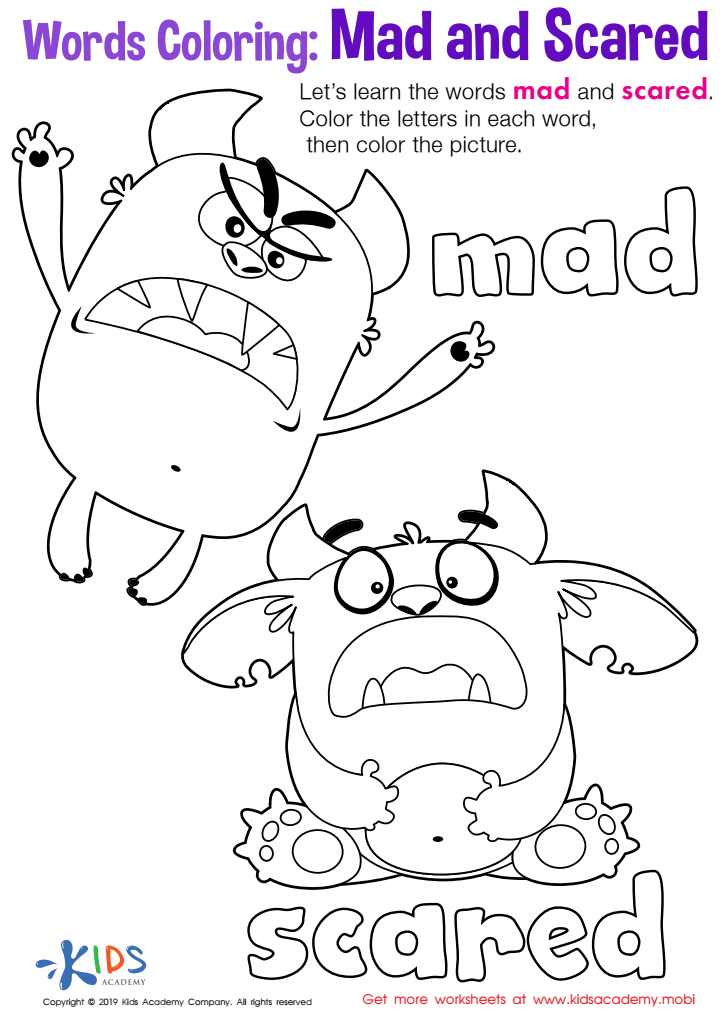
Mad and Scared Words Coloring Worksheet
Assign to My Students
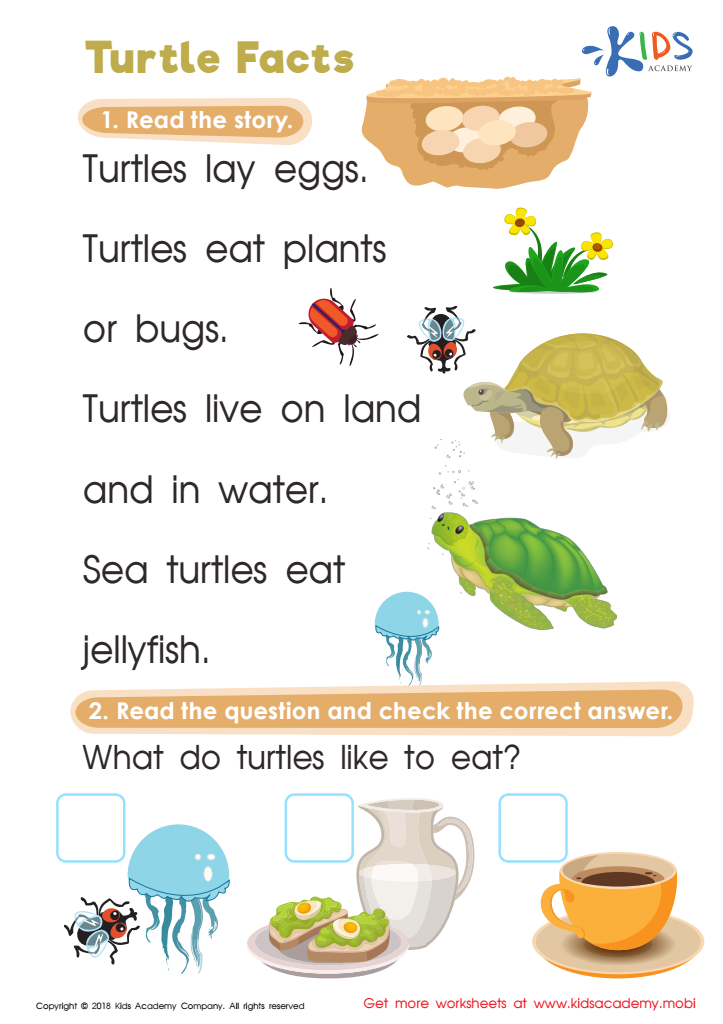
Turtle Facts Worksheet
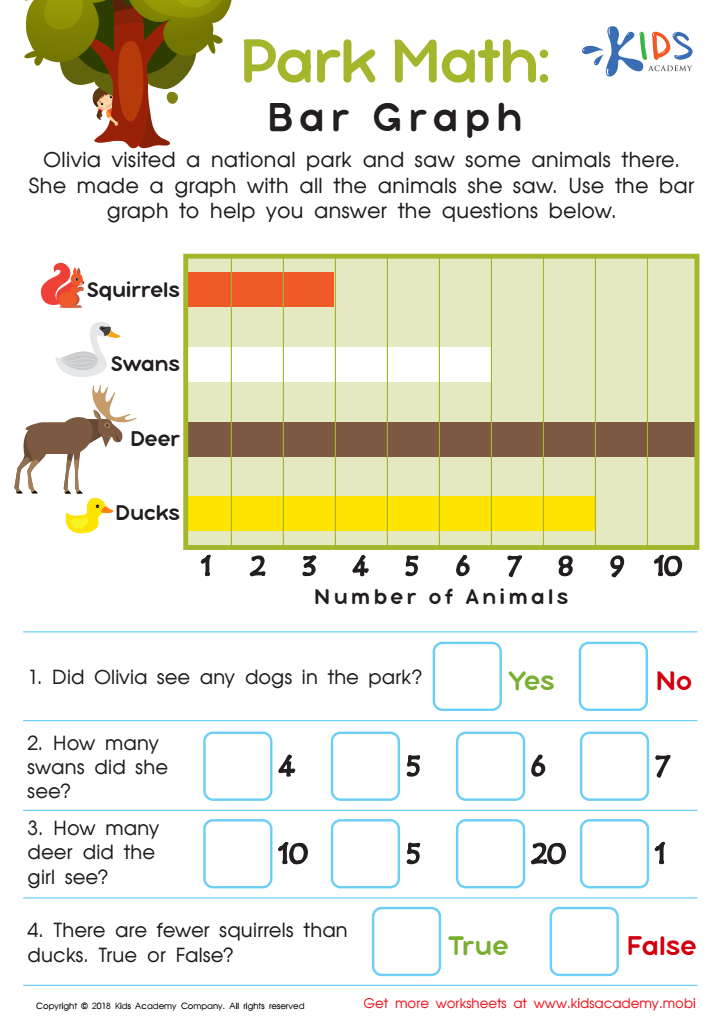
Park Math: Bar Graph Worksheet
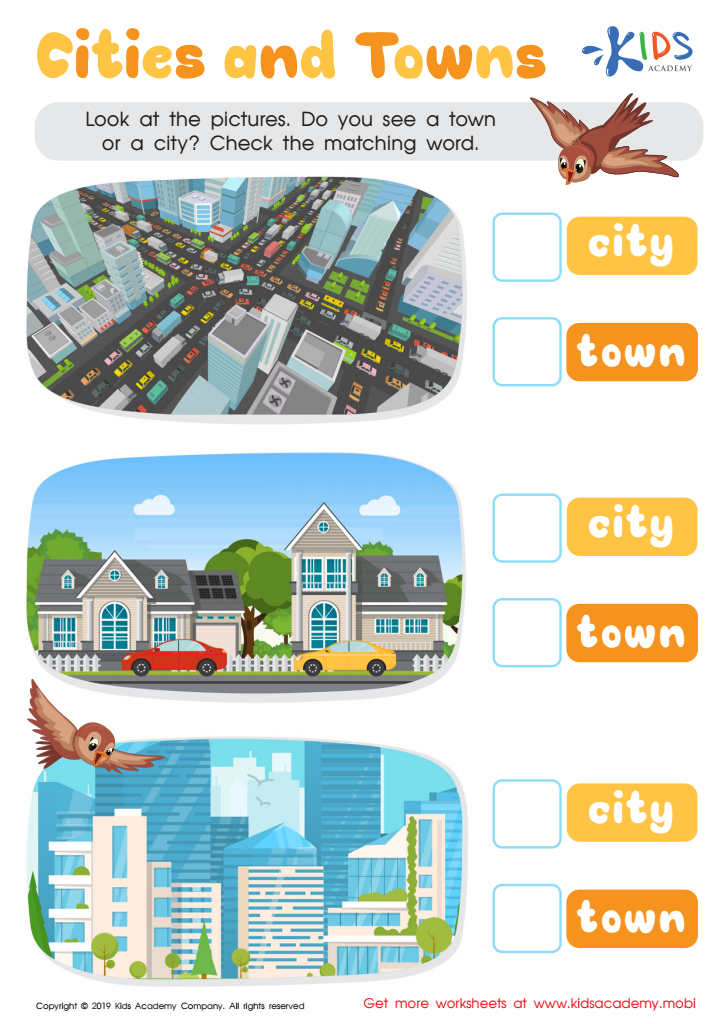
Cities and Towns Worksheet
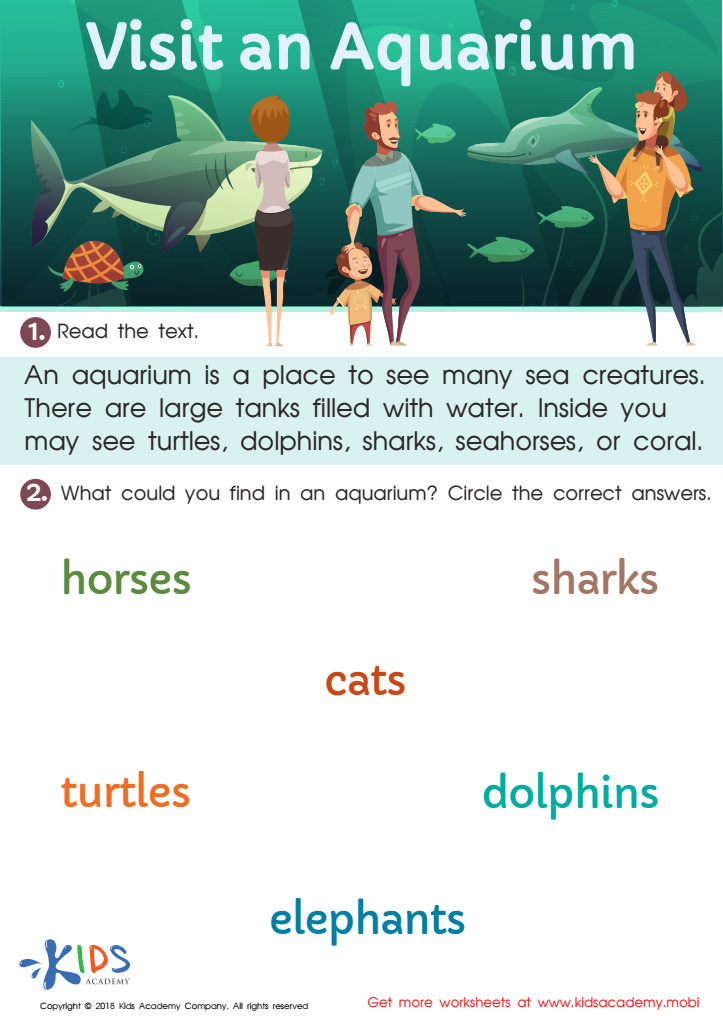
Visit an Aquarium Worksheet
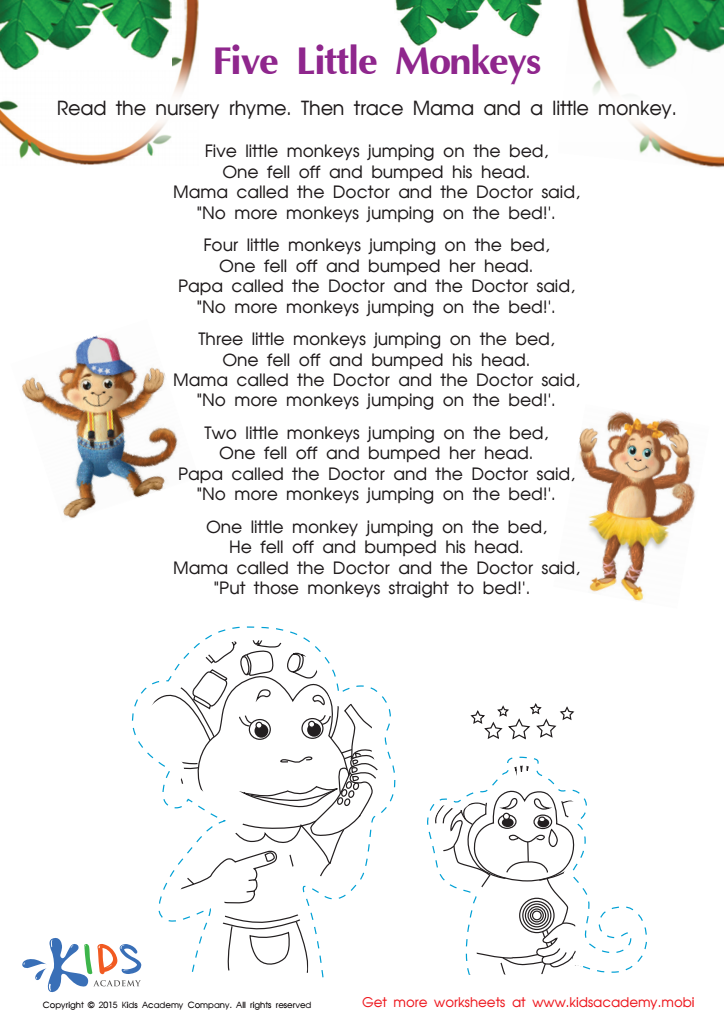
The Five Little Monkeys Nursery Rhyme Worksheet




.jpg)



Reading comprehension is crucial for children aged 7 to 9 as it forms the foundation for successful learning across all subjects. At this age, children transition from learning to read to reading to learn. When kids understand what they read, they develop critical thinking skills, boost their vocabulary, and enhance their ability to make connections between texts and real life.
Teachers and parents should prioritize improving reading comprehension because it significantly impacts a child's academic performance. Children who struggle with comprehension may face challenges in math, science, and even social studies, as all these subjects require solid reading skills. Furthermore, strong comprehension skills foster a love for reading, encouraging children to explore new worlds and ideas, which is essential for personal and intellectual growth.
In addition, reading comprehension supports emotional and social development. As children understand stories better, they learn empathy and can relate to the emotions and experiences of others. This contributes to better communication skills and stronger relationships with peers.
By nurturing reading comprehension, parents and teachers empower children with tools that will not only enhance their academic journey but also enrich their lives beyond the classroom. Thus, investing in these skills during this critical developmental stage is paramount.








