Extra Challenge Worksheets for Ages 3-9 - Page 4
523 filtered results
-
From - To
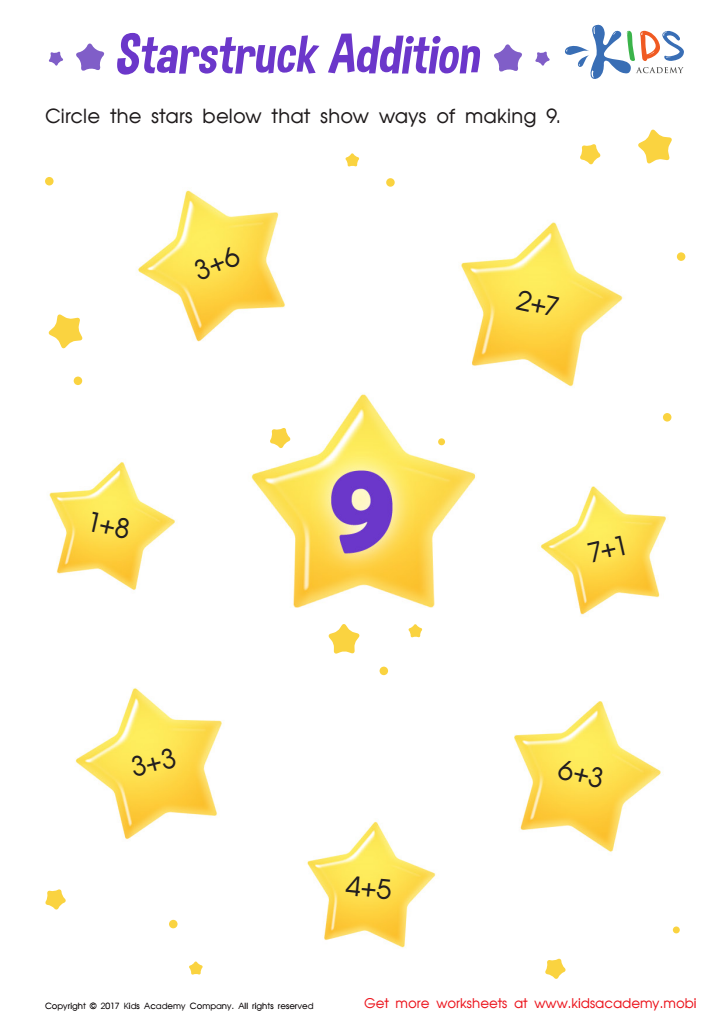
Starstruck Addition Printable
 Assign to My Students
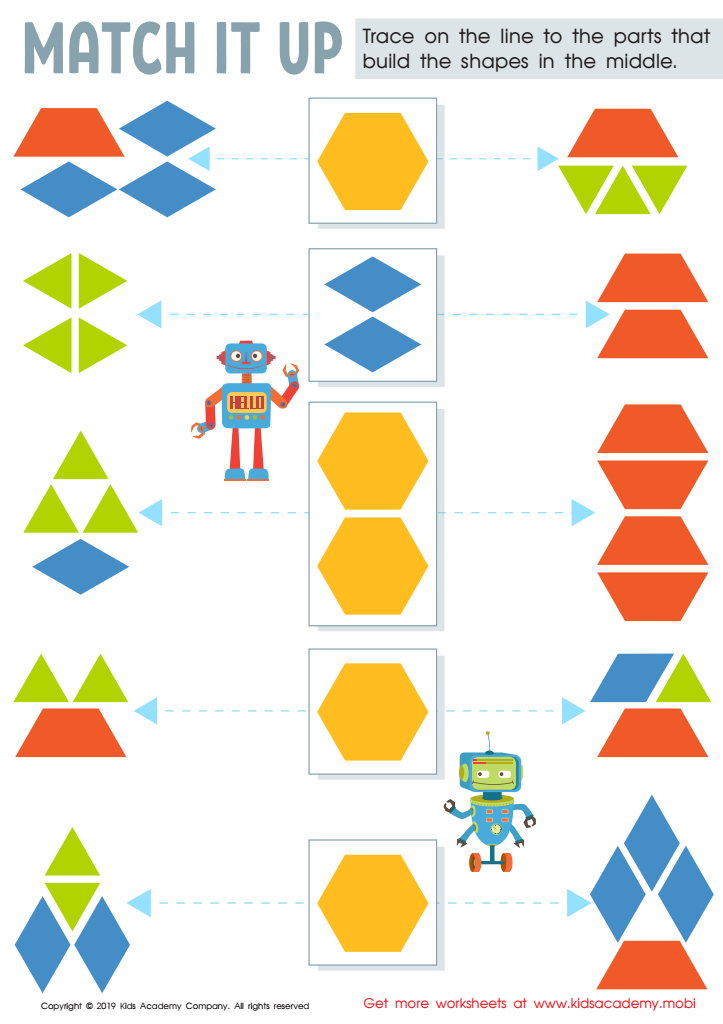
Match It up Worksheet
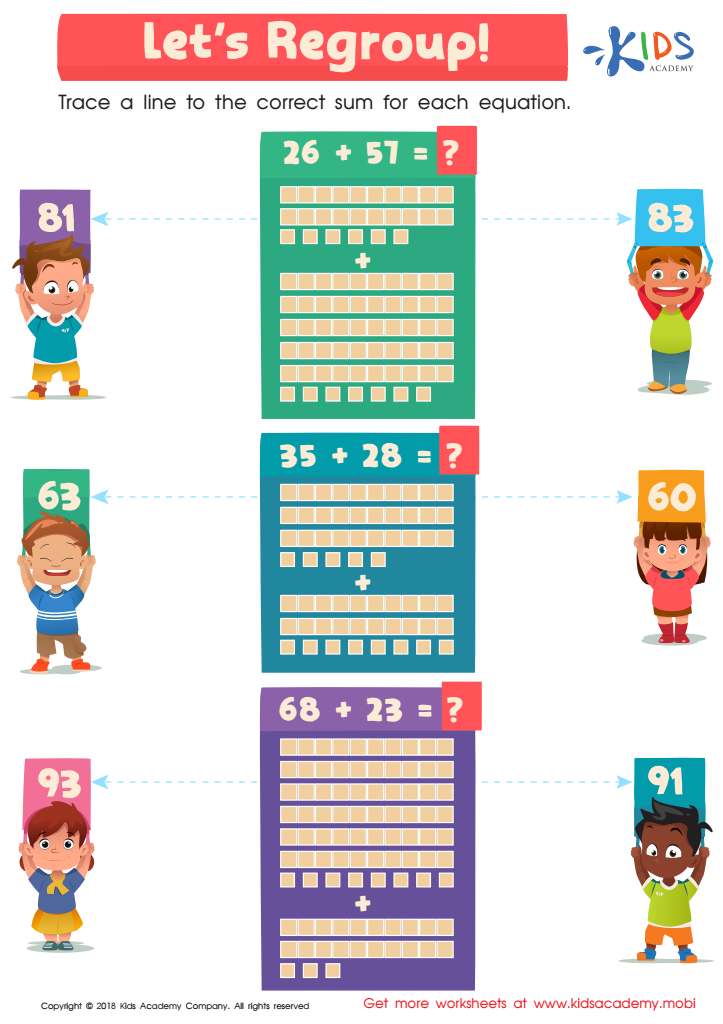
Let's Regroup Worksheet
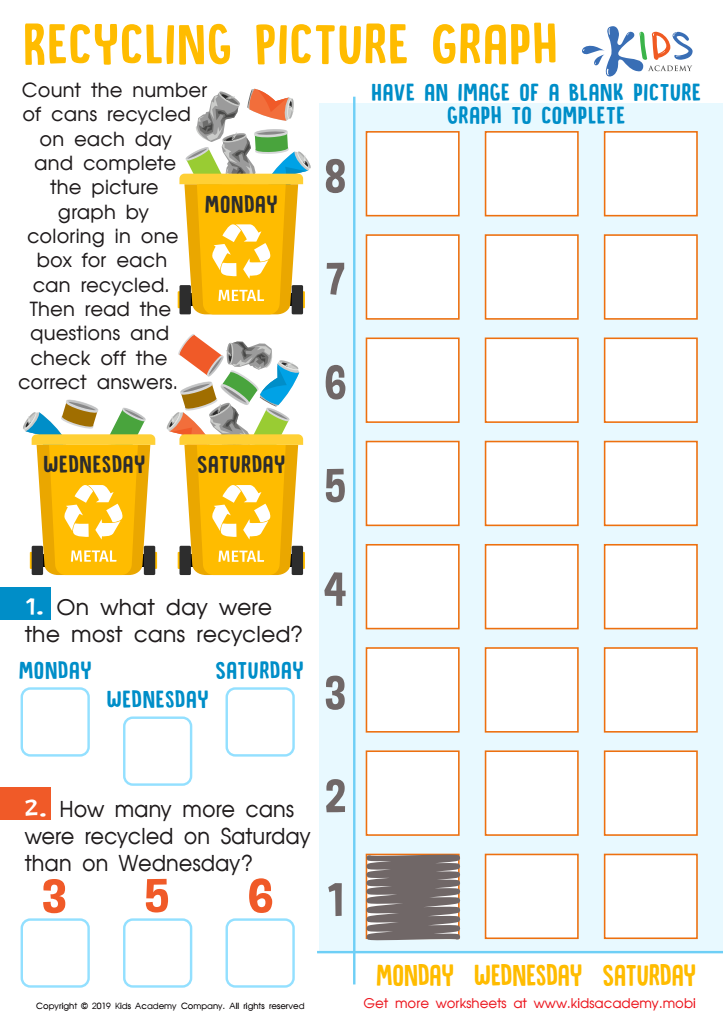
Recycling Picture Graph Worksheet
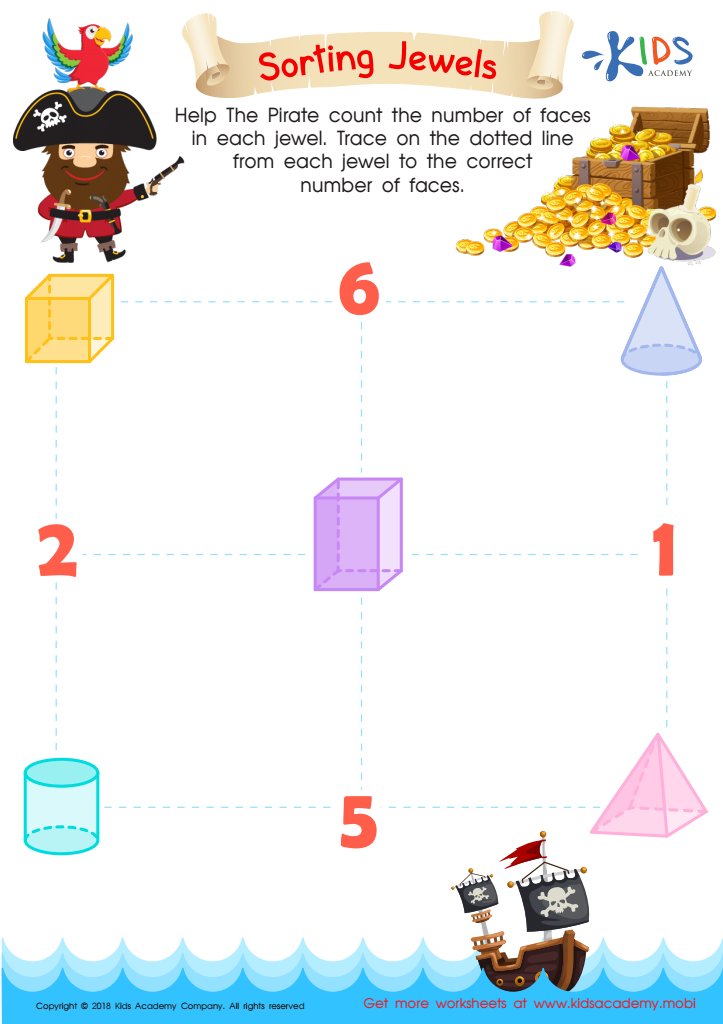
Sorting Jewels Worksheet
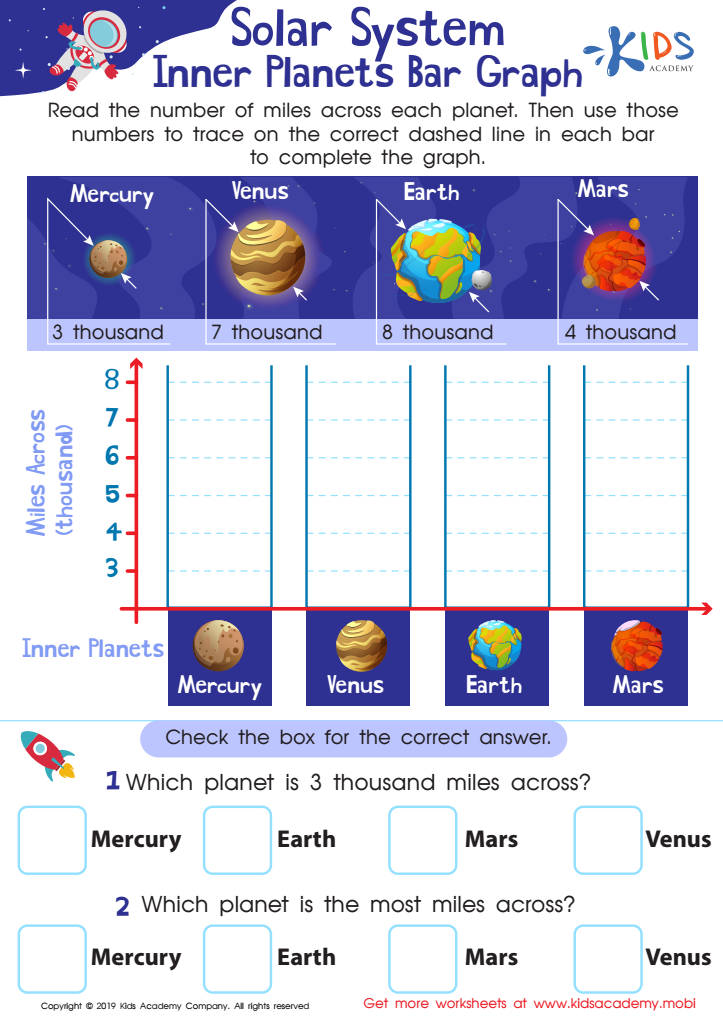
Planets Bar Graph Worksheet
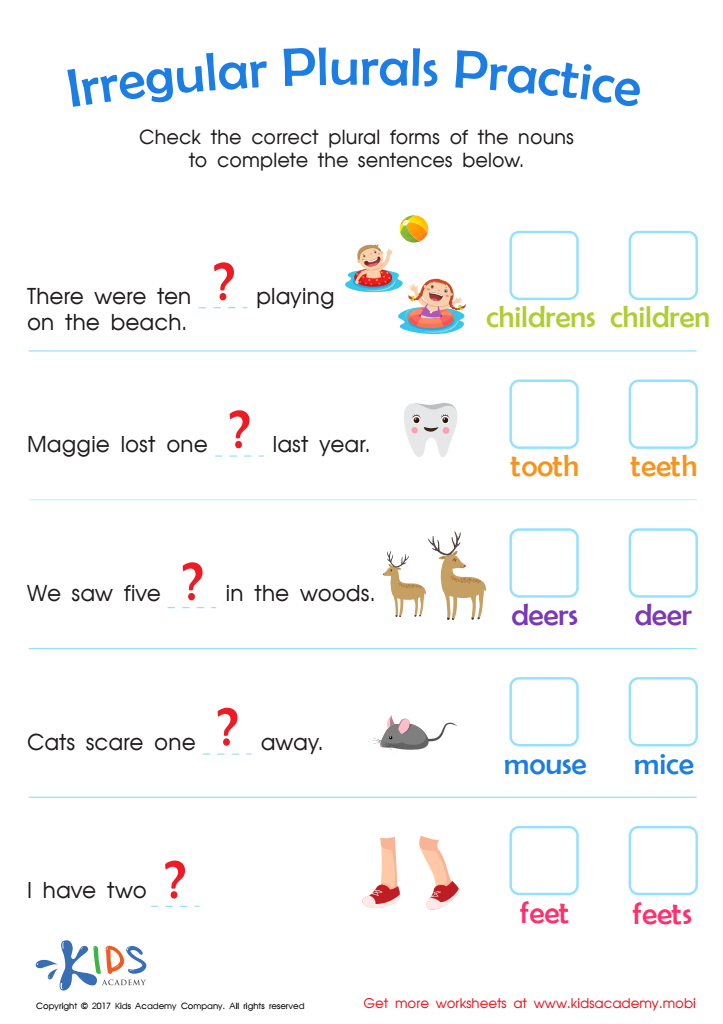
Irregular Plural Nouns Worksheet
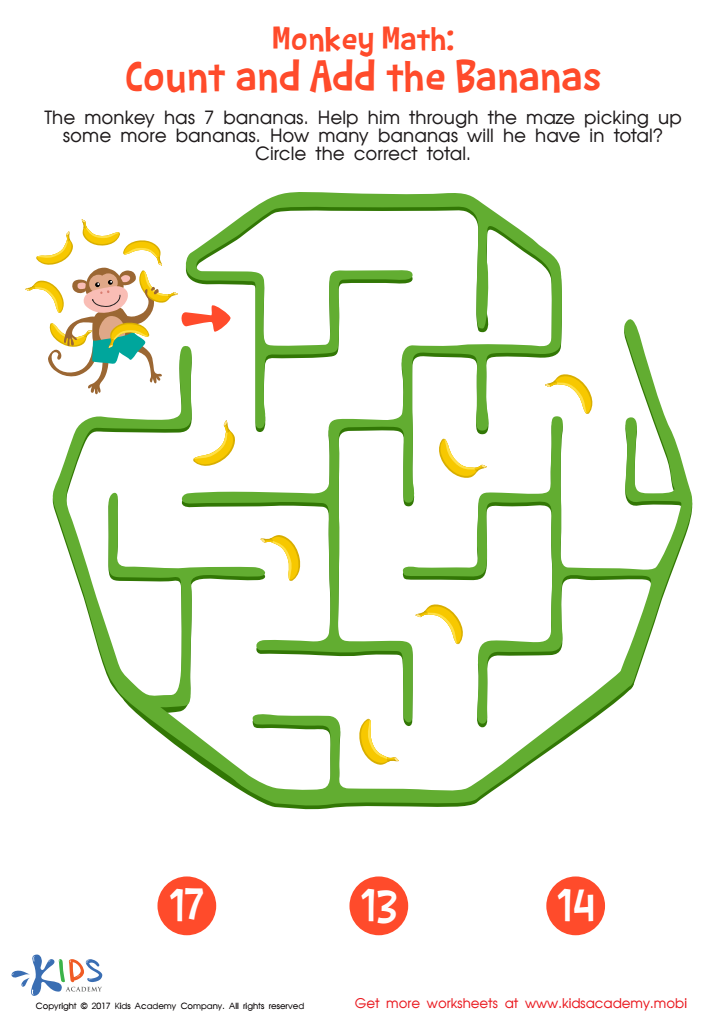
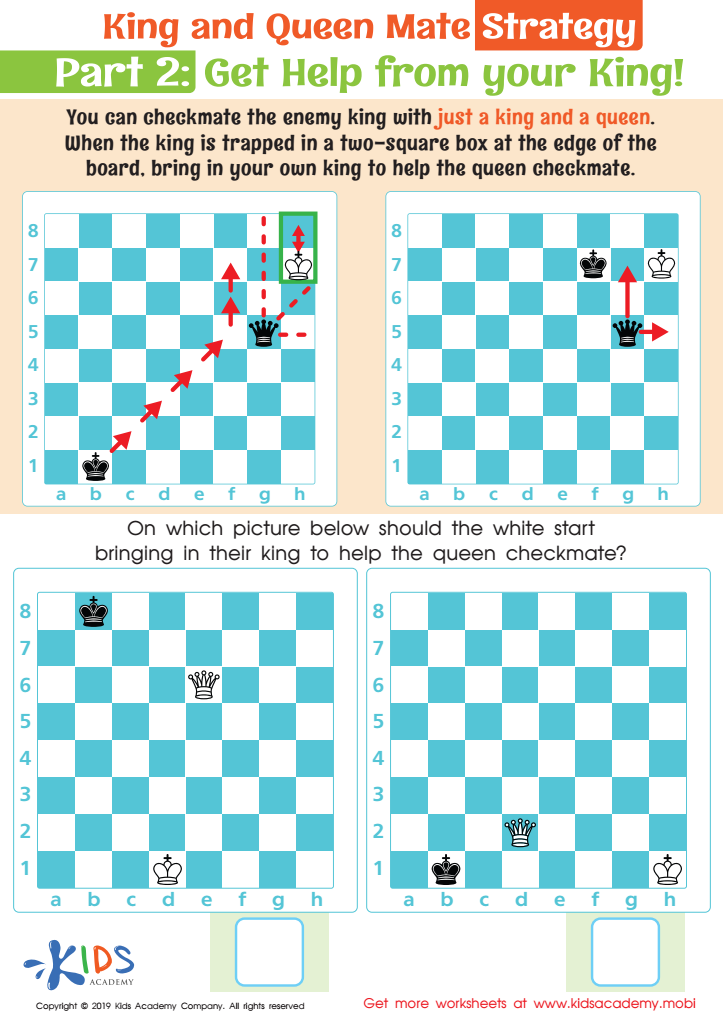
King and Queen Mate Strategy: Part 2 Worksheet
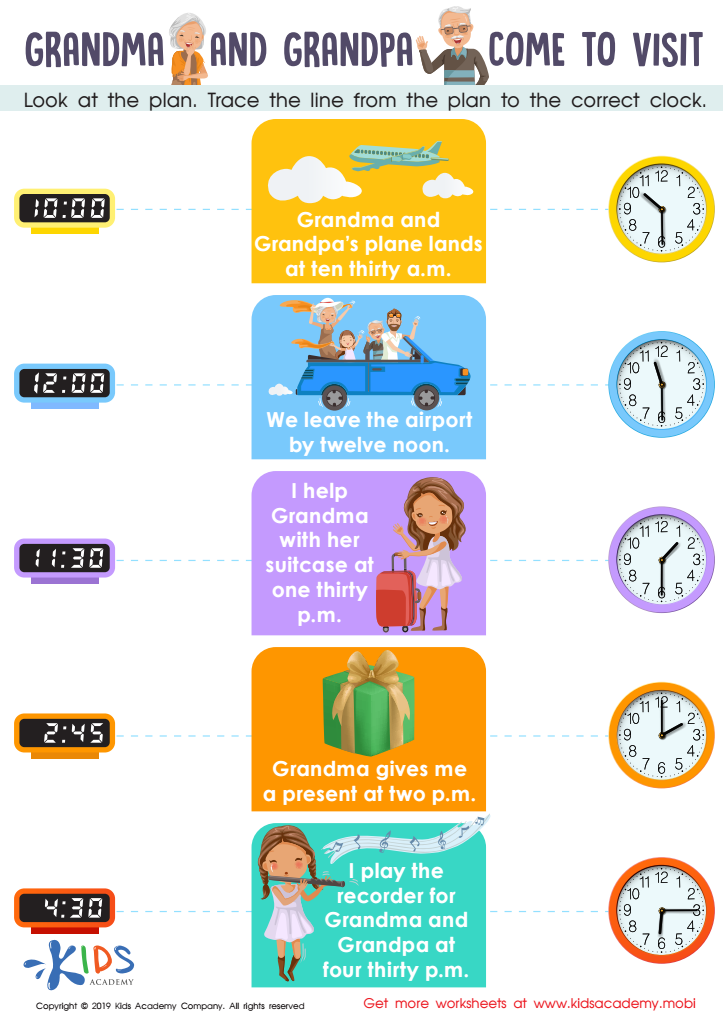
Grandpa and Grandma Come to Visit Worksheet
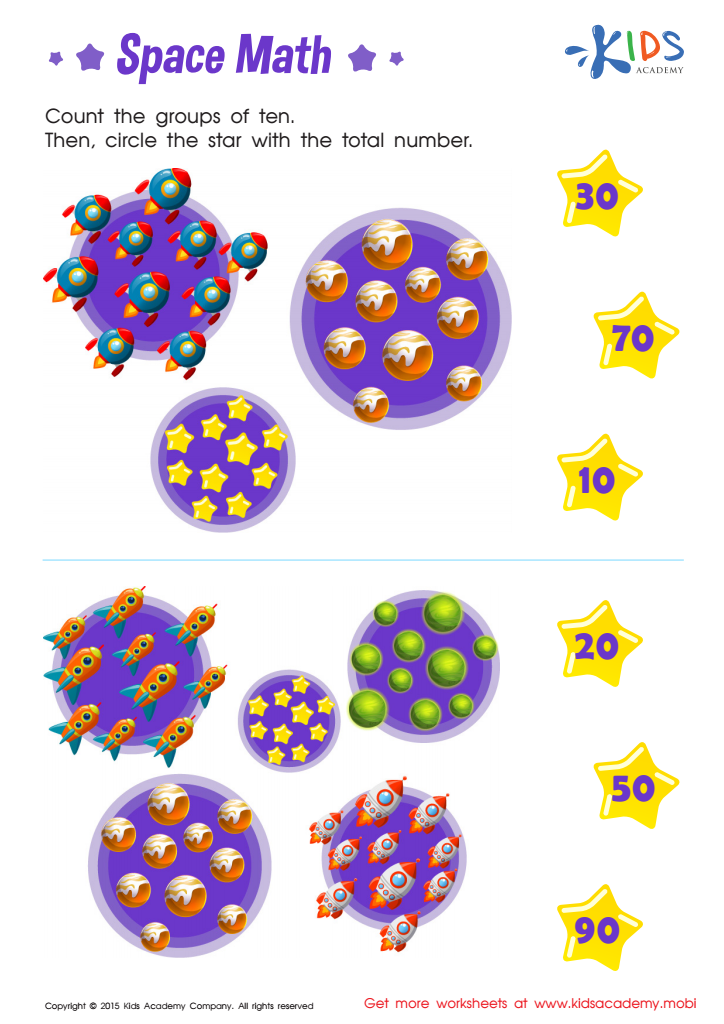
Learn dozens: Space math Worksheet
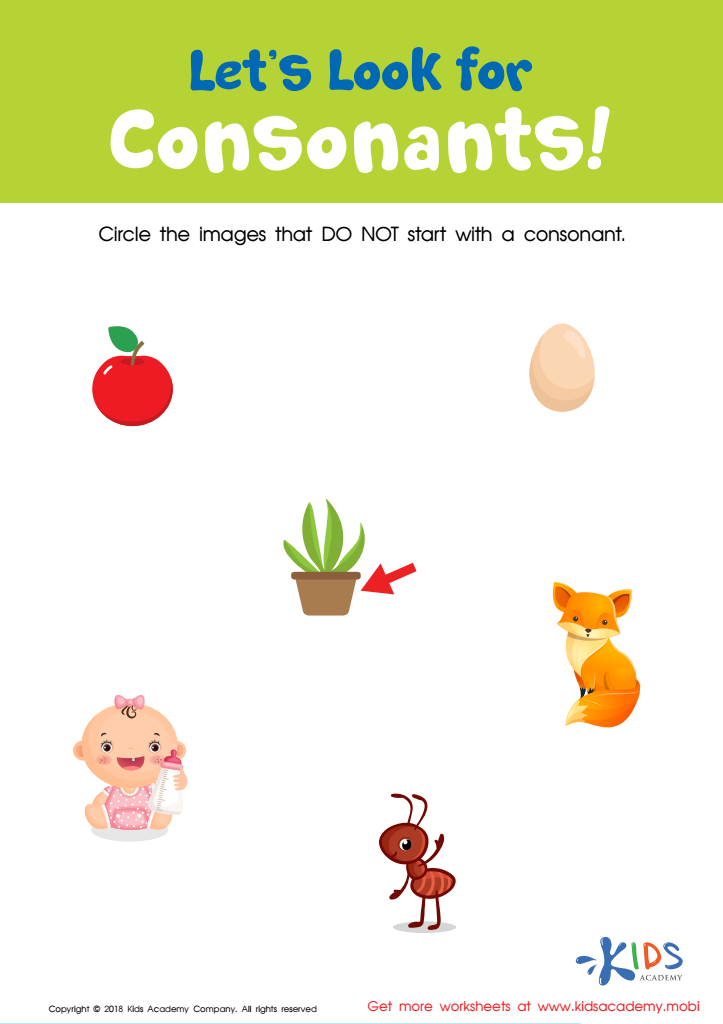
Let's Look for Consonants Worksheet
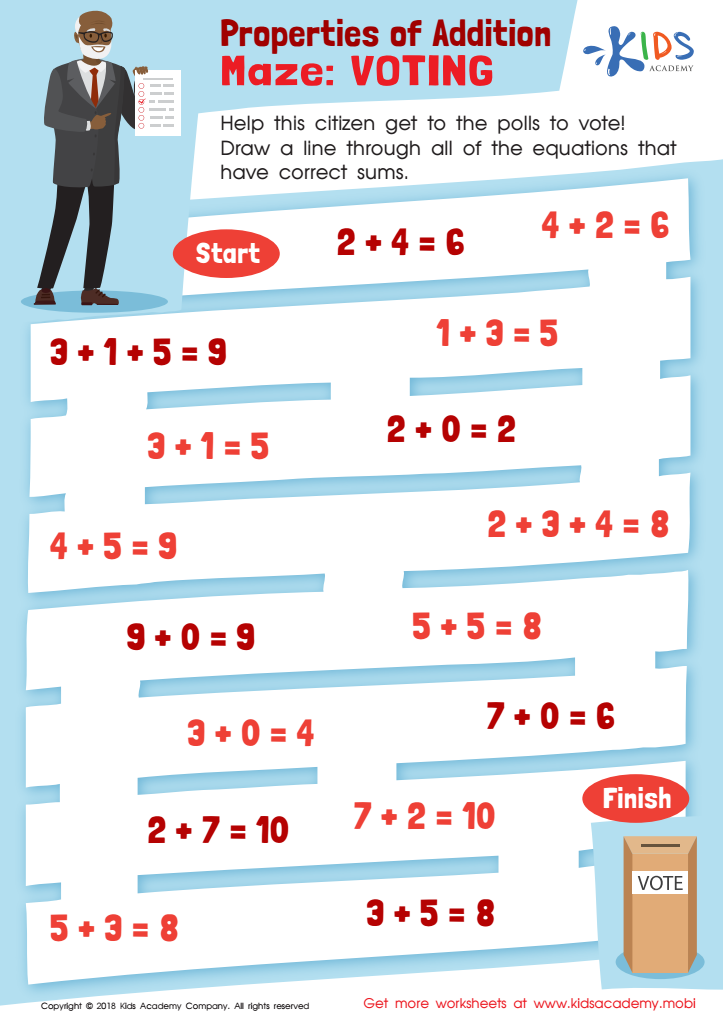
Properties of Addition Maze: Voting Worksheet
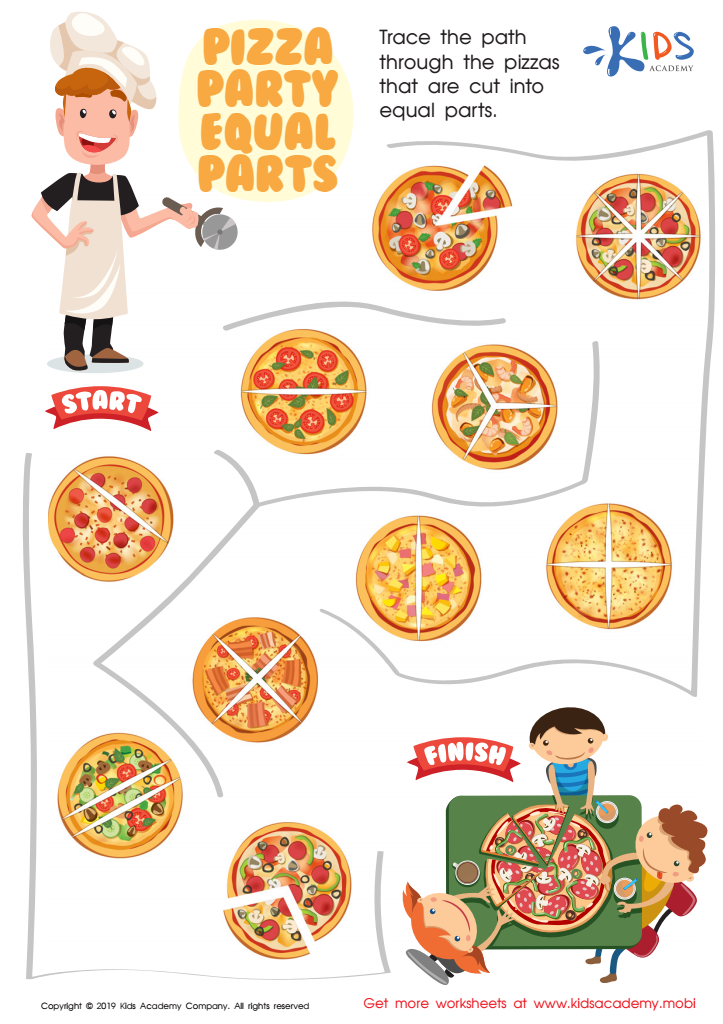
Pizza Party Equal Parts Worksheet
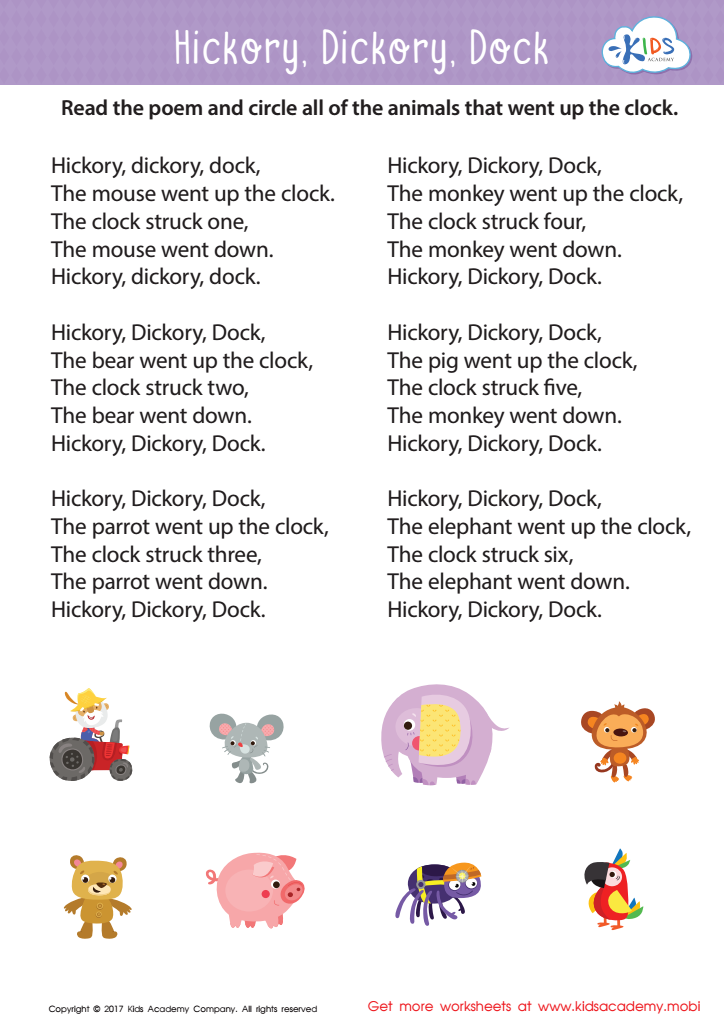
Hickory Dickory Dock Sequencing Worksheet
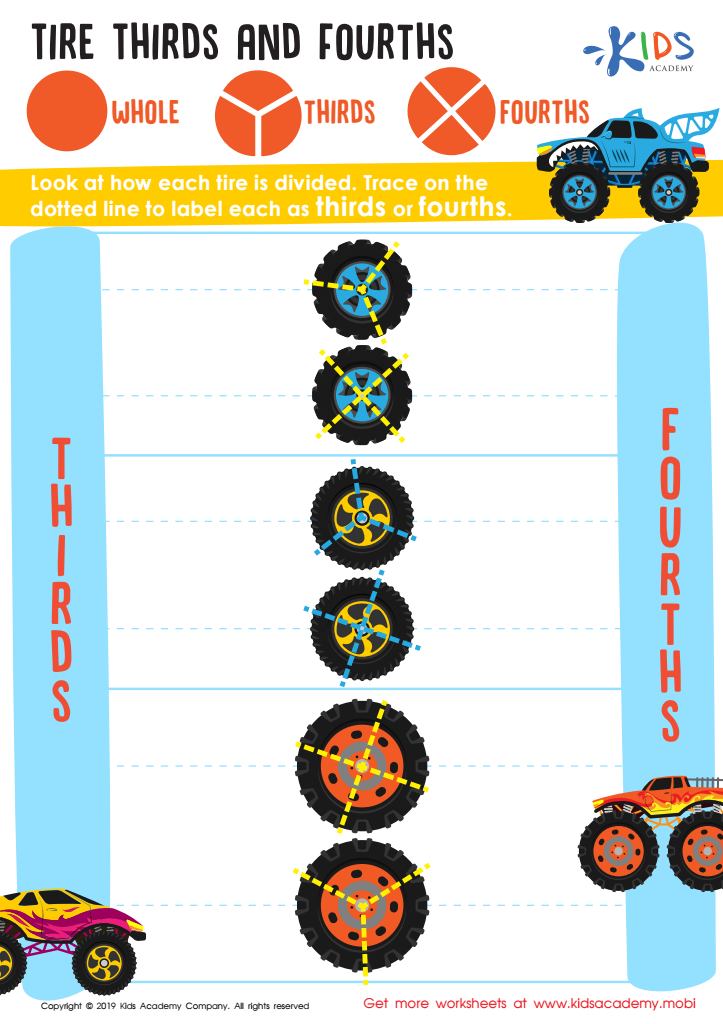
Tire Thirds and Fourths Worksheet
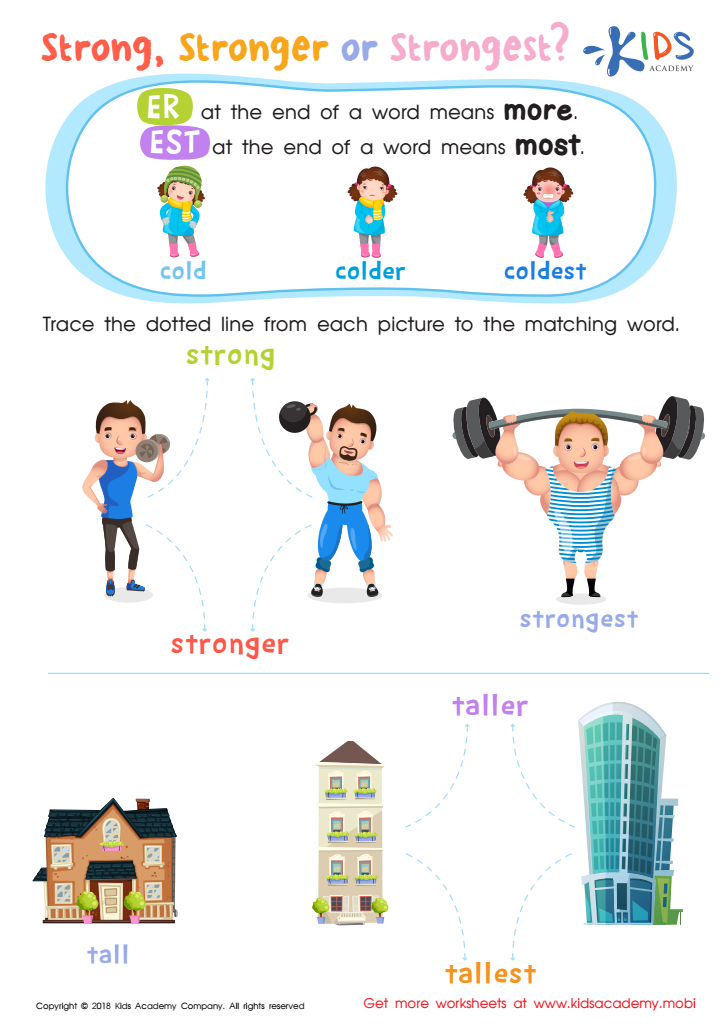
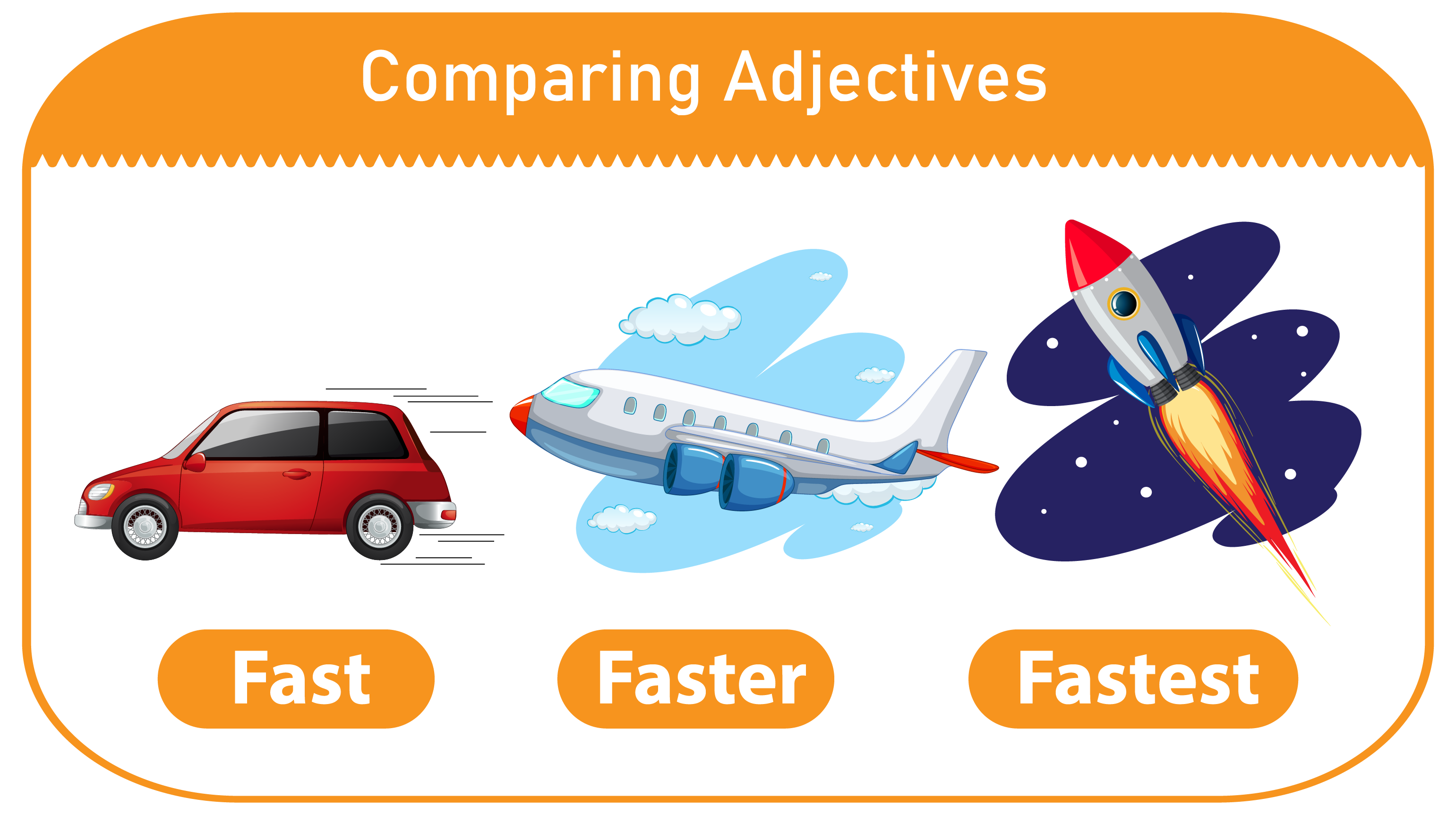
Strong or Stronger? Worksheet
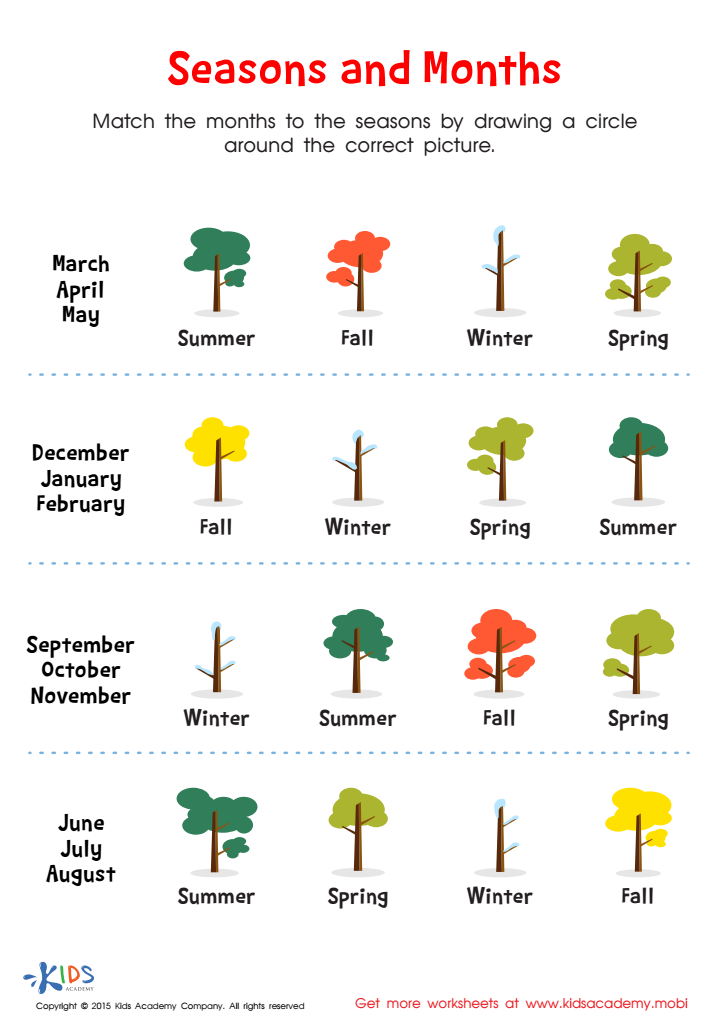
Seasons and Months Worksheet
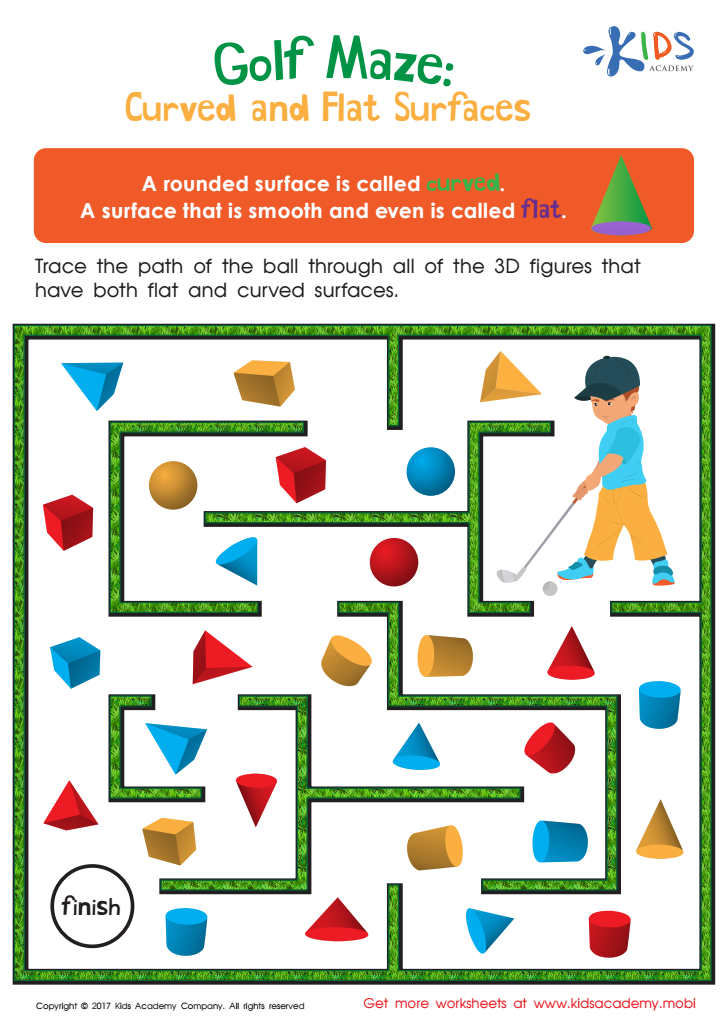
Golf Maze: Curved and Flat Surfaces Worksheet
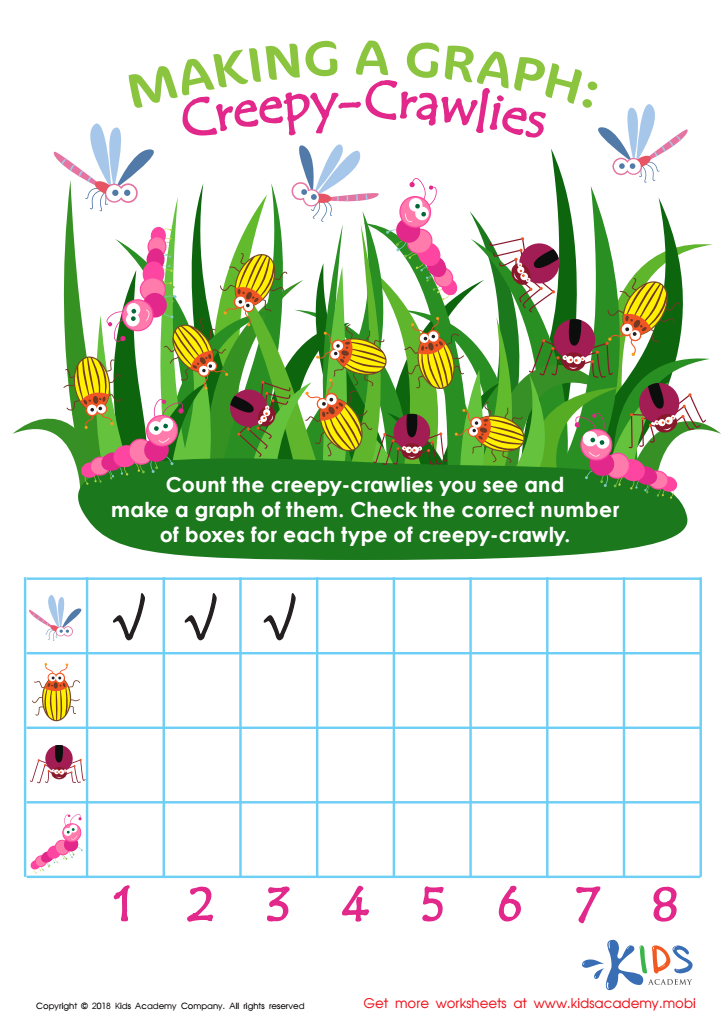
Making a Graph: Creepy Crawlies Worksheet

Sort the Monster's Socks Worksheet
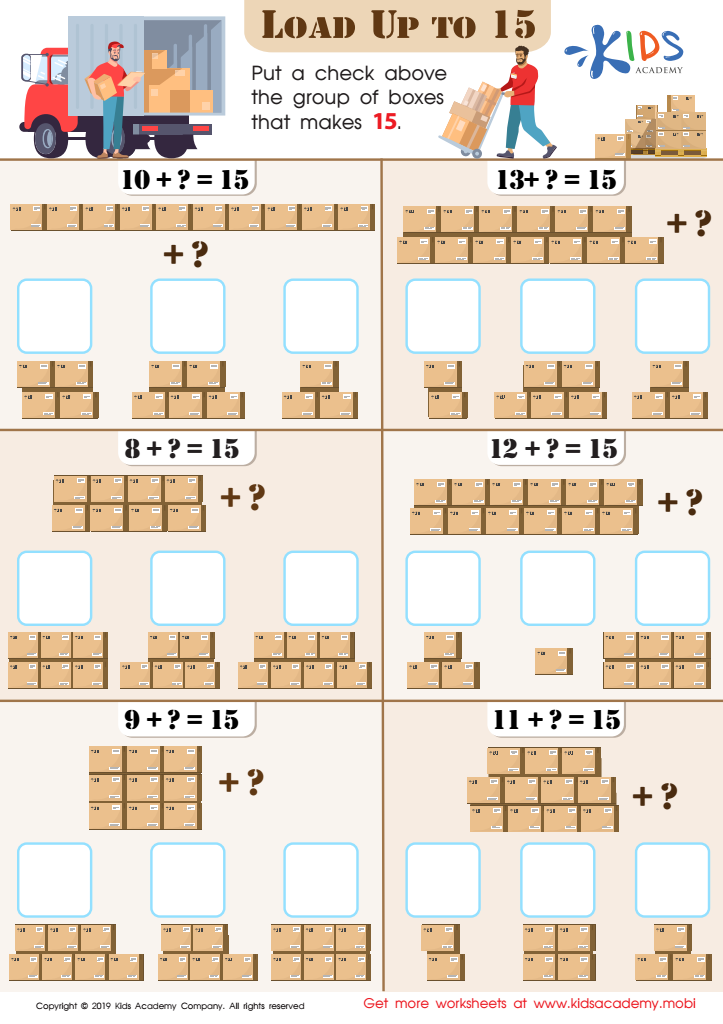
Load up to 15 Worksheet
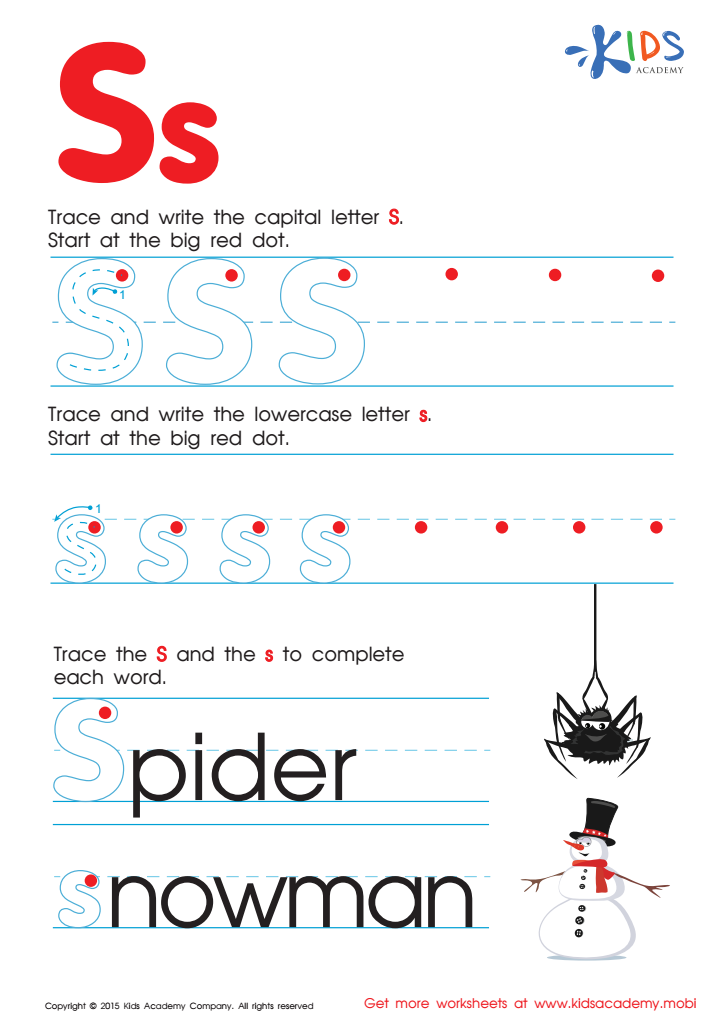
Letter S Tracing Page
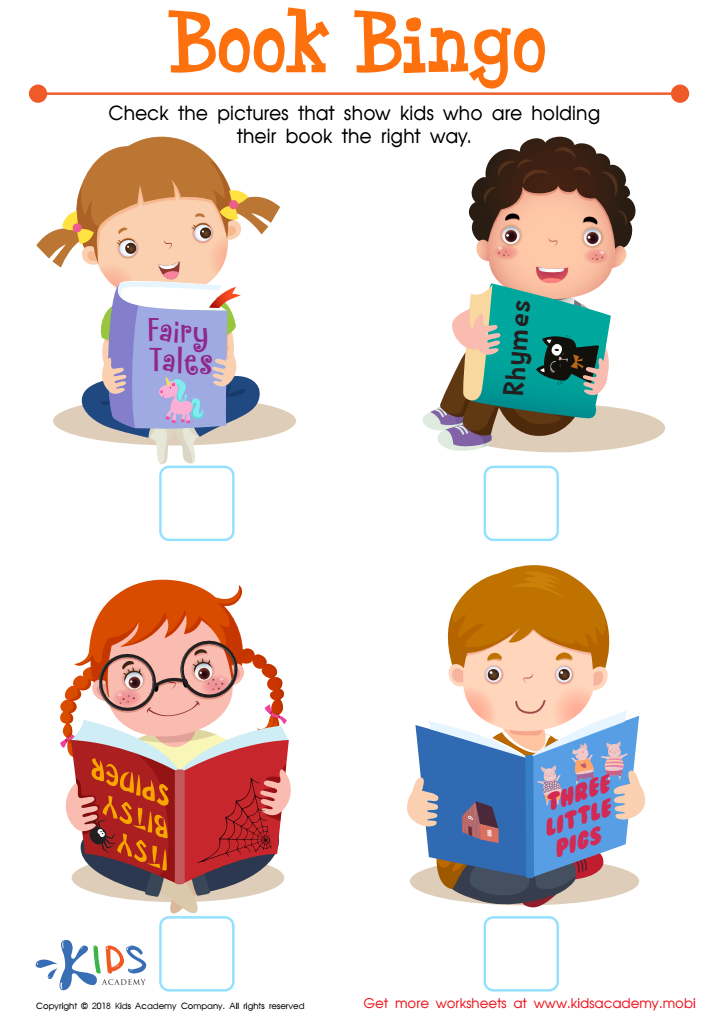
Book Bingo Worksheet







Extra challenges for children aged 3-9 are essential for their developmental and educational growth. Firstly, this age range is a critical phase for cognitive and psychological development. Engaging in activities that challenge their thinking, problem-solving, and creativity helps to develop their mental capabilities. When children solve puzzles, complete tasks, or tackle new activities, they learn to think critically and promote cognitive skills that are crucial later in life.
Secondly, extra challenges instill a sense of perseverance and resilience. When kids face difficult tasks and overcome them, they build confidence and a positive mindset towards learning and trying new things. This resilience is invaluable not just in academic pursuits but also in day-to-day challenges.
Thirdly, presenting children with varied challenges supports social and emotional development. Cooperative activities teach teamwork, sharing, and empathy, while competitive tasks foster a healthy spirit of ambition and goal-setting.
Finally, parents and teachers play crucial roles in children's learning. By providing and encouraging extra challenges, they actively participate in their child’s growth trajectory. Engaging with children in these activities also strengthens the parent-child or teacher-student relationships, offering opportunities for meaningful, guided interactions.
In summary, extra challenges during early childhood are foundational across cognitive, emotional, and social dimensions, setting the stage for lifelong learning and development.








