Problem-Solving Skills Extra Challenge Worksheets for Ages 4-8 - Page 2
80 filtered results
-
From - To
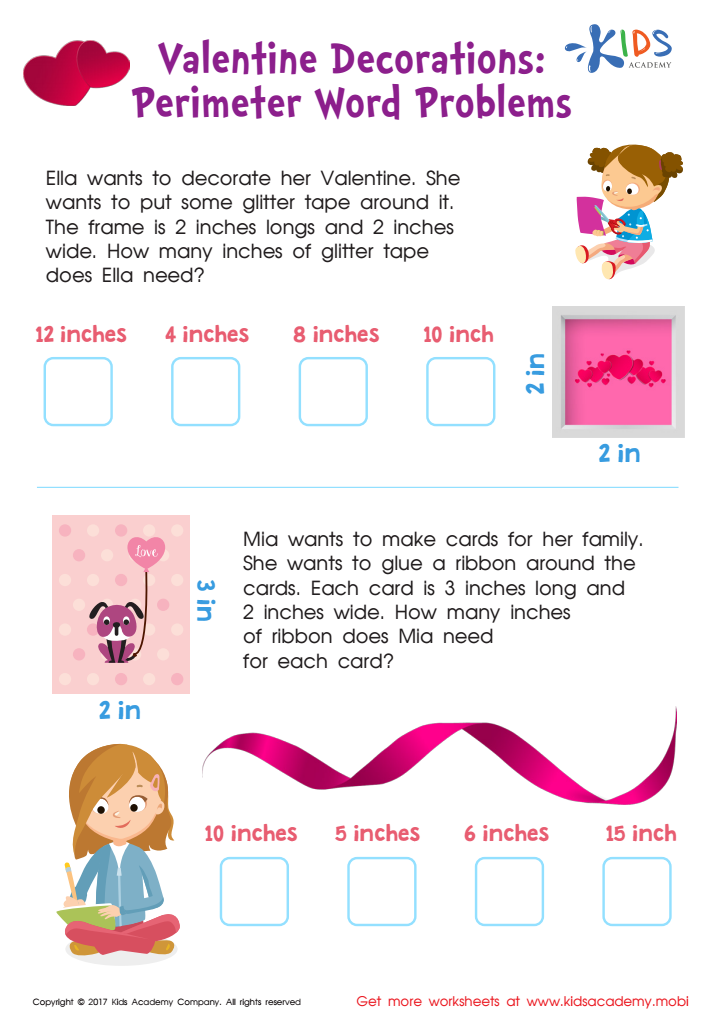
Perimeter Word Problems Worksheet
 Assign to My Students
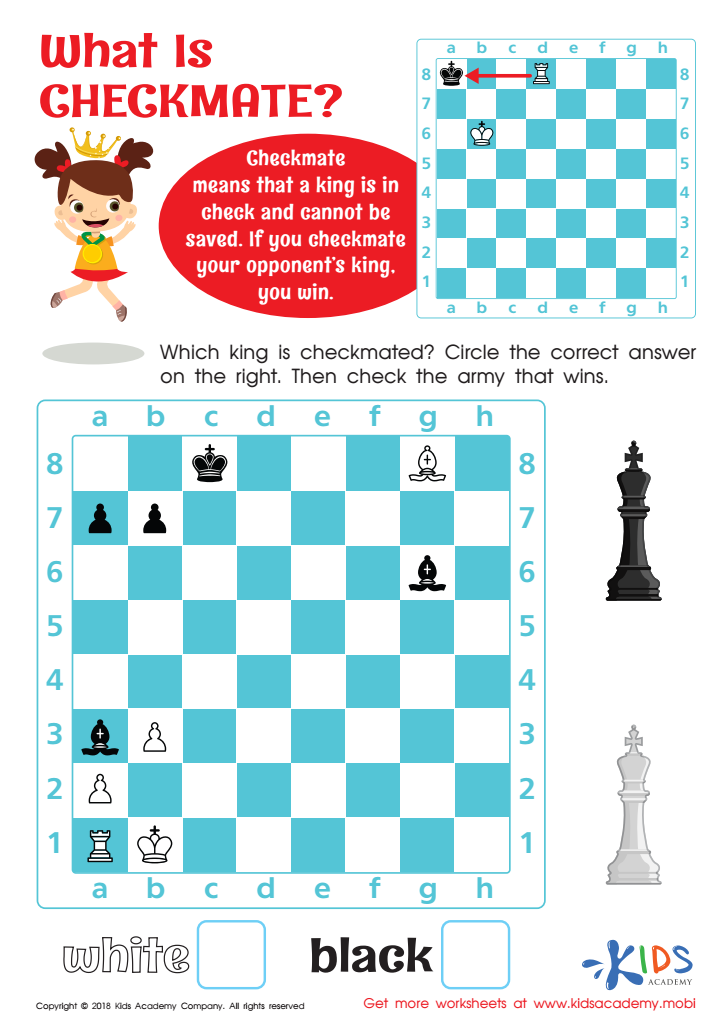
What is Checkmate? Worksheet
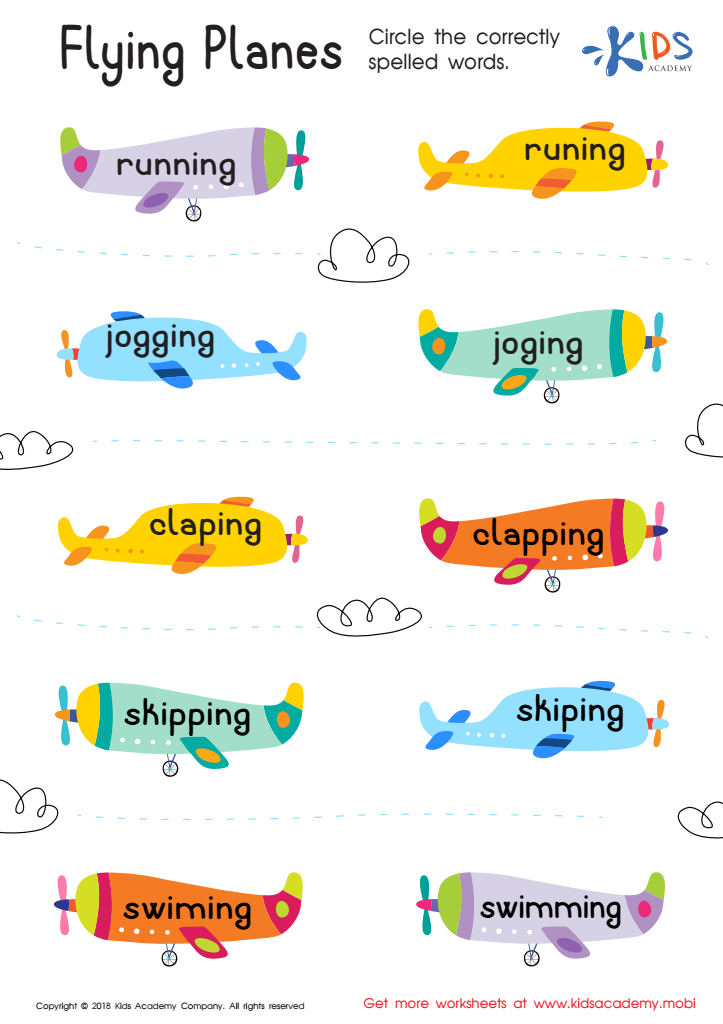
Flying Planes Worksheet
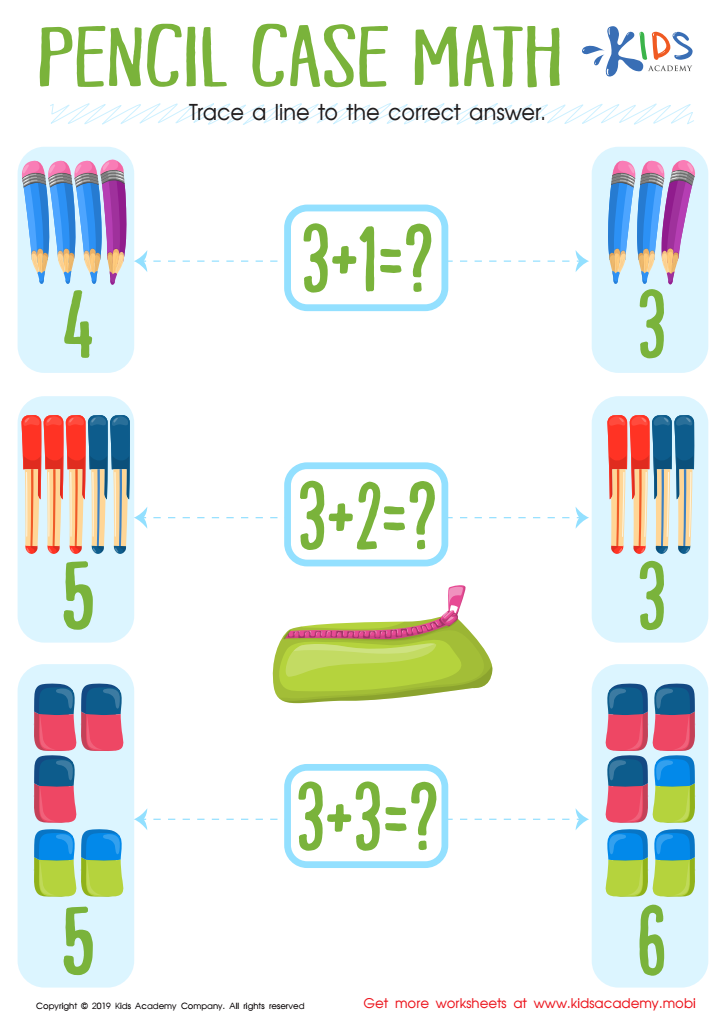
Pencil Case Math Worksheet
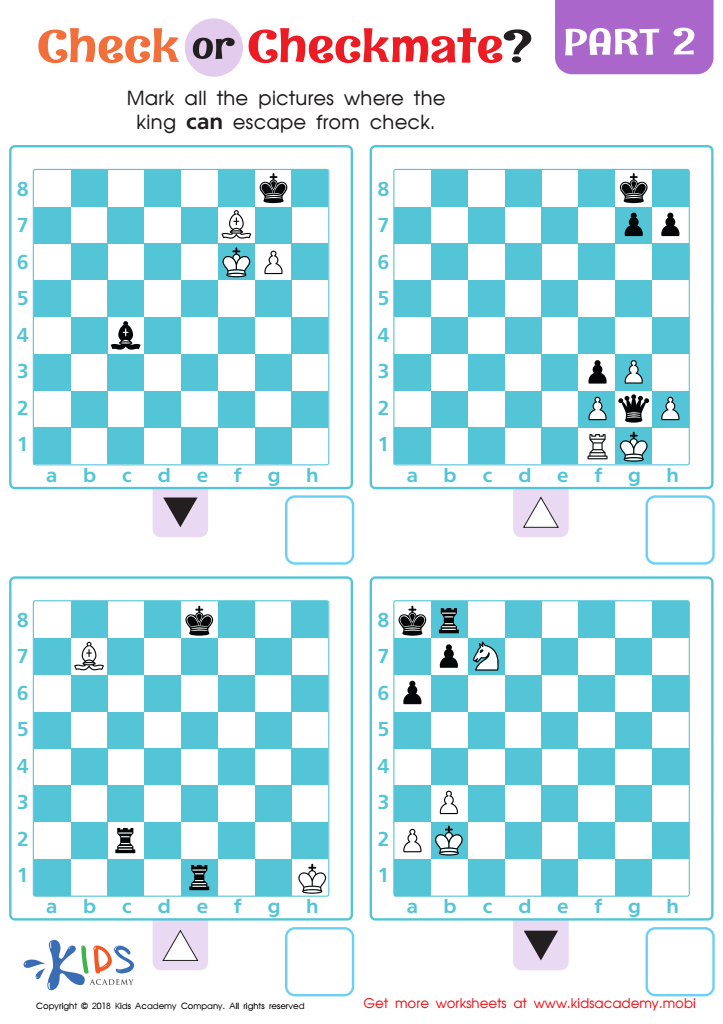
Check or Checkmate: Part 2 Worksheet
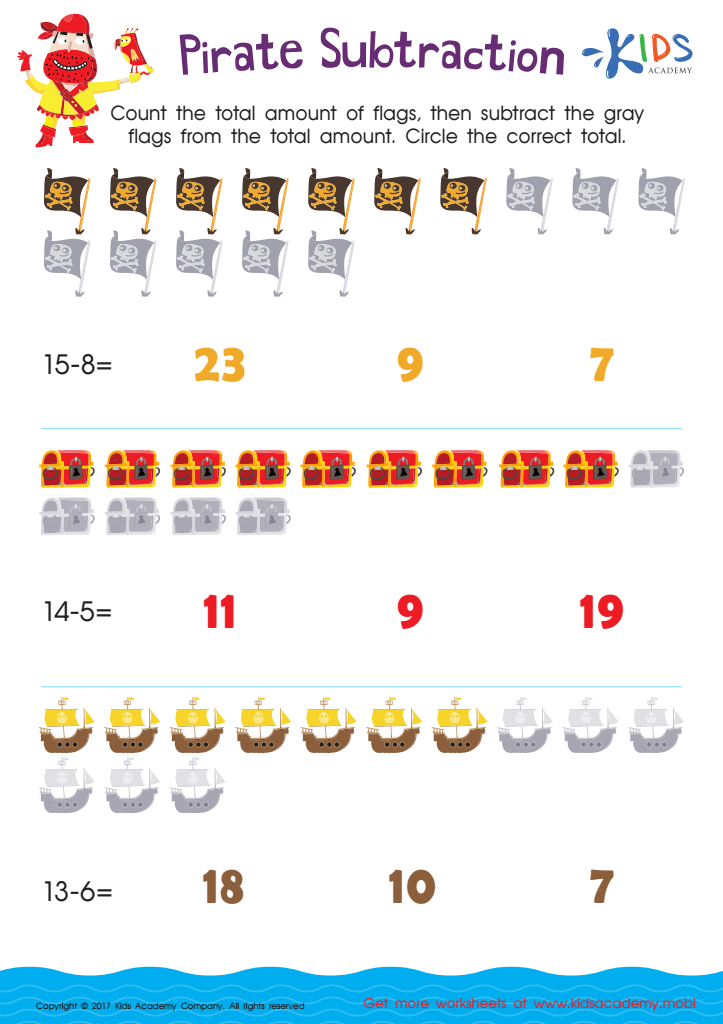
Pirate Subtraction Substraction Worksheet
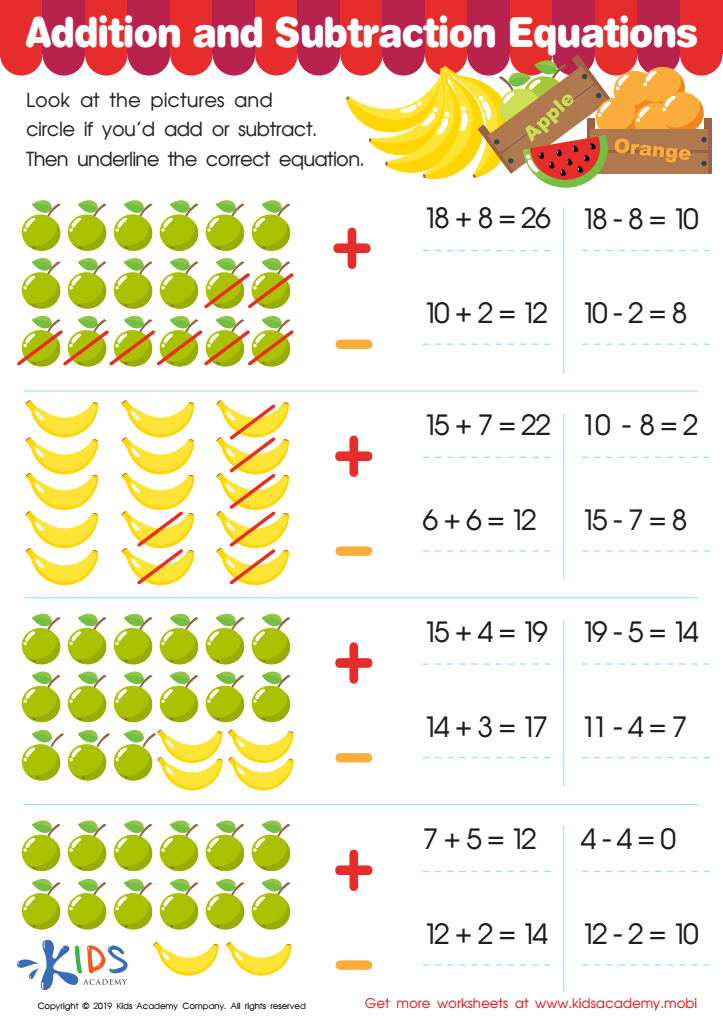
Addition and Subtraction: Equations Worksheet
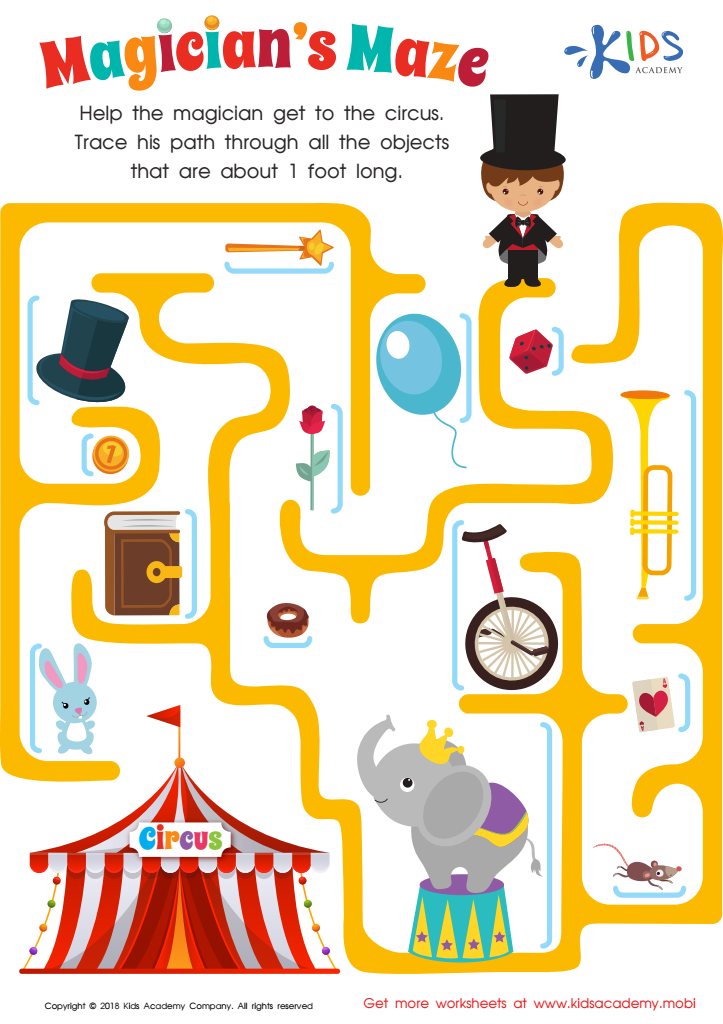
Estimating Length: Magician's Maze Worksheet
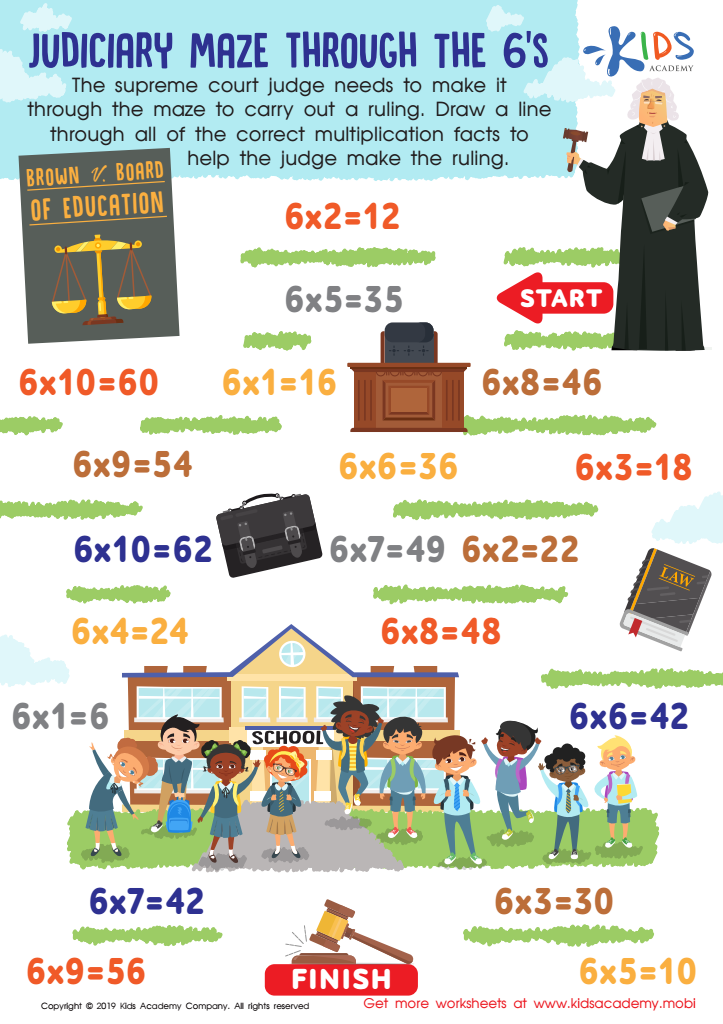
Judiciary Maze Through The 6’s Worksheet
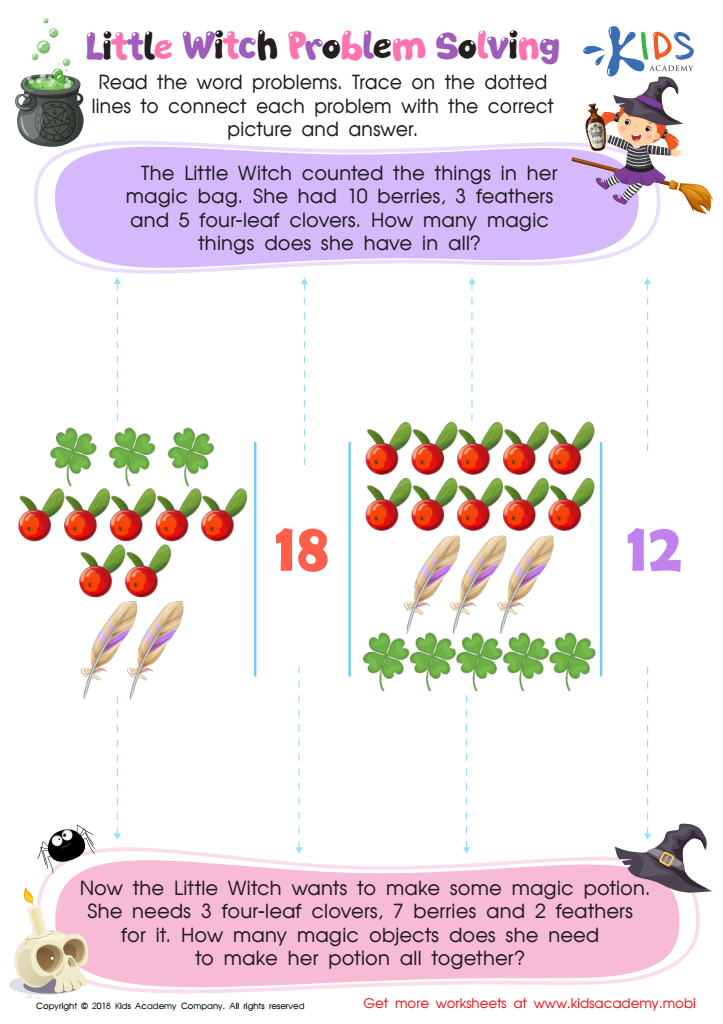
Little Witch Problem Solving Worksheet

Tricky Patterns Size Worksheet
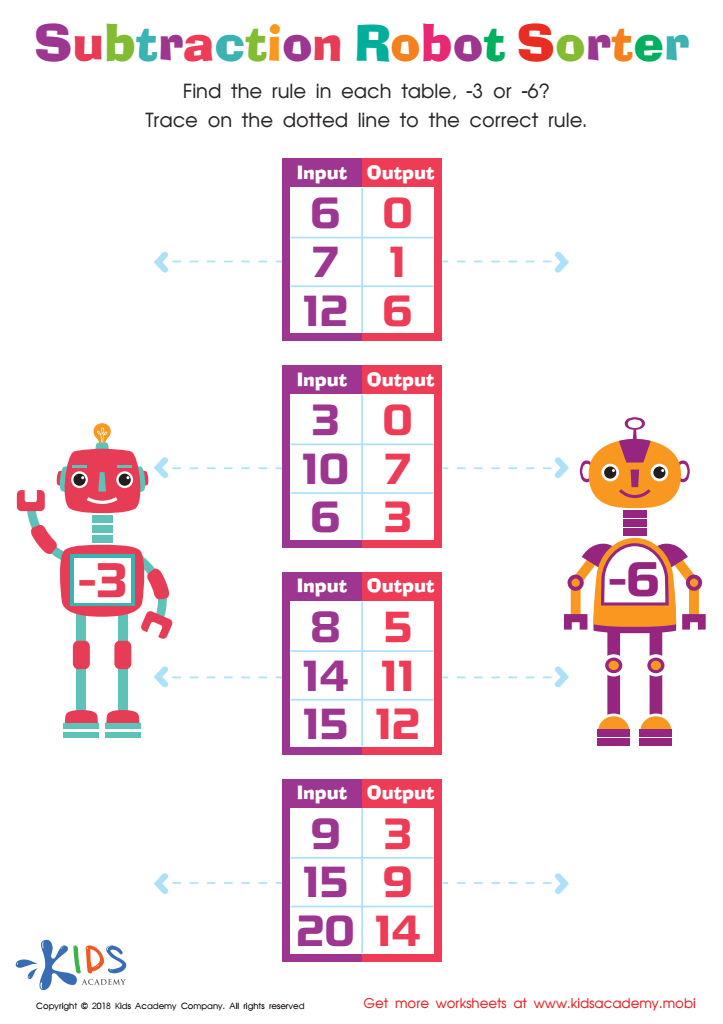
Subtraction Robot Sorter Worksheet
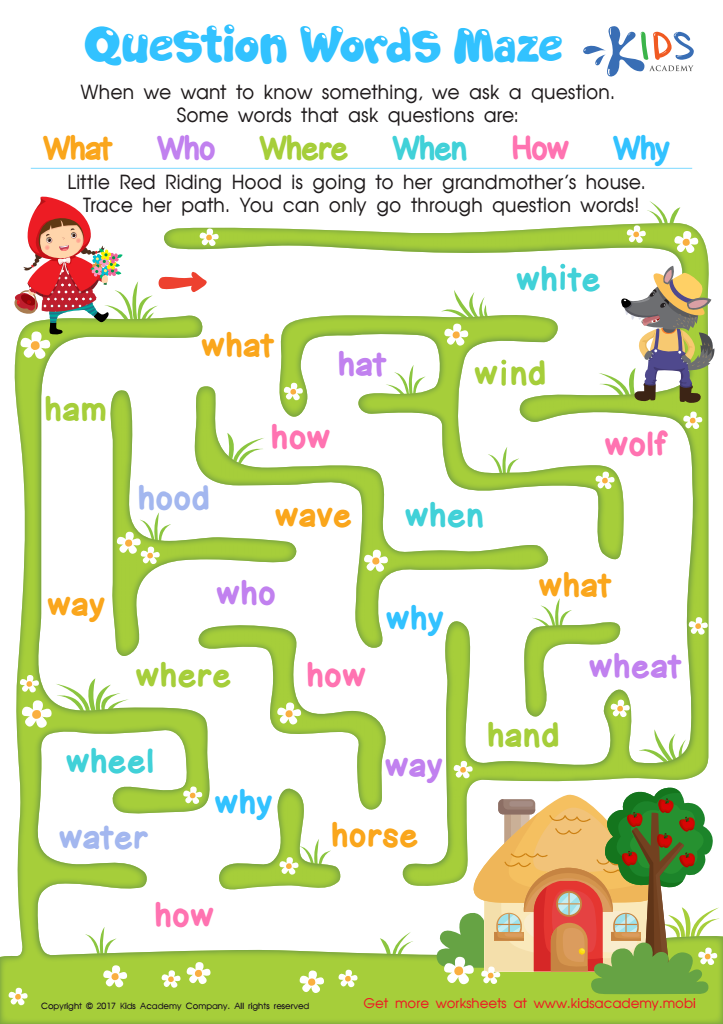
Question Words Maze Worksheet
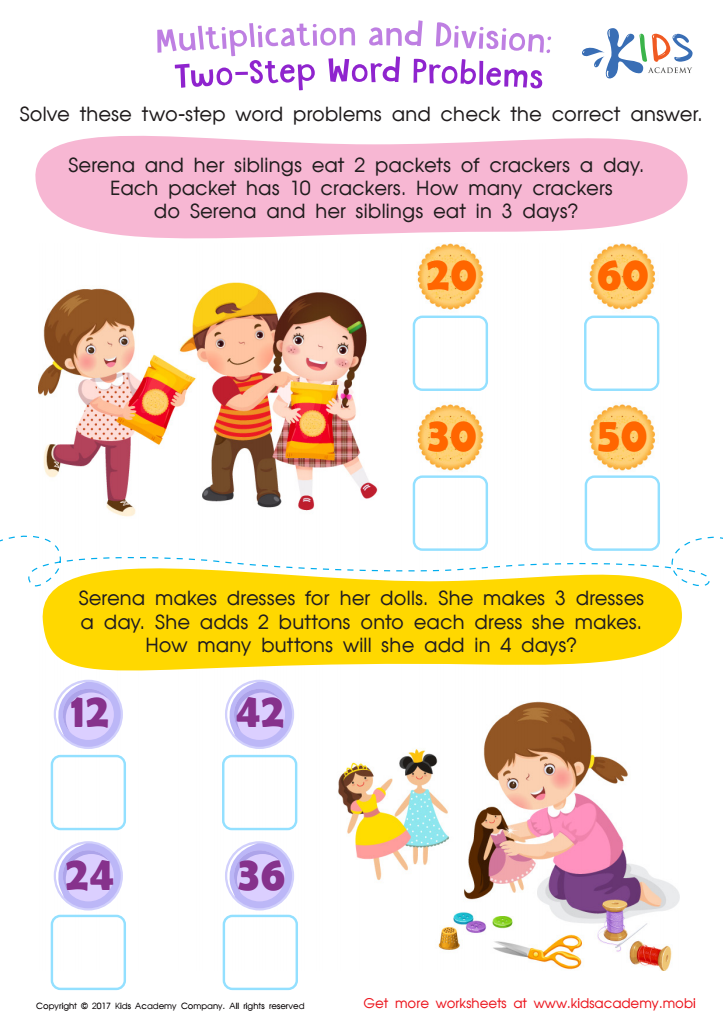
Two Step Word Problems Worksheet
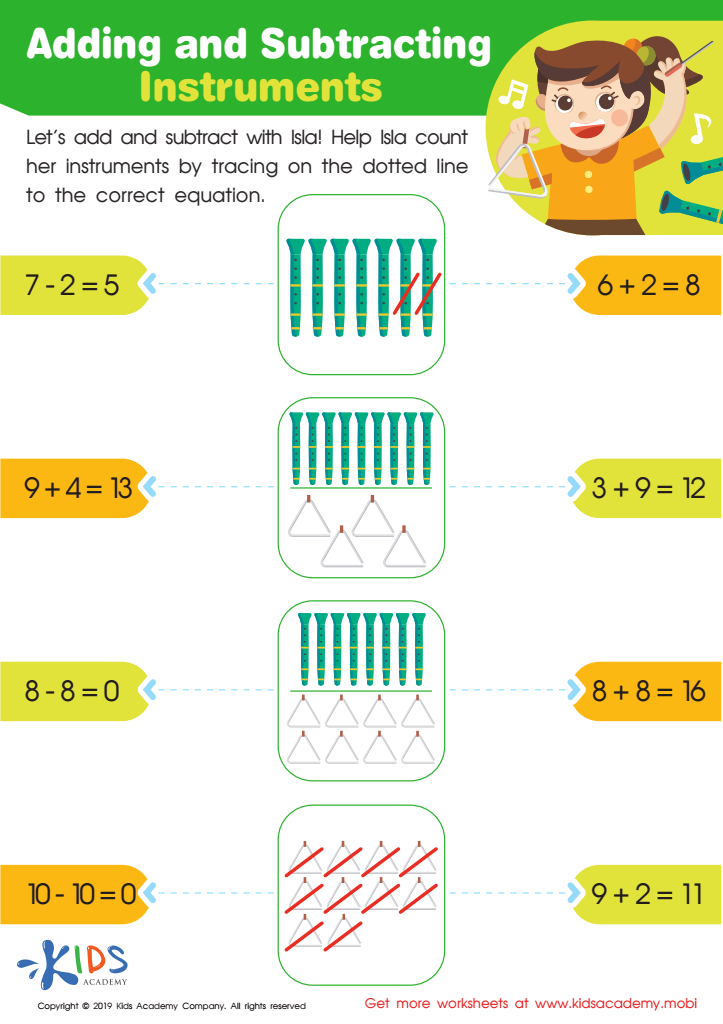
Adding and Subtracting: Instruments Worksheet
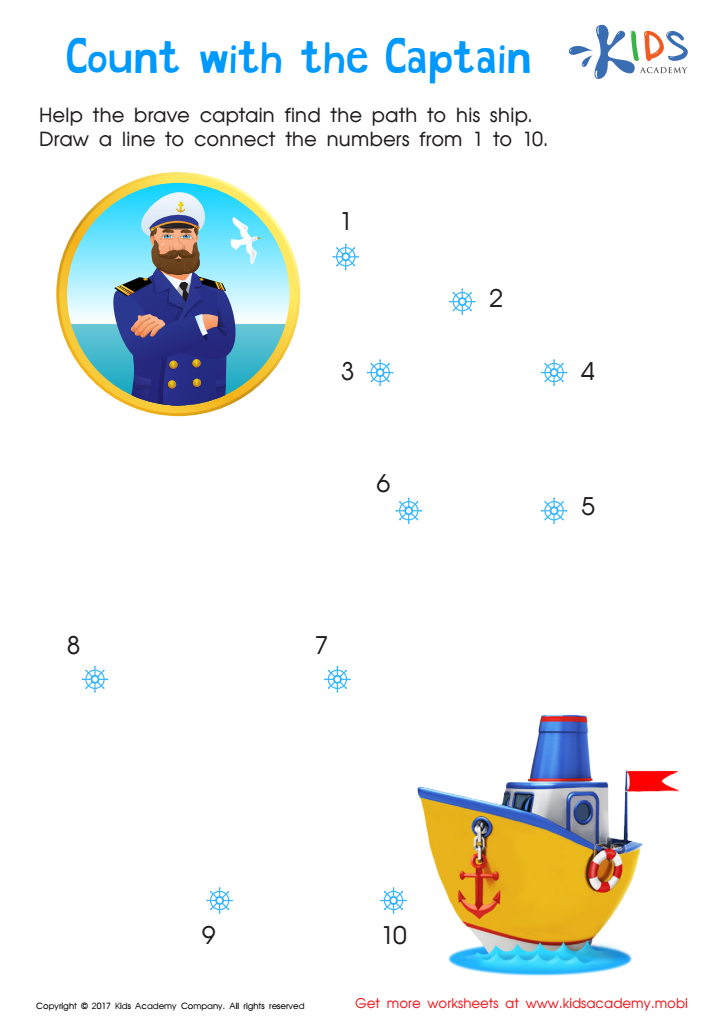
Count with the Captain Connect Dots Worksheet
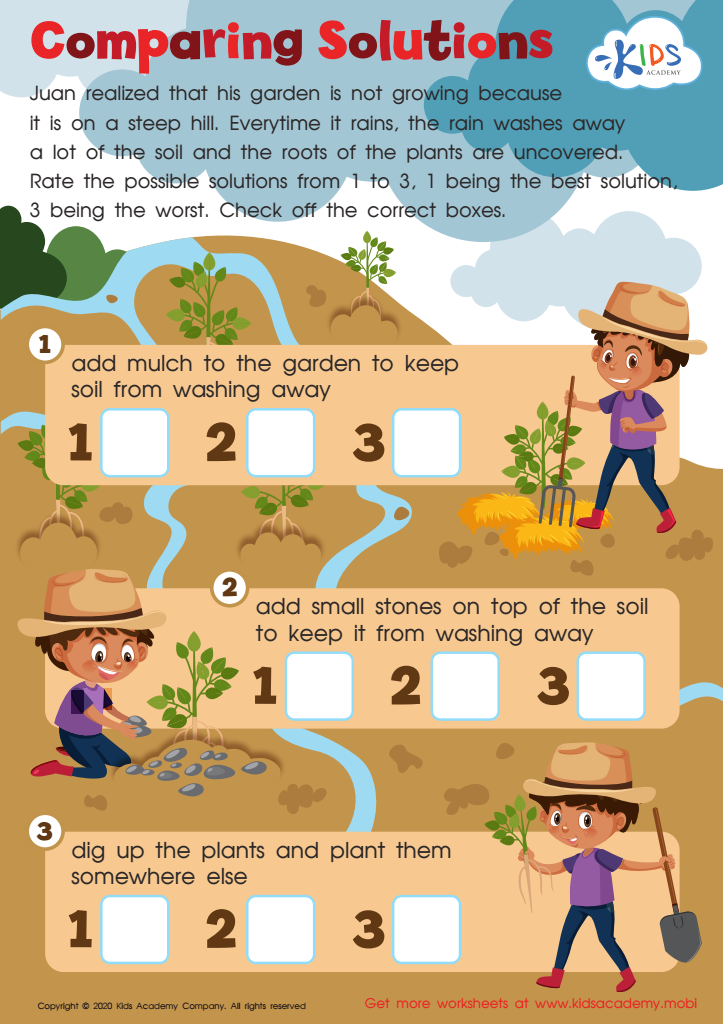
Comparing Solutions Worksheet
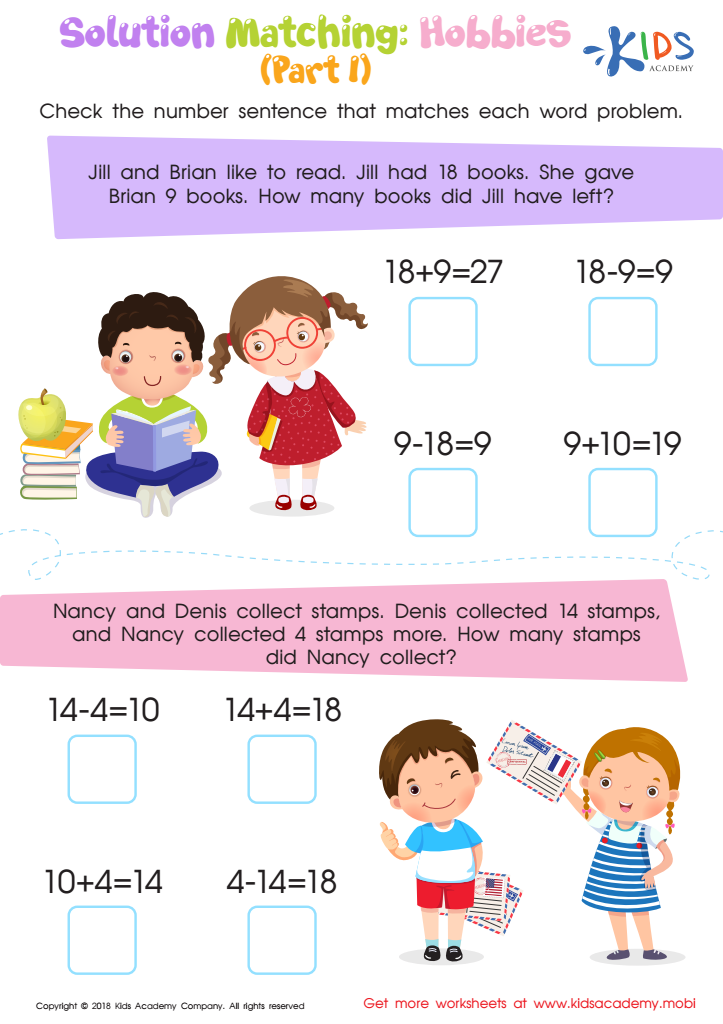
Solution Matching: Hobbies. Part 1 Worksheet
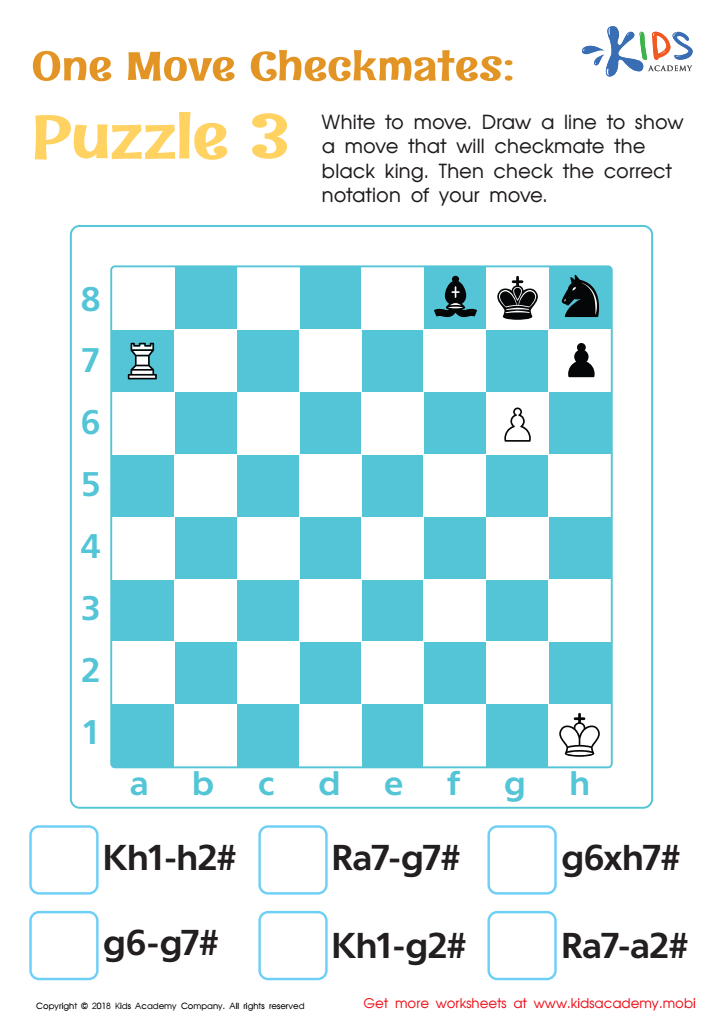
One Move Checkmates: Puzzle 3 Worksheet
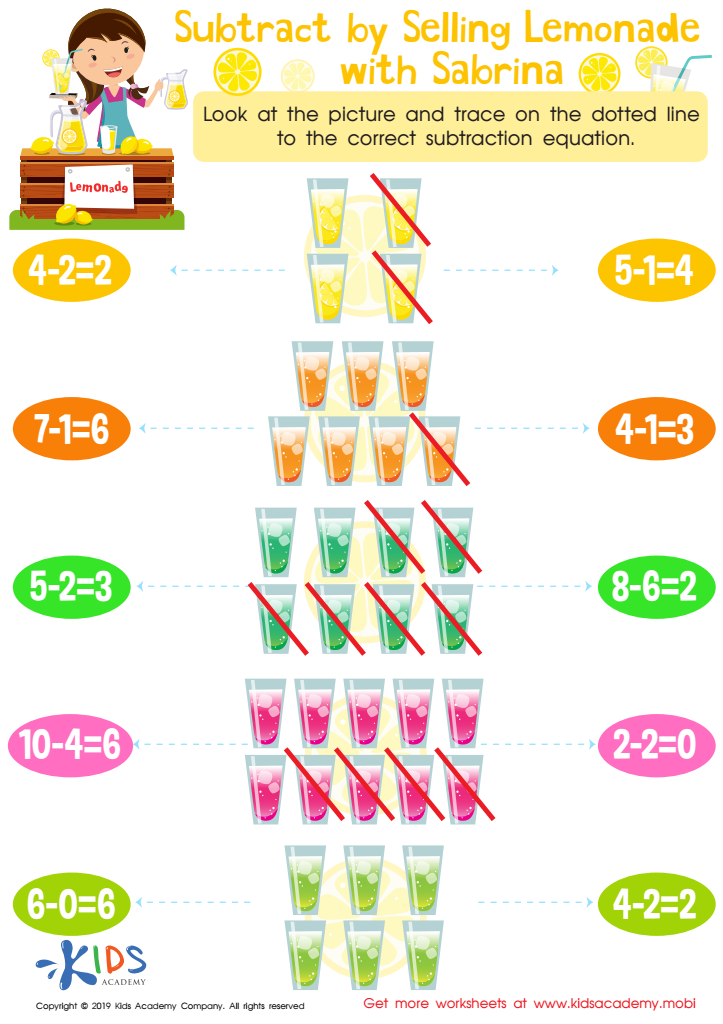
Subtract by Selling Lemonade with Sabrina Worksheet
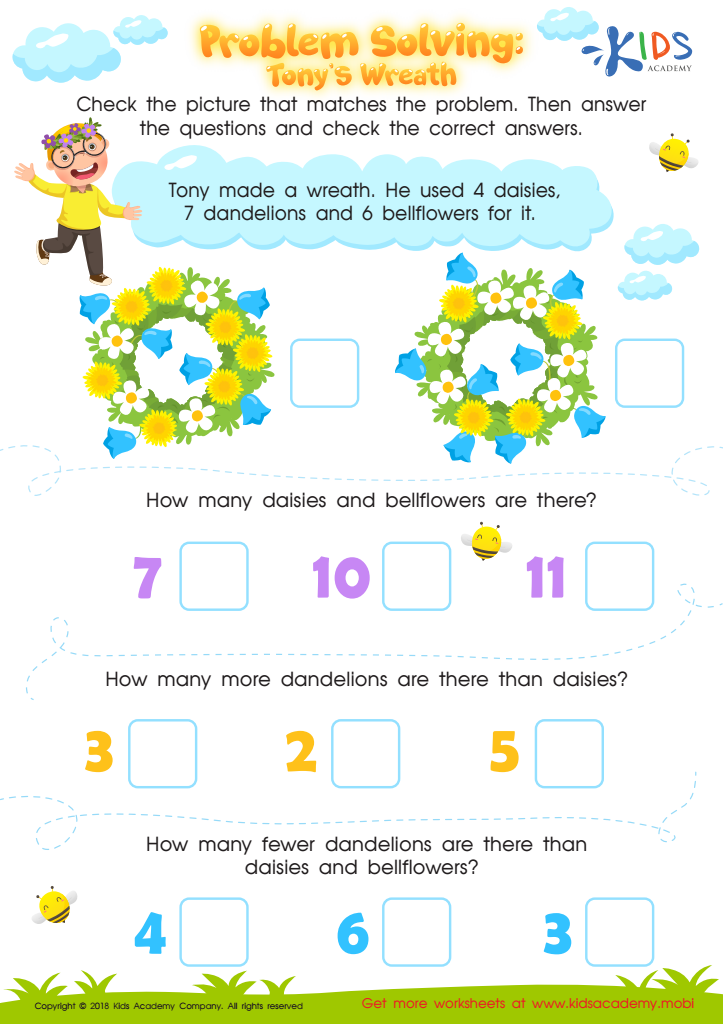
Problem Solving: Tony's Wreath Worksheet

Count Santa's Presents Worksheet
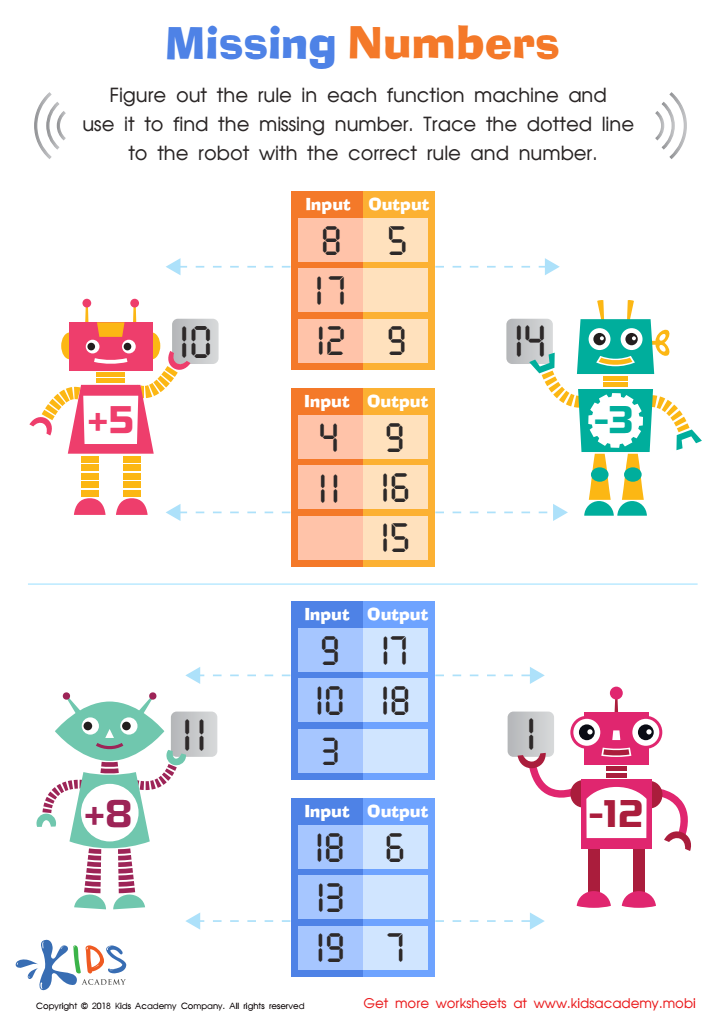
Missing Numbers Worksheet
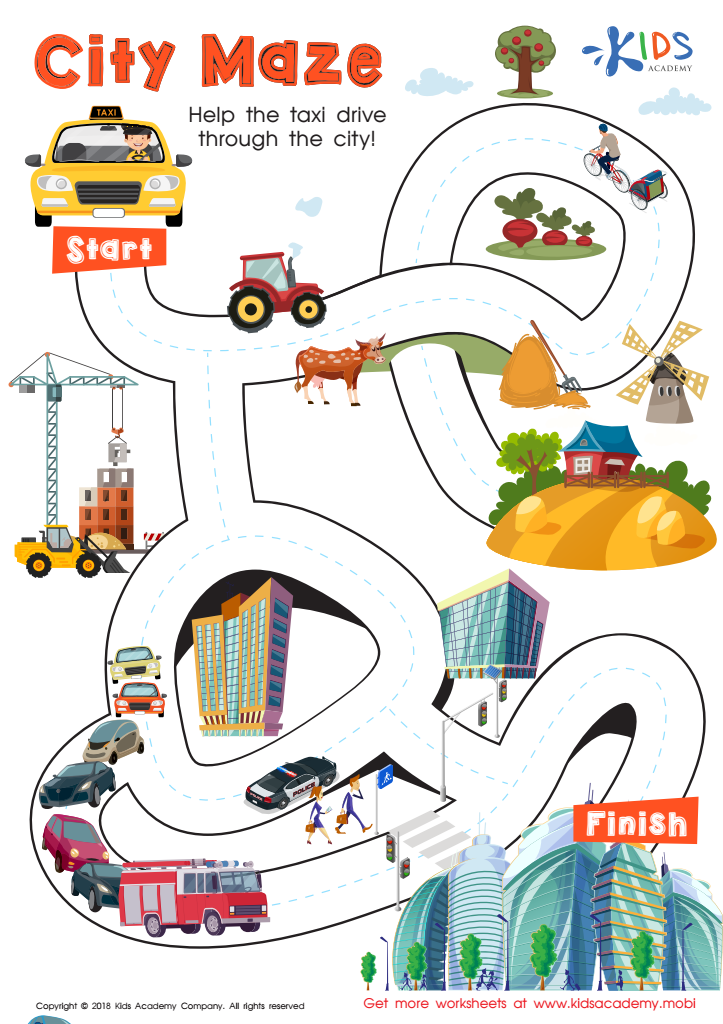
City Maze Worksheet








Problem-solving skills are essential for young children as they form the foundation for critical thinking and decision-making throughout their lives. For parents and teachers, fostering these skills in children aged 4-8 is particularly crucial, as this is a formative period for cognitive development.
By engaging children in problem-solving challenges, educators and parents not only stimulate their analytical thinking but also enhance their creativity and resilience. Children learn to approach obstacles with a positive mindset, understanding that failure is often a stepping stone to success. Moreover, these skills promote independence, empowering children to tackle challenges on their own.
Extra challenges can also enhance collaboration and communication, as children often work together to solve problems. This encourages social interaction, teaching them to share ideas and perspectives. For parents and teachers, integrating problem-solving activities into play and daily routines ensures that learning is both fun and effective.
Ultimately, nurturing problem-solving skills in young children sets the stage for future academic success and personal growth. It creates adaptive learners who are capable of navigating complex situations in a rapidly changing world. Supporting these skills is vital for fostering lifelong learners equipped to face challenges with confidence and innovation.








