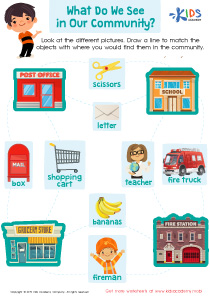
Problem-Solving Skills Extra Challenge Geometry Worksheets for Ages 4-8
12 filtered results
-
From - To
Discover our Problem-Solving Skills Extra Challenge Geometry Worksheets, designed for young learners ages 4-8! These engaging worksheets help children master essential geometry concepts while enhancing their problem-solving abilities. Featuring a variety of fun and challenging activities, our worksheets keep kids motivated and eager to learn. They cover crucial topics such as shapes, symmetry, spatial awareness, and pattern recognition, fostering critical thinking and analytical skills. Perfect for classroom use or at-home practice, our Extra Challenge Geometry Worksheets offer an exciting way for your child to advance their math skills. Join us and watch your young mathematicians thrive!
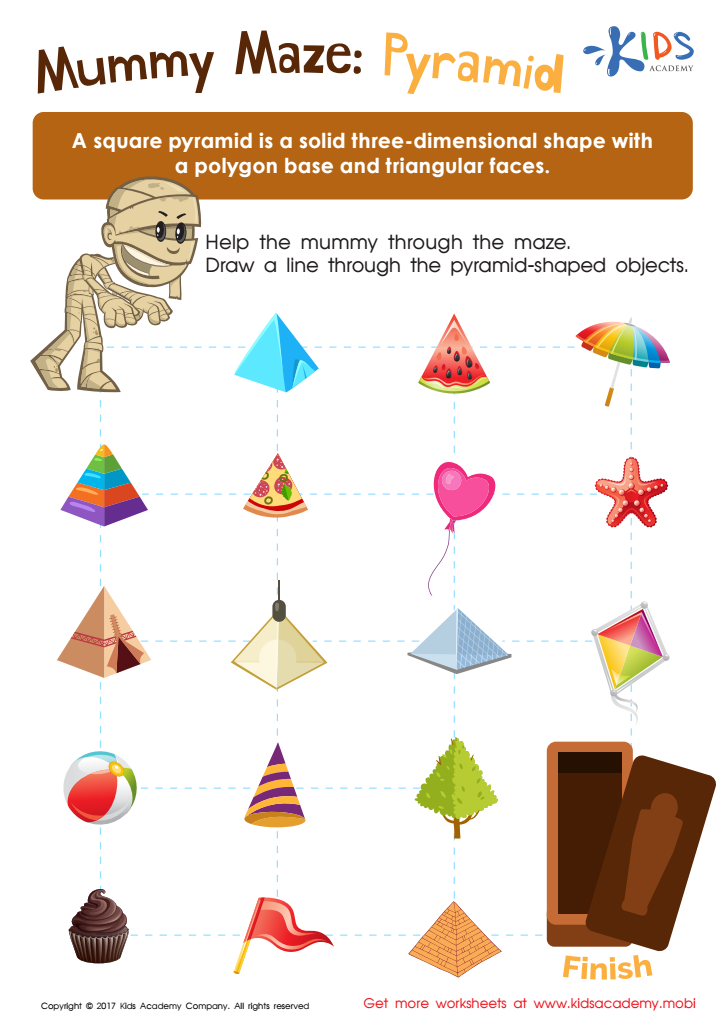
Mummy Maze: Pyramid Printable
 Assign to My Students











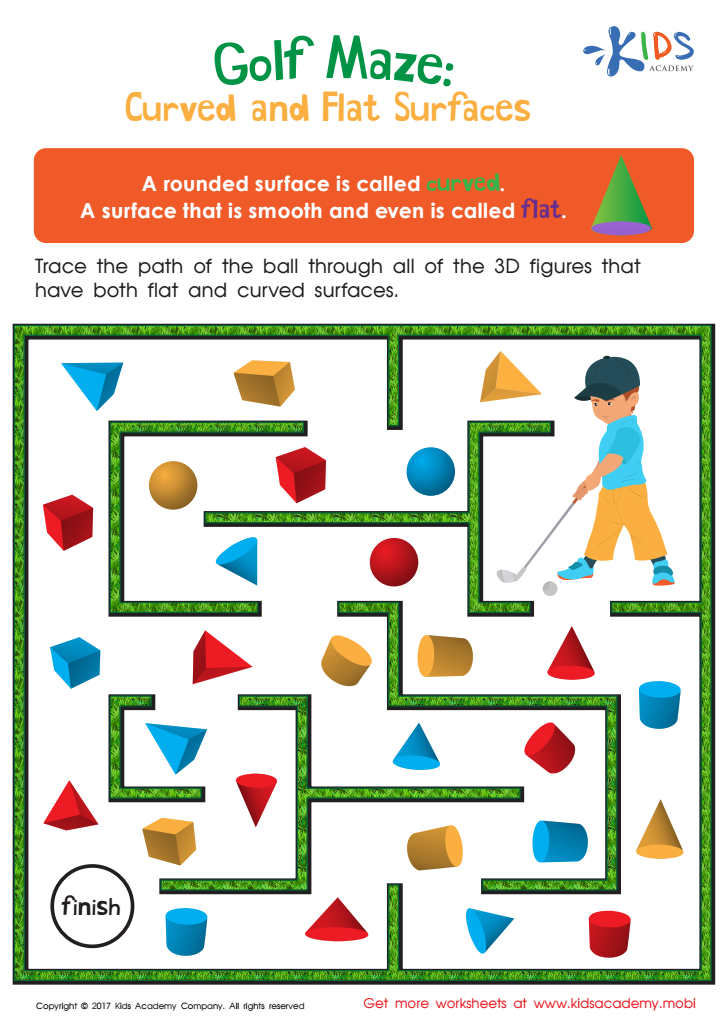
Golf Maze: Curved and Flat Surfaces Worksheet
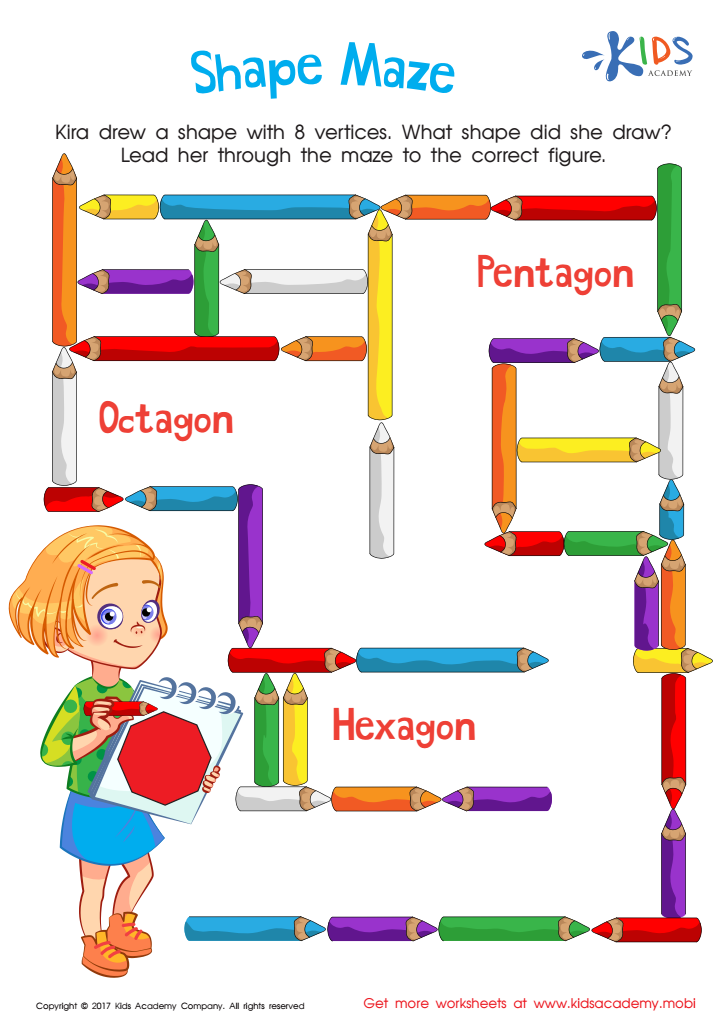
Shape Maze Worksheet
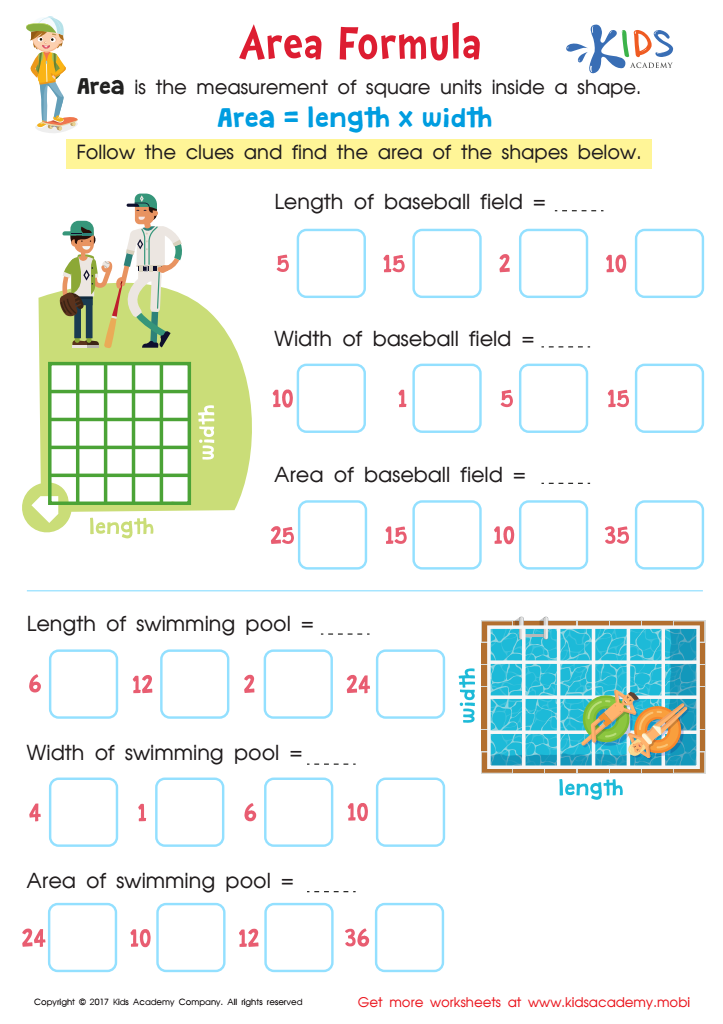
Area Formula Worksheet
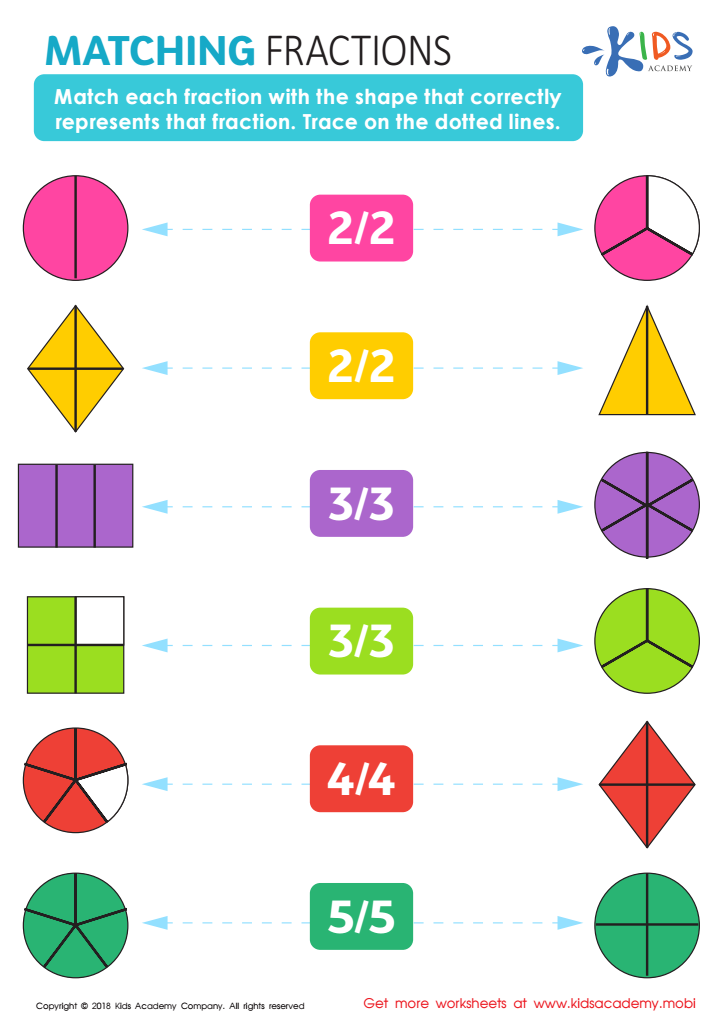
Matching Fractions Worksheet
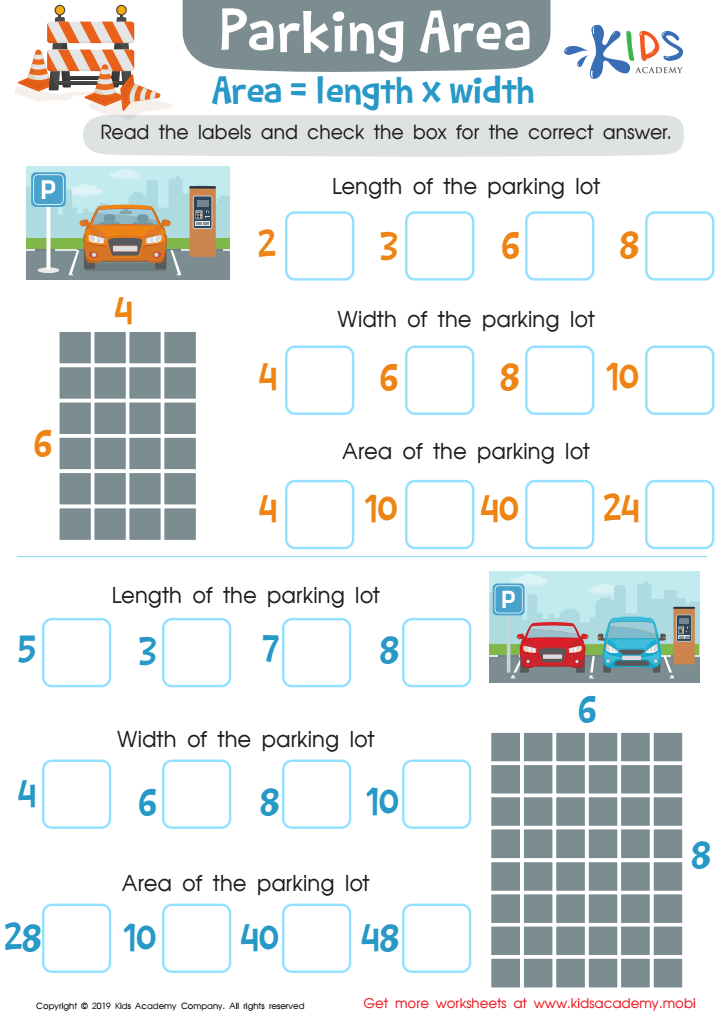
Parking Area Worksheet
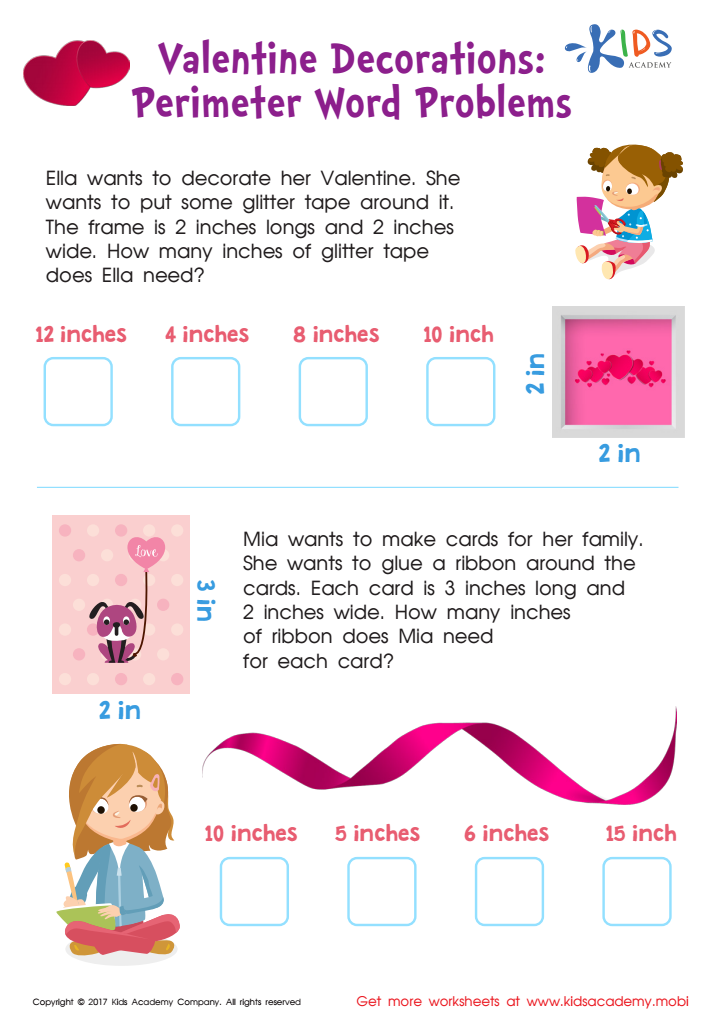
Perimeter Word Problems Worksheet
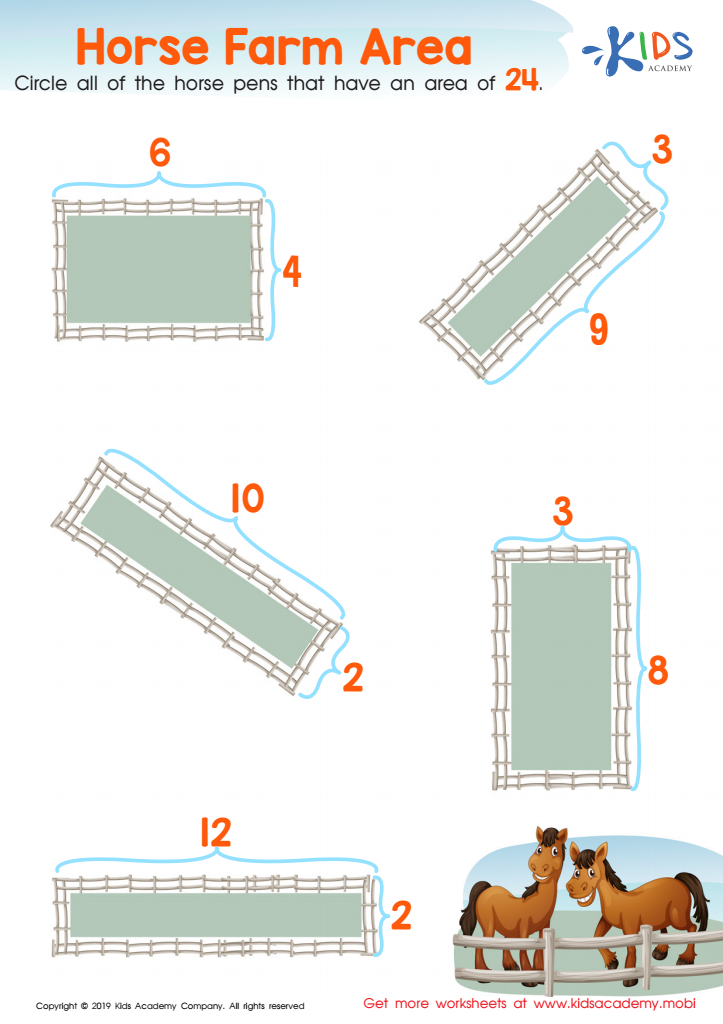
Horse Farm Area Worksheet
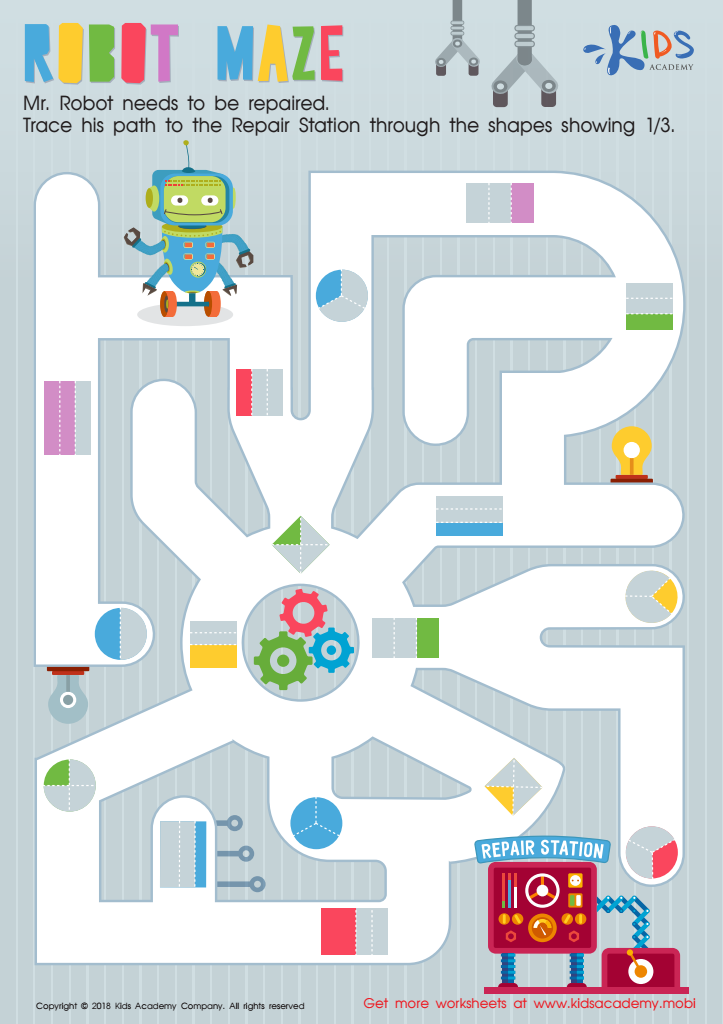
Robot Maze Worksheet
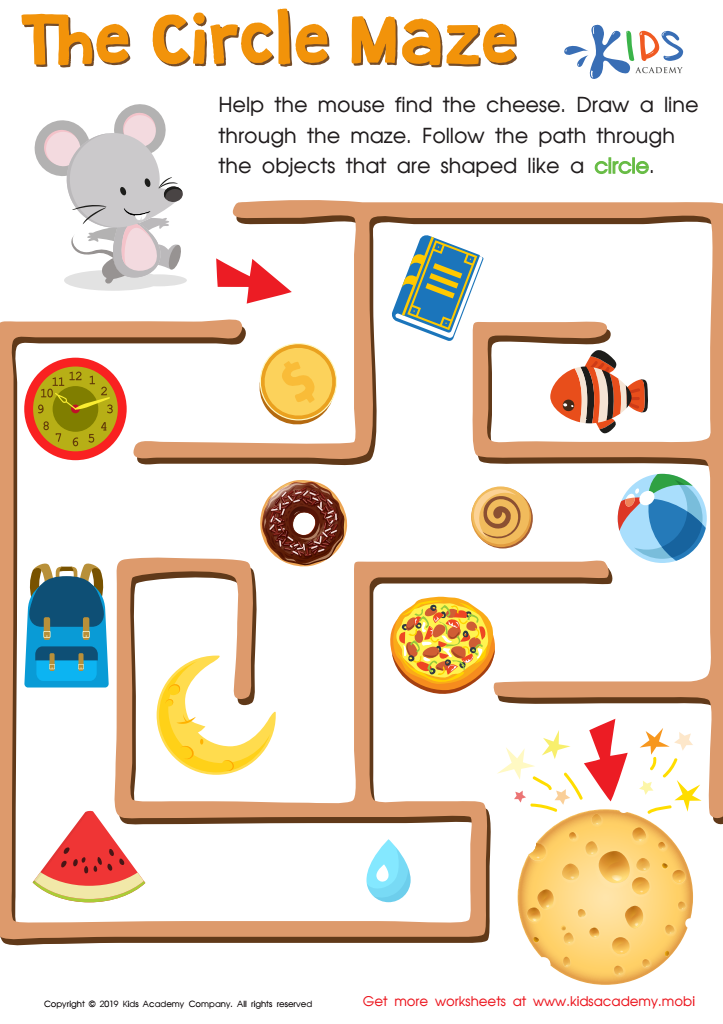
The Circle Maze Worksheet
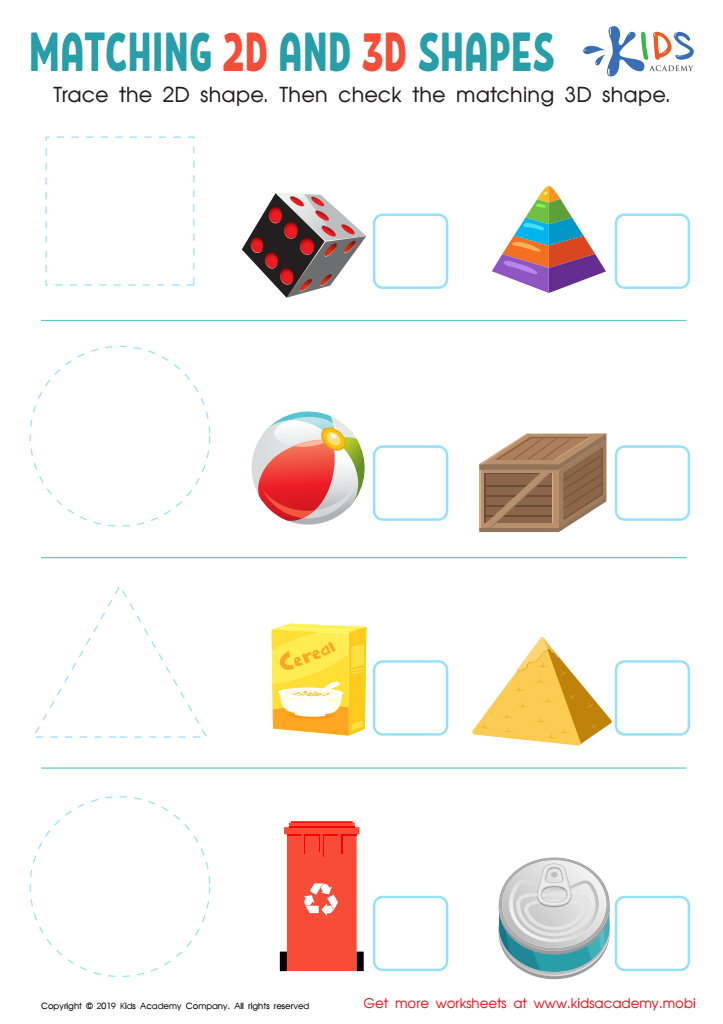
Matching 2D and 3D Shapes Worksheet
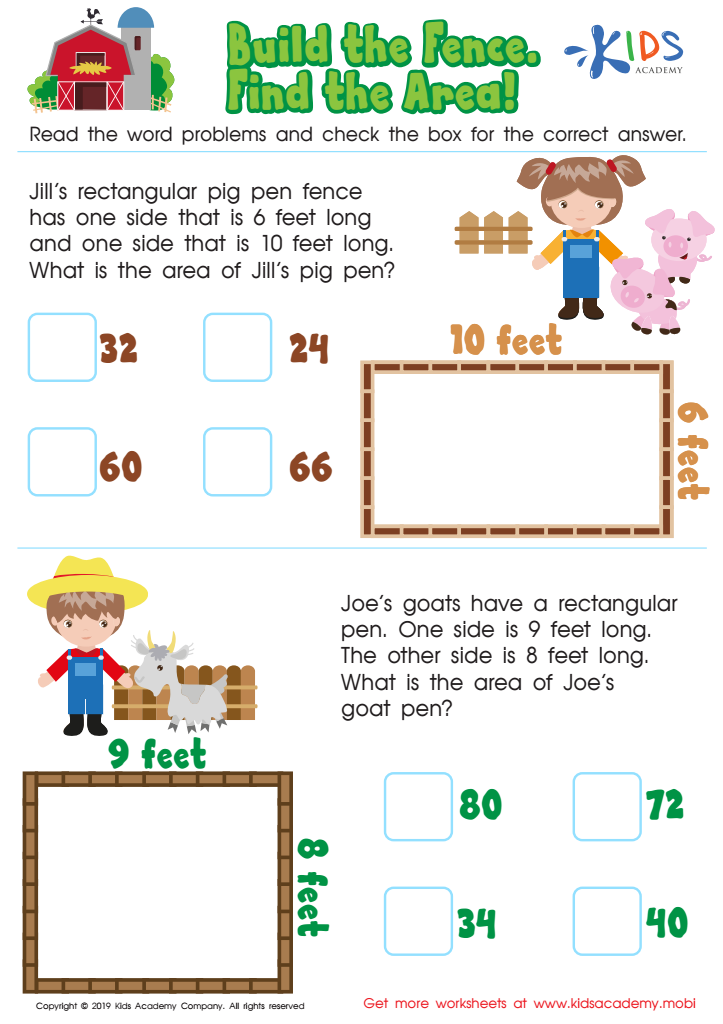
Build the Fence, Find the Area Worksheet








Investing in problem-solving skills through activities like Geometry for ages 4-8 serves as a foundational cornerstone for cognitive and academic development. During these early years, children's brains are highly adaptable and receptive to new concepts. Engaging children in geometry problem-solving exercises helps improve attention to detail, logical reasoning, and critical thinking. These skills are not just limited to mathematics; they transcend into daily life and various academic subjects, fostering a well-rounded intellectual growth.
Geometry introduces children to essential concepts such as shapes, sizes, spatial relations, and properties of objects, making abstract concepts more tangible through hands-on learning. This experiential approach not only enhances their mathematical understanding but also boosts their confidence in tackling complex problems.
Moreover, early exposure to problem-solving challenges in geometry encourages perseverance and resilience. Children learn that making mistakes and adjusting strategies is an integral part of the learning process. This attitude nurtures a growth mindset, where they view challenges as opportunities to learn, rather than obstacles.
For parents and teachers, supporting geometry problem-solving activities fosters a collaborative environment where they can actively participate in the child’s learning journey. This not only strengthens the relationship but also creates a positive learning atmosphere conducive to academic and personal success.