Problem-Solving Skills Extra Challenge Math Worksheets for Ages 4-9 - Page 2
55 filtered results
-
From - To

Tricky Patterns Size Worksheet
 Assign to My Students
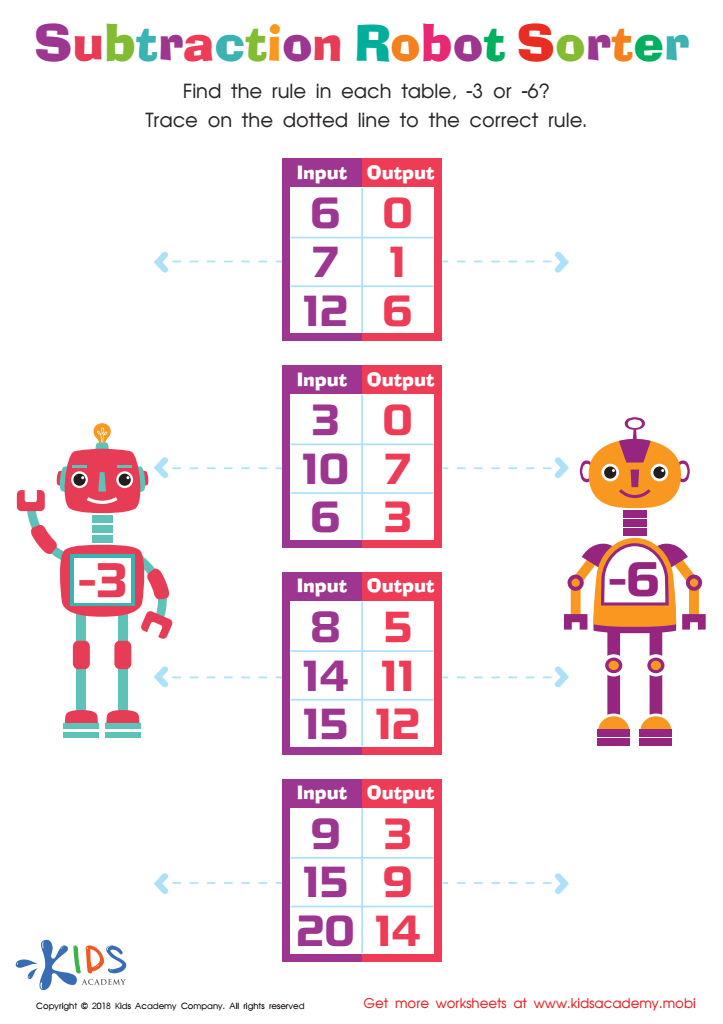
Subtraction Robot Sorter Worksheet
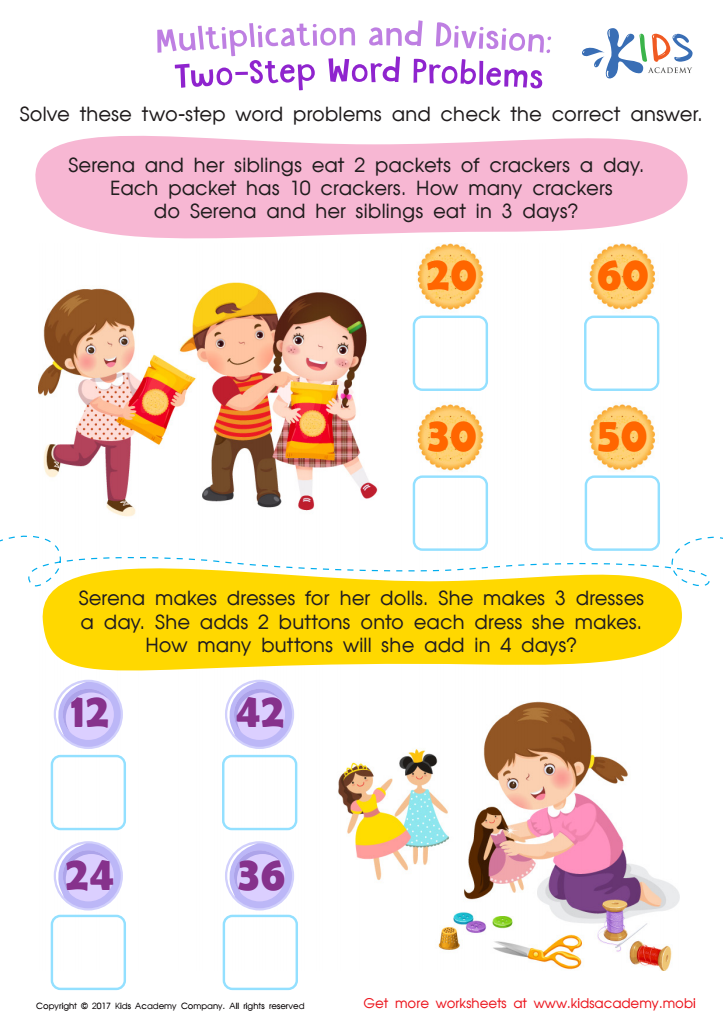
Two Step Word Problems Worksheet
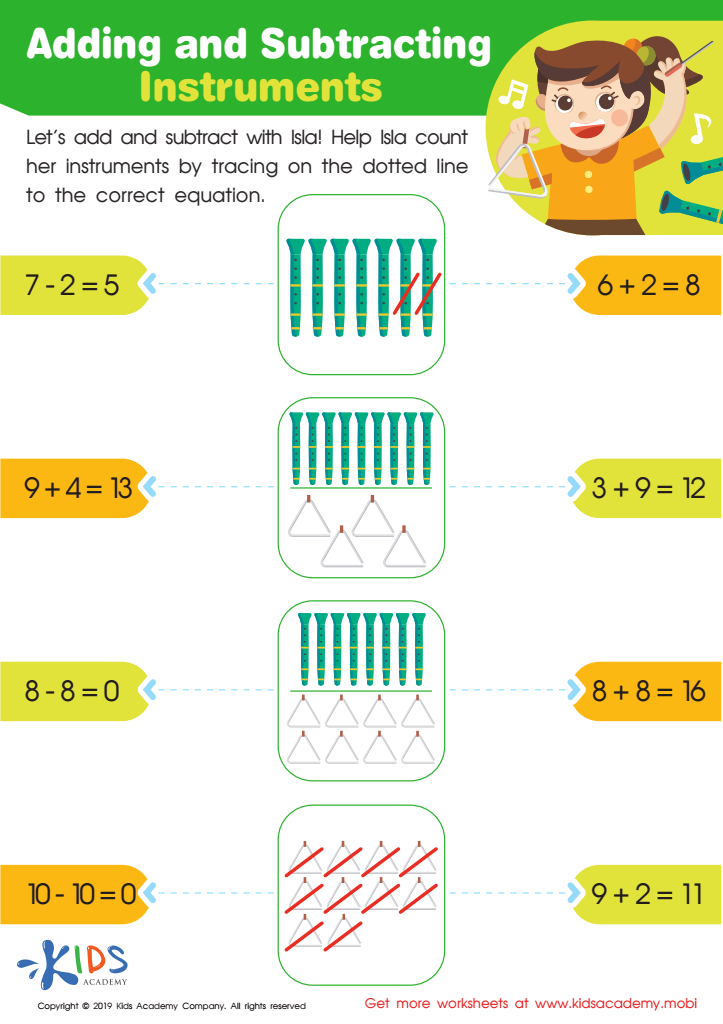
Adding and Subtracting: Instruments Worksheet
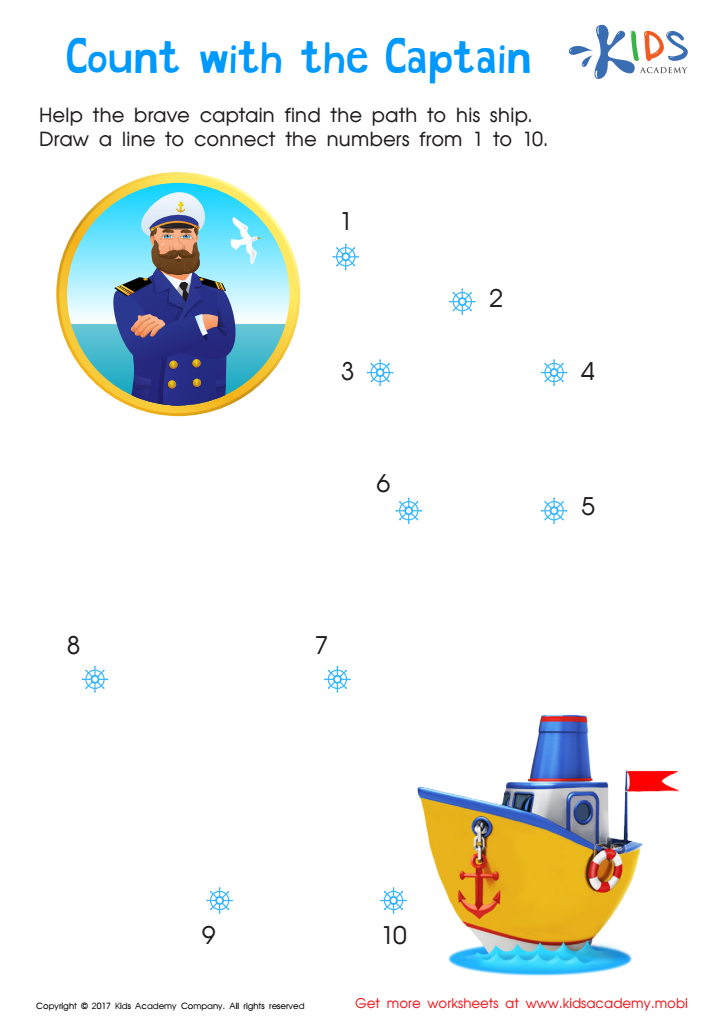
Count with the Captain Connect Dots Worksheet
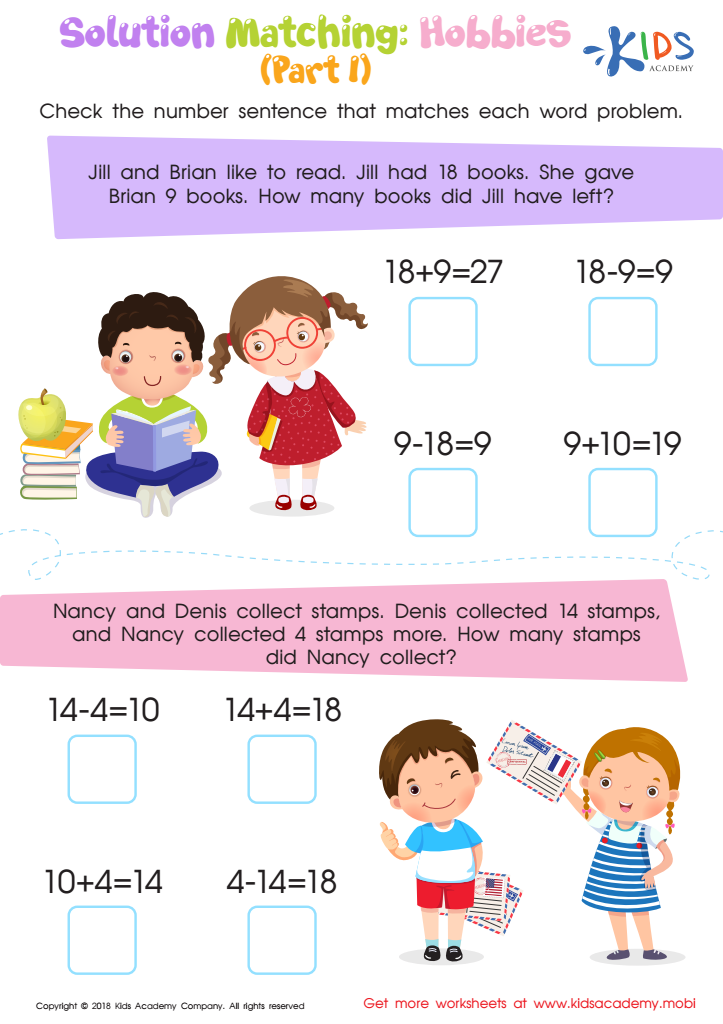
Solution Matching: Hobbies. Part 1 Worksheet
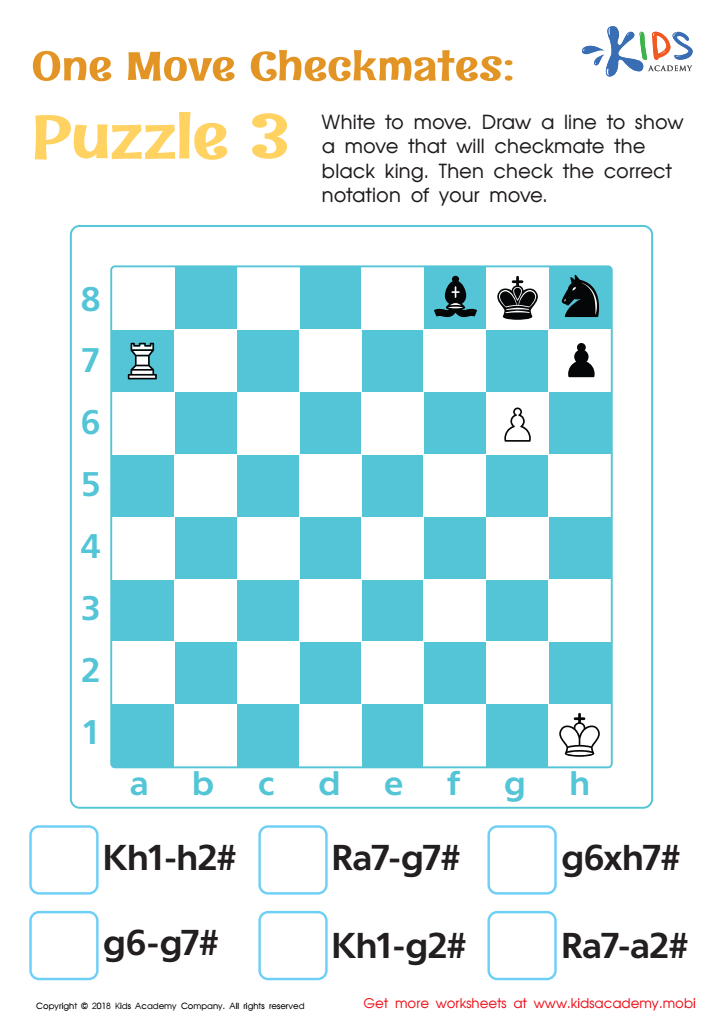
One Move Checkmates: Puzzle 3 Worksheet
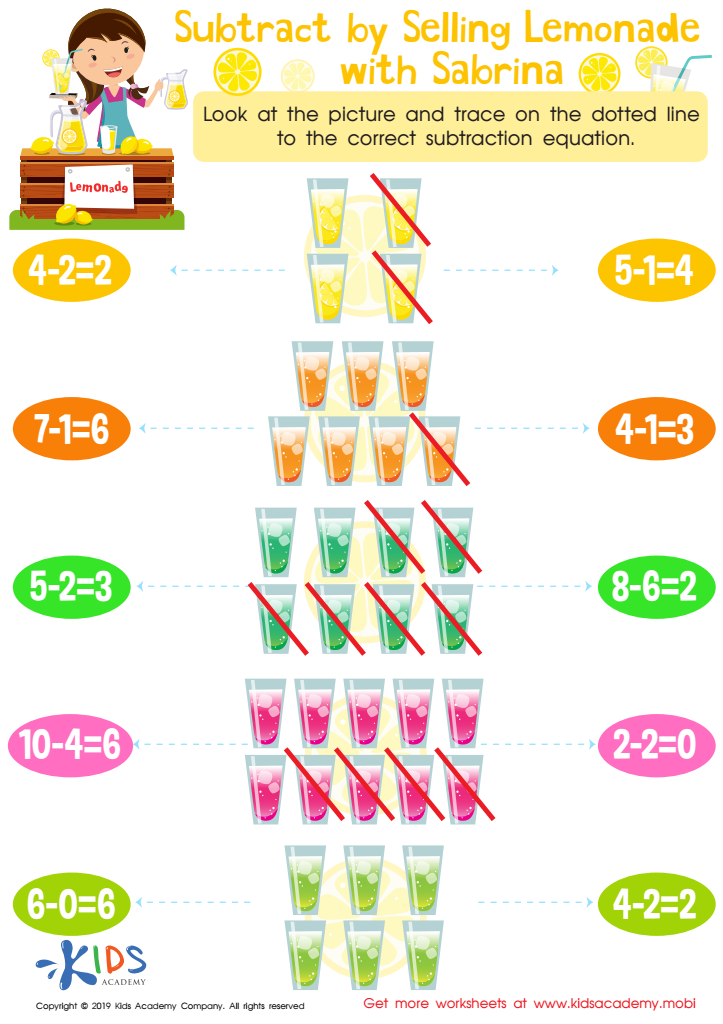
Subtract by Selling Lemonade with Sabrina Worksheet
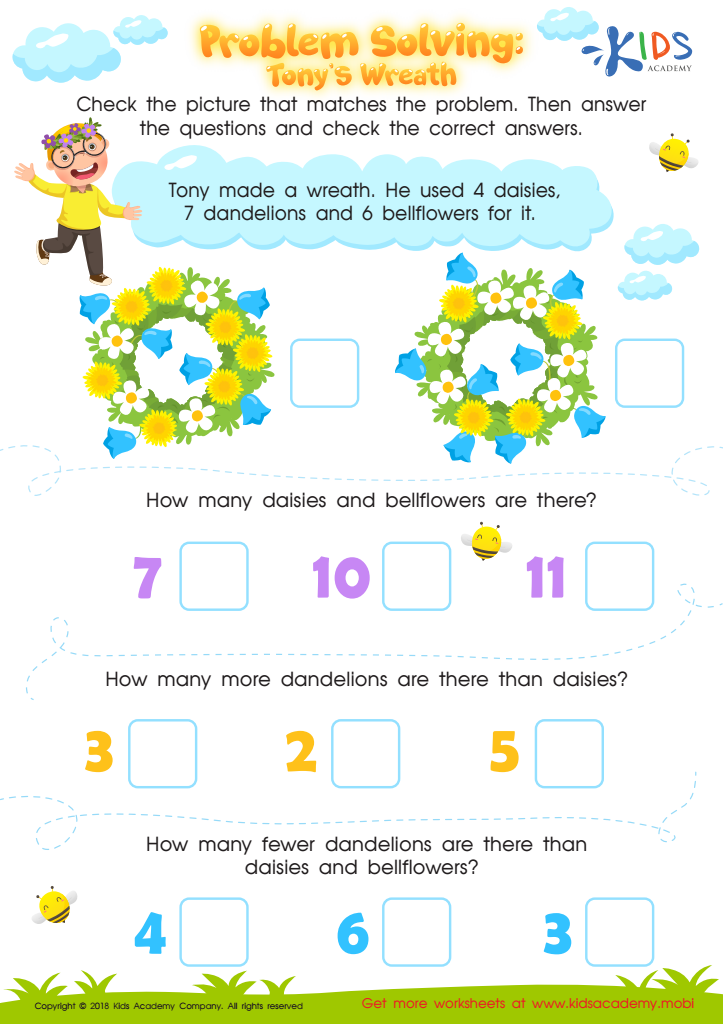
Problem Solving: Tony's Wreath Worksheet

Count Santa's Presents Worksheet
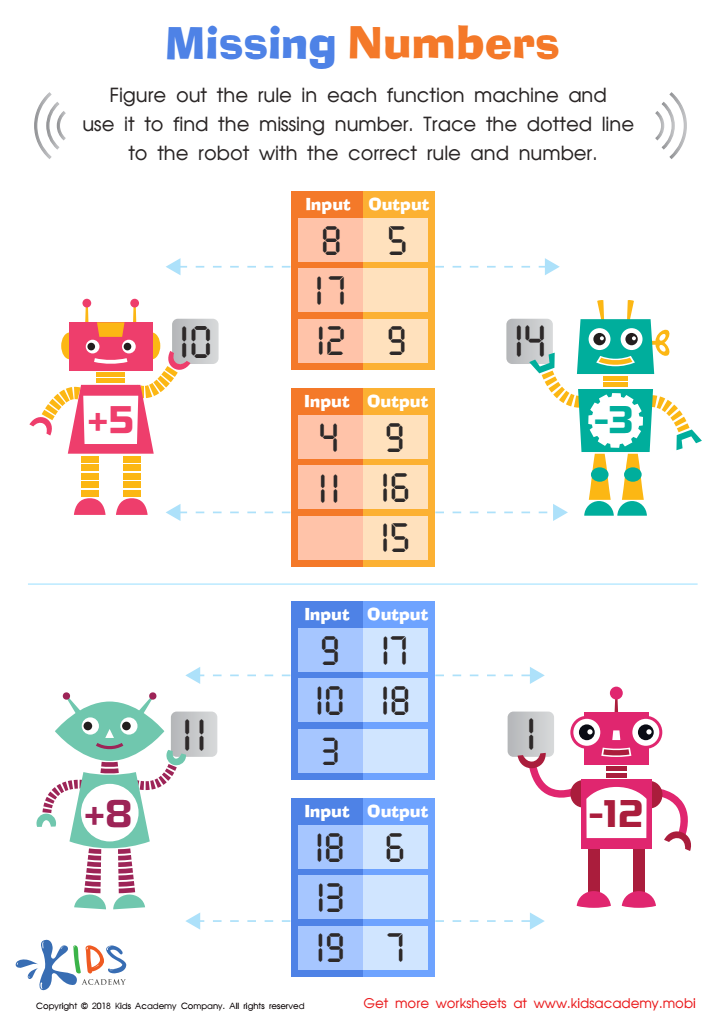
Missing Numbers Worksheet

Horse Farm Area Worksheet
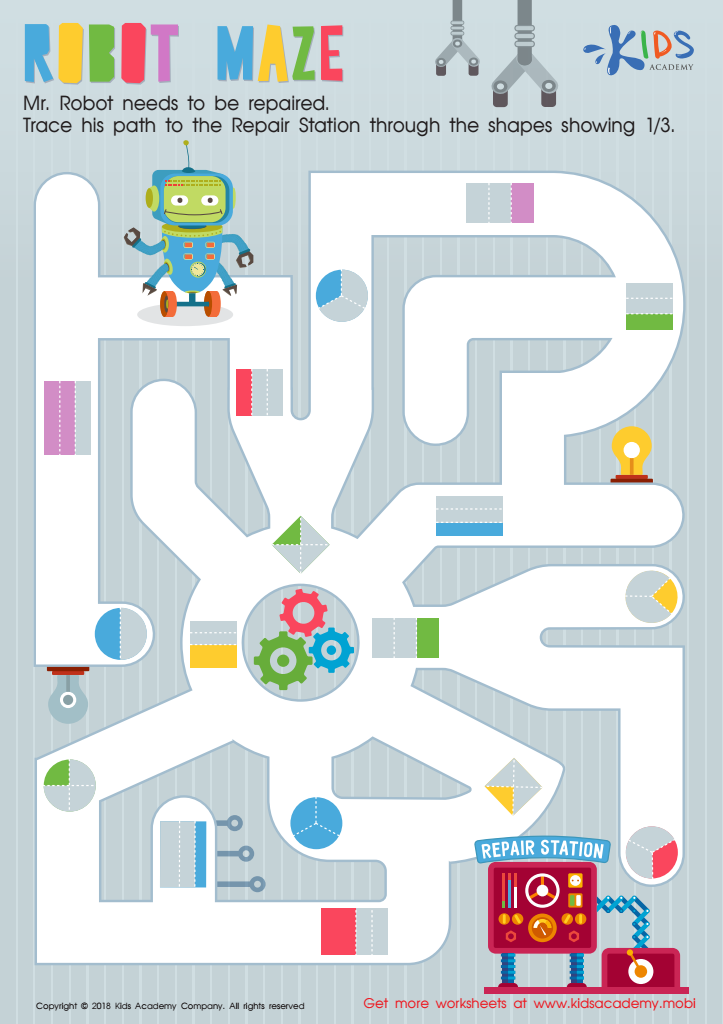
Robot Maze Worksheet
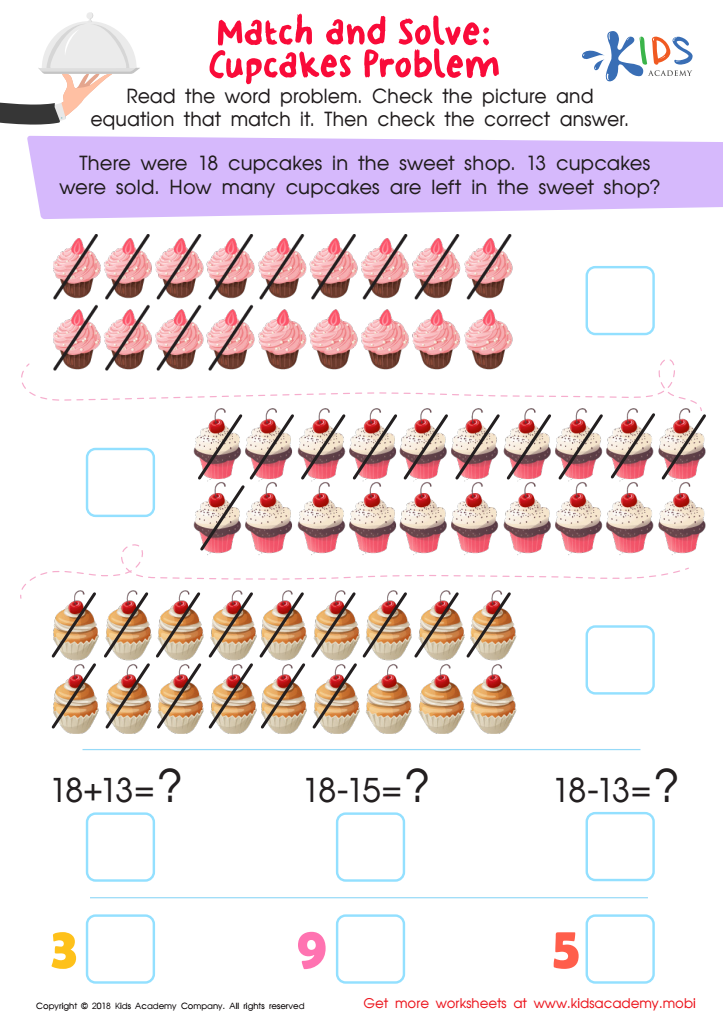
Match and Solve: Cupcakes Problem Worksheet
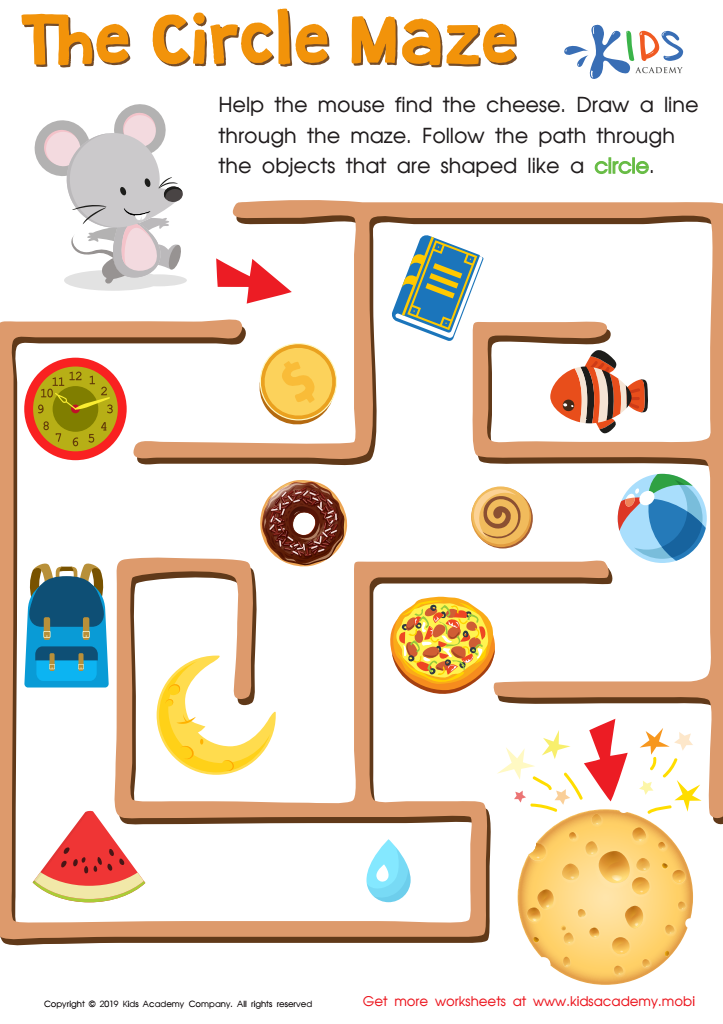
The Circle Maze Worksheet
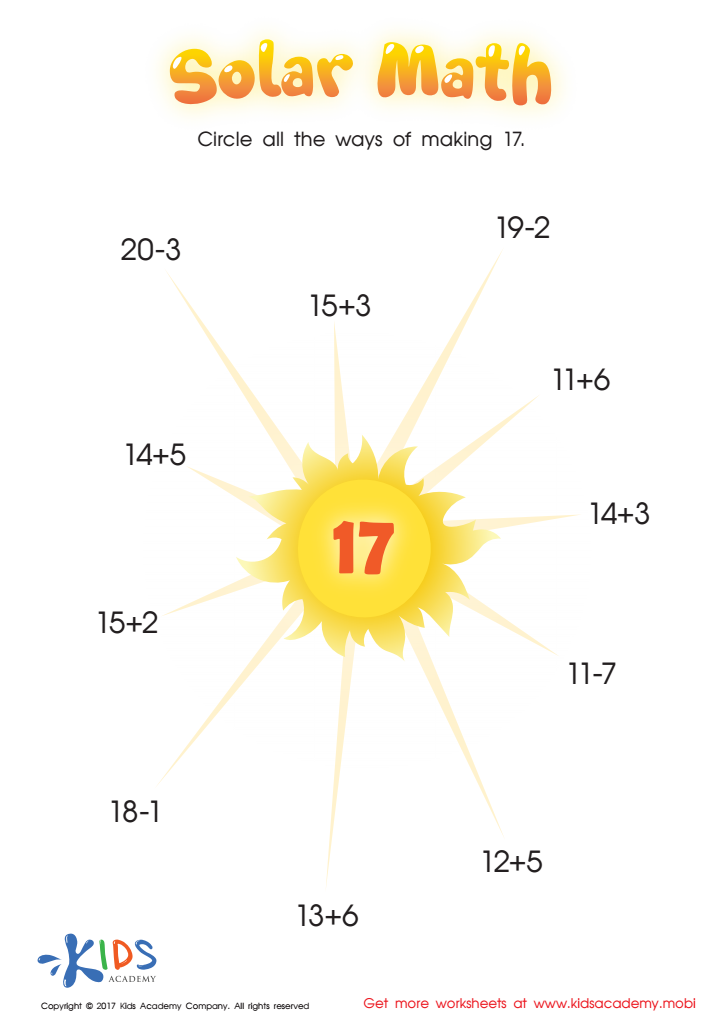
Solar Math Substraction Worksheet
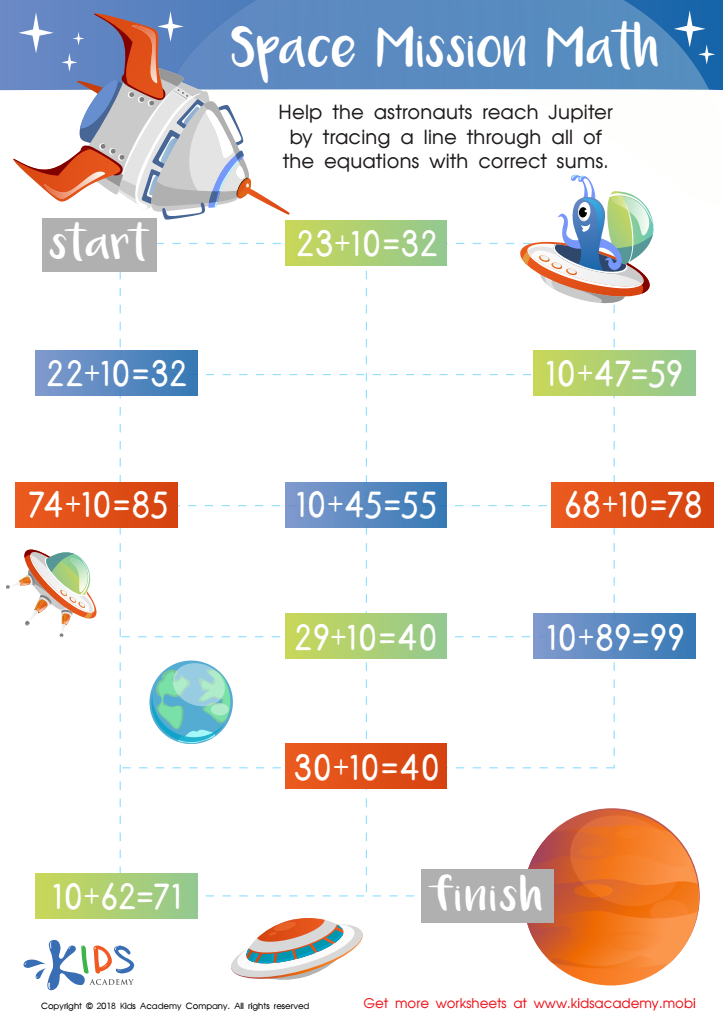
Space Mission Math Worksheet
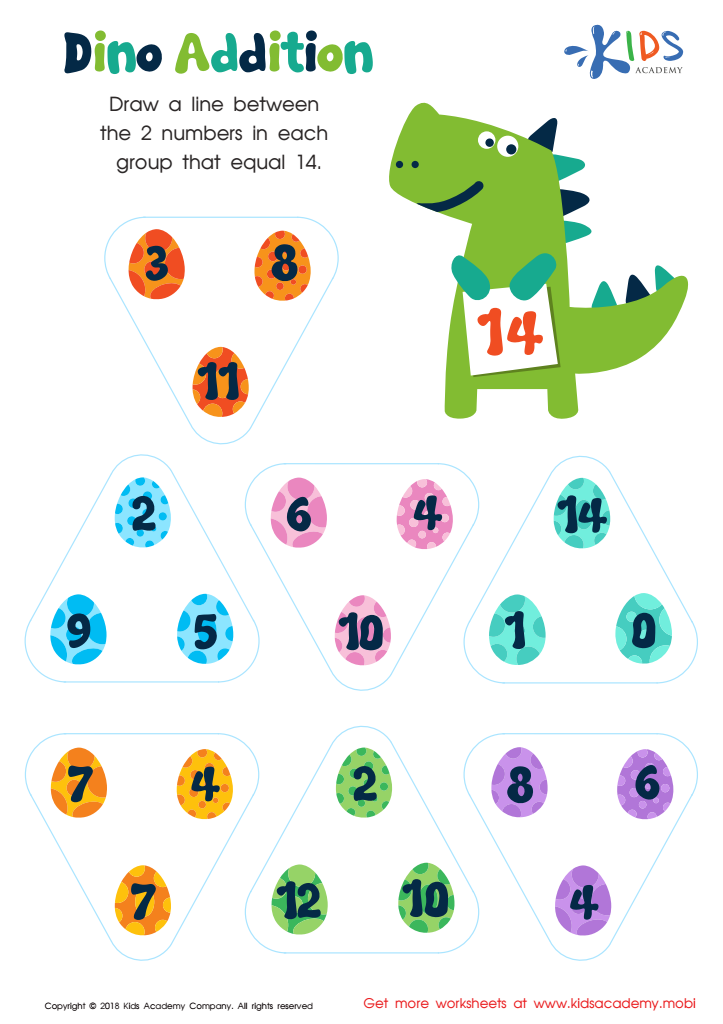
Dino Addition Worksheet
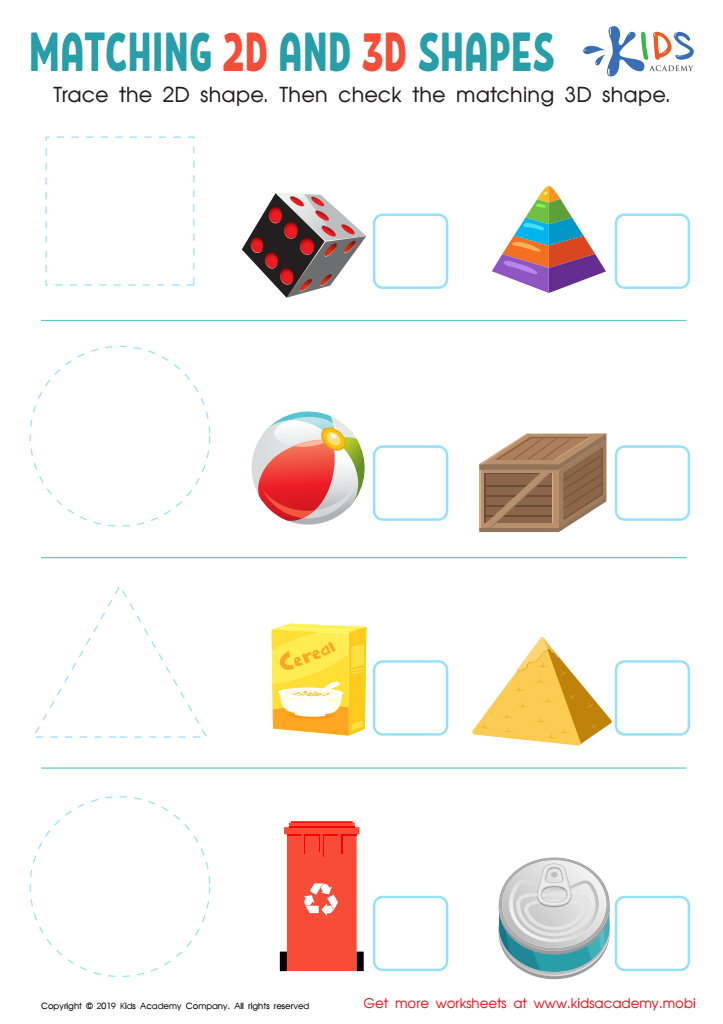
Matching 2D and 3D Shapes Worksheet
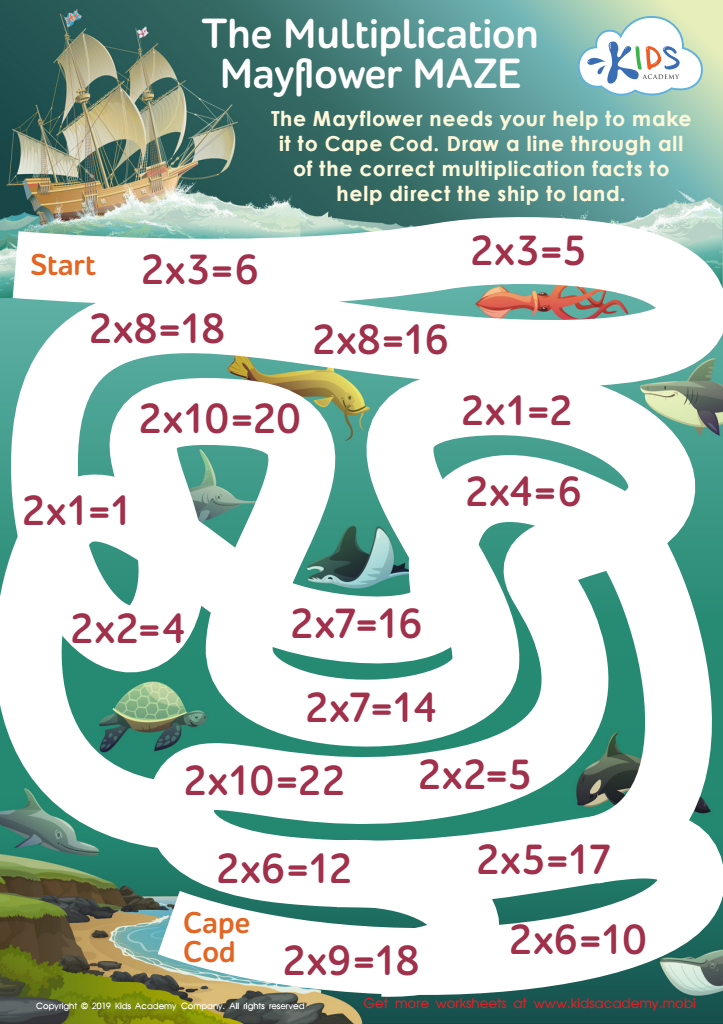
The Multiplication Mayflower Maze Worksheet

Leprechaun Maze Printable
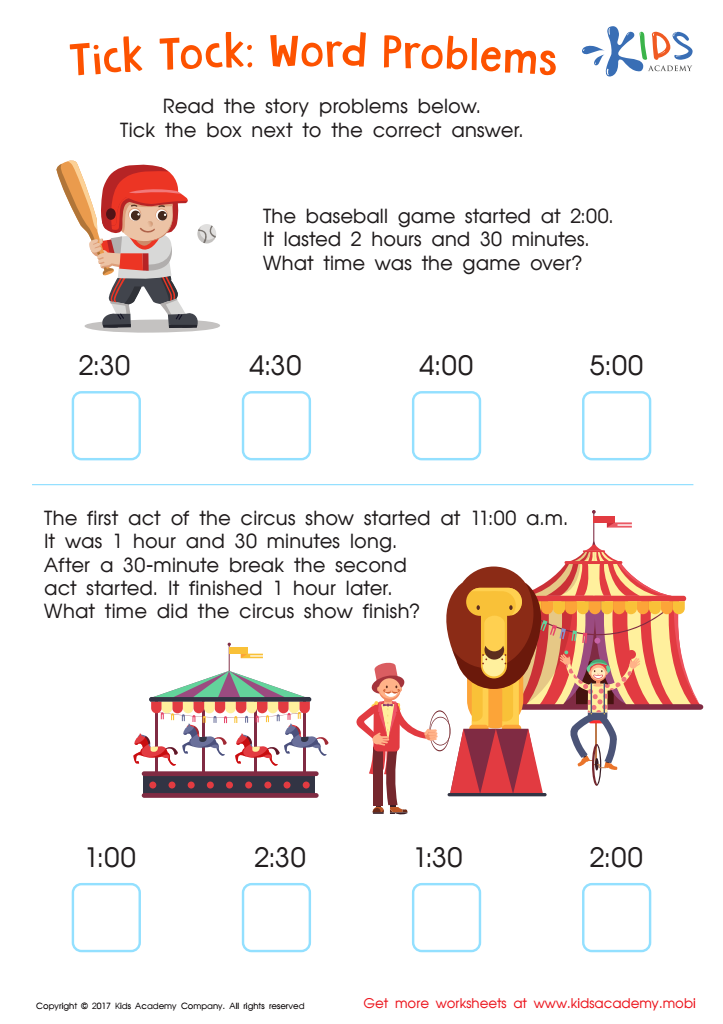
Tick Tock Word Problems Time Worksheet
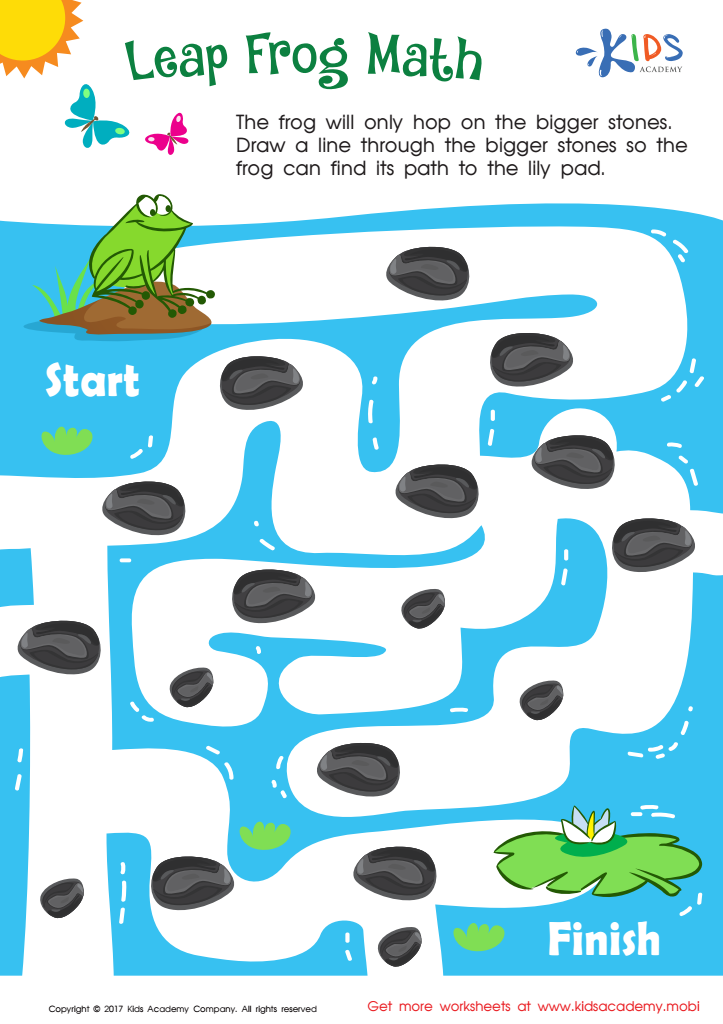
Math Puzzle Worksheet
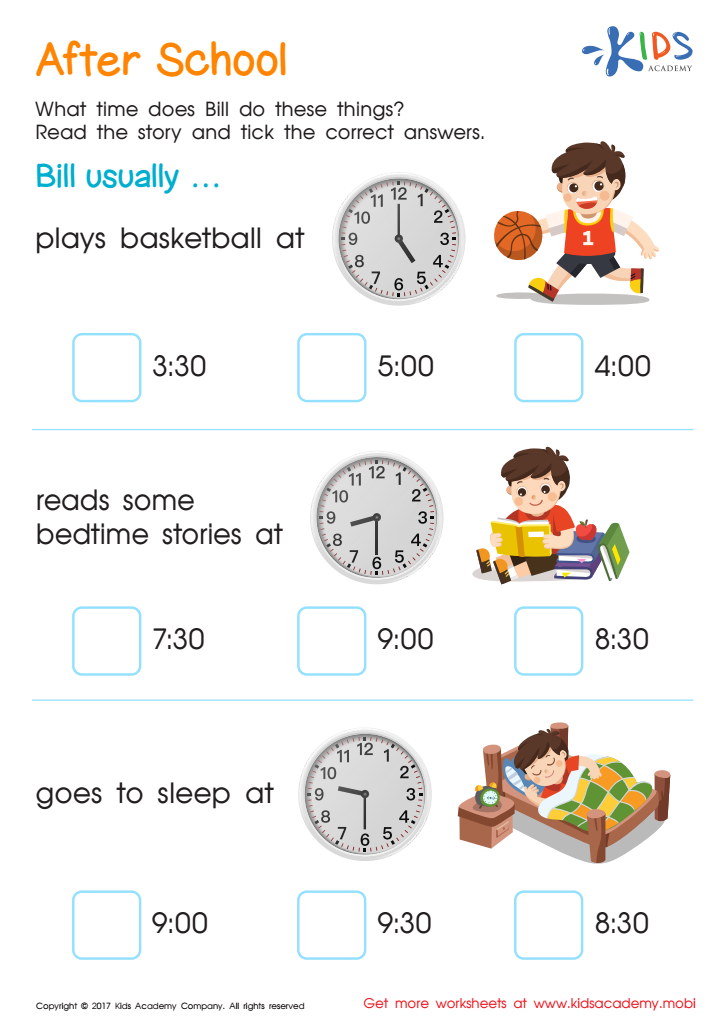
After School Time Printable








Problem-solving skills are fundamental building blocks for children's overall cognitive development. Introducing extra challenge math problems for ages 4-9 offers numerous lifelong benefits. This early engagement cultivates critical thinking, logical reasoning, and creativity, laying a substantial foundation for future academic and real-world problem-solving abilities.
For parents and teachers, nurturing problem-solving skills early enhances a child's confidence in tackling complex and unfamiliar tasks. Through engaging, challenging math problems, children learn perseverance, patience, and resilience. They understand that making mistakes is a part of learning, fostering a growth mindset that is essential for academic success and personal growth.
Extra challenge math problems also make learning interactive and enjoyable, sparking a love for mathematics that might last a lifetime. Children who enjoy math are more likely to excel in STEM (Science, Technology, Engineering, and Mathematics) fields, which are integral to many future career opportunities.
Moreover, problem-solving assignments encourage collaborative learning and communication. When children work together or discuss problems with adults, they develop social skills such as teamwork, active listening, and articulating ideas. Therefore, parents and teachers who prioritize problem-solving challenges are investing in well-rounded developmental growth, ensuring children aren't just academically prepared, but also equipped with essential life skills.