Hand-eye Coordination Kindergarten Worksheets - Page 2
59 filtered results
-
From - To
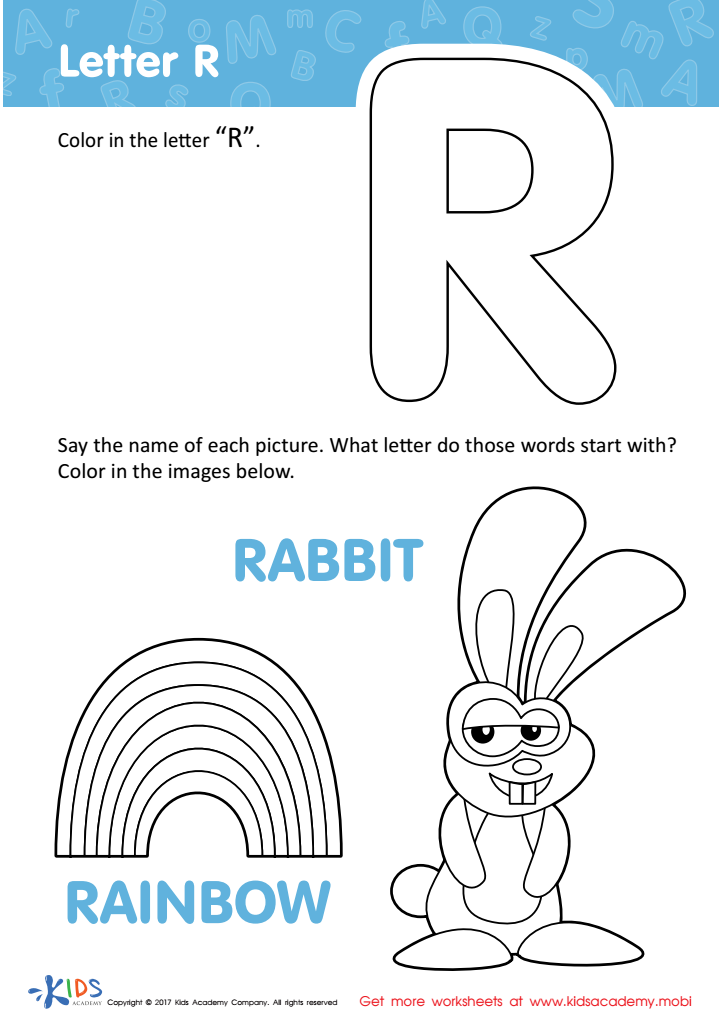
Letter R Coloring Sheet
 Assign to My Students
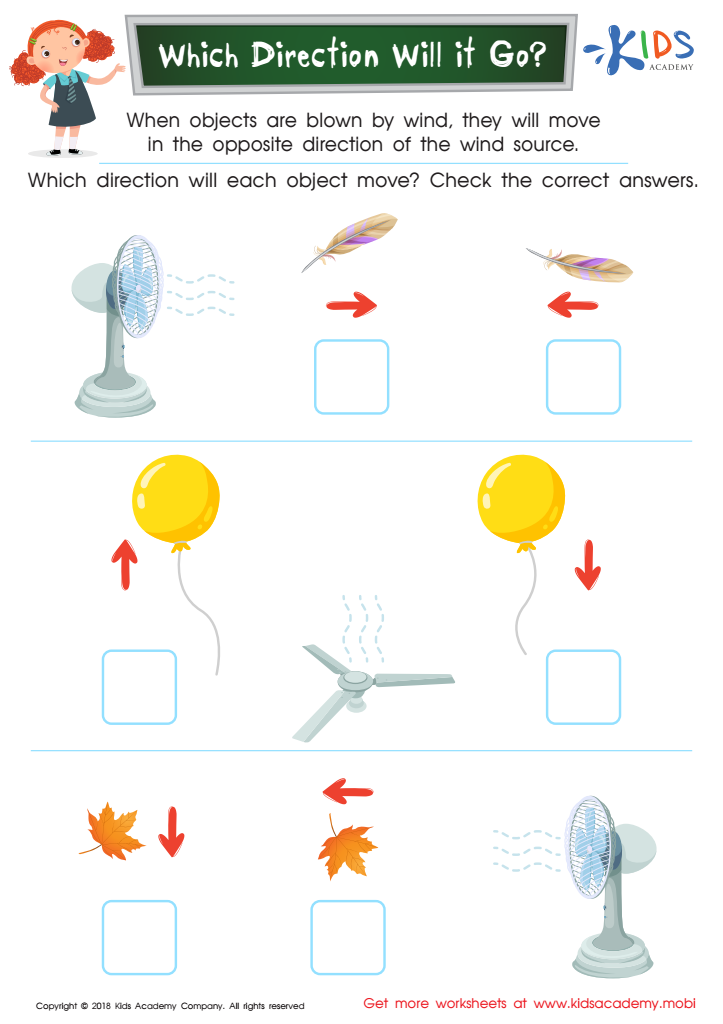
Which Direction Will it Go? Worksheet
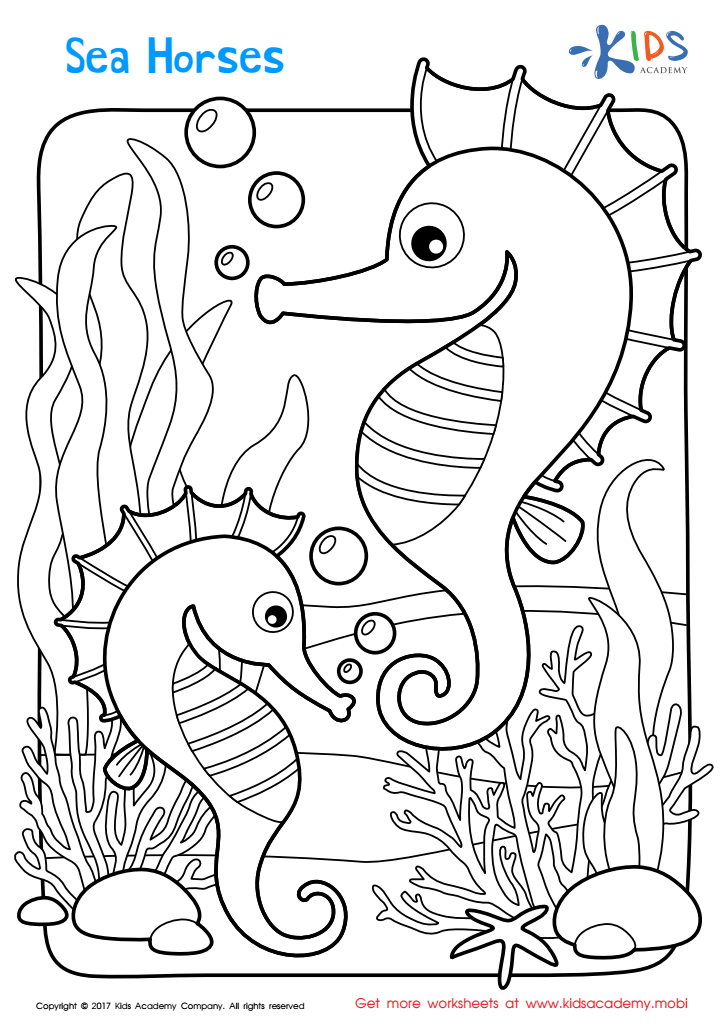
Sea Horses Printable
Assign to My Students

Long and Short U Worksheet
Assign to My Students
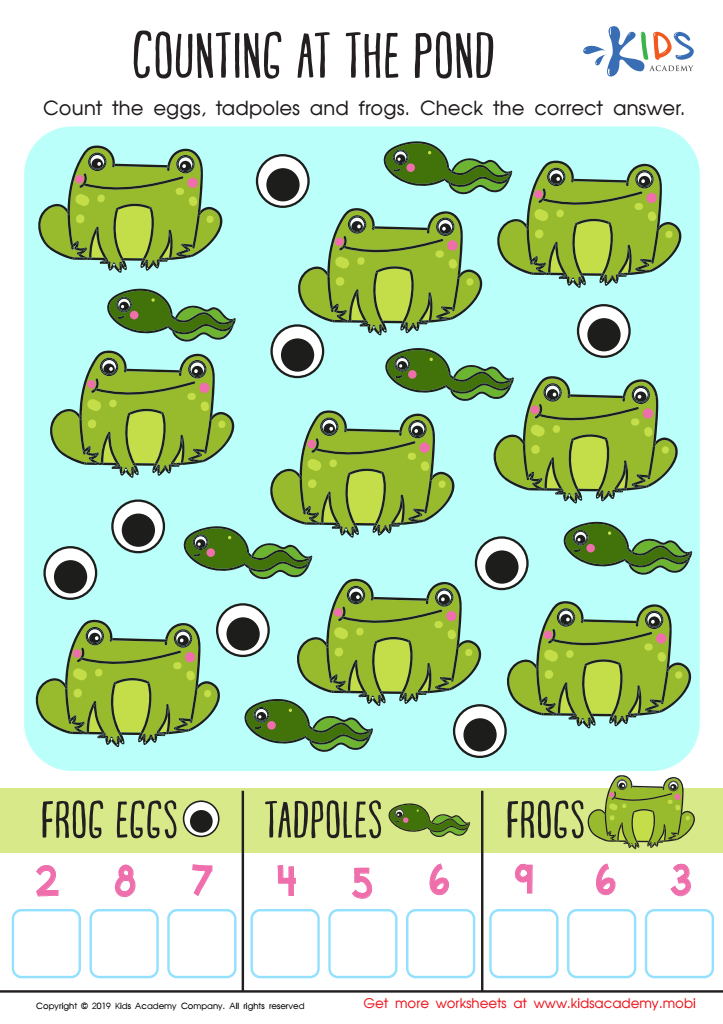
Counting at the Pond Worksheet
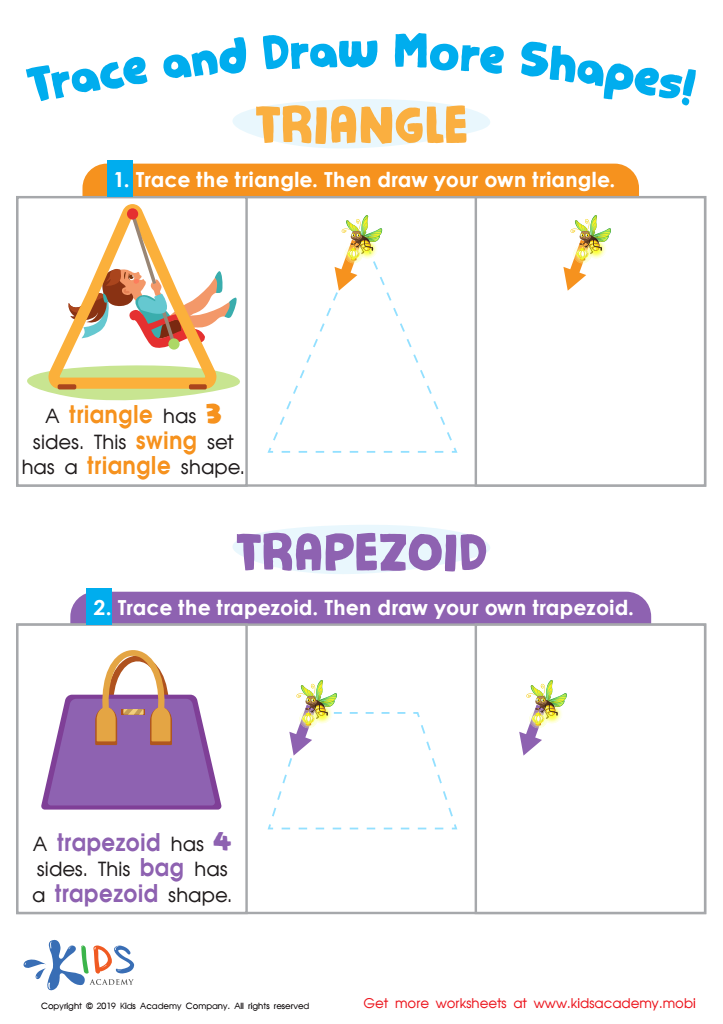
Trace and Draw More Shapes Worksheet
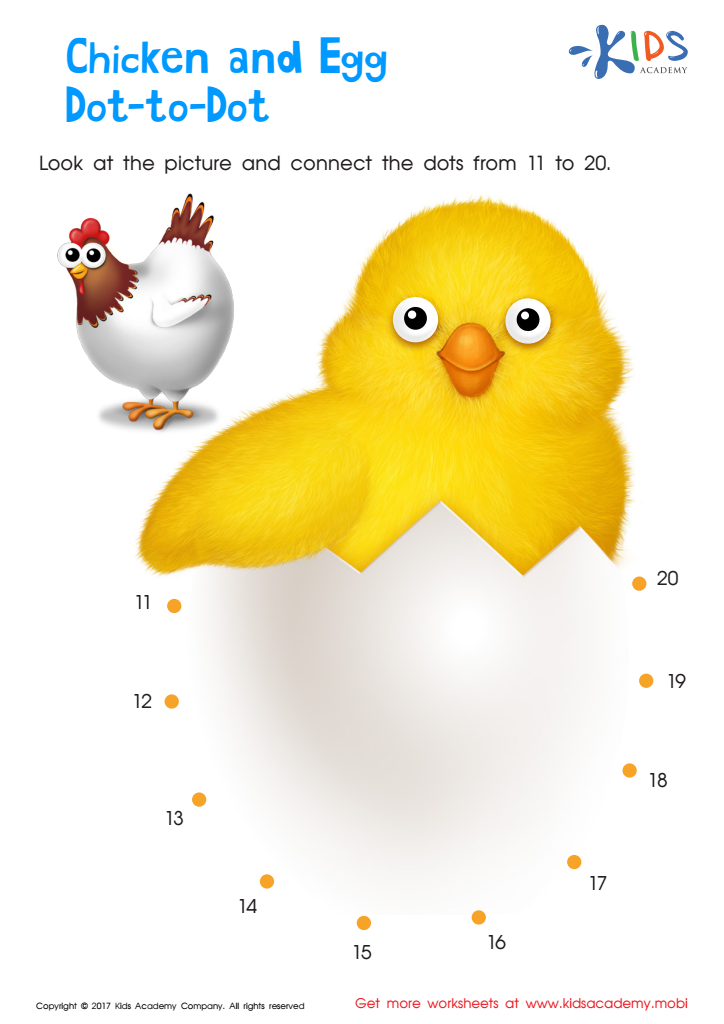
Ordering 11–20: Chicken & Egg Dot–to–dot Worksheet
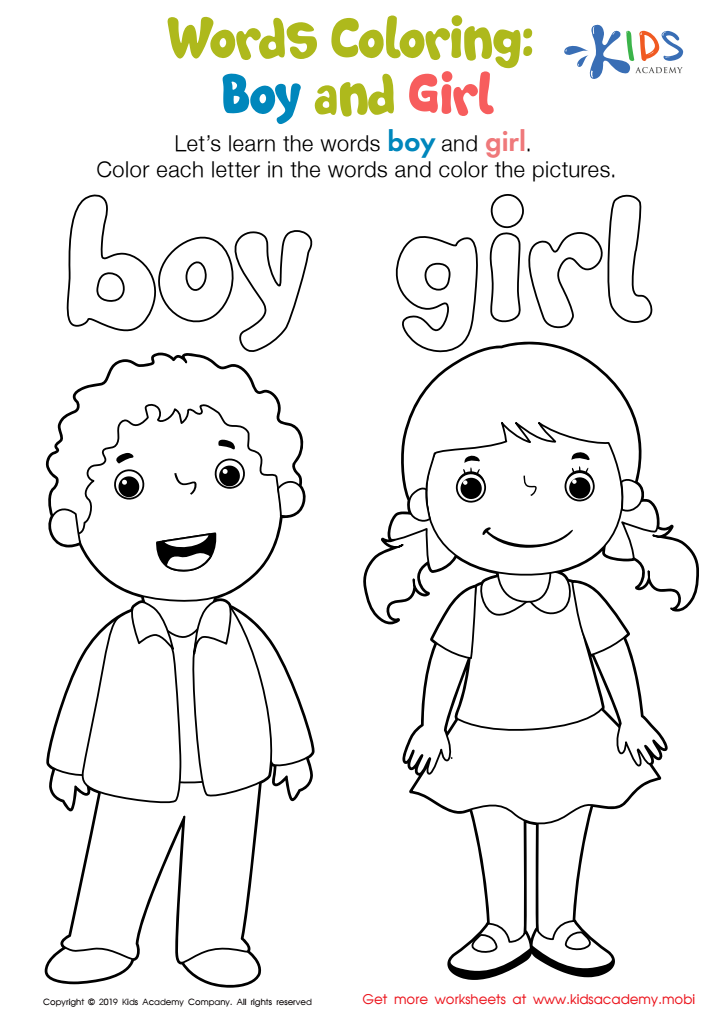
Boy and Girl Words Coloring Worksheet
Assign to My Students
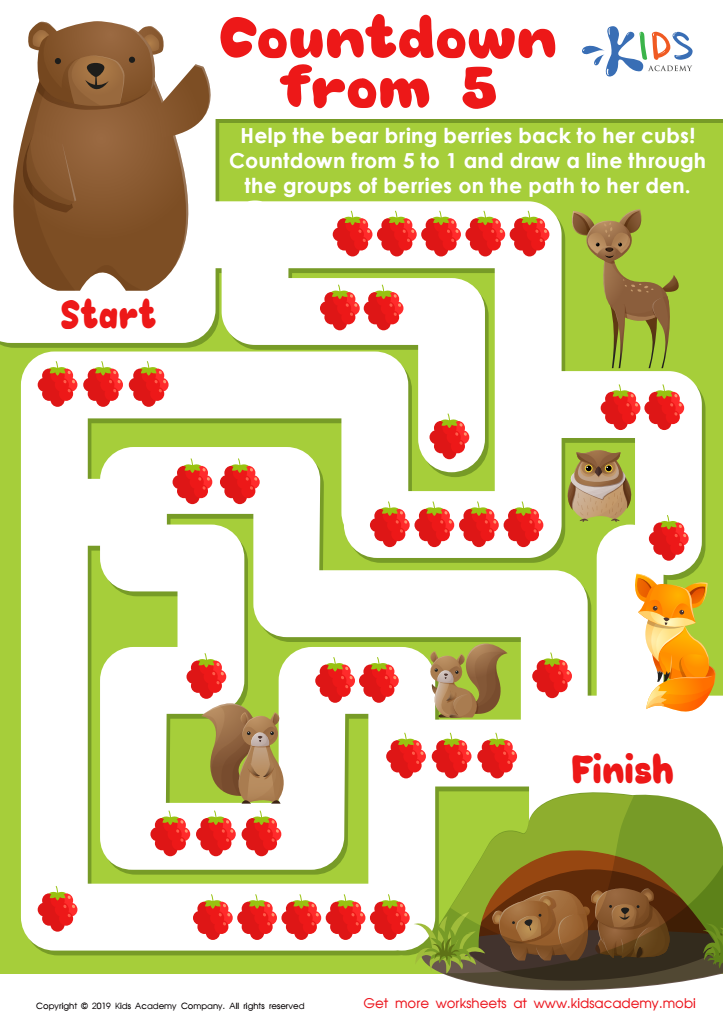
Countdown from 5 Worksheet
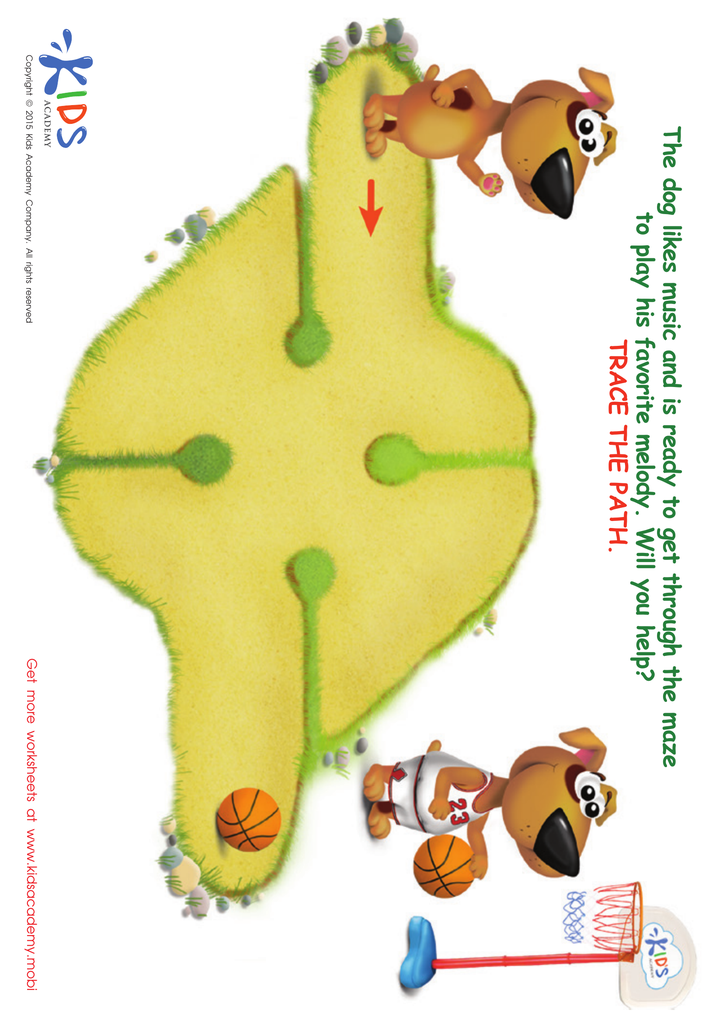
Basketball Player Maze Worksheet
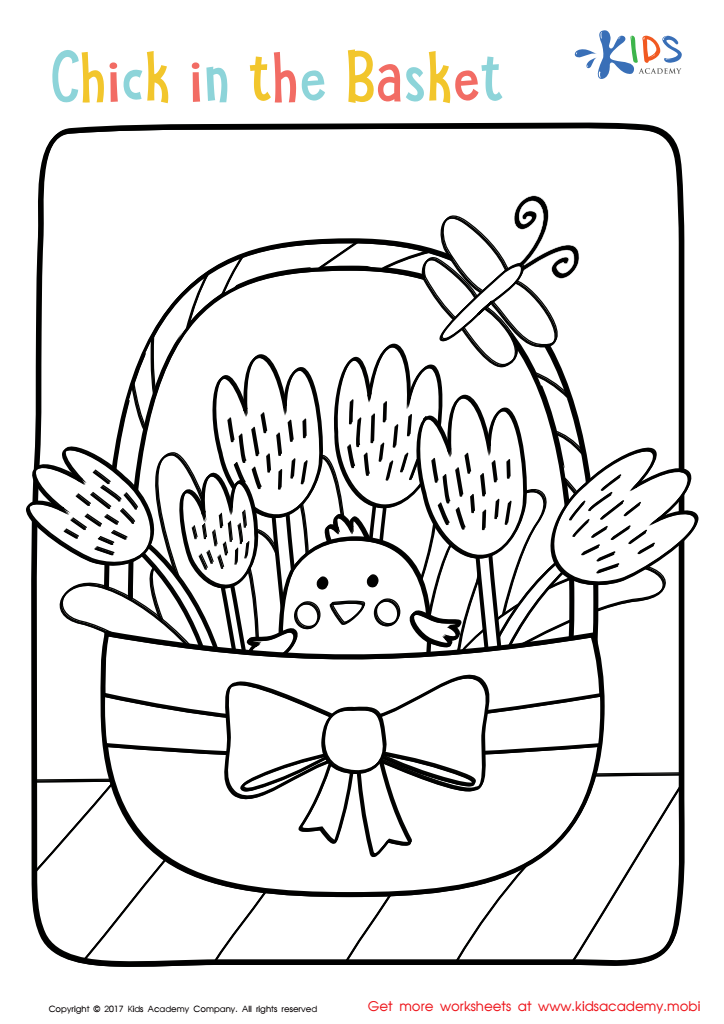
Easter: Chick in the Basket Worksheet
Assign to My Students
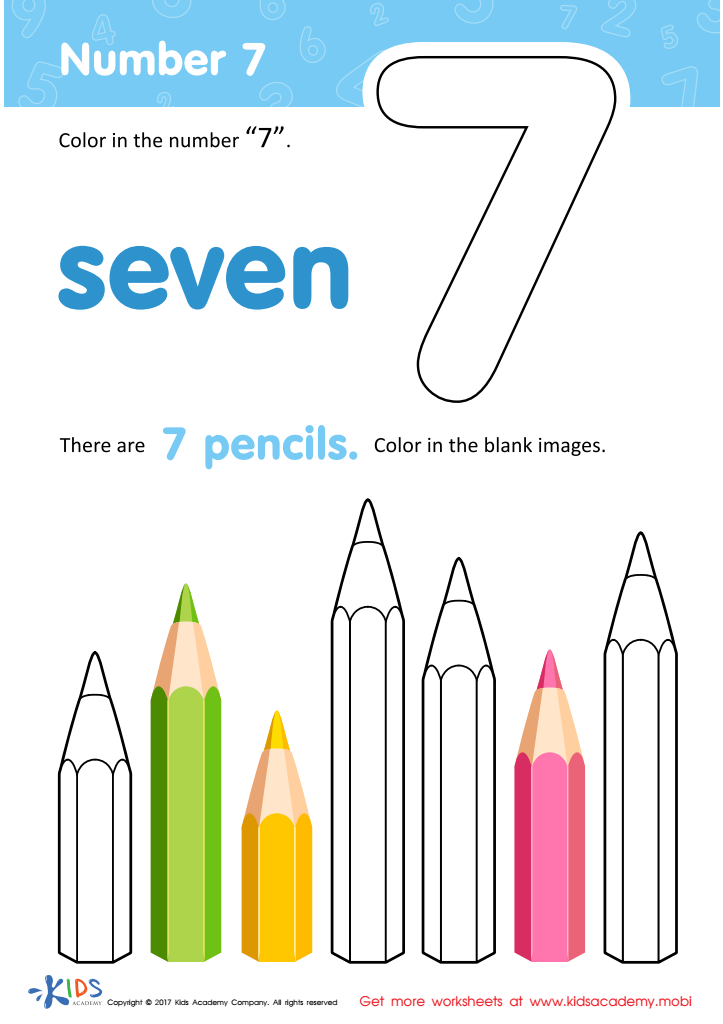
Number 7 Worksheet
Assign to My Students
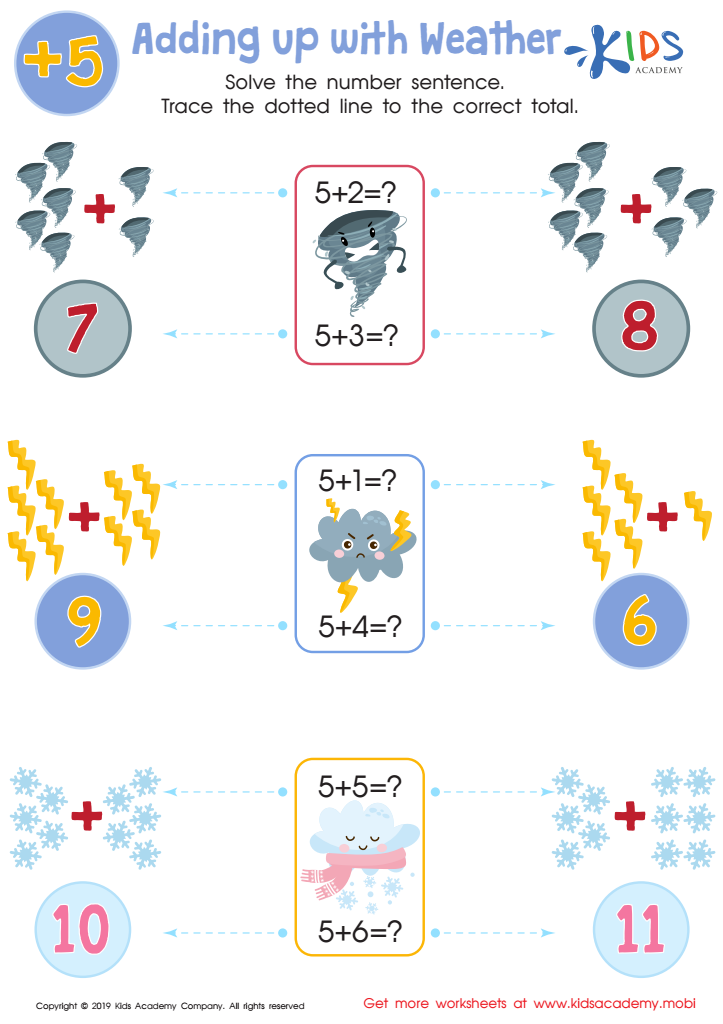
Adding up With Water Worksheet
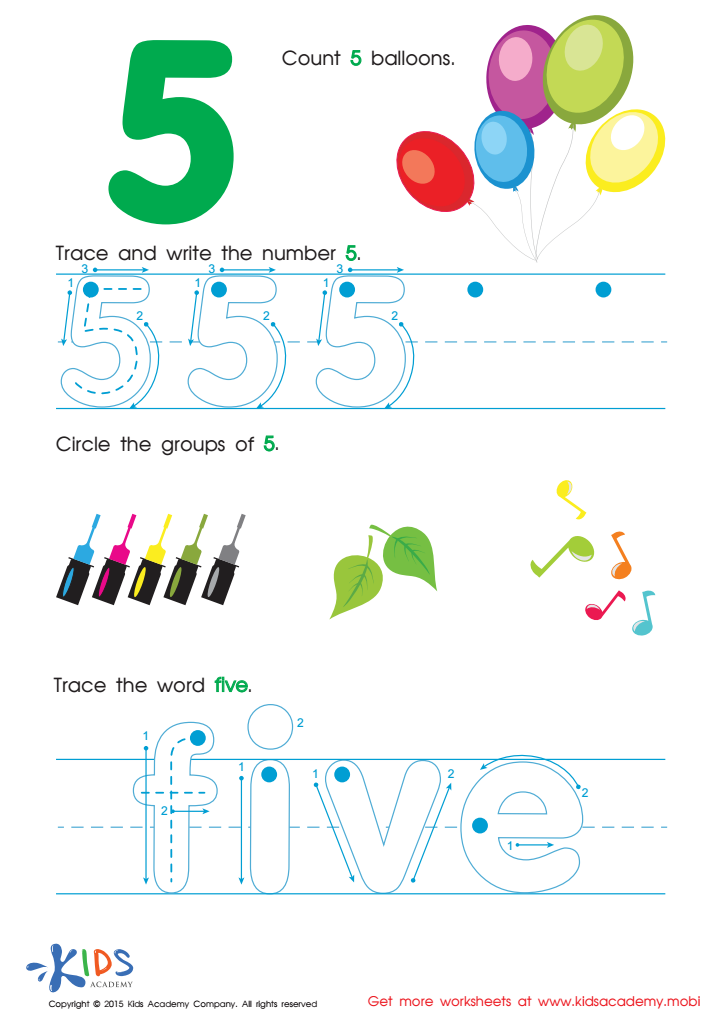
Practice Writing Number 5 Worksheet
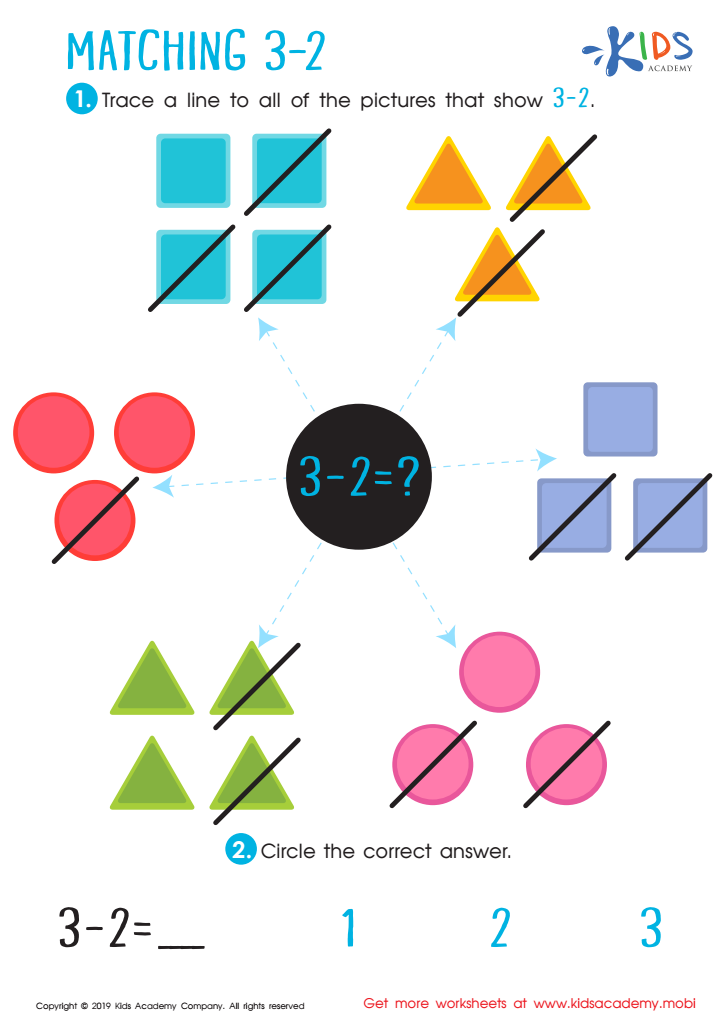
Matching 3-2 Worksheet
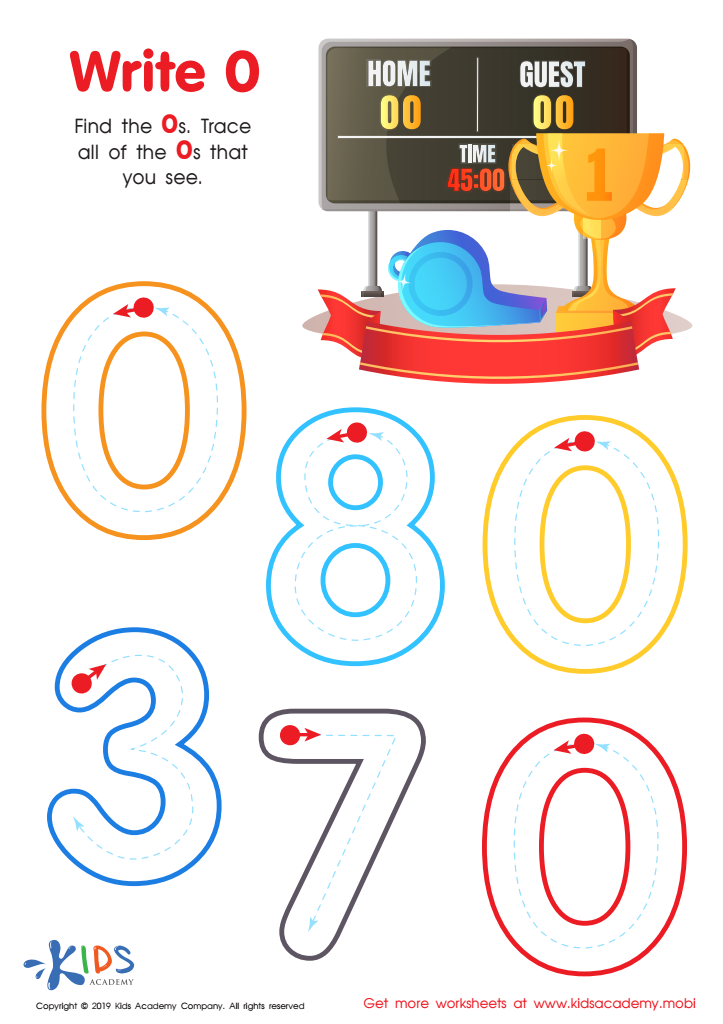
Write 0 Worksheet
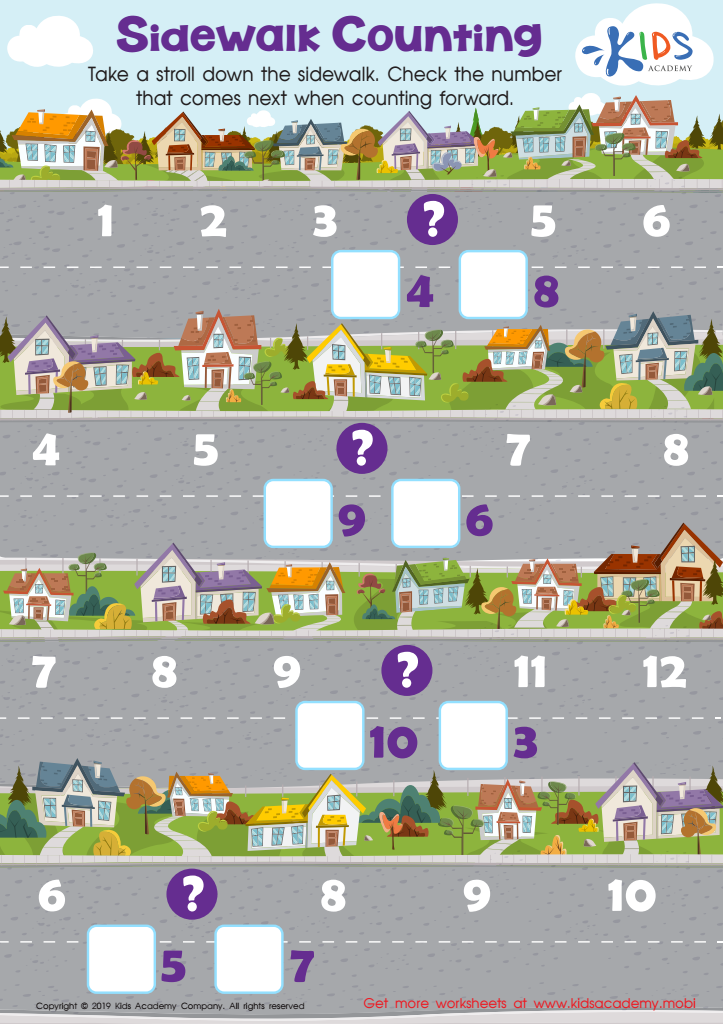
Sidewalk Counting Worksheet
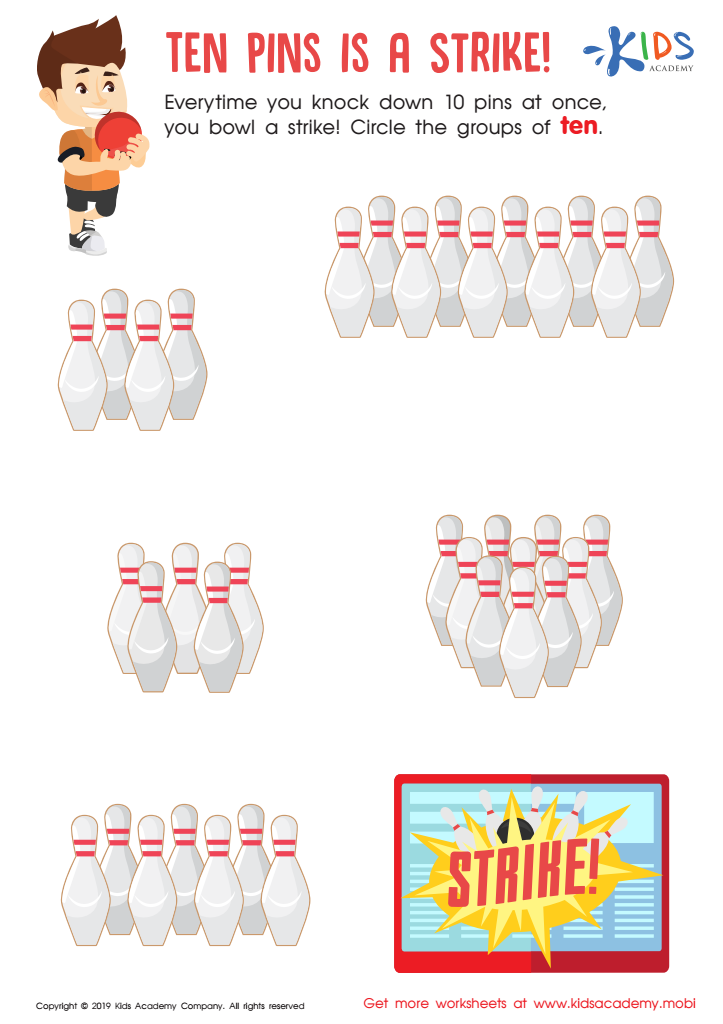
Ten Pins is a Strike Worksheet
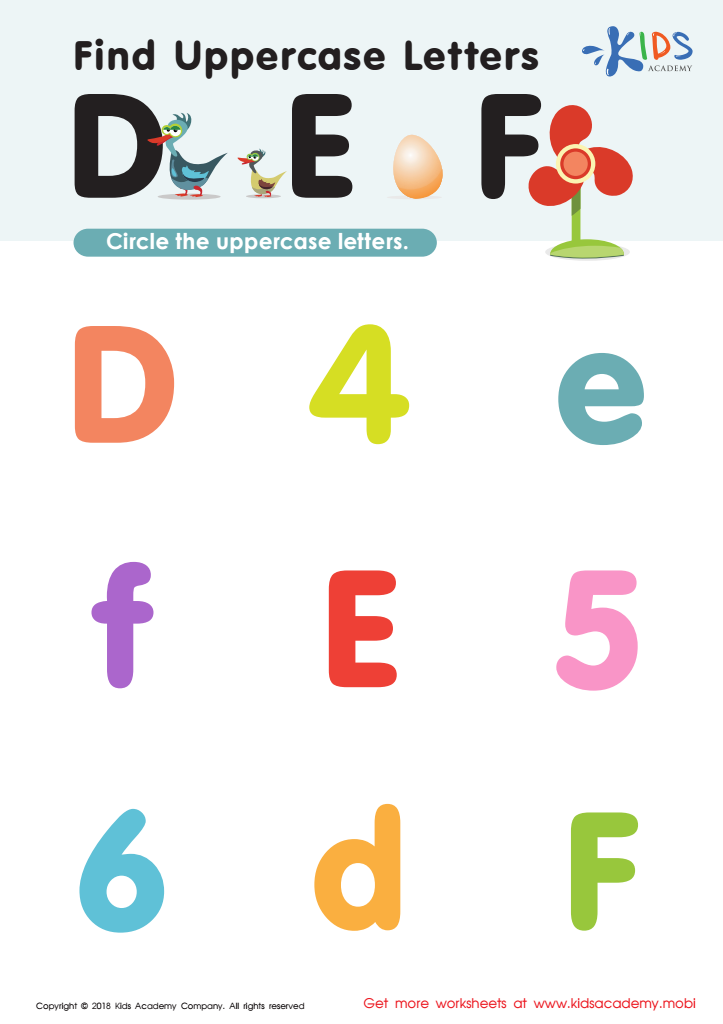
Find Uppercase Letters D, E, and F Worksheet
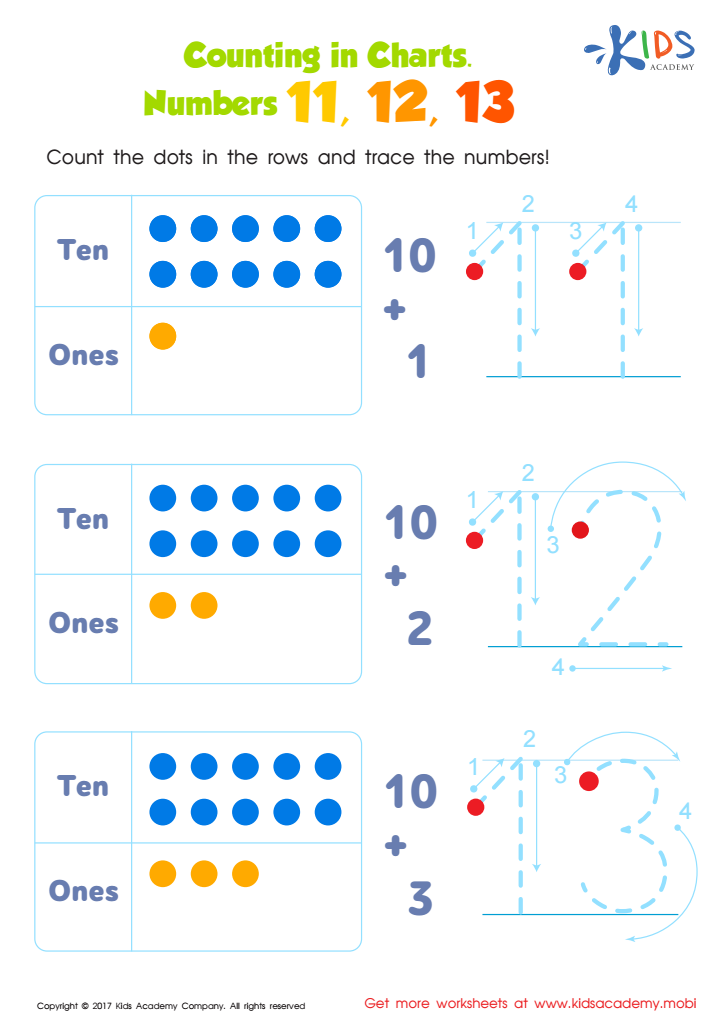
Number Tracing Worksheet For Kindergarten
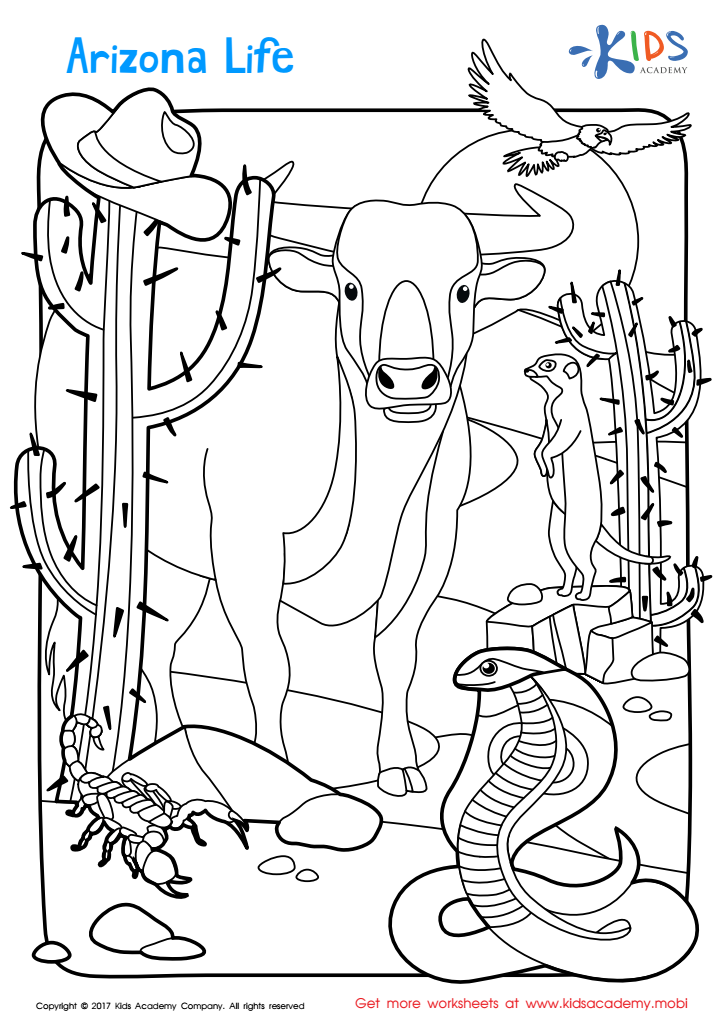
Arizona Coloring Page Worksheet
Assign to My Students
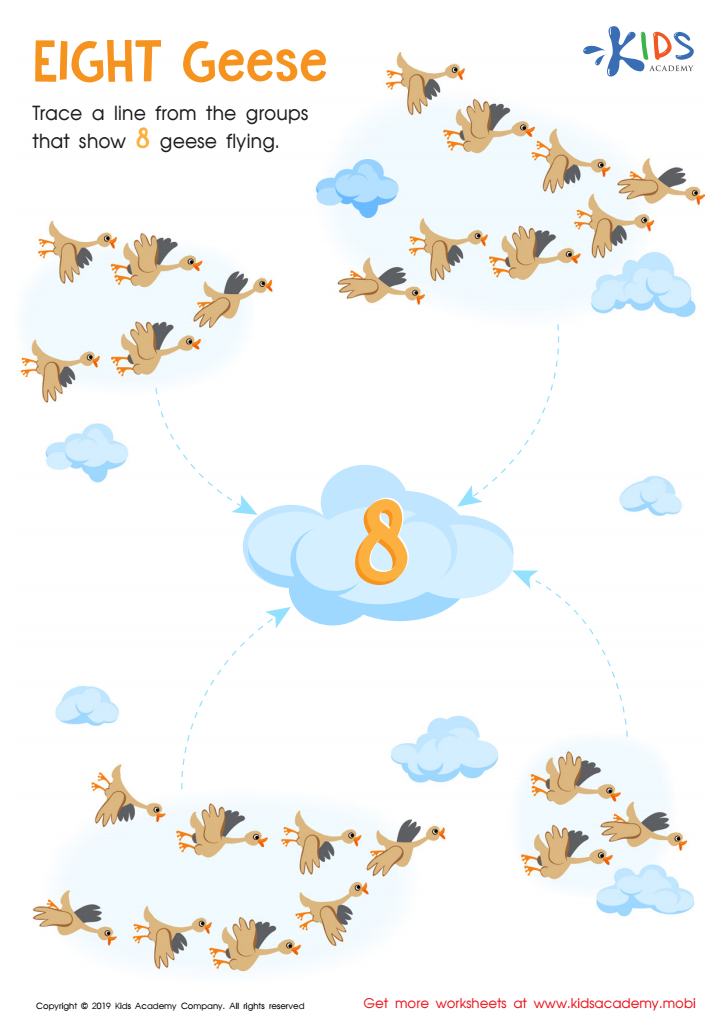
Eight Geese Worksheet
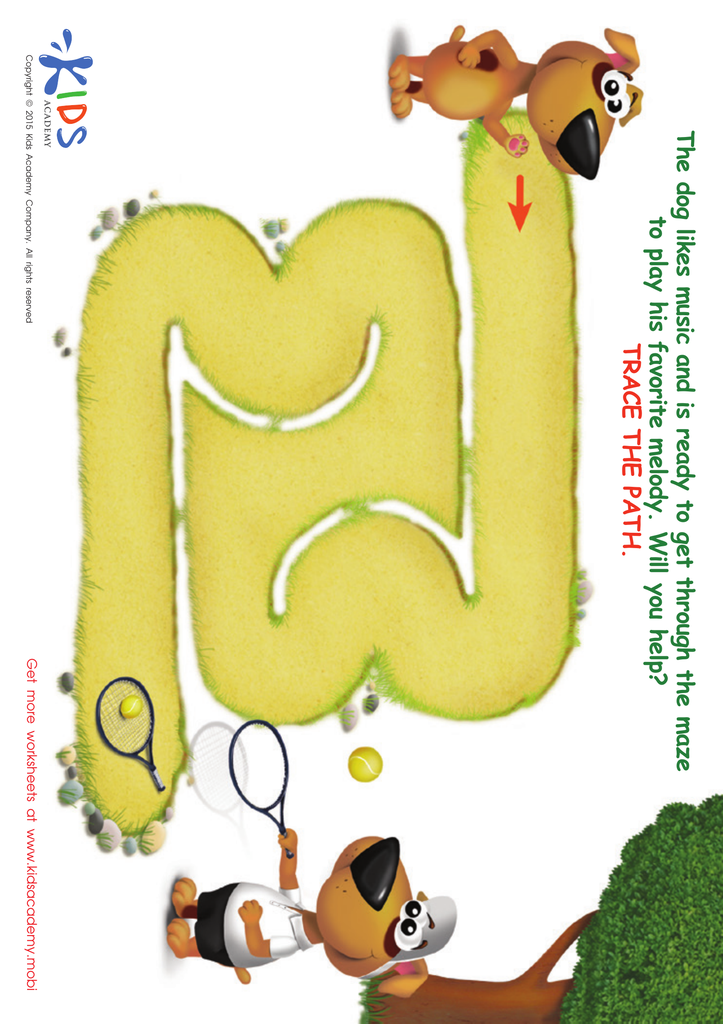
Tennis Player Maze Worksheet





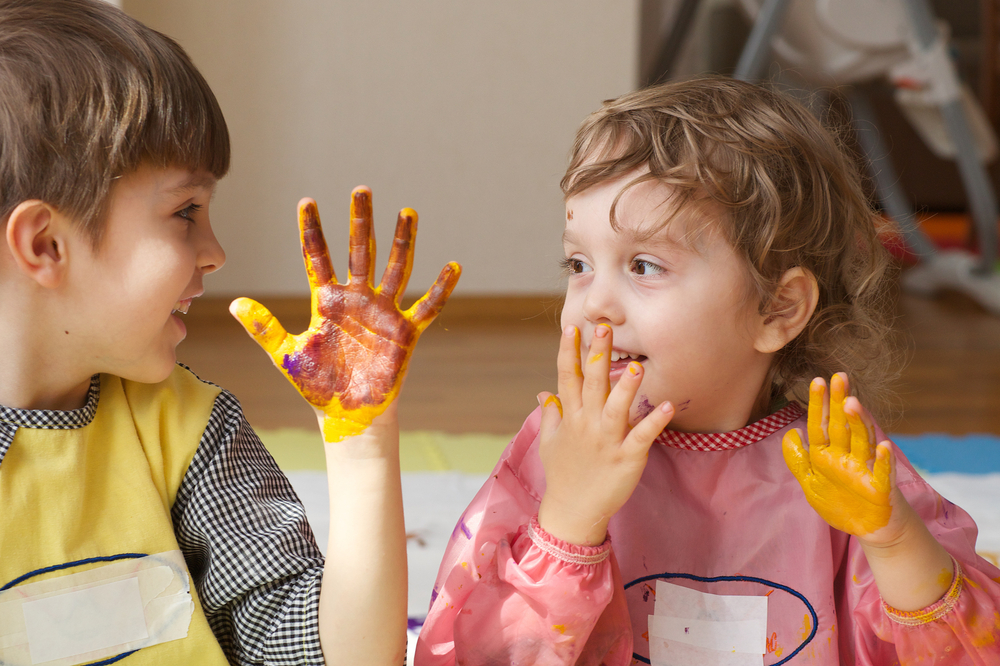


Hand-eye coordination is a fundamental skill that greatly influences a child's overall development, particularly in kindergarten. At this critical stage of growth, children are rapidly developing their motor skills, cognitive abilities, and social interactions. Effective hand-eye coordination allows young learners to perform essential tasks, such as writing, drawing, and participating in various games, which enhances their physical capabilities and confidence.
Parents and teachers should care about nurturing this skill because it serves as the foundation for academic success and daily activities. Engaging in tasks that promote hand-eye coordination helps improve focus, concentration, and fine motor skills, all of which are crucial for learning basic literacy and numeracy. Furthermore, as children gain proficiency in their hand-eye coordination, they also develop important social skills through collaborative games and activities, fostering teamwork and communication.
Moreover, strong hand-eye coordination can lead to increased independence in children, transitioning them smoothly into more complex tasks as they grow. By encouraging activities that promote these skills, parents and teachers can support a child's holistic development, setting the stage for lifelong learning and physical competence. Consequently, investing time and effort into enhancing hand-eye coordination is an investment in a child's future success.








