Shape identification Geometry Worksheets
15 filtered results
-
From - To
Unlock the world of geometry with our Shape Identification Geometry Worksheets! Designed for early learners, these engaging worksheets help children recognize and name basic shapes while developing critical thinking and fine motor skills. Featuring vibrant illustrations and age-appropriate activities, each sheet provides a fun, interactive experience that reinforces knowledge through hands-on practice. Ideal for classroom and home use, our worksheets cover a wide range of shapes, ensuring comprehensive understanding. Master shape identification and lay a strong foundation for future geometry success with Kids Academy's expertly crafted resources!
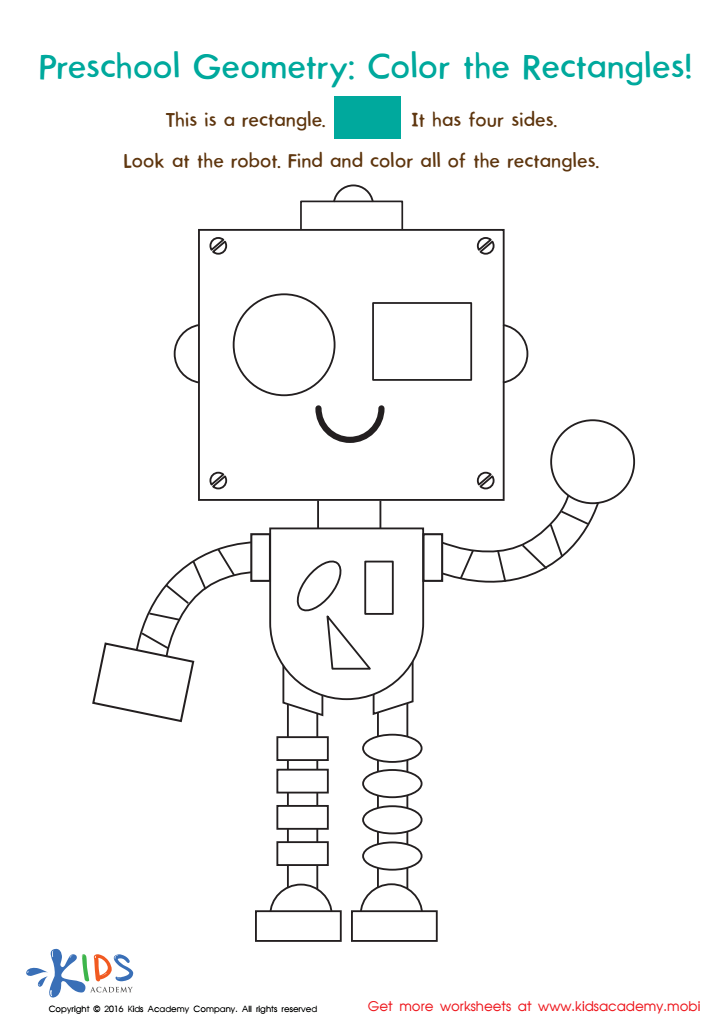
Geometry Worksheet
 Assign to My Students











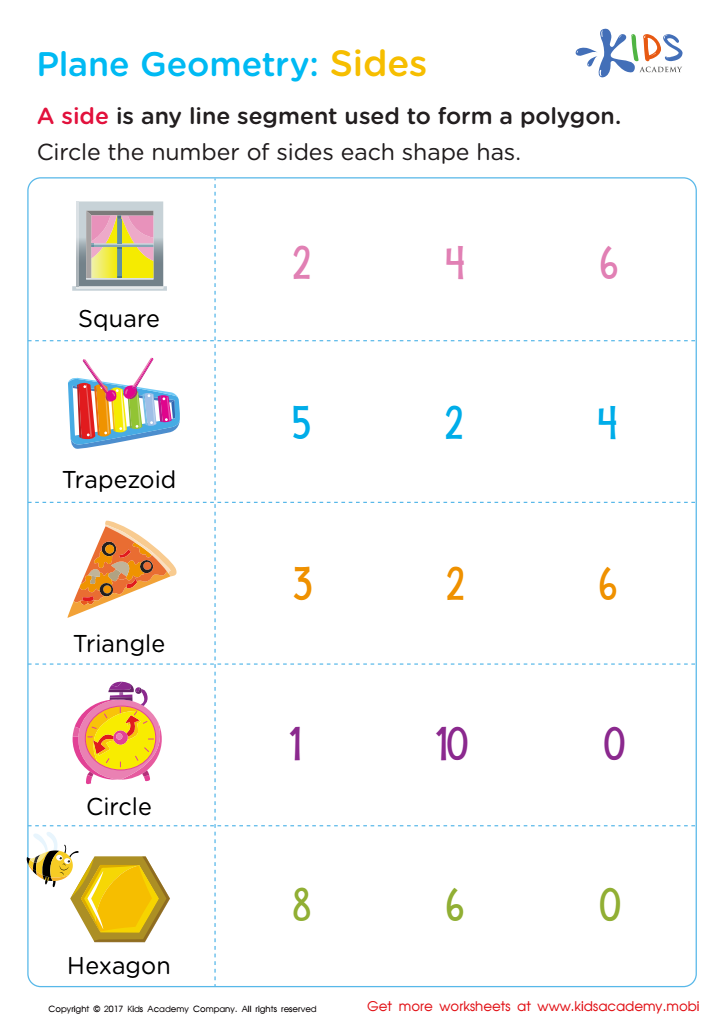
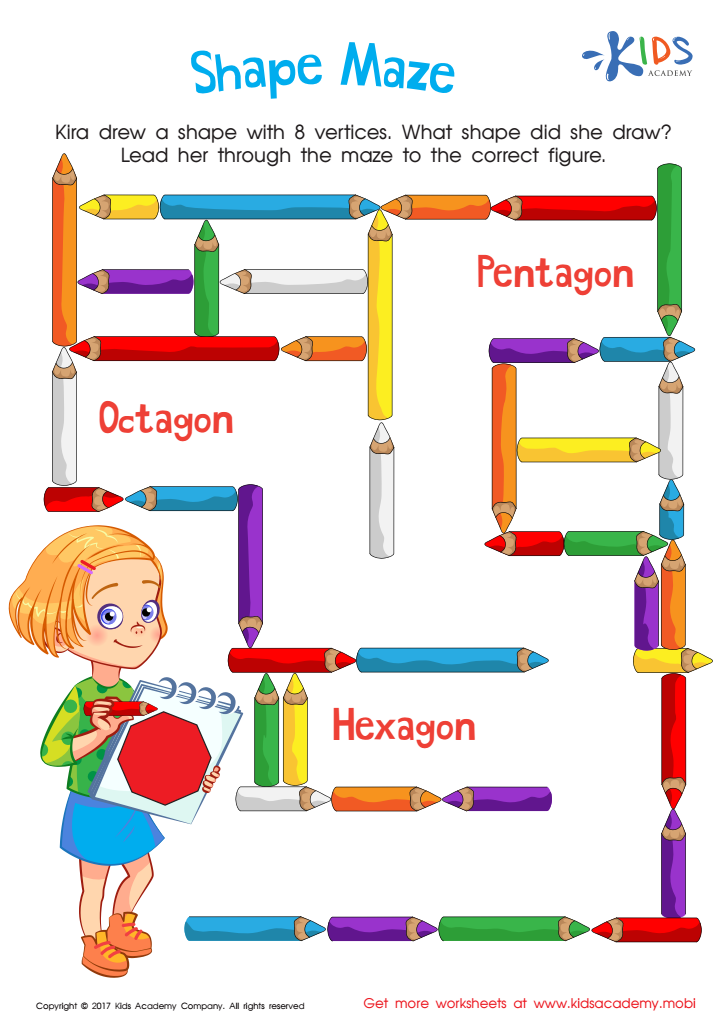
Shape Maze Worksheet
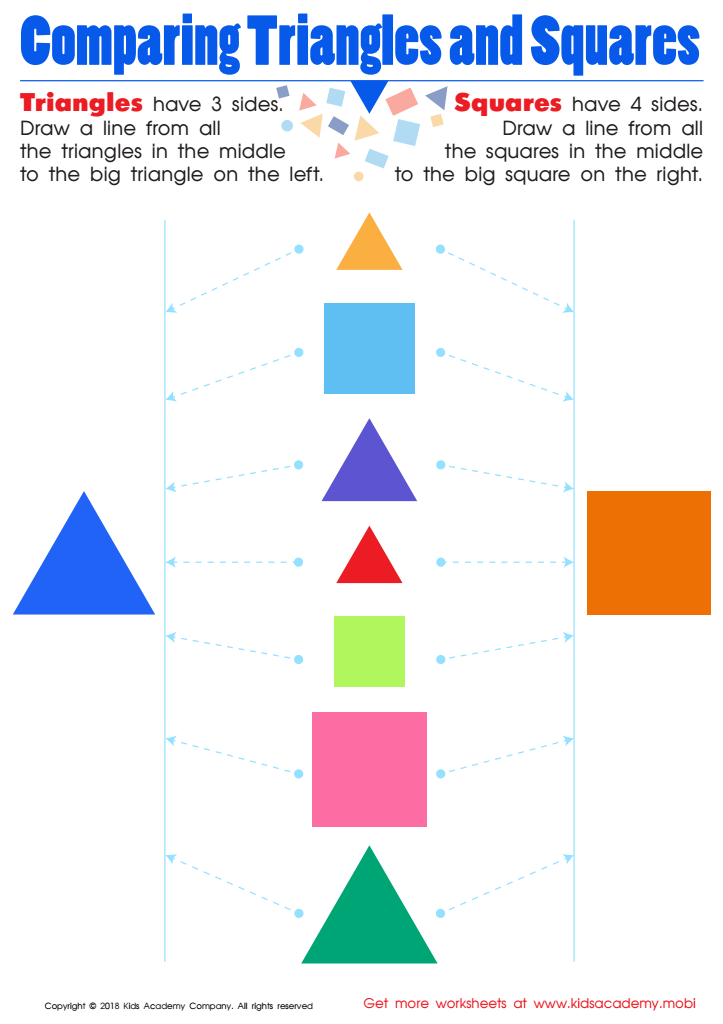
Comparing Triangles Squares Worksheet
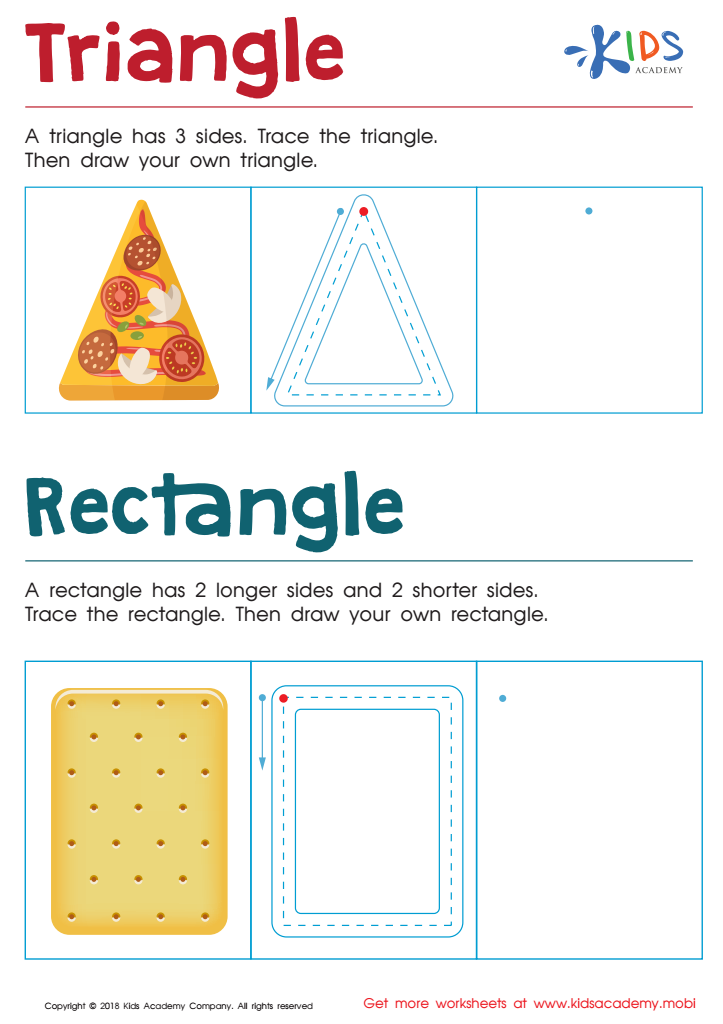
Triangle Rectangle Worksheet
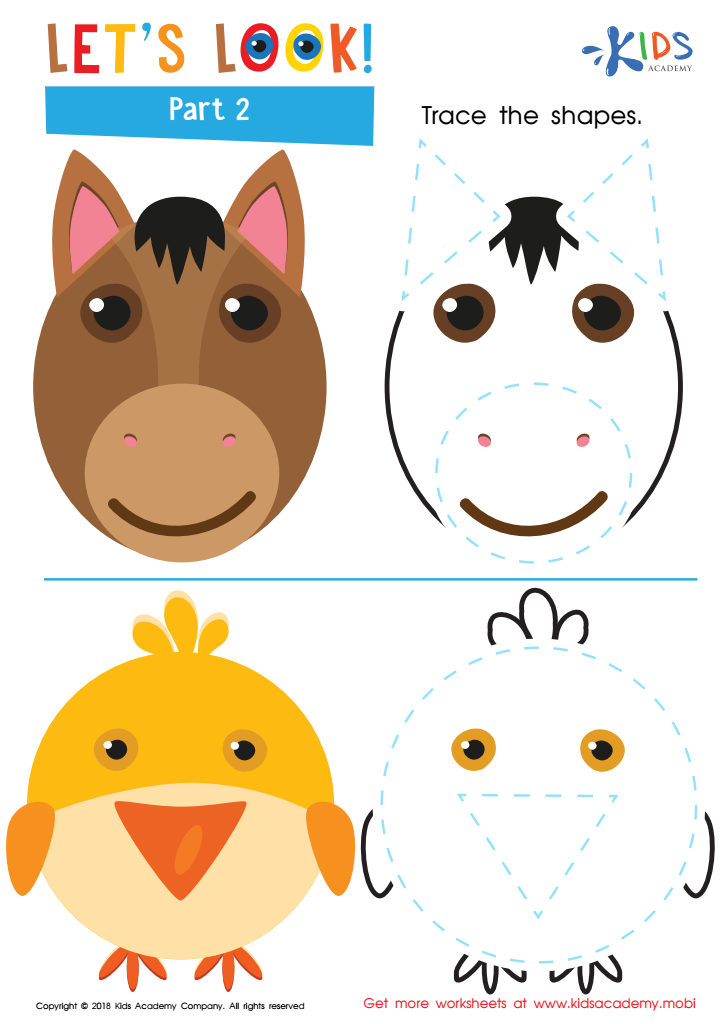
Let's Look! Part 2 Worksheet
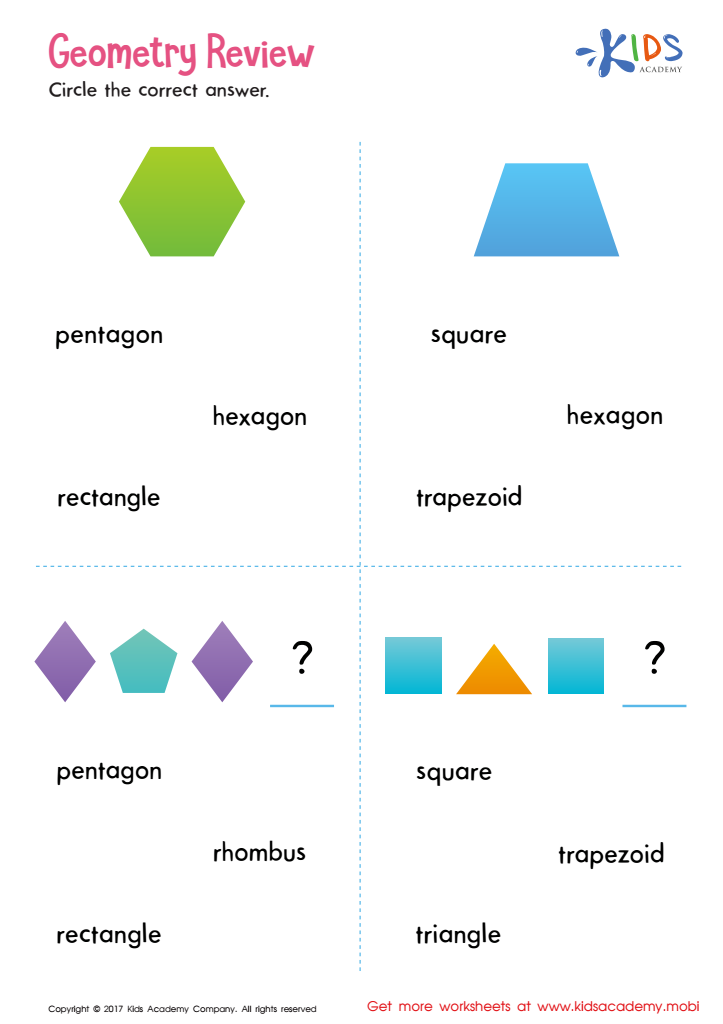
Geometry Review Printable
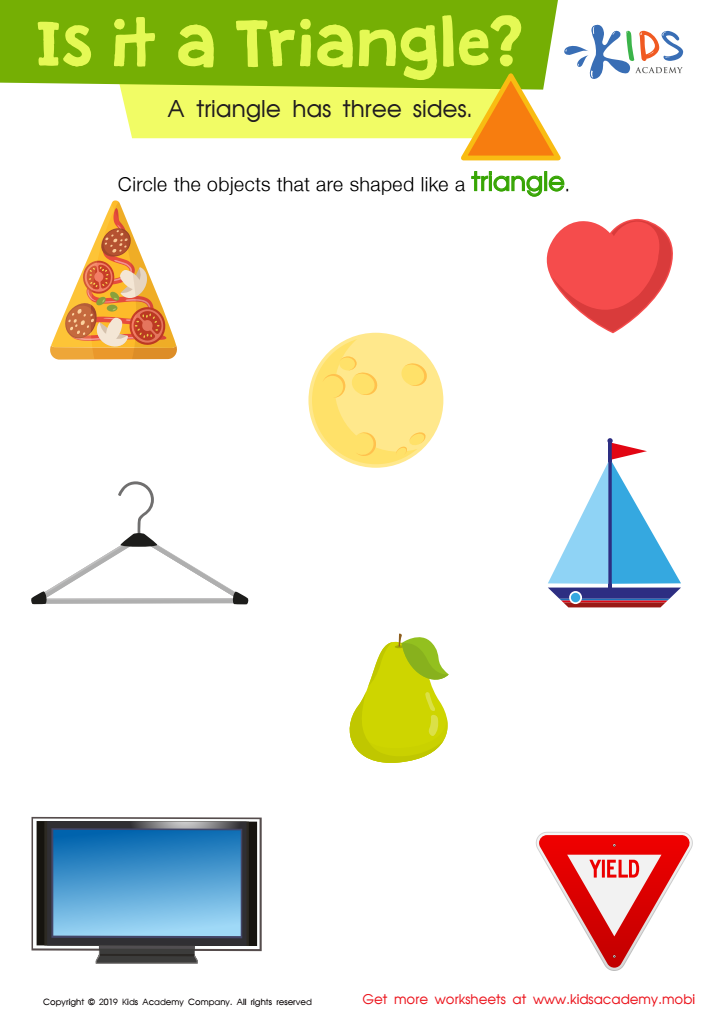
Is It a Triangle? Worksheet
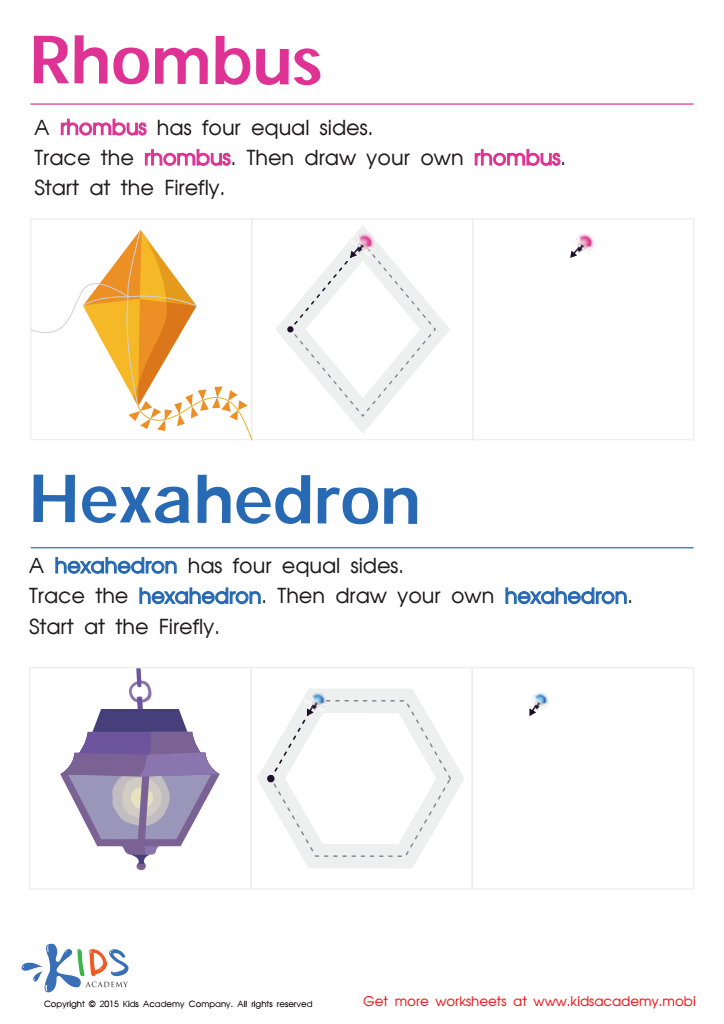
Draw a Rhombus And a Hexahedron Printable
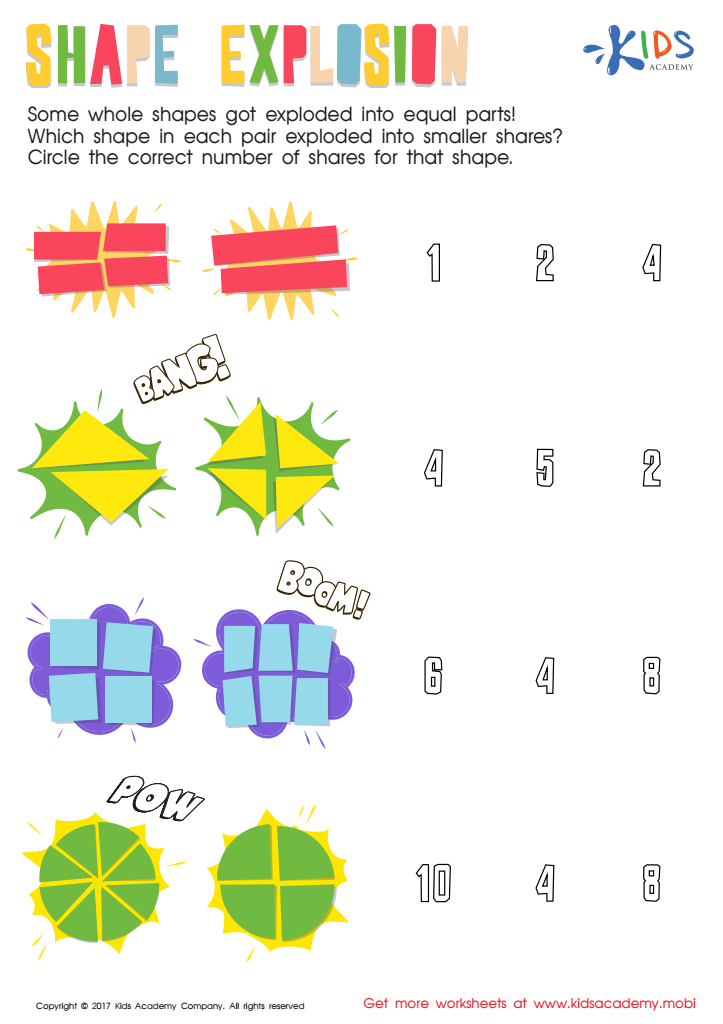
Shape Explosion Worksheet
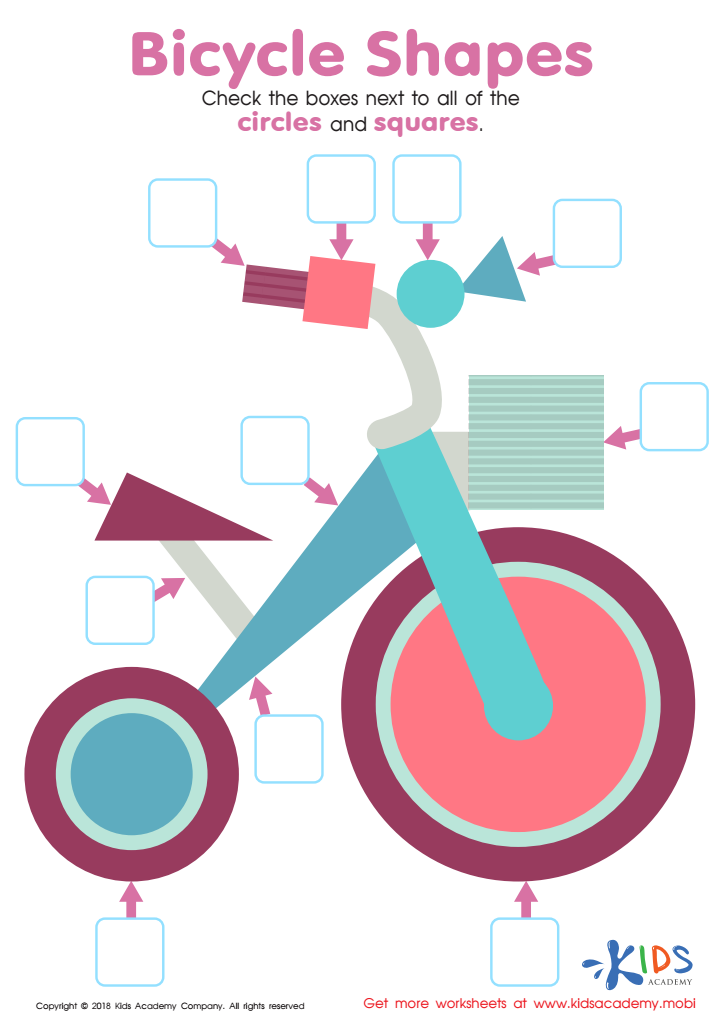
Bicycle Shapes Worksheet
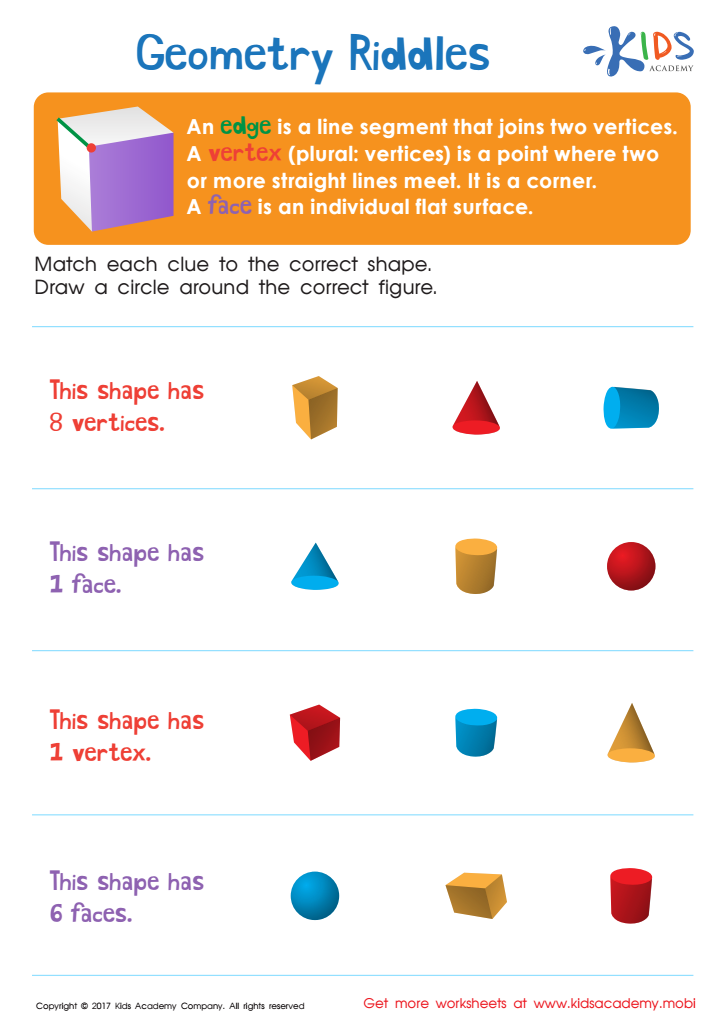
Geometry Riddles Printable
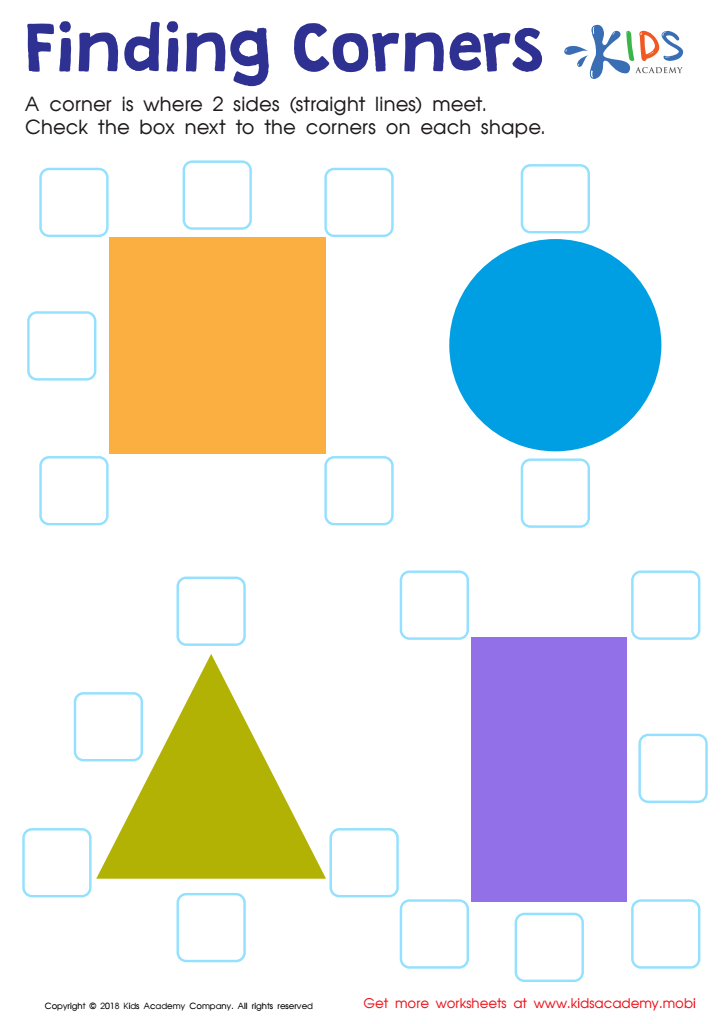
Finding Corners Worksheet
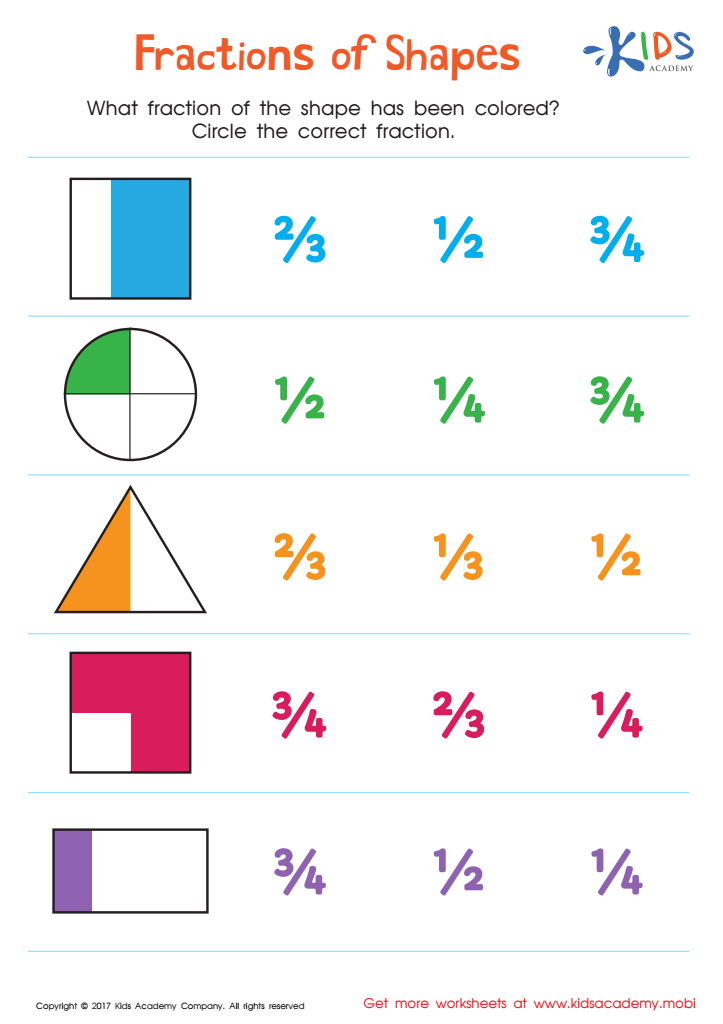
Fractions of Shapes: Math Concept Worksheet
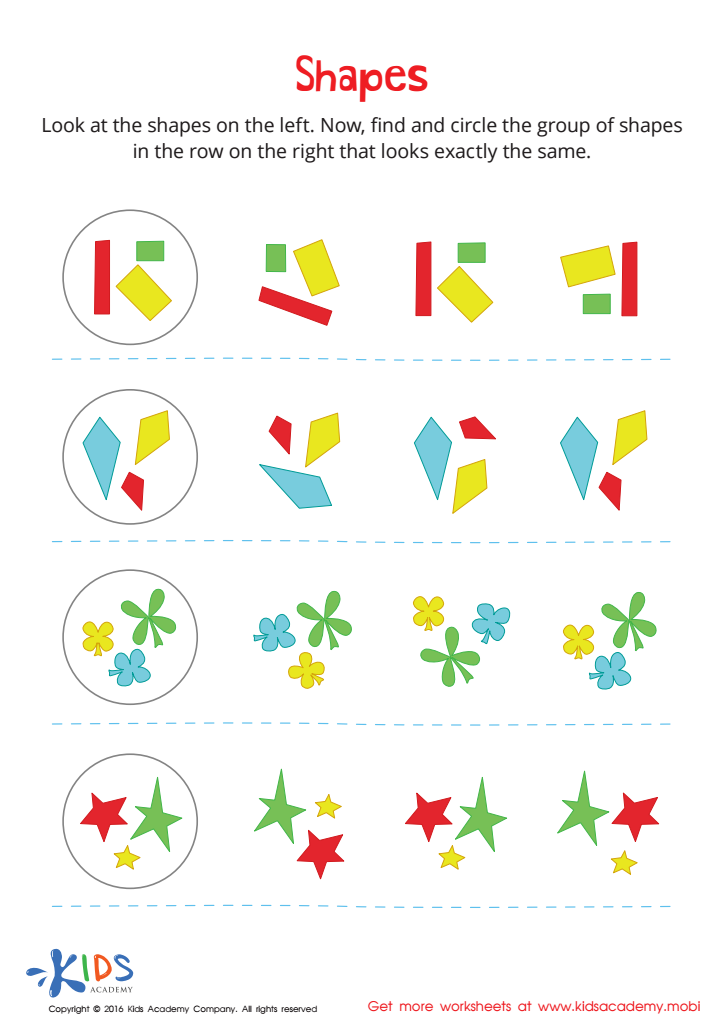
Shapes Worksheet








Understanding shape identification and geometry is crucial for young children as it forms the foundation for numerous cognitive and educational skills. Early childhood is a period of rapid brain development, and fostering these skills can have long-lasting effects on a child's overall learning trajectory.
For parents and teachers, incorporating shape identification and basic geometric concepts into everyday activities helps develop spatial awareness, which is the ability to understand and remember the spatial relations among objects. This skill is not only critical to mathematics but is also essential in subjects like science, engineering, and art.
Additionally, recognizing and differentiating shapes enhances a child’s ability to categorize and organize information, a skill that significantly boosts problem-solving and critical thinking abilities. As children learn to identify shapes, they also understand patterns and symmetry, which are fundamental mathematical concepts.
Furthermore, shape identification is tied to literacy; for instance, being able to determine that some letters and numbers are made of circles, lines, and curves can simplify reading and writing processes.
Shape activities also enhance fine motor skills. Cutting, drawing, or building shapes helps children manipulate objects with precision, which can aid in accomplishing daily tasks independently. Overall, fostering a strong foundation in shape identification and geometry sets children up for academic success and practical everyday functions.








