Problem-Solving Skills Numbers Worksheets - Page 2
52 filtered results
-
From - To
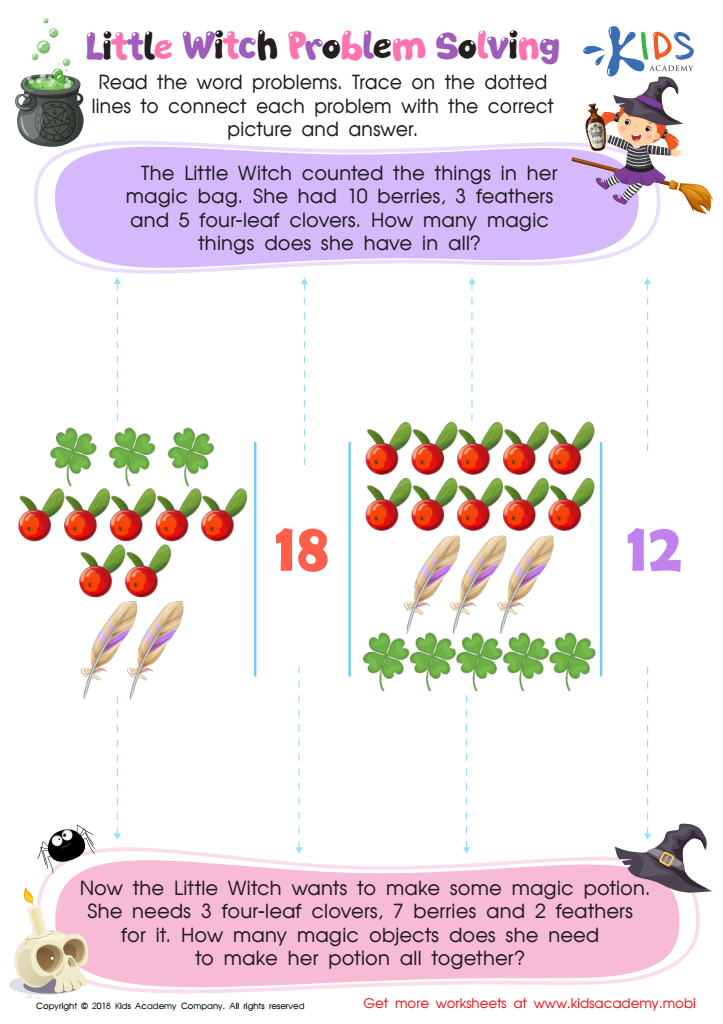
Little Witch Problem Solving Worksheet
 Assign to My Students
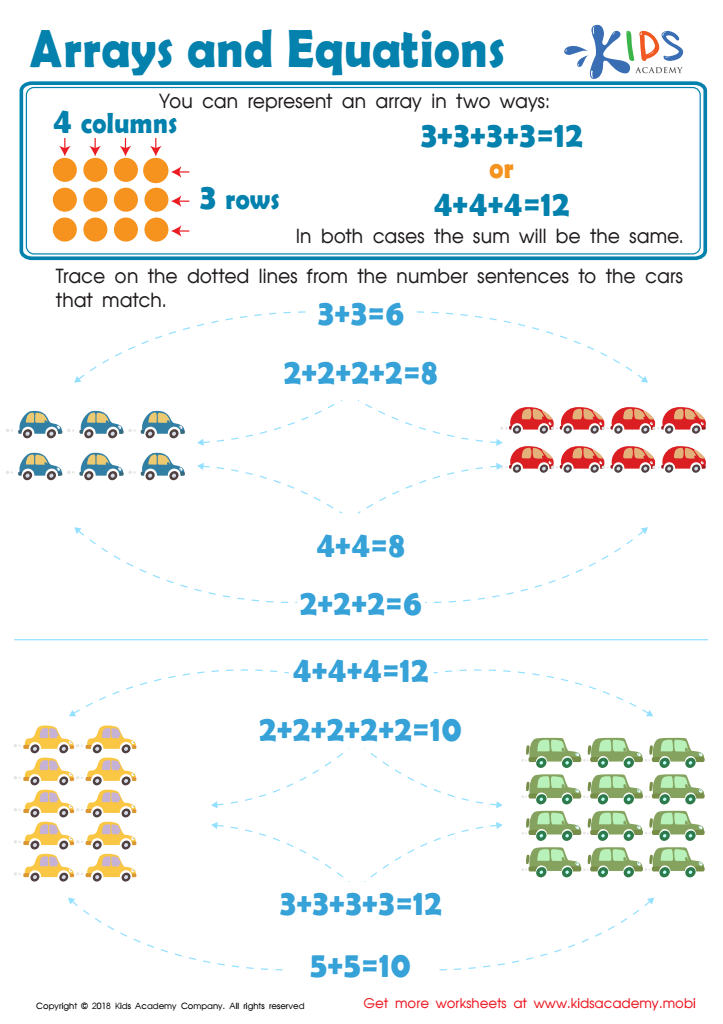
Arrays and Equations Worksheet
Count with the Captain Connect Dots Worksheet
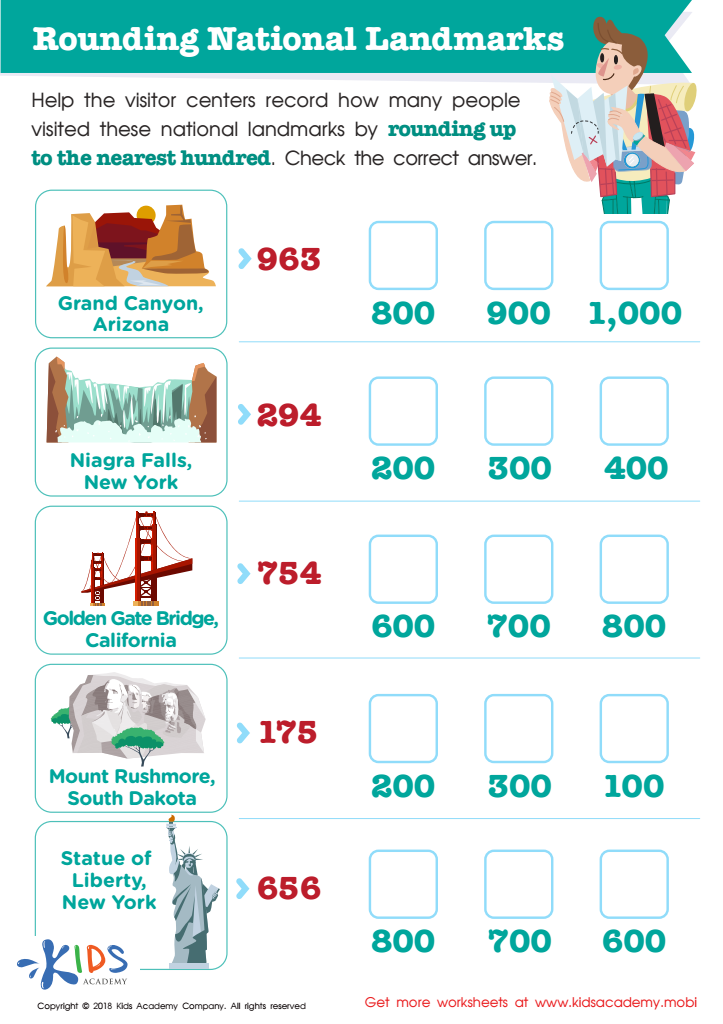
Rounding National Landmarks Worksheet
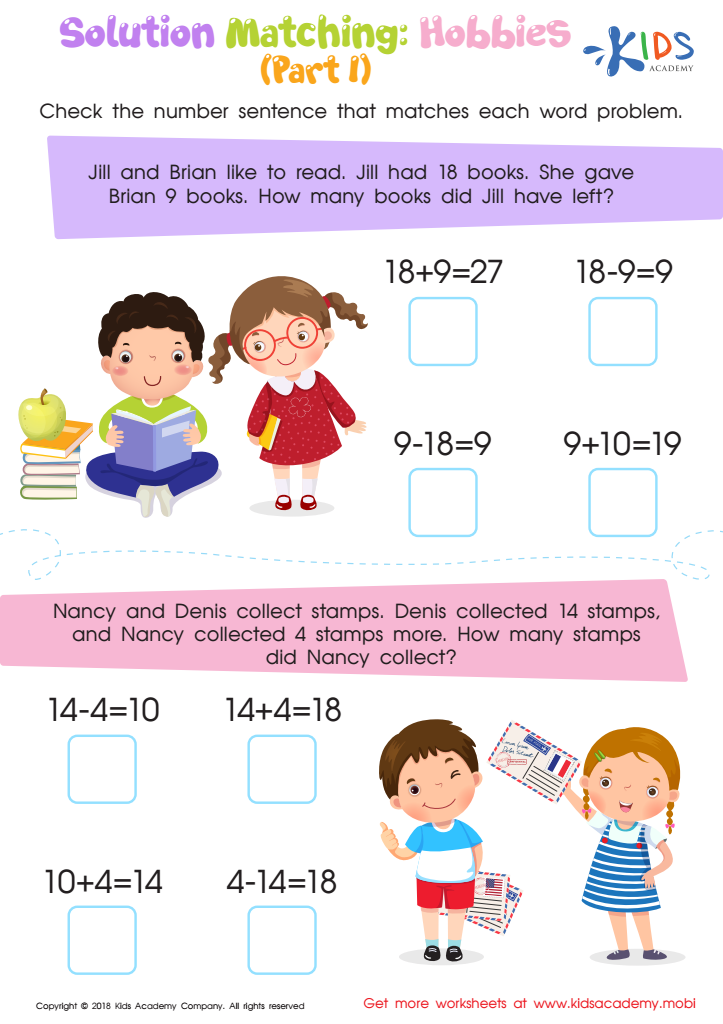
Solution Matching: Hobbies. Part 1 Worksheet
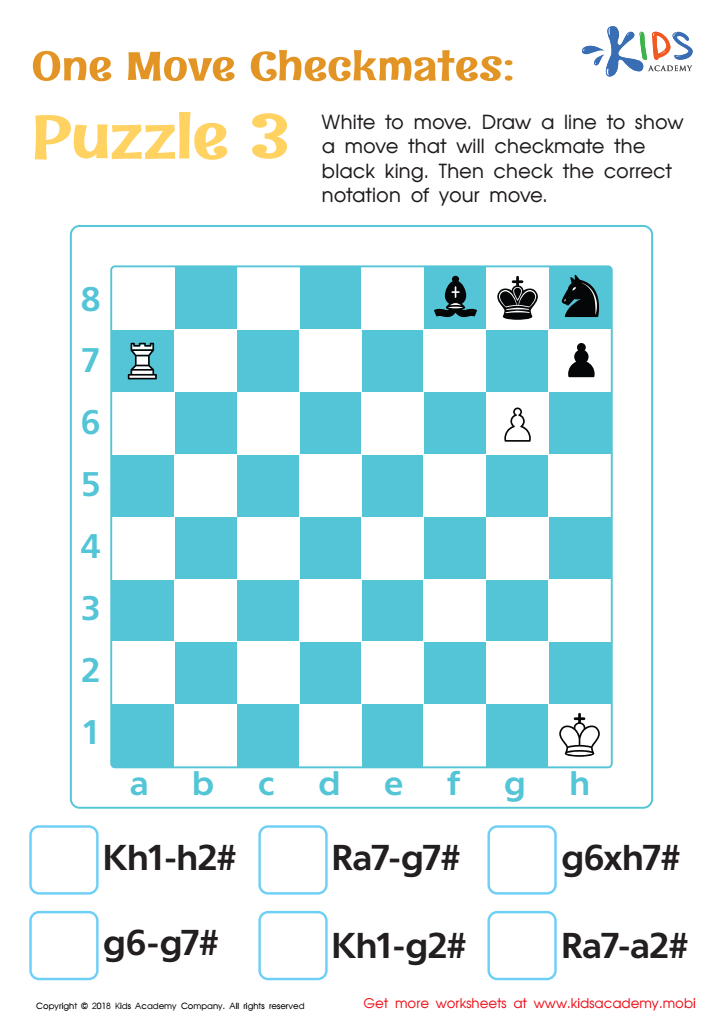
One Move Checkmates: Puzzle 3 Worksheet
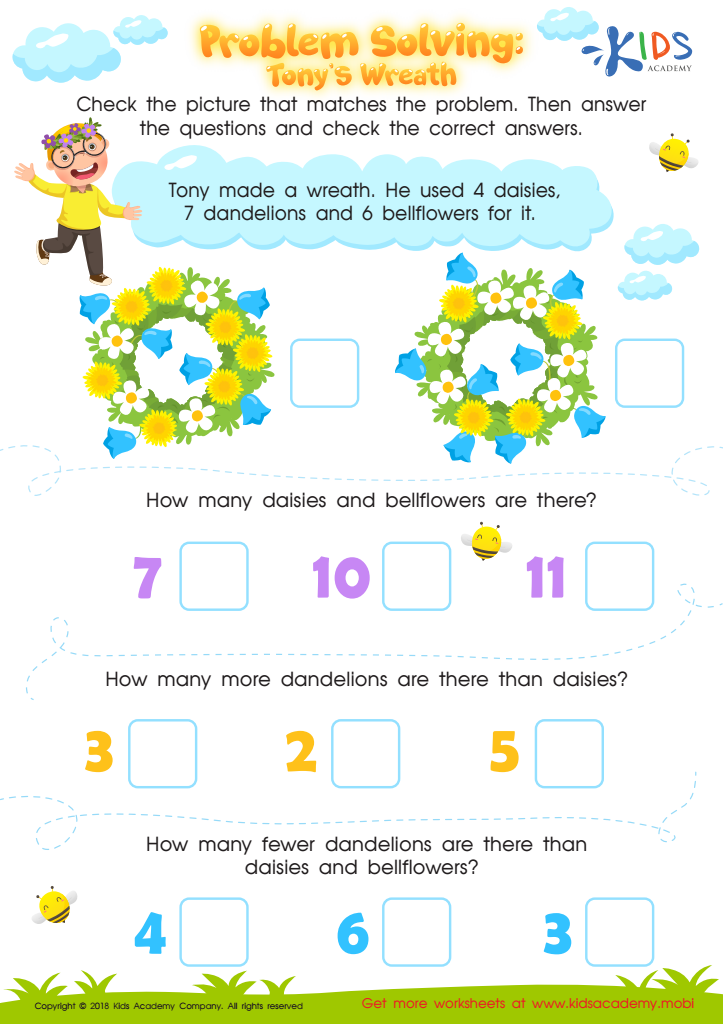
Problem Solving: Tony's Wreath Worksheet
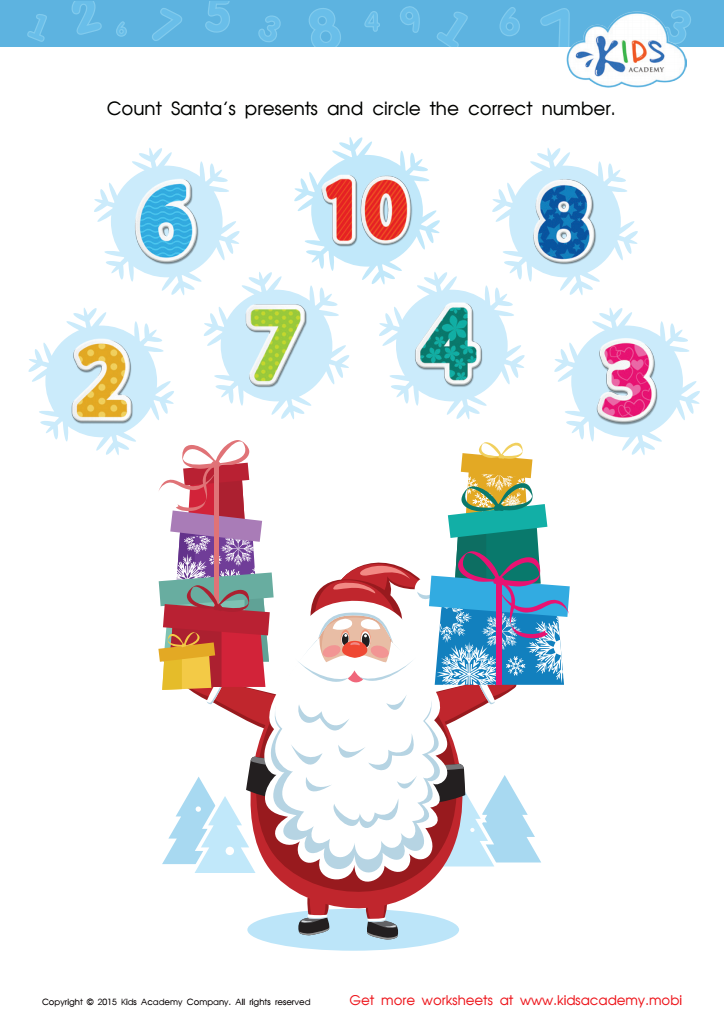
Count Santa's Presents Worksheet
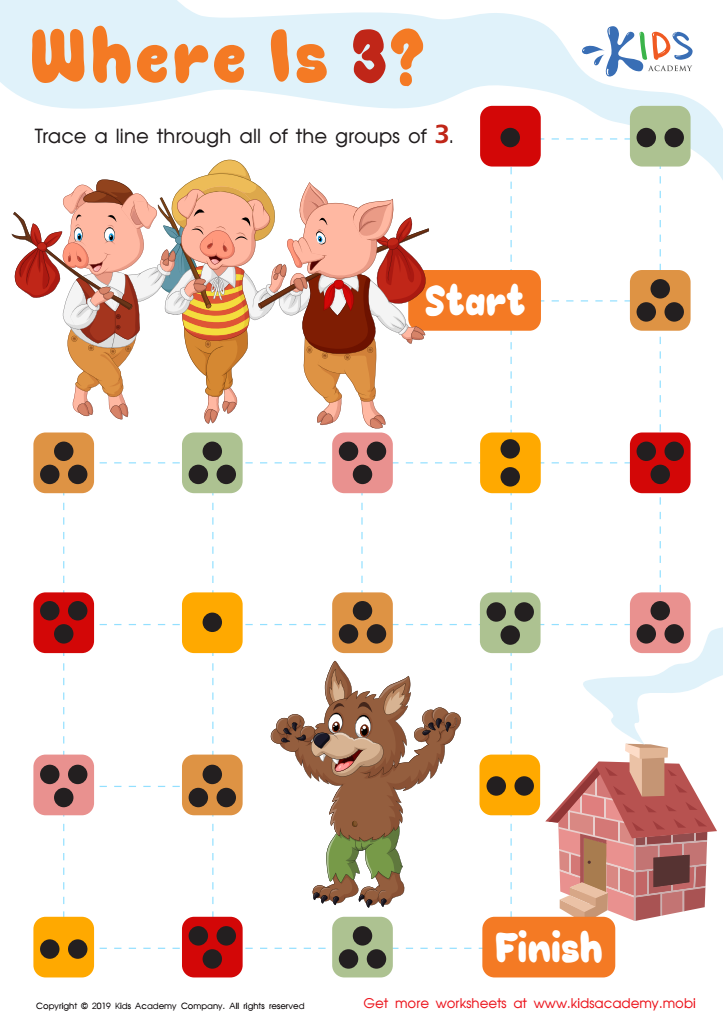
Where Is 3? Worksheet
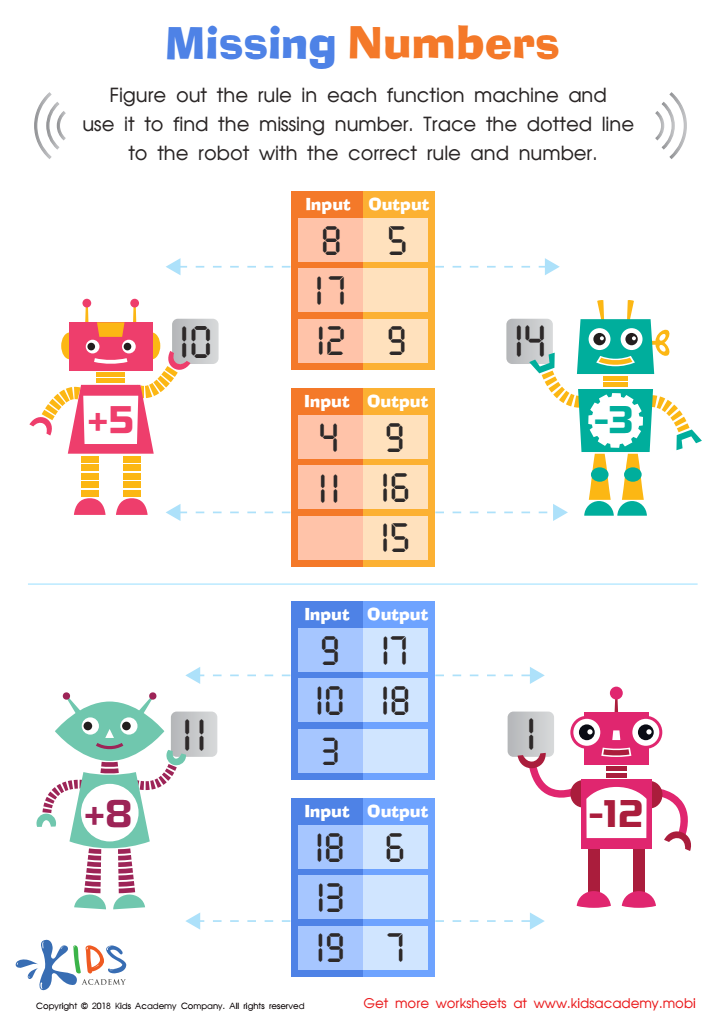
Missing Numbers Worksheet
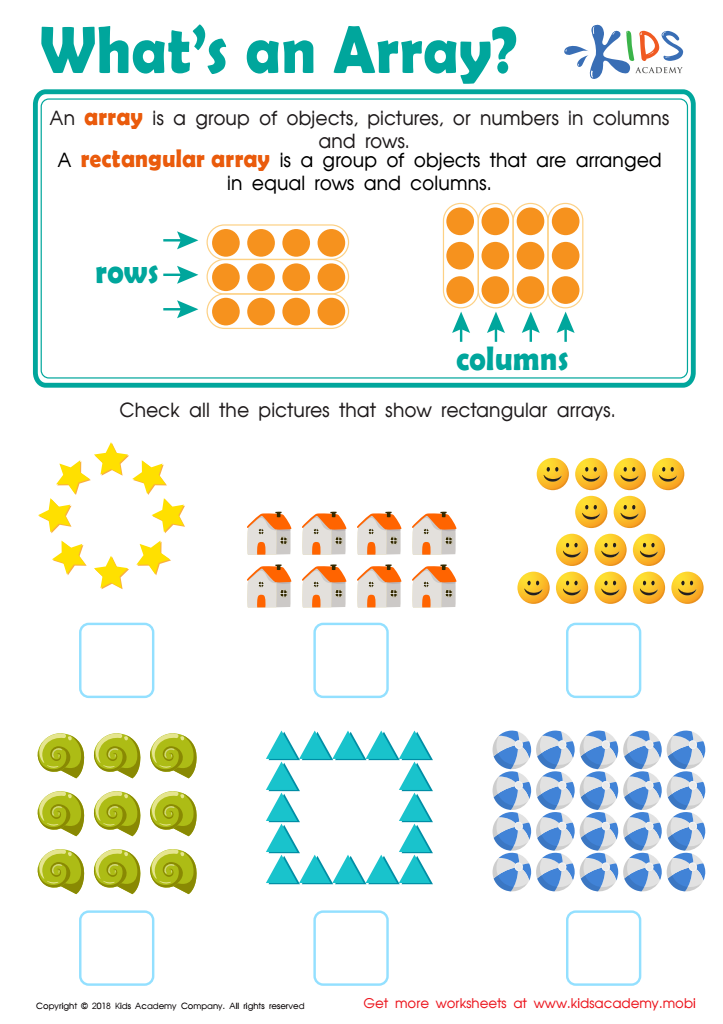
What's an Array? Worksheet
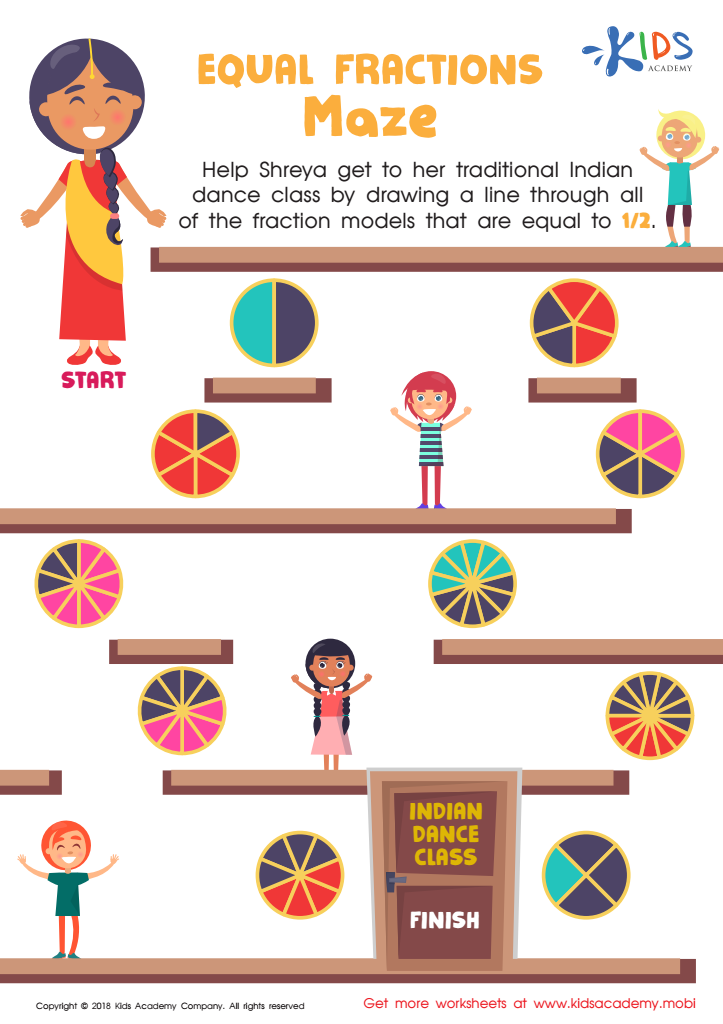
Equal Fractions Maze Worksheet
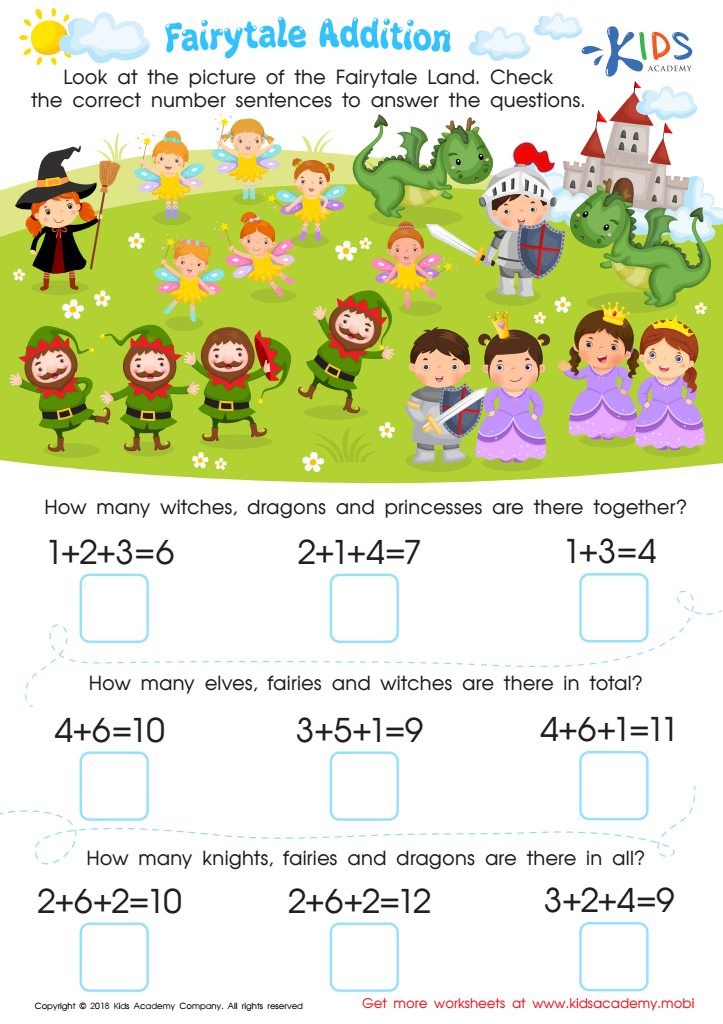
Fairytale Addition Worksheet
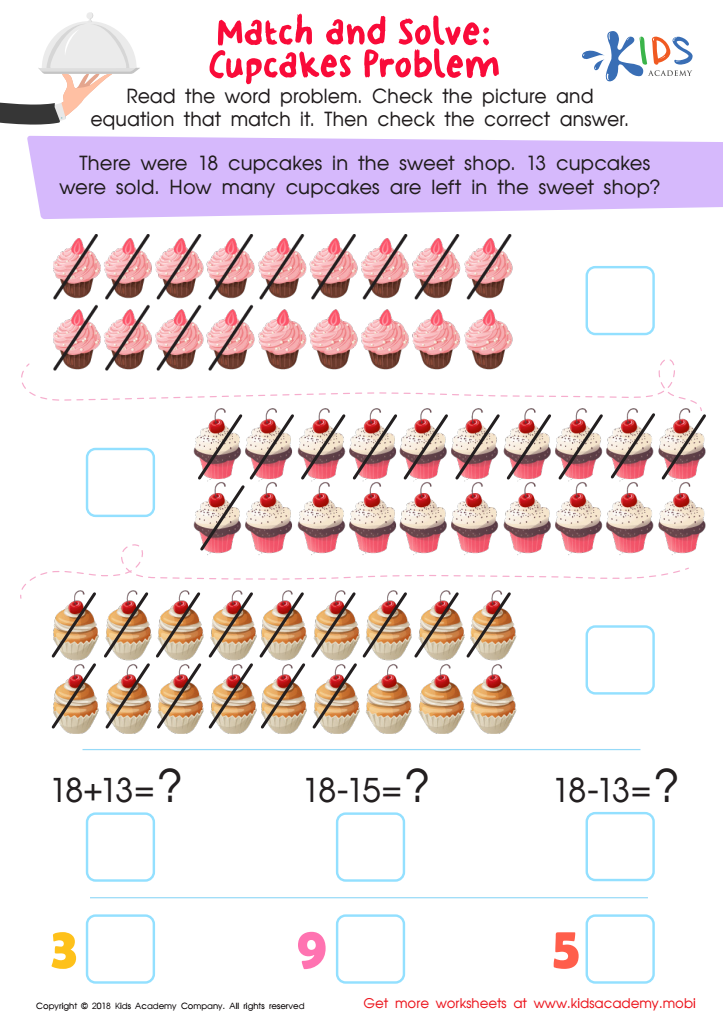
Match and Solve: Cupcakes Problem Worksheet
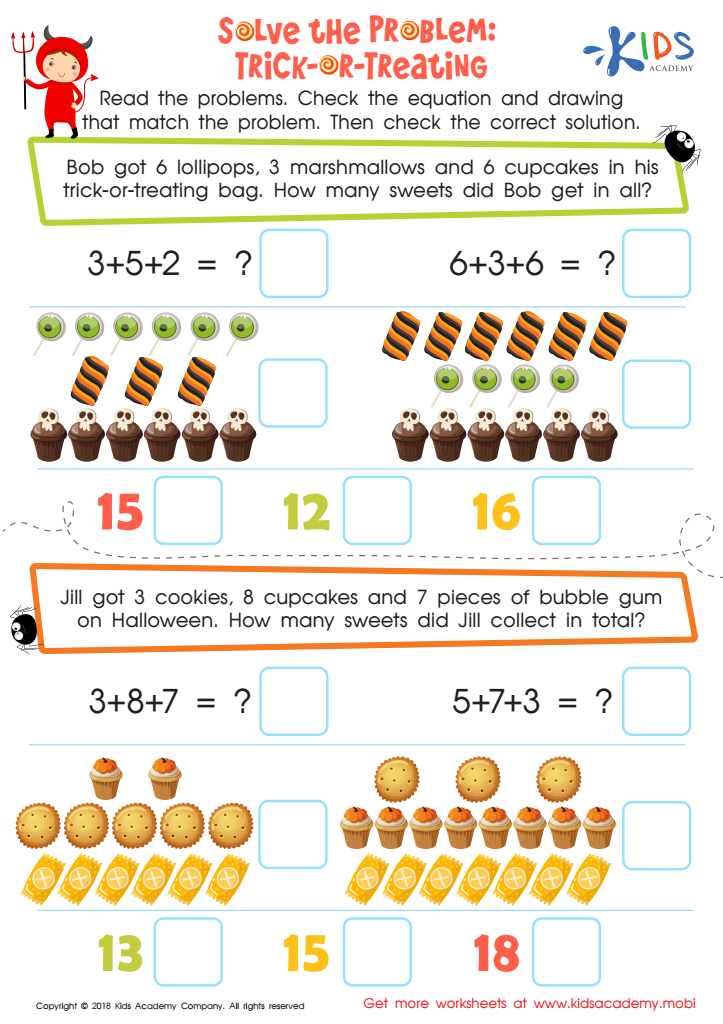
Solve the Problem: Trick–or–treating Worksheet
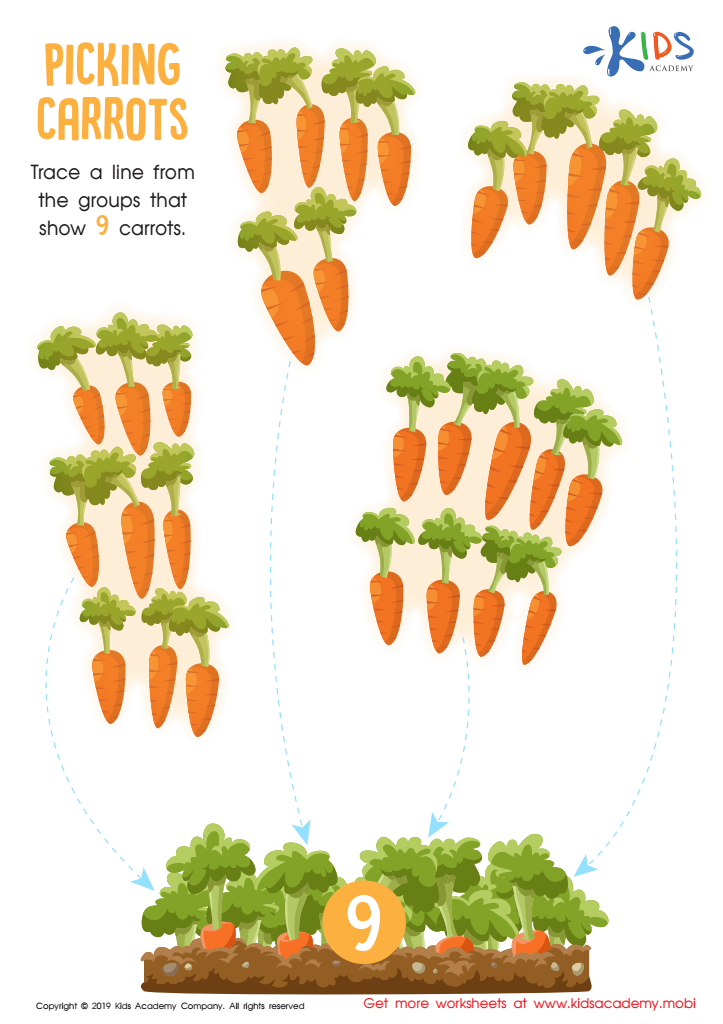
Picking Carrots Worksheet
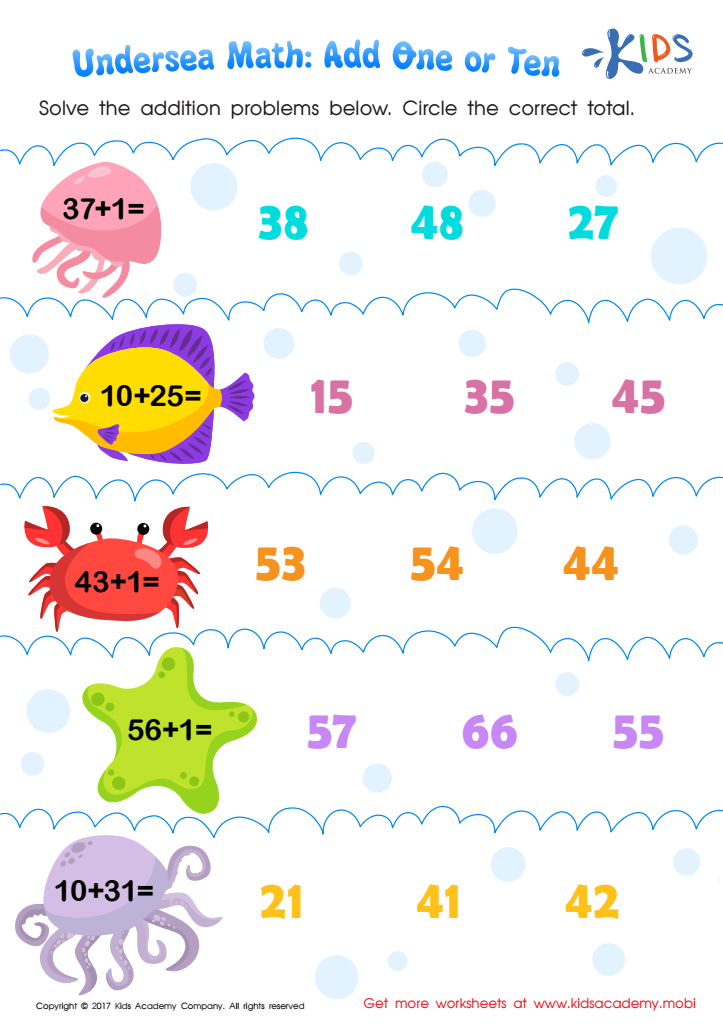
Undersea Math Worksheet
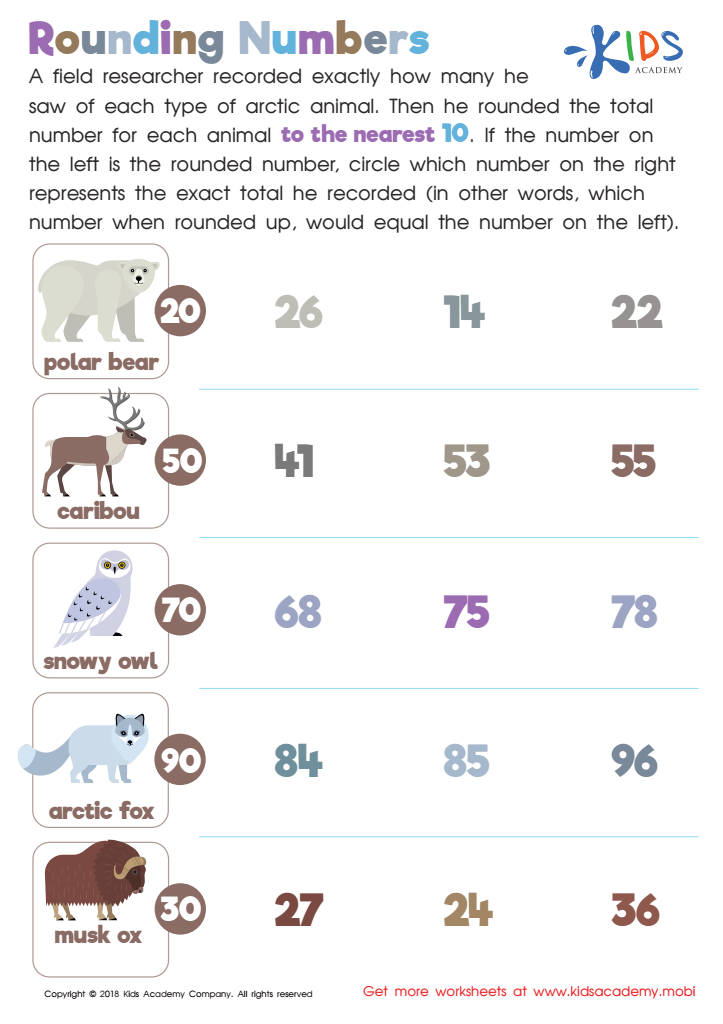
Rounding Numbers Worksheet
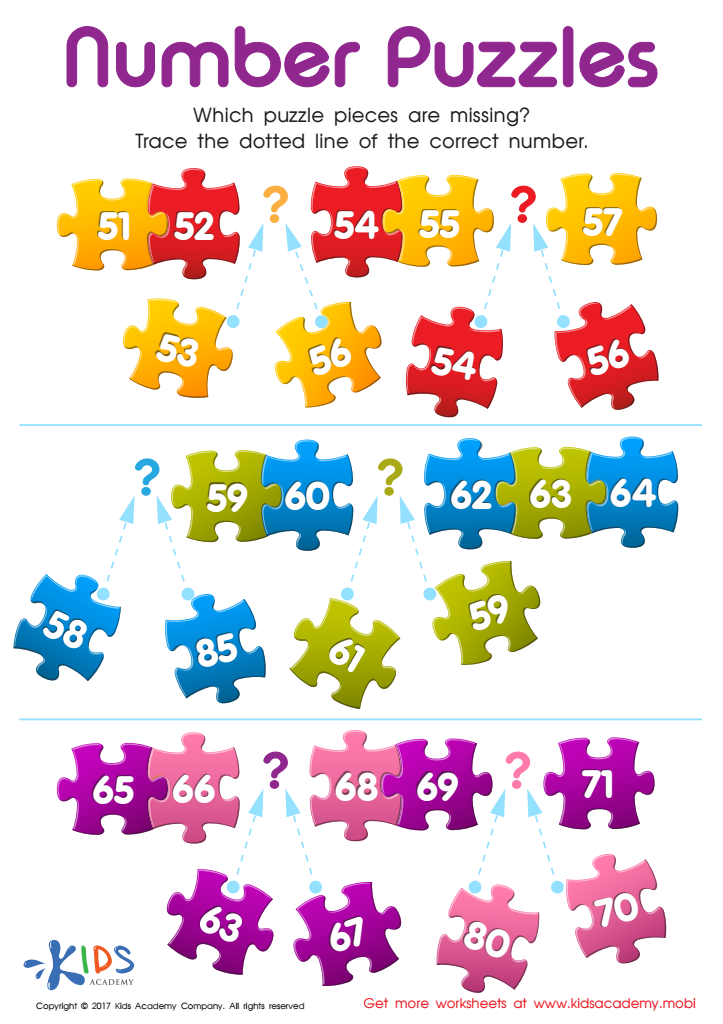
Number Puzzles Worksheet
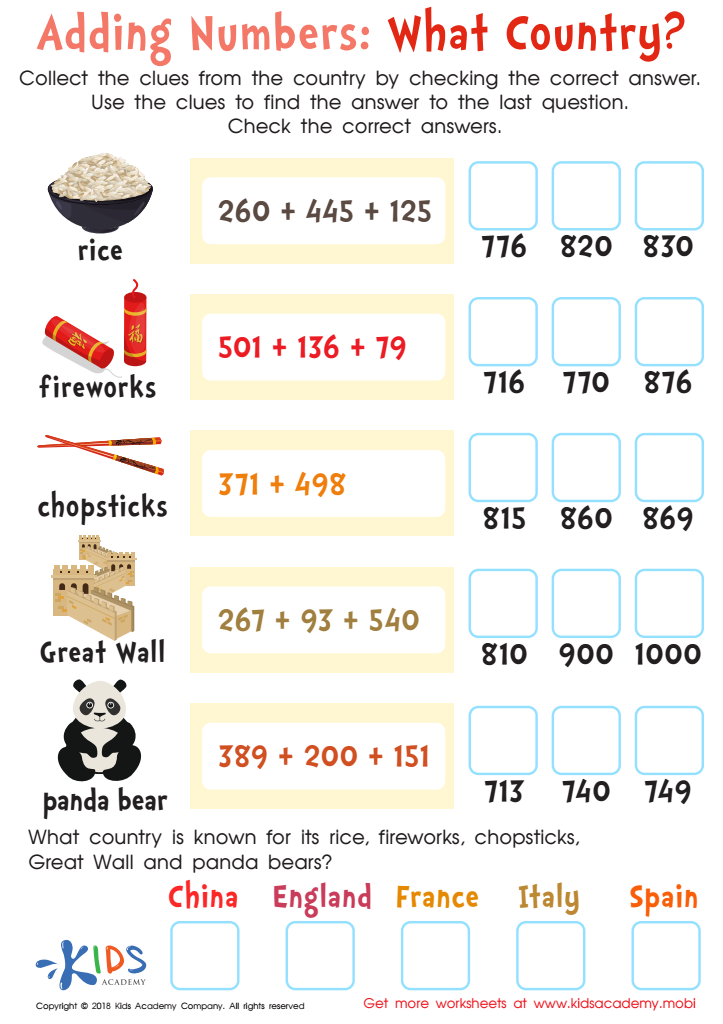
Adding Numbers: What Country Worksheet
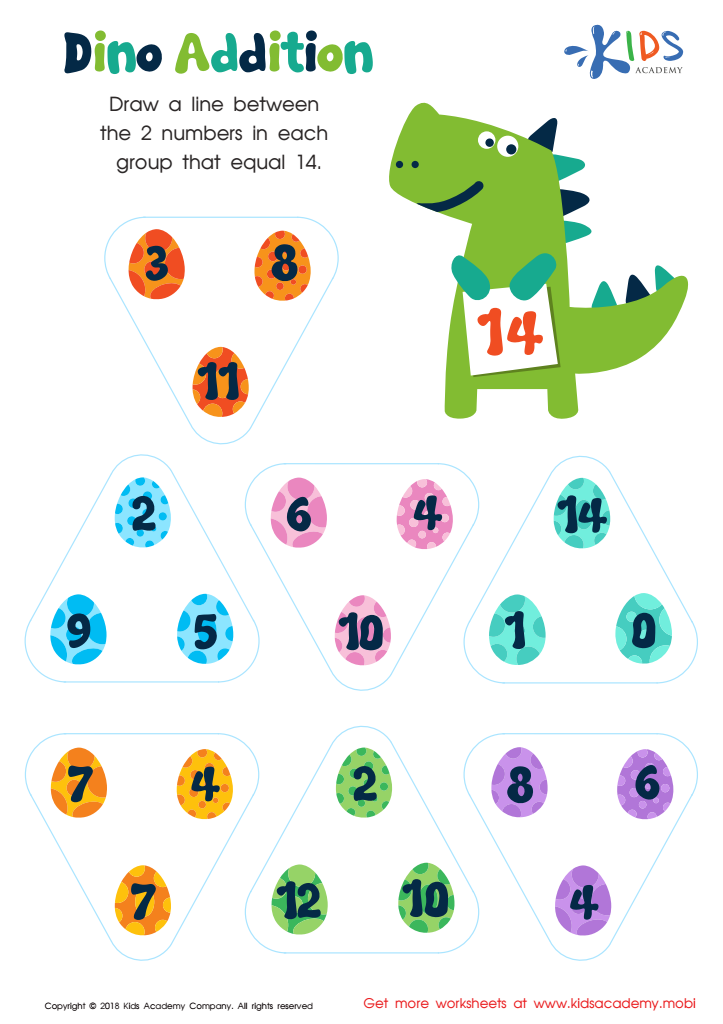
Dino Addition Worksheet
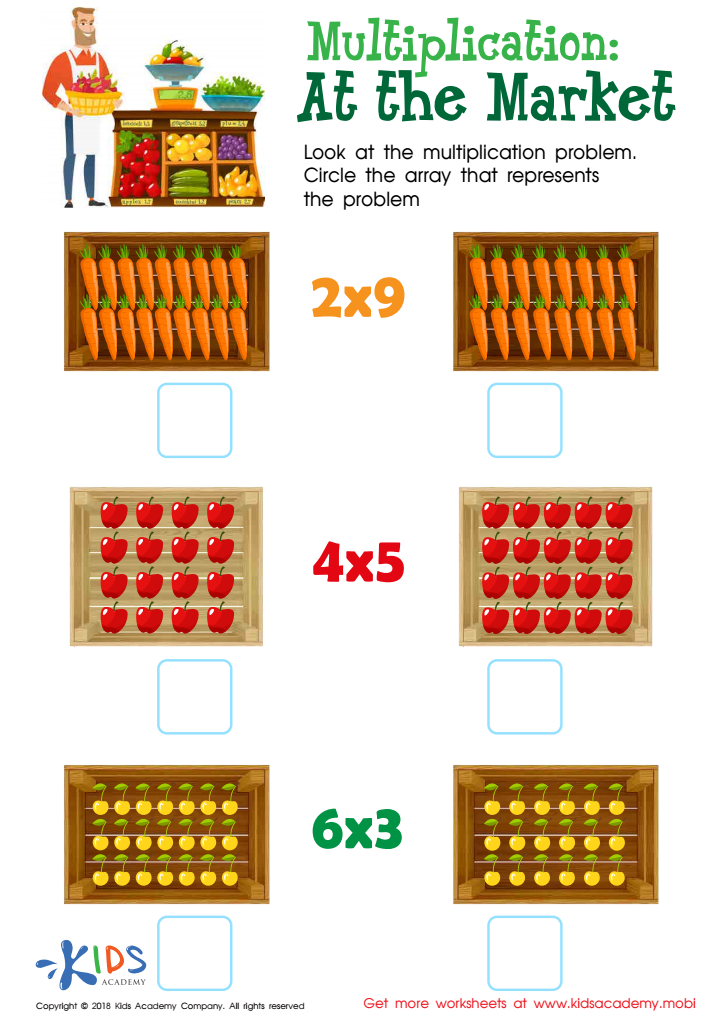
At the Market Worksheet
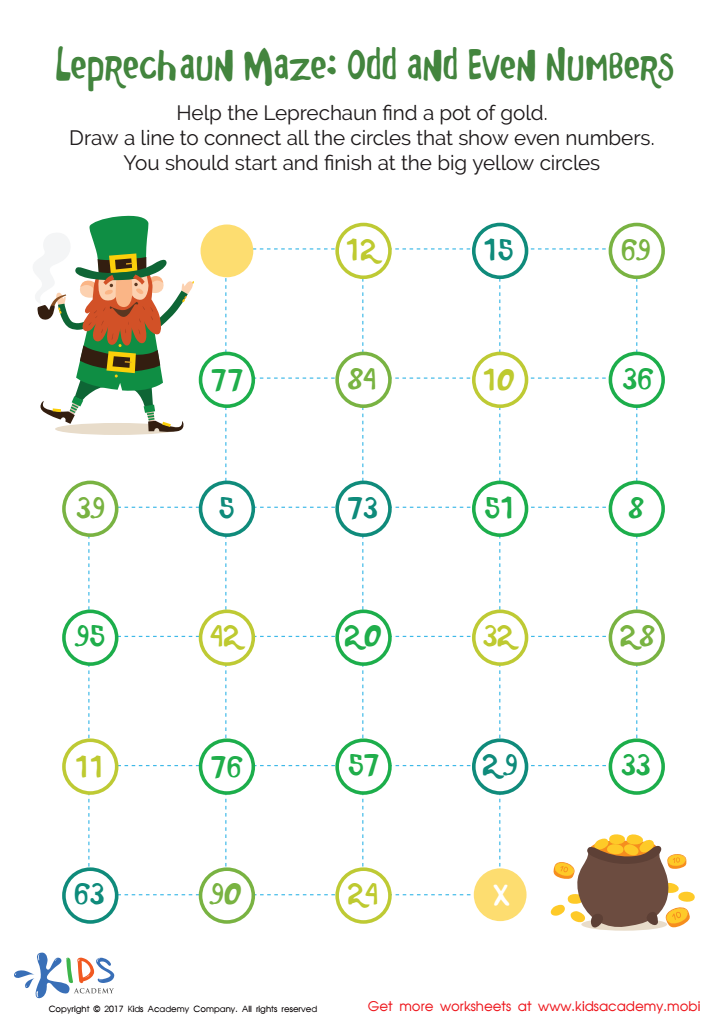
Leprechaun Maze Printable
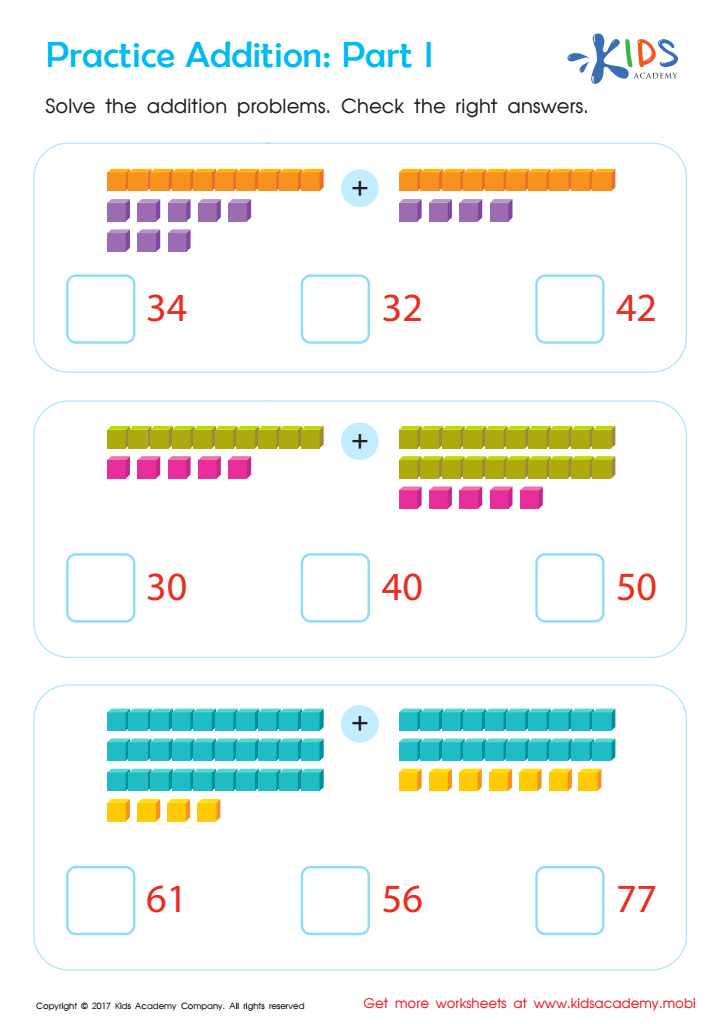
Practice Addition: Part 1 Worksheet








Problem-solving skills are fundamental in a child’s education and overall development. Introducing these skills early, especially through numbers, is crucial because they intertwine cognitive advancements with practical joy in learning. For parents and teachers, emphasizing problem-solving skills with numbers aids children in grasping basic mathematical concepts, enhancing their logical thinking and analytical prowess.
Mathematics, described as the universal language, plays a pivotal role in daily life scenarios like budgeting, shopping, and cooking. When children engage in problem-solving activities with numbers, they learn to navigate these real-world situations more adeptly. These skills are not only applicable in math-related tasks but extend to other academic subjects, boosting overall academic performance and making children more adaptable learners.
Besides practicality and academic benefits, fostering these abilities nurtures confidence and resilience. Children who regularly practice problem-solving learn to view challenges as surmountable, rather than intimidating. By progressively tackling difficult problems, they build a growth mindset, underscoring perseverance and a positive attitude towards learning and obstacles.
Ultimately, emphasizing problem-solving skills with numbers equips children with crucial life skills. Parents and teachers play a pivotal role in nurturing these abilities, laying a solid foundation for children’s confidence and competence in facing a variety of situations throughout their lives.








