1.Structure, Function, and Information Processing - Page 2
40 filtered results
-
From - To
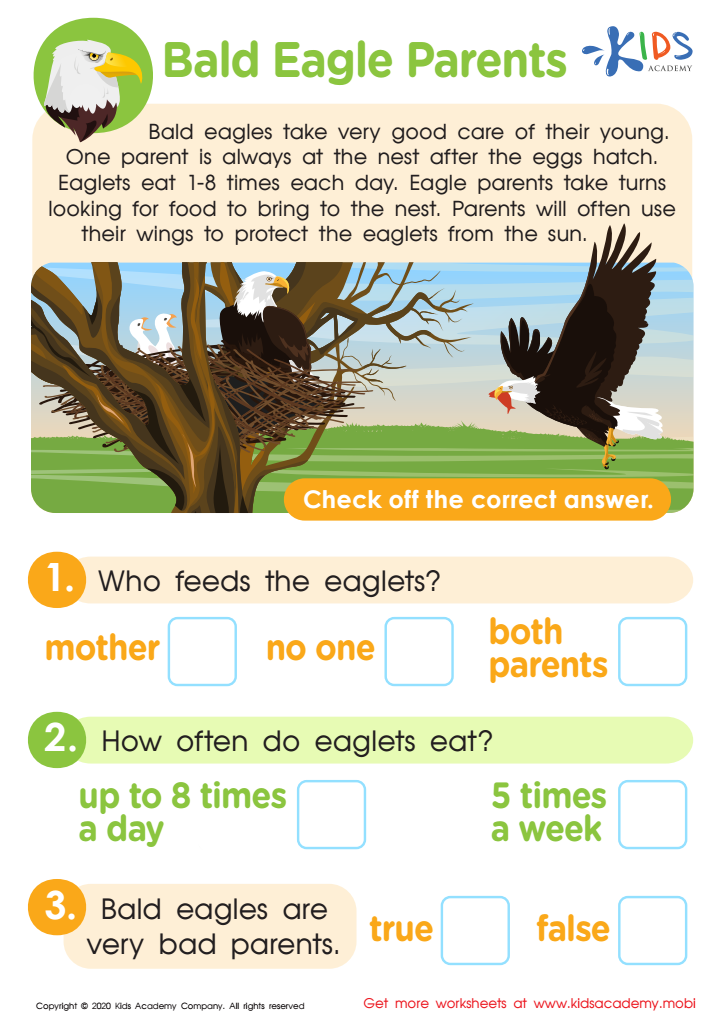
Bald Eagle Parents Worksheet
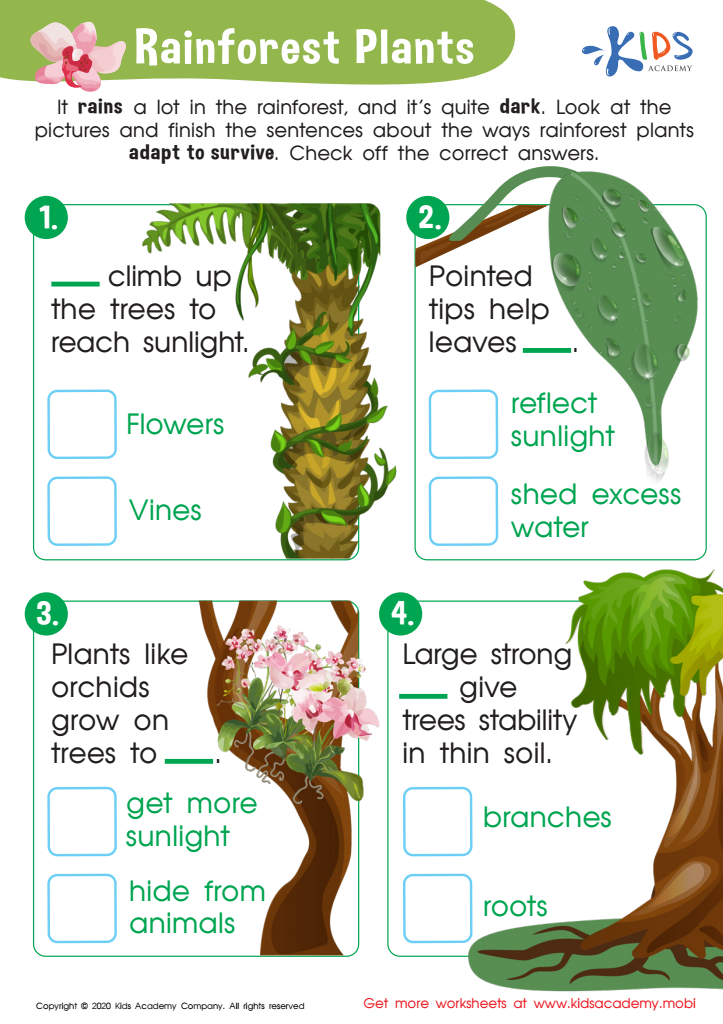
Rainforest Plants Worksheet
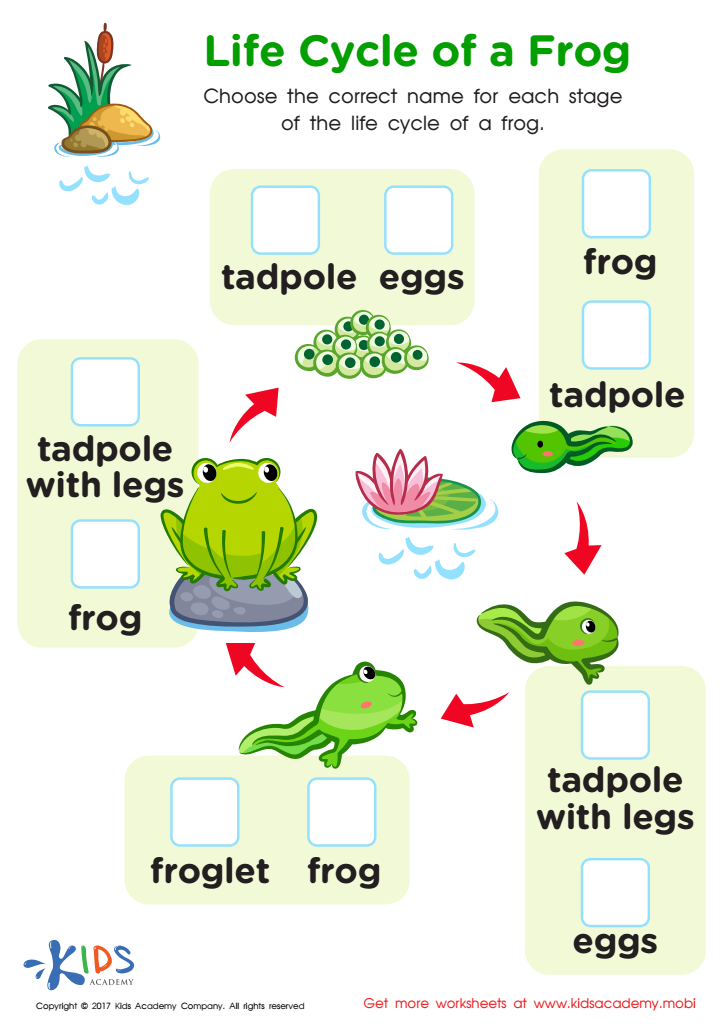
Life Cycle Frog Printable
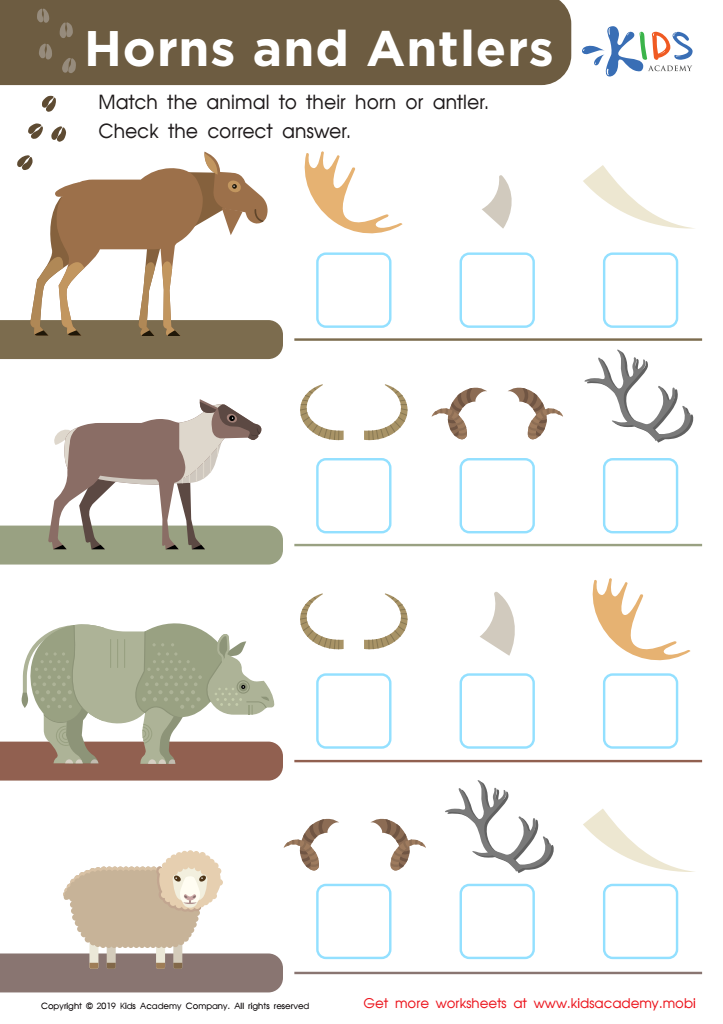
Horns and Antlers Worksheet
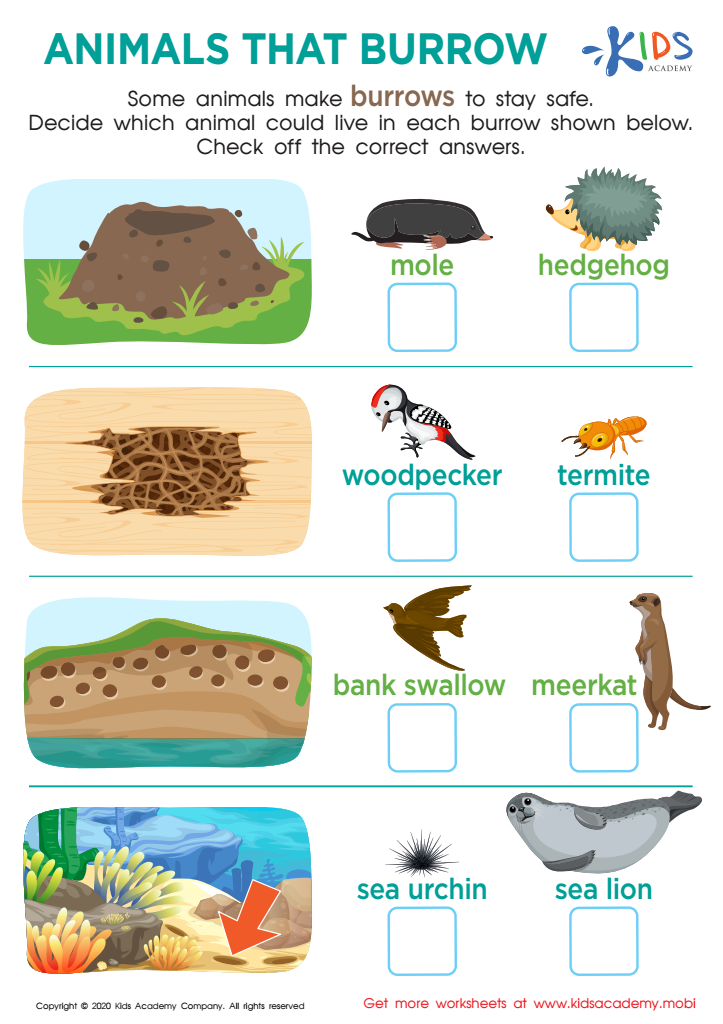
Animals That Burrow Worksheet
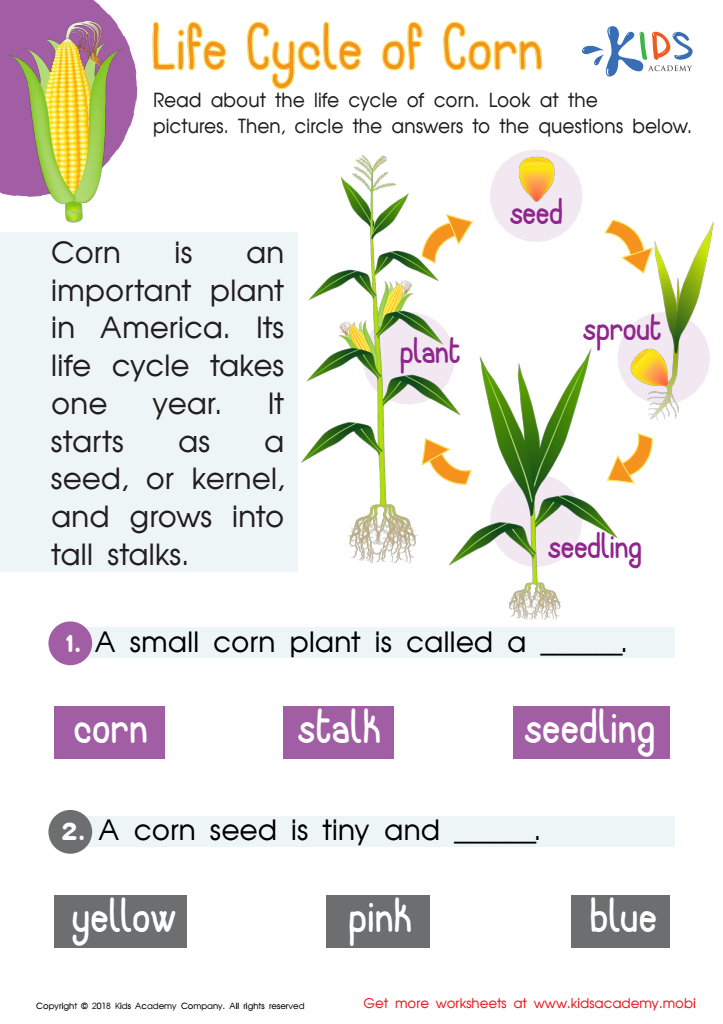
Life Cycle of Corn Worksheet
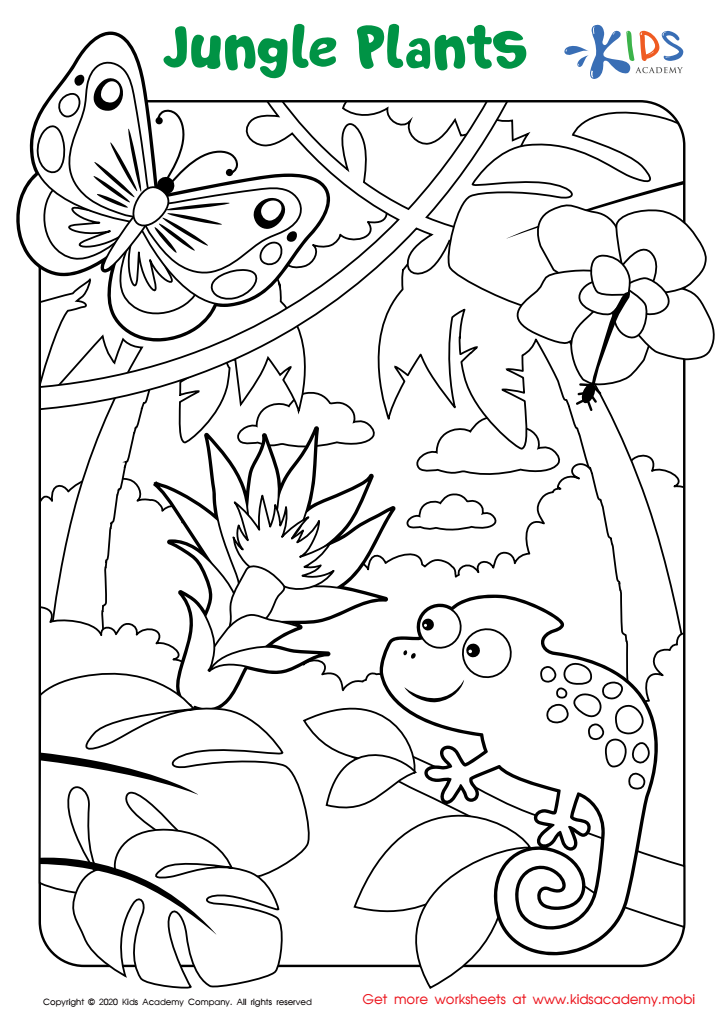
Jungle Plants Worksheet
 Assign to My Students
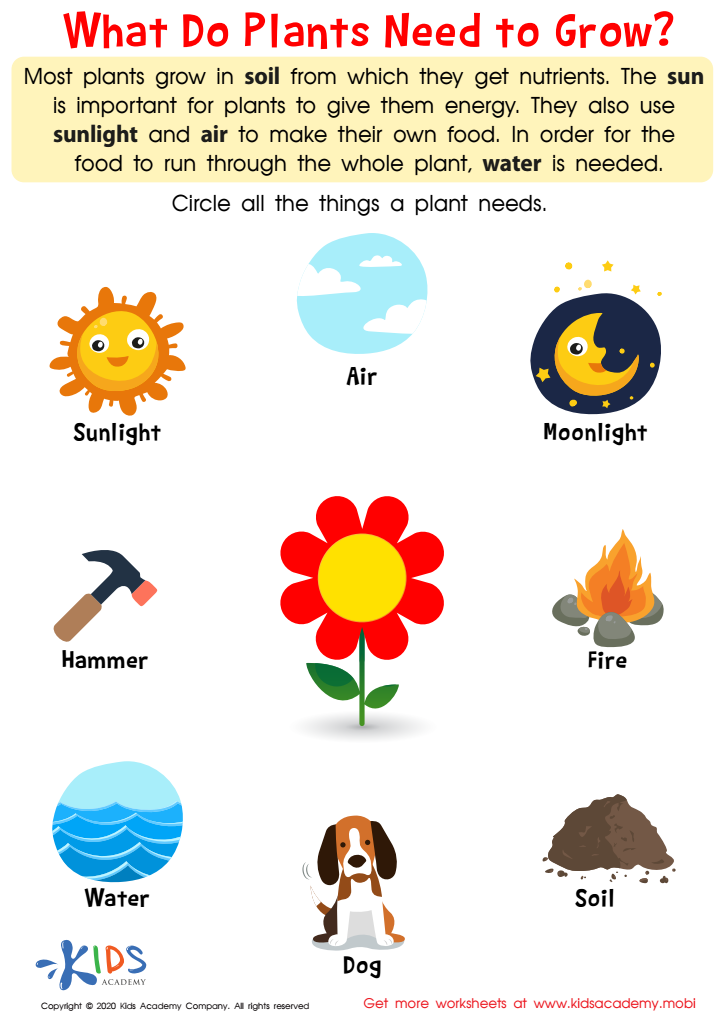
What Do Plants Need to Grow Worksheet
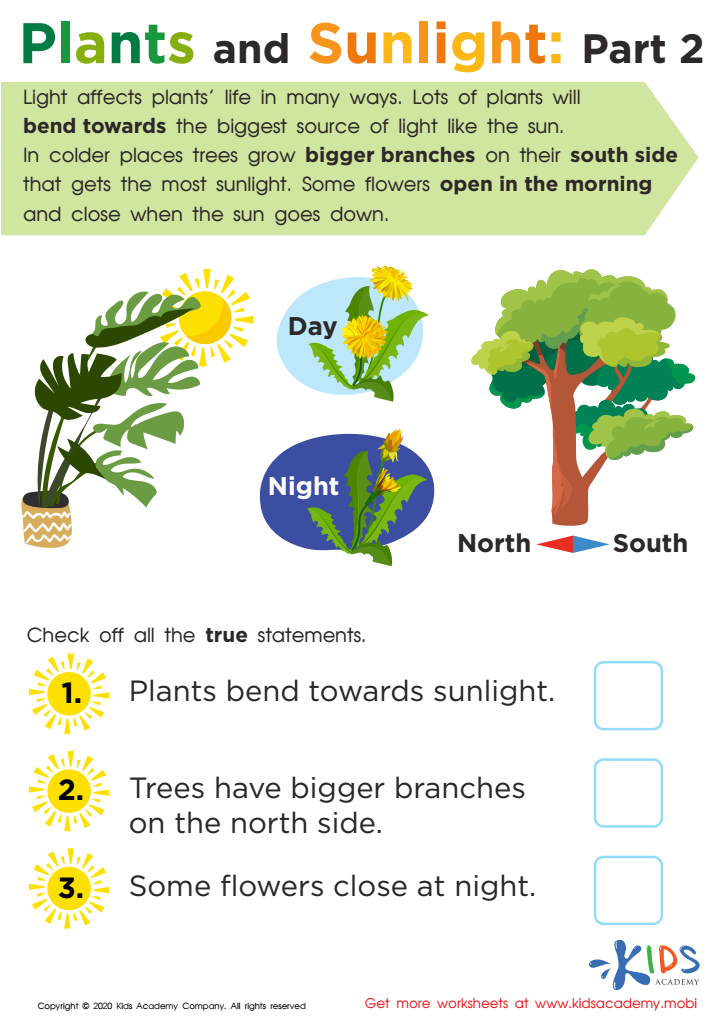
Plants and Sunlight: Part 2 Worksheet
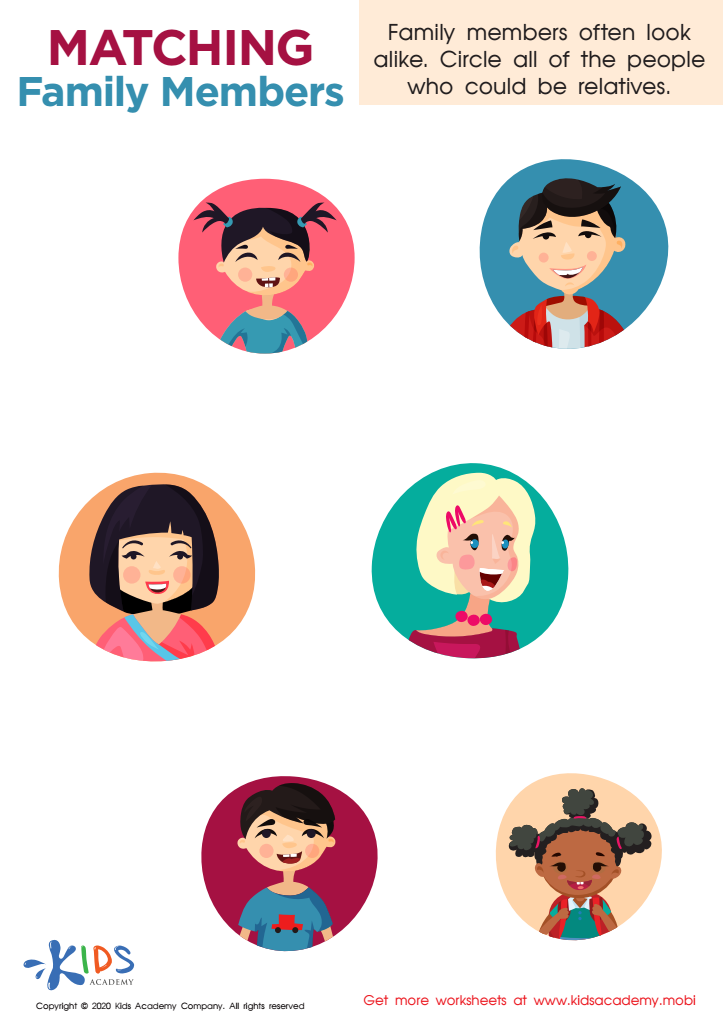
Matching Family Members Worksheet
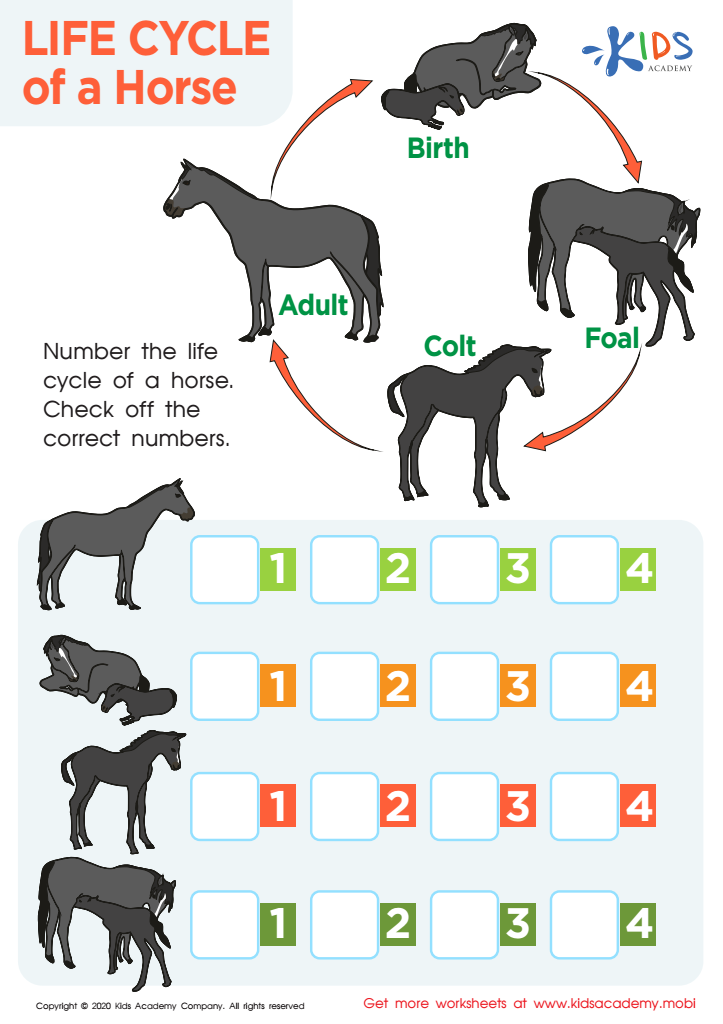
Life Cycle of a Horse Worksheet
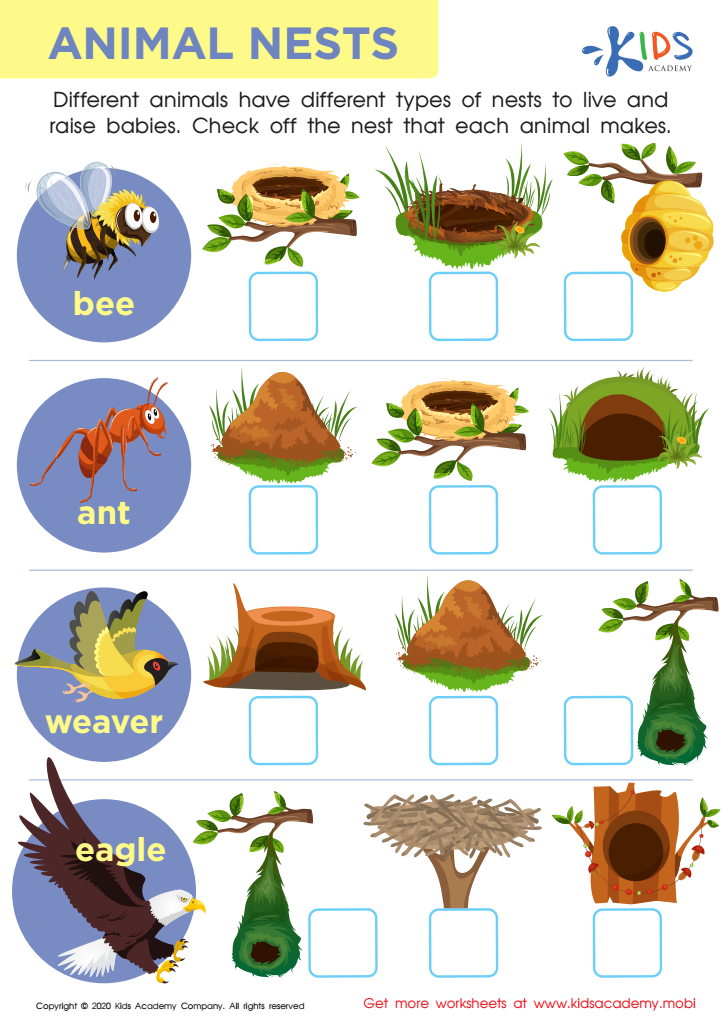
Animal Nests Worksheet
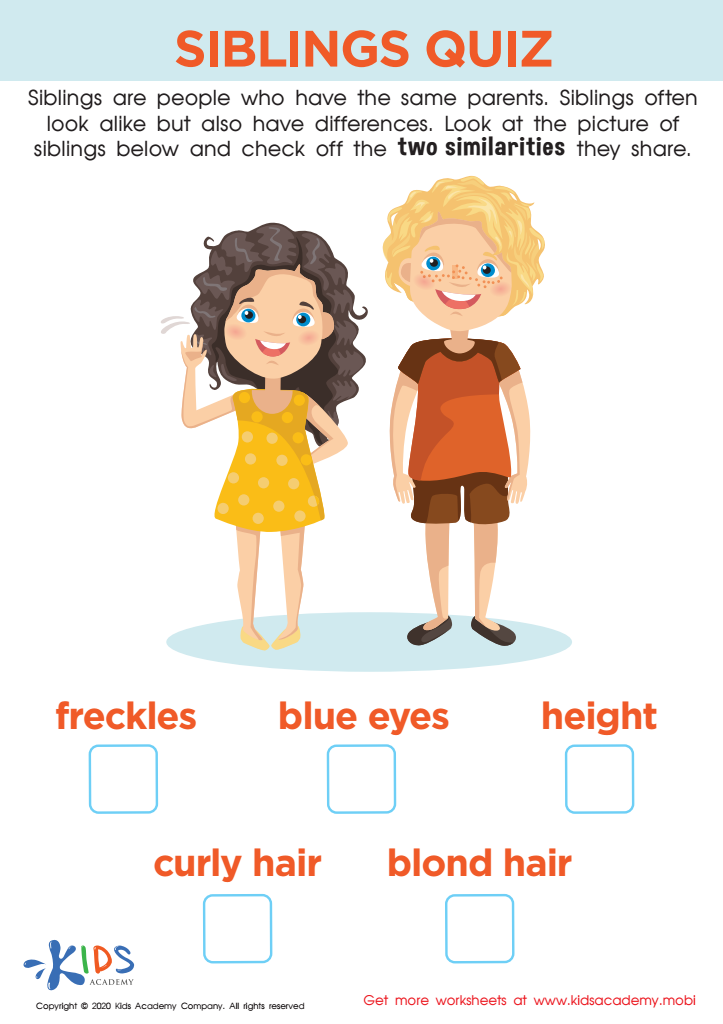
Siblings Quiz Worksheet
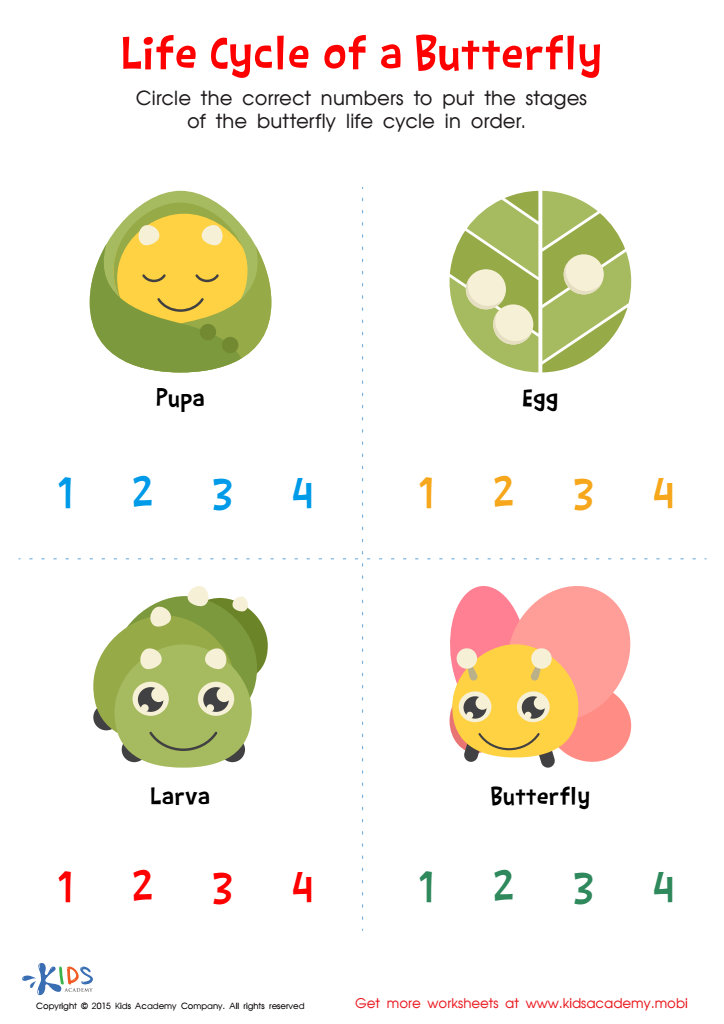
Life Cycle of Butterfly Printable
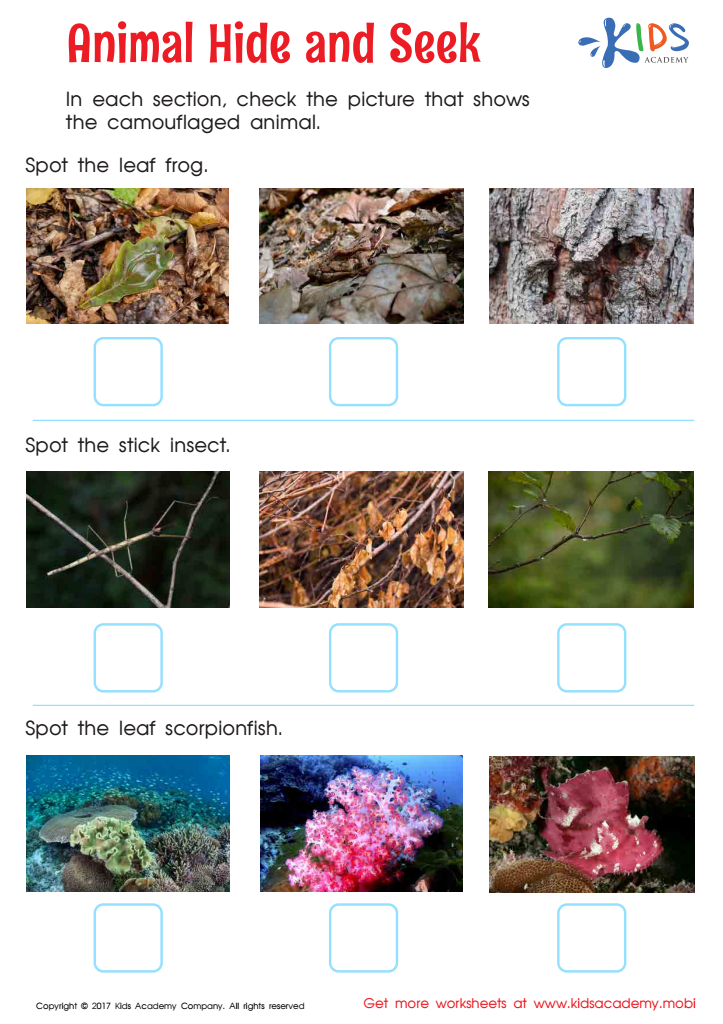
Animal Hide and Seek Worksheet
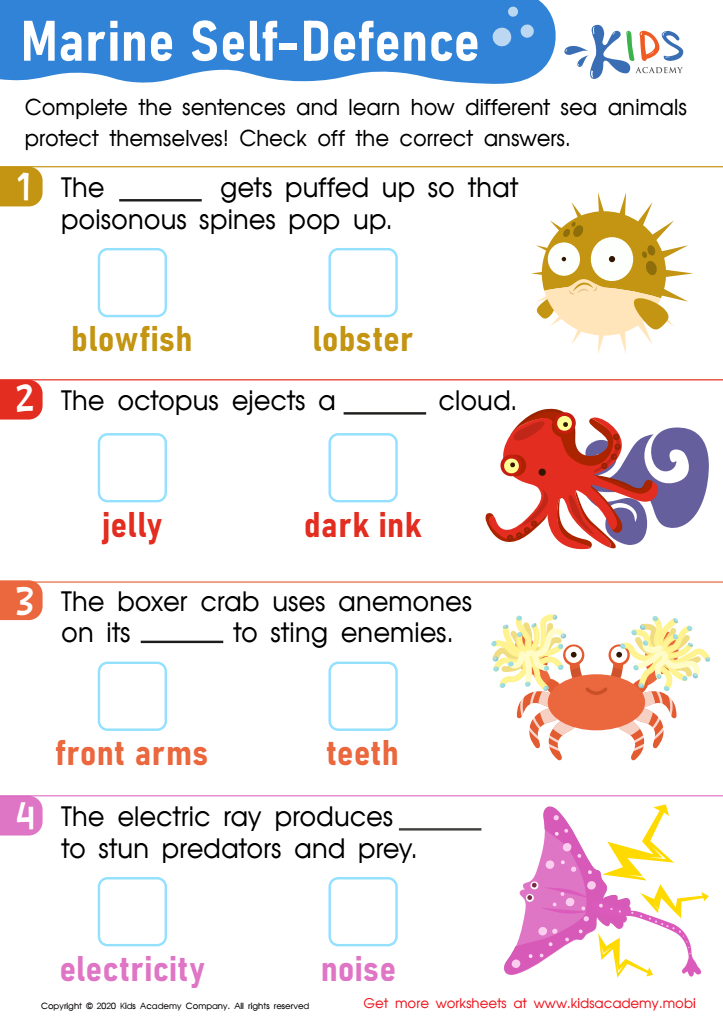
Marine Self-Defence Worksheet







Understanding Structure, Function, and Information Processing is essential for both parents and teachers, as it forms the core of children’s learning and development. The concept of structure refers to how things are organized—be it the mental frameworks children use or the physical setups of a classroom. Recognizing various structures helps adults create environments that are conducive to learning. Parents and teachers can design spaces that encourage exploration and development through appropriate resources and organization.
Function pertains to how something works or its role within a system. Parents and teachers need to understand not only the function of educational activities but also how children realize and apply these roles in their lives. This awareness allows for more targeted teaching methods that cater to children's curiosity and learning styles.
Lastly, information processing relates to how children absorb, retain, and use information. Awareness of this concept equips parents and teachers with strategies to support effective learning experiences, fostering critical thinking and problem-solving skills. Together, these concepts ensure that children gain a holistic understanding of the world around them, prepare them for future challenges, and foster an environment where deep learning and meaningful connections flourish. Engaging with these principles ultimately aids in nurturing well-rounded, informed individuals.