K.Interdependent Relationships in Ecosystems: Animals, Plants, and Their Environment - Page 2
29 filtered results
-
From - To
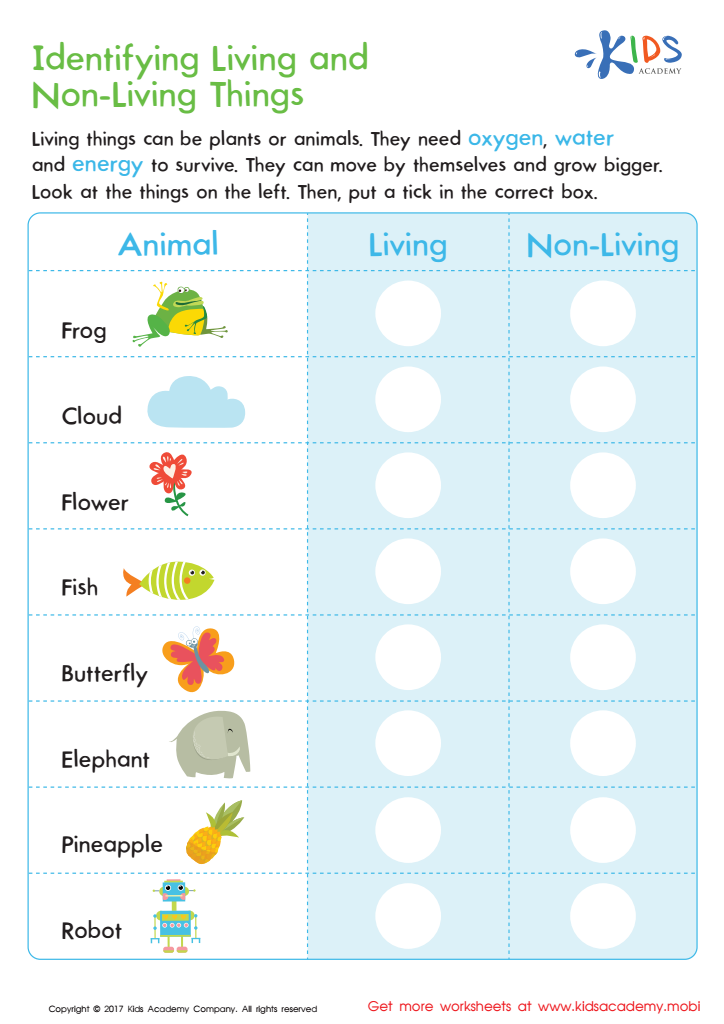
Identifying Living or Non–living Worksheet
 Assign to My Students
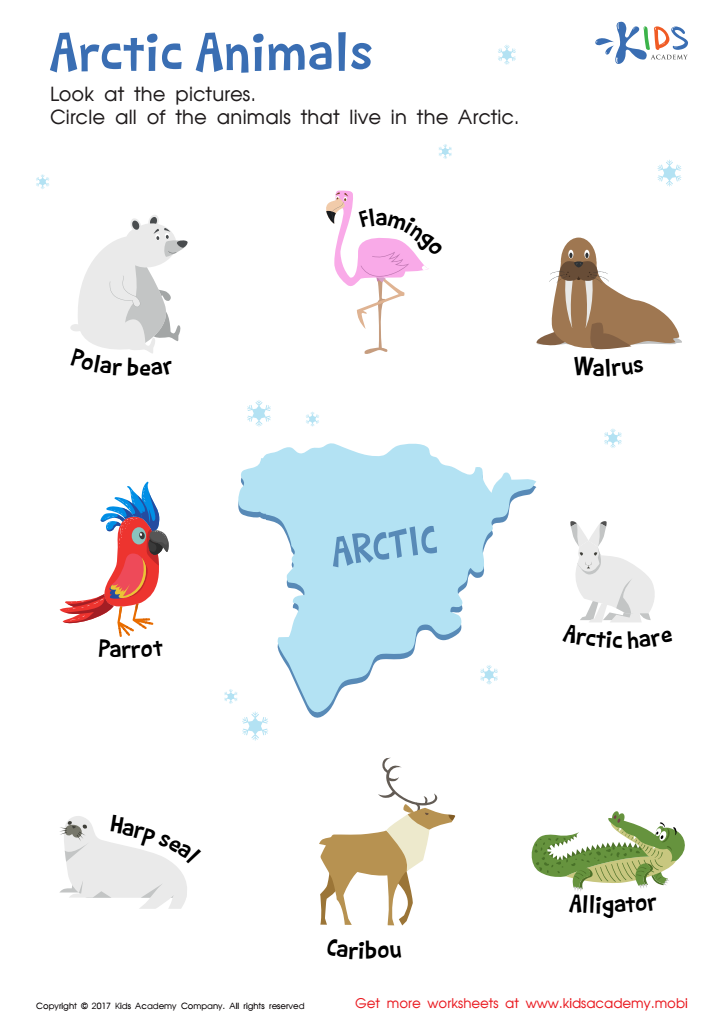
Arctic Animals Worksheet
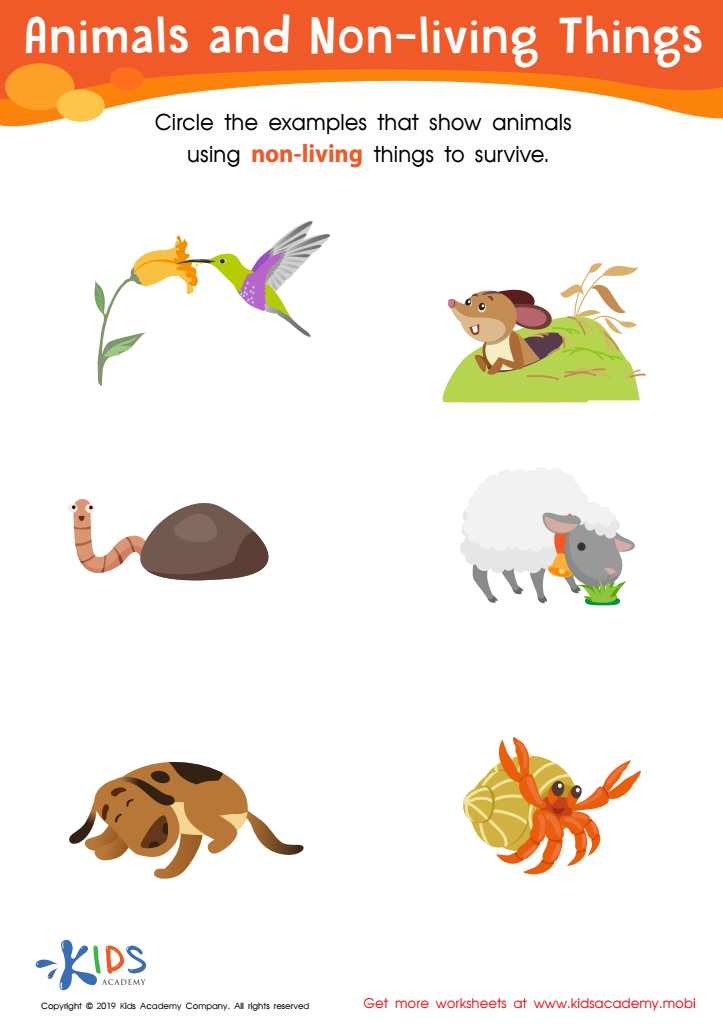
Animals and Non-Living Things Worksheet
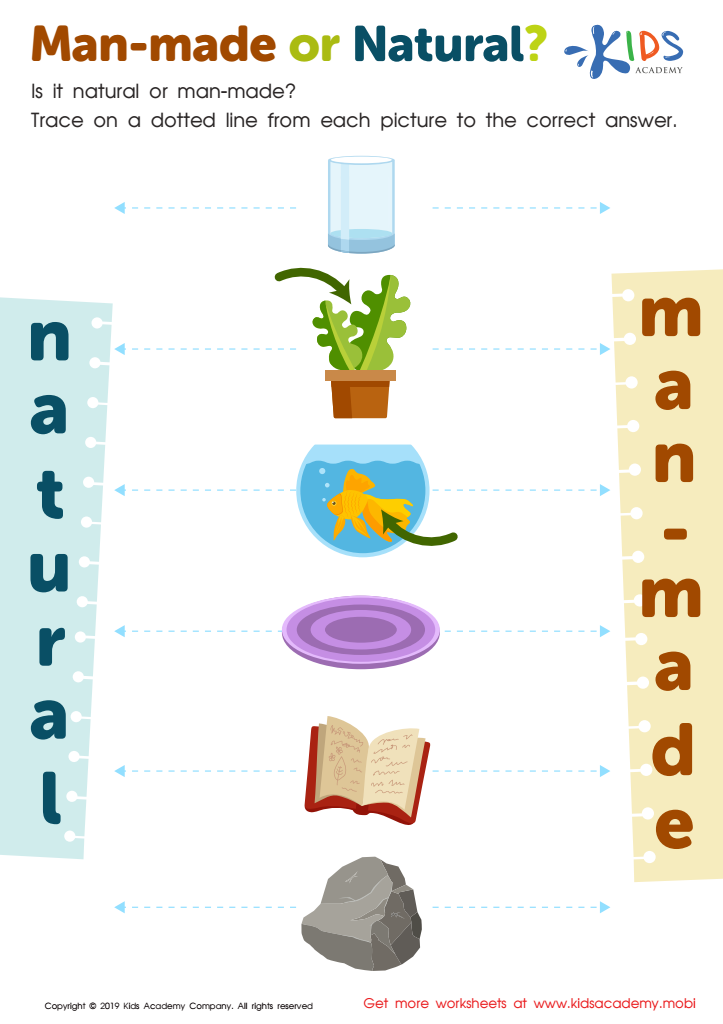
Man-Made or Natural? Worksheet
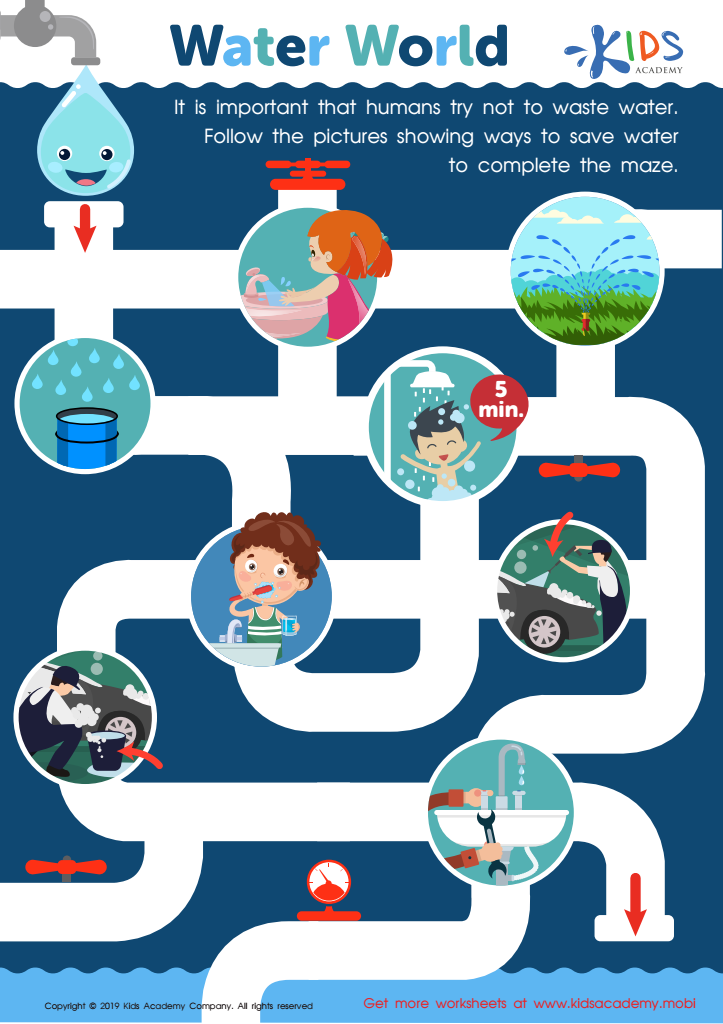
Water World Worksheet




.jpg)

%20(1).jpg)
Understanding interdependent relationships in ecosystems is crucial for parents and teachers because it lays the foundation for environmental stewardship and scientific literacy among young learners. Ecosystems comprise various organisms, including animals and plants, that engage in complex interactions, such as food chains, mutualism, and competition. By grasping these concepts, children develop an appreciation for nature's balance and the importance of each component within it.
Moreover, fostering an understanding of interdependence teaches students empathy and responsibility. They learn how their actions, such as recycling or conserving energy, can positively impact their local ecosystem. This awareness will encourage a sense of stewardship towards the environment, essential in combating pressing issues like climate change and biodiversity loss.
Additionally, exposing children to ecological relationships cultivates critical thinking and problem-solving skills. As they observe and engage with their surroundings, they become curious explorers, asking questions and seeking solutions for real-world environmental challenges.
Lastly, understanding these relationships aligns with educational standards, enhancing science curricula and engaging students in hands-on learning experiences. Ultimately, educators and parents play a vital role in guiding children toward becoming informed, compassionate custodians of the planet, ensuring a healthier future for generations to come.








