Normal Measurement Worksheets for Ages 3-8 - Page 2
36 filtered results
-
From - To
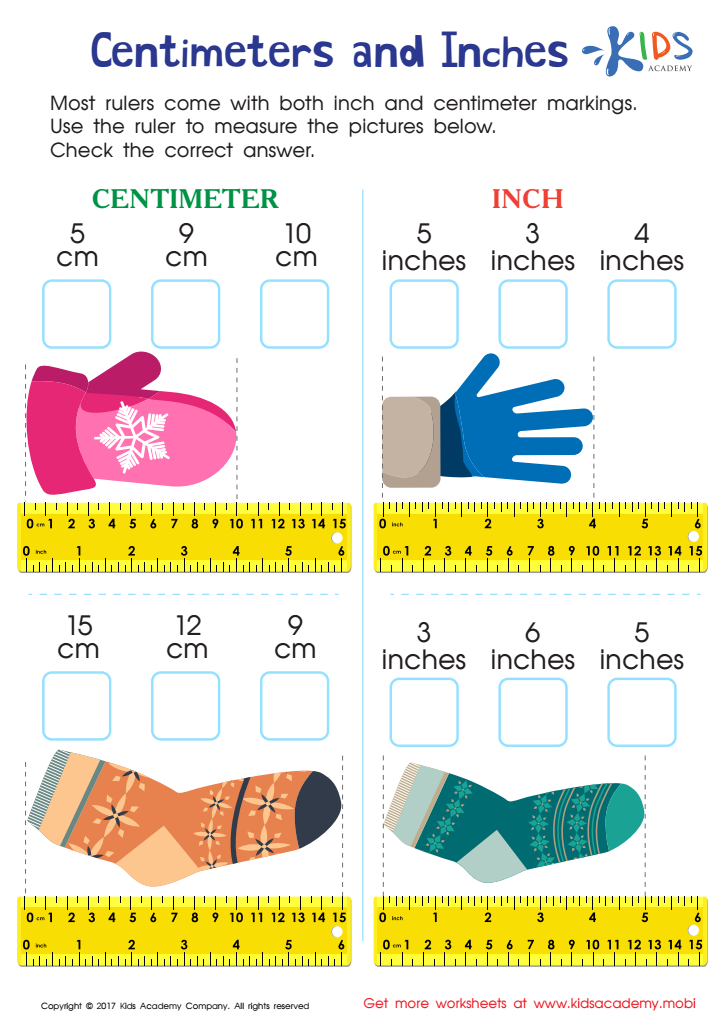
Centimeters and Inches Worksheet
 Assign to My Students
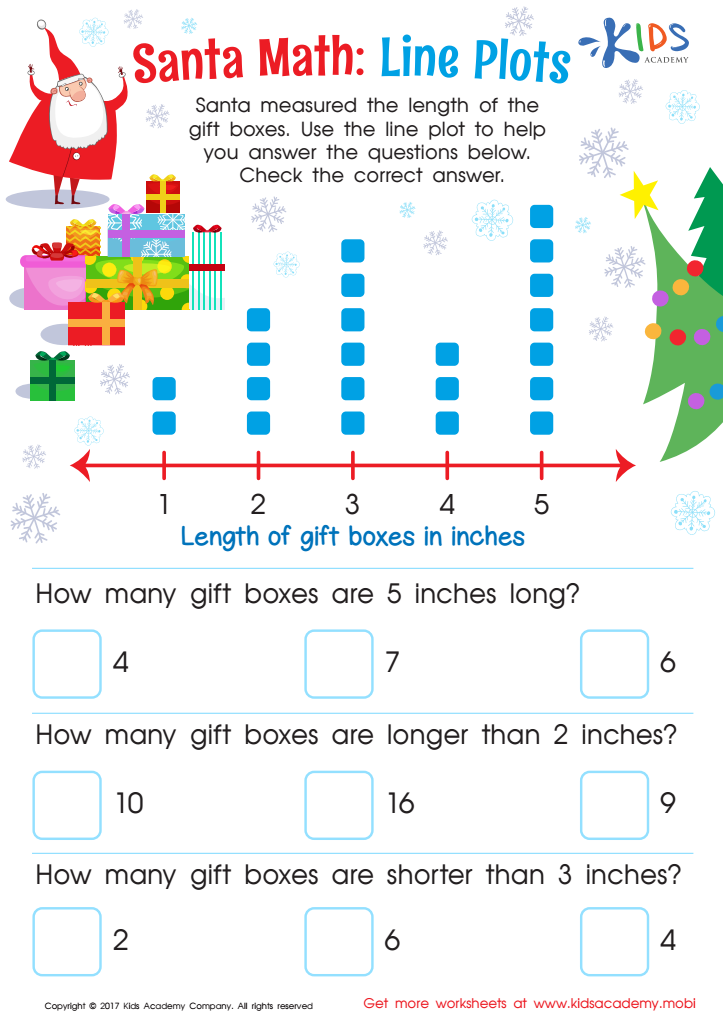
Line Plot Worksheet
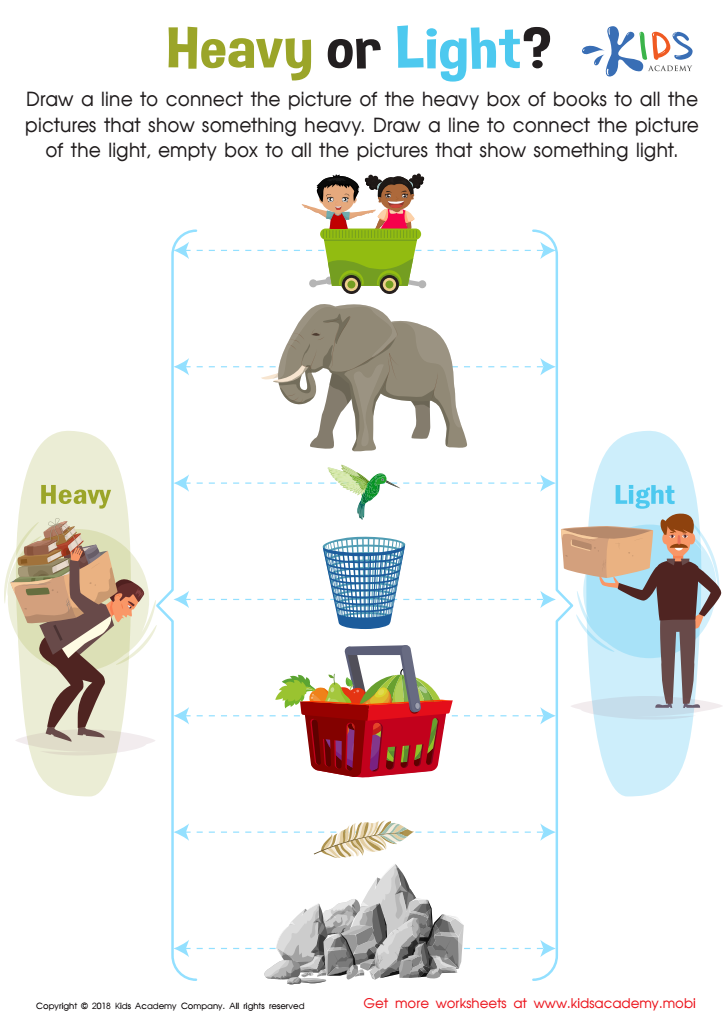
Heavy or Light? Worksheet
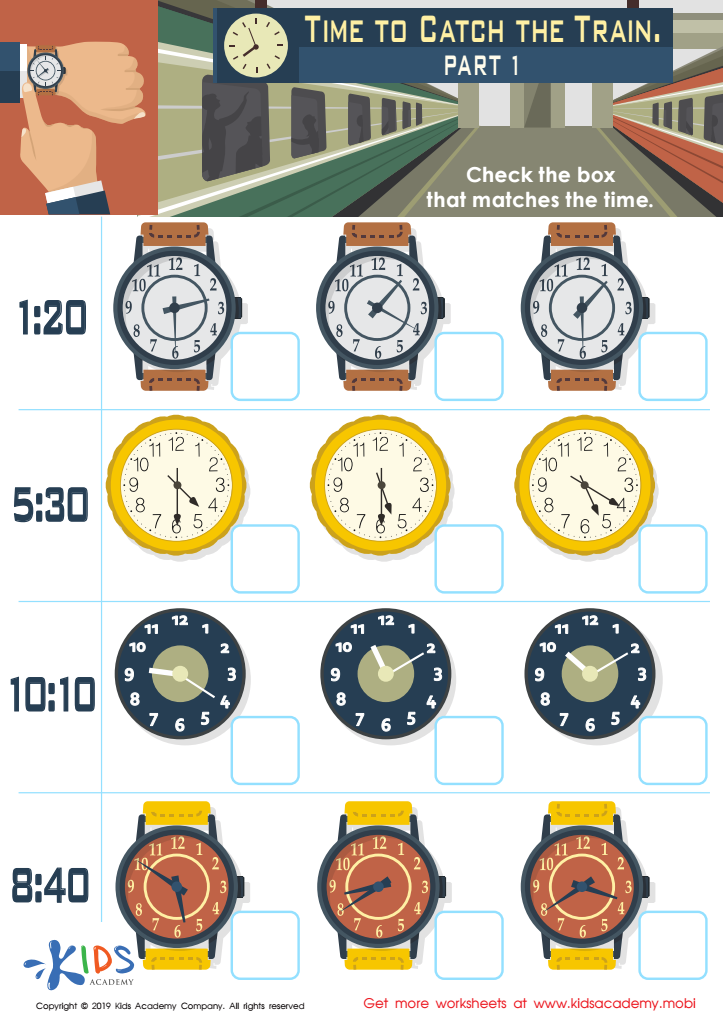
Time to Catch the Train Part 1 Worksheet
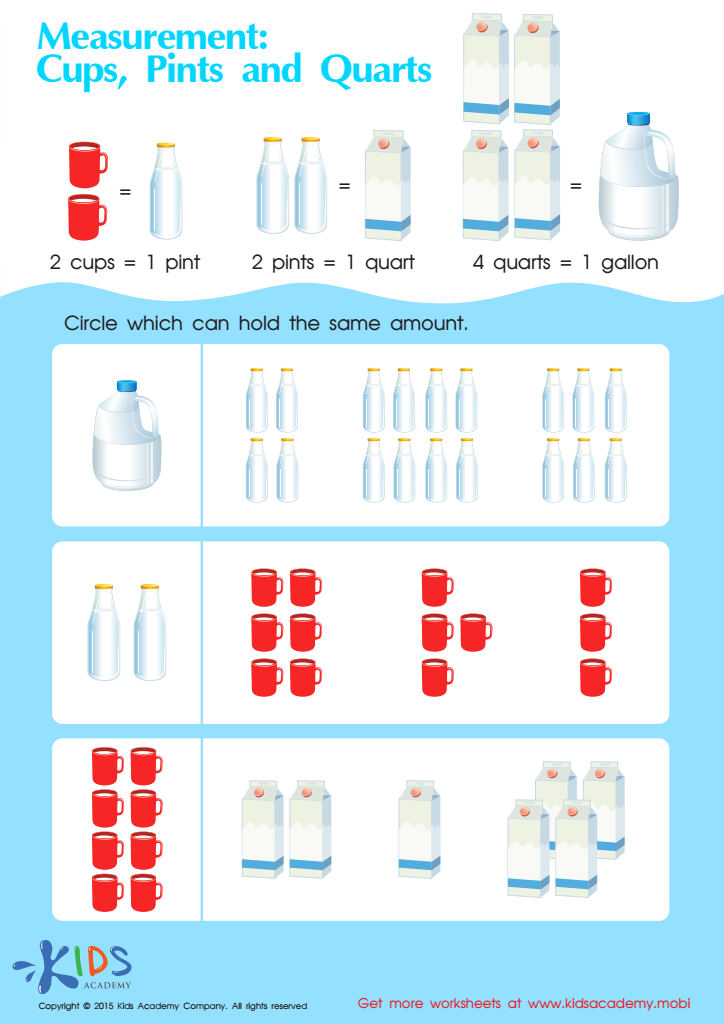
Cups, Pints and Quarts 2 Worksheet
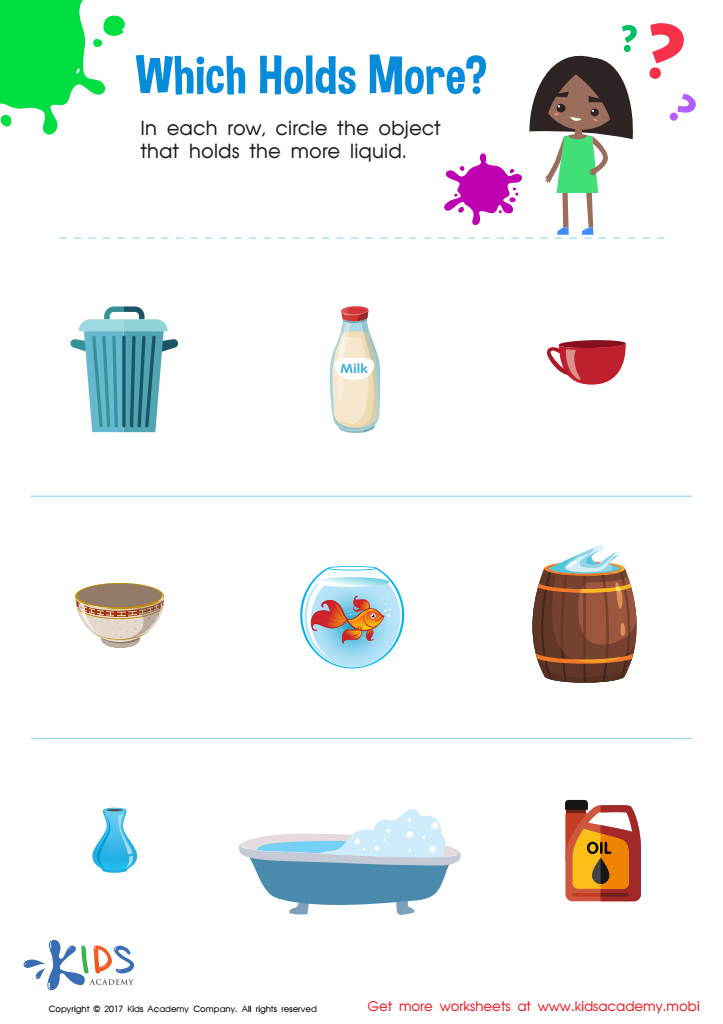
Which Holds More: Capacity Worksheet
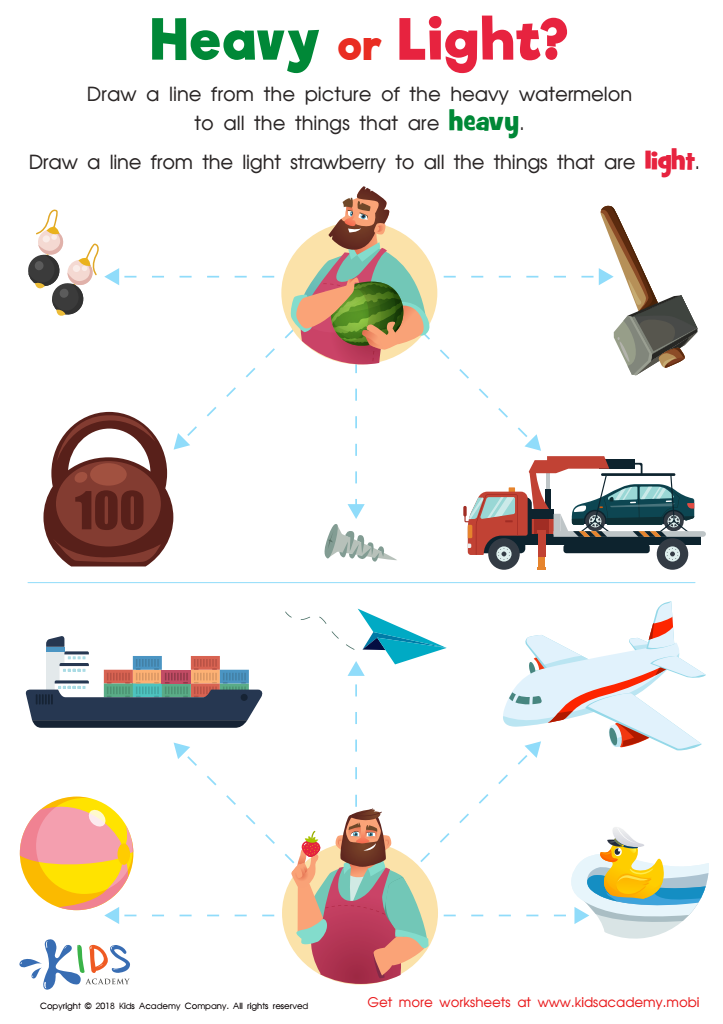
Heavy or Light? Worksheet
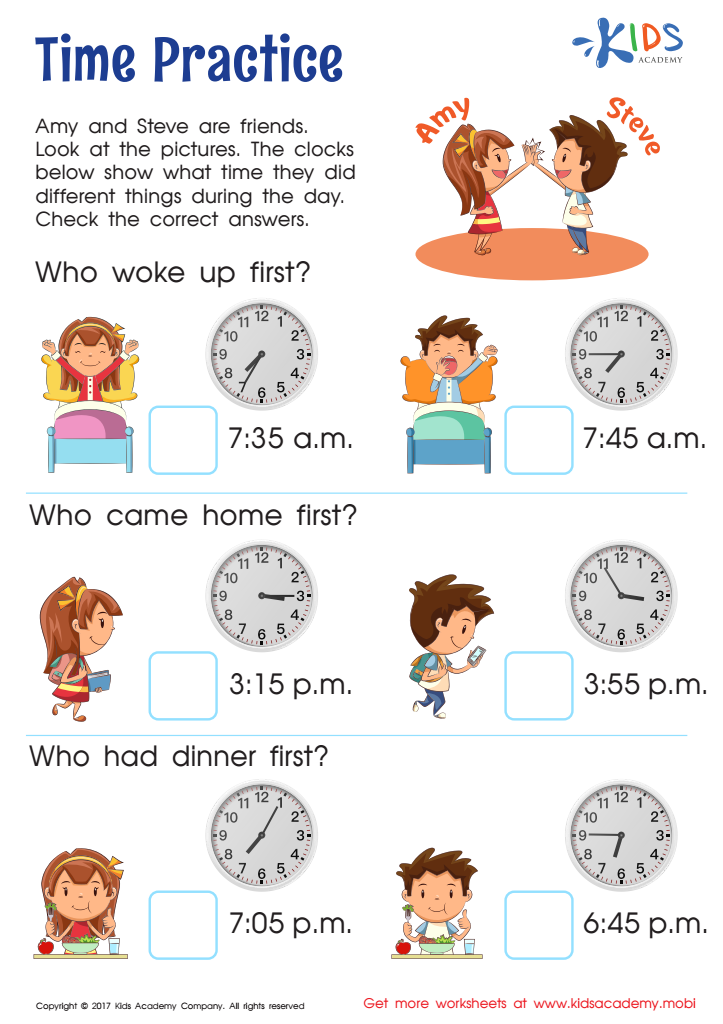
Time Practice Worksheet
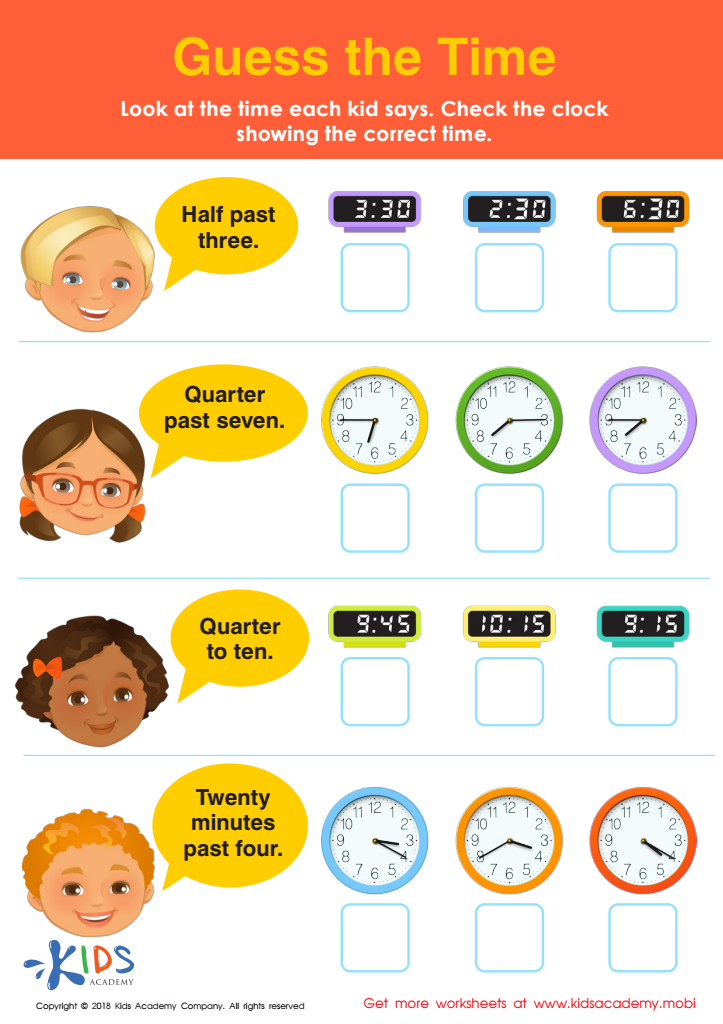
Guess the Time Worksheet
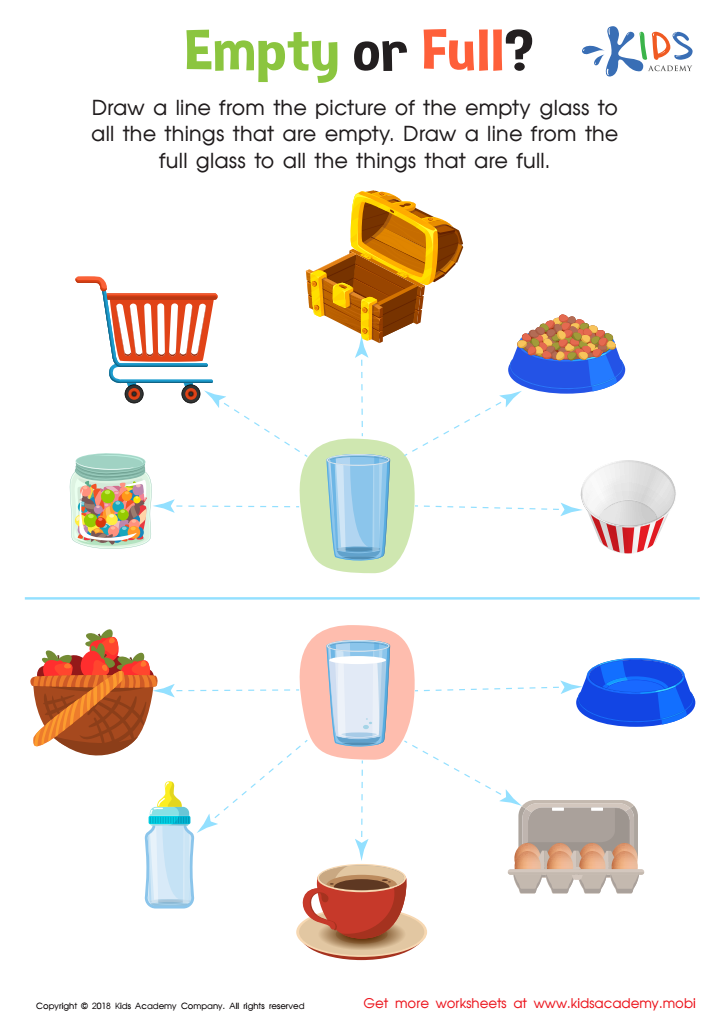
Empty or Full? Worksheet
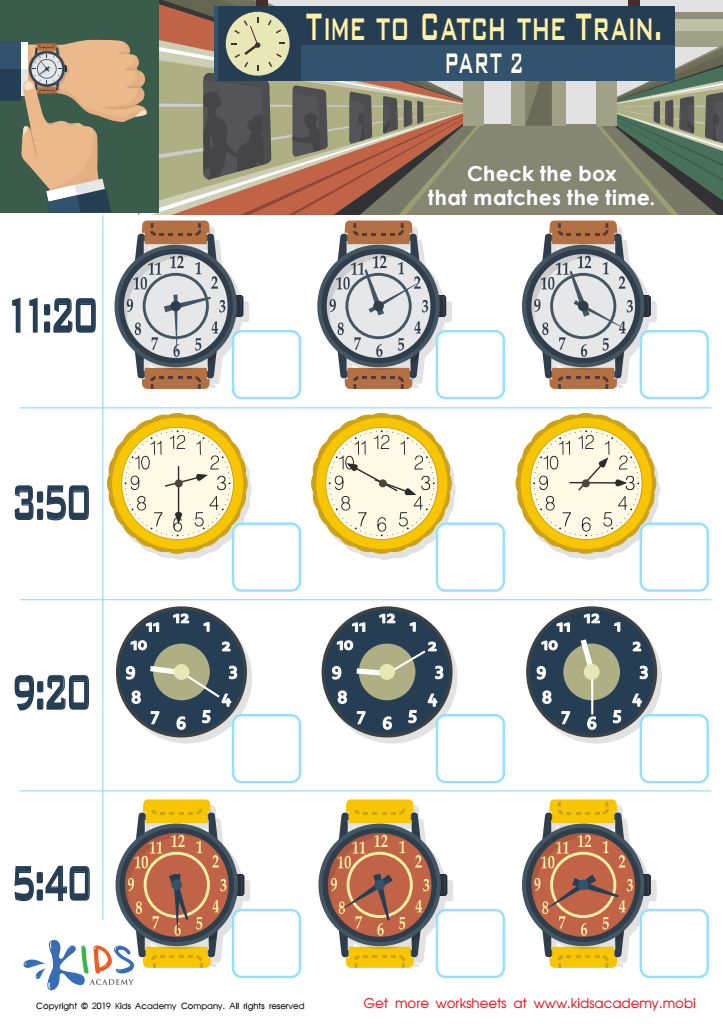
Time to Catch the Train Part 2 Worksheet
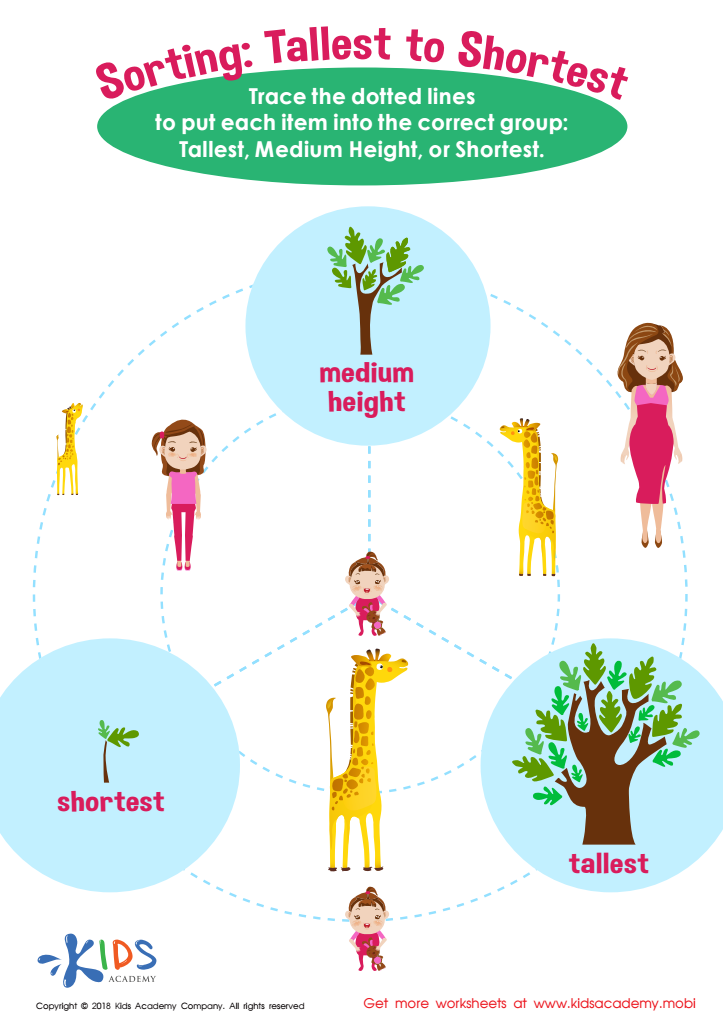
Sorting: Tallest to Shortest Worksheet








Understanding normal measurement for children aged 3-8 is essential for parents and teachers as it helps ensure healthy growth and development. Normal measurement typically refers to tracking a child's height, weight, and head circumference, but it also encompasses developmental milestones, such as language abilities, motor skills, and social behaviors.
Firstly, regular measurement allows for the identification of any potential health or developmental issues early on. For example, significant deviations from typical growth patterns may indicate endocrine disorders, malnutrition, or other health problems needing prompt medical attention. Early interventions can dramatically improve outcomes for conditions such as speech delays or coordination difficulties.
Moreover, understanding normative data helps reduce undue anxiety for parents by providing a range of what is considered typical. It supports informed discussions with pediatricians or specialists, enabling families to make evidence-based decisions for their children's wellbeing.
For teachers, awareness of normal developmental ranges informs curriculum planning and classroom management. It equips educators to cater learning activities appropriately, ensuring all children can participate and thrive. Recognizing when a child may need extra support or stimulation can make a significant difference in educational outcomes, fostering a more inclusive learning environment.
In summary, vigilant measurement provides a framework for supporting holistic, healthy development, facilitating timely interventions, and fostering confidence in both parents and teachers.








