Normal Worksheets for Ages 3-9 - Page 70
1722 filtered results
-
From - To
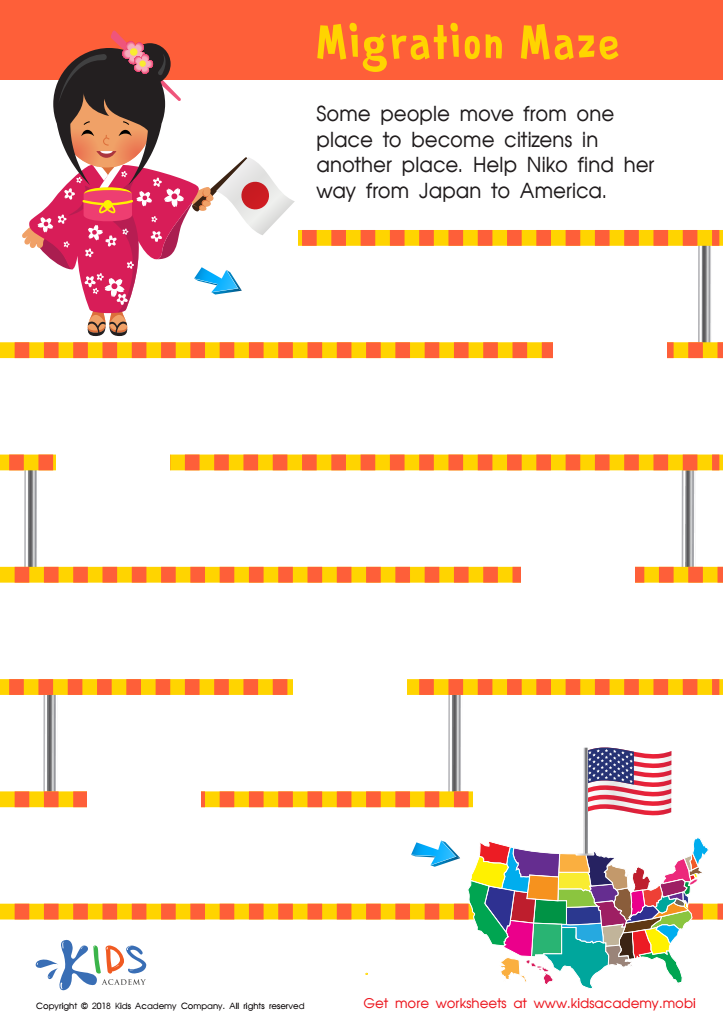
Migration Maze Worksheet
 Assign to My Students
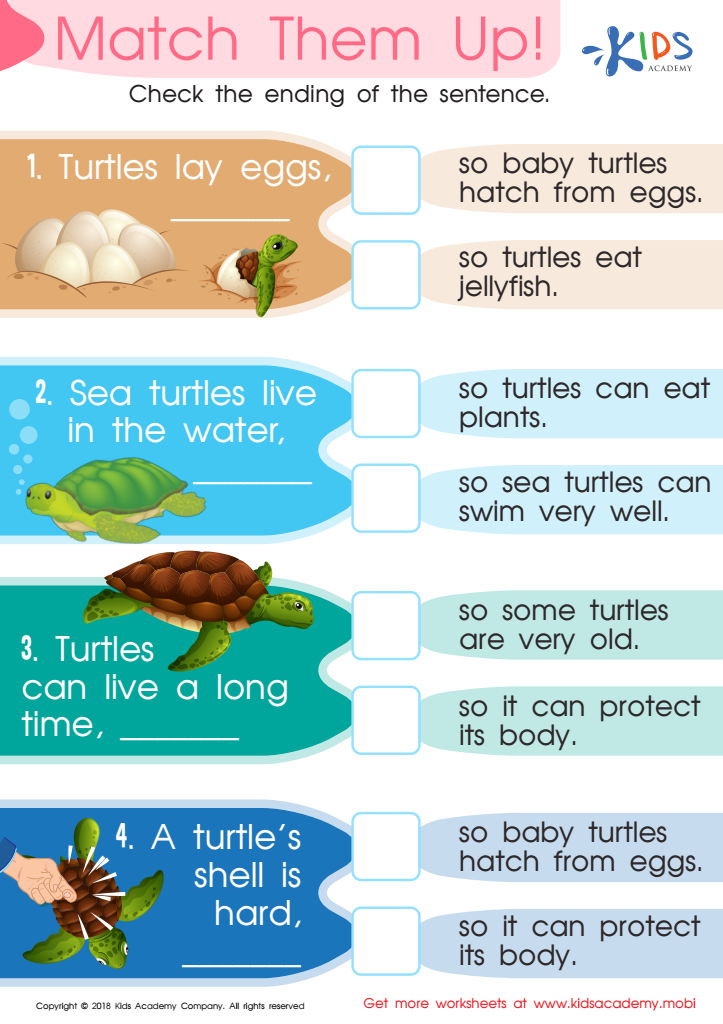
Match Them Up Worksheet

Counting Ships to 120 Worksheet
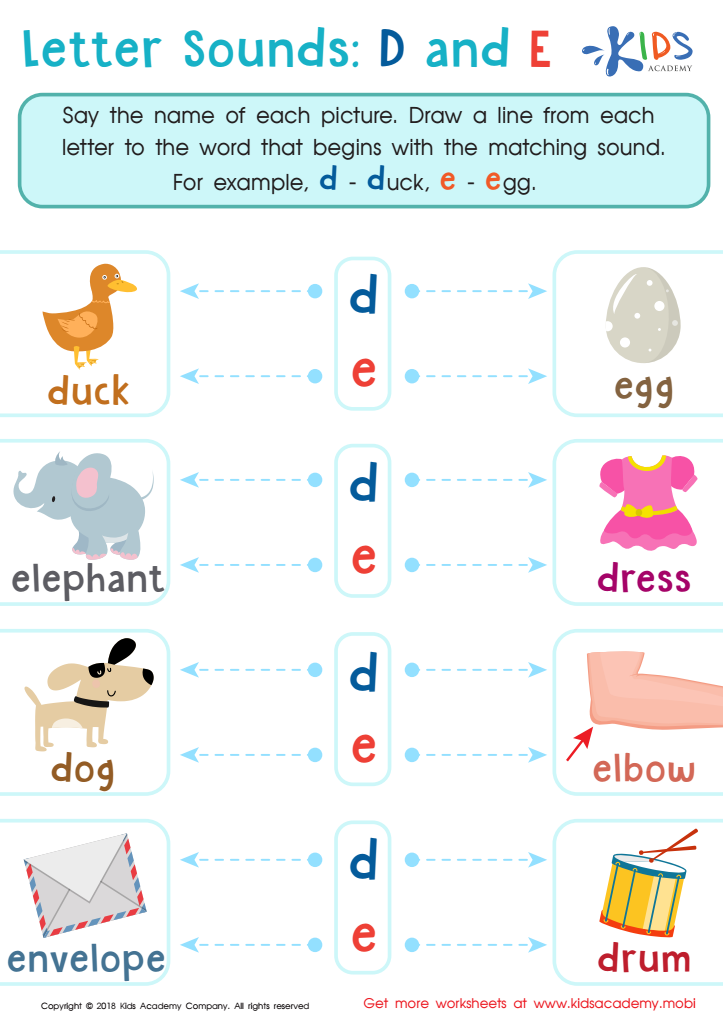
Letter D and E Sounds Worksheet
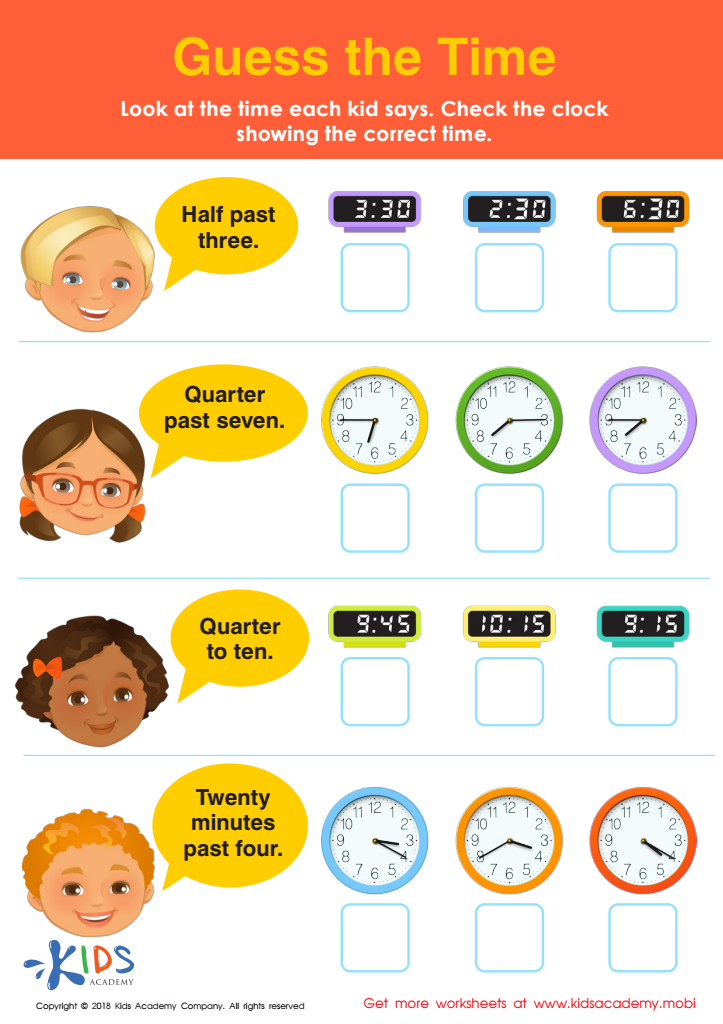
Guess the Time Worksheet
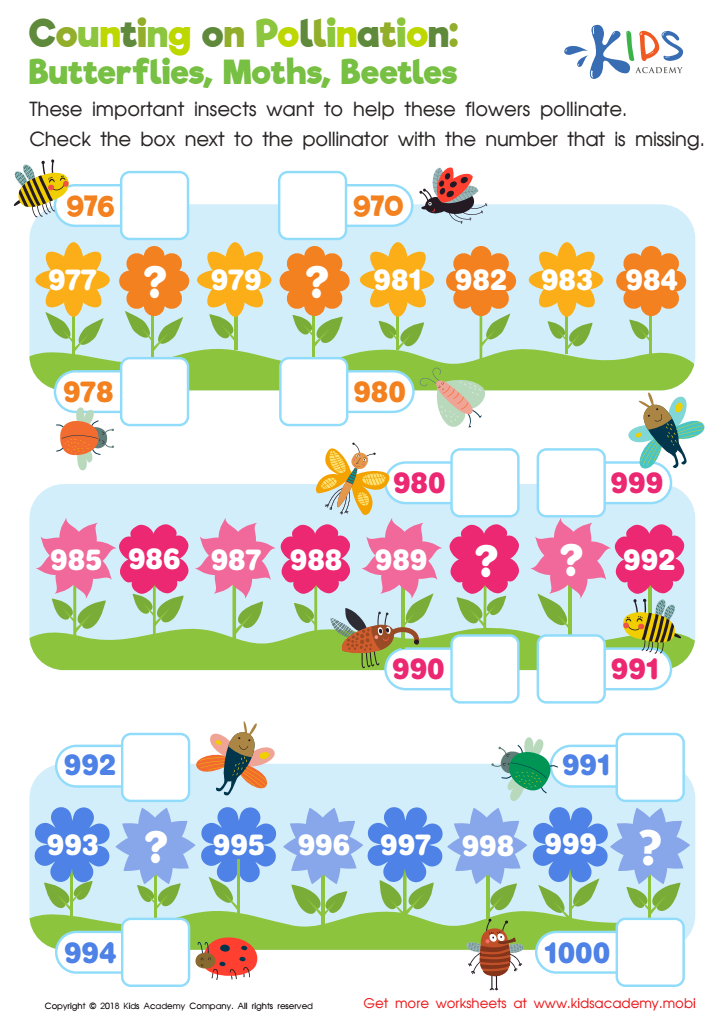
Counting on Pollination: Butterflies, Moths, Beetles Worksheet

Rearrange the Sounds Worksheet
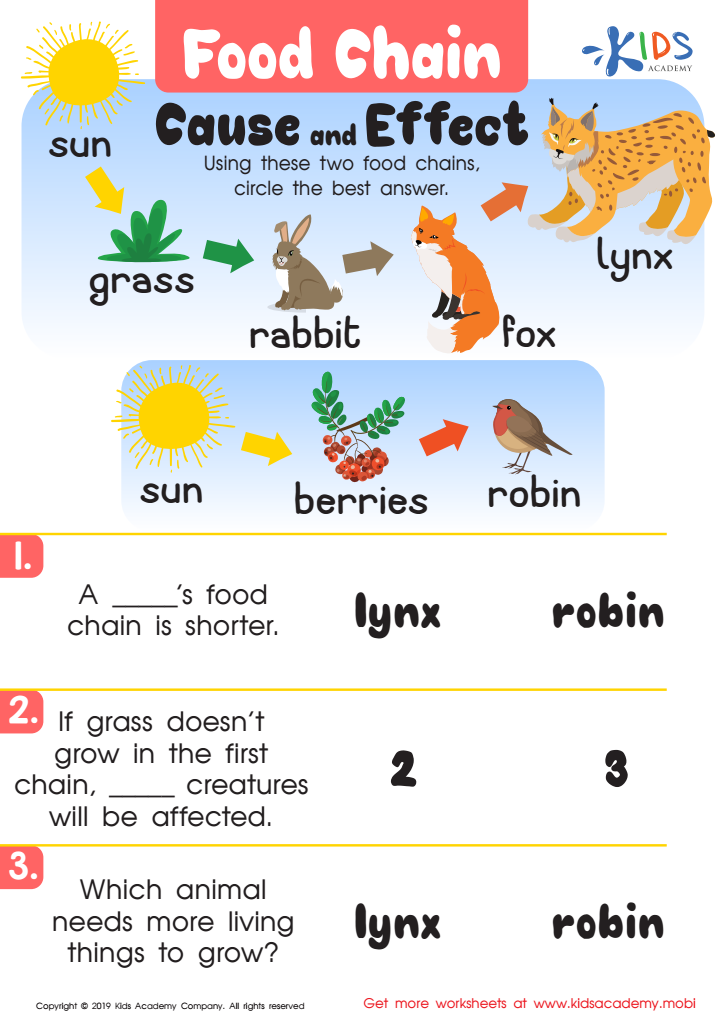
Food Chain Cause Worksheet

Setting up the Chessboard: Part 1 Worksheet
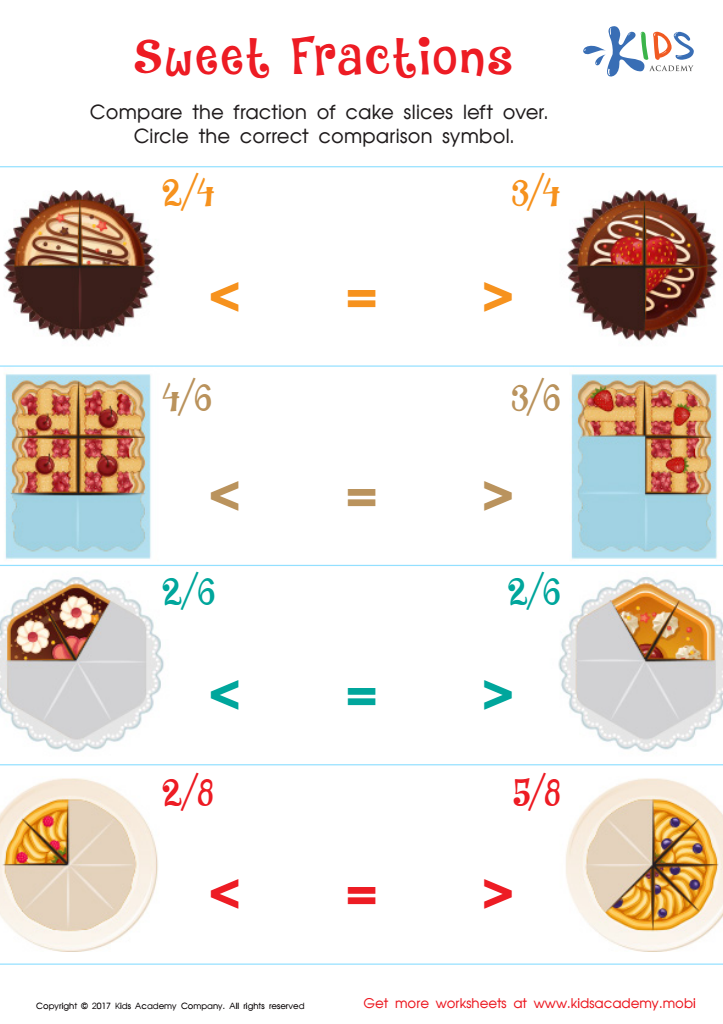
Compare Fractions Worksheet
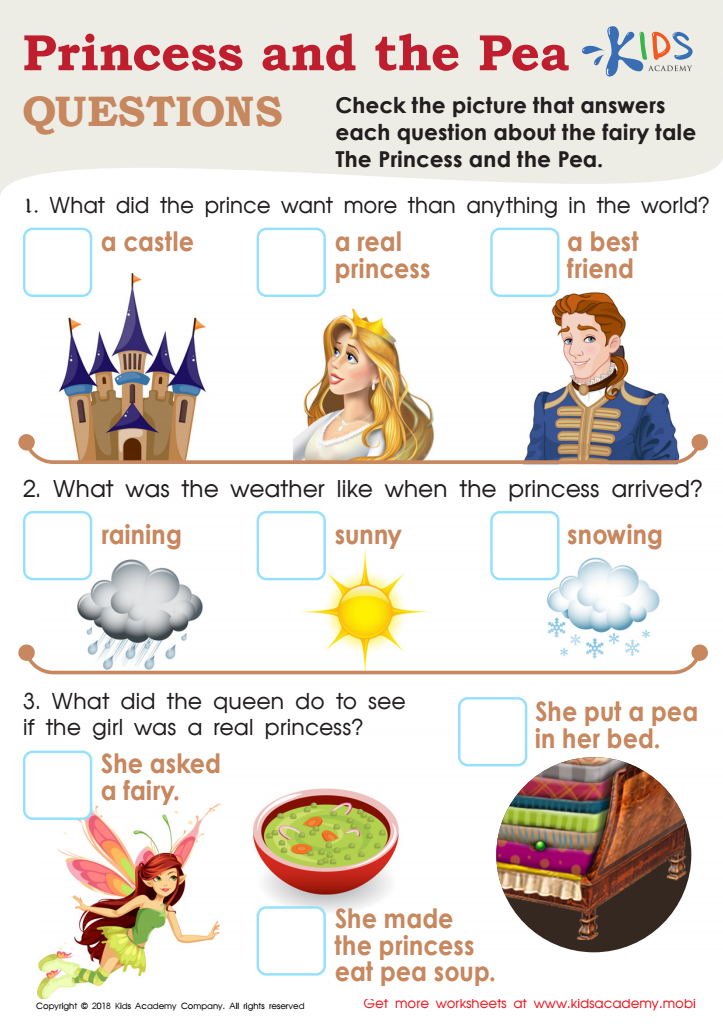
Princess and the Pea Questions Worksheet
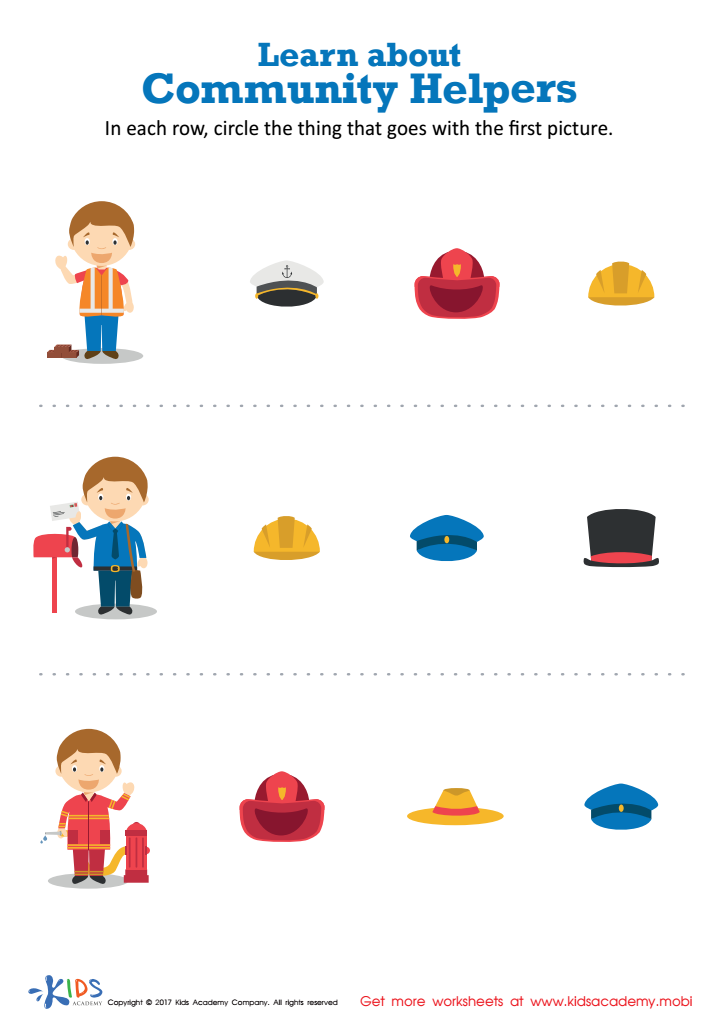
Learn about Community Helpers Printable

Uppercase Letters V, W, and X Worksheet
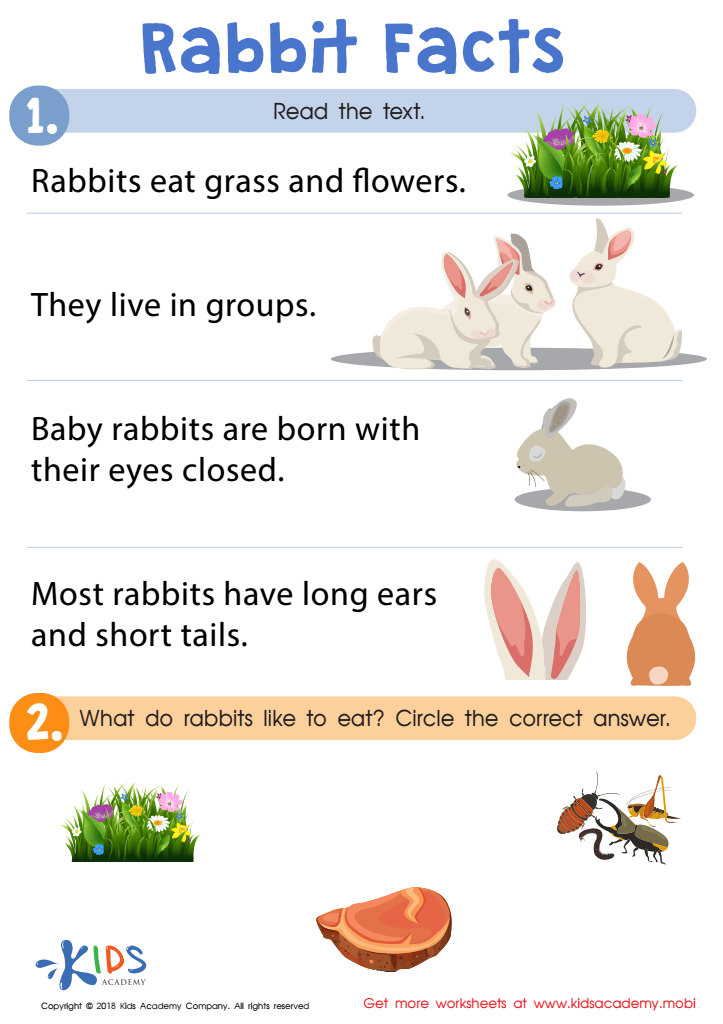
Rabbit Facts Worksheet

The Boy Who Cried Wolf Part 2 Worksheet
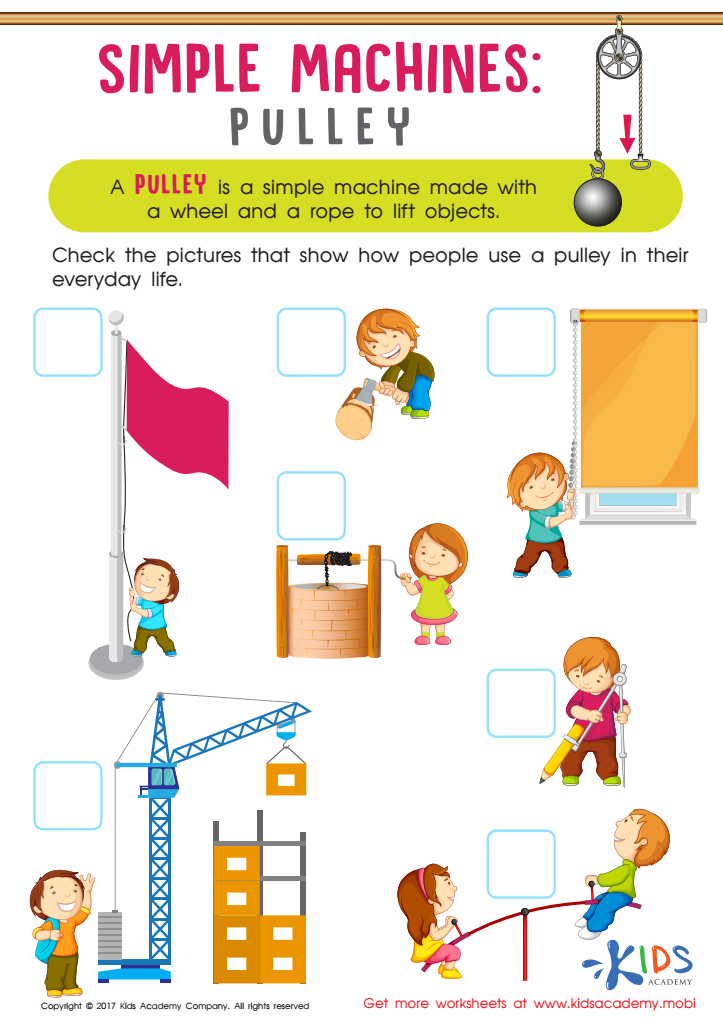
Simple Machines Pulley Worksheet
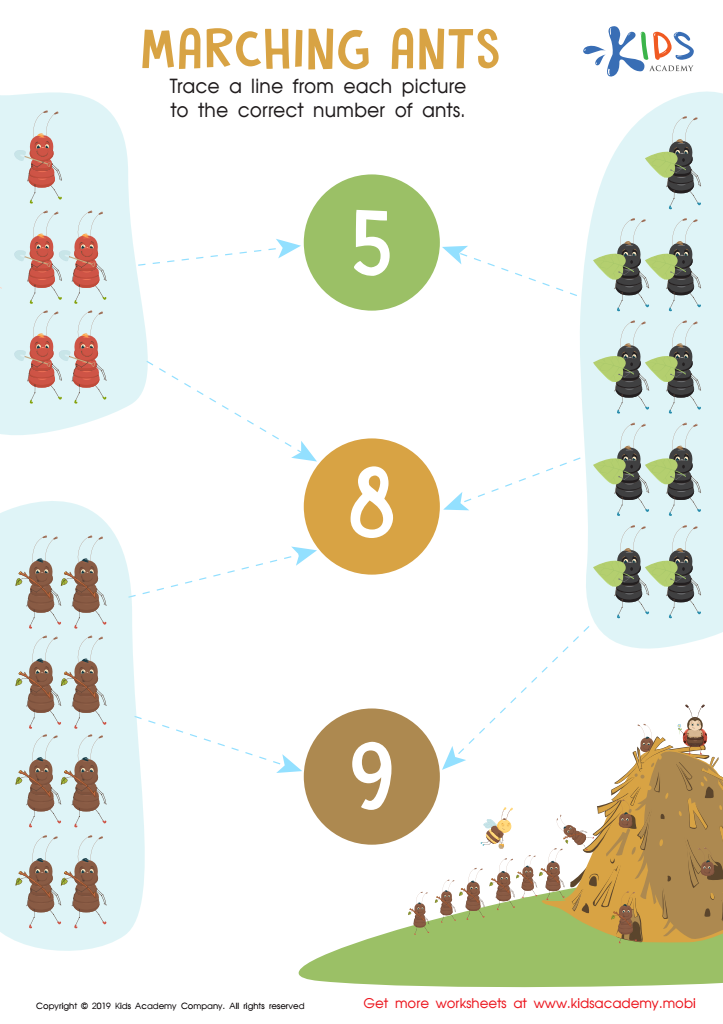
Marching Ants Worksheet
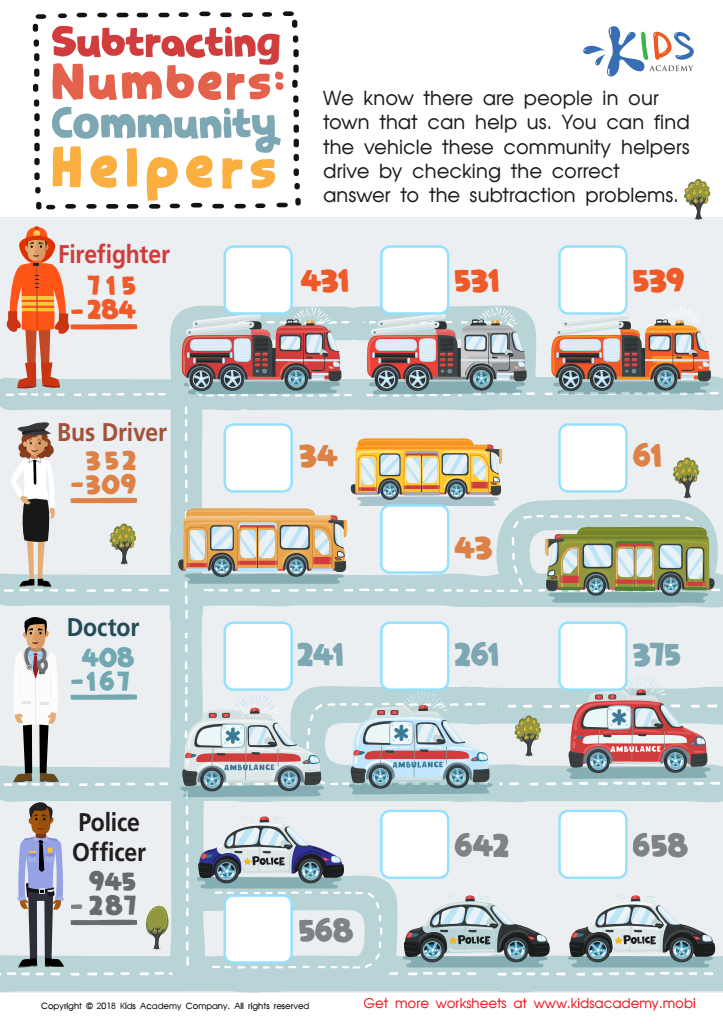
Subtracting Numbers: Community Helpers Worksheet

Hemispheres Worksheet
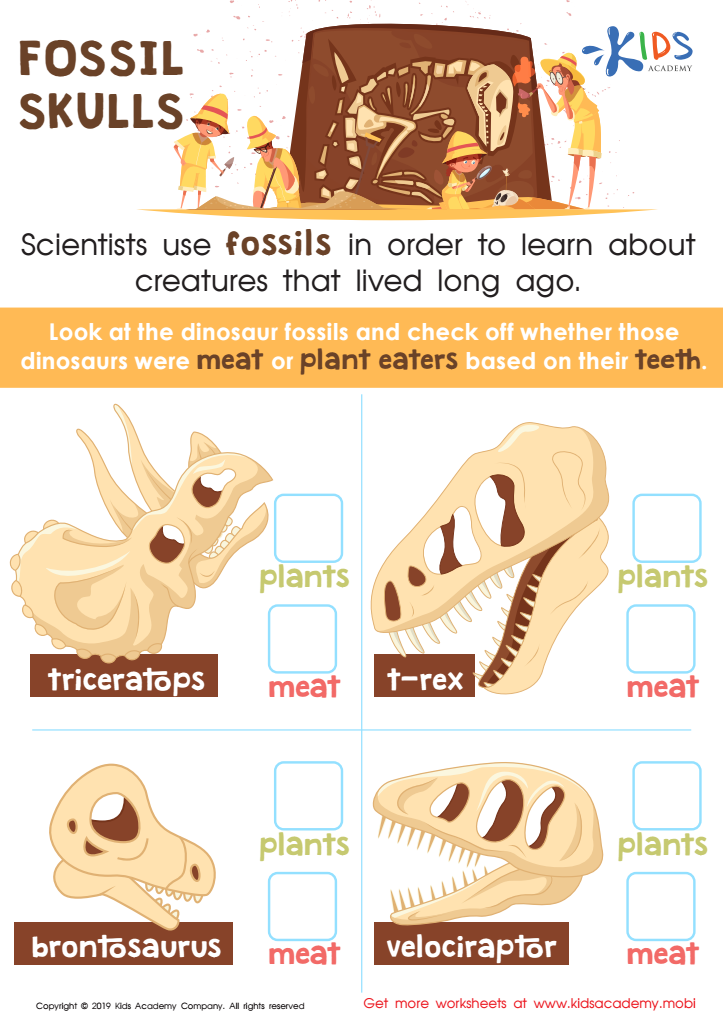
Fossil Skulls Worksheet

Noisy Maze Worksheet

Count and Write 10 Worksheet
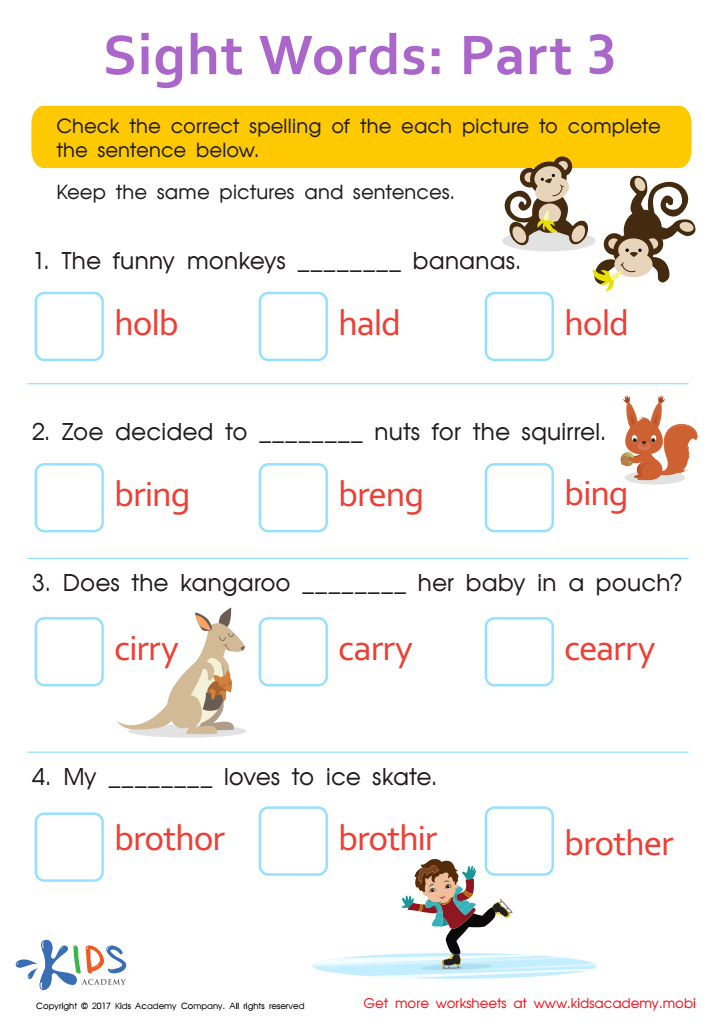
Hold, Bring, Carry, Brother Sight Words Worksheet
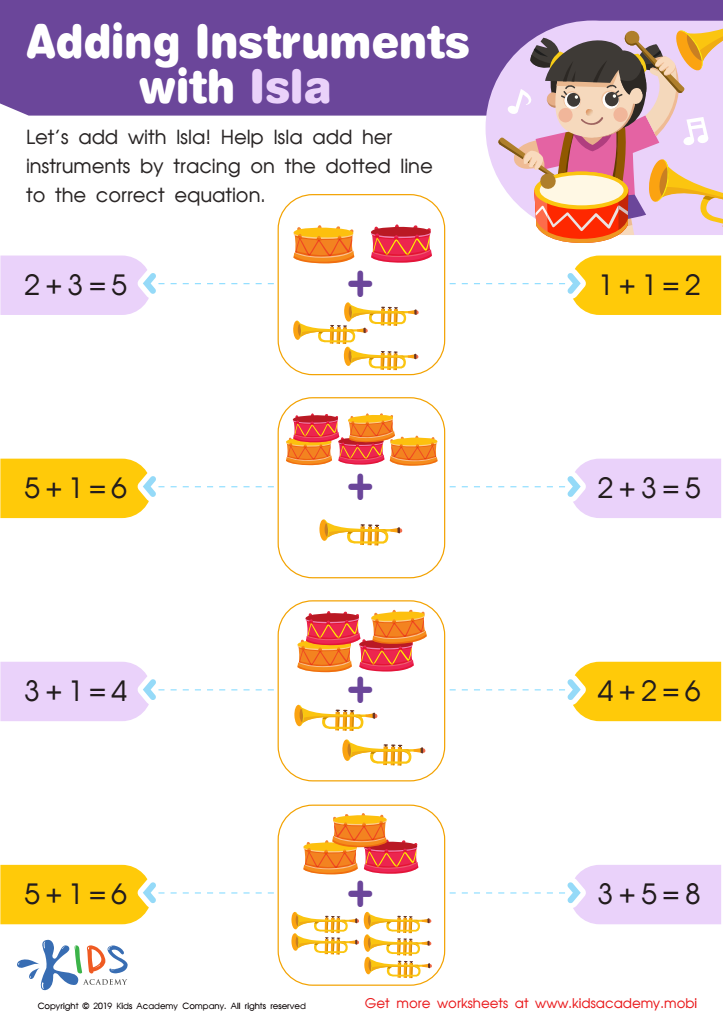
Adding Instruments with Isla Worksheet








Parents and teachers should care about the physical, cognitive, emotional, and social development milestones, often referred to as typical or "normal" development, for children ages 3-9 because understanding these benchmarks helps support and foster every child's growth and learning. This period is critical as foundational skills, attitudes, and habits are formed that affect lifelong learning and well-being. Recognizing what is common can assist adults in identifying when a child is progressing as expected and when there may be signs of developmental delays or exceptional talents that need addressing.
Awareness of normal development allows parents and teachers to provide age-appropriate activities, curricula, and encouragement tailored to children's developmental stages. Stimulating environments can enhance cognitive abilities, while positive social interactions aid emotional development and the formation of healthy relationships. Monitoring developmental milestones also enables early intervention if problems arise: speech delays, learning disabilities, or social difficulties can be detected and managed early, mitigating potential long-term impacts.
Moreover, understanding normal development helps prevent unnecessary anxiety; not all children develop at the same rate, so discerning typical variations prevents undue worry about slight deviations from standard milestones. Ultimately, this knowledge empowers those guiding young lives to more effectively nurture their growth, ensuring each child reaches their fullest potential.








