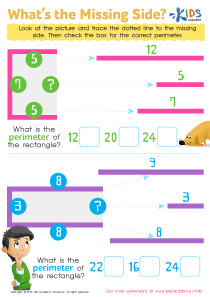
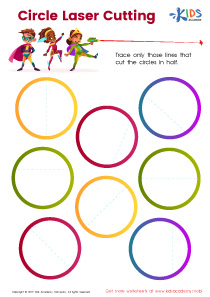
Shape Recognition Normal 2D Shapes Worksheets for Ages 3-9
16 filtered results
-
From - To
Explore our engaging Shape Recognition Normal 2D Shapes Worksheets, designed for children aged 3-9! These thoughtfully crafted resources help young learners identify and differentiate between various 2D shapes, fostering essential skills in geometry through fun and interactive activities. Our worksheets feature vibrant visuals and straightforward instructions, making it easy for kids to enhance their shape recognition abilities while having fun. Perfect for both classroom settings and home learning, these worksheets encourage creativity and critical thinking. Start your child's learning journey today by introducing them to the exciting world of shapes with our user-friendly and effective sheets!
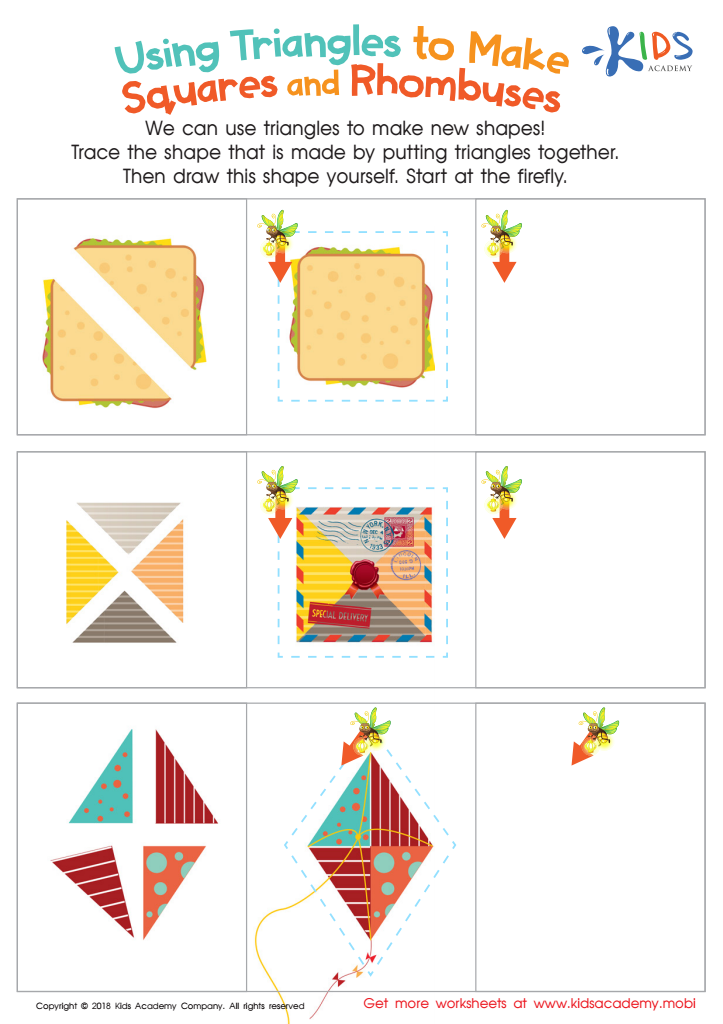
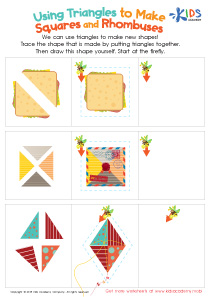
Using Triangles to Make Squares and Rhombuses Worksheet
 Assign to My Students


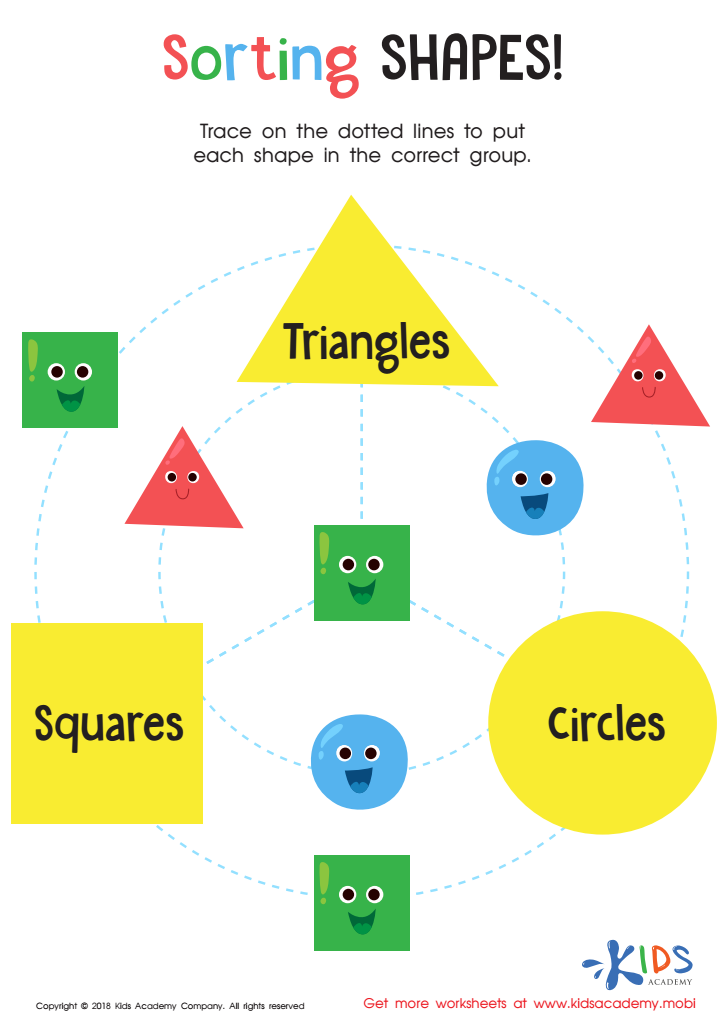
Sorting Shapes - Part 3 Worksheet
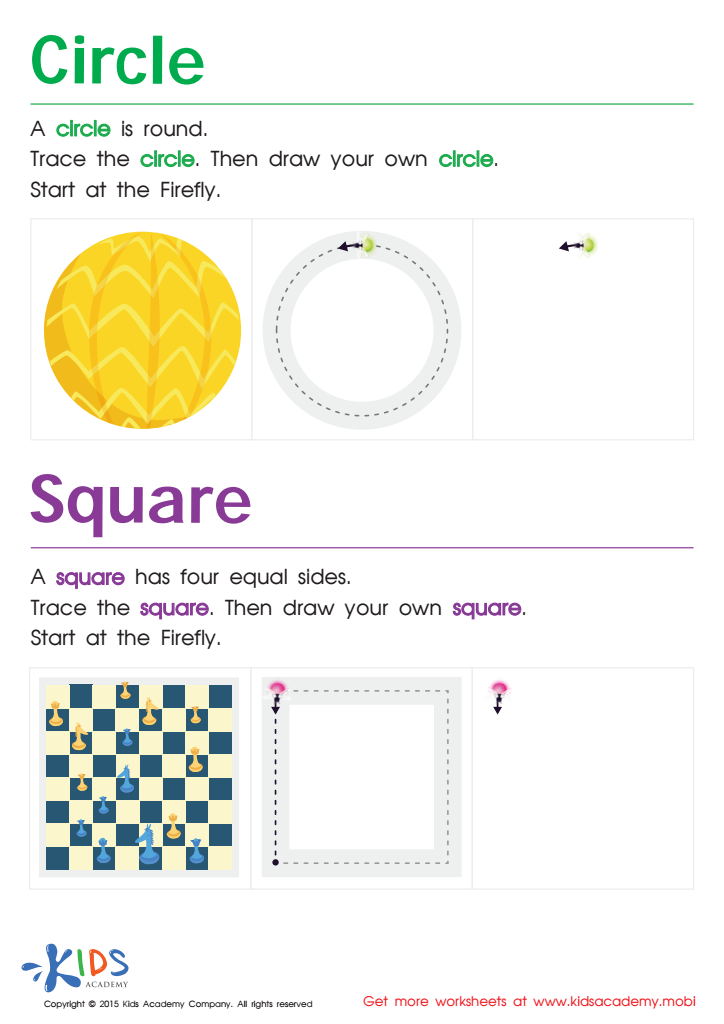
Trace And Draw a Circle And a Square Worksheet
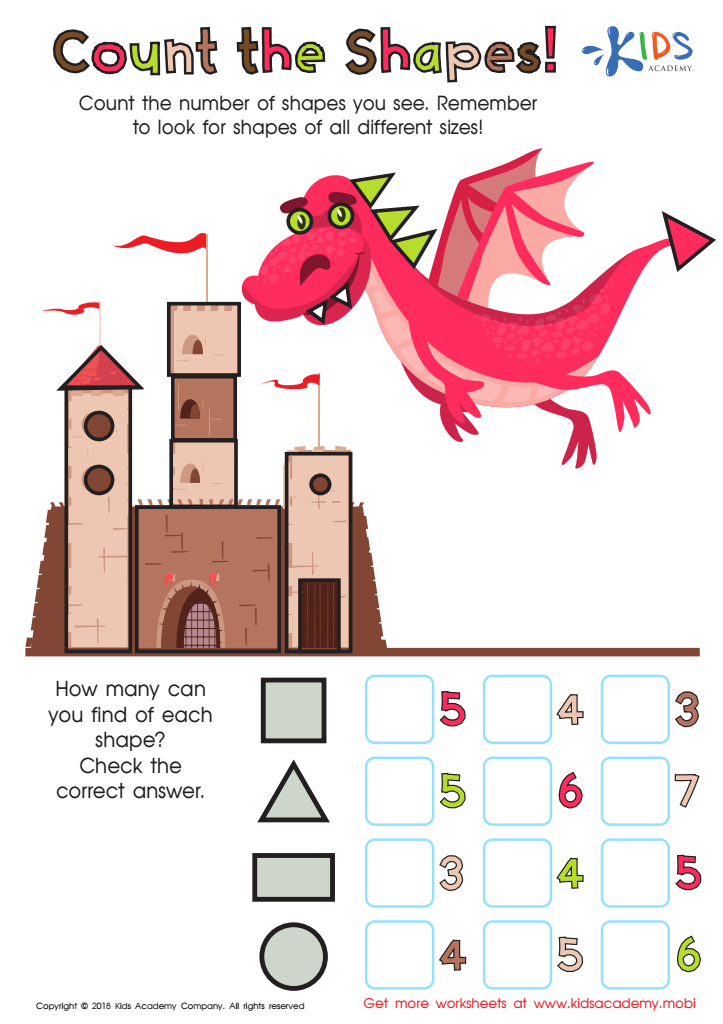
Count the Shapes Worksheet
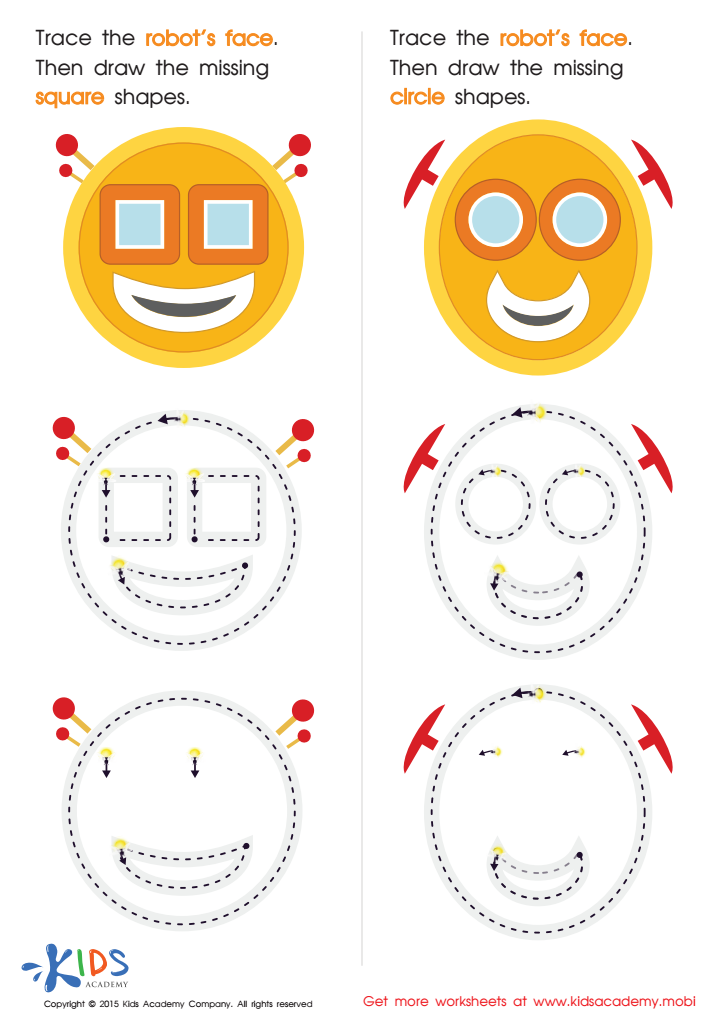
Practicing to Draw Circles And Squares Printable
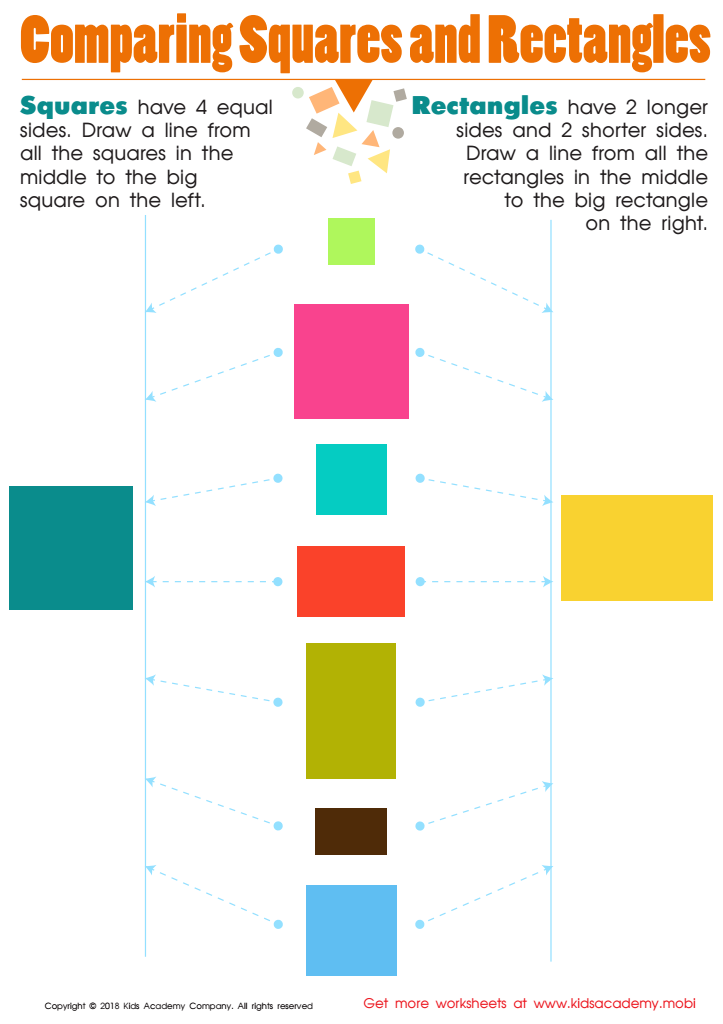
Comparing Squares Rectangles Worksheet
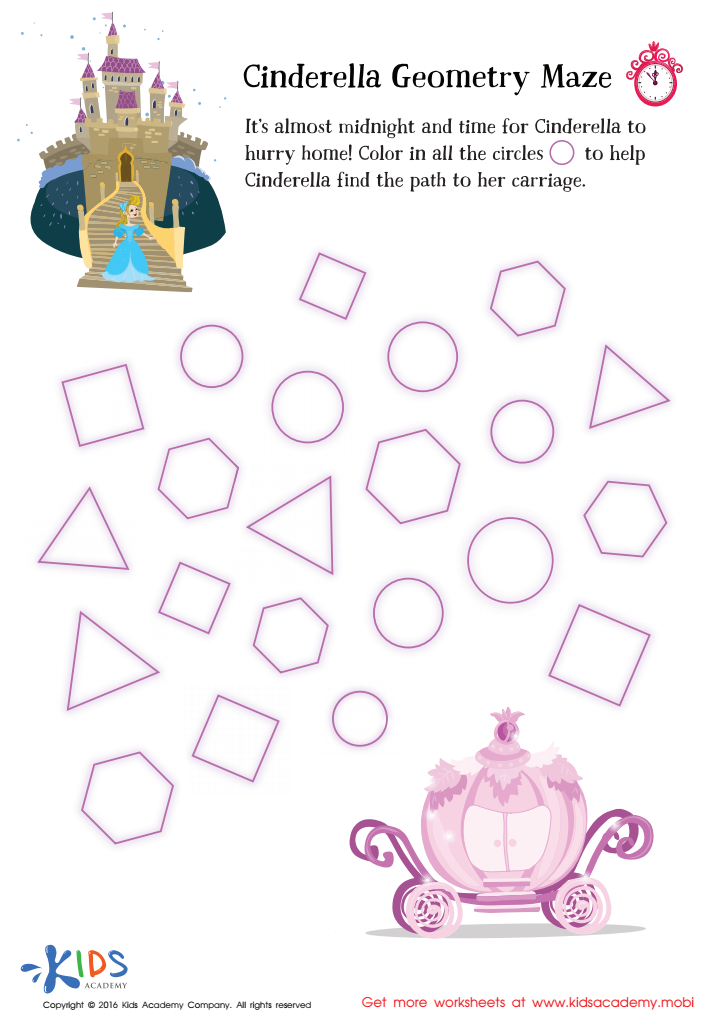
Cinderella Geometry Maze Worksheet
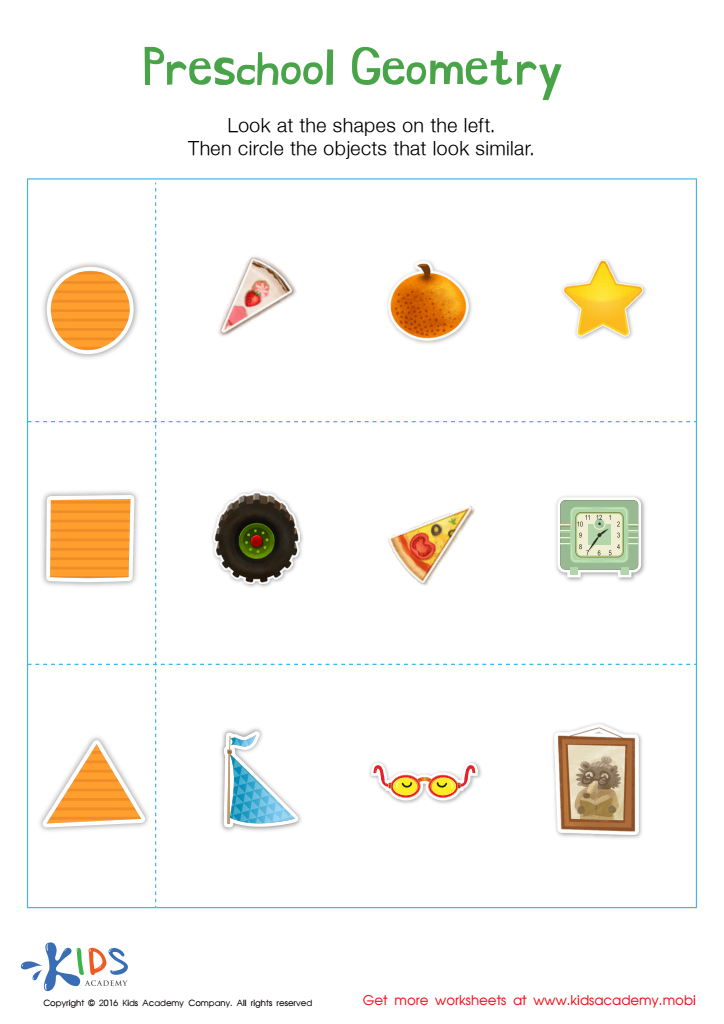
Preschool Geometry Match Up Worksheet
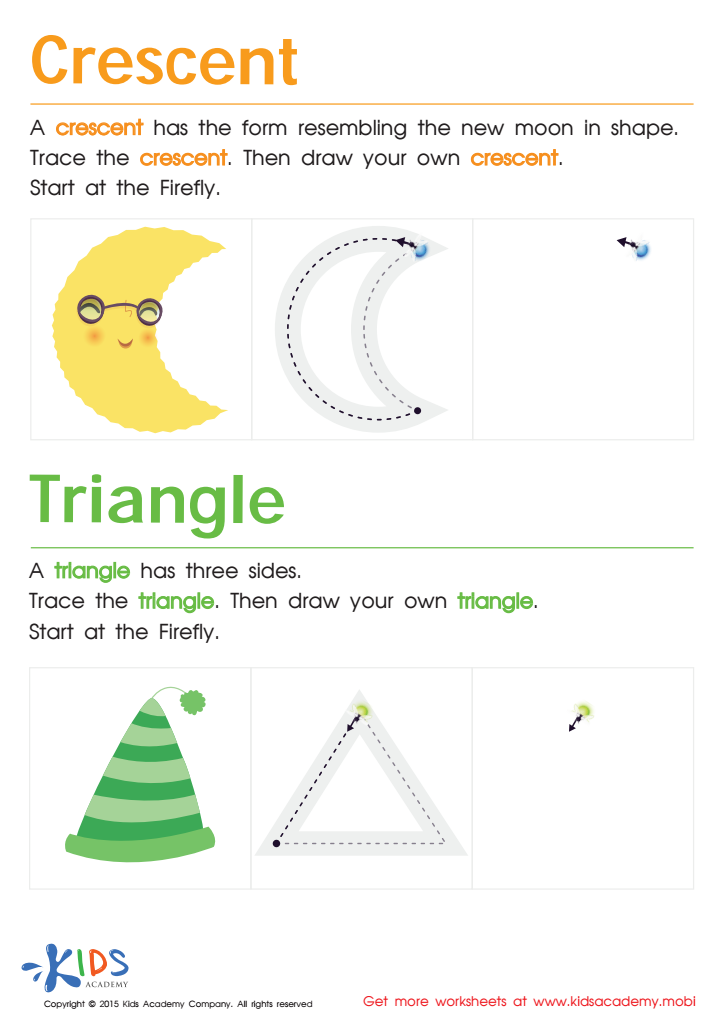
Learning to Draw Crescents And Triangles Worksheet
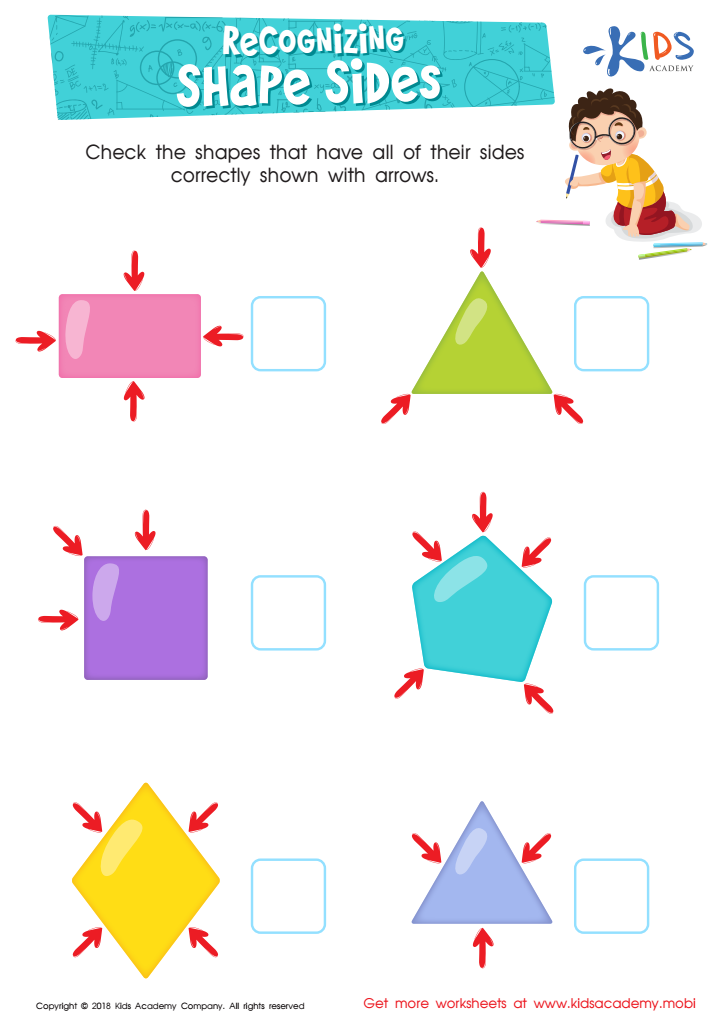
Recognizing Shape Sides Worksheet
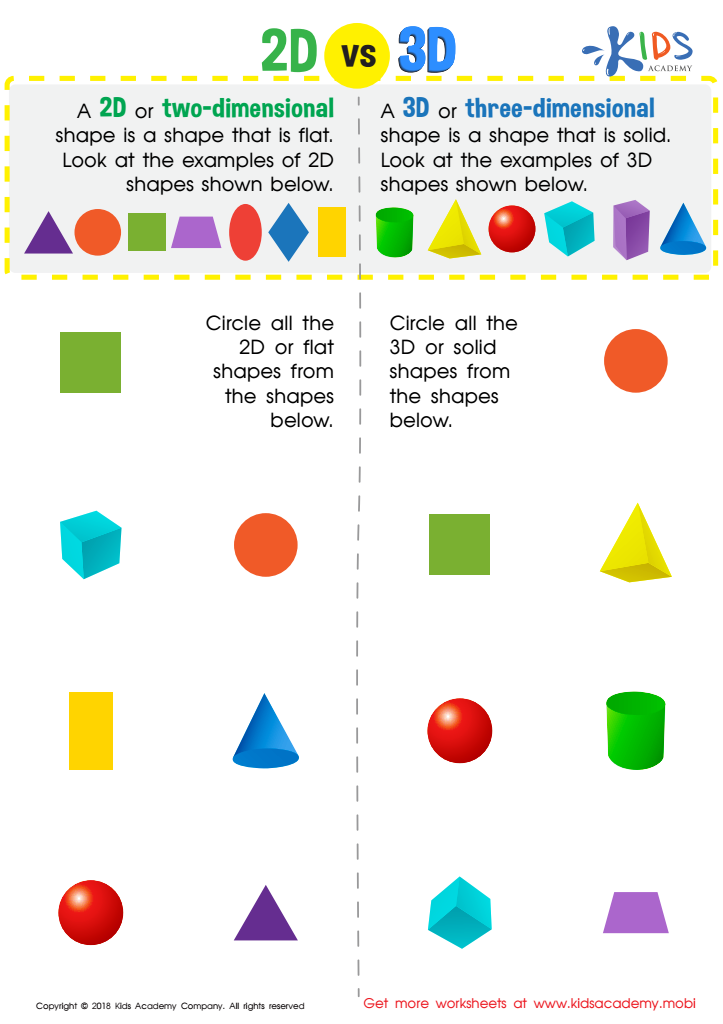
2D vs 3D Shapes Worksheet
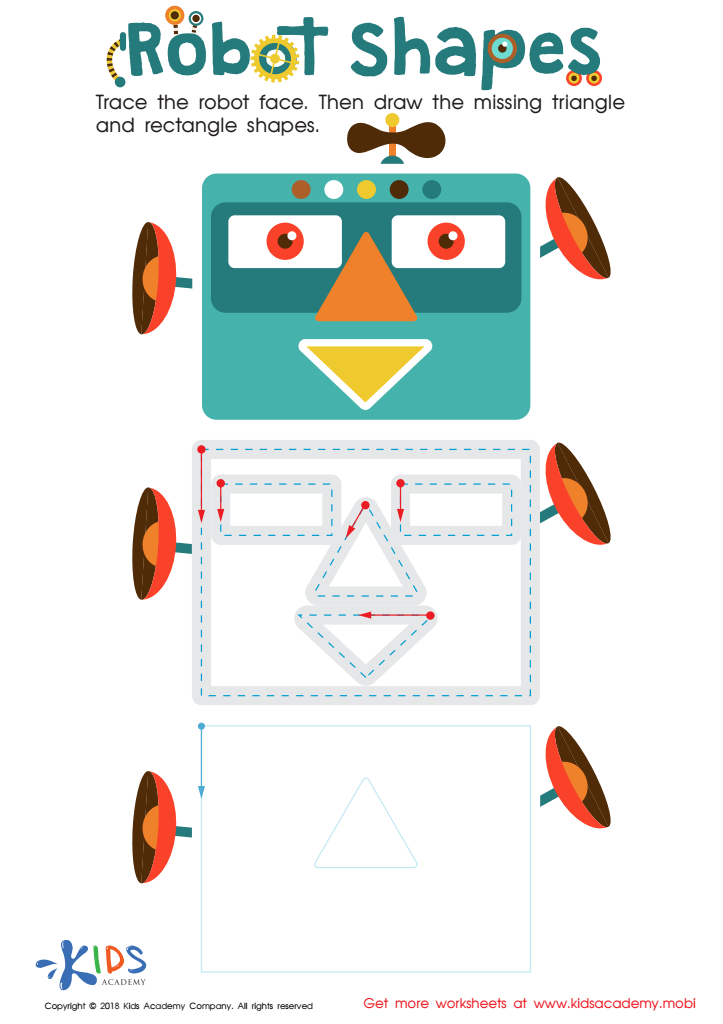
Robot Shapes Worksheet
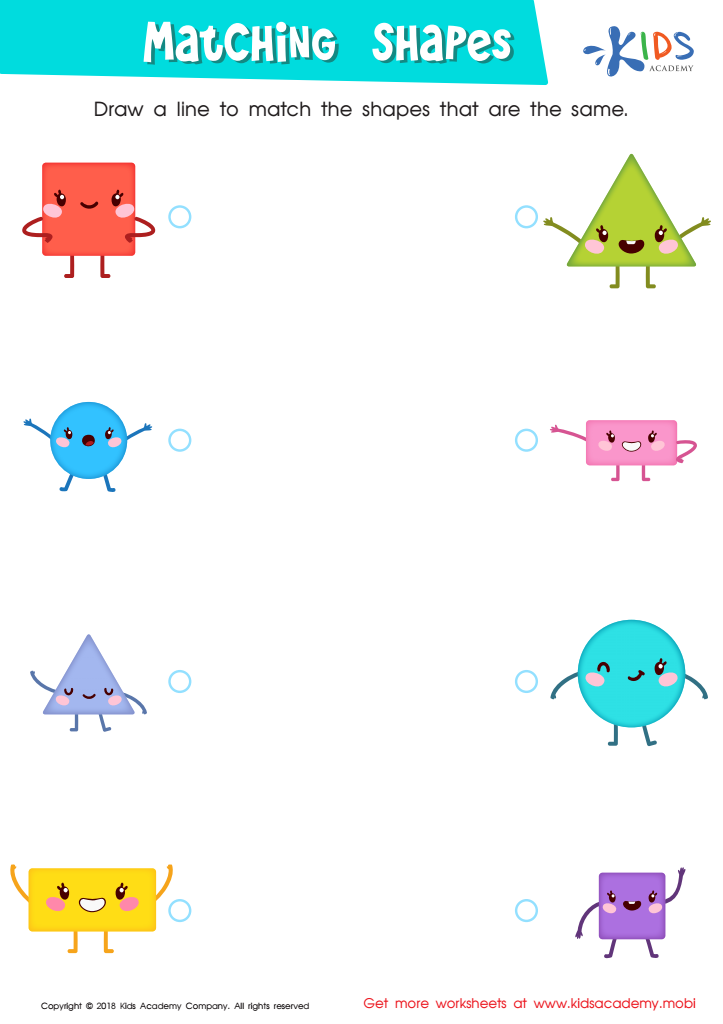
Matching Shapes Worksheet
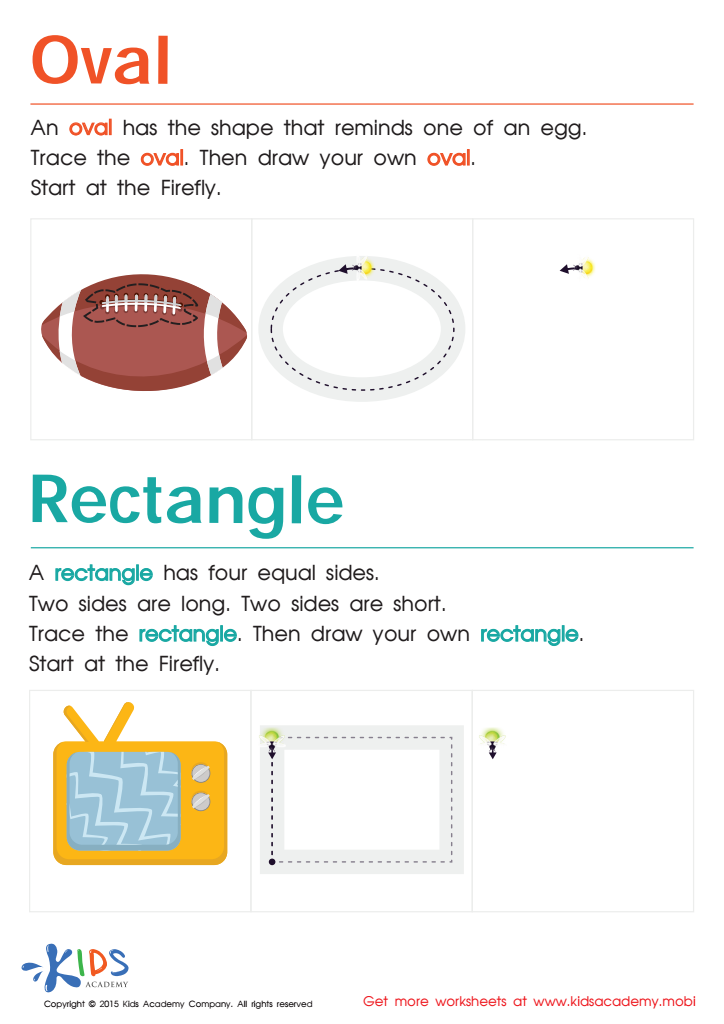
Easy Drawing of Ovals And Rectangles Worksheet
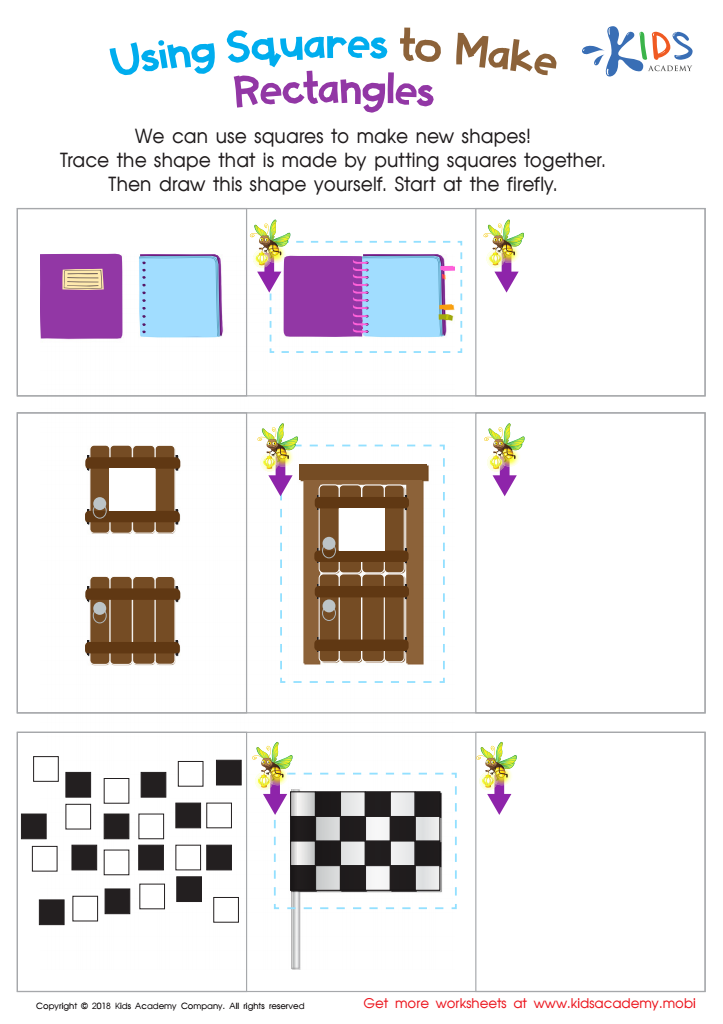
Using Squares to Make Rectangles Worksheet
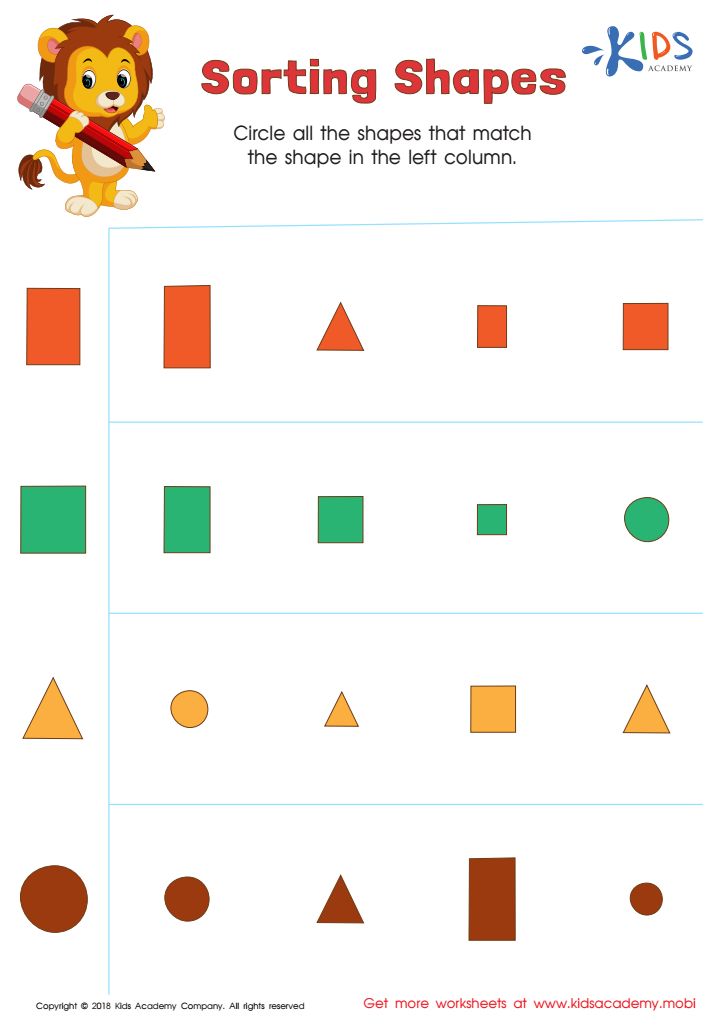
Sorting Shapes - Part 2 Worksheet








Shape recognition is a foundational skill that plays a crucial role in early childhood development, particularly for children ages 3 to 9. Understanding 2D shapes forms the basis for recognizing patterns, spatial relationships, and mathematical concepts later in life. Parents and teachers should prioritize shape recognition for several reasons.
Firstly, it enhances cognitive development. Recognizing shapes helps children analyze their environment, promoting critical thinking and problem-solving skills. As they identify shapes in their surroundings, they learn to categorize and differentiate objects based on characteristics.
Secondly, mastering shape recognition supports early math skills. Children who understand shapes are better prepared for concepts like geometry, measurement, and symmetry. This foundational knowledge is essential for their academic success, paving the way for future learning in mathematics and related fields.
Additionally, engaging children in shape recognition activities fosters creativity and fine motor skills. Activities like drawing shapes, building with blocks, or completing puzzles encourage not only recognition but also expression and hand-eye coordination.
Finally, an understanding of shapes can enhance children’s abilities in everyday tasks, such as building, crafting, and problem-solving. By supporting and nurturing shape recognition, parents and teachers lay the groundwork for holistic development, preparing children for lifelong learning.