Problem-Solving Skills Normal Math Worksheets for Ages 3-9 - Page 3
71 filtered results
-
From - To
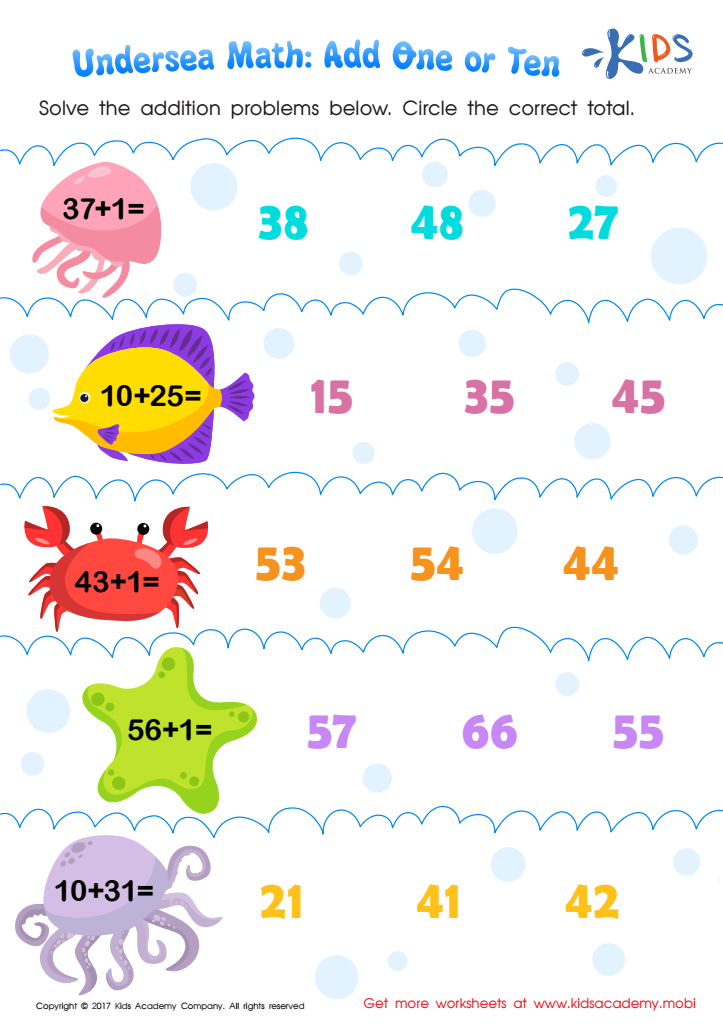
Undersea Math Worksheet
 Assign to My Students
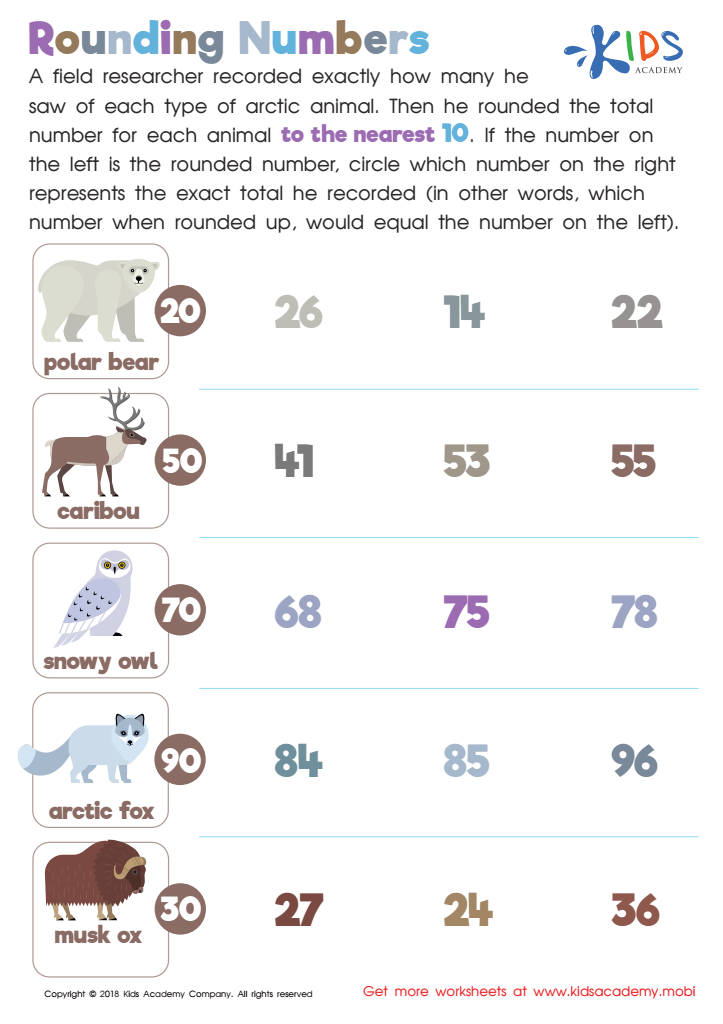
Rounding Numbers Worksheet
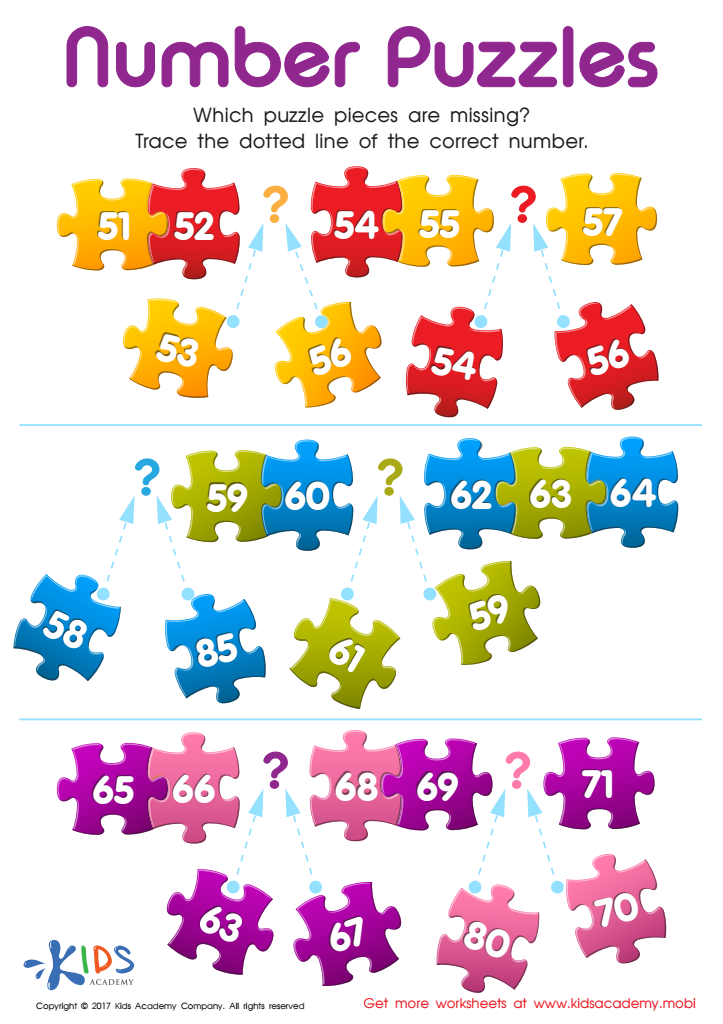
Number Puzzles Worksheet
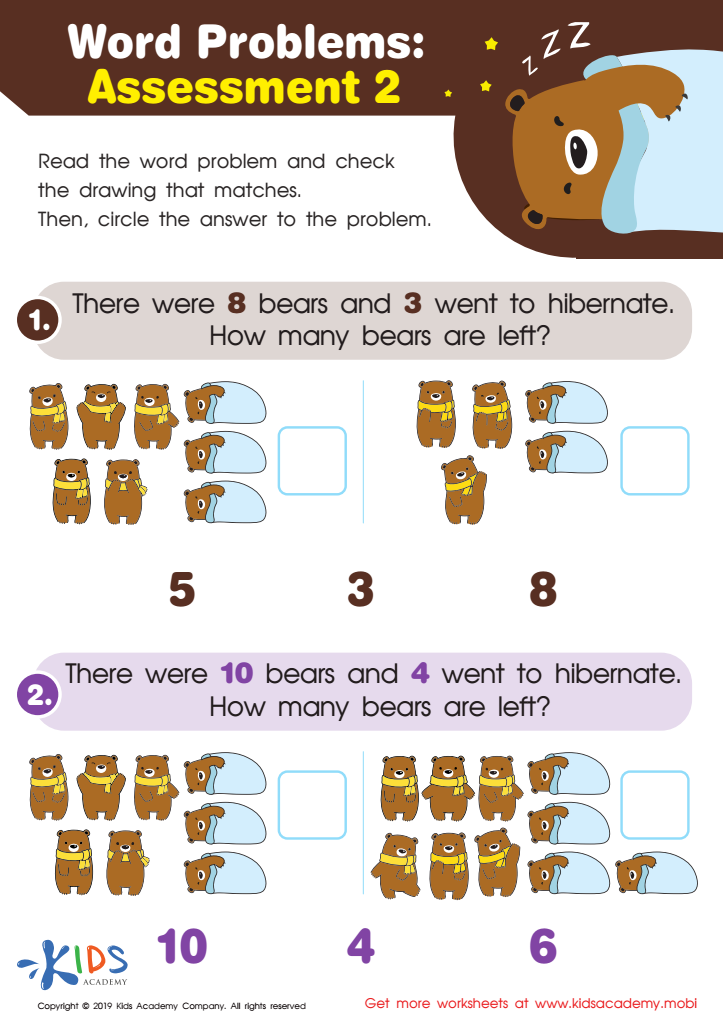
Word Problems: Assessment 2 Worksheet
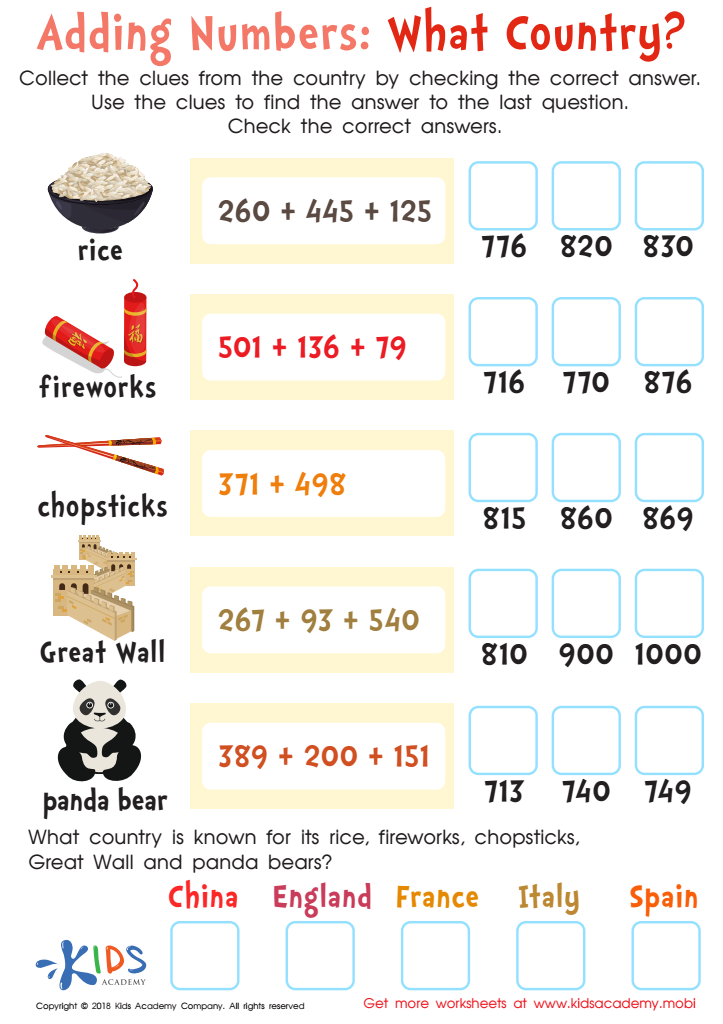
Adding Numbers: What Country Worksheet
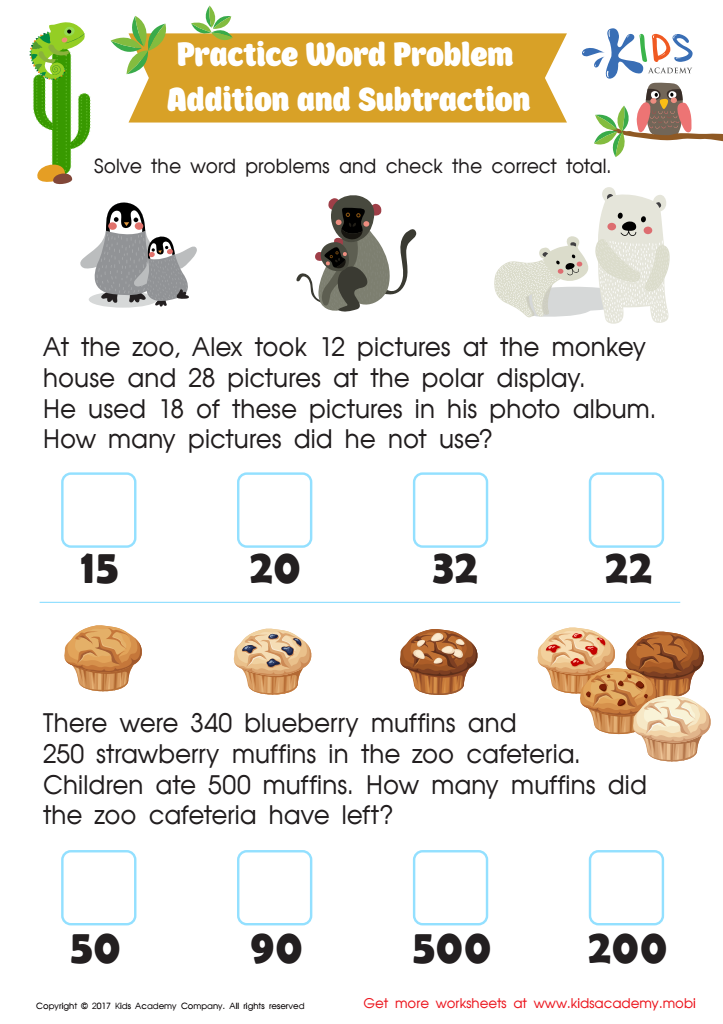
Addition and Subtraction: Word Problems Worksheet

Vegetable Gardens Worksheet
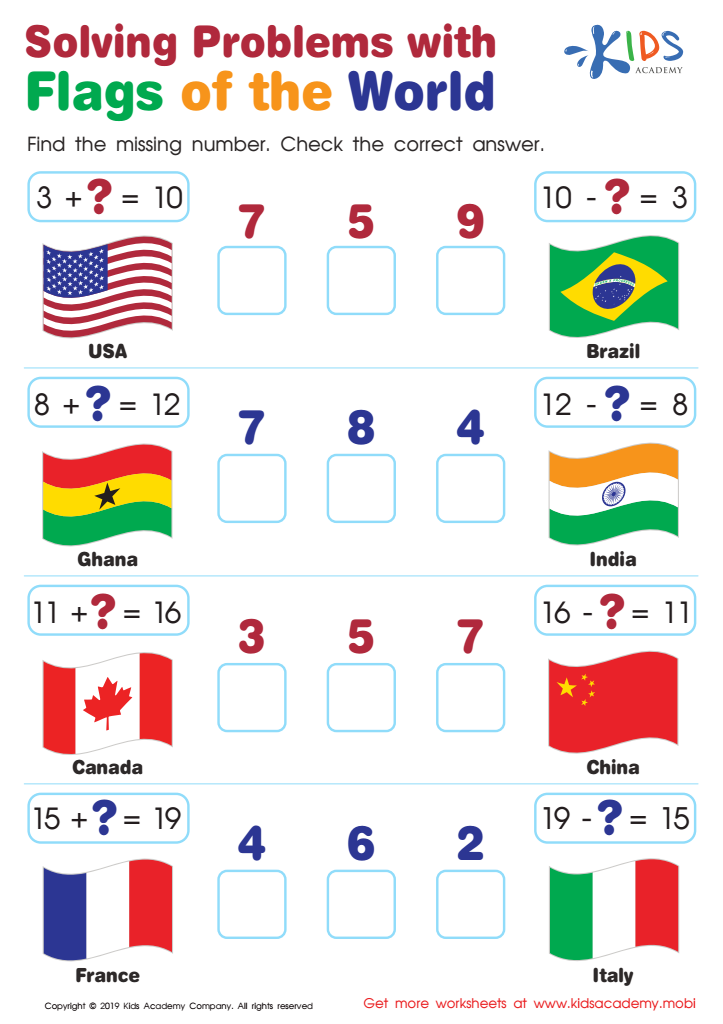
Solving Problems with Flags of the World Worksheet
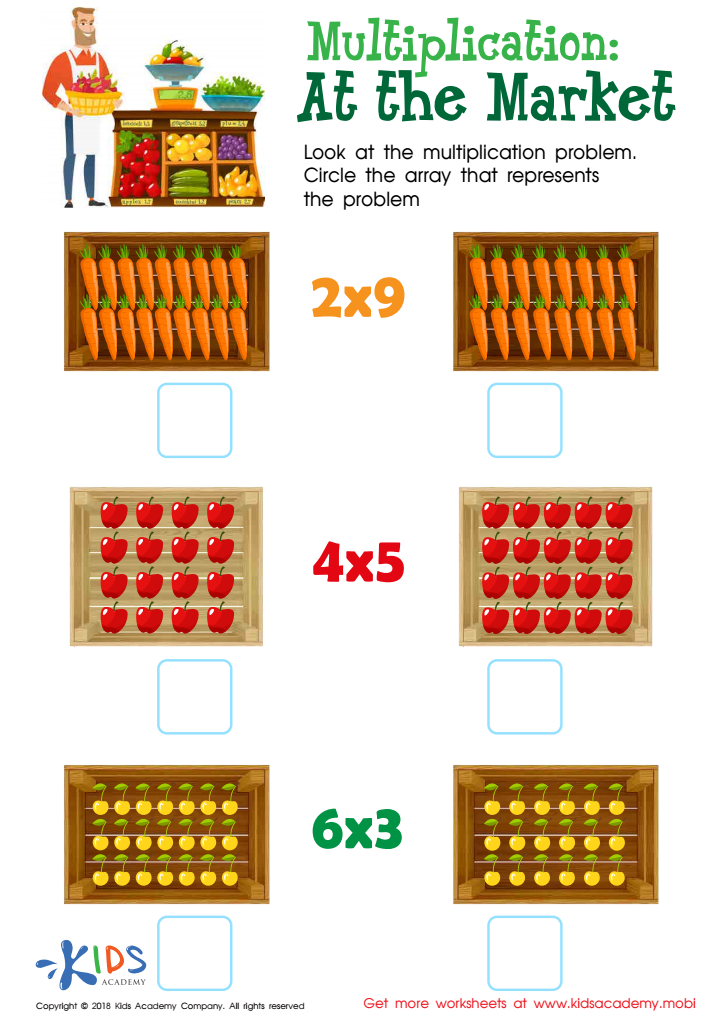
At the Market Worksheet
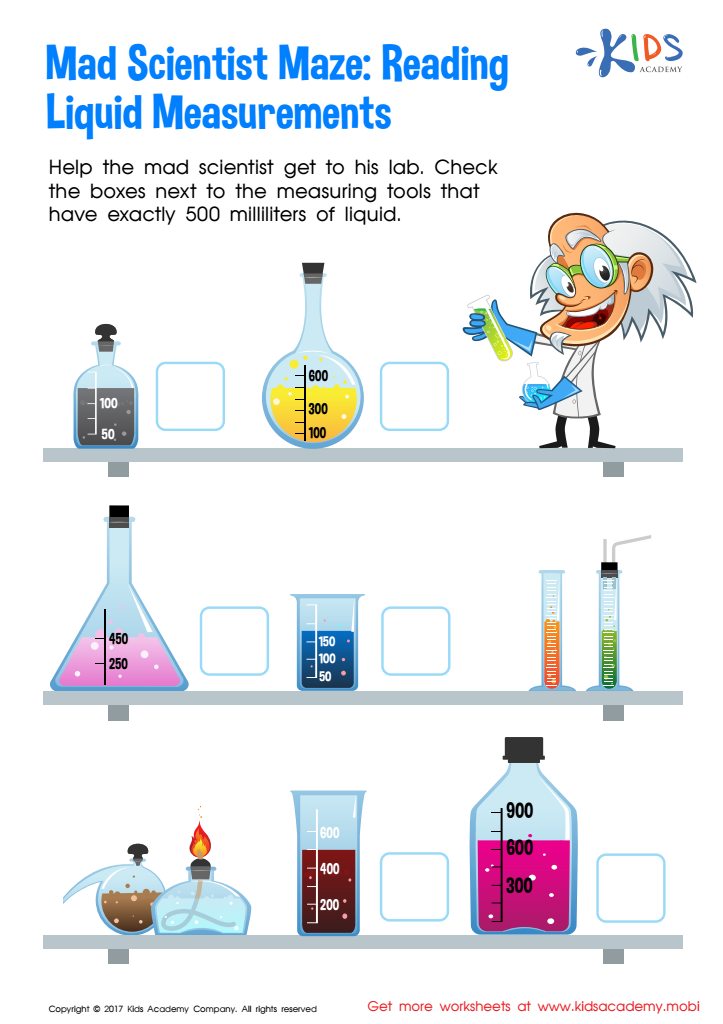
Reading Liquid Measurement Worksheet
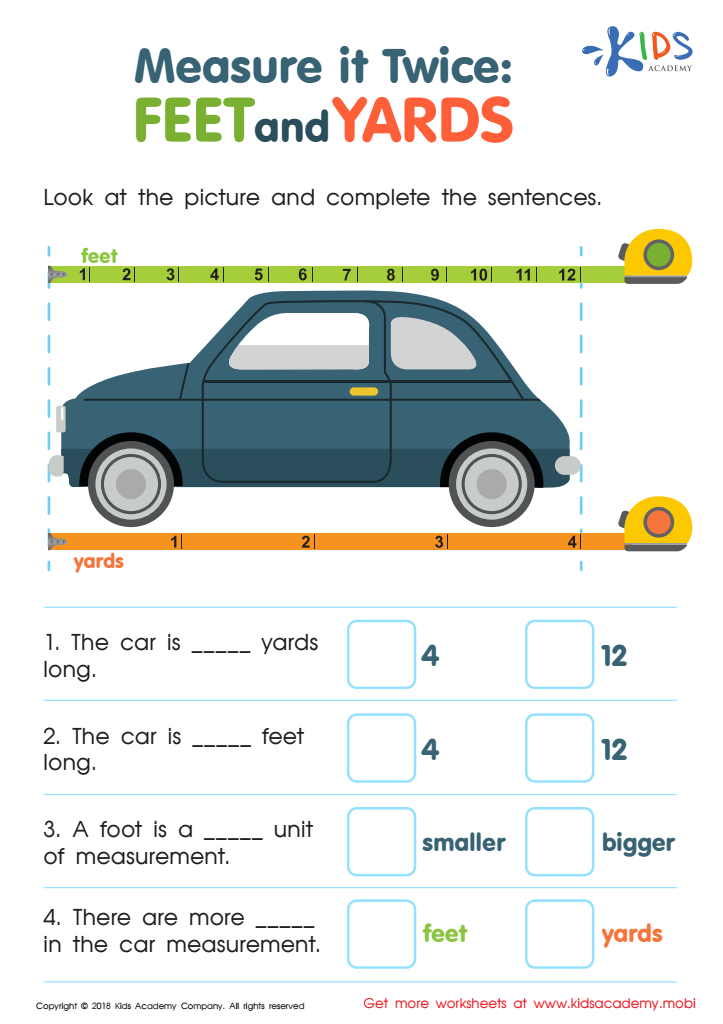
Measure It Twice: Feet and Yards Worksheet
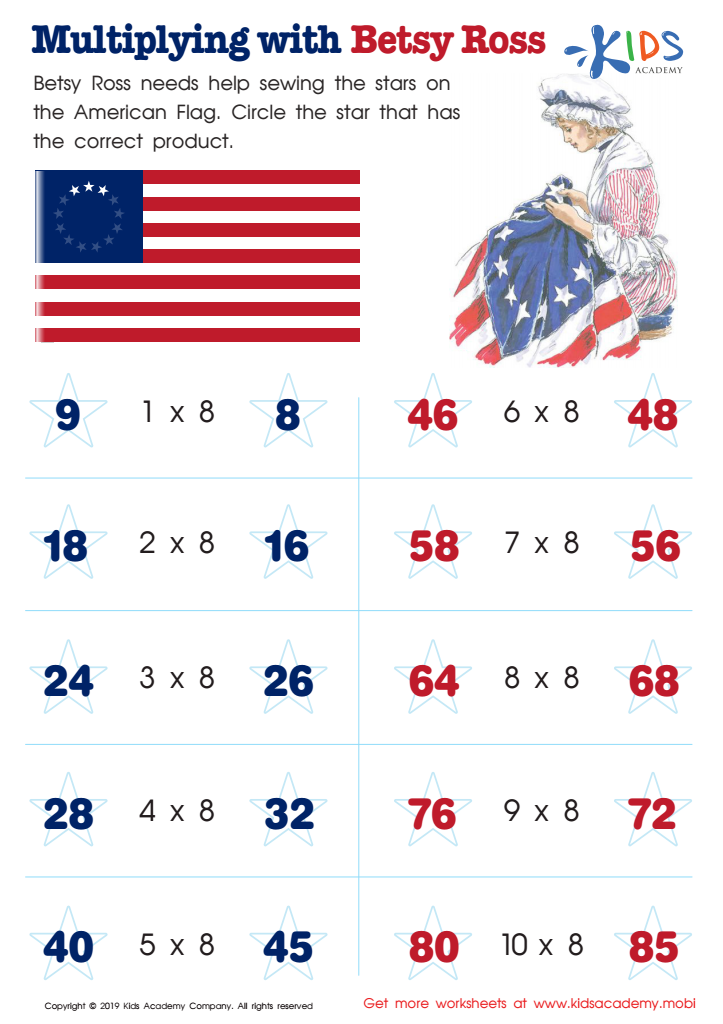
Multiplying with Betsy Ross Worksheet
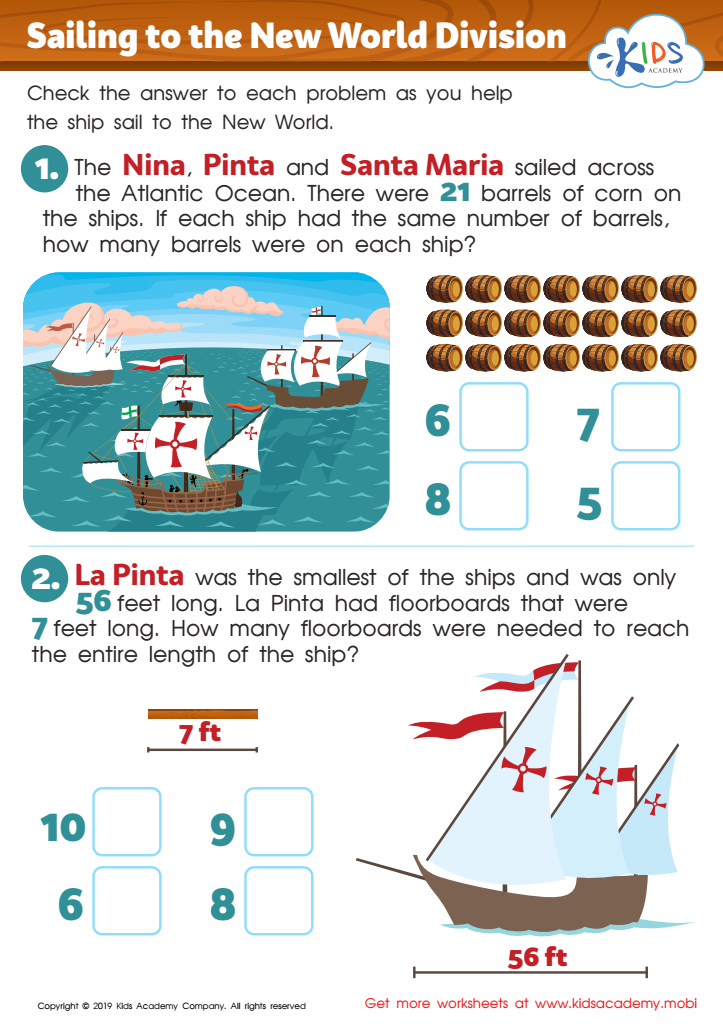
Sailing to the New World Division Worksheet
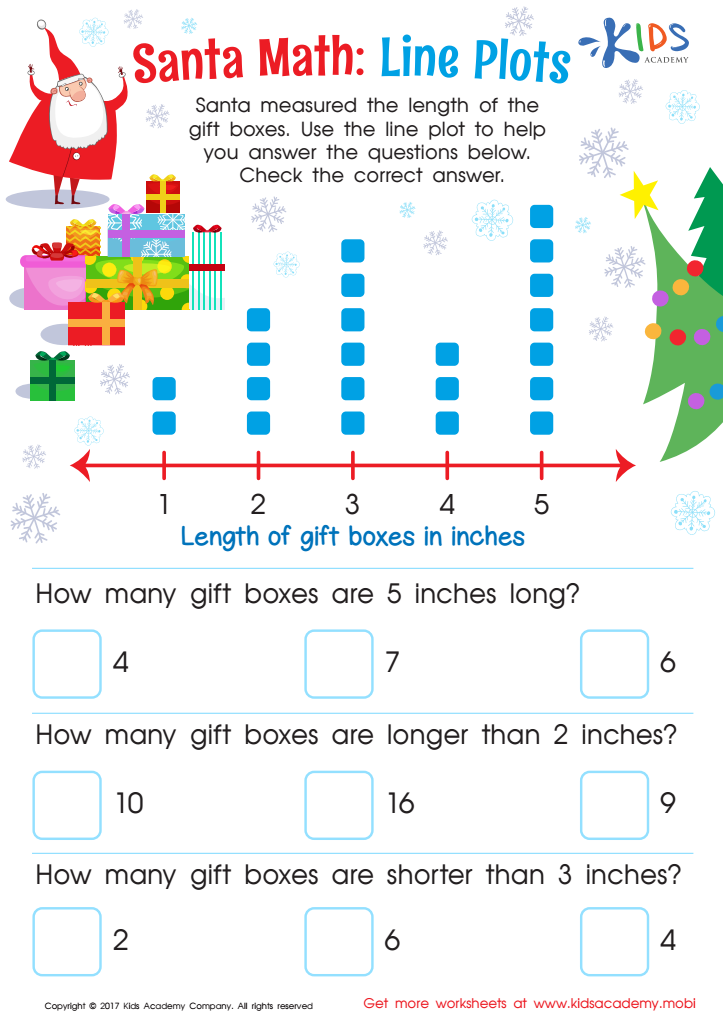
Line Plot Worksheet
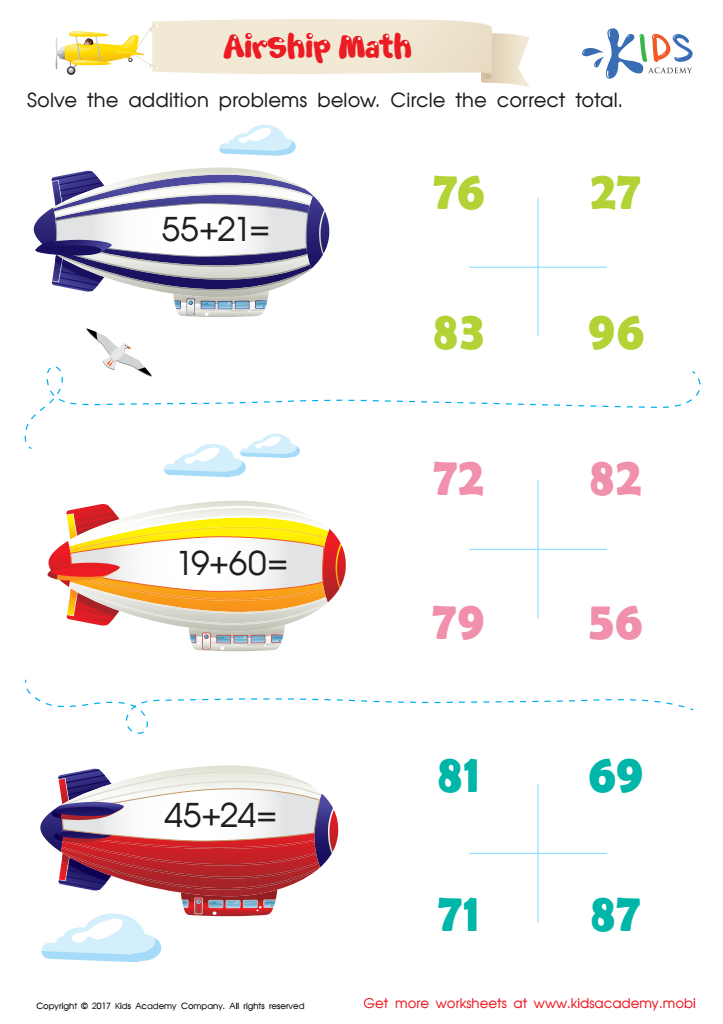
Airship Math Addition Printable
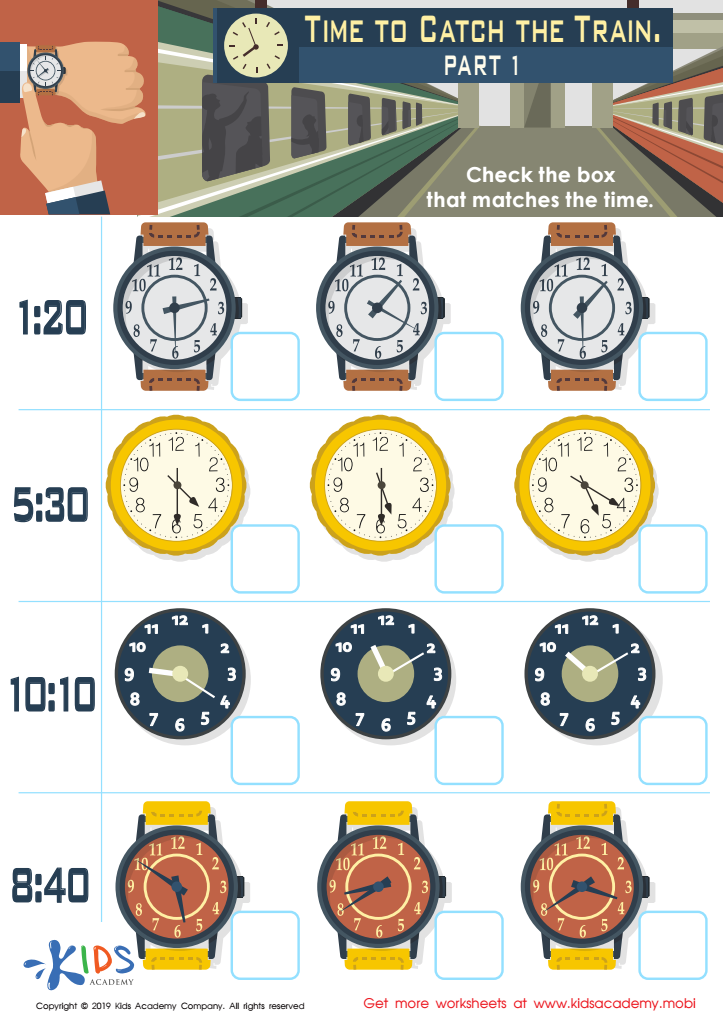
Time to Catch the Train Part 1 Worksheet
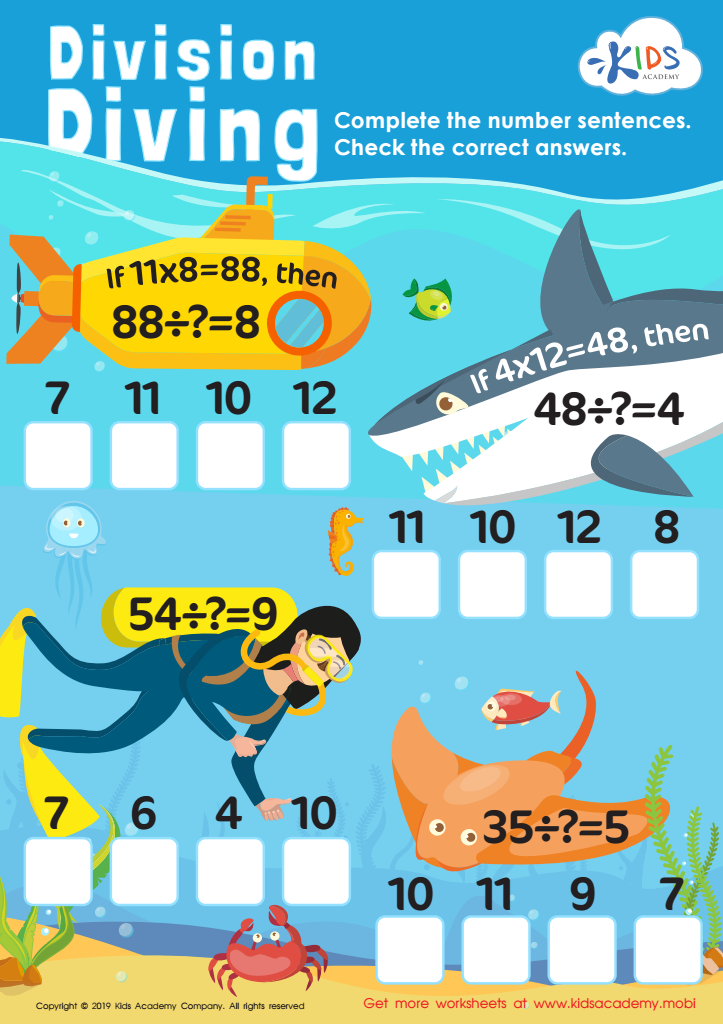
Division Diving Worksheet
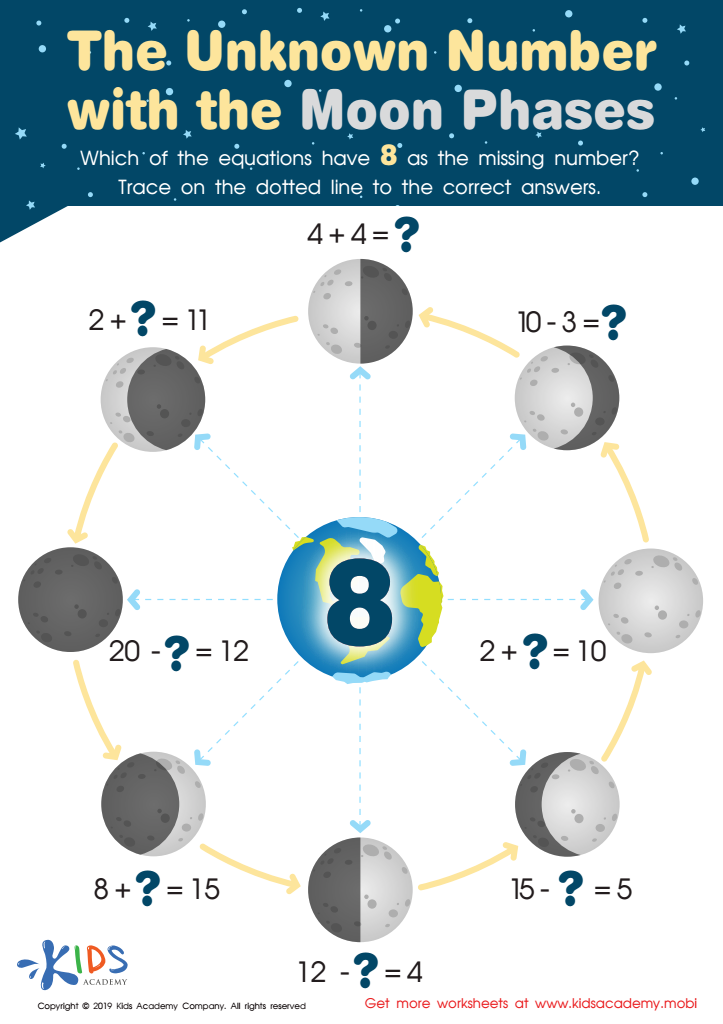
The Unknown Number with the Moon Phases Worksheet

Silhouettes – Shapes Worksheet
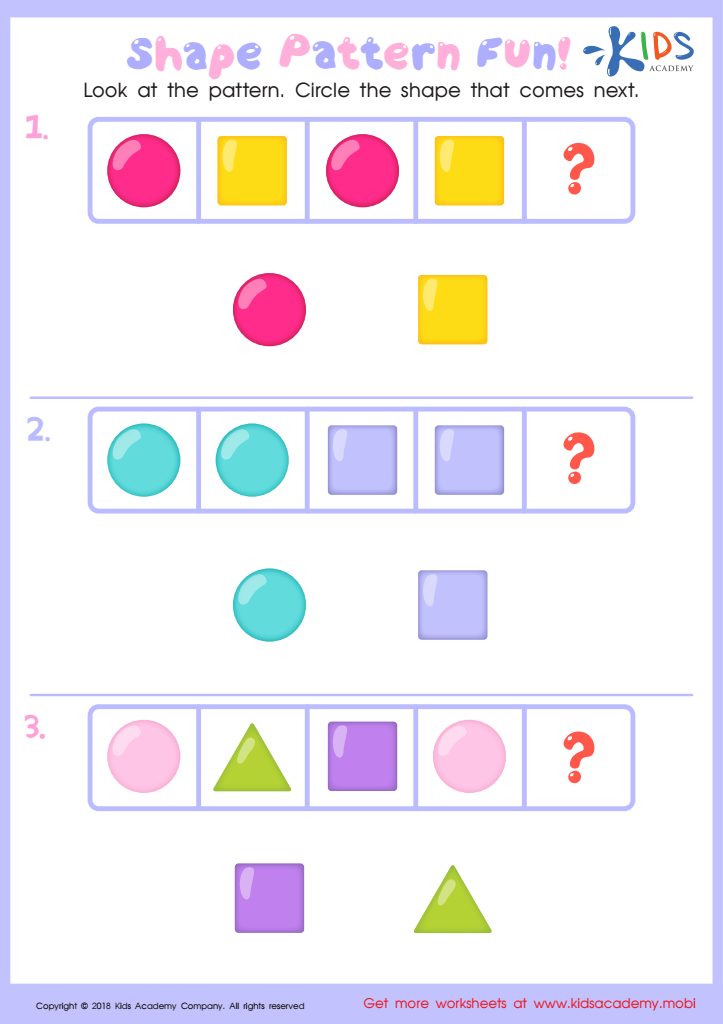
Shape Pattern Fun Worksheet
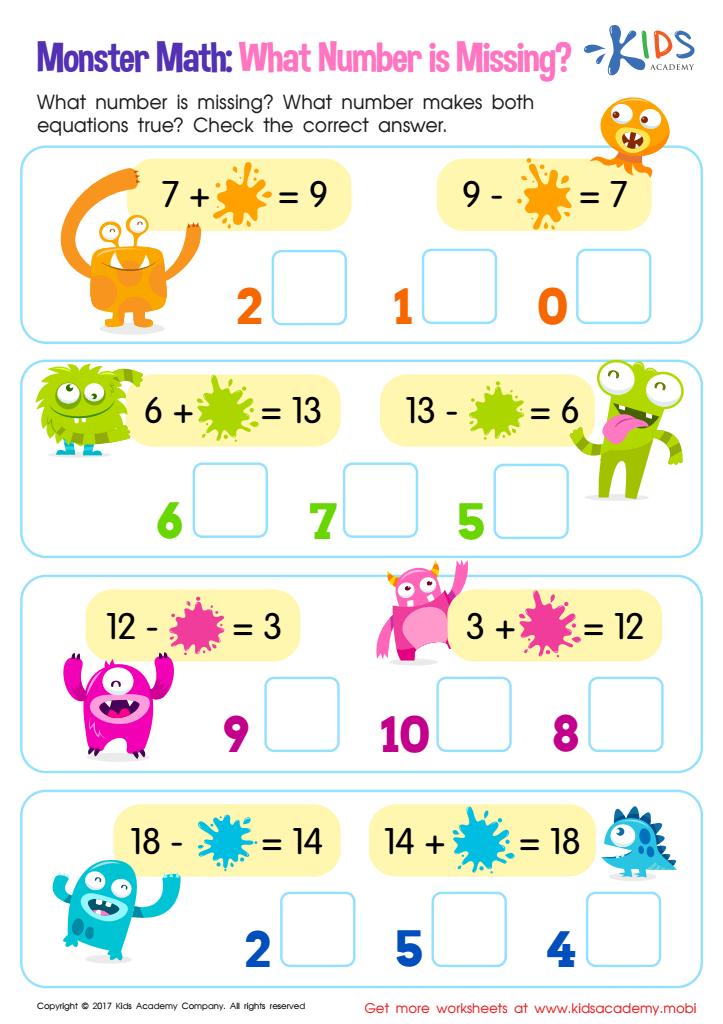
Missing Number: Monster Math Worksheet
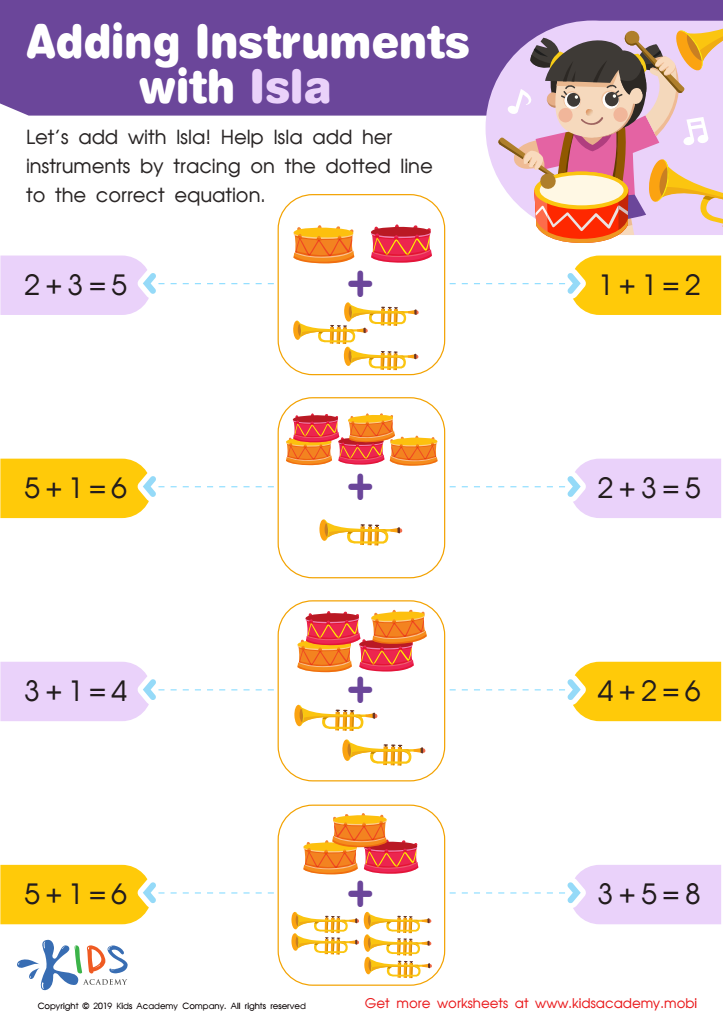
Adding Instruments with Isla Worksheet
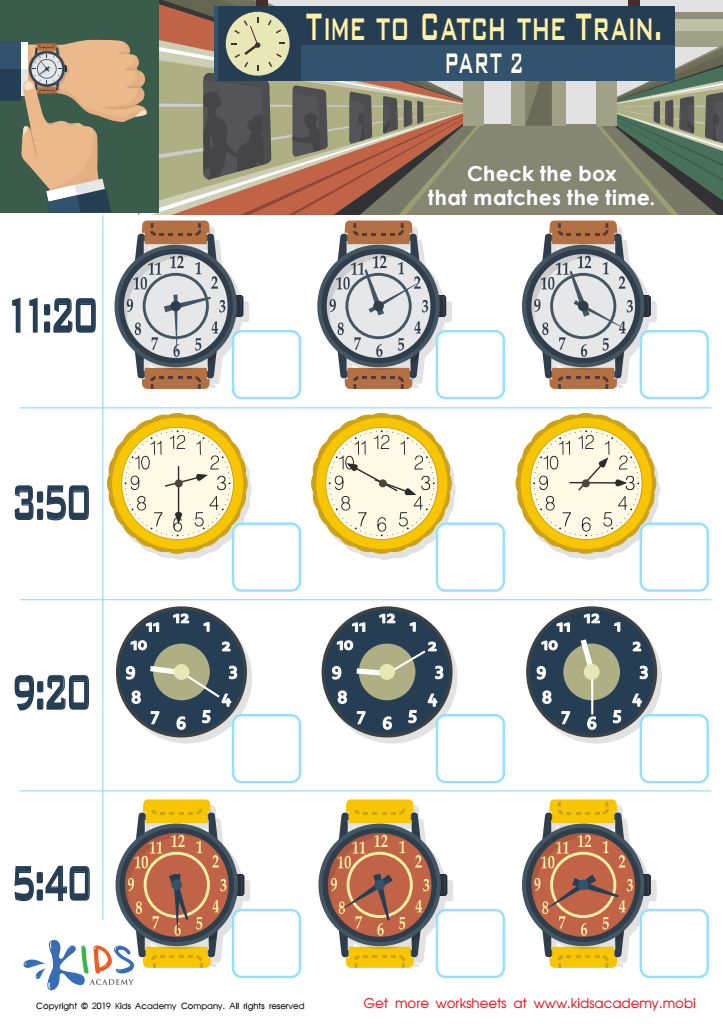
Time to Catch the Train Part 2 Worksheet








Problem-solving skills in early math education are crucial for children ages 3-9, as they form the foundation for critical thinking and analytical skills that extend beyond mathematics. Parents and teachers should care about these skills because they foster cognitive development, promoting the ability to analyze, reason, and approach challenges methodically.
At such a young age, integrating problem-solving activities into math helps children understand concepts like addition, subtraction, and simple patterns in a tangible way. Engaging children with real-world problems encourages them to think strategically and enhances their confidence in handling numerical challenges. Moreover, these skills aid in developing persistence and resilience; children learn that making mistakes is part of the learning process, which is vital for academic success.
Additionally, strong problem-solving abilities in early math can lead to greater academic performance in later years, as they equip kids with the tools to engage with more complex mathematical concepts. When parents and teachers actively support the development of these skills, they are not only cultivating mathematically proficient individuals but also well-rounded thinkers capable of tackling diverse life challenges. Ultimately, investing in problem-solving skills today paves the way for effective learners tomorrow.








