Critical Thinking Normal Science Worksheets for Ages 3-9
21 filtered results
-
From - To
Enhance your child’s cognitive development with our "Critical Thinking Normal Science Worksheets for Ages 3-9" available at Kids Academy! Designed for young learners, these engaging worksheets foster essential problem-solving and analytical skills through fun and educational science activities. Suitable for children aged 3-9, our resources encourage curiosity and ingenuity, helping kids to grasp foundational scientific concepts while developing their critical thinking abilities. Explore our diverse collection that includes interactive puzzles, thought-provoking questions, and hands-on experiments, all meticulously crafted to nurture a love for learning and discovery. Unlock your child’s potential with our comprehensive, skill-enhancing worksheets today!
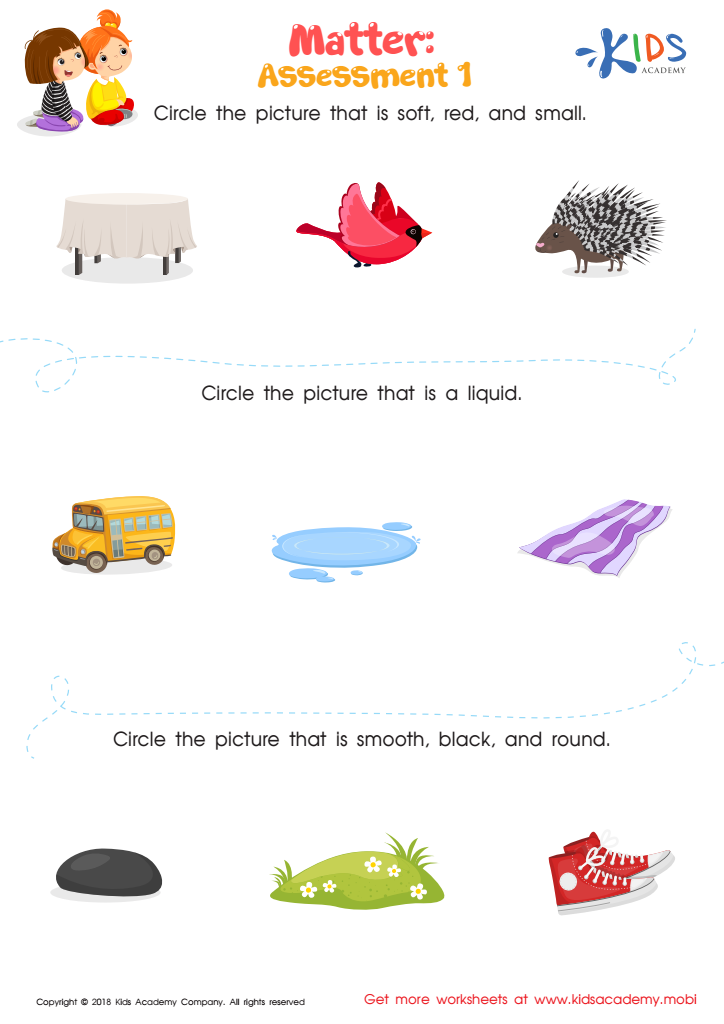
Matter: Assessment 1 Worksheet
 Assign to My Students
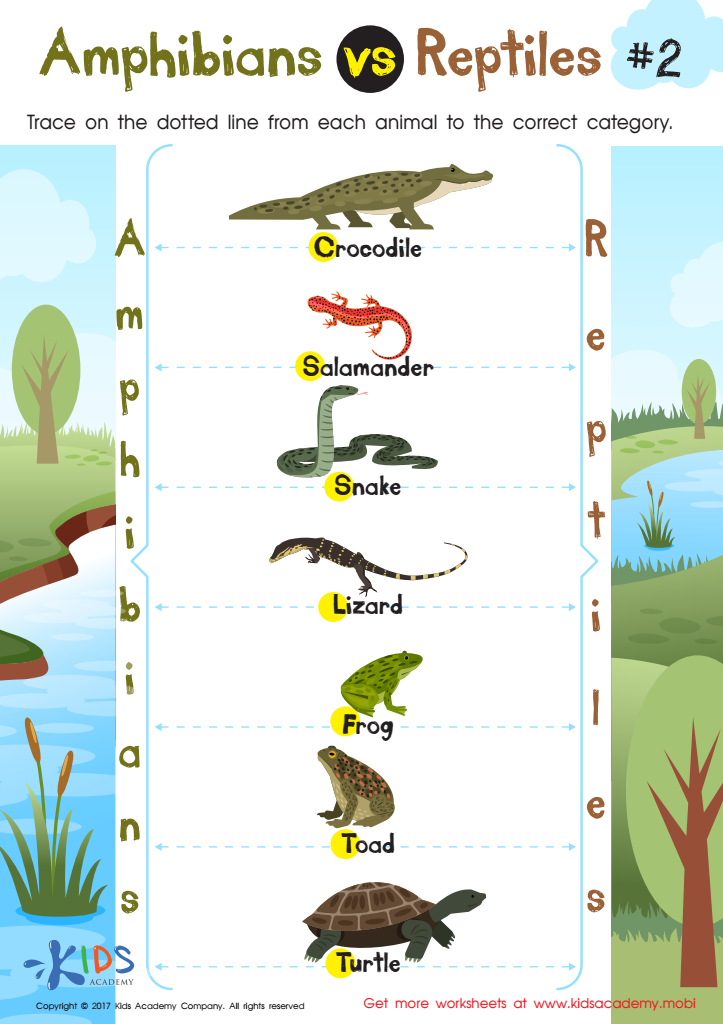
Amphibians vs Reptiles Worksheet for 3rd Grade
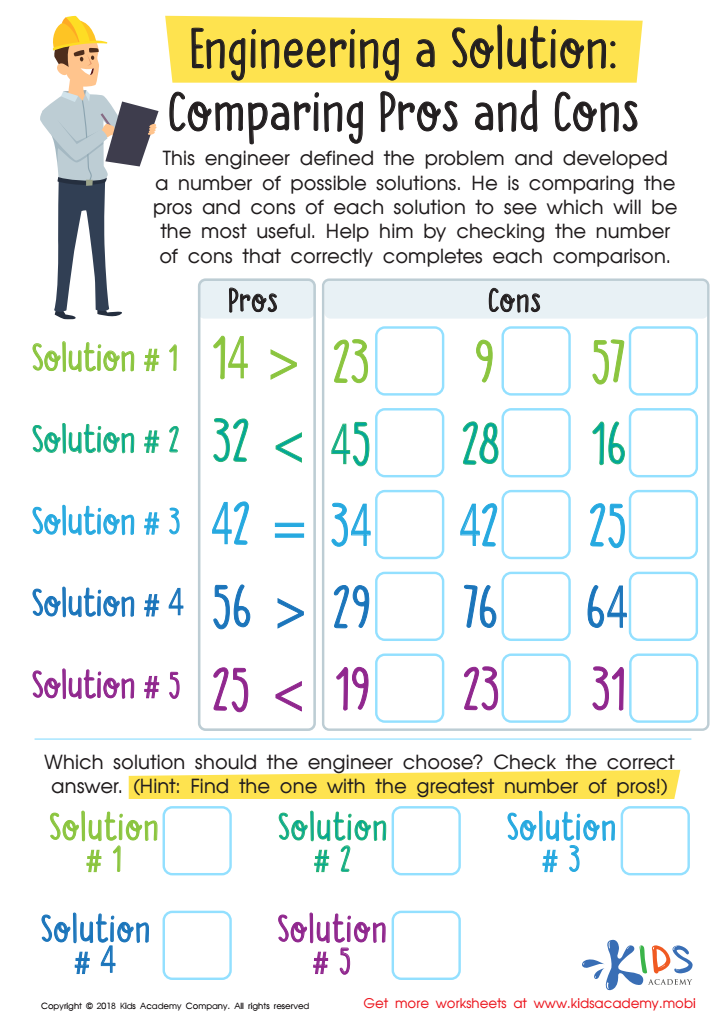
Engineering a Solution: Comparing Pros and Cons Worksheet
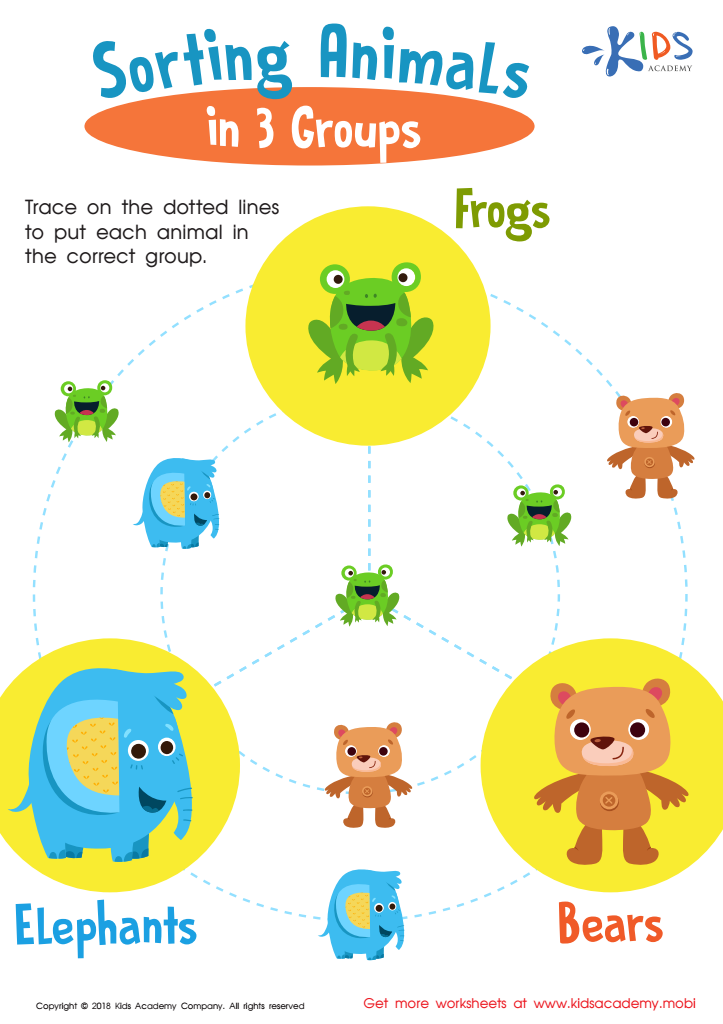
Sorting Animals in 3 Groups Worksheet
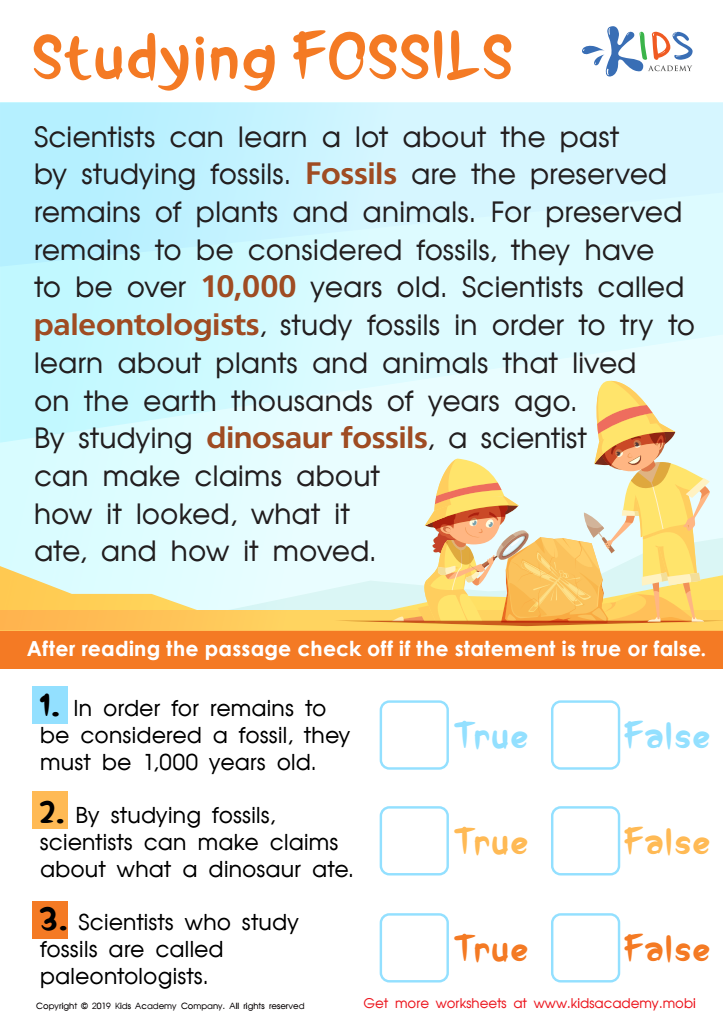
Studying Fossils Worksheet
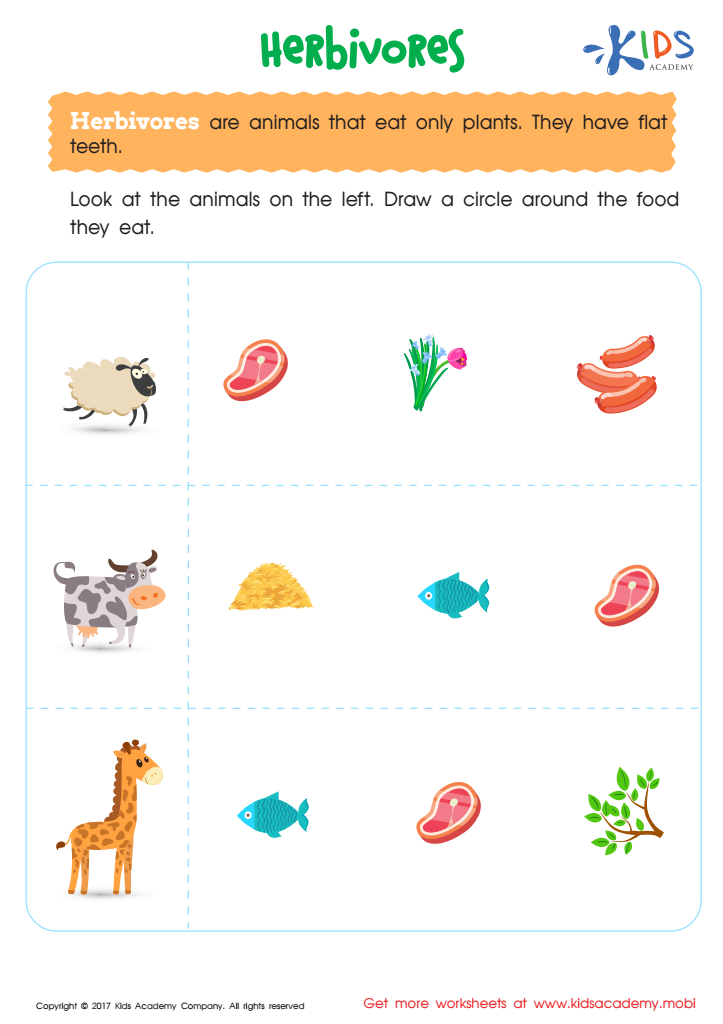
Herbivores Printable
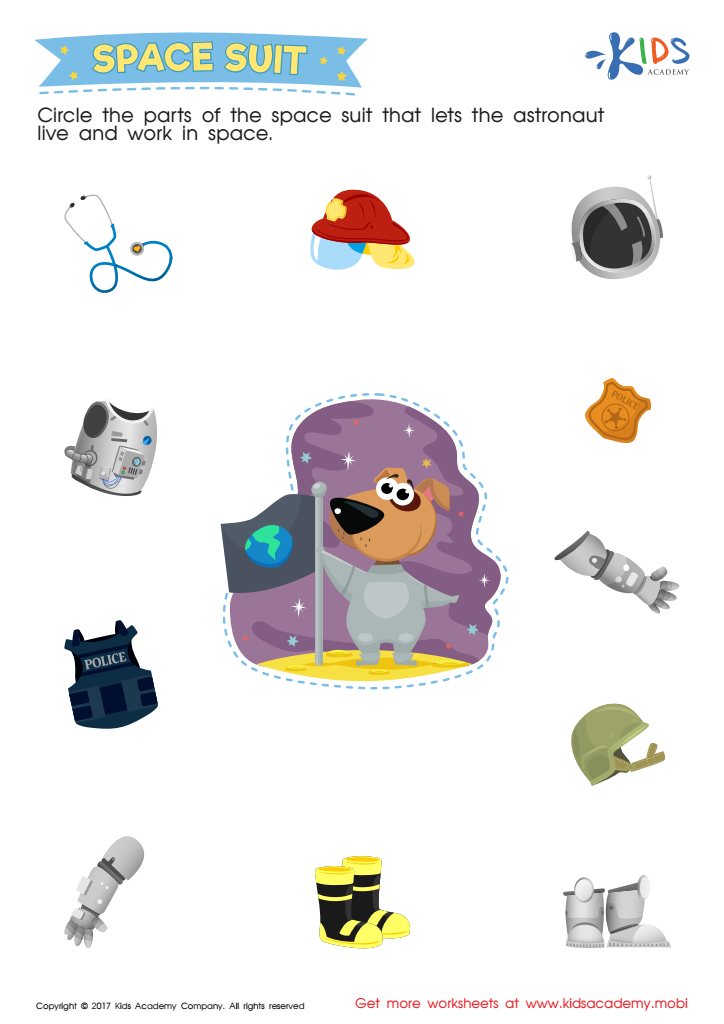
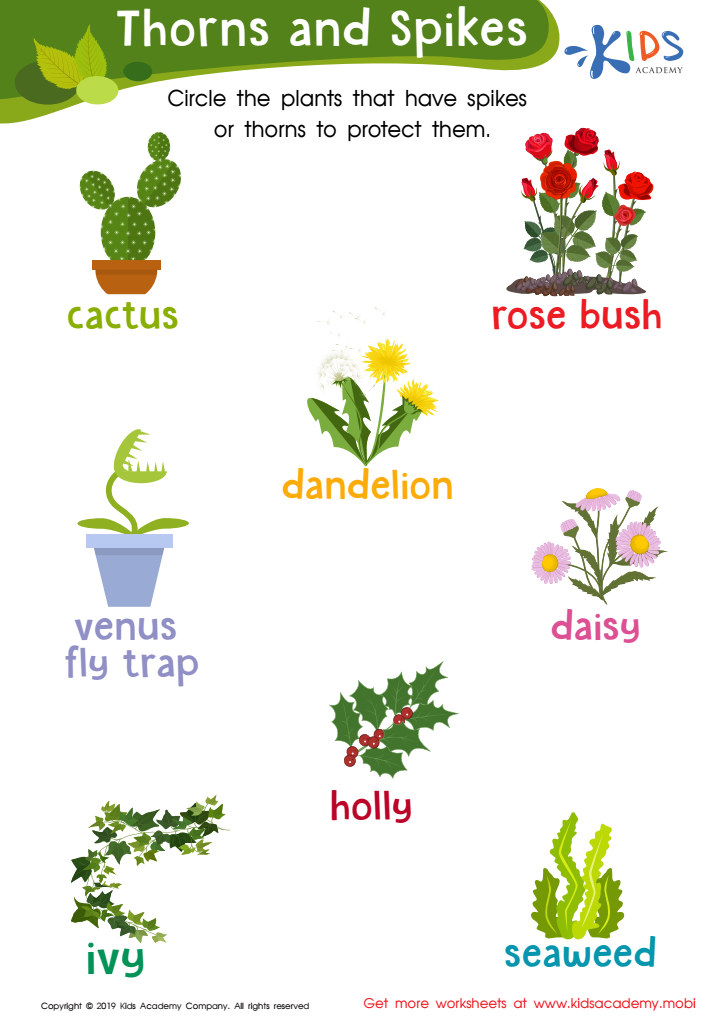
Thorns and Spikes Worksheet
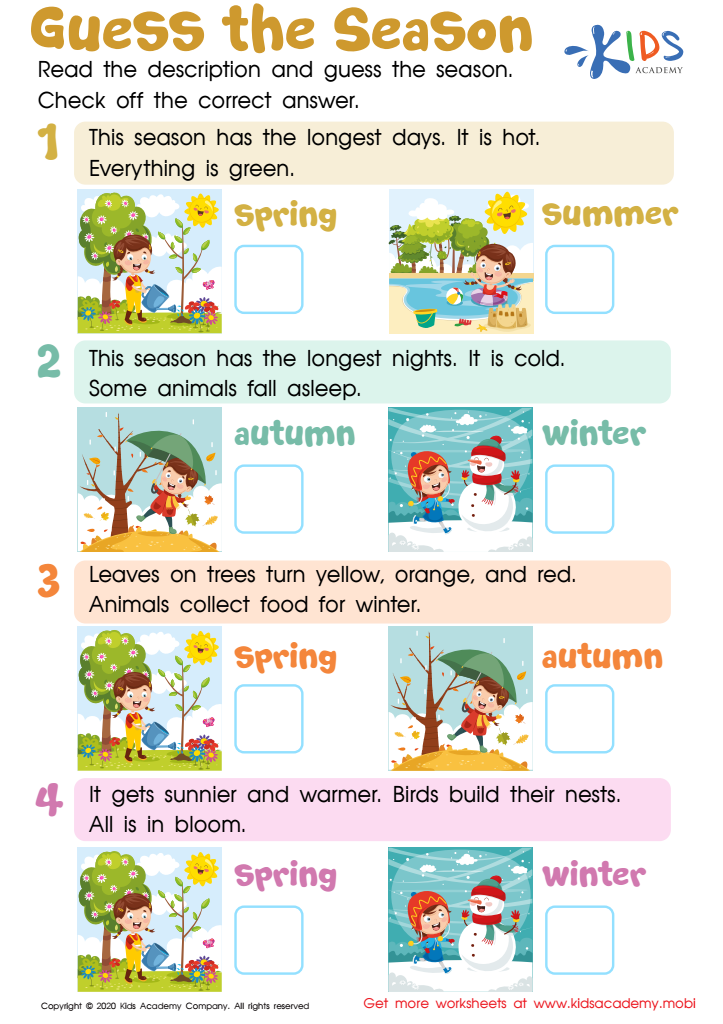
Guess the Season Worksheet
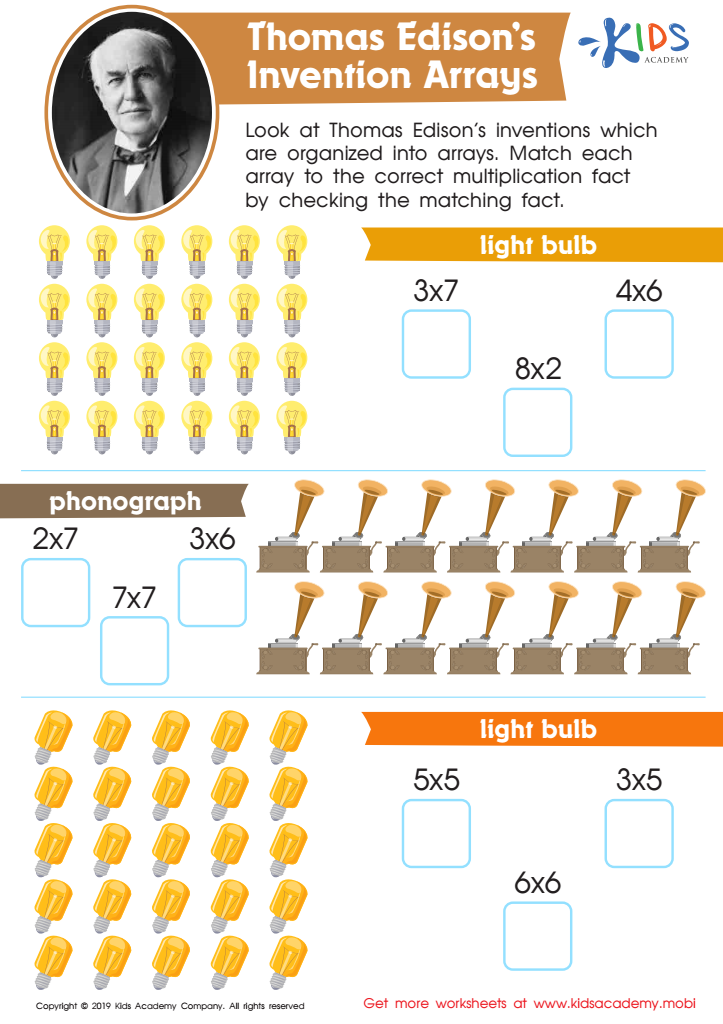
Thomas Edison’s Invention Arrays Worksheet
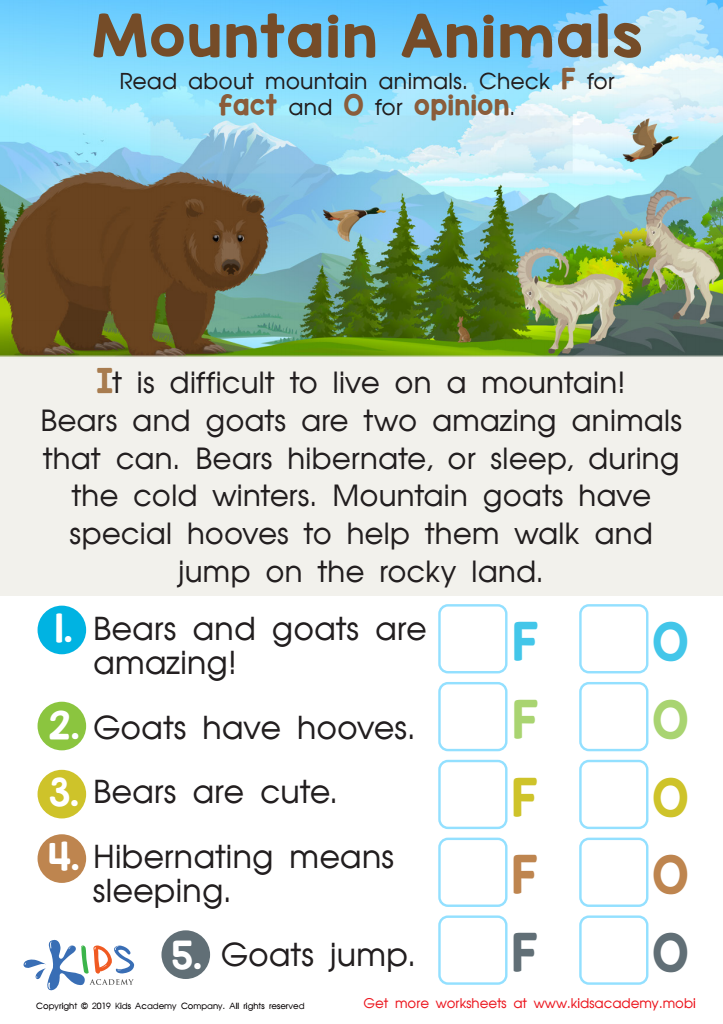
Mountain Animals Worksheet
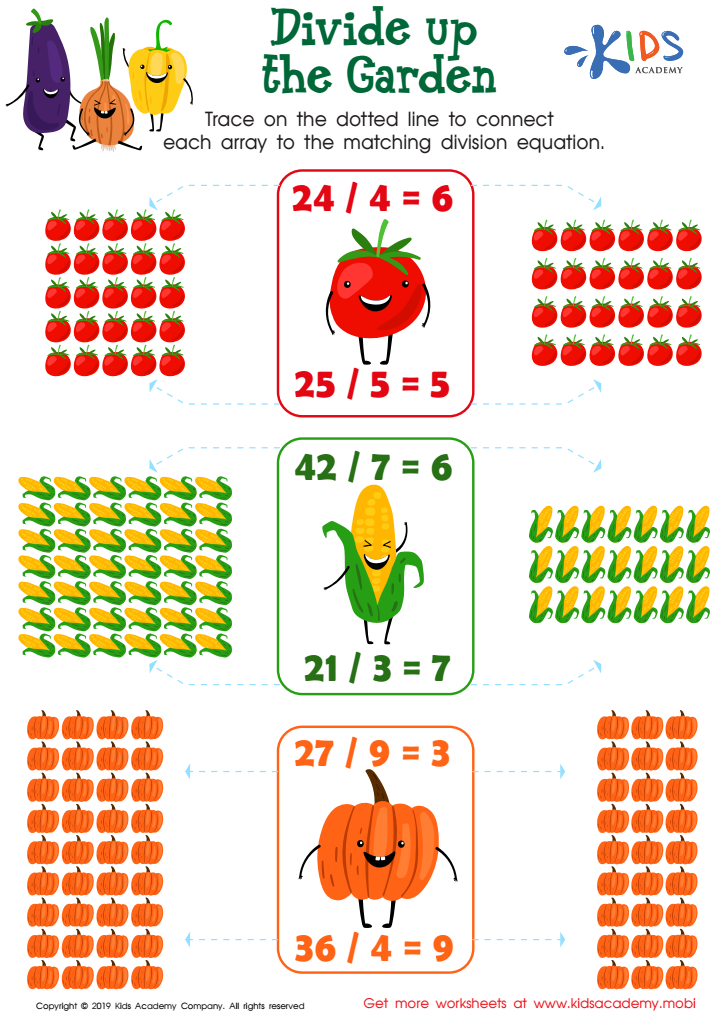
Divide up the Garden Worksheet
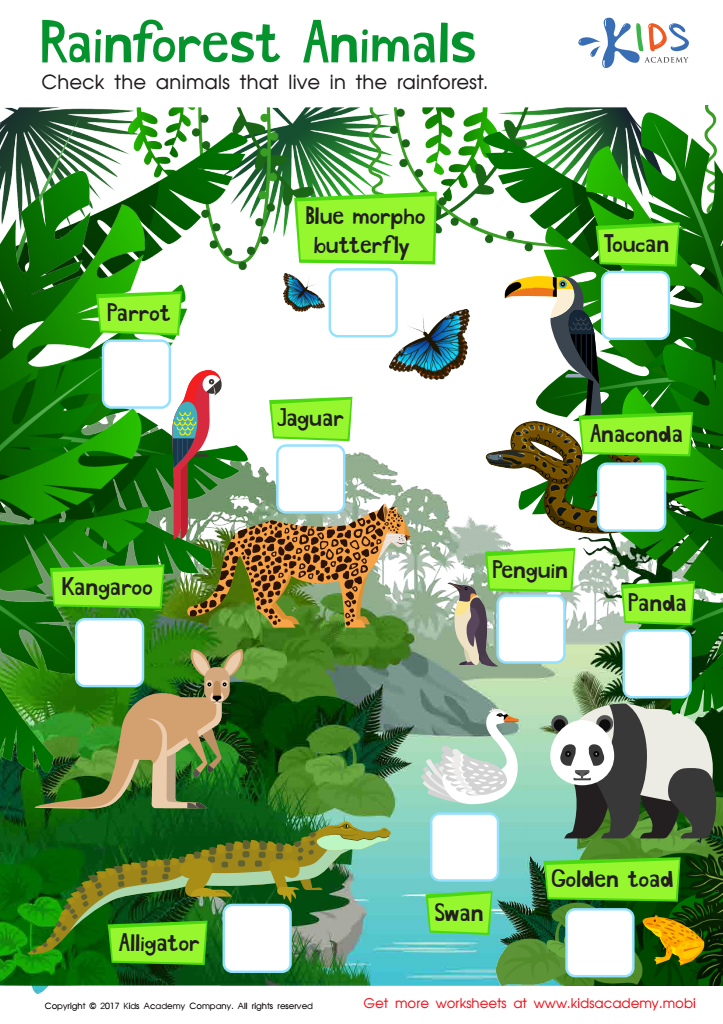
Rainforest Animals Worksheet
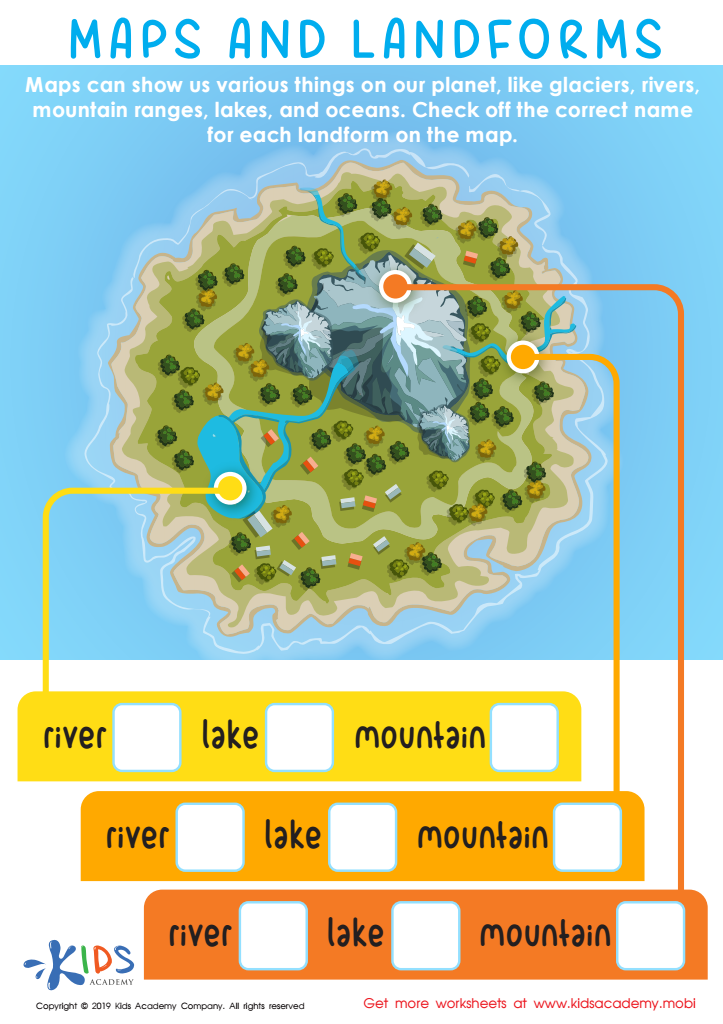
Maps and Landforms Worksheet
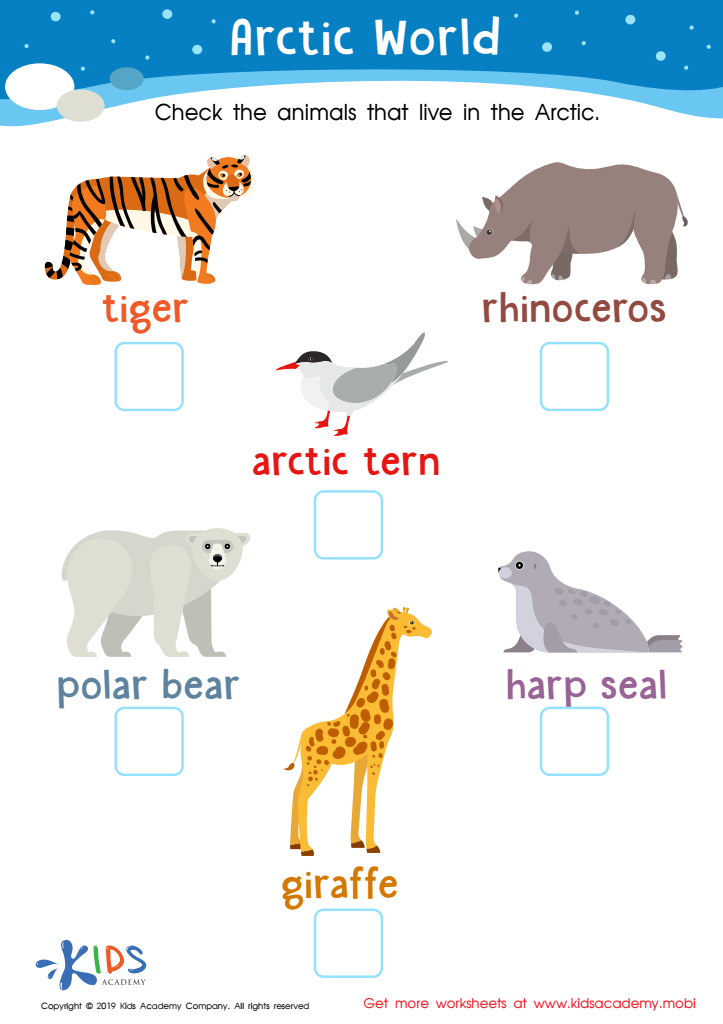
Arctic World Worksheet
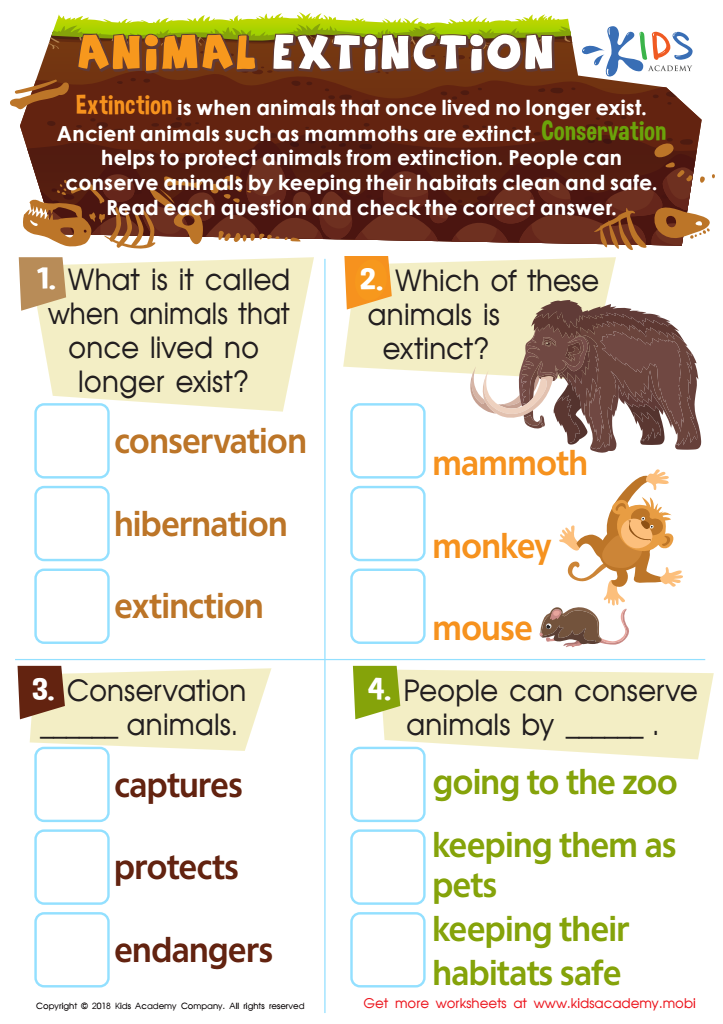
Animal Extinction Worksheet
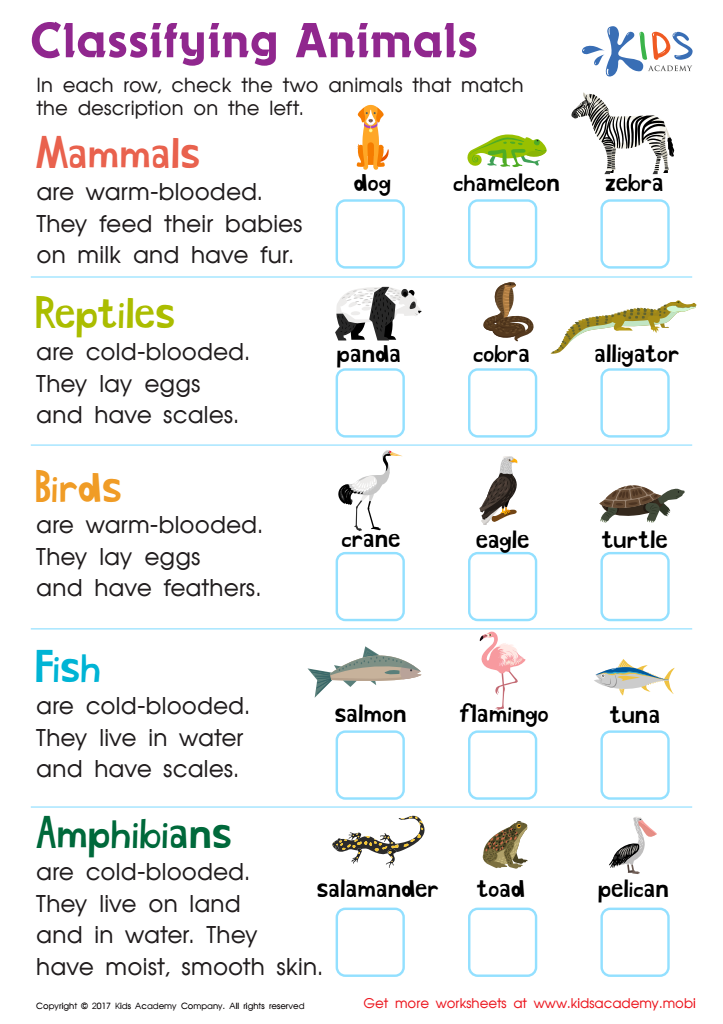
Classifying Animals Worksheet
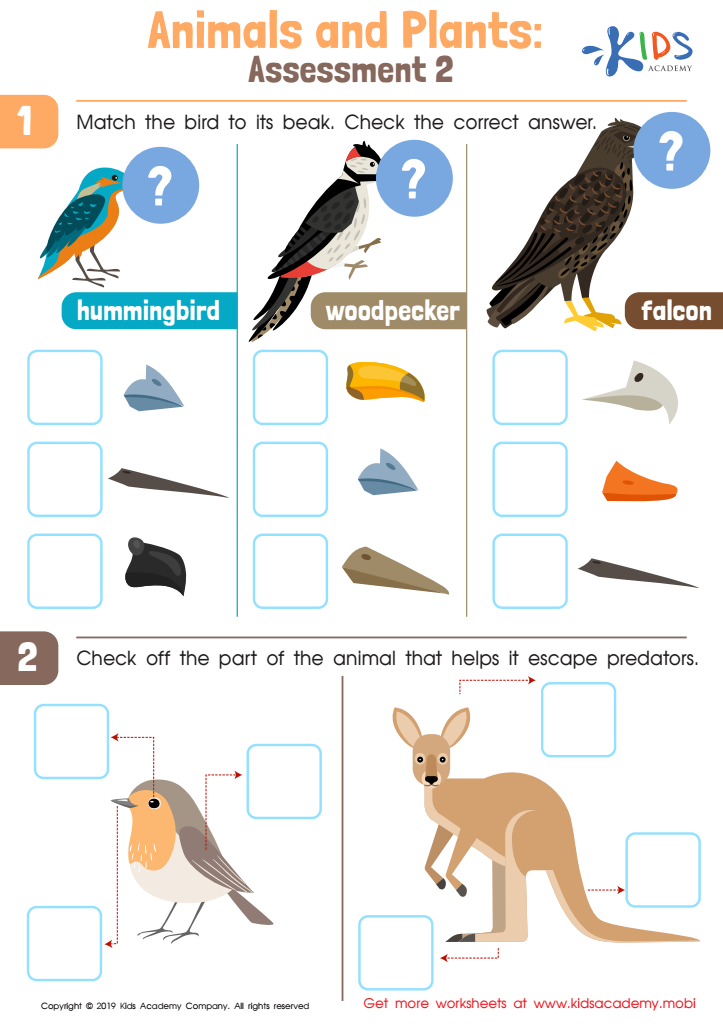
Animals and Plants: Assessment 2 Worksheet
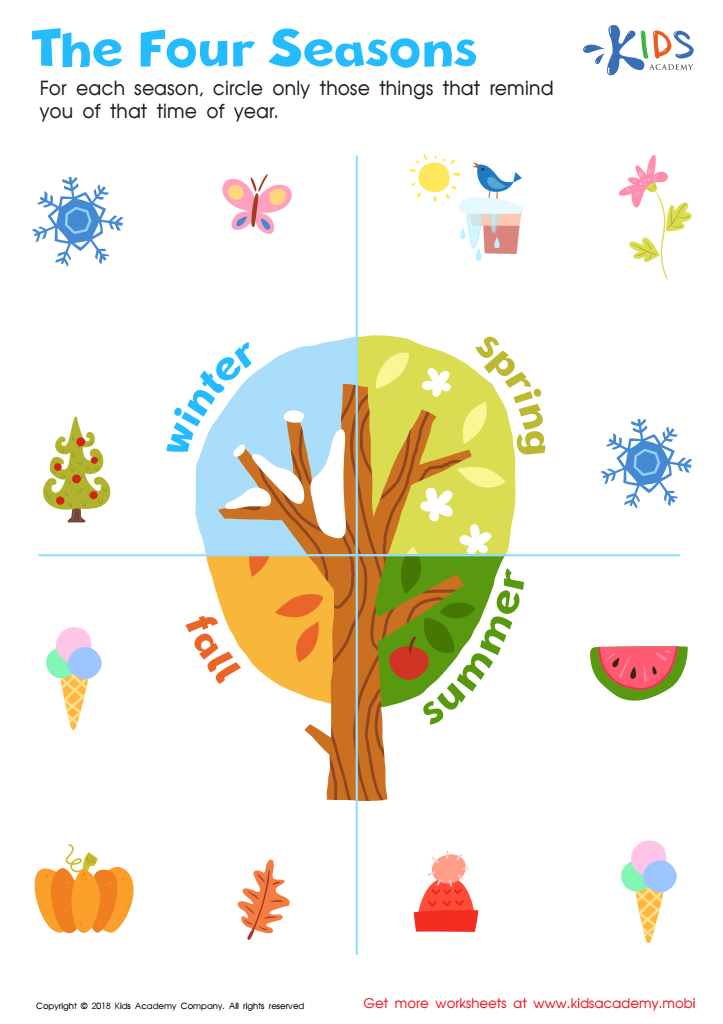
The Four Seasons Worksheet
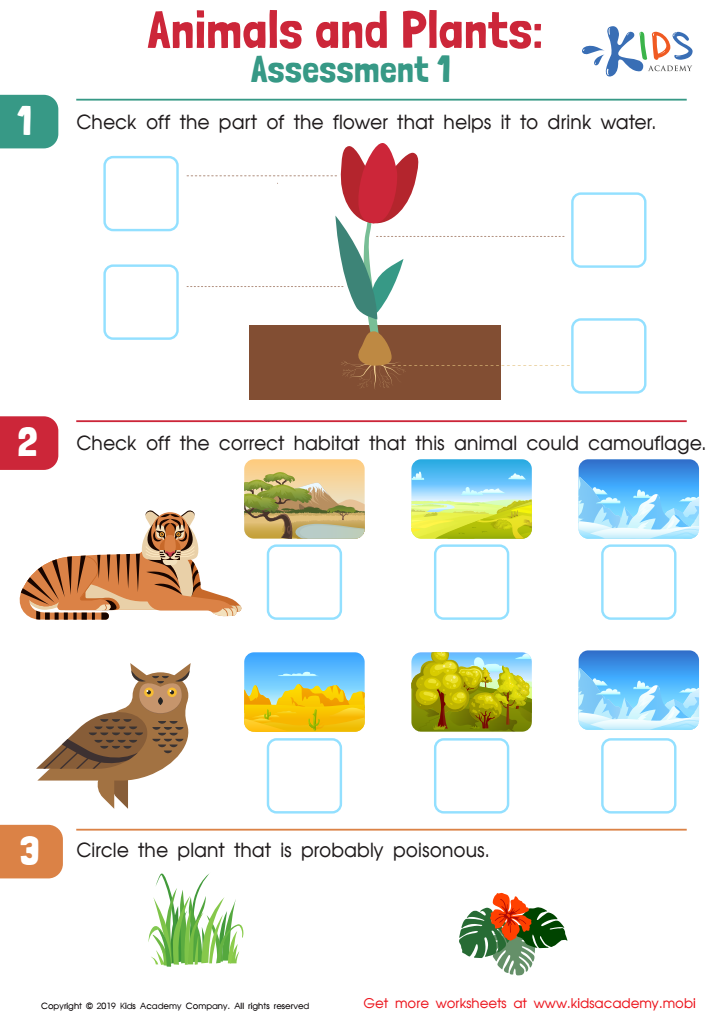
Animals and Plants: Assessment 1 Worksheet








Parents and teachers should care about critical thinking and normal science for children aged 3-9 because these foundational skills are essential for fostering curiosity, problem-solving abilities, and a love for learning. Critical thinking encourages children to question, analyze, and evaluate information rather than passively accepting it, which is crucial in developing independent thought and resilience. At this young age, children's brains are highly adaptable and capable of absorbing new information rapidly. By introducing them to critical thinking concepts early, we provide them with the tools they need to understand and make sense of the world around them.
Normal science, which refers to everyday scientific activities and phenomena, can be introduced through age-appropriate experiments and observations. Engaging in simple scientific investigations helps children understand cause-and-effect relationships, hone their observation skills, and nurture their natural curiosity. For example, watching plant growth, mixing basic substances to see reactions, or exploring what sinks and floats, teaches them to ask questions and seek evidence.
These experiences not only make learning fun but also lay the groundwork for more complex scientific thinking and reasoning in later years. Ultimately, fostering critical thinking and early scientific exploration prepares children for academic success and helps them become thoughtful, informed, and innovative individuals.







