Logical Reasoning Normal Worksheets for 3-Year-Olds
10 filtered results
-
From - To
Explore our engaging "Logical Reasoning Normal Worksheets for 3-Year-Olds"! Designed to stimulate young minds, these worksheets feature fun activities that enhance critical thinking and problem-solving skills. Perfect for preschoolers, they encourage children to identify patterns, categorize objects, and understand relationships. Each worksheet is tailored to keep little learners entertained while fostering their cognitive development. Parents and educators can easily print out these age-appropriate resources, making learning both accessible and convenient. Support your child's growth in logic and reasoning with our thoughtfully crafted worksheets, offering a fun way to build essential skills that lay the foundation for future learning success!
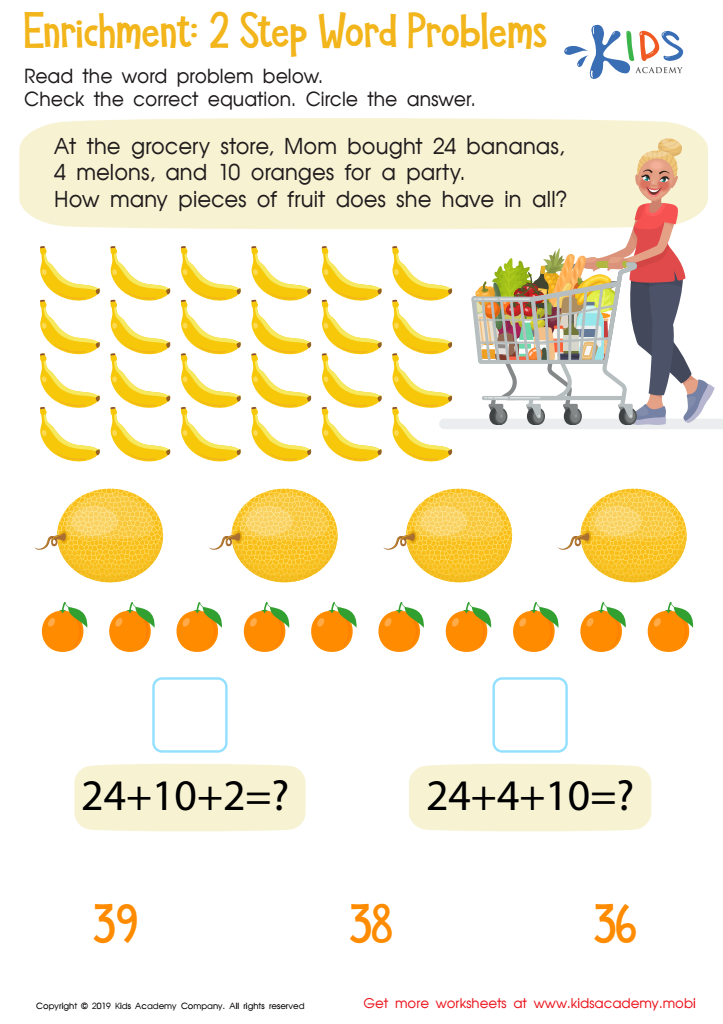
Enrichment -2 Step Word Problems Worksheet
 Assign to My Students
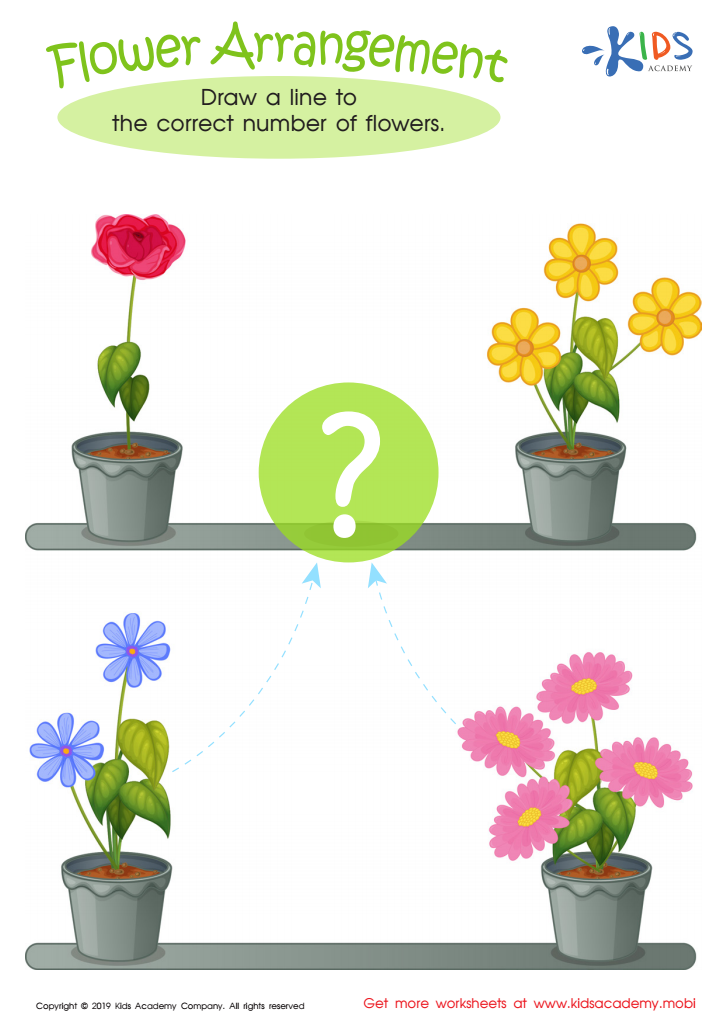
Flower Arrangement Worksheet
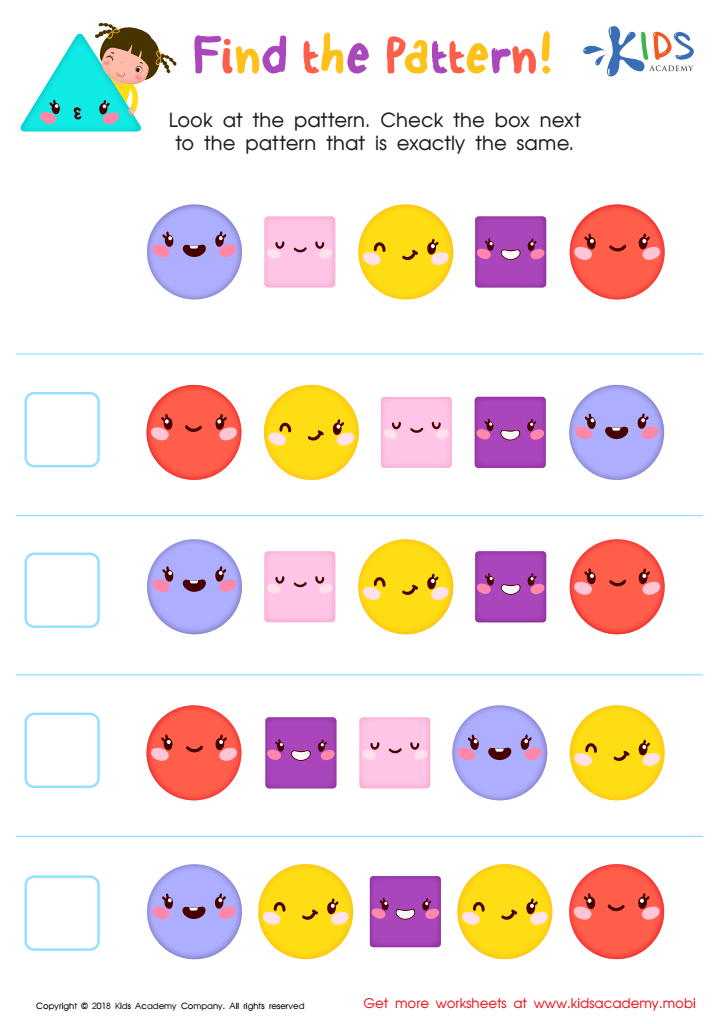
Find the Pattern Worksheet
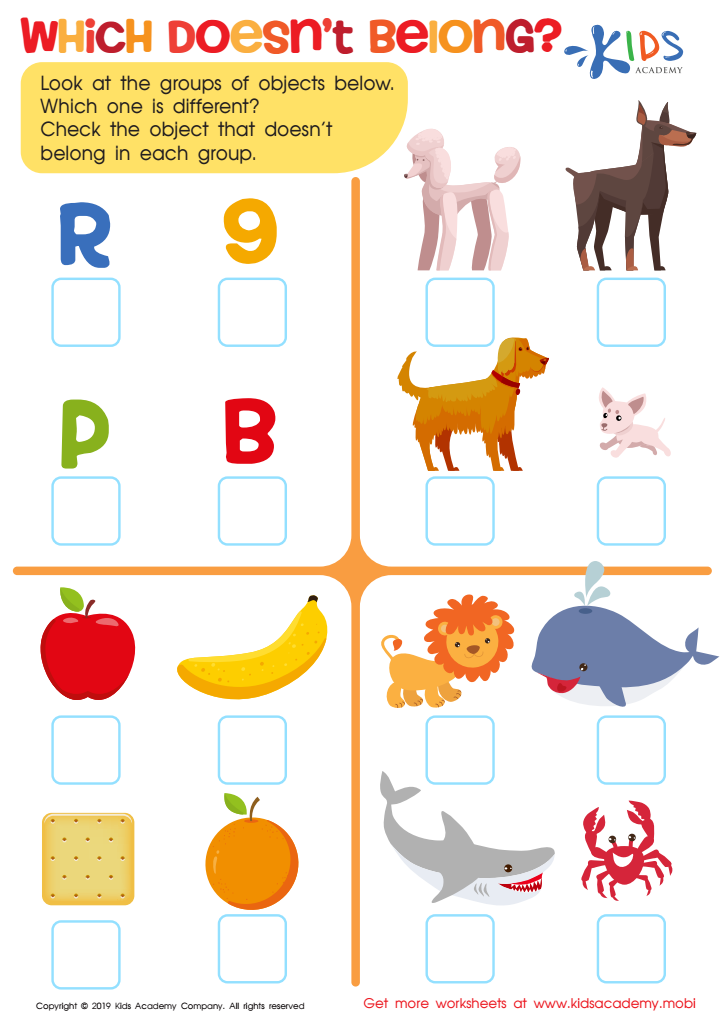
Which Doesn't Belong? Worksheet
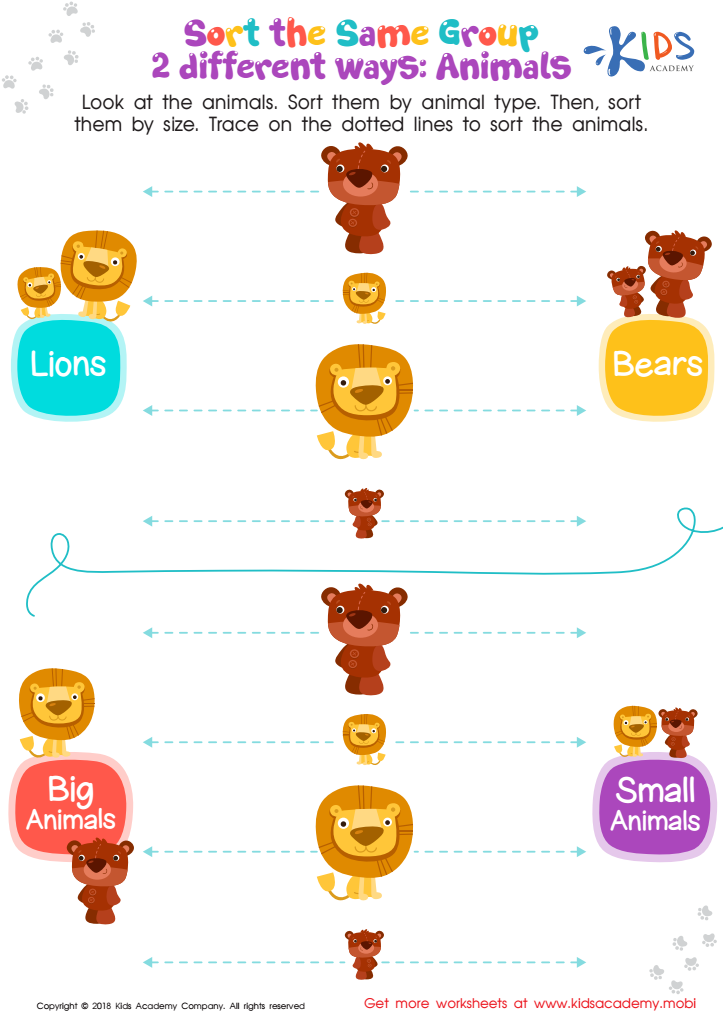
Sort the Same Group 2 Different Ways: Animals Worksheet
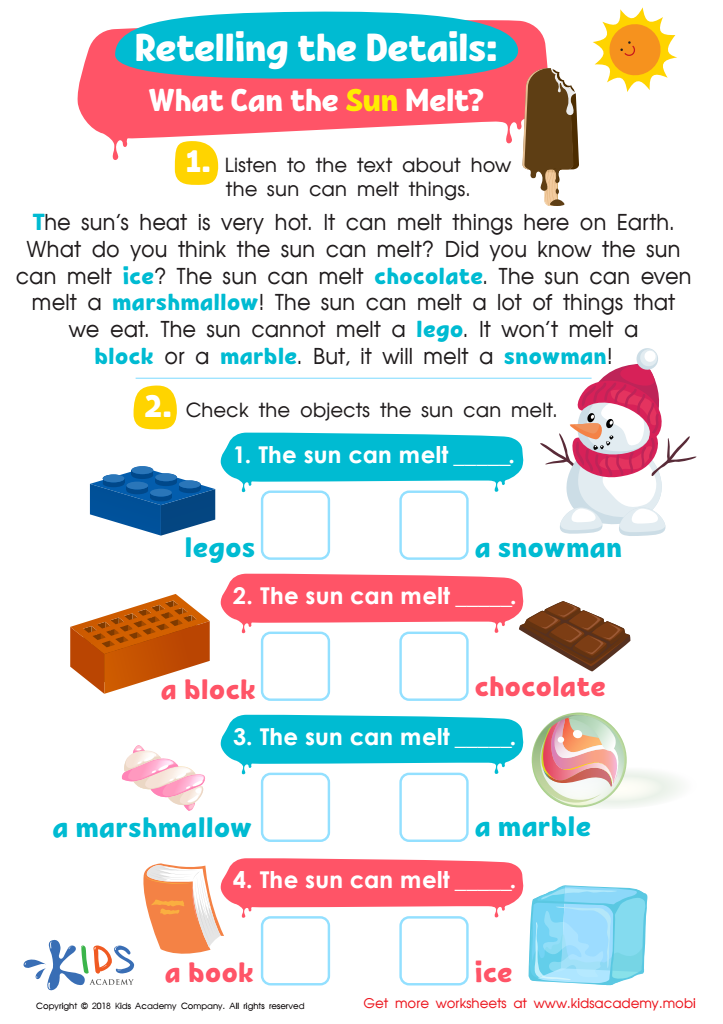
Retelling the Details: What Can the Sun Melt? Worksheet
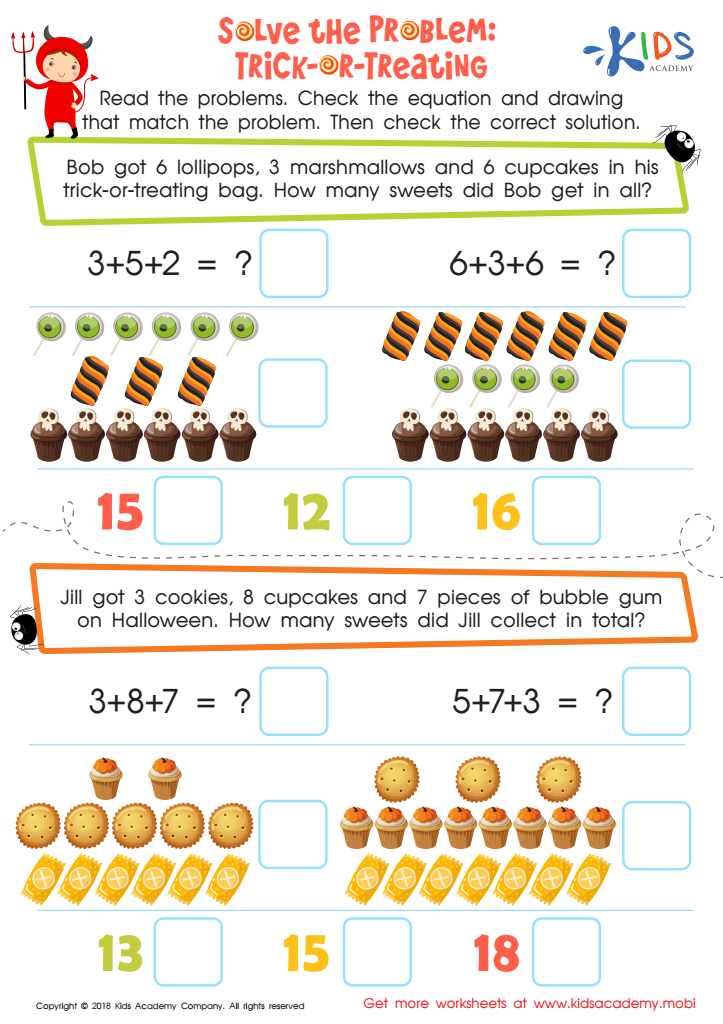
Solve the Problem: Trick–or–treating Worksheet
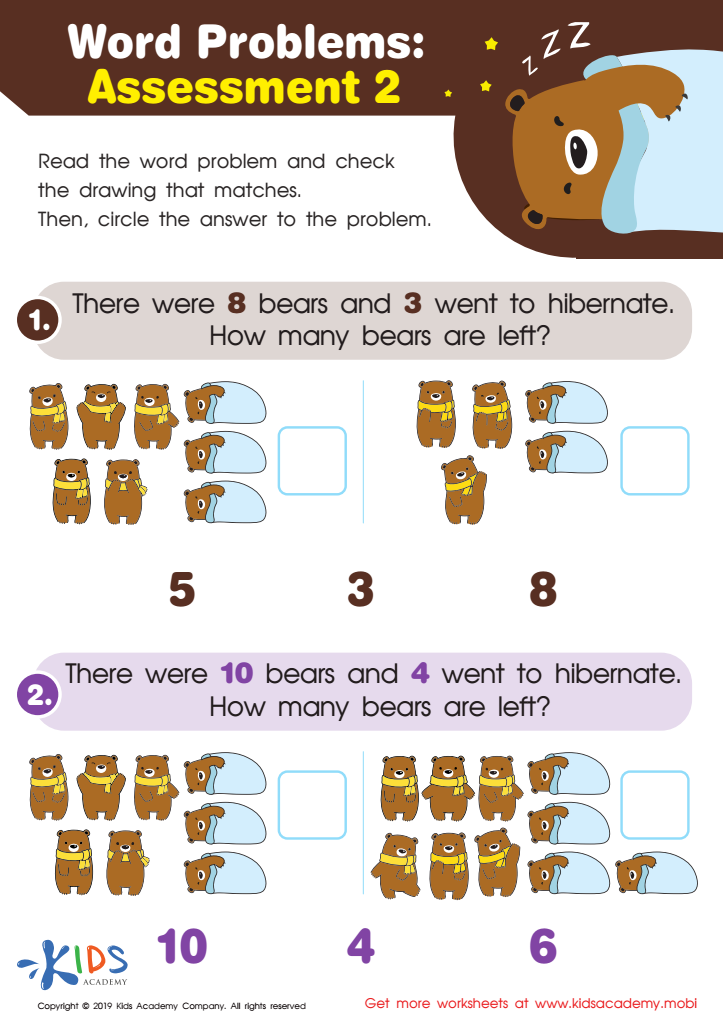
Word Problems: Assessment 2 Worksheet
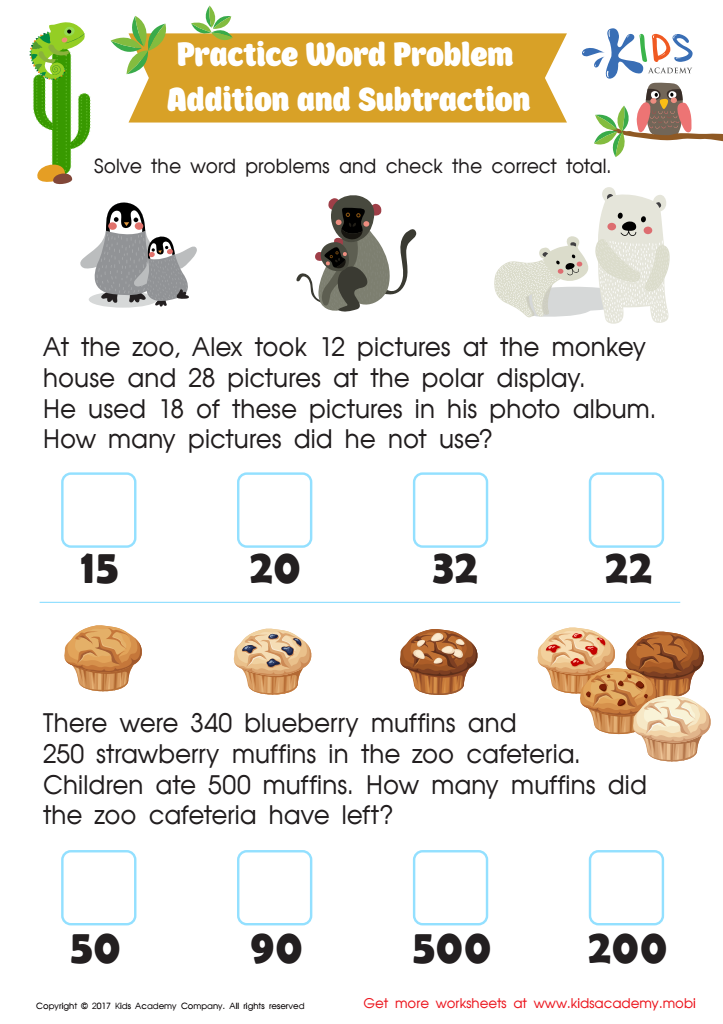
Addition and Subtraction: Word Problems Worksheet





Parents and teachers should care about logical reasoning skills in 3-year-olds because these abilities serve as the foundation for critical thinking and problem-solving throughout a child's life. At this age, children are naturally curious and eager to explore their environment, which makes it an excellent time to nurture their reasoning skills. Engaging in activities that promote logical reasoning helps them develop the ability to organize thoughts, recognize patterns, and make connections, essential components of learning.
Furthermore, fostering logical reasoning in young children equips them with tools to make decisions and abstract associations, enhancing their overall cognitive development. These skills are not only crucial for academic success later on but also contribute significantly to daily life scenarios, such as understanding cause and effect or navigating social interactions among peers.
Activities that encourage experimentation, discussion, and exploration can facilitate logical reasoning skills while keeping learning enjoyable. Parents and teachers who prioritize this developmental area help build resilient, independent thinkers prepared for future challenges. Additionally, early development of logical reasoning can support children’s emotional intelligence as they learn to understand and assess various situations, ultimately leading to a well-rounded growth trajectory.








