Normal Multiplication Worksheets for Ages 4-8 - Page 2
46 filtered results
-
From - To
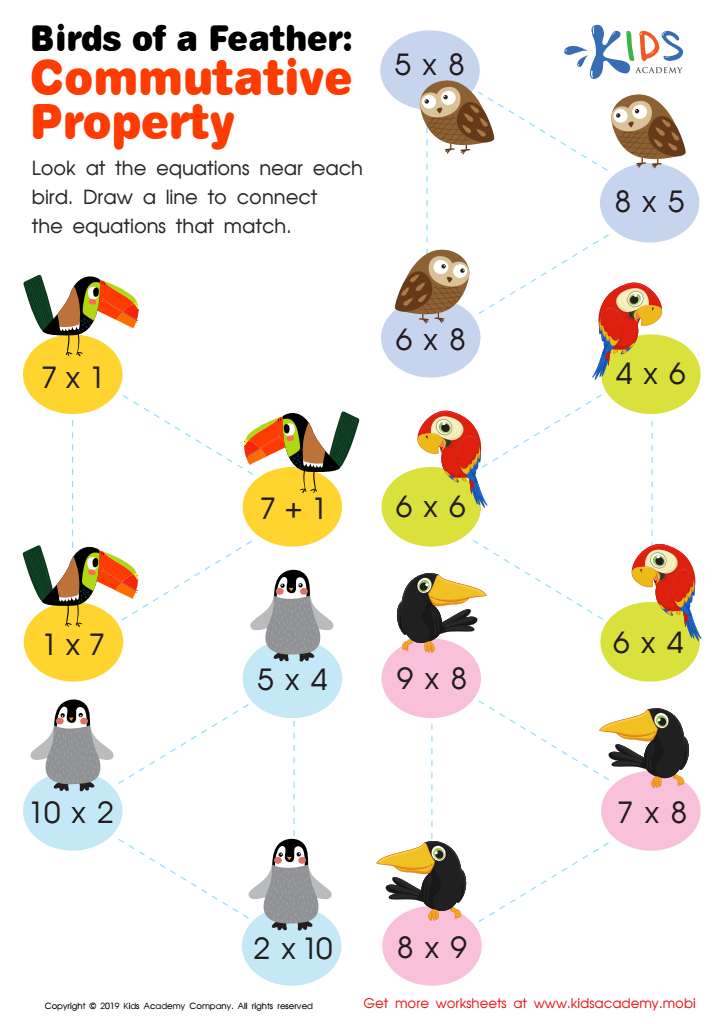
Birds of a Feather: Commutative Property Worksheet
 Assign to My Students
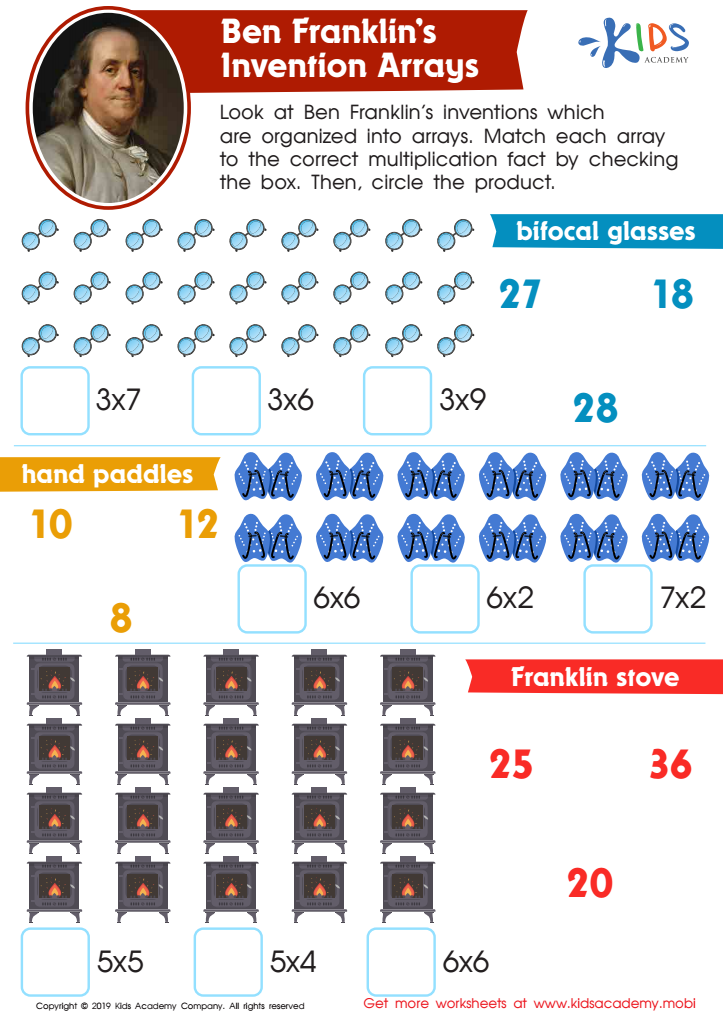
Ben Franklin’s Invention Arrays Worksheet
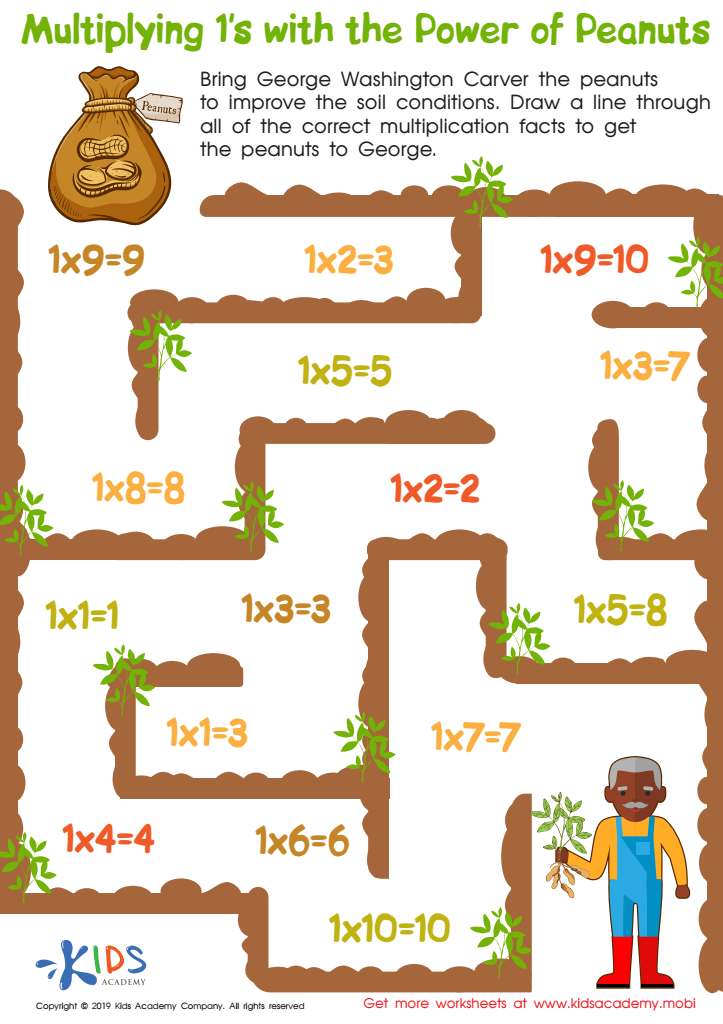
Multiplying 1’s With the Power of Peanuts Worksheet
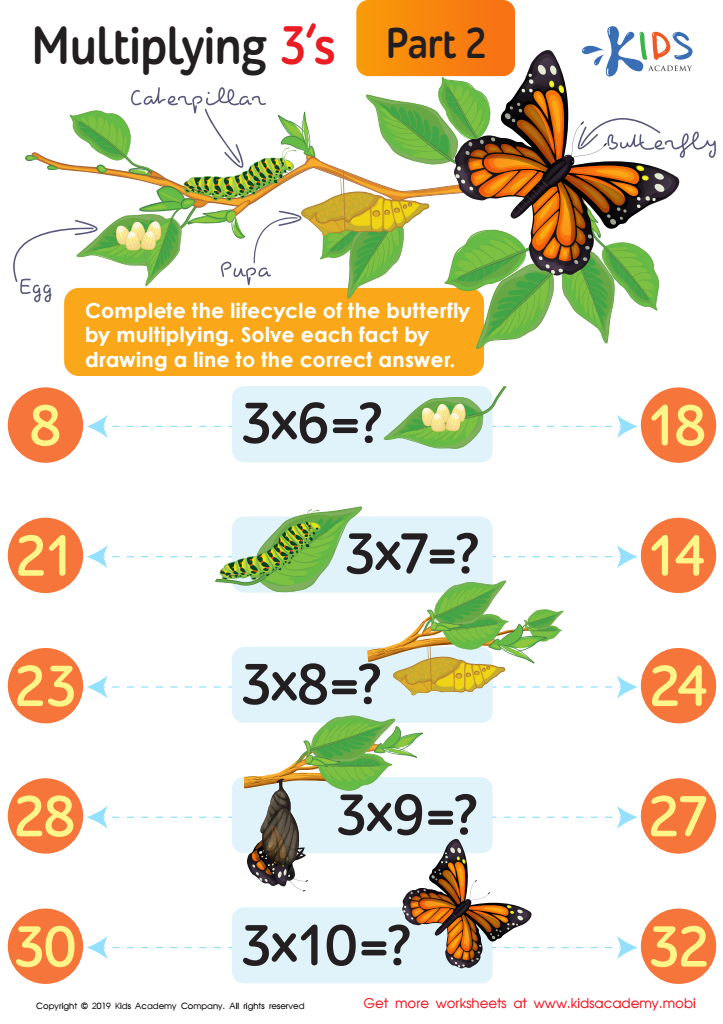
Multiplying 3s Part 2 Worksheet
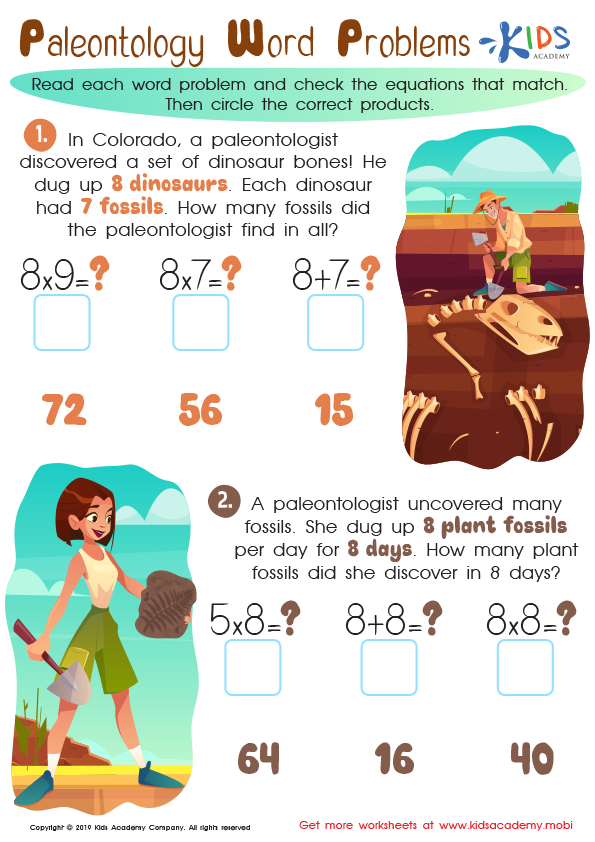
Archeology Word Problems Worksheet
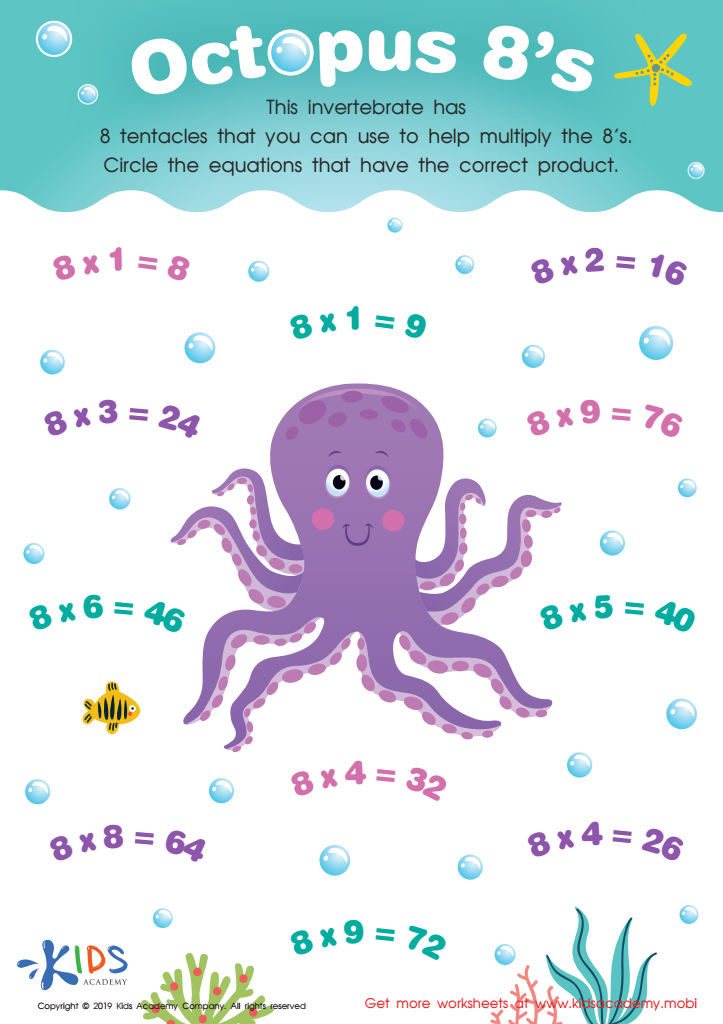
Octopus 8’s Worksheet
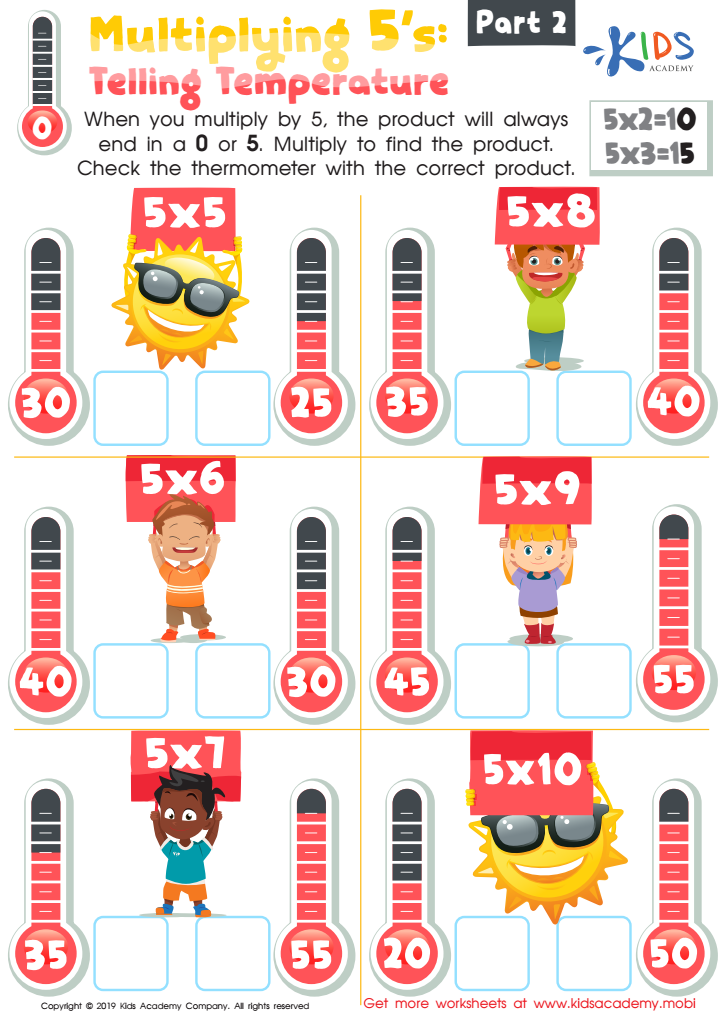
Multiplying 5’s: Telling Temperature Part 2 Worksheet
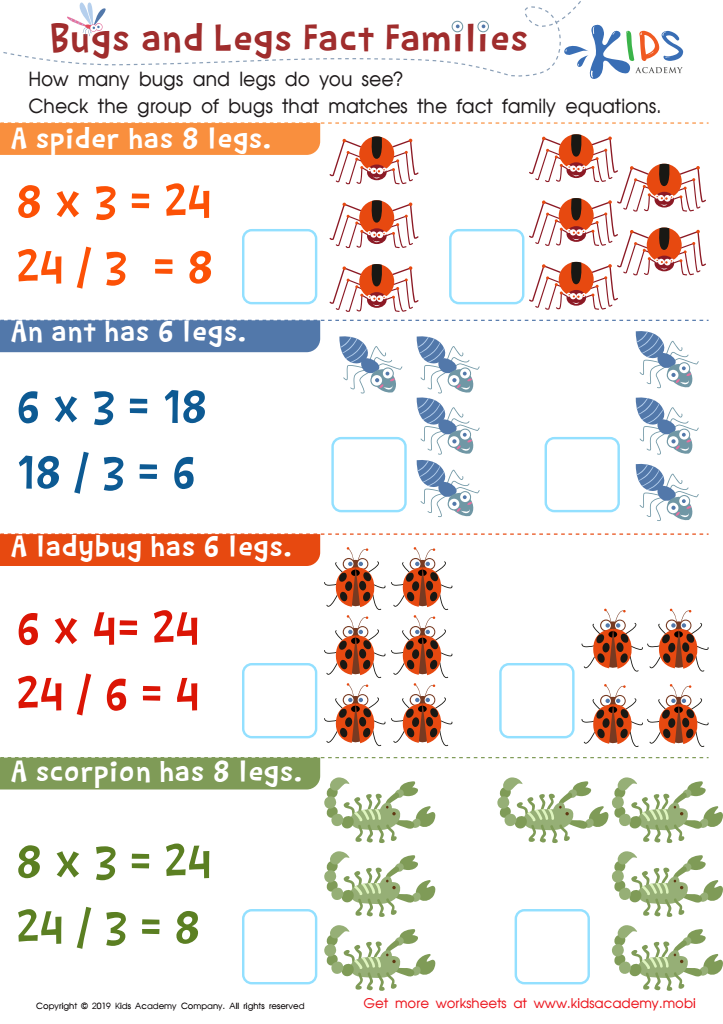
Bugs and Legs Fact Families Worksheet
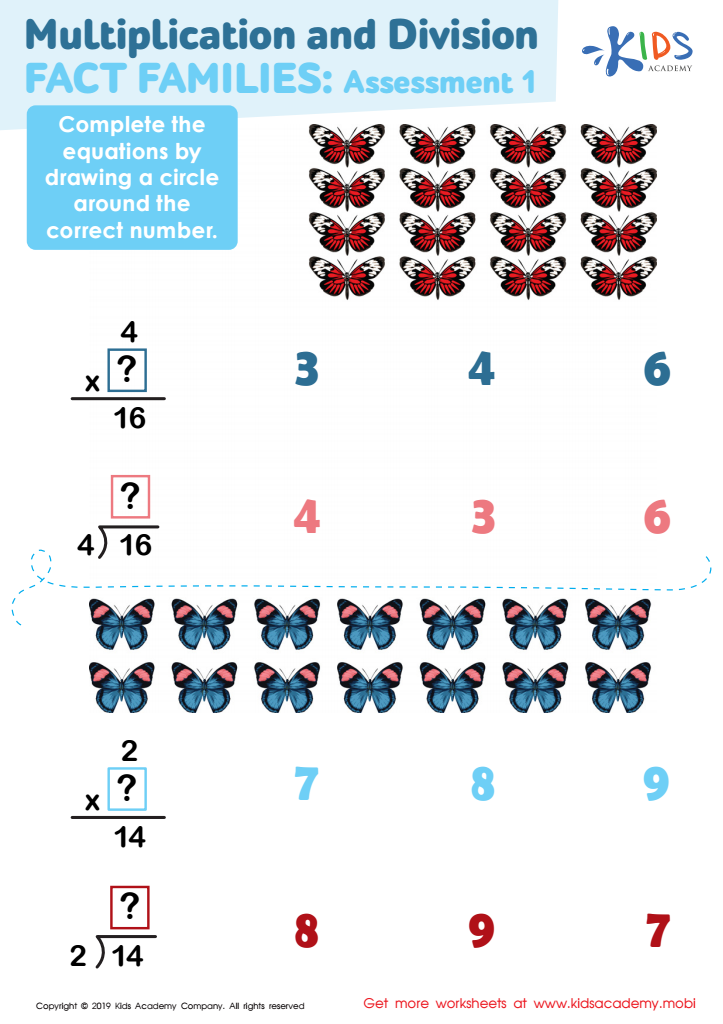
Multiplication and Division Fact Families Assessment 1 Worksheet
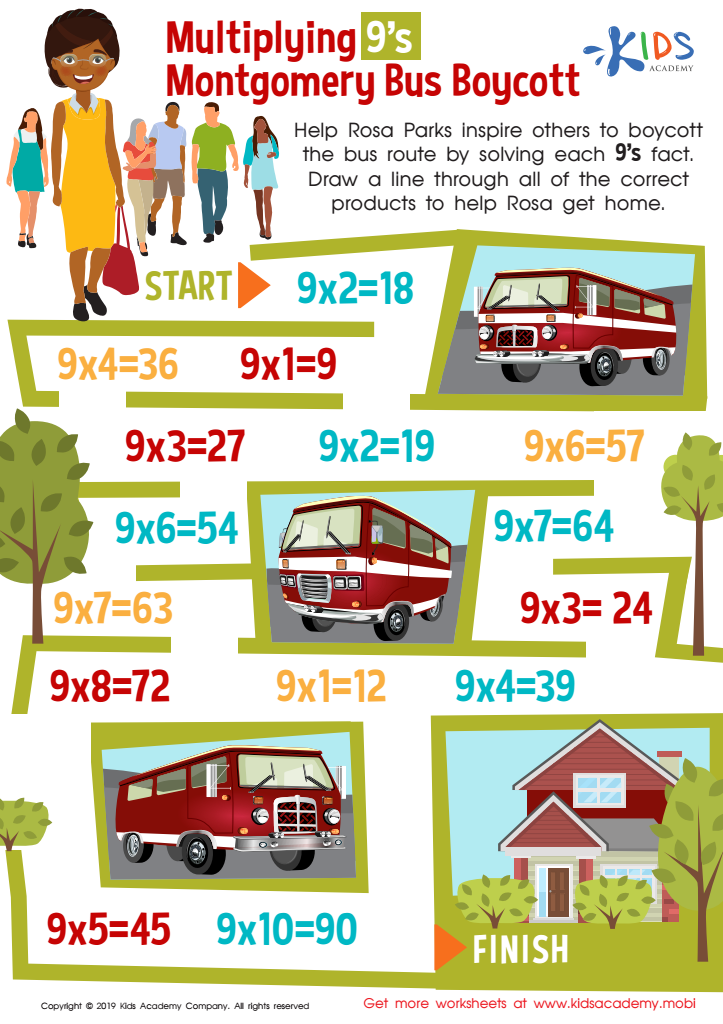
Multiplying 9’s Montgomery Bus Boycott Worksheet
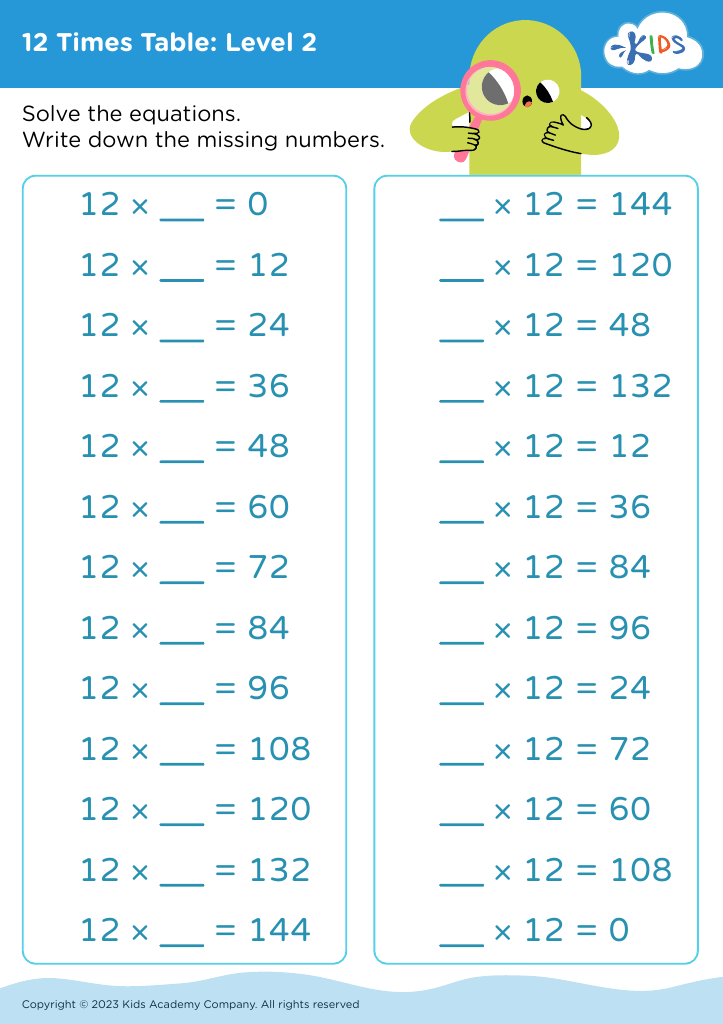
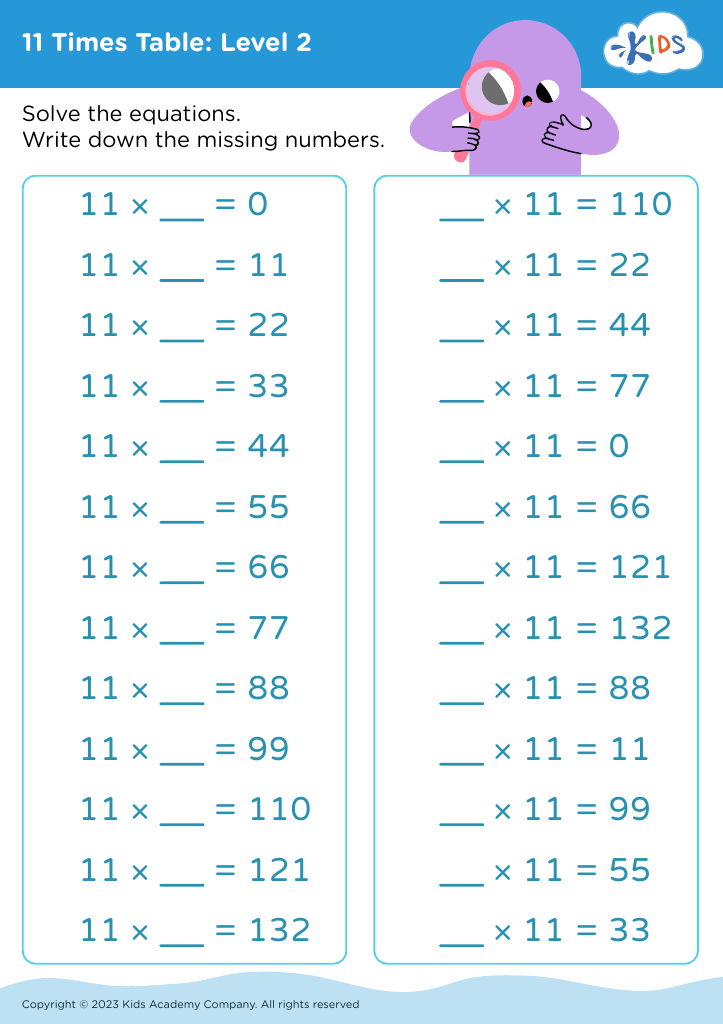
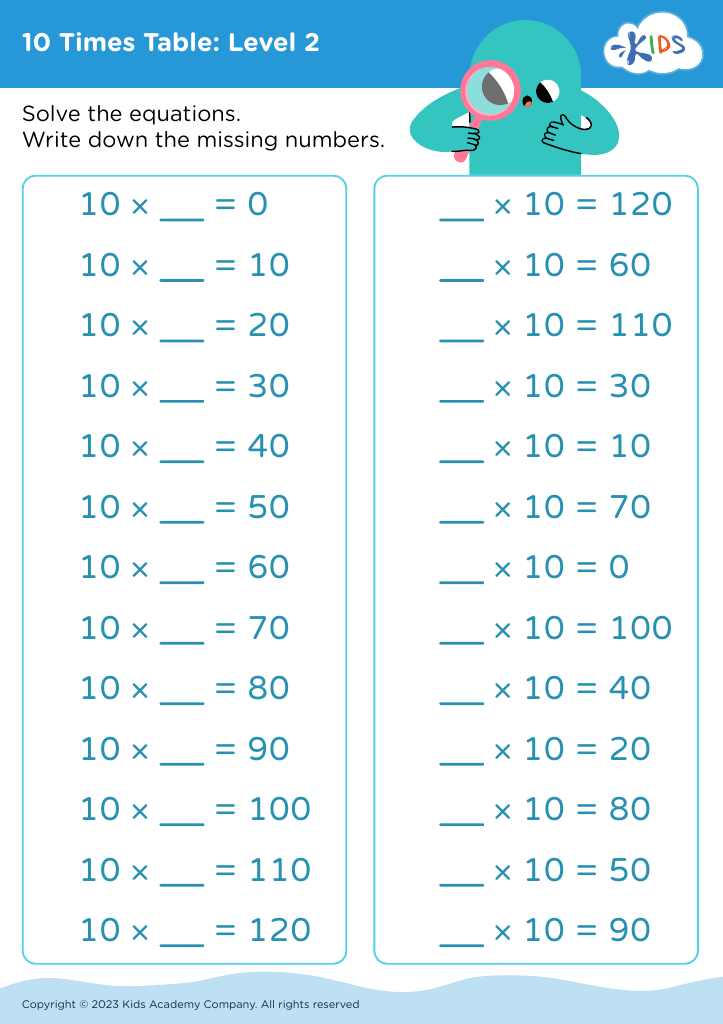
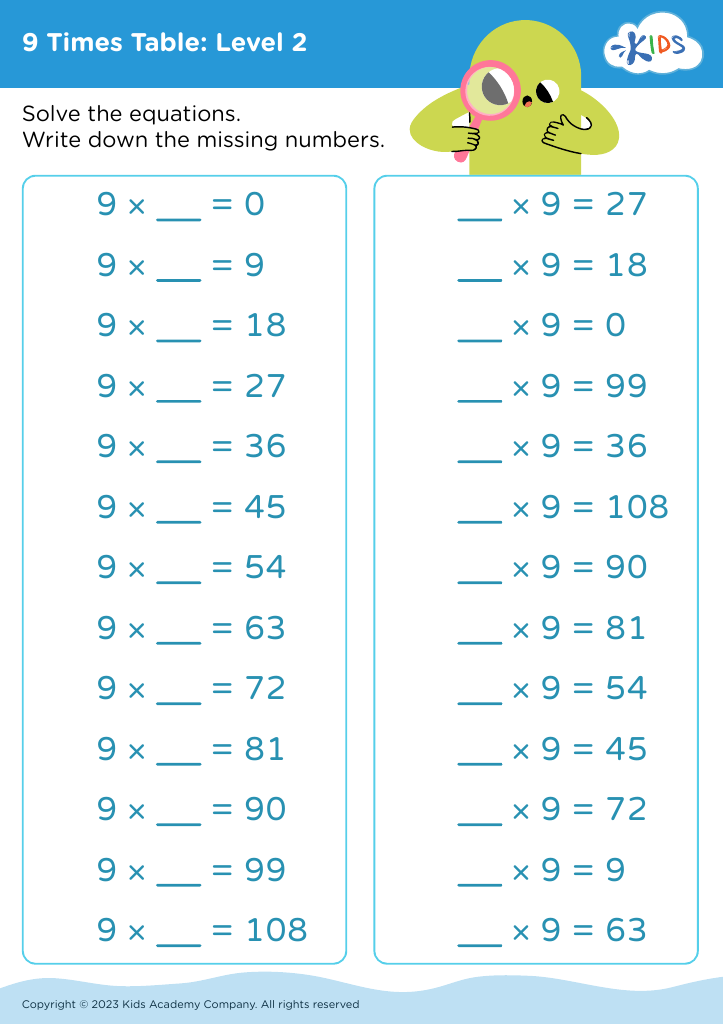
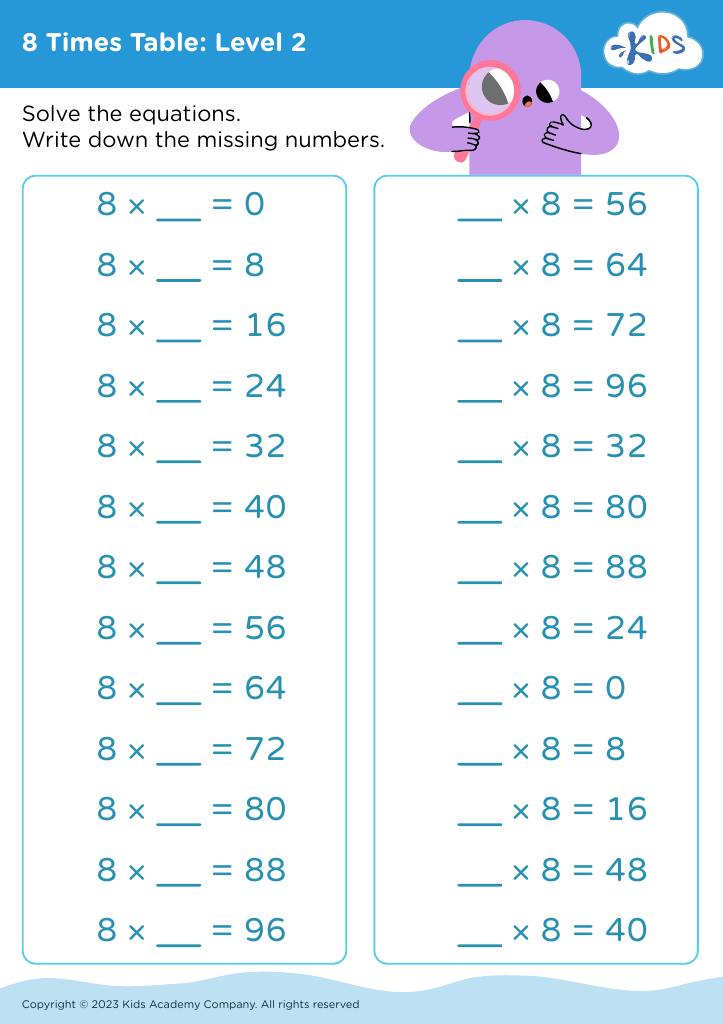
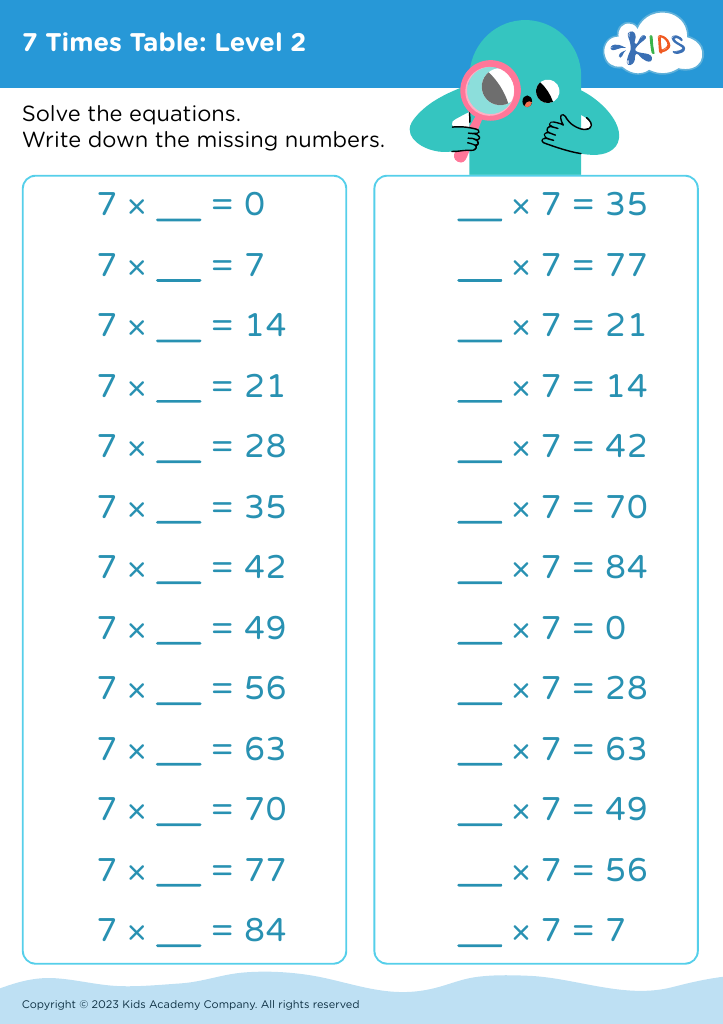
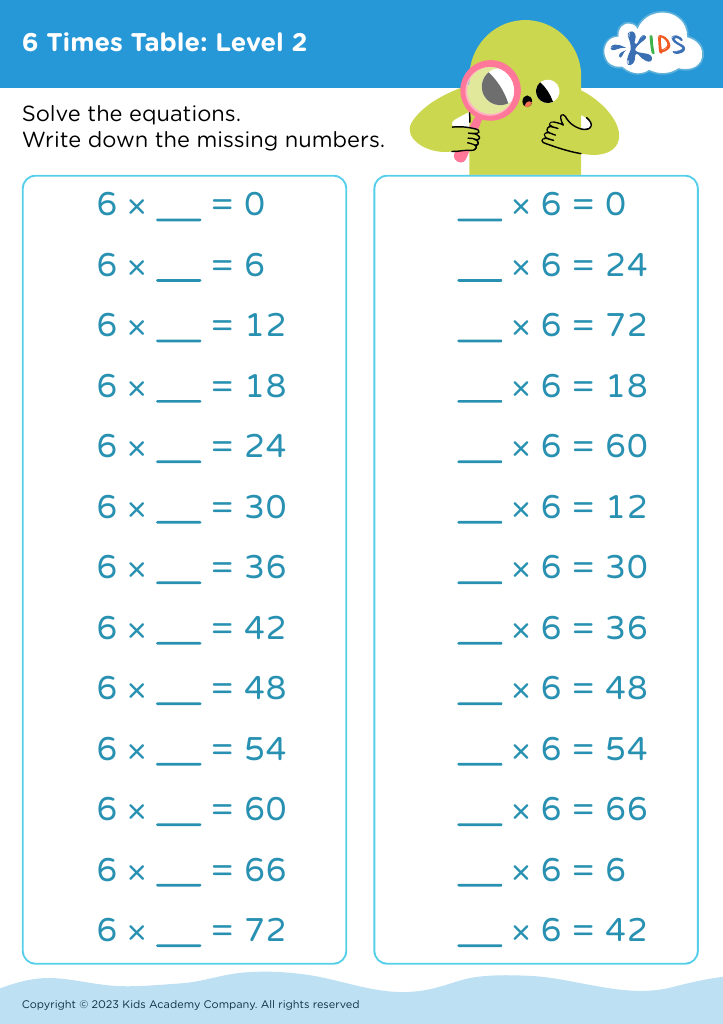
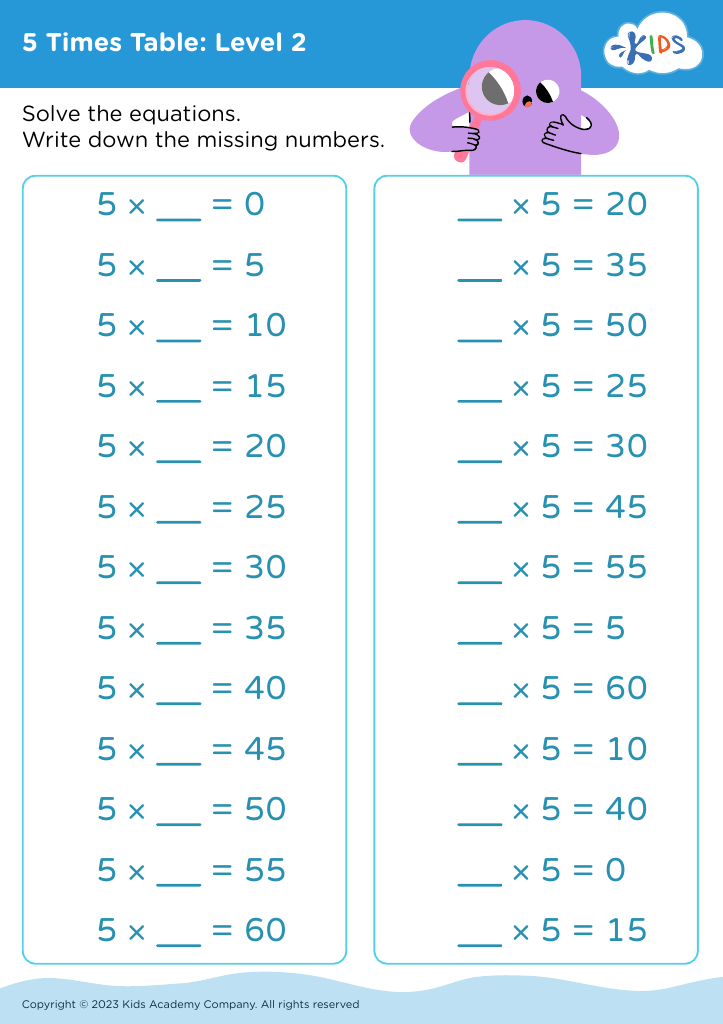
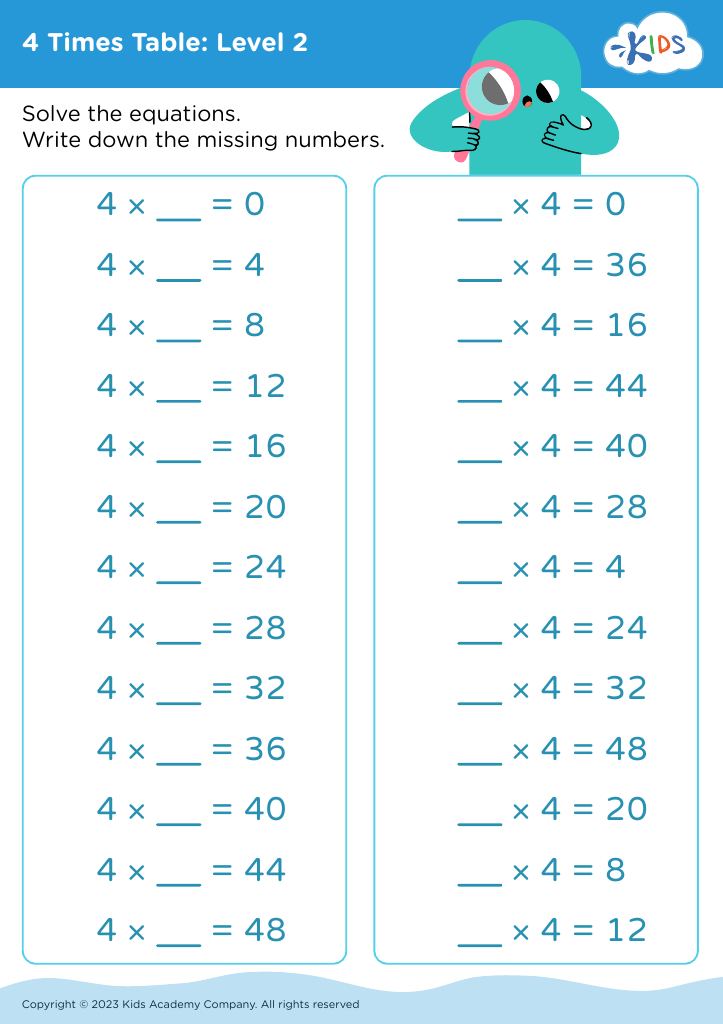
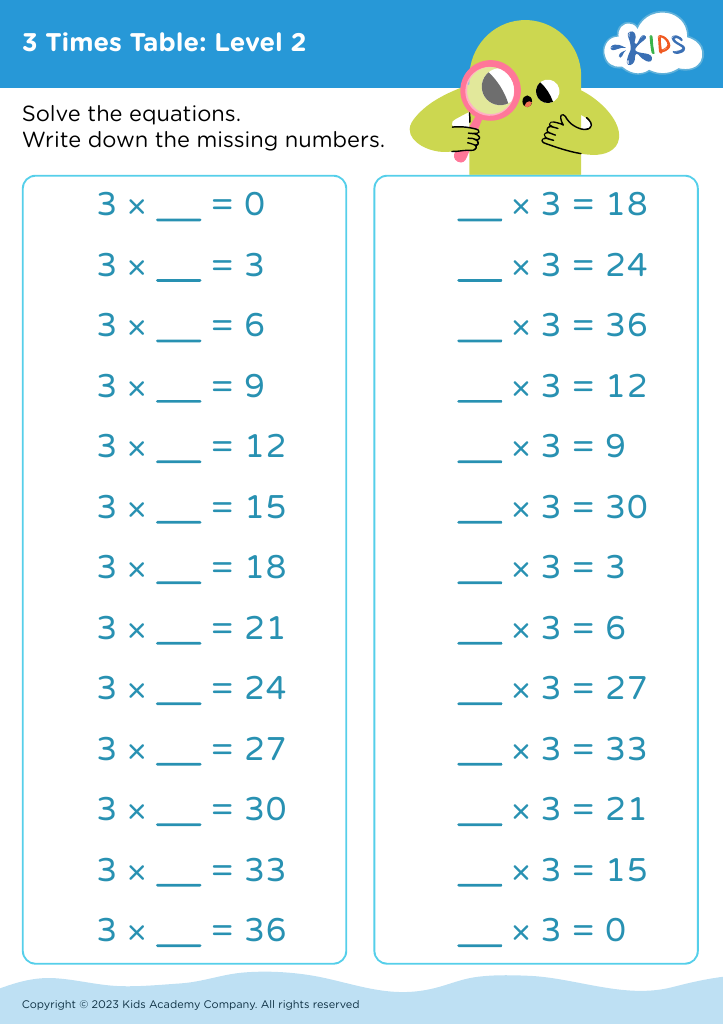
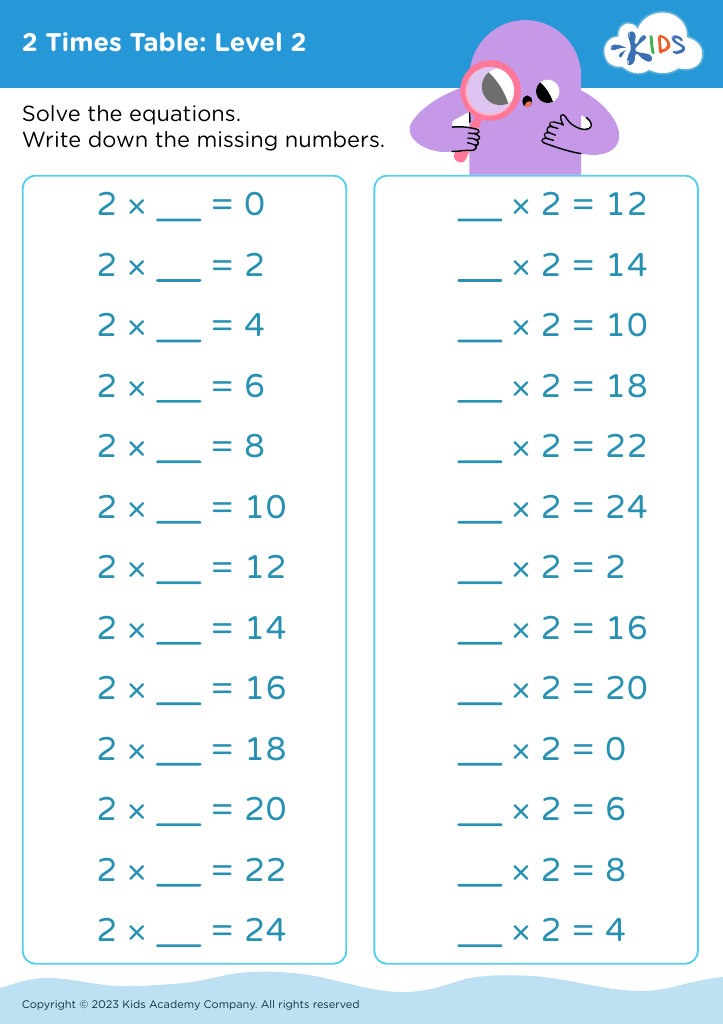
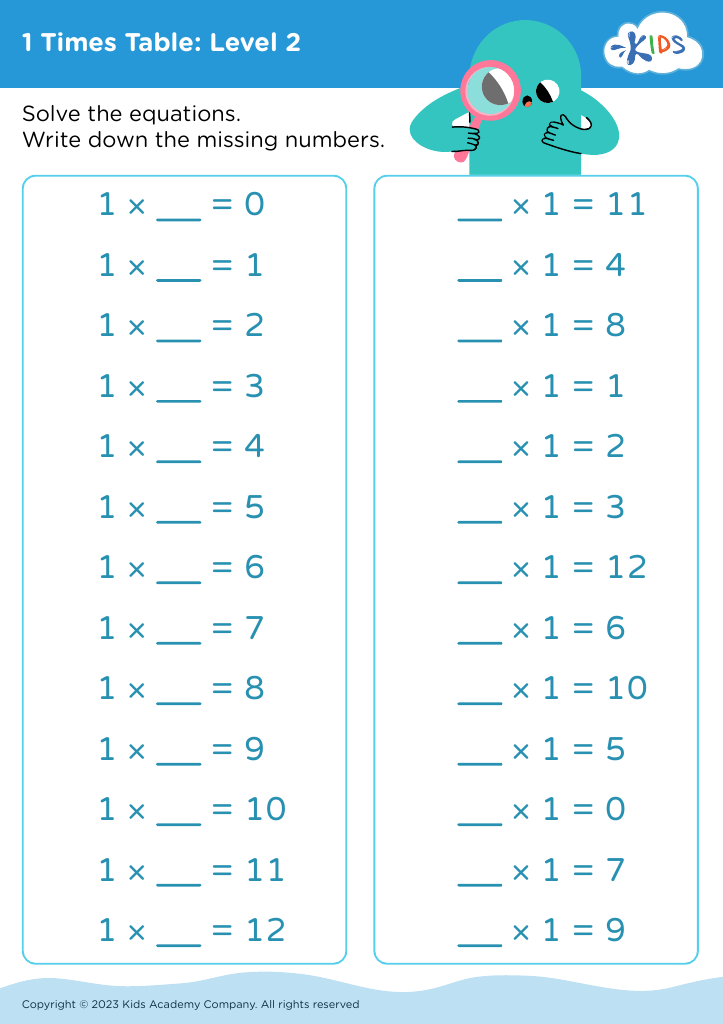








Normal multiplication, often introduced in early childhood education for ages 4-8, is crucial for laying a strong mathematical foundation. Understanding multiplication helps children develop critical thinking and problem-solving skills, which are vital in today’s learning environments.
Firstly, early introduction to multiplication fosters confidence in math. When children grasp the concept, they are less likely to struggle with more complex math later on, setting a positive trajectory for their academic journey. It also enhances their number sense, allowing them to see patterns and relationships between numbers, which is fundamental in advanced mathematical concepts.
Moreover, multiplication aids in the development of a growth mindset. Children learn that, similar to any new skill, mastery comes with practice and perseverance. This can lead to increased resilience in facing academic challenges.
Furthermore, multiplication skills are applicable in everyday life; from understanding groups of objects to sharing and dividing items equally, these skills are essential for real-world problem-solving.
Ultimately, by valuing early multiplication skills, parents and teachers equip children not just with mathematical tools but also with a positive attitude towards learning, establishing a lifelong appreciation for math and its many applications.








