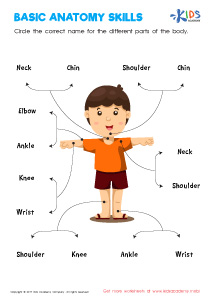
Normal World Around Us Worksheets for Ages 4-8 - Page 2
71 filtered results
-
From - To
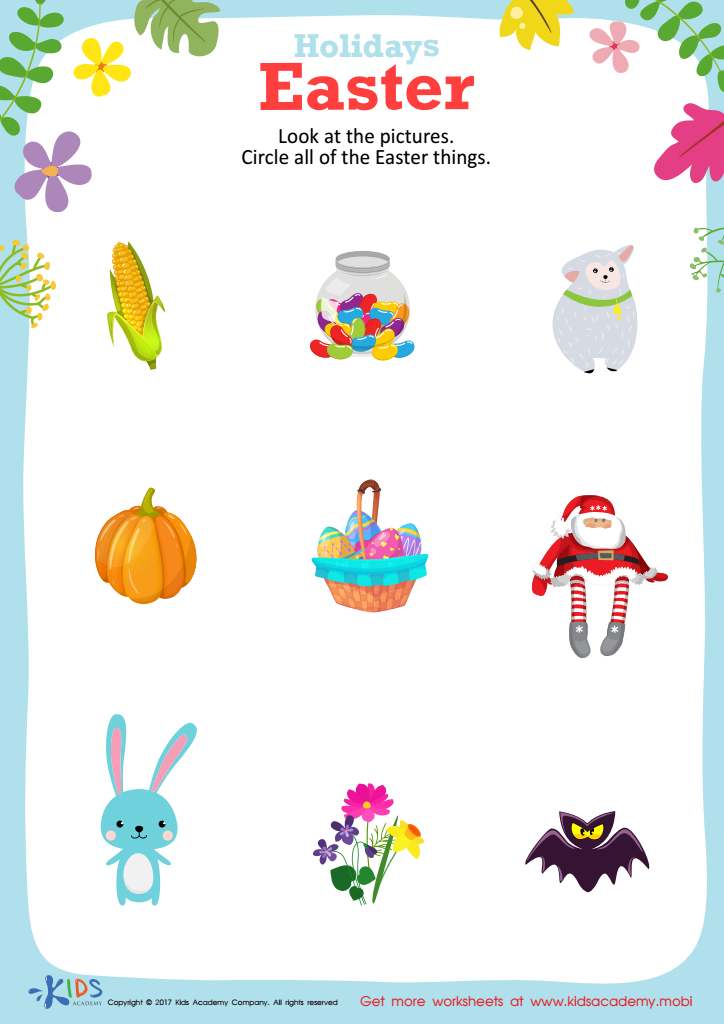
Easter Holiday Printable
 Assign to My Students
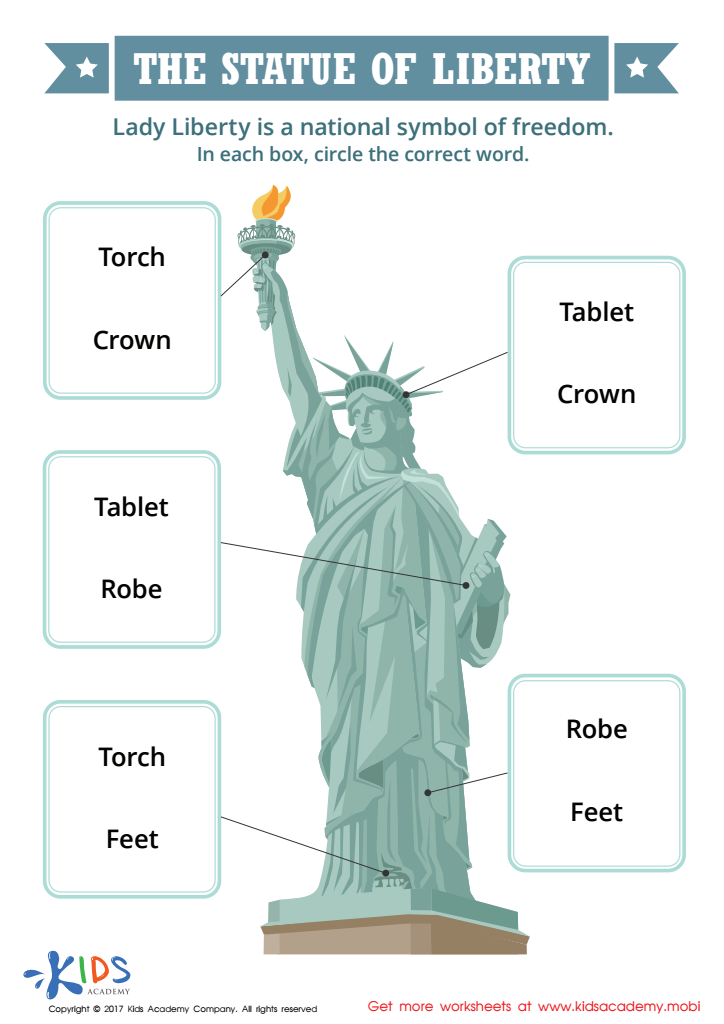
The Statue of Liberty Printable
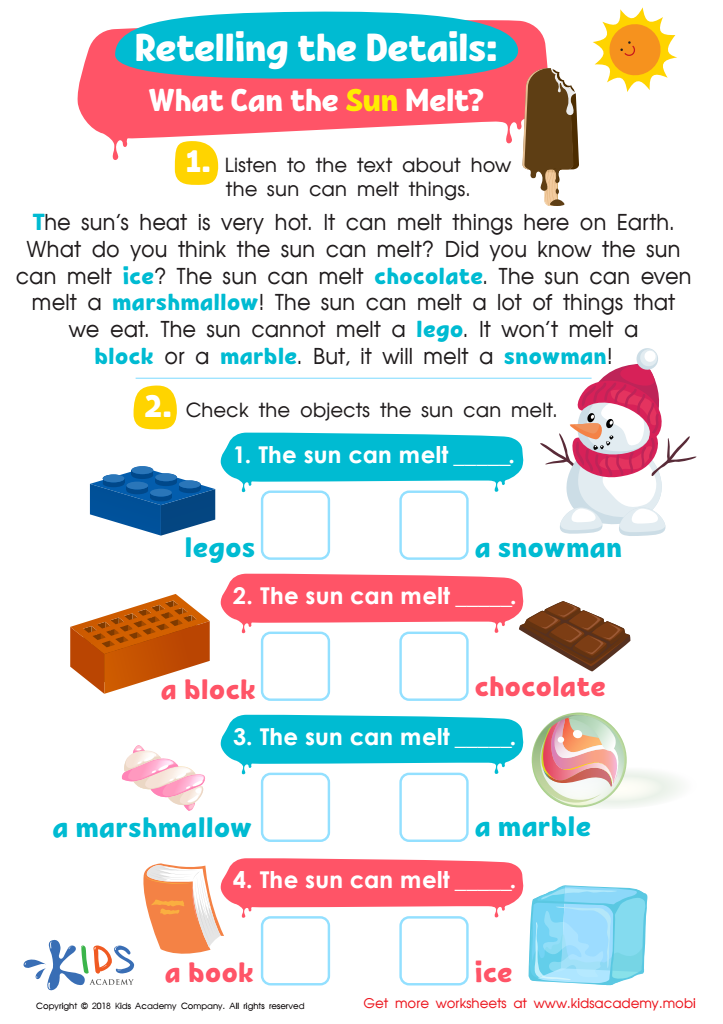
Retelling the Details: What Can the Sun Melt? Worksheet
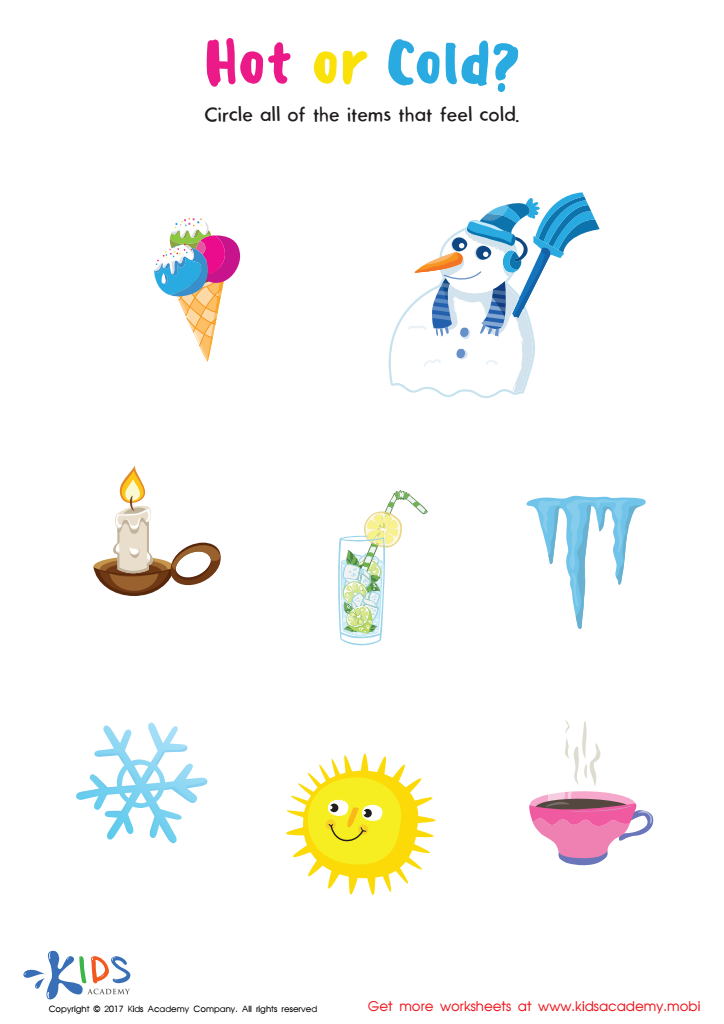
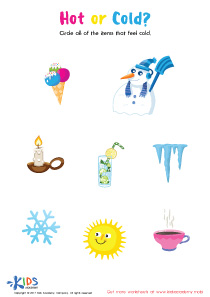
Hot or Cold Printable
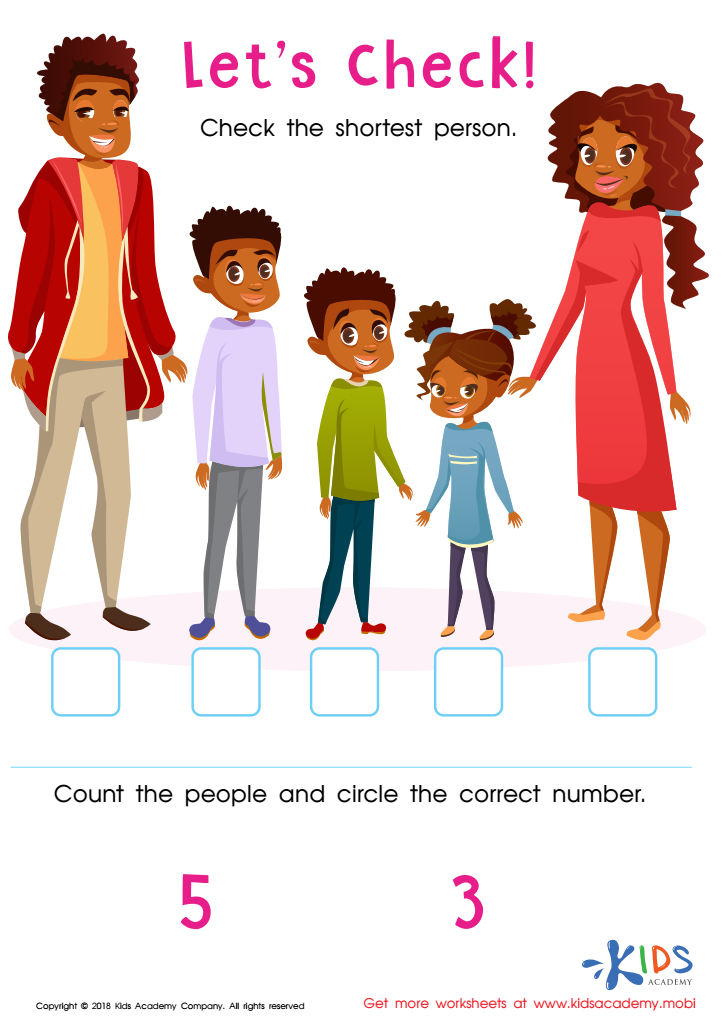
Let's Check! Assessment Worksheet
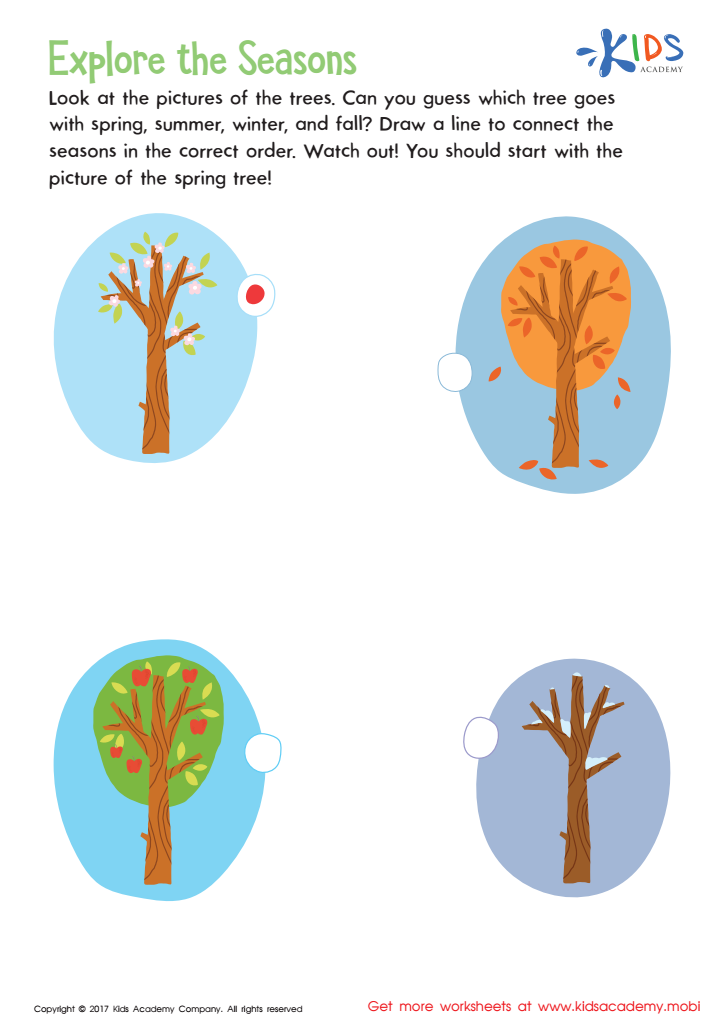
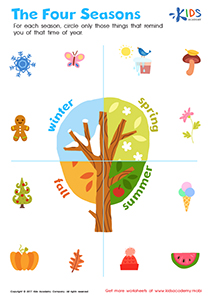
Explore the Seasons Worksheet
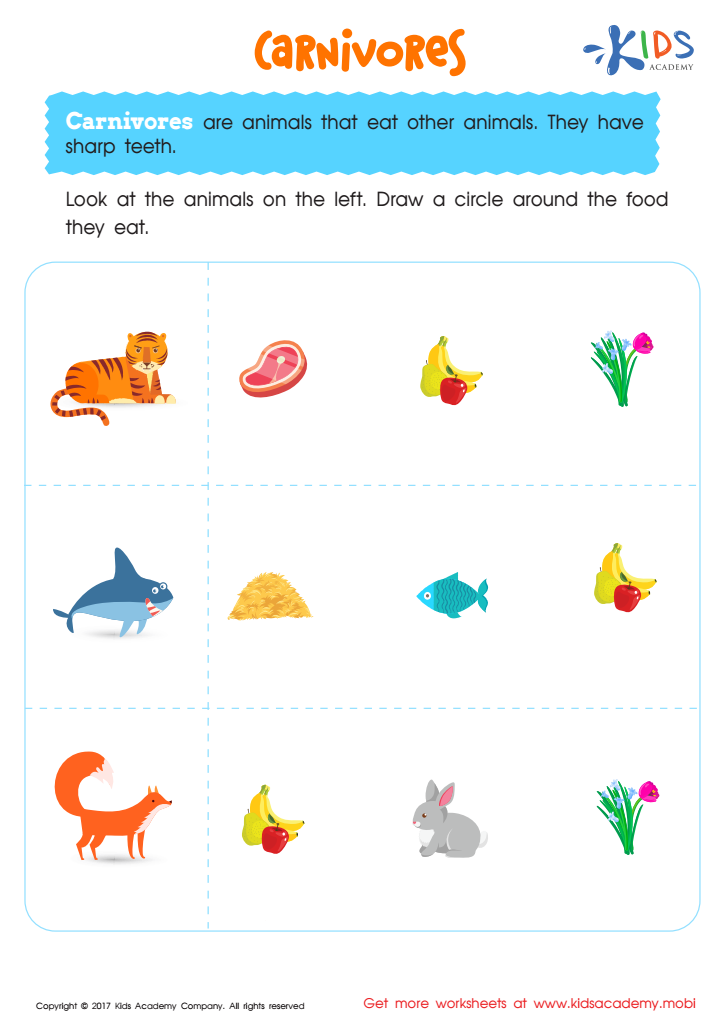
Carnivores Worksheet
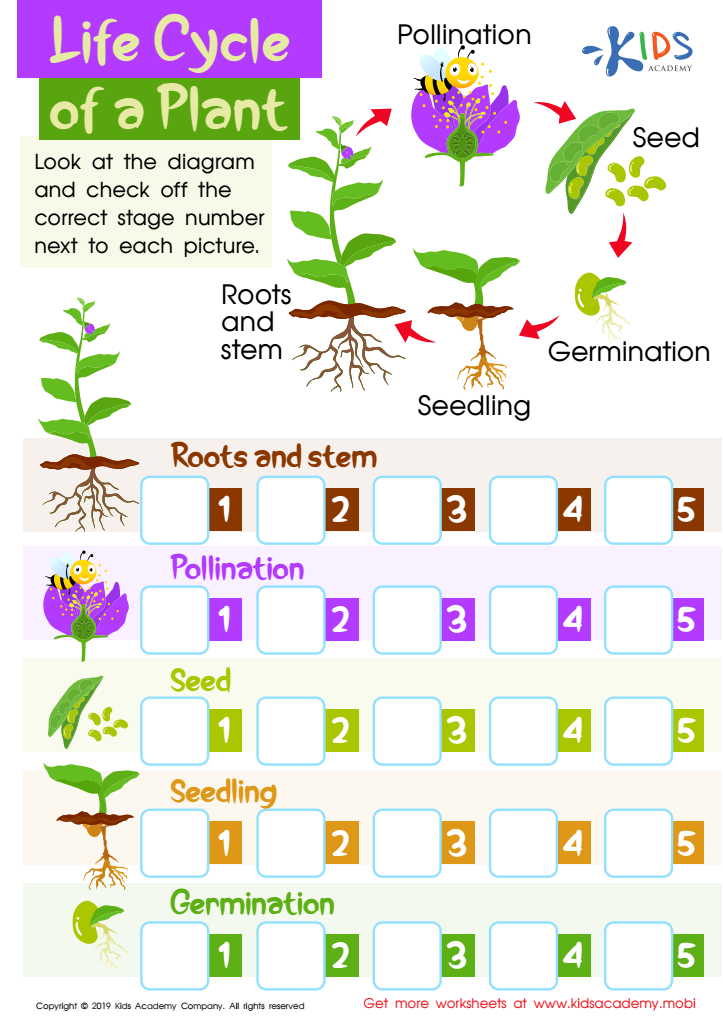
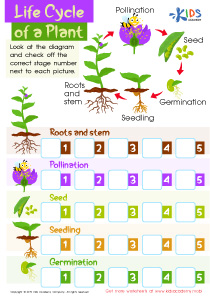
Life Cycle of a Plant Worksheet
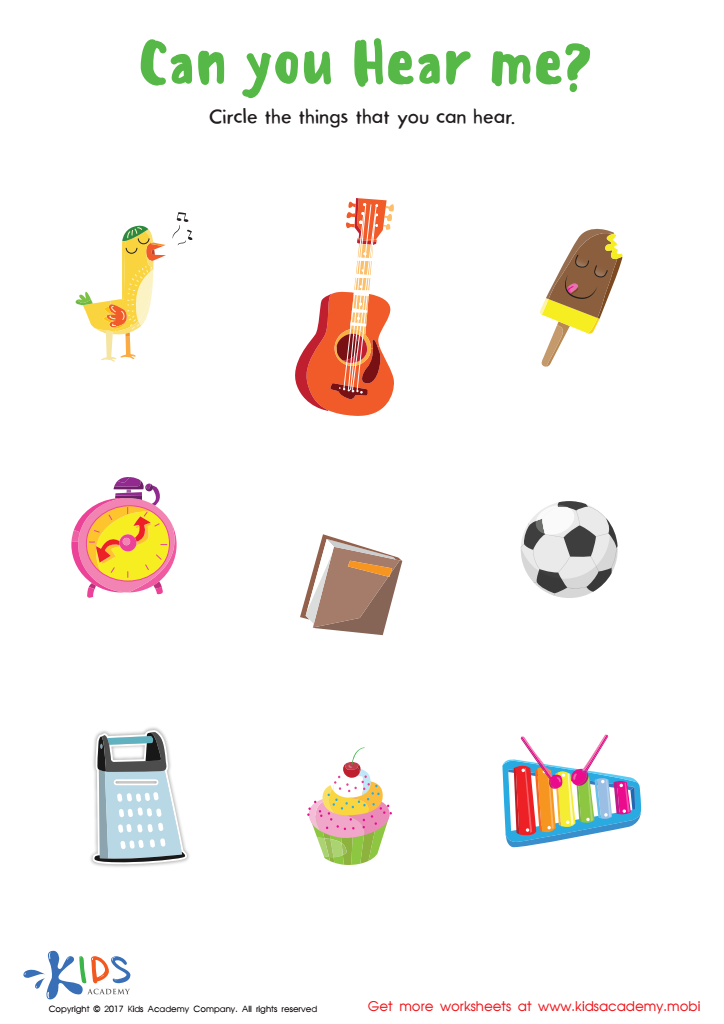
Can You Hear Me Worksheet
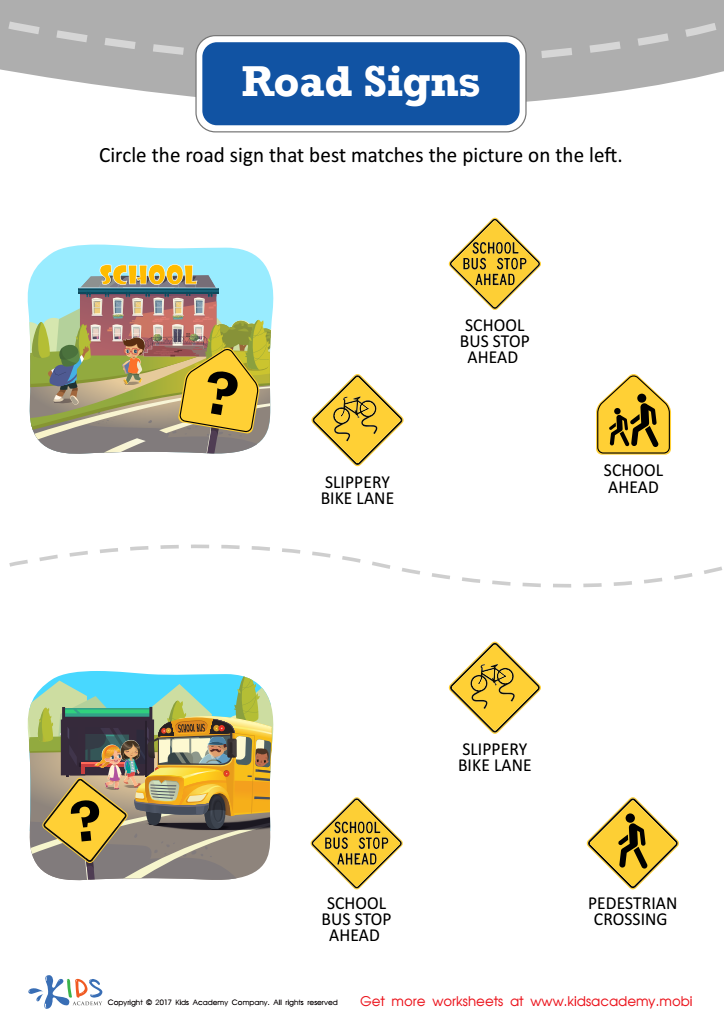
Road Signs (Part 1) Worksheet
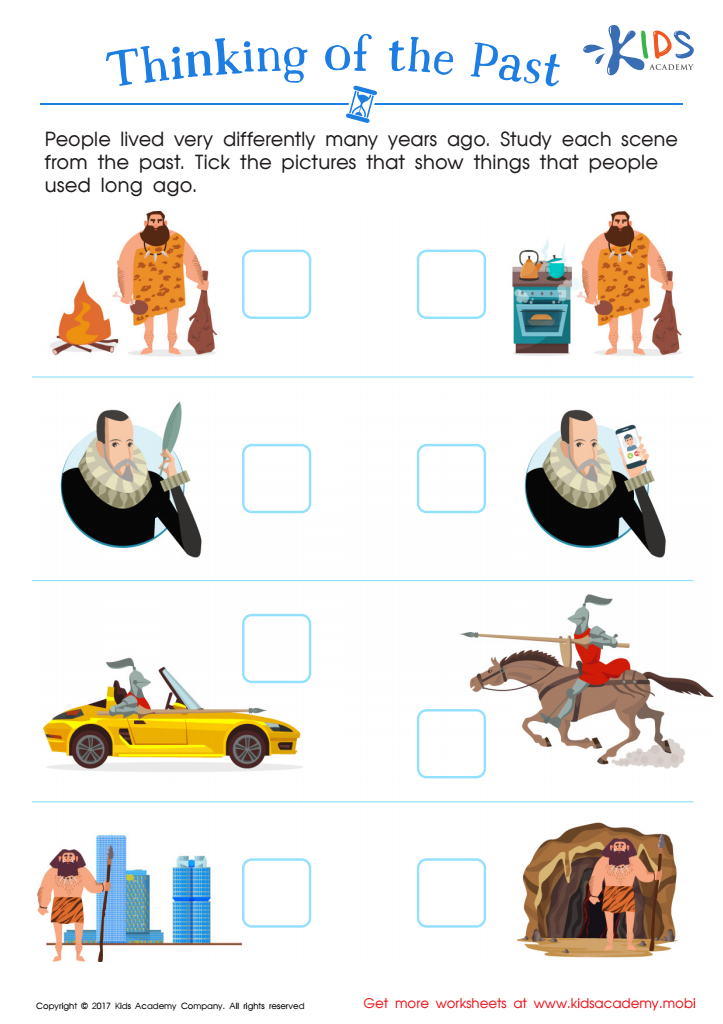
Thinking Past Printable
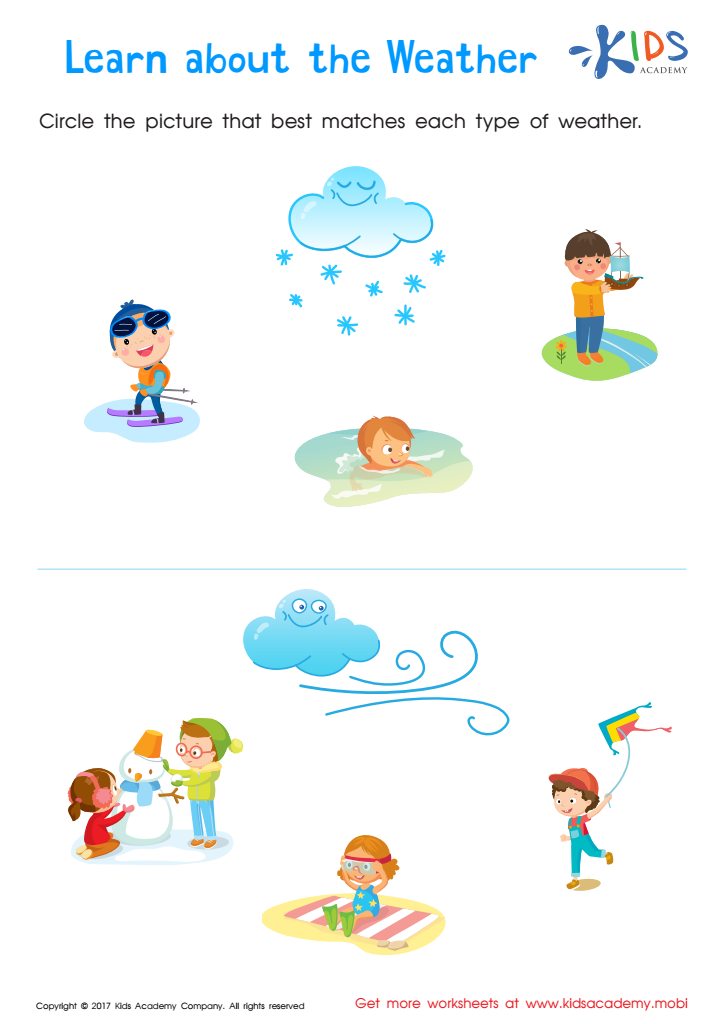
About the Weather Printable
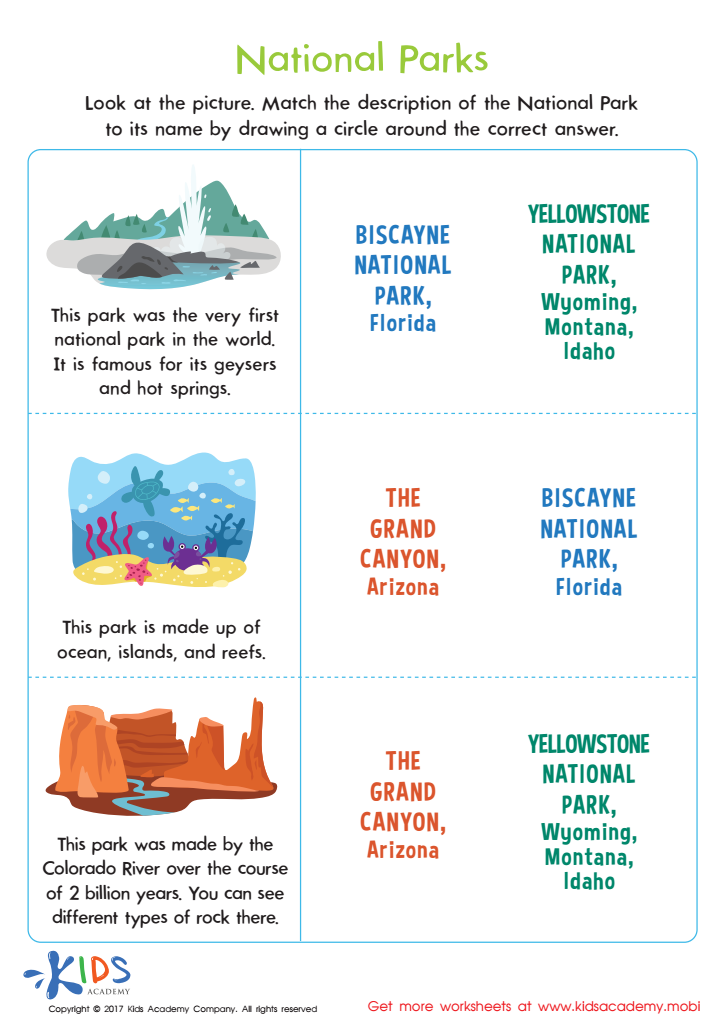
National Parks Printable
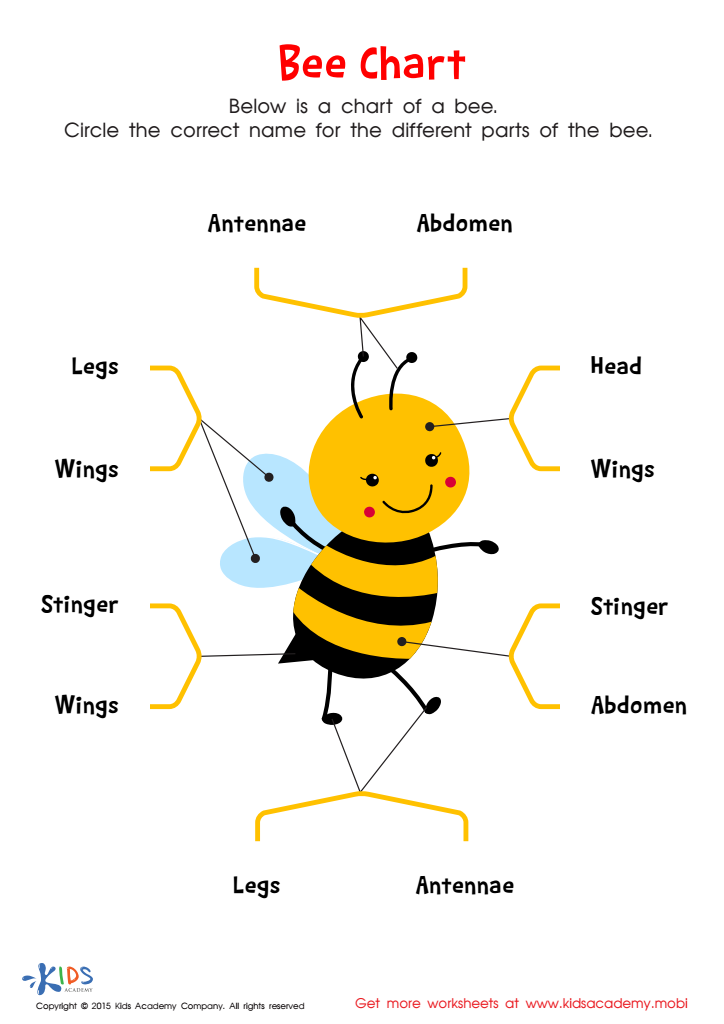
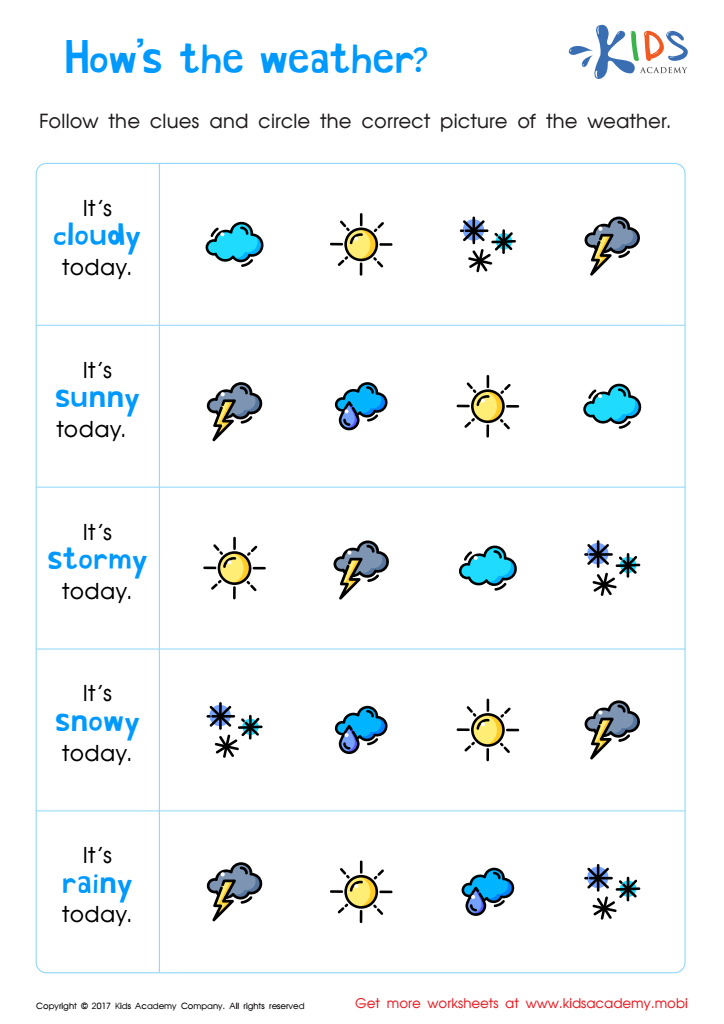
Hows the Weather Worksheet
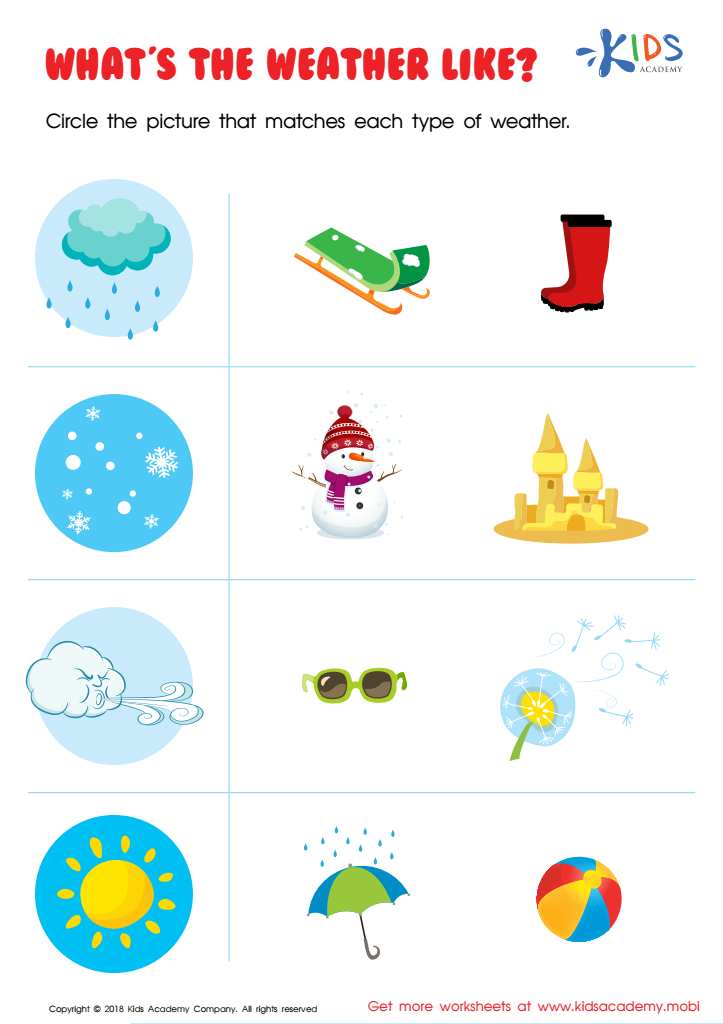
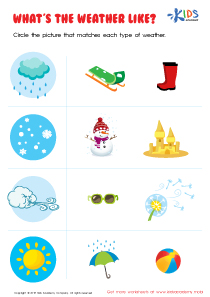
What's the Weather Like? Worksheet
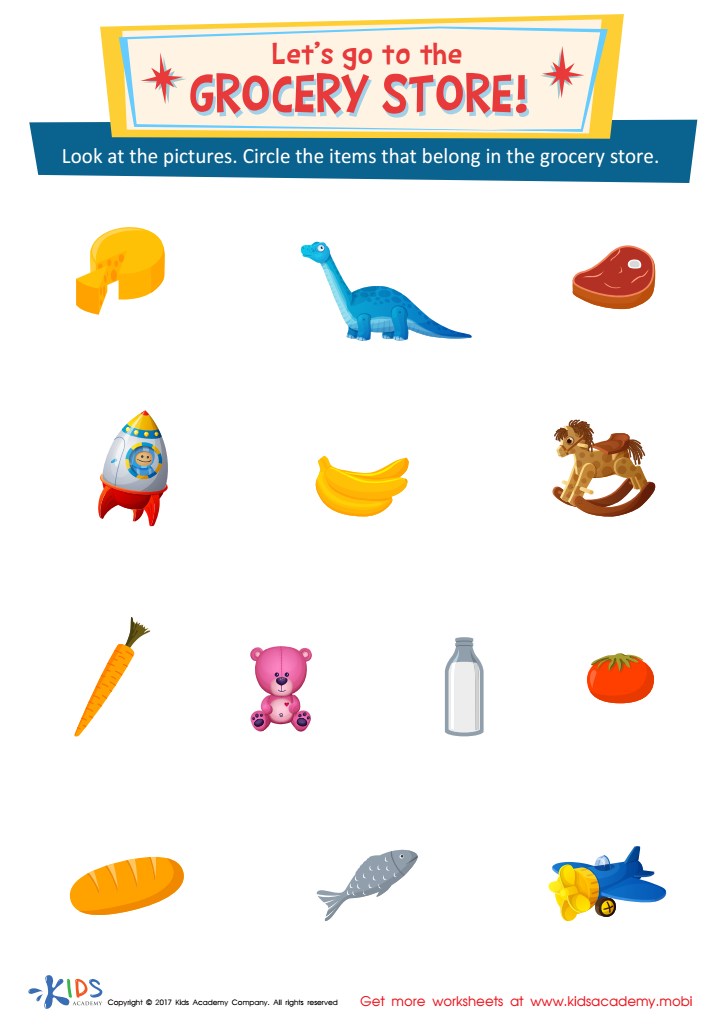
Grocery Store Worksheet
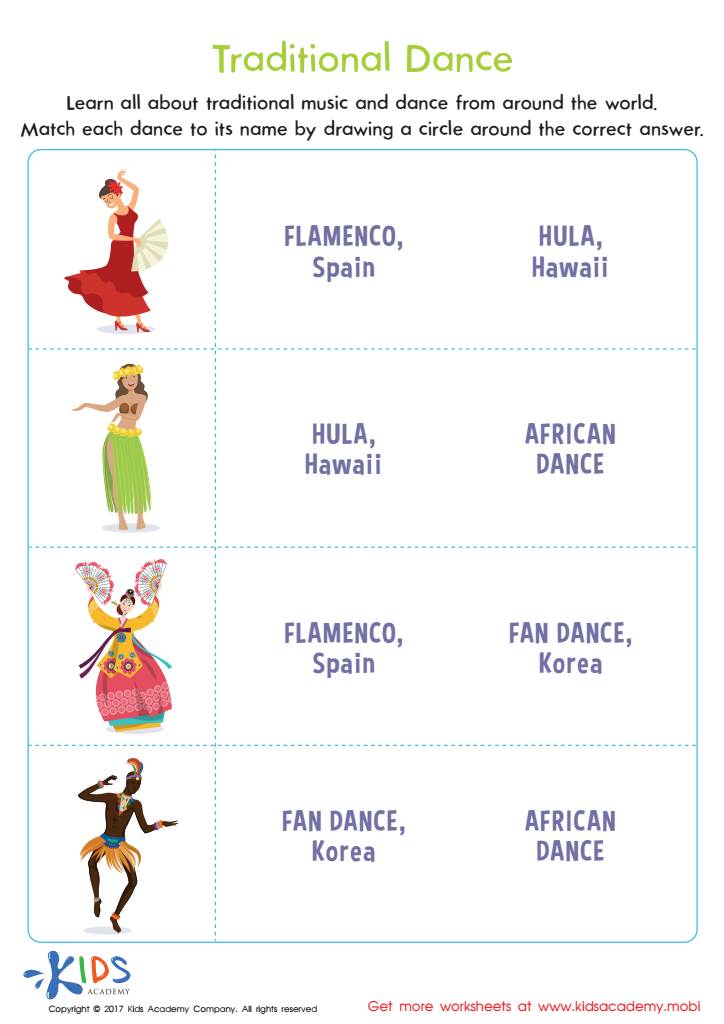
Traditional Dance Printable

The Pledge of Allegiance Worksheet
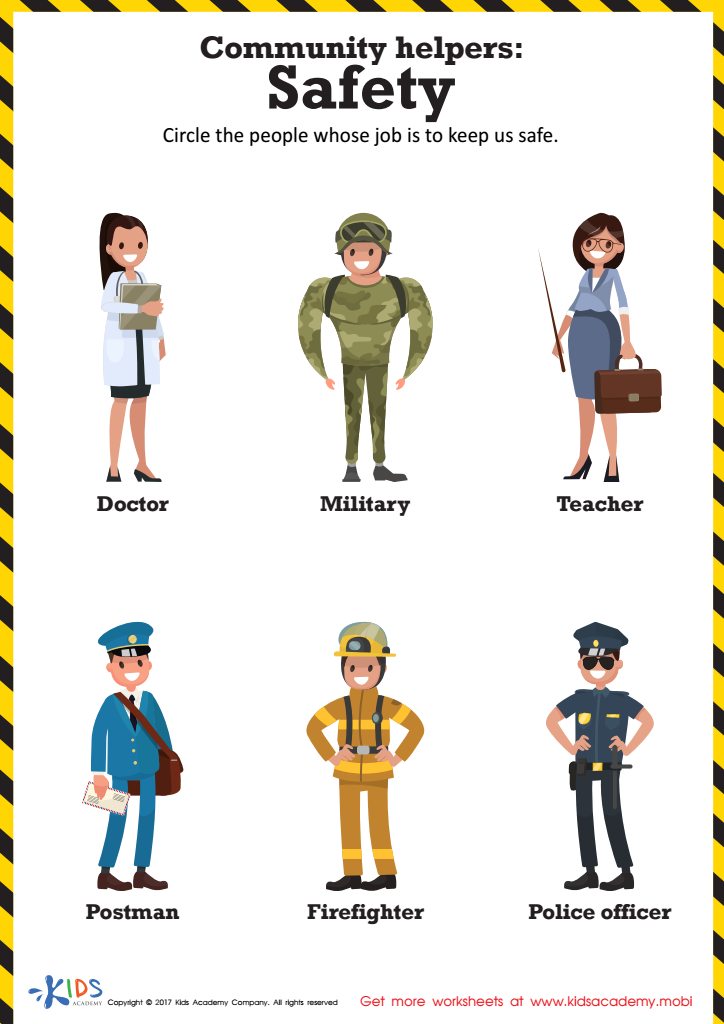
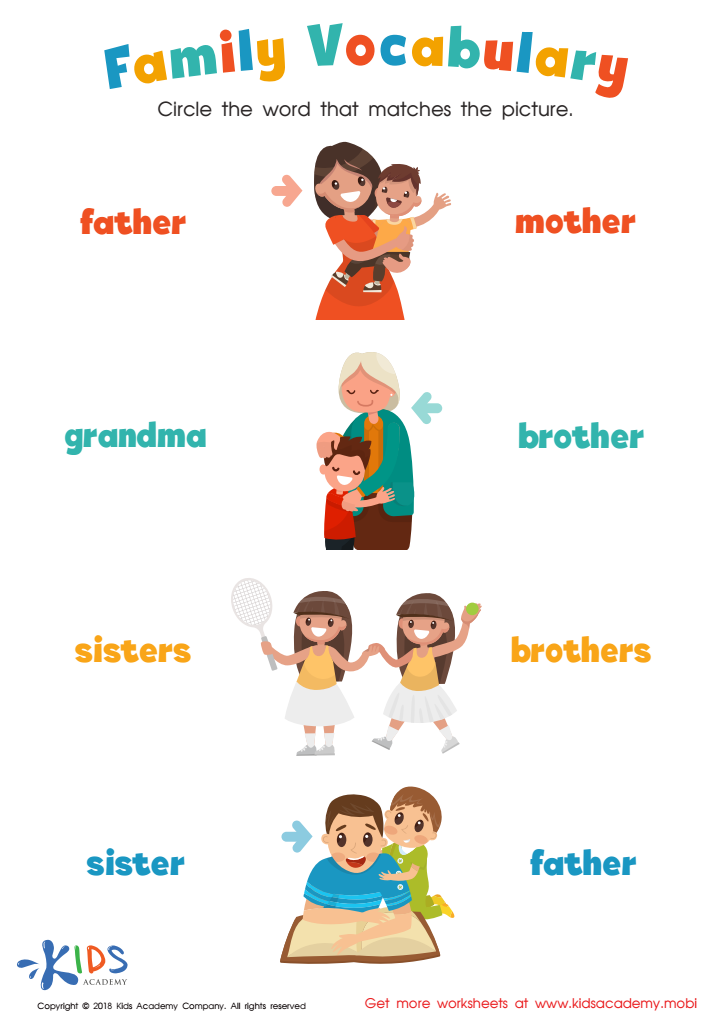
Family Vocabulary Worksheet
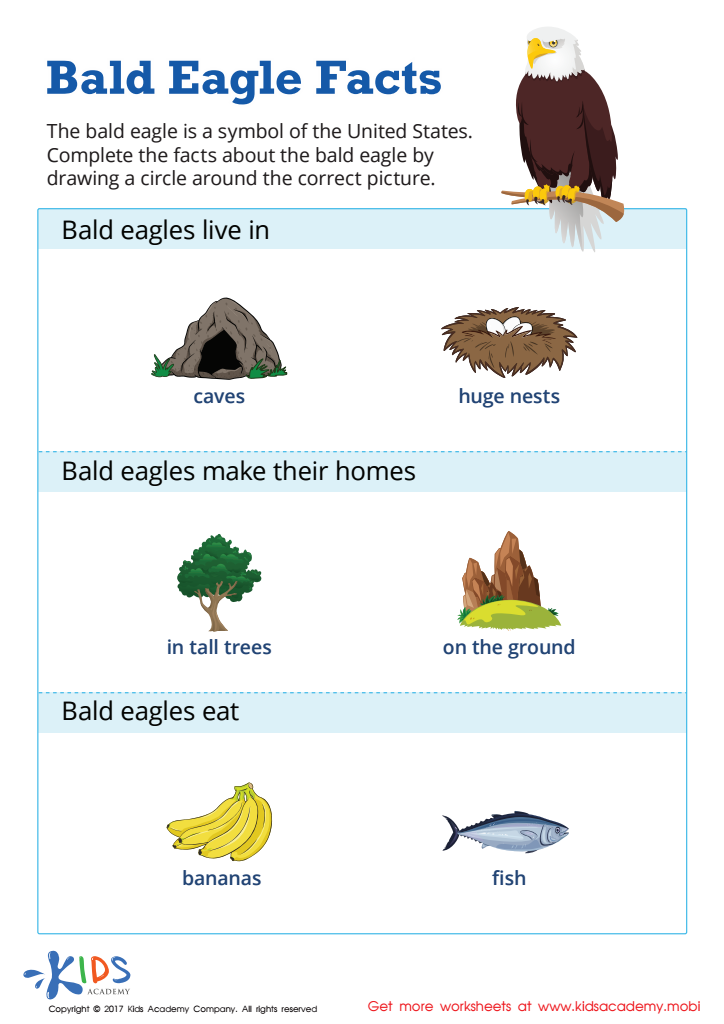
Bald Eagle Facts Worksheet
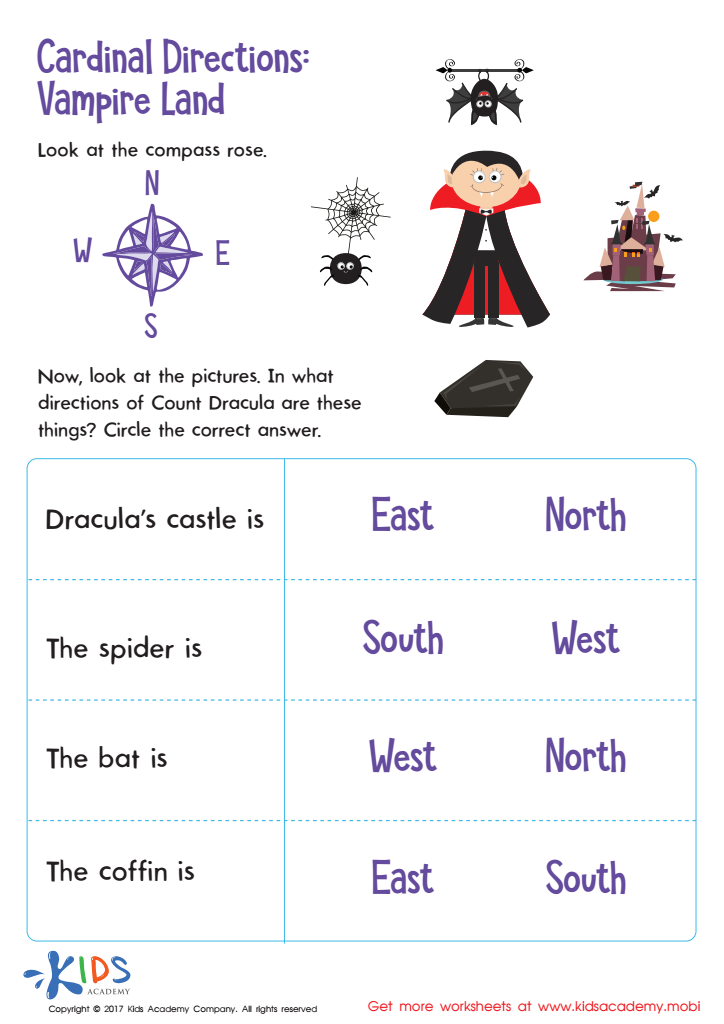
Cardinal Directions Printable
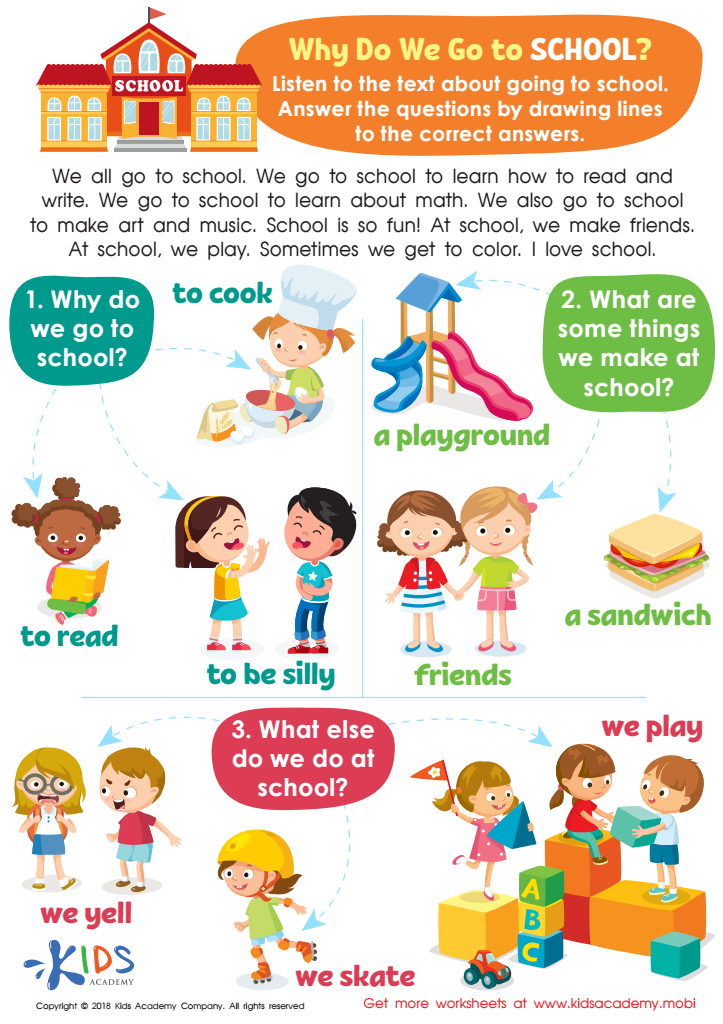
Why Do We Go To School? Worksheet



.jpg)




Understanding the "Normal World Around Us" is crucial for children ages 4-8 because it forms the foundation for their cognitive, social, and emotional development. At this stage, children are naturally curious and eager to explore their environment. When parents and teachers emphasize daily life experiences—such as observing nature, engaging with community helpers, or participating in household activities—they spark children's curiosity and enhance learning.
This exploration helps children grasp essential concepts like community, family roles, and the rhythms of daily life. It also promotes critical thinking and problem-solving skills, as children learn to ask questions, make connections, and understand cause and effect. By engaging with their world, children develop social manners, empathy, and awareness of cultural diversity.
Moreover, reinforcing the significance of their environment cultivates a sense of belonging and encourages active participation in community activities. This attachment fosters emotional bonds and introduces children to civic values early on, helping them understand their role within a community.
Ultimately, helping children appreciate their normal surroundings lays the groundwork for lifelong learning, respect for others, and a deeper understanding of the world. Both parents and teachers play a vital role in nurturing this curiosity and engagement.