Counting skills Normal Numbers Worksheets for Ages 4-9 - Page 3
67 filtered results
-
From - To
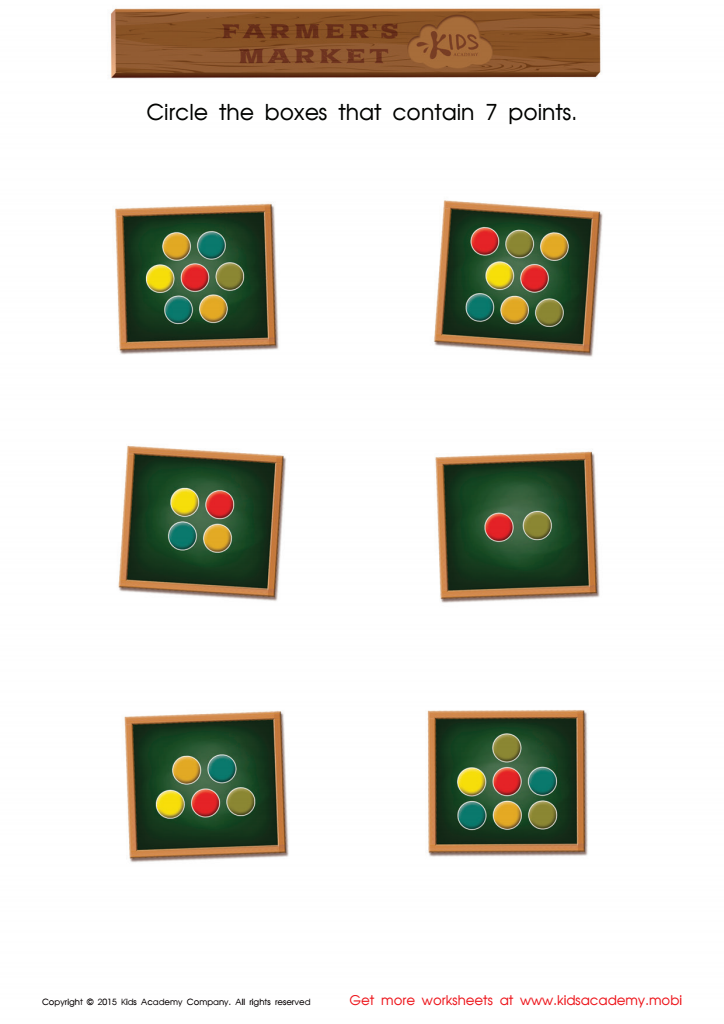
Count and Match Points 7 Math Worksheet
 Assign to My Students
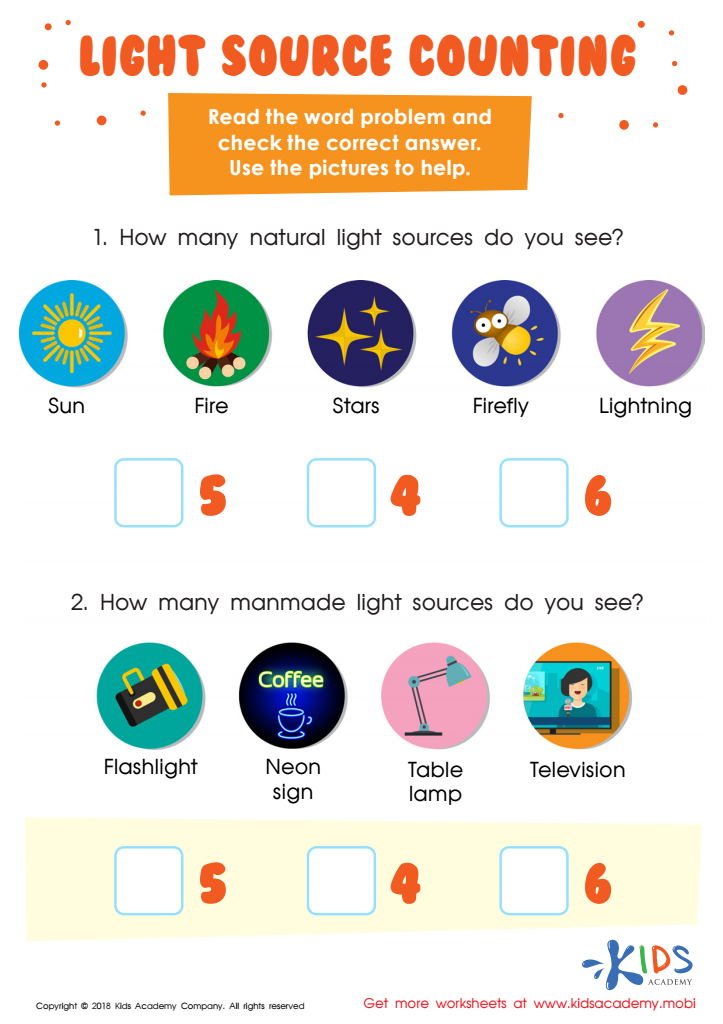
Light Source Counting Worksheet
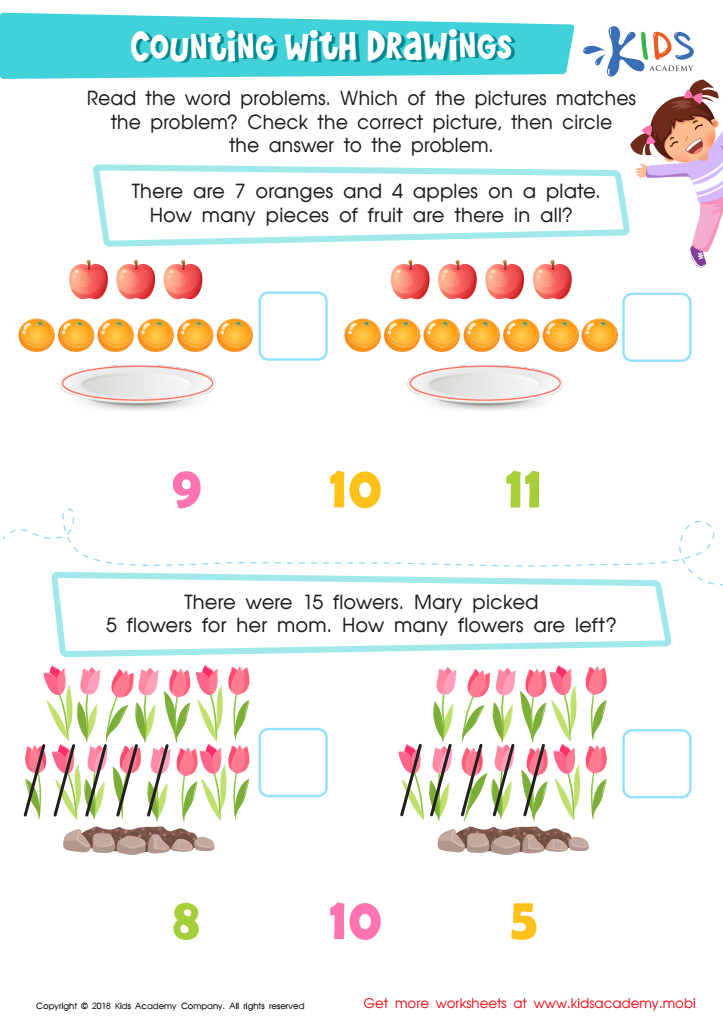
Counting with Drawings:Fruits & Flowers Worksheet
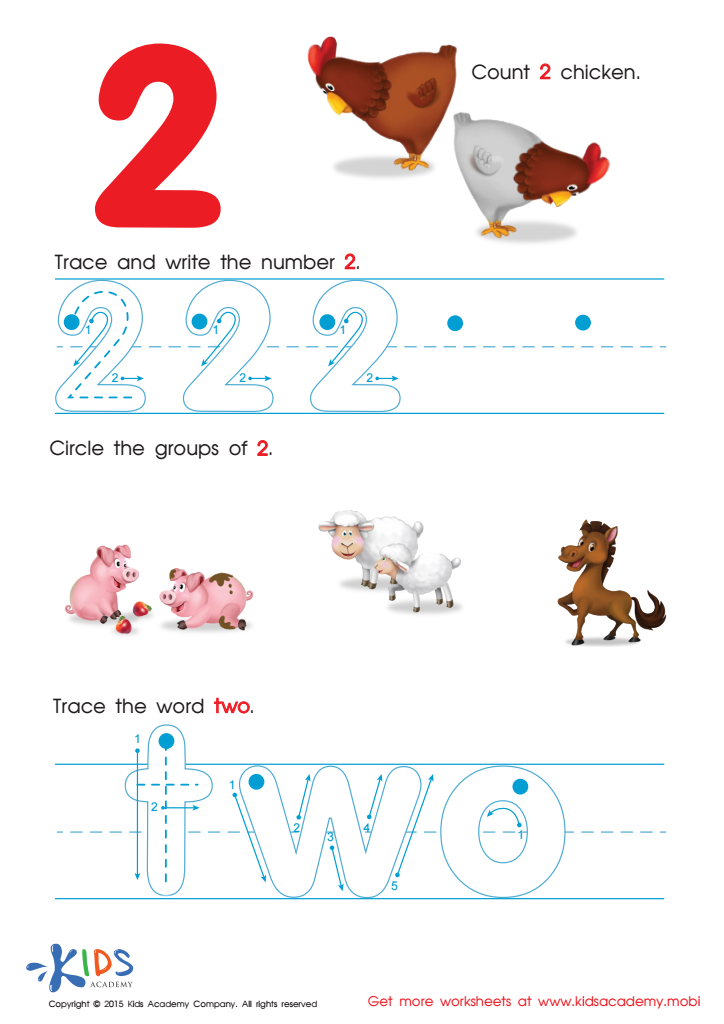
Learn to Write the Number 2 Worksheet

Ten in the Bed Worksheet
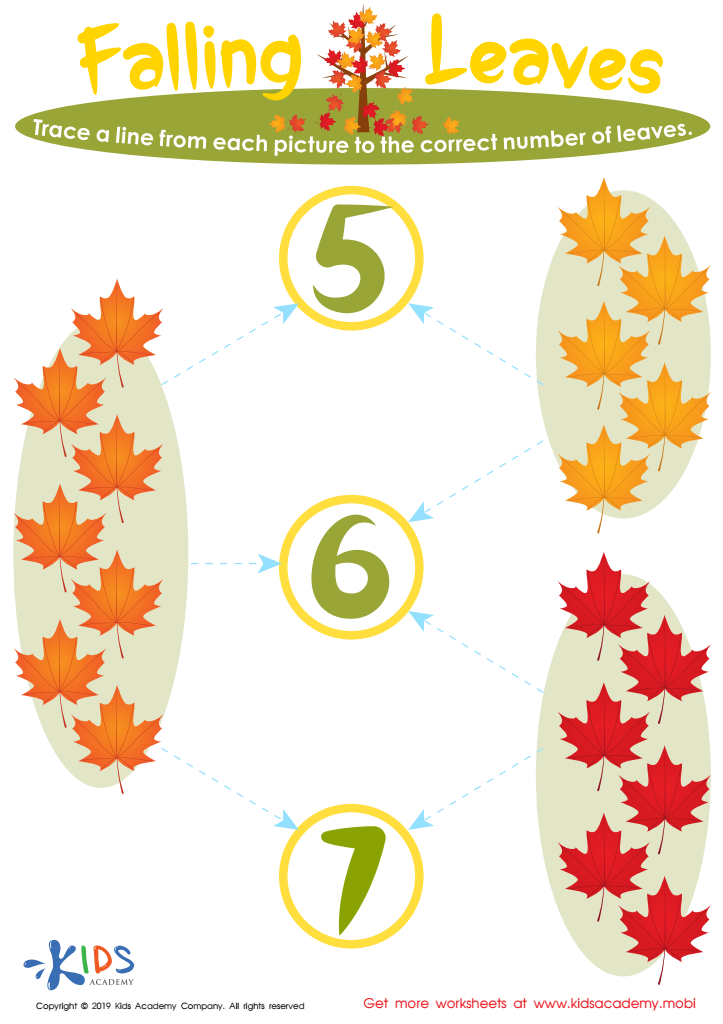
Falling Leaves Worksheet
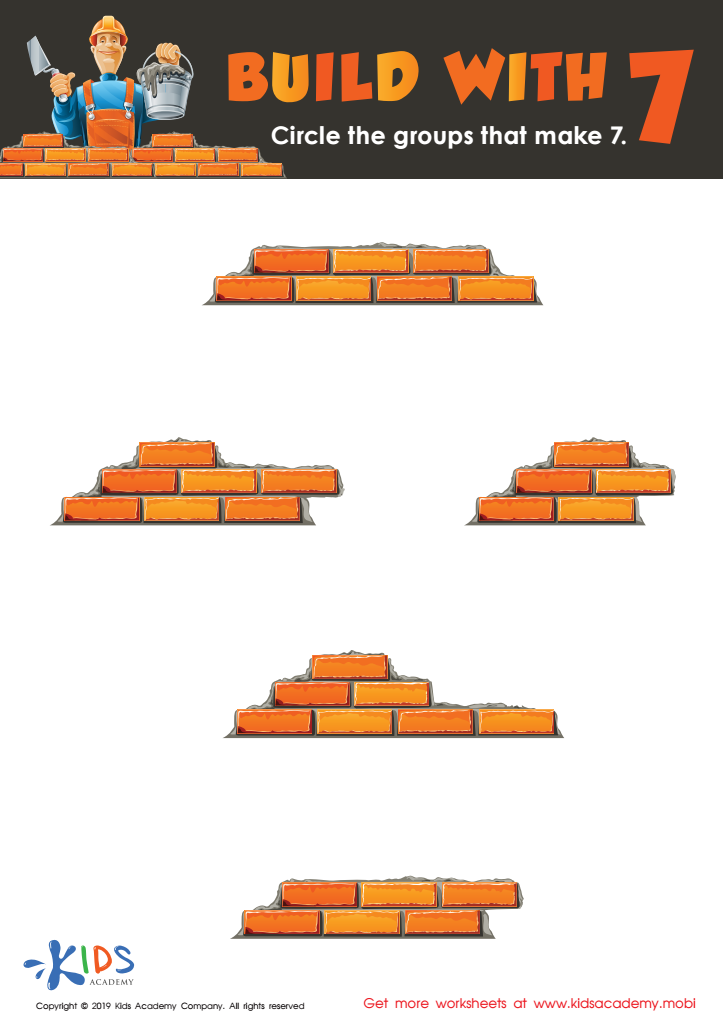
Build with 7 Worksheet

Count and Match Vegetables 1 – 5 Math Worksheet
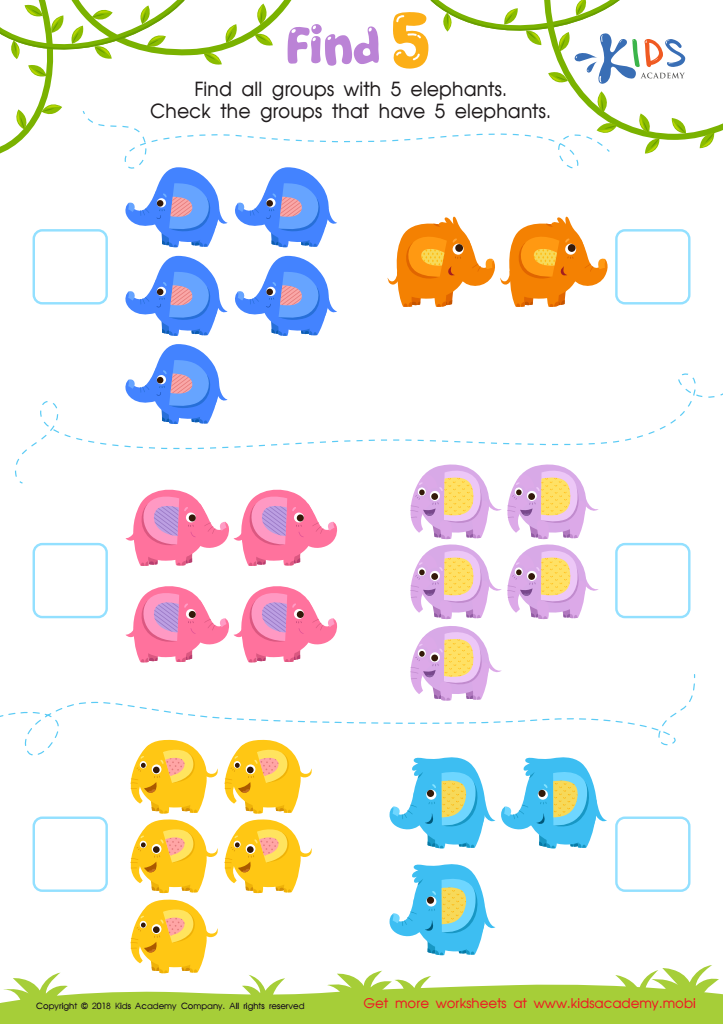
Find 5 Worksheet
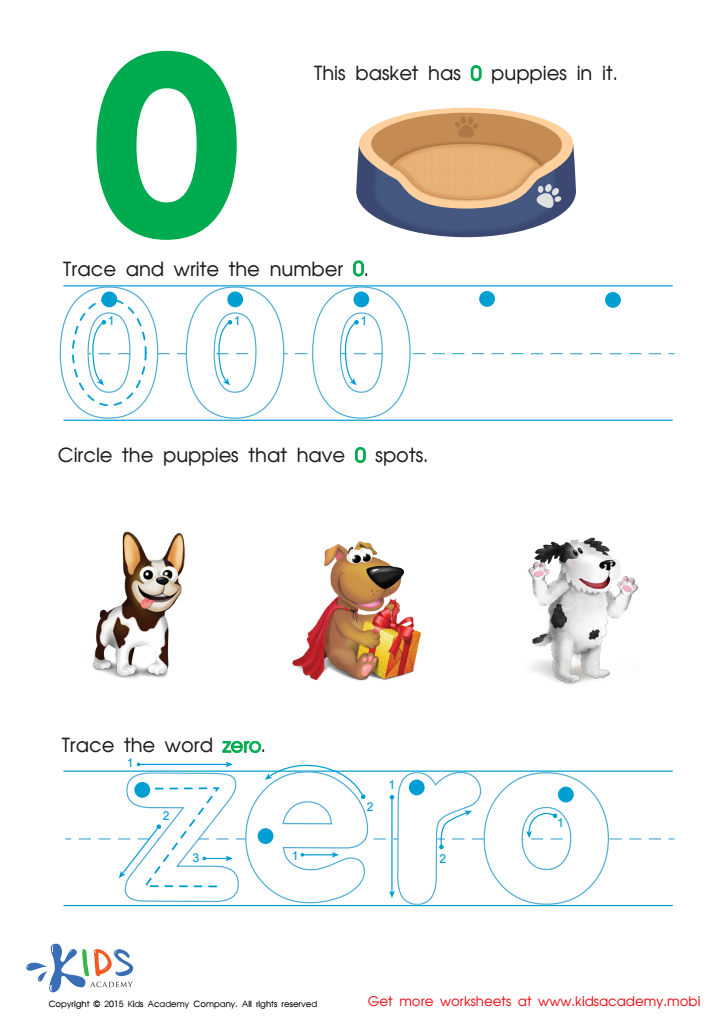
Trace And Write Number 0 Worksheet
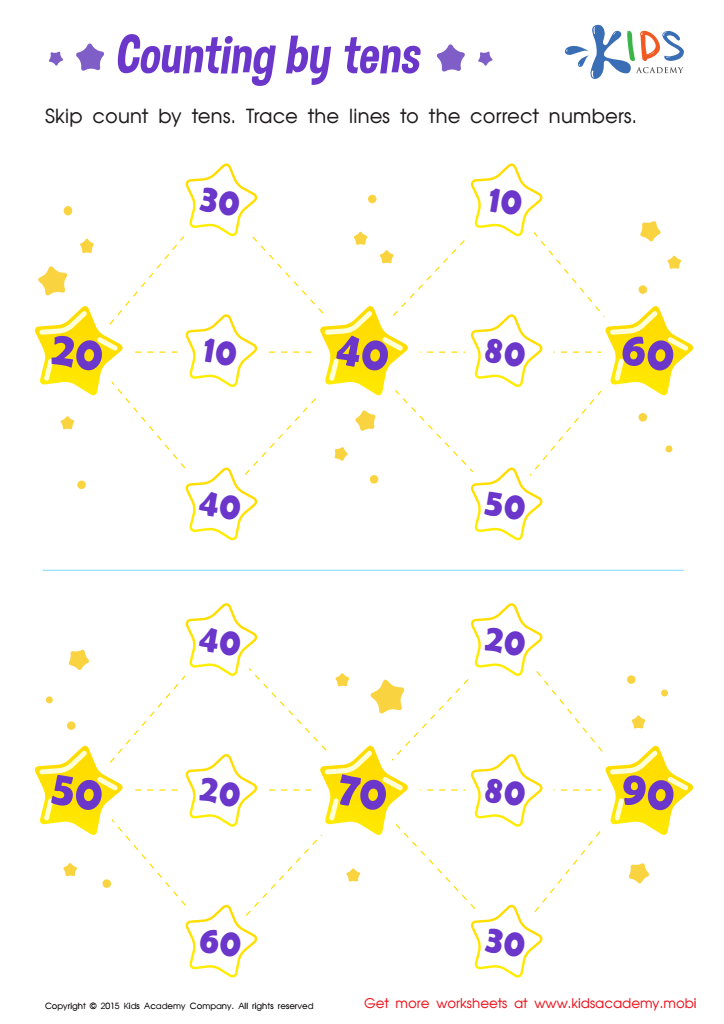
Learn Dozens: Counting by Tens Printable
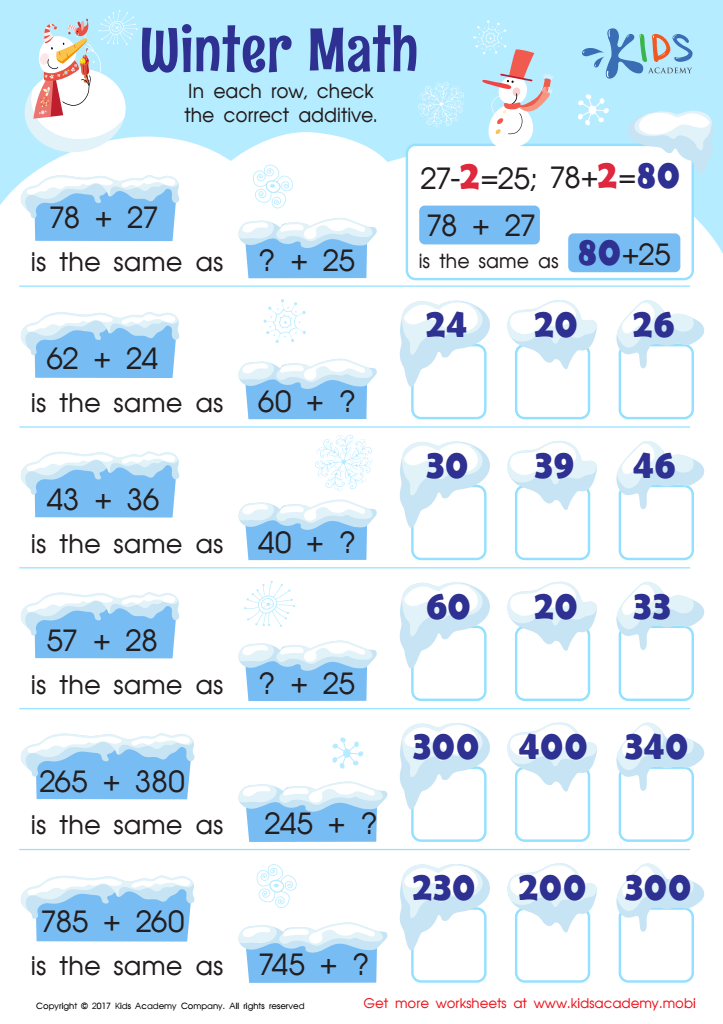
Free Addition Worksheet
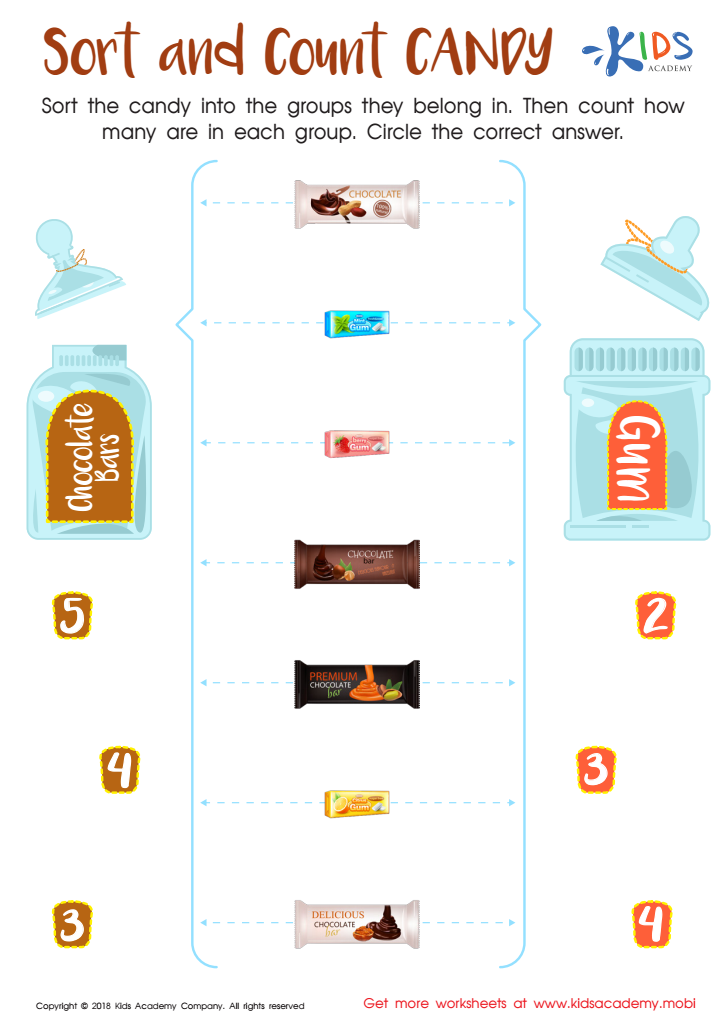
Sort and Count Candy Worksheet
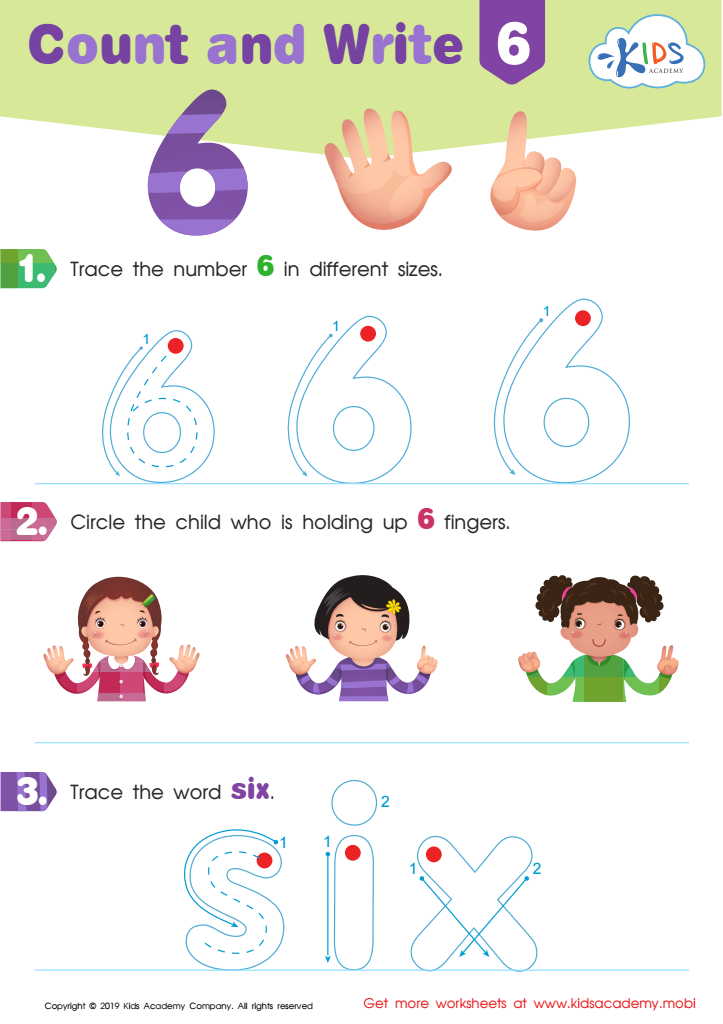
Count and Write 6 Worksheet
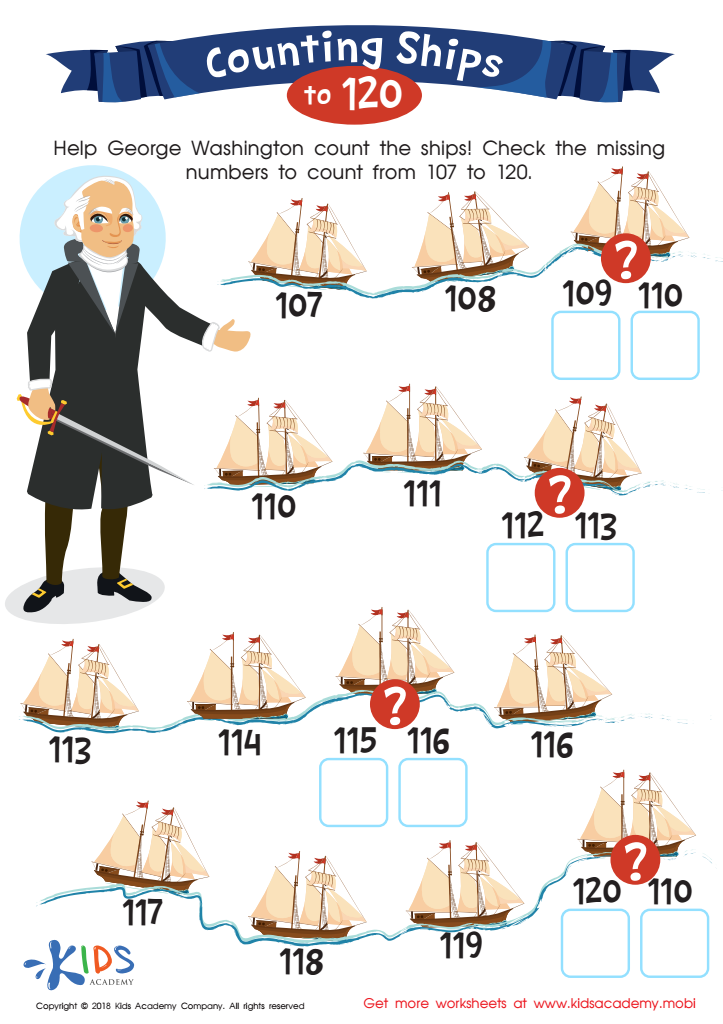
Counting Ships to 120 Worksheet
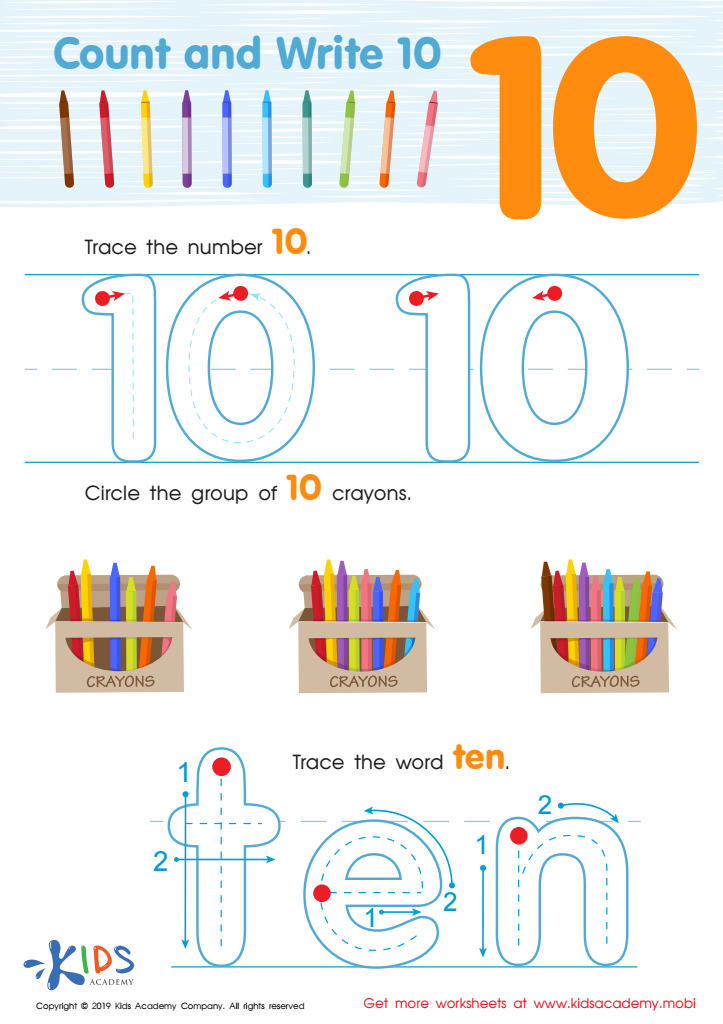
Count and Write 10 Worksheet
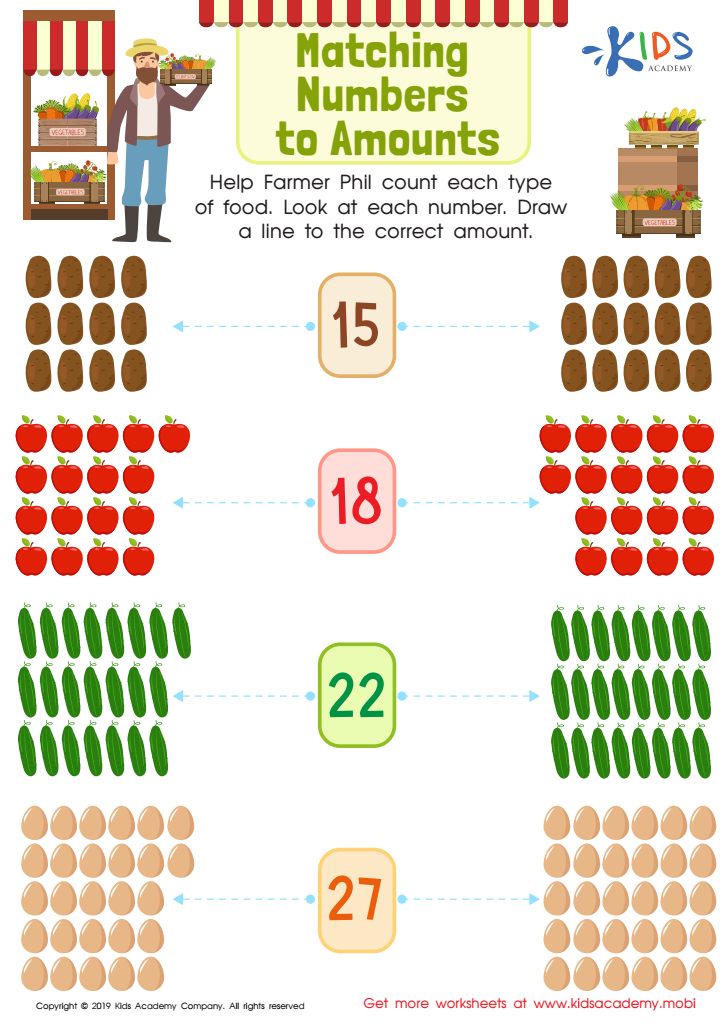
Matching Numbers to Amounts Worksheet
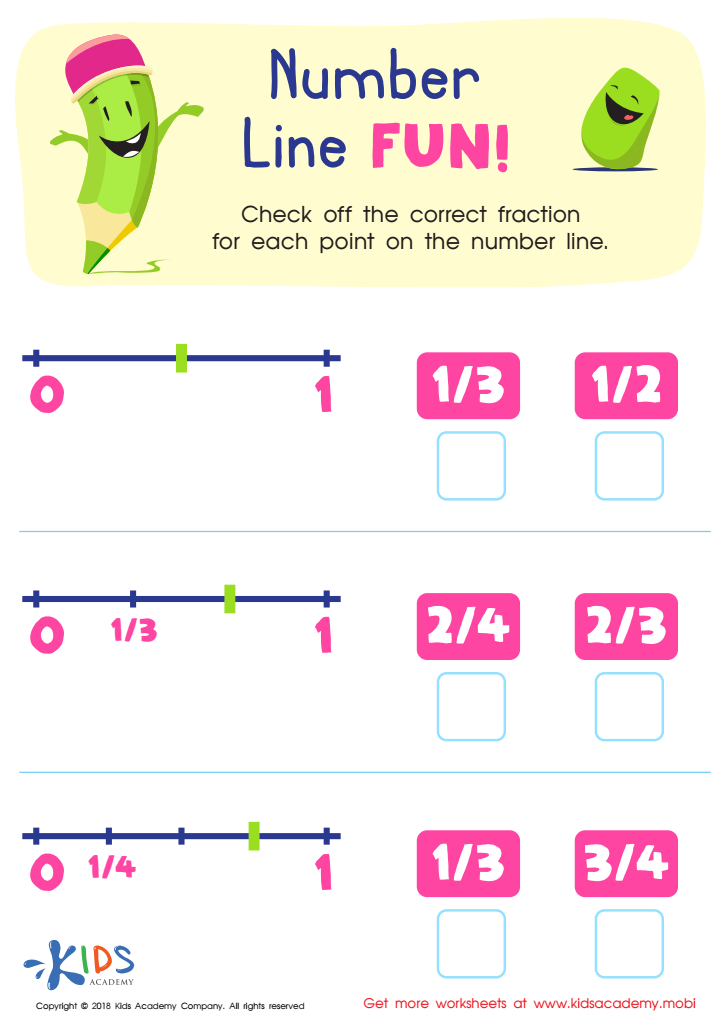
Number Line Fun Worksheet
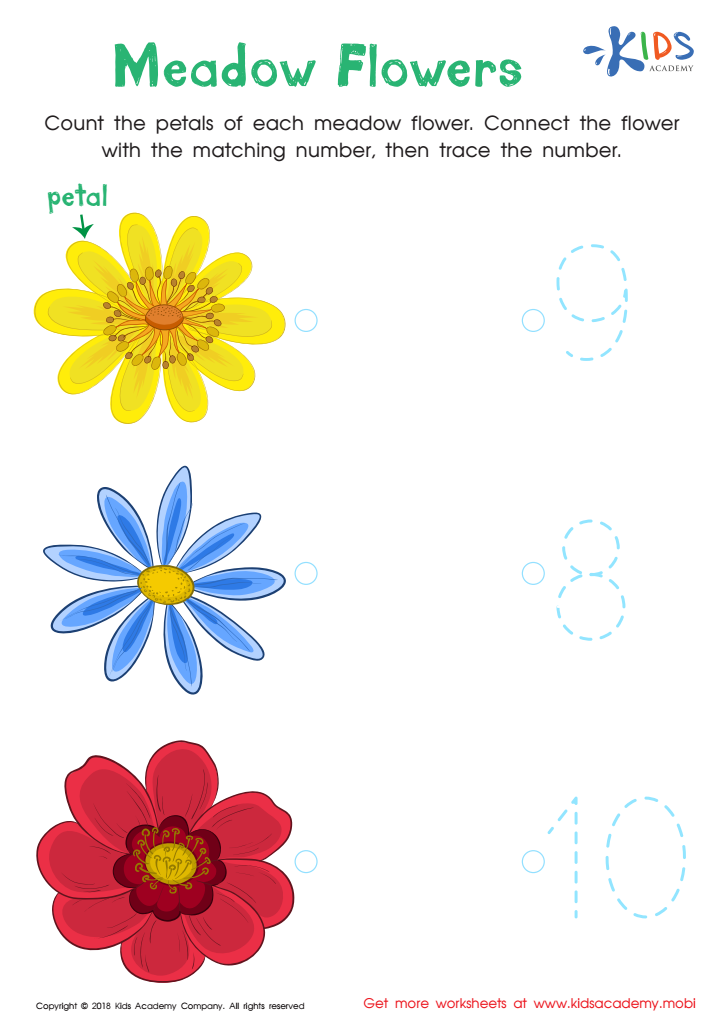
Kindergarten Number Tracing: Medow Flowers Worksheet








Counting skills are fundamental to early childhood education, particularly for children aged 4-9. These skills serve as the building blocks for more complex mathematical concepts. During this critical developmental stage, children begin to understand quantities, number relationships, and basic arithmetic operations, which are essential for their academic success.
Parents and teachers should care about counting skills because they are linked to children's cognitive development and overall learning. Proficiency in counting enhances problem-solving abilities, boosts confidence in math, and lays the groundwork for understanding more advanced topics like addition, subtraction, and even fractions. Moreover, strong counting skills contribute to a child's ability to reason logically and think critically, skills that are valuable beyond mathematics.
Engaging children in counting activities, such as counting objects or incorporating numbers into everyday conversations, can make learning enjoyable and practical. This engagement not only reinforces counting skills but also fosters a love for learning. Additionally, strong counting skills can reduce anxiety around math as children progress through their education, promoting lifelong learning habits. In conclusion, nurturing counting skills at an early age is vital for children's academic growth and can significantly influence their future success in both math and beyond.