Normal Multiplication Worksheets for Ages 4-9 - Page 2
46 filtered results
-
From - To
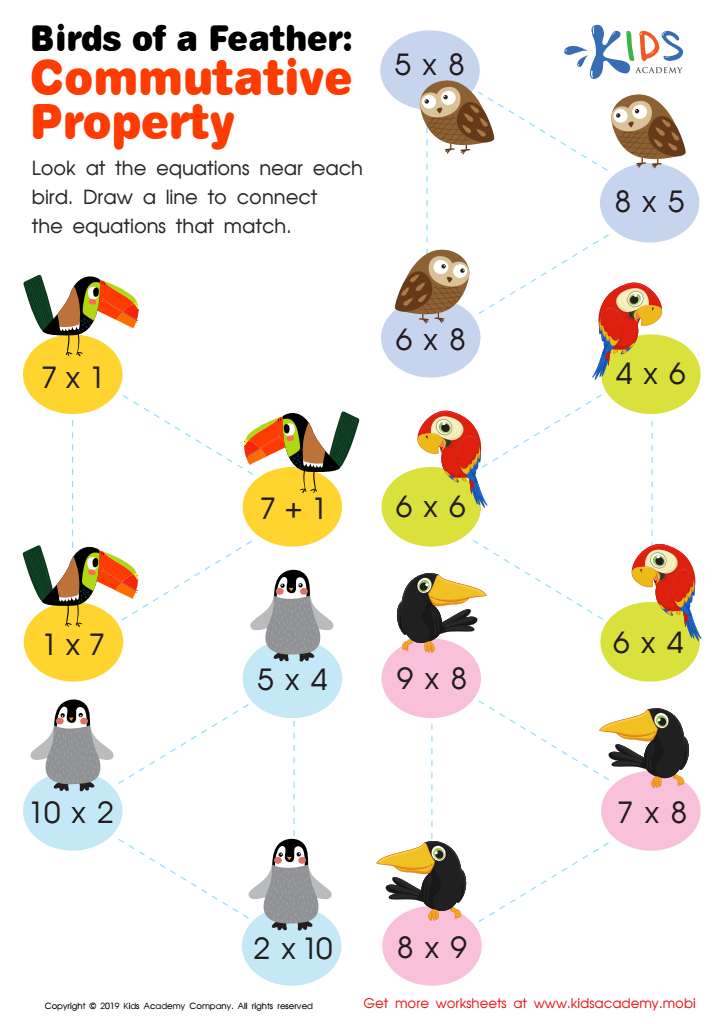
Birds of a Feather: Commutative Property Worksheet
 Assign to My Students
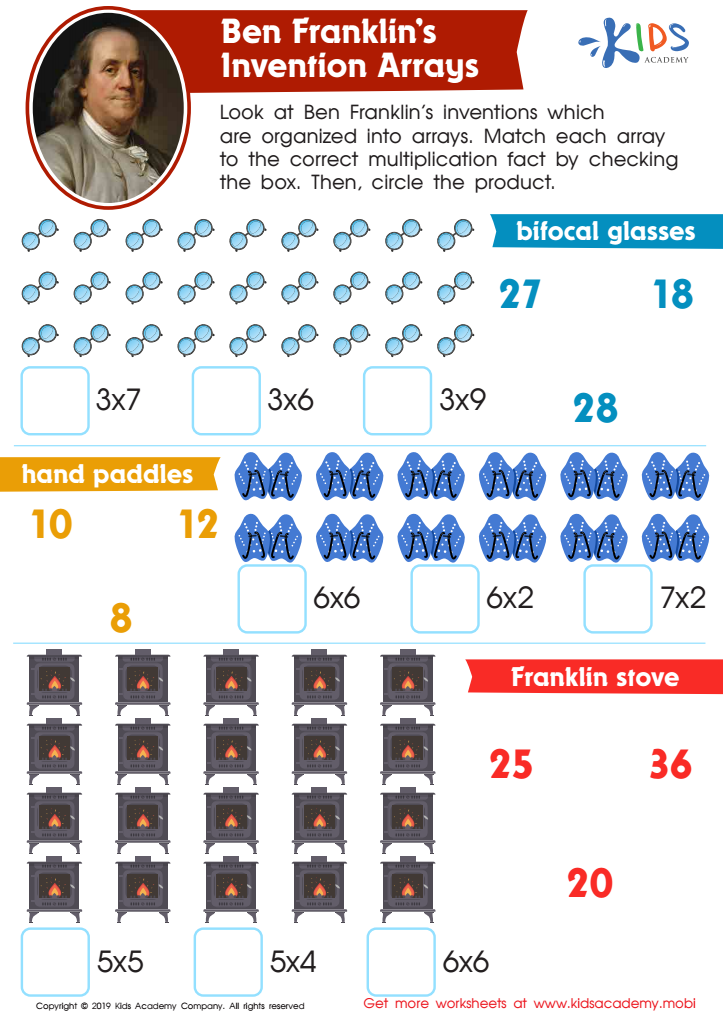
Ben Franklin’s Invention Arrays Worksheet
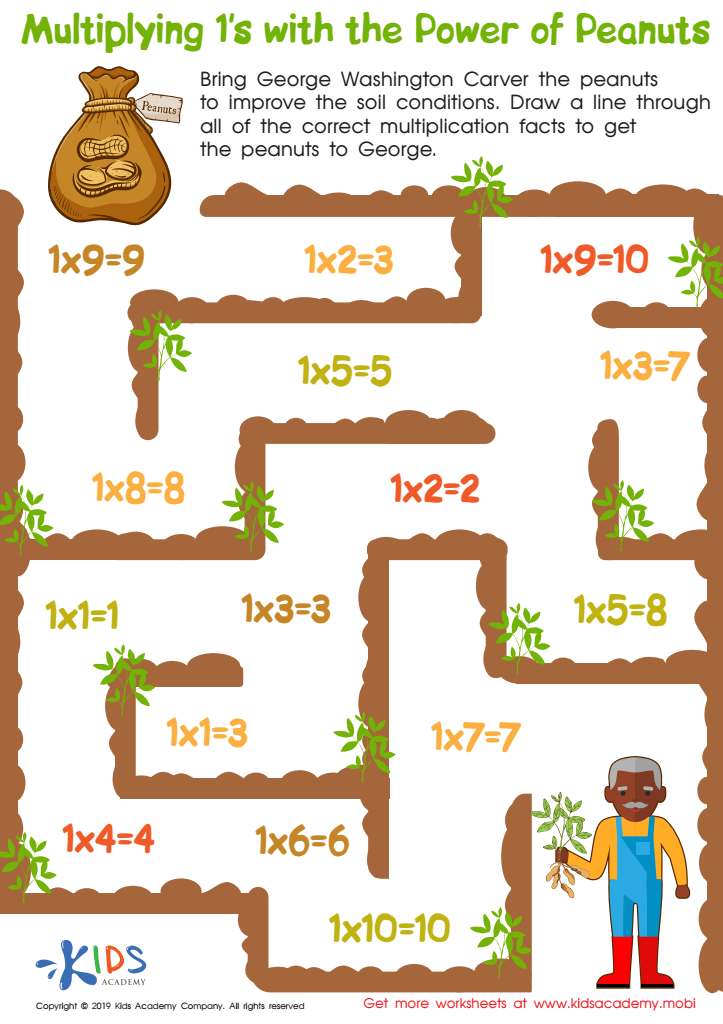
Multiplying 1’s With the Power of Peanuts Worksheet
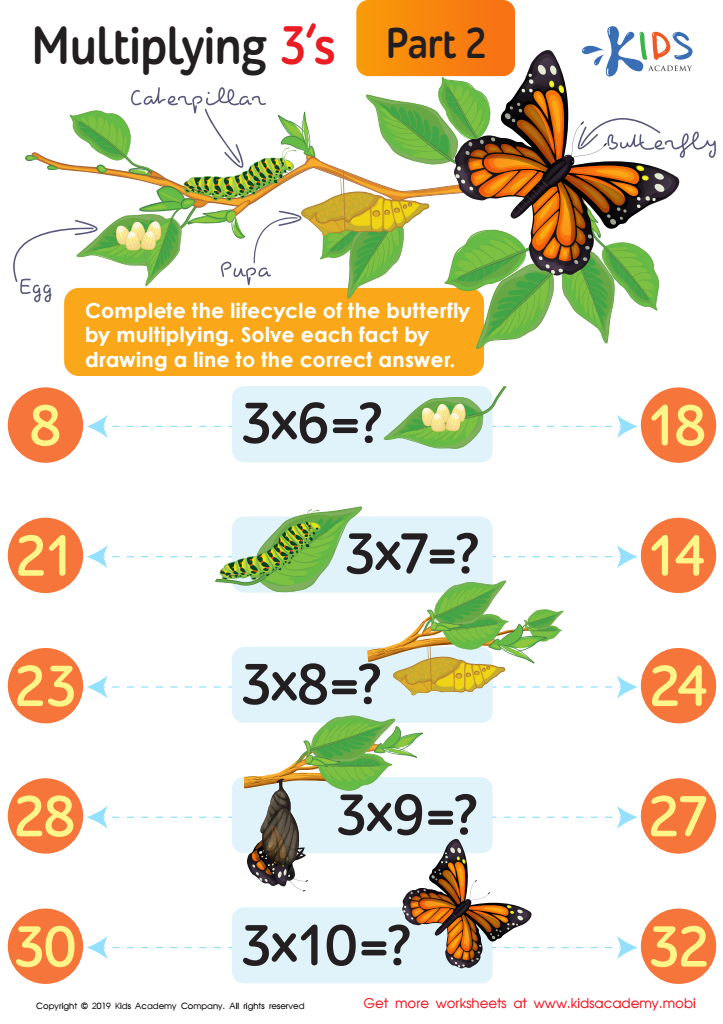
Multiplying 3s Part 2 Worksheet
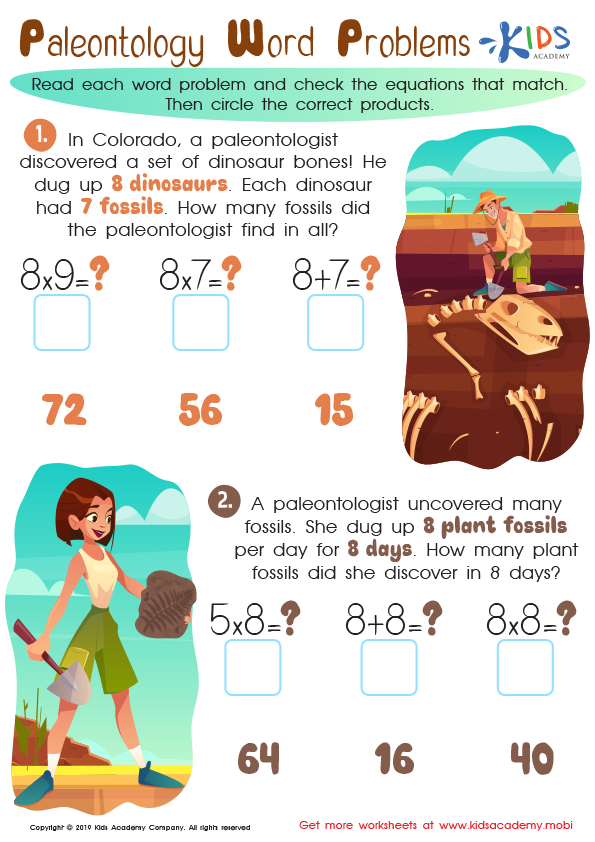
Archeology Word Problems Worksheet
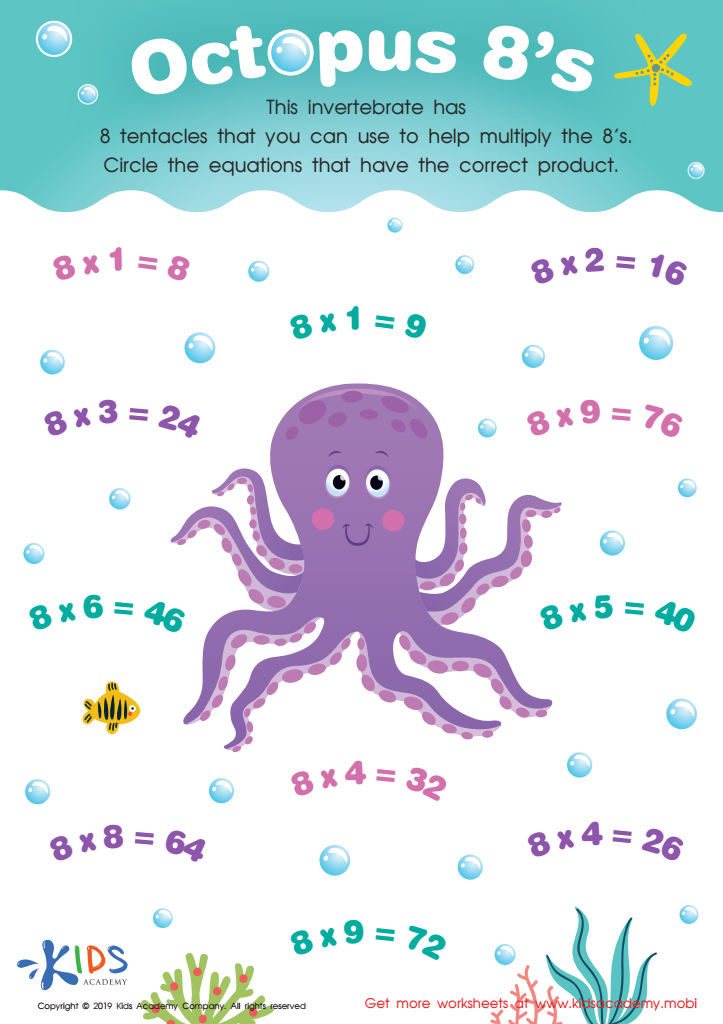
Octopus 8’s Worksheet
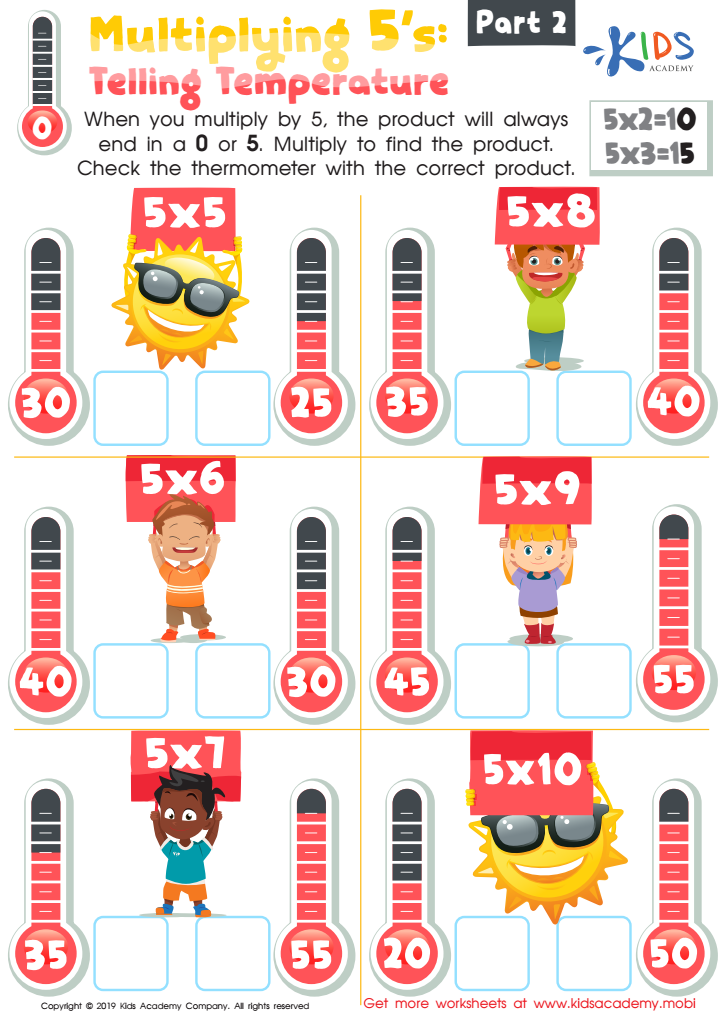
Multiplying 5’s: Telling Temperature Part 2 Worksheet
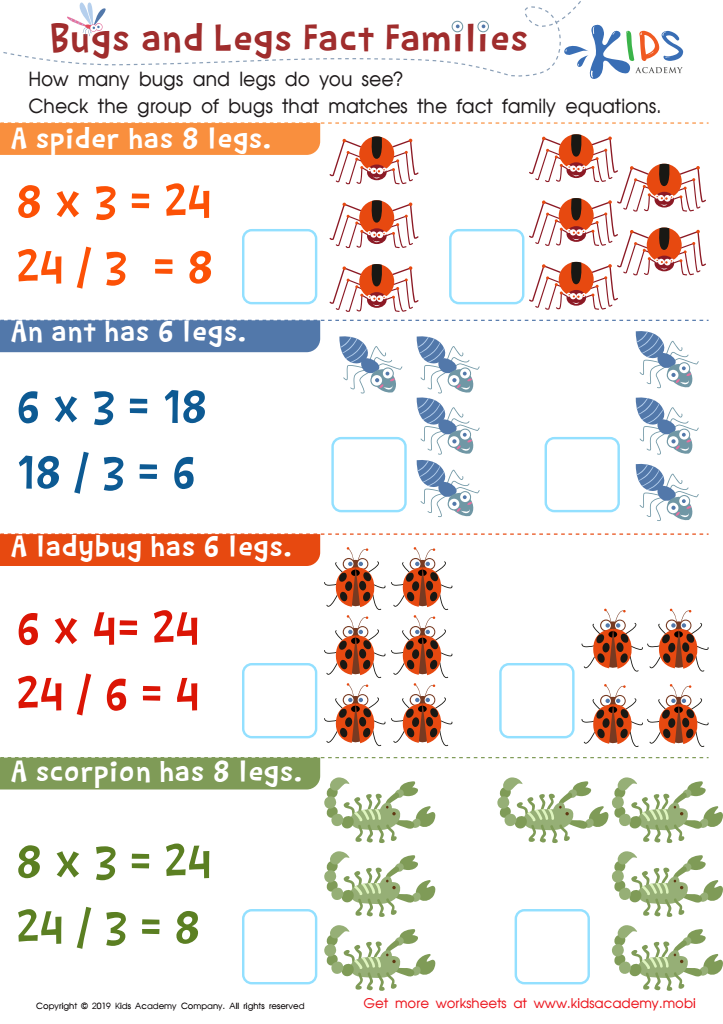
Bugs and Legs Fact Families Worksheet
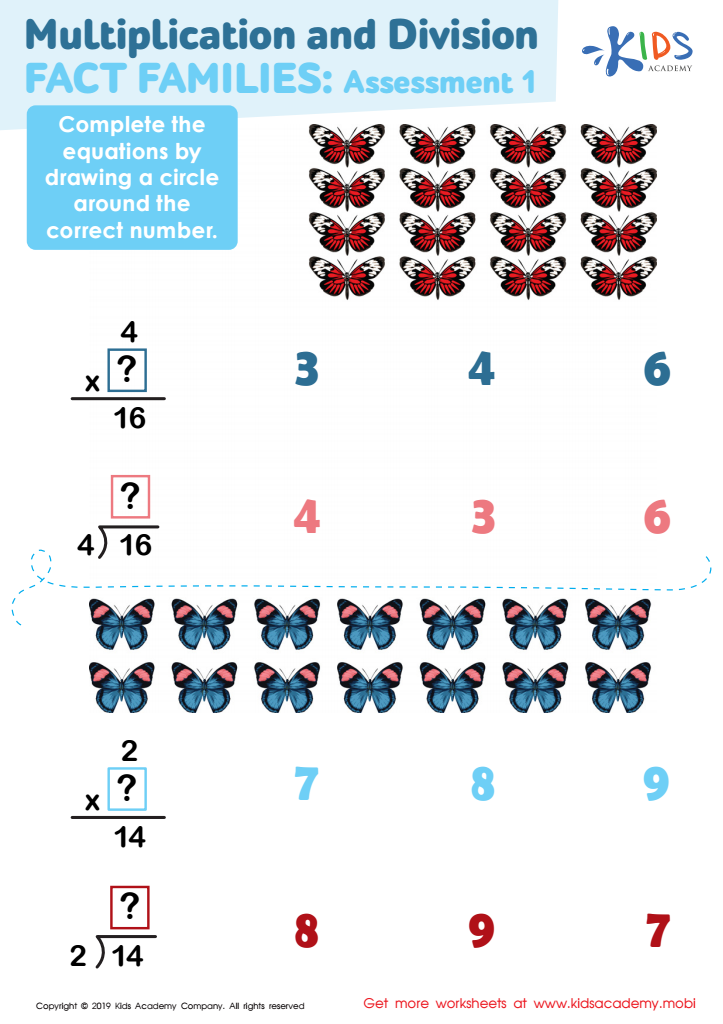
Multiplication and Division Fact Families Assessment 1 Worksheet
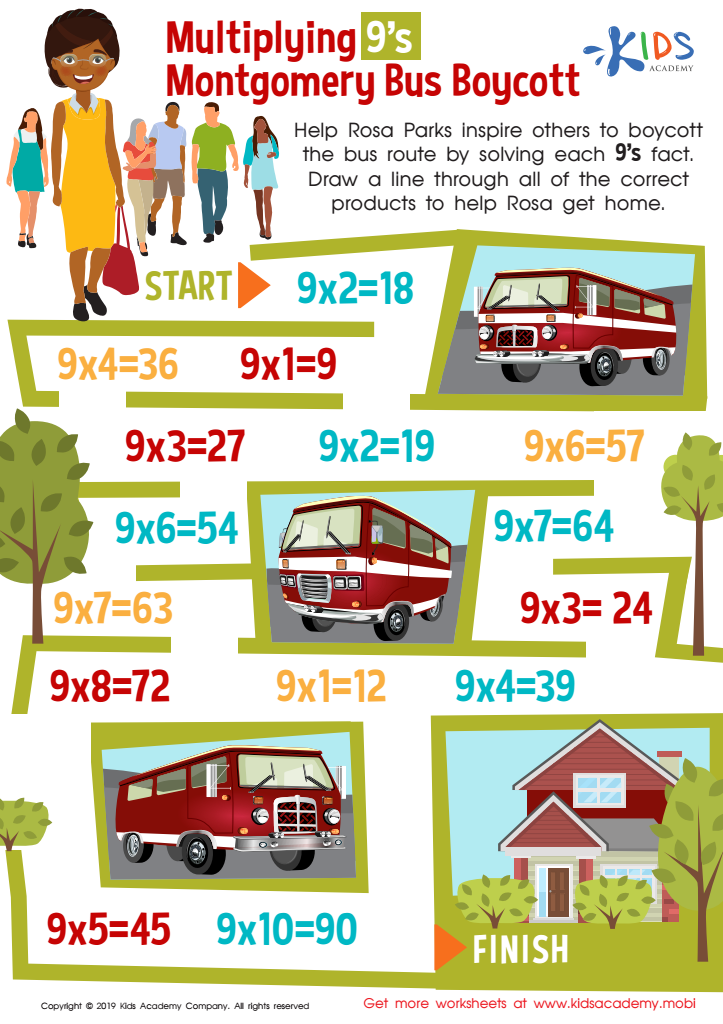
Multiplying 9’s Montgomery Bus Boycott Worksheet
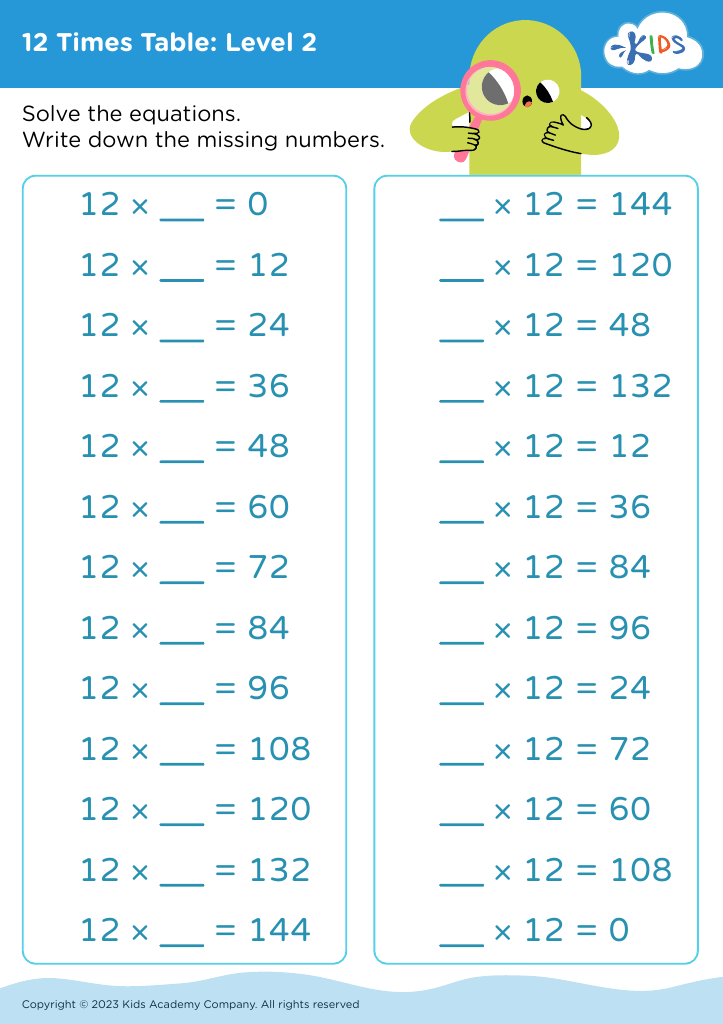
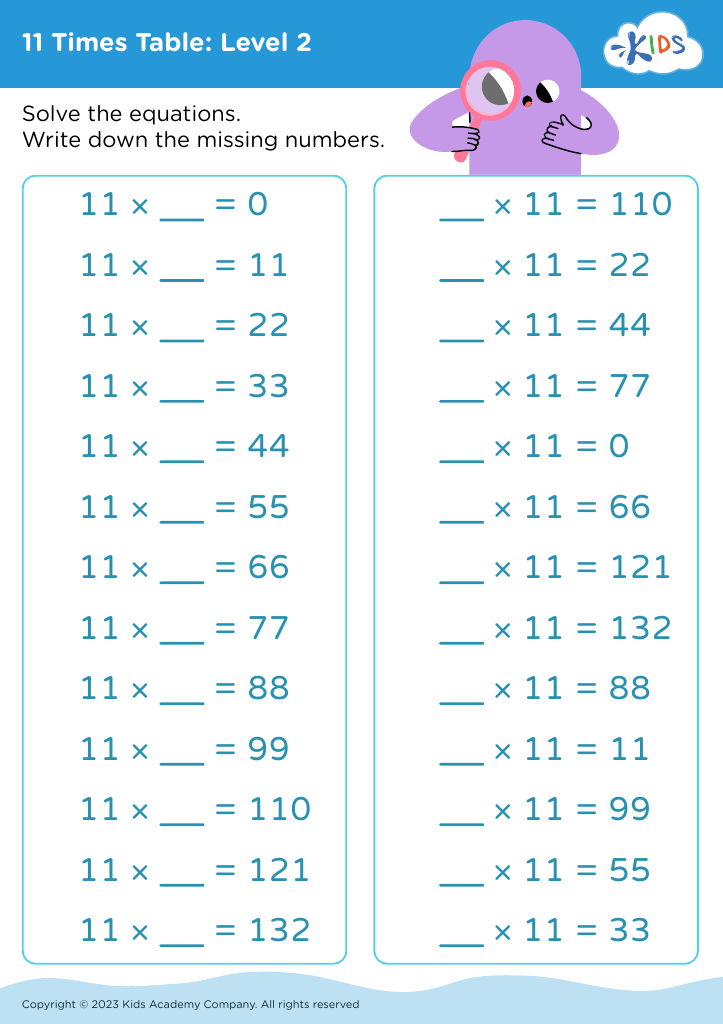
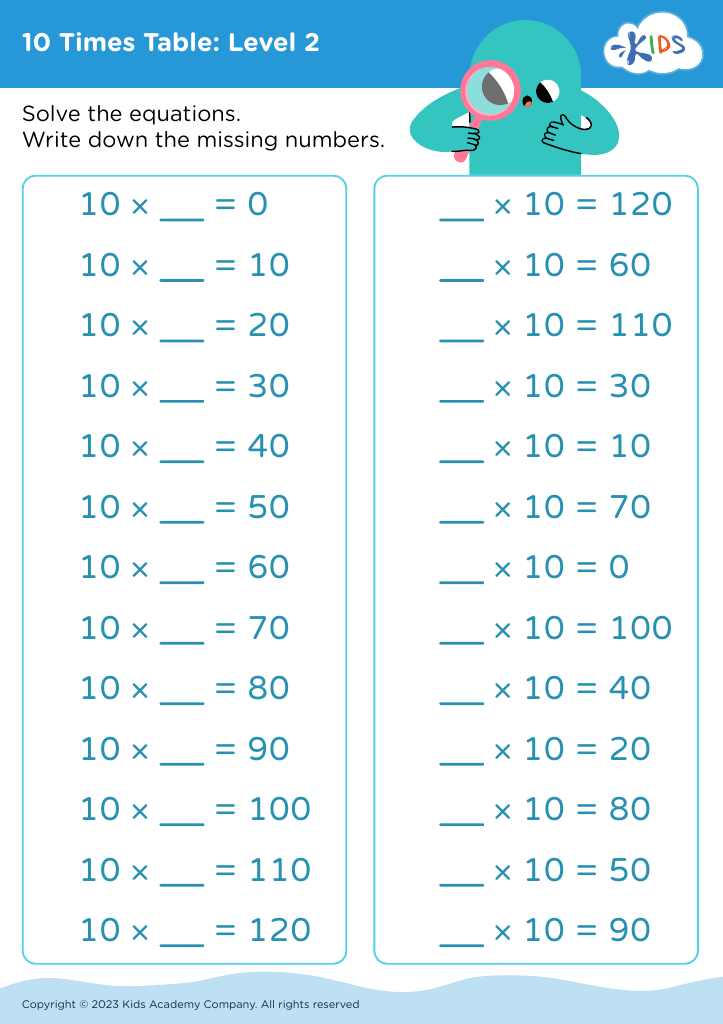
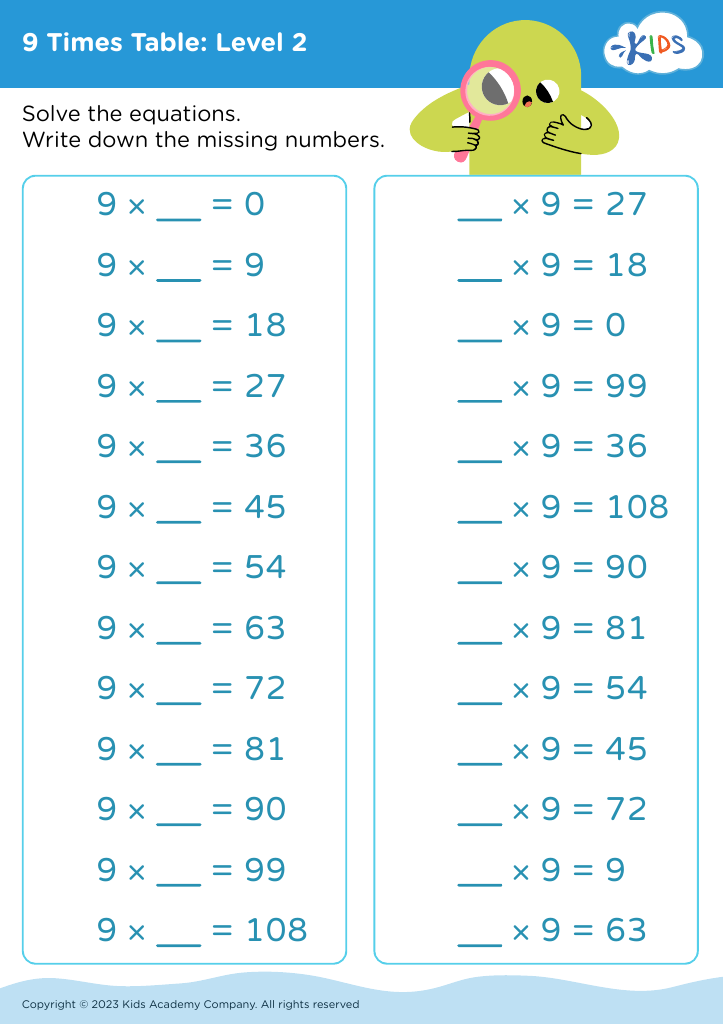
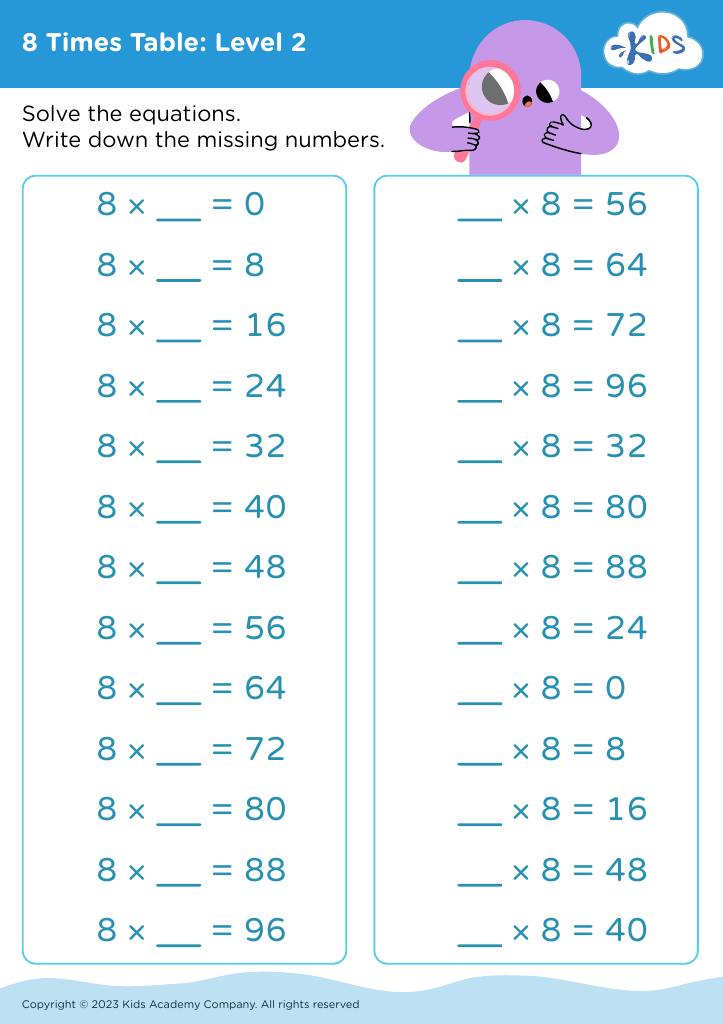
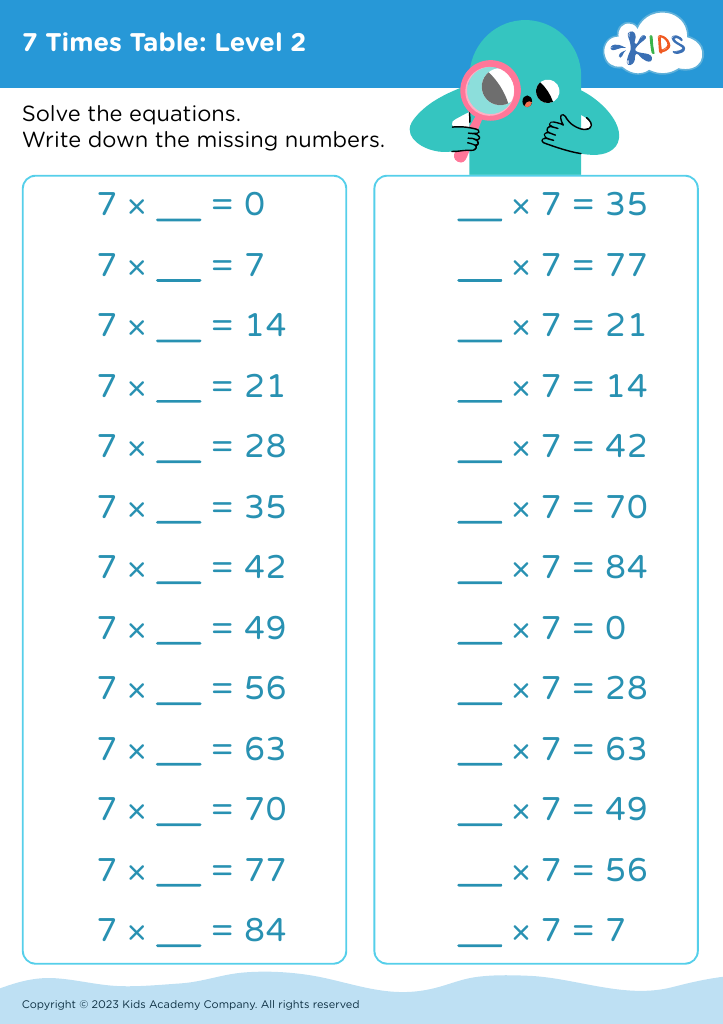
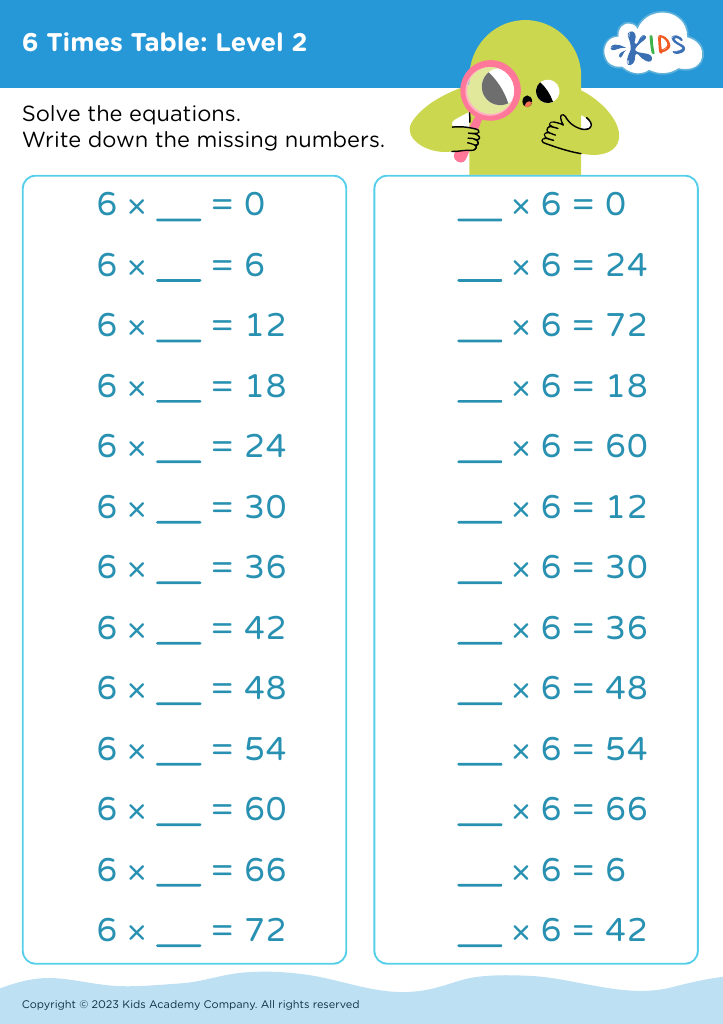
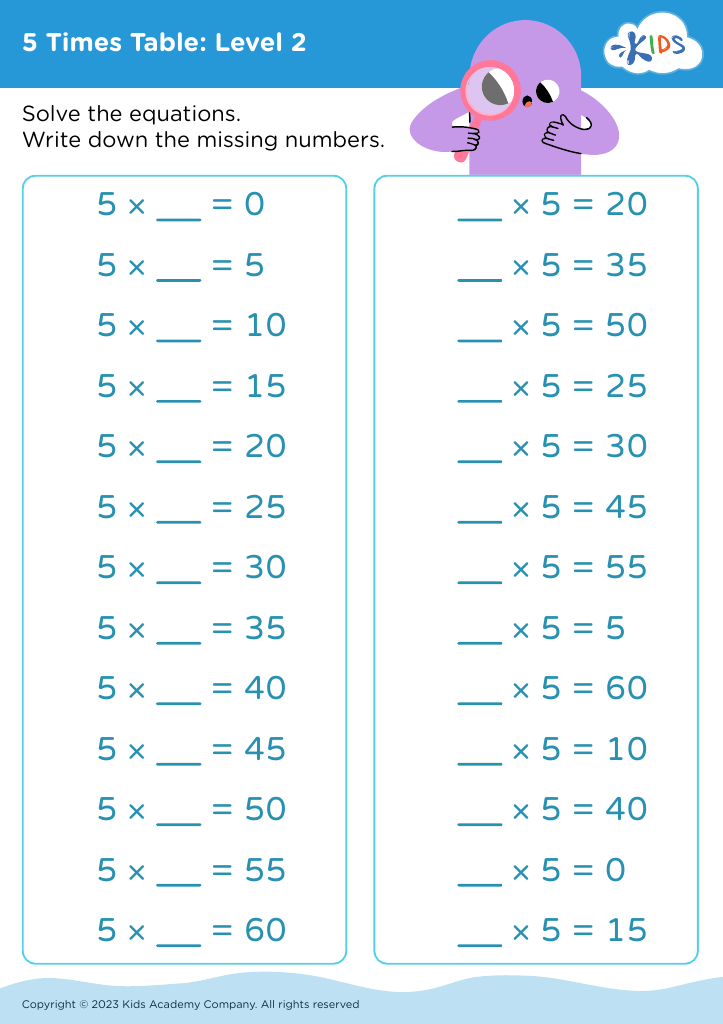
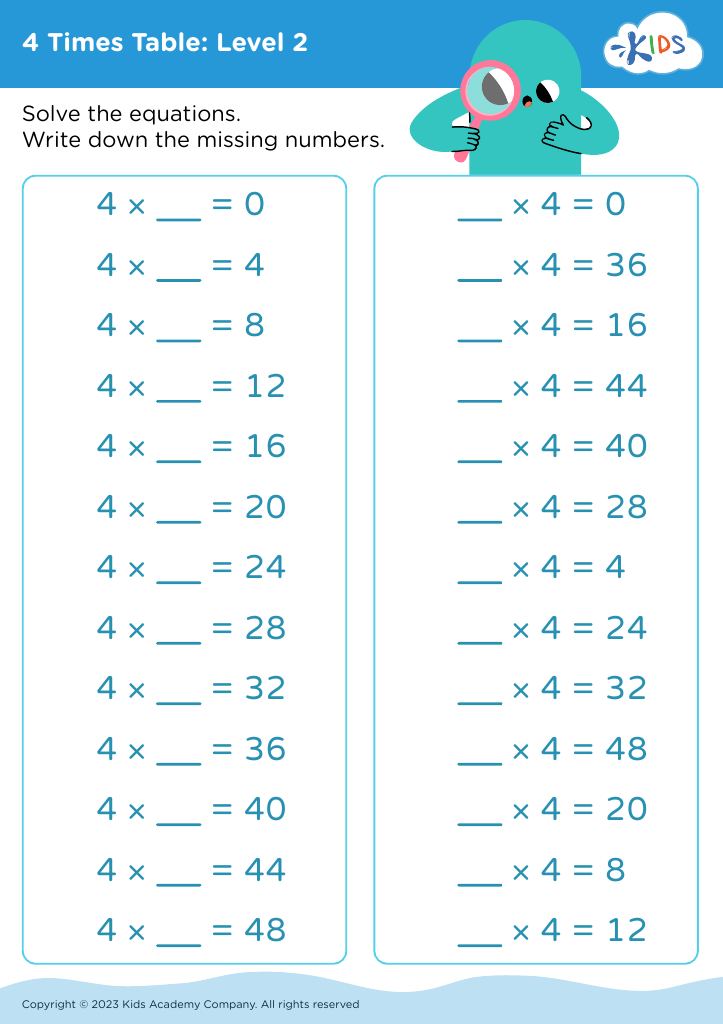
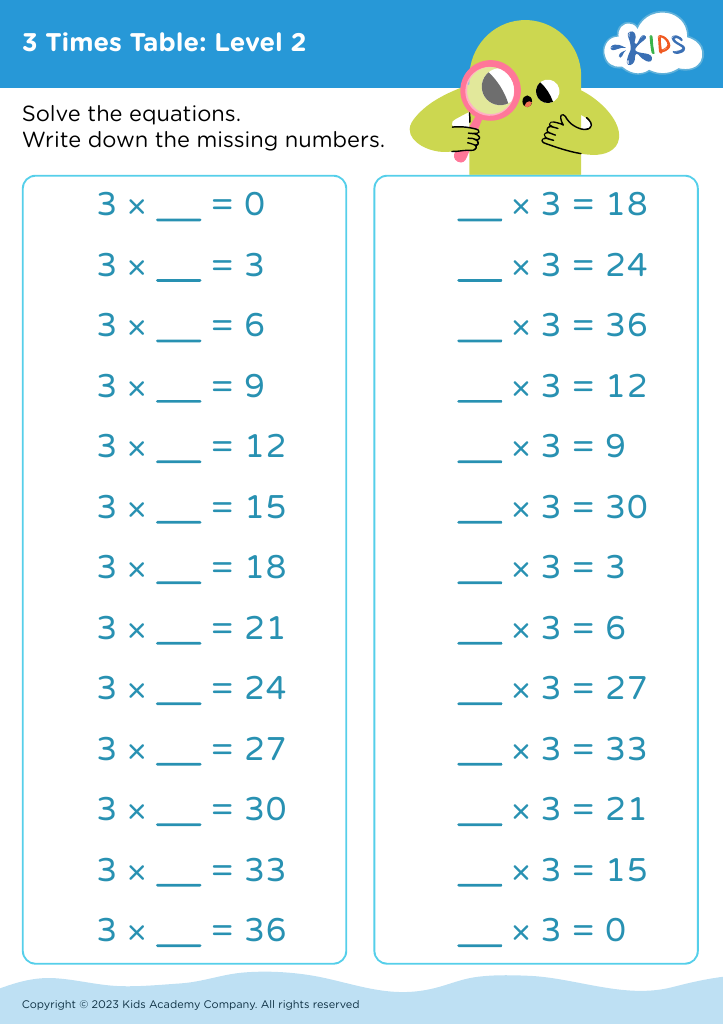
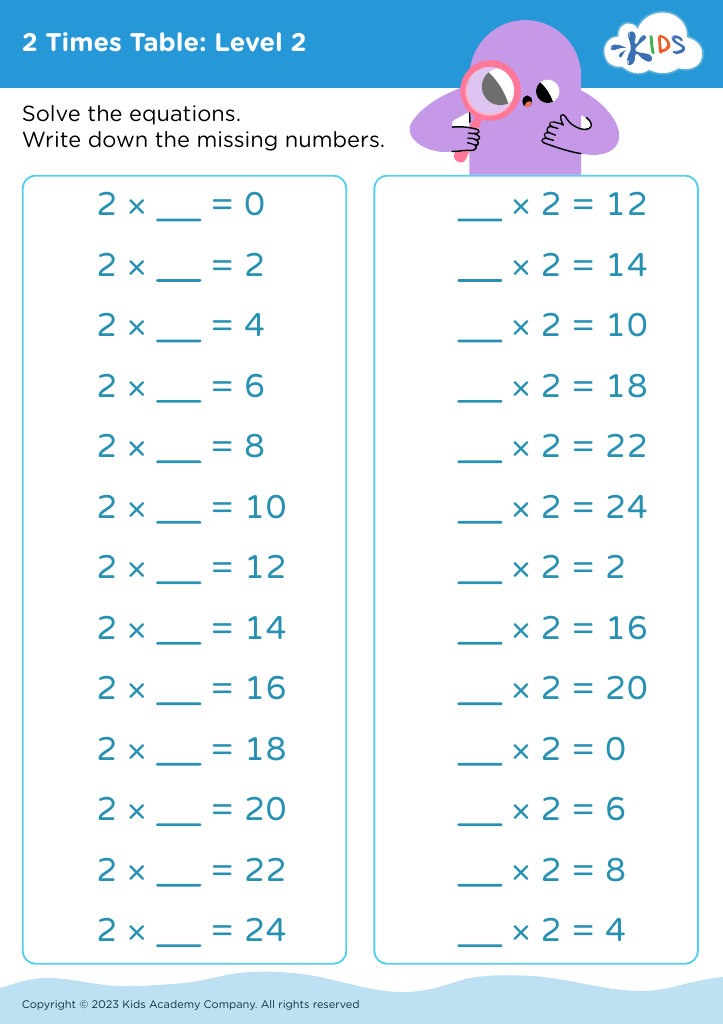
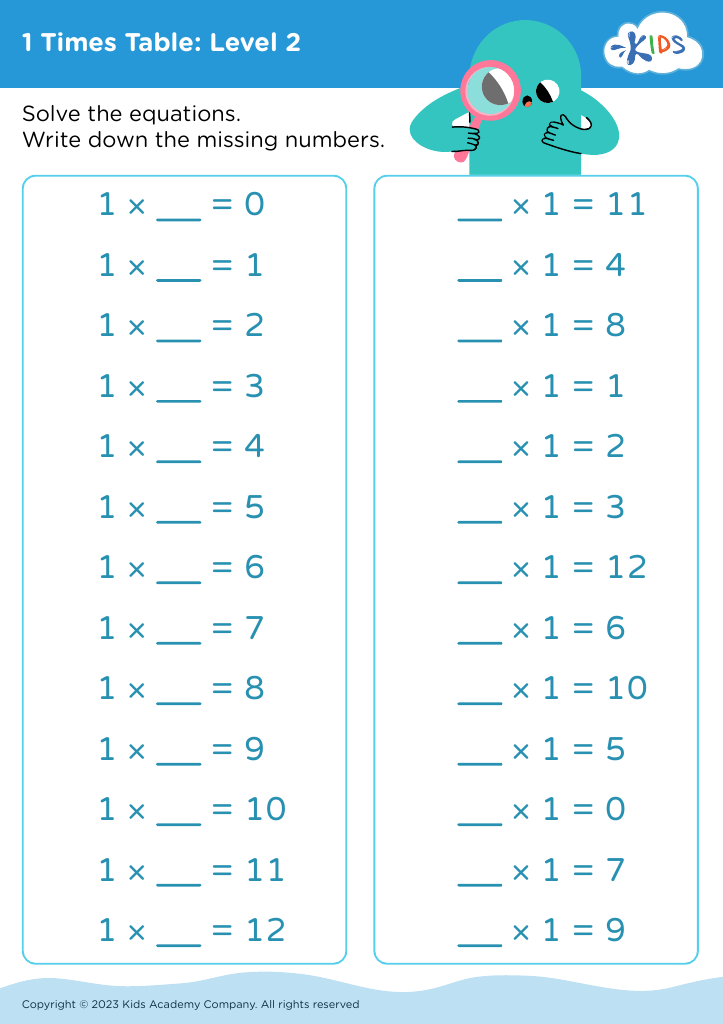




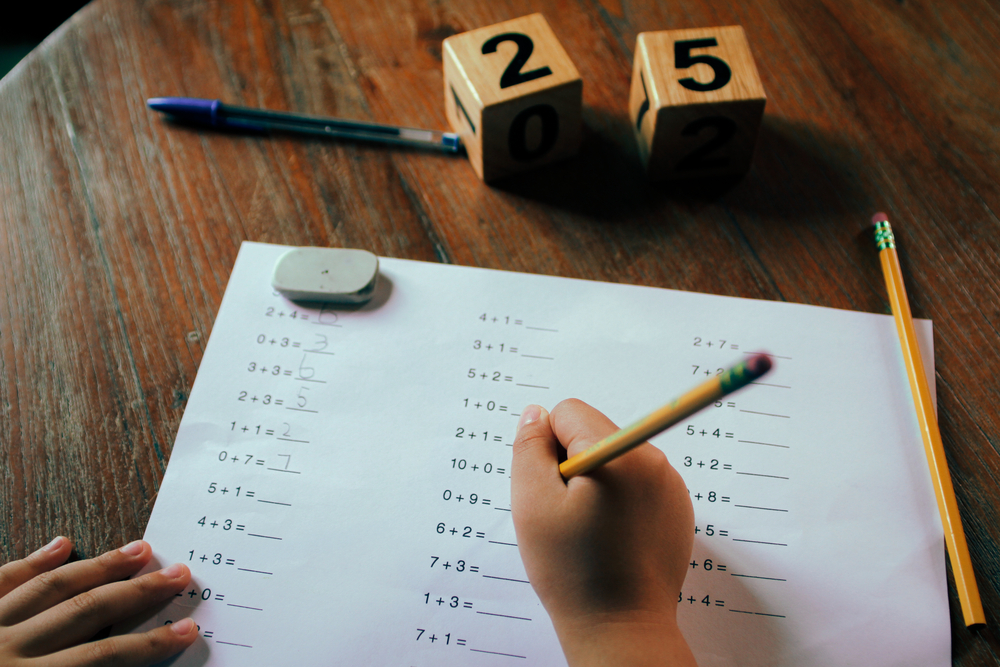



Normal multiplication, often introduced to children aged 4-9, serves as a foundational mathematical skill essential for their educational growth. First and foremost, it enhances problem-solving abilities; understanding multiplication helps children identify patterns and relationships between numbers. As children grasp these concepts, they develop critical thinking skills that extend beyond math.
Moreover, multiplication forms the cornerstone for more advanced mathematical concepts, such as division, fractions, and eventually algebra. Introducing multiplication early on helps demystify these future topics, making them less intimidating. It also encourages cognitive development, as children learn to navigate abstract thinking and the use of numerical representations.
Socially, knowing multiplication can foster confidence in students, as they swiftly tackle math challenges, paving the way for greater participation in classroom activities.
For parents, supporting their children's multiplication learning reinforces the idea that math is not limited to the classroom; it can be integrated into everyday life. Simple exercises like grouping items or doubling recipes demonstrate practical applications of multiplication.
Ultimately, engaging children with normal multiplication at this age cultivates a positive attitude towards math, setting them up for long-term success in academics and everyday problem-solving. Investing time in nurturing these skills can yield significant educational benefits, ultimately shaping a child's future.








