Normal History Worksheets for Ages 4-9 - Page 3
61 filtered results
-
From - To
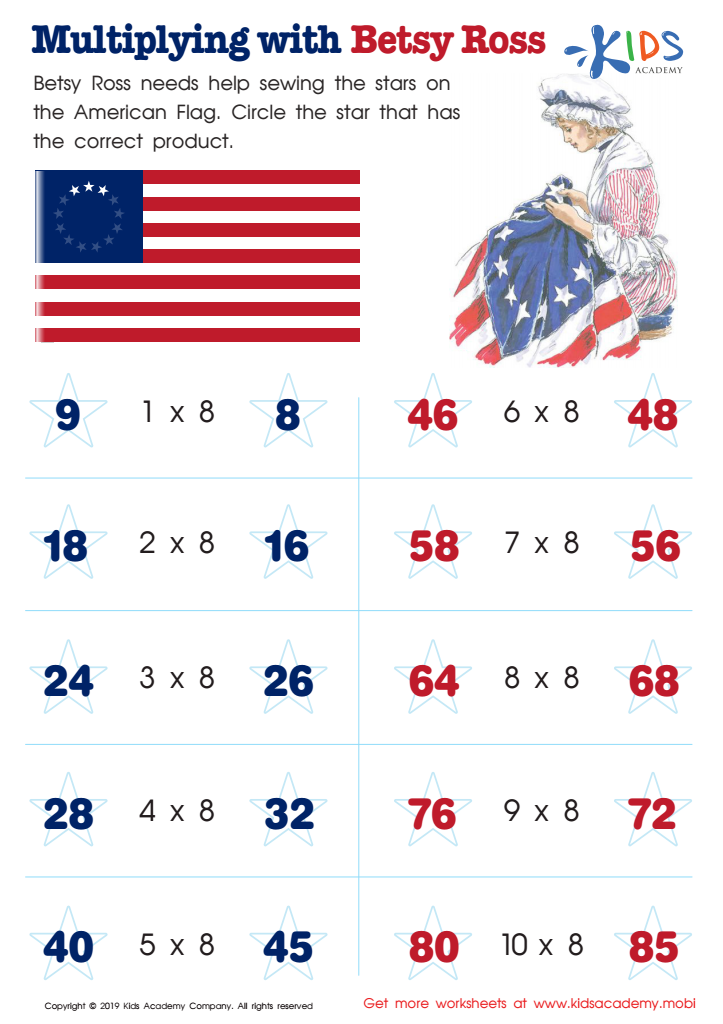
Multiplying with Betsy Ross Worksheet
 Assign to My Students
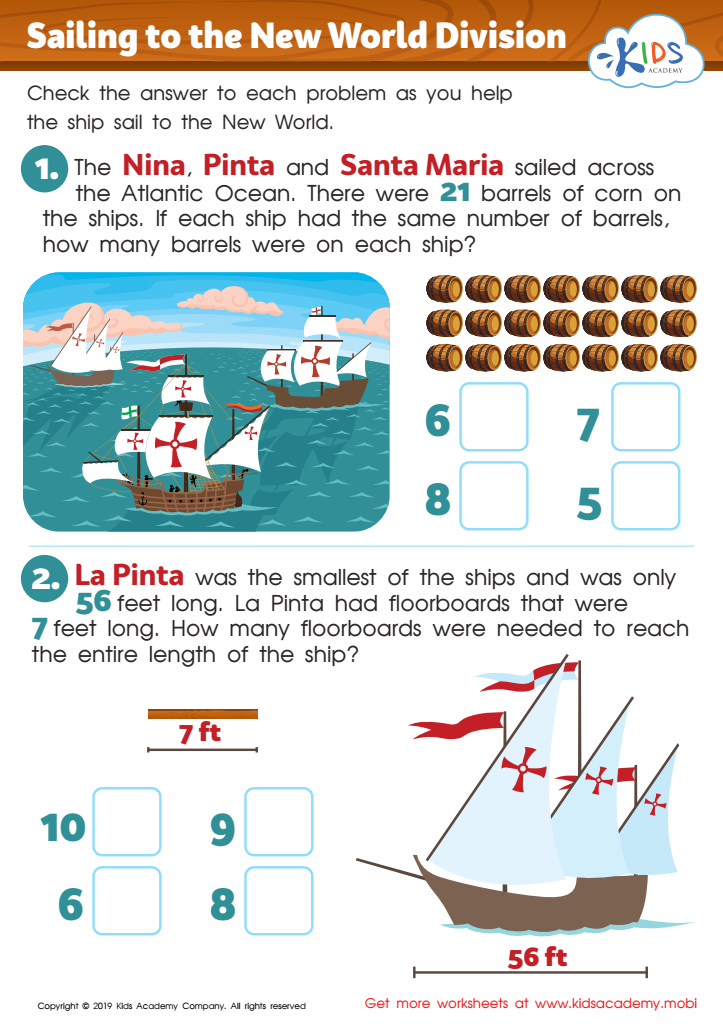
Sailing to the New World Division Worksheet
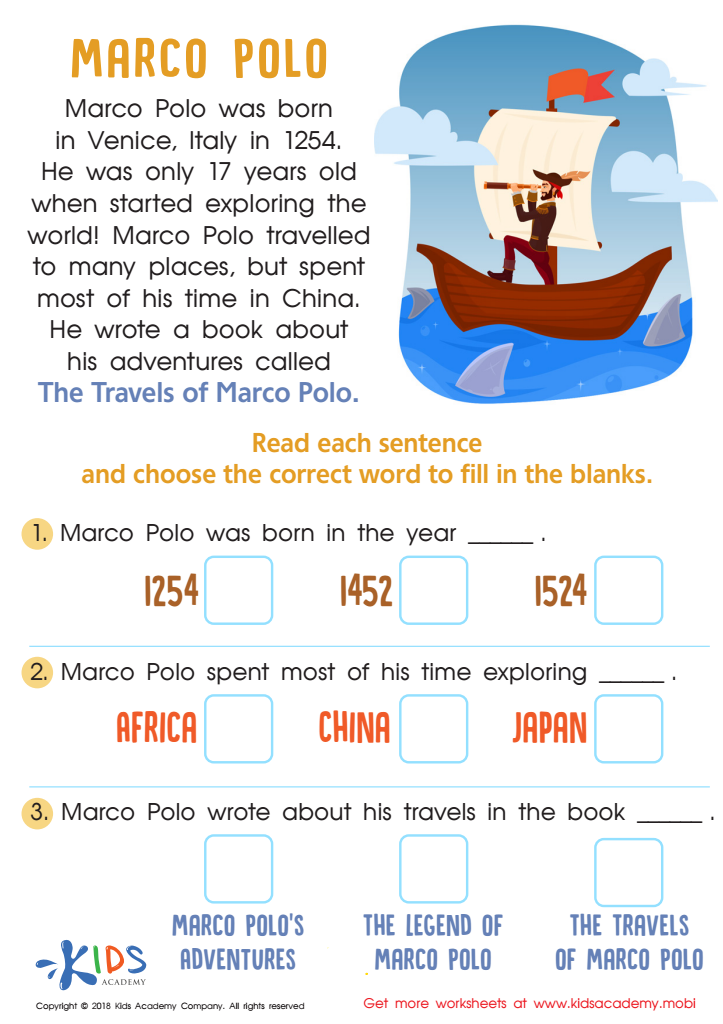
Marco Polo Worksheet
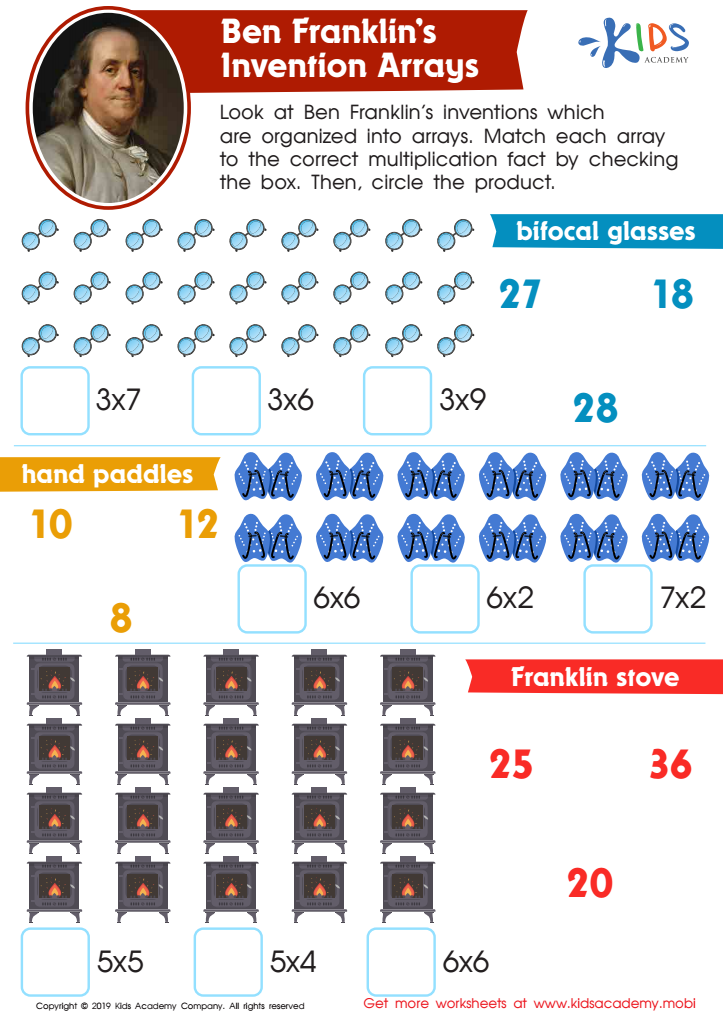
Ben Franklin’s Invention Arrays Worksheet
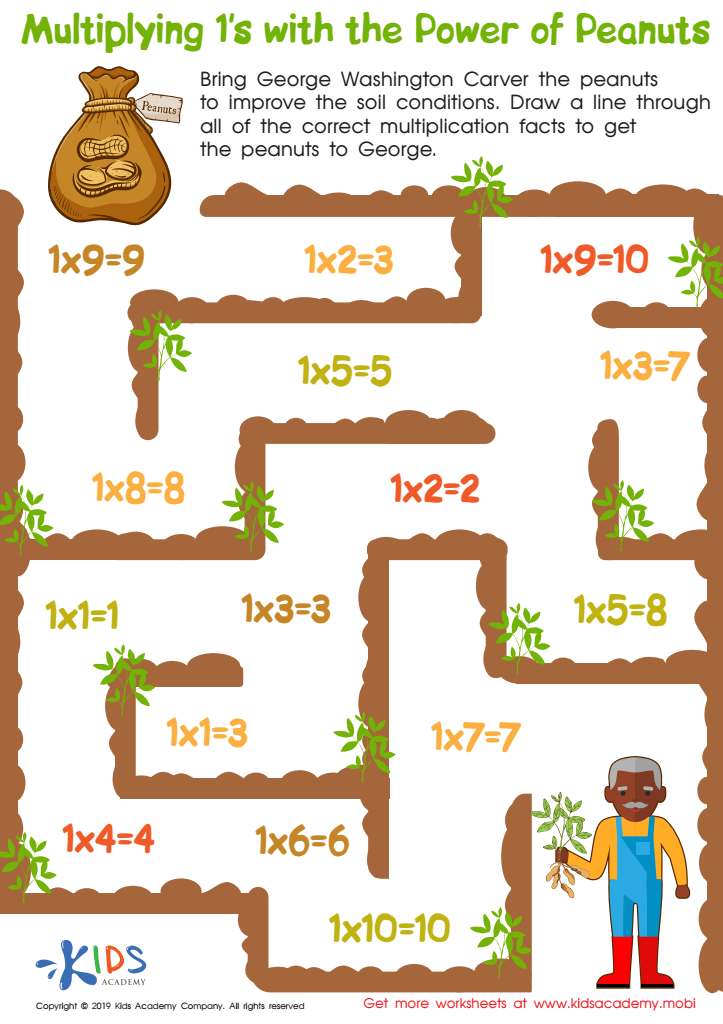
Multiplying 1’s With the Power of Peanuts Worksheet
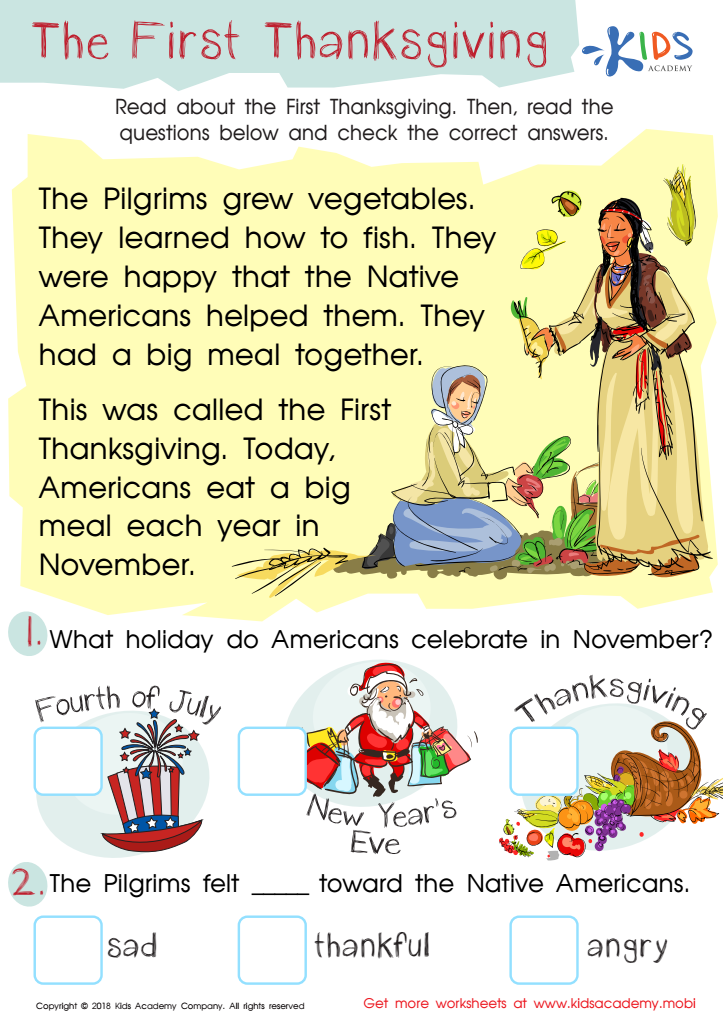
Assessment: First Thanksgiving Worksheet
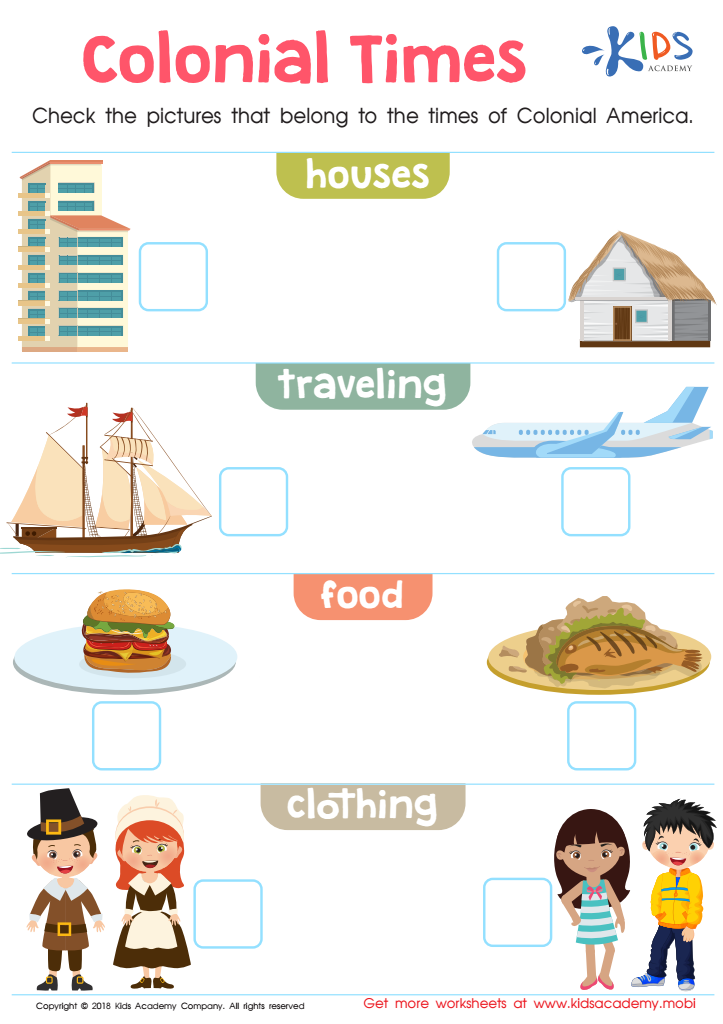
Colonial Times Worksheet
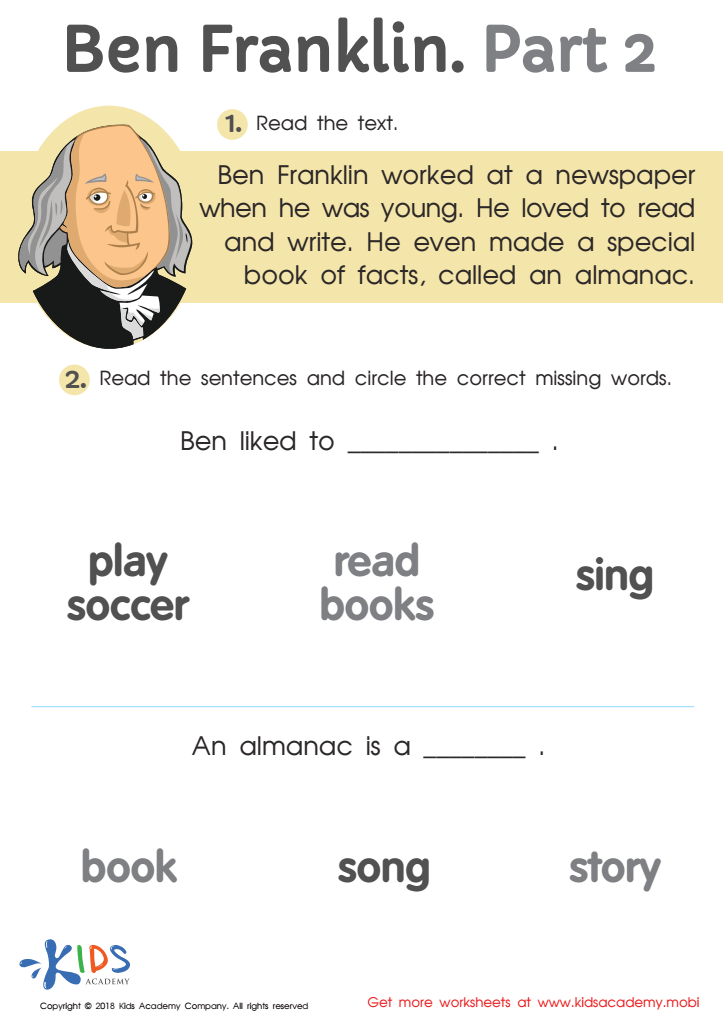
Ben Franklin Part 2 Worksheet
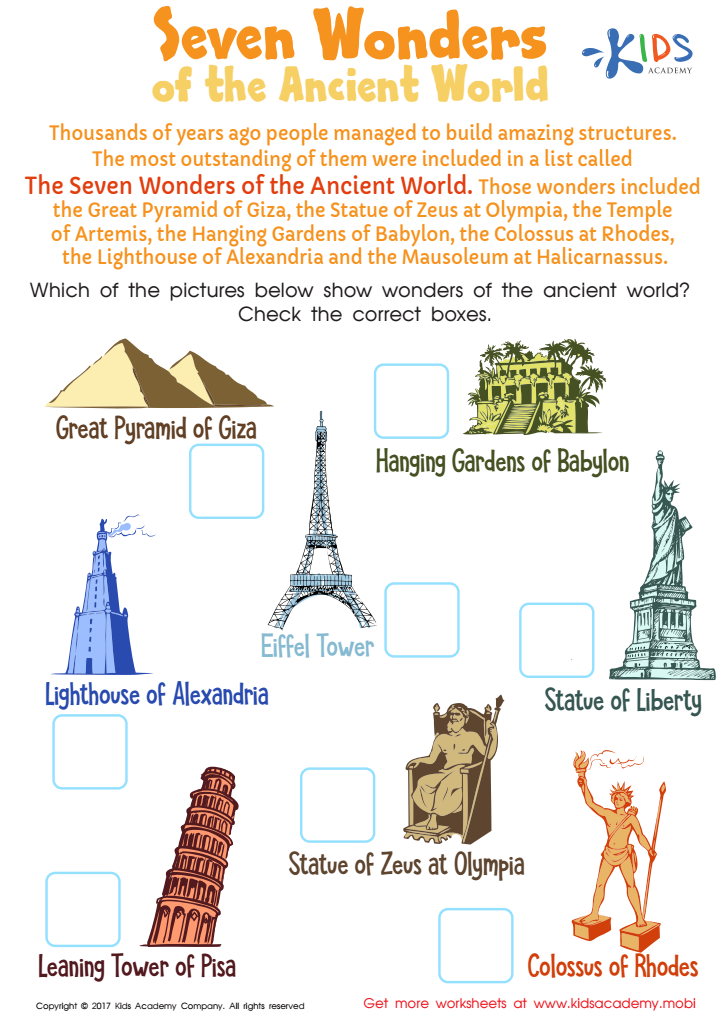
Seven Wonders of the Ancient World Worksheet
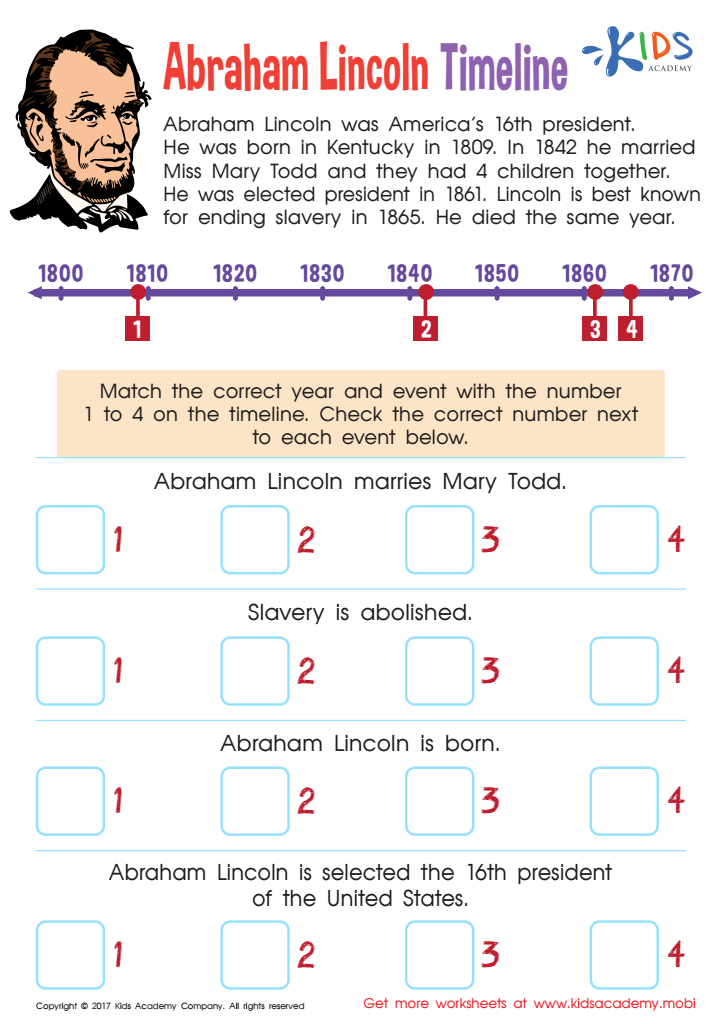
Abraham Lincoln Timeline Worksheet
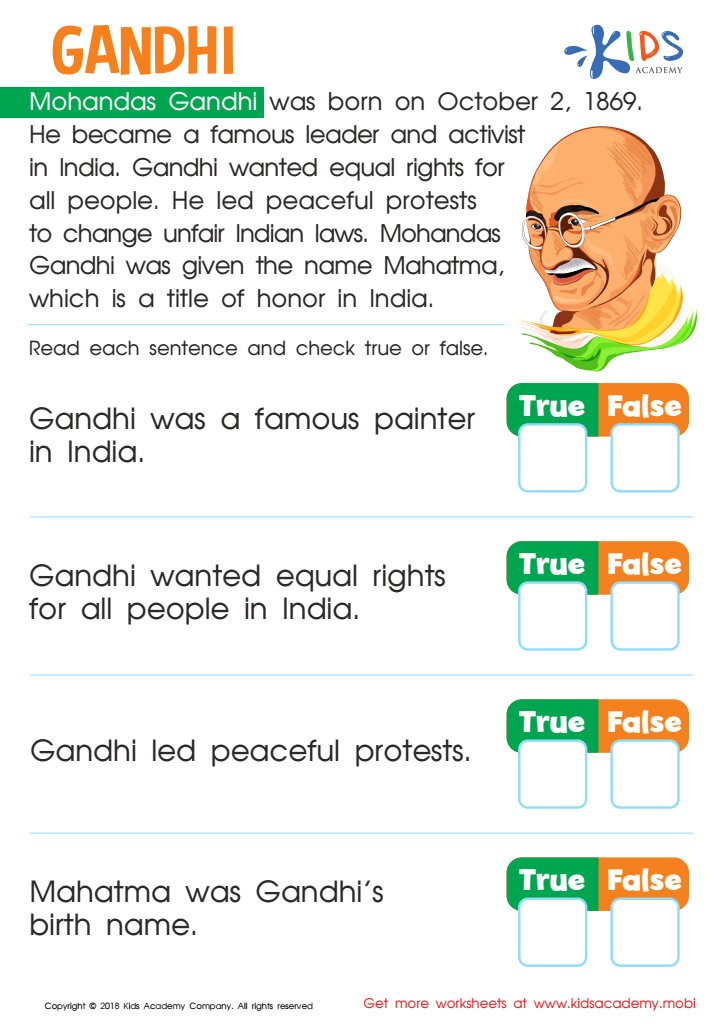
Gandhi Worksheet
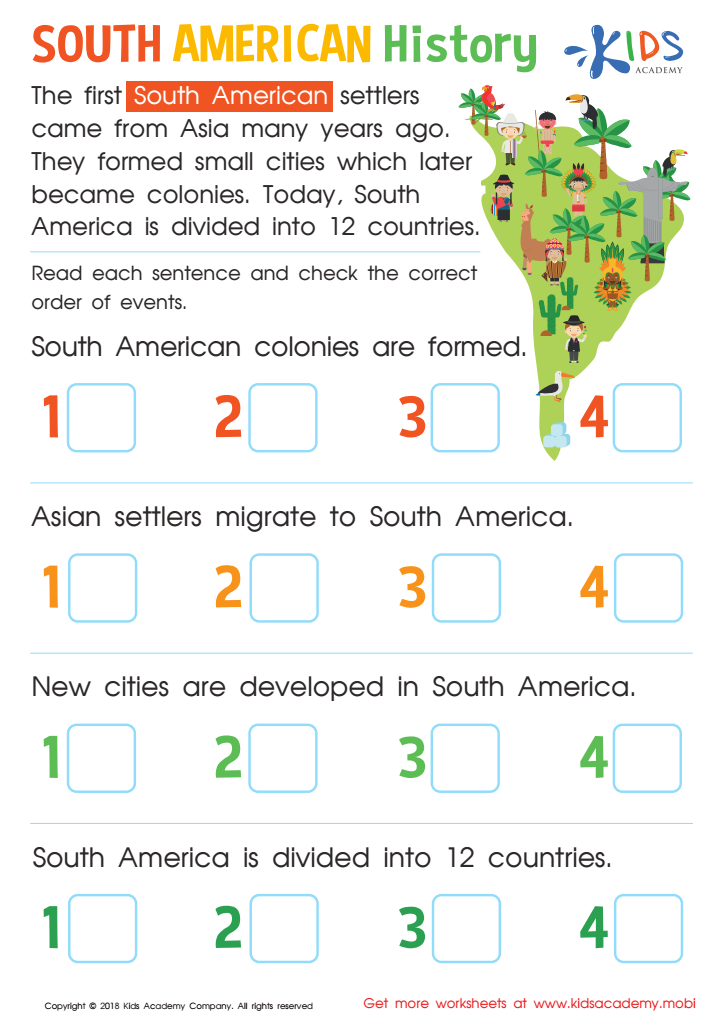
South American History Worksheet
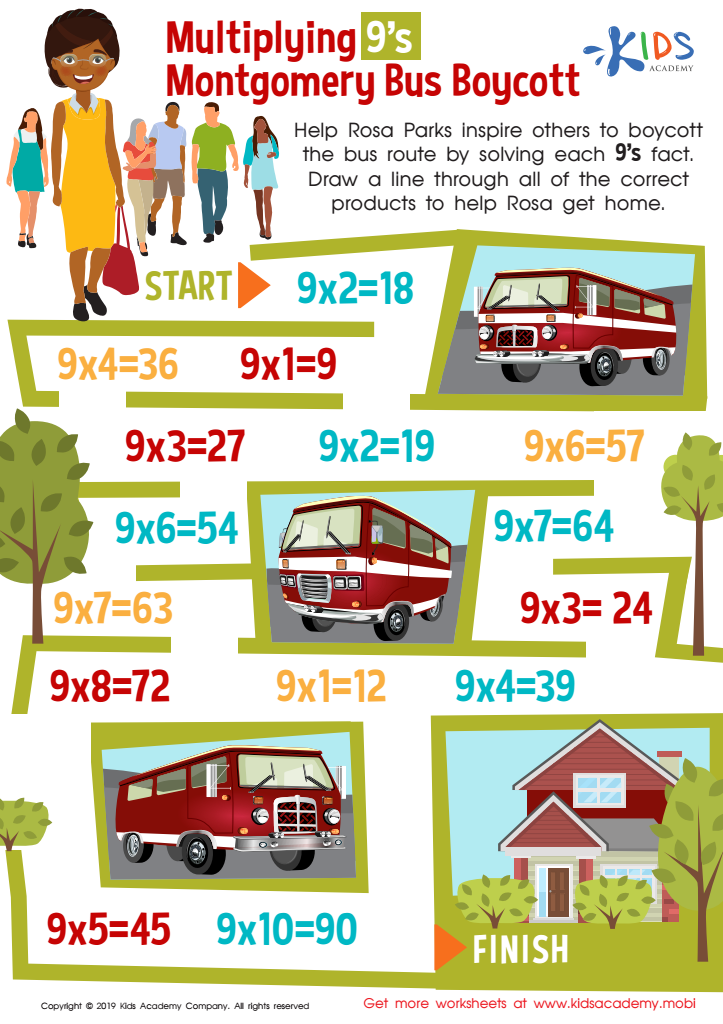
Multiplying 9’s Montgomery Bus Boycott Worksheet








Normal History for ages 4-9 is essential for parents and teachers because it lays the foundational understanding of human experiences, diversity, and values. This age group is particularly receptive to learning about the world around them, and introducing them to Normal History helps foster curiosity, empathy, and critical thinking skills.
At this stage, children are naturally inquisitive, and understanding historical narratives can provide context to their lives and surroundings. Engaging them with stories from the past not only helps them formulate their identities but also teaches them about cultural diversity, social rights, and the importance of community. By learning about different people and events, children can better understand various perspectives and become more compassionate individuals.
Moreover, incorporating Normal History into schooling can enhance literacy skills through storytelling and narrative comprehension, strengthening cognitive development. It also supports curriculum goals, making history accessible and relatable for young learners. By prioritizing Normal History, parents and teachers equip children with the knowledge and empathy necessary for participatory citizenship and encourage a lifelong love for learning, enabling them to grow into informed and respectful individuals of the future.