Normal Vowels Worksheets for Ages 5-7 - Page 2
80 filtered results
-
From - To
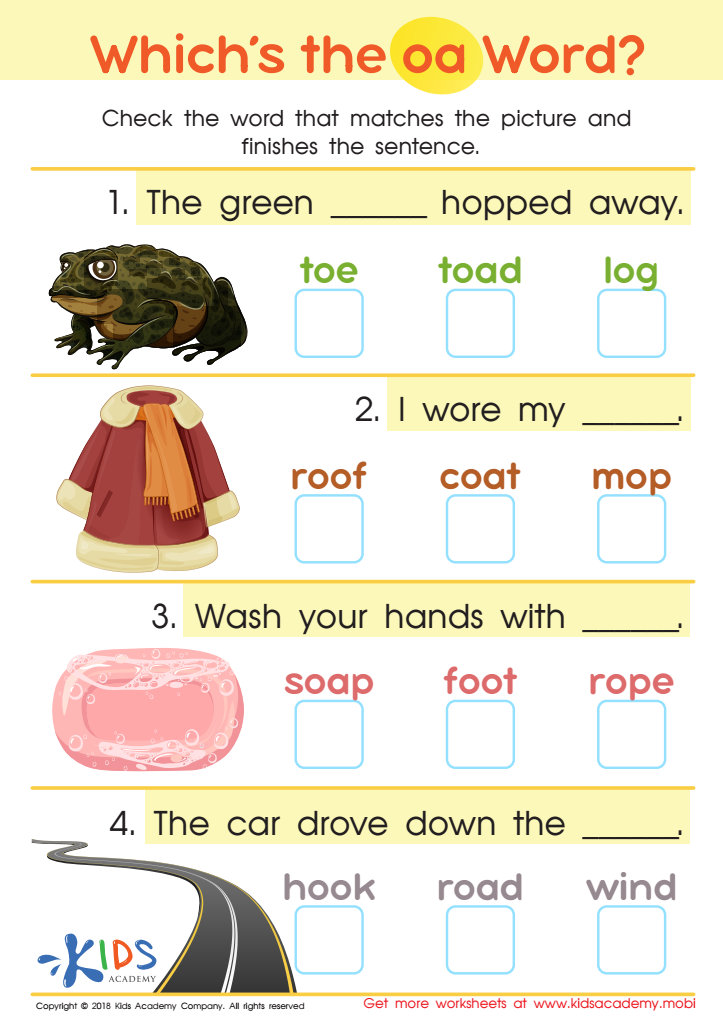
Which's the OA Word? Worksheet
 Assign to My Students
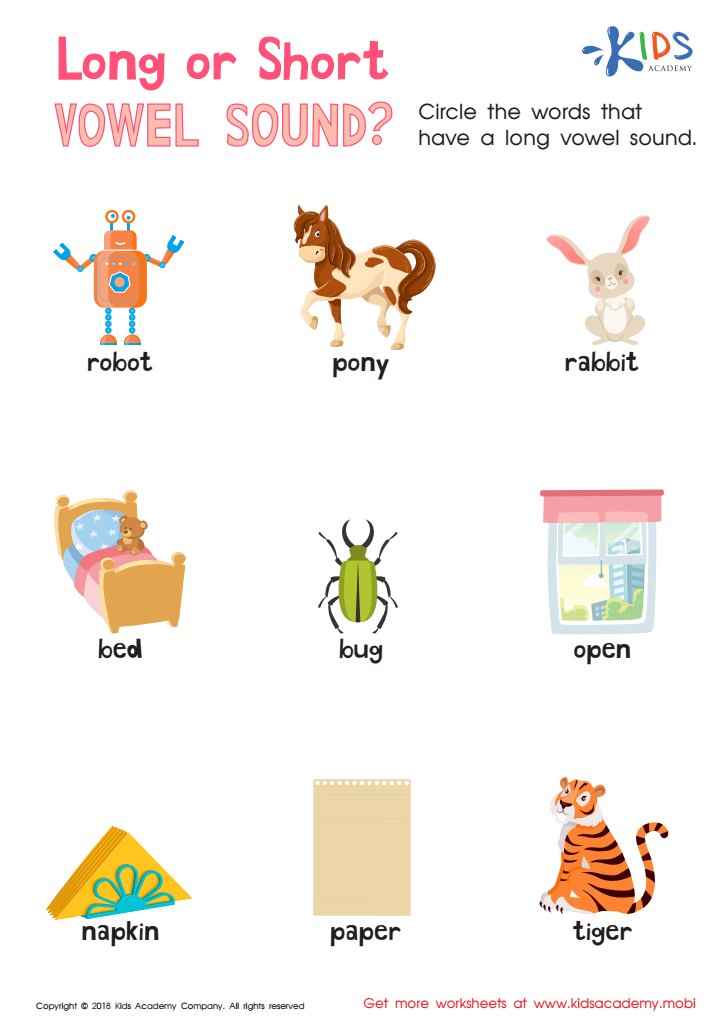
Long or Short Vowel Sound? Worksheet
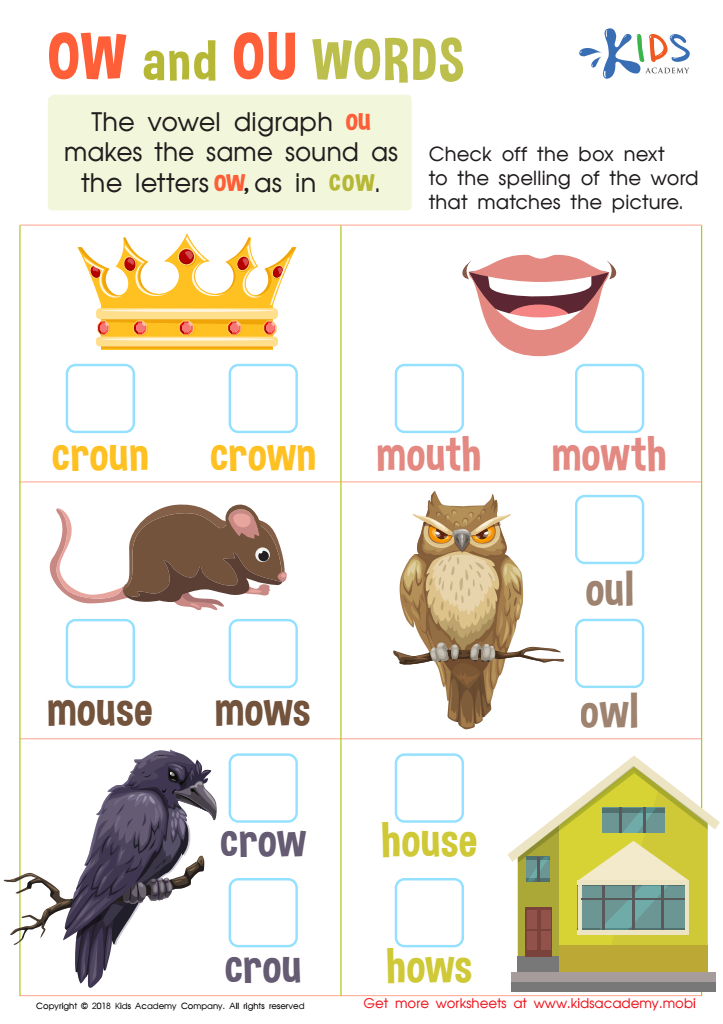
Reading: OW and OU Words Worksheet
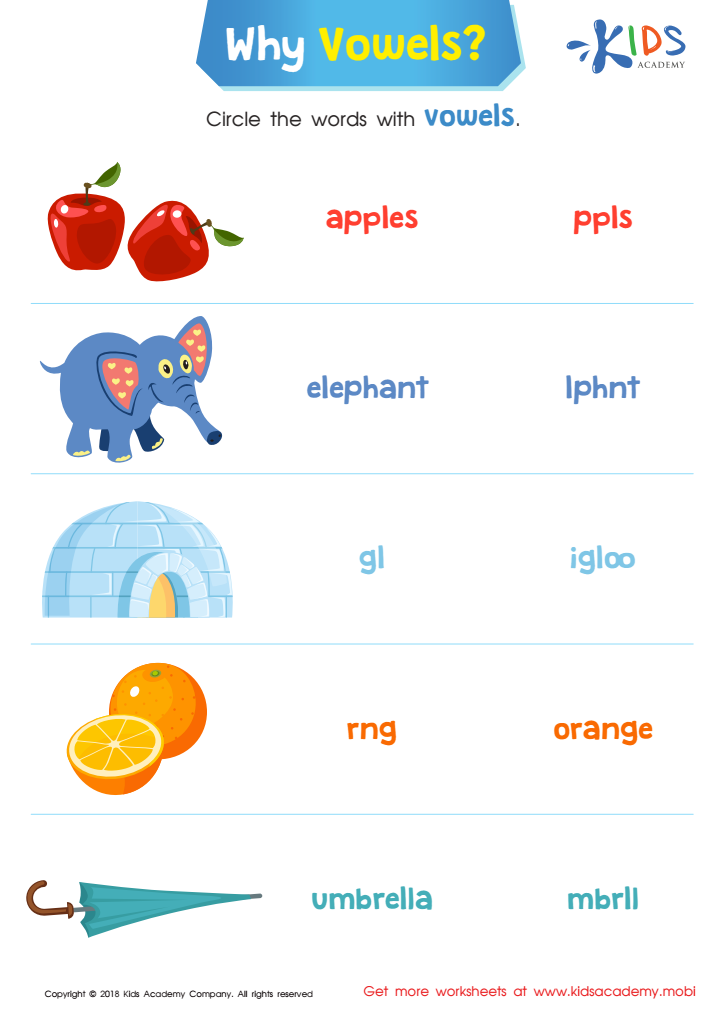
Why Vowels? Reading Worksheet
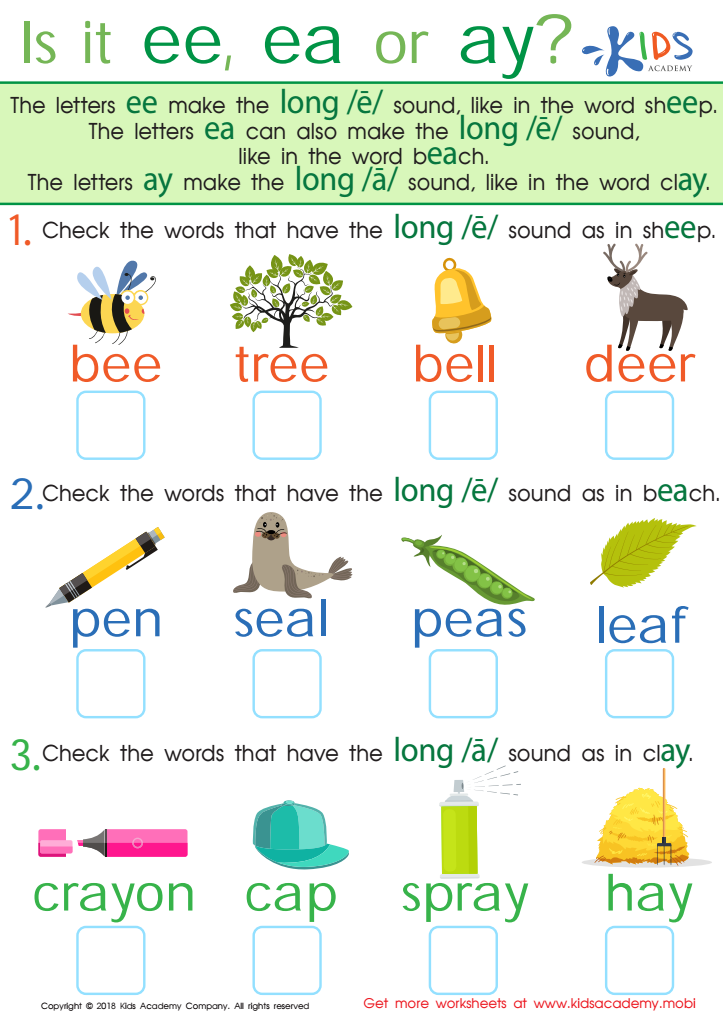
Is It EE, EA, or AY? Worksheet
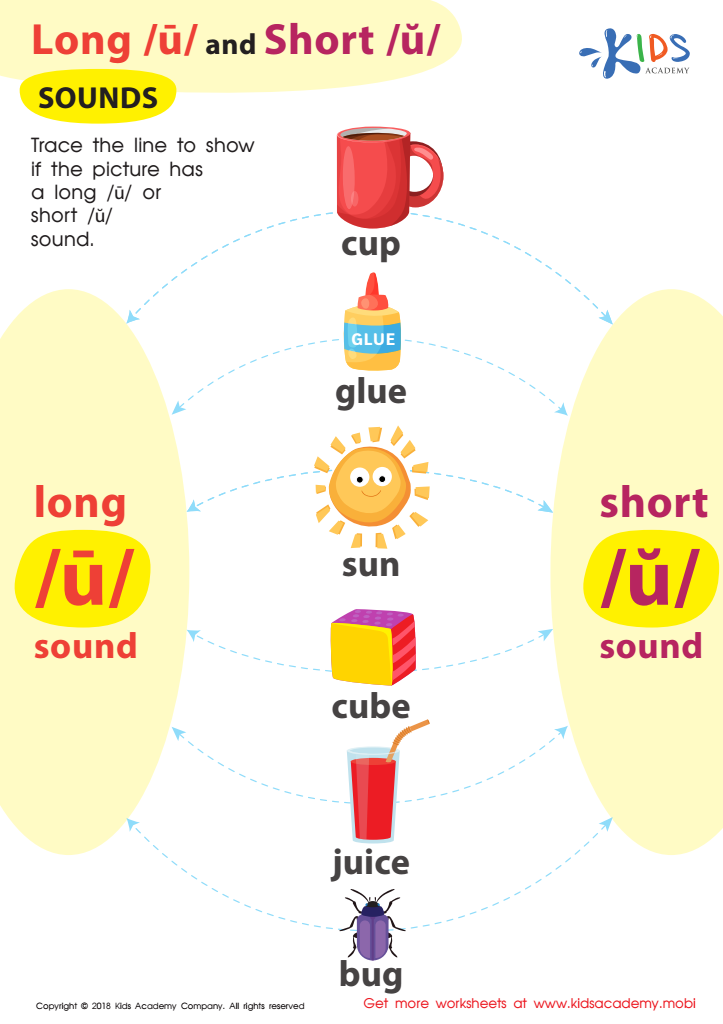
Reading: Long U and Short U Sounds Worksheet
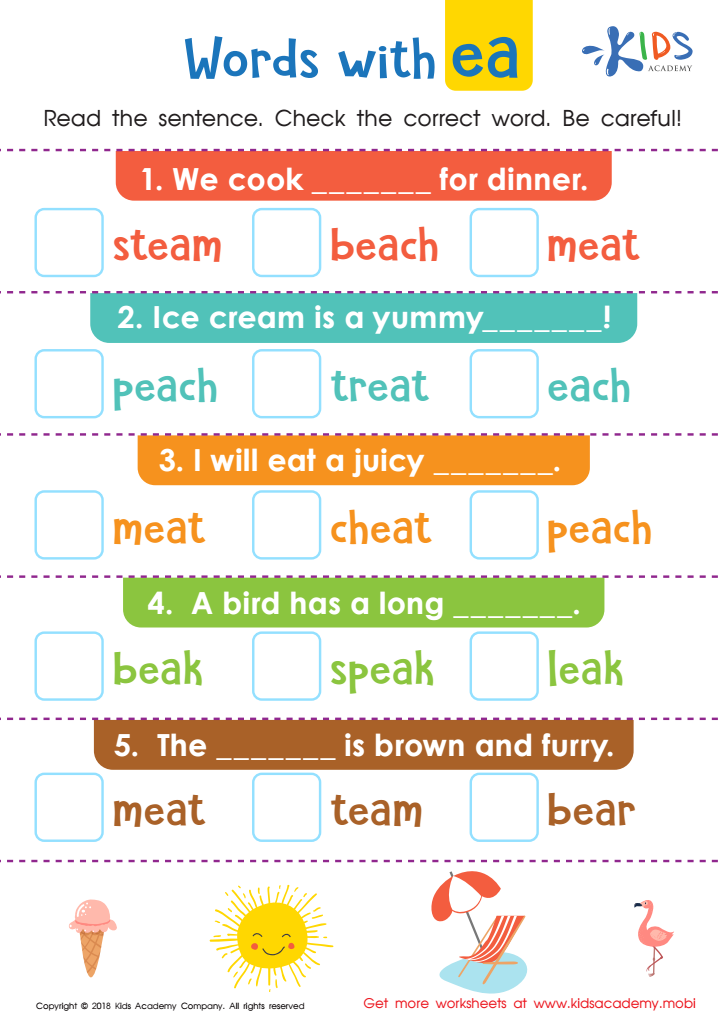
Words with ea Worksheet
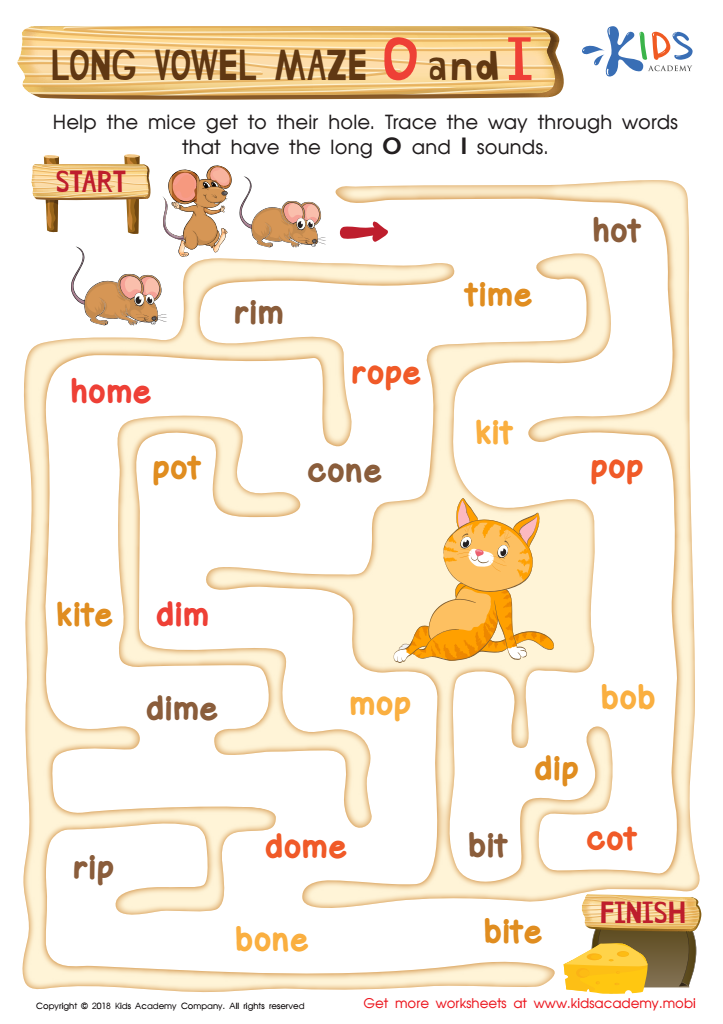
Long Vowel Maze /o/ and /i/ Worksheet
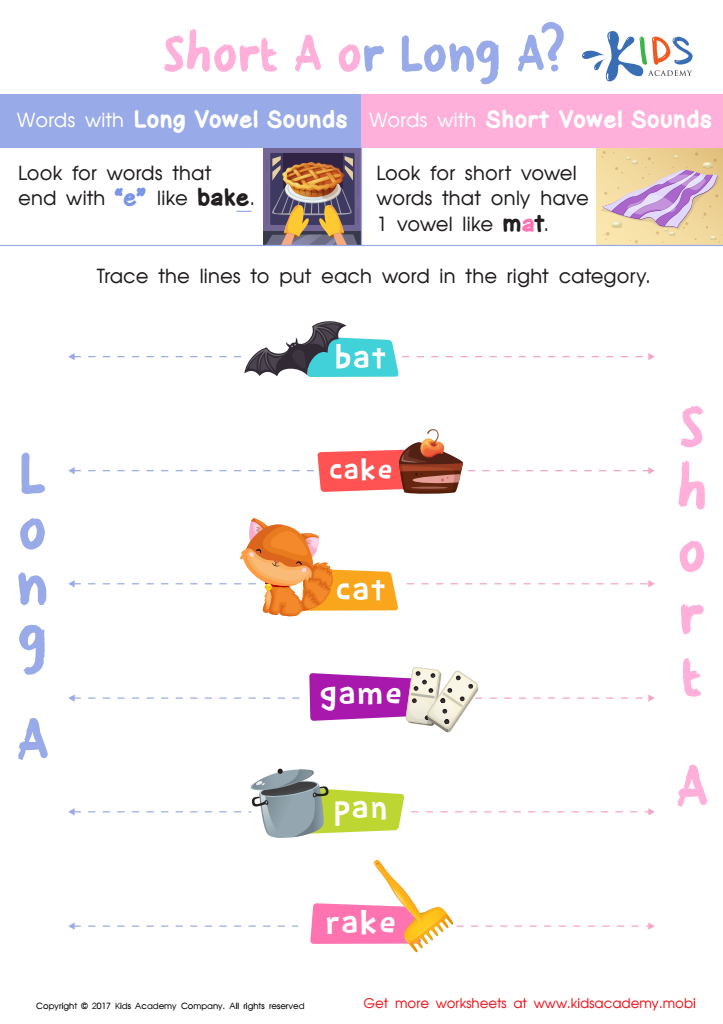
Short /a/ or Long /a/? Worksheet
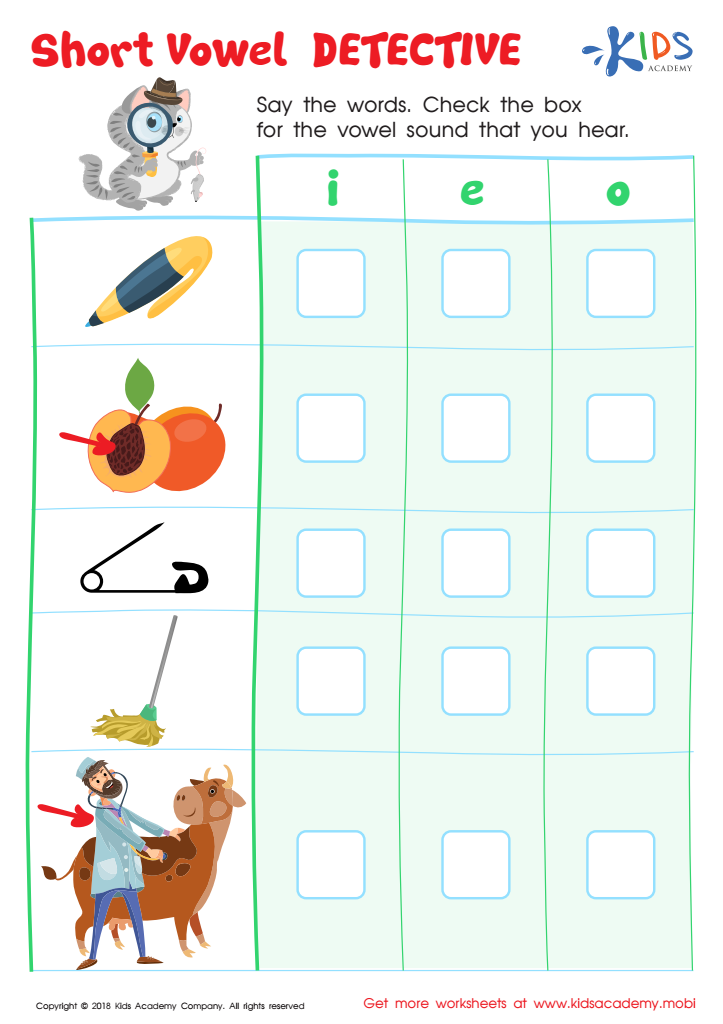
Short Vowel Detective Worksheet
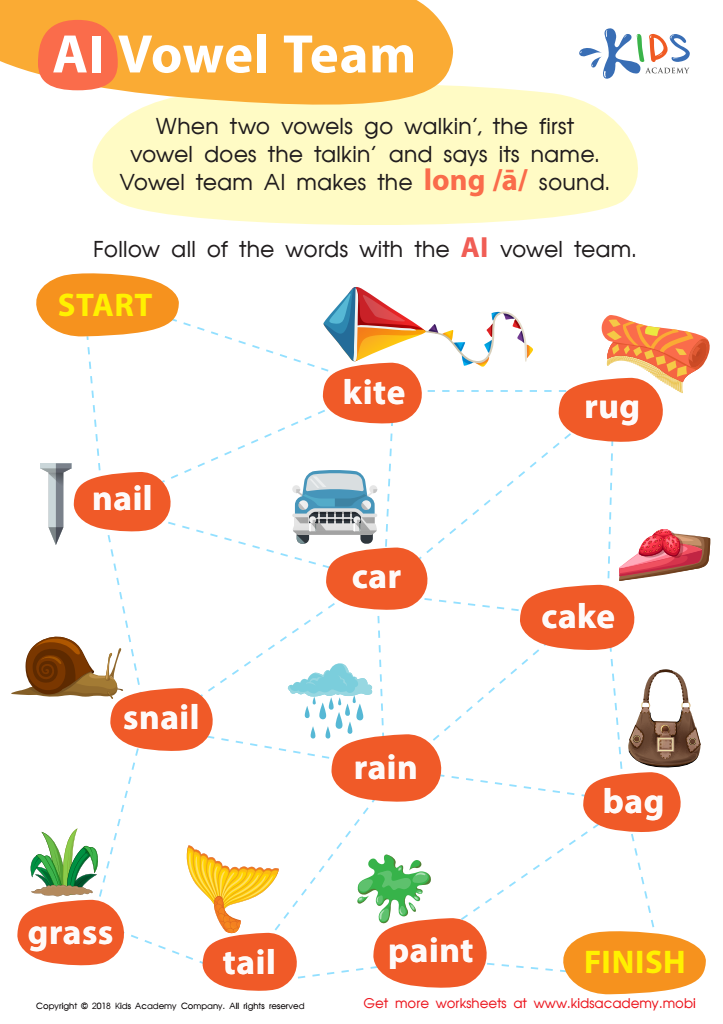
Reading: AI Vowel Team Worksheet
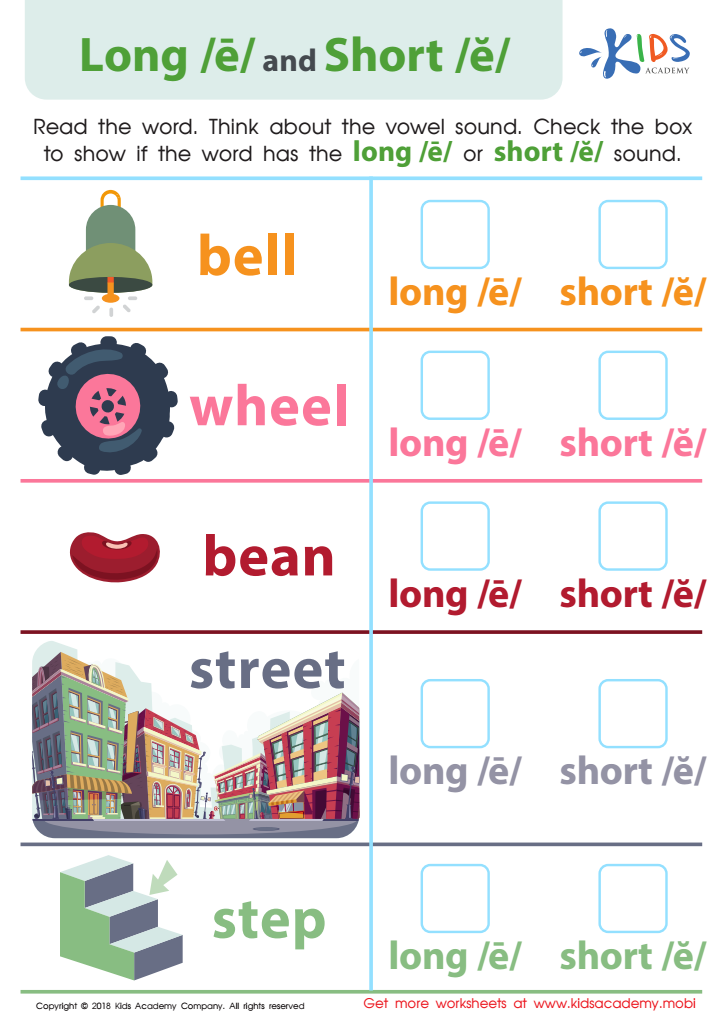
Reading: Long E and Short E Worksheet
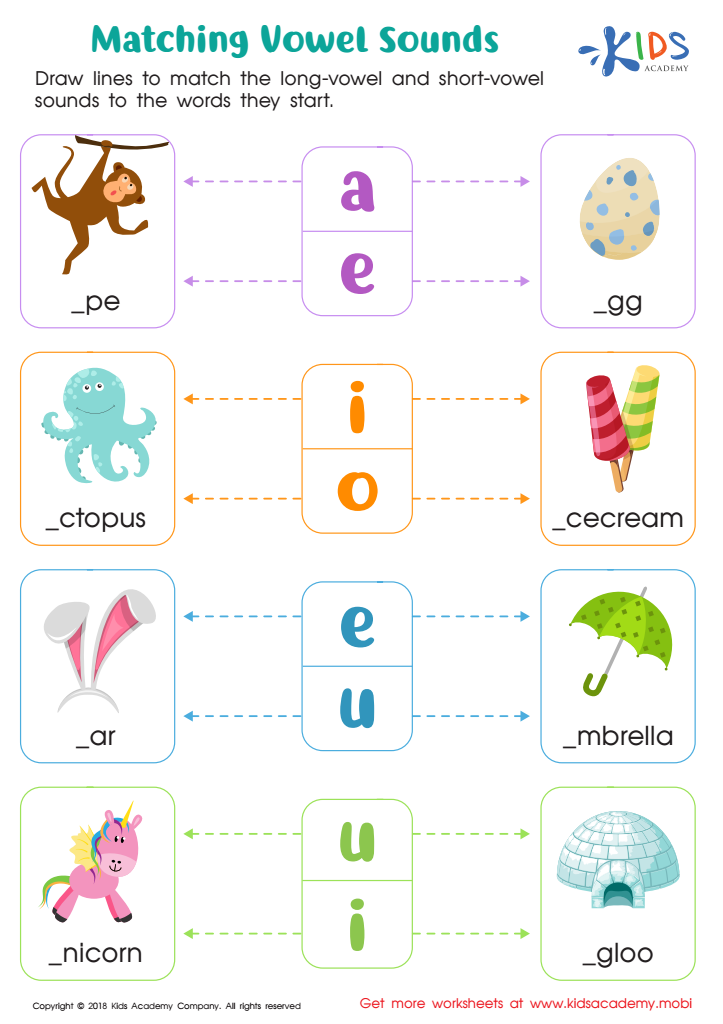
Matching Vowel Sounds Worksheet
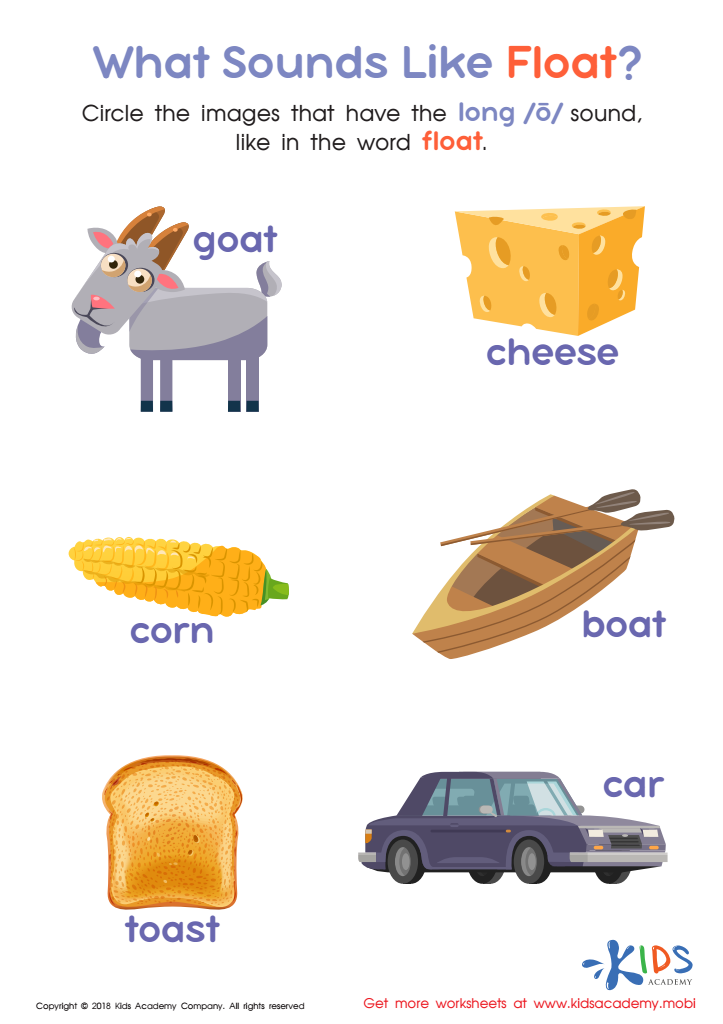
What Sounds Like Float? Worksheet
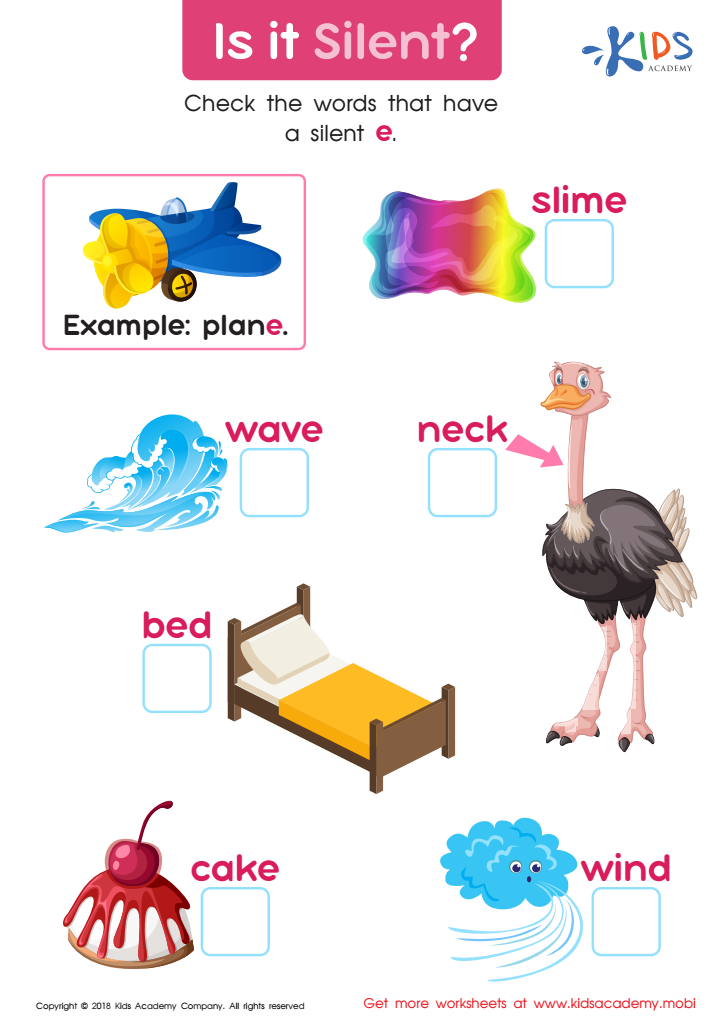
Is It Silent? Worksheet
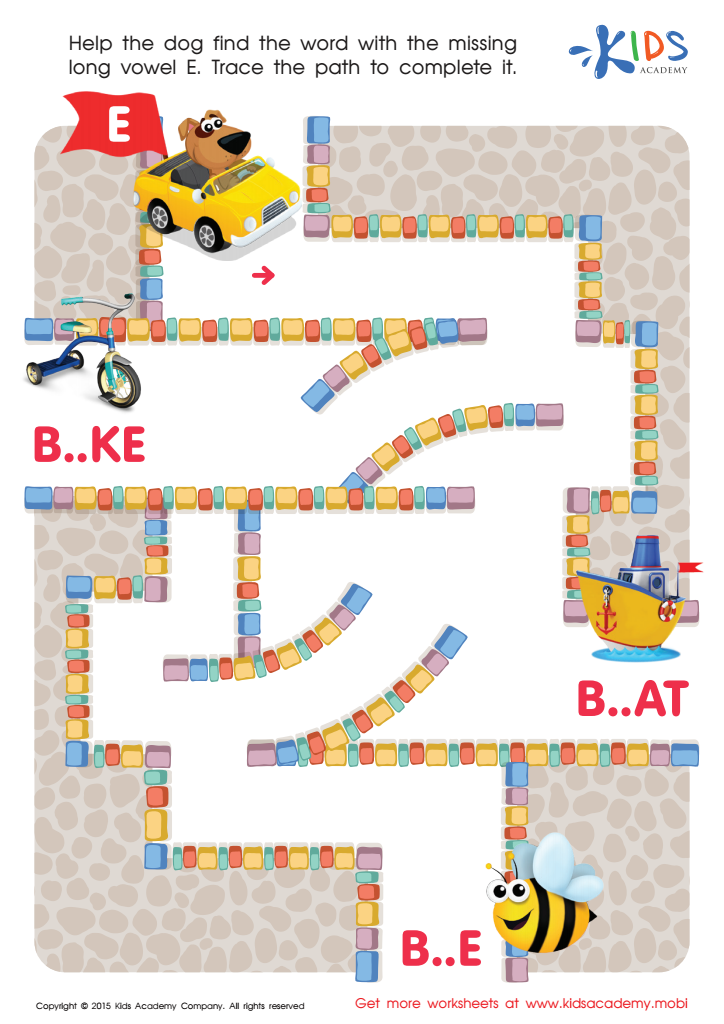
Long Vowel Sound E Worksheet
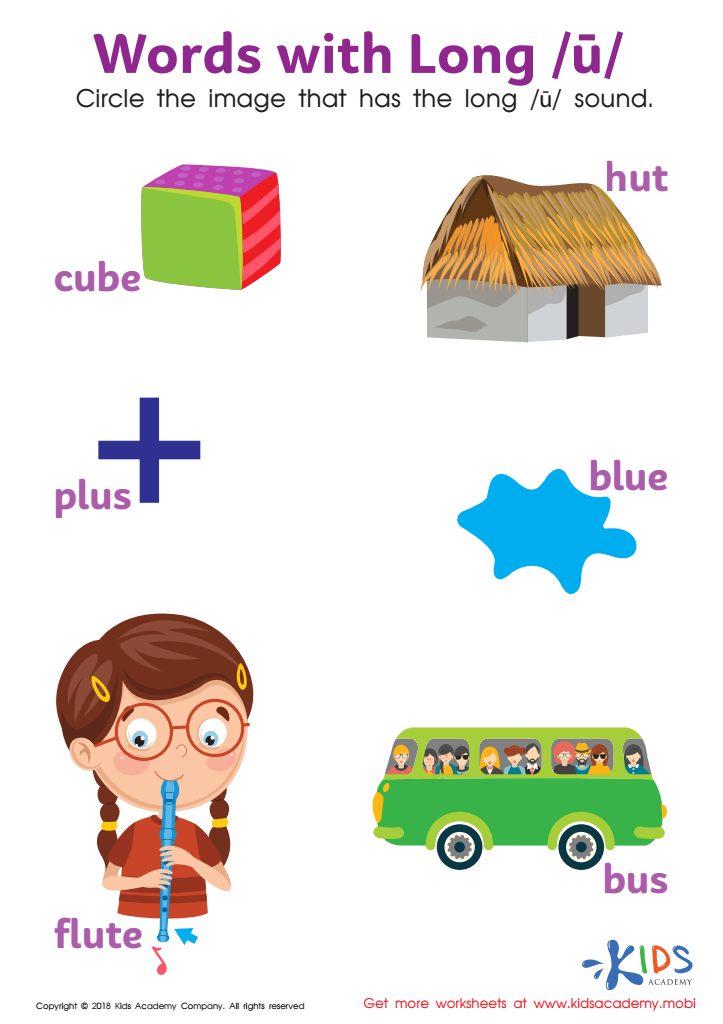
Words with Long U Reading Worksheet
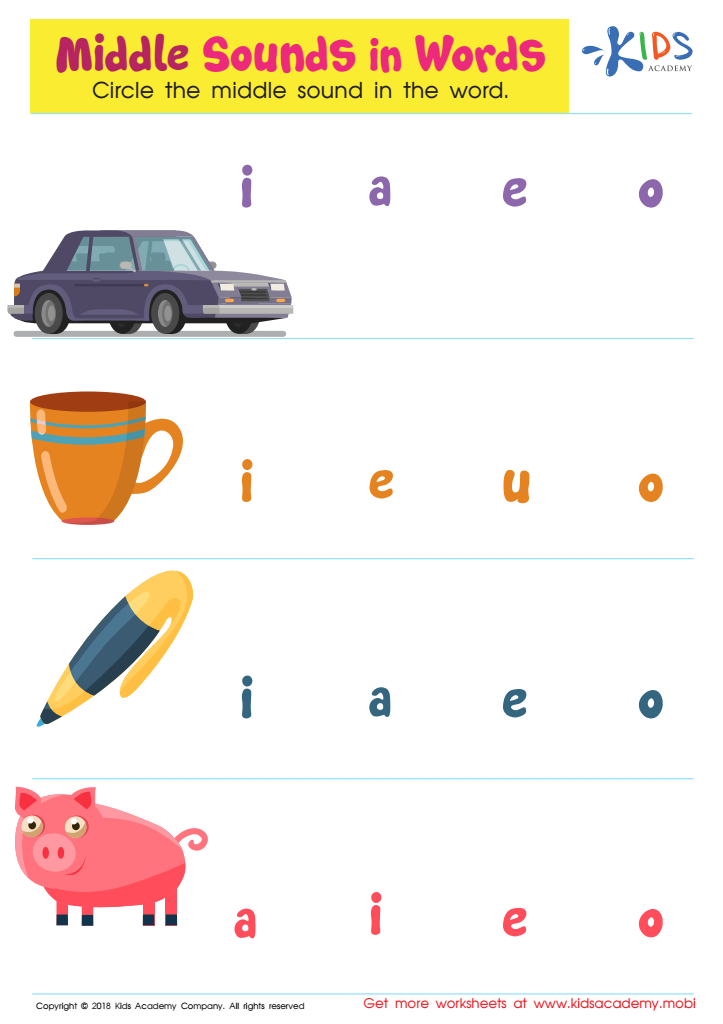
Middle Sounds in Words Worksheet
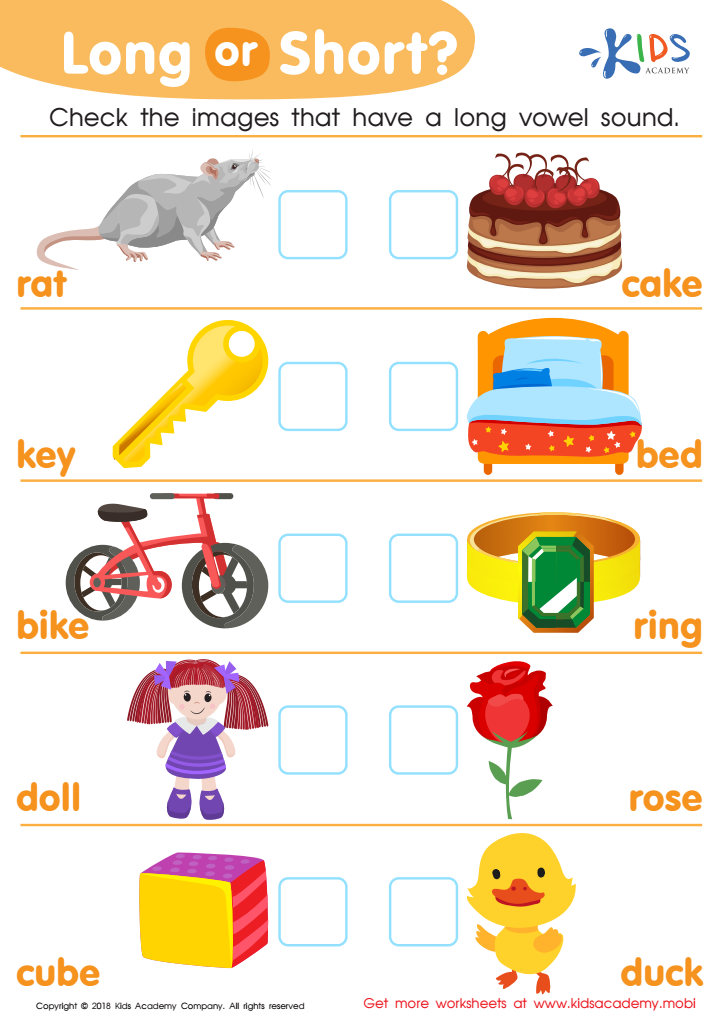
Long or Short Reading Worksheet
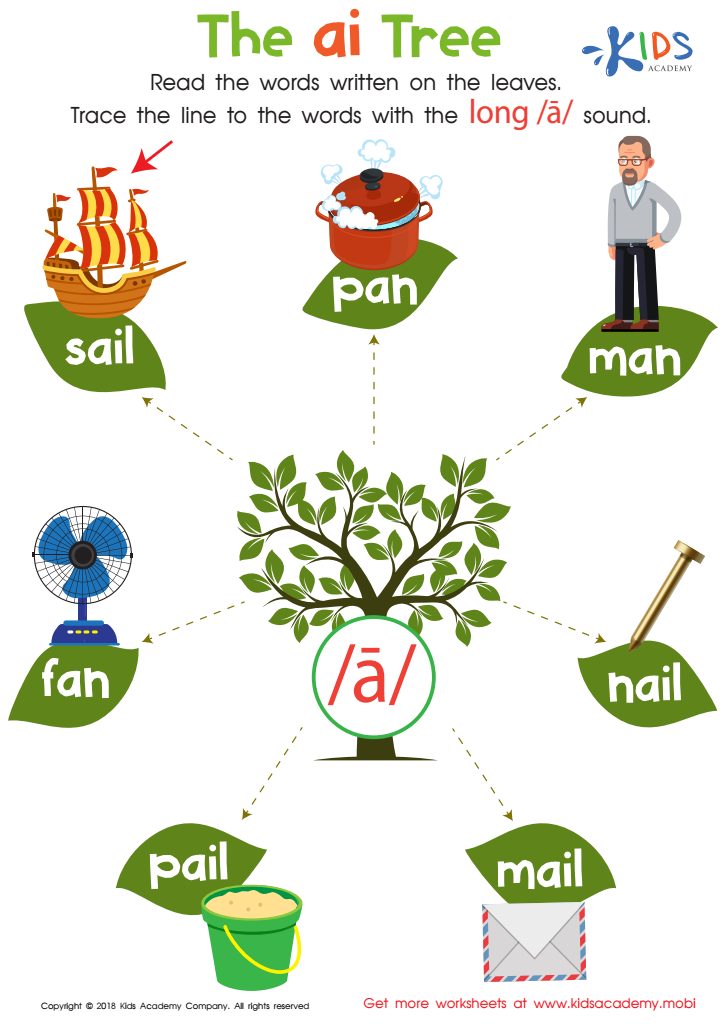
The AI Tree Worksheet
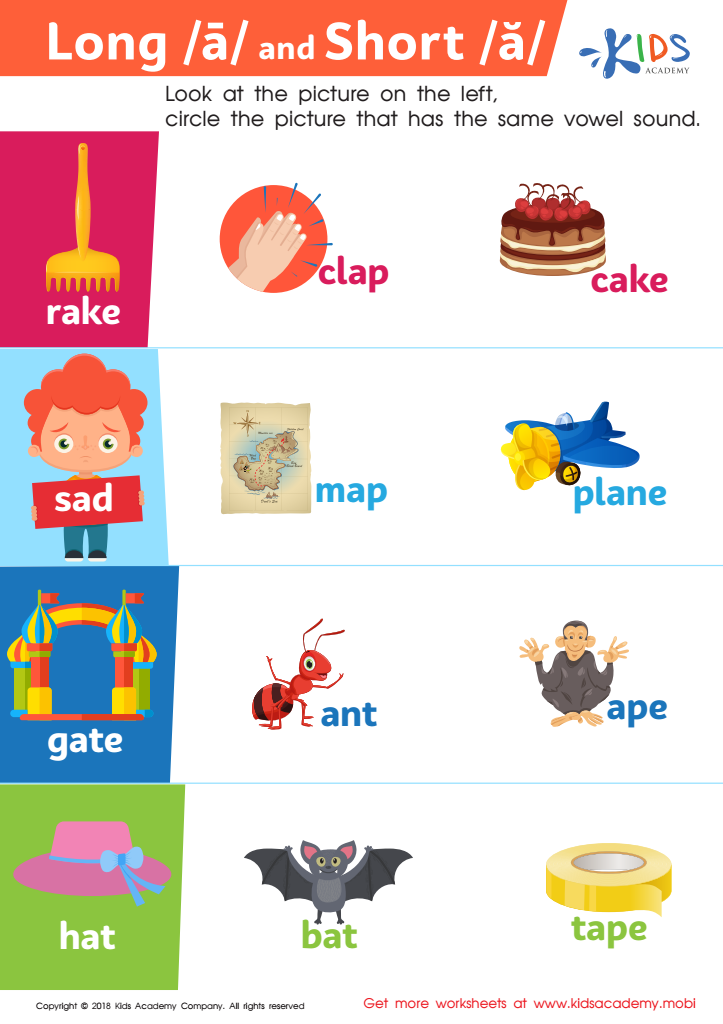
Reading: Long a and Short a Worksheet
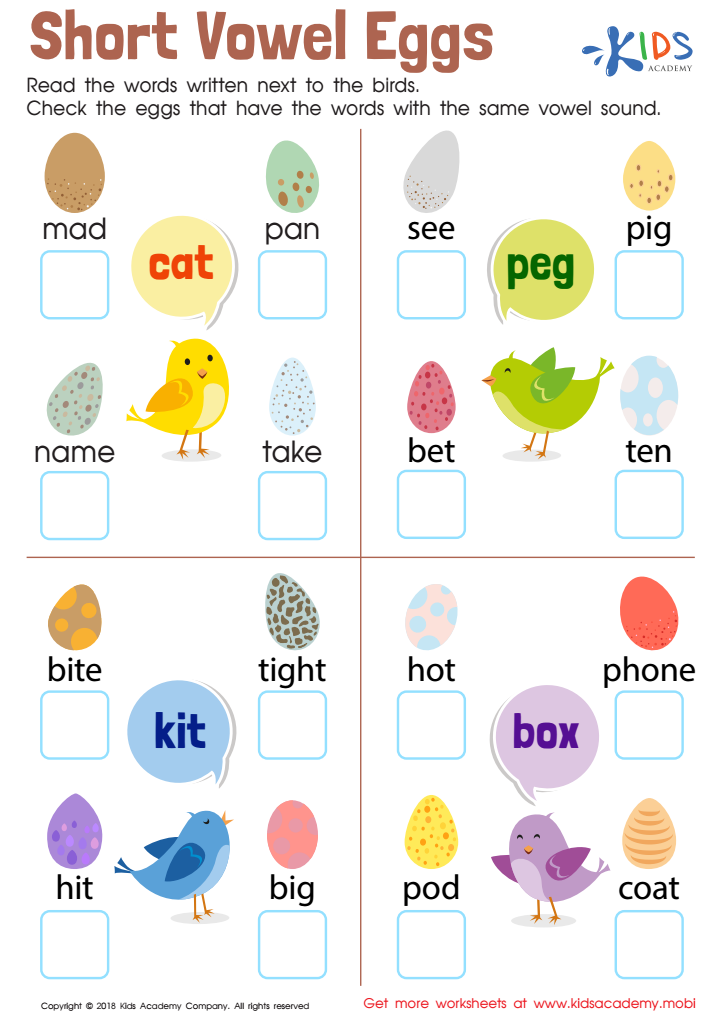
Short Vowel Eggs Worksheet
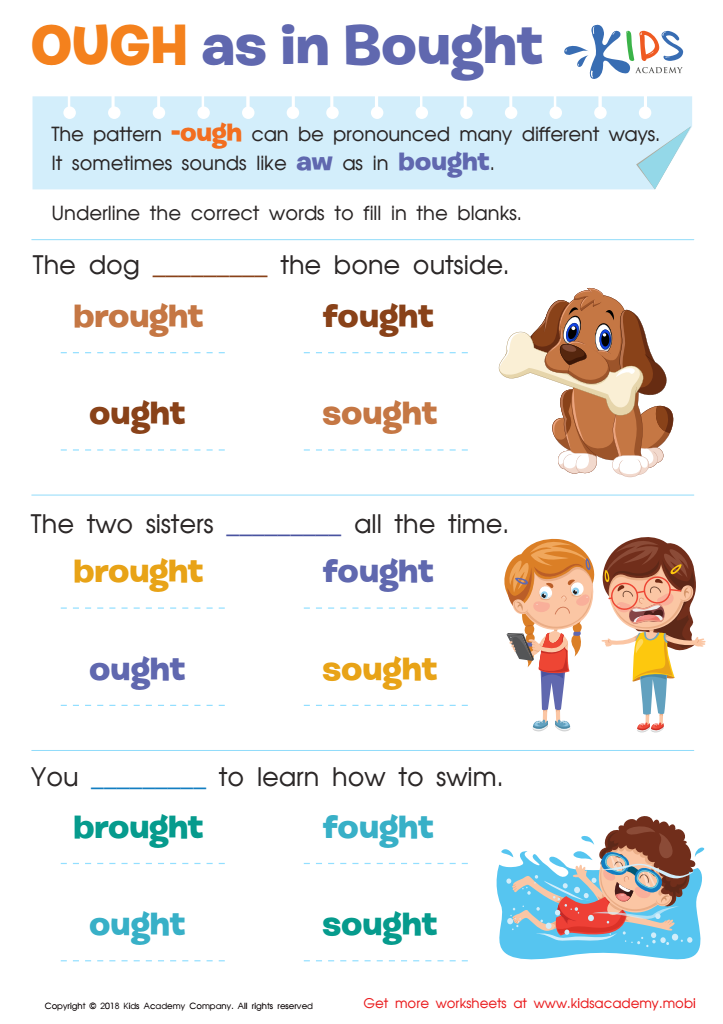
OUGH as in Bought Worksheet
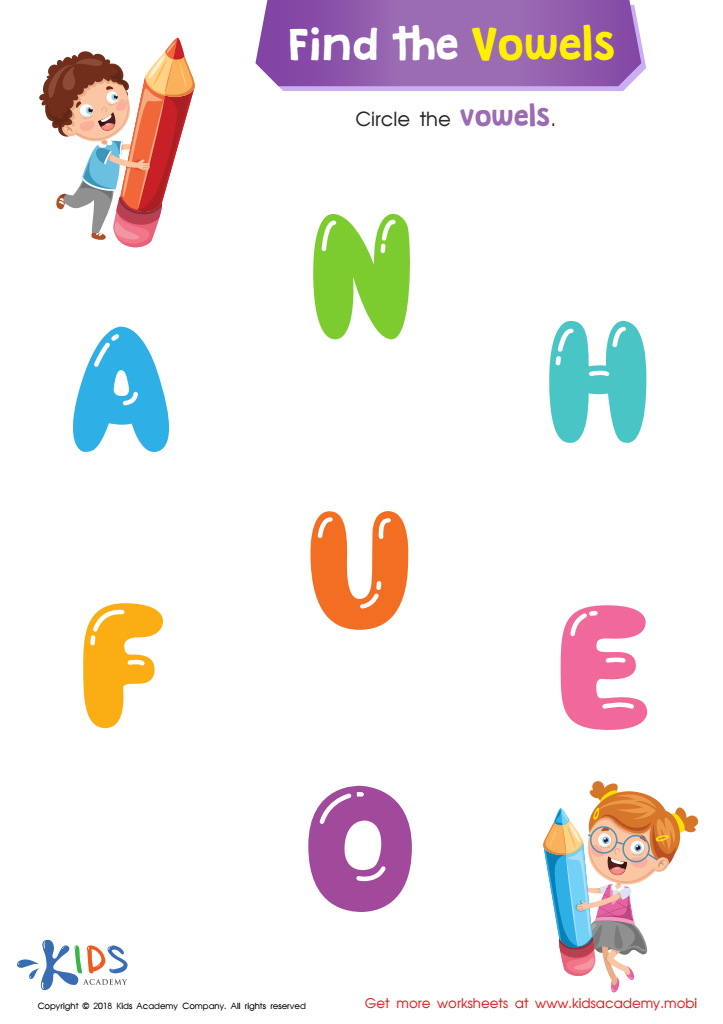
Find the Vowels Reading Worksheet





At the ages of 5-7, children are at a critical stage of language and literacy development. Understanding normal vowels is foundational for effective reading and language skills, which are vital for academic success. Vowels form the cornerstone of phonics, the method used to teach children how to connect sounds with letters, ultimately enabling them to decode words and read confidently.
Parents and teachers should care deeply about children mastering vowels because these letters appear in nearly every word a child will encounter. Misunderstandings or difficulties in pronouncing or recognizing vowel sounds can lead to difficulties with reading and writing. This, in turn, can impact a child’s self-esteem and enthusiasm for learning.
Moreover, a solid grasp of vowels accelerates the learning of sight words, many of which comprise irregular vowel sounds that can't be sounded out easily. It also helps with syllable recognition and learning to write words correctly, which are gn the essentials for composing complete sentences and paragraphs.
Early intervention, regular practice, and positive reinforcement from parents and teachers can ensure children develop a robust understanding of vowel sounds, setting the stage for long-term educational success and fostering a lifelong love of reading and learning.