Problem-Solving Skills Normal Worksheets for Ages 5-7 - Page 2
86 filtered results
-
From - To
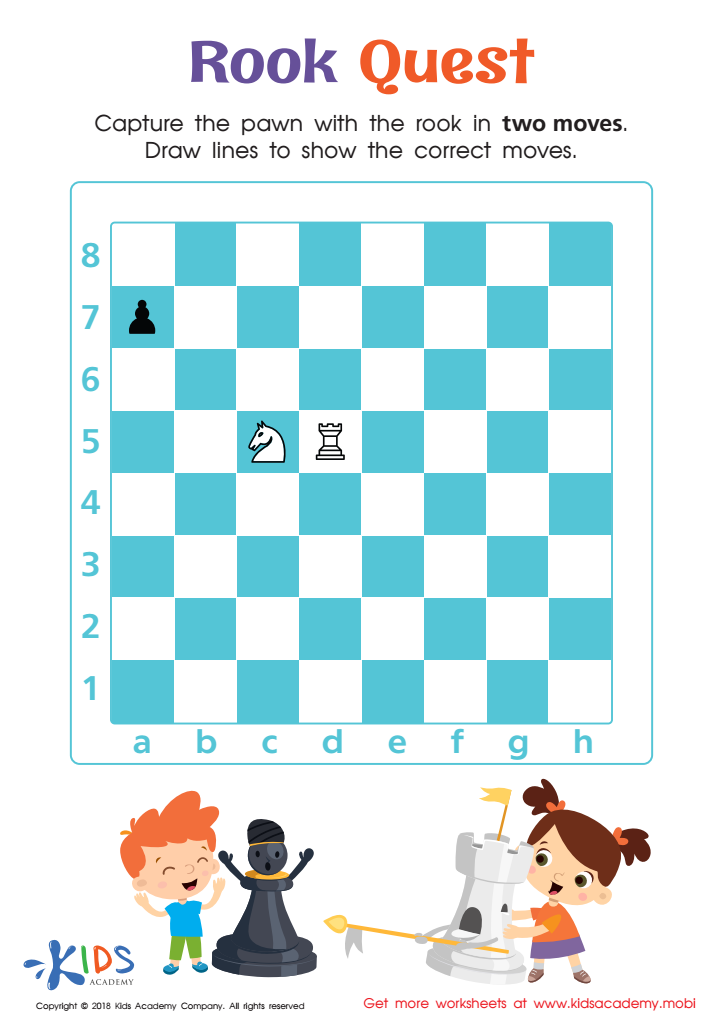
Rook Quest Worksheet
 Assign to My Students
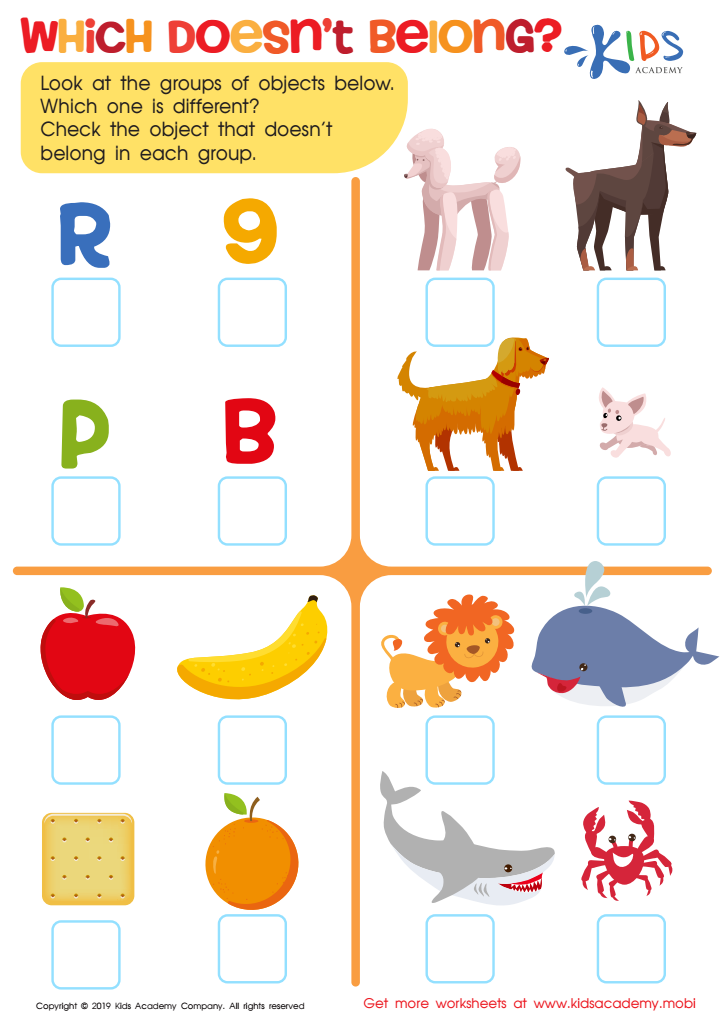
Which Doesn't Belong? Worksheet
Matching: Classifying Toys by Size Worksheet
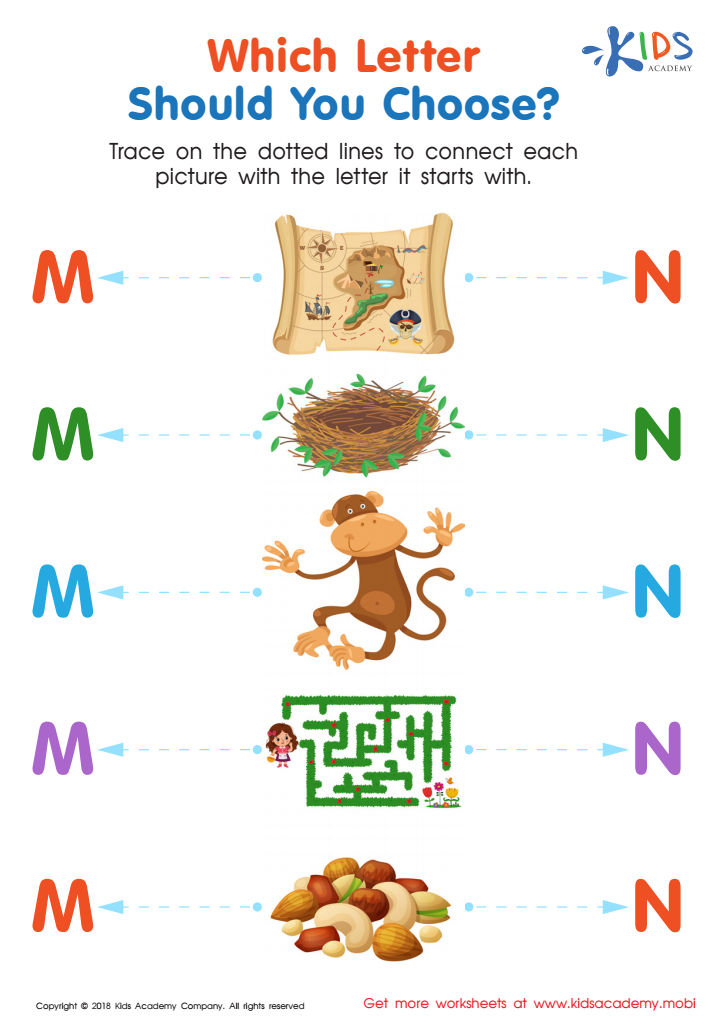
Which Letter Should you Choose? Worksheet
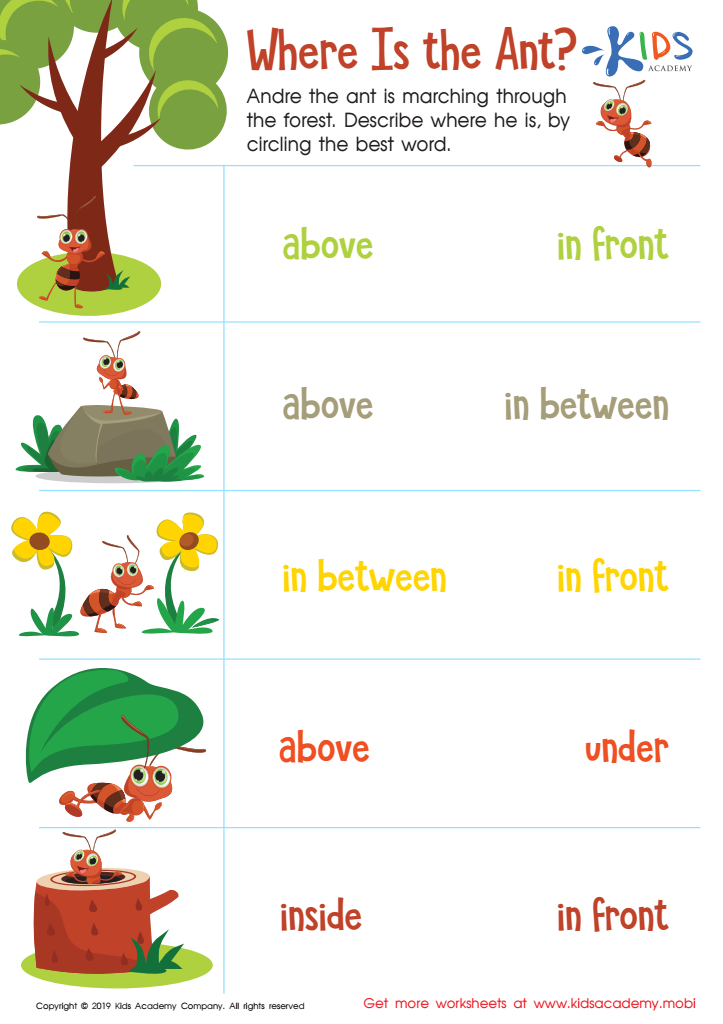
Where Is the Ant? Worksheet
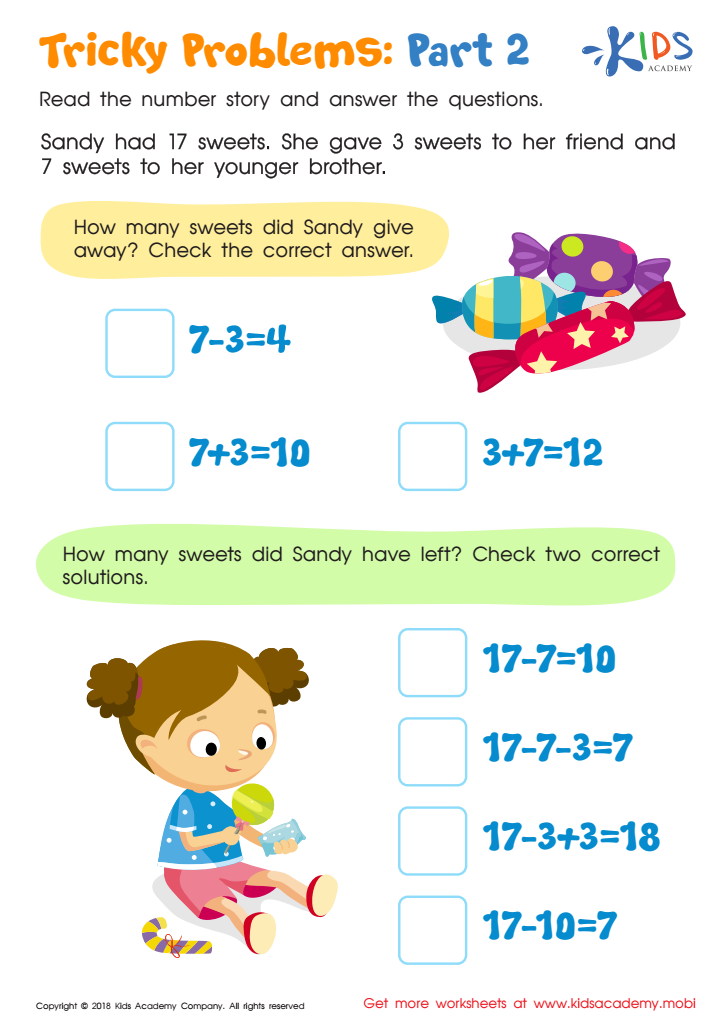
Tricky Problems Worksheet: Part 2
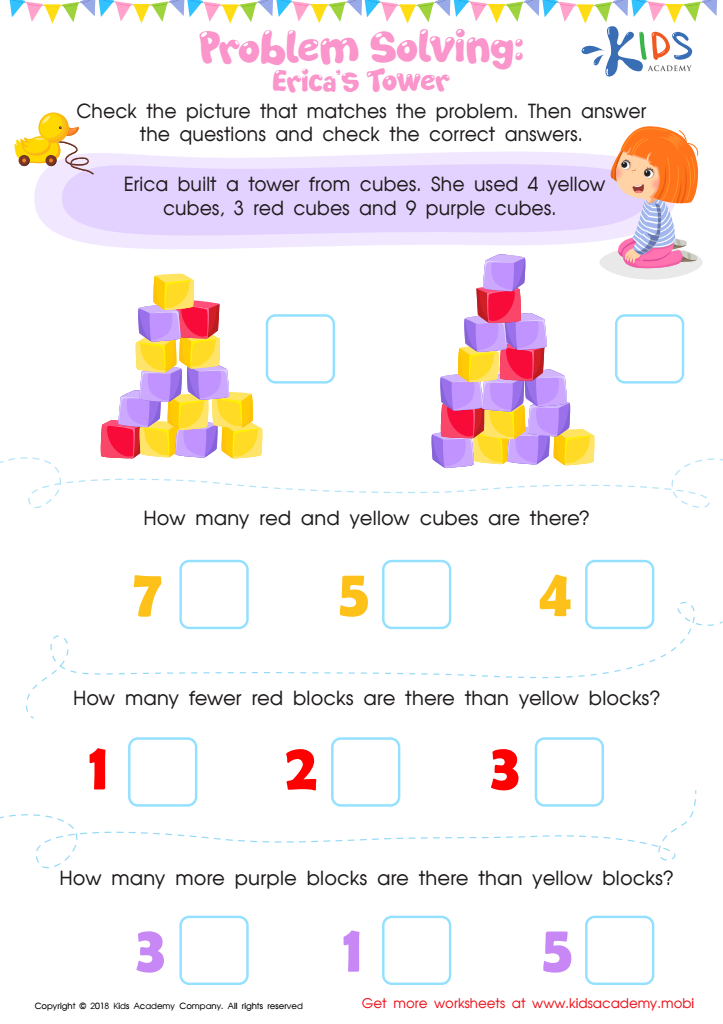
Problem Solving: Erica's Tower Worksheet
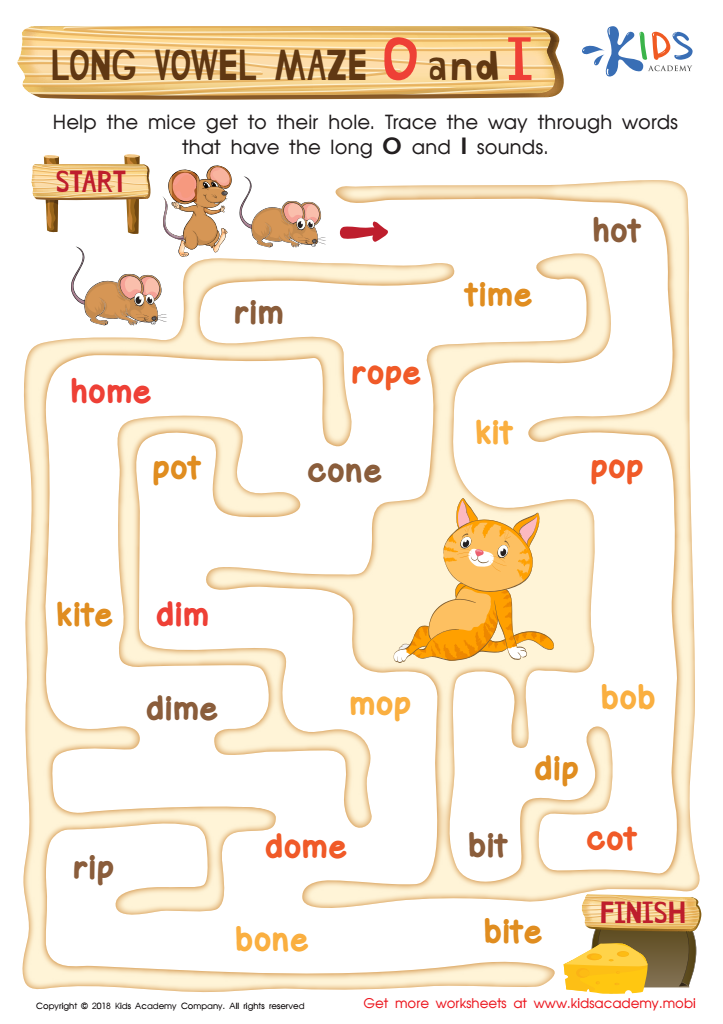
Long Vowel Maze /o/ and /i/ Worksheet
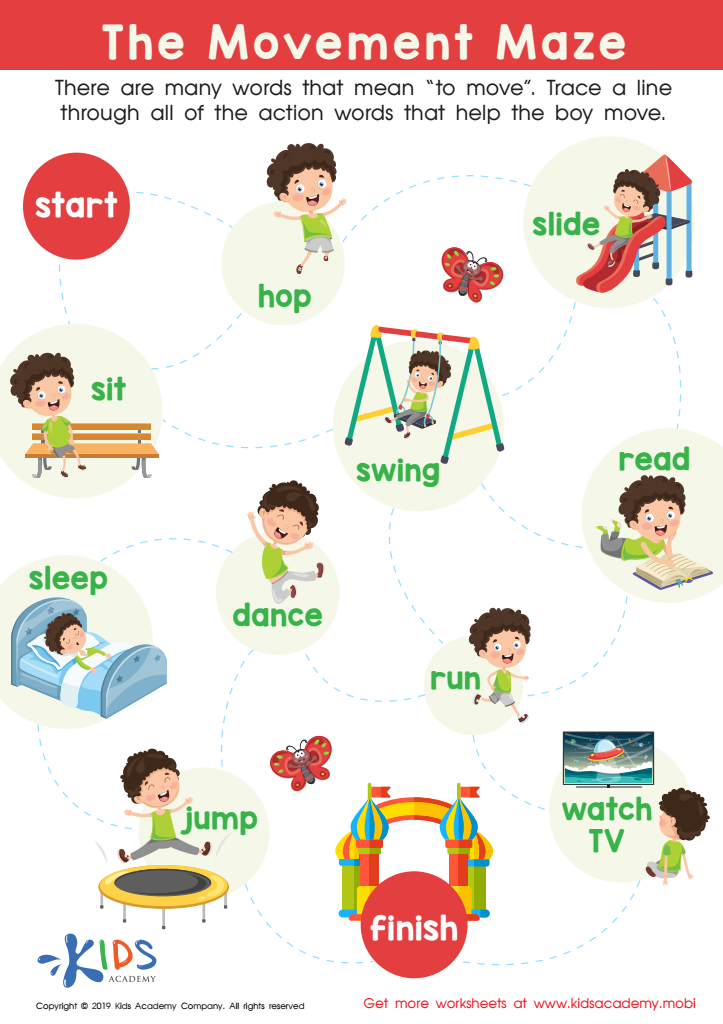
The Movement Maze Worksheet
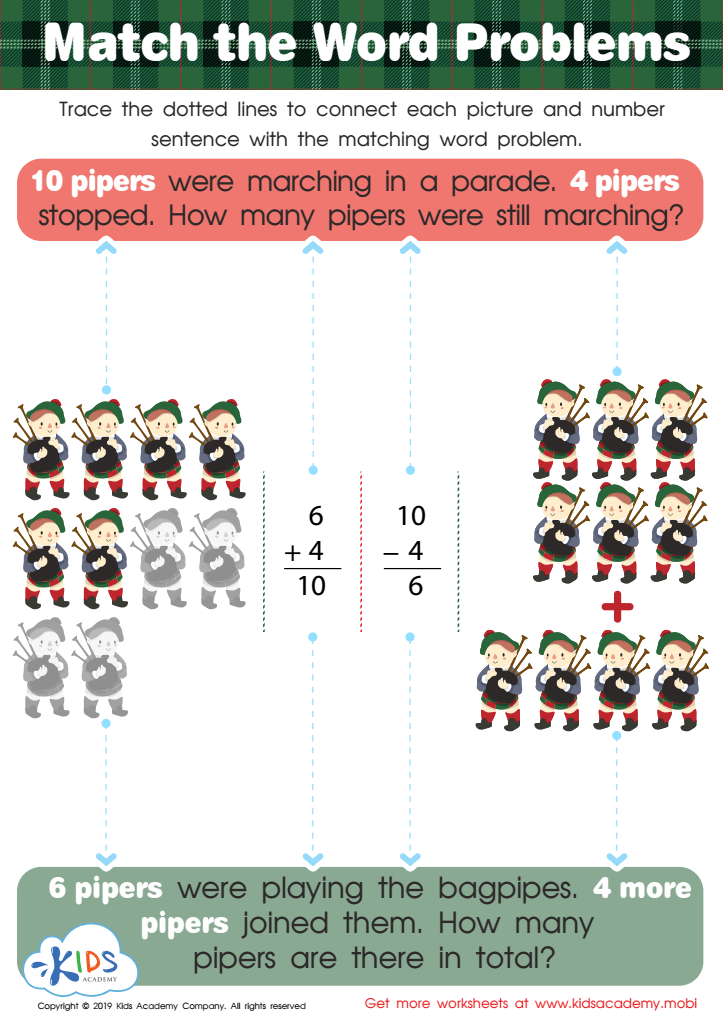
Match the Word Problems Worksheet
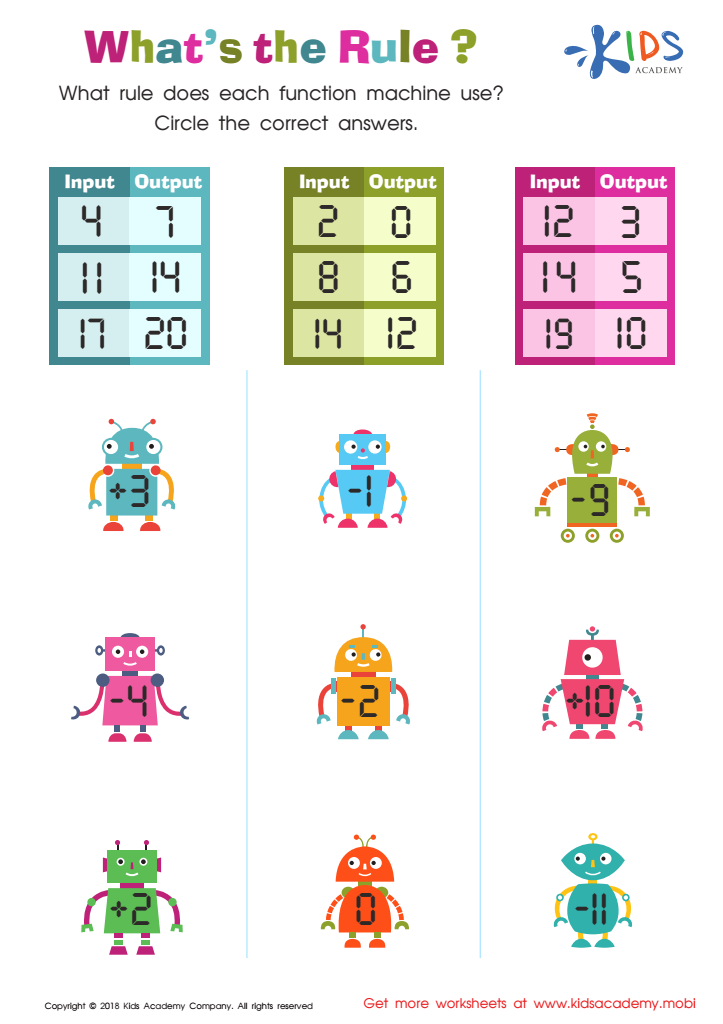
What's the Rule Worksheet
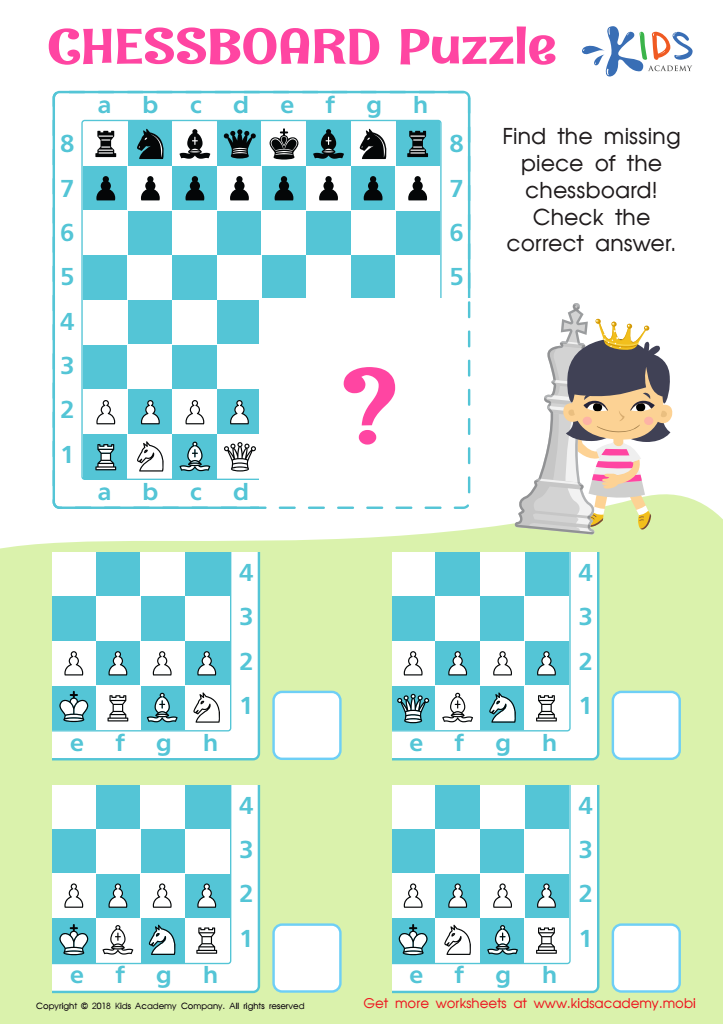
Chessboard Puzzle Worksheet
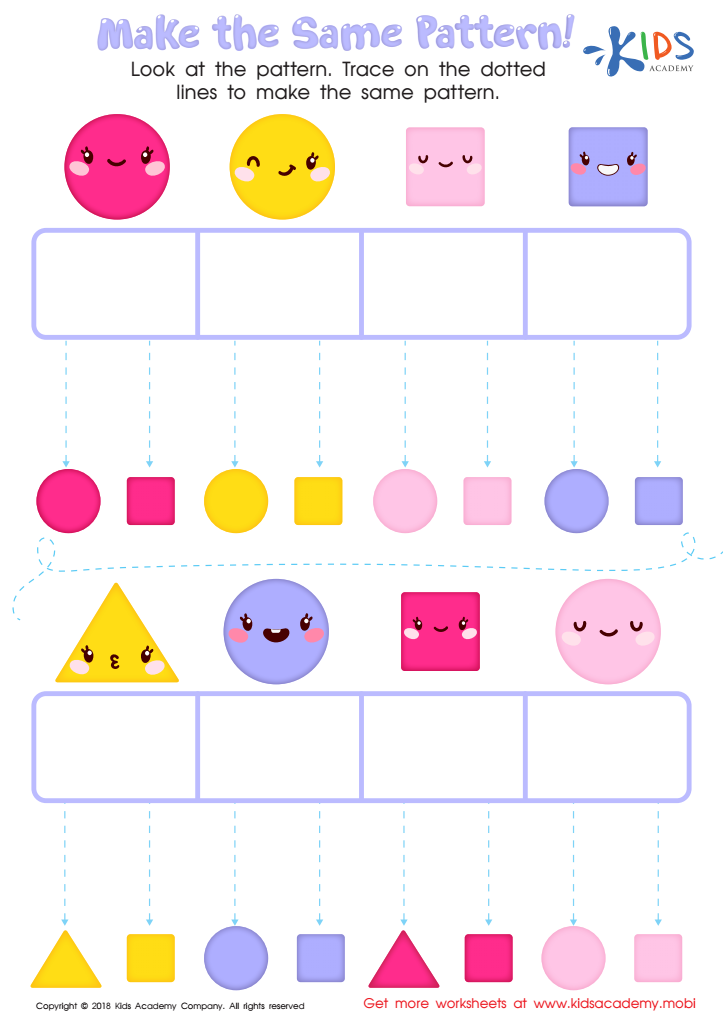
Make the Same Pattern Worksheet
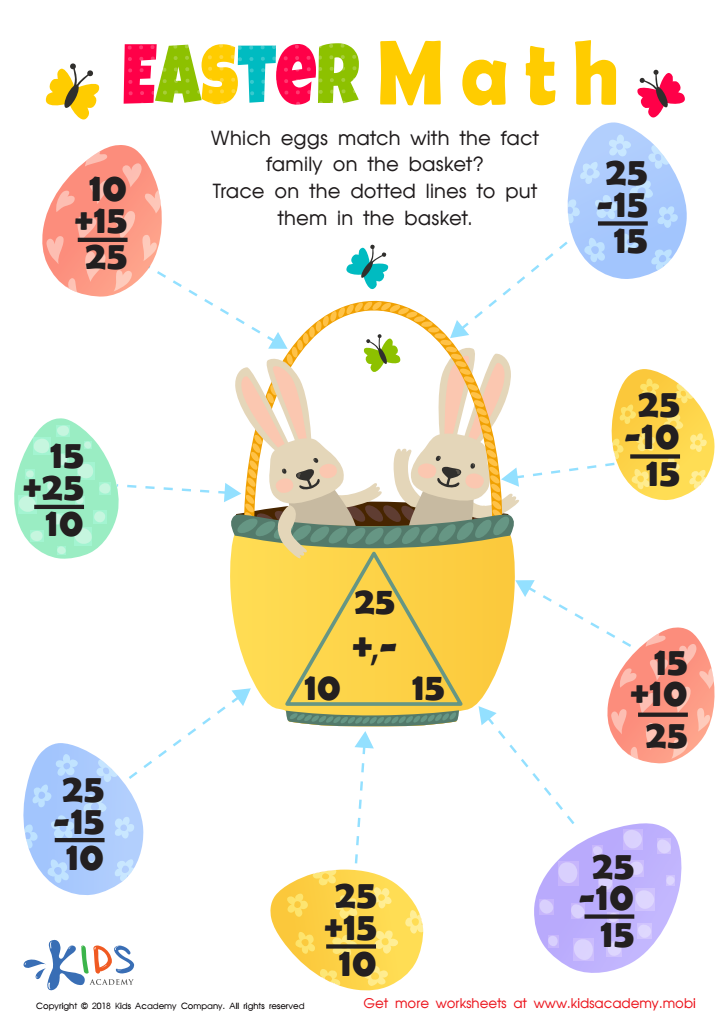
Fact Families: Easter Math Worksheet

Cinderella Geometry Maze Worksheet
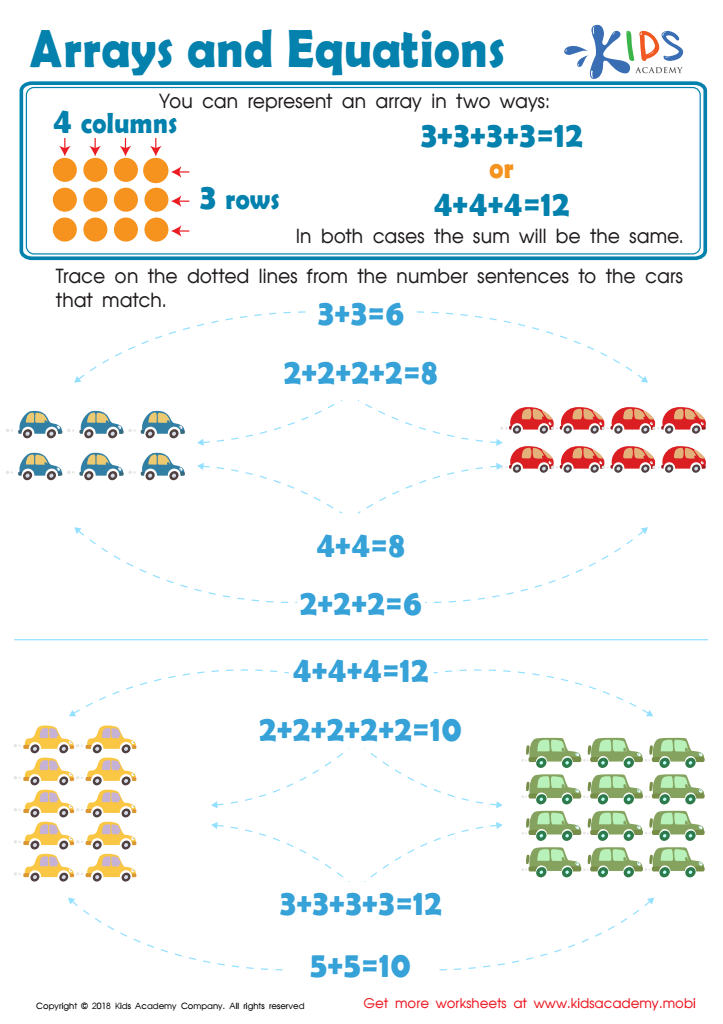
Arrays and Equations Worksheet
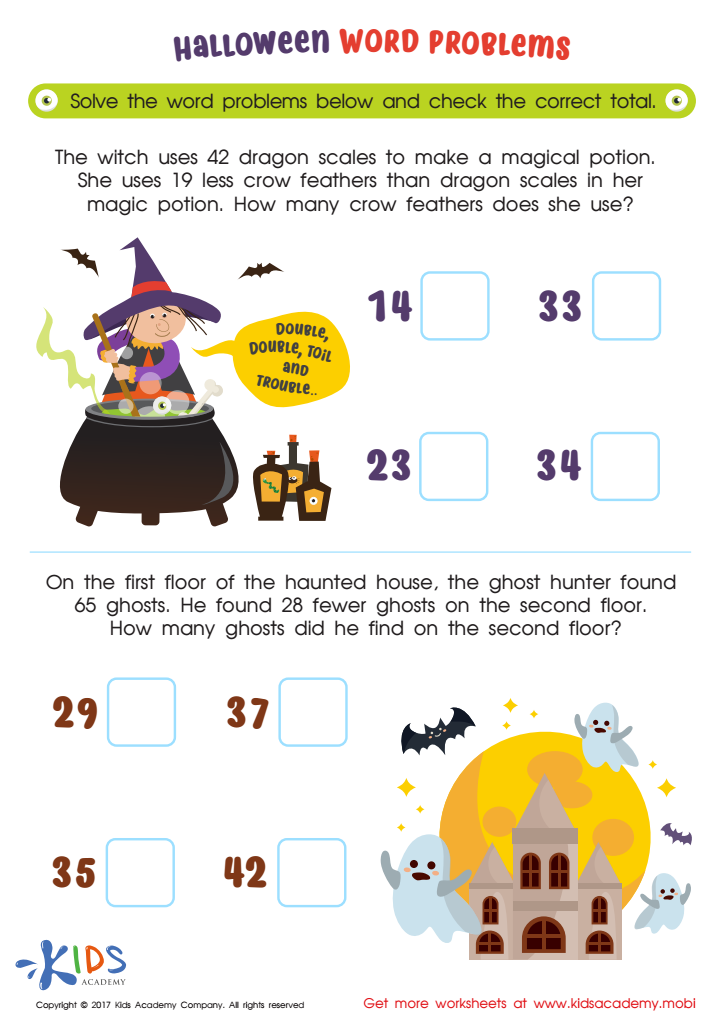
Halloween Word Problems Printable
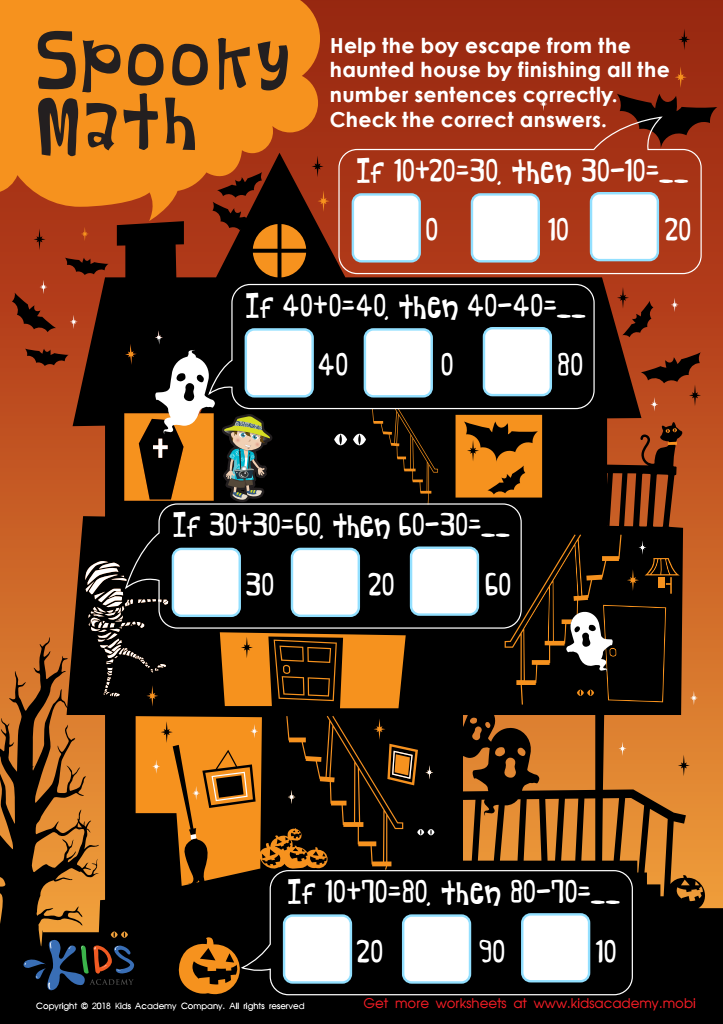
Subtract Tens: Spooky Math Worksheet
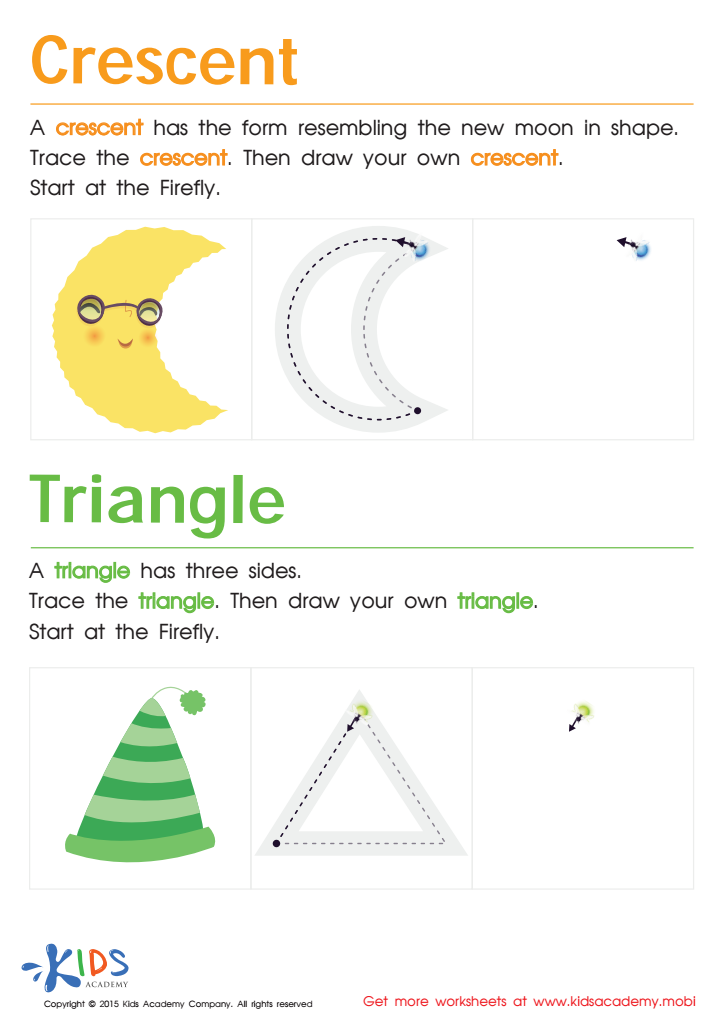
Learning to Draw Crescents And Triangles Worksheet
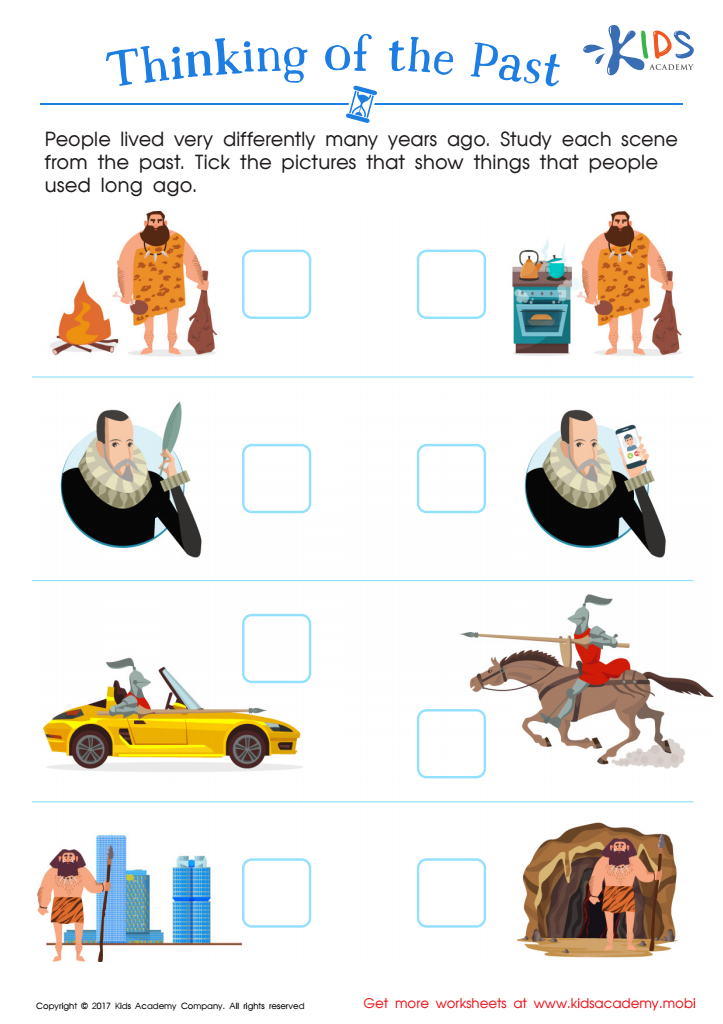
Thinking Past Printable
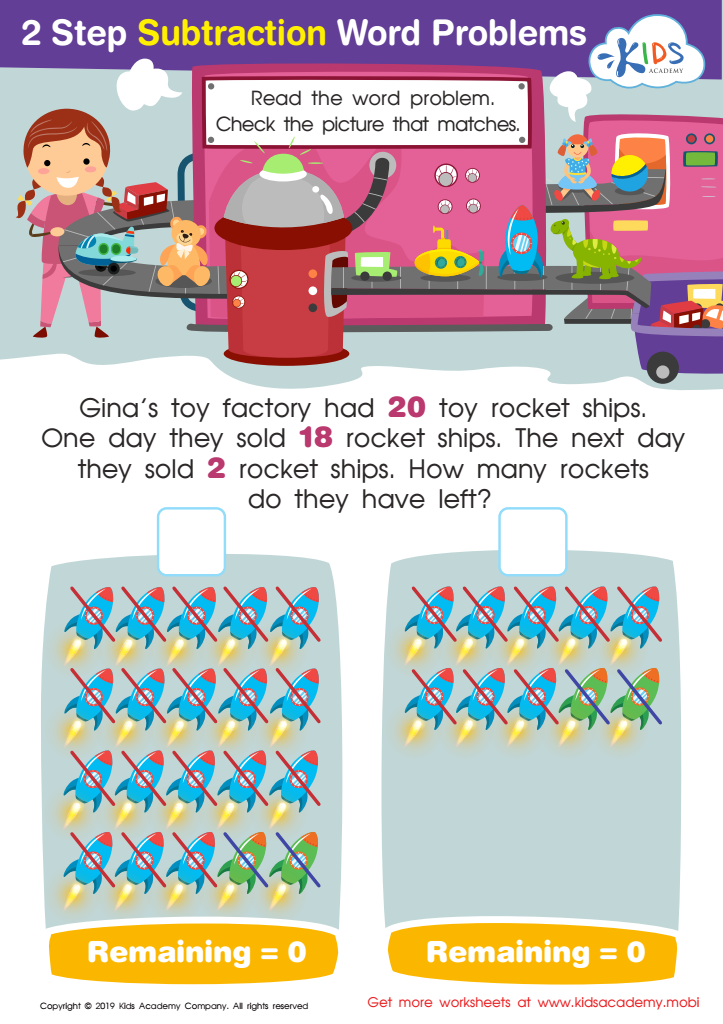
Step Subtraction Word Problems Worksheet
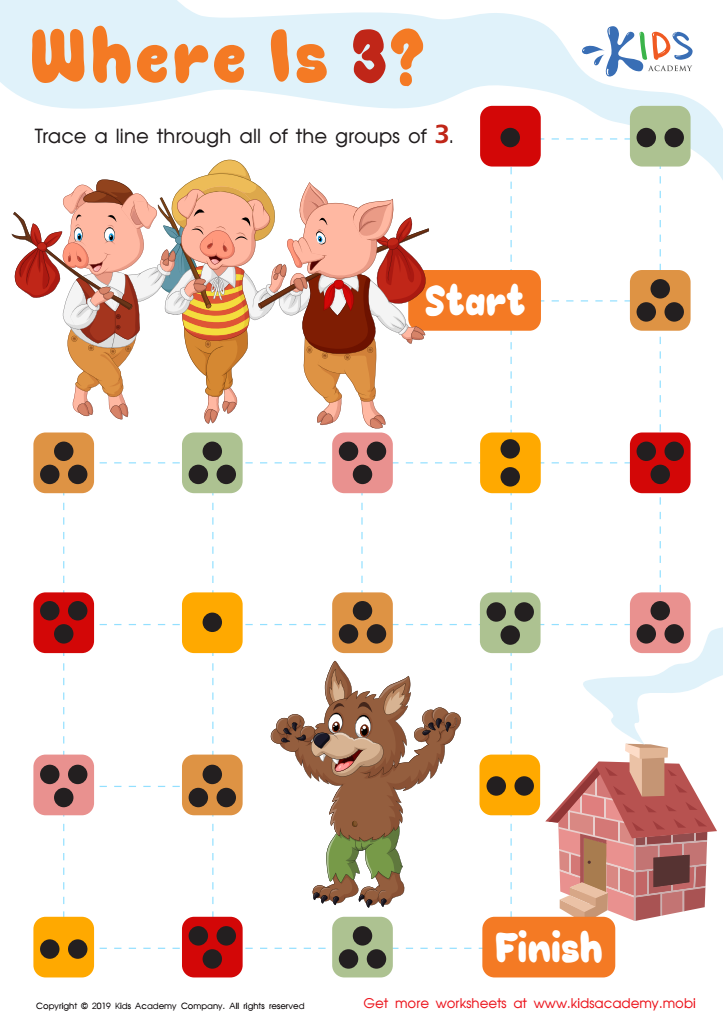
Where Is 3? Worksheet

Shapes Maze Geometry Worksheet
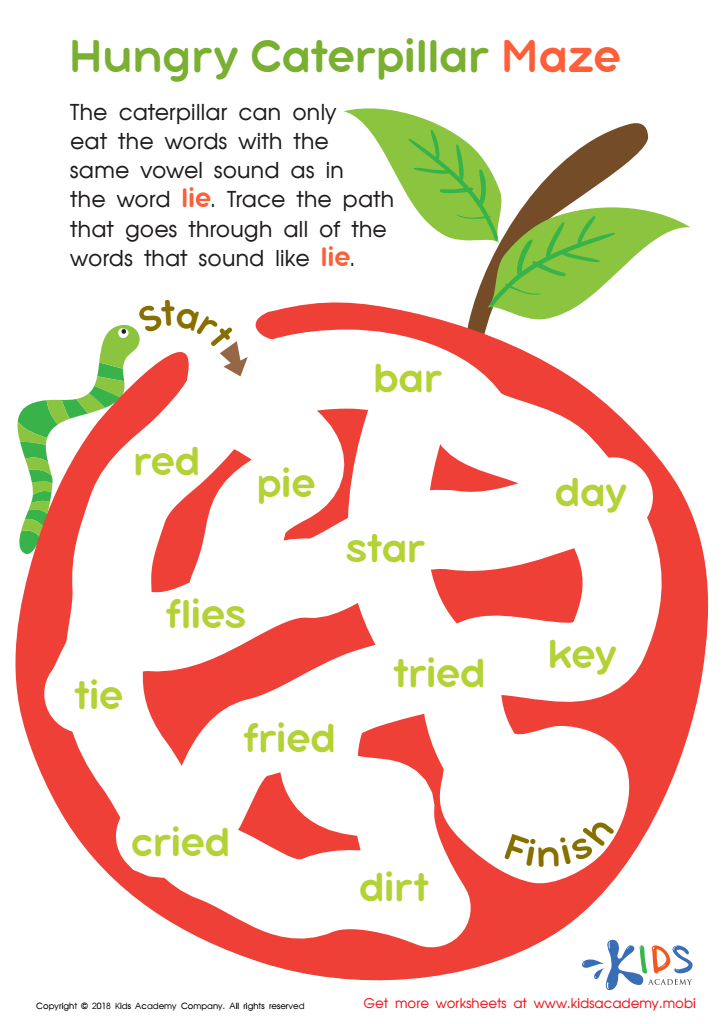
Hungry Caterpillar Maze Worksheet





Problem-solving skills are crucial for children aged 5-7, as this is a formative period in their cognitive development. During these early years, children begin to encounter challenges that require them to think critically and creatively. Parents and teachers should care about fostering these skills because they lay the foundation for lifelong learning.
At this age, children are eager explorers, and honing their problem-solving abilities can enhance their independence and boost their confidence. By encouraging children to tackle age-appropriate problems, adults help them develop resilience and perseverance when faced with obstacles. Problem-solving also promotes collaboration and communication skills, as children often work with peers or adults to find solutions.
Moreover, nurturing problem-solving skills prepares children for more complex tasks in later years, including academic challenges and everyday life situations. As critical thinking becomes increasingly vital in our rapidly changing world, early development of these skills can lead to better academic performance and improved social interactions.
Ultimately, fostering problem-solving skills enables children to navigate challenges effectively, making it essential for parents and teachers to emphasize this development at an early age. By doing so, they equip children with tools to succeed both in school and in life.








