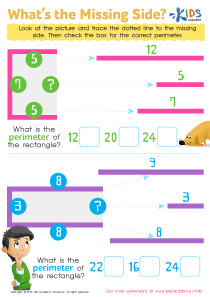
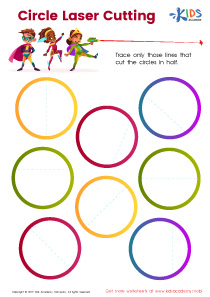
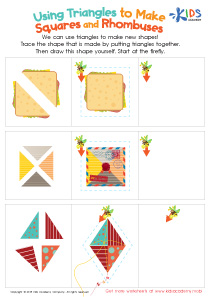
Shape Recognition Normal 2D Shapes Worksheets for Ages 5-7
16 filtered results
-
From - To
Enhance your child's geometric skills with our Shape Recognition Normal 2D Shapes Worksheets, meticulously designed for ages 5-7. Our engaging printables help young learners identify, name, and differentiate between various 2D shapes, such as circles, triangles, squares, and rectangles. Through interactive activities, kids develop essential math skills, improve their fine motor abilities, and bolster their confidence in shape recognition. Each worksheet is crafted to support foundational learning in a fun and educational way, ensuring that your child remains engaged and eager to explore the world of shapes. Download now to provide a stimulating and effective learning experience!
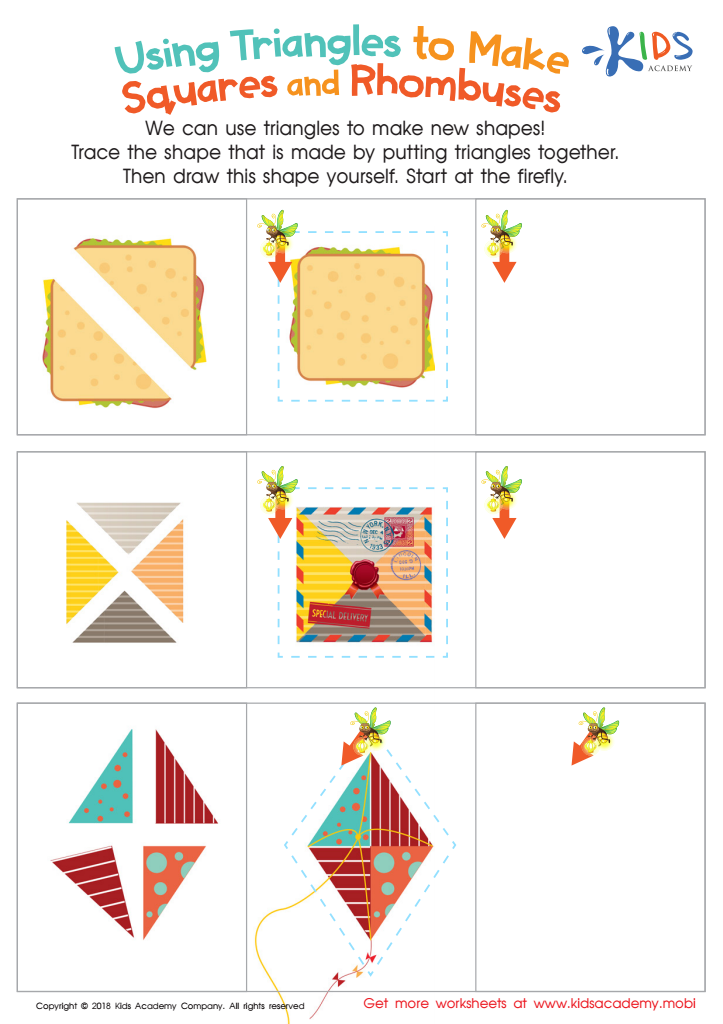
Using Triangles to Make Squares and Rhombuses Worksheet
 Assign to My Students


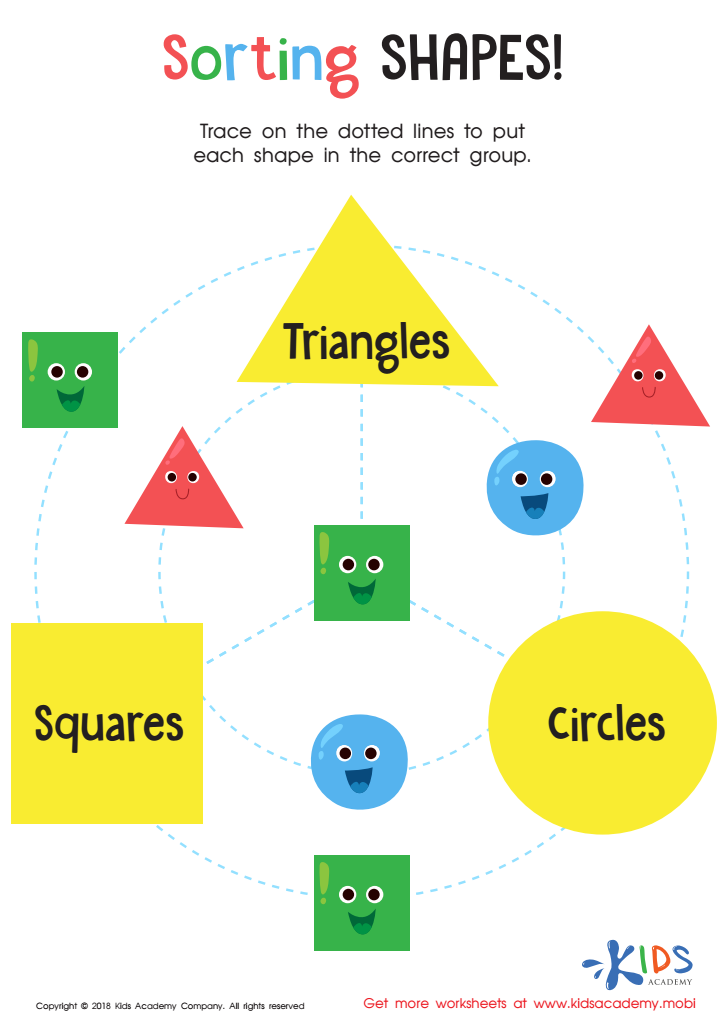
Sorting Shapes - Part 3 Worksheet
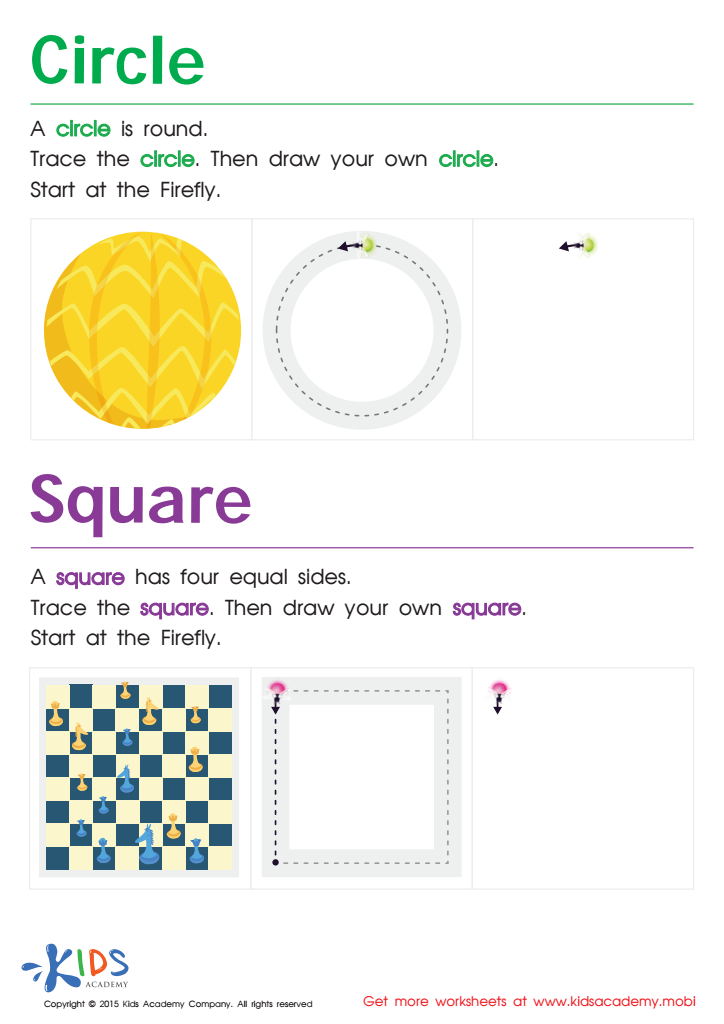
Trace And Draw a Circle And a Square Worksheet
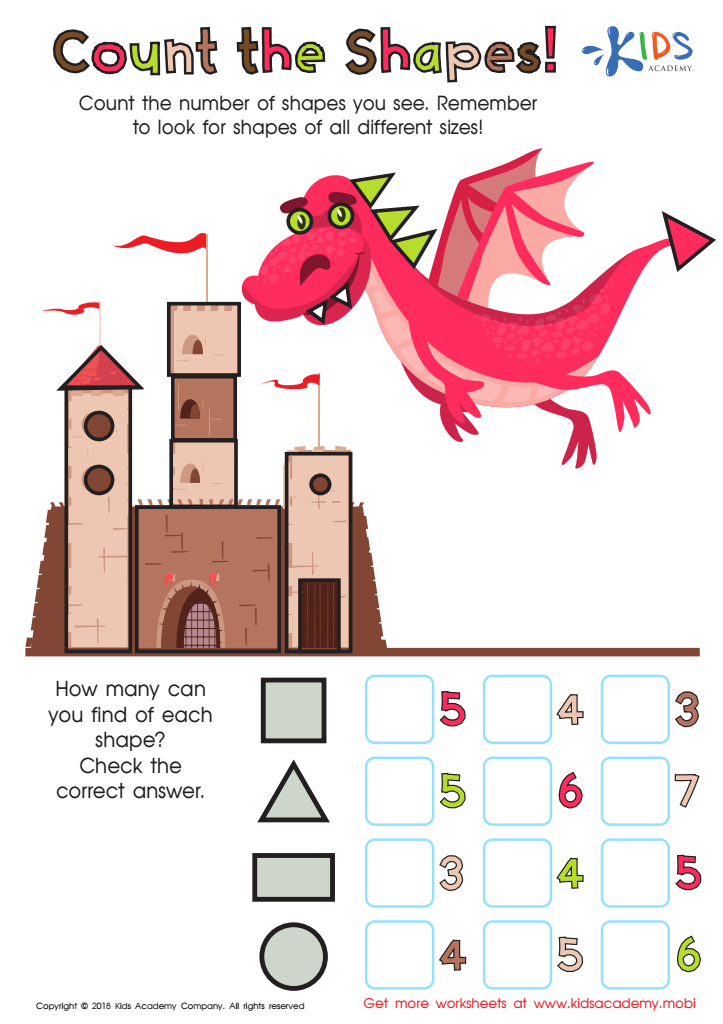
Count the Shapes Worksheet
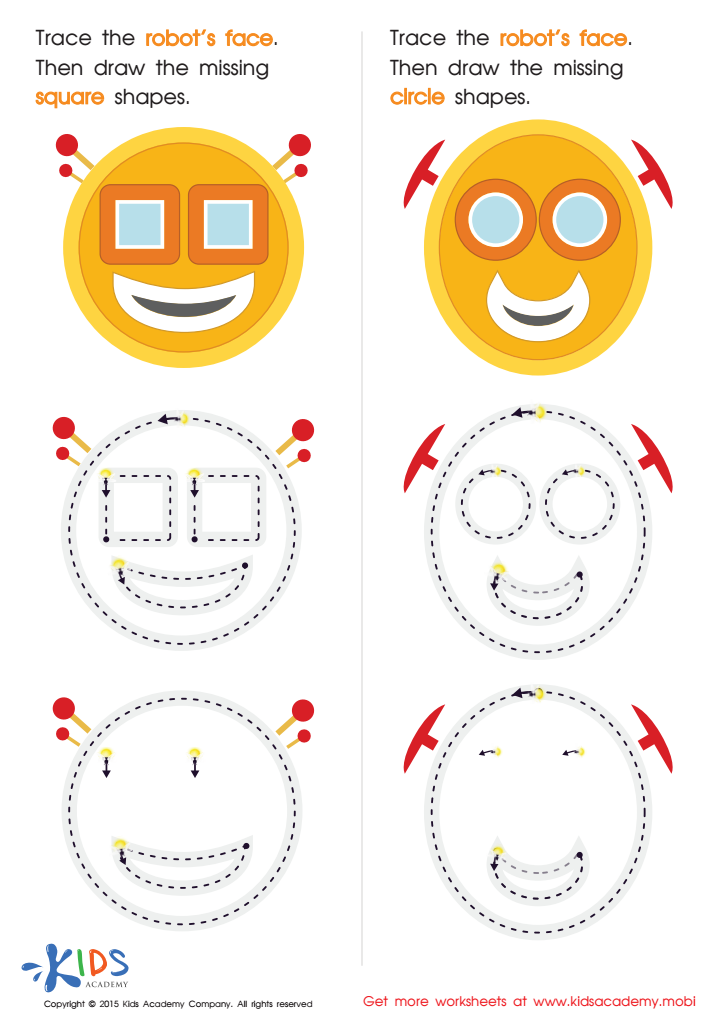
Practicing to Draw Circles And Squares Printable
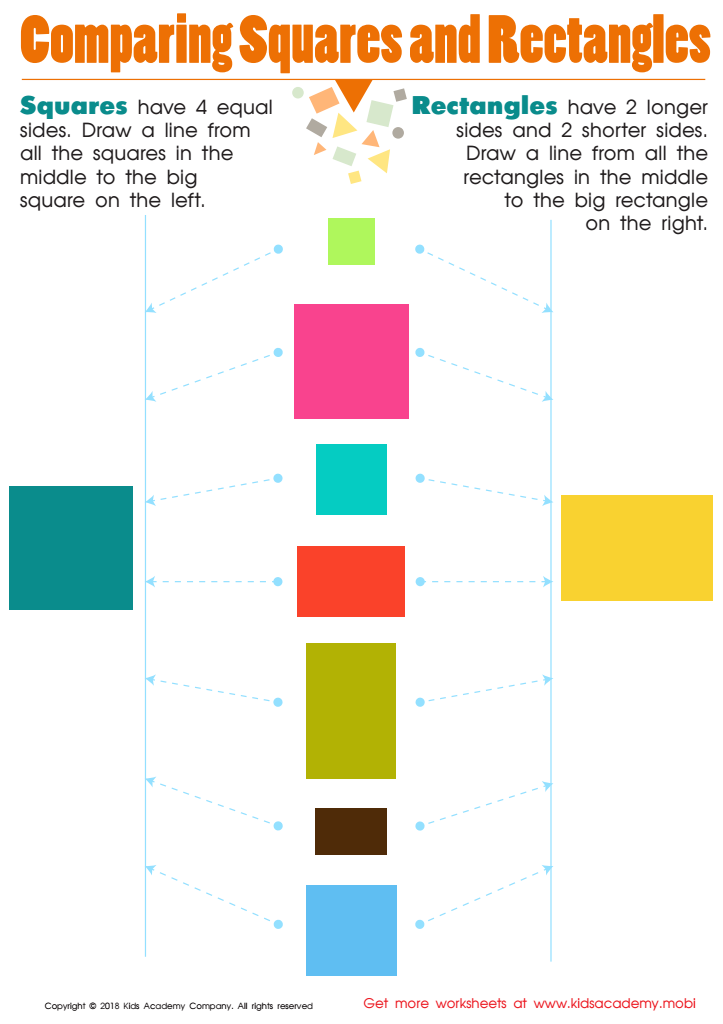
Comparing Squares Rectangles Worksheet
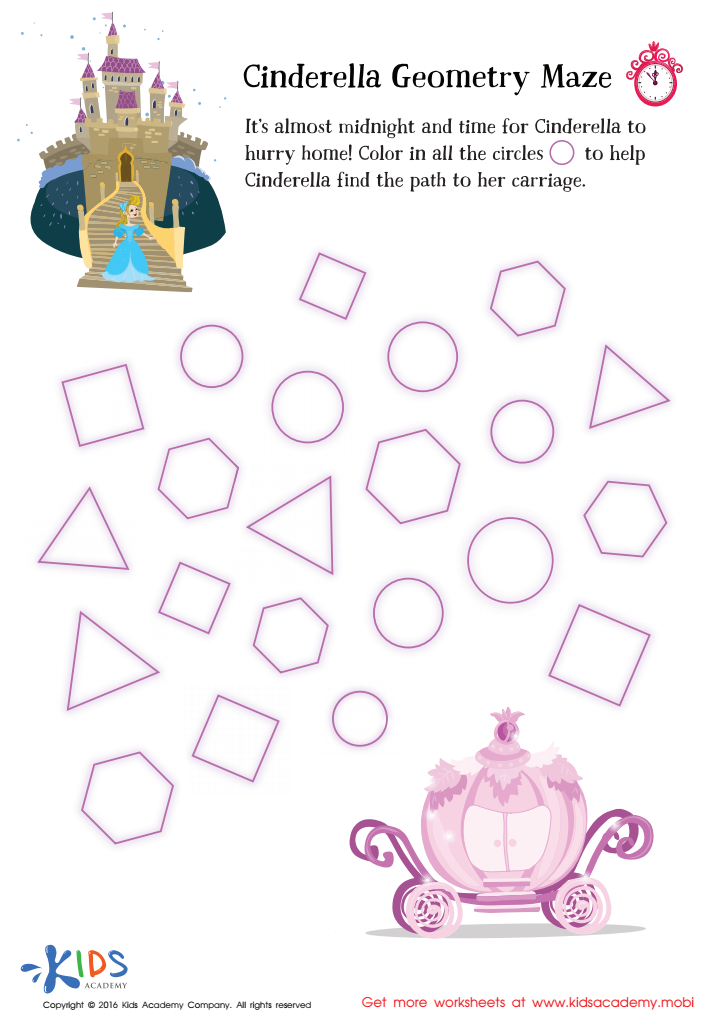
Cinderella Geometry Maze Worksheet
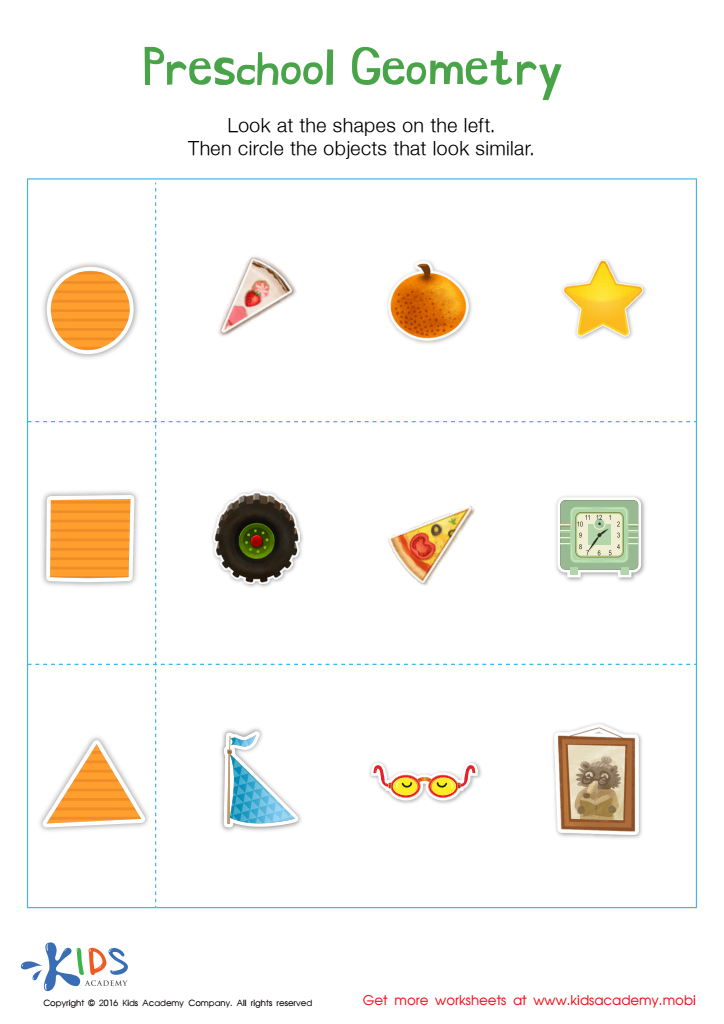
Preschool Geometry Match Up Worksheet
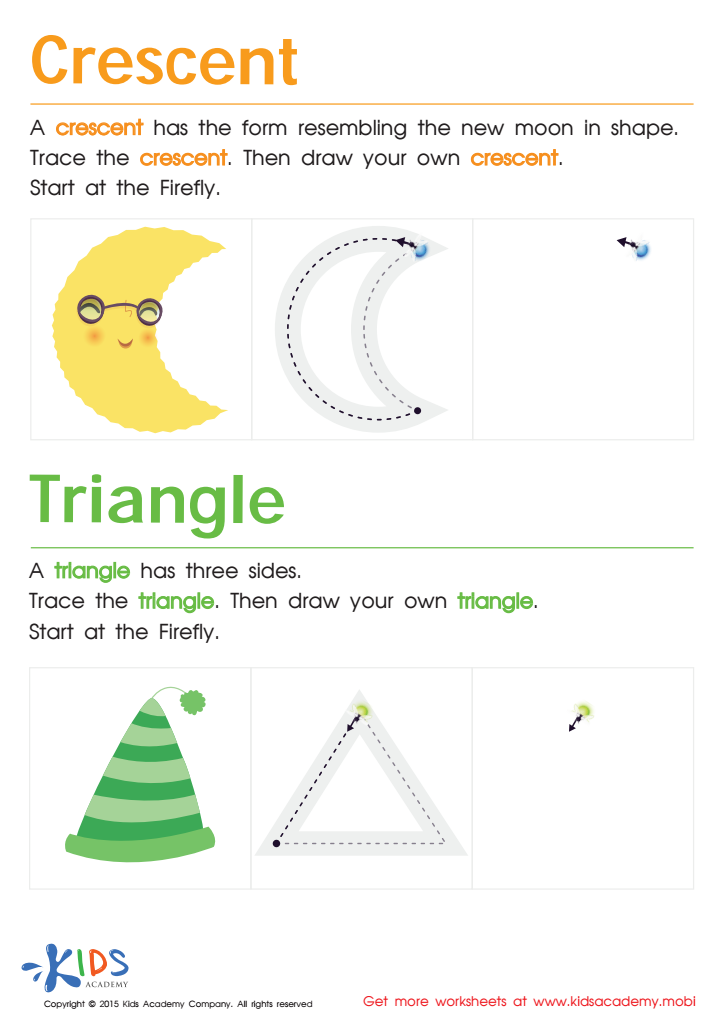
Learning to Draw Crescents And Triangles Worksheet
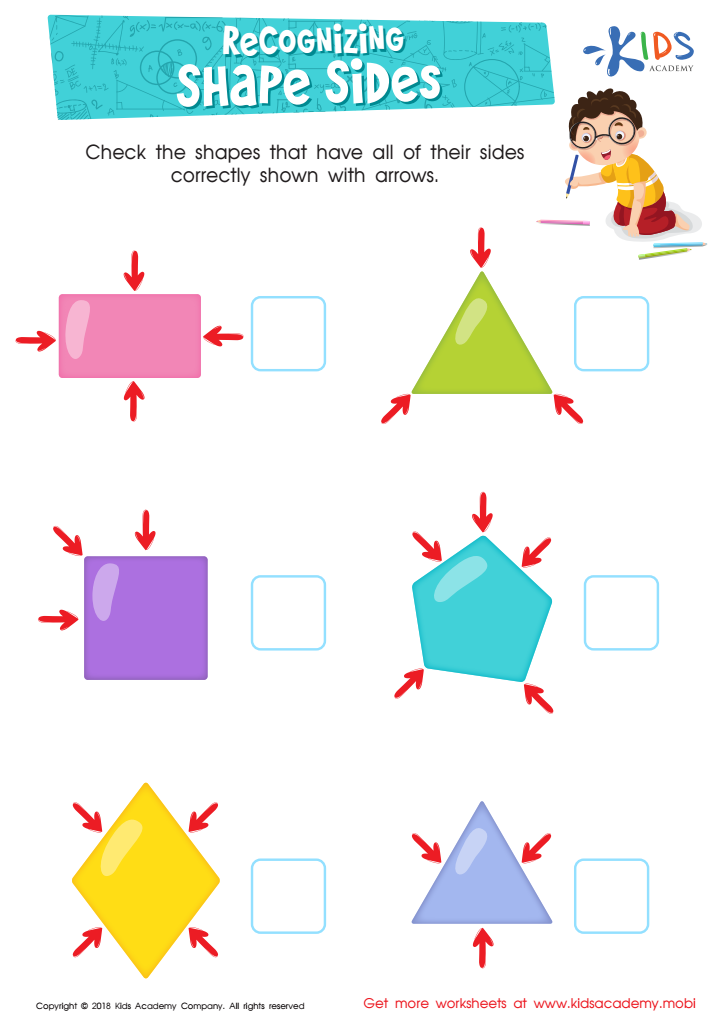
Recognizing Shape Sides Worksheet
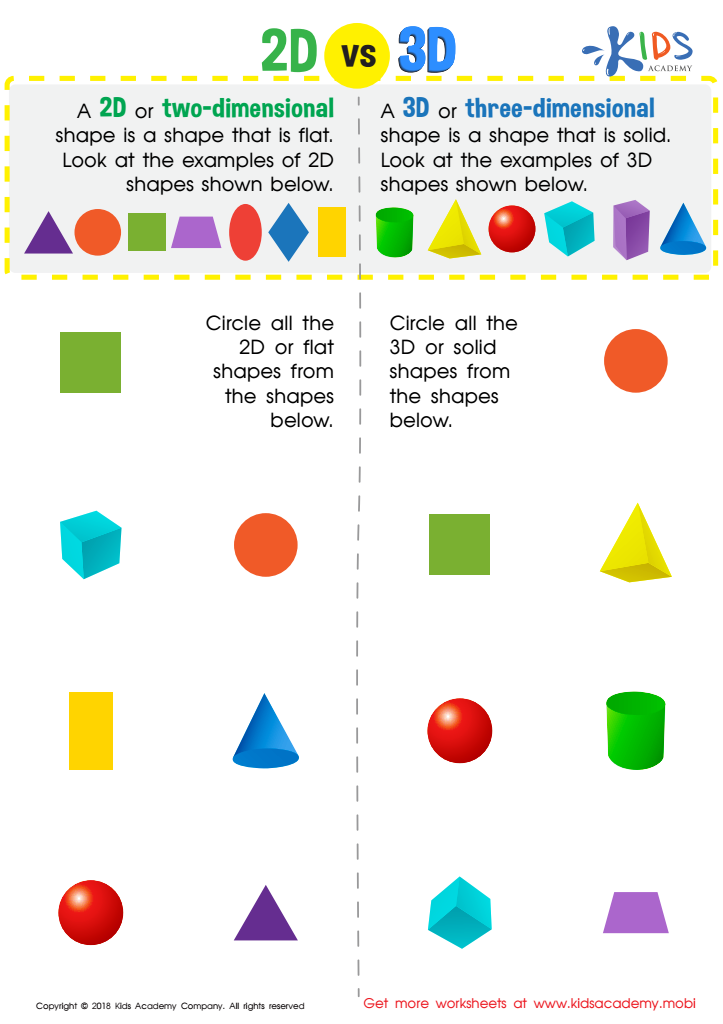
2D vs 3D Shapes Worksheet
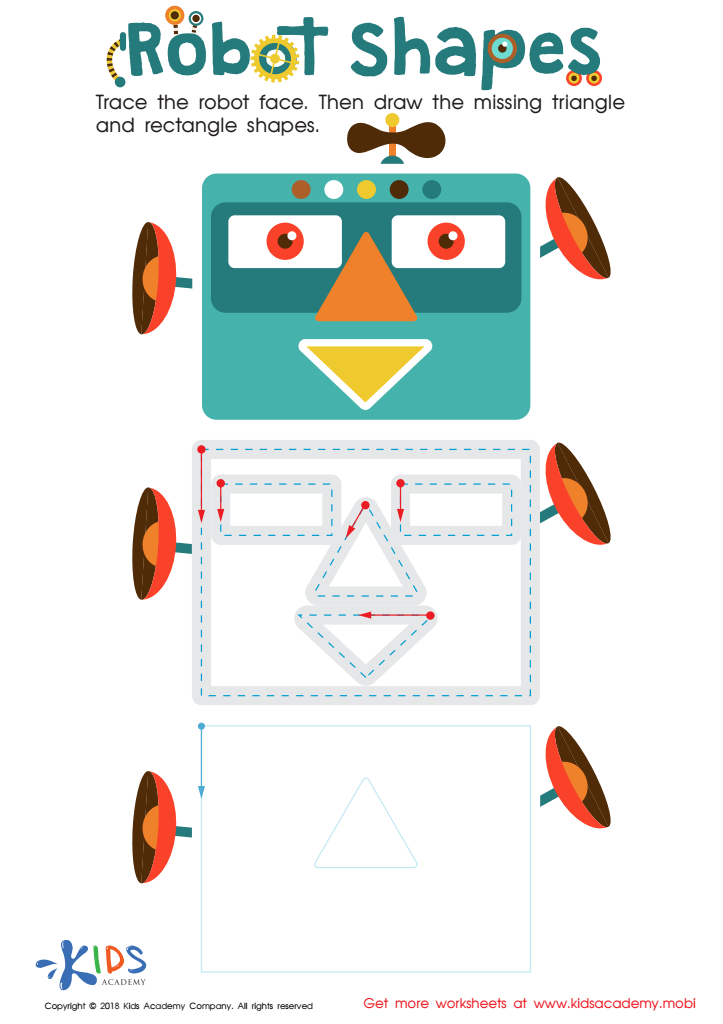
Robot Shapes Worksheet
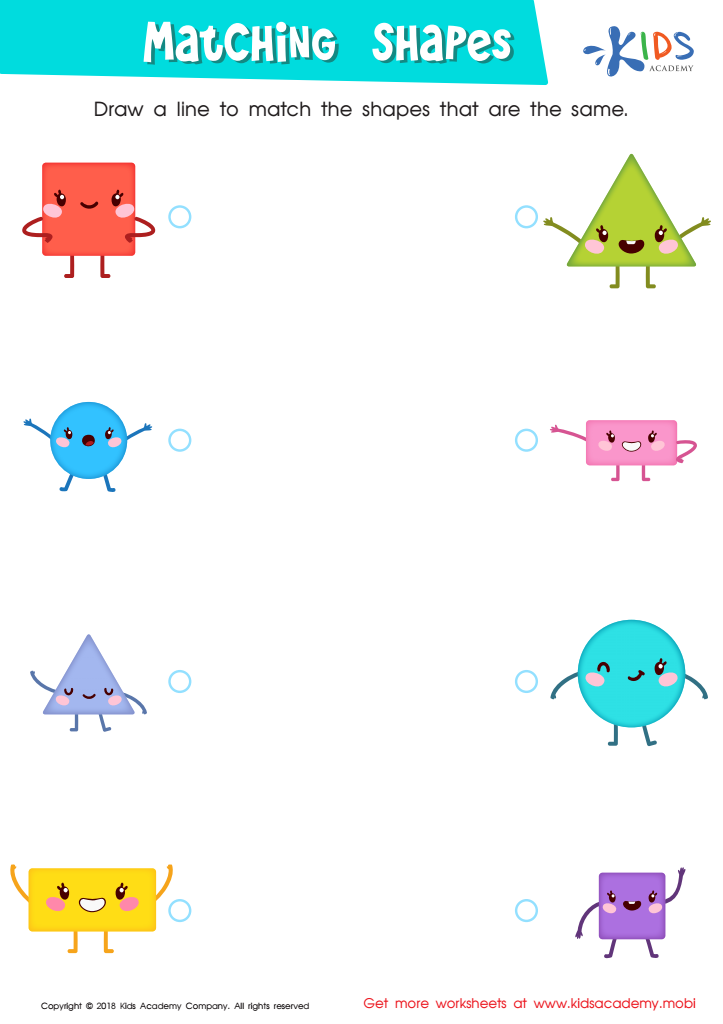
Matching Shapes Worksheet
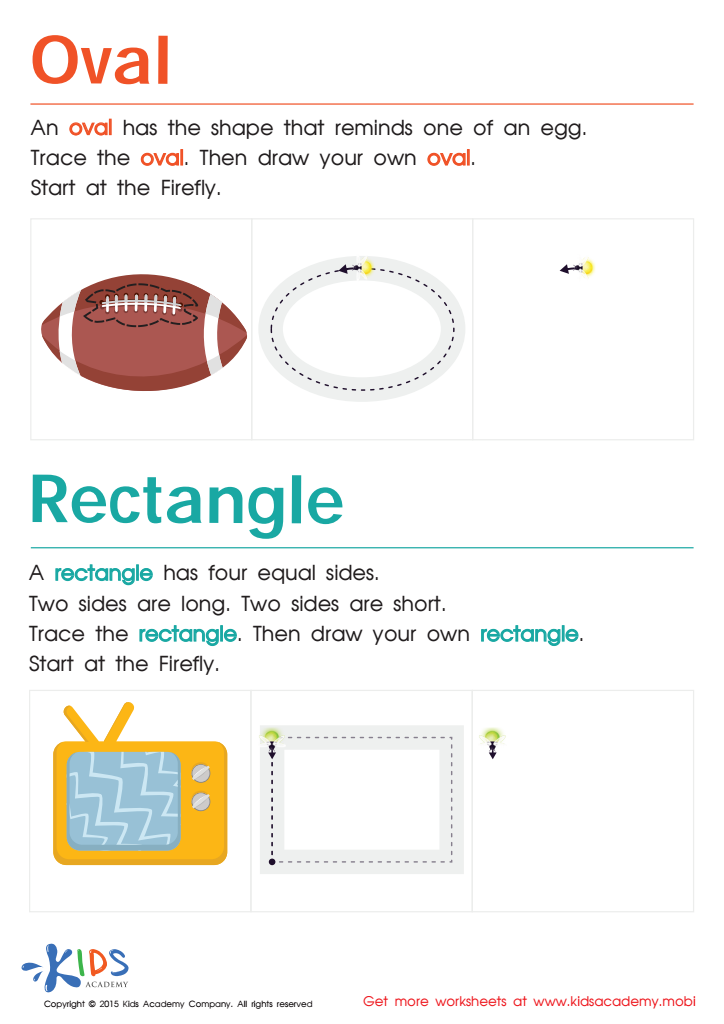
Easy Drawing of Ovals And Rectangles Worksheet
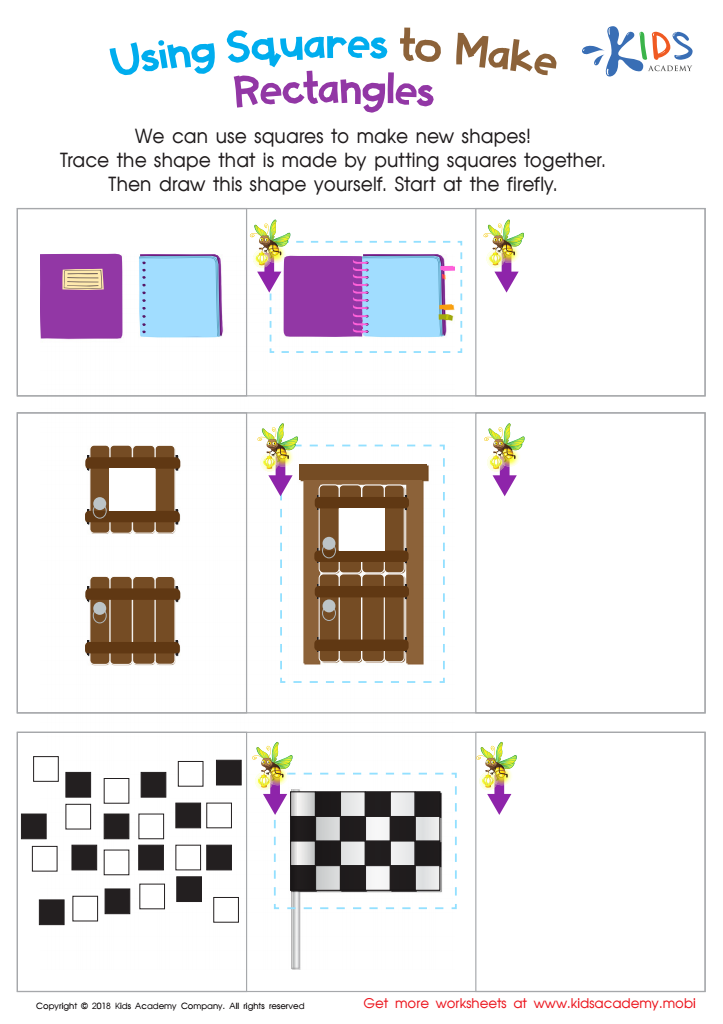
Using Squares to Make Rectangles Worksheet
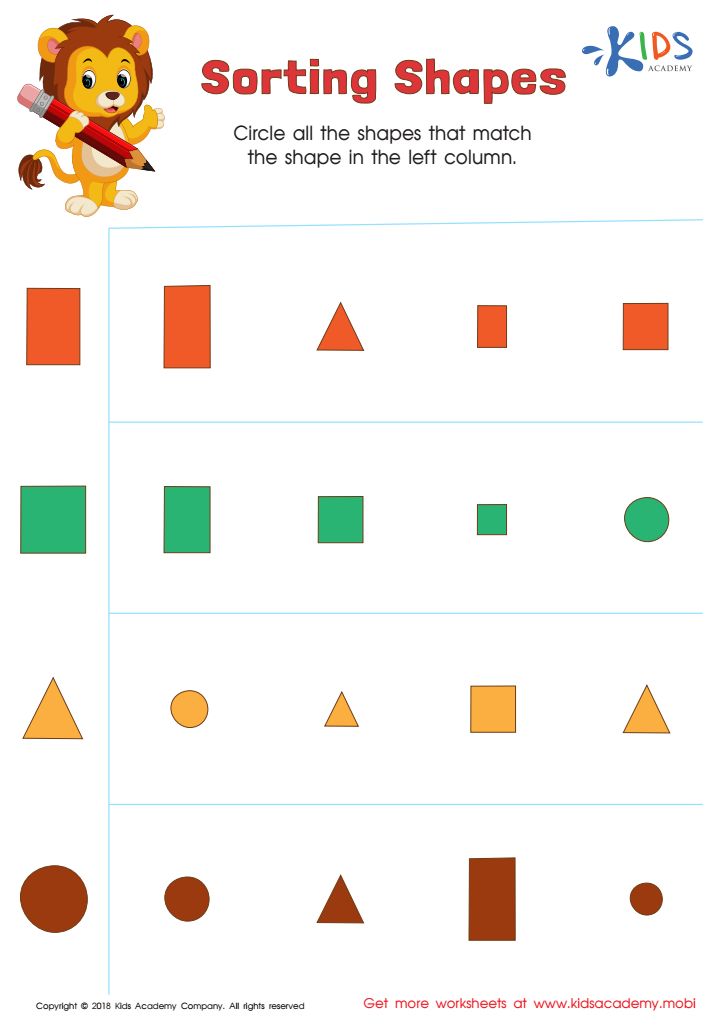
Sorting Shapes - Part 2 Worksheet








Shape recognition is a fundamental aspect of early childhood education, particularly for ages 5-7, because it lays the groundwork for a wide array of cognitive and academic skills. When children learn to identify and distinguish between different 2D shapes like circles, squares, triangles, and rectangles, they are honing their visual-spatial reasoning—a crucial skill in fields such as math, science, art, and engineering.
Recognizing shapes aids in developing a child's ability to perceive patterns, understand the relationships between different objects, and categorize information. These skills are critical for problem-solving and logical thinking, making the child's overall cognitive framework more robust.
Moreover, shape recognition is integral to numeracy. Concepts of geometry begin with understanding basic shapes, which eventually leads to more complex topics like symmetry, fractions, and area calculation. It strengthens early math vocabulary and spatial awareness, both of which are essential when children engage in activities ranging from simple block play to executing more intricate tasks like drawing maps or graphs.
Shape identification also plays a key role in daily life, helping kids make sense of their environment—be it recognizing road signs, organizing belongings by shape, or following visual instructions. Consequently, nurturing shape recognition skills creates a solid foundation for academic success and practical life skills, making it an essential focus for both parents and teachers.