Normal Math Worksheets for Ages 5-7 - Page 2
438 filtered results
-
From - To
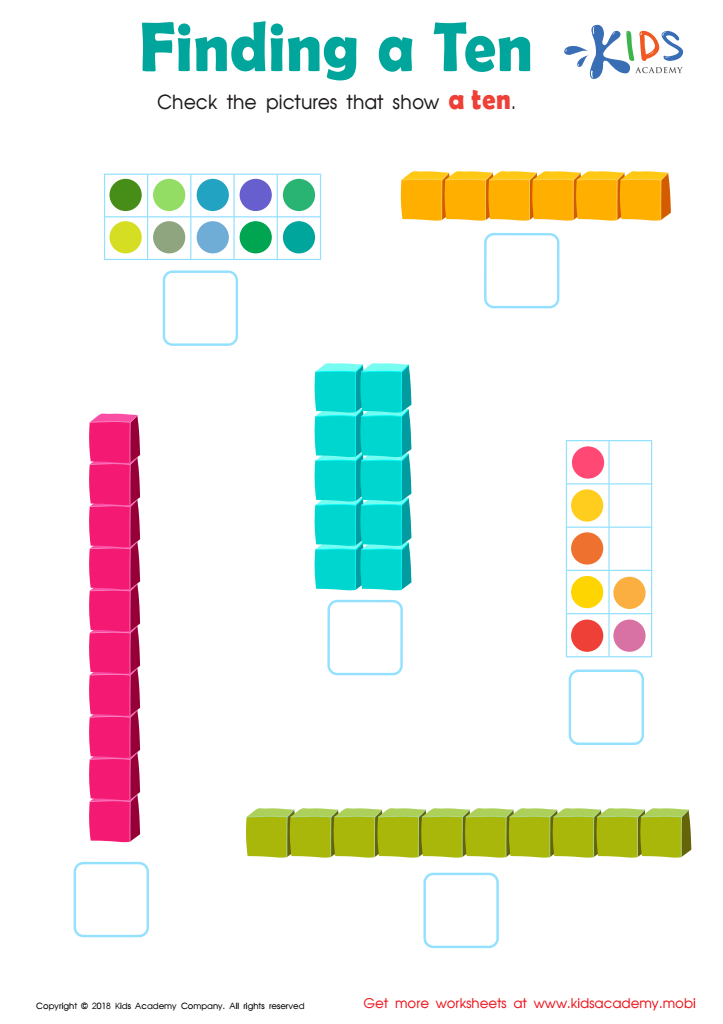
Finding a Ten Worksheet
 Assign to My Students
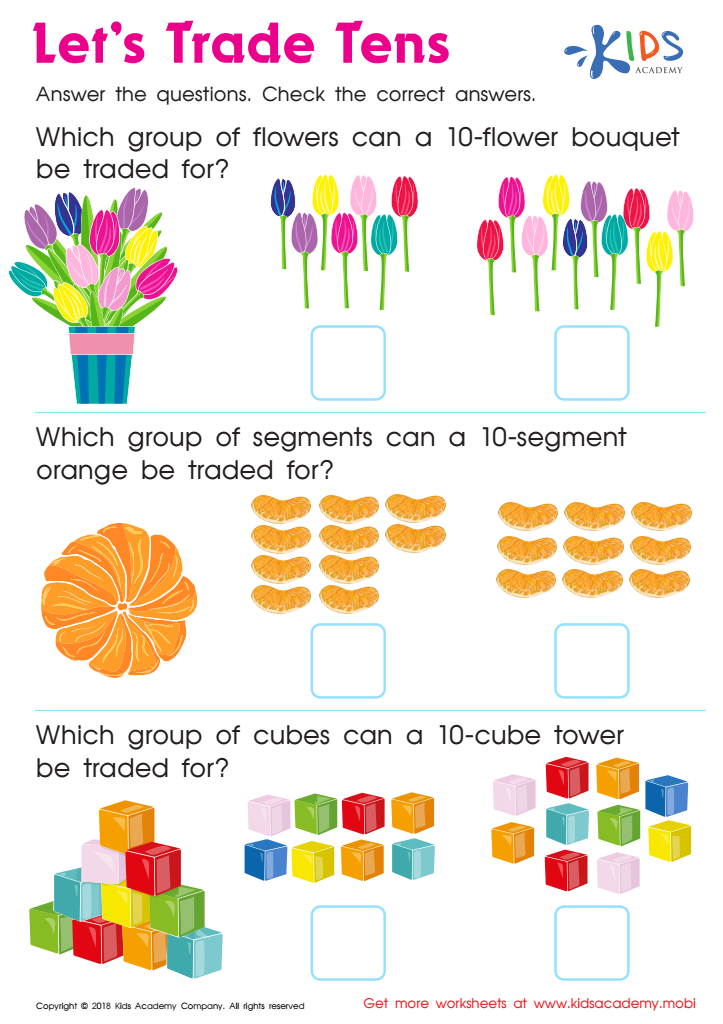
Lets Trade Tens Worksheet
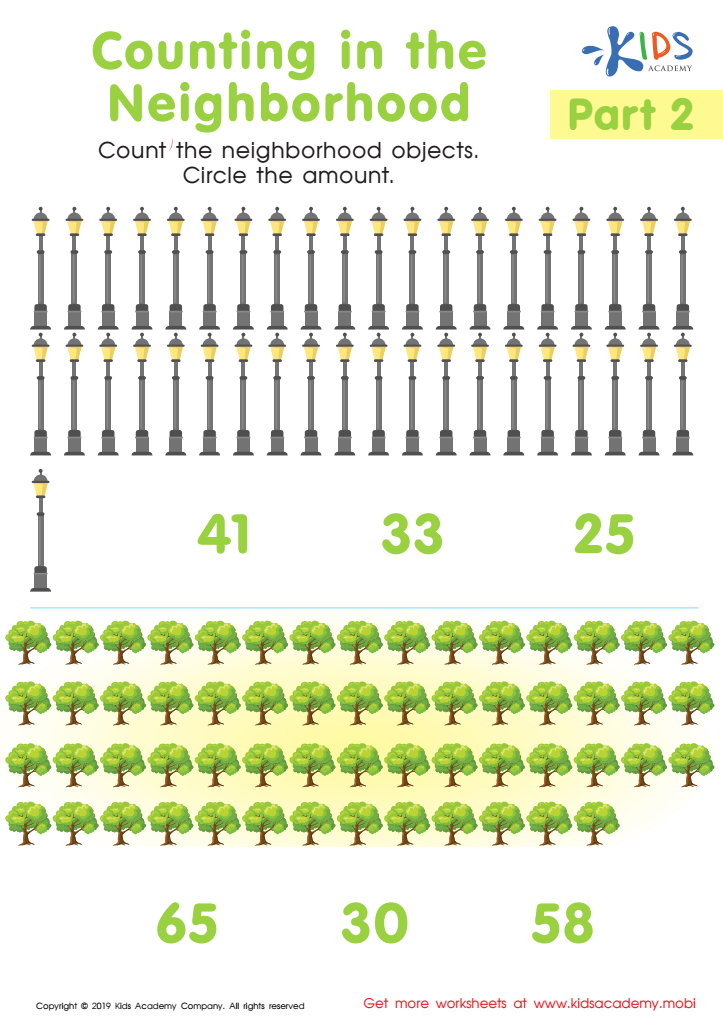
Counting In The Neighborhood Part 2 Worksheet
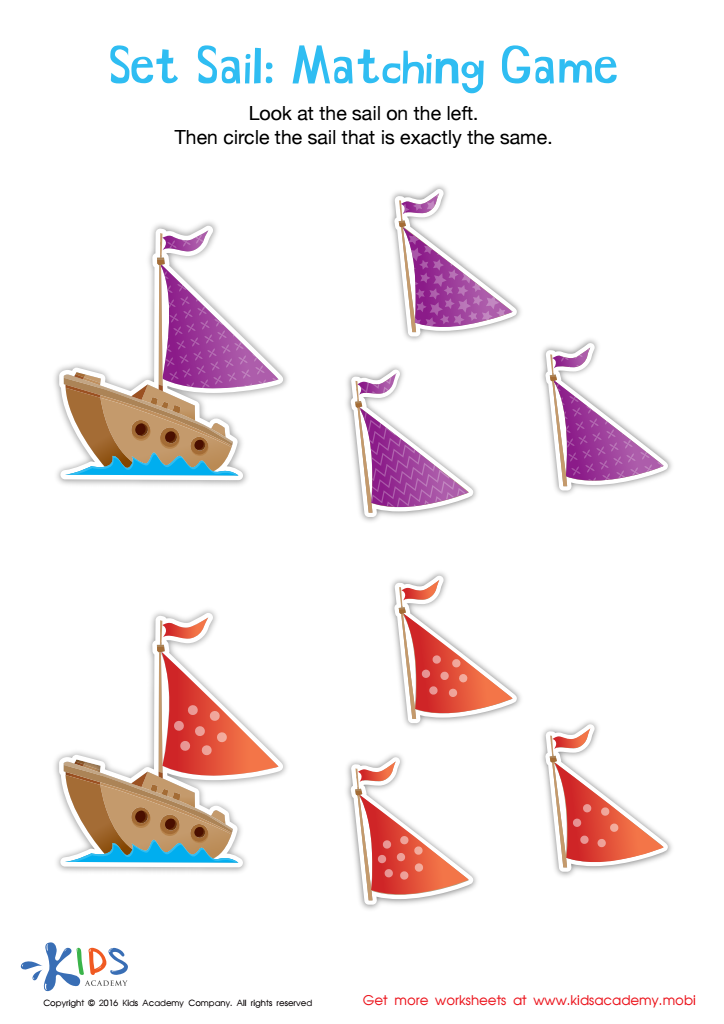
Set Sail Worksheet
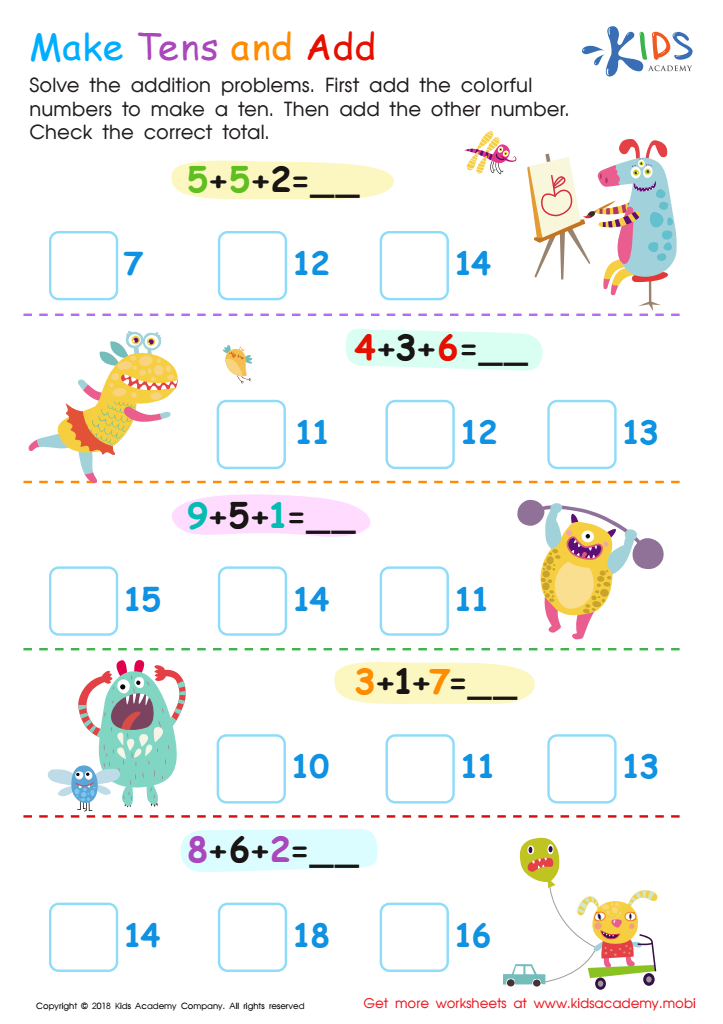
Make Tens and Add Worksheet
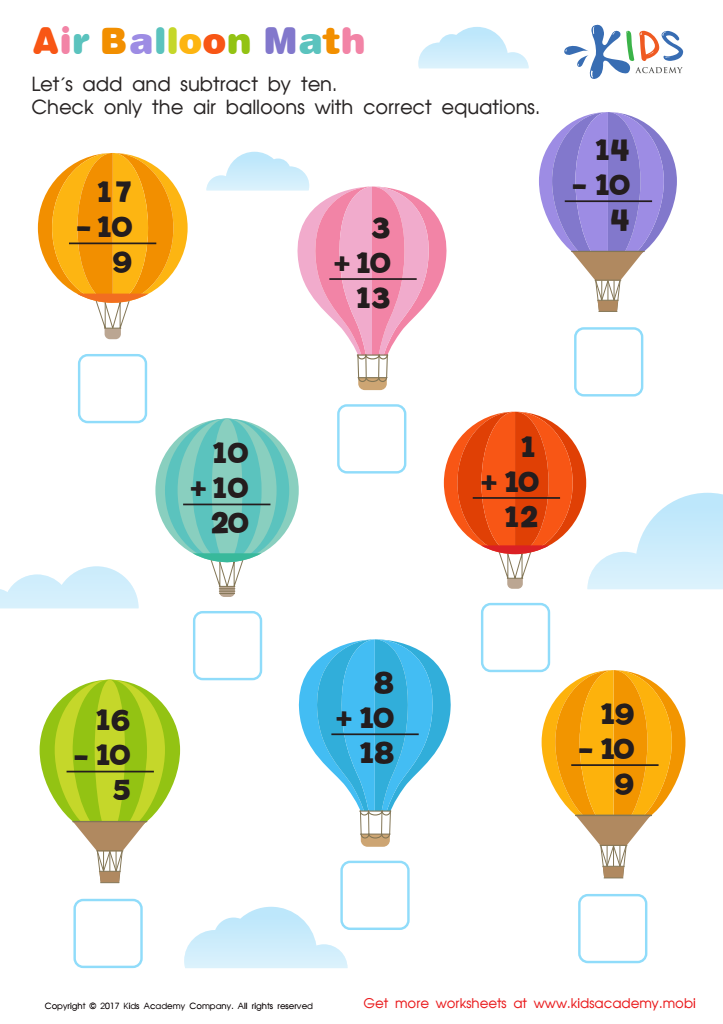
Air Balloon Math Worksheet
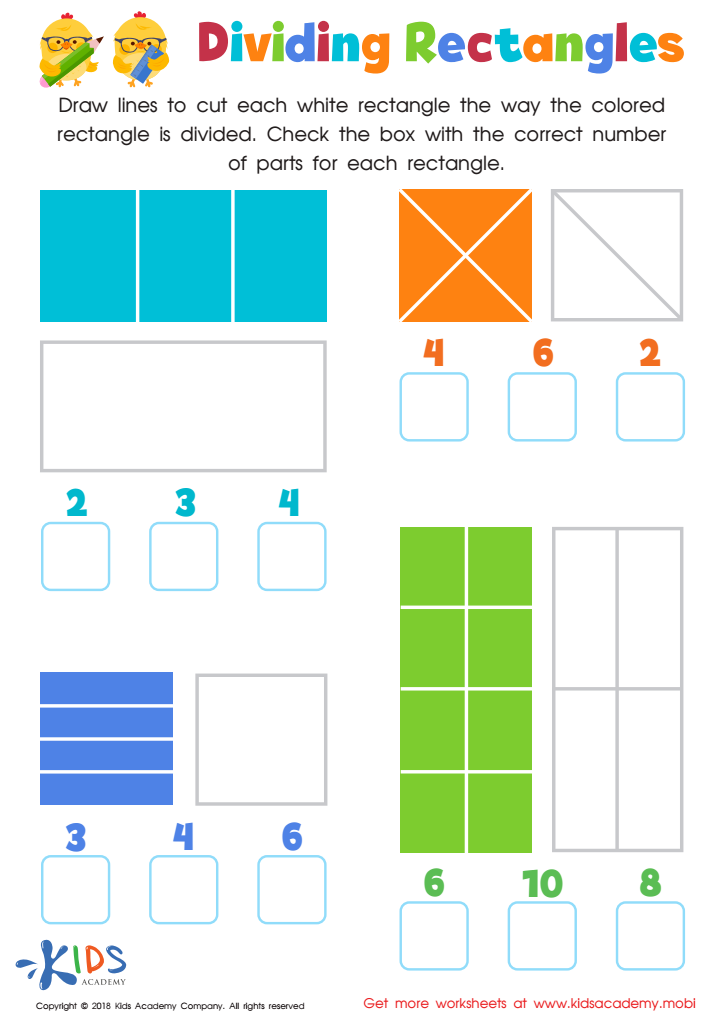
Dividing Rectangles Worksheet
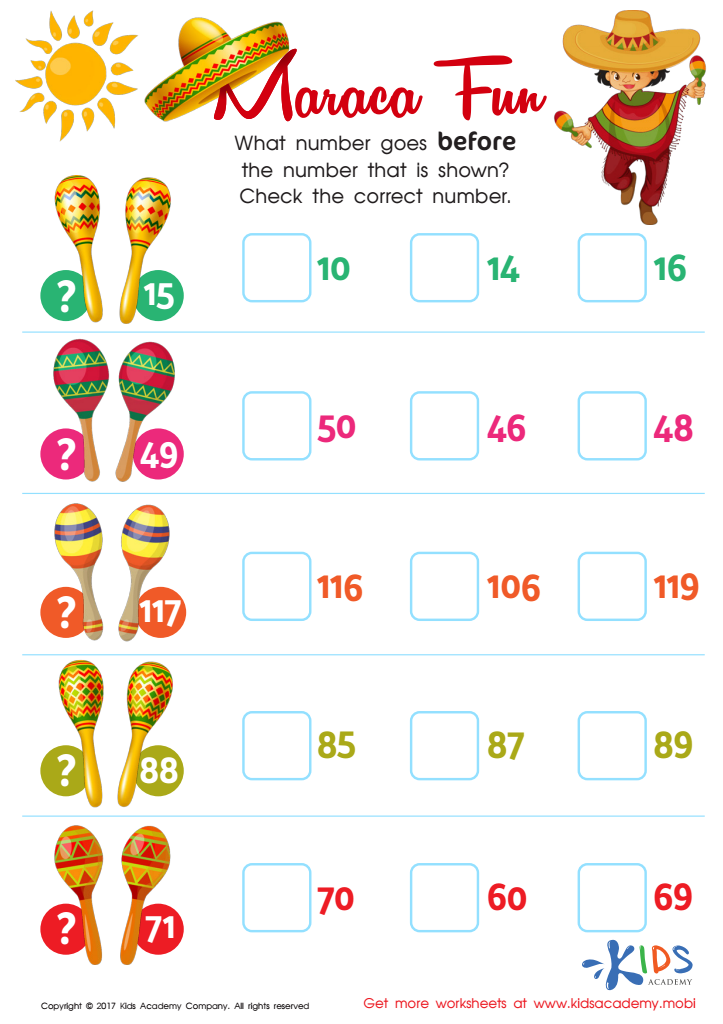
Counting: Maraca Fun Worksheet
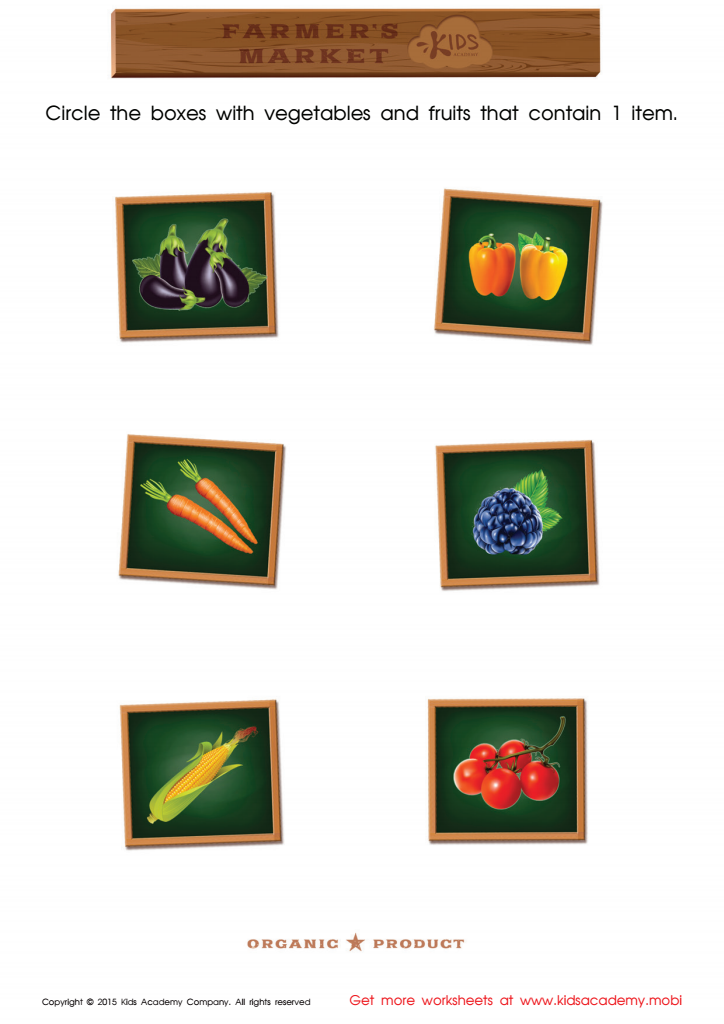
Count and Match Boxes with Vegetables
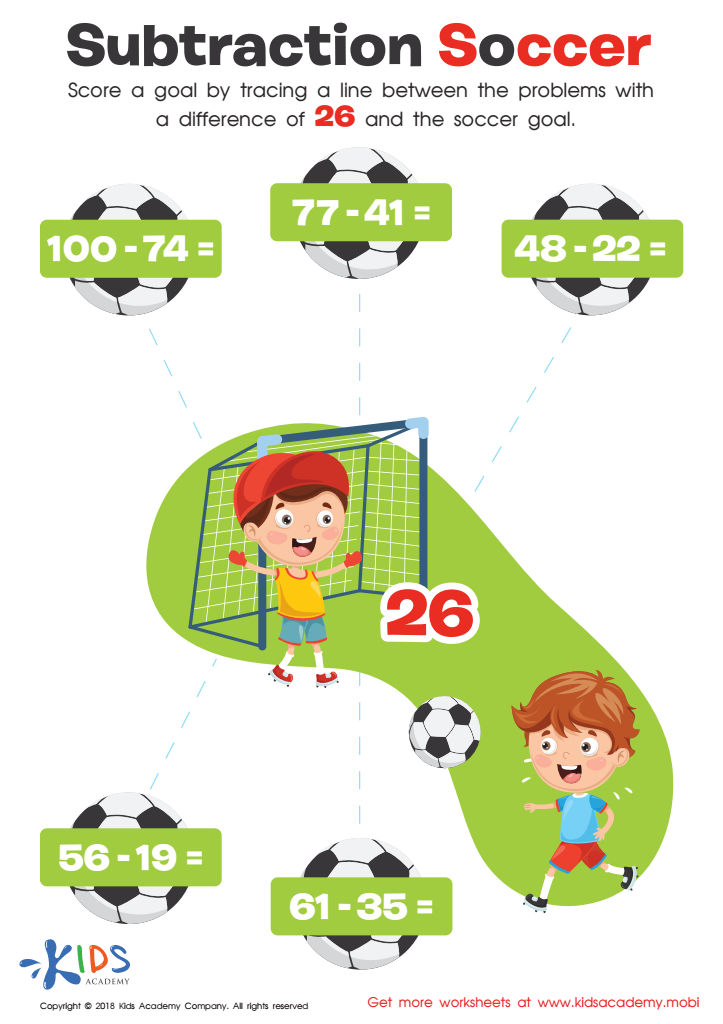
Subtraction Soccer Worksheet
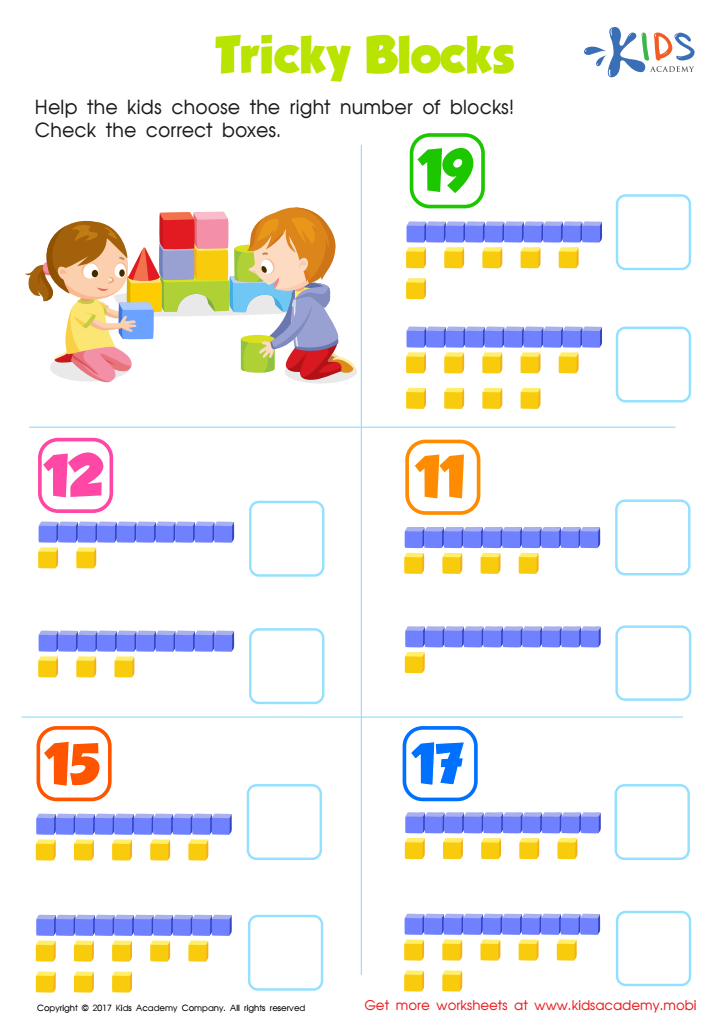
Tricky Blocks Worksheet
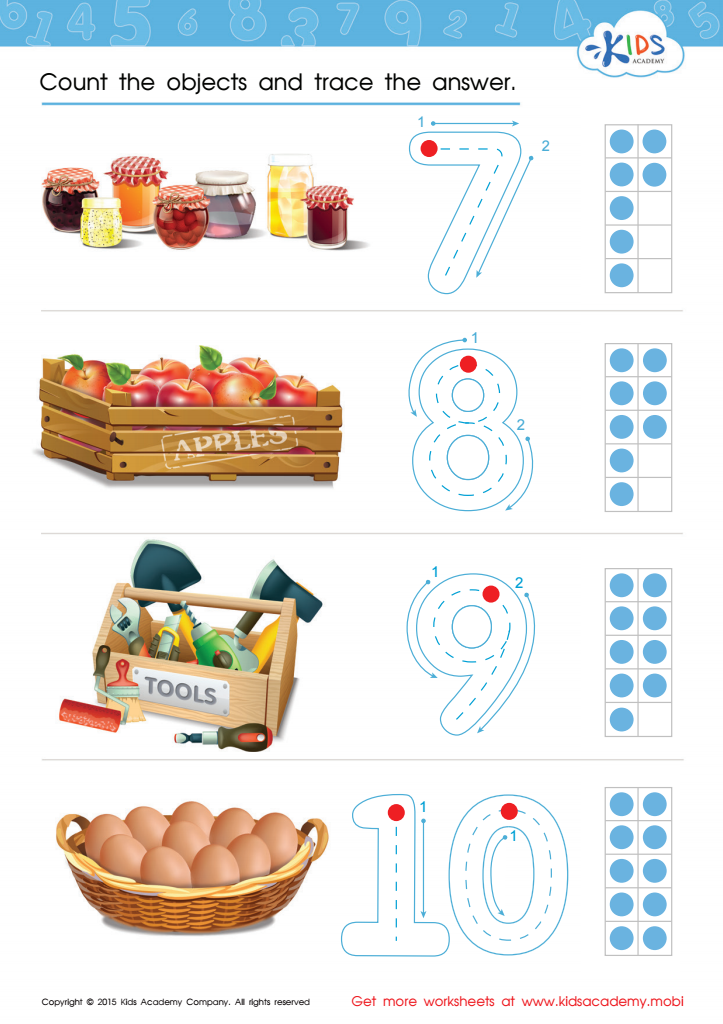
Count and Trace 7 – 10 Worksheet
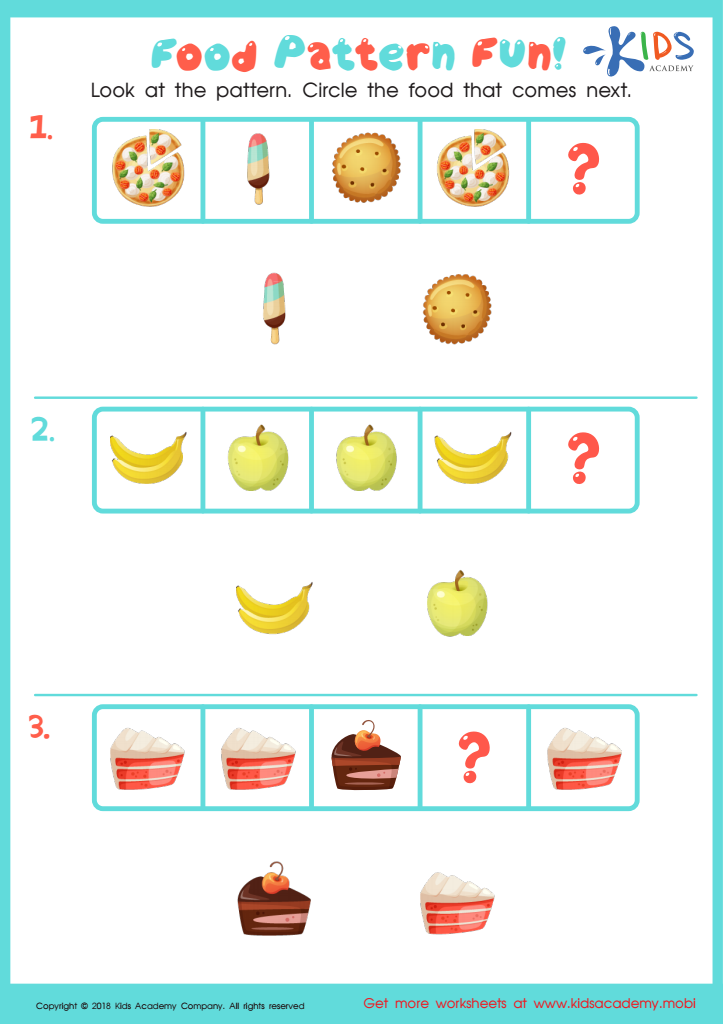
Food Pattern Fun Worksheet
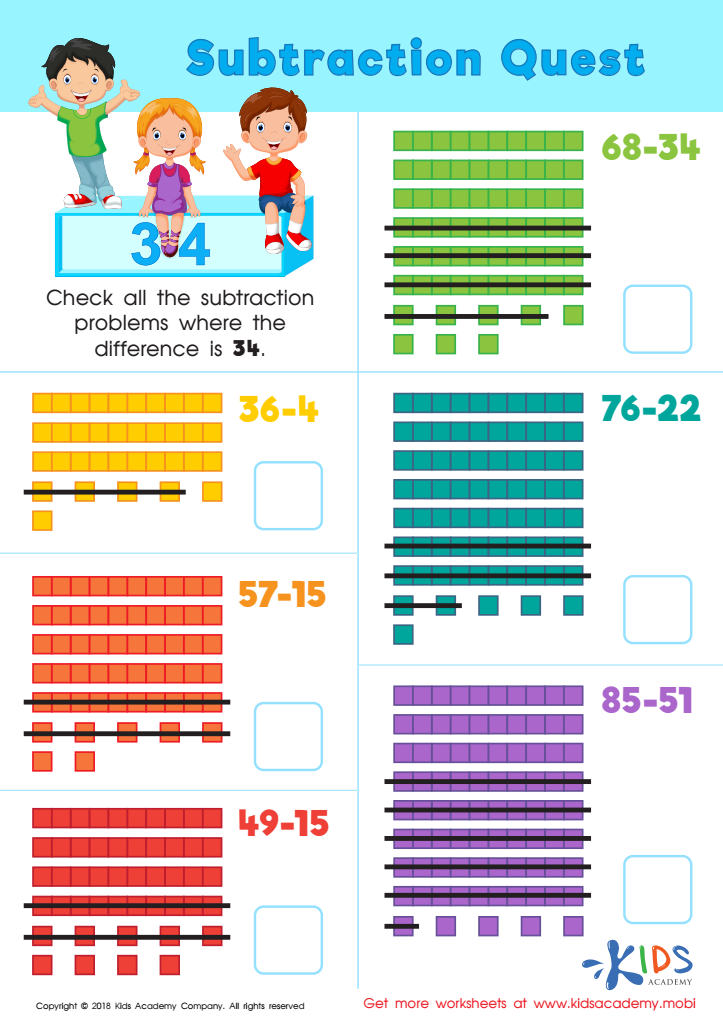
Subtraction Quest Worksheet
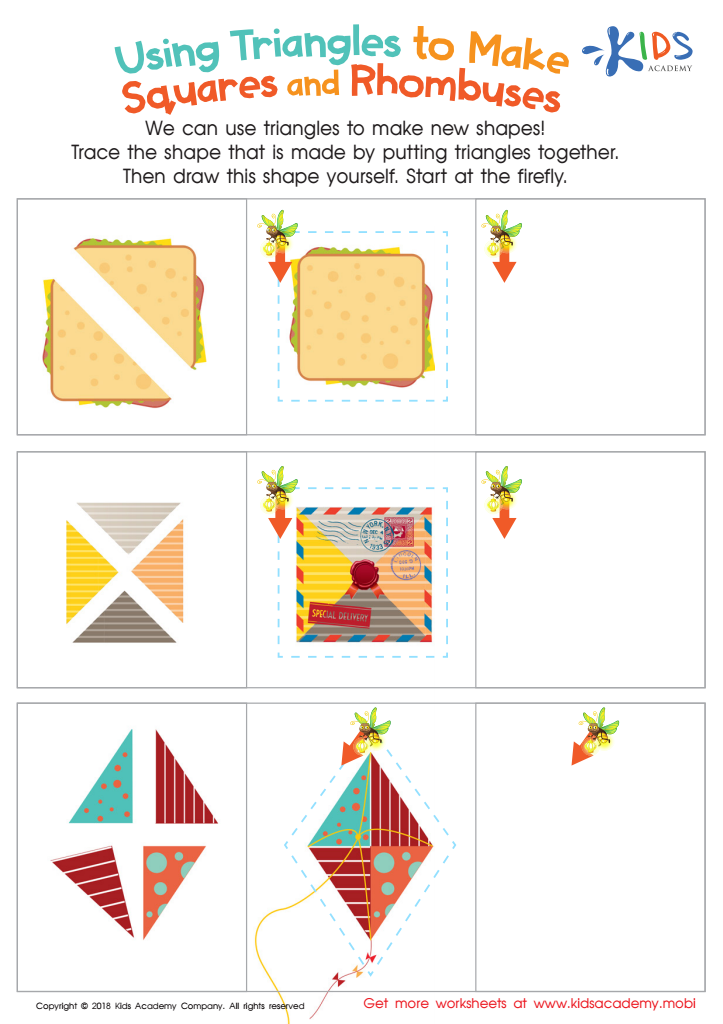
Using Triangles to Make Squares and Rhombuses Worksheet
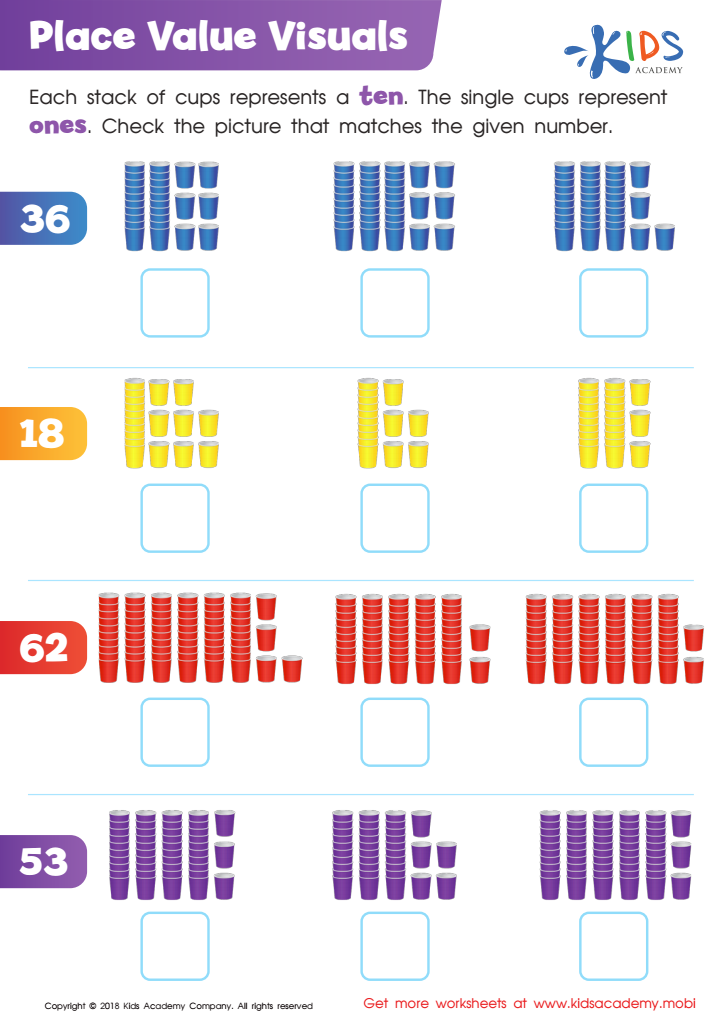
Place Value Visuals Worksheet
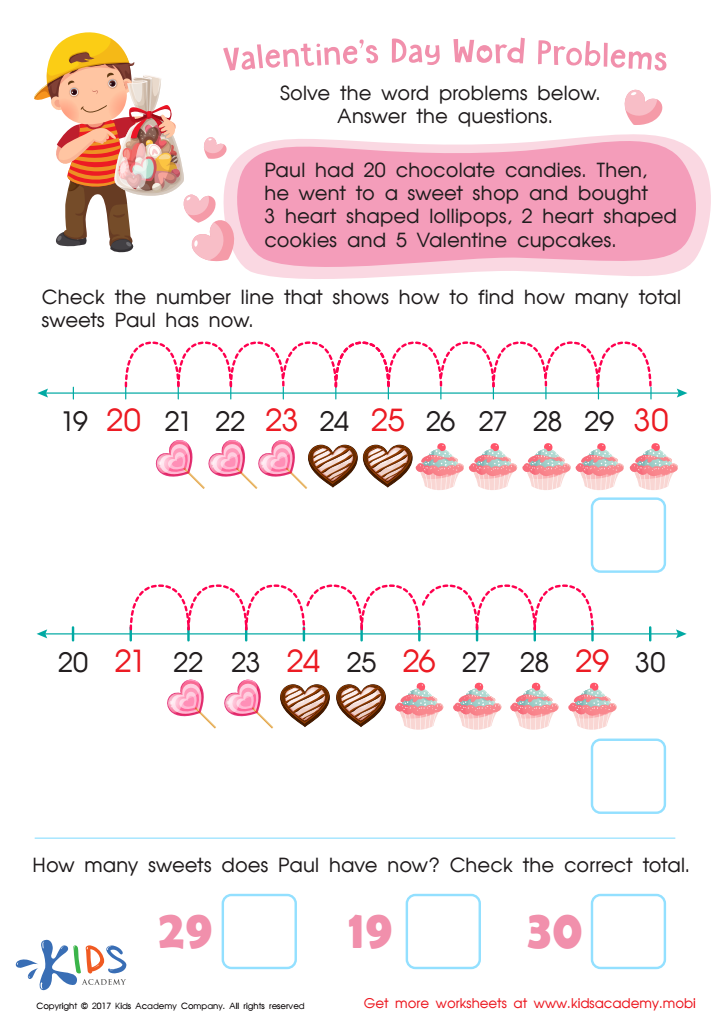
Valentines Day 2 Printable
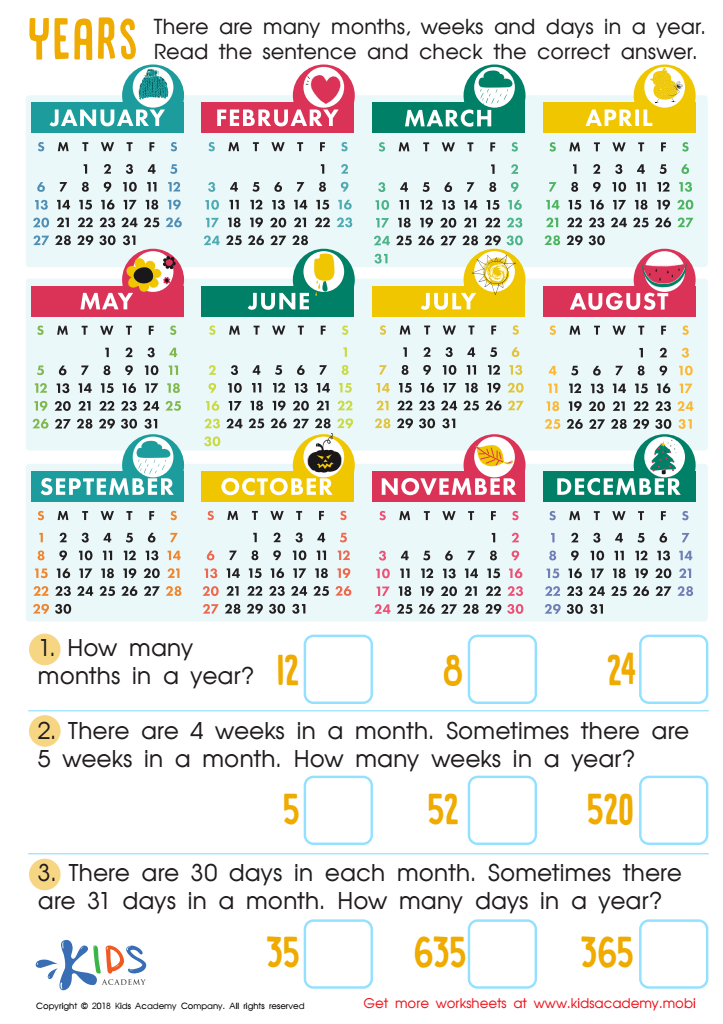
Years Worksheet
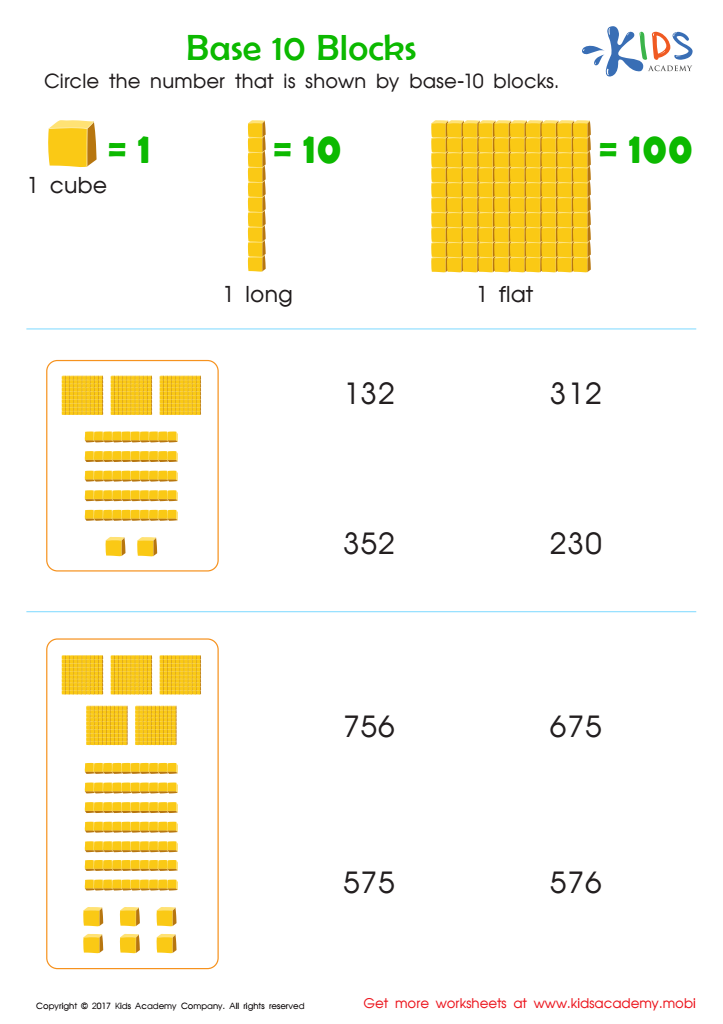
Base Ten Blocks Worksheet
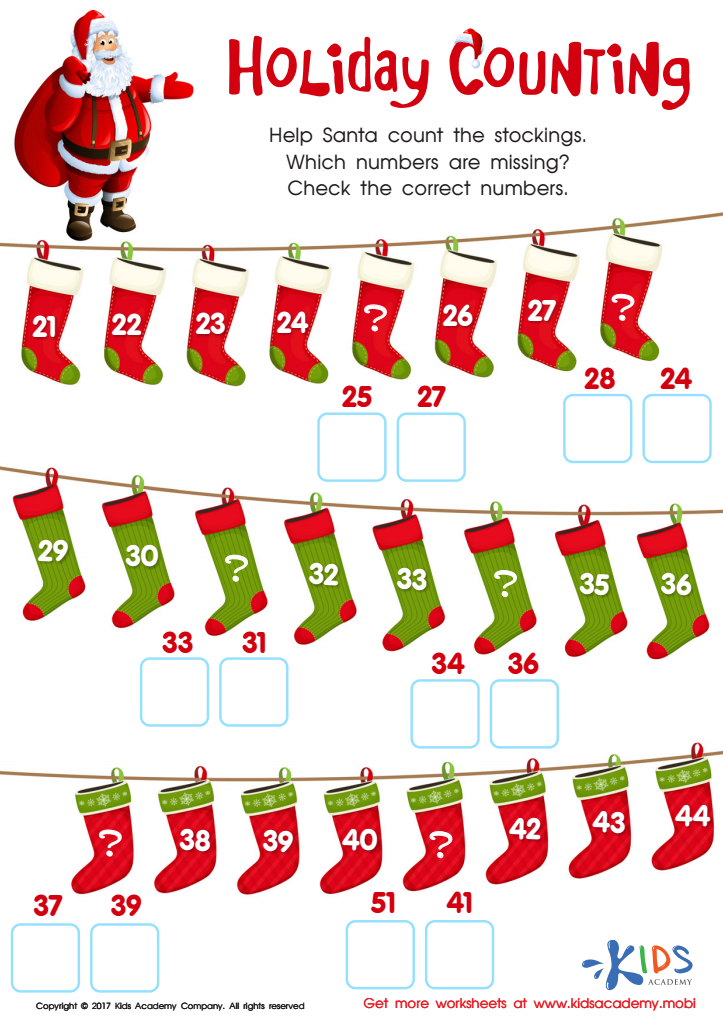
Holiday Counting Worksheet
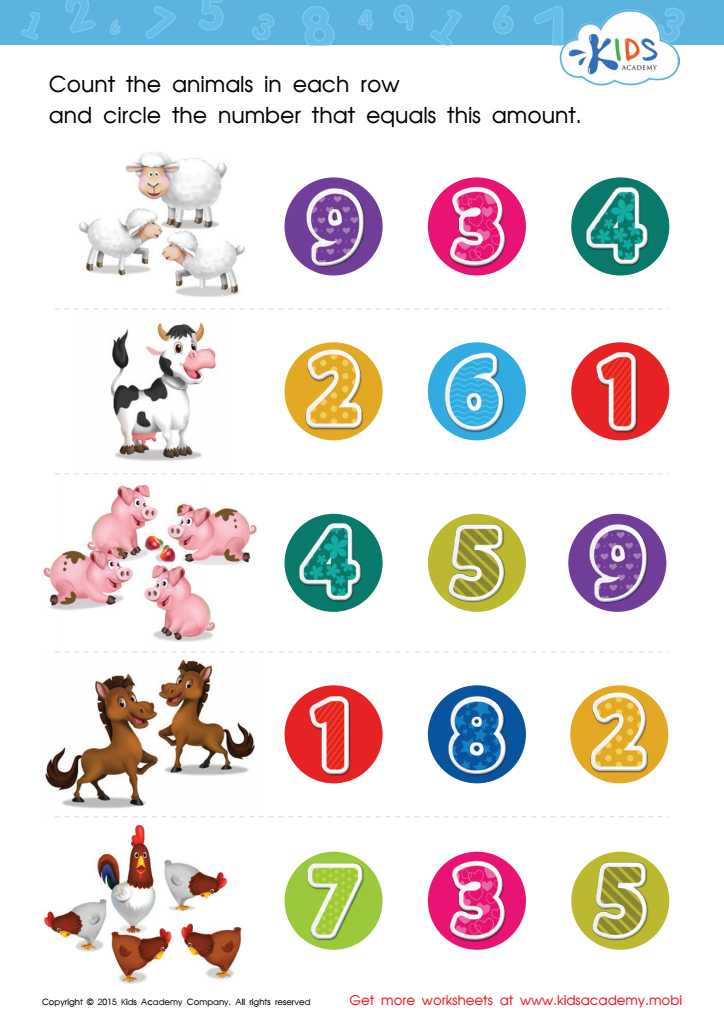
Count and Match 1 – 5 Math Worksheet
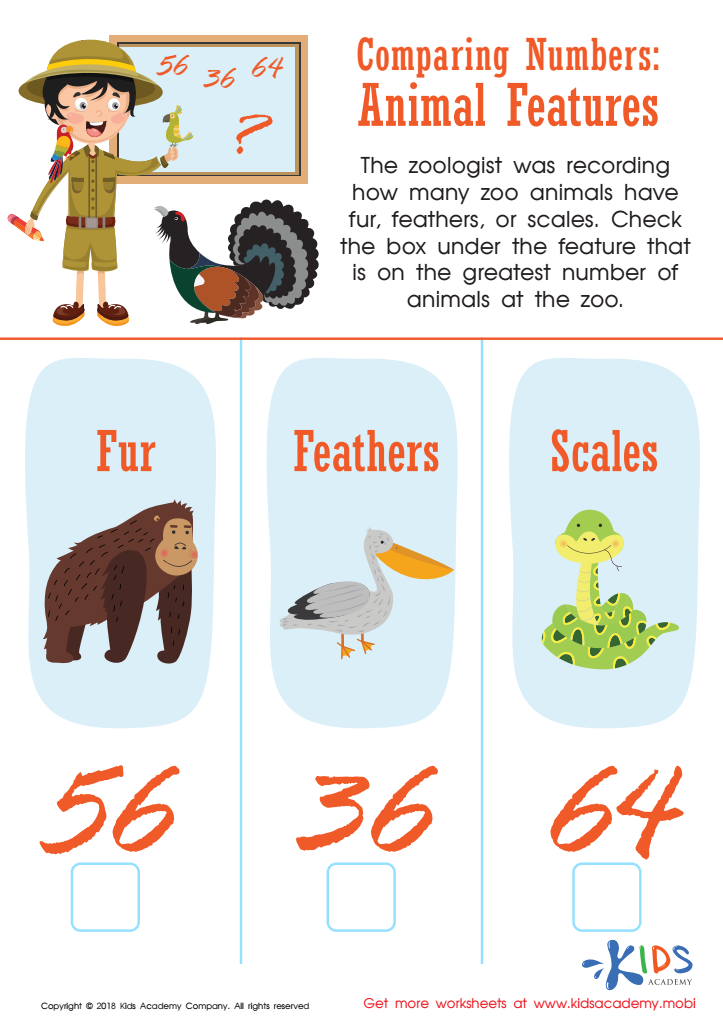
Animal Features Worksheet
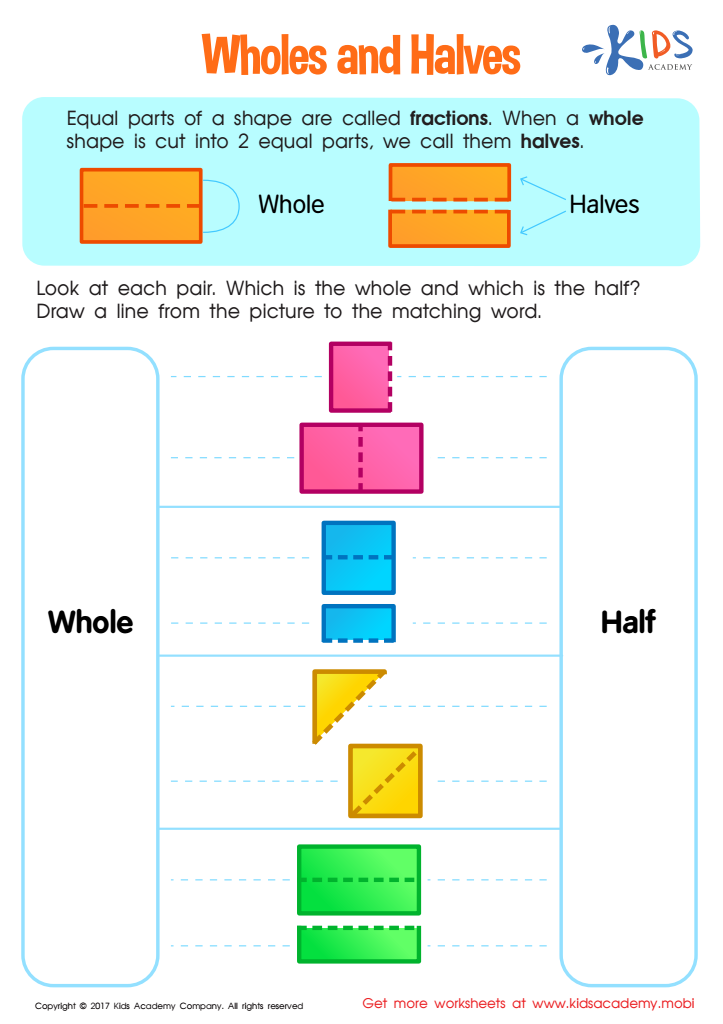
Wholes and Halves Worksheet








Normal Math: Developing Mathematical Thinking in Early Childhood
Parents and teachers should prioritize normal math for children aged 5-7 because this is a crucial period for cognitive development. At this age, children are particularly receptive to learning foundational mathematical concepts such as number sense, patterns, geometry, and basic arithmetic operations. Cultivating these skills early on not only supports academic achievement but also enhances critical thinking and problem-solving abilities.
Introducing concepts in a playful, engaging manner makes math enjoyable rather than intimidating. Activities like counting objects, recognizing shapes, and solving simple puzzles can ignite a genuine interest and curiosity in the subject. This early exposure helps to build confidence and positive attitudes towards math, which are predictors of success in later years.
Furthermore, normal math teaches important life skills such as perseverance, attention to detail, and logical reasoning. It encourages children to approach problems methodically, fostering a mindset that values accuracy and thoroughness. These competencies are invaluable and widely applicable beyond the realm of academics.
Parents and teachers should collaborate to create a stimulating math learning environment, leveraging everyday experiences to reinforce concepts. By doing so, they lay the groundwork for a lifelong appreciation and understanding of mathematics, setting children up for success both in school and life.








