Fine Motor Skills Normal Math Worksheets for Ages 5-8 - Page 2
43 filtered results
-
From - To
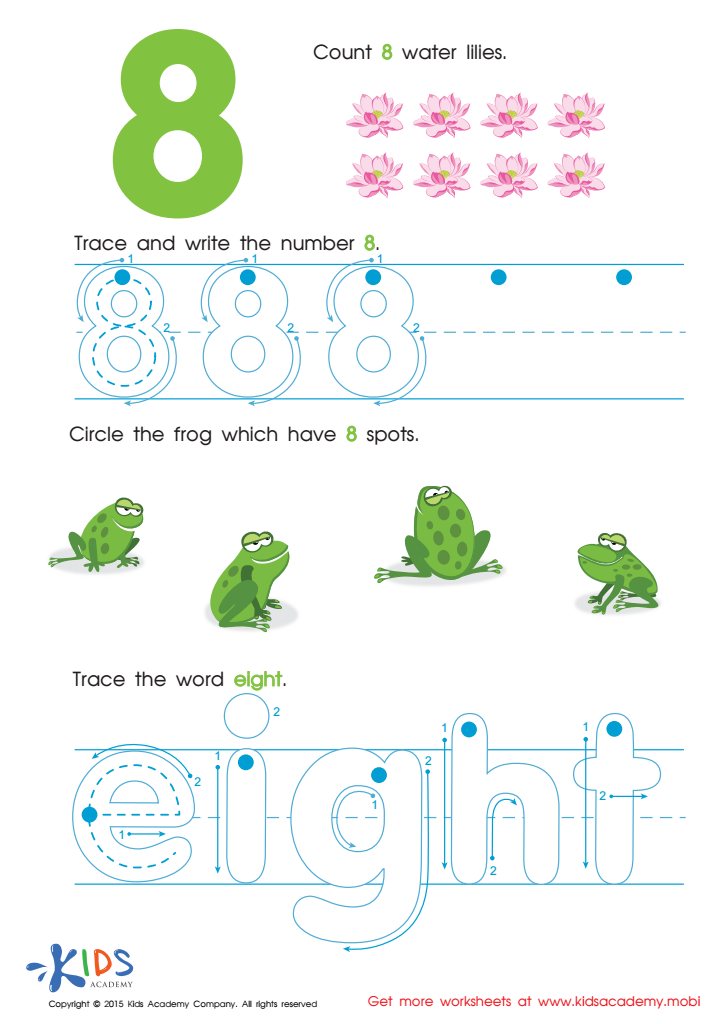
Learn Number 8 Easily Worksheet
 Assign to My Students
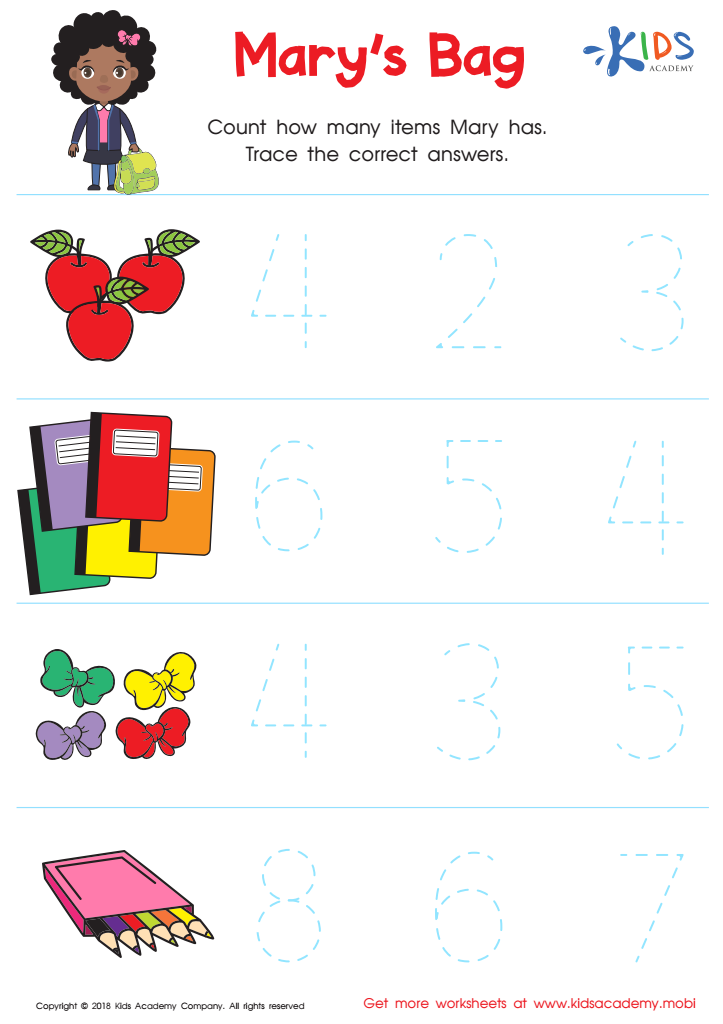
Kindergarten Number Tracing: Mary's Bag Worksheet

Three–Dimensional Shapes: Cylinder Worksheet
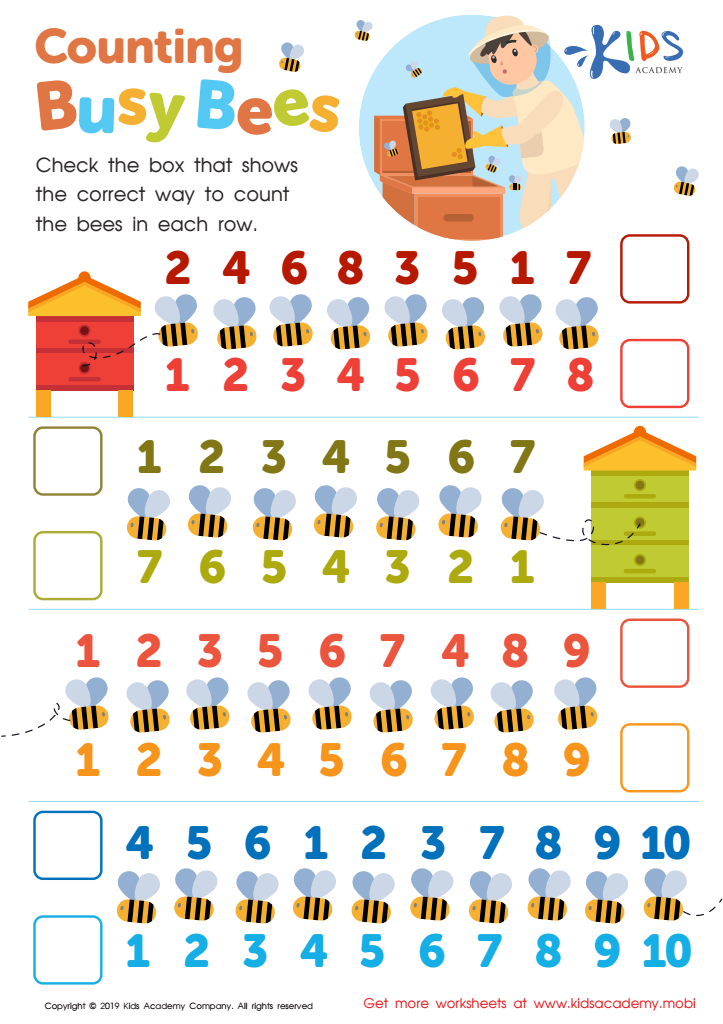
Counting Busy Bees Worksheet
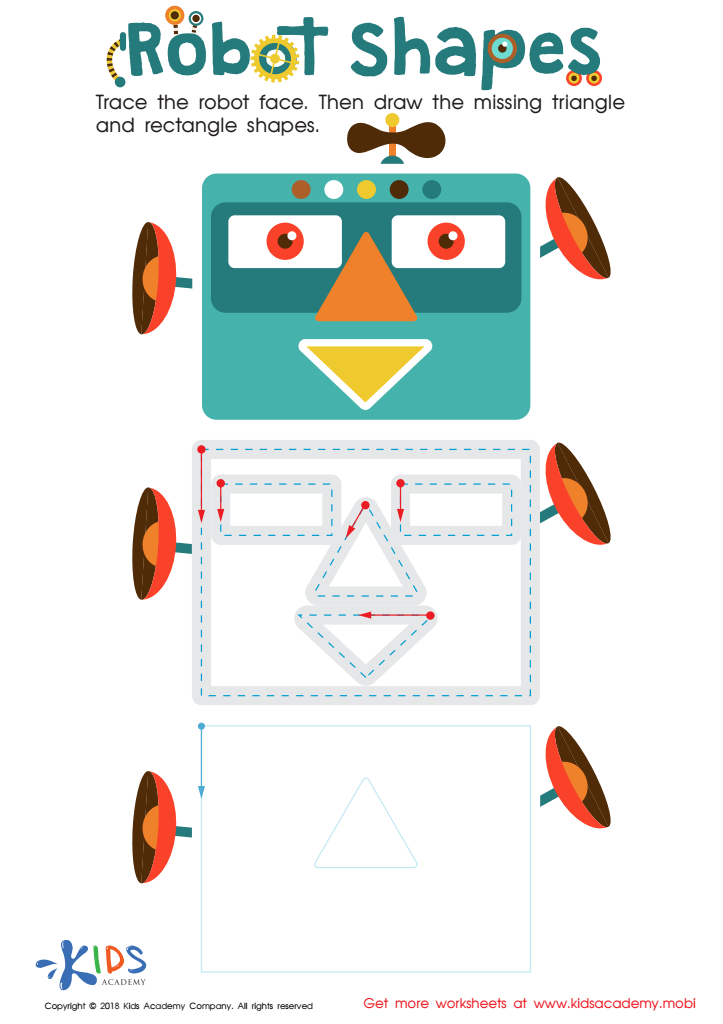
Robot Shapes Worksheet
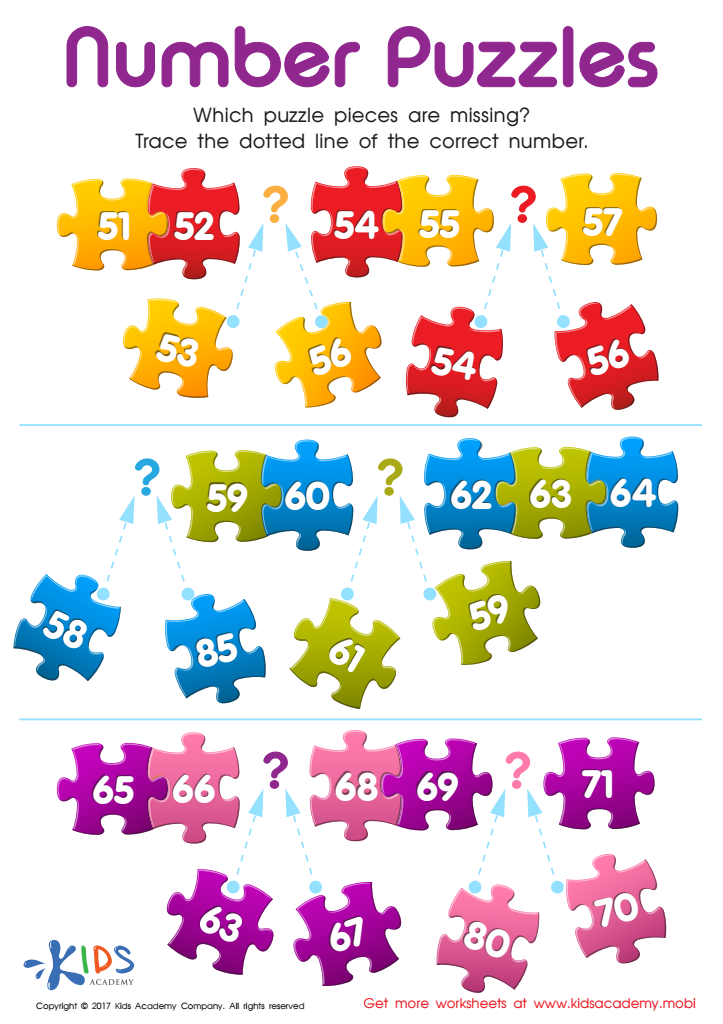
Number Puzzles Worksheet
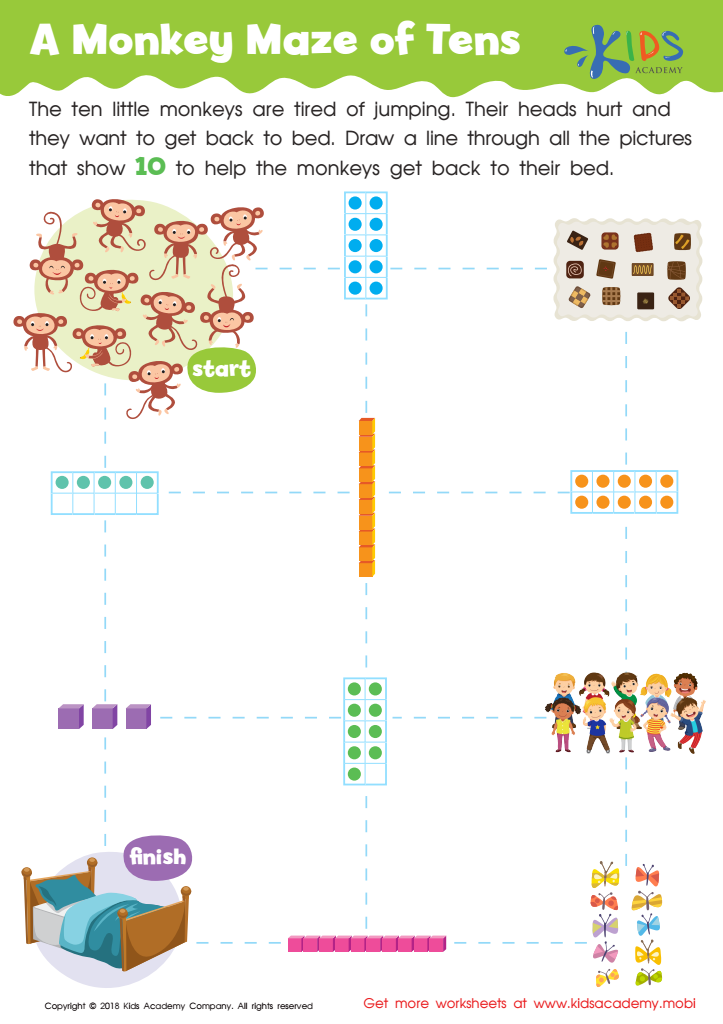
A Monkey Maze of Tens Worksheet
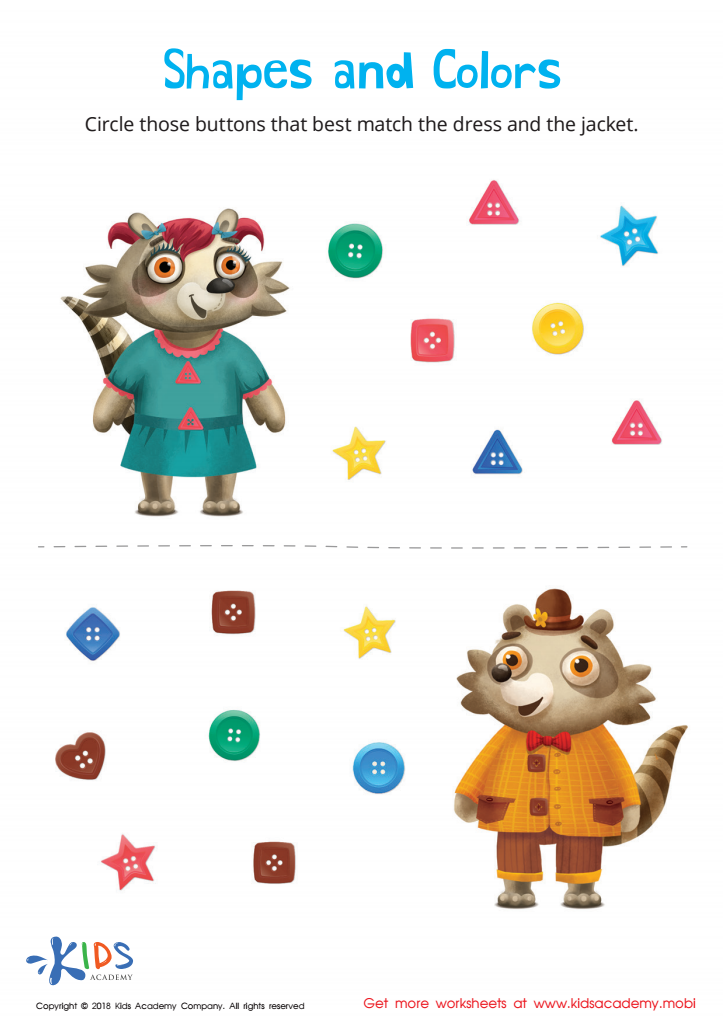
Shapes and Colors Worksheet
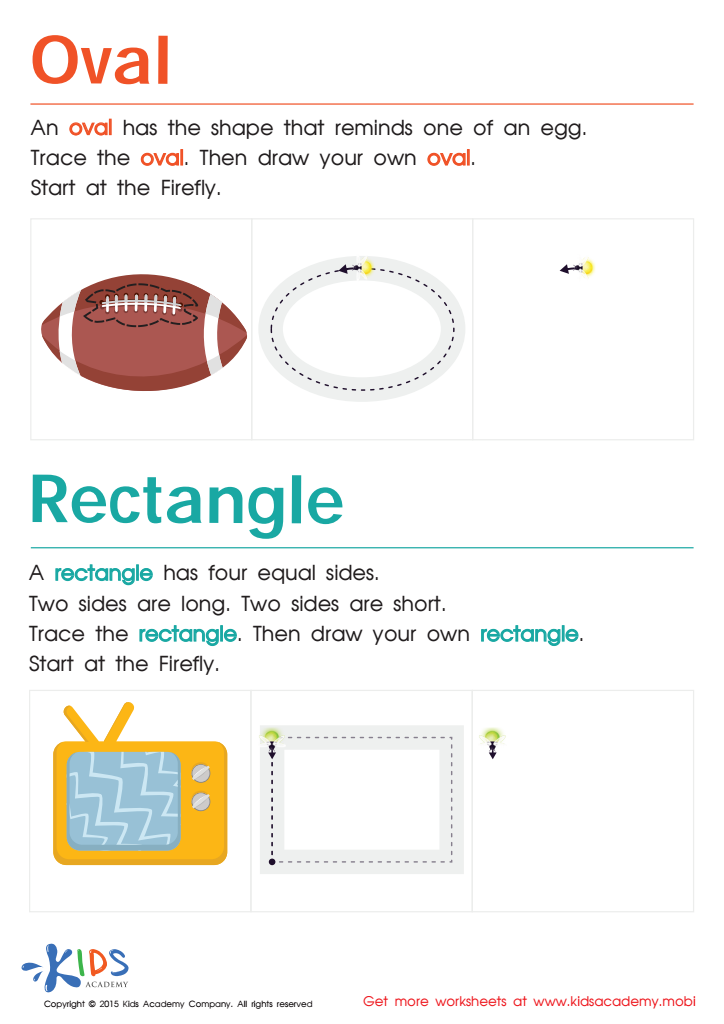
Easy Drawing of Ovals And Rectangles Worksheet
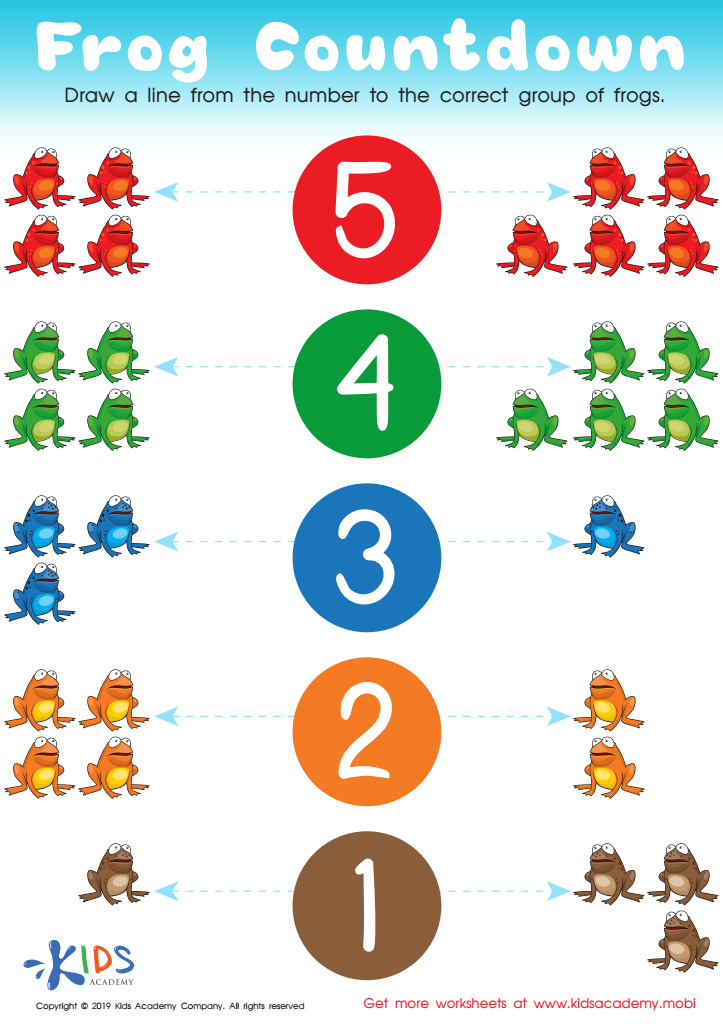
Frog Countdown Worksheet
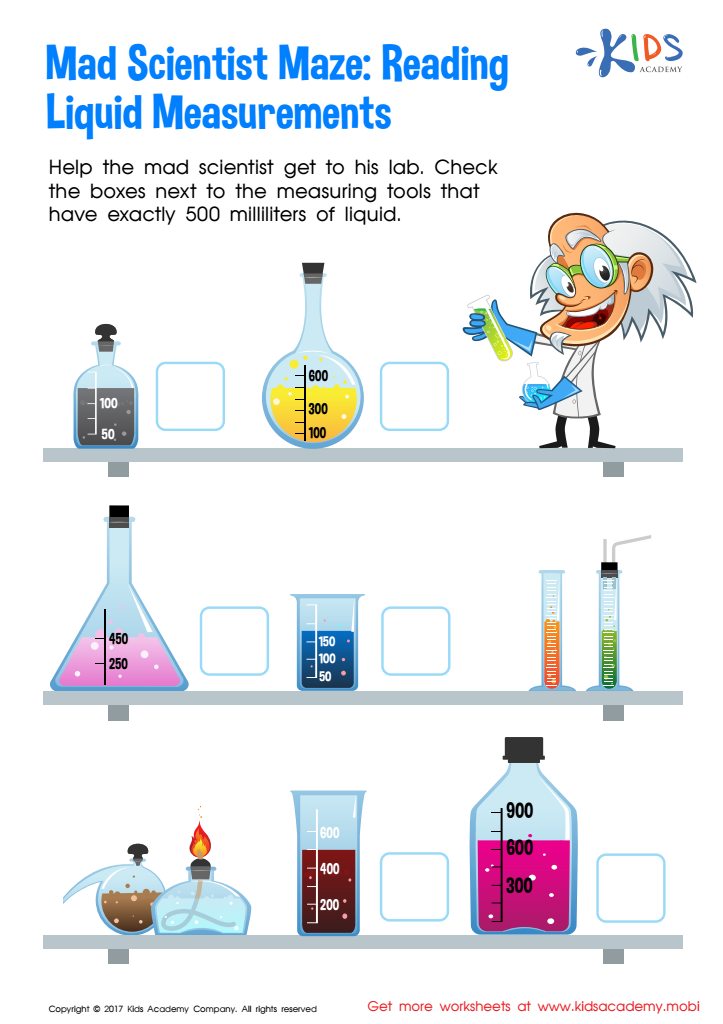
Reading Liquid Measurement Worksheet
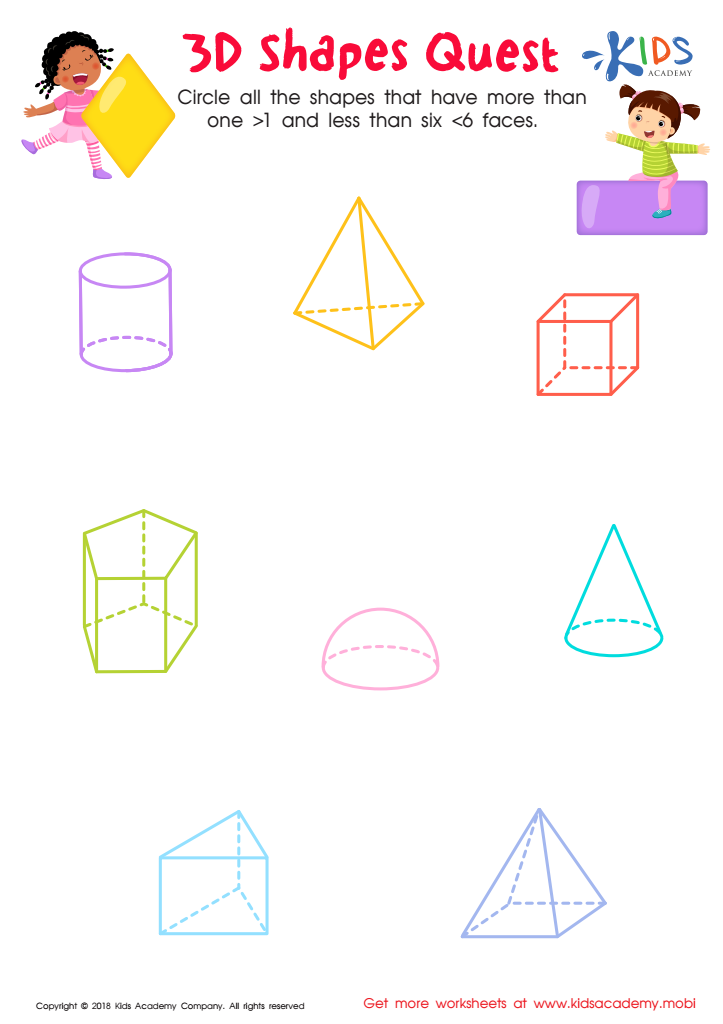
3D Shapes Quest Worksheet
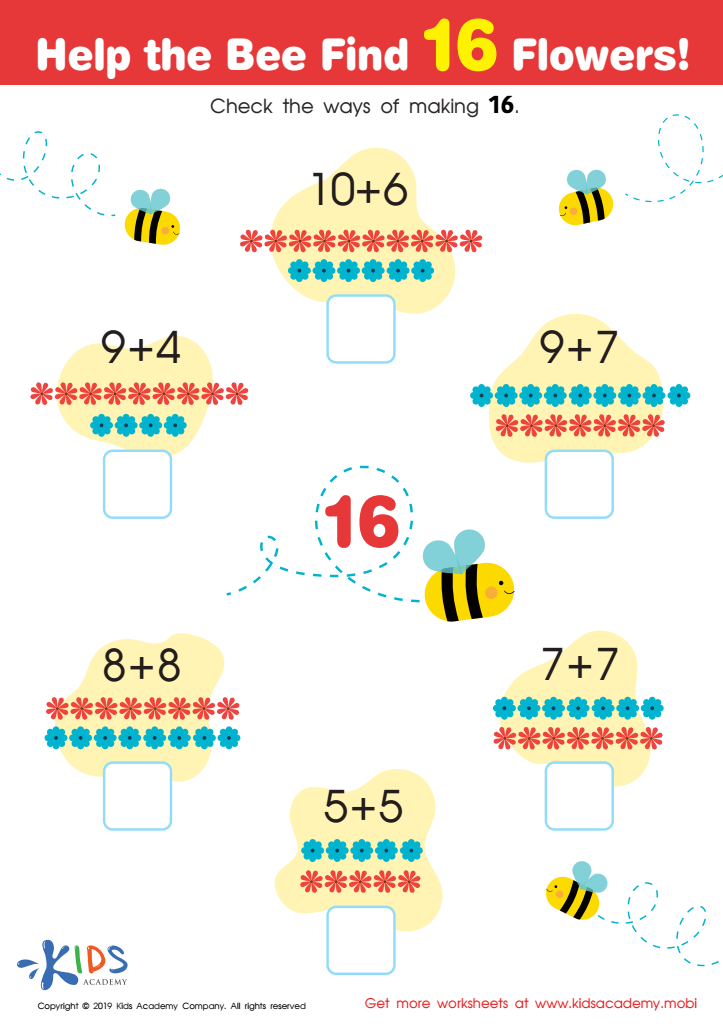
Help the Bee Find 16 Flowers Worksheet
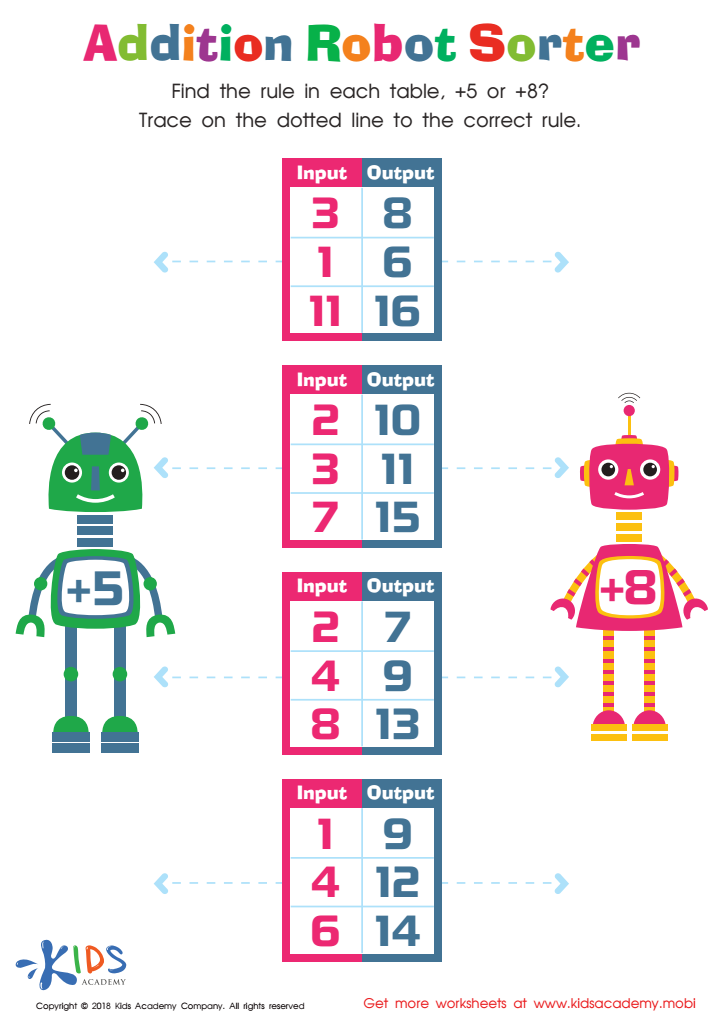
Addition Robot Sorter Worksheet
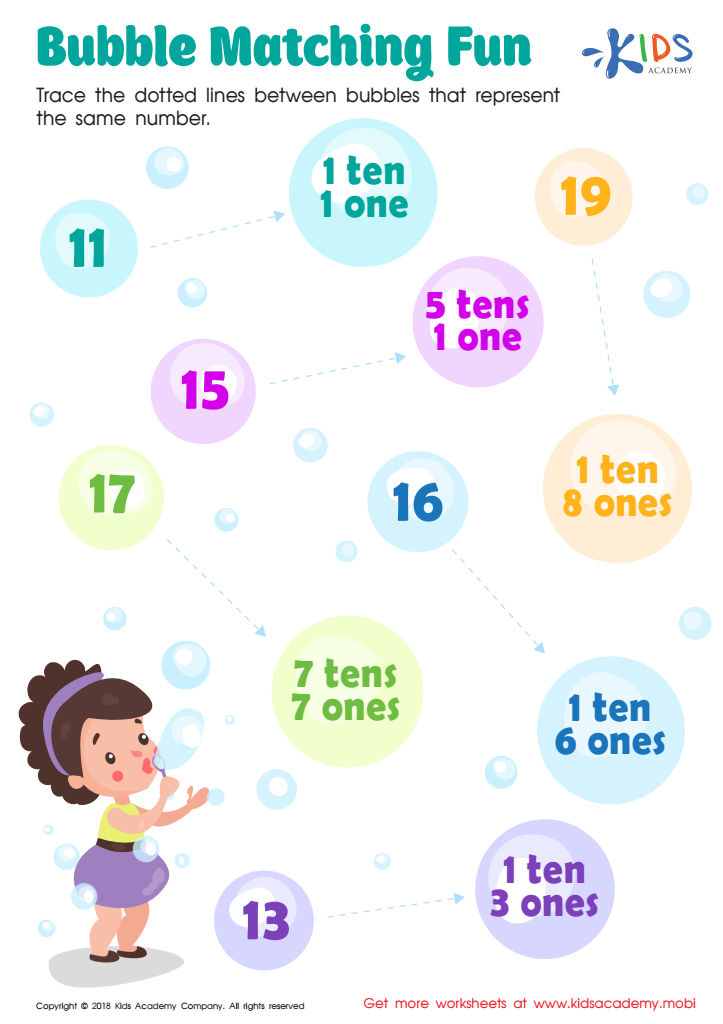
Bubble Matching Fun Worksheet
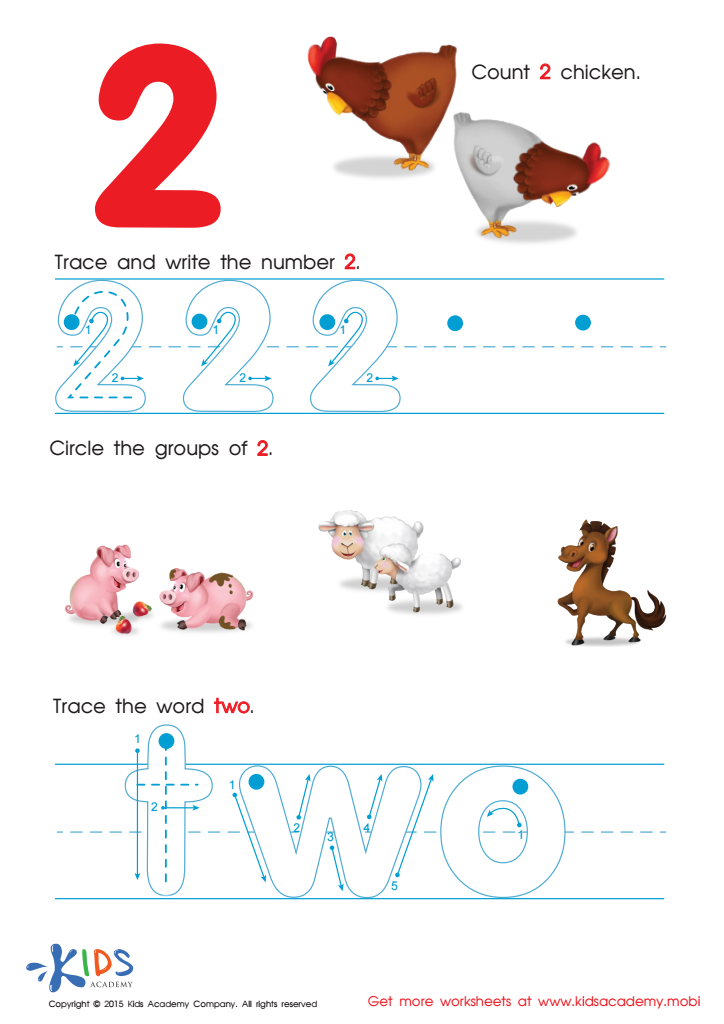
Learn to Write the Number 2 Worksheet
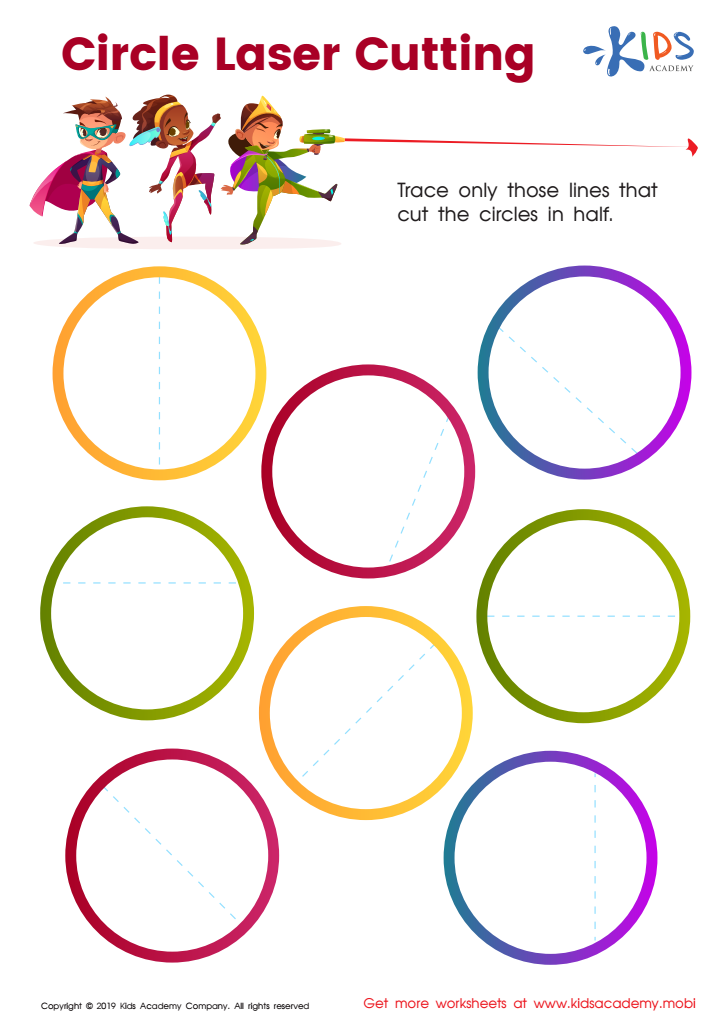
Circle Laser Cutting Worksheet
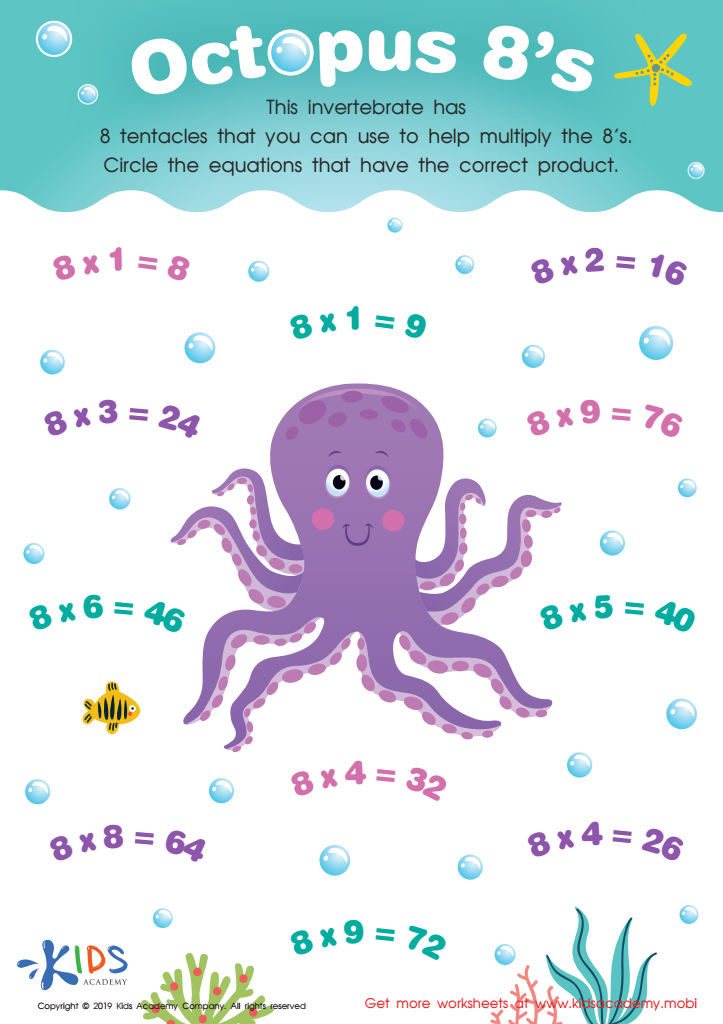
Octopus 8’s Worksheet
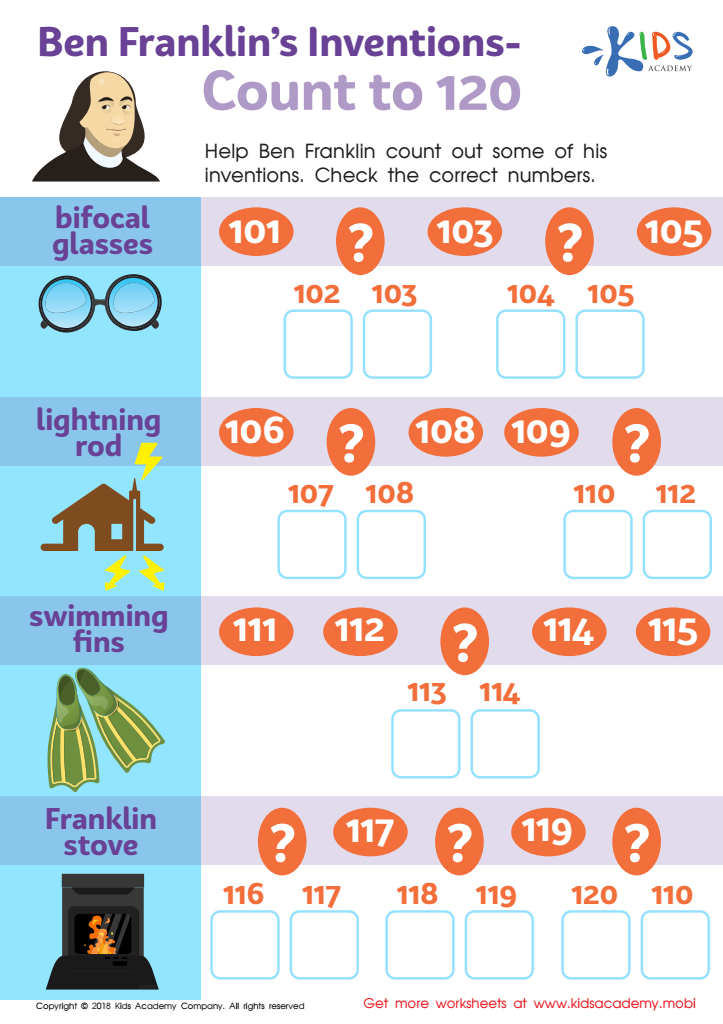
Ben Franklin’s Inventions – Count to 120 Worksheet



.jpg)




Fine motor skills are crucial for children aged 5-8 because they form the foundation for more advanced tasks and overall development. These skills involve the coordination of small muscles, particularly in the hands and fingers, vital for performing daily activities such as writing, buttoning clothes, and tying shoelaces. When children develop fine motor skills, they gain greater independence and self-confidence.
In an academic setting, fine motor skills are essential for good handwriting, drawing, cutting with scissors, and manipulating small objects. These abilities facilitate a smoother transition into tasks that become more complex as they grow older. For example, children who struggle with fine motor skills may find it difficult to keep up with classroom activities that involve writing, leading to frustration and potentially decreased academic performance.
Furthermore, the development of fine motor skills is intertwined with cognitive development, including problem-solving and spatial awareness, which are foundational for subjects like math. Engaging in activities that enhance fine motor skills, such as playing with building blocks, crafting, or practicing letter formation, not only supports academic readiness but also opens pathways to creativity and critical thinking.
In sum, parents and teachers should prioritize fine motor skill development because it profoundly affects a child's independence, academic competence, and overall confidence, setting the stage for future success.








