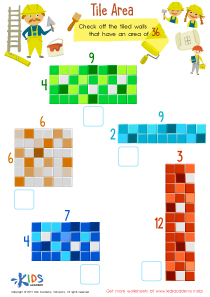
Categorization skills Normal Matching Worksheets for Ages 5-8
6 filtered results
-
From - To
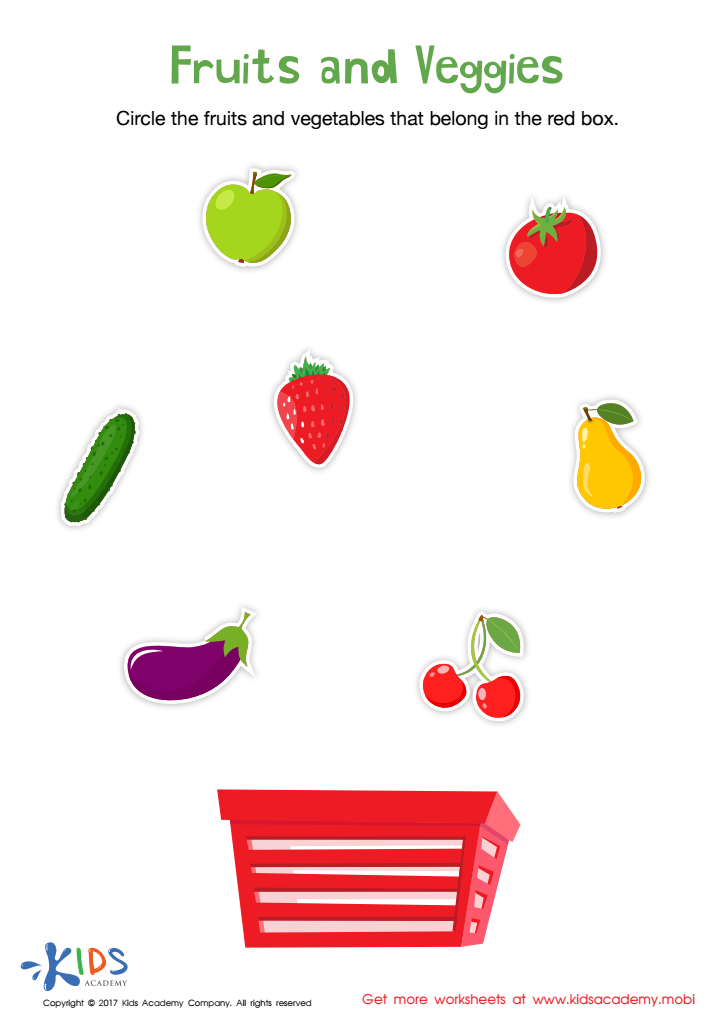
Enhance your child's learning with our Categorization Skills Normal Matching Worksheets designed for ages 5-8. These engaging and interactive worksheets help young learners develop essential categorization skills by matching various objects, shapes, or images. Perfect for reinforcing critical thinking and organizational abilities, these activities support early math concepts while making learning fun. Each worksheet is crafted to promote cognitive development through colorful illustrations and relatable themes, ensuring that kids remain excited about mastering these key skills. Ideal for home or classroom use, our printable resources provide endless opportunities for exploration and creativity. Start your child's journey towards mastering categorization today!
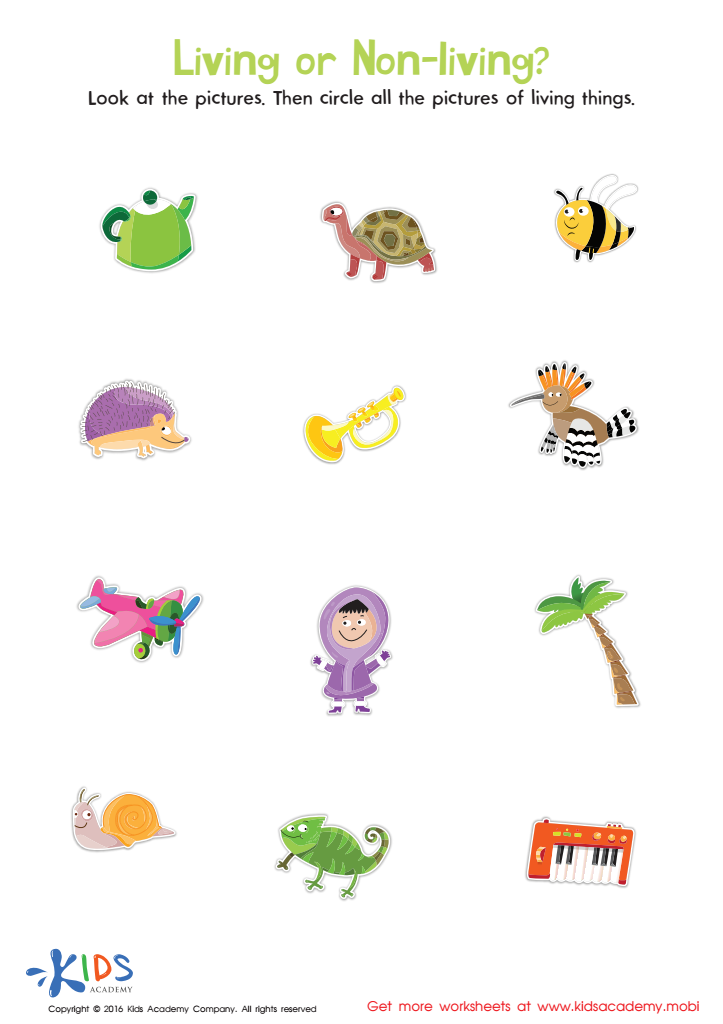
Identifying Living and Non–living Things Sorting Worksheet
 Assign to My Students
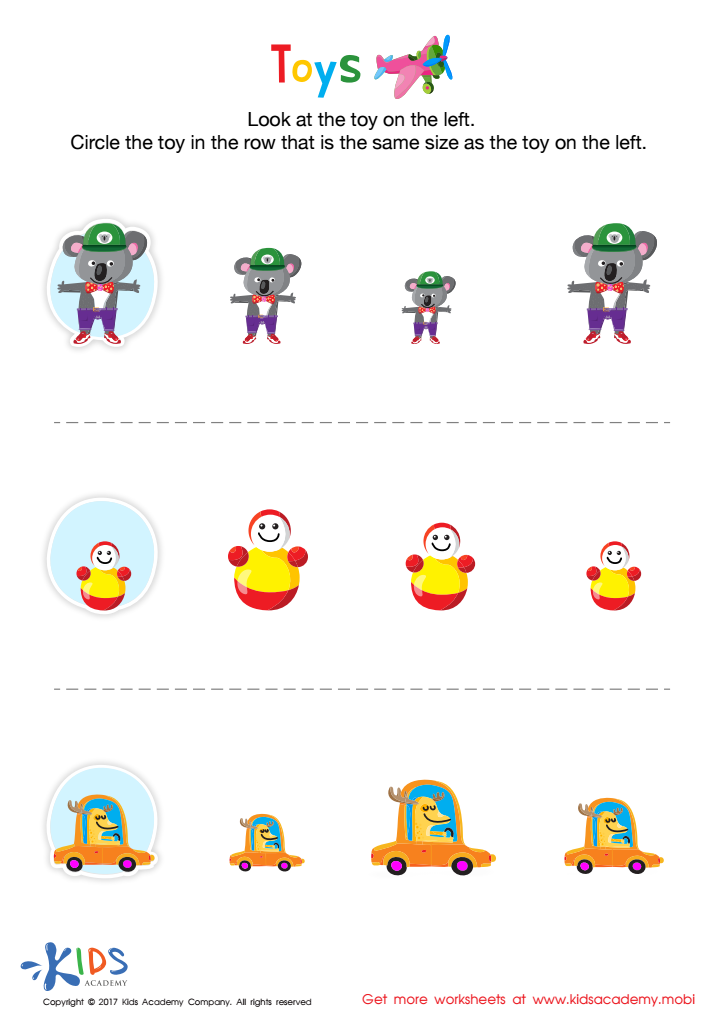
Matching: Classifying Toys by Size Worksheet
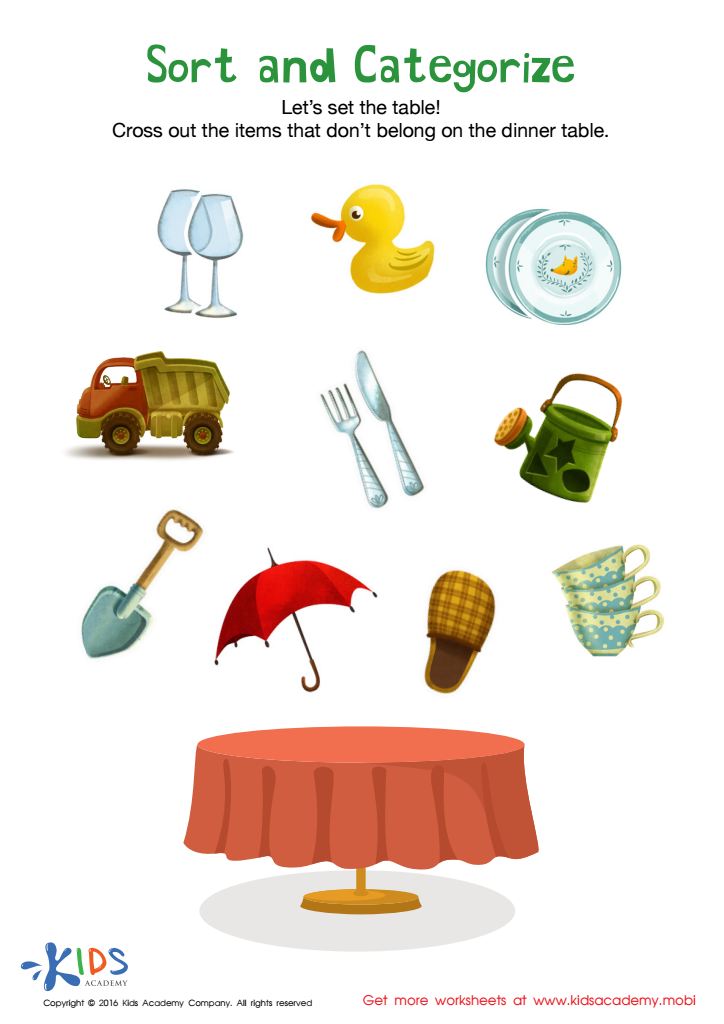
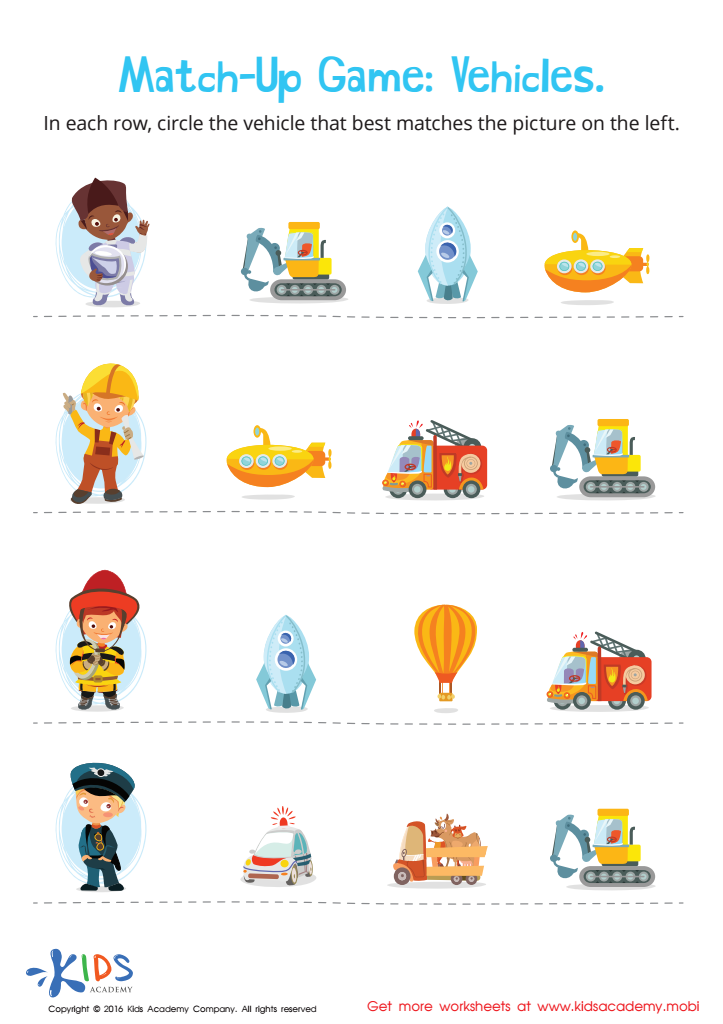
Vehicles Worksheet
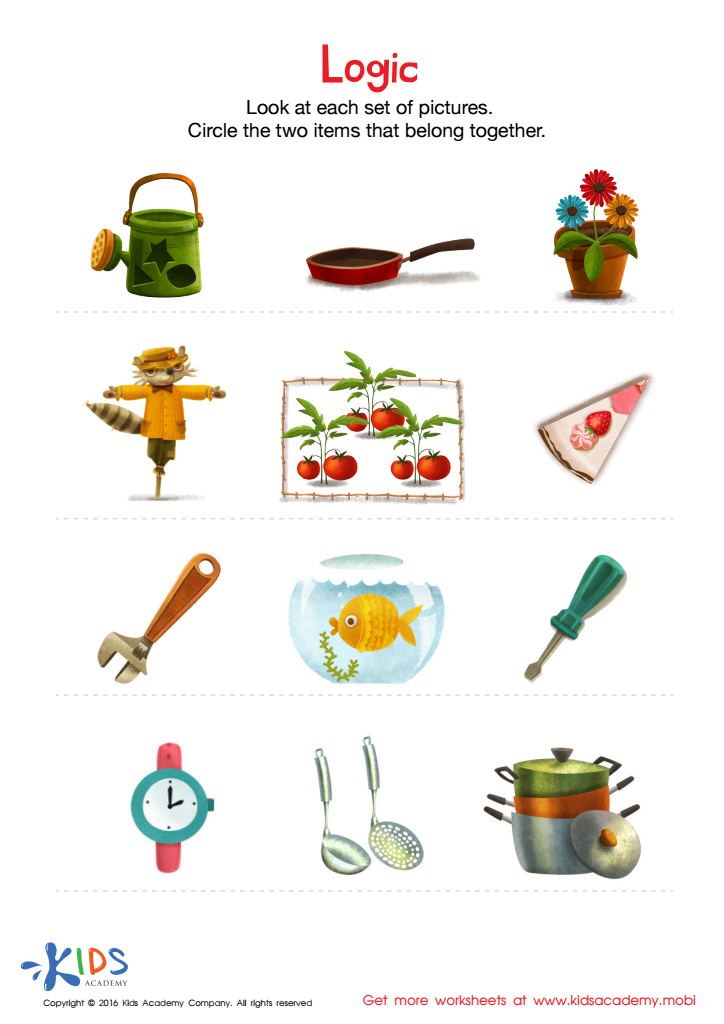
Logic Game Sorting Worksheet







Categorization skills, particularly Normal Matching, are crucial for children aged 5-8 as they lay the foundation for cognitive and academic development. This skill involves grouping objects or ideas based on shared characteristics, which enhances critical thinking and problem-solving abilities. For parents and teachers, fostering these skills can lead to improved comprehension and categorization in more complex subjects, such as science and mathematics. Children who can identify similarities and differences are better equipped to make connections across various topics.
Furthermore, Normal Matching aids in language development. When children categorize items, they also learn to articulate their thoughts about these items, expanding their vocabulary and communication skills. This is especially beneficial during formative years when language acquisition is pivotal.
Moreover, enhancing categorization skills can positively affect social-emotional development. Children often categorize their relationships and experiences, helping them navigate social interactions more effectively. Recognizing which peers share similar interests or traits fosters empathy and belonging.
By prioritizing Normal Matching activities—like sorting games or themed group projects—parents and teachers can create a supportive learning environment that cultivates these essential skills, not only boosting academic performance but also contributing to well-rounded, socially competent individuals.