Story sequencing Normal Worksheets for Ages 5-9
19 filtered results
-
From - To
Discover the perfect learning tool for your child with our Story Sequencing Worksheets, designed for ages 5-9! Our engaging worksheets help young learners develop essential skills in reading comprehension and critical thinking. As children practice putting events in order, they enhance their understanding of story structure and improve their narrative skills. Ideal for home or classroom use, these worksheets feature colorful illustrations and age-appropriate activities that spark creativity and make learning fun. Support your child's literacy journey and encourage a love for storytelling with our easy-to-use, printable resources today! Visit our website to access a variety of story sequencing worksheets.
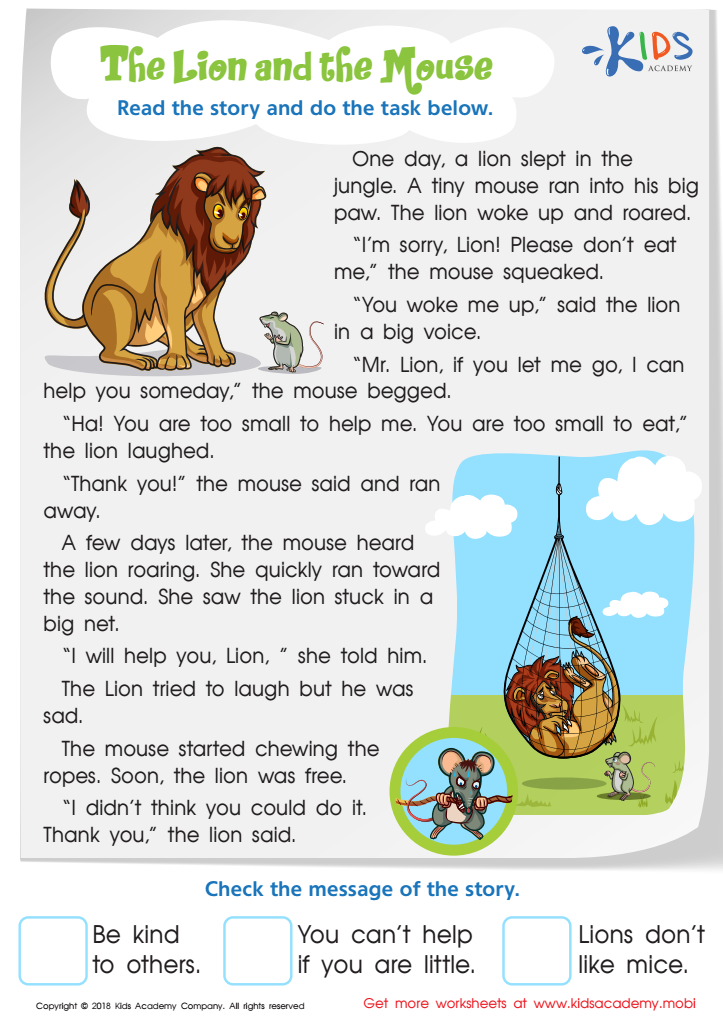
The Lion and the Mouse Worksheet
 Assign to My Students
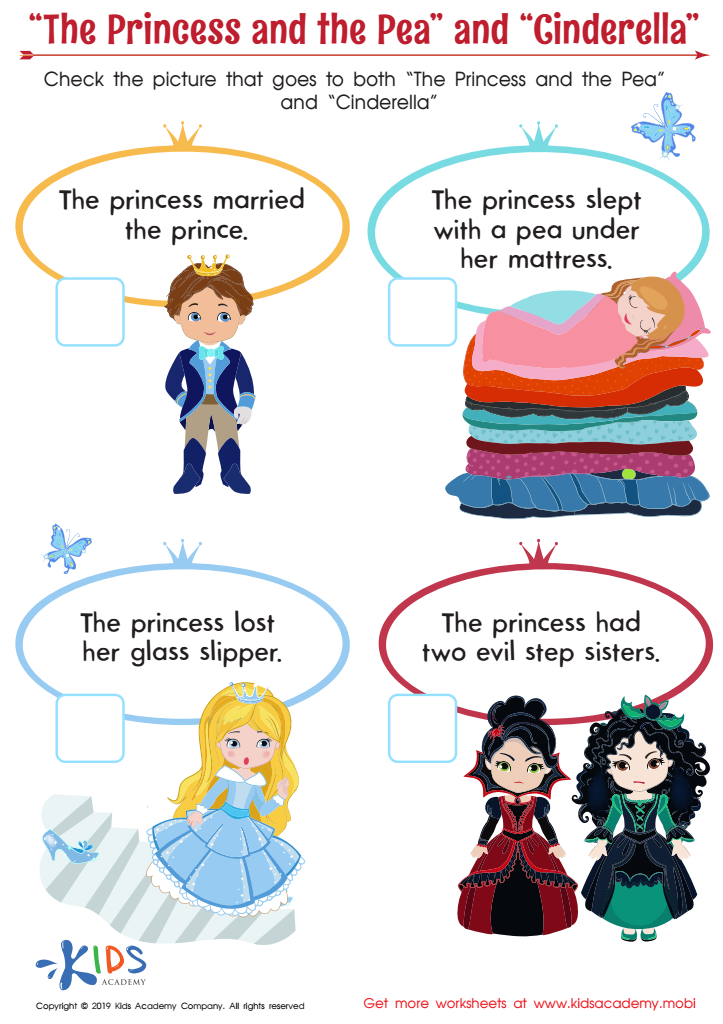
“The Princess and the Pea” and “Cinderella” Worksheet
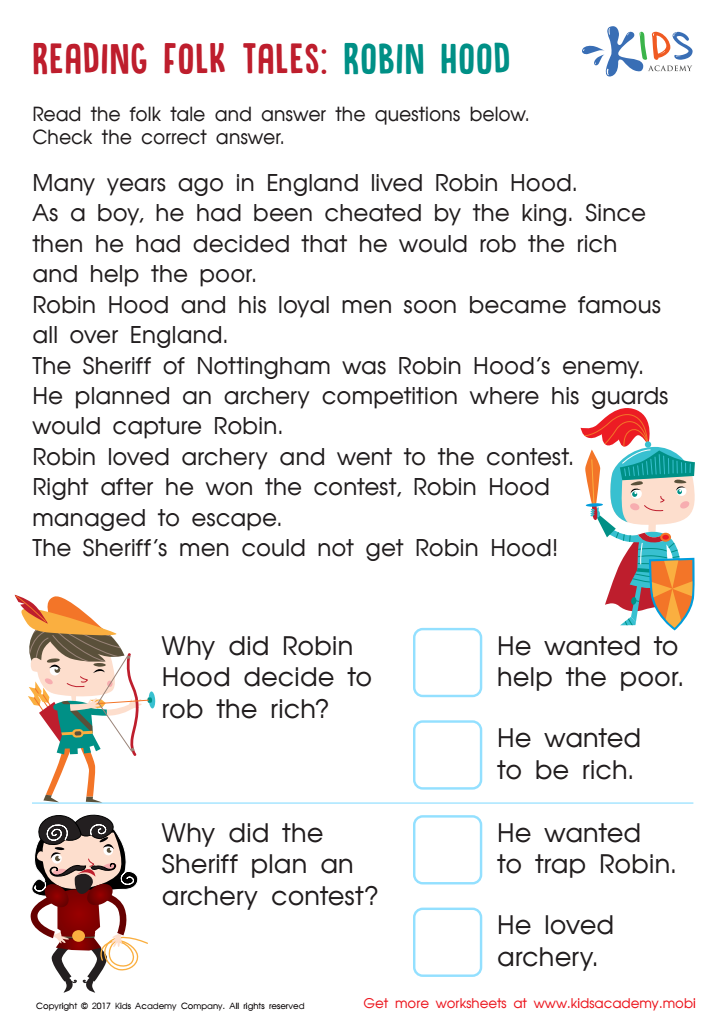
Robin Hood Folktale Worksheet
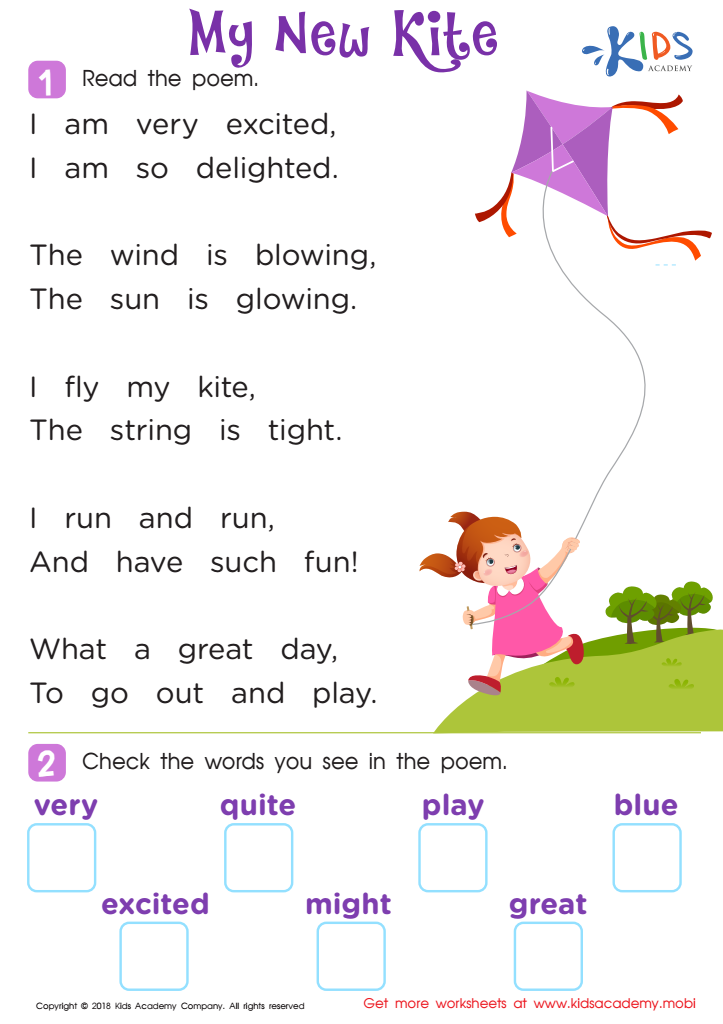
Poem: My New Kite Worksheet
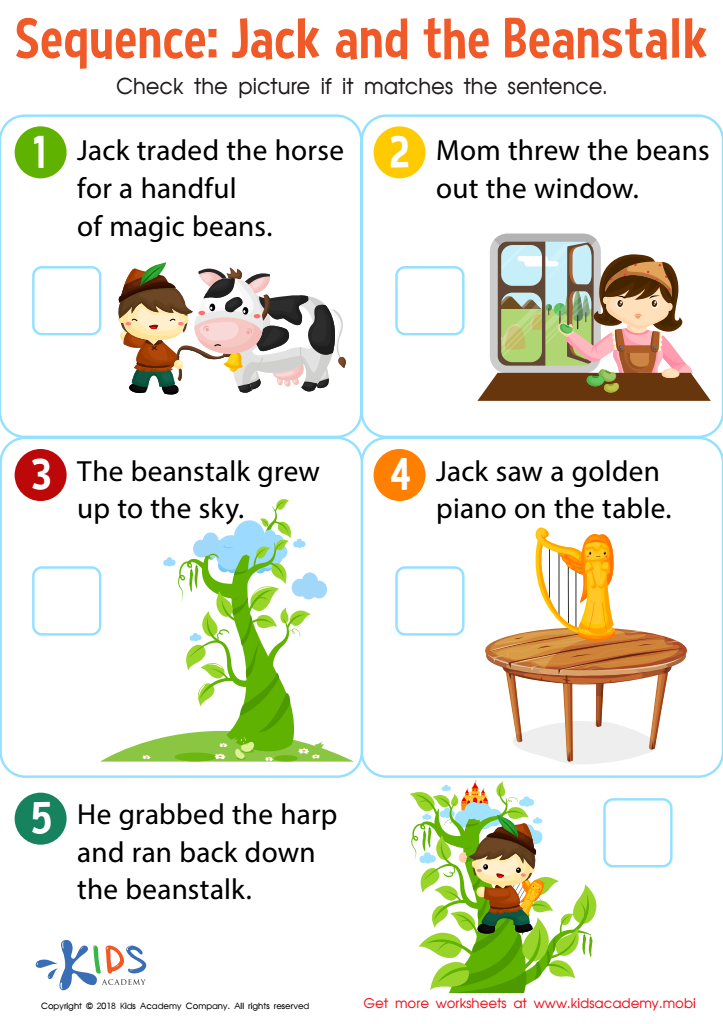
Sequence: Jack and The Beanstalk Worksheet
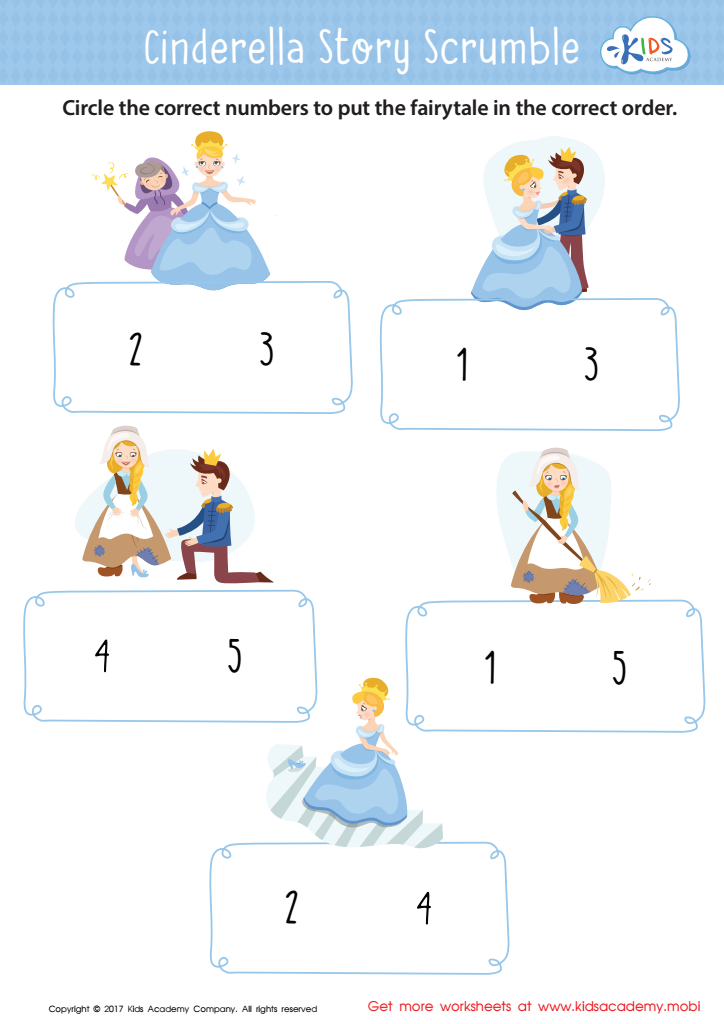
Cinderella Story Sequencing Worksheet
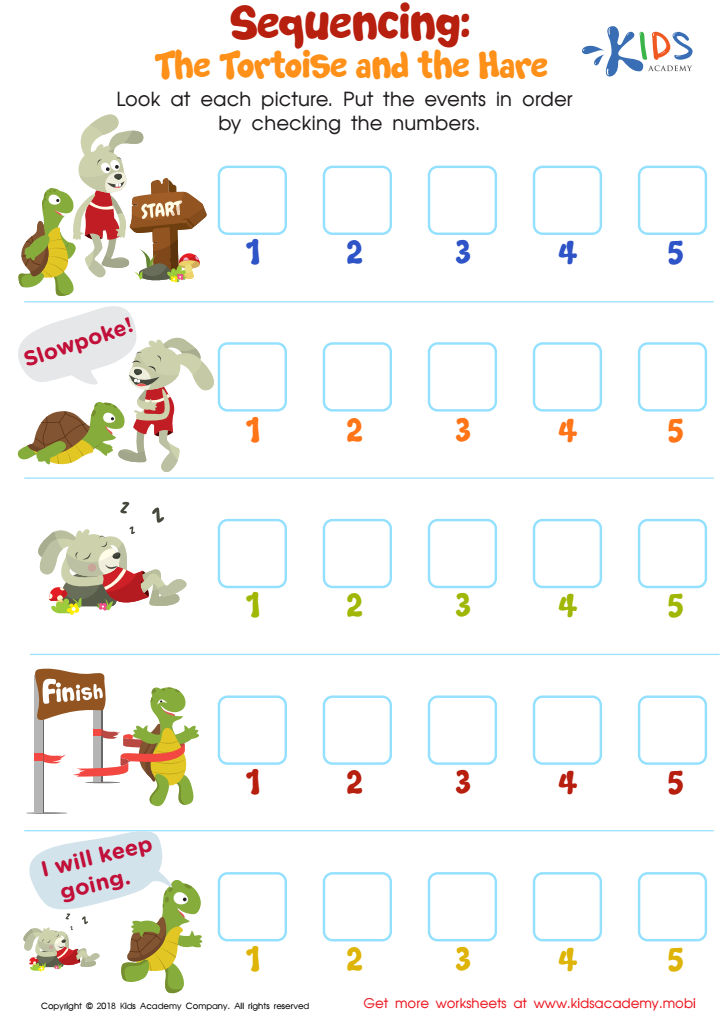
Sequencing: The Tortoise and the Hare Worksheet
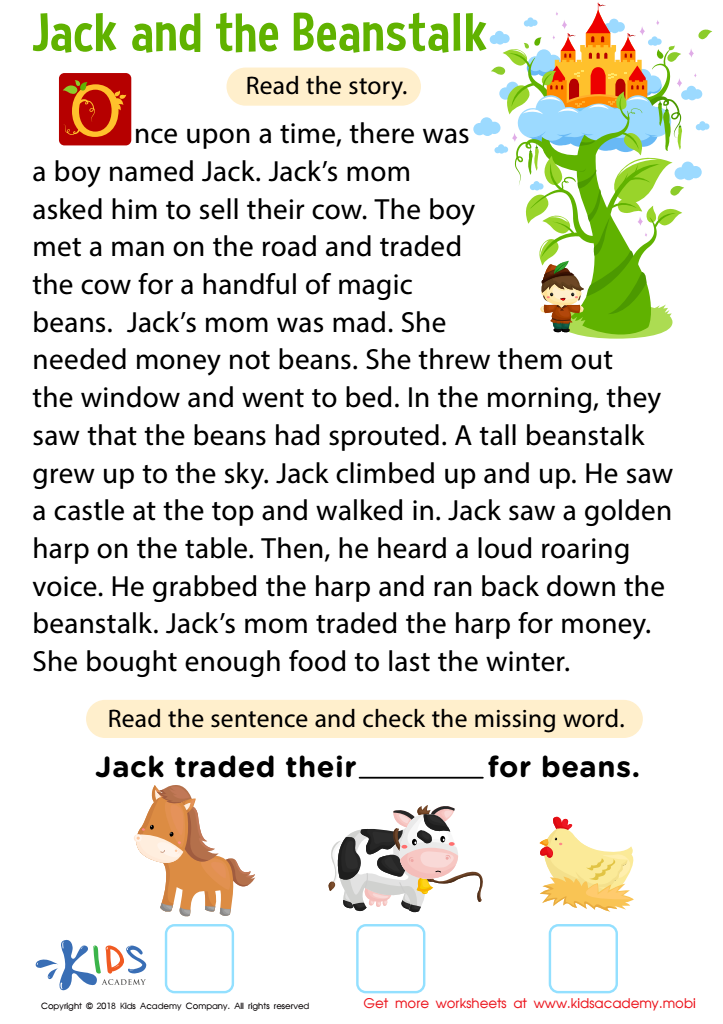
Jack and Beanstalk Worksheet
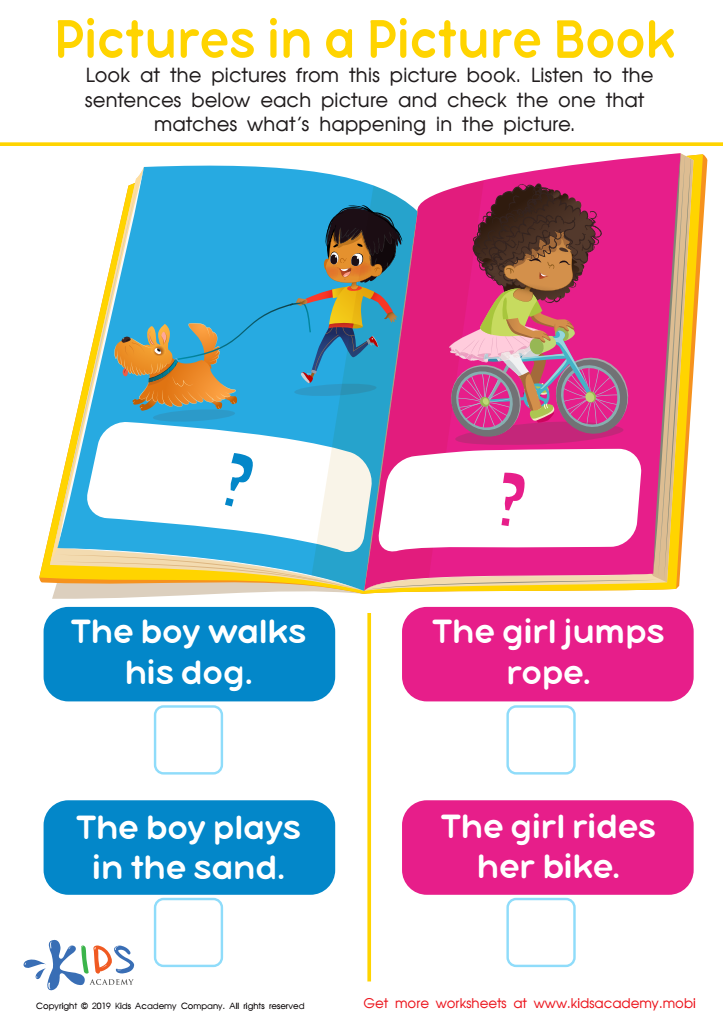
Picture in Books Worksheet
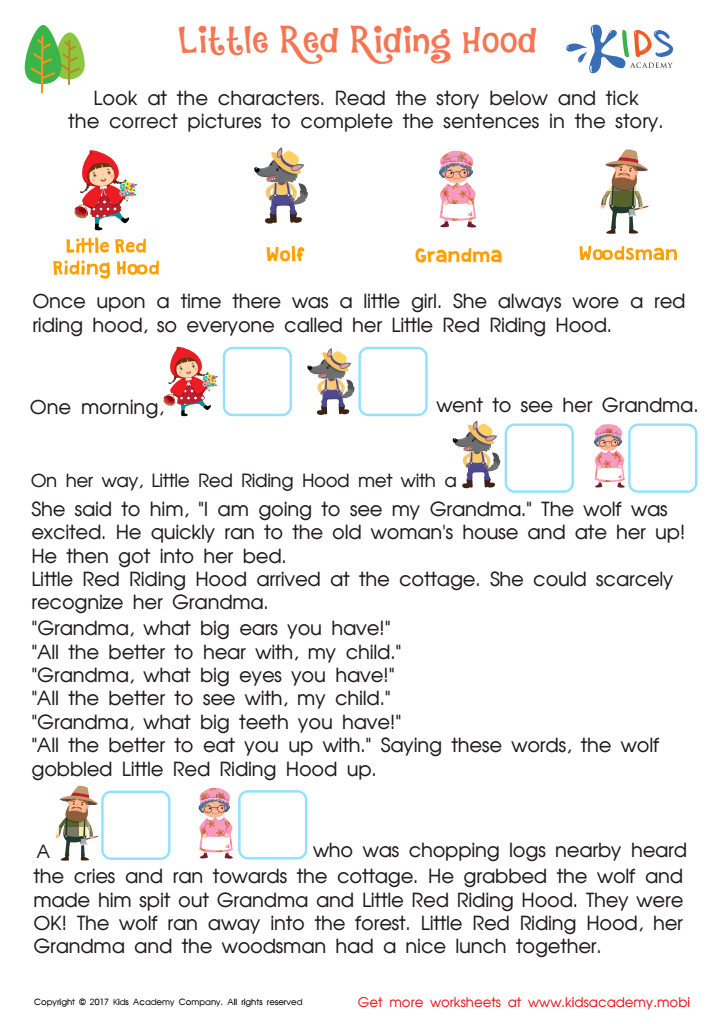
Little Red Riding Hood Printable
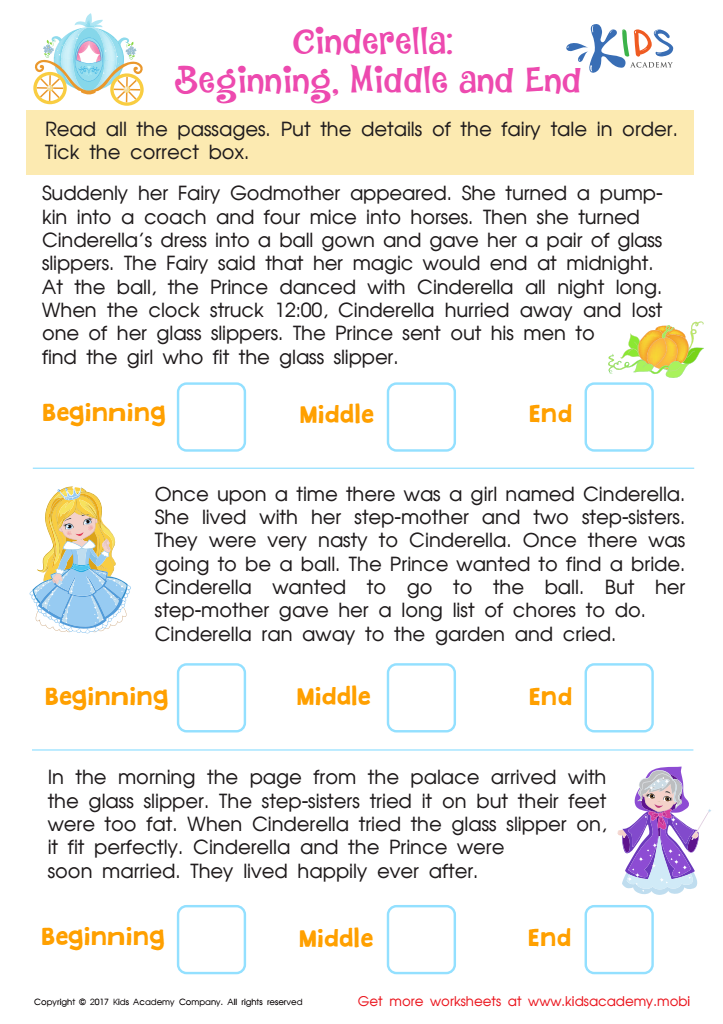
Cinderella: Beginning, Middle and End Worksheet
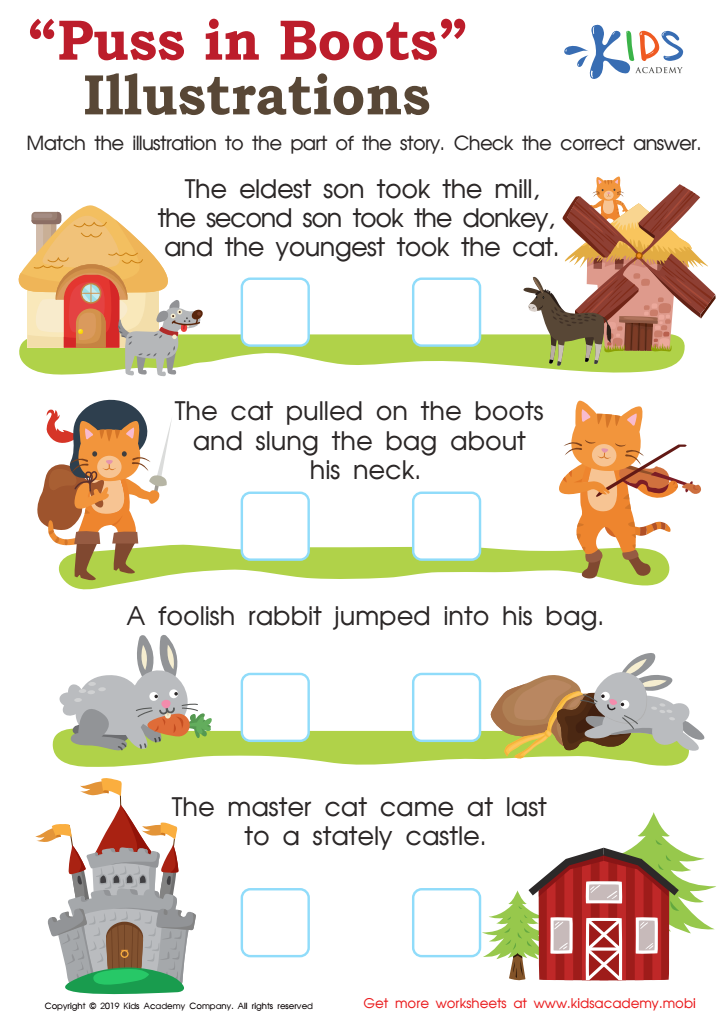
Puss in Boots Illustrations Worksheet
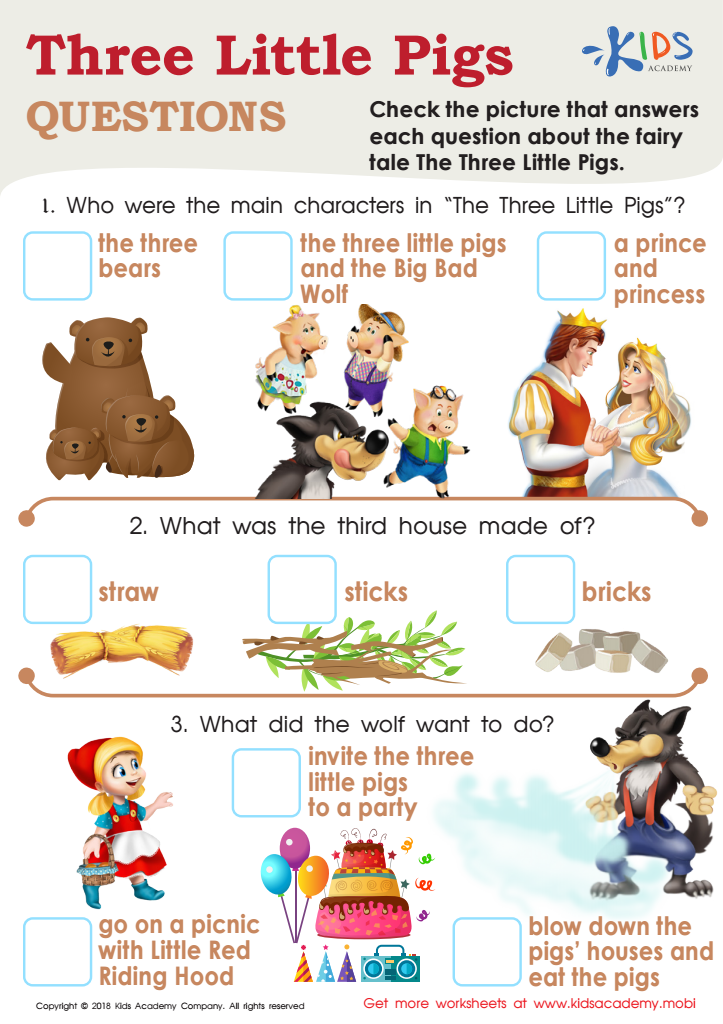
Three Little Pigs Questions Worksheet
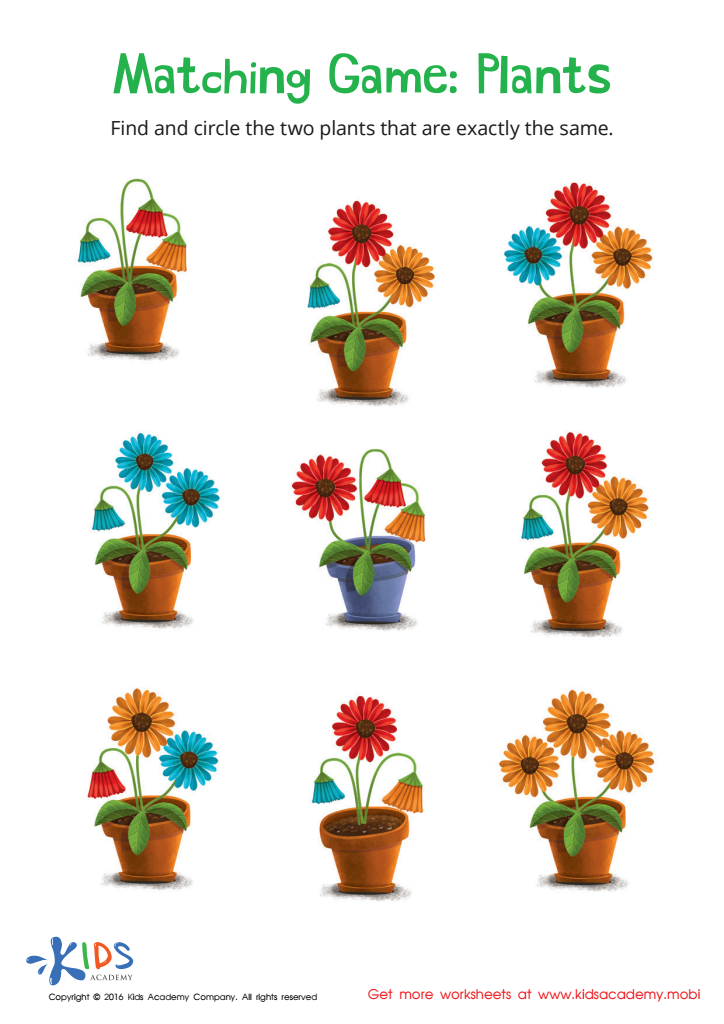
Matching: Plants Worksheet
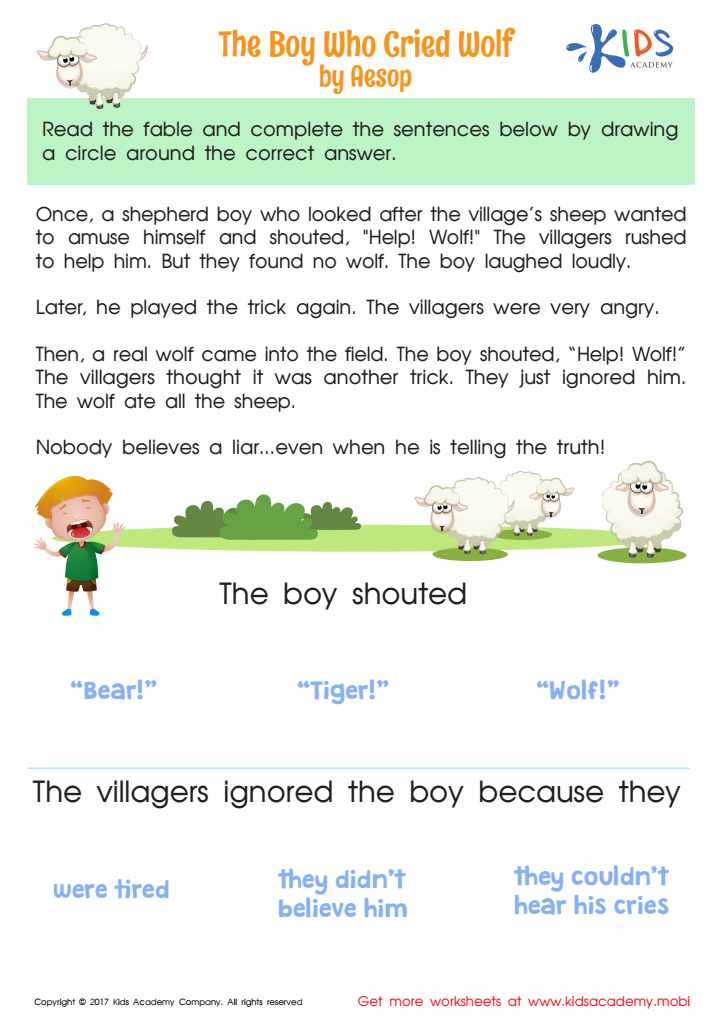
The Boy Who Cried Wolf Worksheet
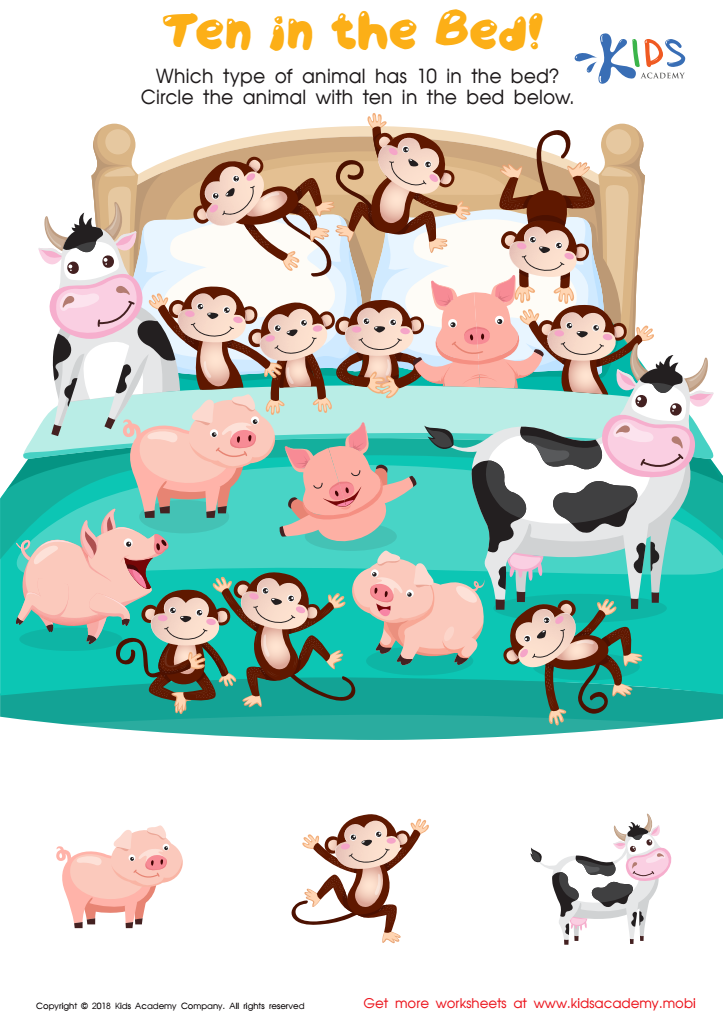
Ten in the Bed Worksheet
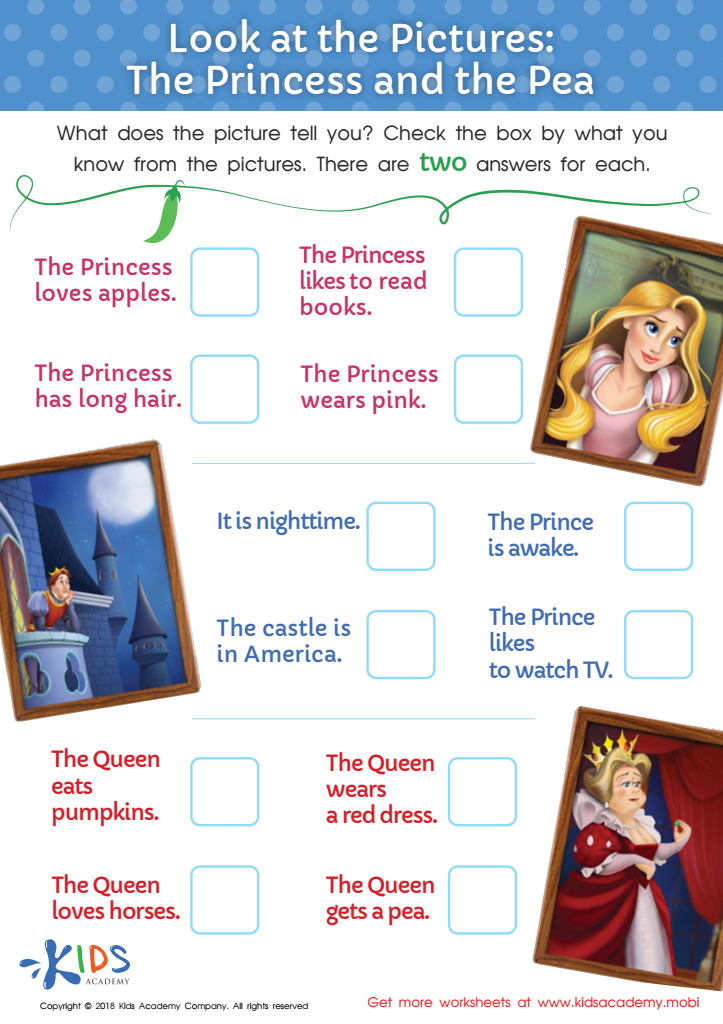
Look at the Pictures: The Princess and the Pea Worksheet
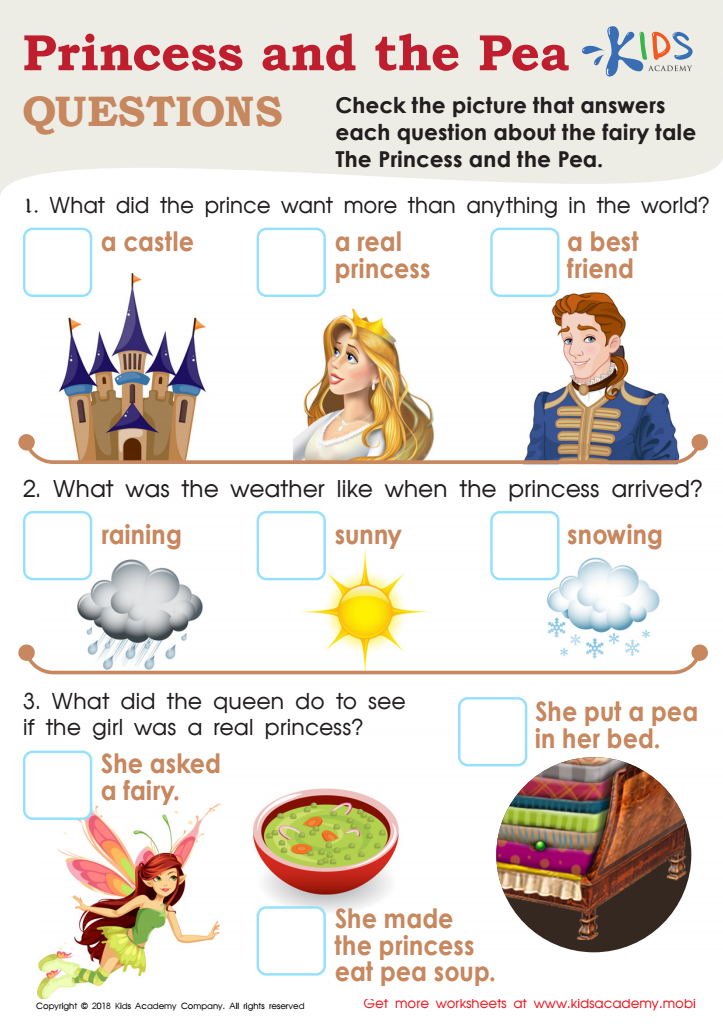
Princess and the Pea Questions Worksheet
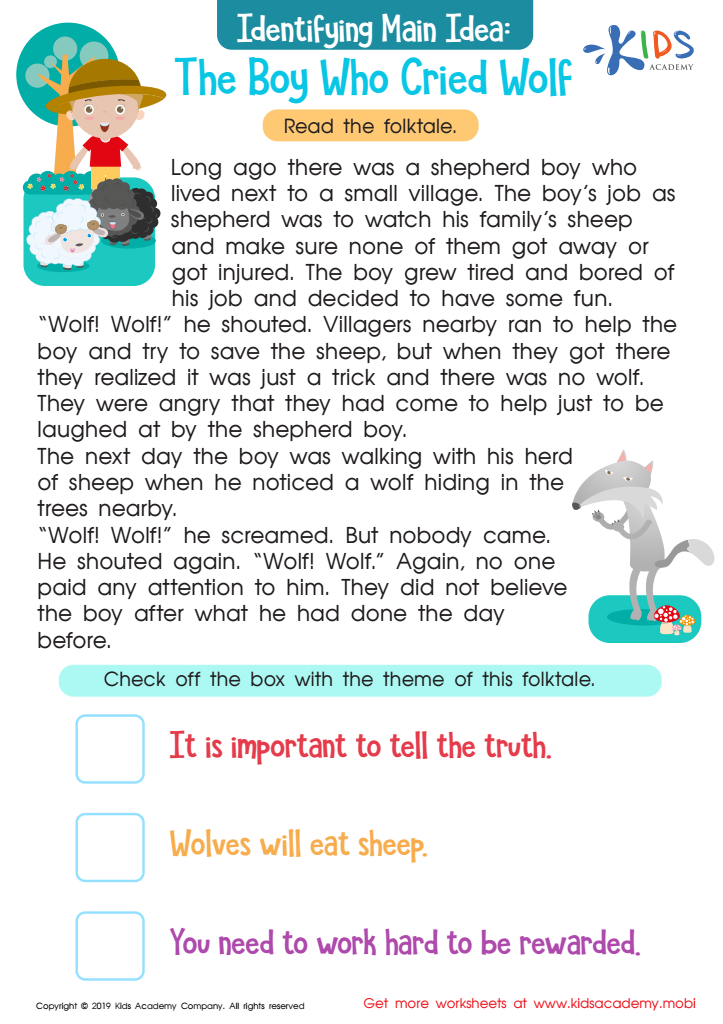
The Boy Who Cried Wolf Part 2 Worksheet








Story sequencing is a fundamental skill for children aged 5-9 that supports critical literacy development. For parents and teachers, understanding its importance can significantly enhance a child's comprehension and storytelling abilities. At this age, children are not only learning to read and write but also to make sense of narratives. By mastering story sequencing, they learn how to identify the beginning, middle, and end of a story, which helps them grasp the main ideas and themes.
Additionally, story sequencing fosters cognitive skills such as logic and organization. As children learn to arrange events in a logical order, they build their ability to think critically about what makes a story cohesive. This skill also aids in enhancing their vocabulary and sentence structure, equipping them with the tools to express themselves better in both oral and written forms.
For parents dealing with their child's homework or teachers planning engaging activities, focusing on story sequencing can make learning enjoyable and interactive. Activities like retelling stories, sequencing picture cards, or creating their own stories can boost their creativity and motivation. Ultimately, prioritizing story sequencing creates a strong foundation for literacy and critical thinking, shaping proficient readers and communicators for the future.








