Shape Recognition Normal 2D Shapes Worksheets for Ages 5-9
16 filtered results
-
From - To
Welcome to our Shape Recognition Normal 2D Shapes Worksheets designed for children aged 5 to 9! These engaging and educational worksheets focus on helping young learners identify and differentiate various 2D shapes, such as circles, squares, triangles, and rectangles. Each worksheet features colorful illustrations and age-appropriate activities that make learning fun and interactive. By completing these exercises, children will enhance their observational skills, boost their vocabulary, and lay the foundation for math concepts. Perfect for home or classroom use, our worksheets are a fantastic resource for fostering early geometry skills. Download your free worksheets today and spark a love for learning!
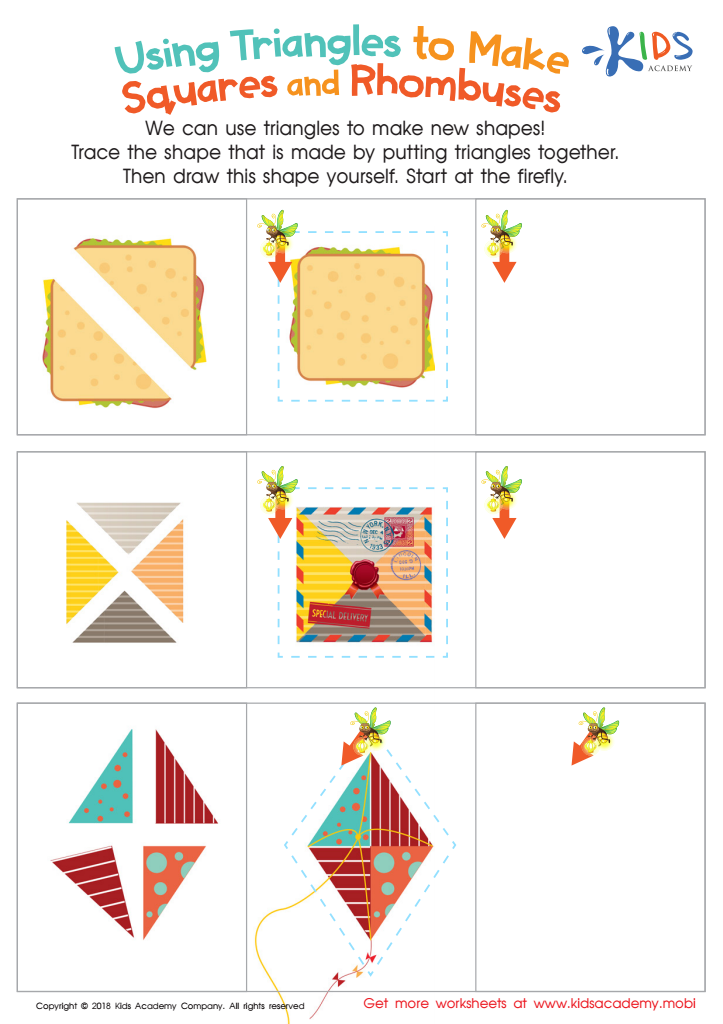
Using Triangles to Make Squares and Rhombuses Worksheet
 Assign to My Students


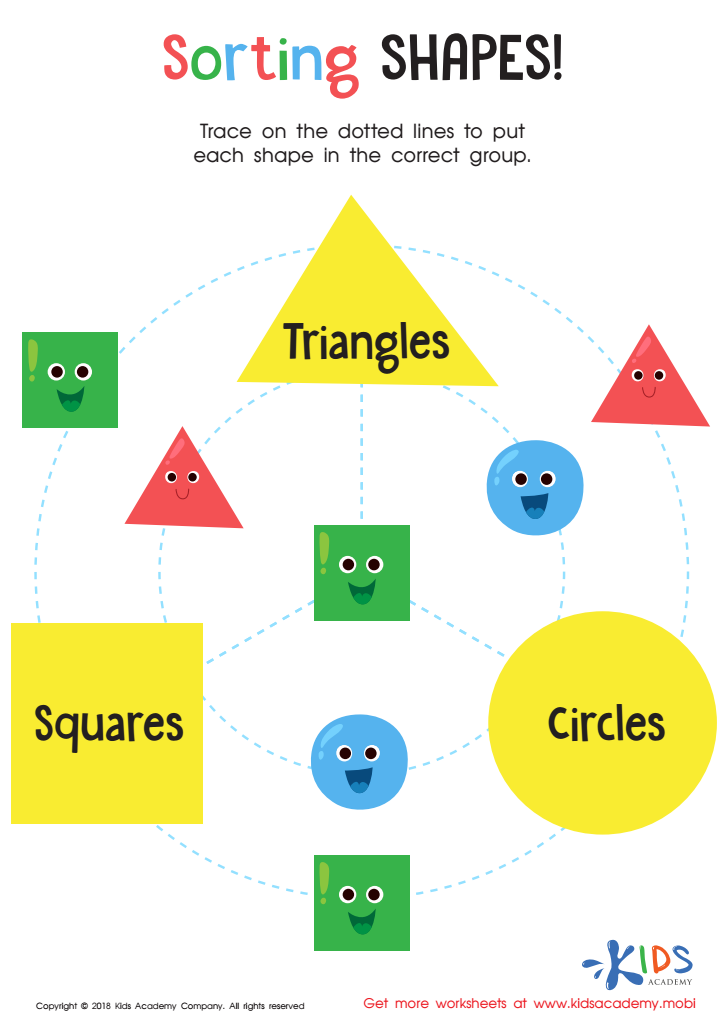
Sorting Shapes - Part 3 Worksheet
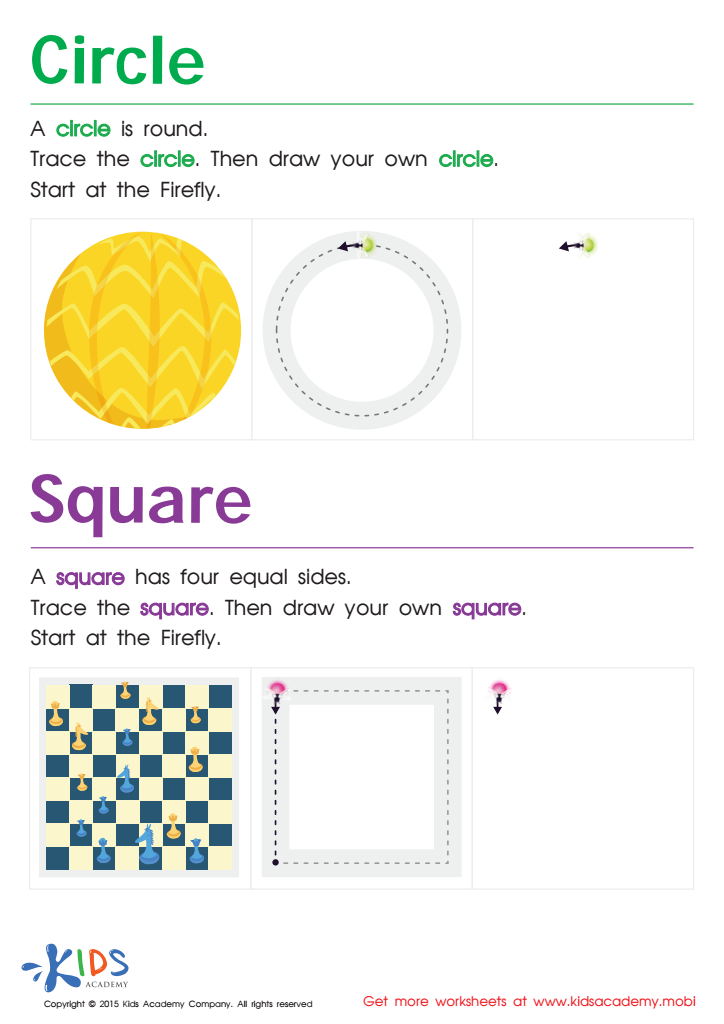
Trace And Draw a Circle And a Square Worksheet
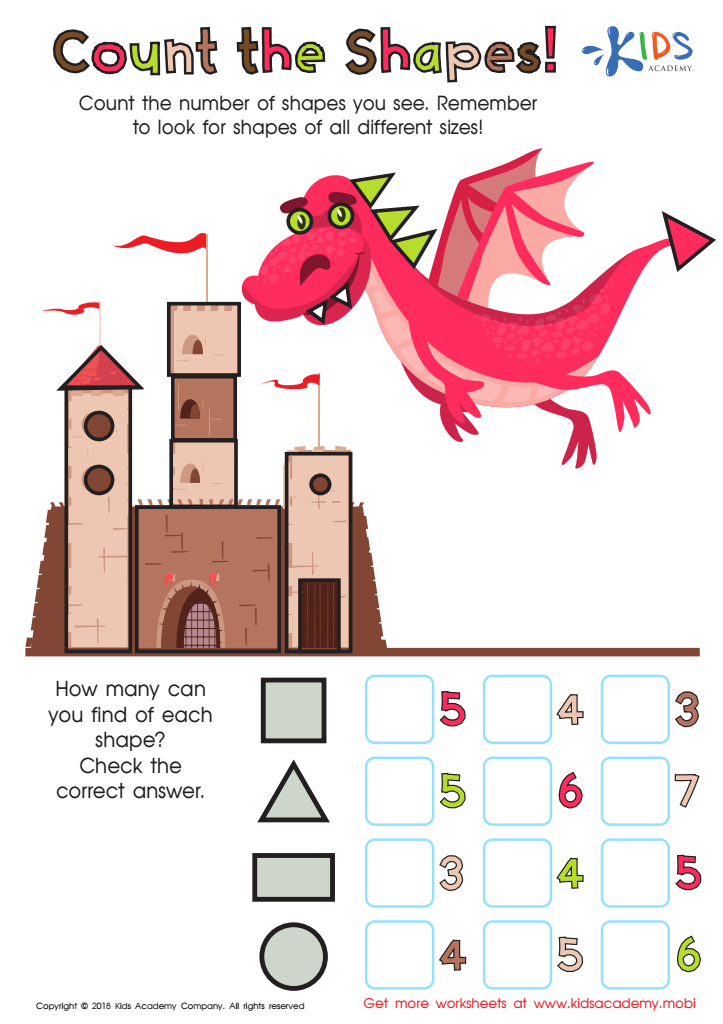
Count the Shapes Worksheet
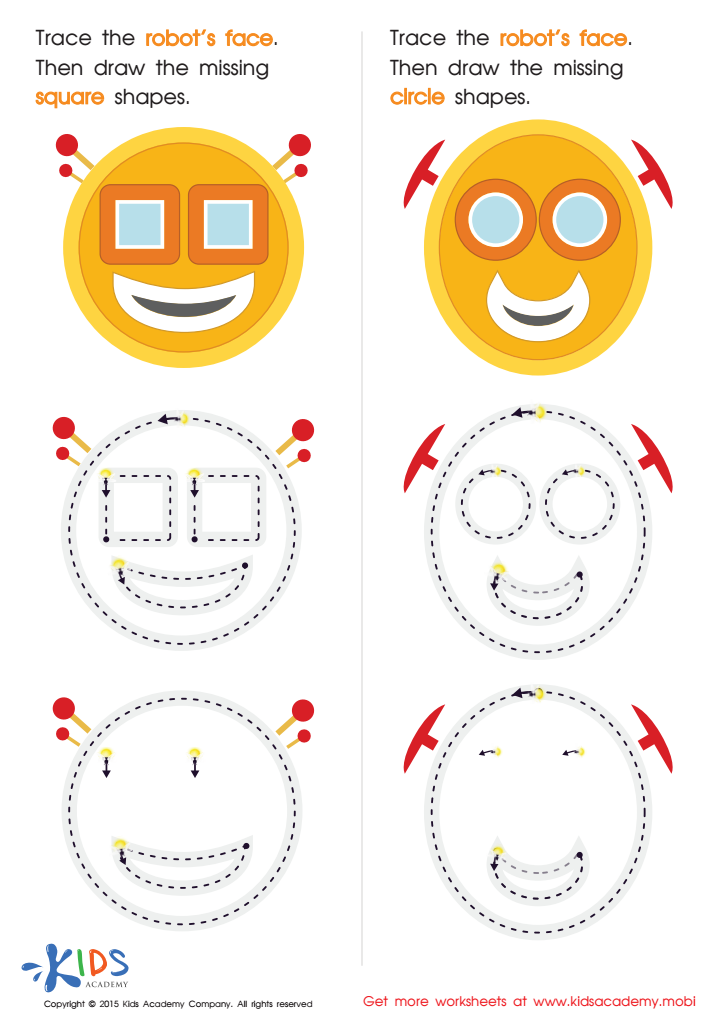
Practicing to Draw Circles And Squares Printable
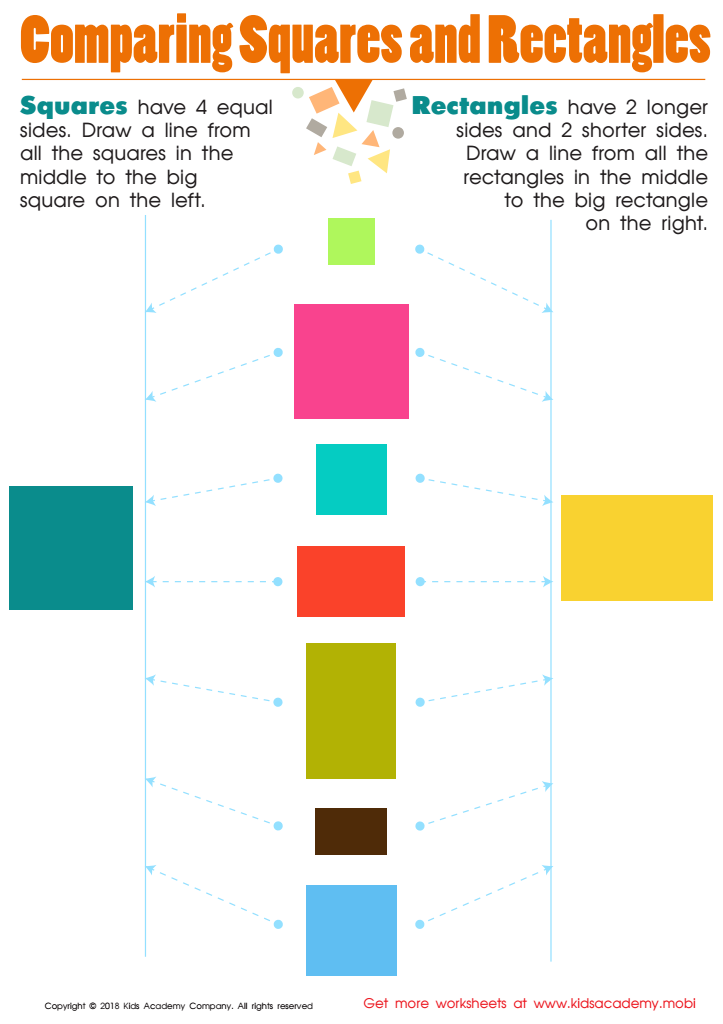
Comparing Squares Rectangles Worksheet
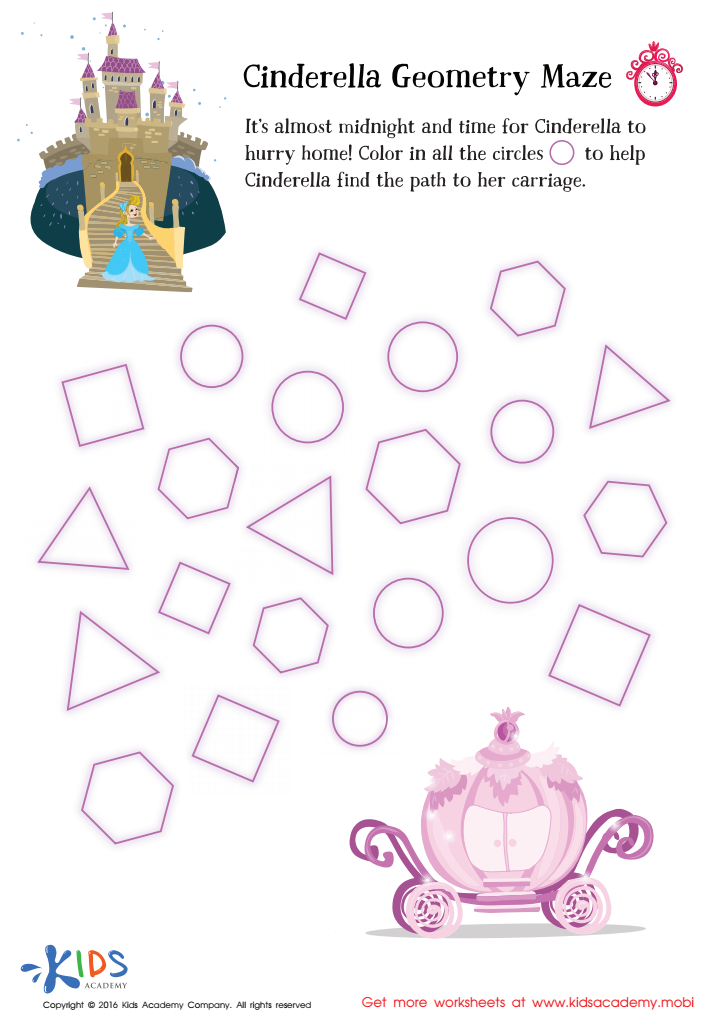
Cinderella Geometry Maze Worksheet
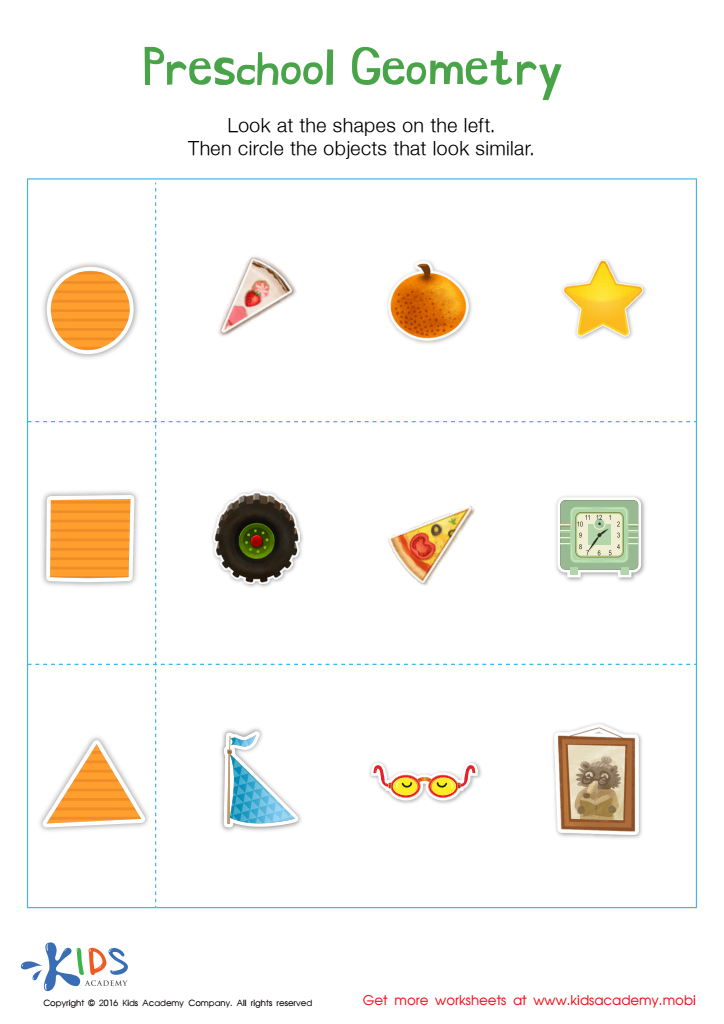
Preschool Geometry Match Up Worksheet
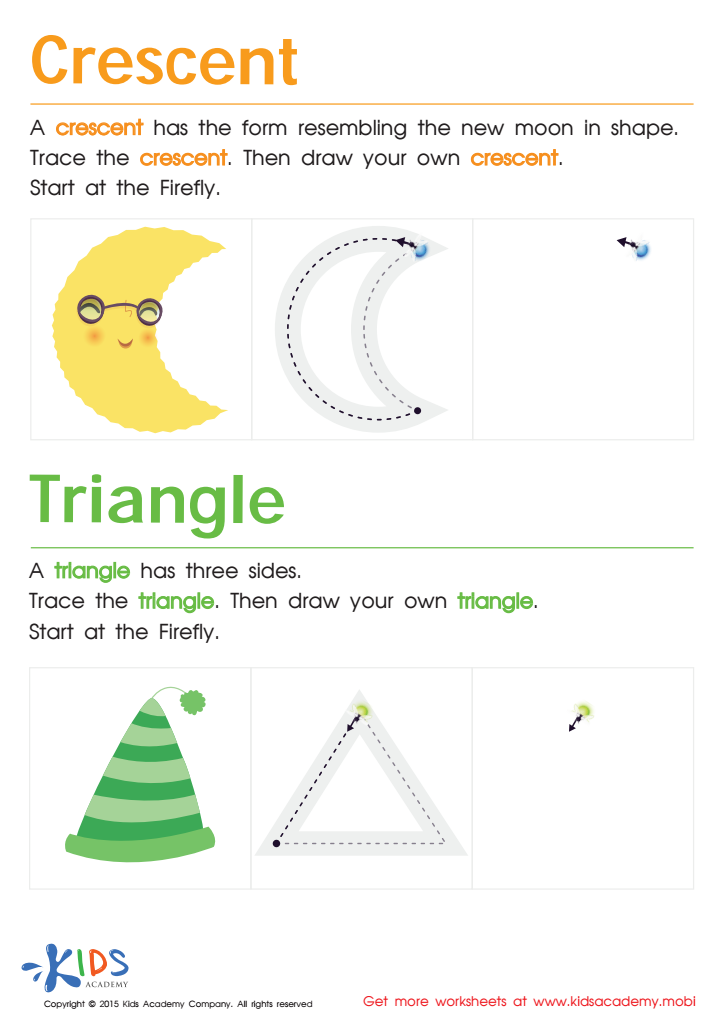
Learning to Draw Crescents And Triangles Worksheet
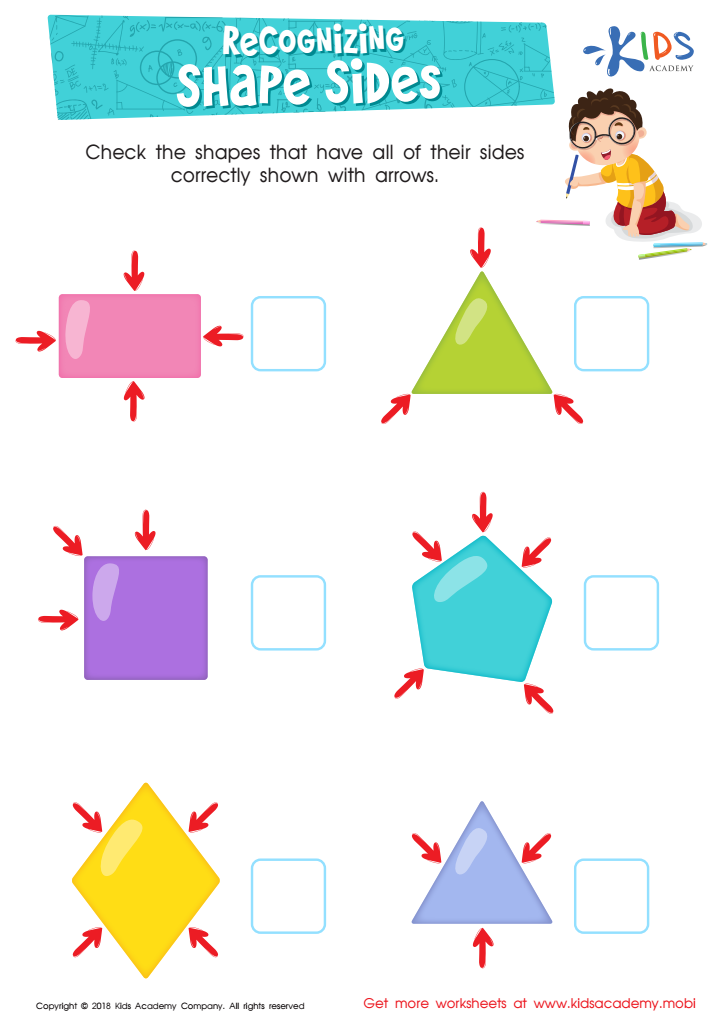
Recognizing Shape Sides Worksheet
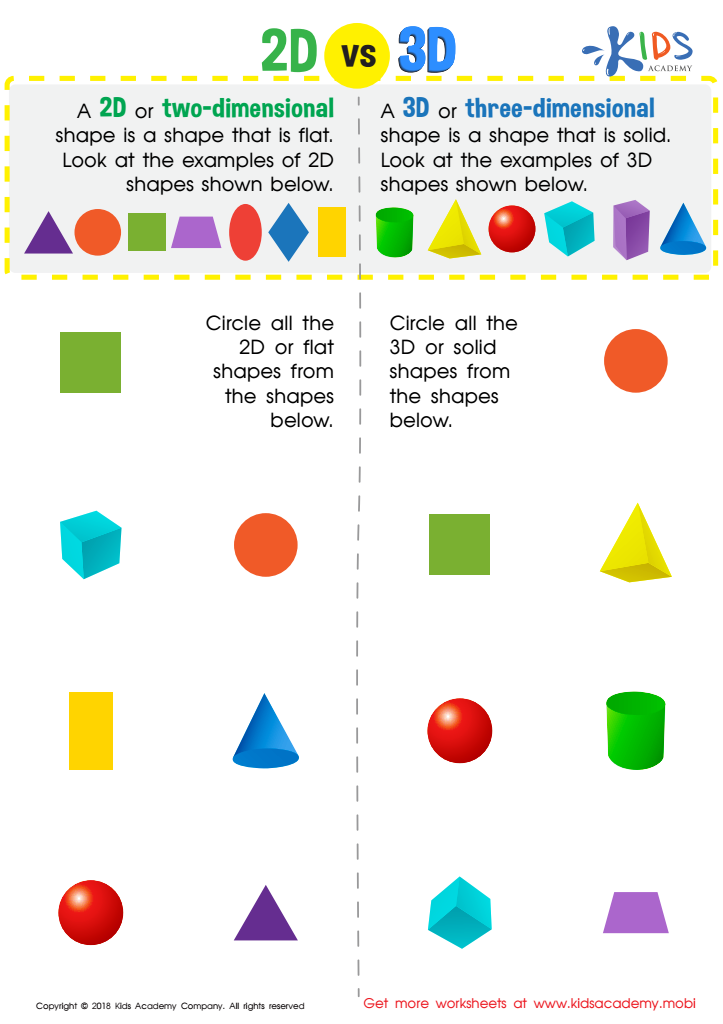
2D vs 3D Shapes Worksheet
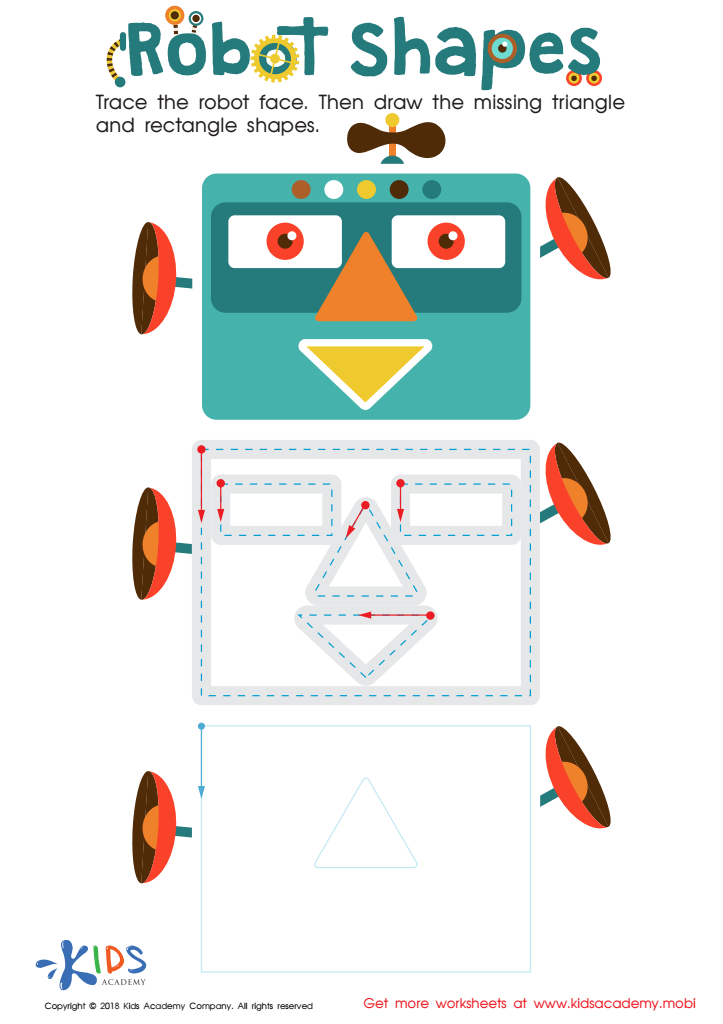
Robot Shapes Worksheet
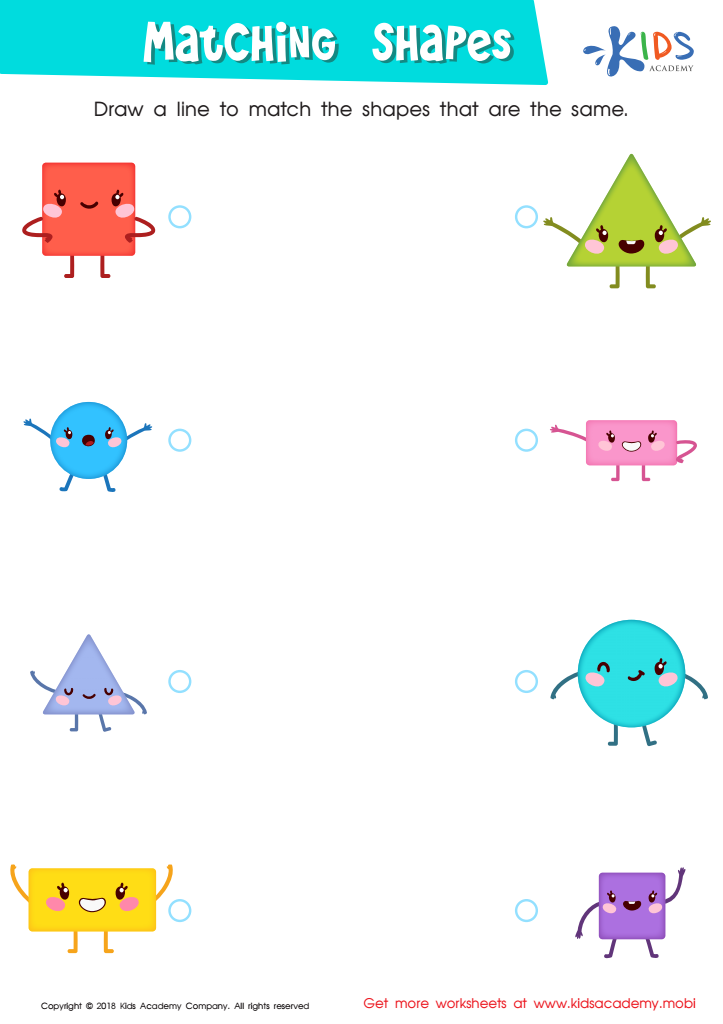
Matching Shapes Worksheet
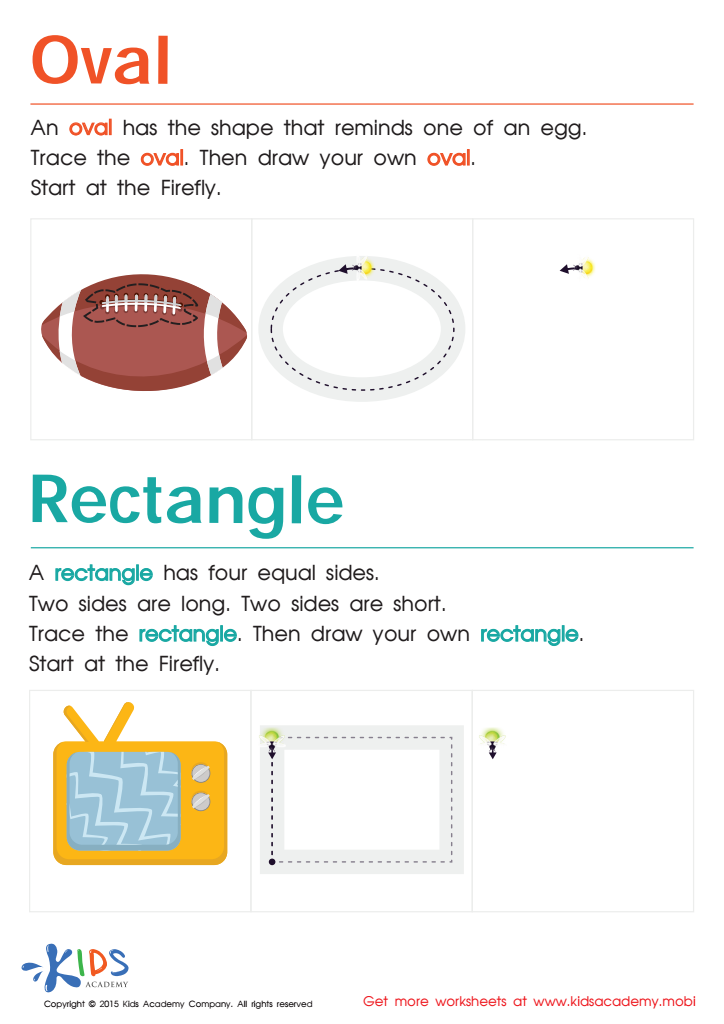
Easy Drawing of Ovals And Rectangles Worksheet
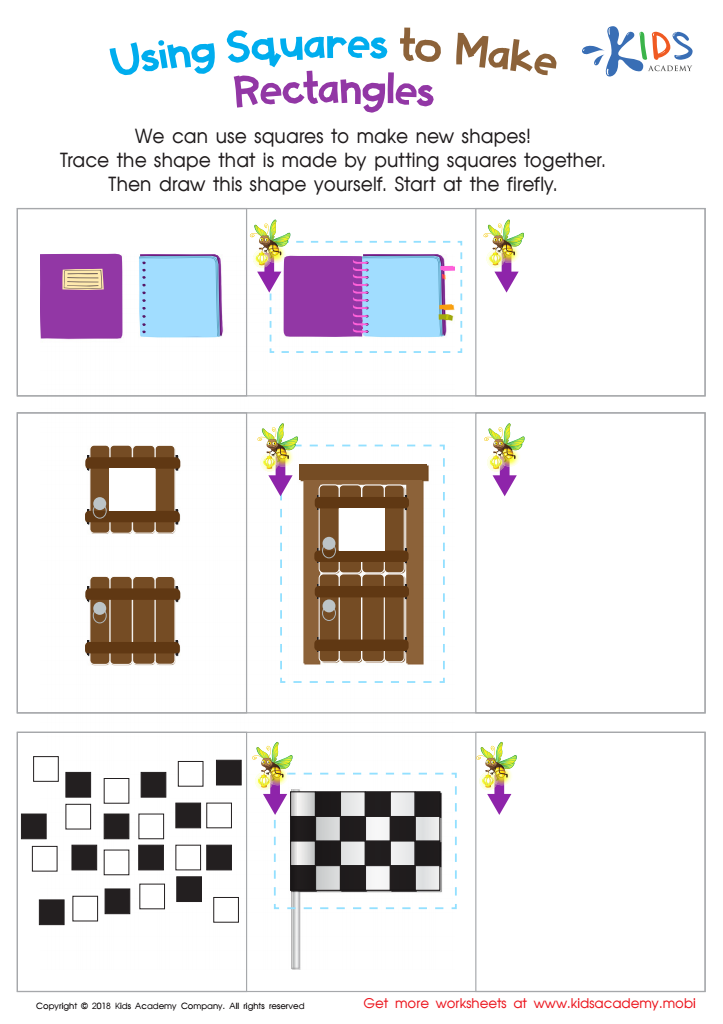
Using Squares to Make Rectangles Worksheet
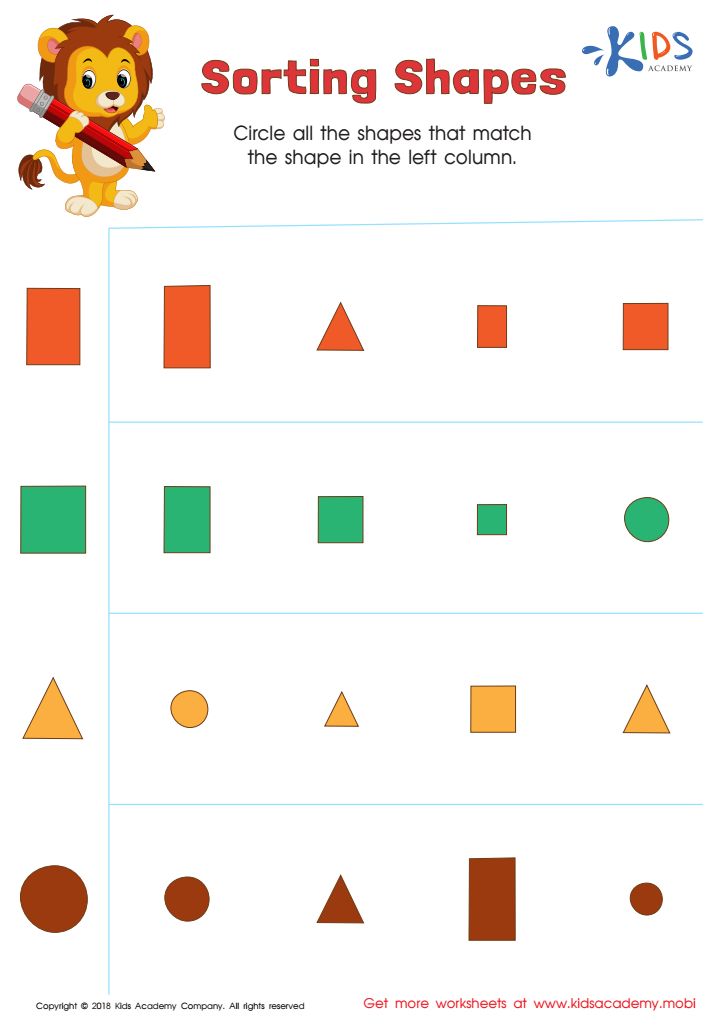
Sorting Shapes - Part 2 Worksheet








Shape recognition and understanding 2D shapes is a foundational skill for children aged 5-9 that significantly impacts their cognitive development. Firstly, shape recognition is crucial for early mathematics learning. Children who can identify and differentiate between shapes such as circles, squares, triangles, and rectangles can better grasp concepts such as symmetry, geometry, and spatial awareness, which are building blocks for more complex math skills later on.
Moreover, this skill enhances problem-solving abilities. When children can recognize shapes in the environment, they develop analytical thinking as they begin to classify and organize visual information. This understanding also fosters creativity, allowing kids to explore symmetry and patterns in art and design activities.
Additionally, shape recognition aids language development. As children verbalize shapes and their properties, they enrich their vocabulary and improve communication skills, fostering their ability to articulate their thoughts.
Finally, early exposure to shape recognition promotes confidence. When children successfully identify and manipulate shapes, they feel a sense of achievement, which instills motivation and a positive attitude towards learning. For parents and teachers, supporting this skill not only benefits academic performance but also contributes to overall development, preparing children for future learning endeavors.