Problem-Solving Skills Normal Math Worksheets for Ages 5-9 - Page 3
71 filtered results
-
From - To
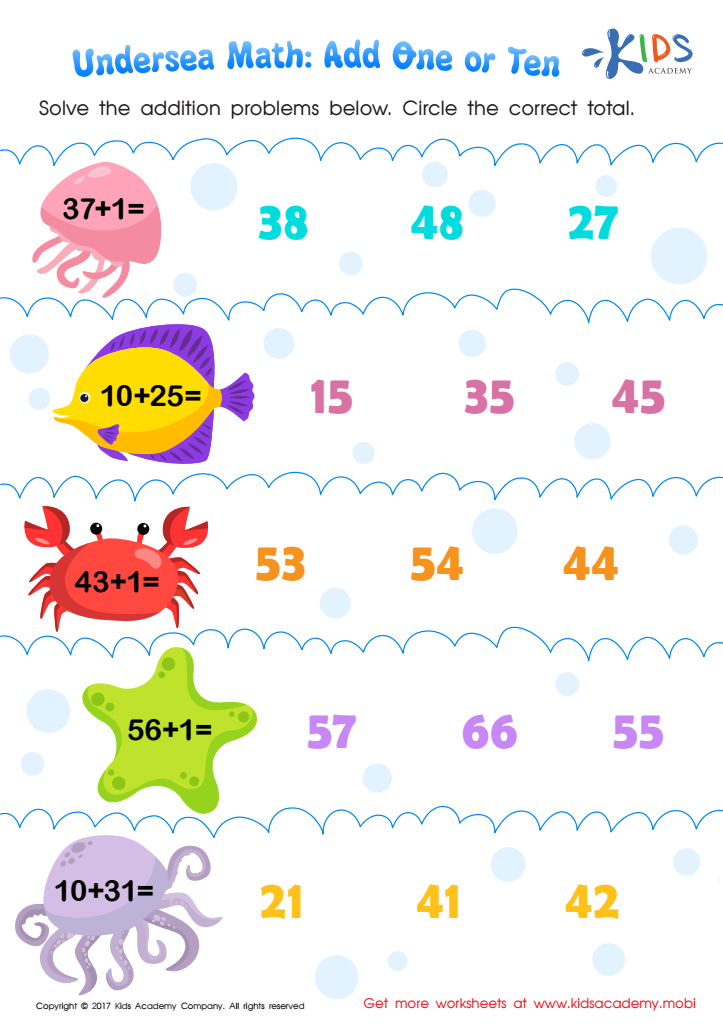
Undersea Math Worksheet
 Assign to My Students

Rounding Numbers Worksheet
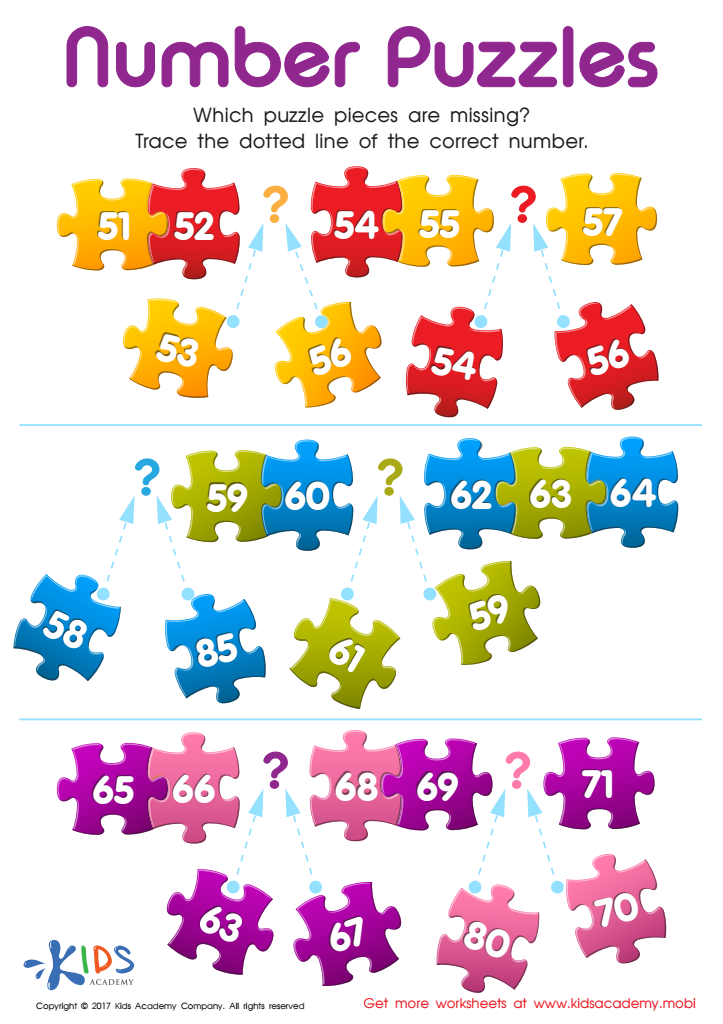
Number Puzzles Worksheet
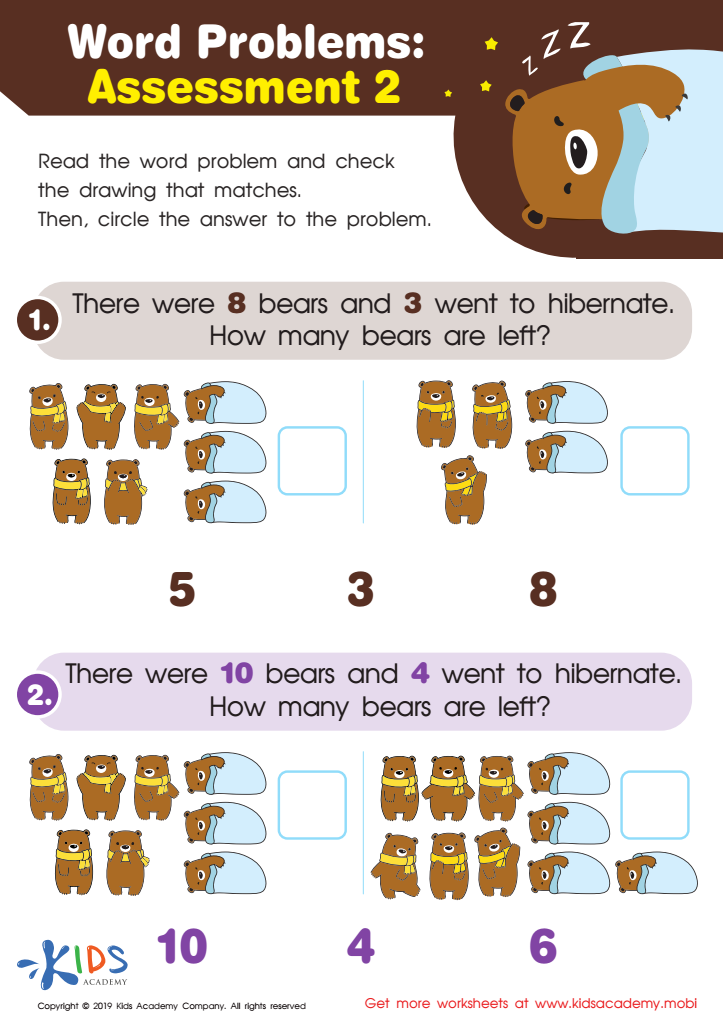
Word Problems: Assessment 2 Worksheet
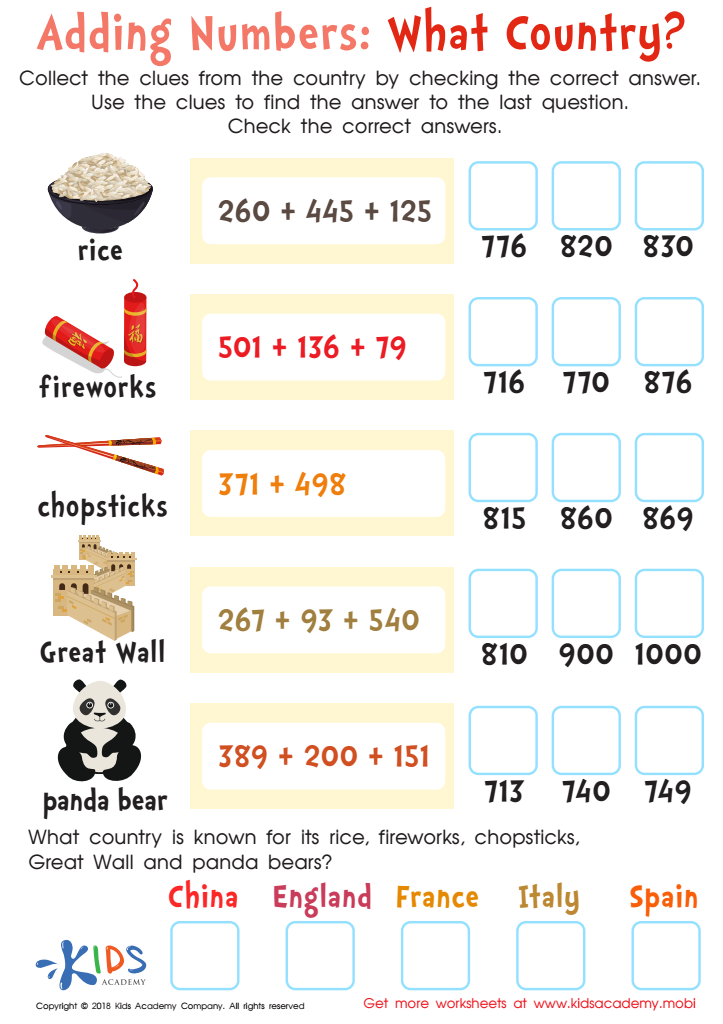
Adding Numbers: What Country Worksheet
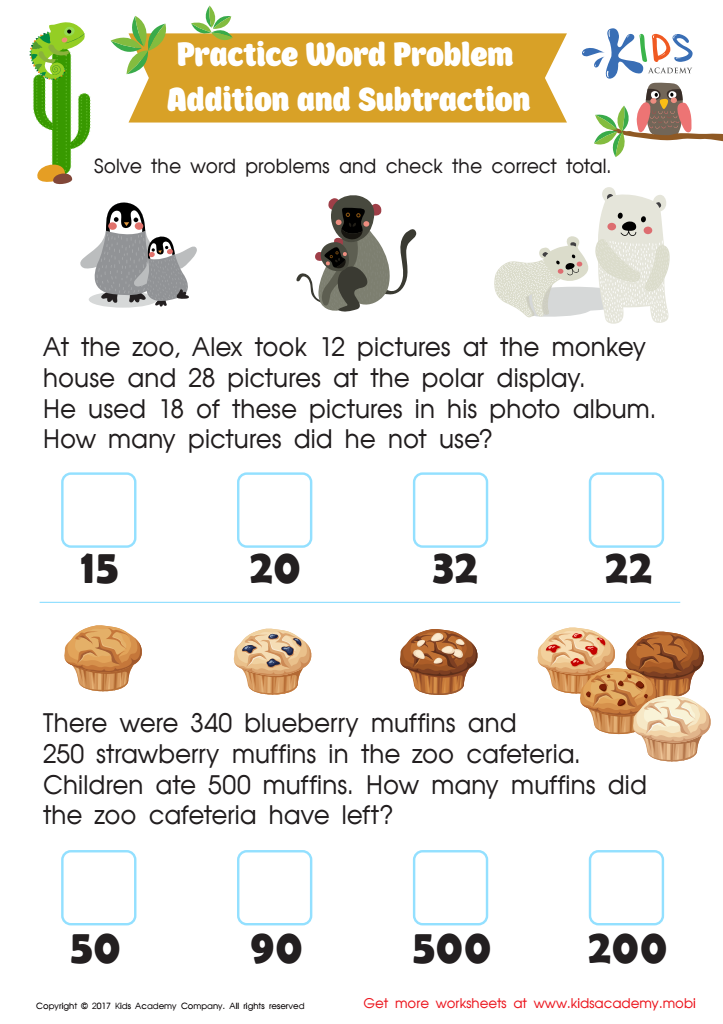
Addition and Subtraction: Word Problems Worksheet

Vegetable Gardens Worksheet
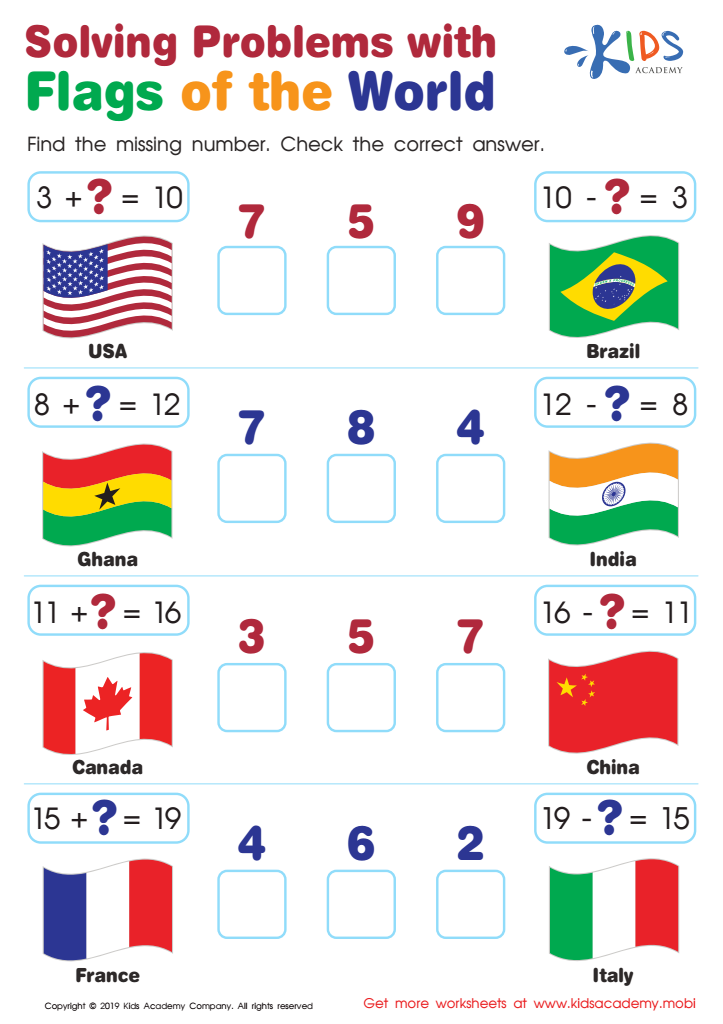
Solving Problems with Flags of the World Worksheet

At the Market Worksheet
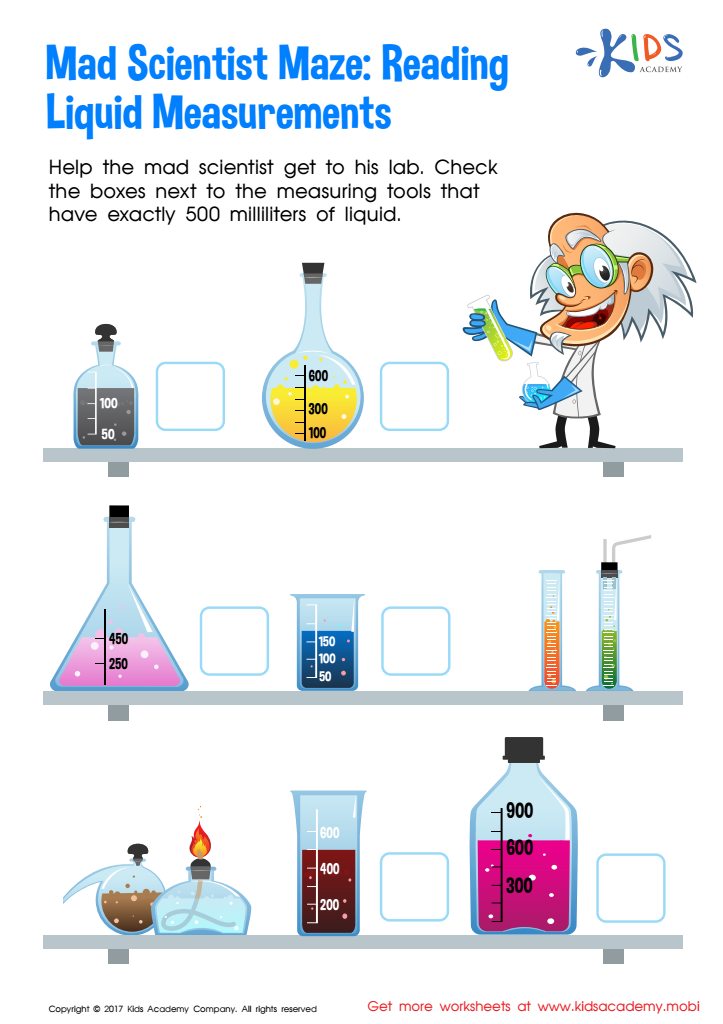
Reading Liquid Measurement Worksheet
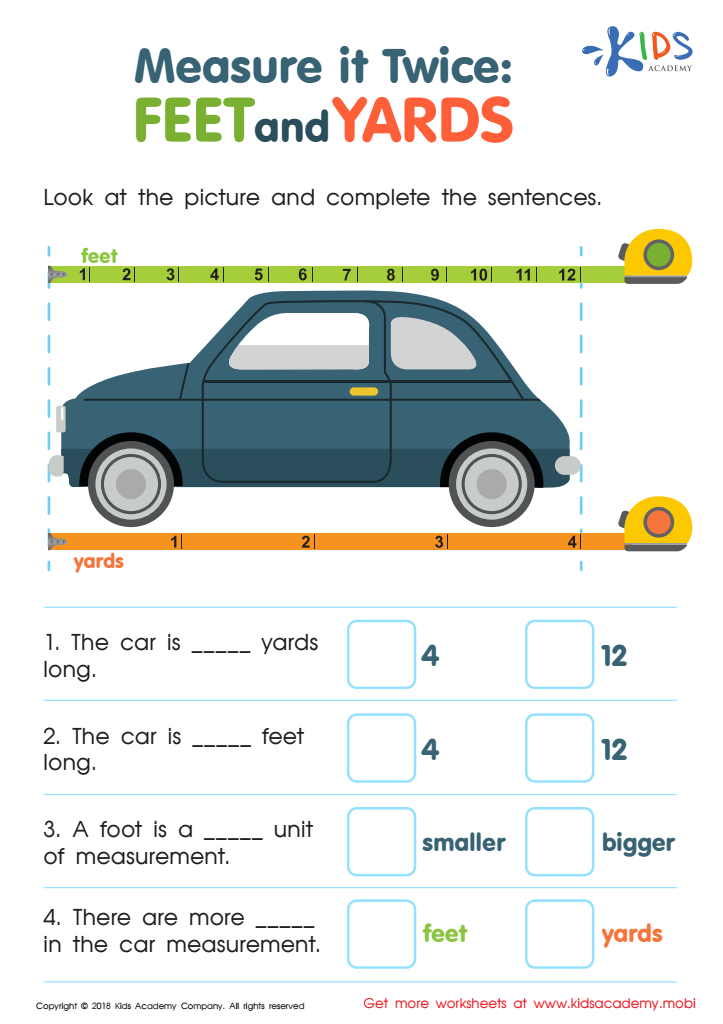
Measure It Twice: Feet and Yards Worksheet

Multiplying with Betsy Ross Worksheet
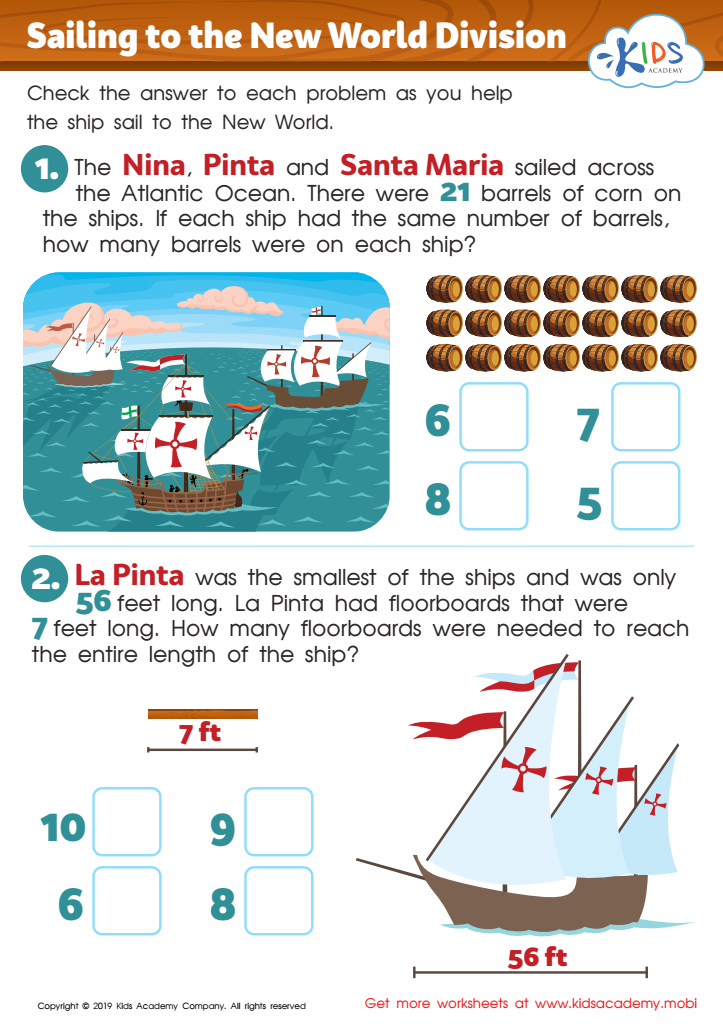
Sailing to the New World Division Worksheet
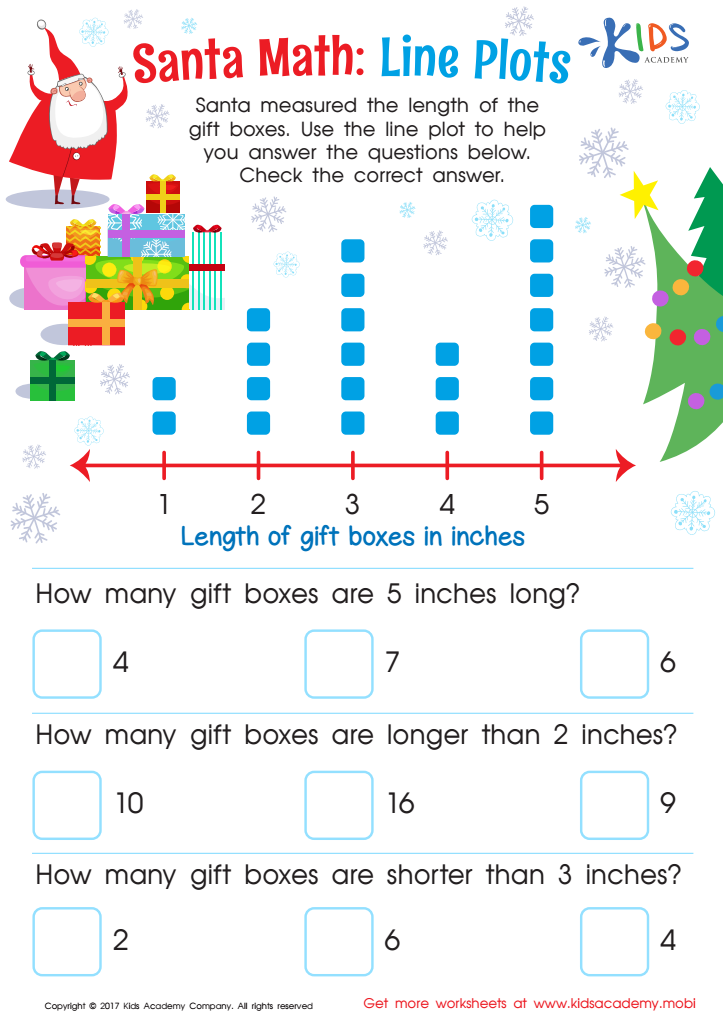
Line Plot Worksheet
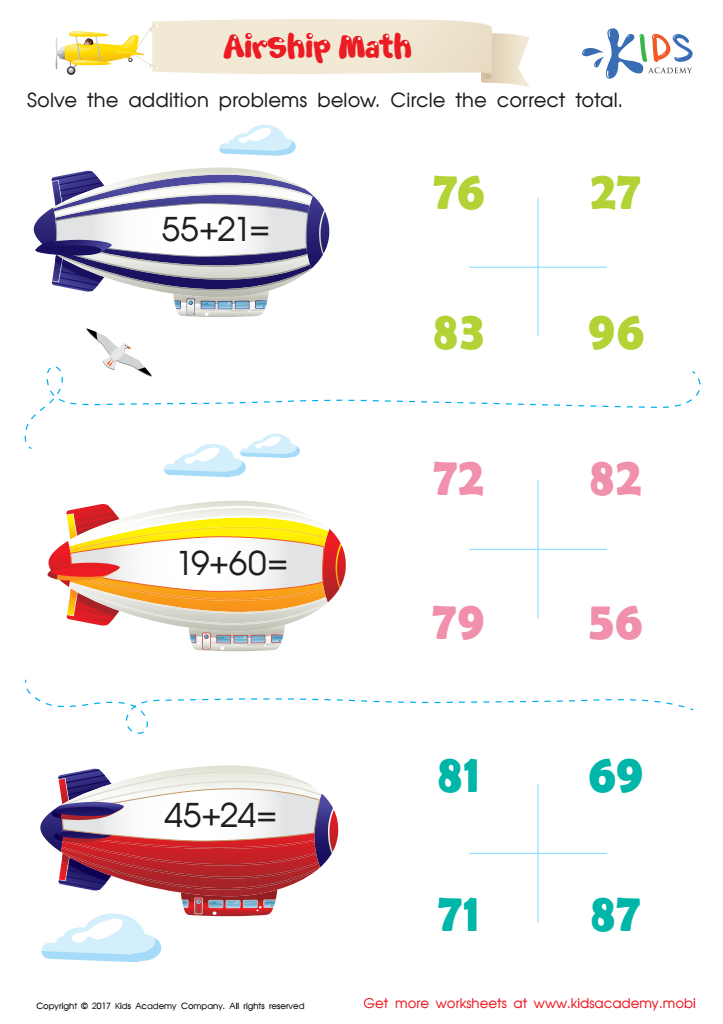
Airship Math Addition Printable
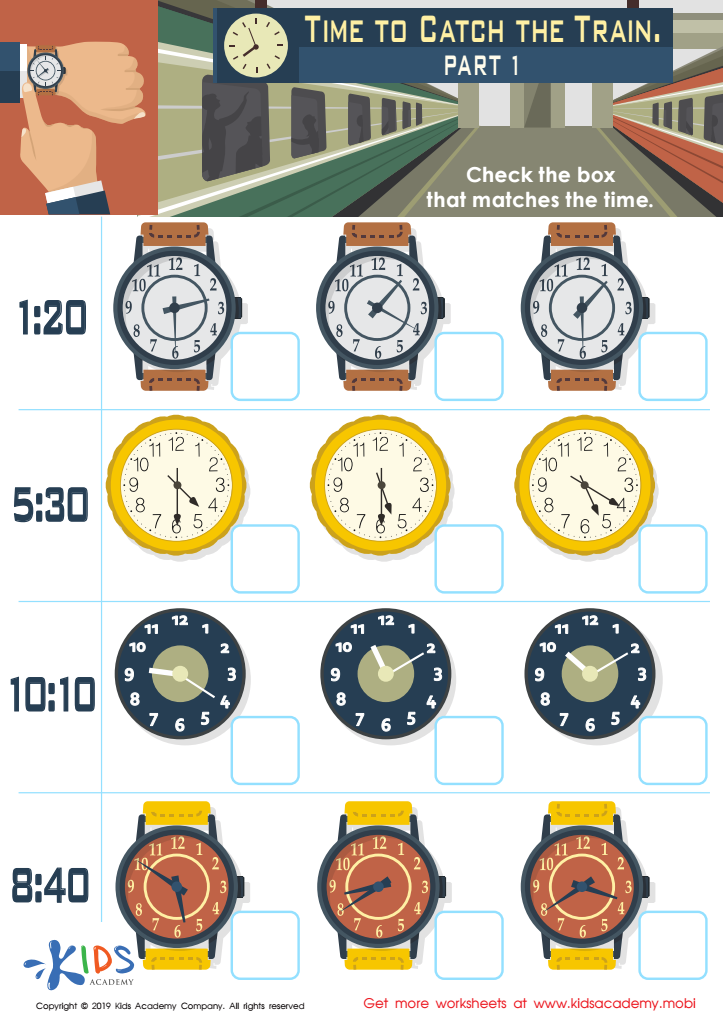
Time to Catch the Train Part 1 Worksheet
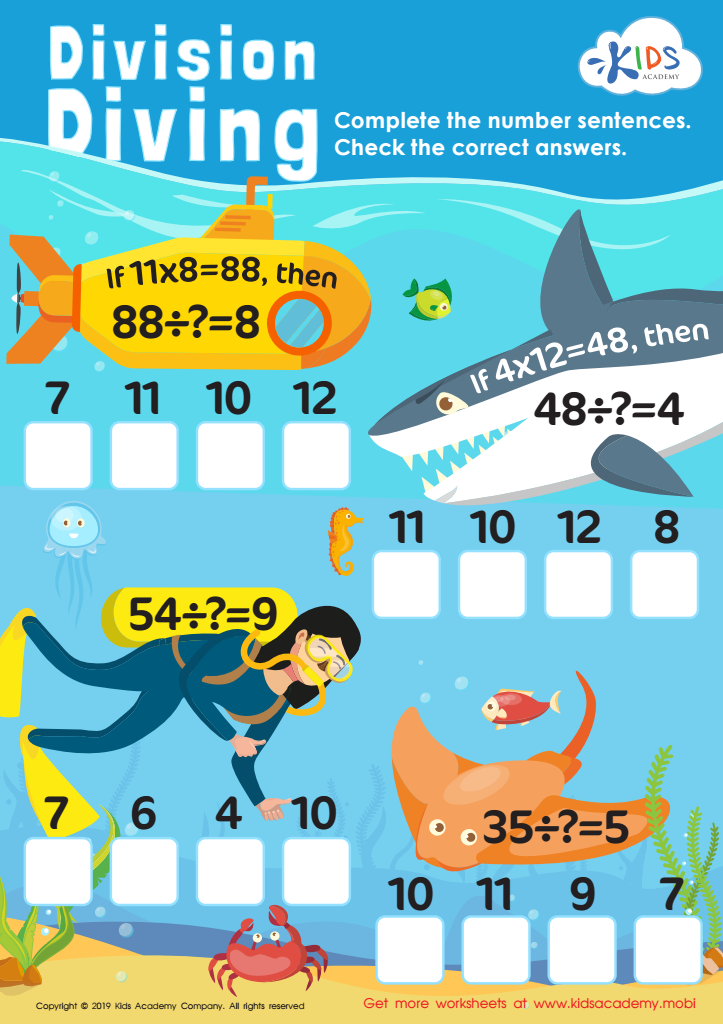
Division Diving Worksheet
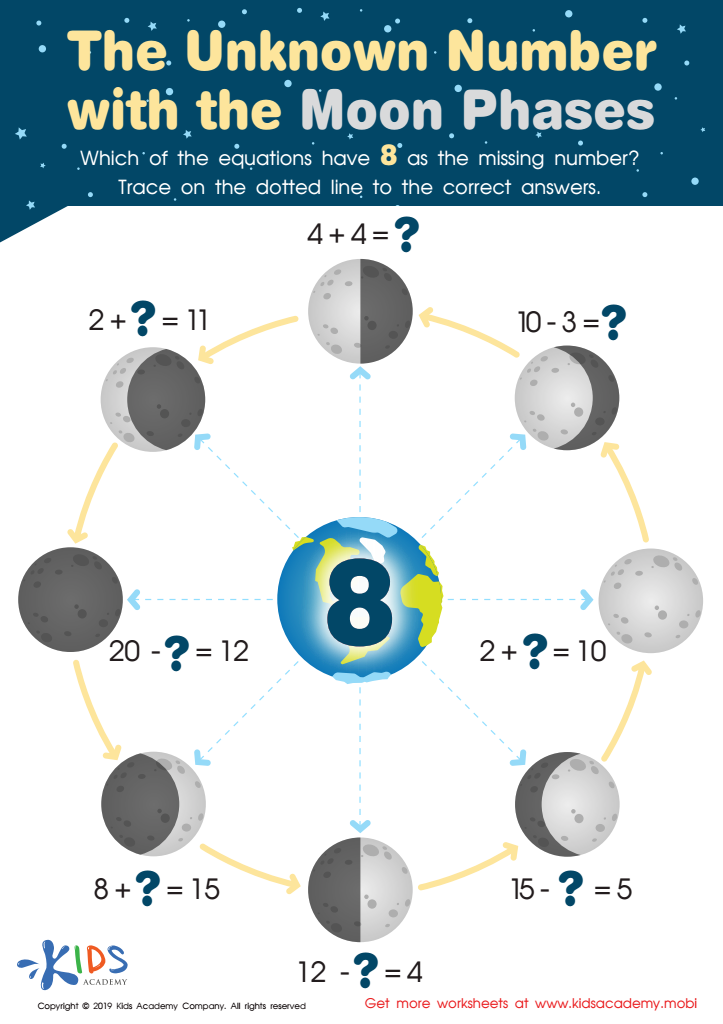
The Unknown Number with the Moon Phases Worksheet

Silhouettes – Shapes Worksheet
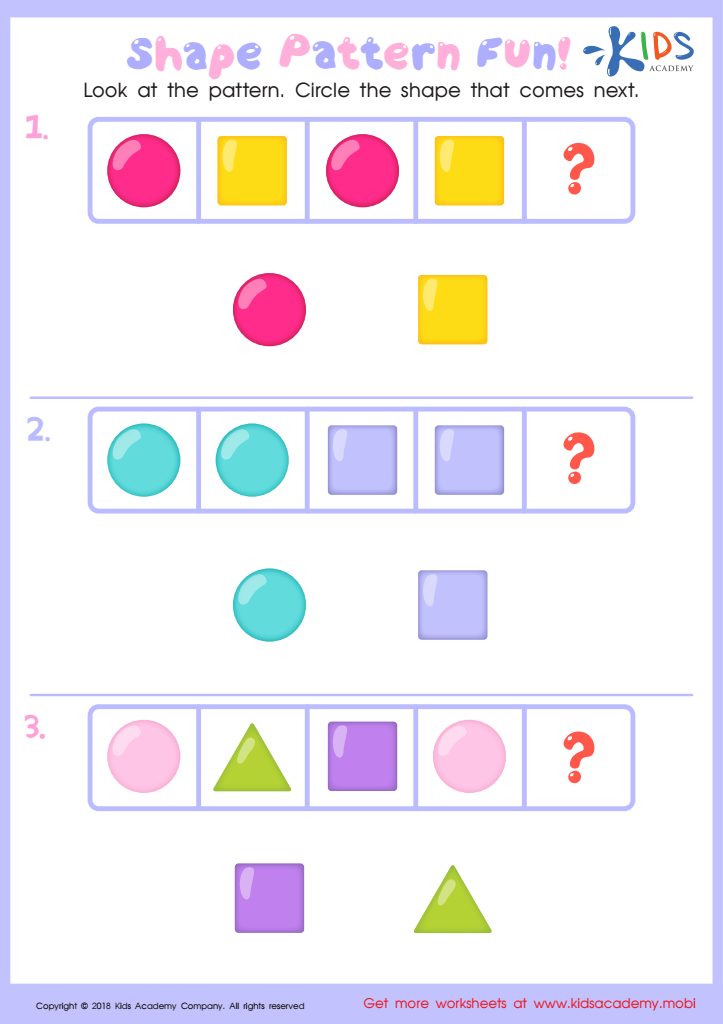
Shape Pattern Fun Worksheet
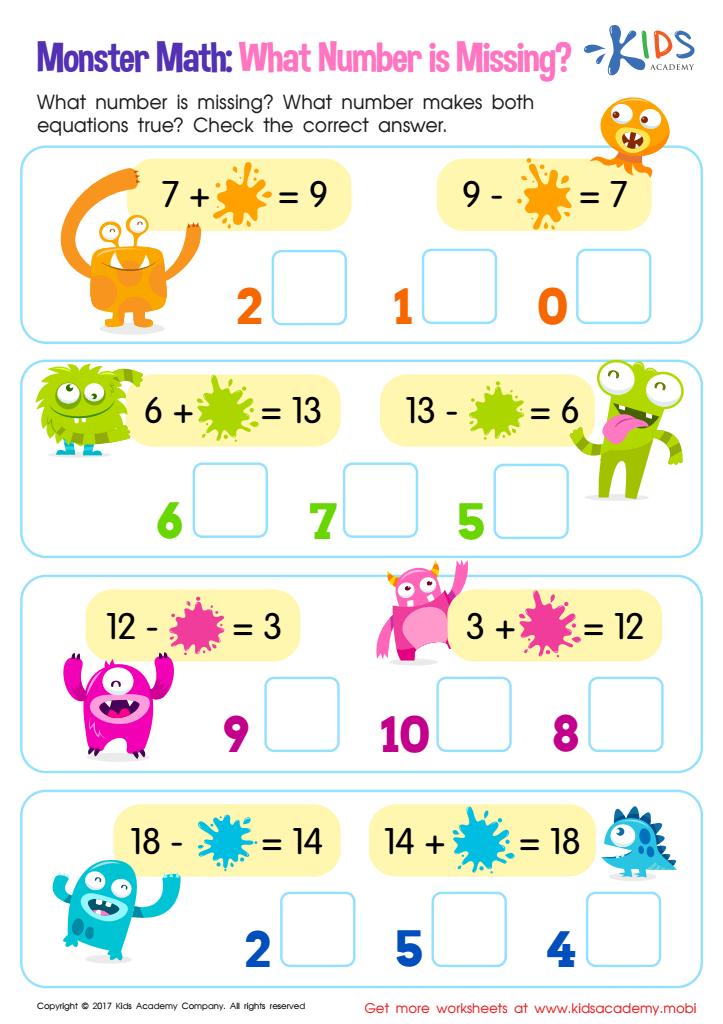
Missing Number: Monster Math Worksheet
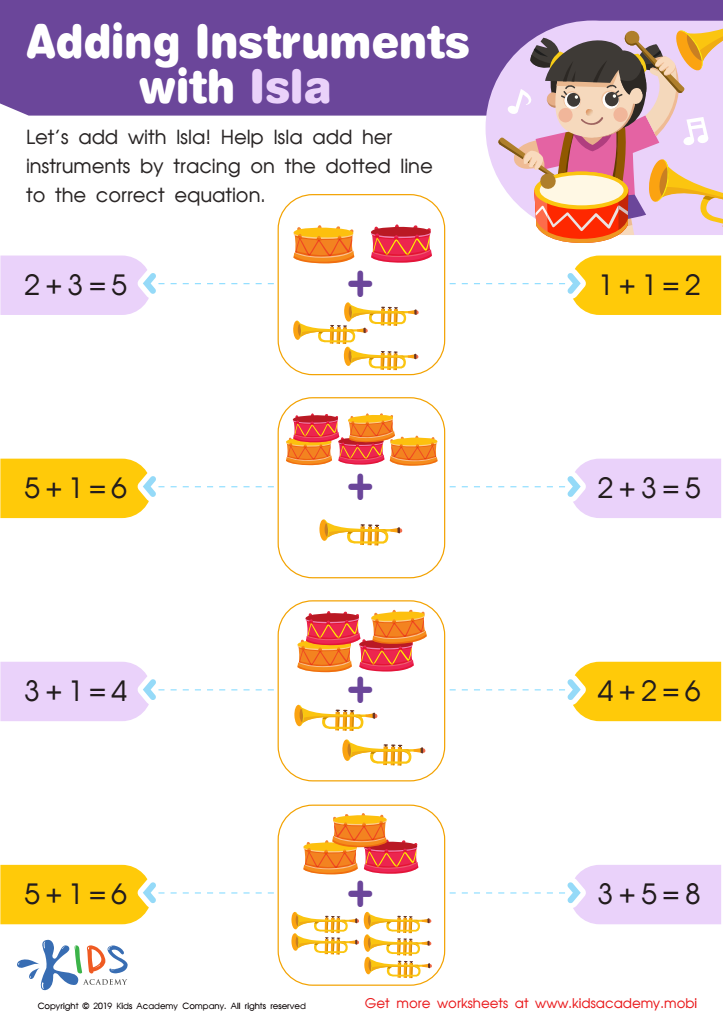
Adding Instruments with Isla Worksheet

Time to Catch the Train Part 2 Worksheet








Problem-solving skills in mathematics are essential for children aged 5-9, as these skills lay the foundation for critical thinking and broader cognitive development. For parents and teachers, nurturing problem-solving abilities is vital because they empower children to approach challenges confidently and creatively.
At this age, children are naturally curious and eager to explore the world around them. Introducing math concepts through problem-solving encourages them to ask questions and think independently. This increases engagement and makes learning enjoyable, as children learn that math is not just about numbers but also about logic and reasoning.
Moreover, strong problem-solving skills help children develop resilience. They learn to encounter difficulties and seek alternative approaches, understanding that mistakes are part of the learning process. This mindset cultivates perseverance, essential for academic success and life beyond school.
Additionally, as children learn to work collaboratively on math problems, they enhance their communication skills and social interactions, which are critical for holistic development. In an increasingly complex world, equipping children with the ability to analyze and solve problems will serve them well, both in their academic journeys and in their future careers. Hence, both parents and teachers play a pivotal role in nurturing these formative skills.








