Normal Matching Worksheets for Ages 5-9 - Page 2
43 filtered results
-
From - To
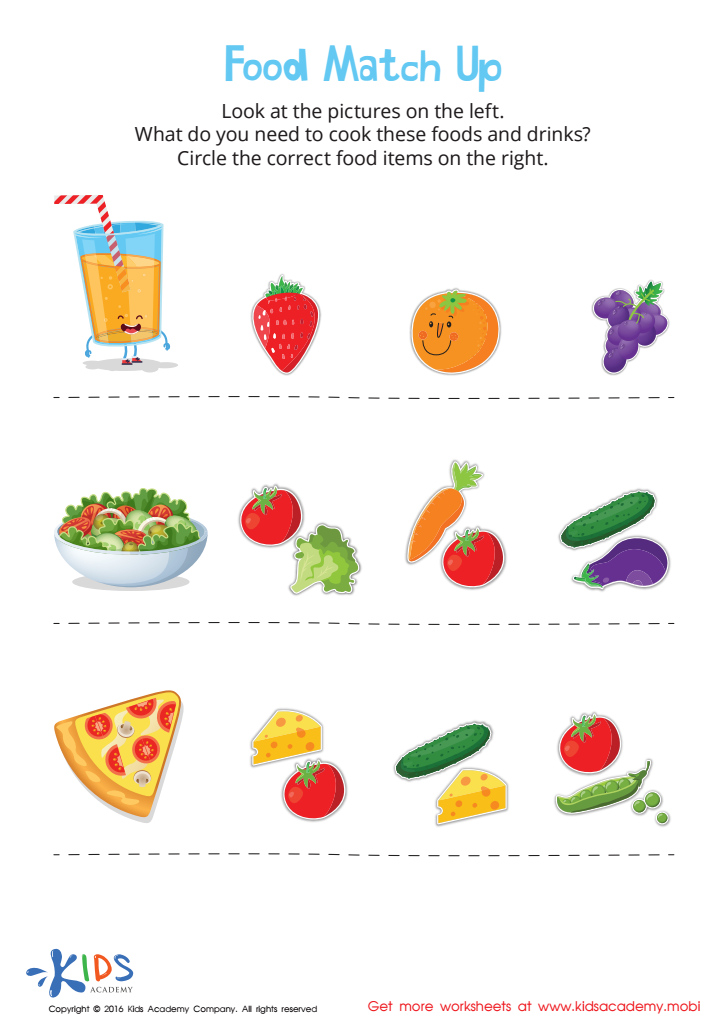
Food Match Up Worksheet
 Assign to My Students
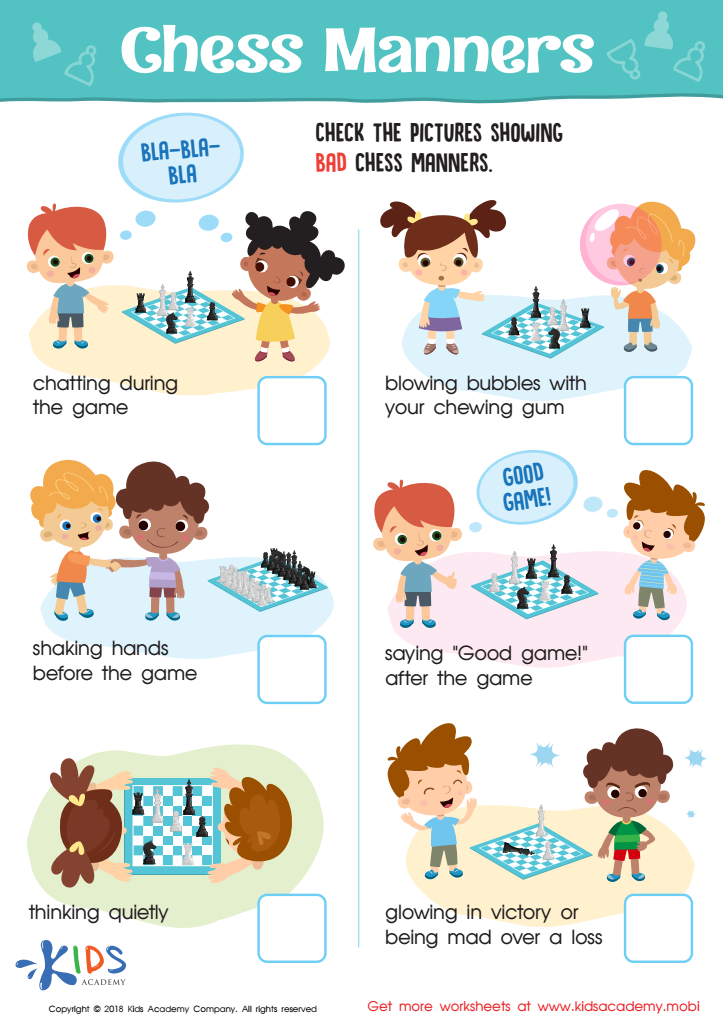
Chess Manners Worksheet
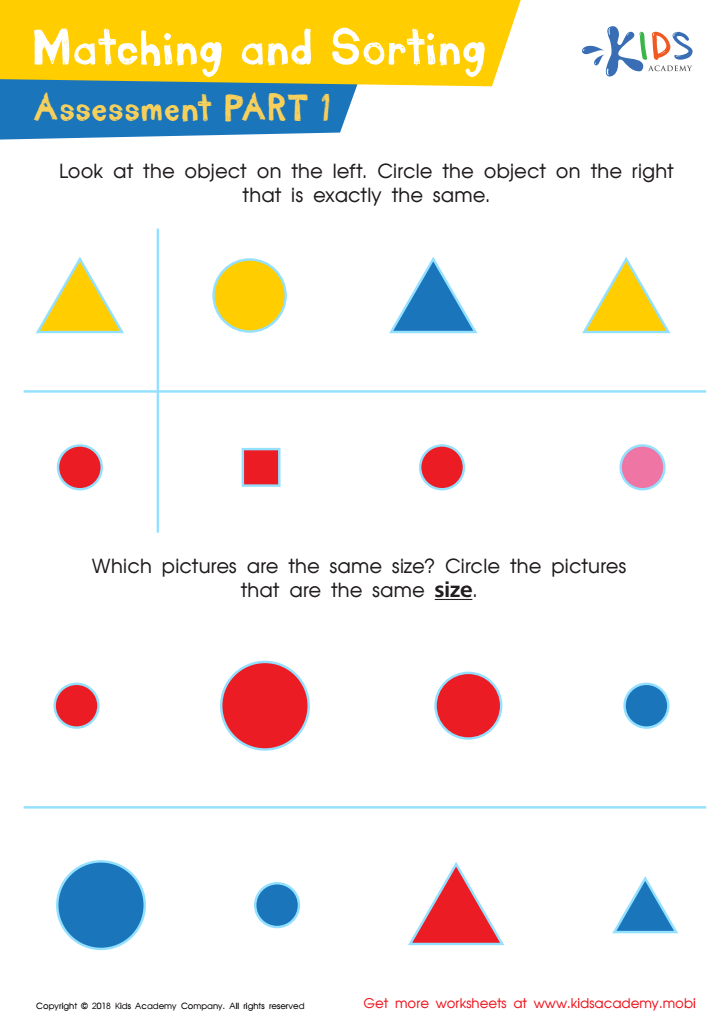
Matching and Sorting for Kindergarten: Assessment 1 Worksheet
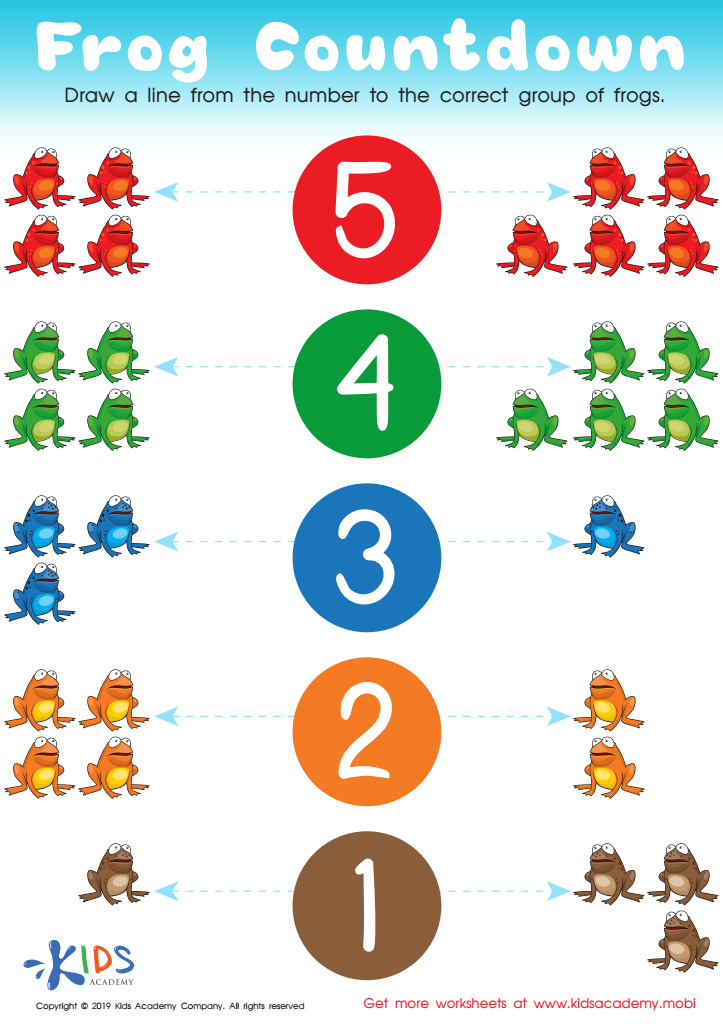
Frog Countdown Worksheet
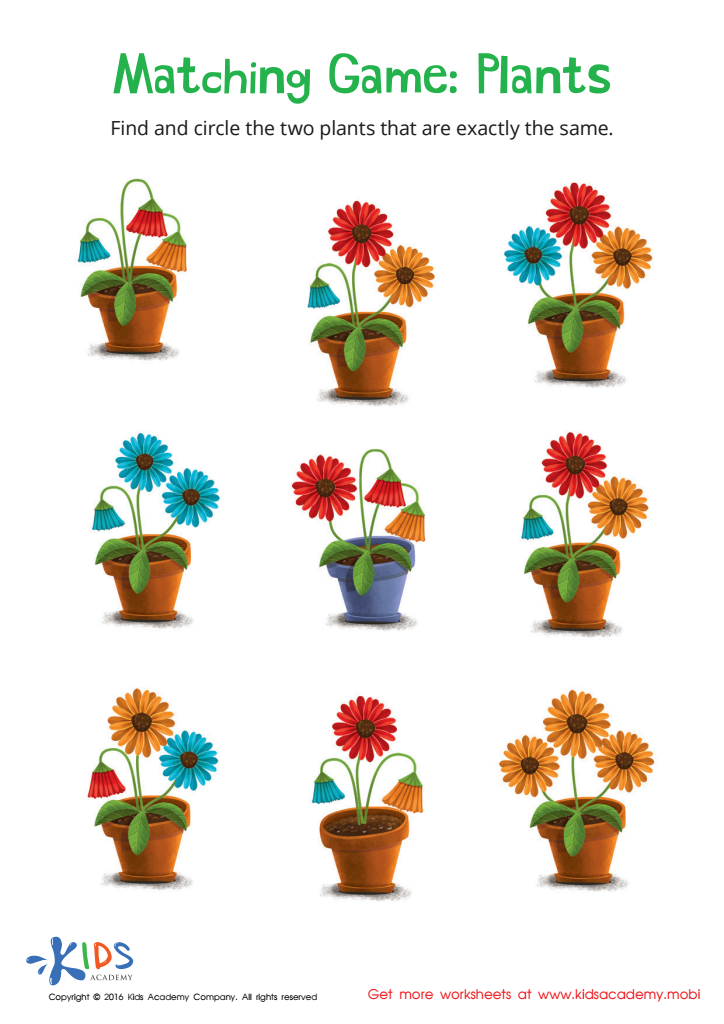
Matching: Plants Worksheet
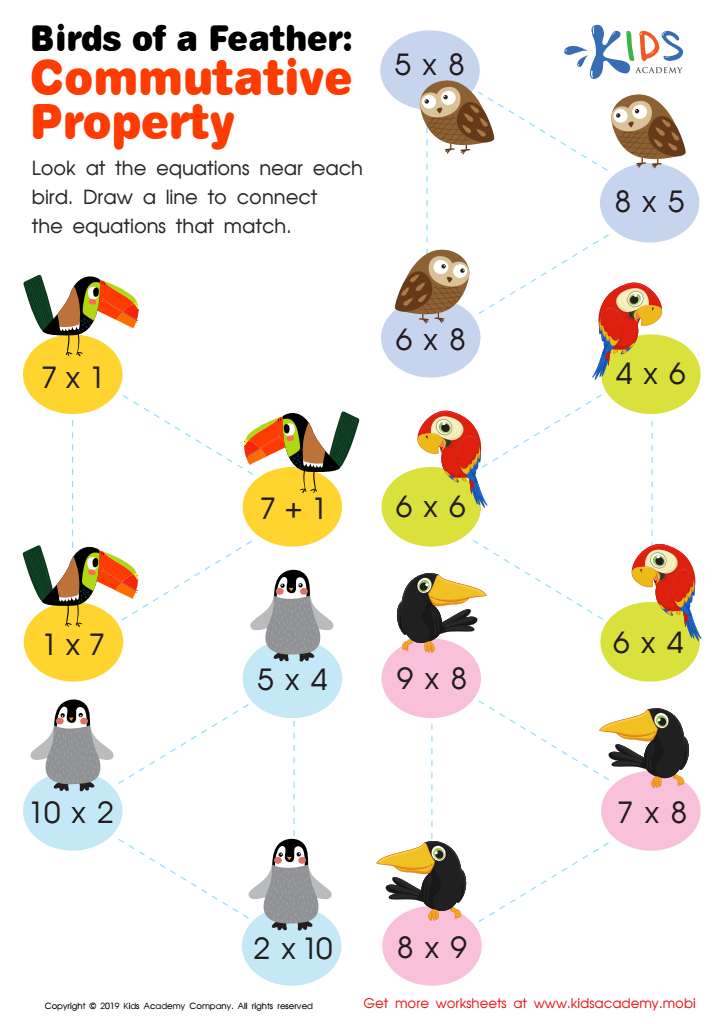
Birds of a Feather: Commutative Property Worksheet
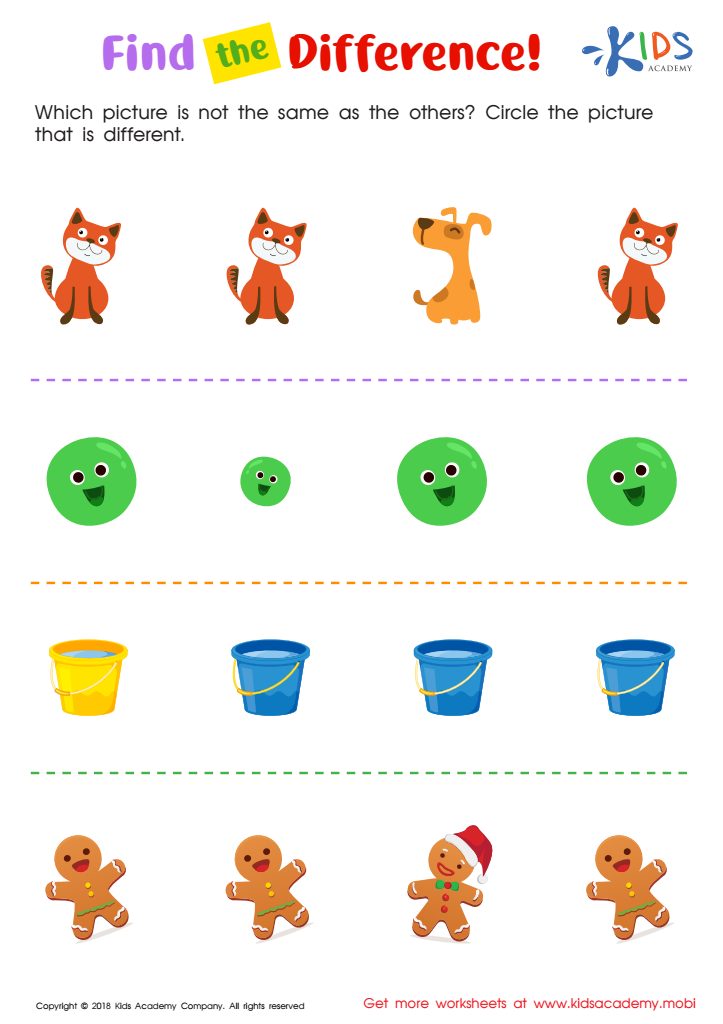
Find the Difference Worksheet
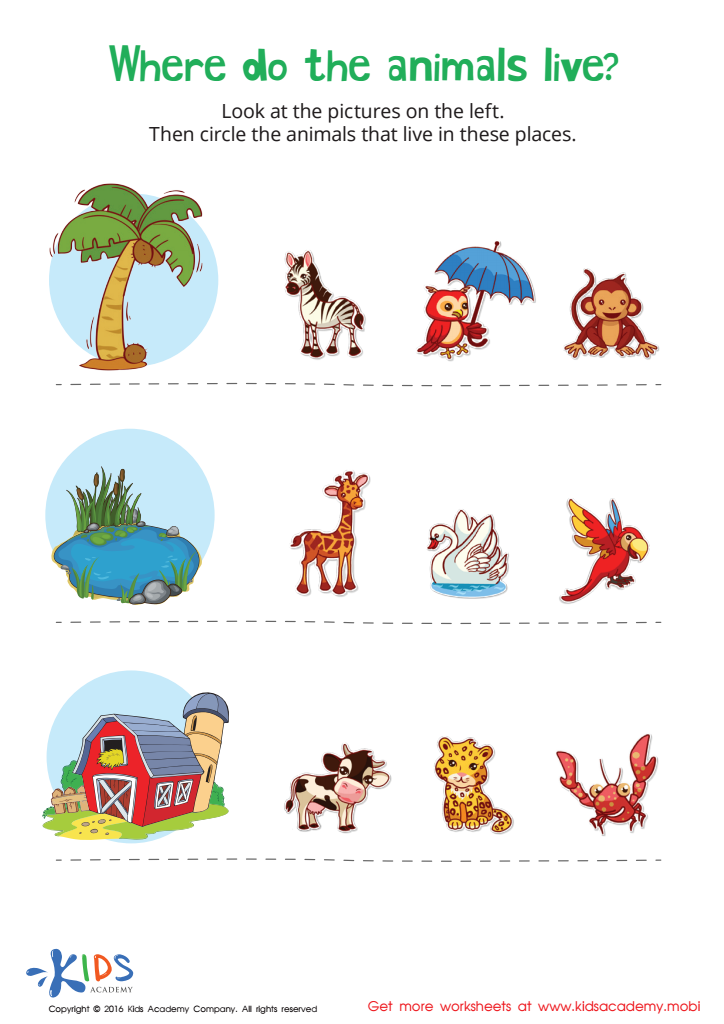
Where Animals Live Worksheet
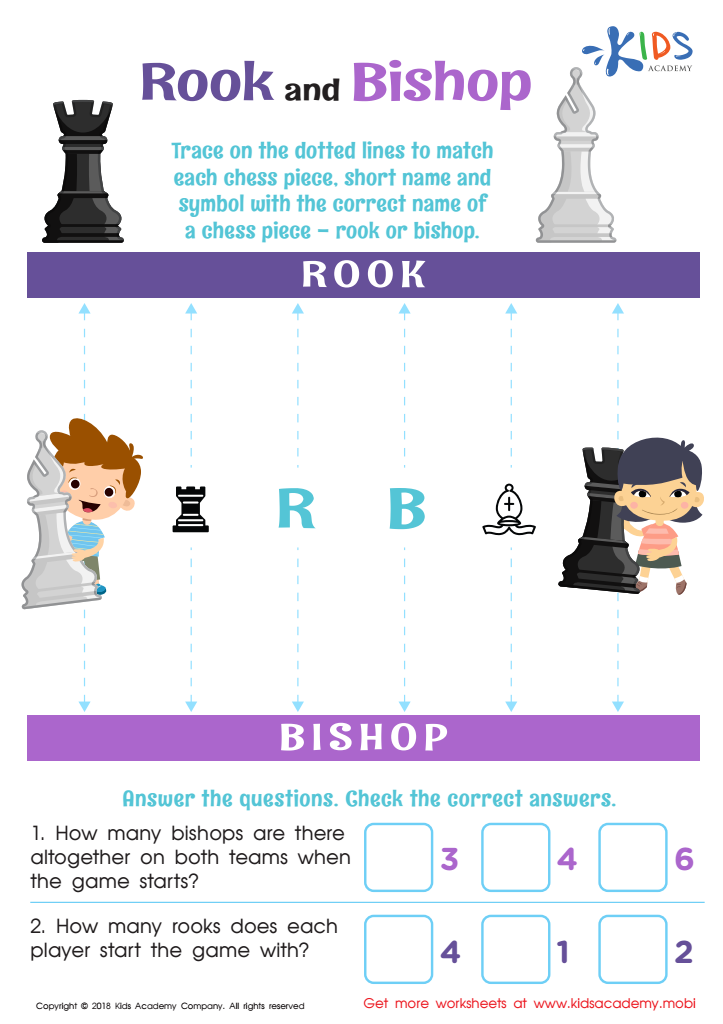
Rook and Bishop Worksheet
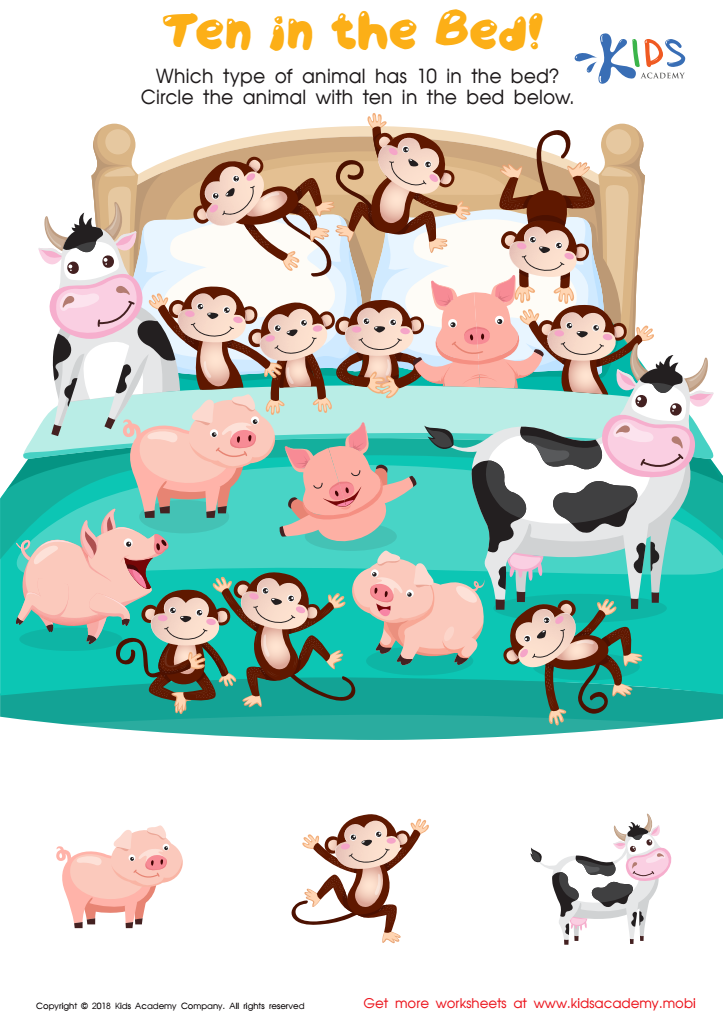
Ten in the Bed Worksheet
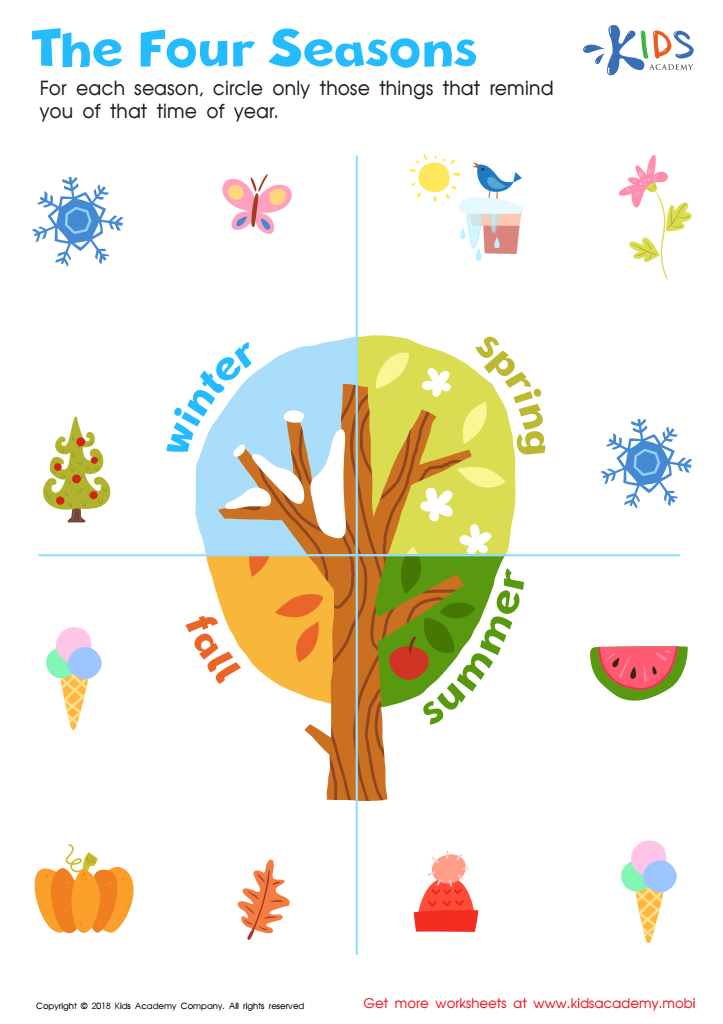
The Four Seasons Worksheet
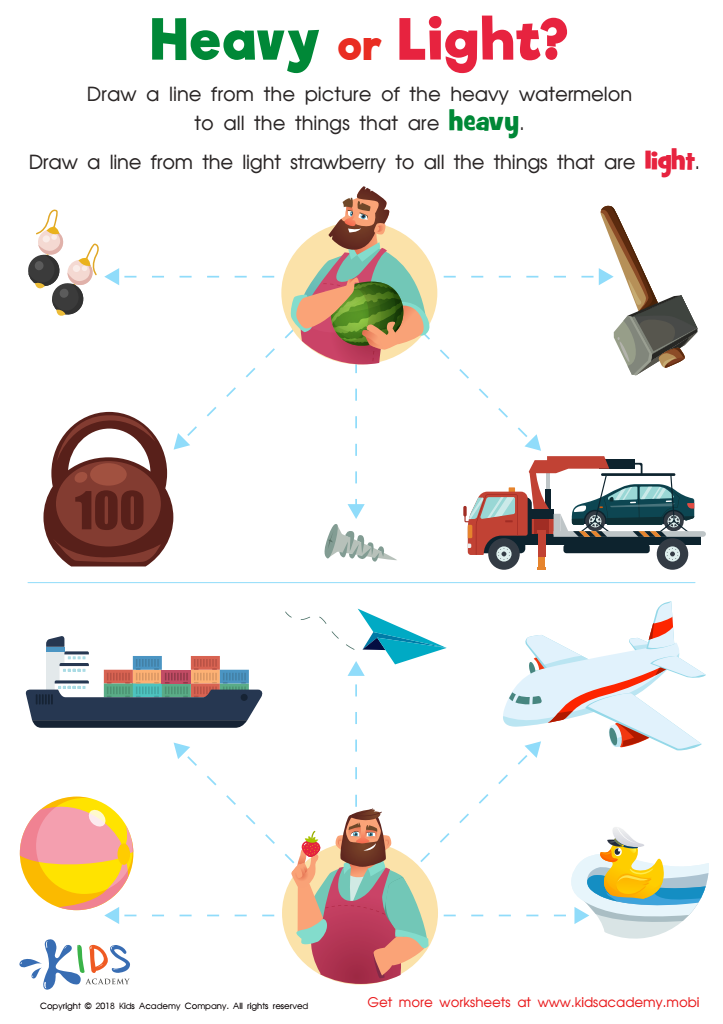
Heavy or Light? Worksheet
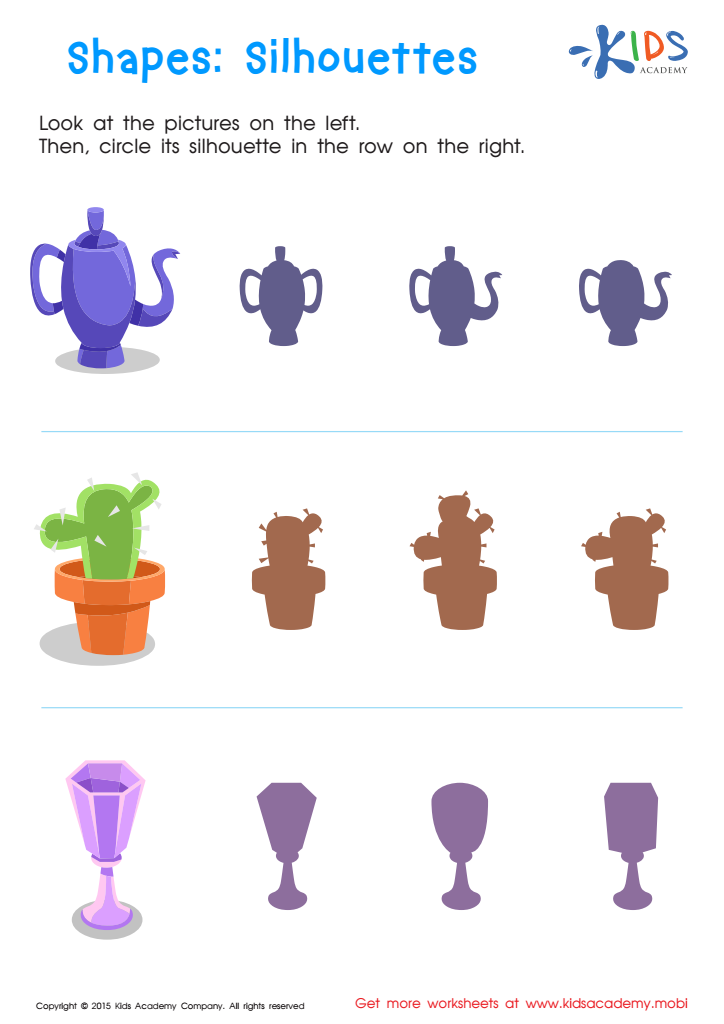
Silhouettes – Shapes Worksheet
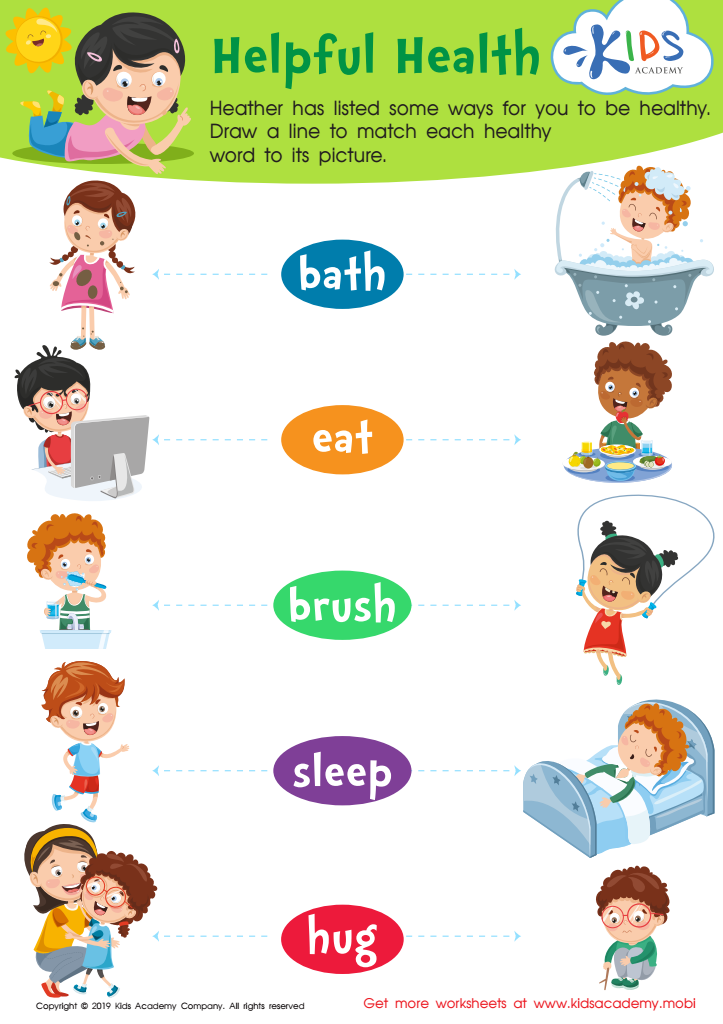
Helpful Health Worksheet
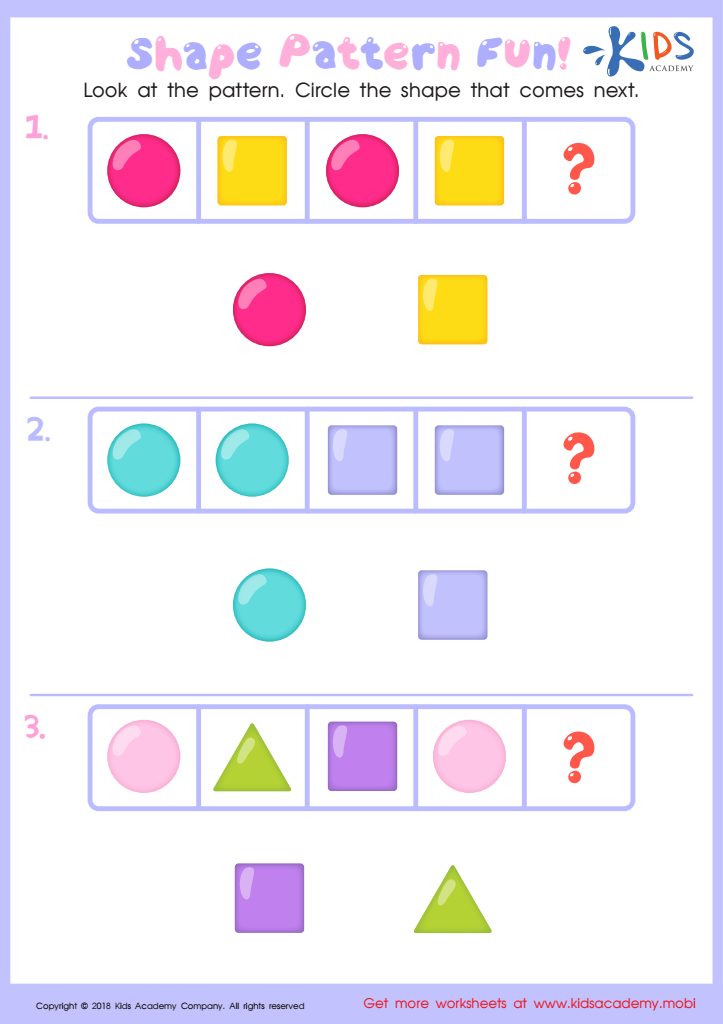
Shape Pattern Fun Worksheet
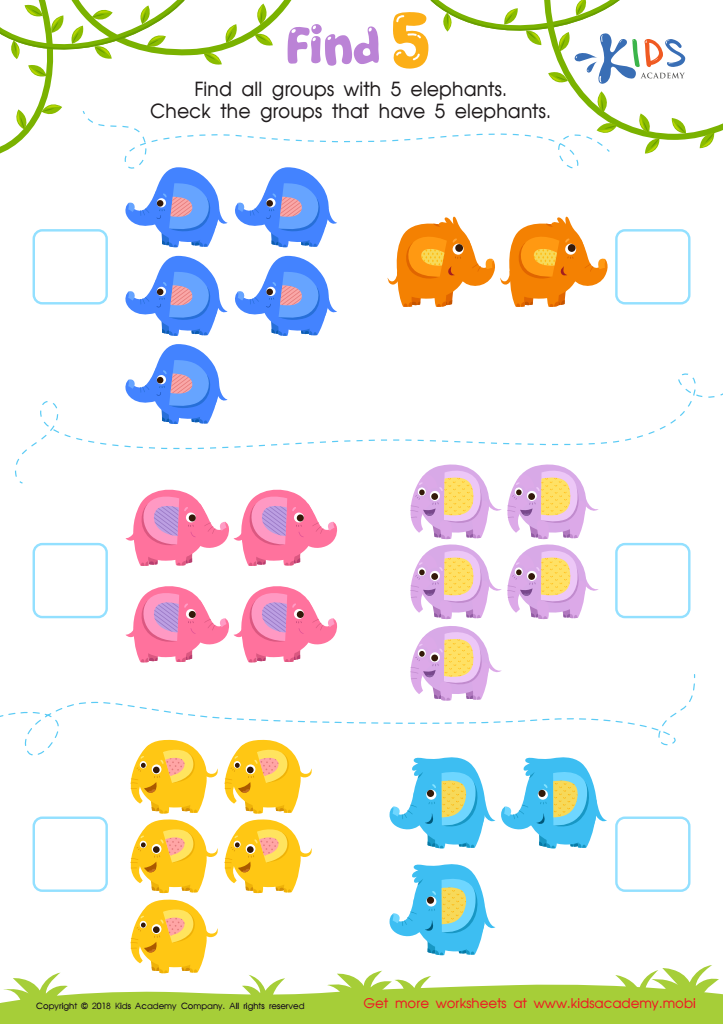
Find 5 Worksheet
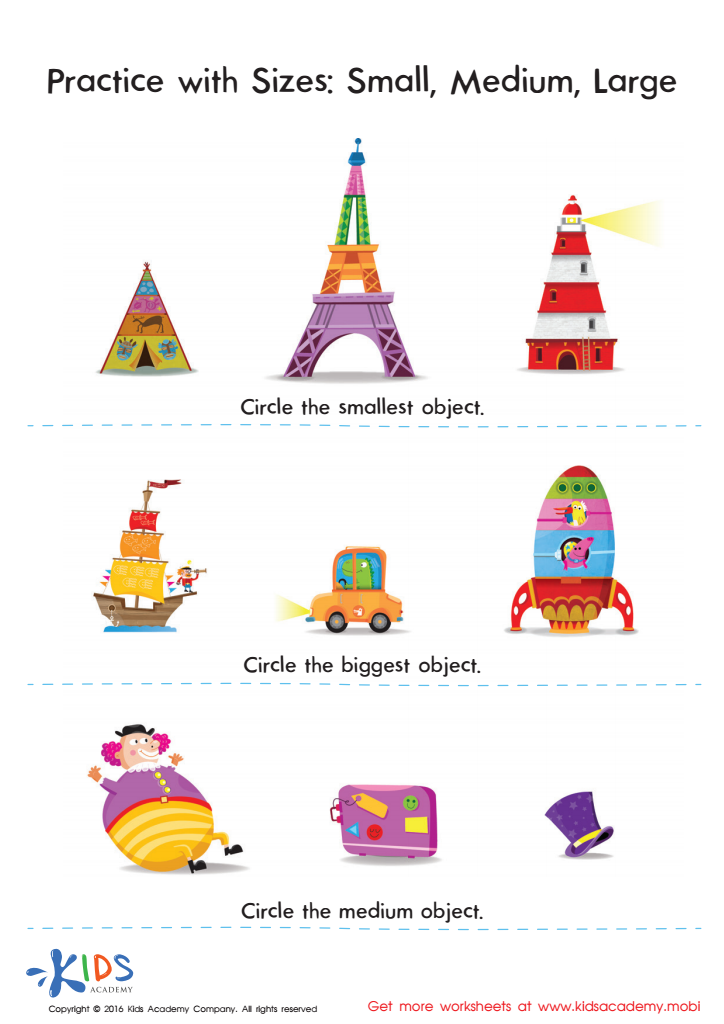








Normal Matching for children ages 5-9 is crucial because it supports various aspects of their development, including social, cognitive, and emotional growth. For instance, ensuring that children in early primary school engage in activities and interactions suited to their developmental stage helps them build essential skills. Normal Matching involves pairing children with peers of similar abilities and interests, which nurtures their sense of belonging and self-esteem.
First, it promotes social skills by helping children learn to communicate, share, and problem-solve with others in their age group. When children feel understood and accepted by their peers, they cultivate positive relationships and empathy.
Second, Normal Matching aids cognitive development. Children who engage with similarly advanced peers, or those at a similar skill level, are challenged just enough to stay interested without becoming frustrated—fostering a love for learning and persistence.
Emotionally, children who match well with activities and peers typically exhibit greater confidence and less anxiety. This can be essential in curbing feelings of isolation or inadequacy. Teachers and parents who engage in thoughtful Normal Matching create a nurturing environment that lays the groundwork for successful life-long learning and interpersonal relationships. Overall, it is a key strategy for the holistic development of young children.








